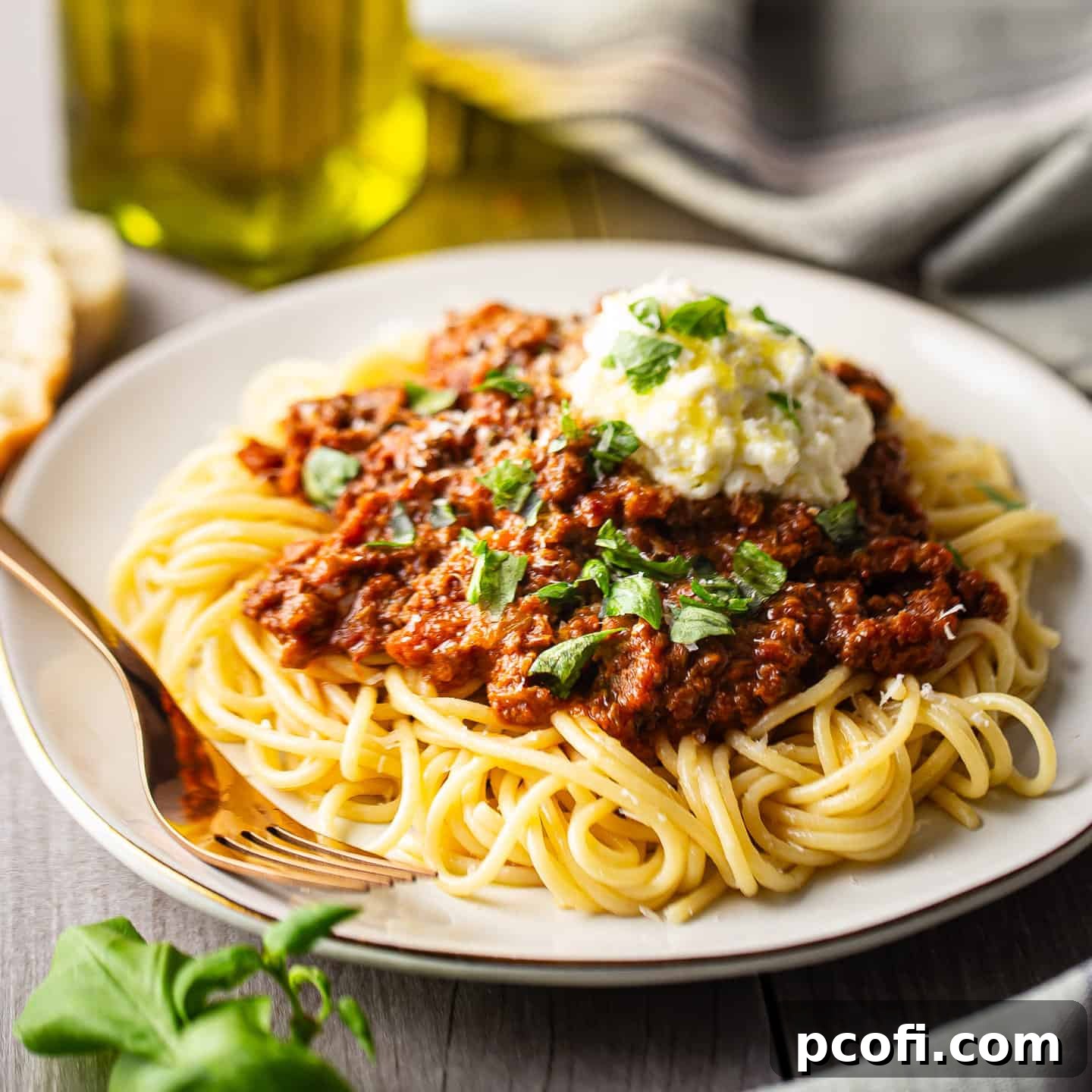
Indulge in the rich, authentic taste of Italian Bolognese sauce, meticulously crafted for a truly special meal. This recipe simplifies the art of creating a robust, slow-cooked meat sauce, brimming with deep flavors from a harmonious blend of meat and vegetables. Forget the misconceptions; this is the real deal, designed to bring the heart of Bologna to your kitchen.
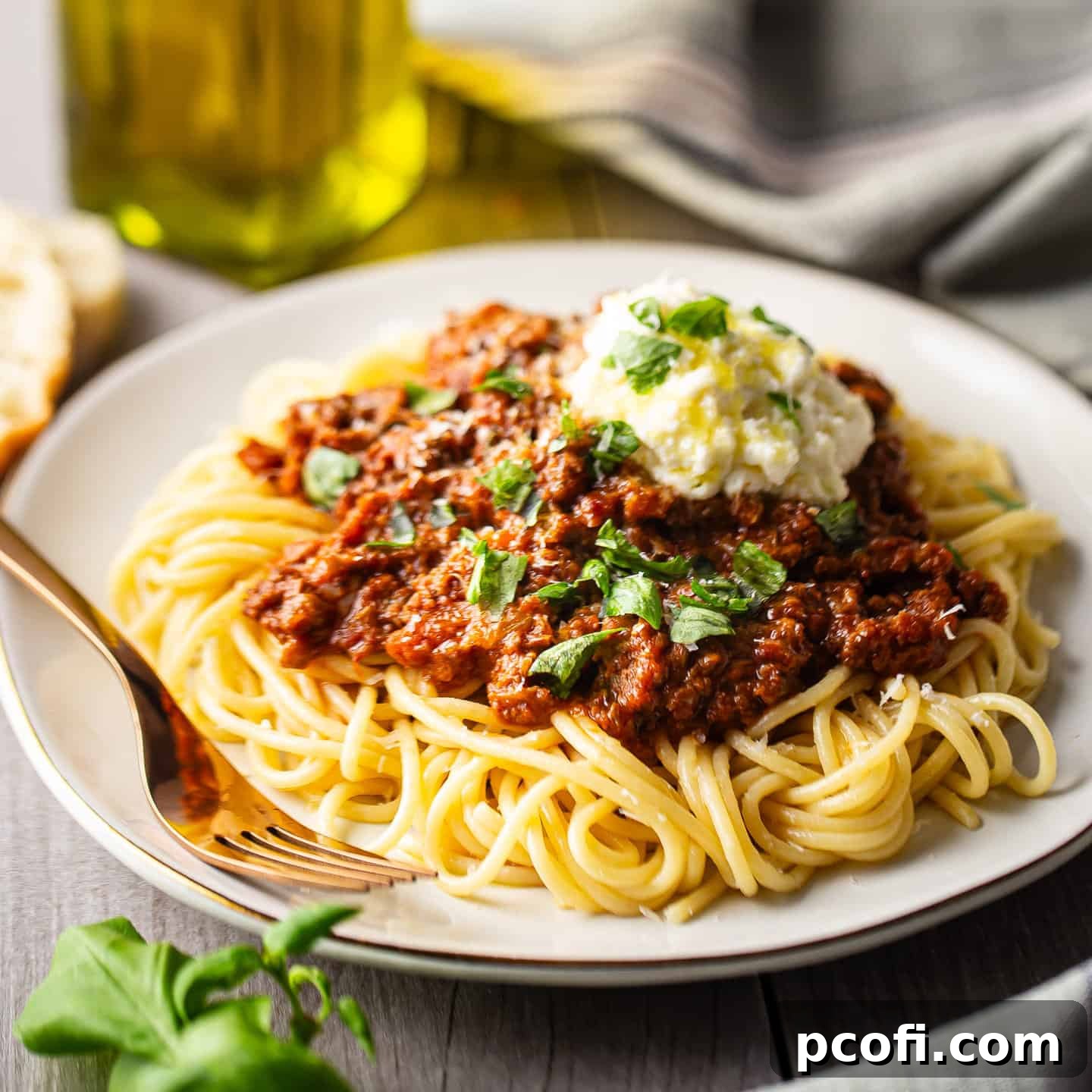
Today, I’m thrilled to share a recipe that holds a special place in my heart – and on our family dinner table. My son, in his adorable childhood interpretation, fondly refers to it as “bolgonies” – a charming mispronunciation that adds a touch of sweetness to this otherwise sophisticated dish. But make no mistake, this is authentic Bolognese (pronounced BOWL-uhn-YAYS), a culinary masterpiece rooted in the rich traditions of Italy.
Bolognese is far more than just a simple meat and tomato sauce. It’s a testament to the magic that happens when quality ingredients are lovingly slow-cooked over a gentle flame. The patient simmering allows the diverse flavors of tender meats and vibrant vegetables to meld and deepen, transforming into something truly extraordinary.
A common misconception is that Bolognese is merely a basic tomato sauce with ground beef. While a simple meat sauce can be delicious and is a staple in many kitchens (and one I often make!), it doesn’t capture the true essence of an authentic Bolognese. The traditional recipe boasts a more complex array of ingredients, where tomatoes play a supporting role rather than dominating the flavor profile. The focus shifts to the richness of the various meats and the aromatic depth contributed by an assortment of vegetables.
With decades of experience cooking Italian food, both in professional settings and as a home cook for my family, I’ve come to appreciate the nuances of traditional Italian cuisine. If you share my passion for Italian flavors, I encourage you to explore some of my other beloved recipes, such as my exquisite shrimp scampi, the comforting chicken Marsala, or my delicate thin and crisp pizzelles.
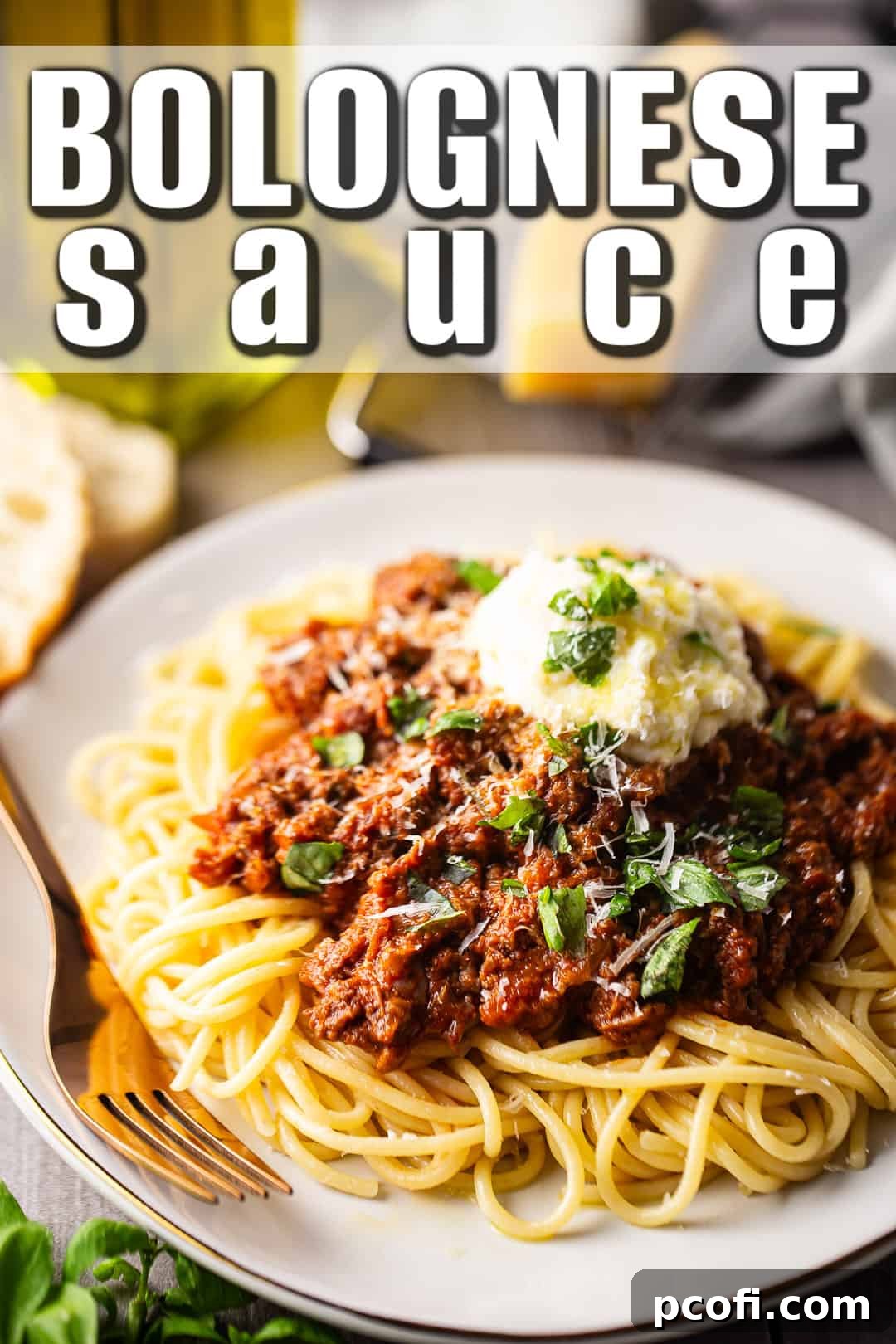
Table of Contents
- What is Bolognese sauce?
- Why this is the best Bolognese recipe
- What does Bolognese sauce taste like?
- Key Ingredients for Authentic Bolognese
- Essential Kitchen Equipment
- How to Make Authentic Bolognese
- Serving Suggestions for Bolognese
- Expert Tips for Perfect Bolognese
- Frequently Asked Questions About Bolognese
- More Italian Recipes to Savor
Jump to Recipe
What is Bolognese Sauce?
Bolognese sauce, known in Italy as “ragù alla bolognese,” proudly bears the name of its city of origin: Bologna. This vibrant city, nestled in the Emilia-Romagna region of Italy, is a culinary powerhouse renowned for its rich gastronomy. It sits along the “front of the boot,” about halfway down, an area where pasta and pizza are revered, and many dishes feature robust, savory profiles rather than just prominent tomatoes. In fact, many dishes we consider “Italian-American” often trace their roots back to this very region, albeit sometimes with adaptations over time.
Authentic Bolognese sauce is a masterful blend of finely chopped vegetables, a selection of ground meats, milk, aromatic herbs, and savory seasonings. The true secret lies in its preparation: a long, slow simmer over many hours. This extended cooking time is crucial, allowing the ingredients to break down, their flavors to marry deeply, and the sauce to develop its characteristic rich, complex, and utterly delicious profile. As it gently cooks, the meats become incredibly tender, almost melting into the sauce, and the entire mixture thickens into a luxuriously hearty texture that clings beautifully to pasta.
The versatility of Bolognese is part of its charm. It’s perfectly suited for scooping up with thick, crusty slices of bread, like this homemade ciabatta, or served generously over a bed of al dente pasta. It also pairs magnificently with creamy polenta, absorbing its mild sweetness, or heaped onto a bowl of pillowy gnocchi. Bolognese is, without a doubt, comfort food at its most refined and satisfying. It’s a dish that embodies warmth, tradition, and the joy of a shared meal.
Why This is the Best Bolognese Recipe
While countless recipes for Bolognese exist, I confidently stand by this rendition as one of the very best. Here’s why this recipe deserves a place in your culinary repertoire:
- Unforgettable Flavor Profile: This recipe achieves a silky yet incredibly robust sauce that will truly tantalize your tastebuds. The careful combination of fresh and dried mushrooms, savory pancetta, aromatic mirepoix, multiple meats, and a judicious selection of herbs and spices creates a symphony of flavors that is both complex and deeply satisfying. Every spoonful offers a perfect balance of savory, a hint of sweetness, and earthy notes.
- Rooted in Tradition: This Bolognese is crafted following the time-honored traditions of Italian cooking. It respects the authentic methods and ingredient balance that define true Bolognese, ensuring you get a taste that transports you straight to the heart of Bologna. It’s not a shortcut version, but a faithful homage to the original.
- Deceptively Simple Preparation: Despite its rich complexity and lengthy cooking time, the individual steps involved in making this sauce are incredibly straightforward. Most of the process is hands-off, allowing the sauce to simmer and develop its magic on its own. It’s the kind of rewarding cooking that requires patience more than intricate skill.
- Remarkably Versatile: While we provide a classic framework, this recipe is designed to be adaptable. Feel free to experiment with different types of ground meat, add unique vegetables, or adjust the herb balance to suit your personal preferences. It’s a fantastic foundation for culinary creativity, allowing you to truly make it your own signature dish.
What Does Bolognese Sauce Taste Like?
In this authentic Bolognese recipe, the beauty lies in the harmony of its components. Unlike a typical marinara, where tomato might be the dominant note, here, all the ingredients are carefully balanced, marrying together to create a cohesive and profound flavor experience where no single element overpowers another.
You won’t experience this as merely a “tomato sauce.” Instead, the rich meats and a vibrant array of vegetables contribute equally to the overall essence. The resulting flavor is a captivating blend: deeply savory, with subtle undertones of sweetness from the carrots and onions. There’s a delightful freshness from the herbs, balanced by an undeniable richness from the rendered pancetta, milk, and the slow reduction of the liquids. You’ll detect earthy notes from the mushrooms, a gentle warmth from the crushed red pepper, and the unmistakable aroma of garlic. It’s herbal, yet robust; fresh, yet deeply comforting. Each bite offers a mosaic of flavors – a little bit of everything – culminating in an incredibly tasty and satisfying culinary journey.
Key Ingredients for Authentic Bolognese
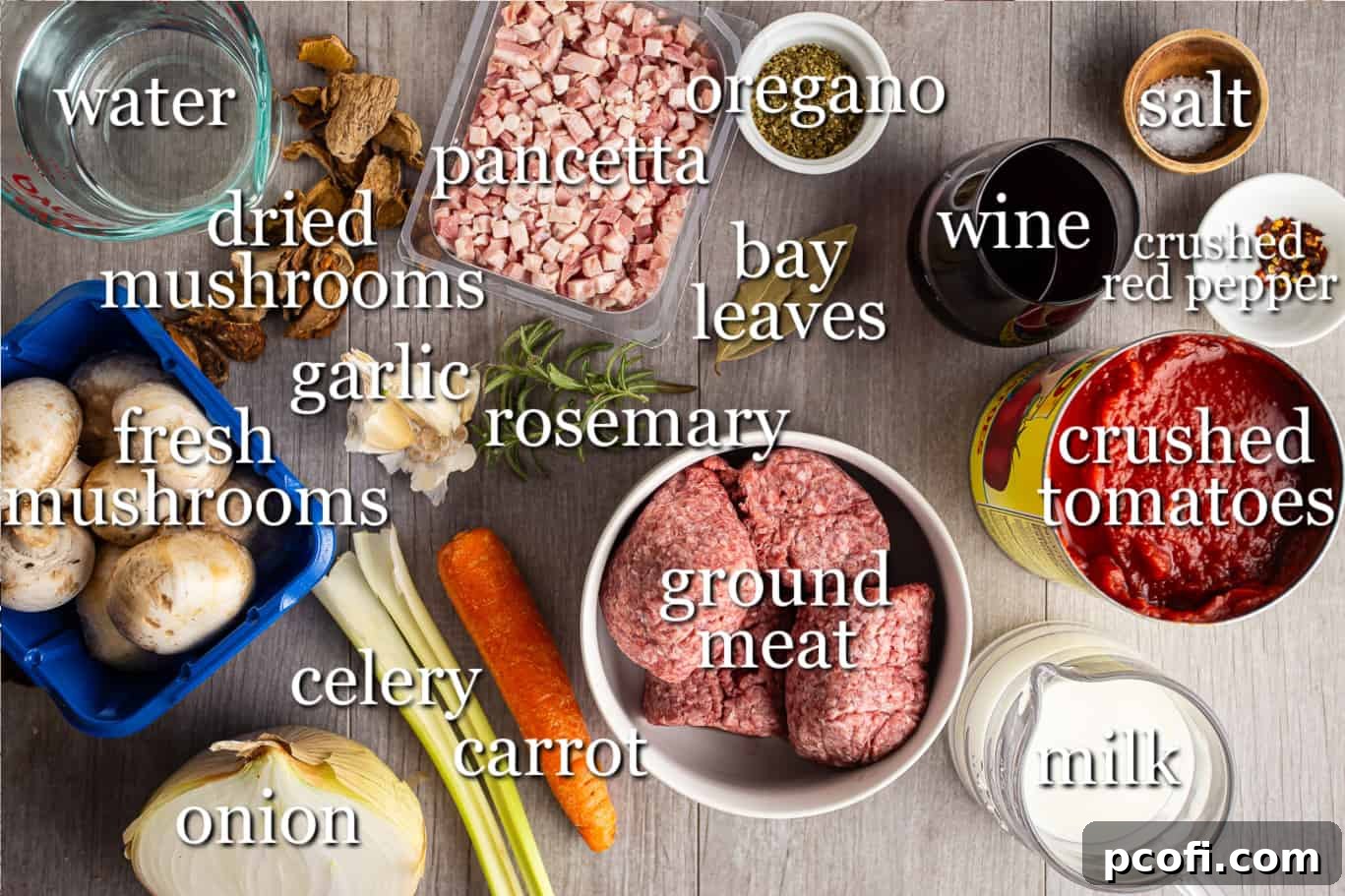
Crafting a truly authentic Bolognese relies on a thoughtful selection of ingredients, each playing a crucial role in building its signature depth of flavor. Here’s a closer look at what you’ll need:
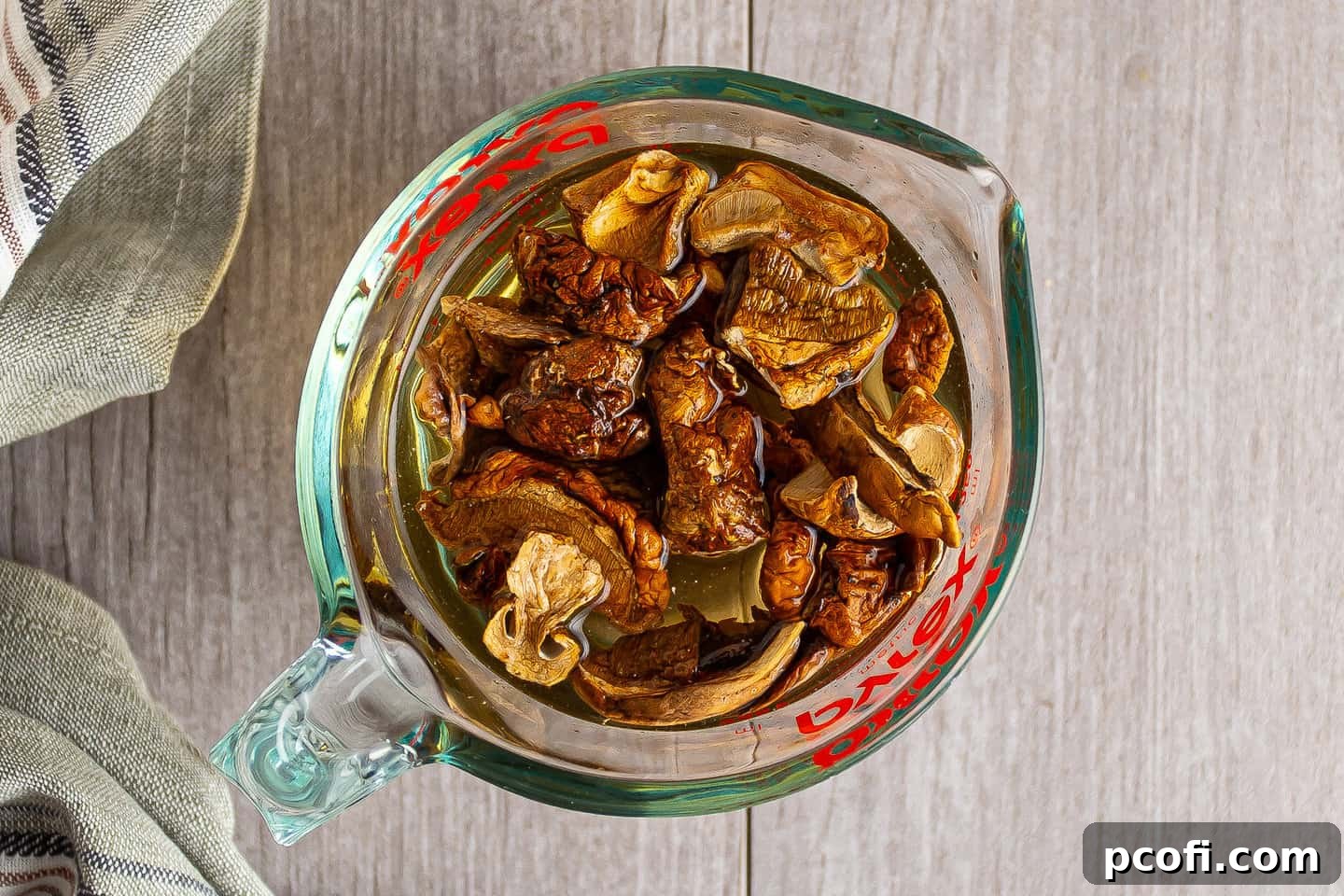
- Hot Water: Essential for rehydrating our dried mushrooms, the hot water transforms into a flavorful, earthy broth that will infuse the sauce with a rich, savory umami base.
- Mushrooms: For maximum depth, I advocate for a combination of both fresh and dried mushrooms. Everyday white button mushrooms work well, but for an elevated experience, consider crimini or more exotic fresh varieties. Dried porcini mushrooms are my absolute go-to; their intense, earthy, and deeply umami flavor is indispensable for an authentic Bolognese.
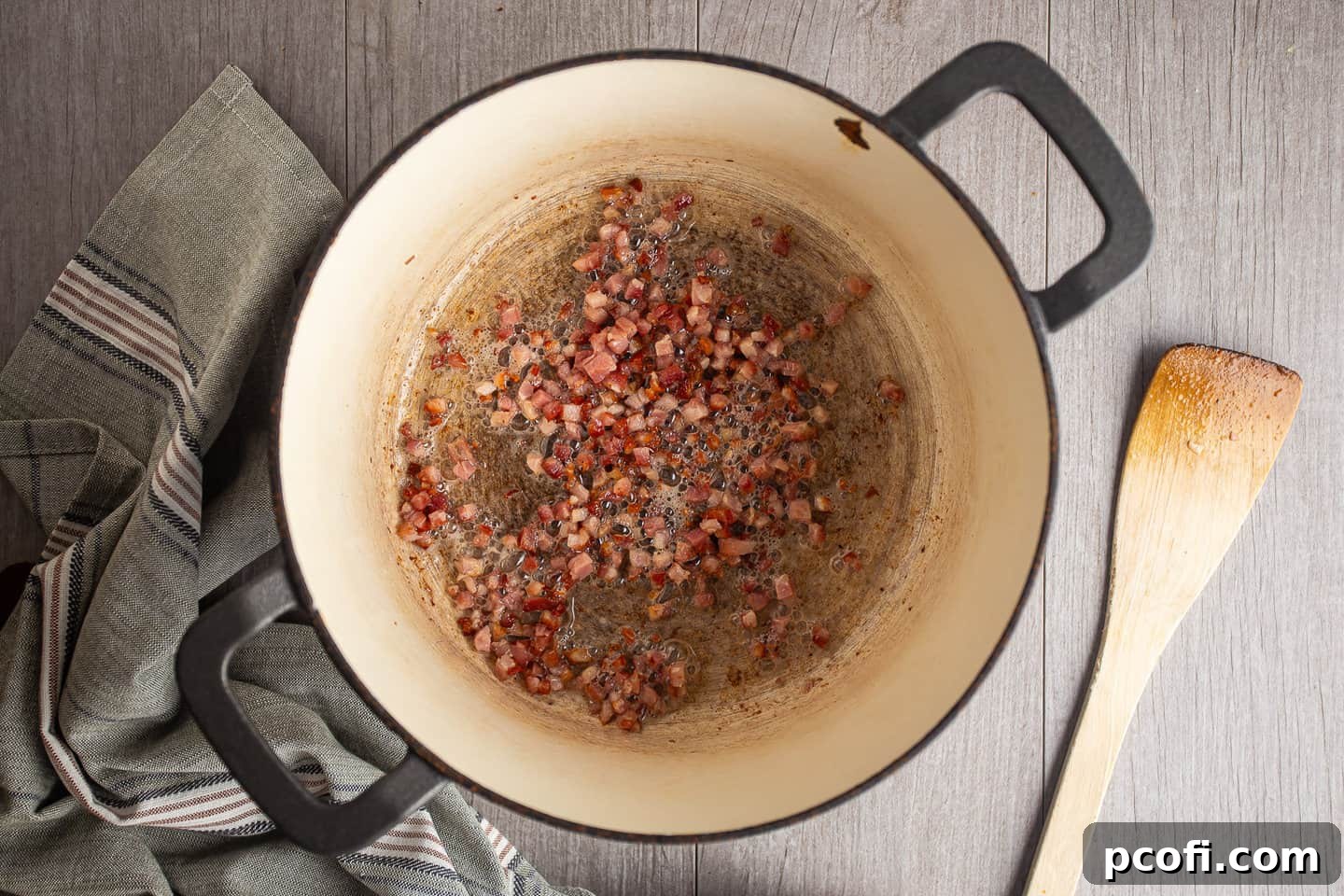
- Pancetta: This cured Italian pork belly is similar to bacon but without the smoky flavor. Finely diced pancetta is first rendered to release its flavorful fat, which then forms the savory foundation for cooking the vegetables and meats. This step is critical for adding an unparalleled depth of savory goodness. Look for it in the deli section of most grocery stores, often pre-diced for convenience.
- Mirepoix: This classic aromatic base is a foundational element in French and Italian cooking. Our mirepoix consists of finely diced carrots, celery, and onion. These vegetables provide a subtle sweetness, essential body, and aromatic complexity to the sauce as they slowly cook down.
- Garlic: A cornerstone of Italian cuisine, fresh garlic adds a pungent, savory brightness that cuts through the richness of the meat and vegetables. It’s simply not Italian without it!
- Ground Meat: The choice of meat significantly influences the sauce’s character. I highly recommend a blend for the most authentic flavor. Ground beef (90% lean is a good choice for balance), ground turkey (85% lean works well for a lighter option), or, ideally, a “meatloaf mix” (a traditional combination of ground beef, veal, and pork) offers a fantastic richness and texture. Each meat contributes its unique flavor and fat content, making for a more complex sauce.
- Herbs: A thoughtful selection of dried and fresh herbs is key. We’ll use dried oregano and bay leaves for a classic, earthy foundation, along with a sprig of fresh rosemary for its woody, aromatic notes during the long simmer. Just before serving, a sprinkle of freshly torn basil leaves adds a vibrant, fresh finish.
- Seasonings: Simplicity is often best when seasoning rich sauces. I opt for kosher salt to enhance all the flavors, and a touch of crushed red pepper flakes to introduce a subtle, warming heat that complements the robust ingredients without overwhelming them.
- Milk: While it might sound unusual, adding milk is a traditional and vital step in authentic Bolognese. The natural acidity of the milk tenderizes the meats beautifully, resulting in a more succulent texture, while its fats contribute a luscious, creamy richness that softens and rounds out the overall flavor profile. Any kind you have on hand will work.
- Tomatoes: Unlike many Americanized versions, tomatoes are a background player in true Bolognese. I prefer canned crushed tomatoes, plain and unseasoned, allowing the other ingredients to shine. Avoid varieties with added garlic or basil, as we’ll be adding those fresh ourselves to control the flavor.
- Red Wine: A dry red wine is indispensable for deglazing the pan and deepening the flavor. It acts as a solvent, carrying and intensifying all the individual flavors, adding a layer of sophisticated acidity and fruitiness that elevates the sauce from excellent to truly exceptional.
Essential Kitchen Equipment
While Bolognese is a forgiving dish, having the right tools can make the process smoother and the results even better:
- Measuring Cups and Spoons: Precision in ingredients is important for balancing flavors. Refer to my guide on how to measure ingredients for best results.
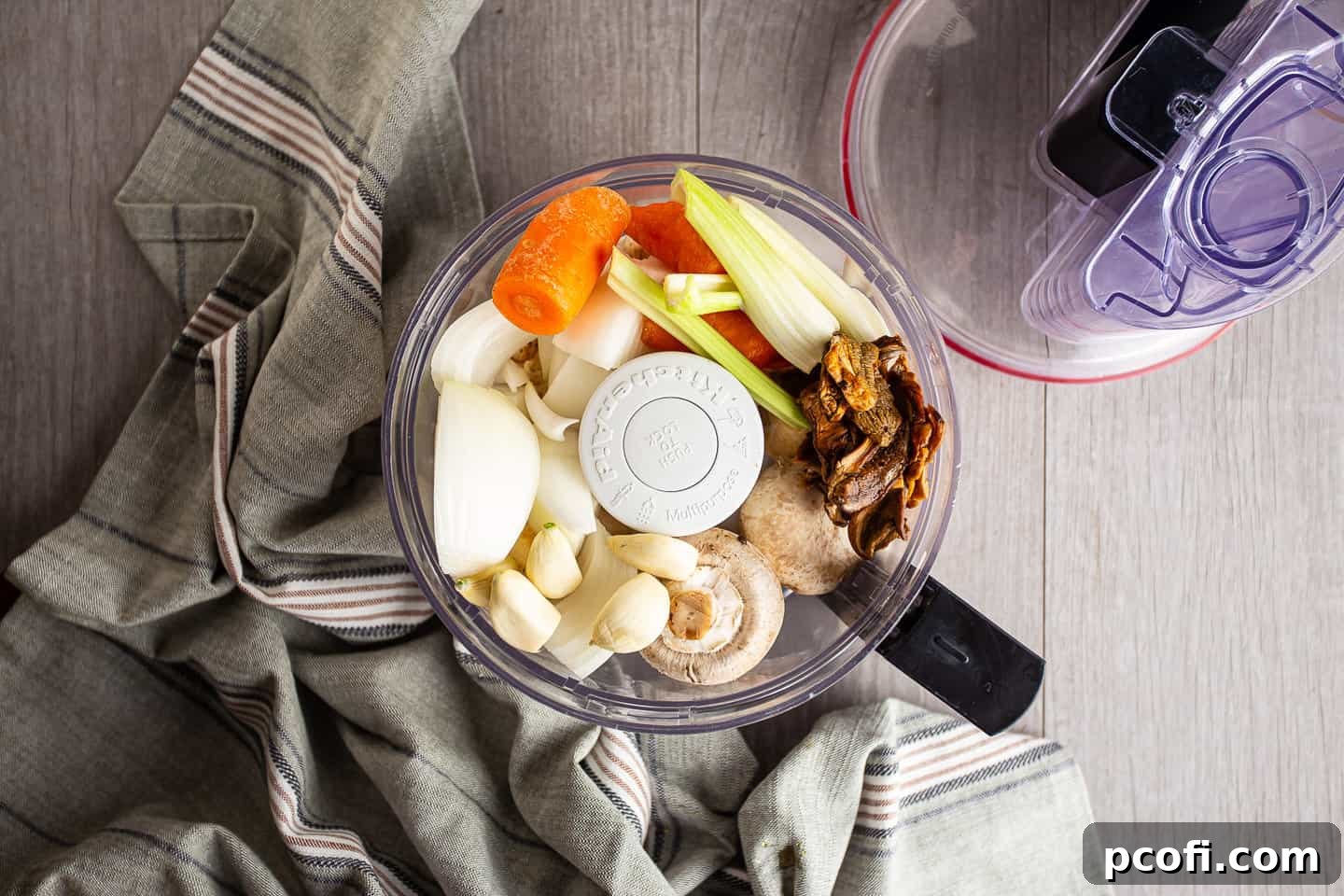
- Food Processor: This is a fantastic time-saver for finely processing all the vegetables into a paste-like consistency, which helps them melt into the sauce seamlessly. If you don’t have one, a sharp knife and some patience will achieve the same result.
- Pot: A large, heavy-bottomed pot, such as an enameled cast iron Dutch oven, is ideal. Its even heat distribution and ample size are perfect for slow simmering and accommodating all the ingredients without overcrowding.
- Slotted Spoon: Useful for carefully extracting the rehydrated dried mushrooms from their liquid and for stirring the thick sauce as it slowly cooks.
How to Make Authentic Bolognese
Making Bolognese is a labor of love, a truly special meal that rewards your patience with incredible depth of flavor. While it features a good number of ingredients and a longer cooking time, the individual steps are quite easy to follow, and much of the process involves passive simmering. The remarkable results, I promise, make every moment worthwhile!
Step 1: Soak the Dried Mushrooms
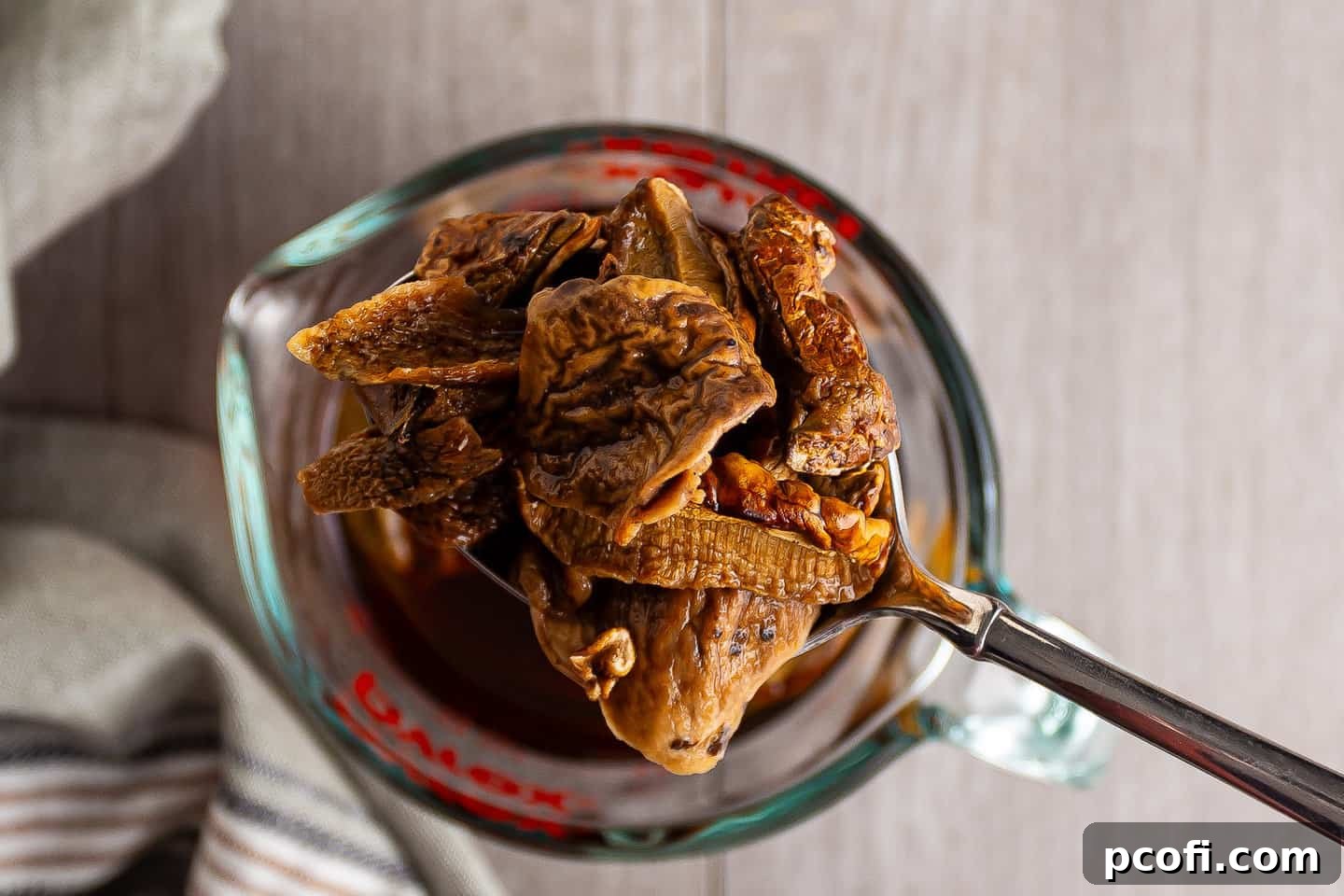
Begin by placing the dried porcini mushrooms in a bowl and covering them with very hot water. Allow them to soak for at least 30 minutes, or even longer if time permits. This crucial step not only rehydrates the mushrooms but also creates a concentrated “mushroom stock.” This liquid is a flavor powerhouse, infusing the Bolognese with complex, earthy, and deeply savory umami notes that are essential to its authentic taste.
Once the mushrooms are plump and soft enough to chop easily, use a slotted spoon to carefully remove them from the water. Be sure to reserve every drop of that precious mushroom liquid – it’s integral to our sauce later on!
Step 2: Render the Pancetta
Place the finely diced pancetta into your large, heavy-bottomed pot over medium heat. There’s no need to add any additional oil; the beauty of pancetta is that it contains plenty of its own fat. As the pancetta cooks, it will slowly render, releasing a generous amount of savory, flavorful fat into the pot. This golden liquid is packed with flavor and will serve as the rich base in which we cook our vegetables and meats, imparting an unparalleled depth to the sauce.
Step 3: Process the Vegetables
Gather your chopped reconstituted dried mushrooms, fresh mushrooms, onion, carrot, celery, and garlic. Transfer all these ingredients to the bowl of a food processor. Process everything on low speed until the vegetables are very finely ground, almost a paste. Don’t worry if a few slightly larger pieces remain; they will soften and break down beautifully during the long simmering process, contributing to the sauce’s rustic texture.
Step 4: Cook the Meat and Vegetables with Seasonings
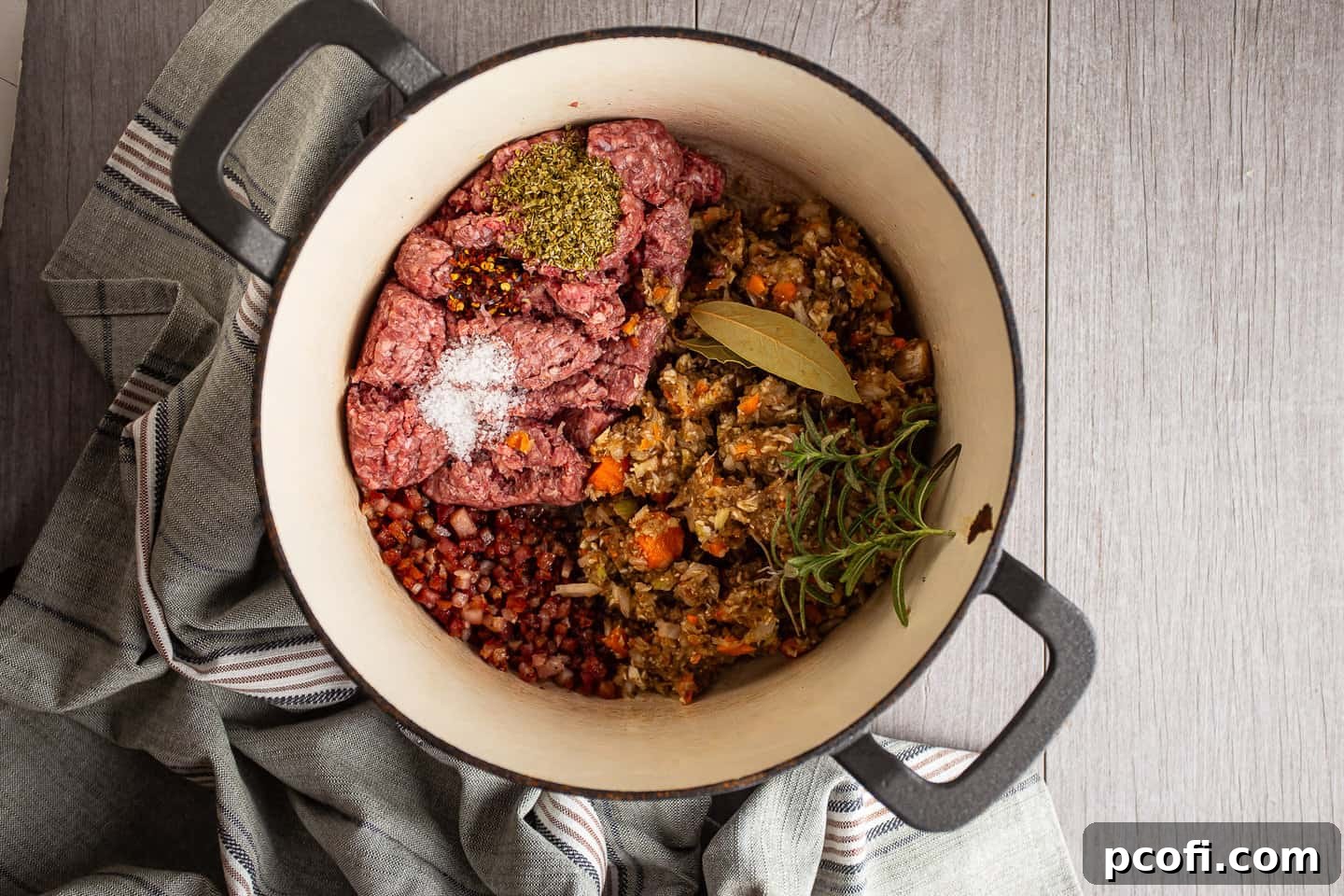
Once the pancetta has rendered and the vegetables are finely processed, add the ground vegetables to the pot with the rendered pancetta fat. Immediately follow with the ground meat, dried oregano, bay leaves, the sprig of fresh rosemary, kosher salt, and crushed red pepper flakes. Cook this mixture over medium heat, stirring frequently and breaking up the meat with a spoon, until the meat is no longer pink and has browned nicely. This browning step is crucial for developing deep, savory flavors (the Maillard reaction).
Step 5: Add Milk
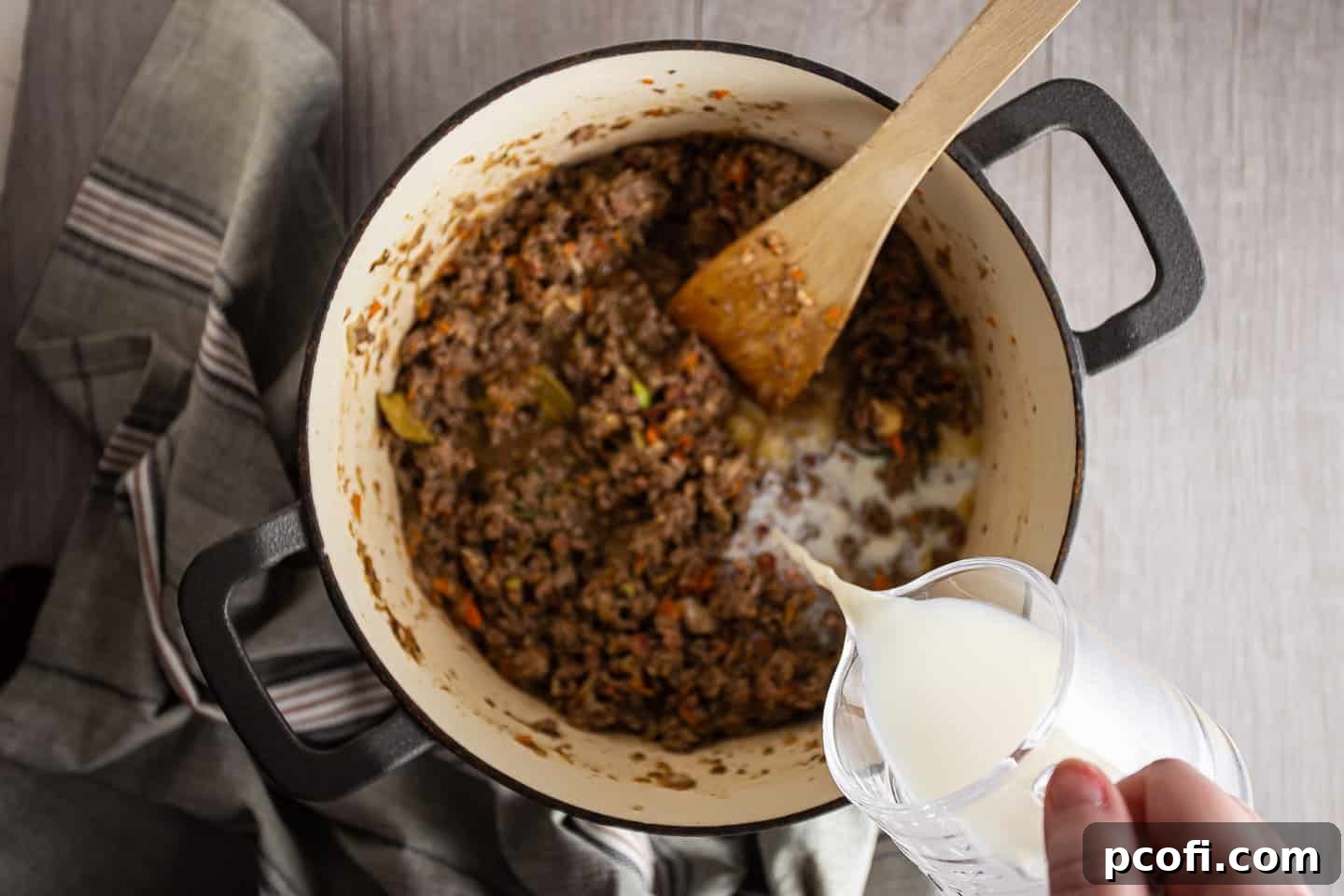
Next, pour in the milk. This step is traditional and vital. Allow the mixture to simmer gently, stirring occasionally, until all the milk has completely evaporated. This process, known as “cooking off the milk,” tenderizes the meat, adds a subtle sweetness, and helps to create a wonderfully rich and creamy texture that melts into the sauce.
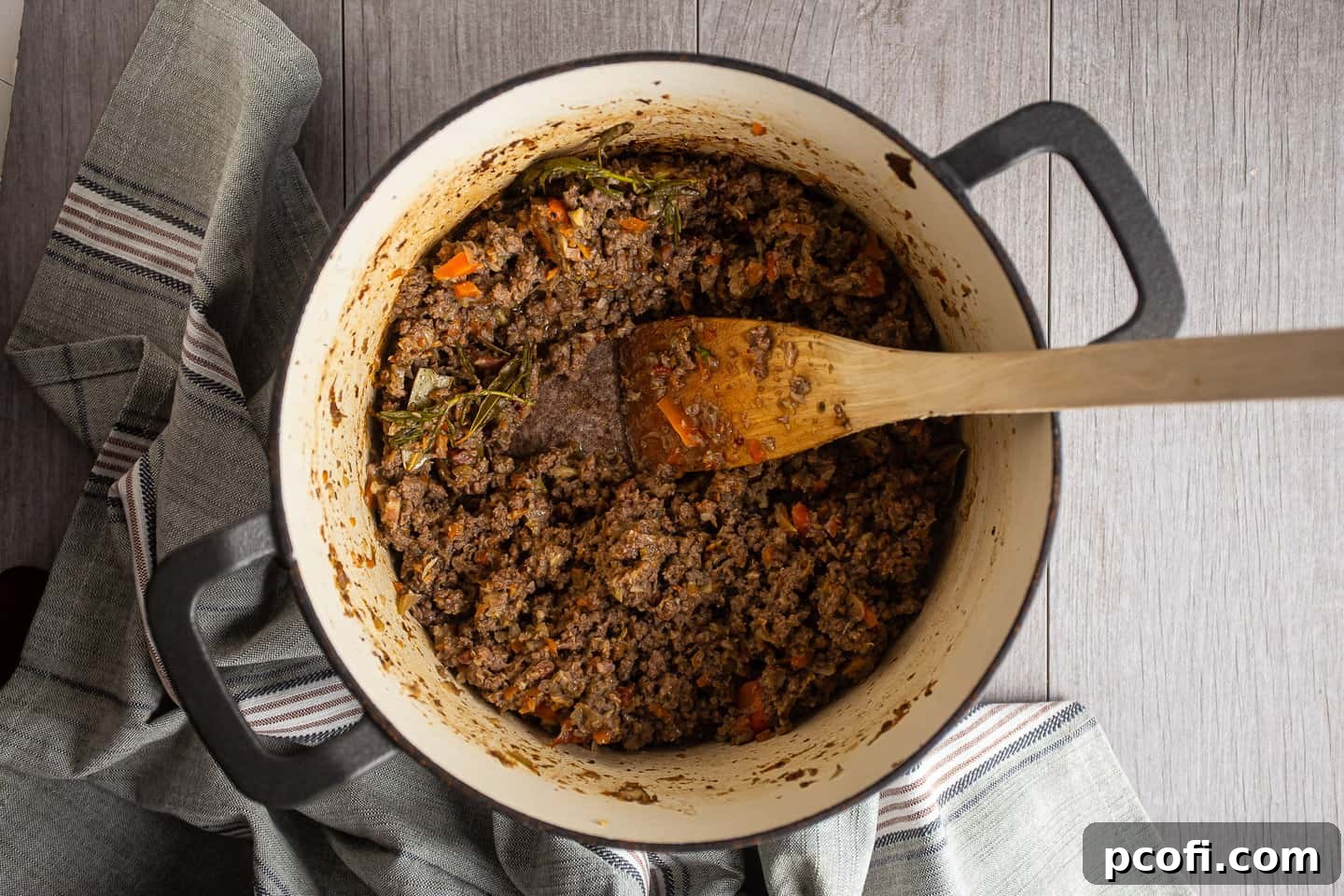
Continue stirring until virtually all the liquid from the milk has disappeared, leaving behind a rich, concentrated mixture of meat and vegetables.
Step 6: Add Remaining Liquids
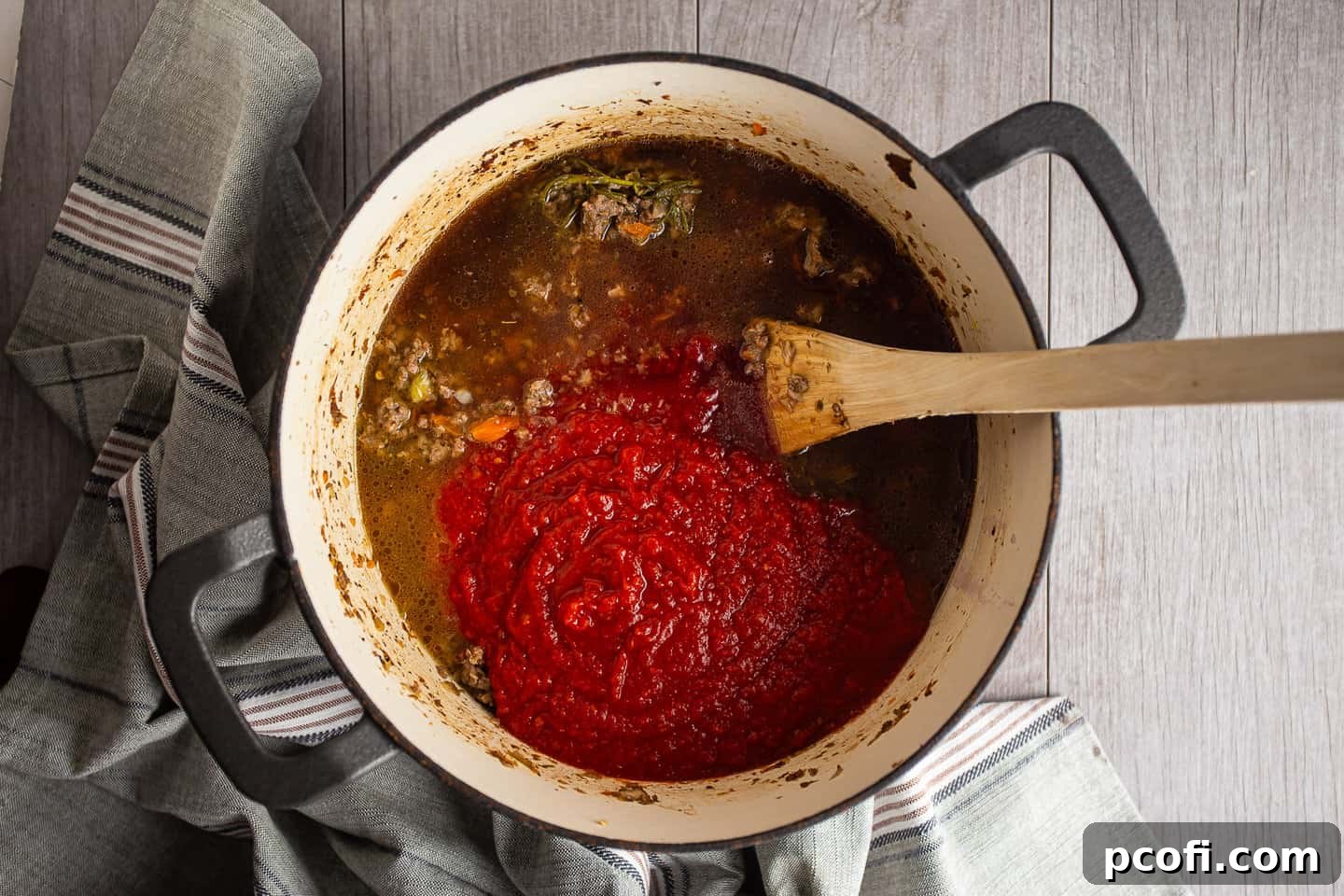
Once the milk has completely evaporated, it’s time to introduce the remaining liquids. Stir in the crushed tomatoes, the flavorful reserved mushroom stock from earlier, and the red wine. Give everything a good stir to combine all the ingredients thoroughly.
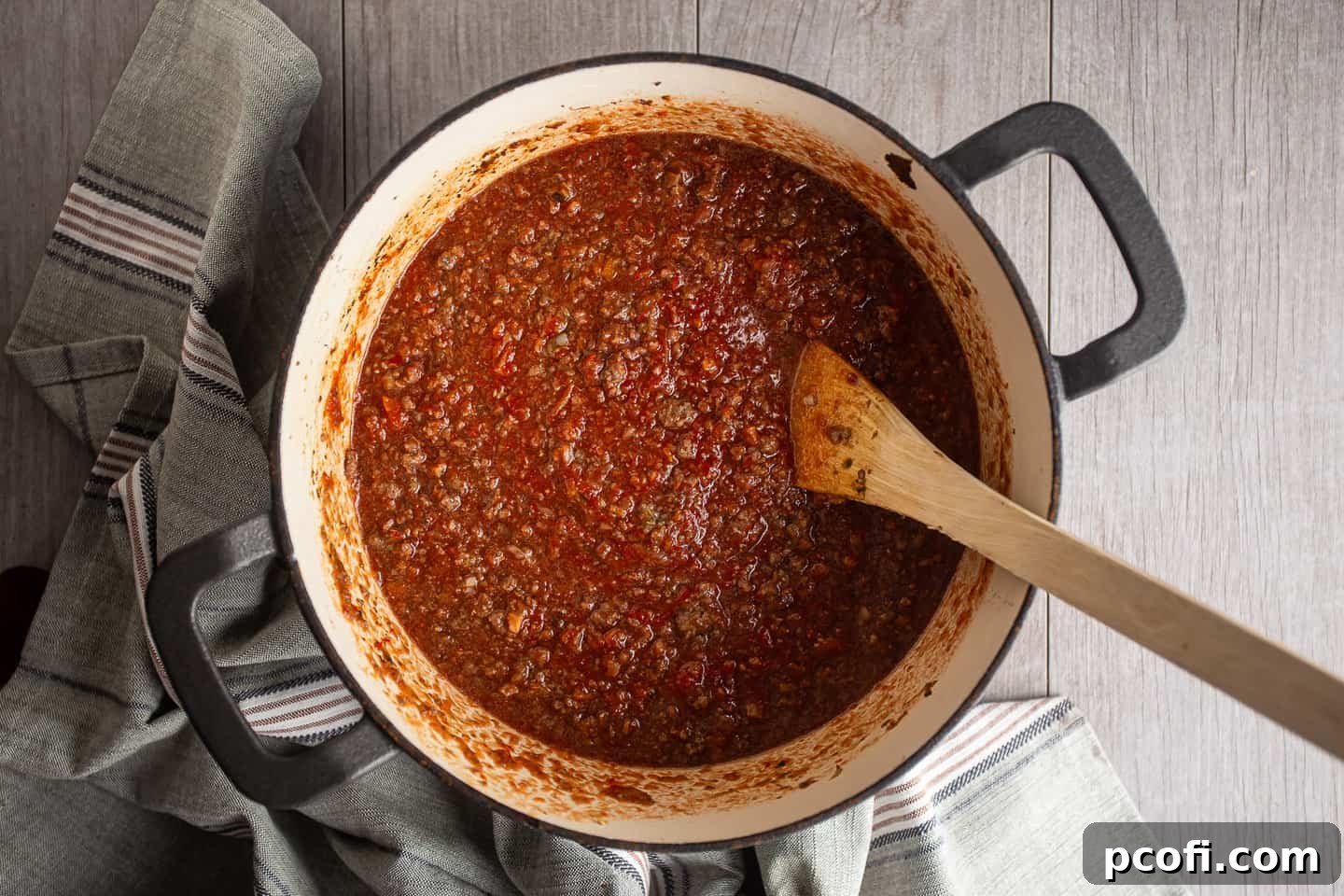
Step 7: Simmer to Perfection
Bring the mixture to a gentle boil, then immediately reduce the heat to the lowest setting possible, allowing the sauce to barely simmer. Place a lid on the pot, but leave it slightly ajar (partially covered) to allow some steam to escape. This is the magical stage where all the flavors intensify and deepen. I recommend letting this rich sauce bubble away for no less than an hour, and ideally closer to 2 hours. During this long, slow simmer, the meats will become incredibly soft and tender, the sauce will thicken beautifully to a hearty consistency, and all the individual flavors will meld, mellow, and combine in the most gorgeous, harmonious way imaginable. Stir occasionally to prevent sticking.
Serving Suggestions for Bolognese
Authentic Bolognese sauce is a versatile culinary delight, but some classic pairings truly allow its rich flavors to shine:
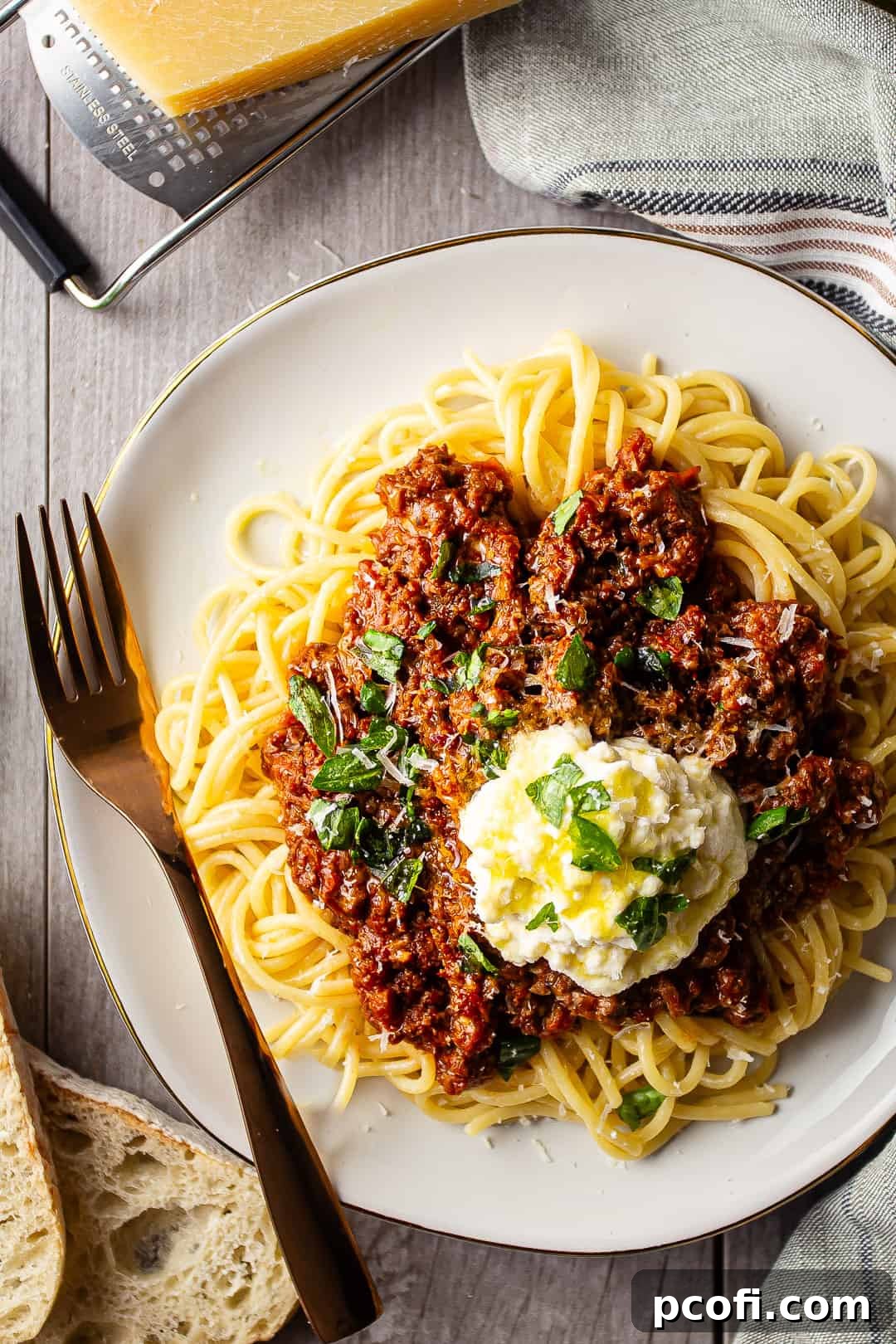
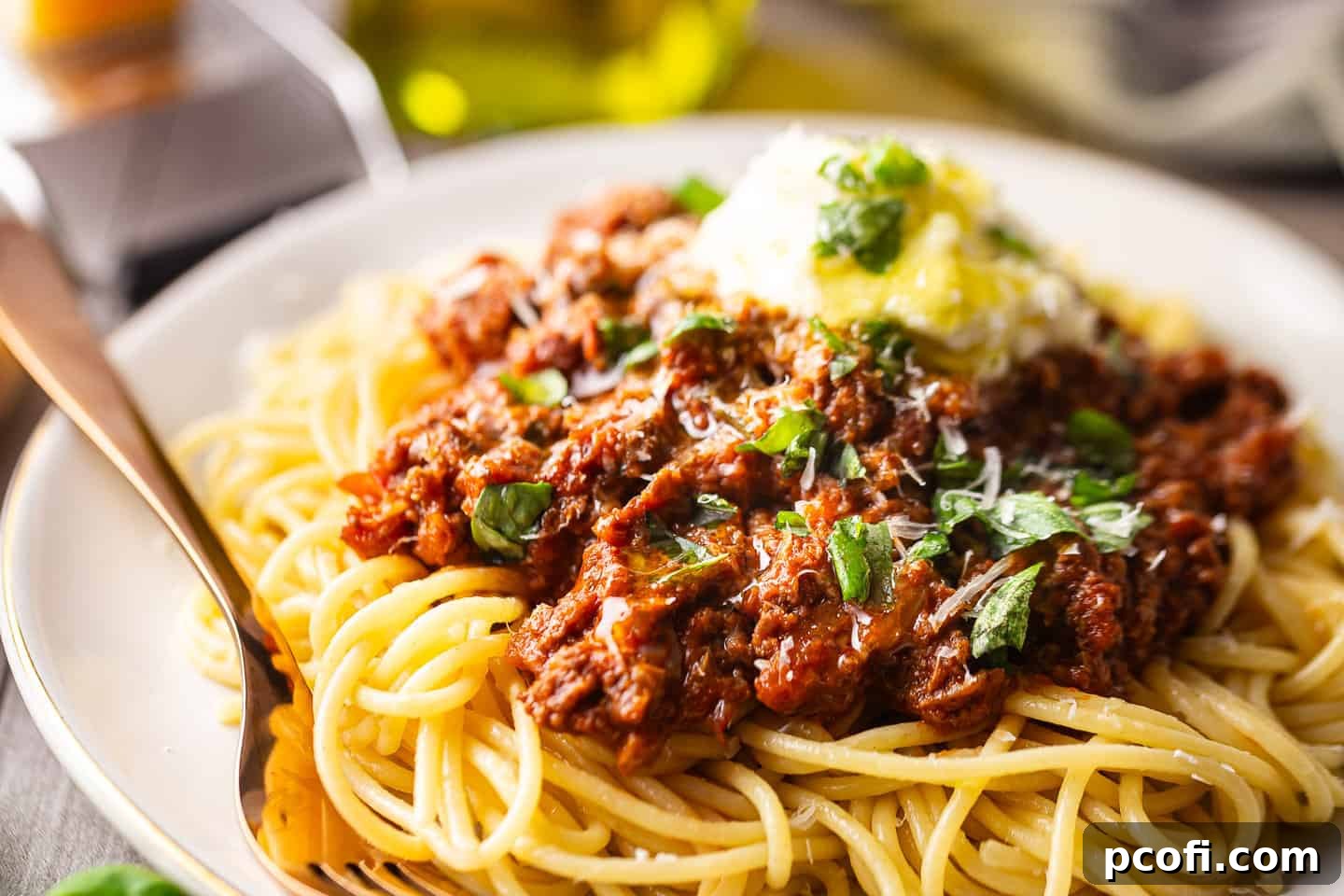
- Classic Spaghetti Bolognese: This is arguably the most iconic way to enjoy Bolognese, and how I’ve presented it in these photos. To achieve perfection, cook your spaghetti (or any long, sturdy pasta like tagliatelle or fettuccine) in generously salted water for about a minute less than the package directions. Then, transfer the slightly undercooked noodles directly into the simmering Bolognese sauce. Toss them gently to coat thoroughly, allowing the pasta to finish cooking and absorb all those delectable flavors. Pile high into warm bowls or plates.
- With Creamy Ricotta: For an extra layer of indulgence and a delightful contrast, add a dollop of cool, creamy ricotta cheese on top of your pasta. Its mild, milky flavor perfectly complements the robust sauce.
- Garnishes Galore: A generous shower of freshly grated Parmigiano Reggiano or Pecorino Romano cheese is non-negotiable, adding a salty richness and a sharp, tangy bite. Finish with a drizzle of high-quality extra-virgin olive oil and a scattering of freshly torn basil leaves for a burst of vibrant color and fresh aroma. This combination of rich and fresh elements is simply divine!
- Over Polenta: Beyond pasta, Bolognese sauce is absolutely fantastic ladled over creamy polenta. Whether you prefer soft, spoonable polenta or firm, sliced, and grilled polenta, the sauce finds a wonderful partner in its earthy, comforting texture.
- With Gnocchi: For a truly special Italian feast, pair your Bolognese with pillowy homemade gnocchi. The tender dumplings soak up the sauce beautifully, creating a hearty and luxurious meal.
No matter how you choose to serve it, don’t forget the accompaniments! A couple of warm, buttery garlic knots are an absolute must for soaking up every last drop of sauce. And to cut through the earthy richness, a crisp, fresh green salad dressed with a bright balsamic vinaigrette or a zesty lemon vinaigrette provides a welcome sharp contrast.
Expert Tips for Perfect Bolognese
Achieving a truly exceptional Bolognese is all about understanding the nuances of its preparation. Here are some expert tips to guide you:
- Embrace the Low and Slow Philosophy: This is quintessential slow food, and it’s one of my favorite categories of cooking. While it demands a longer cooking time, much of that is hands-off, allowing you to attend to other tasks while the magic happens on the stove. The beauty of this low, slow simmer is paramount to developing the most incredible depth of flavor. Keep the flame very low, stir occasionally to prevent sticking, and ensure the lid is slightly ajar. This allows excess steam to escape, enabling the sauce to reduce down, concentrating and intensifying every delicious note.
- Personalize with Your Favorites: While this Bolognese recipe provides a stripped-down, authentic foundation, it’s a fantastic canvas for creativity. Feel free to make it your own by incorporating ingredients you love. Consider adding bulk Italian sausage alongside or instead of ground meat, or for a truly rustic and authentic touch, use game meats like venison or wild boar. Other vegetables like finely diced fennel or eggplant can add intriguing layers. A classic Italian secret is to toss in a parmesan rind during simmering; it melts and imparts an incredible umami boost. Experiment with unique herbs or a pinch of an unusual spice to take this recipe to a whole new dimension.
- Make it Lighter (But Keep the Flavor): If you’re looking to reduce calories, ground turkey is an excellent substitute for beef. However, be mindful not to choose an overly lean variety. A blend of 85% lean to 15% fat often hits the sweet spot, providing enough fat for flavor and moisture without making the sauce overly heavy.
- Crockpot Bolognese for Convenience: For ultimate convenience, this recipe adapts wonderfully to a slow cooker. Once you’ve completed the initial sautéing of the pancetta, vegetables, and meat, and the milk has evaporated (Steps 1-5), transfer everything to a slow cooker. Add the tomatoes, mushroom stock, and red wine, then let it simmer on low heat for 4-6 hours (or high for 2-3 hours) until you’re ready to serve.
- Instant Pot Bolognese for Speed: If time is of the essence, your Instant Pot can deliver a delicious Bolognese in a fraction of the time. Use the “sauté” setting to cook the pancetta, meat, and vegetables, and simmer off the milk as directed. Then, add the tomatoes, mushroom stock, and red wine. Secure the lid, set it to high pressure for 20 minutes, then perform a natural or quick release. Finally, simmer the sauce on the “sauté” setting for an additional 5 to 10 minutes, uncovered, until it thickens to your desired consistency.
Frequently Asked Questions About Bolognese
Dried mushrooms, especially porcinis, are a true pantry staple for me. They add incredibly complex, earthy, umami notes that elevate all sorts of dishes, including my mushroom risotto. You can usually find them in the produce section of well-stocked grocery stores or conveniently online, such as dried porcini mushrooms. Stored with silica gel packets in an airtight container, they keep for a long time at room temperature. If you absolutely must omit them, the sauce will still be delicious, but the depth of flavor won’t be quite the same. In this case, substitute additional red wine or beef/vegetable stock for the mushroom liquid.
While the red wine is traditional and greatly enhances the depth and complexity of the sauce, you can certainly leave it out if preferred. For a non-alcoholic substitute, use an equal amount of beef or vegetable stock, or even water. Keep in mind that while the sauce will still be flavorful, it won’t have the same authentic complexity and subtle acidity that the wine contributes.
If your Bolognese sauce seems too thin or runny, don’t worry! This is an easy fix. Simply continue to simmer it uncovered or partially covered, allowing more of the liquid to evaporate off. The longer this sauce cooks, especially with the lid slightly ajar, the more it will naturally thicken as the liquids reduce and the flavors concentrate. Be patient, and it will reach the perfect hearty consistency.
Conversely, if you’ve simmered your Bolognese for a very long time, it might become overly thick, and its flavors could become too concentrated, potentially tasting too salty. If this happens, it’s easily remedied. Simply thin the sauce out by stirring in a little hot water, a splash of broth, or even a bit more milk, a tablespoon at a time, until it reaches your desired consistency.
Bolognese is an exceptional make-ahead recipe, often tasting even better the next day as the flavors have more time to meld. You can keep it at a bare simmer on the stove for several hours, or transfer it to a slow cooker to maintain warmth. Once fully cooked and cooled, store it in an airtight container in the refrigerator for up to a week. For longer storage, Bolognese freezes beautifully for several months. Thaw it overnight in the fridge and reheat gently in the microwave or over low heat in a pot on the stove until warmed through.
One batch of this authentic Bolognese recipe is designed to generously serve approximately 8 people when ladled over your favorite pasta, polenta, or gnocchi. The nutritional information provided in the recipe card below is calculated for 1/8th of the entire batch of sauce. Please note that this calculation includes the optional garnishes of ricotta, parmesan, basil, and olive oil, but it does not account for the calories or carbohydrates of the starch (pasta, polenta, etc.) you choose to serve it with.
More Italian Recipes to Savor
If you’ve enjoyed this taste of Italy, I invite you to explore more of my favorite Italian-inspired recipes that promise to bring authentic flavors to your table:
- 7-Fishes Cioppino: A robust and flavorful seafood stew, perfect for special occasions.
- Pork Milanese: Crispy, tender breaded pork cutlets, a comforting classic.
- Olive Oil Cake: A moist and fragrant cake with subtle fruity notes.
- Tiramisu Cake: All the flavors of the classic dessert in a stunning cake form.
As an Amazon Associate, I earn from qualifying purchases.
Bolognese Sauce
Leave a Review
Save Recipe
Ingredients
- 1 cup (236.59 g) water, hot
- 1/2 ounce (14.17 g) dried mushrooms, preferably porcinis
- 4 ounces (113.4 g) pancetta, finely diced
- 8 ounces (226.8 g) fresh mushrooms, such as white buttons
- 1/2 (55 g) onion
- 1 (61 g) carrot
- 1 stalk (40 g) celery
- 5 cloves (15 g) garlic
- 1 pound (453.59 g) ground meat, such as beef, turkey, or meatloaf mix
- 1 1/2 teaspoons (3 g) dried oregano
- 2 (0.2 g) dried bay leaves
- 1 sprig (0.1 g) fresh rosemary
- 1 1/2 teaspoons (9 g) kosher salt
- 1/4 teaspoon (0.5 g) crushed red pepper flakes
- 1/2 cup (122 g) milk, whatever kind you keep on hand
- 28 ounces (793.79 g) crushed tomatoes
- 1 cup (240 g) red wine
- 16 ounces (453.59 g) ricotta, (optional garnish)
- 1/2 cup (50 g) grated Parmigiano Reggiano, (optional garnish)
- 1/2 cup (12 g) basil leaves, freshly torn (optional garnish)
- 1/2 cup (108 g) extra-virgin olive oil, (optional garnish)
Instructions
-
Soak the dried mushrooms in the hot water for at least 30 minutes.
-
Place the pancetta in a large, dry pot over medium heat and cook, stirring, until it releases some of its fat.
-
Remove the reconstituted dried mushrooms from the water (reserving the liquid) and add them to a food processor along with the fresh mushrooms, onion, carrot, celery, and garlic.
-
Process the mixture to a fine paste, and add it to the pot along with the ground meat, oregano, bay leaves, rosemary, salt, and crushed red pepper.
-
Cook, stirring, until the meat is no longer pink (approx. 5 to 10 minutes).
-
Add the milk and continue to cook, stirring, until it boils away completely (approx. 5 to 10 minutes).
-
Add the crushed tomatoes, the reserved liquid from the dried mushrooms, and the red wine, and bring to a boil.
-
Turn the heat down to low and allow the sauce to simmer (partially covered) until very thick (approx. 1 to 2 hours).
-
Serve over cooked spaghetti, gnocchi, or polenta, and garnish with ricotta, parmesan, basil, and olive oil.