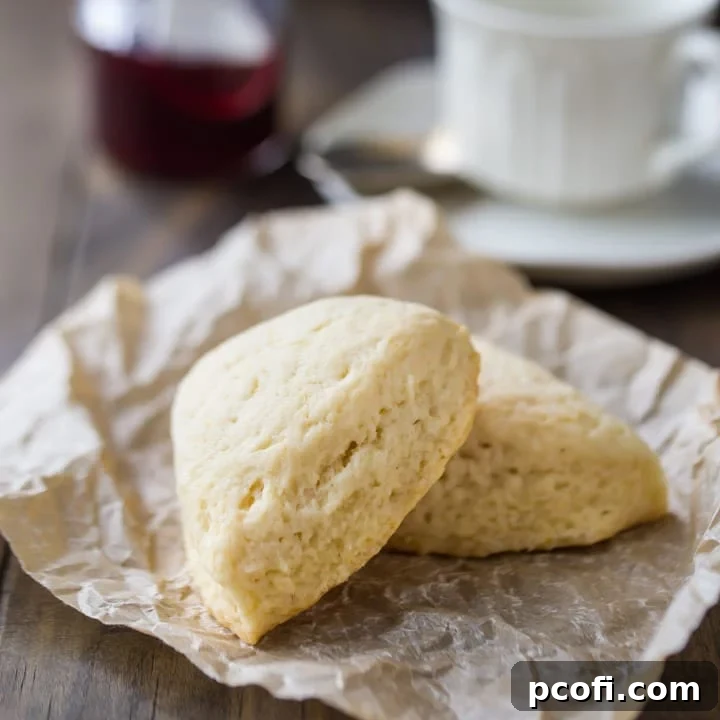
A basic scone recipe for tender, moist, buttery scones that are so quick and easy to make! Perfect as-is with just butter and jam, or you can get creative and add fruit, spices, or chocolate.
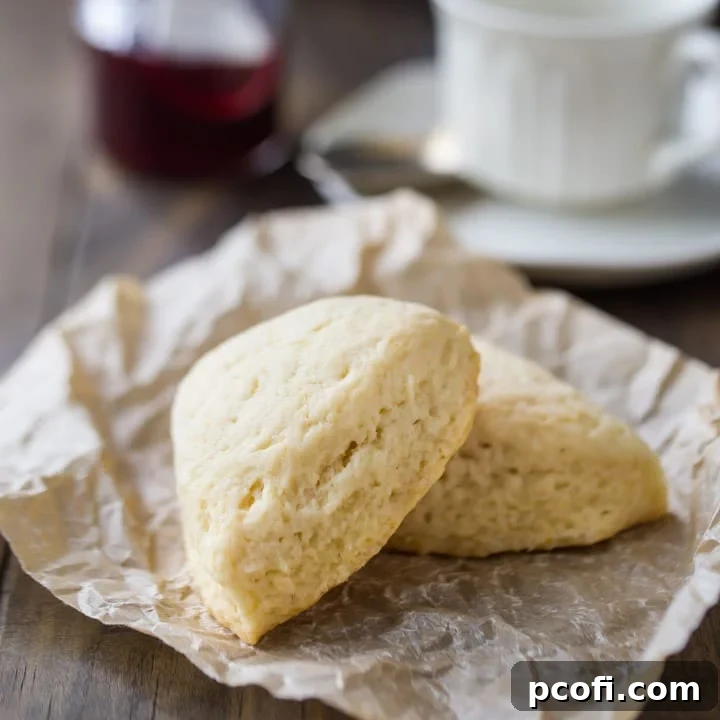
Table of Contents
- Why You’ll Love This Scone Recipe
- Understanding Scones: A Brief Overview
- Essential Ingredients for Perfect Scones
- All-Purpose Flour
- Granulated Sugar
- Baking Powder
- Kosher Salt
- Unsalted Butter
- Heavy Whipping Cream
- Creative Variations & Flavorful Substitutions
- Step-by-Step Guide: How to Make Scones
- Common Scone Questions (FAQs)
- Expert Baking Tips for Flawless Scones
- Serving Suggestions for Your Homemade Scones
- Storing & Reheating Scones for Lasting Freshness
- More Scone Inspiration
- Full Recipe Card
There’s nothing quite like the comforting aroma and tender bite of a freshly baked scone. For years, I’ve cherished this incredibly simple yet profoundly satisfying basic scone recipe, and I’m thrilled to finally share it with you. This recipe promises perfectly tender, delightfully moist, and rich, buttery scones every time, making it an absolute staple for any home baker.
Scones are, without a doubt, one of my favorite treats, ideal for breakfast, a leisurely brunch, or an elegant afternoon tea. Their inherent versatility allows for endless creativity. While they are utterly delicious served simply with a dollop of butter and a spoonful of your favorite jam, they also serve as a magnificent canvas for a myriad of additions. Imagine infusing them with bright fruits, warm spices, or decadent chocolate chips – the possibilities are truly limitless.
What makes this particular recipe stand out is its remarkable speed and ease. In less than thirty minutes, you can transform a few pantry staples into a batch of warm, golden scones. Utilizing a food processor streamlines the process, allowing you to combine flour, sugar, baking powder, and salt, cut in the cold butter, and then quickly incorporate cream until a cohesive dough forms. A quick shape, a short bake, and you’ll be indulging in homemade perfection.
If you’re eager to explore beyond the classic, these basic scones are the perfect foundation for more elaborate creations. I’ve used this base to inspire many of my favorite jazzed-up scone recipes, such as delightful Raspberry Rose Scones, indulgent Double Chocolate Scones, and the unique Cinnamon Peanut Butter Chip Scones with Maple Bacon Glaze. But for now, let’s master the beloved classic.
There’s truly nothing better than pulling warm, fragrant American-style scones from the oven, ready to be paired with a steaming cup of tea, a robust coffee, or a comforting homemade hot cocoa! This recipe guarantees scones that are not only quick to prepare and incredibly easy to execute but also consistently moist, wonderfully soft, and utterly delicious. Prepare to elevate your baking game with this foolproof method.

Why You’ll Love This Scone Recipe
This isn’t just another scone recipe; it’s a gateway to effortless baking delight. Here are several compelling reasons why this particular basic scone recipe will quickly become a favorite in your kitchen:
- Remarkably Simple: Whether you’re a novice baker or a seasoned pro, this recipe is designed for success. It relies on everyday pantry staples and straightforward techniques, making it incredibly accessible. No complicated steps, no obscure ingredients – just pure baking simplicity. This means you can whip up a batch on a whim, perfect for unexpected guests or sudden cravings.
- Incredibly Versatile: Consider this recipe your ultimate blank canvas. While sensational on its own, its true magic lies in its adaptability. You can effortlessly transform these plain scones into a myriad of flavors by incorporating various add-ins. Think juicy fresh berries, crunchy nuts, decadent chocolate chips, or aromatic spices. The possibilities are endless, allowing you to customize each batch to suit your mood or the season.
- Quick to Prepare: Time is often a luxury, and this recipe respects that. From start to finish, including prep and bake time, you’re looking at less than 30 minutes. This makes these scones an ideal choice for a speedy breakfast, a spontaneous brunch gathering, or a delightful afternoon tea, without requiring hours of effort in the kitchen.
- Delightful Texture: The hallmark of an excellent scone is its texture, and this recipe delivers perfection. Each scone boasts a wonderfully crisp, golden-brown exterior, reminiscent of a delicate cookie, which gives way to an interior that is sumptuously soft, tender, and beautifully cake-like. This irresistible contrast ensures a truly satisfying bite every single time. They’re never dry or crumbly, always moist and melt-in-your-mouth.
Understanding Scones: A Brief Overview
Before we dive into the ingredients, let’s take a moment to appreciate what a scone truly is. Scones are a classic baked good, typically enjoyed with breakfast, brunch, or as a delightful afternoon snack. Their origin is often attributed to Scotland, but they are deeply ingrained in British and Irish culinary traditions, particularly as a staple of afternoon tea.
In the United Kingdom, traditional scones are typically circular, lighter, and fluffier, often resembling what Americans might call a “biscuit.” They are traditionally split open and filled with clotted cream and jam. Here in the United States, however, scones have evolved to often take on a triangular shape and possess a slightly denser, more cake-like texture than their British counterparts. While they are heartier than a muffin, they should never be dry or hard. The aim is always a soft, moist, tender, and undeniably buttery treat. This recipe leans towards the American style, providing that beloved texture that holds up beautifully to various fillings and toppings.
Essential Ingredients for Perfect Scones
Crafting the perfect scone begins with understanding the role each ingredient plays. This recipe uses common, easy-to-find components, but knowing their purpose helps ensure flawless results and opens the door to intelligent substitutions.
All-Purpose Flour
Flour is the fundamental building block of our scone dough, providing the essential structure. For light and tender scones, all-purpose flour is typically the best choice due to its moderate protein content. When measuring flour, it’s crucial to use the spoon-and-level method: spoon flour into your measuring cup until it overflows, then level it off with a straight edge. This prevents over-measuring, which can lead to dense, dry scones.
Substitution Notes: If you’re looking to experiment, a whole-grain option like whole wheat pastry flour can be used, but you might need slightly less liquid as whole grains absorb more moisture. For those with dietary restrictions, a good quality gluten-free flour blend designed for a 1:1 substitution for regular flour should work effectively to create delicious gluten-free scones. Always opt for a blend that contains xanthan gum or add a small amount if your blend doesn’t.
Granulated Sugar
A modest amount of granulated sugar in this recipe does more than just add sweetness. It contributes to the beautiful golden-brown color of the scones as they bake and helps retain moisture, ensuring a tender crumb. It also provides a subtle counterpoint to the rich butter and cream, creating a balanced flavor profile.
Substitution Notes: Feel free to substitute with other granular sweeteners that can swap 1:1 for granulated sugar. However, be mindful that different sugars can affect the texture and browning differently. For a less sweet scone, you can slightly reduce the sugar amount, but avoid eliminating it entirely as it plays a role in texture.
Baking Powder
This is our primary leavening agent, responsible for giving the scones their characteristic lift and tender, open crumb. Baking powder is a double-acting leavener, meaning it produces carbon dioxide gas in two stages: once when it comes into contact with liquid, and again when exposed to the heat of the oven. This dual action ensures a consistent rise and a light texture.
Important Note: Baking soda is not a suitable substitute here. Baking soda requires an acidic ingredient (like buttermilk or lemon juice) to activate it, which this recipe does not contain. Baking powder, on the other hand, already has the necessary acid built into its composition, making it the correct choice for this recipe.
Kosher Salt
Salt is a flavor enhancer that brings out the best in all the other ingredients. It doesn’t make the scones taste salty; rather, it deepens and balances their overall flavor, preventing them from tasting bland. It’s a crucial component for a well-rounded taste.
Why Kosher Salt? I prefer kosher salt because its larger crystal size allows for easier control when measuring, and it’s free of additives like iodine, which can sometimes impart a metallic or bitter aftertaste. Plus, it’s widely available and economical.
Unsalted Butter
Butter is key to the rich, tender, and flaky texture of scones. Using unsalted butter gives you complete control over the total salt content in the recipe, ensuring a consistent flavor outcome every time, as different brands of salted butter can vary significantly in their salt levels.
The Importance of Cold Butter: This is a non-negotiable step for truly exceptional scones. Cold butter, cut into small pieces, creates pockets within the dough. As the scones bake, the water in these butter pieces turns to steam, which then expands and creates tiny air pockets, resulting in a beautifully light, airy, and flaky texture. If your butter is too warm, it will melt into the flour, leading to dense, cake-like (but not in a good way!) scones. For best results, keep your butter in the refrigerator until the moment you’re ready to use it, or even pop it in the freezer for 10-15 minutes if your kitchen is warm.
Substitution Notes: For those seeking a vegan or dairy-free alternative, a high-quality plant-based butter that is specifically designed to substitute 1:1 for dairy butter will work well. Ensure it’s cold and firm, just like dairy butter.
Heavy Whipping Cream
Heavy whipping cream is the liquid that binds all the ingredients together, forming the dough, and it’s also a significant contributor to the scones’ luxurious moisture and richness. Its high fat content results in a more tender and flavorful scone.
Why Cold Cream? Just like the butter, using cold heavy cream is vital. It helps maintain the cold temperature of the butter pieces in the dough, which is essential for that flaky texture we’re aiming for. It also prevents the dough from becoming too sticky and ensures it’s easier to handle.
Creative Variations & Flavorful Substitutions
This basic scone recipe is designed to be a starting point, a foundation upon which you can build endless flavor combinations. Don’t hesitate to let your culinary imagination run wild!
- Milk for Lighter Scones: If you prefer a slightly lighter scone or don’t have heavy whipping cream on hand, you can substitute it with whole milk or even buttermilk. Keep in mind that using milk will result in scones that are less rich and potentially a bit less tender due to the lower fat content. If using buttermilk, you might get a tangier flavor and a slightly more tender crumb, which can be delightful.
- Enhance with Flavorings: Elevate the taste of your scones with aromatic extracts or fresh citrus zest.
- Add 1-2 teaspoons of vanilla extract for a classic, comforting flavor.
- A hint of almond extract can add a sophisticated touch, especially when paired with berries.
- Brighten up your scones with the zest of one lemon or orange, which infuses them with a vibrant, fresh aroma.
- Go Savory: Scones aren’t just for sweet cravings! Transform them into a delightful savory treat perfect for lunch or alongside a bowl of soup.
- Fold in 1/2 to 1 cup of shredded sharp cheddar cheese and 2 tablespoons of fresh chives or finely chopped rosemary.
- For savory scones, consider substituting a portion or all of the heavy cream with sour cream or plain Greek yogurt for an extra tang and moistness.
- Other savory additions can include crispy bacon bits, sun-dried tomatoes, or finely diced jalapeños for a kick.
- Delightful Add-ins: Customize your scones with an array of delicious mix-ins. Add about 1/2 to 1 cup of your chosen additions to the dry ingredients before incorporating the butter.
- Dried Fruits: Cranberries, raisins, chopped apricots, or dates lend sweetness and chewiness.
- Fresh Berries: Blueberries, raspberries, or chopped strawberries are fantastic, just make sure they’re not too wet. For delicate berries, fold them in gently at the very end to prevent crushing.
- Chocolate: Mini chocolate chips, white chocolate chunks, or dark chocolate shavings are always a hit.
- Nuts: Chopped walnuts, pecans, or almonds add a lovely crunch and nutty flavor.
- Spices: Warm spices like cinnamon, nutmeg, or cardamom are perfect for seasonal variations.
- Golden Egg Wash: For a professional-looking, gloriously golden-brown finish and a slight sheen, brush the tops of your unbaked scones with a beaten egg or a mixture of egg and a splash of milk or cream before they go into the oven. This also helps any coarse sugar adhere beautifully.
- Extra Sweetness & Crunch: For an added textural element and a touch more sweetness, sprinkle the tops of your scones with coarse sugar, such as turbinado or demerara sugar, just before baking. This creates a delightful sparkling crust.
Step-by-Step Guide: How to Make Scones
Making delicious homemade scones is simpler than you might think, especially with the help of a food processor. Follow these steps for tender, moist results every time.
Step 1: Combine the Dry Ingredients
Begin by preheating your oven to 375°F (190°C). Line a baking sheet with parchment paper to prevent sticking and ensure even baking. In the bowl of your food processor, add the all-purpose flour, granulated sugar, baking powder, and kosher salt. Pulse a few times to thoroughly combine these dry ingredients. This step ensures that the leavening agent and salt are evenly distributed throughout the flour mixture.
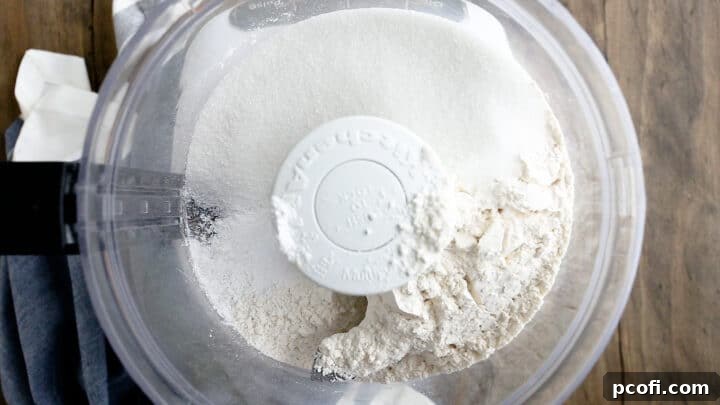
Manual Method: If you don’t own a food processor, this step can be easily done by hand. Whisk the dry ingredients together in a large mixing bowl to ensure they are well combined. Then proceed to the next step using a pastry cutter, two knives, or even your clean fingertips to cut in the butter.
Step 2: Incorporate the Cold Butter
Next, cut your very cold unsalted butter into small, roughly 1/2-inch cubes. Add these cold butter pieces directly into the food processor bowl with the dry flour mixture. Pulse the food processor in short bursts (about 1-second intervals) until the butter is fully incorporated and the mixture resembles a coarse meal, with some pieces of butter still visible, about the size of small peas. This is crucial for creating those coveted flaky layers.
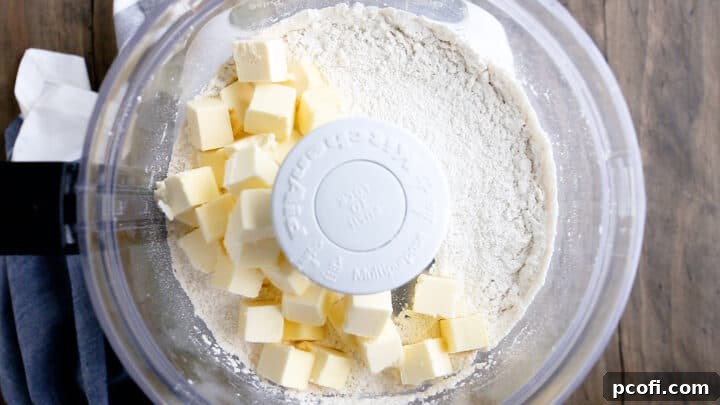
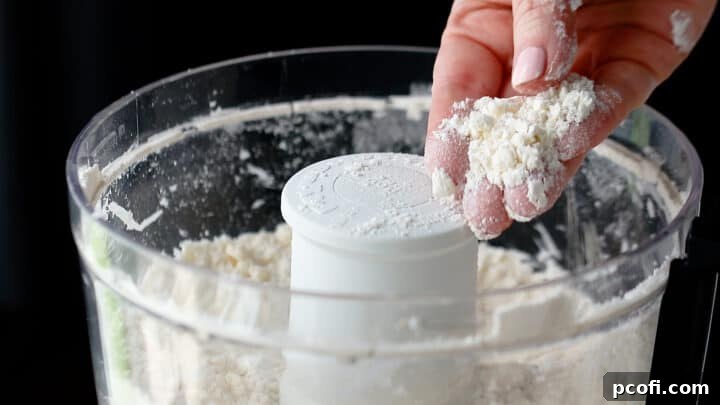
Manual Method: In a large bowl, use a pastry cutter, two knives, or your fingertips to cut the cold butter into the dry ingredients. Work quickly to avoid melting the butter with the warmth of your hands. The goal is the same: a coarse meal consistency with visible pea-sized butter pieces.
Step 3: Add the Cold Cream
With the food processor running on a low speed, slowly stream in the cold heavy whipping cream through the feed tube. Continue processing just until the dough begins to come together and forms a cohesive ball. Be careful not to overmix; as soon as the dough forms, turn off the food processor. Overmixing develops gluten, which can lead to tough scones.
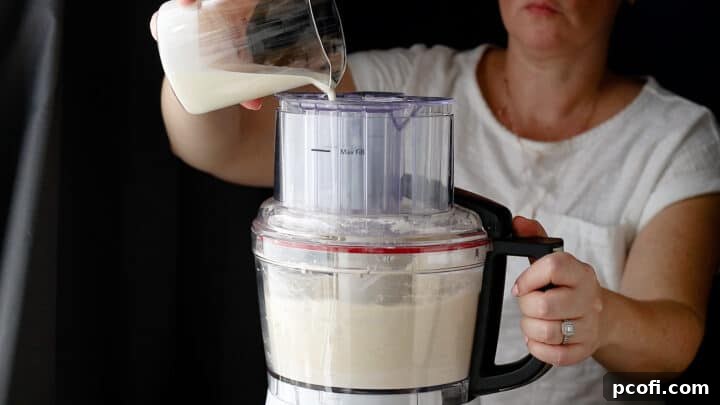
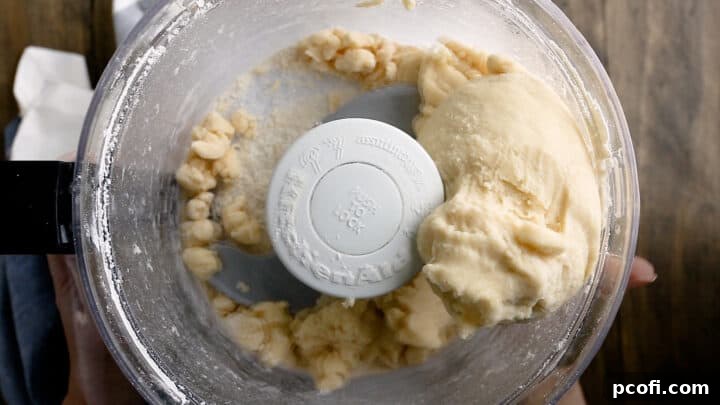
Step 4: Shape the Scones
Once the dough has formed, transfer it to a lightly floured surface. Gently divide the dough into two equal portions. Work one portion at a time, patting and shaping each into a round disc, approximately 1 to 1.5 inches thick. Avoid overworking the dough, as excessive handling can warm the butter and lead to tough scones.
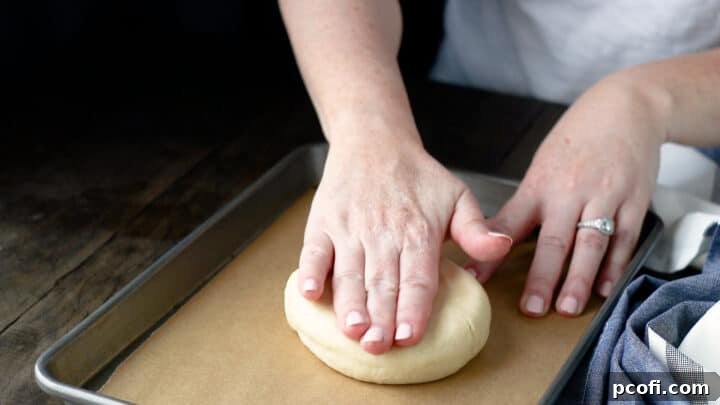
Using a sharp knife or a pastry cutter, score each disc into six even triangles, similar to cutting a pizza. Then, carefully pull each triangular scone slightly away from its neighbors, leaving about 1/2-inch of space in between them on the baking sheet. This separation ensures that each scone bakes evenly and develops a lovely golden crust on all sides.
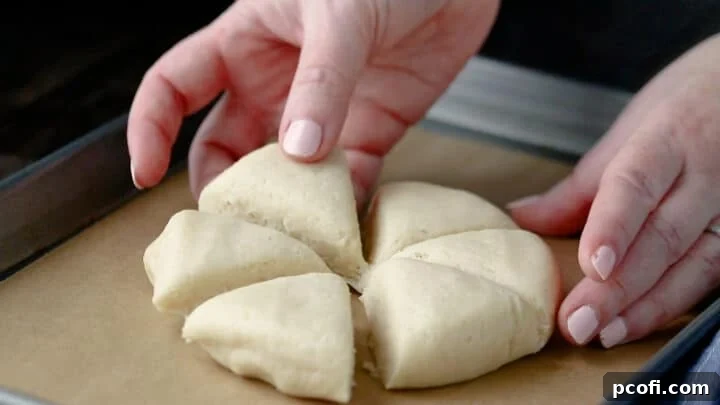
Step 5: Bake to Golden Perfection
Carefully transfer the shaped scones to your prepared parchment-lined baking sheet. Place them into the preheated oven and bake for approximately 14 to 18 minutes, or until the centers are set, and the bottoms are lightly golden brown. The baking time can vary depending on your oven, so keep a close eye on them. Overbaking can lead to dry scones, so it’s better to slightly underbake than overbake. A good indicator is when the tops are pale golden and a toothpick inserted into the center comes out clean. Once baked, remove them from the oven and let them cool slightly on the baking sheet before transferring to a wire rack. Serve warm for the ultimate experience!
Common Scone Questions (FAQs)
Here are answers to some frequently asked questions about making and enjoying scones:
What exactly are scones?
Scones are a delightful pastry, traditionally enjoyed as part of breakfast, brunch, or a leisurely afternoon tea. They are known for their rich, buttery flavor and tender texture. Historically, scones originated in Scotland and evolved through British and Irish culinary traditions. In the UK, scones are often circular and possess a lighter, fluffier texture, closely resembling what many Americans would refer to as a “biscuit.” They are famously served split with clotted cream and jam.
In contrast, American scones tend to be triangular in shape and often have a denser, more cake-like consistency. While they are heartier than a typical muffin, the key is that they should never be dry or tough. The ideal American scone, as this recipe aims for, is soft, moist, tender, and richly buttery, offering a satisfying bite without being overly crumbly.
Can scones be made ahead of time?
Absolutely! Scones are an excellent baked good to prepare in advance, making them perfect for entertaining or enjoying fresh throughout the week. You have a few options:
- Baked Scones: Once baked and completely cooled, scones can be stored in an airtight container at room temperature for up to 3 days.
- Refrigerated Baked Scones: If you need them to last a bit longer, transfer cooled scones to an airtight container and store them in the refrigerator for up to a week.
- Freezing Baked Scones: For longer storage, wrap individual baked and cooled scones tightly in plastic wrap, then place them in a freezer-safe bag or container. This double layer of protection helps prevent freezer burn. They will keep well in the freezer for up to one month. To enjoy, simply thaw them on the counter overnight and gently re-warm in the microwave or oven.
- Freezing Unbaked Dough: For ultimate freshness, you can also freeze the unbaked dough. After shaping the scones and separating them slightly on the parchment-lined baking sheet, place the entire sheet in the freezer. Once the scones are solid, transfer them to a freezer-safe bag. When ready to bake, place the frozen scones directly on a baking sheet (no need to thaw) and bake as directed, adding a few extra minutes to the baking time (usually 2-5 minutes more). This allows you to have warm, fresh-baked scones on demand!
What is the serving size for this recipe?
This recipe yields a total of twelve individual scones. While they are a relatively petite size, one scone typically constitutes a single serving. However, their deliciousness often tempts one to enjoy a second!
Expert Baking Tips for Flawless Scones
Achieving perfectly tender, flaky, and moist scones is easier with a few insider tricks. Keep these expert tips in mind for consistently delicious results:
- Do Not Overbake: This is arguably the most critical tip for great scones. Overbaking is the quickest way to end up with dry, hard, and crumbly scones, which is a truly disappointing experience. Keep a vigilant eye on your oven.
- Look for Cues: Pull your scones from the oven when their centers are set, and their bottoms are just barely beginning to turn a light golden brown. The tops might still appear quite pale, but that’s perfectly fine. A pale top with a golden bottom indicates optimal doneness and ensures a moist interior.
- The Power of the Food Processor: While not strictly necessary, a food processor is a game-changer for scone making. It quickly and efficiently cuts the butter into the flour mixture without warming it, which is essential for flakiness. It also minimizes overworking the dough, resulting in a wonderfully moist scone with a buttery taste and a smooth, appealing appearance once baked.
- Keep Everything Cold: We cannot stress this enough – cold butter and cold cream are your best friends in scone baking. The colder the ingredients, the better the steam production in the oven, leading to those desirable flaky layers. If your kitchen is warm, you can even chill the mixed dry ingredients and cut butter in the freezer for 10-15 minutes before adding the cream.
- Avoid Overworking the Dough: Handle the scone dough as little as possible. Overworking develops gluten, which makes baked goods tough. Once the cream is added, mix just until the dough comes together. When shaping, a few gentle pats are all you need.
- Don’t Twist the Cutter: If you opt for round scones using a biscuit cutter, press straight down and lift straight up. Twisting the cutter can seal the edges of the dough, preventing the scones from rising properly and hindering the formation of flaky layers.
- Chill Before Baking (Optional but Recommended): For an even better rise and flakier texture, consider chilling the shaped scones in the refrigerator for 15-30 minutes before baking. This gives the butter a chance to firm up again and helps prevent spreading.
- Evenly Spaced for Even Baking: Ensure your scones are placed with about 1/2-inch space between them on the baking sheet. This allows for even heat circulation and ensures each scone bakes consistently and develops a beautiful crust on all sides.
Serving Suggestions for Your Homemade Scones
The beauty of this basic scone recipe lies not only in its simplicity but also in the myriad of ways you can enjoy these delightful treats. Whether you prefer them sweet or savory, there’s a perfect pairing for every palate.
The Classic & Simple Approach:
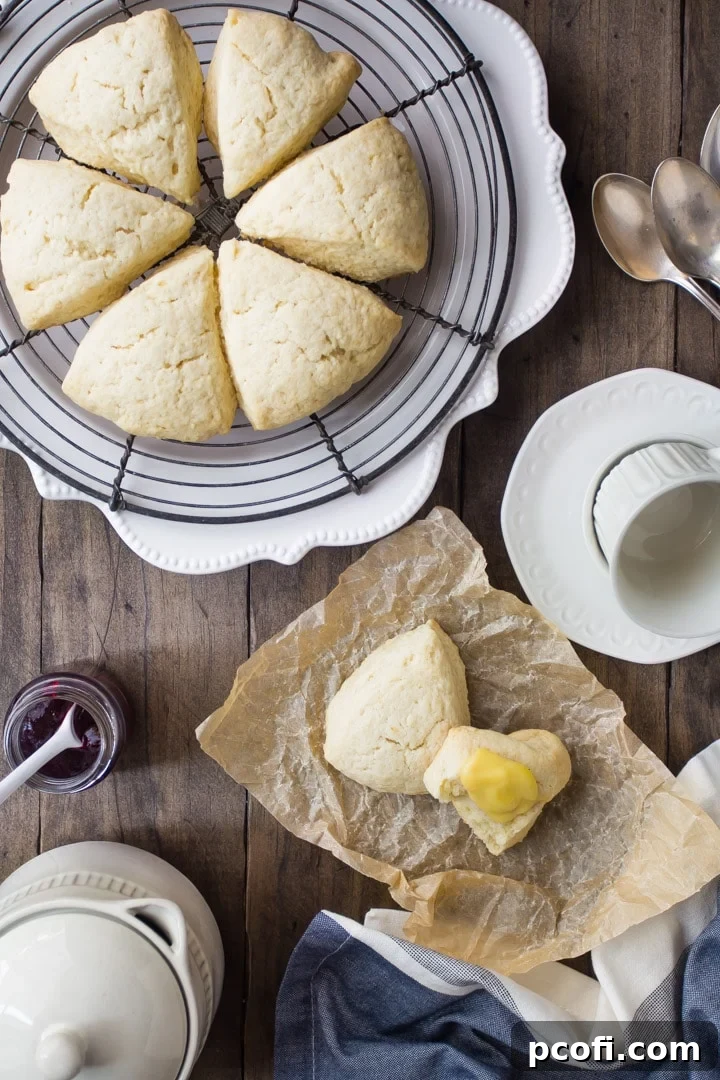
Even a plain scone is a culinary pleasure. Served warm, they are exquisite on their own, allowing the rich buttery flavor to shine. For a timeless combination, simply slather them with a generous pat of softened unsalted butter and a spoonful of your favorite fruit jam. Strawberry, raspberry, or apricot preserves are always excellent choices. For an authentic British experience, a dollop of thick clotted cream is an absolute must, often layered with jam.
Sweet Enhancements:
Beyond simple spreads, you can elevate your sweet scones with various toppings:
- Lemon Curd: My personal favorite! The bright, tangy sweetness of homemade lemon curd cuts through the richness of the scone beautifully, creating an unforgettable flavor sensation.
- Fruit Compotes: A warm berry compote (made with fresh or frozen berries) adds a burst of fruitiness and a lovely texture.
- Cream Cheese Frosting: A light cream cheese frosting or glaze can turn your scones into a more dessert-like treat.
- Powdered Sugar Glaze: A simple drizzle of powdered sugar glaze (powdered sugar mixed with a little milk or lemon juice) adds a touch of sweetness and a pretty finish.
- Chocolate Glaze: For chocolate lovers, a decadent chocolate glaze is a fantastic option, especially if you’ve added chocolate chips to your scones.
Savory Pairings:
If you ventured into savory scone variations (with cheese, herbs, or bacon), consider these delicious accompaniments:
- Soft Cheeses: Cream cheese, goat cheese, or a savory herb butter.
- Chutneys & Relishes: A tangy tomato chutney or a sweet onion relish.
- Soups & Stews: Savory scones are fantastic served alongside a hearty soup or stew for a complete meal.
- Breakfast Spreads: With eggs, bacon, or sausage for a complete breakfast.
Beverage Companions:
No scone experience is complete without the perfect beverage. A classic hot cup of tea is the traditional choice, but a robust coffee or a creamy hot cocoa also pairs wonderfully, especially when the scones are still warm from the oven. Read on for instructions on how to re-warm scones to enjoy them at their absolute best.
Storing & Reheating Scones for Lasting Freshness
Proper storage is key to extending the life of your delicious homemade scones, ensuring they remain tender and flavorful for as long as possible. And knowing how to reheat them correctly means you can enjoy that fresh-baked warmth anytime.
Storing at Room Temperature:
Freshly baked scones are best enjoyed the day they are made, but they store well. Once completely cooled, place your scones in an airtight container or a zip-top bag. Stored this way, they will maintain their quality at room temperature for up to 3 days. To prevent them from drying out, ensure the container is sealed tightly.
Refrigerating Scones:
If you anticipate your scones lasting longer than a few days, or if your kitchen is particularly warm and humid, it’s best to move them to the refrigerator. Place them in an airtight container to protect them from absorbing other food odors and to prevent moisture loss. In the fridge, scones can last for at least a week. While refrigeration can slightly alter their texture, warming them up will bring back much of their tenderness.
Freezing for Longer Preservation:
For long-term storage, the freezer is your best friend. This is ideal for making a large batch or ensuring you always have homemade scones on hand. To freeze:
- Allow the baked scones to cool completely. Warm scones will create condensation in the freezer bag, leading to sogginess.
- Wrap each scone individually in plastic wrap, then place them into a freezer-safe zip-top bag or an airtight container. This double layer of protection helps prevent freezer burn.
- Label the bag with the date. Frozen scones will keep beautifully for up to a month.
- To defrost them, simply place the wrapped scones out on the counter overnight. Once thawed, they can be gently re-warmed as described below.
Reheating Scones for Optimal Enjoyment:
The true magic of a scone is best experienced when it’s warm. Reheating can restore much of their initial tenderness and aroma.
- Microwave Method (My Favorite): For speed and efficiency, the microwave is often the best choice for reheating individual scones. They only require a very short amount of time. Start with 15 to 20 seconds for a single scone on a microwave-safe plate. The key is to warm them just enough to be tender and steamy, not to cook them further. Be cautious not to overdo it, as the microwave can quickly make baked goods chewy or tough if left in for too long.
- Oven Method: If you prefer not to use a microwave or are reheating multiple scones, the oven is an excellent alternative. Preheat your oven to its lowest possible temperature, typically around 250°F (120°C). To prevent the scones from drying out, it’s highly recommended to wrap them loosely in aluminum foil. Place the foil-wrapped scones directly on a baking sheet and warm them for 10-15 minutes, or until they are heated through. Again, the goal is gentle warming, not re-baking. Check frequently to ensure they don’t become hard.
No matter which method you choose, a warm scone, especially one fresh from this easy scone recipe, is a truly delightful indulgence.

More Scone Inspiration
Once you’ve mastered this basic recipe, a world of scone possibilities awaits! Explore these other fantastic scone recipes for more delightful variations:
- Chocolate Chip Scones: A timeless classic, perfect for chocolate lovers.
- Irish Scones: Traditional and hearty, often made with buttermilk and raisins.
- Orange Cranberry Scones: A vibrant combination of tart cranberries and bright orange zest.
- Pumpkin Scones: A seasonal favorite, spiced with warming autumn flavors.
This post contains affiliate sales links.
Basic Scone Recipe Card

Basic Scone Recipe
Servings: 12 scones
Prep Time: 10 mins
Cook Time: 16 mins
Total Time: 26 mins
A basic scone recipe for tender, moist, buttery scones that are so quick and easy to make! Perfect as-is with just butter and jam, or you can get creative and add fruit, spices, or chocolate.
Leave a Review
Ingredients
- 2 cups (250 g) all-purpose flour
- 1/3 cup (66.67 g) granulated sugar
- 1 1/2 teaspoons (6 g) baking powder
- 1/2 teaspoon (3 g) kosher salt
- 1/2 cup (113.5 g) unsalted butter, cold and cubed
- 1/2 cup (119 g) heavy whipping cream, cold
Instructions
- Preheat the oven to 375 degrees F (190°C) and line a baking sheet with parchment paper.
- Place the flour, sugar, baking powder, and salt in the bowl of a food processor, and pulse to combine thoroughly.
- Cut the cold butter into pieces, and add to the food processor with the dry ingredients.
- Pulse the food processor until the mixture resembles a coarse meal, with visible pea-sized butter pieces.
- With the food processor running on low speed, slowly stream in the cold heavy cream.
- Process just until the dough has gathered itself into a cohesive ball. Turn off the food processor and divide the dough into two equal portions.
- On a lightly floured surface, gently flatten each portion of dough into a disc shape, about 1 1/2-inches thick. Avoid overworking the dough.
- Score each disc into 6 triangles with a sharp knife or pastry cutter, and gently pull the triangles slightly away from one another (allowing about 1/2-inch in between each scone).
- Place the shaped scones on the prepared baking sheet. Bake until set in the centers and slightly golden on the bottoms (approximately 14 to 18 minutes).
Recipe Video
Notes
Serve warm, with strawberry jam and butter, clotted cream, or with lemon curd for an extra special treat.
Try these delicious variations on the Basic Scone Recipe:
- Lemon Blueberry Scones
- Petite Vanilla Bean Scones
- Double Chocolate Scones
Nutrition Information
Serving: 1 scone, Calories: 199kcal, Carbohydrates: 22g, Protein: 3g, Fat: 11g, Saturated Fat: 7g, Polyunsaturated Fat: 1g, Monounsaturated Fat: 3g, Trans Fat: 0.3g, Cholesterol: 32mg, Sodium: 102mg, Potassium: 85mg, Fiber: 1g, Sugar: 6g, Vitamin A: 382IU, Vitamin C: 0.1mg, Calcium: 34mg, Iron: 1mg
Cuisine: American
Course: Breakfast, Snack