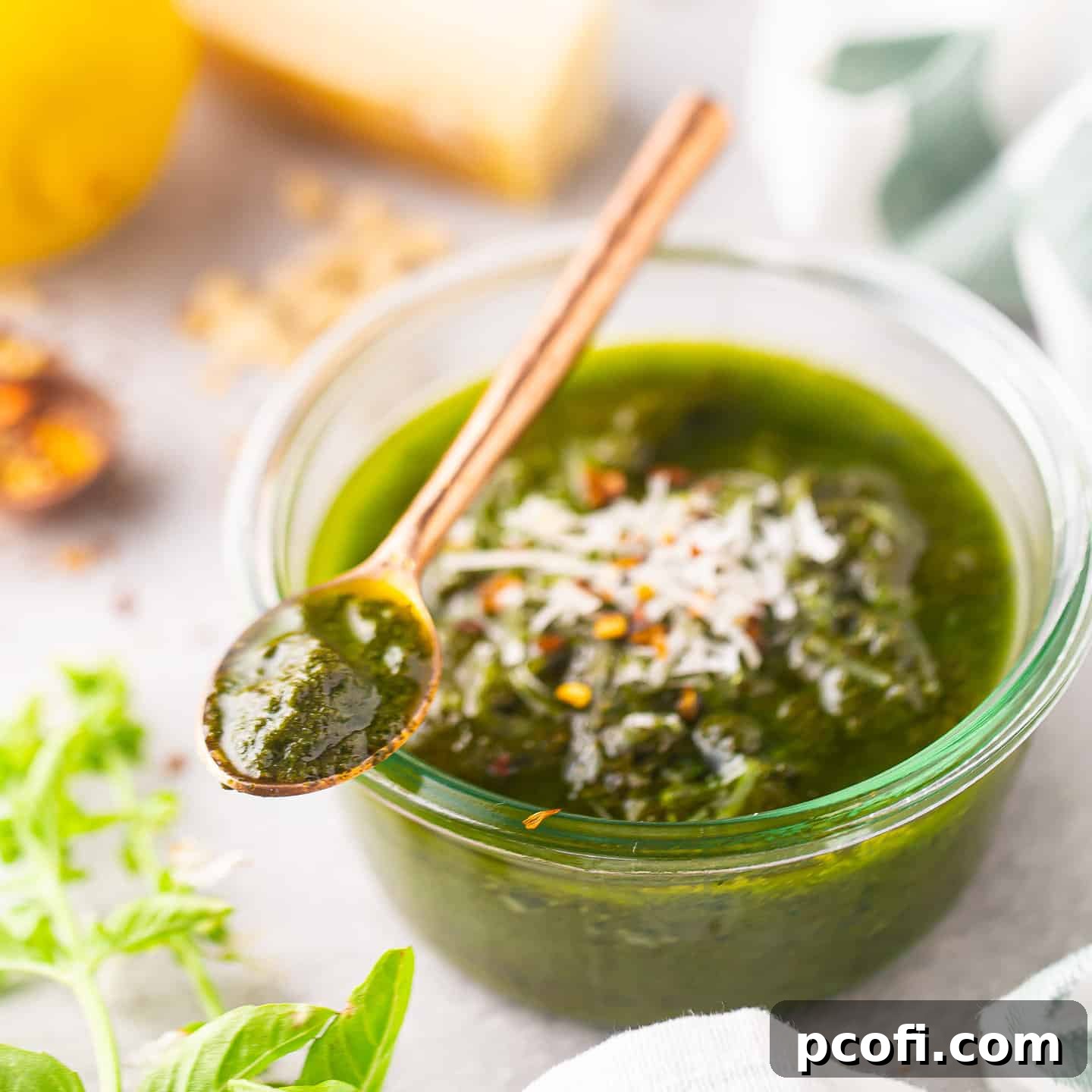
Unveiling the Authentic Basil Pesto Recipe: Your Guide to a Spoonful of Fresh Summer Flavor
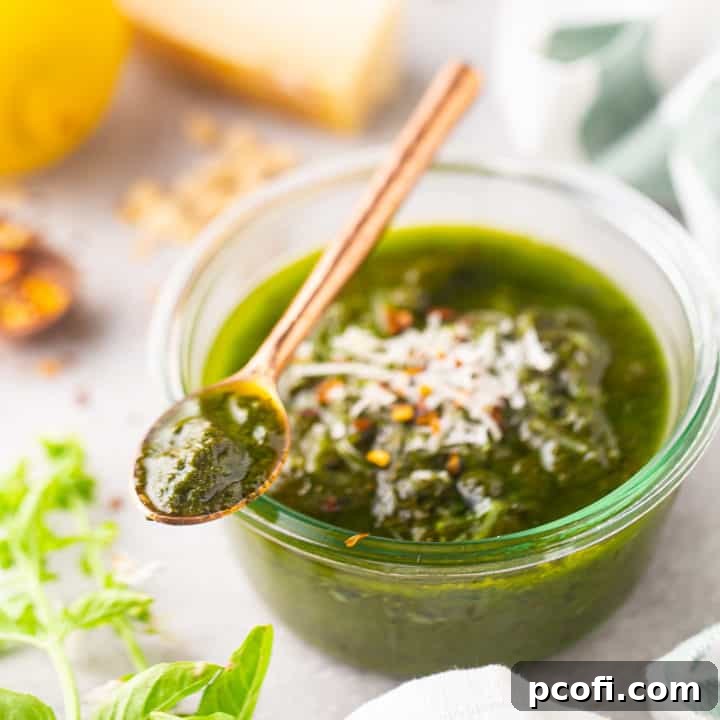
As the vibrant days of summer gradually give way to the crisp embrace of autumn, a familiar shift occurs in nature and our culinary preferences. For many home gardeners, this season brings an abundant harvest of lush, aromatic basil. Before the cooler temperatures signal an end to its prolific growth, there’s an irresistible urge to preserve its bright, herbal essence. What better way to capture and savor that quintessential taste of summer than with a batch of homemade basil pesto?
This easy basil pesto recipe is more than just a sauce; it’s a celebration of fresh, simple ingredients coming together in perfect harmony. With its vivid green hue and intoxicating aroma, basil pesto offers a taste that’s far superior to any store-bought alternative. It’s incredibly versatile, transforming everyday meals into extraordinary culinary experiences. Prepare to fall in love with its savory richness, the subtle crunch of nuts, the fruity notes of olive oil, and the sharp tang of Parmesan cheese.
So, as the days shorten and the season changes, let’s gather our ingredients and dive into making this heavenly basil pesto. It’s the perfect way to extend the warmth and flavor of summer long into the colder months.
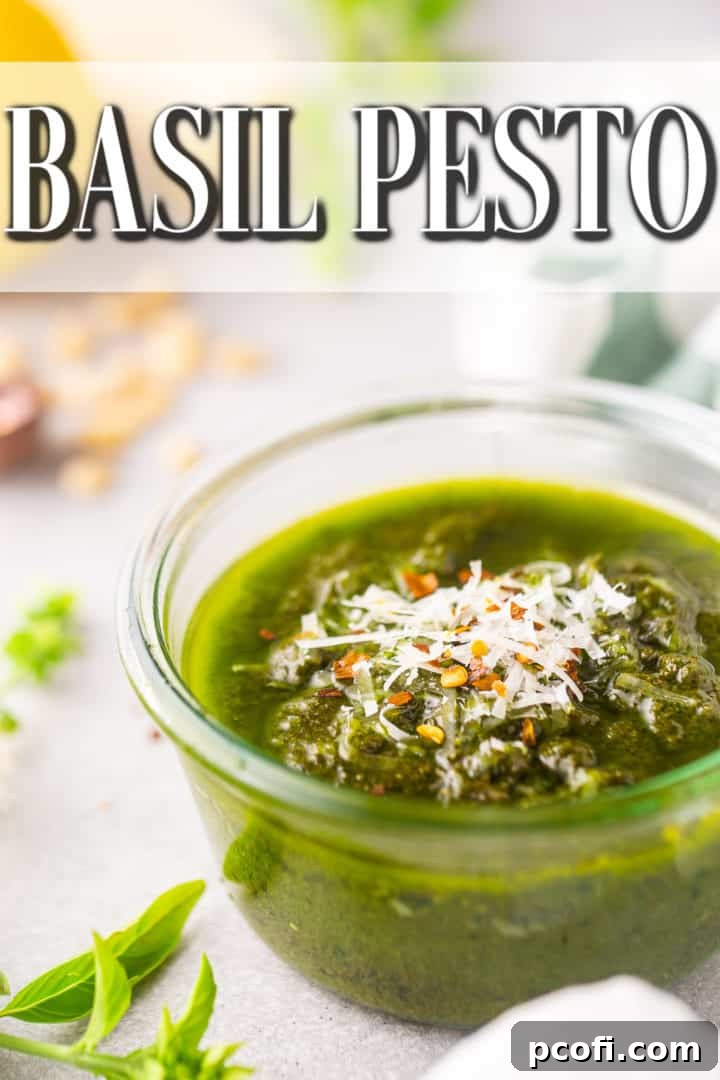
What is Pesto? Exploring the Origins of this Classic Italian Sauce
The word “pesto” is derived from the Italian verb “pestare,” which means to pound or to crush. This etymology points to the traditional method of preparing pesto using a mortar and pestle, where ingredients are painstakingly ground together to form a smooth, aromatic paste. While many varieties of pesto exist today, the most widely recognized and loved is Pesto Genovese, hailing from the Genoa region of Liguria, Italy. This classic green paste is revered for its ability to infuse dishes with an unparalleled herbal freshness and savory depth.
At its heart, pesto is a vibrant emulsion of fresh herbs or greens, nuts, aromatic garlic, high-quality olive oil, and hard cheese, seasoned to perfection. The beauty of this homemade pesto lies in its simplicity and the raw honesty of its earthy ingredients. Unlike many sauces that rely on cooking, pesto is typically served uncooked, allowing the pure, unadulterated flavors of its components to shine through. This quick and easy method ensures maximum freshness and a taste that is bright, herbaceous, and utterly delightful.
While pesto can be creatively adapted using various greens, nuts, and cheeses—think arugula pesto, sun-dried tomato pesto, or even kale pesto—it’s the traditional Genovese version that truly captures the essence of this culinary masterpiece. When you hear “pesto,” it’s often this iconic basil-based sauce that springs to mind, a testament to its enduring popularity and delicious flavor profile.
Key Ingredients for the Best Basil Pesto
Crafting the perfect basil pesto begins with selecting the finest ingredients. Each component plays a crucial role in achieving that rich, balanced, and fresh flavor profile. Traditionally, authentic pesto is made with:
- Fresh Basil: This is the star of the show. For the best flavor, opt for vibrant, green basil leaves, ideally Sweet Basil or Genovese Basil. Freshness is paramount, as wilting leaves can result in a less vibrant color and flavor.
- Pine Nuts (Pignoli): These delicate nuts contribute a subtle sweetness and creamy texture. Toasting them briefly enhances their nutty flavor significantly.
- Fresh Garlic: A single clove of fresh garlic provides a pungent kick that brightens the entire sauce. Adjust the amount to your personal preference for a milder or bolder garlic presence.
- Extra-Virgin Olive Oil: The quality of your olive oil directly impacts the pesto’s flavor and texture. Choose a good quality, fruity extra-virgin olive oil for the best results. It binds the ingredients, creating a smooth, luxurious sauce.
- Parmesan Cheese: Authentic Parmigiano Reggiano or Grana Padano offers a salty, umami depth that is irreplaceable. Its granular texture adds to the pesto’s unique mouthfeel.
Beyond these traditional elements, I love adding a few personal touches that elevate the flavor even further. A big pinch of kosher salt is essential for seasoning, bringing out the inherent flavors of the herbs and nuts. A little crushed red pepper flakes adds a subtle hint of warmth, providing a delightful counterpoint to the fresh basil. My favorite addition, however, is a generous amount of lemon zest. The lemon brightens the entire sauce, cutting through the richness and helping to maintain the basil’s vibrant green color by slowing down oxidation. These simple tweaks truly unlock the full potential of this incredible sauce.
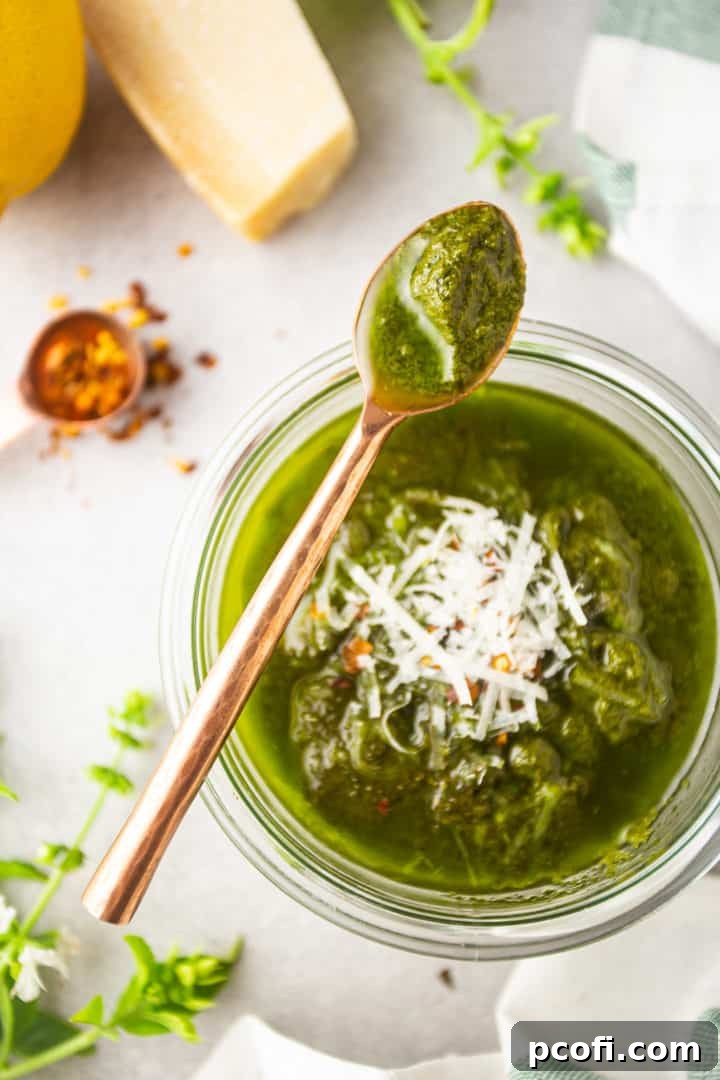
How to Make Homemade Basil Pesto: A Simple Step-by-Step Guide
This easy pesto sauce comes together in under 15 minutes, making it a perfect quick recipe for weeknights or meal prep. While it’s incredibly simple, breaking down the process into a few key steps ensures a perfect batch every time.
1. Toasting the Pine Nuts for Enhanced Flavor
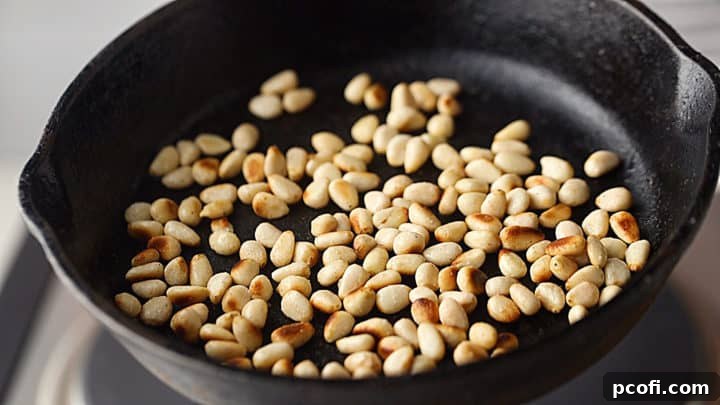
One of the secrets to truly delicious pesto is toasting the pine nuts. This simple step unlocks their full flavor potential, adding a deeper, richer, and more complex nutty note to the sauce. It’s a game-changer you won’t want to skip.
To toast them, simply place the pine nuts in a dry skillet (no oil needed) over medium heat. Cook them for approximately 3-5 minutes, stirring or shaking the pan frequently to ensure even browning. You’ll know they’re ready when they turn a light golden color and become wonderfully fragrant. It’s crucial to keep a close watch, as pine nuts can burn very quickly, turning bitter and ruining the flavor of your pesto. Once toasted, immediately remove them from the hot pan to a plate to cool, preventing them from continuing to cook.
2. Blending for Perfect Consistency
The blending process is where the magic happens, transforming individual ingredients into a cohesive, flavorful sauce. You have a few options for equipment:
- Food Processor: This is the quickest and easiest method for most home cooks, producing a relatively smooth pesto with minimal effort.
- Blender: A high-speed blender can also achieve a smooth consistency, though you might need to scrape down the sides more often.
- Mortar and Pestle: For the most traditional and nuanced pesto, a mortar and pestle is ideal. This method gently bruises the basil, releasing its essential oils and creating a more rustic texture and intense flavor.
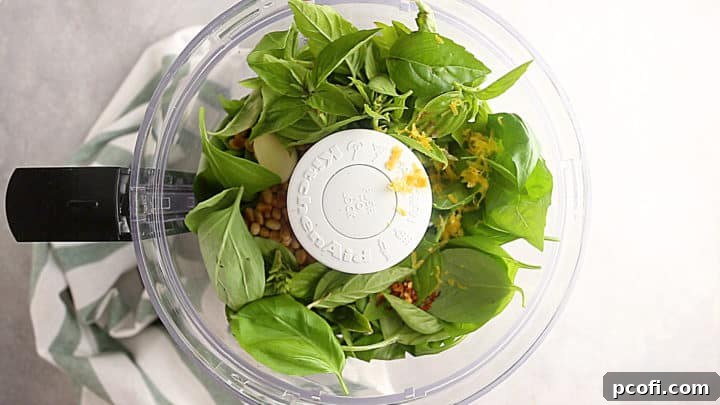
First, combine the fresh basil leaves, toasted pine nuts, lemon zest, and fresh garlic in your chosen appliance. Pulse or grind these ingredients together until they are very finely chopped. The goal is to achieve an almost paste-like consistency, but avoid over-processing, which can generate heat and cause the basil to turn dark or even bitter.
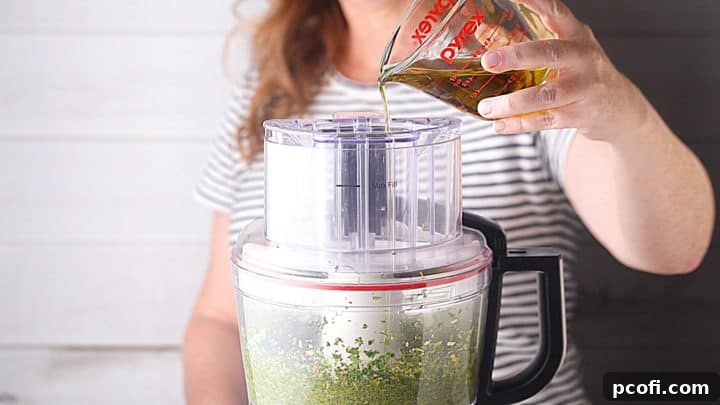
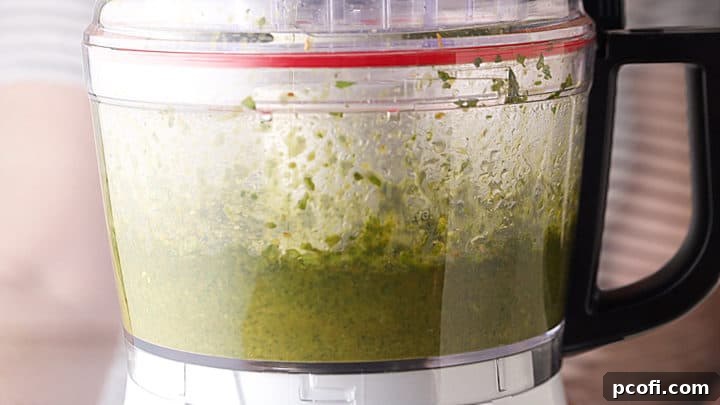
Once the initial ingredients are finely ground, it’s time to incorporate the extra-virgin olive oil. With the food processor or blender running on low, slowly stream in the olive oil in a thin, steady stream. If using a mortar and pestle, gradually add the oil while continuing to grind. The aim is to slowly emulsify the oil into the mixture, much like you would when making a vinaigrette or mayonnaise. This gradual addition creates a smooth, creamy, and beautifully vibrant green pesto. Continue processing until you reach your desired creamy consistency, ensuring all ingredients are well combined.
3. Final Seasoning and Cheese Integration
The final touches involve adding the cheese and adjusting the seasoning. Gently fold in the freshly grated Parmesan cheese. It’s best to add the cheese at the end and avoid processing it extensively in a food processor. The friction from the blades can heat the cheese, altering its delicate flavor and texture, which is best enjoyed uncooked. Always use the highest quality Parmesan you can find, such as authentic Parmigiano Reggiano or Grana Padano, as the superior flavor will truly make a difference in your homemade pesto.
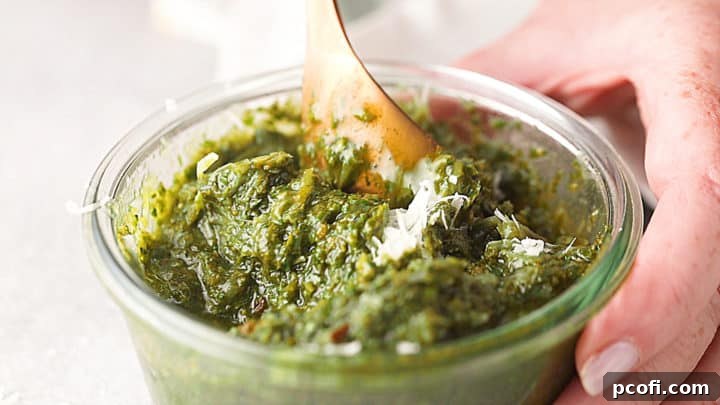
Finally, taste your pesto and season it with kosher salt and the crushed red pepper flakes to your liking. The salt will enhance all the flavors, while the subtle heat from the red pepper provides a wonderful kick. Stir everything until well combined. Your fresh, vibrant, and incredibly flavorful basil pesto is now ready to be enjoyed!
Is This Basil Pesto Recipe Healthy? Understanding its Nutritional Value
Pesto is often celebrated for its fresh, wholesome ingredients, and indeed, it offers several health benefits. While it is relatively high in calories and fat due to its rich composition of olive oil, nuts, and cheese, these are predominantly healthy fats.
The extra-virgin olive oil and pine nuts are excellent sources of unsaturated fats, which are widely recognized as beneficial for cardiovascular health. These fats can help lower bad cholesterol levels, reduce inflammation, and provide essential fatty acids. Basil itself is packed with antioxidants and vitamins, while garlic contributes to immune support. Parmesan cheese provides calcium and protein.
In addition to its healthy fat content, this pesto recipe is naturally vegetarian, gluten-free, and egg-free, making it suitable for a variety of dietary preferences. For those seeking a dairy-free or vegan option, you can easily substitute traditional Parmesan with a high-quality vegan Parmesan alternative. If you have nut allergies, sunflower seeds make an excellent and equally delicious nut-free adaptation, offering a similar texture and mild flavor.
Creative Ways to Serve Your Homemade Basil Pesto
Once you’ve made a batch of this glorious fresh basil pesto, the culinary possibilities are endless! Its vibrant flavor and versatile texture mean it can enhance a multitude of dishes. While a spoon straight from the jar is undeniably tempting, here are some fantastic ways to incorporate pesto into your meals:
- Classic Pasta Sauce: The most popular application! Toss freshly cooked pasta (spaghetti, fettuccine, linguine, or penne all work beautifully) with a generous amount of pesto. For a complete meal, add grilled chicken or shrimp, roasted vegetables, and a sprinkle of extra Parmesan cheese.
- Appetizer or Side Dish: Simply serve it as a dip with a crusty loaf of ciabatta bread, homemade dinner rolls, or crusty French baguette. It also makes a wonderful accompaniment to a cheese board.
- Sandwich or Panini Spread: Elevate your sandwiches and wraps by spreading a layer of pesto instead of mayonnaise or mustard. It pairs wonderfully with turkey, mozzarella, tomato, and roasted red peppers.
- Pizza Base: Use pesto as a flavorful alternative to traditional tomato sauce on your homemade pizza. Top with fresh mozzarella, cherry tomatoes, and a sprinkle of basil after baking.
- Vegetable Enhancer: Drizzle pesto over roasted or grilled vegetables like asparagus, zucchini, bell peppers, or potatoes for an explosion of flavor.
- Soup Swirl: Stir a spoonful of pesto into creamy soups, like corn chowder, or hearty vegetable stews just before serving for an extra layer of freshness.
- Marinade: Use pesto as a quick marinade for chicken, fish, or tofu before grilling or baking.
- Egg Dishes: Swirl a small amount into scrambled eggs, omelets, or frittatas for a burst of herbaceous goodness.
- Salad Dressing: Thin out pesto with a little extra olive oil, lemon juice, or even a touch of white wine vinegar to create a vibrant salad dressing.
Storing Your Homemade Pesto for Lasting Freshness
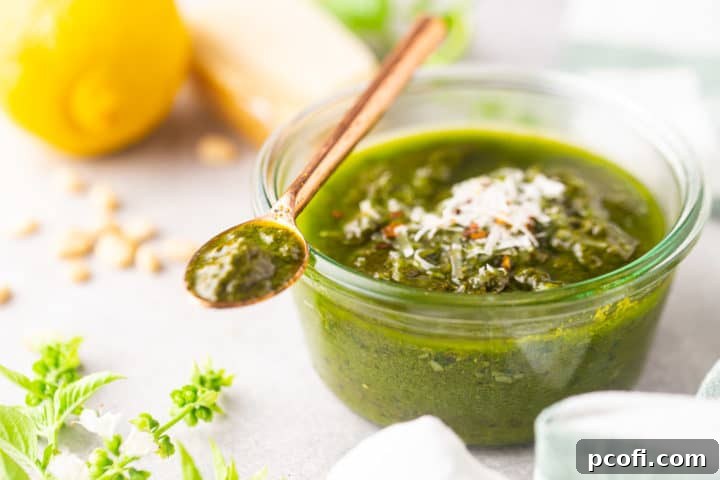
To ensure your homemade pesto stays fresh and vibrant, proper storage is key. Store your basil pesto in an airtight container in the refrigerator.
One of the best tricks to prevent discoloration (where the basil turns brown due to oxidation) is to pour a thin layer of extra-virgin olive oil over the surface of the pesto before sealing the container. This creates a barrier that keeps air out, maintaining that beautiful green color. Another effective method is to press a piece of plastic wrap directly onto the surface of the pesto before securing the lid.
Stored correctly in the refrigerator, your pesto should remain fresh and delicious for about one week. For longer storage, pesto freezes exceptionally well. You can freeze it in small airtight containers or, even better, in ice cube trays. Once frozen, pop out the cubes and transfer them to a freezer-safe bag. This allows you to easily thaw individual portions as needed. Frozen pesto can last for up to 6 months in the freezer. Thaw it in the refrigerator overnight before use.
It’s important to note that homemade pesto is generally not suitable for traditional canning methods. The low acidity and specific ingredient composition make it unsafe for water bath canning, as there’s a risk of botulism. For safe long-term preservation, freezing is the recommended method.
More Authentic Italian Recipes to Explore:
- Focaccia Bread
- Almond Biscotti
- Mushroom Risotto
- Thin & Crisp Pizzelle
As an Amazon associate I earn from qualifying purchases.
Basil Pesto Recipe
Leave a Review
Save Recipe
Ingredients
- 2 tablespoons (20 g) pine nuts, (walnuts can be substituted)
- 2 cups (48 g) fresh basil leaves, tightly packed
- 1 tablespoon (6 g) lemon zest
- 1 clove (3 g) fresh garlic
- 1/8 teaspoon (0.25 g) crushed red pepper
- 1/2 cup (108 g) extra-virgin olive oil
- 1/2 cup (50 g) grated parmesan cheese
- 1/2 teaspoon (3 g) kosher salt, (or to taste)
Instructions
- Toast the pine nuts in a dry pan over medium heat, until lightly browned and fragrant (approximately 5 minutes).
- Place the basil, toasted pine nuts, lemon zest, garlic, and crushed red pepper in the bowl of a food processor and pulse until very finely ground.
- While the food processor is running, stream in the olive oil slowly.
- Stir in the parmesan and salt.
Calories: 220kcal,
Carbohydrates: 2g,
Protein: 3g,
Fat: 23g,
Saturated Fat: 4g,
Polyunsaturated Fat: 3g,
Monounsaturated Fat: 14g,
Cholesterol: 7mg,
Sodium: 341mg,
Potassium: 63mg,
Fiber: 0.4g,
Sugar: 0.2g,
Vitamin A: 508IU,
Vitamin C: 3mg,
Calcium: 91mg,
Iron: 1mg
Tried this recipe?
Mention @bakingamoment on Instagram or tag #bakingamoment.