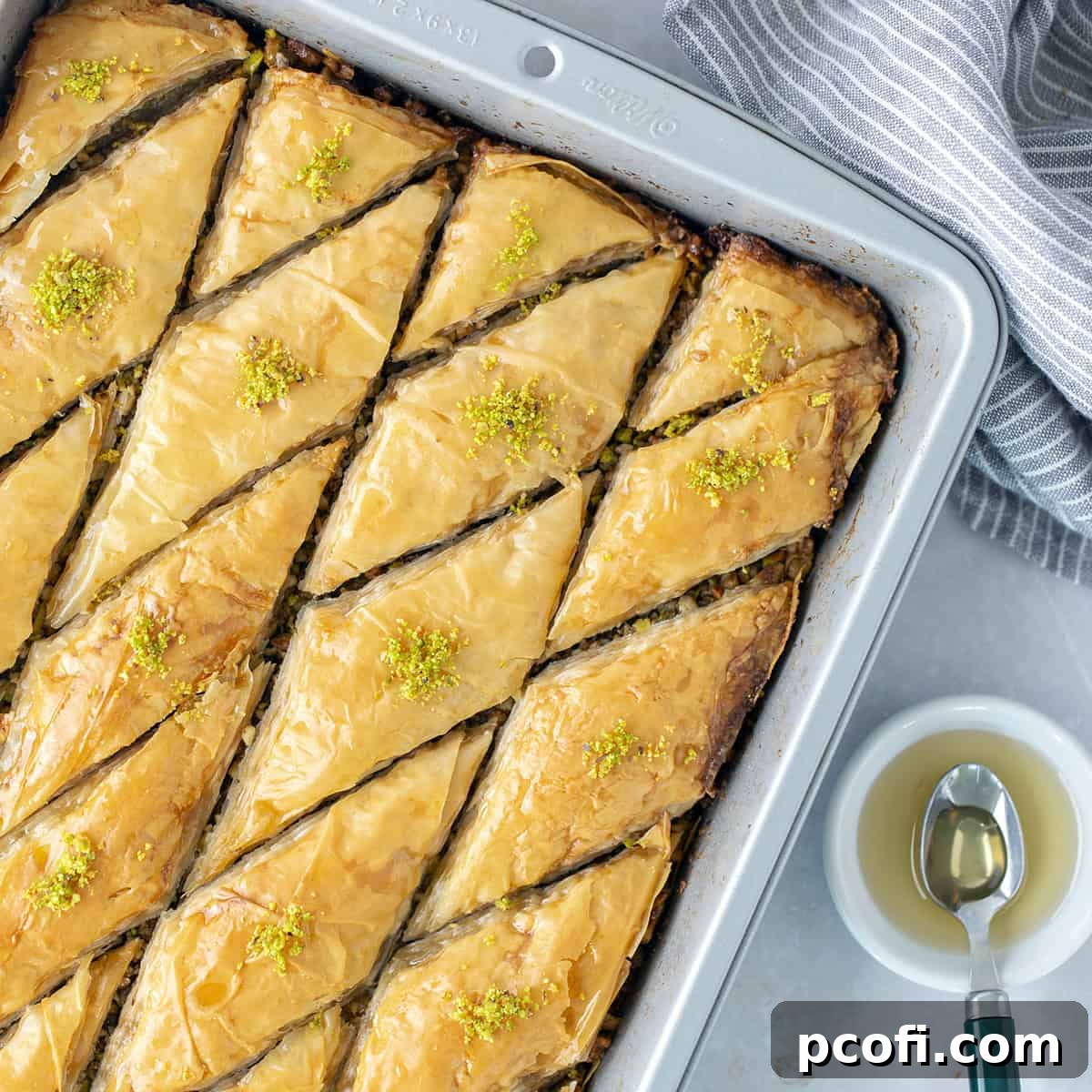
Welcome to the ultimate guide for crafting the most exquisite Greek Baklava, a dessert that transcends a mere sweet treat to become a cherished culinary event. Imagine crisp, golden layers of delicate phyllo pastry, generously brushed with rich melted butter, embracing a sweet, spiced medley of finely chopped nuts. This masterpiece is then baked to perfection and generously drenched in a fragrant, homemade honey-lemon syrup, creating an unparalleled symphony of textures and flavors. Prepare to embark on a delightful baking journey that promises to elevate your dessert repertoire and captivate every palate.
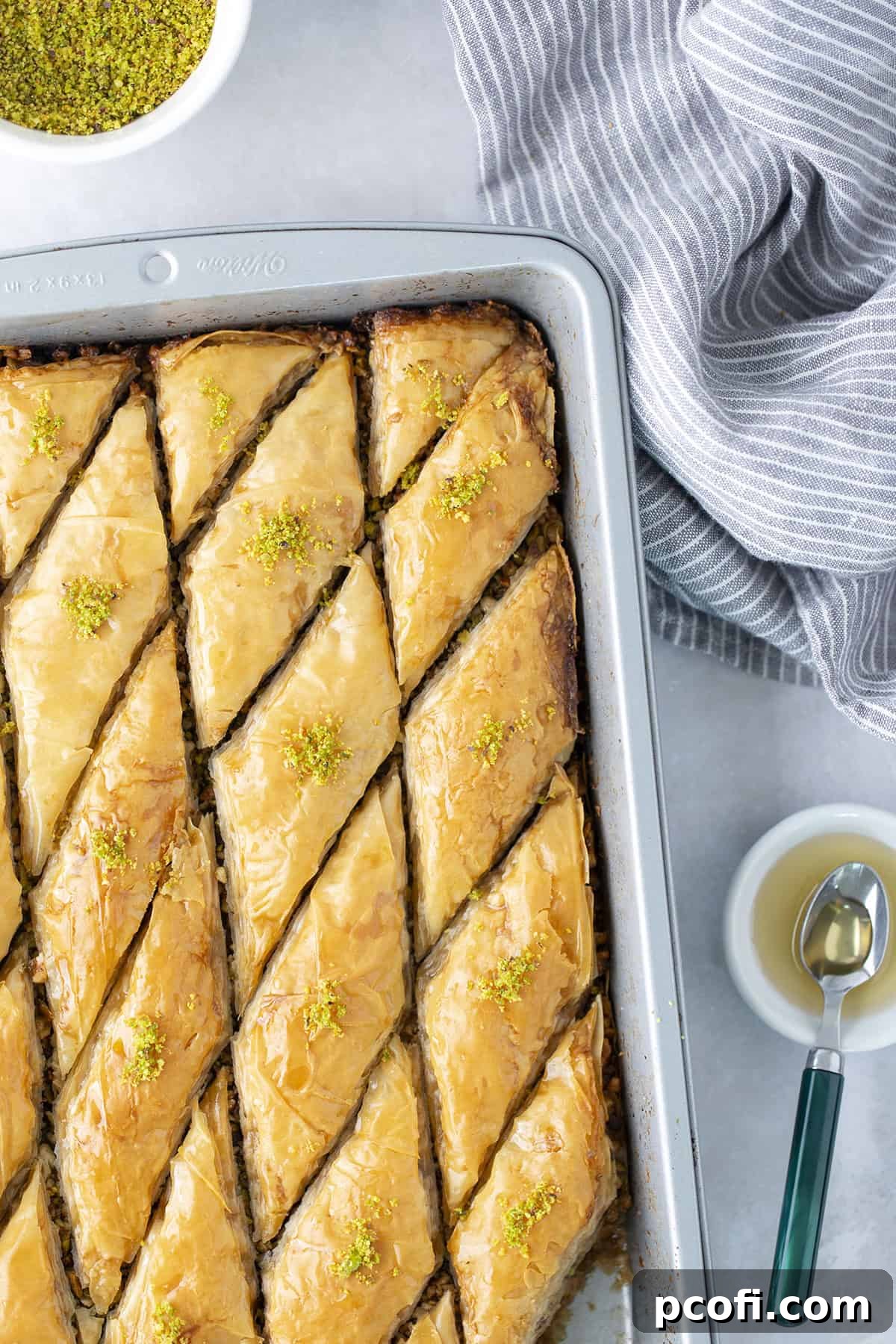
Our classic Baklava recipe is a testament to the art of traditional baking, offering a dessert that is rich, incredibly flaky, and wonderfully aromatic. It’s the perfect showstopper for holiday gatherings, special celebrations, or simply to indulge yourself and loved ones in a truly memorable sweet experience. While its intricate appearance might suggest complexity, Baklava is surprisingly approachable to make at home. It certainly requires a little patience and attention to detail, but the rewarding outcome—a tray of glistening, golden-brown perfection—is undeniably worth every moment of effort.
What is Baklava? A Timeless Mediterranean Delicacy
Baklava is a revered traditional dessert deeply embedded in the culinary heritage of numerous Middle Eastern, Balkan, and Mediterranean cuisines. Its history stretches back centuries, with roots often traced to the Ottoman Empire, though various cultures lay claim to its origin and boast unique regional interpretations. At its heart, Baklava is a glorious assembly of paper-thin phyllo dough sheets, each meticulously brushed with melted butter, then layered alternately with a sweet, aromatic mixture of finely ground nuts and warm spices. Once assembled and baked to a beautiful golden crisp, the entire pastry is generously doused in a rich, sweet syrup—typically infused with honey, sugar, and often delicate notes of lemon, orange blossom, or rose water.
The result is nothing short of culinary magic: a harmonious blend of textures and flavors. Each bite delivers a satisfying crunch from the hundreds of flaky phyllo layers, followed by the irresistible chewiness of the nut filling, all permeated by the intoxicating stickiness and floral sweetness of the syrup. Our Greek Baklava recipe embraces the classic Hellenic approach, emphasizing a lemon-honey syrup and a robust nut filling, often featuring walnuts and pistachios. It’s a dessert that speaks of hospitality, celebration, and the rich tapestry of flavors from the sun-drenched Mediterranean coast.
Table of Contents
- What is Baklava? A Timeless Mediterranean Delicacy
- Why This Baklava Recipe Will Become Your Favorite
- Essential Ingredients for Perfect Baklava
- Mastering Phyllo Dough: Tips for Success
- Step-by-Step: Crafting Your Homemade Baklava
- Expert Tips for Baklava Perfection
- Storage and Serving Suggestions
- Baklava FAQs
- More Irresistible Dessert Recipes
Jump to Recipe
Why This Baklava Recipe Will Become Your Favorite
- Unrivaled Crispy Texture: Experience an explosion of golden, buttery crunch with every single bite. The many delicate layers of phyllo, when baked correctly and drenched in syrup, create a truly satisfying crispness that is utterly addictive.
- Exquisitely Fragrant Flavors: Our Baklava is a symphony of aromas, infused with the warm, comforting embrace of cinnamon and cardamom, the bright zest of fresh lemon, and the unparalleled sweetness of quality honey. This harmonious blend creates a flavor profile that is both complex and deeply comforting.
- Perfectly Make-Ahead Friendly: One of the best qualities of Baklava is that it often tastes even better the day after it’s made. This allows the honey-lemon syrup ample time to fully penetrate and meld with the nutty layers, deepening the flavors and perfecting the texture. It’s an ideal dessert to prepare in advance for entertaining.
- Elegantly Impressive, Surprisingly Simple: While Baklava undeniably makes a grand statement on any dessert table, requiring guests to exclaim “You made that?!”, its assembly process is remarkably straightforward. With a bit of organized preparation, you’ll find the layering technique to be a meditative and enjoyable experience.
- An Ideal Dessert for Sharing: From festive holiday dinners and lively potlucks to intimate family celebrations, Baklava is designed to be shared. Its individual, diamond-shaped pieces are perfect for serving a crowd, making it a beloved centerpiece that brings joy to any gathering.
Essential Ingredients for Perfect Baklava
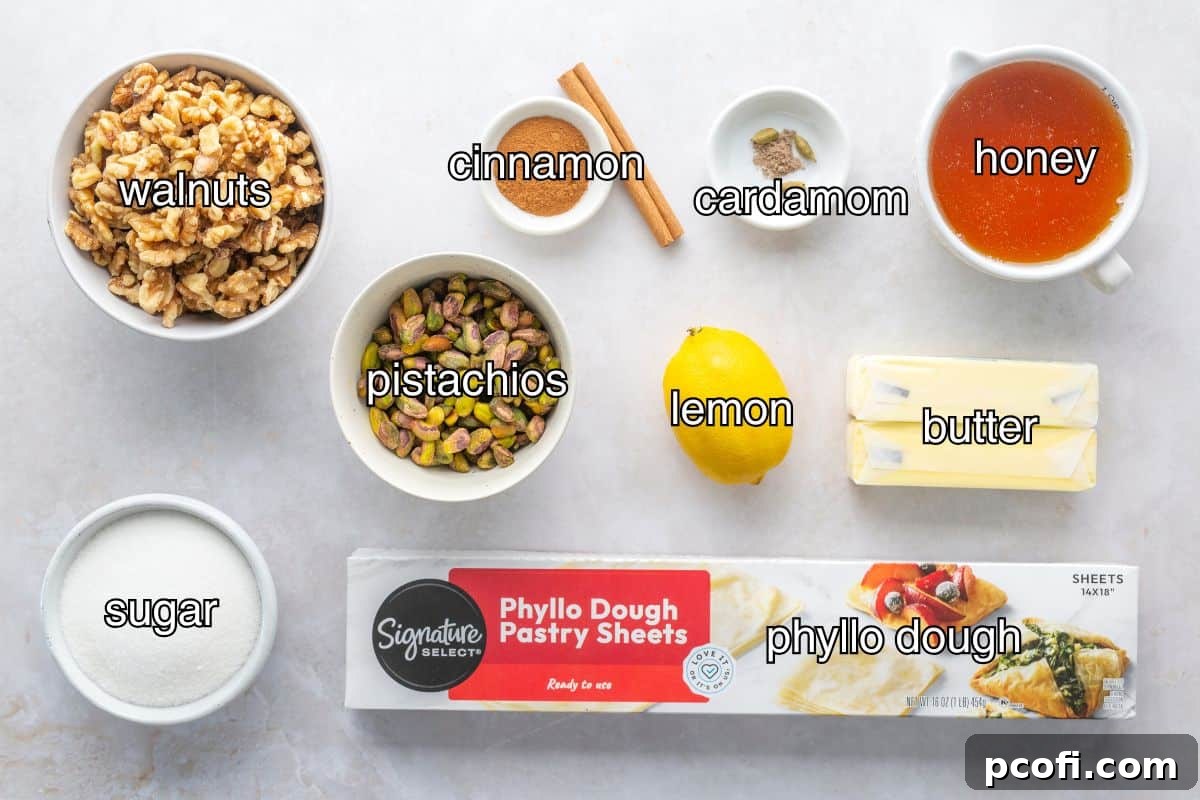
For the Aromatic Honey-Lemon Syrup:
The syrup is the soul of Baklava, providing moisture, sweetness, and a crucial flavor infusion. Making it from scratch ensures a fresh, vibrant taste that pre-made syrups simply cannot replicate.
- Granulated Sugar: Forms the base of the syrup, providing essential sweetness and helping it achieve the right consistency.
- Water: Used to dissolve the sugar and create the liquid foundation for our fragrant syrup.
- Good Quality Honey: This is where flavor truly shines. Opt for a high-quality, flavorful honey (like orange blossom or wildflower) to add deep floral notes and that signature sticky, luscious finish.
- Cinnamon Stick: Infuses the syrup with a warm, comforting, and subtly spicy aroma that complements the nutty layers beautifully.
- Whole Cardamom Pods: Offers a subtle, slightly citrusy, and exotic spice note that elevates the entire dessert.
- Optional: Orange Peel: A strip of fresh orange peel introduces a bright, zesty citrus punch, adding another layer of complexity to the syrup.
- Fresh-Squeezed Lemon Juice: A non-negotiable ingredient! It brightens the syrup, balances the intense sweetness, and adds a refreshing tang that cuts through the richness of the Baklava.
For the Flaky Nut Pastry:
Each component plays a vital role in building the structure and flavor of this iconic dessert.
- Walnuts: Provide a classic, rich, and slightly earthy nuttiness with a hearty texture that forms the bulk of our filling.
- Shelled Pistachios: Offer a delightful vibrant green color and a subtly sweet, earthy flavor. Remember to reserve some for a beautiful garnish!
- Granulated Sugar: Sweetens the nut mixture, aids in caramelization during baking, and helps bind the filling slightly.
- Ground Cinnamon: A quintessential spice for Baklava, bringing a cozy, warm aroma that perfectly harmonizes with the nuts.
- Ground Cardamom: Adds a distinct, fragrant, and slightly exotic twist to the nut filling, echoing the spice in the syrup.
- Kosher Salt: A pinch of salt is crucial! It enhances all the other flavors, making the sweetness brighter and the nuttiness more pronounced.
- Phyllo Dough: The star of the show! These ultra-thin sheets of pastry are the foundation of Baklava’s legendary crispness. Ensure it’s properly thawed.
- Unsalted Butter: Used generously between phyllo layers, butter adds incredible richness, depth of flavor, and is key to achieving that desirable golden, crisp texture. Unsalted butter allows you to control the overall saltiness.
Mastering Phyllo Dough: Tips for Success
Working with phyllo dough can seem intimidating, but with a few simple tricks, you’ll find it quite manageable. Phyllo is sold frozen in most grocery stores and needs to be thawed properly to prevent it from tearing. For best results, thaw your phyllo dough overnight in the refrigerator. Then, before you begin assembly, let the refrigerated phyllo package sit at room temperature for at least an hour. This gradual thawing process helps the sheets become more pliable and less prone to cracking.
Once you unroll the phyllo, it’s crucial to keep the unused sheets covered. Phyllo dries out incredibly quickly when exposed to air, becoming brittle and hard to work with. Keep a lightly damp (not wet!) kitchen towel over your stack of phyllo sheets at all times, only uncovering one or two sheets as you need them. Working quickly and efficiently will also help prevent drying.
Step-by-Step: Crafting Your Homemade Baklava
Follow these detailed steps to create a truly unforgettable Baklava that will impress everyone.
Step 1: Prepare the Fragrant Syrup
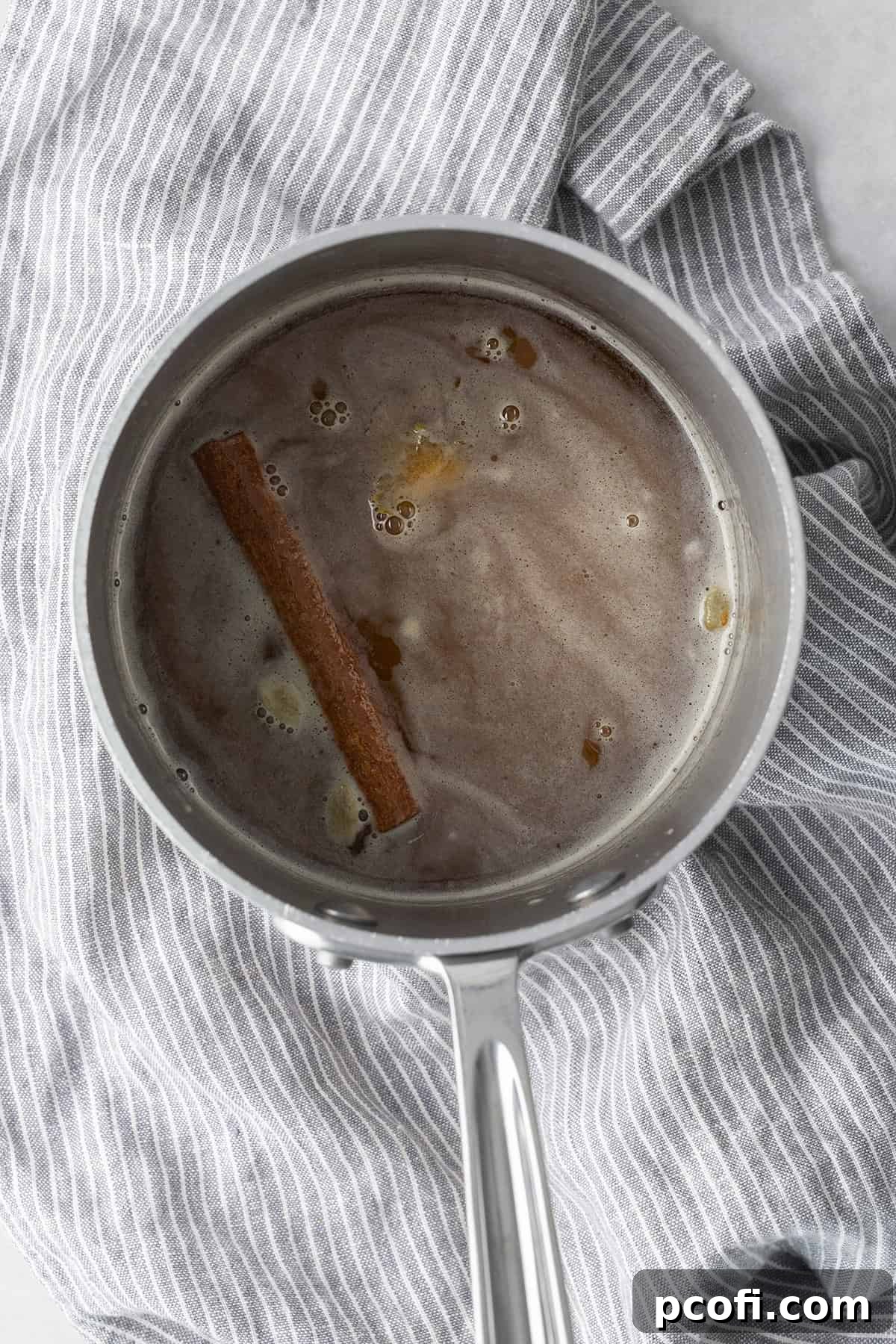
In a medium saucepan, combine the granulated sugar, water, good quality honey, cinnamon stick, whole cardamom pods, and optional orange peel. Place the saucepan over medium-high heat, stirring gently until the sugar completely dissolves. Bring the mixture to a rolling boil, then reduce the heat to low and allow it to simmer gently for 10 to 15 minutes. This simmering time allows the flavors to meld beautifully and the syrup to thicken slightly. Remove the saucepan from the heat and stir in the fresh-squeezed lemon juice. Strain the syrup through a fine-mesh strainer to remove the cinnamon stick, cardamom pods, and orange peel, leaving behind a clear, aromatic liquid. Set the syrup aside to cool completely while you prepare the baklava layers. It’s crucial for the syrup to be cool when poured over hot baklava to achieve the best texture.
Step 2: Prepare the Nut Filling
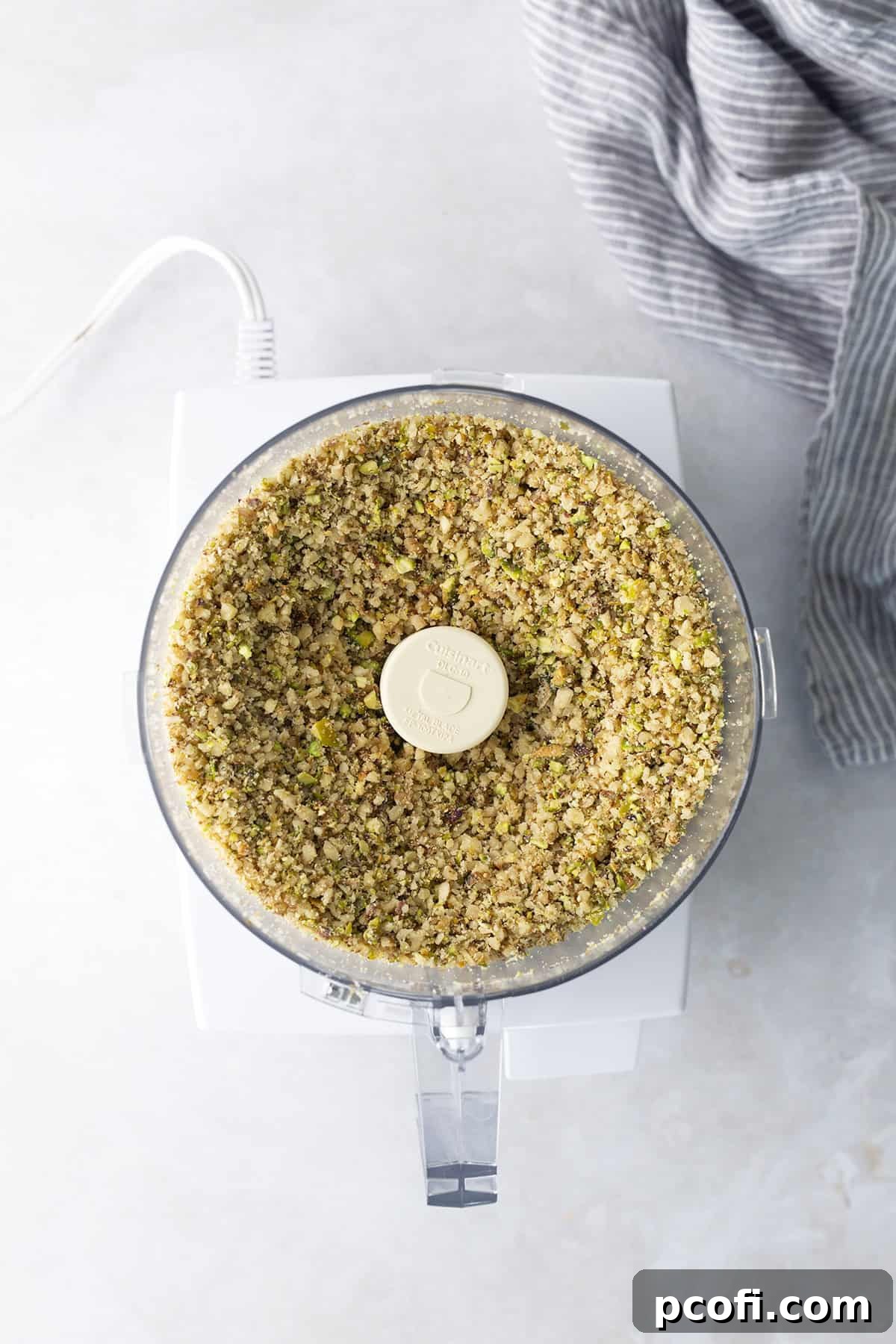
Place the walnuts and shelled pistachios into the bowl of a food processor. Pulse the nuts repeatedly until they are finely chopped but not reduced to a paste. Aim for a coarse, crumbly texture, avoiding over-processing which can release too much oil and make the filling greasy. A finer chop ensures a smoother distribution throughout the baklava layers.
Step 3: Season the Nut Mixture
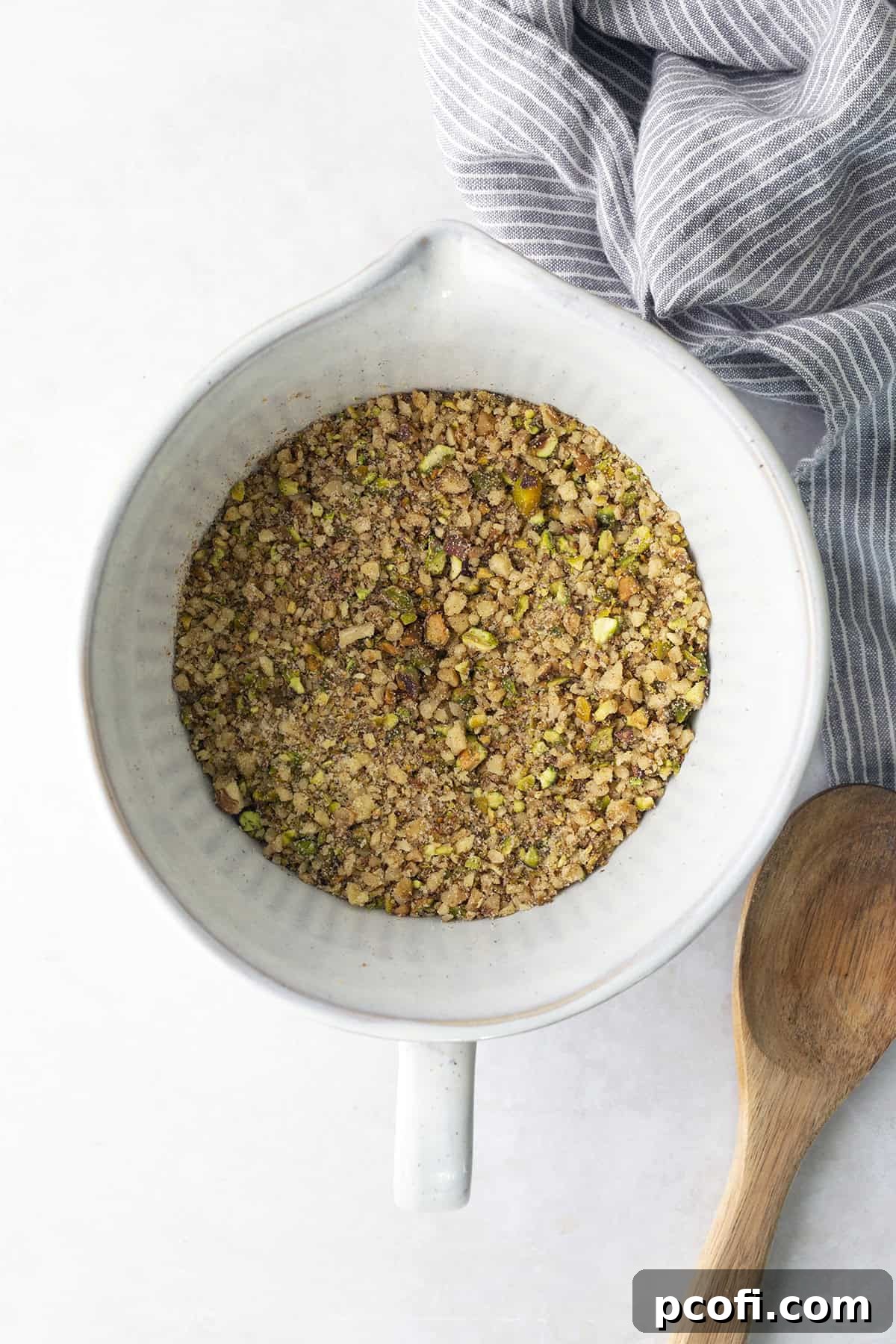
Transfer the finely chopped nuts from the food processor to a large mixing bowl. Add the granulated sugar, ground cinnamon, ground cardamom, and kosher salt. Stir all the ingredients together thoroughly until they are uniformly combined. This ensures every bite of your Baklava will be bursting with a balanced sweet and spicy flavor profile.
Step 4: Begin Layering the Phyllo
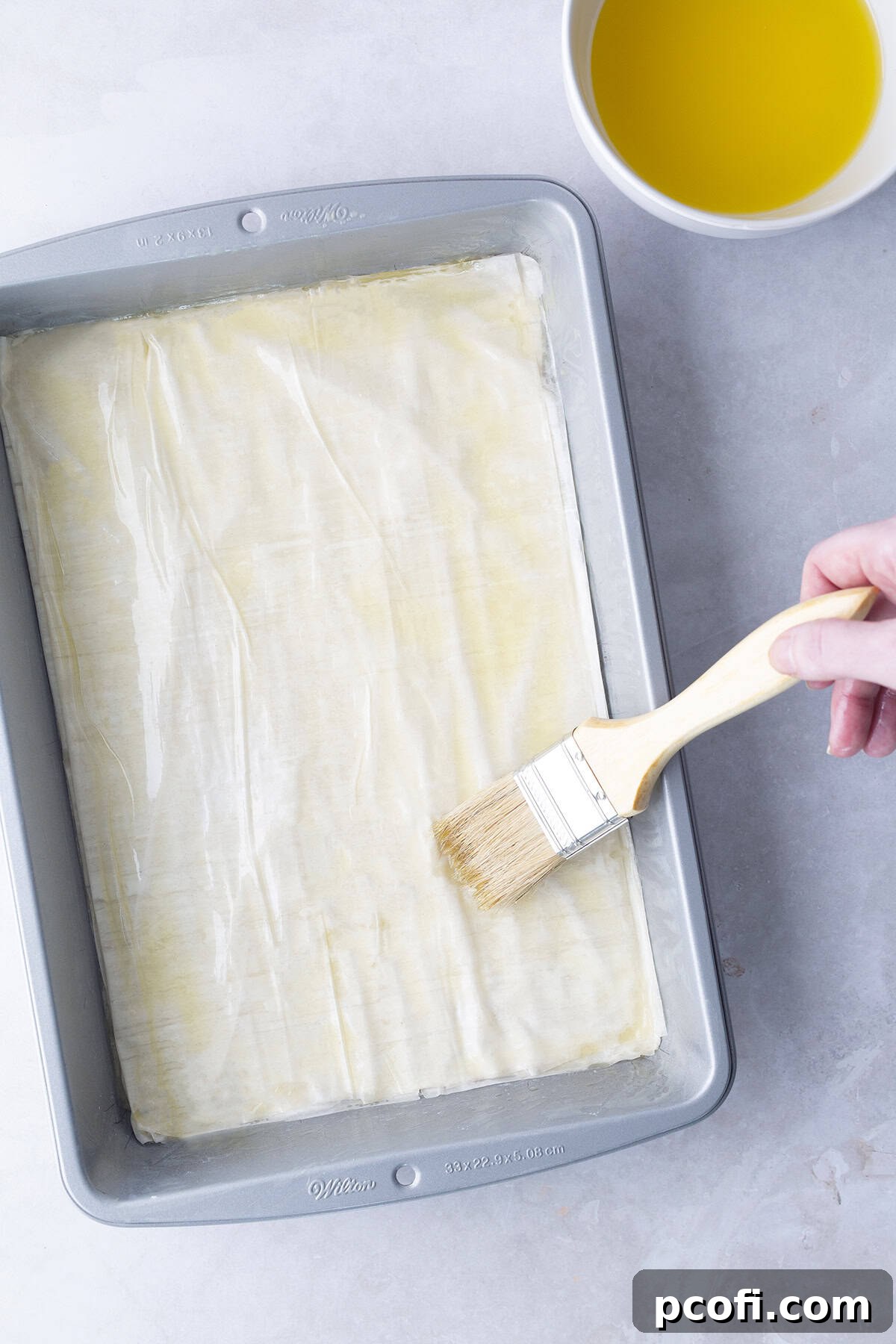
Preheat your oven to 350°F (175°C) and place an oven rack on the center shelf. Lightly brush the bottom and sides of a 9×13-inch baking pan with some of the melted unsalted butter. Take a sheet of phyllo dough, fold it in half (if your sheets are larger than your pan, trim them to fit or fold them carefully), place it in the prepared pan, and lightly brush its surface with melted butter. Repeat this process with four more sheets, ensuring each folded layer is lightly buttered, for a total of eight phyllo layers at the base. These initial layers form a sturdy foundation for your Baklava.
Step 5: Add Nut Filling and More Phyllo
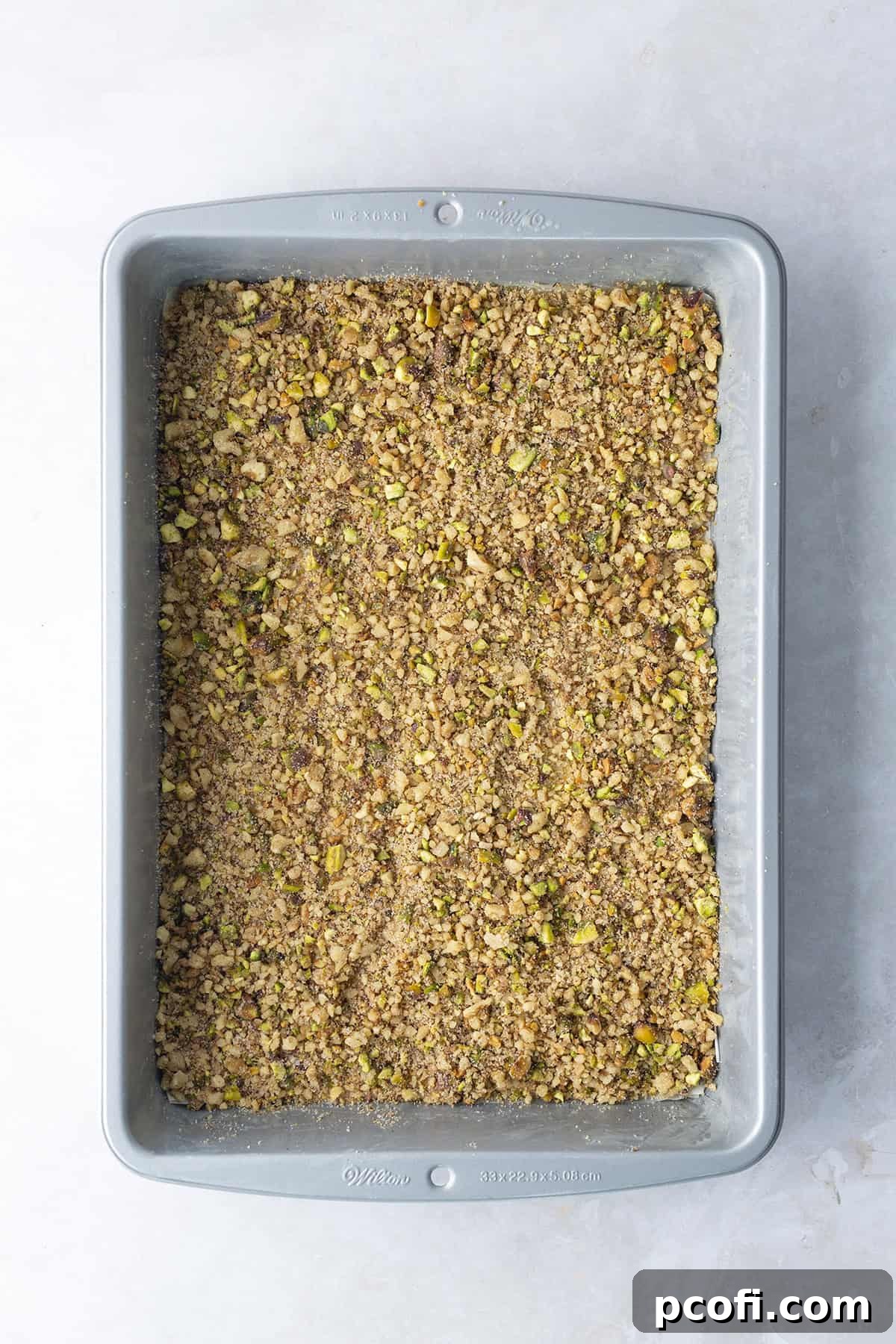
Evenly sprinkle half of the prepared nut mixture over the buttered phyllo layers in the pan, spreading it edge to edge. Next, top the nut layer with an additional five sheets of phyllo, folded in half, remembering to lightly brush each individual layer with melted butter before adding the next. Once these five layers are in place, spread the remaining nut mixture evenly over them. This creates a delightful double layer of nutty goodness.
Step 6: Finish Layering and Pre-Cut
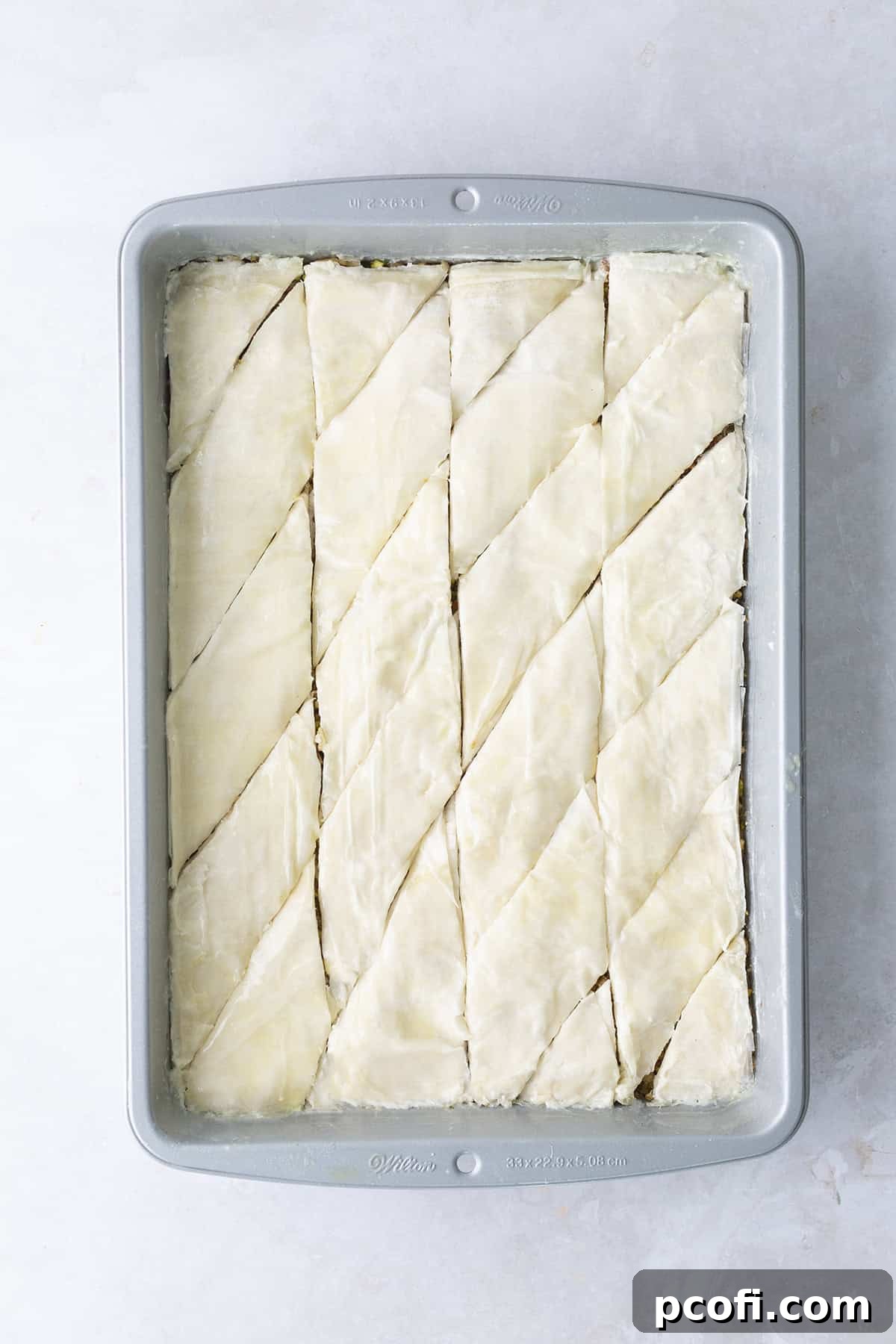
Continue the layering process with the remaining phyllo sheets, lightly brushing each layer with melted butter until all the phyllo has been used. The top layer should be a buttered phyllo sheet. Now comes a crucial step for beautifully presented Baklava: using a very sharp knife, carefully cut the baklava into your desired shapes. Traditional cuts include diamonds (achieved by cutting diagonal lines in two directions) or simple squares, approximately 1 to 1½ inches wide. Do not cut all the way through to the bottom; score about two-thirds of the way down. This pre-cutting allows the syrup to penetrate all the layers more effectively after baking. Finally, drizzle any remaining melted butter evenly over the surface of the pre-cut baklava. This extra butter helps achieve that irresistible golden-brown crispness.
Step 7: Bake and Syrup Drizzle
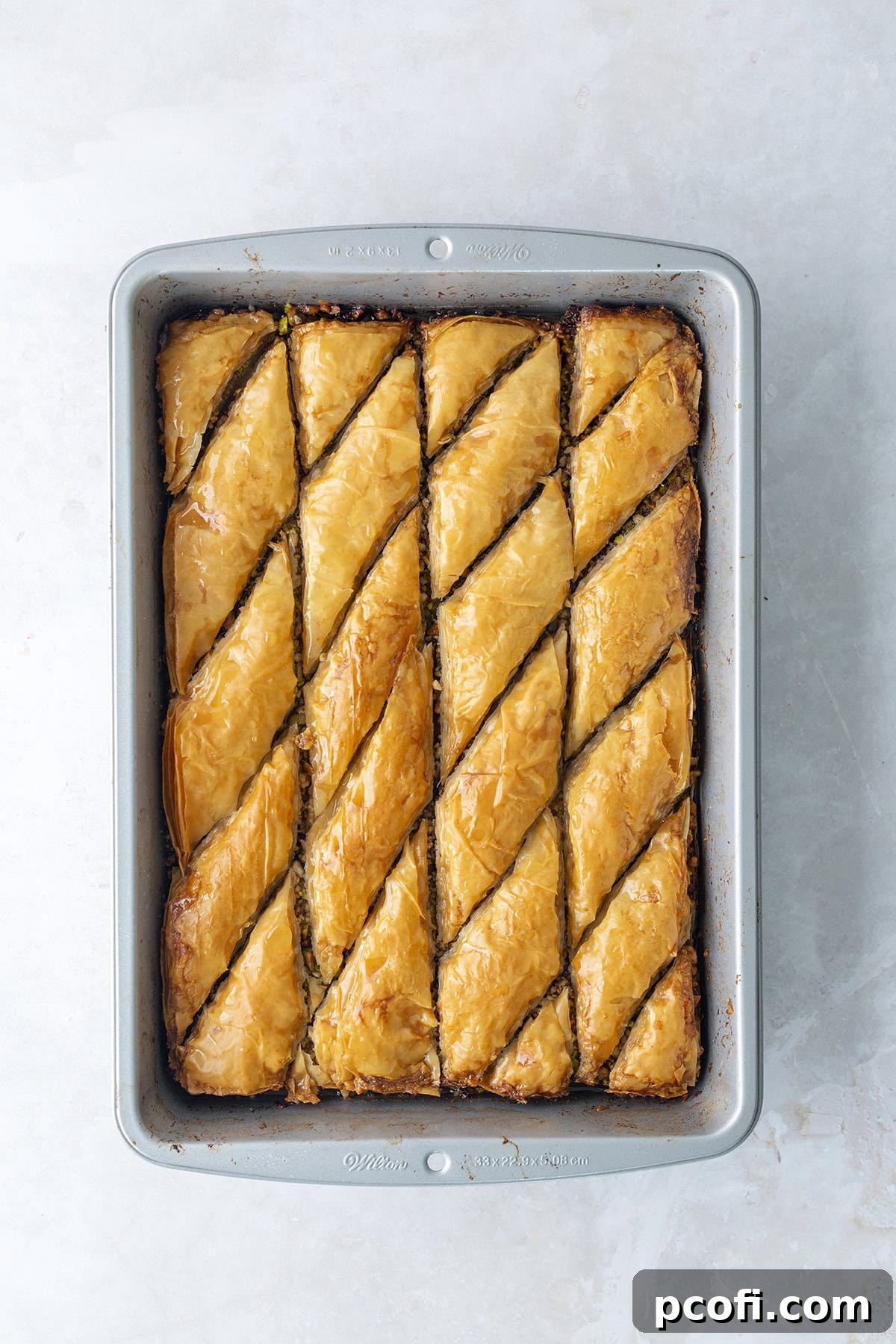
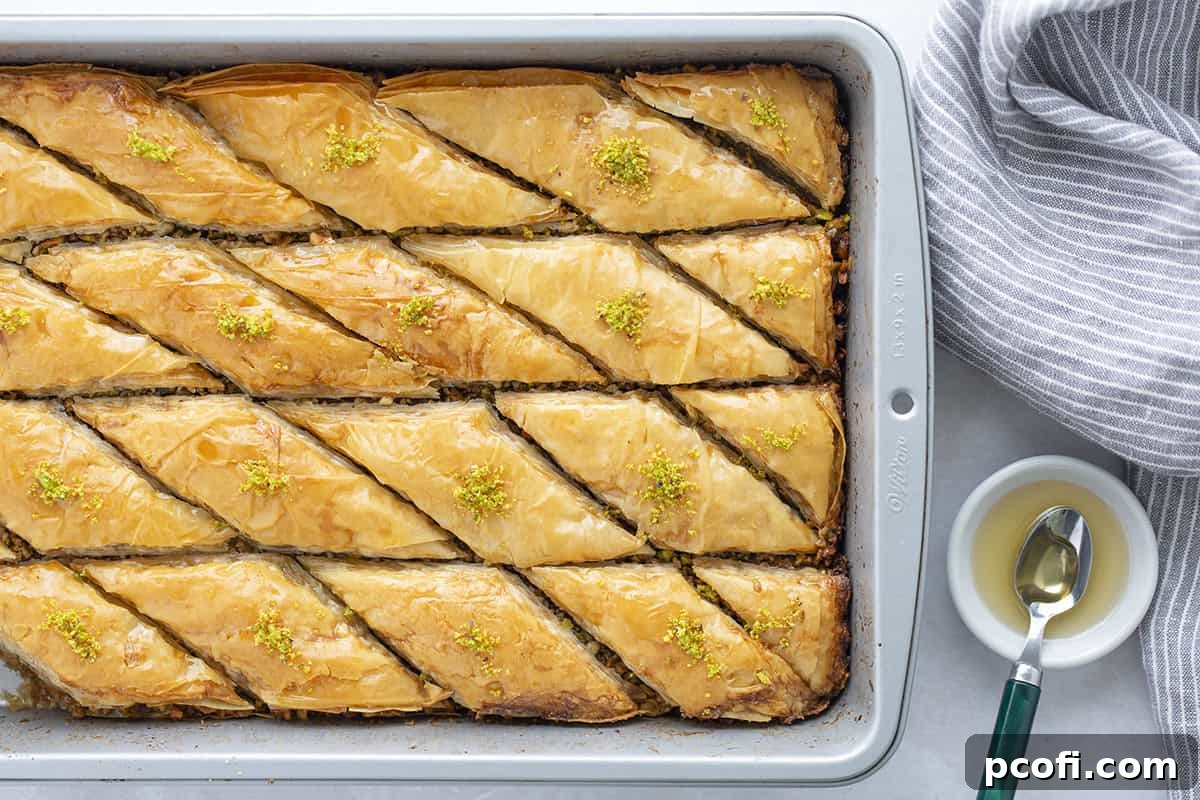
Place the baking pan in the preheated oven and bake for 40 to 50 minutes, or until the top phyllo layers are a magnificent golden brown and wonderfully crisp. Keep an eye on it towards the end, as oven temperatures can vary. Once baked to perfection, immediately remove the baklava from the oven. Without delay, evenly pour the previously cooled syrup over the entire hot baklava. You will hear a delightful sizzling sound as the hot pastry absorbs the cold syrup. This temperature difference is key to creating that perfect crispy, yet moist, texture. Allow the baklava to cool completely at room temperature for several hours—ideally, at least an hour, but longer is better—before serving. This resting period allows the syrup to fully absorb and distribute, yielding the best flavor and texture. Garnish with finely chopped pistachios for an extra touch of elegance and flavor.
Expert Tips for Baklava Perfection
Achieving Baklava perfection is easier with these insightful tips and tricks:
Tip 1: Monitor Baking Closely: Ovens can vary significantly in temperature, and phyllo dough can brown very quickly. Begin checking your baklava after approximately 35-40 minutes. It might be ready then, or it could take up to 50 minutes. The key indicator is a beautiful, even golden-brown color across the entire top surface. If you notice it browning too quickly, you can loosely tent it with aluminum foil for the last 10-15 minutes of baking.
Tip 2: The Syrup Temperature Secret: For the ideal crispy yet moist baklava, it is absolutely essential to pour cool syrup over hot baklava. This thermal shock helps the phyllo retain its crispness while allowing it to absorb the syrup fully without becoming soggy. If both the baklava and syrup are hot, the baklava can become too soft or mushy. If both are cold, the syrup won’t penetrate as well.
Tip 3: The Art of Buttering Phyllo: You don’t need to douse each layer of phyllo with an excessive amount of butter. A light, even brushing across the entire surface of each sheet is perfectly sufficient. The goal is to lightly coat each layer to promote crispness and flavor, not saturate it. If you have any extra melted butter remaining after assembling all the layers, drizzle it over the top of the pre-cut baklava just before baking. This encourages extra browning and a rich crust.
Tip 4: Handle Phyllo with Care: As mentioned, phyllo dries out very quickly. Always keep the stack of unused phyllo sheets covered with a lightly damp kitchen towel. Work efficiently, peeling off one sheet at a time, brushing with butter, and laying it in the pan before taking the next. Speed and organization are your allies here.
Tip 5: Precision in Cutting: Pre-cutting the baklava before baking is vital. Not only does it make serving much easier, but it also creates channels for the hot syrup to seep into, ensuring every layer is thoroughly saturated. Use a long, sharp knife and make clean, decisive cuts. Don’t press too hard that you mush the layers; a steady, gentle hand is best.
Tip 6: The Importance of Cooling: Resist the urge to dive into your baklava too soon! Allowing it to cool completely for several hours (or even overnight) at room temperature is crucial. This resting period allows the syrup to fully absorb and set, deepening the flavors and solidifying the layers, resulting in the perfect texture.
Storage and Serving Suggestions
Proper storage is key to maintaining the quality and freshness of your homemade Baklava. Once cooled, store Baklava in an airtight container at room temperature for up to 1 week. There’s no need to refrigerate it, as the cold can make the phyllo layers stiff and affect its delicate texture. If you plan to keep it longer, Baklava can be frozen for up to 2-3 months. To freeze, wrap individual pieces or the entire pan tightly in plastic wrap, then aluminum foil. Thaw overnight in the refrigerator before bringing to room temperature to serve.
Baklava is traditionally served at room temperature, making it a convenient dessert for entertaining. It pairs wonderfully with a strong, dark coffee, a cup of fragrant tea, or even a scoop of vanilla bean ice cream for a delightful contrast of warm and cold. Garnish with a sprinkle of finely chopped pistachios or a light dusting of cinnamon for an extra touch of beauty and flavor.
Baklava FAQs
Can I make Baklava ahead of time?
Absolutely! Baklava is one of those rare desserts that actually tastes better the day after it’s made. This allows the syrup to fully penetrate and infuse all the layers, leading to a richer flavor and more tender, yet crisp, texture. You can prepare it 1-2 days in advance of when you plan to serve it.
Why is my phyllo dough tearing?
Phyllo dough is notoriously delicate. Tearing usually occurs if the dough is not fully thawed or if it dries out while you’re working with it. Ensure it thaws overnight in the refrigerator and then sits at room temperature for at least an hour before use. Always keep unused sheets covered with a lightly damp cloth to prevent them from drying out.
How do I prevent my Baklava from becoming soggy?
The secret lies in the temperature difference between the syrup and the baked Baklava. Always pour cool or room-temperature syrup over hot, freshly baked Baklava. This thermal shock helps the phyllo crisp up and absorb the syrup without becoming mushy. Also, avoid over-drenching; use the recommended amount of syrup.
What kind of nuts can I use for Baklava?
While walnuts and pistachios are classic for Greek Baklava, you can experiment with other nuts. Pecans, almonds, or a combination of various nuts can also yield delicious results. Just ensure they are finely chopped and mixed with the sugar and spices.
Do I need to use clarified butter?
No, melted unsalted butter works perfectly well for this recipe. Some traditional recipes call for clarified butter (ghee) because it has a higher smoke point and pure butterfat, which can contribute to extra crispness and a nuttier flavor. However, regular melted unsalted butter provides excellent results and is more readily available.
Making homemade Baklava is a rewarding experience that fills your kitchen with incredible aromas and your home with delicious memories. Enjoy the process, savor the flavors, and share this timeless dessert with those you love!
More Irresistible Dessert Recipes
If you loved making this Baklava, be sure to explore more delightful dessert recipes:
- Chai Spice Cupcakes
- Oatmeal Carmelitas
- Blueberry Cobbler
- Zucchini Cake
- Cream Puff Cake
- Cheesecake Brownies
As an Amazon Associate, I earn from qualifying purchases.
Greek Baklava
24 servings
25 mins
55 mins
1 hr 20 mins
Leave a Review
Ingredients
For the Syrup
- 3/4 cup (157g) granulated sugar
- 1 cup (224g) water
- 1 cup (325g) good quality honey
- 1 cinnamon stick
- 3 whole cardamom pods
- Optional: 1 strip orange peel, about 1x2inch
- 2 tablespoons (27g) fresh-squeezed lemon juice
For the Baklava
- 2 1/2 cups (256g) walnuts
- 1 cup (137g) shelled pistachios, plus more for topping
- 1/4 cup (58g) granulated sugar
- 2 teaspoons (4g) ground cinnamon
- 1/8 teaspoon ground cardamom
- 1/4 teaspoon kosher salt
- 16- oz (454g) package phyllo dough, thawed
- 8 ounces (227g) unsalted butter, melted
Instructions
- Place the sugar and water in a saucepan set over medium-high heat, stirring to help dissolve the sugar. Add the honey, cinnamon stick, and cardamom. Bring to a boil, then lower the heat and simmer for 10-15 minutes. Remove from the heat and stir in the lemon juice, then strain to remove the orange, cinnamon and cardamom. Set aside to cool completely.
- Place an oven rack on the center shelf and preheat the oven to 350 degrees F (175°C).
- In a food processor, pulse the walnuts and pistachios until finely chopped. Transfer to a large bowl and stir in the sugar, cinnamon, cardamom and salt until evenly combined.
- Place the phyllo sheets on a clean surface and cover with a lightly damp kitchen towel to keep them from drying out and breaking.
- Brush the bottom of a 9×13-inch baking pan lightly with melted butter. Fold a sheet of phyllo in half and place it in the baking pan, then brush lightly with butter. Repeat the process with 4 more sheets, for 8 layers total. Top with half the nut mixture, spreading it evenly across the phyllo.
- Top with 5 more phyllo sheets, folded in half, again brushing each layer with butter. Spread the remaining nut mixture evenly over these phyllo layers. Repeat with the remaining phyllo sheets, brushing butter in between each layer, until they’ve all been used. The top layer should be buttered phyllo.
- Using a sharp knife, carefully cut the baklava into diamond shapes or squares, about 1 to 1 1/2 inches wide, scoring about two-thirds of the way down. Drizzle any remaining butter over the top.
- Bake for 40 – 50 minutes until the top is golden brown and crisp. Remove from the oven and immediately pour the cool syrup evenly all over the hot baklava.
- Allow the baklava to sit at room temperature for several hours (or at least 1 hour minimum) before serving. Garnish with finely chopped pistachios.
Notes
Tried this recipe?
Mention @bakingamoment on Instagram or tag #bakingamoment.