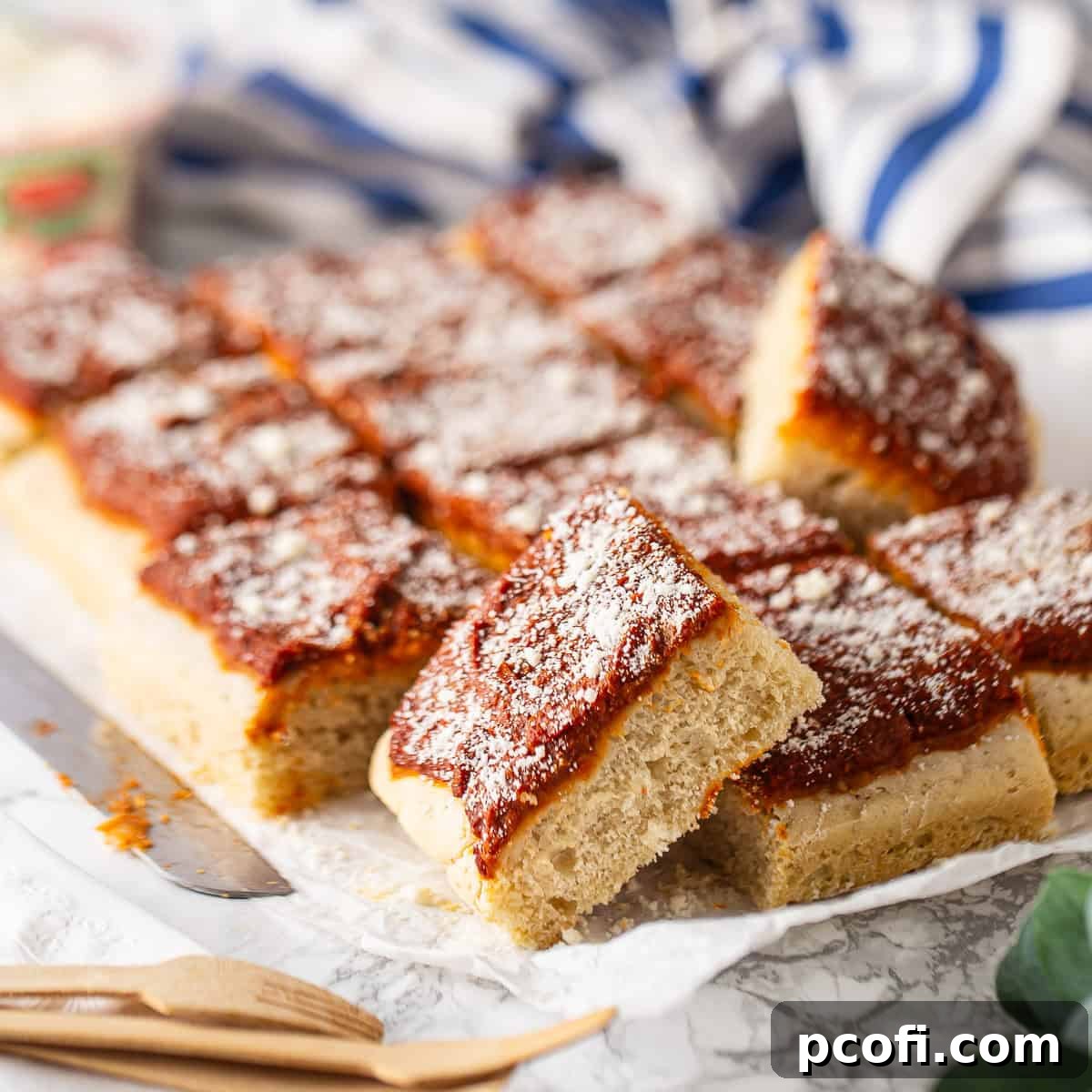
Step into the rich culinary heritage of Philadelphia with a classic that delights locals and visitors alike: the Philadelphia Tomato Pie. More than just a pizza, this iconic dish is a beloved staple, celebrated for its unique characteristics. Unlike your typical gooey, hot, cheese-laden pizza, a true Philly Tomato Pie is distinguished by its soft, olive-oil-brushed crust, a generous layer of thick, zesty tomato sauce, and a delicate dusting of salty Pecorino Romano cheese, all designed to be savored at room temperature or even cold. This makes it an incredibly versatile treat – perfect as an after-school snack, a picnic hero, or a game-day essential.
This comprehensive guide will walk you through every step of recreating this authentic bakery-style slice right in your own kitchen. Prepare to uncover the secrets behind its pillowy, focaccia-like crust and its sweet-savory sauce, ensuring you achieve that classic taste and texture that evokes fond memories of Philadelphia’s vibrant food scene.
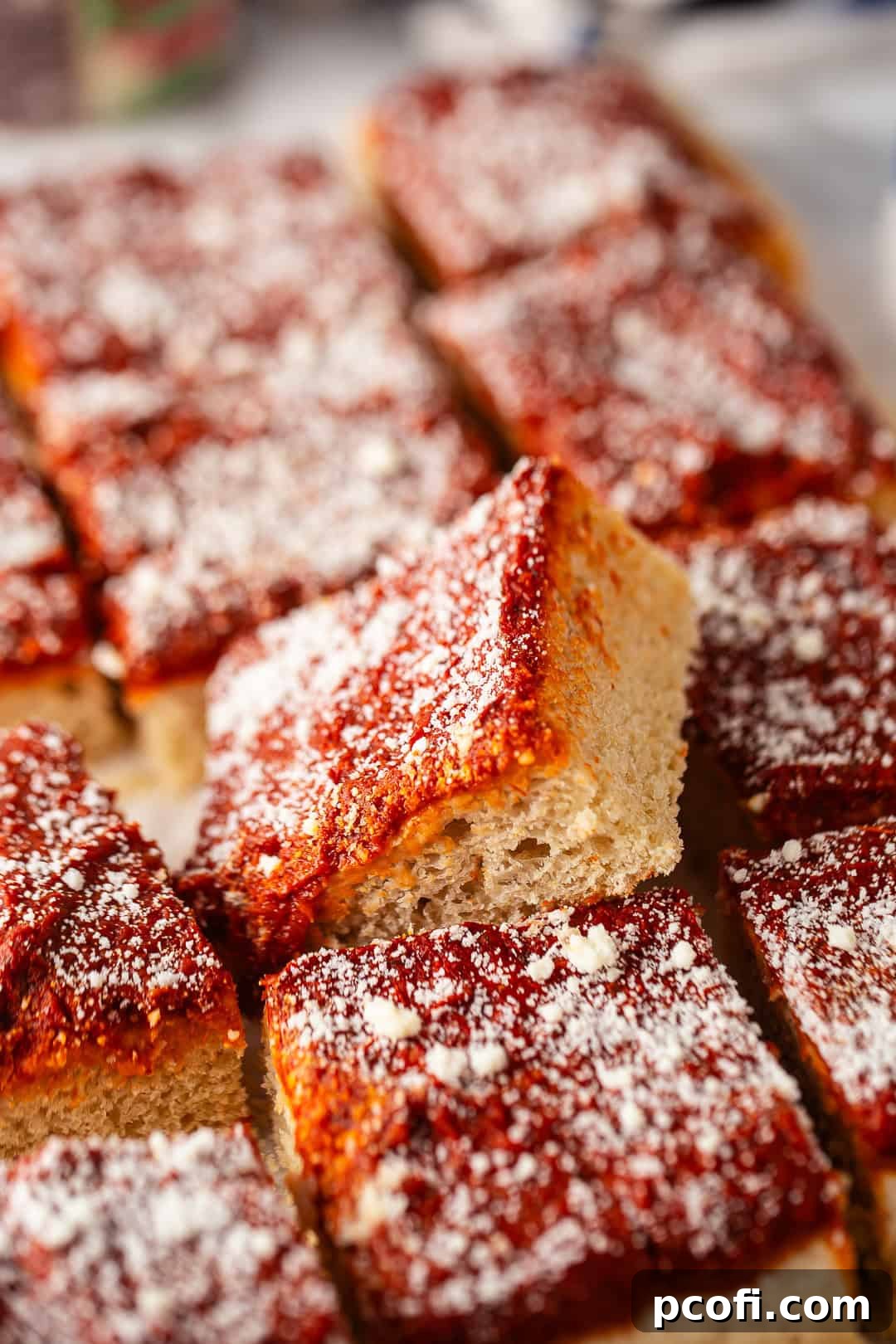
Table of Contents
- Why You’ll Adore This Classic Tomato Pie Recipe
- Essential Ingredients for Your Philadelphia Tomato Pie
- Step-by-Step Guide to Making Tomato Pie at Home
- Expert Tips for a Perfect Philadelphia Tomato Pie
- Exploring the History of Philadelphia Tomato Pie
- Serving and Storage Suggestions
- Recipe Card: Philadelphia Tomato Pie
- More Homemade Pizza Inspirations
Jump to Recipe
The allure of a Philadelphia Tomato Pie lies in its humble yet profound simplicity. It’s a testament to how basic ingredients, handled with care, can yield extraordinary results. From the moment you press your fingers into the soft, yielding dough, to the first bite of the rich, aromatic sauce, you’ll understand why this dish holds such a special place in the hearts of many. This recipe empowers you to bring that authentic taste and comforting nostalgia into your home, ensuring a delightful experience for everyone.
Why You’ll Adore This Classic Tomato Pie Recipe
- Freezer-Friendly Sauce: This recipe yields a generous amount of our rich, zesty tomato sauce. The best part? You’ll likely have extra! Don’t let it go to waste. Portion it out and freeze it for quick, flavorful pasta nights, dipping sauces, or to whip up another tomato pie in a flash. It’s a fantastic way to enjoy homemade goodness on busy weeknights, saving you precious time without compromising on taste.
- Authentic Flavor & Texture: Forget everything you think you know about pizza. This isn’t a cheesy, bubbling hot pie. Instead, it offers a distinct, pillowy, focaccia-like crust that’s wonderfully soft and infused with olive oil. Paired with our sweet-savory sauce, it delivers the true, unmistakable taste and texture of the classic Philadelphia tomato pie you remember from local bakeries. It’s a unique culinary experience that sets it apart.
- Feeds a Crowd Effortlessly: Baked in a standard 9×13-inch pan, this tomato pie is perfectly sized to feed a hungry gathering. It slices beautifully into neat, party-ready squares, making it ideal for entertaining. Whether you’re hosting a casual get-together, a family dinner, or looking for a potluck contribution, this pie is guaranteed to be a crowd-pleaser and disappear quickly.
- The Ultimate Make-Ahead Marvel: One of the most remarkable qualities of Philadelphia Tomato Pie is that it tastes best once completely cooled, or even cold from the fridge. This makes it an absolute dream for meal prepping or party planning. Bake it hours, or even a full day, before your event, and it will only improve as the flavors meld and the crust settles. Say goodbye to last-minute rush and hello to stress-free deliciousness.
- Versatile Snacking & Dining: Because it’s served at room temperature or cold, this tomato pie is incredibly versatile. It transcends the traditional mealtime boundaries, serving equally well as a hearty breakfast, a satisfying lunch, an afternoon snack, or even a light dinner. Its portability makes it ideal for packed lunches, picnics, or road trips, ensuring you always have a delicious bite on hand.
Essential Ingredients for Your Philadelphia Tomato Pie
Crafting the perfect Philadelphia Tomato Pie begins with selecting the right ingredients. Each component plays a vital role in achieving that signature flavor and texture. Here’s a detailed look at what you’ll need:
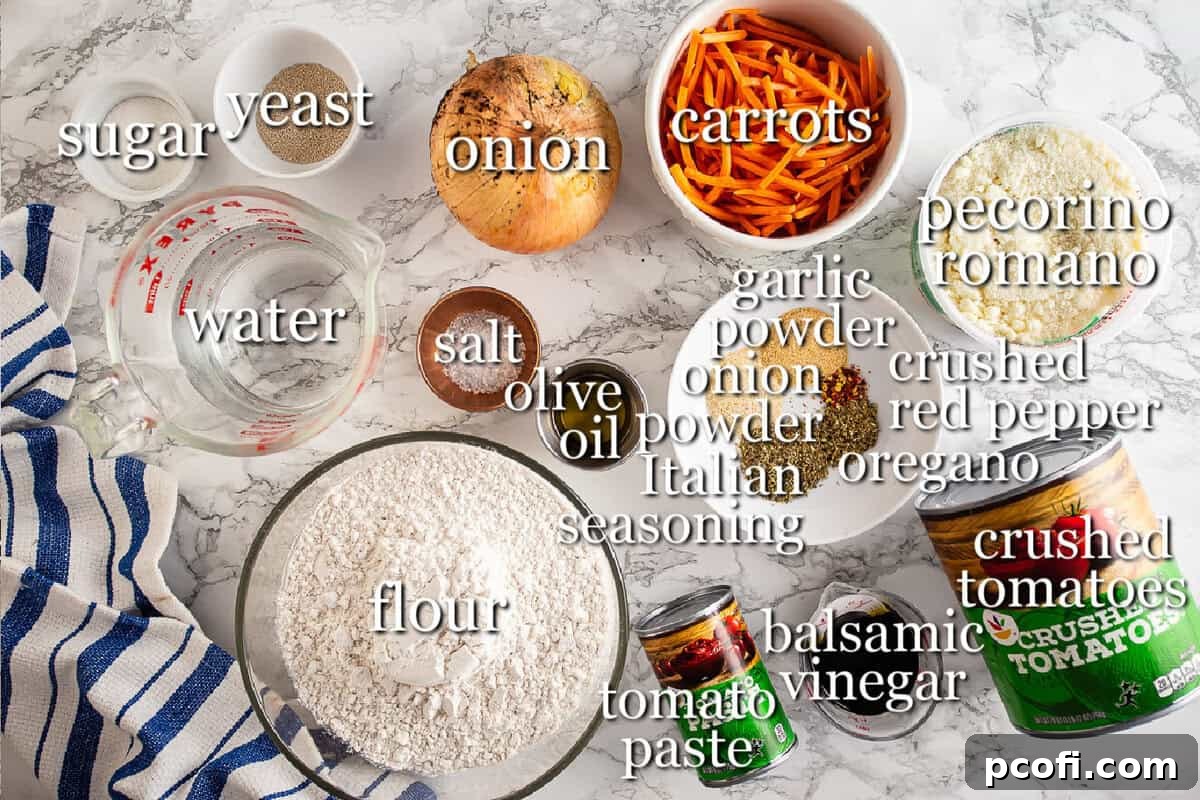
For the Crust
- Granulated Sugar: A small amount of sugar is essential for activating the yeast. It provides a quick energy source, helping the yeast bloom effectively and ensuring a light, airy crust.
- Warm Water: The temperature of your water is crucial for yeast activation. Aim for a temperature between 105–115°F (40–46°C). Water that’s too cold won’t activate the yeast, while water that’s too hot can kill it.
- Active Dry Yeast: One standard packet (approximately 2 teaspoons or 7 grams) is all you need. Ensure your yeast is fresh and active for the best rise.
- All-Purpose Flour: This forms the base of your dough, providing structure. While all-purpose flour works wonderfully, bread flour is a great alternative if you desire a chewier crust, thanks to its higher protein content.
- Extra-Virgin Olive Oil: Beyond just preventing sticking, olive oil is a key ingredient for both flavor and texture. It contributes to the focaccia-like tenderness of the crust and imparts a rich, Mediterranean aroma. Don’t skimp on quality here!
- Kosher Salt: Salt is more than just a seasoning; it balances the flavors in the dough and controls the yeast’s activity, preventing it from rising too quickly.
For the Tomato Topping
- Extra-Virgin Olive Oil: Used again here, this time to sauté the vegetables and bloom the spices, laying a flavorful foundation for the sauce.
- Onion: One medium onion, finely chopped, adds a foundational sweetness and aromatic depth to the sauce.
- Carrots: Grated carrots are a secret weapon in this sauce. They naturally sweeten the tomatoes, balancing their acidity without needing excessive added sugar, and add a subtle complexity.
- Spices (Garlic Powder, Onion Powder, Italian Seasoning, Dried Oregano, Crushed Red Pepper Flakes): These pantry staples are carefully chosen to echo the beloved savory and aromatic profile of traditional bakery tomato pies. Adjust red pepper flakes to your heat preference.
- Kosher Salt: Canned tomatoes often benefit significantly from added salt to enhance their natural flavor. It’s crucial for bringing all the sauce ingredients together.
- Tomato Paste: The key to a deeply flavorful sauce! Caramelizing the tomato paste by cooking it until it turns a brick-red color is essential. This process unlocks its rich, concentrated tomato flavor, adding incredible depth and umami to the sauce.
- Balsamic Vinegar: A splash of balsamic vinegar not only deglazes the pan, lifting all those delicious browned bits from the bottom, but also introduces a subtle tang that brightens the sauce and adds complexity.
- Crushed Tomatoes: One large 28-ounce (794 g) can of good quality crushed tomatoes forms the bulk of your sauce. Look for brands with minimal additives for the purest flavor.
- Sugar: A small amount of sugar is added to further balance the acidity of the tomatoes and enhance the overall sweetness of the sauce, resulting in a harmonious flavor profile.
- Pecorino Romano Cheese: This is the traditional, non-negotiable finish for an authentic Philadelphia Tomato Pie. Its sharp, salty, and pungent flavor perfectly complements the rich tomato sauce. While Parmesan can work in a pinch, Pecorino Romano, especially a high-quality brand like Locatelli, provides that truly distinctive taste.
Step-by-Step Guide to Making Tomato Pie at Home
Creating this iconic Philadelphia Tomato Pie is a rewarding process. Follow these steps carefully to achieve a truly authentic and delicious result.
Step 1: Mix & Proof the Dough
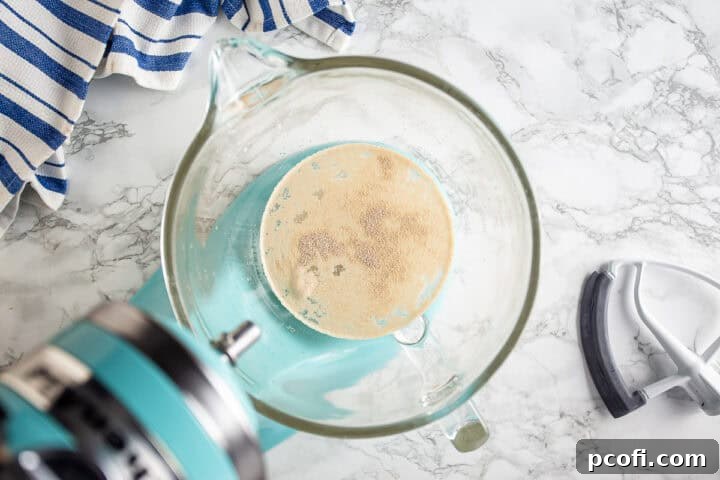
Bloom Yeast: In a large bowl, combine the granulated sugar with the warm water (105–115°F / 40–46°C). Sprinkle the active dry yeast over the water’s surface. Allow it to sit undisturbed for 5-10 minutes. During this time, the yeast should activate and become foamy, indicating it’s alive and ready to work.
Combine Ingredients: Once the yeast mixture is bubbly and foamy, stir in about 3 cups of the all-purpose flour, the extra-virgin olive oil, and the kosher salt. Mix with a sturdy spoon or in a stand mixer with a dough hook until a shaggy, cohesive dough forms. Gradually add the remaining flour, a little at a time, until the dough comes together into a ball and pulls away cleanly from the sides of the bowl. It should be slightly sticky but manageable. If using a stand mixer, knead on medium-low speed for 5-7 minutes. If kneading by hand, turn the dough out onto a lightly floured surface and knead for 8-10 minutes, adding just enough flour to prevent sticking, until it becomes smooth, elastic, and supple.
First Rise: Lightly oil the large bowl you used for mixing. Place the kneaded dough in the bowl, turning it once to coat all sides with oil. Cover the bowl tightly with plastic wrap or a clean, damp kitchen towel. Let the dough rise in a warm, draft-free place until it has doubled in bulk. This typically takes 45 to 90 minutes, depending on the temperature of your room.
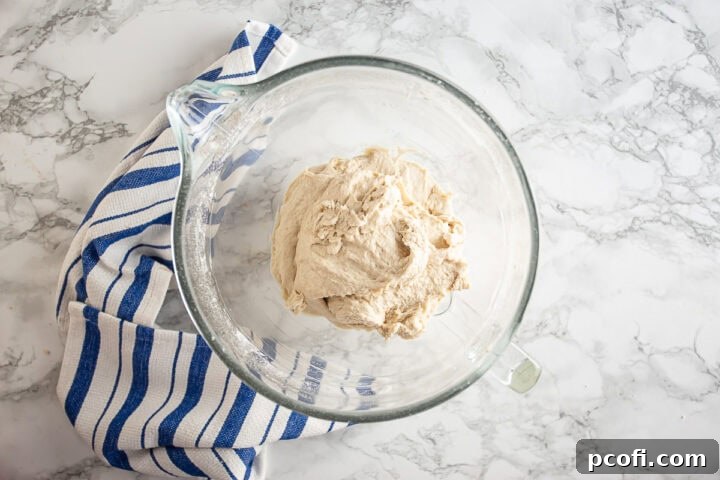
Step 2: Pan, Rise & Par-Bake
Prepare the Pan: Lightly oil a 9×13-inch (23×33 cm) baking pan with extra-virgin olive oil. This is crucial for achieving that characteristic golden-crisp underside. Gently punch down the risen dough to release the air. Transfer the dough to the prepared baking pan.
Press into Pan: Using your oiled fingertips, gently stretch and press the dough evenly to cover the entire bottom of the pan. If the dough resists and springs back, allow it to rest for 10-15 minutes, which allows the gluten to relax, then try again. This rest period is essential for an even crust.
Second Rise: Once the dough is evenly spread, cover the pan again with plastic wrap or a damp towel. Let it puff up for a second rise in a warm spot, for another 45 to 90 minutes, or until noticeably expanded and airy. This second rise contributes significantly to the light and airy crumb of the final crust.
Dimple & Par-Bake: Preheat your oven to 350°F (175°C). Once the dough has completed its second rise, gently dimple the entire surface with your oiled fingertips. This creates small pockets that will hold the sauce beautifully and contributes to the focaccia-like texture. Bake the crust for approximately 15 minutes, or until it is puffy and set, but still pale in color. It should not be fully browned at this stage.
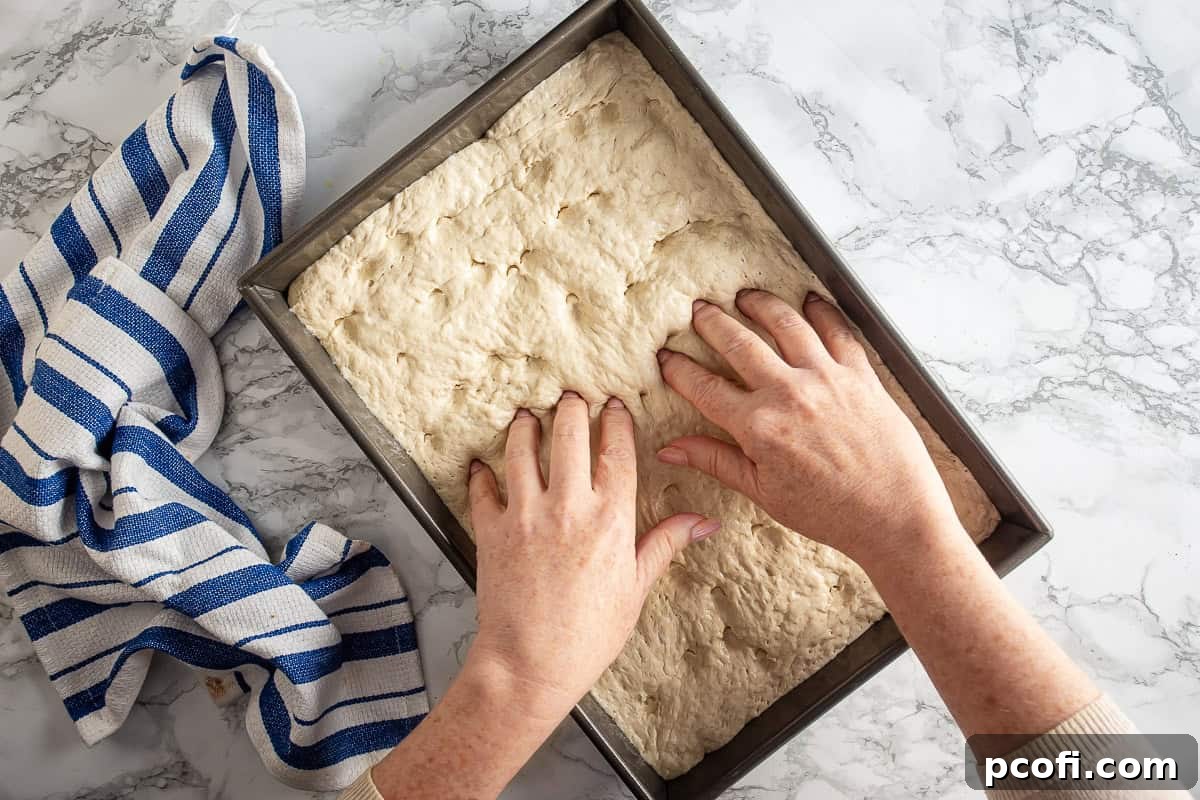
Step 3: Cook the Sauce
Sauté Vegetables & Spices: In a large, heavy-bottomed pot or Dutch oven, warm the 3 tablespoons of extra-virgin olive oil over medium heat until it shimmers. Add the finely chopped onion and grated carrots. Cook, stirring occasionally, for about 5 minutes, until the vegetables soften and the onion becomes translucent. Stir in the garlic powder, onion powder, Italian seasoning, kosher salt, dried oregano, and crushed red-pepper flakes. Cook for another minute, stirring constantly, to bloom the spices and release their aromas.
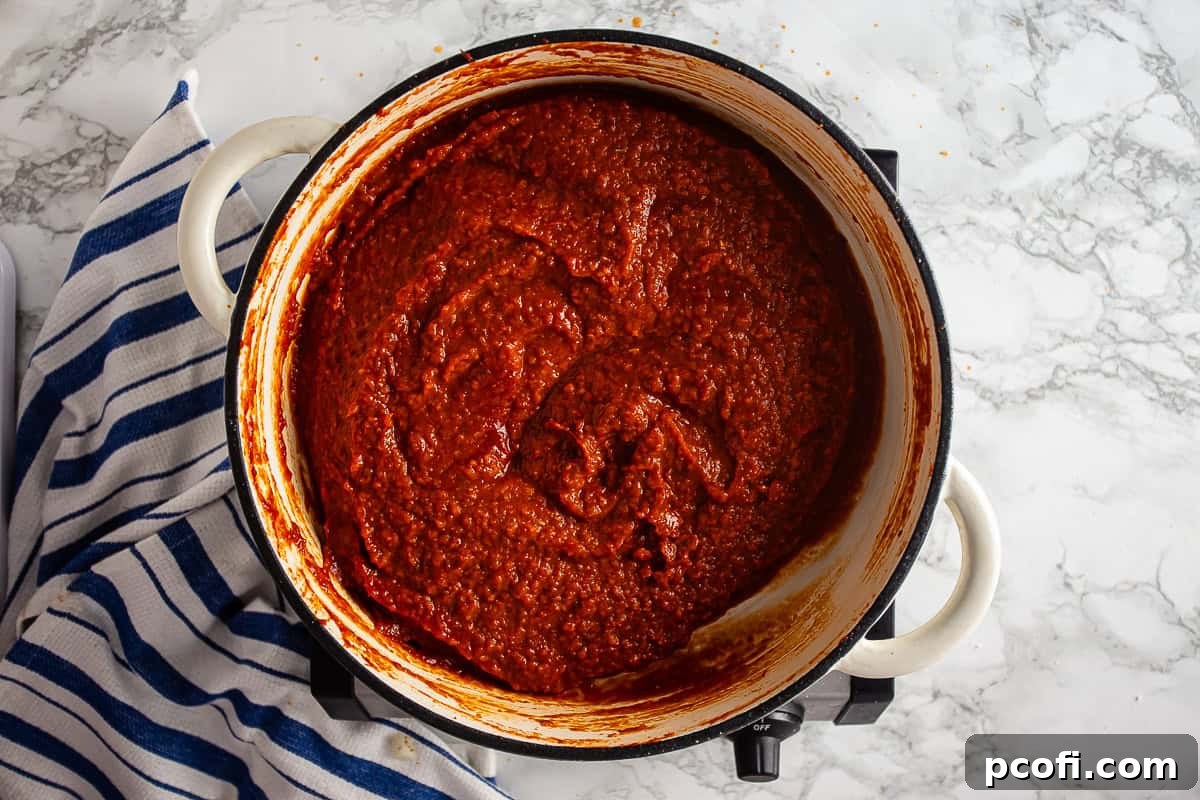
Caramelize Tomato Paste: Push the vegetables to one side of the pot and add the tomato paste to the cleared space. Cook the tomato paste, stirring it frequently, for 3-5 minutes until it darkens to a brick-red color. This caramelization process is crucial for developing deep, rich tomato flavor and removing any metallic taste.
Deglaze & Simmer: Pour in the balsamic vinegar, scraping the bottom of the pot with a wooden spoon to lift any browned bits (fond) that have accumulated. These bits are packed with flavor and will enrich your sauce. Add the crushed tomatoes and the tablespoon of sugar to the pot. Stir well to combine all ingredients. Bring the sauce to a gentle simmer, then reduce the heat to low. Partially cover the pot with a lid and let the sauce simmer for at least 20 minutes, allowing the flavors to meld and deepen. For a smoother sauce, carefully use an immersion blender directly in the pot, or transfer portions to a regular blender (blending in batches with the lid slightly ajar to release steam) until desired consistency is reached. Remember, you’ll only need about half of this delicious sauce for your pie, leaving you with extra for later!
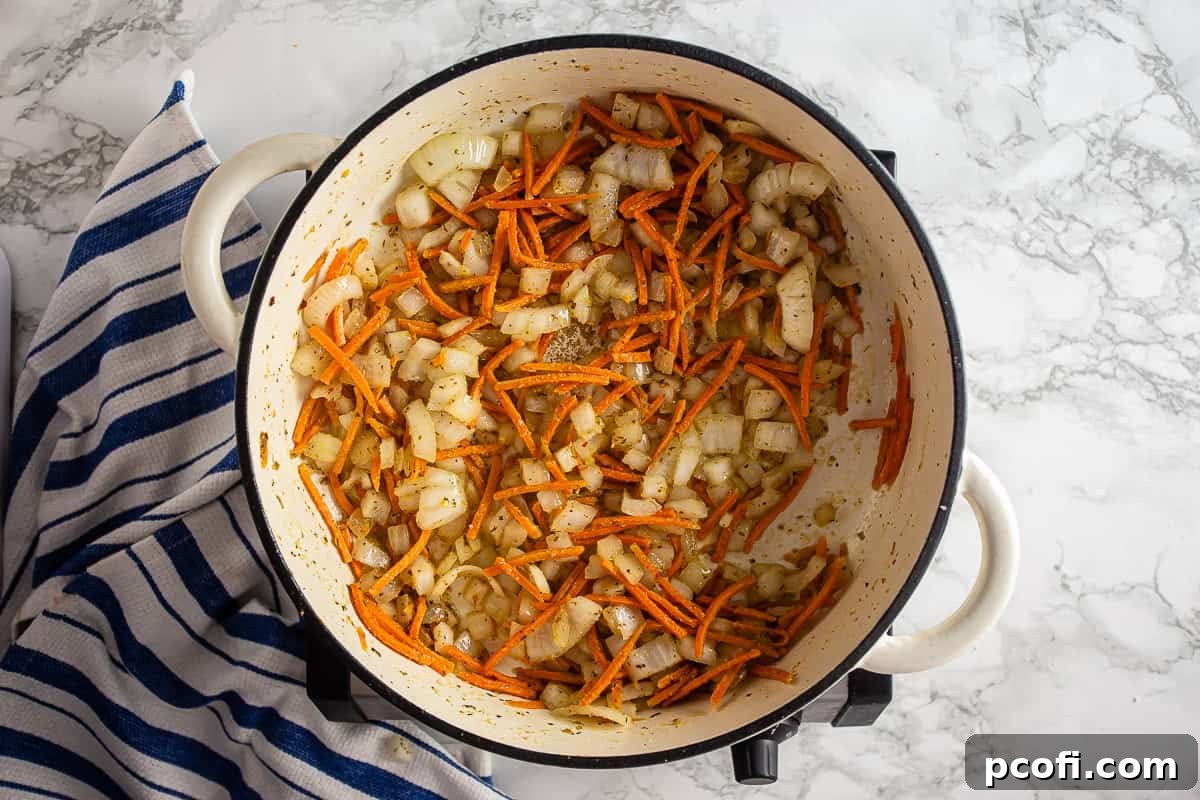
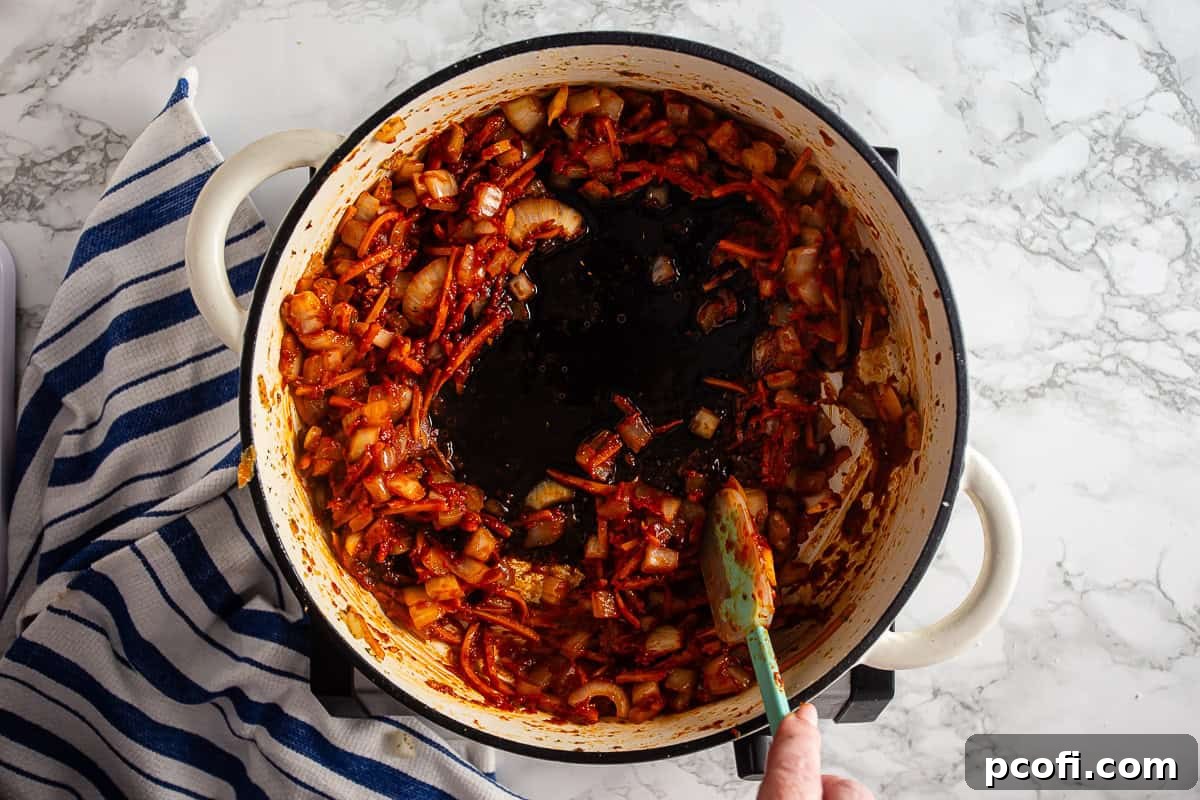
Step 4: Assemble & Finish
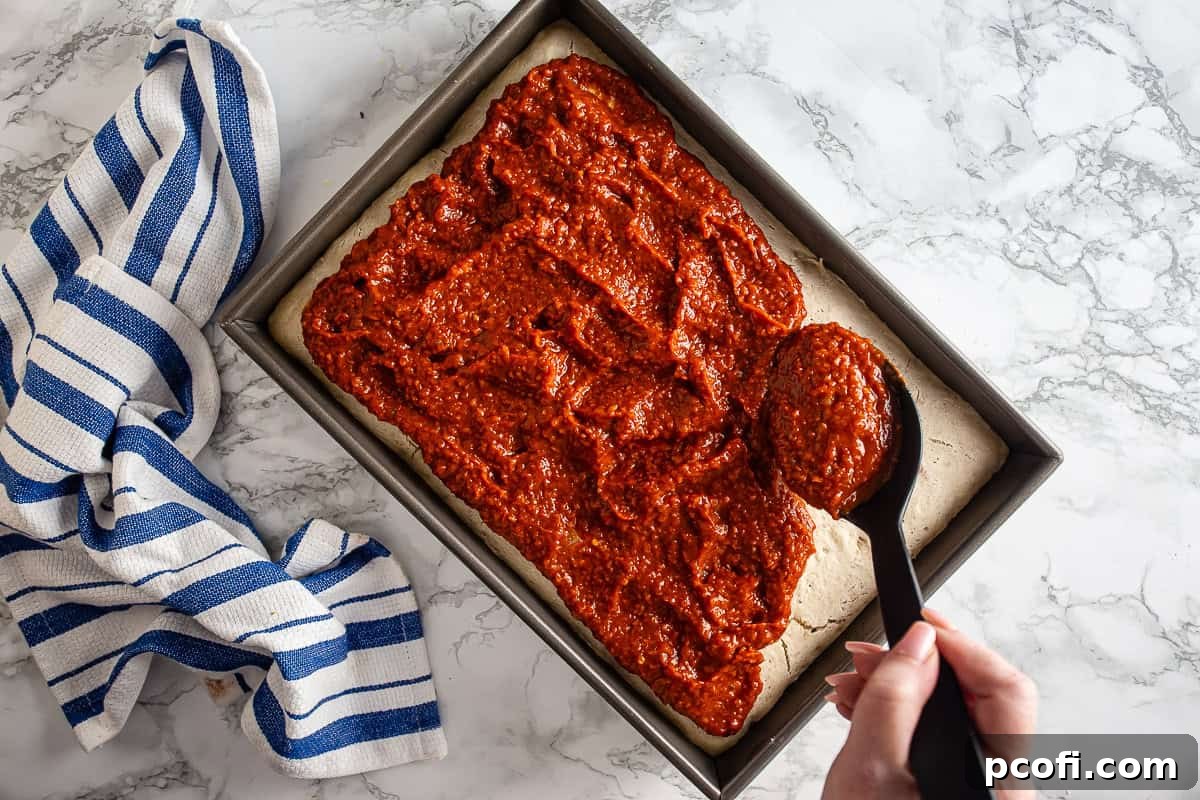
Sauce the Crust: Remove the par-baked crust from the oven. Spread a thick, even layer of your prepared tomato sauce over the entire surface of the crust. Be generous, as the sauce is the star of this pie. (Remember to save the remaining sauce for another use!)
Final Bake: Return the pie to the preheated 350°F (175°C) oven and bake for another 20 minutes. The crust should continue to turn golden, and the sauce should look set and slightly bubbly.
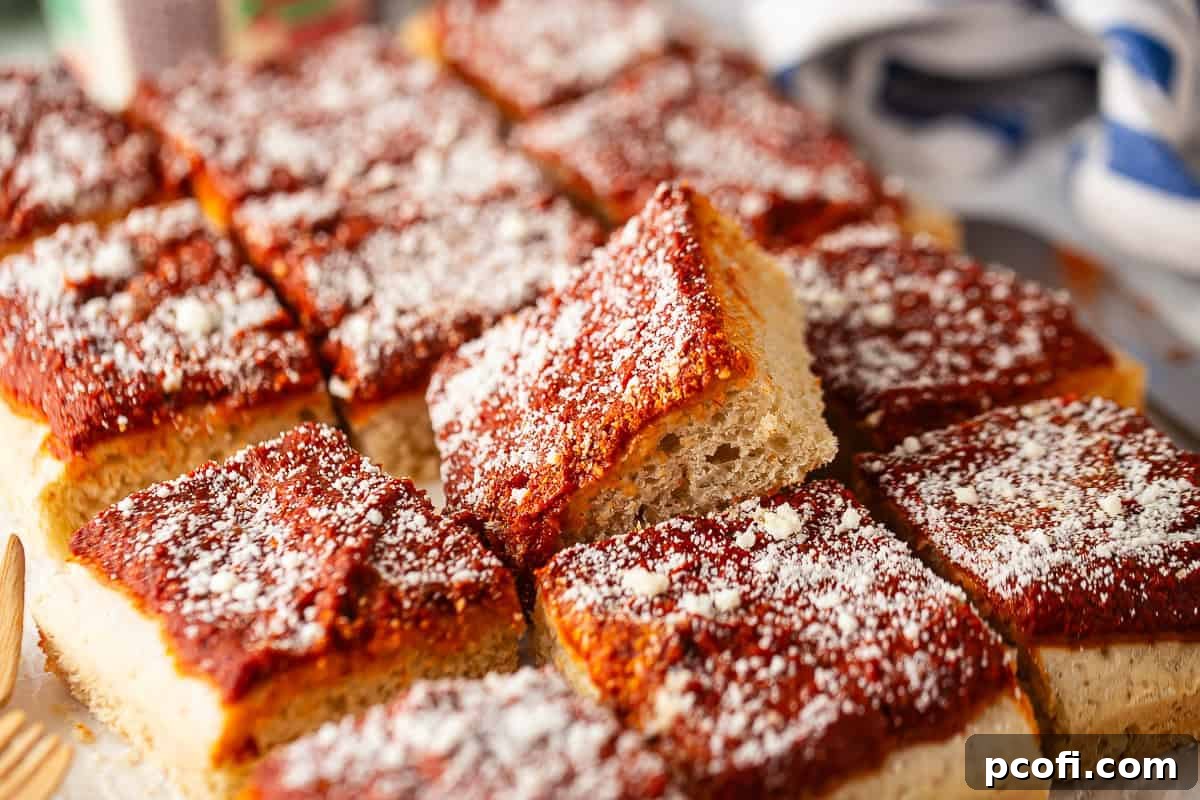
Cool & Garnish: This step is crucial for an authentic tomato pie! Once baked, remove the pie from the oven and allow it to cool completely in the pan. This allows the crust to firm up and the flavors to fully develop. Once cooled to room temperature, or even chilled in the refrigerator, shower the top generously with freshly grated Pecorino Romano cheese. The cool crust combined with the nutty, salty cheese is a match made in heaven.
Slice & Serve: Slice the cooled tomato pie into squares. Serve it at room temperature or straight from the fridge. Enjoy the unique texture and vibrant flavors of this Philadelphia classic!
Expert Tips for a Perfect Philadelphia Tomato Pie
- Oil the Pan, Don’t Flour It: When preparing your baking pan, use olive oil generously instead of flour. This is key to achieving that desirable golden, crispy, and slightly chewy underside that is characteristic of an authentic tomato pie crust. The oil helps to fry the bottom of the dough, giving it incredible texture.
- Embrace the Second Rise for an Airy Crumb: Do not rush or skip the second proofing of the dough in the pan. This crucial step allows the dough to develop more air pockets, resulting in a wonderfully light, fluffy, and airy crumb. Skimping on the second rise will likely lead to a dense and heavy crust, detracting from the pie’s signature texture. Patience is a virtue in bread making!
- Caramelize the Tomato Paste Thoroughly: This step is non-negotiable for a deeply flavorful sauce. Cooking the tomato paste until it turns a deep brick-red color eliminates any metallic notes and significantly deepens its flavor profile. It brings out the inherent sweetness and umami of the tomatoes, creating a rich base for your sauce that truly stands out.
- Cool Completely Before Adding Cheese: Resist the urge to top your warm tomato pie with Pecorino Romano right out of the oven. A warm crust paired with a cooler sauce and then cheese can lead to soggy squares and a less defined texture. Allowing the pie to cool completely, or even chilling it, ensures the crust remains firm and the flavors of the cheese and sauce are distinct and enjoyable. The cheese is traditionally added as a finishing touch, not melted in.
- Don’t Be Afraid of a Thick Sauce Layer: Unlike thin-crust pizzas, Philadelphia Tomato Pie embraces a generous, thick layer of sauce. This provides a juicy counterpoint to the substantial crust. Ensure your sauce is robust enough to stand up to the bread.
- High-Quality Ingredients Make a Difference: While the recipe uses simple ingredients, their quality profoundly impacts the final taste. Opt for good quality extra-virgin olive oil, fresh yeast, and crushed tomatoes with a clean ingredient list for the best flavor.
- Make it Ahead: As mentioned, this pie is *meant* to be enjoyed cool. Make it a day in advance, store it covered in the fridge, and let it come to room temperature before serving for optimal flavor and convenience.
Exploring the History of Philadelphia Tomato Pie
The Philadelphia Tomato Pie is more than just a meal; it’s a cultural icon with deep roots in the city’s Italian-American communities. Its origins trace back to the early 20th century, when Italian immigrants brought their culinary traditions to America. Unlike the Neapolitan-style pizza with its thin crust and fresh mozzarella, the tomato pie evolved from the “pizza al taglio” or “bakery pizza” commonly found in Italy. This style of pizza was often sold in rectangular sheets, served at room temperature, and featured a simpler, richer tomato sauce without the heavy cheese topping typical of modern pizza.
In Philadelphia, bakeries became the heart of its distribution, selling it as a grab-and-go item, a quick snack, or an affordable meal. It was a staple in local delis and corner stores, especially popular during Lent when meat was avoided. The focus was always on the quality of the crust – tender, airy, and drenched in olive oil – and the vibrant, well-seasoned tomato sauce. The sparse sprinkling of Pecorino Romano was a nod to Italian tradition, providing a sharp, salty contrast rather than a melted blanket of cheese. This humble pie became a comfort food, deeply intertwined with the daily lives and traditions of Philadelphians, a culinary legacy passed down through generations.
Serving and Storage Suggestions
The beauty of Philadelphia Tomato Pie lies in its versatility. It’s perfect for any occasion and truly shines when served correctly.
- Serving: As emphasized, this pie is best enjoyed at room temperature or chilled. The flavors have time to meld, and the crust develops its ideal texture as it cools. Slice it into squares, making it easy to pick up and enjoy. It pairs wonderfully with a simple green salad, making for a light lunch, or can be a fantastic addition to a picnic spread or a casual gathering.
- Storage: To store leftover tomato pie, place individual slices or larger portions in an airtight container. It will keep well in the refrigerator for up to 3-4 days. For longer storage, you can wrap individual slices tightly in plastic wrap and then aluminum foil, and freeze them for up to 2-3 months.
- Reheating: If you prefer it slightly warm, you can gently reheat slices in a conventional oven at a low temperature (around 250°F / 120°C) until just warmed through, about 10-15 minutes. Be careful not to overheat, as this can dry out the crust. Many purists, however, insist that reheating is unnecessary and that the pie is best enjoyed cool.
Recipe Card: Philadelphia Tomato Pie
Experience the authentic taste of Philadelphia with this classic Tomato Pie recipe. Perfect for any time of day, this pie is meant to be savored at room temperature or cold, making it an excellent make-ahead option!
Philadelphia Tomato Pie
Servings: 12 servings
Prep Time: 30 mins
Cook Time: 55 mins
Total Time: 1 hr 25 mins
Ingredients
For the Crust:
- 2 teaspoons granulated sugar
- 1 1/2 cups water, warm (105-115°F / 40-46°C)
- 1/4 ounce active dry yeast (1 packet or approx. 2 teaspoons)
- 4 cups all-purpose flour, approximately (you may need a little more or less)
- 1 tablespoon extra-virgin olive oil
- 1 teaspoon kosher salt
For the Topping:
- 3 tablespoons extra-virgin olive oil
- 1 medium onion, chopped
- 5 ounces carrots, grated
- 1 teaspoon garlic powder
- 1 teaspoon onion powder
- 1 teaspoon Italian seasoning
- 1 teaspoon kosher salt
- 1/2 teaspoon dried oregano
- 1/8 teaspoon crushed red pepper flakes (adjust to taste)
- 6 ounces tomato paste
- 3 tablespoons balsamic vinegar
- 28 ounces crushed tomatoes
- 1 tablespoon sugar
- Pecorino Romano cheese, for garnish (freshly grated is best)
Instructions
To Make the Crust:
- Place the granulated sugar in a large bowl and pour the warm water over it.
- Sprinkle the active dry yeast over the surface of the water and allow it to dissolve and become foamy, which typically takes about 5 to 10 minutes.
- Once foamy, stir in approximately 3 cups of the all-purpose flour until just incorporated.
- Stir in the extra-virgin olive oil and kosher salt.
- While continuing to mix, gradually add more flour, about 1/4 cup at a time, until the dough gathers itself into a cohesive ball and pulls away cleanly from the sides of the bowl. (The exact amount of flour may vary.)
- Turn the dough out onto a lightly floured surface and knead for 8-10 minutes until it becomes smooth and elastic.
- Lightly oil the mixing bowl, place the dough in it, turning once to coat, then cover the bowl with plastic wrap or a damp towel. Allow it to rise in a warm, draft-free place until doubled in bulk (approximately 45 to 90 minutes).
- Gently punch down the risen dough to release the air. Transfer it to a lightly oiled 9×13-inch baking pan.
- Press the dough with your fingertips to cover the bottom of the pan evenly. If the dough resists and springs back, let it rest for 10 to 15 minutes, then try again.
- Cover the pan and allow the dough to rise a second time in a warm place until noticeably puffy (approximately 45 to 90 minutes).
- While the dough is on its second rise, preheat your oven to 350°F (175°C).
- Once risen, dimple the dough all over with your oiled fingertips.
- Bake the crust for approximately 15 minutes, until it is puffy and set but still pale.
To Make the Sauce and Finish the Pie:
- While the crust is par-baking, prepare the sauce. Heat 3 tablespoons of extra-virgin olive oil in a large pot or Dutch oven over medium heat until shimmering.
- Add the chopped onion, grated carrots, garlic powder, onion powder, Italian seasoning, 1 teaspoon kosher salt, dried oregano, and crushed red pepper flakes to the pot.
- Cook, stirring occasionally, until the vegetables are soft and the onion is translucent, about 5 minutes.
- Add the tomato paste to the pot and cook, stirring frequently, for 3 to 5 minutes until it deepens to a rich brick-red color. This caramelizes the paste and enhances its flavor.
- Deglaze the pot by pouring in the balsamic vinegar and scraping the bottom with a wooden spoon to incorporate any browned bits into the sauce.
- Stir in the crushed tomatoes and 1 tablespoon of sugar. Reduce the heat to low, partially cover the pot, and allow the sauce to gently simmer for at least 20 minutes for the flavors to meld.
- For a smoother sauce, carefully use a hand blender directly in the pot, or blend in batches in a regular blender, if desired. (Note: You will only need about half of this sauce for the pie. The remaining sauce can be refrigerated or frozen for later use.)
- Spoon a thick, even layer of the prepared tomato sauce over the par-baked crust.
- Return the pie to the 350°F (175°C) oven and bake for another 20 minutes, or until the crust is golden and the sauce is set.
- Remove the pie from the oven and allow it to cool completely in the pan. This is crucial for the best texture and flavor.
- Once completely cooled (or chilled), generously sprinkle the top with freshly grated Pecorino Romano cheese.
- Cut the tomato pie into squares and serve at room temperature or cold from the refrigerator. Enjoy!
Notes
- This recipe yields approximately double the amount of sauce needed for one pie. The extra sauce is fantastic for pasta or another tomato pie!
- For more detailed information on crafting the perfect dough, explore our Perfect Pizza Dough Recipe.
- For an in-depth look at our delicious sauce, check out our dedicated Tomato Sauce Recipe.
Nutrition Information (Approximate per serving)
Serving: 1 slice, Calories: 223kcal, Carbohydrates: 39g, Protein: 5g, Fat: 5g, Saturated Fat: 1g, Polyunsaturated Fat: 1g, Monounsaturated Fat: 3g, Sodium: 511mg, Potassium: 252mg, Fiber: 2g, Sugar: 4g, Vitamin A: 2199IU, Vitamin C: 5mg, Calcium: 22mg, Iron: 3mg
Cuisine: American (specifically Philadelphia-style Italian-American)
Course: Main Course, Snack
Mention @bakingamoment on Instagram or tag #bakingamoment.
More Homemade Pizza Inspirations
If you love the satisfaction of baking your own pizza, explore these other delicious homemade pizza recipes to expand your culinary repertoire:
- Margherita Pizza Recipe
- Pizza Puffs
- Corn Pizza
- Barbecue Chicken Pizza
- Chicken Bacon Ranch Pizza
- Detroit-Style Pizza
- Grilled Berry Pizza with Whipped Ricotta
- Fruit Pizza