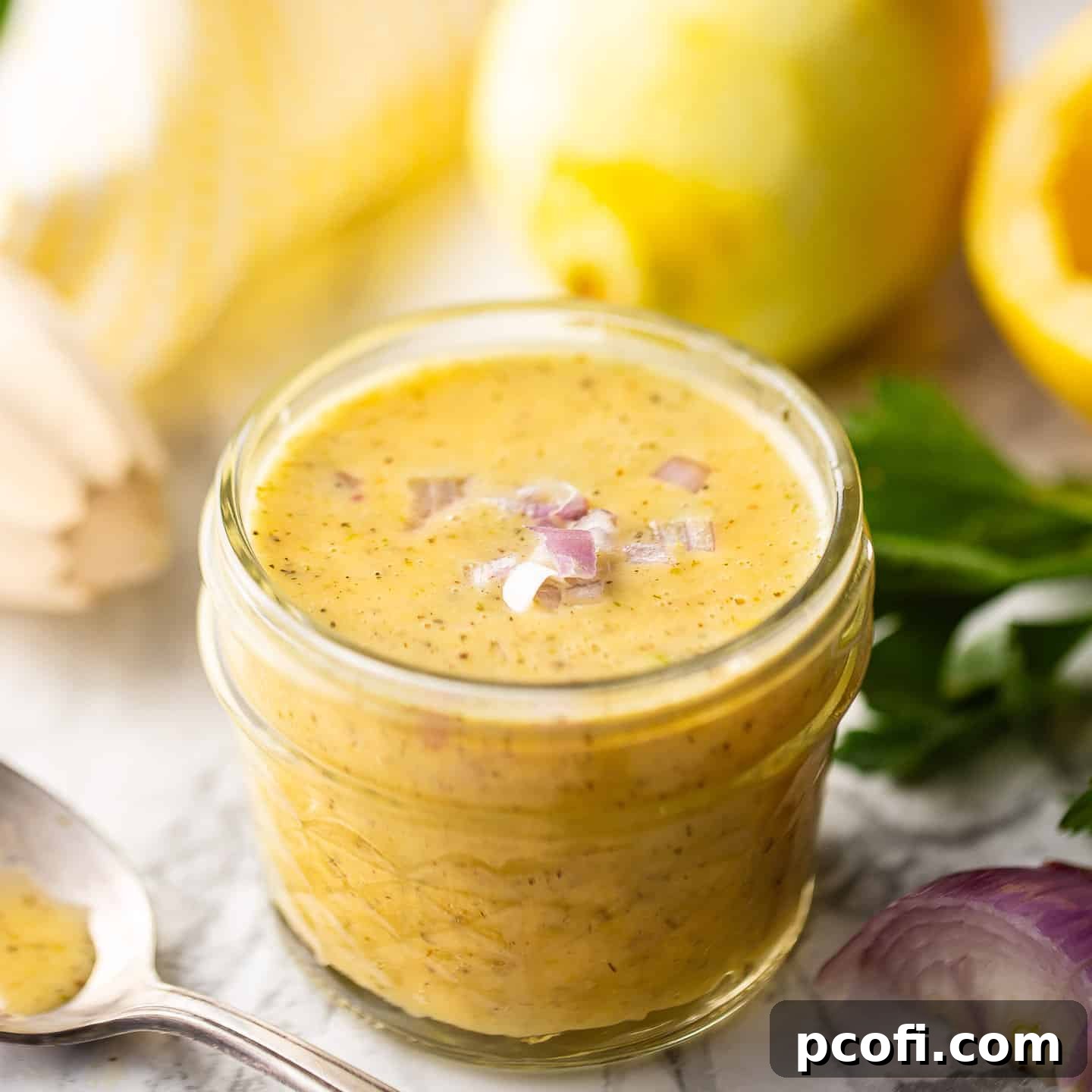
Transform your meals with this vibrant lemon vinaigrette recipe! It’s incredibly versatile, adding a bright, zesty kick to everything from crisp salads and savory meats to perfectly grilled vegetables. Prepare to elevate your culinary creations with this simple yet sensational homemade dressing.
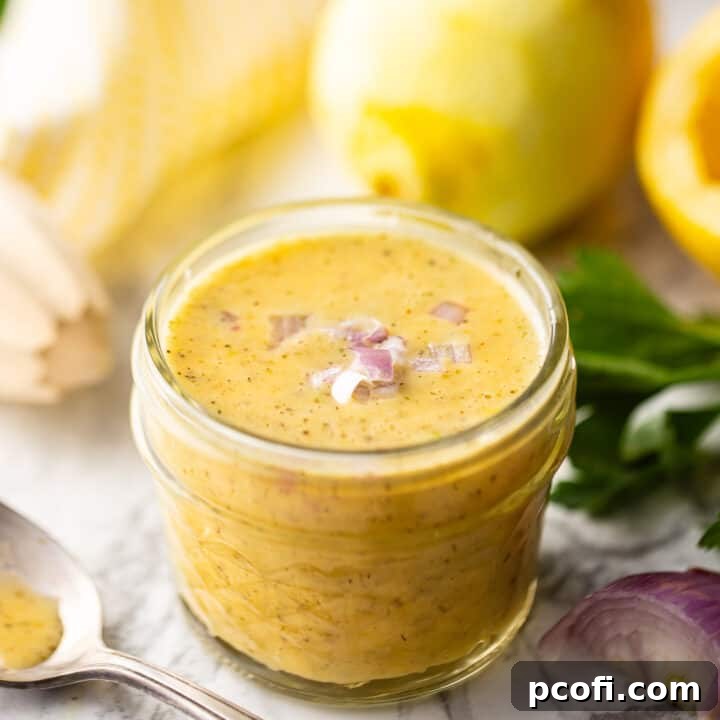
There’s a unique satisfaction that comes with crafting your own salad dressings and sauces. Not only do you control the quality of ingredients, but you also unlock a depth of flavor simply unmatched by store-bought alternatives. Today, I am thrilled to share with you a recipe that embodies this philosophy perfectly: my signature lemon vinaigrette.
For too long, this recipe has lived solely in my kitchen, a go-to secret for instantly brightening any dish. It’s one of those culinary staples that, despite its utter simplicity, delivers an immense impact. This delightful dressing is quick to prepare, requires only a handful of everyday ingredients, and offers unparalleled versatility in its application.
Having already brought you popular recipes for balsamic vinaigrette and apple cider vinaigrette, it feels only natural to add this sunshine-in-a-jar lemon vinaigrette to our collection. It’s more than just a salad dressing; it’s a flavor enhancer that will become a cherished part of your cooking repertoire.
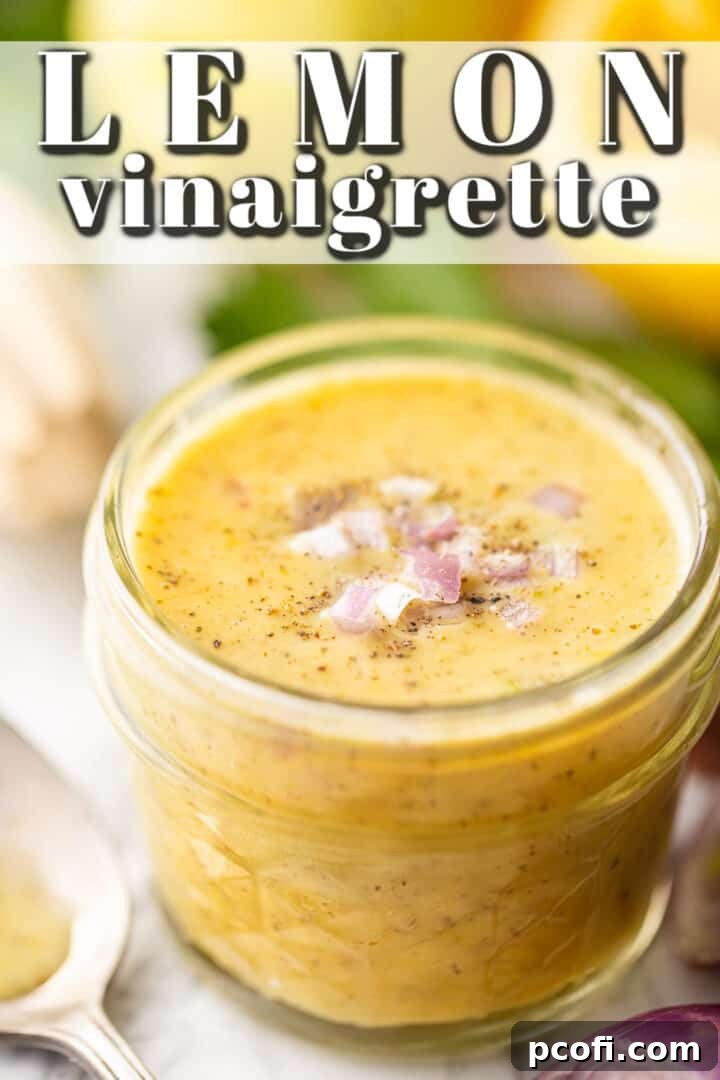
Table of Contents
- What is Lemon Vinaigrette?
- Why You’ll Love This Homemade Lemon Dressing
- The Exquisite Flavor Profile of This Lemon Vinaigrette
- Essential Ingredients for Your Perfect Lemon Vinaigrette
- Recommended Equipment for Effortless Preparation
- Step-by-Step Guide to Making Lemon Vinaigrette
- Versatile Ways to Serve Lemon Vinaigrette
- Expert Tips for the Best Lemon Vinaigrette
- Frequently Asked Questions About Lemon Vinaigrette
- Discover More of My Favorite Topping Recipes
Jump to Recipe
What is Lemon Vinaigrette?
At its core, a vinaigrette is a classic emulsion, typically a blend of oil and an acidic agent, seasoned to perfection. This fundamental dressing forms the backbone of countless culinary traditions worldwide. What sets a lemon vinaigrette apart is its star ingredient: fresh, vibrant lemon.
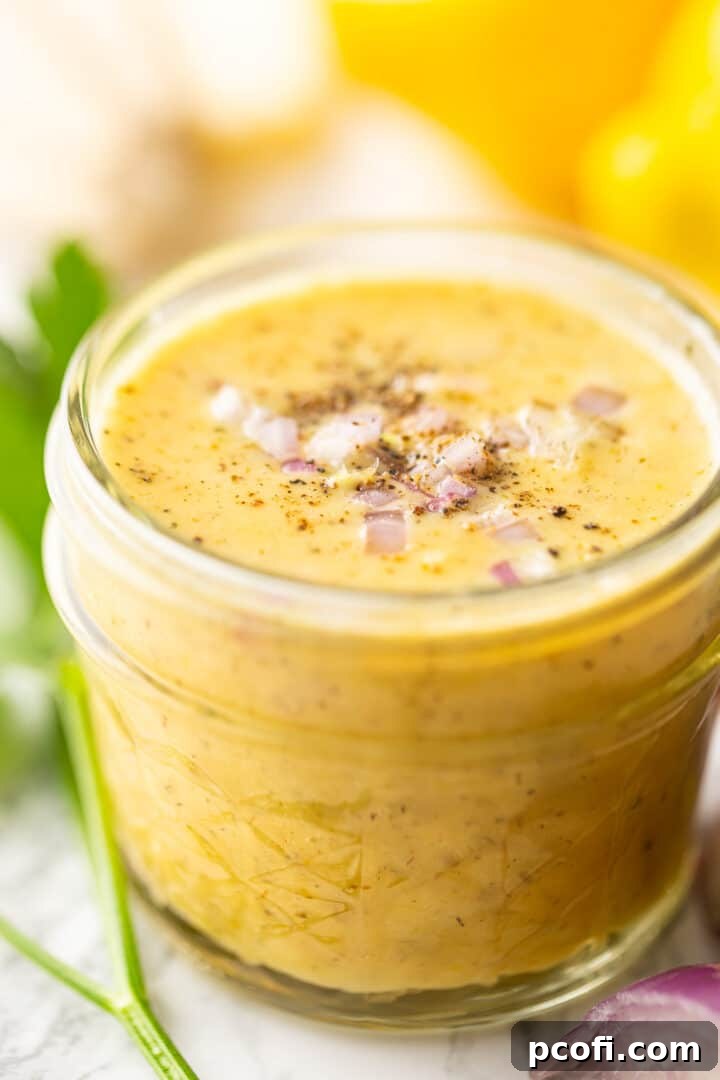
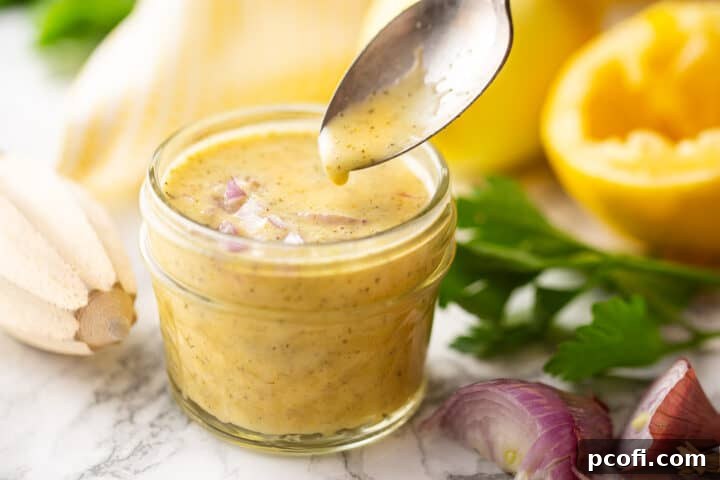
Instead of vinegar, lemon juice provides the essential tartness, infusing the dressing with a distinctively sunny, warm, and bright flavor profile. The result is a beautifully tangy concoction, subtly sweet, and boasting delightful savory notes from garlic and herbs. Its desirable thickness ensures it coats your food beautifully, whether you’re drizzling it over a delicate salad or using it as a luscious dip.
This particular lemon vinaigrette recipe strikes an exquisite balance, making it a powerful yet harmonious addition to a wide array of dishes. It’s a testament to how simple ingredients, expertly combined, can create something truly extraordinary.
Why You’ll Love This Homemade Lemon Dressing
There are countless reasons why this easy lemon vinaigrette will quickly become a cherished staple in your kitchen. Here’s what makes it truly exceptional:
- Unforgettable Flavor: The bright, sunny, and incredibly fresh citrus flavor will awaken your taste buds. It’s crisp, lively, and offers a delightful pucker that enhances almost any food it touches. This isn’t just a dressing; it’s a burst of sunshine for your palate, designed to complement and elevate rather than overpower.
- Minimal Ingredients: Forget about complicated recipes with obscure items. This homemade lemon vinaigrette requires only a handful of common pantry staples that you likely already have on hand. It’s proof that extraordinary flavor doesn’t require an extensive shopping list or exotic components.
- Effortlessly Easy: This recipe comes together in a mere 5 minutes or less, making it perfect for busy weeknights or when you need a quick flavor boost. The simple steps involve minimal prep and quick blending, allowing you to whip up a fresh batch whenever inspiration strikes.
- Incredibly Versatile: While it shines as a salad dressing, its applications extend far beyond. Use this bright lemon dressing as a light marinade for chicken or fish, a tangy sauce for grilled vegetables, or even a refreshing dip for crusty bread. Its adaptability means you’ll reach for it again and again.
The Exquisite Flavor Profile of This Lemon Vinaigrette
When you taste this homemade lemon vinaigrette, you embark on a delightful sensory journey. It’s a symphony of flavors carefully balanced to create a harmonious and impactful experience:
The immediate sensation is an intense, wonderfully aromatic lemon forwardness. The bright, zingy essence of fresh lemon zest and juice hits first, instantly invigorating your palate and signaling the freshness of the dressing.
Next, you’ll notice a subtle hint of sweetness. This isn’t an overly sugary dressing; rather, the honey (or agave) provides a crucial counterpoint to the natural acidity of the lemon, rounding out the sharpness and creating a smoother, more palatable tang. It’s just enough sweetness to make the lemon sing without making the dressing cloying.
Finally, the savory notes of garlic, aromatic herbs (from the Italian seasoning), and a whisper of black pepper emerge. These elements add depth, warmth, and complexity, grounding the bright citrus and sweet undertones. The overall balance of tart, sweet, and savory is meticulously crafted, resulting in a perfectly harmonious and irresistible dressing that truly brings out the best in whatever it accompanies.
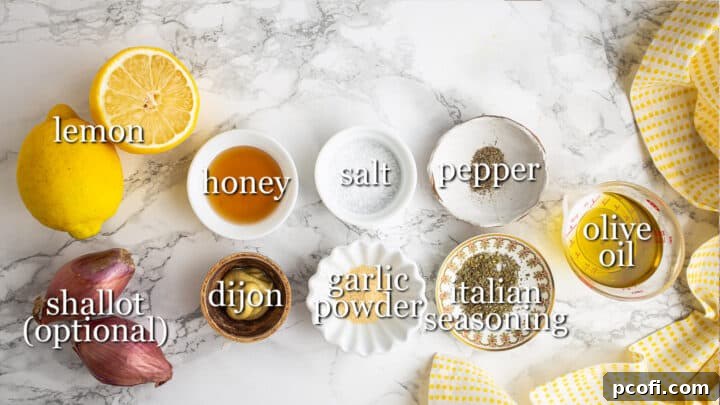
Essential Ingredients for Your Perfect Lemon Vinaigrette
Creating this flavor-packed dressing requires just a few readily available ingredients. The quality of each component matters, so choose the freshest and best you can find to ensure an exceptional result.
Lemon
The star of the show! You’ll need both the vibrant zest and the freshly squeezed juice from a ripe lemon. The zest carries potent citrus oils that contribute a profound aromatic depth, while the juice provides the essential acidity and bright, tangy flavor. Always opt for fresh lemons over bottled juice; the difference in taste and aroma is truly incomparable.
Honey
The natural sweetness of honey creates a perfect synergy with the tartness of lemon. Beyond its sweetening properties, honey also acts as an excellent emulsifier, helping the oil and lemon juice blend smoothly and preventing separation. This contributes to a thicker, more luxurious vinaigrette that adheres beautifully to salads and other foods. For a vegan lemon vinaigrette recipe, you can easily substitute the honey with an equal amount of agave nectar or brown rice syrup.
Dijon Mustard
Dijon mustard is a secret weapon in many vinaigrette recipes. Made from mustard seeds blended with white wine, it boasts a unique tangy and slightly spicy flavor that elevates the dressing. Crucially, Dijon also serves as another powerful emulsifying agent. Its presence helps to stabilize the vinaigrette, creating a smoother, more homogenous mixture that resists separating as it sits. Both smooth and grainy Dijon varieties work well, but I personally prefer the smooth kind for a silkier dressing texture.
Seasonings
A thoughtful blend of seasonings rounds out the savory profile of this lemon vinaigrette. We use kosher salt to enhance all the flavors, freshly ground black pepper for a subtle bite, garlic powder for aromatic depth without the raw sharpness of fresh garlic, and a touch of Italian seasoning for a herbaceous undertone. For an extra fresh twist, consider adding finely chopped fresh basil or oregano to create a delightful lemon basil or lemon herb vinaigrette.
Oil
The choice of oil is paramount in a vinaigrette. I highly recommend using extra-virgin olive oil due to its rich, robust, and often peppery flavor profile, which harmonizes exceptionally well with the bright lemon. However, feel free to experiment with other oils based on your preference. Lighter olive oils, avocado oil, or even grapeseed oil can also be used for a milder flavor, allowing the lemon to take an even more dominant role.
Shallot
While entirely optional, a finely minced shallot adds a layer of subtle sweetness, delicate oniony flavor, and a wonderful textural contrast to the vinaigrette. Shallots are known for being milder and sweeter than onions, and when they sit in the acidic lemon mixture, they undergo a gentle “pickling” process. This mellows their raw bite significantly, infusing the dressing with a more nuanced, sophisticated flavor. If you choose to include it, it’s a delightful addition.
Recommended Equipment for Effortless Preparation
While this lemon vinaigrette is incredibly simple to make, having the right tools can make the process even smoother and more efficient. Here’s what you’ll need:
- Measuring cups and spoons: Essential for precise measurements, ensuring the perfect balance of flavors every time.
- Small bowl, cup, or jar: Your mixing vessel. A jar with a tight-fitting lid is particularly useful if you plan to shake the dressing to emulsify or store it directly.
- Microplane zester: This specialized tool is invaluable for removing only the vibrant yellow zest from the lemon, leaving behind the bitter white pith. It yields finely grated zest that incorporates seamlessly into the dressing.
- Citrus juicer: Makes quick work of extracting the maximum amount of juice from your lemons, without any seeds.
- Whisk: Your primary tool for blending all the ingredients and, crucially, for emulsifying the oil into the acidic base. Alternatively, for an ultra-smooth and stable emulsion, a hand blender (also known as an immersion blender) is incredibly effective.
- Cutting board and sharp knife: Necessary for safely and finely mincing the optional shallot, ensuring it integrates well into the dressing without large chunks.
Step-by-Step Guide to Making Lemon Vinaigrette
Creating this bright and flavorful dressing is remarkably simple, coming together in just three straightforward steps. You’ll be enjoying homemade lemon vinaigrette in minutes!
Step 1: Blend everything but the oil and shallot
Begin by carefully zesting your lemon. Use a microplane zester to remove only the bright yellow outer layer, avoiding the white pith underneath, which can be bitter. The zest is packed with aromatic oils that contribute significantly to the dressing’s vibrant flavor.

Slide the freshly grated lemon zest into your chosen mixing vessel – whether it’s a small bowl, a cup, or a jar. Add the honey (or your chosen vegan sweetener), Dijon mustard, and all the specified seasonings (salt, pepper, garlic powder, Italian seasoning).
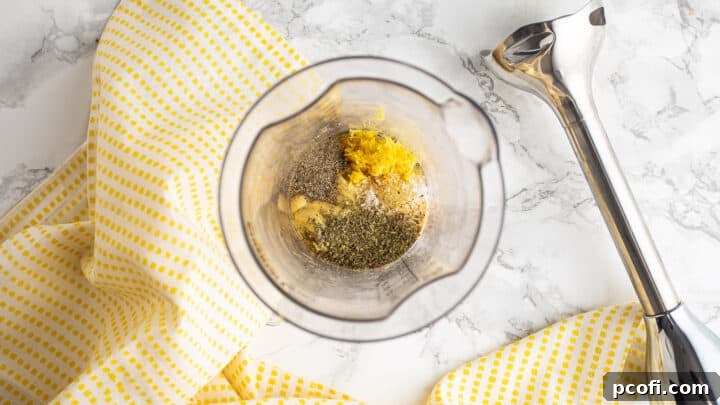
Now, squeeze your zested lemon to extract the juice and stir it into the mixture. Whisk everything together thoroughly until well combined. At this stage, you’re creating the flavorful acidic base for your vinaigrette.
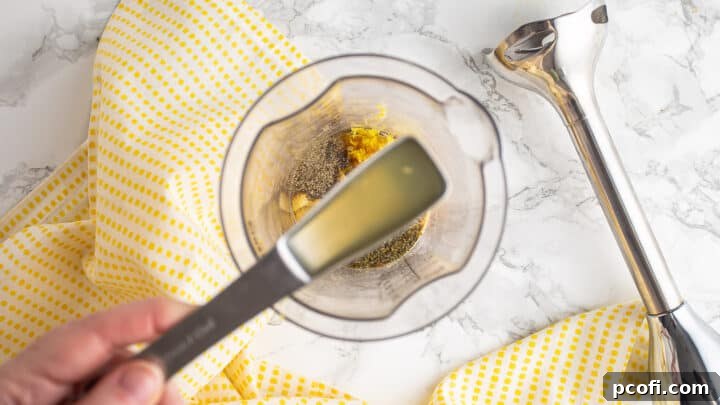
Step 2: Add the oil
This step is crucial for achieving a smooth, well-emulsified vinaigrette that won’t separate quickly. With one hand, pour the extra-virgin olive oil into the mixture in a very slow, thin, and steady stream. Simultaneously, with your other hand, whisk vigorously and continuously. The slower the oil is added and the harder you whisk, the better the emulsion will be, resulting in a perfectly homogenous dressing where the oil is fully integrated and doesn’t float to the surface.
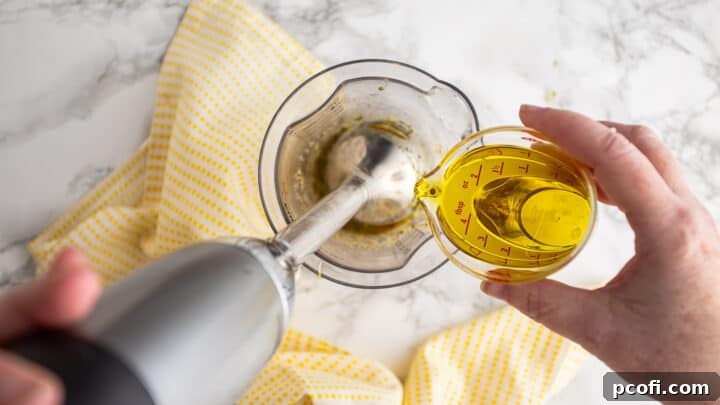
For unparalleled ease and a silky-smooth emulsion every time, I highly recommend using a hand blender (immersion blender) for this step. Its powerful blades can emulsify the dressing in a matter of seconds, making it incredibly smooth and stable.
Step 3: Add shallot
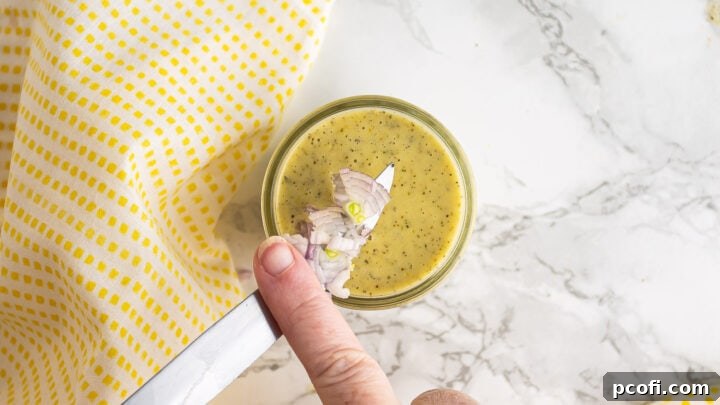
Once your vinaigrette is beautifully emulsified, you can choose to stir in a little finely minced shallot. This ingredient is entirely optional, so feel free to omit it if you prefer a simpler dressing or don’t have shallots on hand. However, I find that the addition of shallot brings a delightful, delicate sweetness and a subtle textural contrast that truly elevates the overall experience of the vinaigrette. Its flavor mellows beautifully in the acidic dressing.
Versatile Ways to Serve Lemon Vinaigrette
Do not make the mistake of pigeonholing this incredible lemon vinaigrette solely as a salad dressing! While it absolutely excels at coating fresh greens or enlivening a cold pasta salad, its bright, tangy, and savory notes make it astonishingly versatile across a wide spectrum of dishes. Prepare to discover its endless culinary potential:
- Elevate Your Salads: This is its most classic application. Drizzle it generously over mixed green salads, sturdy grain salads (like quinoa or farro), vibrant pasta salads, or even hearty potato and bean salads. Its freshness cuts through richness and brightens every bite.
- Marinade Masterpiece: The acidic lemon makes this vinaigrette an exceptional marinade. Use it to tenderize and flavor chicken breasts, salmon fillets, shrimp, or even firm tofu before grilling, baking, or pan-searing. It infuses proteins with a wonderful citrusy aroma and keeps them moist.
- Sauce for Proteins: Beyond marinades, this lemon dressing makes a fantastic finishing sauce. Spoon it over grilled chicken, baked fish (especially white fish like cod or halibut), pan-seared scallops, or even a perfectly cooked steak for an unexpected tangy twist.
- Grilled and Roasted Vegetables: A simple drizzle of this vinaigrette over hot, tender vegetables transforms them into something extraordinary. It’s heavenly on asparagus, broccoli, Brussels sprouts, green beans, bell peppers, zucchini, or even roasted root vegetables like carrots and potatoes. The acidity and brightness beautifully complement the earthy flavors.
- Grain Bowls and Buddha Bowls: Take your healthy grain bowls to the next level. This lemon vinaigrette acts as the perfect unifying element, bringing together various components like grains, roasted veggies, and proteins with a burst of flavor.
- Appetizer Enhancer: Forget plain olive oil! Serve this vinaigrette as a sophisticated dip for warm, crusty bread. It’s particularly divine with a crusty French baguette, a pillowy cube of focaccia, or a rustic hunk of ciabatta. The combination of lemon and garlic is simply irresistible, making it also a fantastic pairing for garlic knots.
- Sandwiches and Wraps: Use it as a vibrant spread or a moistening element inside your favorite sandwiches or wraps. It adds a fresh, zesty kick that takes them beyond ordinary.
Expert Tips for the Best Lemon Vinaigrette
To ensure your homemade lemon vinaigrette is consistently perfect, keep these expert tips in mind:
Fresh is Best: This cannot be stressed enough – nothing compares to the vibrant, pure taste of freshly squeezed lemon juice and freshly zested lemon. Bottled lemon juice will work in a pinch, but the flavor will be noticeably flatter and lack the aromatic depth that fresh ingredients provide. Always use fresh lemons for the most superior result.
Master the Emulsification: The key to a smooth, stable vinaigrette that doesn’t quickly separate is proper emulsification. Pouring the oil in a very slow, thin stream while whisking continuously and vigorously is paramount. This allows the oil to disperse into tiny droplets, which are then suspended evenly throughout the acidic base, creating a cohesive dressing.
Harness the Power of a Hand Blender: For effortless, foolproof emulsification, a hand blender (also known as an immersion blender) is your best friend. Its powerful action combines the ingredients in a matter of seconds, yielding an ultra-smooth and perfectly emulsified vinaigrette every single time. It’s a game-changer for homemade dressings.
Make it Your Own: Don’t be afraid to experiment and customize this recipe to suit your taste or the dish you’re pairing it with.
- Different Acids: Swap lemon for other citrus juices like lime, grapefruit, or orange for unique flavor profiles.
- Alternate Herbs: Instead of Italian seasoning, try fresh or dried rosemary, thyme, dill, cilantro, or a blend like Herbes de Provence.
- Vary the Oil: While extra-virgin olive oil is preferred, explore coconut oil (gently warmed if solid), avocado oil, walnut oil, or even a light grapeseed oil for different flavors and textures.
- Sweetener Swap: If you don’t have honey, maple syrup or a dash of sugar can also provide sweetness.
- Spicy Kick: Add a pinch of red pepper flakes for a touch of heat.
These variations allow you to create an endless array of delicious flavor combinations from a single base recipe.
Taste and Adjust: Always taste your vinaigrette before serving and adjust the seasonings as needed. You might want a little more salt, a touch more sweetness, or an extra squeeze of lemon to hit your perfect flavor balance.
Frequently Asked Questions About Lemon Vinaigrette
Here are answers to some common questions about making and storing this delicious homemade lemon vinaigrette:
Why does my vinaigrette keep separating?
It’s a common challenge to get oil to blend seamlessly with water-based ingredients. Vinaigrettes are emulsions, and oil and water naturally want to separate. To create a stable emulsion, you need to whisk very hard and add the oil very slowly in a thin stream. This allows the oil to break down into tiny droplets that can be suspended in the lemon juice. If you find it tricky, a machine like a hand blender makes this process significantly easier and faster, creating a much more stable emulsion. However, even if your dressing separates, it’s still perfectly tasty! Just give it a good shake or re-whisk before each use.
Why did mine get hardened around the edges in the fridge?
When you store your lemon vinaigrette in the refrigerator, the extra-virgin olive oil (or other olive oils) tends to solidify and become cloudy due to the cold temperatures. This is a completely normal and natural property of olive oil and is a sign of good quality oil. It will not harm you or affect the flavor. Simply allow the vinaigrette to come up to room temperature for about 15-30 minutes before serving, and it will smooth back out. Give it a quick whisk or shake to re-emulsify before drizzling.
What is the serving size?
The nutritional information provided in the recipe card below is based on a serving size of 2 tablespoons of lemon vinaigrette. This full recipe typically yields approximately 5 servings. If you’re preparing for a larger gathering or simply want to have more on hand, this recipe doubles or even triples with ease. Just ensure you use a larger bowl or jar for mixing to accommodate the increased volume.
How should it be stored and how long does it last?
To maximize its freshness and extend its shelf life, store your homemade lemon vinaigrette in an airtight container (like a jar with a tight lid) in the refrigerator. When stored properly, it will maintain its vibrant flavor and quality for about one to two weeks. While you can technically freeze vinaigrette, it’s generally not recommended for optimal flavor and texture. The freezing and thawing process can cause the emulsion to break more readily and may slightly diminish the vibrant taste of the fresh lemon. If you do freeze it, it should last for a couple of months and can be thawed in the refrigerator or at room temperature, followed by a vigorous whisking to re-emulsify.
Is this lemon vinaigrette healthy?
Absolutely! Making your own lemon vinaigrette allows you to control all the ingredients, opting for fresh, wholesome components. It’s rich in healthy monounsaturated fats from olive oil and packed with vitamin C from fresh lemon. Compared to many store-bought dressings which often contain artificial flavors, excessive sugar, and unhealthy oils, homemade lemon vinaigrette is a much healthier and more flavorful choice.
Can I make this lemon vinaigrette vegan?
Yes, easily! The only non-vegan ingredient is honey. Simply substitute the honey with an equal amount of agave nectar or brown rice syrup to make this a delicious and entirely vegan lemon vinaigrette.
Discover More of My Favorite Topping Recipes
If you love creating delicious homemade enhancements for your meals, you’ll definitely want to explore these other fantastic topping recipes:
- Homemade Basil Pesto Recipe
- Bright & Zesty Orange Marmalade
- Luscious Homemade Lemon Curd
- Guide to Making Brown Butter
As an amazon associate I earn from qualifying purchases.
Lemon Vinaigrette
Leave a Review
Save Recipe
Saved!
Ingredients
- 1 teaspoon (2 g) lemon zest
- 3 tablespoons (45 g) lemon juice
- 2 tablespoons (42 g) honey
- 2 teaspoons (10 g) Dijon mustard
- 3/4 teaspoon (4.5 g) kosher salt
- 1/2 teaspoon (1.5 g) garlic powder
- 1/4 teaspoon (0.5 g) Italian seasoning
- 1/4 teaspoon (0.5 g) ground black pepper
- 1/4 cup (54 g) extra-virgin olive oil
- 1/2 (12.5 g) shallot, finely minced (optional)
Instructions
-
Place the lemon zest, lemon juice, honey, Dijon, salt, garlic powder, Italian seasoning, and pepper in a bowl, jar, or cup, and whisk to combine.
-
In a very slow, steady stream, whisk in the oil (or blend it in with a hand blender for a smooth emulsion).
-
Stir in finely minced shallot, if desired.
Calories: 639kcal,
Carbohydrates: 42g,
Protein: 1g,
Fat: 55g,
Saturated Fat: 8g,
Polyunsaturated Fat: 6g,
Monounsaturated Fat: 40g,
Sodium: 1860mg,
Potassium: 160mg,
Fiber: 2g,
Sugar: 37g,
Vitamin A: 23IU,
Vitamin C: 21mg,
Calcium: 32mg,
Iron: 1mg