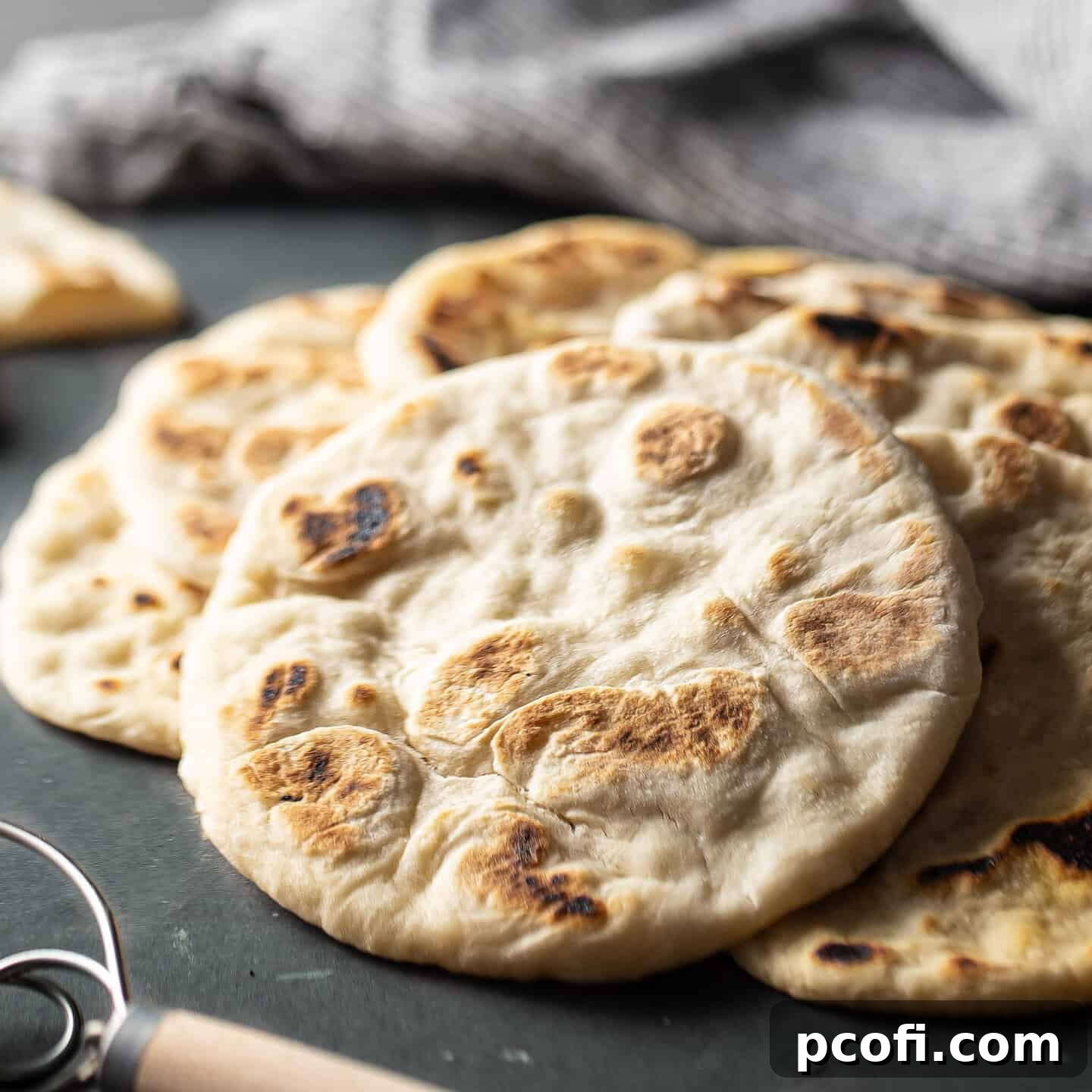
Unlock the secret to incredibly easy, homemade pita bread with our simple recipe! Crafted with just 6 essential ingredients, this versatile flatbread cooks up beautifully, delivering a truly flavorful and wonderfully pillowy-soft texture. Naturally dairy-free and vegan, it’s a staple you’ll love making from scratch.
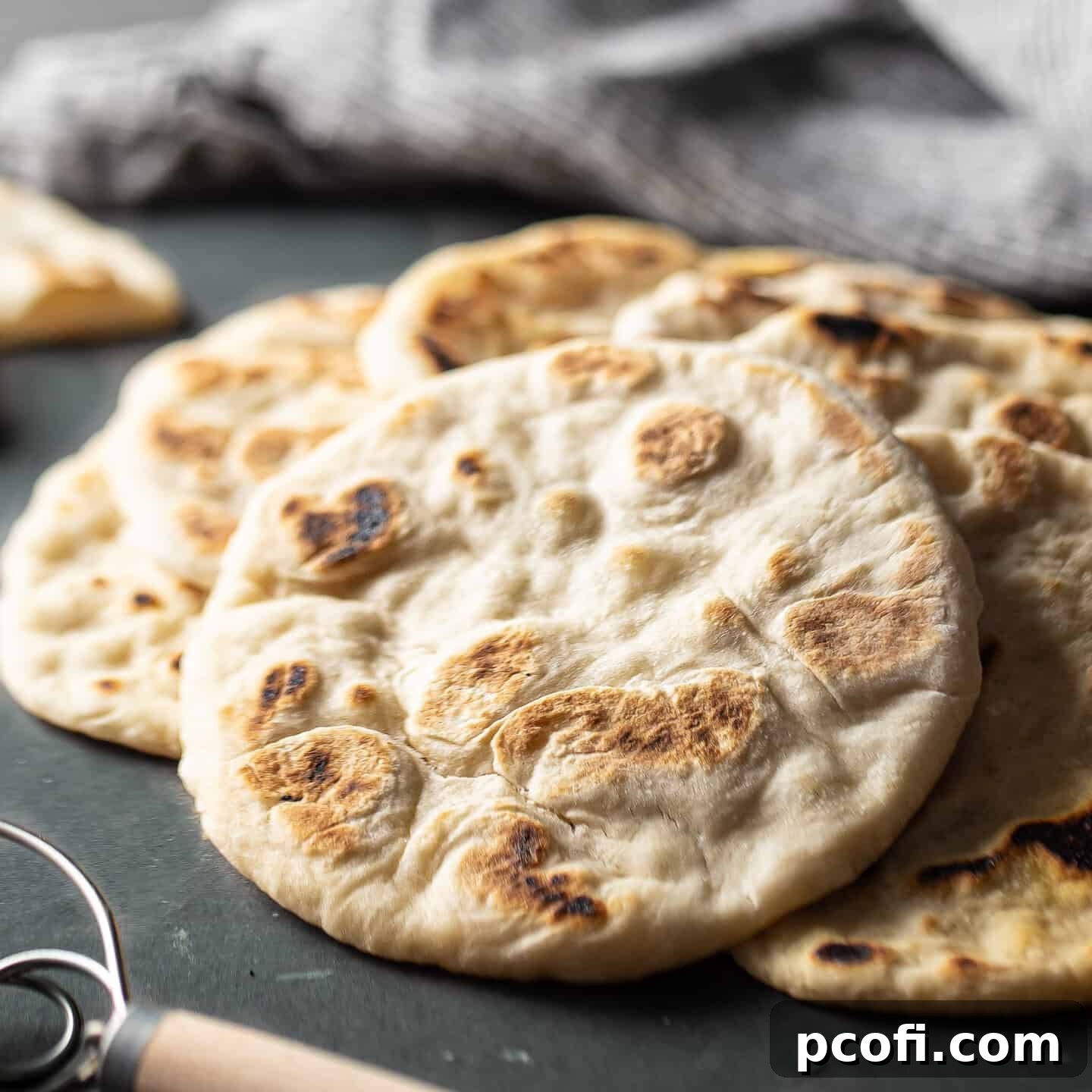
Today, we’re diving into one of the most rewarding and surprisingly simple kitchen projects: crafting your own homemade pita bread! If you’ve ever been intimidated by making bread from scratch, this recipe is designed to change your mind. It’s not just a recipe; it’s an experience that yields unbelievably fresh, soft, and delicious results right in your own kitchen.
This homemade pita bread recipe stands out for its perfectly balanced flavor and a delightful, pillow-y texture that makes it ideal for countless culinary uses. Whether you’re using it to scoop up rich sauces, create a hearty sandwich, or transform it into crispy pita chips, its versatility is unmatched. And the best part? You don’t even need an oven! This pita bread cooks quickly and easily on a skillet, offering instant gratification and a wonderfully rewarding aroma.
There’s something truly special about the aroma of freshly baked bread filling your home. As a passionate bread baker, I love sharing simple yet impactful recipes that bring that joy to your table. If you’re a fellow bread enthusiast, be sure to explore more of my favorites, including Irish brown bread, a decadent chocolate babka, and a robust rye bread.
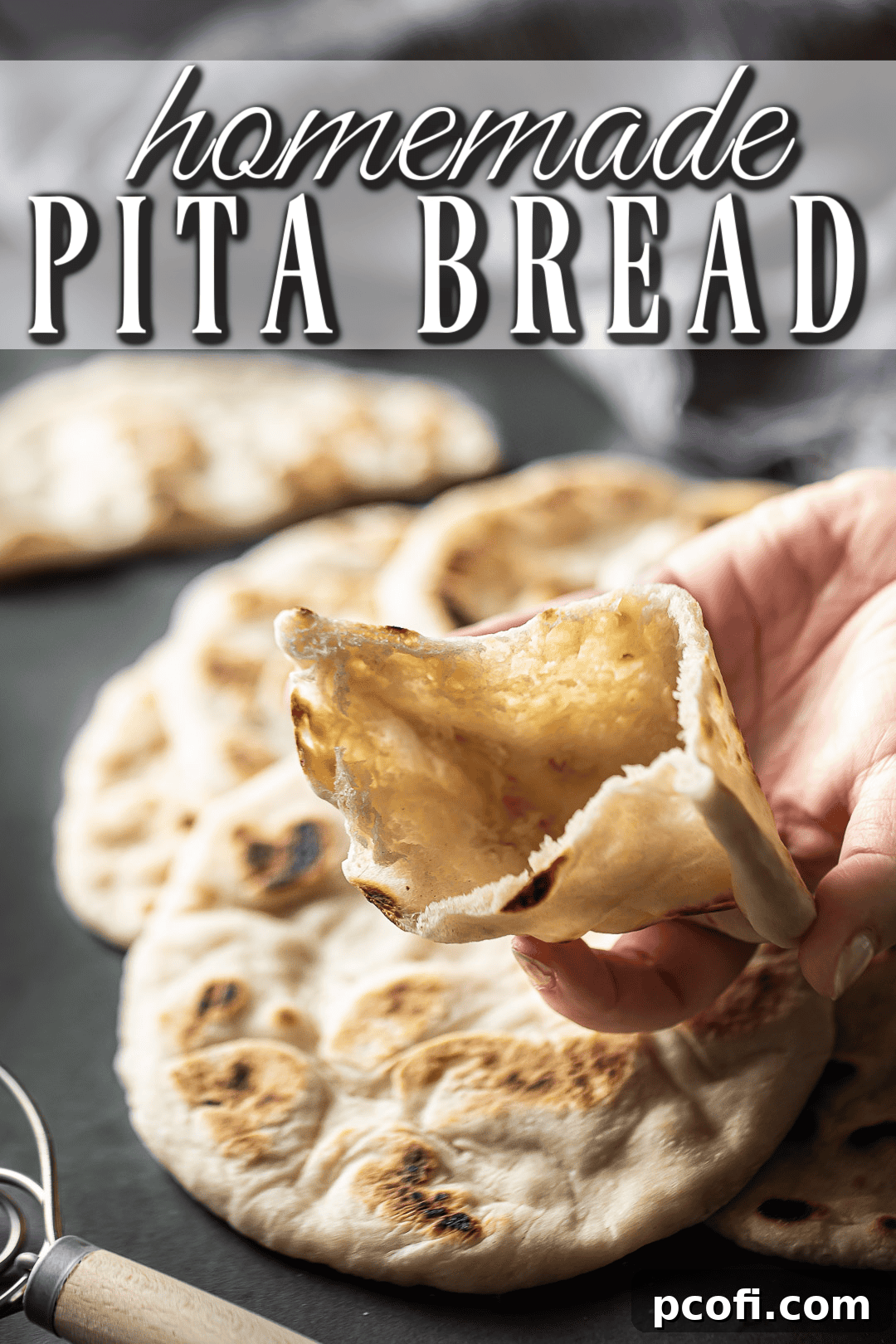
Table of Contents
- What is Pita Bread?
- Why This is The Best Homemade Pita Bread Recipe
- The Taste of Authentic Homemade Pita
- Essential Ingredients for Perfect Pita
- Simple Equipment You’ll Need
- Step-by-Step Guide to Making Pita Bread
- Serving Suggestions for Homemade Pita
- Pro Tips for Pita Perfection
- Frequently Asked Questions About Pita Bread
- More Delicious Yeast Bread Recipes
Jump to Recipe
What is Pita Bread?
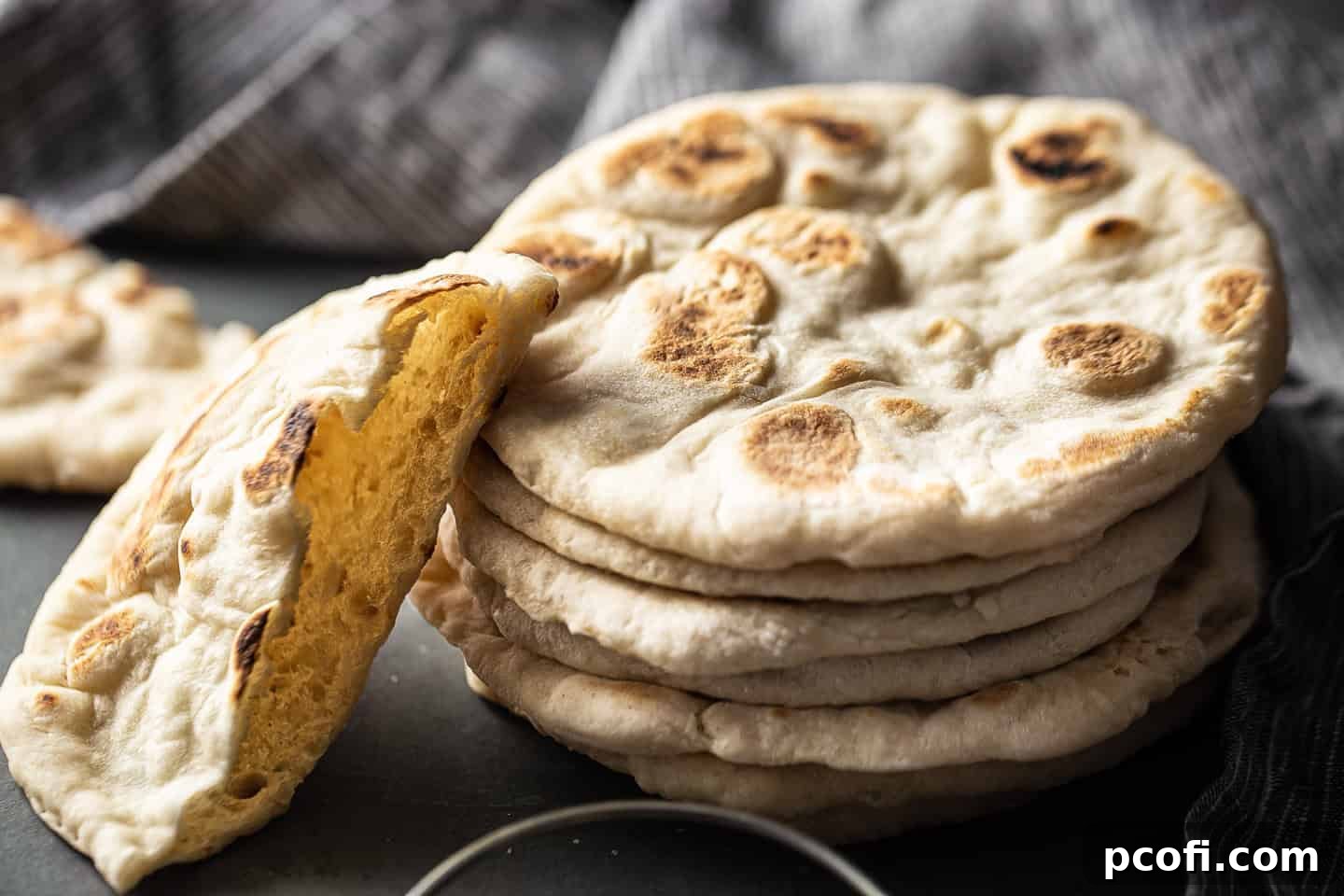
Pita bread, often simply called pita, is a popular yeast-leavened flatbread celebrated across the Middle East, Mediterranean, and North African regions. Its history spans thousands of years, making it one of the oldest forms of bread still enjoyed today. Unlike many other breads, pita is known for its distinctive “pocket” that forms when the dough puffs up during cooking, creating a convenient pouch perfect for stuffing with various delicious fillings.
Traditionally, pita is made with a handful of basic ingredients: flour, water, yeast, salt, and sometimes a touch of sugar or olive oil. When properly prepared, it achieves a subtly chewy yet incredibly soft texture. The secret to its iconic pocket lies in the high heat of cooking, which rapidly turns the water in the dough into steam, inflating the bread like a balloon. As it cools, the steam dissipates, leaving behind an empty pocket.
Beyond its use as a pocket bread for sandwiches like falafel, gyros, or shawarma, pita is incredibly versatile. It can be toasted and cut into crisp chips for dipping in hummus or other spreads, or simply enjoyed warm on its own, perhaps with a drizzle of olive oil and a sprinkle of herbs. Its mild flavor profile makes it an excellent accompaniment to a wide range of savory dishes, enhancing the overall dining experience without overpowering other flavors.
Why This is The Best Homemade Pita Bread Recipe
There are countless pita bread recipes out there, but this one stands out for several compelling reasons, making it the ideal choice for both novice and experienced bakers alike:
- Unforgettable Flavor and Texture: Our recipe delivers a harmonious balance of flavors – subtly sweet, savory, and with a pronounced yeasty depth. The texture is simply divine: soft, pliable, and with just the right amount of chewiness, ensuring it’s never tough or dry. You’ll achieve that perfect pillowy softness every time.
- Minimal Ingredients: You don’t need a pantry full of exotic items for this recipe. With just 6 basic ingredients—many of which you likely already have on hand—you can create fresh, wholesome pita bread without any fuss. This simplicity makes it a budget-friendly and accessible baking project.
- Beginner-Friendly and Fun: The dough comes together effortlessly in mere minutes. The process of kneading (whether by hand or machine) and shaping the dough is incredibly satisfying and even a bit therapeutic. Watching the pitas puff up on the skillet is a magical moment that never gets old, instilling confidence in any home baker.
- No Oven Required: Forget heating up your kitchen! This recipe is cooked entirely on the stovetop using a simple skillet. This not only speeds up the cooking process but also makes it an excellent option for warm weather or when you just want a quick bread fix without the commitment of oven baking. It’s perfect for instant gratification!
- Naturally Vegan and Dairy-Free: For those with dietary restrictions or preferences, this pita bread is a fantastic choice. Made without any dairy products or animal by-products, it’s a healthy and inclusive option everyone can enjoy.
The Taste of Authentic Homemade Pita
When you bite into a piece of this homemade pita bread, you’ll immediately notice a wonderfully complex yet balanced flavor profile. The initial sweetness from the sugar perfectly complements the savory notes of the flour and salt. There’s a distinct, earthy yeastiness that speaks to its traditional bread roots, adding depth and character.
What truly elevates this pita is the subtle hint of floral, peppery extra-virgin olive oil, which infuses the bread with a rich, Mediterranean essence. This isn’t just a vehicle for dips and fillings; it’s a delicious bread in its own right, boasting a taste that’s far superior to anything you’ll find pre-packaged at the store.
Essential Ingredients for Perfect Pita
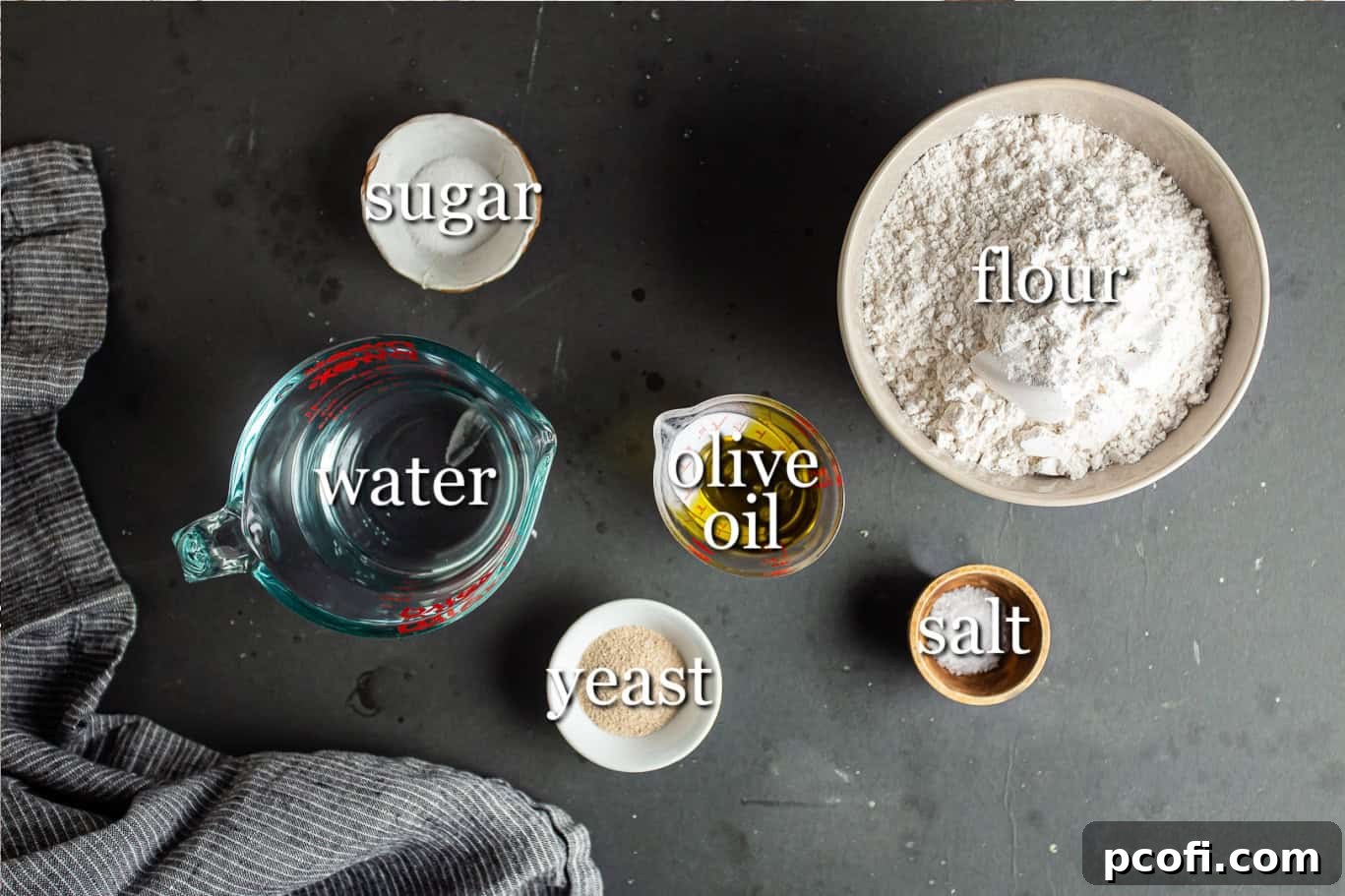
Each ingredient plays a crucial role in creating the perfect pita:
Sugar: More than just a sweetener, sugar is vital for activating the yeast, providing the necessary food for it to thrive and produce the carbon dioxide that makes your bread rise. Granulated sugar works perfectly here, but you could experiment with other mild sweeteners like honey or maple syrup if preferred.
Water: The liquid base for our dough, warm water is essential for dissolving the sugar and, most importantly, waking up the yeast. Aim for a temperature around 105°F (40°C), similar to a baby’s bath. Water that’s too cold won’t activate the yeast, while water that’s too hot can kill it, preventing your bread from rising.
Yeast: The leavening agent that gives pita its characteristic fluffiness and subtle tang. I typically use active dry yeast, which requires activation in warm water. Instant yeast can also be used; if so, you might find the rise time is slightly shorter, potentially by about 15 minutes, as it doesn’t need to be dissolved first.
Flour: The foundation of any bread, the precise amount of flour can vary depending on environmental factors like humidity. On a humid day, you might need a little extra flour, while in a very dry climate, you might use slightly less. The key is to achieve a dough that is soft and pliable but not overly sticky. I’ve used all-purpose flour for the pitas pictured, which yields excellent results. For a chewier texture, bread flour, with its higher protein content, is a great alternative. For those looking for a whole grain option, a combination of white flour and whole wheat flour can be used, though you may need to adjust the liquid slightly. If you follow a gluten-free diet, a reliable gluten-free flour blend designed for 1:1 substitution will also work.
Oil: Extra-virgin olive oil is my preferred choice for its rich, aromatic flavor that complements these flatbreads beautifully. It also contributes to the dough’s softness and pliability, making it easier to work with and more tender to eat. Other neutral oils can be used, but olive oil adds a distinct Mediterranean touch.
Salt: Often overlooked but critical, salt is not just for seasoning; it enhances all the other flavors in the bread and helps control the yeast’s activity. For the purest and cleanest taste, I recommend using kosher salt.
Simple Equipment You’ll Need
Gathering your tools before you start makes the baking process smooth and enjoyable:
- Measuring cups and spoons: Accurate measurement is key in baking. Refer to my guide on how to measure ingredients for best results.
- Large Mixing Bowl: A spacious bowl is essential for mixing the dough and providing ample room for it to rise.
- Plastic wrap: To cover the dough during its resting periods, preventing it from drying out and promoting an even rise.
- Pastry scraper: While a knife can work, a pastry scraper is incredibly handy for cleanly dividing the dough into portions and for gathering any stray flour or dough on your workspace.
- Skillet: The star of the show for cooking! A sturdy, heavy-bottomed skillet (cast iron or non-stick) works best. No need to grease it.
- Tongs: These are invaluable for safely flipping the hot pitas on the skillet and removing them once cooked.
Step-by-Step Guide to Making Pita Bread
Creating this delicious pita bread is a straightforward process, broken down into 6 easy steps:
Step 1: Activate the Yeast
Begin by placing the granulated sugar into your large mixing bowl. Pour the warm water over the sugar, stirring gently to ensure it dissolves completely. Next, evenly sprinkle the active dry yeast over the surface of the warm sugar water. Let this mixture sit undisturbed for about 5 to 7 minutes. During this time, the yeast will “bloom” – it will dissolve and become foamy, indicating that it’s alive and ready to work its magic. This foamy appearance is your green light!
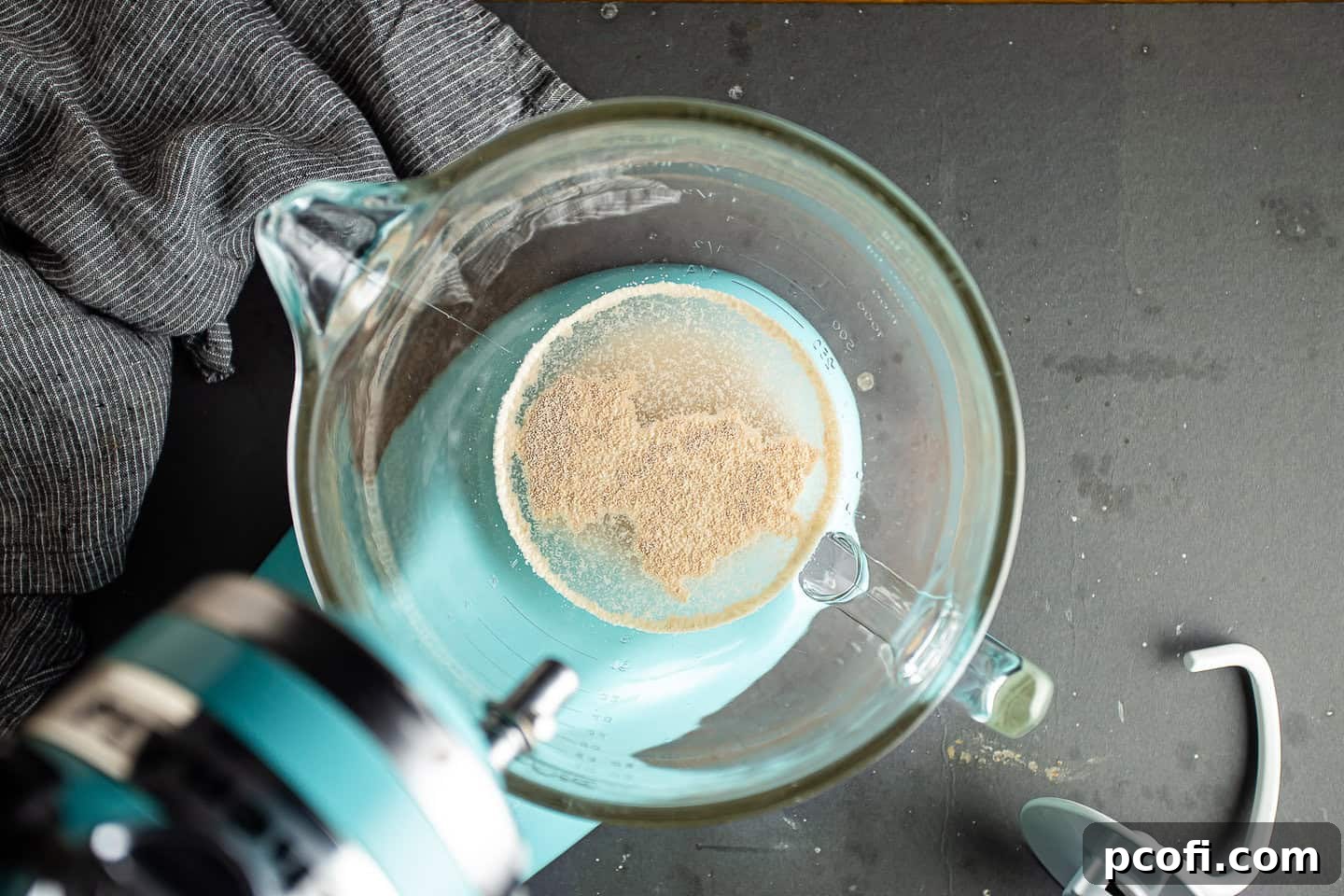
If your yeast doesn’t become foamy, it might be old or the water temperature was incorrect. It’s best to start over with fresh yeast and ensure the water is within the optimal temperature range (100-110°F or 38-43°C).
Step 2: Combine and Form the Dough
Once your yeast is active and foamy, add the flour, extra-virgin olive oil, and kosher salt to the bowl. Using a sturdy spoon or a dough hook on a stand mixer, mix these ingredients together. Continue mixing until a cohesive dough ball forms, pulling cleanly away from the sides of the bowl. The exact amount of flour can vary slightly; if the dough feels too sticky, add a little more flour, one tablespoon at a time, until it reaches the desired consistency. It should be soft and slightly tacky, but not adhering to your hands excessively.
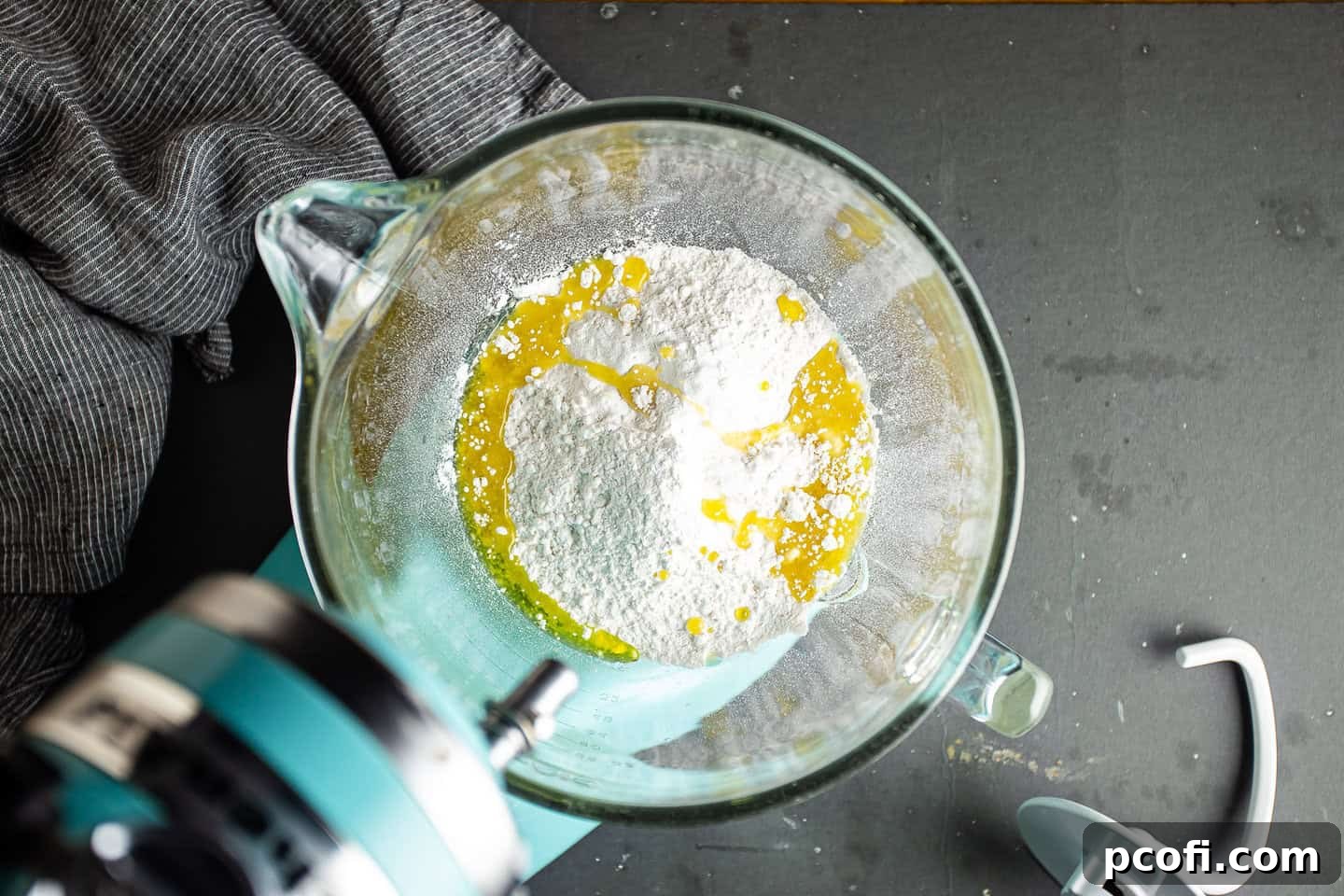
Step 3: Knead the Dough
Turn the dough out onto a lightly floured surface. At this stage, the dough will appear somewhat shaggy and uneven. Begin kneading the dough. If kneading by hand, push the dough away from you with the heels of your hands, then fold it back over and repeat. Continue for about 8-10 minutes. If using a stand mixer with a dough hook, knead on medium speed for 6-8 minutes.
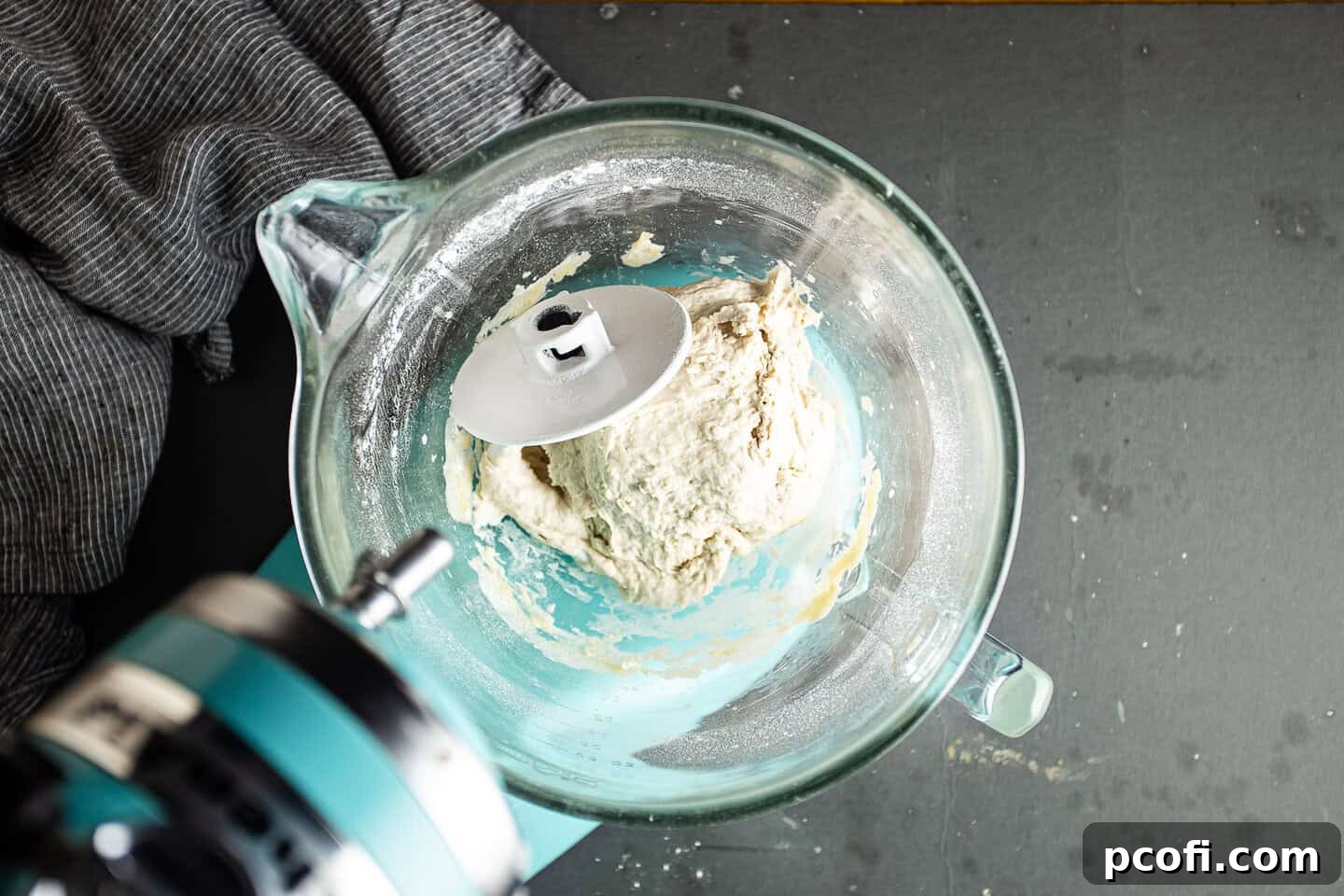
As you knead, you’ll notice a significant change: the dough will become much smoother, more elastic, and supple. It should feel springy and resilient to the touch. This process develops the gluten, which is crucial for the pita’s chewy texture and its ability to puff up and form a pocket during cooking.
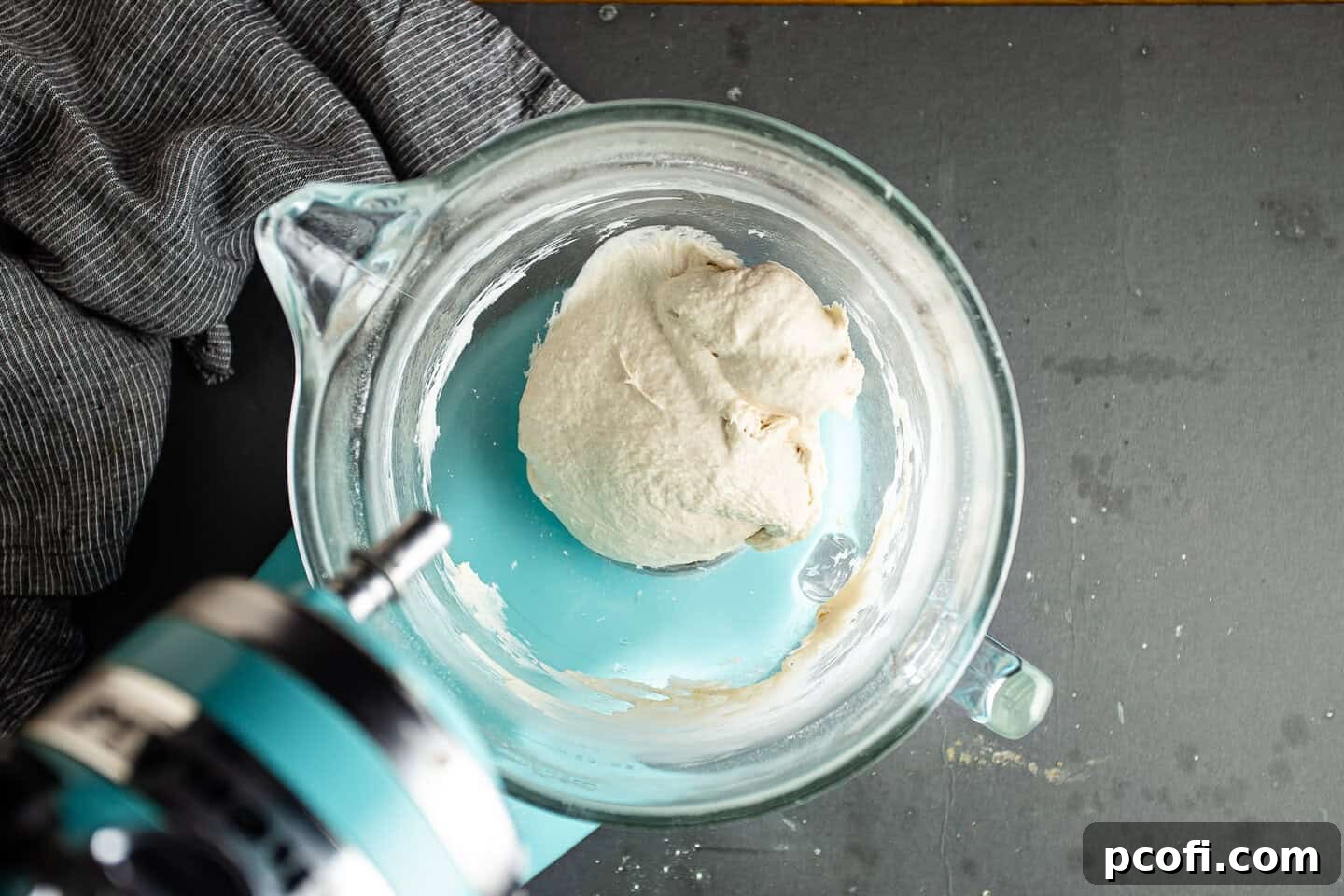
Step 4: First Rise (Rest and Proof)
Once kneaded to perfection, lightly oil the mixing bowl (or use the same bowl you started with). Place the dough ball into the bowl, turning it once to coat lightly with oil. Cover the bowl tightly with plastic wrap or a damp kitchen towel. Allow the dough to rest and rise in a warm, draft-free place until it has roughly doubled in bulk. This typically takes about 1 hour, but can vary depending on the ambient temperature and humidity.
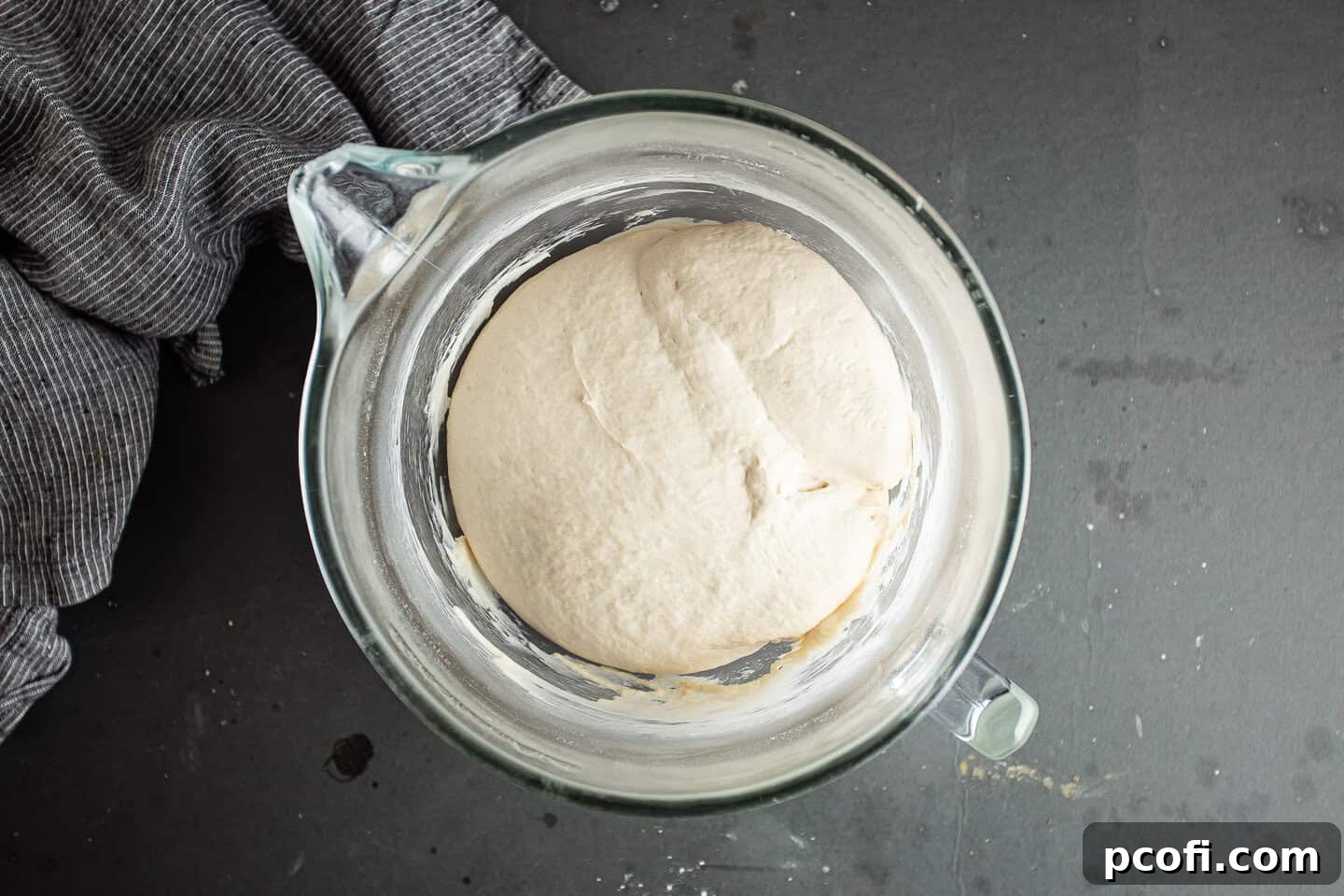
After it has risen, gently punch the dough down to release the trapped air. Lightly dust your work surface with a little flour, and you’re ready for shaping.
Step 5: Divide and Shape
Turn the dough out onto your lightly floured surface. Using a pastry scraper or a sharp knife, divide the dough into 8 equal portions. For best results and even cooking, try to make each portion as uniform as possible. Keep the portions you’re not actively working with loosely covered with plastic wrap or a kitchen towel to prevent them from drying out.
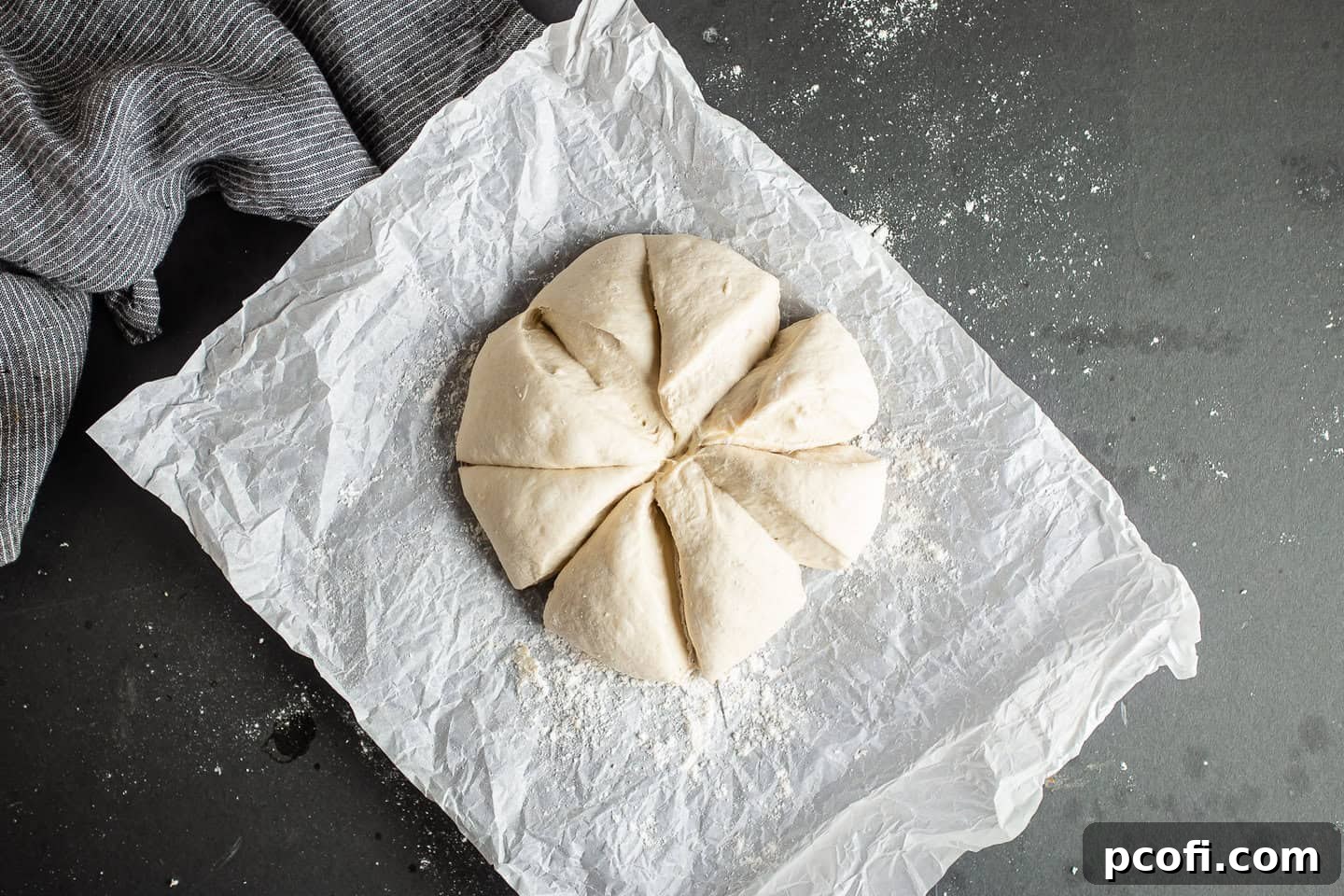
Take one portion and gently flatten it with your fingertips, then use a rolling pin to roll it into a flat circle. Aim for a diameter of about 4 to 6 inches and a thickness of approximately 3/8-inch. You can also achieve this by patting and stretching the dough with your hands for a more rustic look. Ensure the edges are not too thin, as this can prevent the pocket from forming.
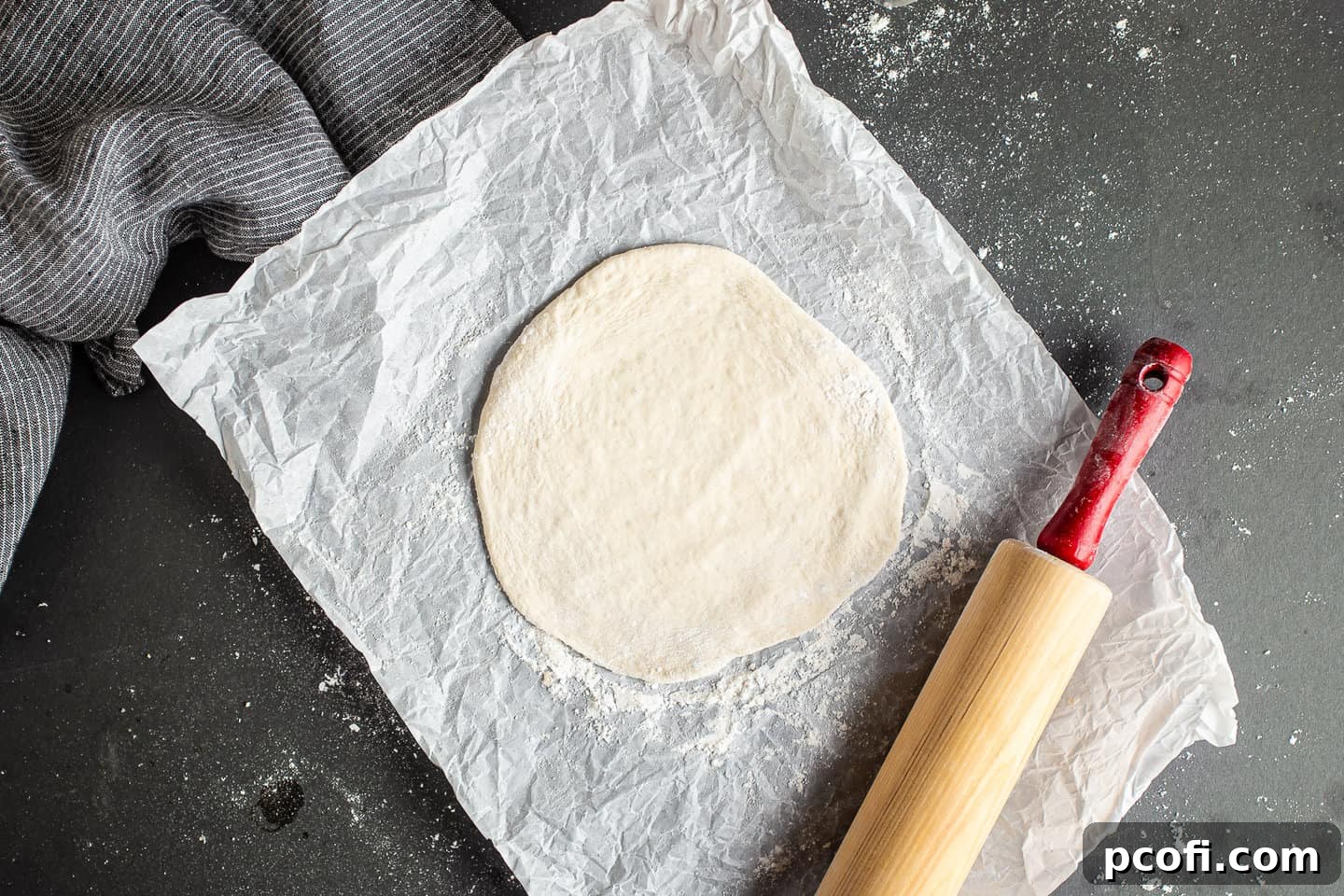
Step 6: Cook on the Skillet
Place a dry skillet (no oil needed!) over medium heat. Allow the skillet to preheat for a few minutes until it’s hot but not smoking. Test the temperature by flicking a few drops of water onto it; if they sizzle and evaporate quickly, it’s ready. Carefully lay one uncooked pita flatbread directly onto the hot surface.
As the pita cooks, you’ll notice the edges becoming more opaque, and soon, bubbles will begin to form towards the center. This is a sign that the pocket is starting to inflate! After about 1 to 2 minutes, gently lift an edge with your tongs or a spatula to check if the bottom is golden brown. Once it reaches that beautiful color, give it a flip.
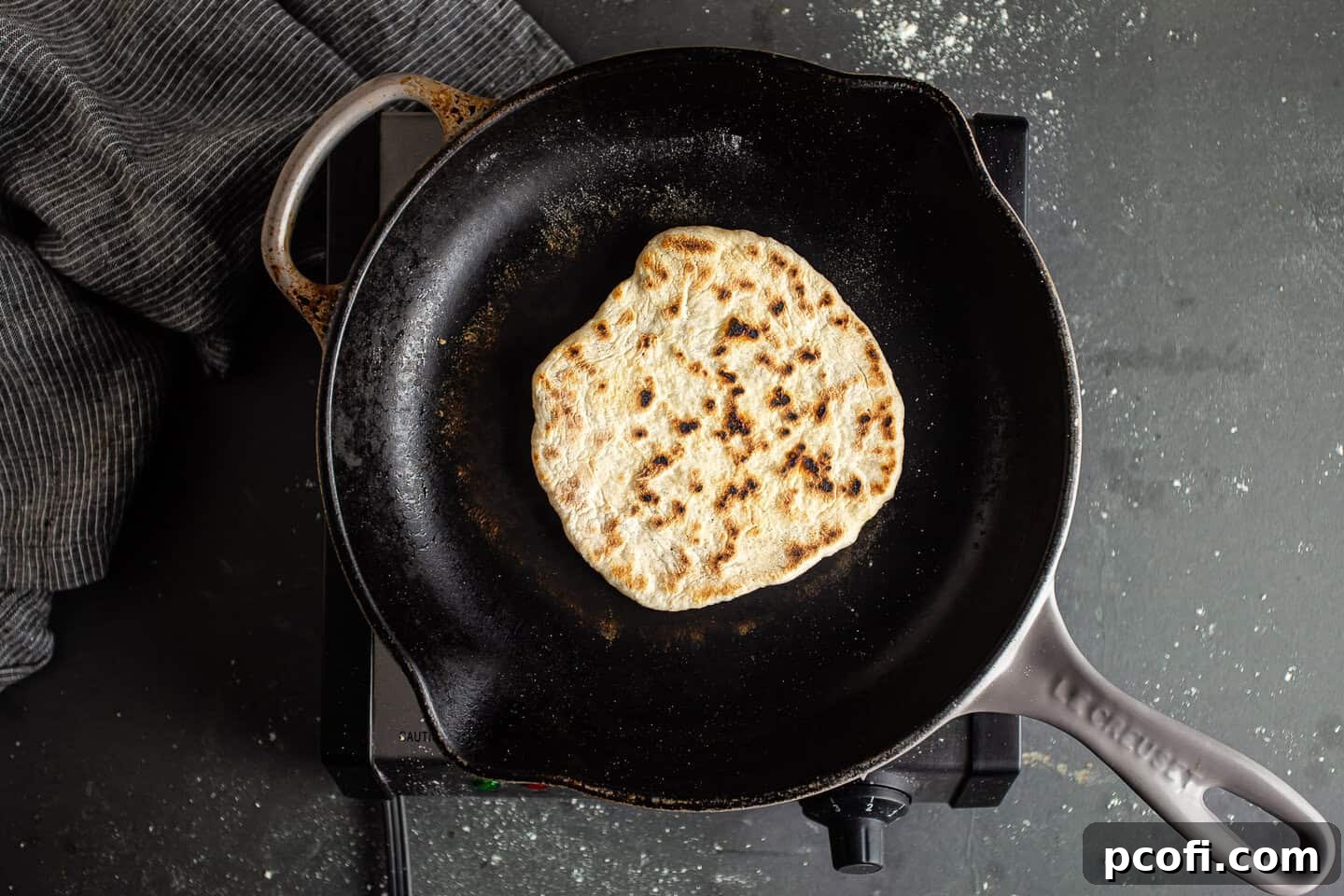
Cook the second side for another 1 to 2 minutes, or until it’s also spotted with golden-brown marks and the bread feels set in the center. The pita should puff up significantly on both sides, creating that iconic pocket. Once done, remove it from the skillet and repeat the process with the remaining dough portions. Place cooked pitas in a clean kitchen towel to keep them warm and soft while you finish cooking the rest.
Serving Suggestions for Homemade Pita
Homemade pita bread is truly exceptional when served fresh and warm, straight from the skillet. Its soft, pliable texture and inviting aroma make it an instant crowd-pleaser. Here are a few ways to enjoy your delicious creation:
- Simple Indulgence: For a delightful treat, tear off pieces of warm pita and dip them into a high-quality extra-virgin olive oil, perhaps seasoned with a pinch of za’atar or fresh herbs. This makes a wonderful appetizer, snack, or a sophisticated side dish for any meal.
- Classic Dips: Pita and hummus are a match made in heaven! Serve your pita alongside creamy homemade hummus, spicy baba ghanoush, or a refreshing tzatziki. It’s the perfect vehicle for scooping up every last bit of your favorite dips.
- Pita Sandwiches and Wraps: This is where the pita pocket truly shines! Carefully slice the rounds into semicircles and gently open the pocket inside. A thin, sharp knife might help if the pocket isn’t fully formed. Then, stuff these pockets with endless possibilities:
- Mediterranean Favorites: Fill with grilled chicken or lamb gyros, crispy falafel, seasoned ground beef for shawarma, fresh salads, tomatoes, cucumbers, onions, and a drizzle of tahini or yogurt sauce.
- Breakfast Options: Scrambled eggs, cheese, and your favorite breakfast meats make for a quick and satisfying morning meal.
- Veggie Power: Load up with roasted vegetables, feta cheese, and a sprinkle of fresh mint for a healthy and flavorful vegetarian option.
- Pita Pizza: Use the pita as a quick and easy base for individual pizzas. Top with sauce, cheese, and your favorite toppings, then bake or grill until golden and bubbly.
- Side with Meals: Serve alongside grilled meats, stews, or salads to complete a wholesome and flavorful meal.
Pro Tips for Pita Perfection
Achieving consistently perfect pita bread is simple with these expert tips:
- Verify Your Yeast: Before you even begin, double-check the expiration date on your yeast package. Expired yeast is dead yeast, and dead yeast won’t make your dough rise, resulting in flat, dense pitas. A quick bloom test (Step 1) is always a good idea to confirm its vitality.
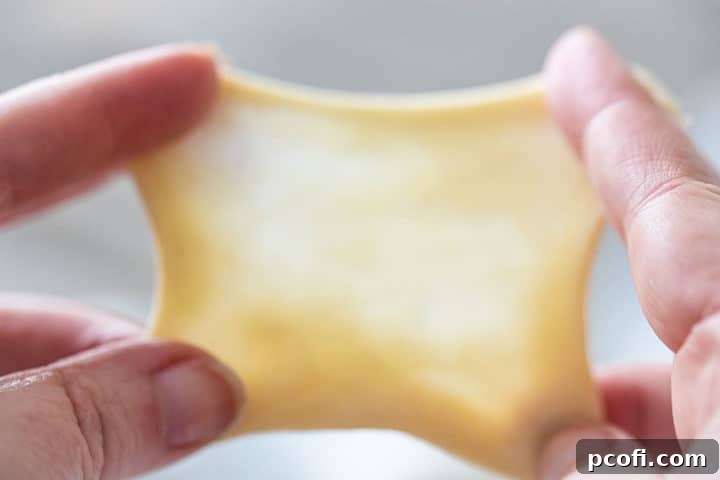
- Master the Windowpane Test: This classic baker’s test helps you determine if your dough has been kneaded sufficiently. Pinch off a small piece of dough (about the size of a golf ball) and gently flatten it with your fingertips. Then, slowly stretch it outwards from the center. If you can stretch it thin enough to see light pass through it without tearing, your gluten is well-developed. This ensures your pita bread will have that satisfyingly chewy texture and the ability to puff up beautifully. If it tears easily, continue kneading for a few more minutes.
- Keep Dough Covered: While you are busy shaping and cooking one pita, ensure the remaining dough portions are loosely covered with plastic wrap or a clean kitchen towel. This prevents the dough from forming a dry skin, which can inhibit rising and make it harder to roll and puff properly.
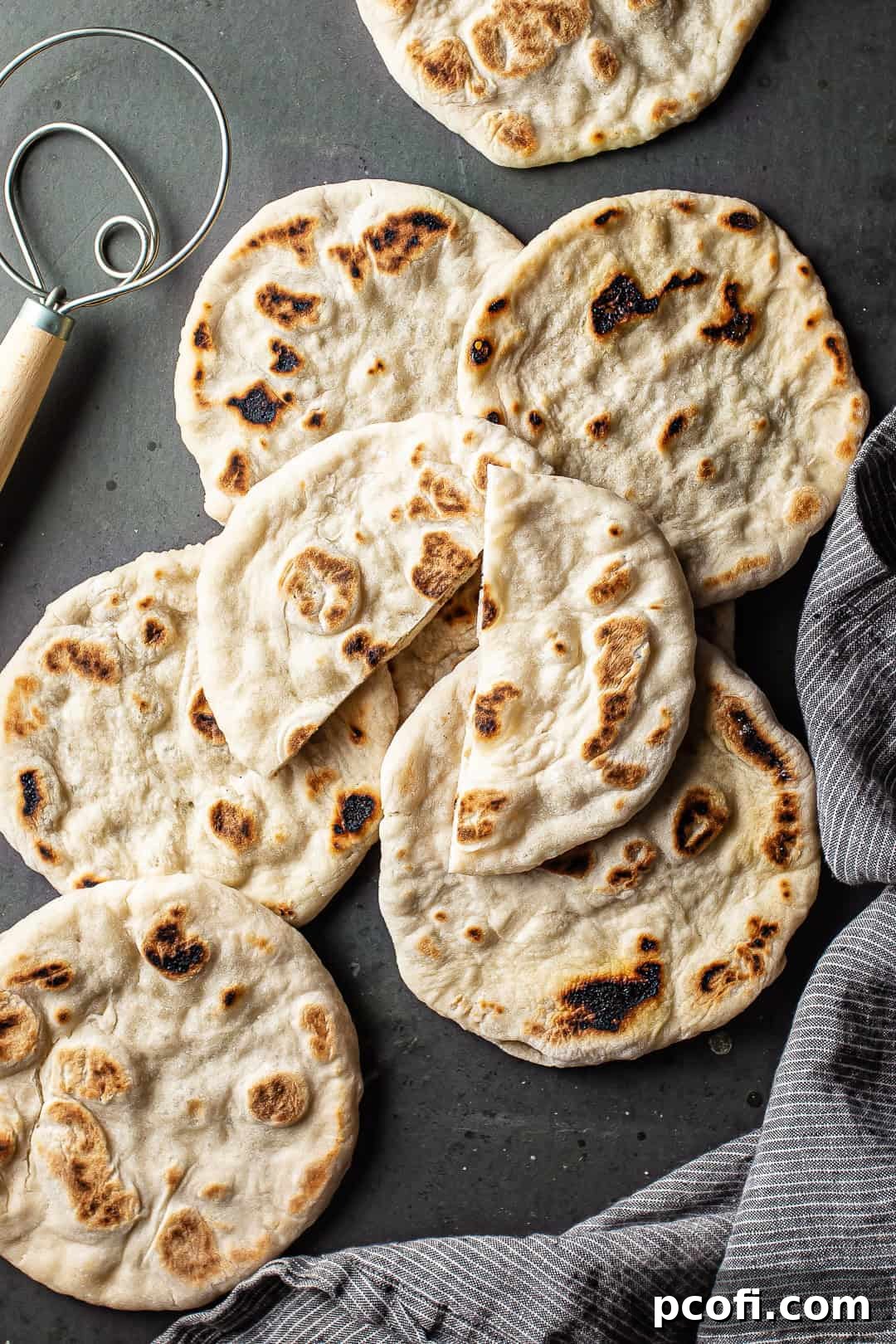
- Embrace the Char: Don’t be afraid to let your pitas develop some very dark, almost charred spots on the skillet. These beautifully browned areas add a wonderfully smoky, complex flavor that significantly enhances the overall taste experience. It’s a hallmark of authentically cooked pita.
- Achieving the Perfect Puff: The key to a good pita pocket is high heat and proper dough consistency. Ensure your skillet is hot enough before placing the pita on it. The rapid heat causes the moisture in the dough to turn into steam, creating that signature pocket. Don’t overcrowd the skillet, cook one at a time for best results.
- Make Your Own Pita Chips: Don’t let leftover pita go to waste! Cut your pitas into triangles, brush them lightly with olive oil, sprinkle with a little salt, pepper, garlic powder, or your favorite seasoning blend. Bake them on a sheet pan for 5 to 10 minutes at 425°F (220°C) until golden and crisp. As they cool, they’ll become delightfully crunchy! These homemade pita chips are absolutely perfect for scooping up creamy spinach artichoke dip, zesty buffalo chicken dip, or a classic onion dip!
Frequently Asked Questions About Pita Bread
There are a few common reasons why your pita dough might not have risen properly. First, always check the expiration date on your yeast; old yeast loses its potency. Second, the water temperature is crucial: if it’s too hot (above 115°F/46°C), it can kill the yeast, and if it’s too cold (below 100°F/38°C), it won’t activate it properly. Aim for warm, but not scalding, around 105°F (40°C). Lastly, dough can sometimes fall flat if it hasn’t had enough time to rise or, conversely, if it has over-proofed and then collapsed. Look for the dough to approximately double in bulk, which usually takes around an hour.
Absolutely! The beauty of this dough is its flexibility. You can prepare the dough in advance and store it in the refrigerator for up to 48 hours. Beyond that, the yeast starts to lose its rising power. For longer storage, the dough can be frozen for up to 2 weeks. Simply thaw it in the fridge overnight before proceeding with shaping and cooking. Making the dough ahead means you can have fresh, warm pitas whenever a craving strikes with minimal effort.
Once your pita breads are completely cool, transfer them to an airtight container or a zip-top bag. At room temperature, they will stay fresh and soft for about a day. For longer storage, refrigerate them for up to a week. For even longer preservation, homemade pita freezes beautifully for several months. To reheat, thaw frozen pitas at room temperature, then warm in a microwave for about 10 seconds, or loosely wrapped in foil in a 170°F (77°C) oven until warmed through and pliable.
This recipe yields 8 delicious pita breads. The diameter of each pita will typically be around 4 to 6 inches, depending on how thinly or thickly you roll them. One serving is generally considered to be one pita. Please note that the nutritional information provided in the recipe details is for the bread only and does not include any accompanying dips or fillings.
Yes, absolutely! A stand mixer fitted with a dough hook makes the kneading process incredibly easy. After the yeast is activated, add the remaining ingredients and mix on low speed until a shaggy dough forms, then increase to medium speed and knead for about 6-8 minutes, or until the dough is smooth and elastic and passes the windowpane test.
There are a few reasons why pita might not puff. The most common issues are: 1) The skillet wasn’t hot enough. High heat is essential to create steam rapidly. 2) The dough wasn’t kneaded enough, meaning the gluten wasn’t strong enough to trap the steam. 3) The dough was rolled too thin or too thick, or had uneven spots or holes. 4) The dough dried out while waiting to be cooked, preventing an even puff. Ensure you follow the tips for kneading, shaping, and keeping the dough covered.
Crafting your own pita bread at home is not only incredibly satisfying but also surprisingly simple. With just a few basic ingredients and a hot skillet, you can create soft, flavorful, and perfectly pillowy flatbreads that will elevate any meal. Whether you’re stuffing them with savory fillings, dipping them in your favorite spreads, or turning them into crispy chips, homemade pita is a staple that’s sure to become a regular in your kitchen.
So, roll up your sleeves, gather your ingredients, and prepare to impress yourself and your loved ones with the magic of homemade pita. Enjoy the process, savor the aroma, and delight in the taste of fresh, warm bread!
A Few More of My Best Yeast Bread Recipes
- Cheese Danish: A sweet, flaky pastry with a creamy cheese filling.
- Orange Rolls: Soft, fluffy rolls bursting with vibrant citrus flavor.
- Gooey Butter Cake: A rich, sweet, and incredibly moist cake with a distinctive gooey layer.
- Pretzel Buns: Chewy, salty, and golden-brown buns perfect for sandwiches or burgers.
As an Amazon Associate, I earn from qualifying purchases.
Pita Bread
Ingredients
- 1 teaspoon (4 g) granulated sugar
- 1 cup (236.59 g) water, warm (approx. 105 degrees F)
- 2 teaspoons (6.22 g) dry active yeast
- 3 cups (375 g) flour, (such as all-purpose flour or bread flour)
- 3 tablespoons (42 g) extra-virgin olive oil
- 1 teaspoon (6 g) kosher salt
Instructions
- Place the sugar in a large bowl and pour the warm water on top.
- Sprinkle the yeast over the surface of the water and allow it to dissolve (approx. 5 minutes), until foamy.
- Stir in the flour, olive oil, and salt, until a dough forms into a ball and pulls cleanly away from the sides of the bowl (add more flour as needed for desired consistency).
- Knead the dough until smooth and elastic (approx. 10 minutes by hand or 6-8 minutes with a stand mixer).
- Cover the bowl with plastic wrap and allow the dough to rest in a warm place until doubled in volume (approx. 1 hour).
- Place a dry skillet over medium heat.
- Punch the dough down and divide it into 8 equal portions.
- Pull off one portion (keeping the rest covered so they don’t dry out), dust it with flour, and flatten/roll/pat it into a circle about 3/8-inch thick and 4-6 inches in diameter.
- Place the dough circle directly on the hot skillet, and allow it to cook until the bottom is golden brown (approx. 1-2 minutes). You will see bubbles forming.
- Flip the pita bread over and allow the other side to cook until golden brown and puffed (approx. 1-2 minutes).
- Repeat with the remaining dough, placing cooked pitas in a clean kitchen towel to keep warm.
Calories: 221kcal
Carbohydrates: 37g
Protein: 5g
Fat: 6g
Saturated Fat: 1g
Polyunsaturated Fat: 1g
Monounsaturated Fat: 4g
Sodium: 294mg
Potassium: 58mg
Fiber: 1g
Sugar: 1g
Vitamin C: 0.003mg
Calcium: 8mg
Iron: 2mg
Mention @bakingamoment on Instagram or tag #bakingamoment.