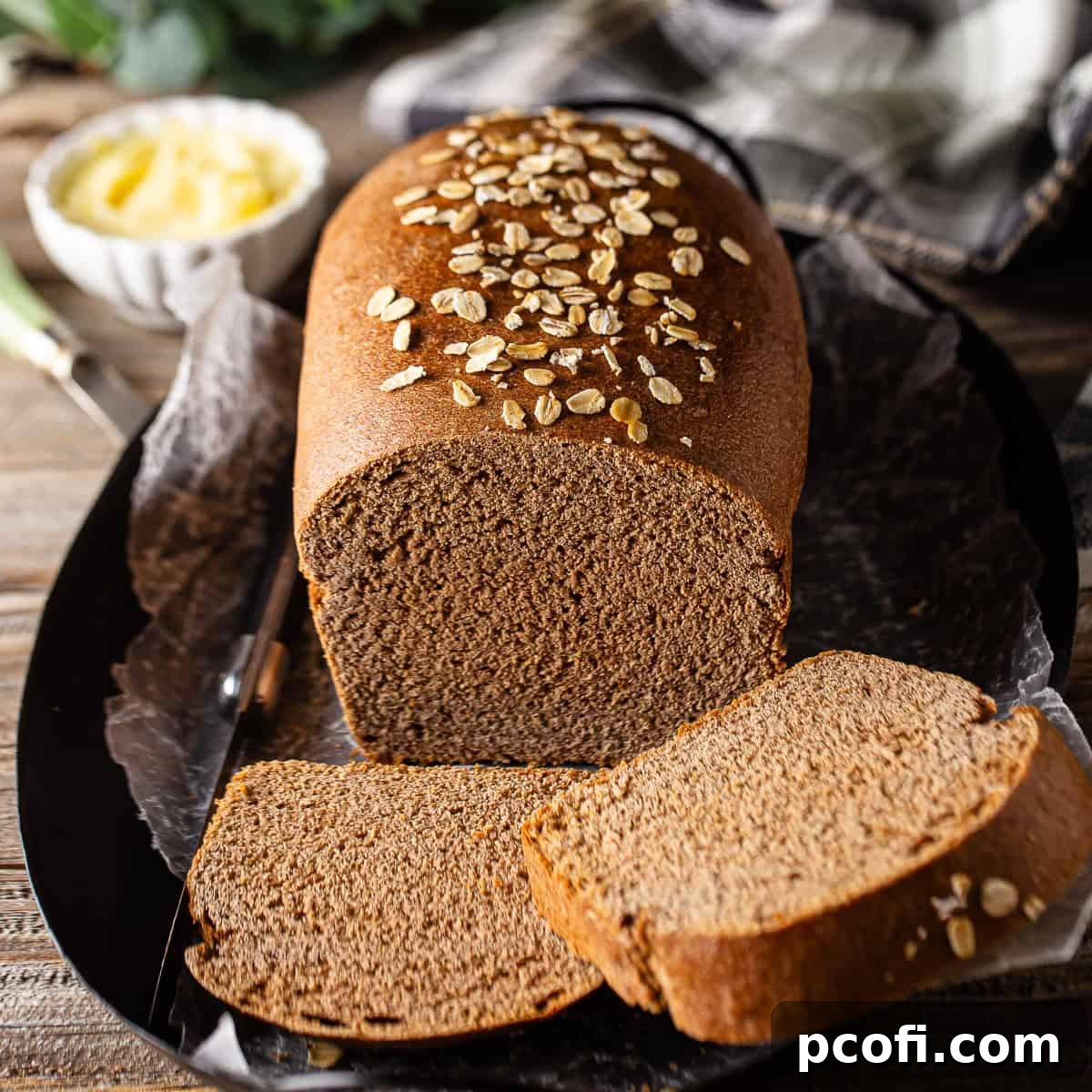
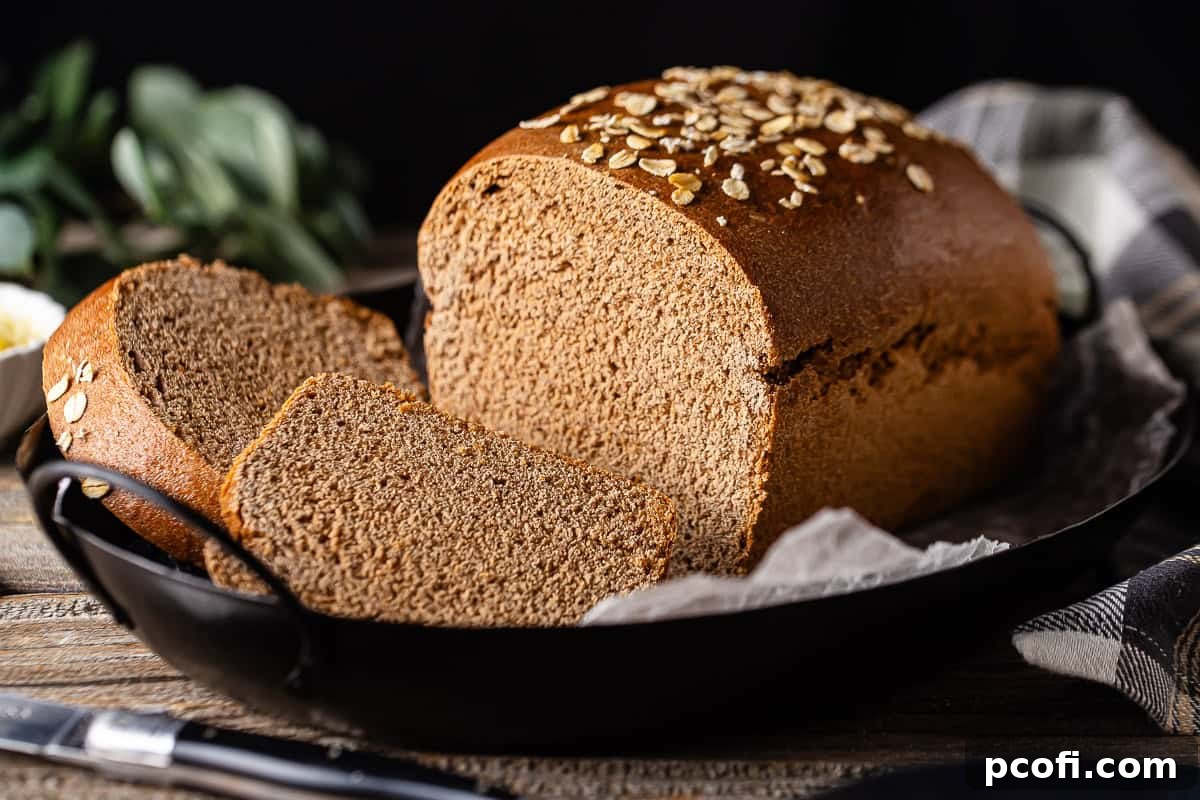
Experience the warmth of a classic steakhouse favorite at home! This copycat Outback Bread recipe delivers a moist, tender, and subtly sweet dark bread that tastes just like the iconic brown loaf from Outback Steakhouse. Perfect for any meal, it’s simpler to make than you think!
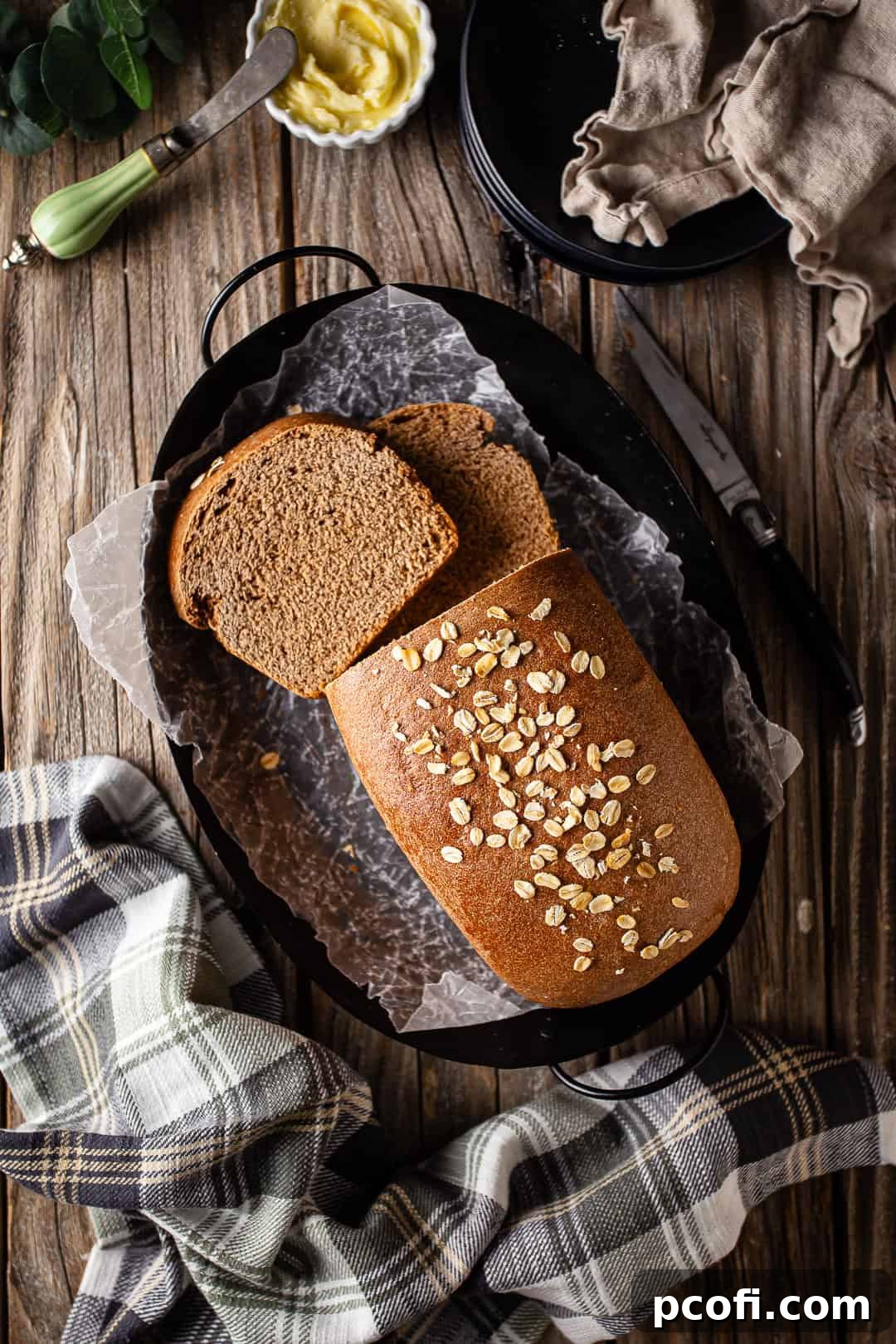
Table of Contents
- Welcome to Your New Favorite Bread
- Why This Copycat Outback Bread Will Amaze You
- Essential Ingredients for Outback Brown Bread
- Step-by-Step Guide to Baking Outback Bread
- Expert Tips and Tricks for Perfect Outback Bread
- Storage and Serving Suggestions
- More Irresistible Bread Recipes
- Full Outback Steakhouse Bread Recipe Card
There’s something uniquely comforting about a basket of warm, slightly sweet brown bread served with soft butter. For many, that iconic experience comes from Outback Steakhouse or even Cheesecake Factory. Recently, a reader’s request sparked an exciting culinary challenge: to recreate that signature moist, pillowy loaf right in my own kitchen. The mission was a resounding success, resulting in a copycat Outback Steakhouse Bread recipe that is virtually indistinguishable from the original!
Here at Baking a Moment, our passion for homemade bread is continuously growing, and it’s clear you share that enthusiasm. This particular recipe for dark, sweet bread is a fantastic addition to our collection, standing proudly alongside our popular English muffins, decadent chocolate babka, and savory pretzel buns. Prepare to elevate your home baking game with this delightful and easy-to-follow recipe.
Welcome to Your New Favorite Bread
Outback Steakhouse’s brown bread is more than just a starter; it’s a staple. Its distinctive dark color, subtly sweet flavor, and incredibly tender crumb have made it a beloved appetizer for years. While the exact recipe remains a closely guarded secret, countless home bakers have attempted to replicate its magic. Our version captures all the essence of the original, allowing you to enjoy this restaurant-quality bread anytime you desire. Imagine the aroma filling your kitchen as this beautiful loaf bakes – pure bliss!
Why This Copycat Outback Bread Will Amaze You
This Outback brown bread recipe isn’t just a delicious replica; it offers several benefits that make it a must-try for any baking enthusiast:
- Effortless Preparation: Whether you prefer kneading by hand for a therapeutic experience or letting a stand mixer do the heavy lifting, this recipe is incredibly forgiving and simple to follow. We even include an option for overnight proofing, making it perfect for busy schedules.
- Generous Yield: This recipe produces a substantial, beautiful loaf that’s ideal for sharing with family and friends. You’ll have plenty to enjoy as an appetizer, a side, or for creative uses throughout the week.
- Incredibly Versatile: While it shines bright as a pre-dinner treat with sweet honey butter, its uses extend far beyond. Cube it up for a delightful dipper with your favorite dip recipe, or pair it with a hearty soup for a truly satisfying meal. Its unique flavor profile complements a wide array of dishes.
- Irresistible Taste and Texture: Expect a truly moist and airy crumb, combined with a rich, hearty flavor profile. The barest hint of sweetness from honey and molasses provides that authentic, addictive taste that keeps you coming back for more. It’s the perfect balance of savory and sweet, with a satisfying chew.
Essential Ingredients for Outback Brown Bread
Crafting this iconic brown bread requires a thoughtful selection of ingredients, each playing a crucial role in achieving its signature taste and texture. Don’t let the unique flavor fool you; the ingredients are common pantry staples.
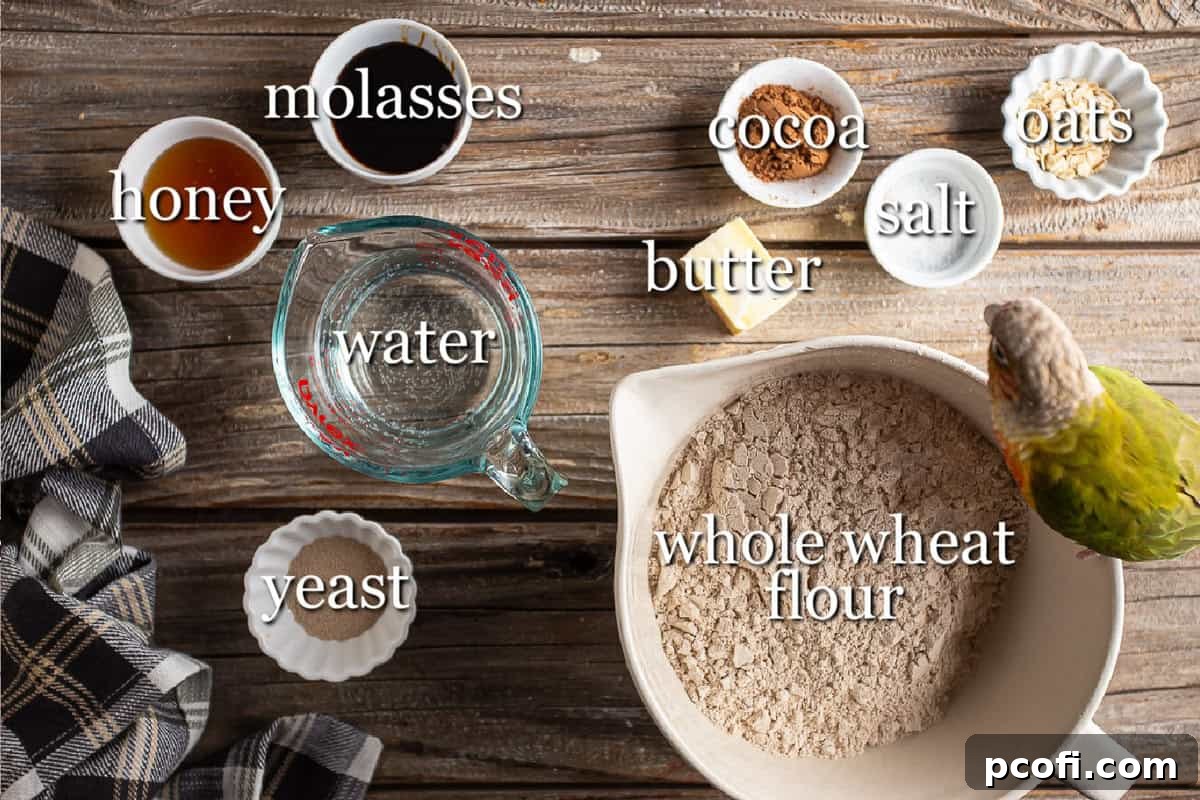
- Honey & Molasses: These twin sweeteners are fundamental to the bread’s characteristic deep flavor and color. Honey contributes a gentle, floral sweetness, while molasses adds a richer, slightly bitter, and earthy undertone, along with its dark hue. Both also serve as vital food for the yeast, ensuring a robust rise.
- Warm Water: The perfect medium to activate your yeast. It should be comfortably warm, ideally around 105°F (40°C). Too cold, and the yeast won’t activate; too hot, and you risk killing it. Think of it as baby bathwater – warm, not scalding.
- Active Dry Yeast: The leavening agent that makes your bread rise, giving it that wonderfully pillowy texture. Always check the expiration date to ensure your yeast is fresh and active. A fresh packet ensures a beautiful, airy loaf.
- Whole Wheat Flour: This is key to achieving the distinctive texture and hearty, nutty flavor of Outback bread. While some recipes use a blend, focusing primarily on whole wheat flour gives our copycat its authentic character and lovely brown color.
- Unsalted Butter: Softened unsalted butter is incorporated into the dough to add richness, moisture, and a tender crumb. Using unsalted butter allows you to control the overall salt content of your bread.
- Unsweetened Cocoa Powder: This might seem surprising, but just a small amount of natural unsweetened cocoa powder is a secret ingredient! It doesn’t make the bread taste like chocolate, but rather deepens its color and adds a subtle, earthy complexity that enhances the overall flavor profile, mimicking the restaurant version.
- Salt: A fundamental ingredient in all baking, salt balances the sweetness, enhances the flavors of the other ingredients, and strengthens the gluten structure in the dough.
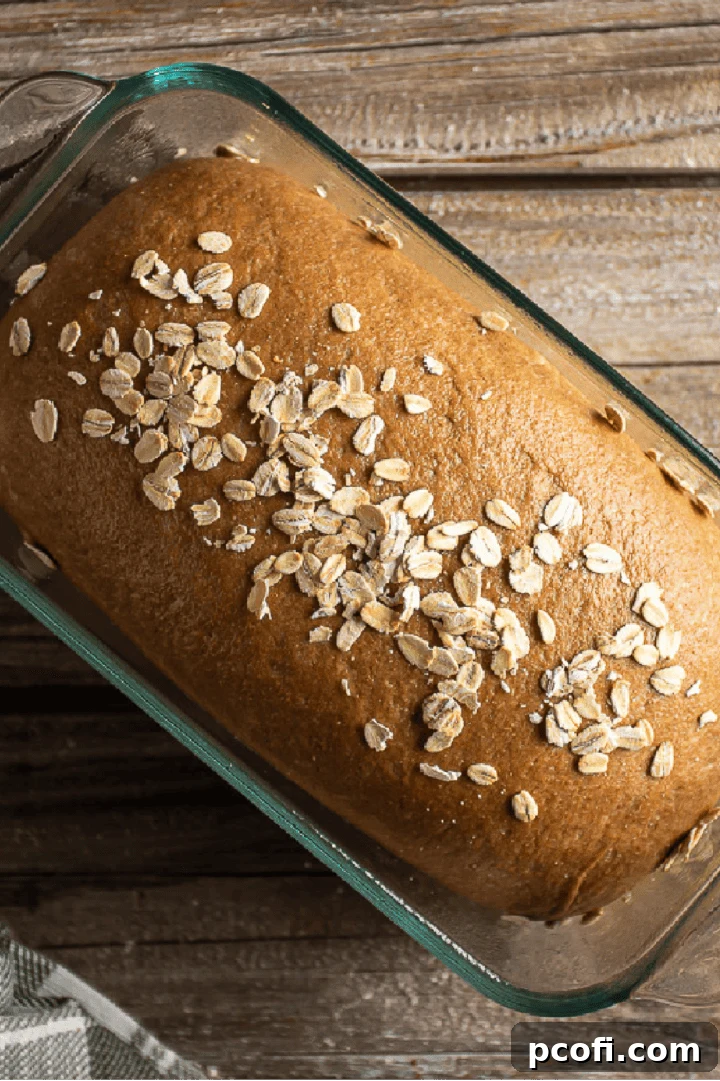
- Garnishes (Optional but Recommended): For that classic restaurant finish, an egg wash (one large egg beaten with a teaspoon of water) brushed over the unbaked loaf creates a beautiful golden-brown shine. A sprinkle of old-fashioned rolled oats adds rustic charm and a hint of texture to the crust.
Step-by-Step Guide to Baking Outback Bread
Follow these detailed steps to create your own perfect loaf of Outback Steakhouse brown bread. The process is straightforward and incredibly rewarding!
Expert Tips and Tricks for Perfect Outback Bread
Achieving bakery-quality bread at home is easy with a few key techniques. Here are some expert tips to ensure your copycat Outback bread turns out perfectly every time:
- Always Check Your Yeast: Yeast is a living organism, and its freshness is paramount. Before you begin, double-check the expiration date on your active dry yeast packet. If it’s expired or has been open for a long time, it might not be active, leading to a flat loaf. Fresh yeast ensures a vigorous rise and a light, airy crumb.
- Mind the Water Temperature: The temperature of the water used to activate the yeast is critical. Aim for water that is warm to the touch, similar to a baby’s bath – around 105°F (40°C). Water that’s too cold won’t activate the yeast, while water that’s too hot will kill it, preventing the dough from rising. A thermometer is your best friend here!
- Flour Fluctuations are Normal: The amount of flour needed can vary significantly due to factors like humidity in your kitchen, the brand of flour, and even the accuracy of your measurements. Start with about two-thirds of the total flour listed in the recipe. Gradually add more, a tablespoon at a time, until the dough comes together into a ball and pulls away cleanly from the sides of the mixing bowl. It should be soft and slightly tacky, but not overly sticky. Resist the urge to add too much flour, as this can result in a dense, dry bread.
- Kneading is Key: Don’t skimp on the kneading process! Kneading develops the gluten in the flour, which gives the bread its structure, elasticity, and chewiness. If the dough isn’t kneaded enough, your final bread might be crumbly, dense, or lack that signature pillowy texture. Aim for 10-15 minutes of vigorous kneading (whether by hand or machine) until the dough is smooth, elastic, and passes the “windowpane test” (you can stretch a small piece thin enough to see light through it without tearing).
- Create a Cozy Environment for Rising: Yeast loves warmth! For optimal rising, place your covered dough in a warm, draft-free spot. Good locations include a sunny windowsill, on top of a warm refrigerator, or even in a turned-off oven with just the light on (the light bulb provides enough gentle heat). A warm environment helps the yeast work efficiently, ensuring a good, even rise.
- Overnight Option for Convenience: If you’re looking to spread out your baking process, this dough is very forgiving! After the first rise and punching down, you can place the dough in a lightly oiled bowl, cover it tightly with plastic wrap, and refrigerate it for up to 48 hours. The cold temperature slows down the yeast activity, allowing for a slow, flavorful fermentation. Simply bring it back to room temperature for about 30-60 minutes before proceeding with shaping, the second rise, and baking. You can also freeze the kneaded dough for up to 2 weeks; thaw in the fridge overnight before proceeding.
- Achieving the Perfect Crust: The egg wash isn’t just for shine; it helps create a beautifully colored, slightly crisp crust. If you don’t have an egg, a brush of milk or water will also work, though the shine won’t be as pronounced. The rolled oats are purely for aesthetics and a touch of rustic texture, but they really make the bread look authentic.
- Internal Temperature for Doneness: The best way to tell if your bread is perfectly baked is by checking its internal temperature with an instant-read thermometer. For this type of bread, it should read around 185°F (85°C). This ensures the bread is cooked through without being over-baked and dry.
Storage and Serving Suggestions
Once your delicious copycat Outback bread is baked and cooled, you’ll want to enjoy every last bite! Here are some tips for storage and creative serving ideas:
Storage:
- Room Temperature: Store leftover bread at room temperature in an airtight container or a bread bag for up to 2-3 days. To keep it freshest, wrap it tightly in plastic wrap before placing it in the container.
- Freezing: For longer storage, this bread freezes beautifully. Once completely cooled, slice the bread (or freeze as a whole loaf). Wrap individual slices or the entire loaf tightly in plastic wrap, then place it in a freezer-safe bag. It can be frozen for up to 2-3 months. Thaw at room temperature or gently warm slices in a toaster or oven.
Serving Ideas:
- Classic Appetizer: Serve warm slices with softened honey butter. This is the quintessential Outback experience!
- Soup and Stew Companion: Its hearty flavor and tender crumb make it an excellent accompaniment to any comforting soup, chili, or stew.
- Sandwiches: Use it for unique and flavorful sandwiches, especially with roast beef, turkey, or even a classic BLT.
- Croutons or Stuffing: If you have any slightly stale bread, cube it, toss with olive oil and herbs, and bake for homemade croutons. Or, use it as a base for a flavorful bread stuffing.
- Bruschetta Base: Slice thin, toast lightly, and top with savory or even sweet spreads for a gourmet touch.
More Irresistible Bread Recipes
If you’ve enjoyed making this Outback bread, you’ll surely love exploring more of our homemade bread creations:
- Pan de Cristal
- Pita Bread
- Rye Bread
- Garlic Knots
Outback Steakhouse Bread (Copycat Recipe)
This copycat Outback Bread tastes just like the moist, pillowy brown bread you get from Outback Steakhouse, with a hint of sweetness. Perfect for appetizers or as a side dish!
Leave a Review
Save Recipe
Ingredients
- 2 tablespoons honey
- 2 tablespoons molasses
- 1 1/2 cups warm water (approx. 105ºF)
- 1/4 ounce active dry yeast (one standard packet)
- 3 1/2 cups whole wheat flour (you may need slightly more or less)
- 3 tablespoons unsalted butter, softened to room temperature
- 1 tablespoon cocoa powder (natural unsweetened)
- 1/2 teaspoon kosher salt
- Egg wash (1 large egg beaten with 1 teaspoon water)
- 1 1/2 teaspoons old fashioned rolled oats, optional garnish
Instructions
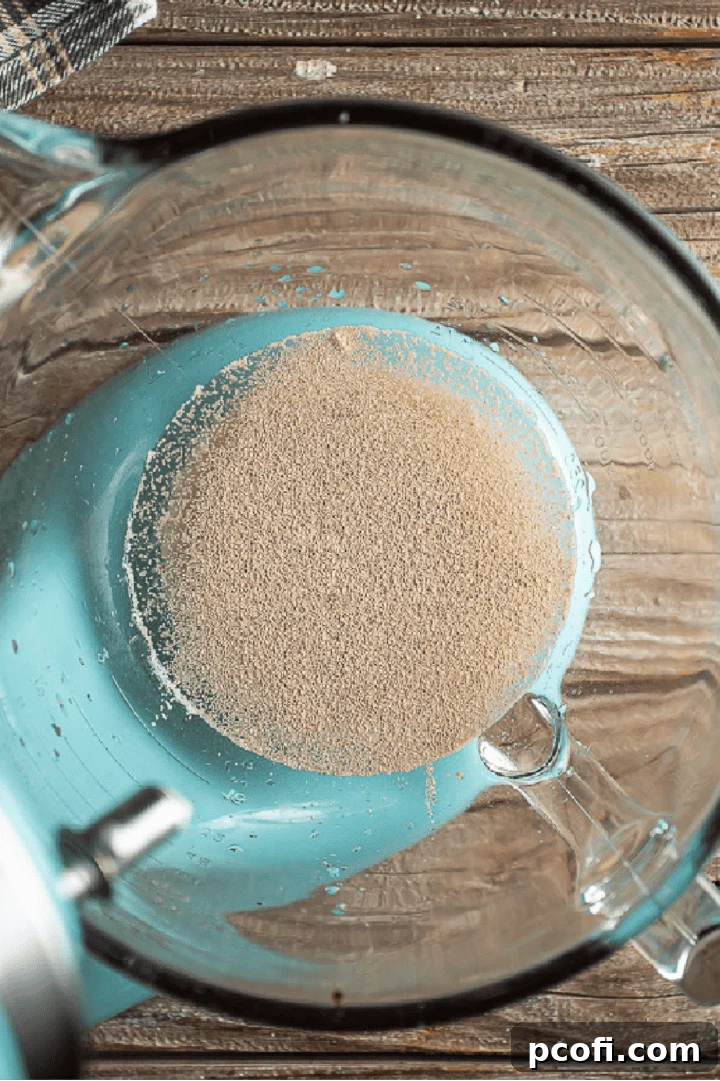
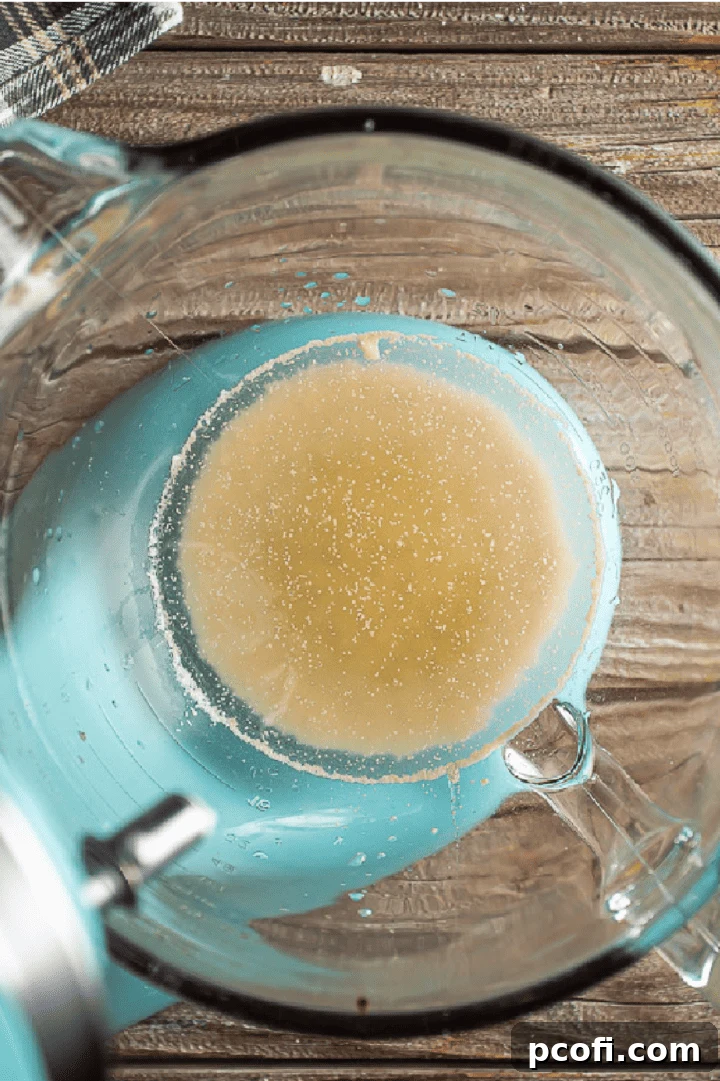
- Place the honey, molasses, and warm water in a large bowl. Sprinkle the active dry yeast on top of the liquid.
- Allow the yeast to dissolve and become foamy for approximately 5 minutes. This indicates the yeast is active.
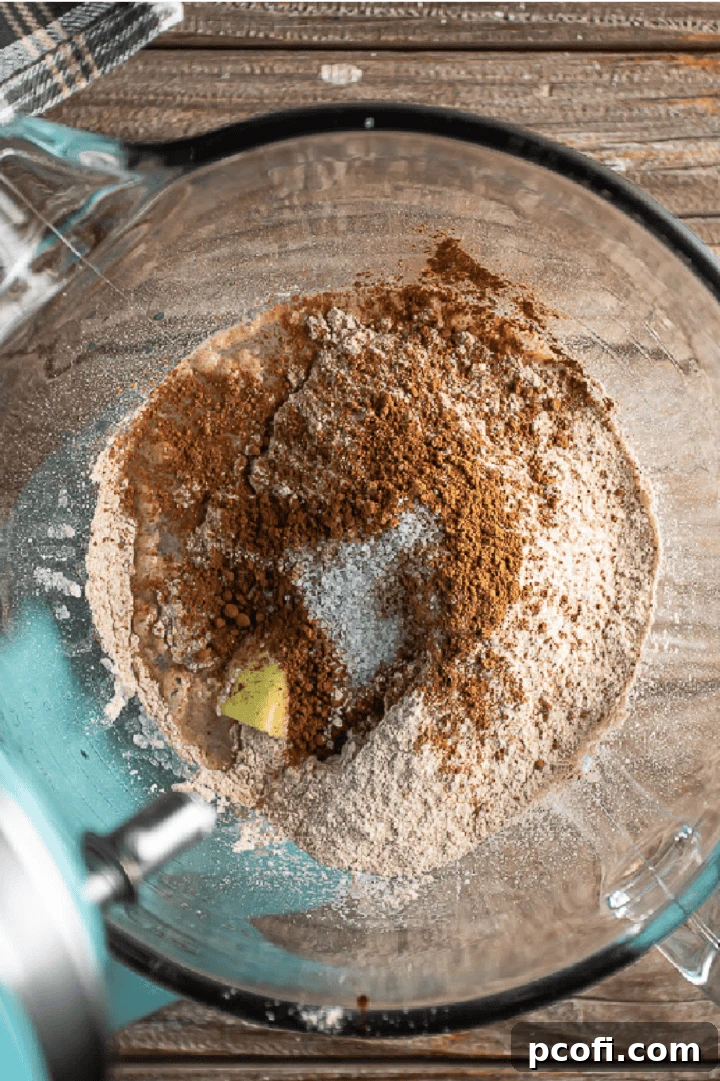
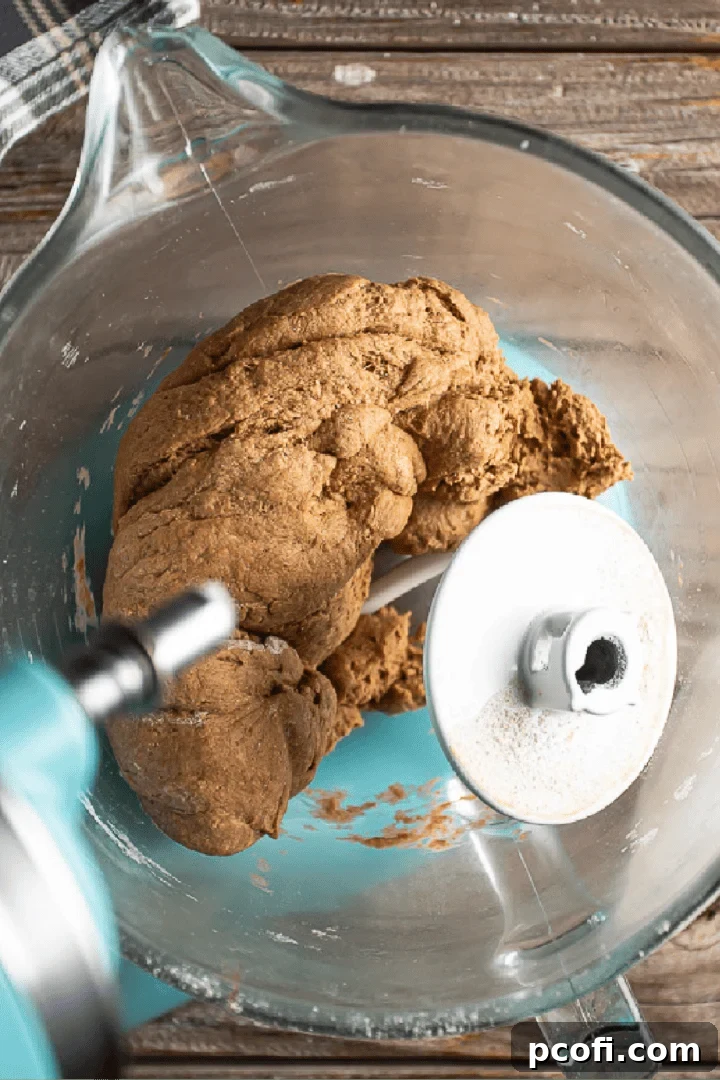
- Add about 2/3 of the whole wheat flour, the softened butter, cocoa powder, and salt to the bowl. Stir together until a sticky, shaggy dough forms.
- Gradually add more flour, a little at a time, while continuing to stir or mix, until the dough gathers itself into a ball and pulls cleanly away from the sides of the bowl. Be careful not to add too much flour; the dough should remain soft and slightly tacky.
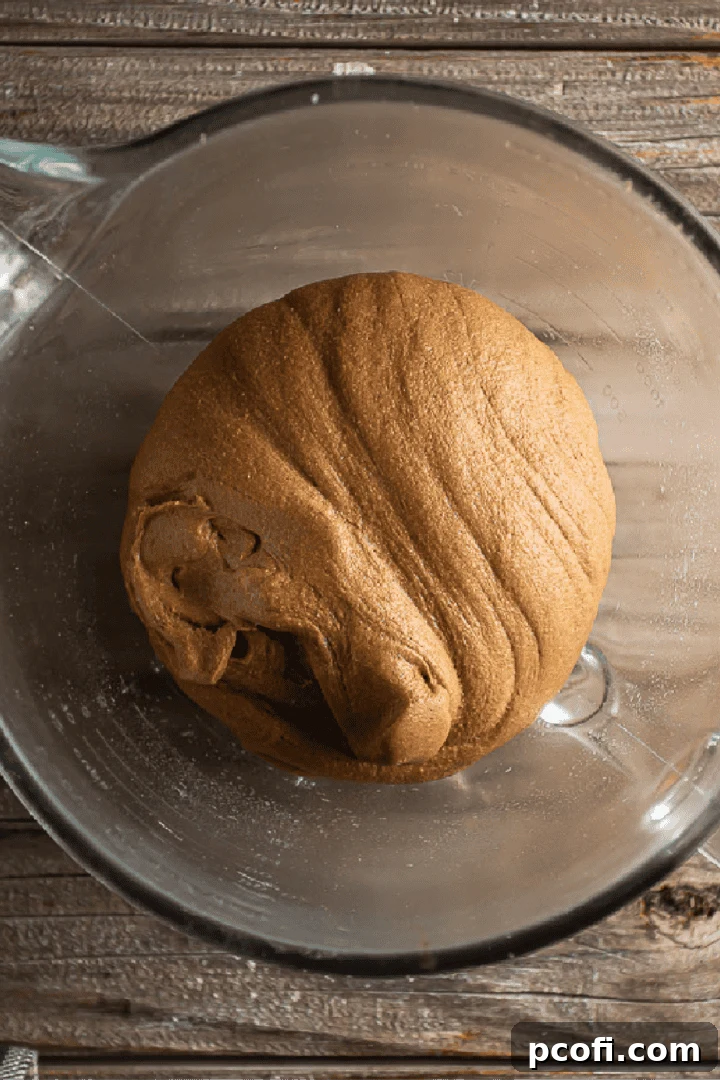
- Turn the dough out onto a lightly floured surface and knead for 10 minutes until it becomes smooth and elastic. Proper kneading is essential for a good crumb.
- Lightly mist the bowl with non-stick spray, place the kneaded dough back in, cover with plastic wrap or a clean towel, and allow it to rise in a warm place until it has roughly doubled in size (approximately 45 minutes).
- Gently punch the risen dough down to release the air. Knead it a few times to reshape, then form it into a smooth oblong loaf.
- Place the shaped loaf into a lightly greased, standard-sized loaf pan.
- Mist a sheet of plastic wrap with non-stick spray and lightly cover the unbaked loaf in the pan.
- Set the loaf in a warm place and allow it to rise a second time for approximately 45 minutes, or until noticeably puffed.
- While the loaf is rising for the second time, preheat your oven to 350°F (175°C).
- Uncover the loaf, brush the top generously with the egg wash, and sprinkle the oats evenly over the top if desired.
- Bake in the preheated oven until the bread reaches an internal temperature of about 185°F (85°C), which typically takes 30 to 40 minutes.
- Remove from oven, let cool in the pan for a few minutes before transferring to a wire rack to cool completely before slicing and serving.
Nutrition Facts (per serving)
Serving: 1 slice
Calories: 170kcal
Carbohydrates: 31g
Protein: 5g
Fat: 4g
Saturated Fat: 2g
Polyunsaturated Fat: 1g
Monounsaturated Fat: 1g
Trans Fat: 0.1g
Cholesterol: 8mg
Sodium: 101mg
Potassium: 193mg
Fiber: 4g
Sugar: 6g
Vitamin A: 91IU
Vitamin C: 0.02mg
Calcium: 22mg
Iron: 2mg
Tried this recipe?
Mention @bakingamoment on Instagram or tag #bakingamoment.