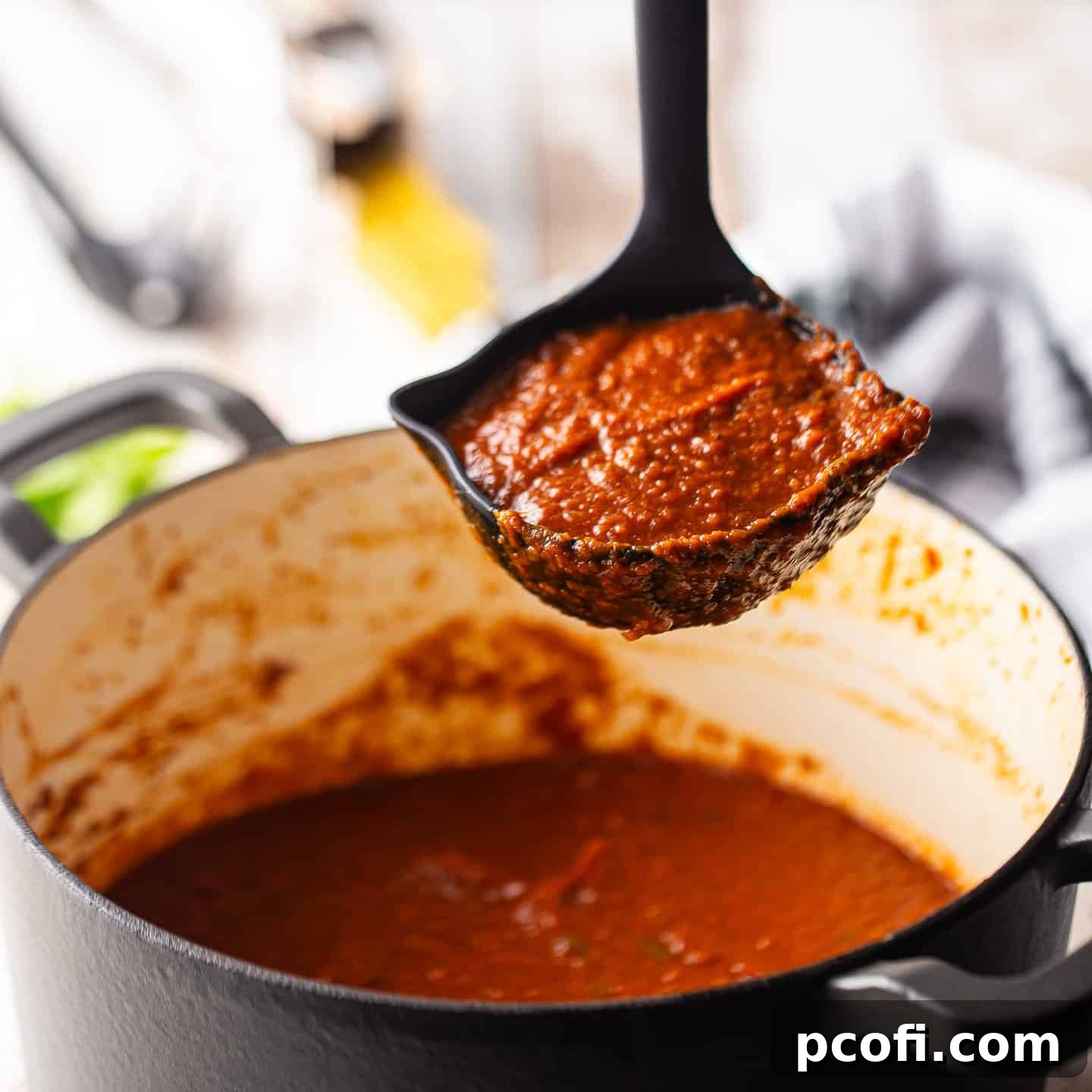
Discover the secret to an incredibly flavorful and robust homemade tomato sauce that will become an instant family favorite! Perfect for pasta, pizza, meatballs, and so much more, this easy recipe delivers a rich, slow-cooked taste that elevates any dish.
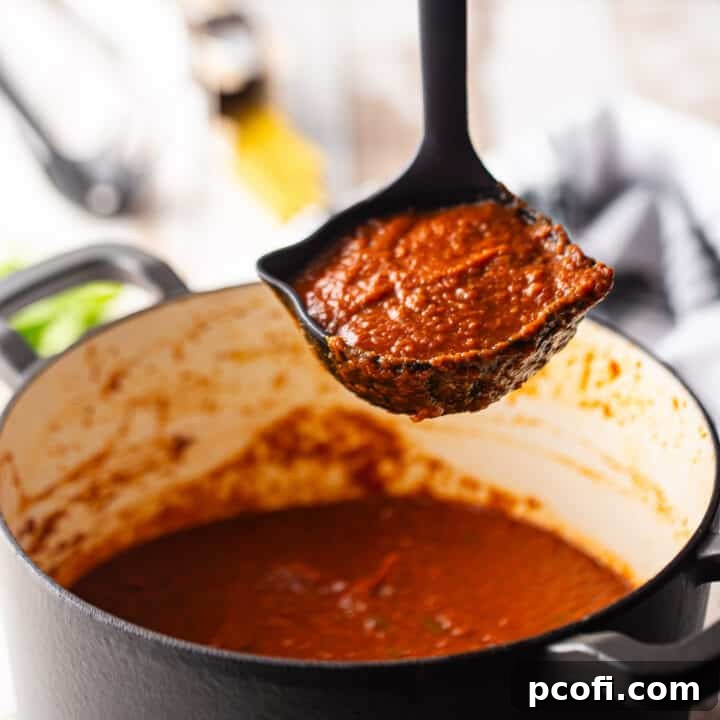
For many years, I relied on jarred tomato sauce, a culinary shortcut I now confess with a touch of embarrassment. Growing up, my mother’s kitchen was always filled with the comforting aroma of her homemade sauce – a magical concoction of “a little of this, a little of that,” without a written recipe to guide future generations. When I became a mom myself, my children’s notoriously picky palates steered us towards a very specific brand of store-bought sauce, one that shall remain nameless but was a staple in countless households.
However, as my kids grew older and their culinary appreciation expanded, I felt a renewed call to create a homemade tomato sauce that could capture that nostalgic, slow-cooked flavor. After numerous experiments and adjustments, I finally perfected this recipe. It strikes a remarkable balance, tasting very much like their beloved store-bought version, yet offering a superior richness, a thicker consistency, and a depth of flavor that only comes from a patiently crafted homemade sauce. This isn’t just a sauce; it’s a labor of love that transforms simple meals into memorable family feasts.
This versatile homemade tomato sauce will undoubtedly become a cornerstone in your collection of Italian recipes. It pairs beautifully with classics like Chicken Marsala, hearty Gnocchi, savory Pork Milanese, and the bright flavors of Chicken Piccata. It’s more than just a condiment; it’s the heart of Italian cooking made simple and delicious.
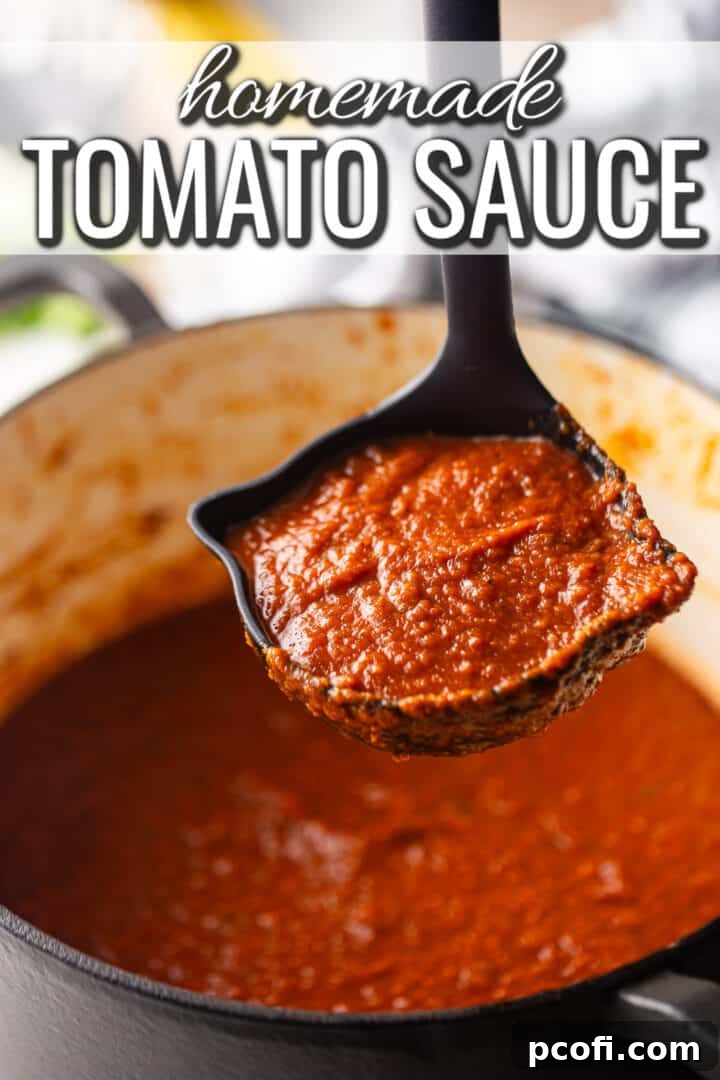
Table of Contents
- What is Tomato Sauce? Redefined
- Why This Homemade Tomato Sauce Recipe Stands Out
- Unveiling the Flavor Profile: What Does It Taste Like?
- Essential Ingredients for the Perfect Sauce
- Recommended Special Equipment
- Step-by-Step Guide: How to Make Homemade Tomato Sauce
- Versatile Serving Suggestions for Your Tomato Sauce
- Frequently Asked Questions About Homemade Tomato Sauce
- More Italian Recipes to Inspire Your Cooking
Jump to Recipe
What is Tomato Sauce? Redefined
Tomato sauce goes by many names – spaghetti sauce, pasta sauce, red gravy, or even marinara or pomodoro. While these terms are often used interchangeably, there are subtle yet significant differences. Our recipe for homemade tomato sauce distinguishes itself by its deliberate cooking process: it’s simmered lower, slower, and for a longer duration than a quick marinara. Unlike a traditional Sunday gravy, our sauce remains meatless, allowing the rich, earthy flavors of the tomatoes and aromatics to truly shine. This method develops a deep, complex taste that a quicker sauce simply can’t achieve, making it the ideal foundation for a wide array of Italian-inspired dishes.
Why This Homemade Tomato Sauce Recipe Stands Out
- Unforgettable Flavor Profile: This isn’t just another tomato sauce; it’s a culinary experience. You’ll immediately notice a vibrant, fresh tang from the tomatoes, beautifully balanced by a profound, earthy complexity. This depth of flavor is meticulously built through a thoughtful cooking process, making every spoonful a delight.
- Minimal, Wholesome Ingredients: Forget long, intimidating ingredient lists. This recipe relies on a few fundamental, high-quality ingredients, most of which you likely already have in your pantry. Simplicity is key to allowing the natural flavors to flourish without being overwhelmed.
- Remarkably Easy to Prepare: Don’t let the incredible depth of flavor fool you into thinking it’s complicated. This “real-deal” Italian sauce, reminiscent of what your Nonna might have lovingly prepared, comes together in just over an hour. It’s an accessible recipe that yields professional-grade results without requiring hours chained to the stove.
- A Healthier, Homemade Choice: Ditching store-bought jars means taking control of what goes into your food. Our homemade tomato sauce is inherently healthier, significantly lower in unwanted fat, added sugars, and sodium. Packed with fresh vegetables, it also provides a beneficial boost of fiber and essential nutrients, making it a nutritious foundation for any meal.
Unveiling the Flavor Profile: What Does It Taste Like?
Prepare your taste buds for a symphony of flavors. This tomato sauce boasts a bright, fresh taste that is distinctly tangy and intensely “tomato-ey.” The natural sugars from the gently caramelized carrots and onions introduce a subtle, pleasant sweetness that perfectly complements the acidity of the tomatoes. The secret weapon here is the browning of the tomato paste, a crucial step that transforms its flavor, adding an incredible richness and complexity. This depth ensures that every bite unmistakably screams “homemade,” setting it apart from any store-bought alternative you might have tried. It’s a robust and satisfying flavor that truly embodies the essence of authentic Italian cooking.
Essential Ingredients for the Perfect Sauce
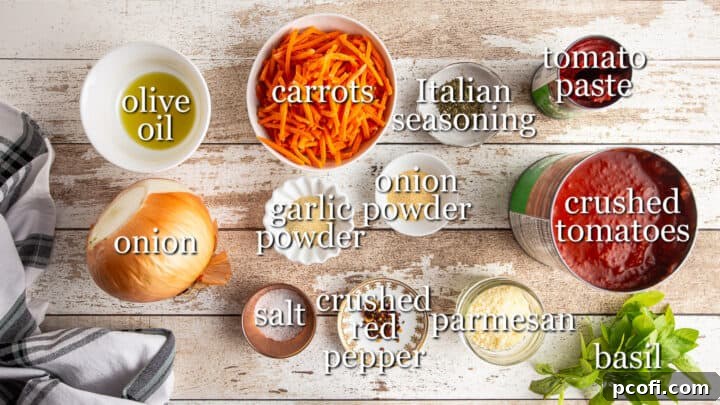
Extra-Virgin Olive Oil
The foundation of any great Italian sauce begins with quality oil. Extra-virgin olive oil is my top recommendation for this recipe. Its fruity, slightly peppery notes infuse the sauce with the best possible flavor right from the start, enhancing the overall depth and richness. Don’t skimp on this essential ingredient – it truly makes a difference.
Sweet Onion
Onions are indispensable for building a sweet, aromatic base. I find that a sweet onion variety, such as Maui or Vidalia, works best, imparting a delicate sweetness without any harshness. Don’t worry about finely dicing it; a rough chop is perfectly fine as the onion will soften and largely break down during the extended simmering process. If you prefer an ultra-smooth sauce, as I often do, you can always blend it at the end.
Grated Carrots
Just like onions, carrots contribute a wonderful natural sweetness to the sauce, balancing the acidity of the tomatoes. For convenience and to save precious prep time, I highly recommend using pre-grated carrots. They melt into the sauce beautifully, adding sweetness and body without needing to be blended, although blending them further intensifies their subtle flavor contribution.
Aromatic Seasonings
A carefully selected blend of seasonings creates the robust, savory heart of this tomato sauce with minimal effort. We’ll use garlic powder, onion powder, Italian seasoning, dried oregano, crushed red pepper (for a hint of warmth), and kosher salt. This combination creates a complex, authentic Italian flavor profile. For those who prefer a sweeter sauce, a touch of granulated sugar can be added to taste. A handful of fresh basil leaves, added towards the end, will also provide a lovely, vibrant finish. If you happen to have a Parmesan rind, toss it into the simmering sauce for an extra layer of umami and savory depth; otherwise, a sprinkle of freshly grated Parmesan cheese at serving is a fantastic alternative.
Concentrated Tomato Paste
A small can of tomato paste is a powerhouse ingredient, adding an incredible depth of concentrated tomato flavor. This is not just a filler; by browning it slightly before adding the crushed tomatoes, we unlock a more complex, almost caramelized taste that is crucial for our slow-cooked flavor profile. It’s a small step that yields huge flavor dividends.
Balsamic Vinegar or Red Wine
Balsamic vinegar, aged in various wood barrels, brings an incredibly complex, sweet, and tangy dimension to the sauce. Its acidity brightens the flavors and helps to deglaze the pot, lifting all the flavorful “fond” from the bottom. If you prefer a less sweet and more earthy, robust sauce, you can substitute the balsamic vinegar with a dry red wine, such as Chianti or Merlot. This will add another layer of sophisticated flavor to your homemade creation.
High-Quality Crushed Tomatoes
For the main tomato component, simple crushed tomatoes are best. Look for brands that offer pure crushed tomatoes without any added garlic, basil, or other seasonings, as we’ll be building our own flavor profile from scratch. My personal favorites for their consistent quality and rich tomato flavor are Cento and Tuttorosso. Using a good quality brand ensures the best possible base for your sauce.
Recommended Special Equipment
- Measuring Spoons: Essential for accurately measuring out all the dry seasonings to ensure a balanced flavor.
- Large Pot or Dutch Oven: I highly recommend using an enameled cast-iron Dutch oven. Its heavy construction allows for even heat distribution, preventing hot spots and ensuring your sauce simmers perfectly without scorching. Plus, they are incredibly easy to clean!
- Wooden Spoon: A sturdy wooden spoon is invaluable for stirring your sauce, especially when scraping up the flavorful fond from the bottom of the pot during deglazing.
- Immersion Hand Blender: This tool is optional, but if you desire an exceptionally smooth and silky sauce, an immersion blender is perfect for pureeing the sauce directly in the pot after it has finished cooking.
Step-by-Step Guide: How to Make Homemade Tomato Sauce
Creating this incredible tomato sauce is surprisingly straightforward, involving just a few key steps that build layer upon layer of flavor. Follow these simple instructions for a truly remarkable result.
Step 1: Sauté the Aromatics and Seasonings
Begin by heating the extra-virgin olive oil in your large pot or Dutch oven over medium heat until it shimmers. This indicates it’s hot enough to properly sauté. Add the roughly chopped onion, grated carrots, and all your carefully measured seasonings: garlic powder, onion powder, Italian seasoning, dried oregano, crushed red pepper flakes, and kosher salt.
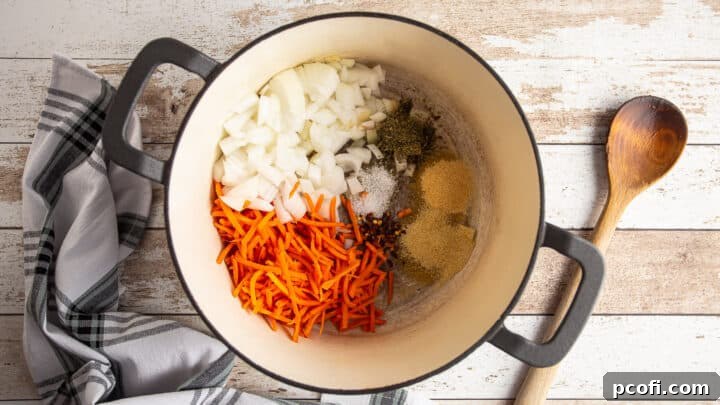
Sauté these ingredients, stirring frequently, for approximately 5 to 7 minutes, or until the onions and carrots have softened and become tender. This step allows their natural sweetness to develop and the aromatic seasonings to bloom, laying a fragrant foundation for your sauce.
Step 2: Brown the Tomato Paste for Richness
Next, create a small, clear space in the center of the pot by pushing the sautéed vegetables to the sides. Add the entire can of tomato paste directly into this cleared area.
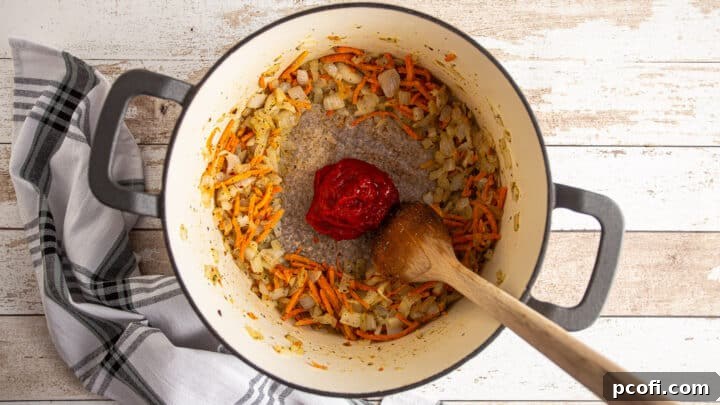
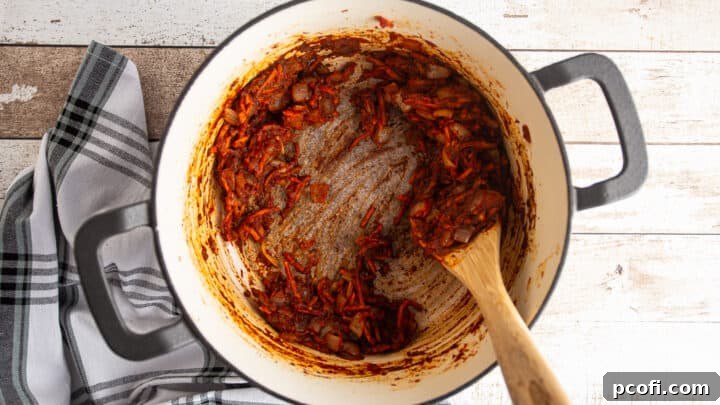
Cook the tomato paste by itself in the hot spot for about 3 to 5 minutes, stirring it occasionally, until it darkens a shade or two and begins to smell richly toasted. This crucial step caramelizes the sugars in the paste, unlocking an incredible depth of umami and complex flavor that will truly elevate your sauce. As it cooks, you might notice a thin brown film forming on the bottom of the pot – this is precisely what you want, as it’s packed with flavor.
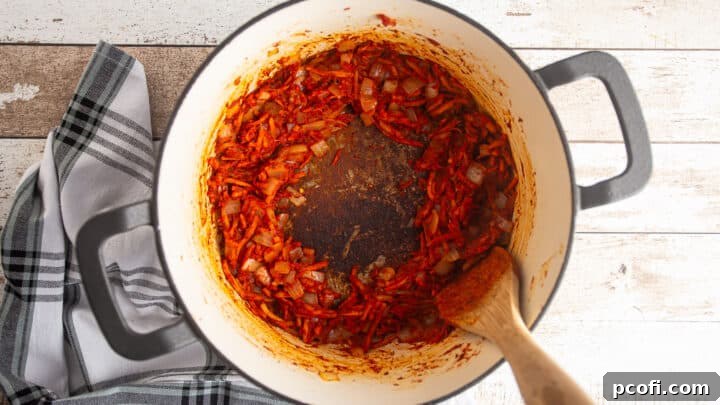
Step 3: Deglaze the Pan and Unlock Flavor
Now, it’s time to capture all those delicious caramelized bits from the bottom of the pot. Pour in the balsamic vinegar (or red wine, if using).
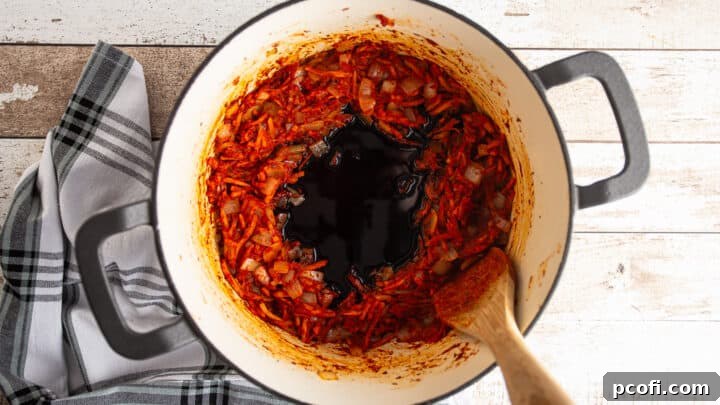
Using your wooden spoon, actively scrape the bottom of the pot, loosening all the “fond” – those browned, flavorful bits that have adhered. Stir them into the liquid. This process, known as deglazing, adds incredible depth and richness to your sauce, ensuring no flavor is left behind.
Step 4: Simmer to Perfection
The final and most rewarding step is to introduce the crushed tomatoes to the pot, along with any fresh basil sprigs you might be using. Give everything a good stir to combine.
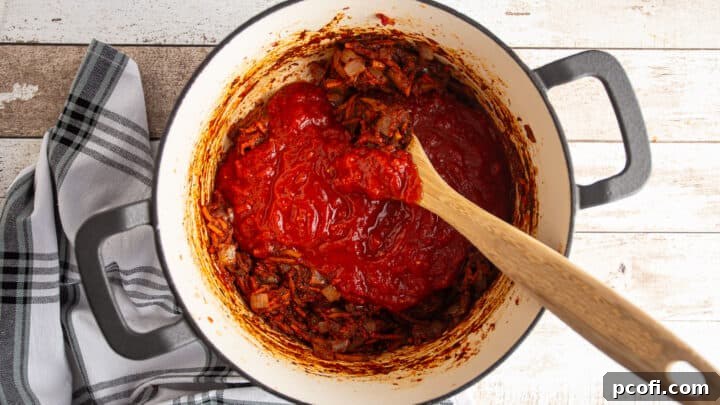
Reduce the heat to the lowest possible setting, place the lid slightly ajar on the pot (allowing some steam to escape), and let the sauce gently simmer. While it can be enjoyed sooner, I highly recommend allowing it at least an hour to truly develop its deep, complex flavors. The longer it simmers, the richer and more harmonious the taste will become.
Remember to stir the sauce every so often to prevent it from sticking or burning on the bottom. If the sauce begins to thicken too much for your liking, gradually add water until it reaches your desired consistency. Depending on how long you simmer and reduce the sauce, you might add anywhere from a few ounces to over a cup of water.
Before serving, always taste and adjust the seasonings. Is it too acidic? A pinch of baking soda (to neutralize acidity without adding sweetness) or a tablespoon or two of sugar can work wonders. Do you crave more heat? A little extra crushed red pepper will do the trick. For an extra layer of savory, nutty, almost funky taste, stir in some freshly grated Parmigiano Reggiano off the heat. Customize it to your personal preference!
For an exceptionally smooth texture, remove any basil sprigs or Parmesan rinds, then use an immersion hand blender to puree the sauce directly in the pot until it reaches your desired consistency. This step is optional but highly recommended for a truly restaurant-quality finish.
Versatile Serving Suggestions for Your Tomato Sauce
This remarkable homemade tomato sauce is incredibly versatile, making it the perfect accompaniment for a vast array of dishes. It’s truly a foundational element in any culinary repertoire.
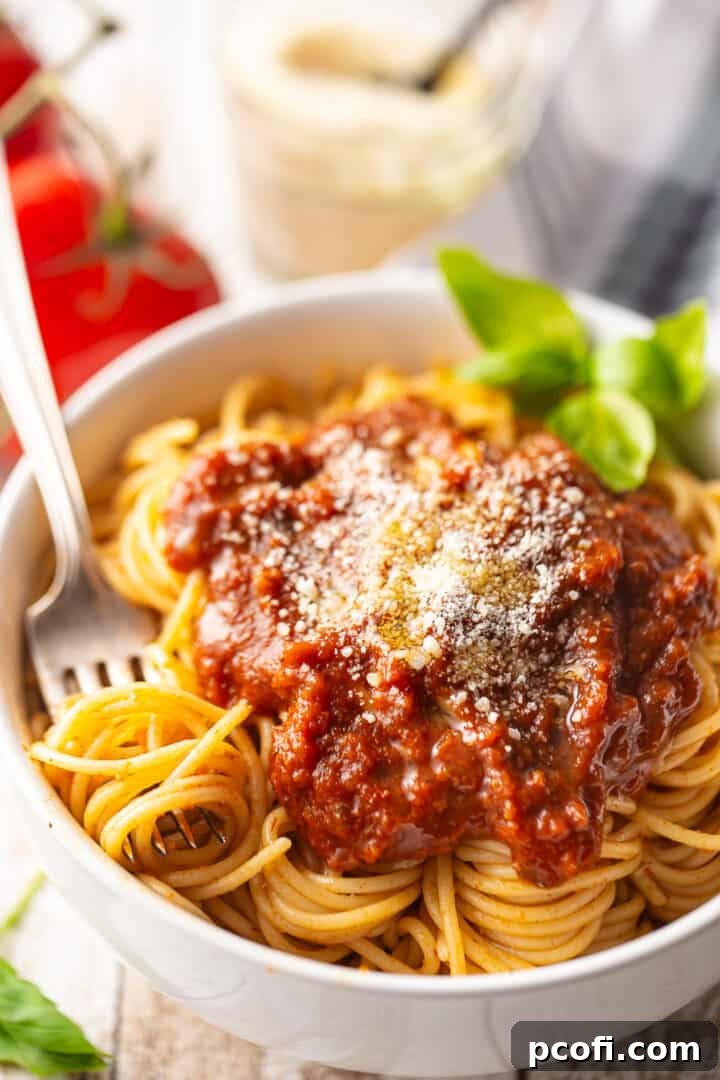
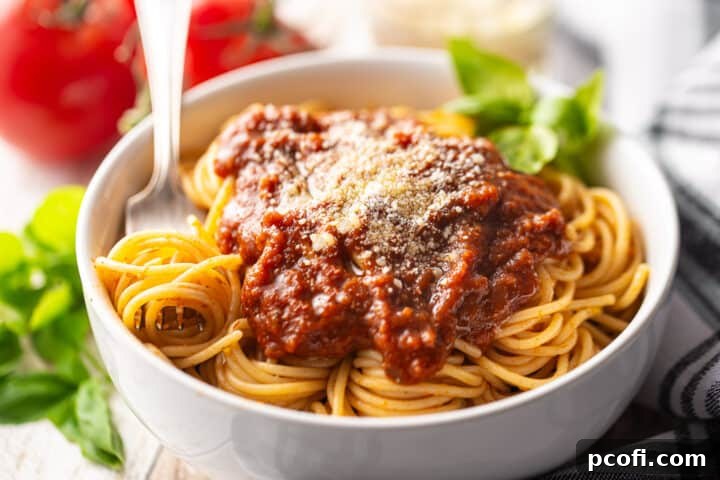
- Classic Pasta Dishes: Naturally, it’s a dream come true when tossed with your favorite pasta. From spaghetti and fettuccine to penne and rigatoni, this sauce clings beautifully, delivering rich flavor in every bite.
- Pizzas and Flatbreads: Forget store-bought pizza sauce! This homemade version makes an exquisite base for your homemade pizzas and flatbreads, providing a fresh, vibrant flavor that store-bought simply can’t match.
- Hearty Gnocchi: The richness of this sauce perfectly complements the soft, pillowy texture of gnocchi, creating a comforting and satisfying meal.
- Meatball Submarines and Meatloaf: Spoon generously over meatballs, whether served in a sub roll or alongside pasta. It also makes a fantastic glaze or topping for classic meatloaf.
- Chicken and Eggplant Parmesan: Use it as the primary sauce for layering in baked dishes like Chicken Parmesan or Eggplant Parmesan, where its deep flavor will meld beautifully with cheese and other ingredients.
- Creating a Sunday Gravy: To transform this into a traditional, hearty Sunday gravy, begin by browning sausages, meatballs, and even soup bones in the pot. Once rendered, remove the meats, then proceed with sautéing the veggies and seasonings in the flavorful fat left behind. Add the meats back into the sauce to simmer alongside the tomatoes, infusing it with an even deeper, meatier flavor.
However you choose to enjoy it, this sauce is designed to elevate your meals and bring that authentic taste of Italy right to your dining table.
Frequently Asked Questions About Homemade Tomato Sauce
While you can certainly enjoy this sauce after a shorter cooking time, a low and slow simmer for at least one hour is highly recommended. This extended cooking period allows the flavors to truly meld and deepen, resulting in the richest, most robust, and complex taste profile possible. Patience truly pays off in the world of tomato sauces!
Absolutely, this recipe adapts beautifully to an Instant Pot! Use the sauté setting to cook the vegetables, seasonings, and brown the tomato paste. After deglazing with balsamic vinegar, add the crushed tomatoes, then switch to a low simmer setting for a pressurized cook, or use a slow cook function for an extended gentle simmer.
Yes, you can certainly make this sauce in a slow cooker, but for the best flavor development, don’t skip the initial sautéing steps. You’ll first need to sauté the vegetables and seasonings, brown the tomato paste, and deglaze the pan on the stovetop. Once those foundational flavors are built, transfer everything to your slow cooker and let it simmer on low for several hours, allowing the flavors to deepen beautifully.
If your sauce becomes thicker than you prefer, don’t worry! Simply add water, a few tablespoons at a time, stirring well after each addition, until the sauce reaches your desired consistency. You can also use vegetable broth for an added layer of flavor.
If your sauce tastes too tart, you have a couple of easy solutions. You can add a pinch of baking soda, which will neutralize the acidity without introducing any sweetness. Alternatively, a tablespoon or two of granulated sugar can balance the tartness while also adding a subtle sweetness, depending on your preference. Taste after each addition until balanced.
Proper storage is key for enjoying your homemade sauce for an extended period. For short-term storage, the sauce will last about a week in an airtight container in the refrigerator. For longer preservation, you have two excellent options:
- Freezing: Ladle cooled sauce into freezer-safe containers or bags, leaving some headspace. It will keep well in the freezer for up to 6 months. Thaw at room temperature or gently reheat on the stove or in the microwave.
- Canning: For shelf-stable storage, canning is ideal. Because this tomato sauce contains balsamic vinegar, its acidity level is generally suitable for water bath canning. Ladle the hot sauce into sterilized jars, ensuring clean rims, then screw on new lids. Submerge the jars in a boiling water bath for 40 minutes (adjust for altitude). Remove and let cool completely. A popping sound indicates a successful airtight seal. Properly processed jars can last unopened at room temperature for about a year. Once opened, refrigerate and consume within a week.
This recipe typically yields about 6 generous servings, though this can vary slightly based on how long the sauce simmers and how much it reduces. The nutritional information provided in the recipe card below is calculated for 1/6th of the total batch, and it pertains to the sauce only, not including any pasta or additional ingredients you might serve it with.
More Italian Recipes to Inspire Your Cooking
If you’ve fallen in love with this homemade tomato sauce, you’ll adore these other Italian-inspired dishes that bring comfort and incredible flavor to your kitchen. Expand your culinary repertoire with these cherished family favorites:
- Garlic Knots: Soft, savory, and perfect for soaking up every drop of sauce.
- Classic Basil Pesto: A vibrant, fresh sauce that’s perfect for a lighter meal or as an accompaniment.
- Creamy Mushroom Risotto: Indulgent and rich, a true Italian comfort food.
- Thin and Crisp Pizzelle Cookies: A delicate, traditional Italian waffle cookie for dessert.
- Crunchy Almond Biscotti: Perfect for dipping in coffee or a sweet wine after a hearty Italian meal.
As an Amazon Associate, I earn from qualifying purchases.
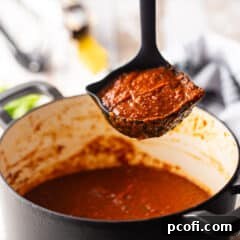
Homemade Tomato Sauce
Leave a Review
Save Recipe
Ingredients
- 3 tablespoons (42 g) extra-virgin olive oil
- 1 (110 g) onion, medium, roughly chopped (Maui or Vidalia recommended)
- 5 ounces (141.75 g) carrots, grated
- 1 teaspoon (3 g) garlic powder
- 1 teaspoon (2 g) onion powder
- 1 teaspoon (2 g) Italian seasoning
- 1 teaspoon (6 g) kosher salt
- 1/2 teaspoon (1 g) dried oregano
- 1/8 teaspoon (0.25 g) crushed red pepper flakes
- 6 ounces (170.1 g) tomato paste
- 3 tablespoons (48 g) balsamic vinegar (or dry red wine)
- 28 ounces (793.79 g) crushed tomatoes (high-quality, no added seasonings)
- water, as needed for consistency
- 1 tablespoon (12 g) granulated sugar, or to taste (optional, for sweetness)
- 1 sprig fresh basil, optional, for simmering
- parmesan cheese, optional garnish
Instructions
-
In a large pot or Dutch oven, heat the extra-virgin olive oil over medium heat until it shimmers.
-
Add the roughly chopped onion, grated carrots, garlic powder, onion powder, Italian seasoning, kosher salt, dried oregano, and crushed red pepper flakes to the pot.
-
Sauté, stirring frequently, until the vegetables are soft and tender, about 5-7 minutes.
-
Create a cleared space in the center of the pot and add the tomato paste.
-
Cook the tomato paste, stirring just the paste, until it darkens a shade or two and is fragrant, about 3 to 5 minutes.
-
Pour in the balsamic vinegar (or red wine) to deglaze the pot, using a wooden spoon to scrape up any browned bits (fond) from the bottom and incorporate them into the mixture.
-
Add the crushed tomatoes and the optional fresh basil sprig to the pot. Stir to combine. Reduce the heat to low, place the lid slightly ajar on the pot, and allow the sauce to simmer gently for at least one hour, stirring occasionally to prevent sticking.
-
Taste and adjust seasonings as needed (add sugar or baking soda for acidity, more red pepper for heat). If a smoother sauce is desired, puree with an immersion blender directly in the pot. Serve hot with your favorite dishes.