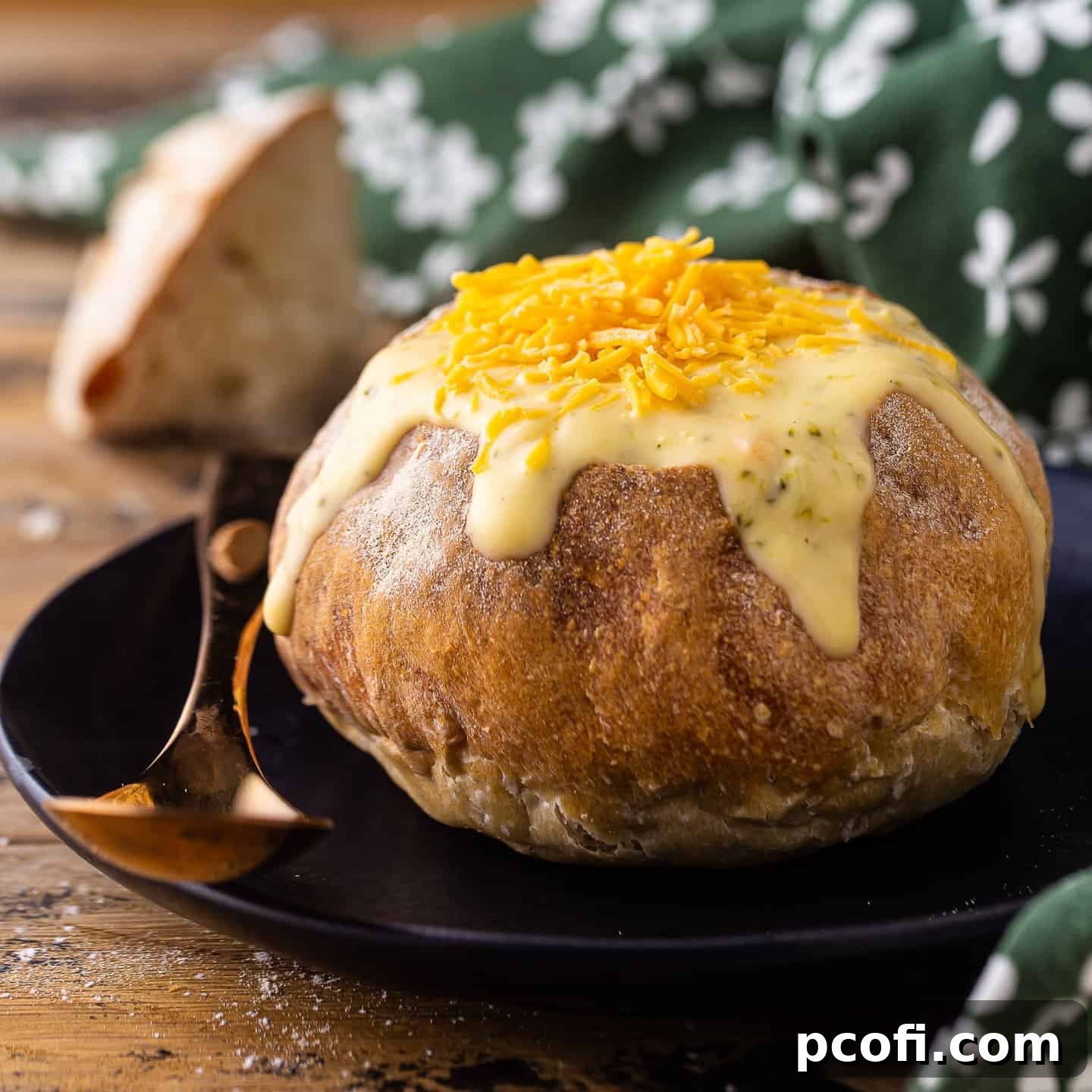
The Ultimate Easy Homemade Bread Bowl Recipe: Crusty, Chewy, & Flavorful for Soups & Dips
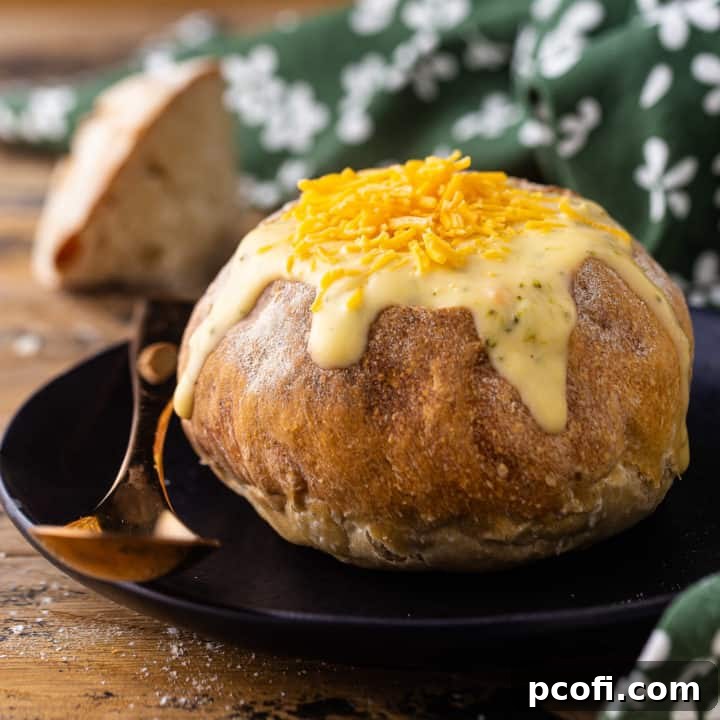
There’s an undeniable charm and rustic appeal to serving a hearty soup or a luscious, creamy dip nestled within a freshly baked, edible vessel. Imagine the joy of spooning up the last bit of your favorite comfort food, then tearing off a piece of the flavorful bread bowl itself, soaked in deliciousness. This experience is exactly what our easy homemade bread bowl recipe promises, bringing a touch of culinary magic to your table with minimal effort.
Many home bakers find the idea of working with yeast intimidating, often equating it with complex techniques and endless steps. However, our goal with this recipe is to demystify bread baking, making it accessible and enjoyable for everyone, regardless of their experience level. We’ve meticulously streamlined the process, boiling it down to just four core ingredients and a single mixing bowl, eliminating the need for any specialized equipment or extensive kneading.
While this recipe does involve a fair amount of resting time, allowing the dough to develop its signature texture and flavor, the active preparation time is remarkably short. This makes it a perfect project to plan ahead for a special meal or simply to elevate an everyday dinner. You’ll be amazed at how effortlessly these bread bowls come together, and once you’ve tasted the difference of homemade, you’ll wonder how you ever enjoyed soup without them!
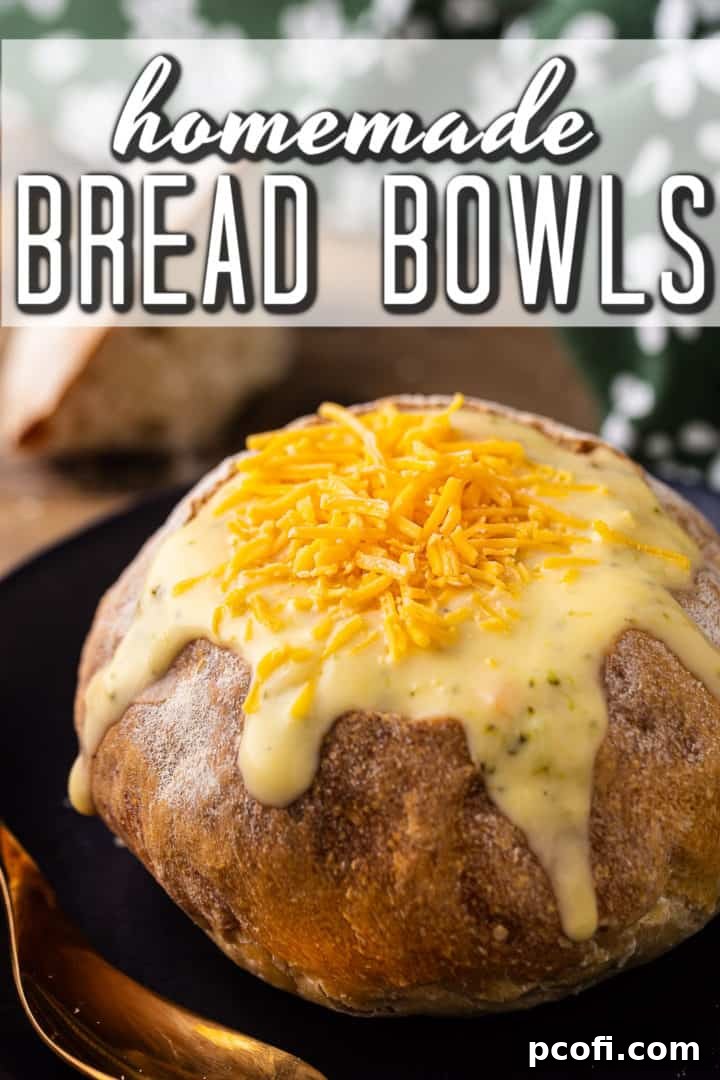
What Exactly Is a Bread Bowl?
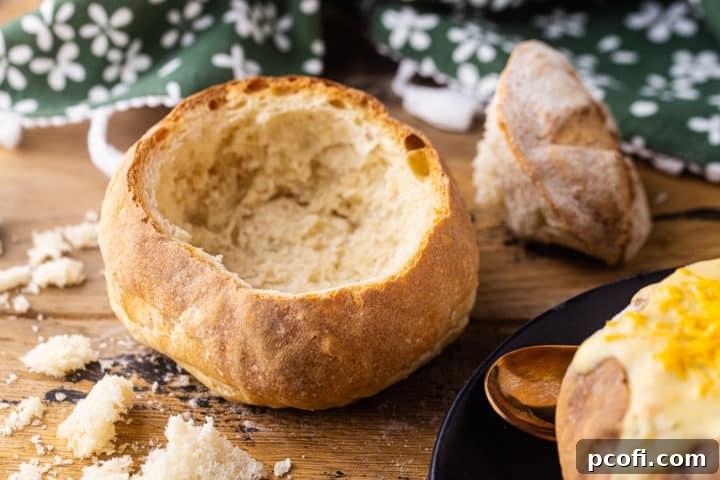
A bread bowl is precisely what its name implies: a round loaf of bread expertly hollowed out to form a cup or bowl. While traditionally associated with holding rich, comforting soups, their versatility extends to a wide array of culinary creations, including vibrant salads, creamy pasta dishes, or an impressive centerpiece for dips at your next gathering. This particular recipe yields bread bowls with a beautifully crisp, golden-brown crust that audibly shatters with each bite, giving way to an incredibly airy and chewy interior. This texture is reminiscent of fine artisan breads like a French baguette or a rustic Italian loaf.
Once filled with your chosen delight, the bread bowl gracefully absorbs the flavors and moisture of its contents, transforming into an even softer, more savory accompaniment. It’s a truly interactive dining experience, where every part of your meal, down to the serving vessel, is meant to be savored.
Crafting Your Own Homemade Bread Bowls: A Simple Step-by-Step Guide
Step 1: Preparing Your Dough for the Perfect Bread Bowl
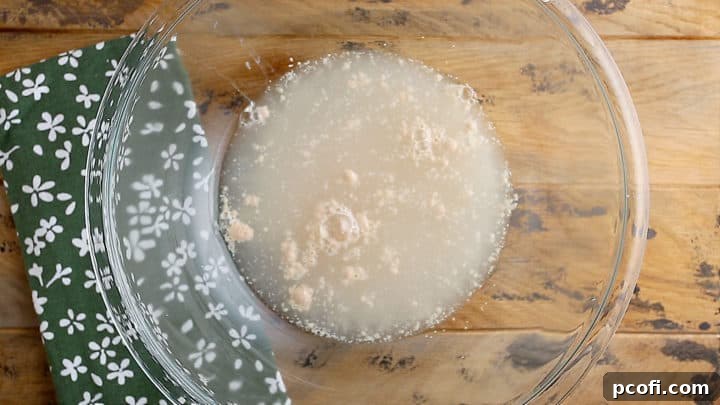
The journey to the perfect homemade bread bowl begins with activating your yeast. In a spacious mixing bowl, combine a packet of active dry yeast with lukewarm water. The ideal water temperature is crucial for waking up the yeast – think of it as a comfortable baby bath, around 105 degrees Fahrenheit (40 degrees Celsius). If the water is too hot, it will kill the yeast; too cold, and it won’t activate properly. After about five minutes, your yeast mixture should appear visibly foamy and bubbly. This is your sign that the yeast is alive and ready to work its magic. If you don’t see this activity, it’s best to discard the mixture and start with fresh yeast.
Next, gradually incorporate approximately three-quarters of the all-purpose flour into the yeast mixture. While all-purpose flour works wonderfully for these bread bowls, bread flour can also be used for an even chewier texture due to its higher protein content. Stir thoroughly until all the flour is fully hydrated and you have a cohesive, sticky dough. This initial mixing helps to begin the gluten development process.
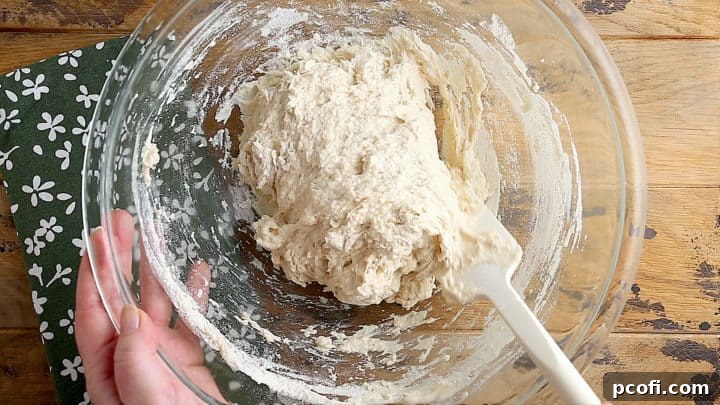
Finally, add the remaining flour and the kosher salt. Continue mixing until the dough comes together as a stiff, somewhat shaggy mass. Avoid overworking the dough at this stage; a few minutes of mixing by hand or with a spatula is usually sufficient. Overmixing can lead to a tough final product. Once mixed, cover the bowl tightly with plastic wrap and allow the dough to rest for about 30 minutes. This resting period is crucial as it allows the flour to fully hydrate and the gluten to relax, making the dough much easier to handle in the subsequent folding steps.
Step 2: Developing Texture Through Folding and Resting
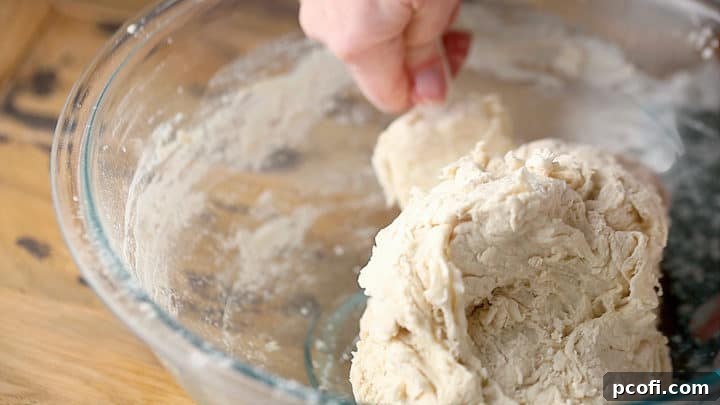
Unlike traditional kneading, which can be quite strenuous, this recipe employs a gentle folding technique to develop the gluten network in the dough. You’ll perform two sets of folds, with an hour-long rest period after each. The folding sequence is simple: gently stretch a portion of the dough from the top, fold it towards the bottom; repeat from the bottom to the top, then from the right to the left, and finally from the left to the right. This series of gentle stretches and folds helps to build strength and elasticity in the dough, which is essential for that satisfying chewy texture and open crumb structure in your finished bread bowls.
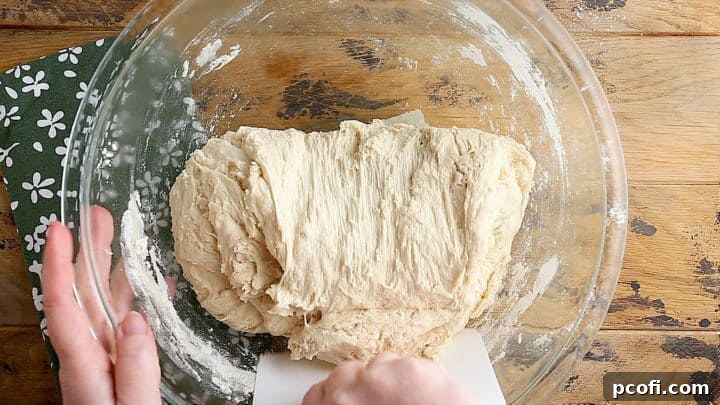
After each set of folds, re-cover the bowl and let the dough rest for one hour. During these rest periods, the gluten continues to relax and develop, leading to a dough that is both pliable and strong. This minimal effort approach ensures a light and airy interior for your bread bowls without the heavy lifting of conventional kneading.
Step 3: Shaping Your Bread Bowls
Once the dough has completed its second fold and rest, it’s time to transform it into individual bread bowls. Gently turn the dough out onto a lightly floured surface. For this recipe, we’ll divide the dough into six equal portions, perfect for individual servings. If you prefer larger loaves for sharing, you can adjust the portioning as desired (more on this below).
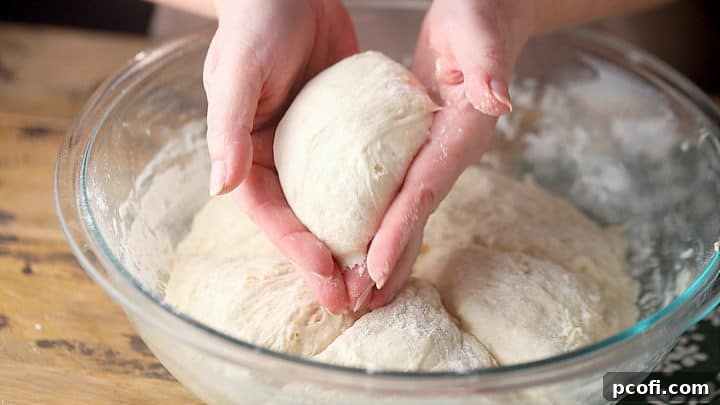
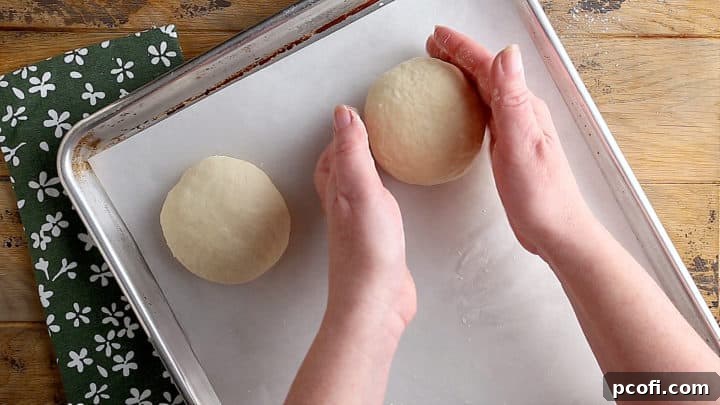
With lightly floured hands, take each portion and gently shape it into a tight, round ball. The key here is to create surface tension: gently pull the top surface of the dough towards the bottom, tucking any seams underneath to create a smooth, taut top. This technique helps the bread maintain its shape and rise beautifully in the oven. Arrange your perfectly shaped dough balls on a parchment-lined baking sheet, ensuring they have enough space to expand without touching. Loosely cover them with oiled plastic wrap – a quick mist with non-stick spray on the plastic wrap prevents sticking. Allow them to rise in a warm, draft-free place until they have visibly doubled in volume. This final rise, known as proofing, is essential for a light and airy crumb.
Step 4: Baking for a Crispy, Golden Finish
To achieve that coveted crispy crust, preheat your oven to a high temperature of 475 degrees F (245 degrees C). Crucially, place an oven-safe dish (a metal cake pan or cast iron skillet works well) on the bottom rack of your oven during preheating. This dish will be used to create steam, which is vital for a beautifully blistered crust.
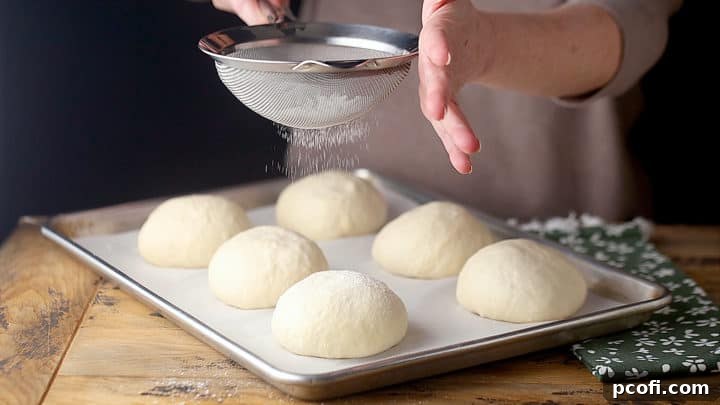
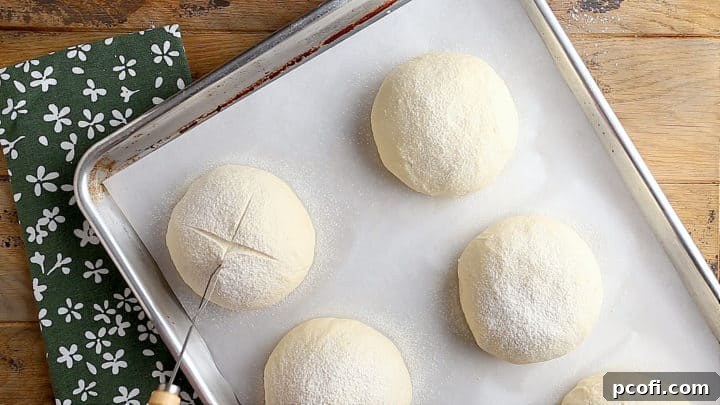
Once your dough balls have fully risen, carefully remove the plastic wrap and lightly dust their tops with a sprinkle of flour. Then, using a bread lame (a specialized blade) or a very sharp knife, artfully score an “X” shape or any desired pattern on the top of each dough ball. Scoring allows the bread to expand predictably in the oven, preventing uncontrolled tearing and contributing to its rustic appearance.
Carefully transfer your scored bread bowls to the preheated oven. Immediately and cautiously pour a cup of hot water into the hot dish on the bottom rack – this will generate a burst of steam. Close the oven door quickly to trap the steam. Bake the bread bowls until they are deeply browned, wonderfully crusty, and sound hollow when tapped on the bottom. For precise doneness, an internal temperature of at least 190 degrees F (88 degrees C) should be registered with an instant-read thermometer.
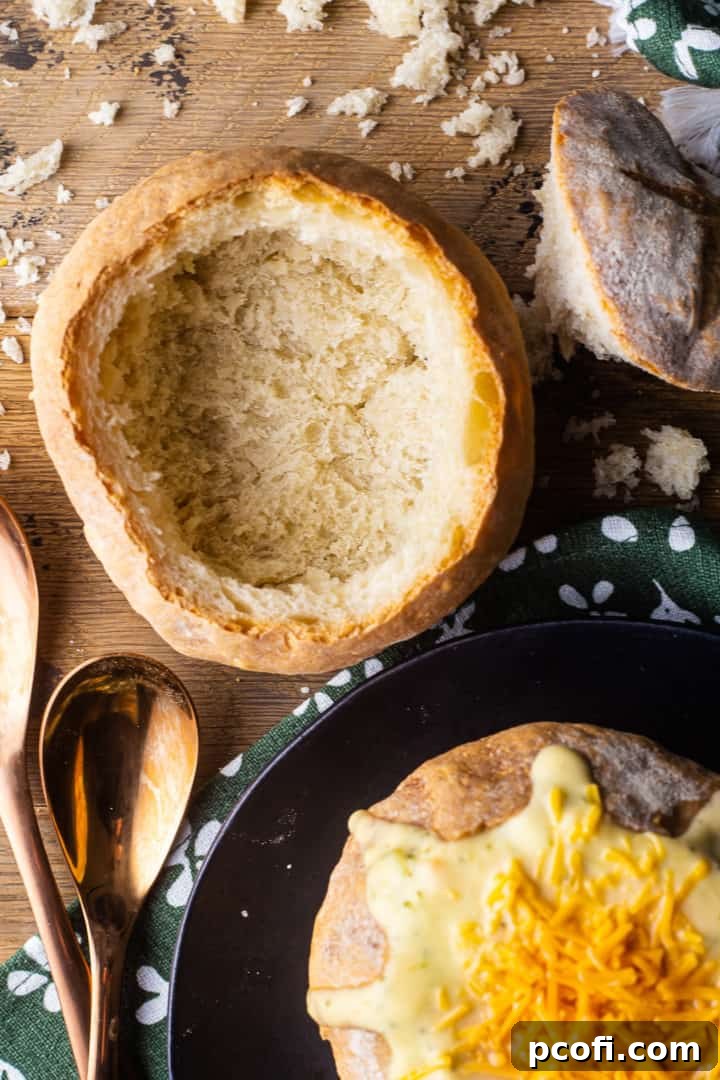
Once baked, remove the bread bowls from the oven and let them cool completely on a wire rack. This cooling step is critical for the internal structure to set and for the crust to remain crisp. Once cool enough to handle, use a serrated knife to carefully slice off the top horizontally, creating a lid. Then, with your fingers or a sharp spoon, gently hollow out the soft interior, leaving a sturdy wall. Your magnificent homemade bread bowls are now ready to be filled with your favorite culinary creations!
Is This Bread Bowl Recipe Vegan-Friendly?
Absolutely! This straightforward bread bowl recipe proudly contains no eggs or dairy products, making it 100% vegan. It’s a fantastic option for those adhering to a vegan diet or individuals with specific sensitivities or allergies to animal products, ensuring everyone can enjoy the delight of these edible bowls.
Exploring Ingredient Substitutions for Your Bread Bowls
While this recipe is designed for ease and reliability with standard ingredients, you might wish to experiment with substitutions to cater to dietary needs or explore different flavor profiles. Please note that I haven’t personally tested all these variations, so results may differ, but here are some common inquiries:
- **Gluten-Free Bread Bowls:** To make these bread bowls gluten-free, you could try substituting the all-purpose flour with a high-quality gluten-free flour blend formulated for a 1:1 replacement in baking. Look for blends that contain xanthan gum, as this helps mimic the elasticity that gluten provides.
- **Whole Wheat Flour:** For a nuttier flavor and added fiber, you can swap out some or all of the all-purpose flour for whole wheat flour. Keep in mind that whole wheat flour absorbs more liquid. You might need to adjust the water content slightly, adding a little more until the dough reaches the desired consistency. Alternatively, you might need slightly less flour. The goal is a stiff, but still pliable, dough.
If you embark on these substitutions, I’d love to hear about your experiences! Please share your results in the comments below; your insights will undoubtedly be helpful to other readers exploring similar options.
Incredible Fillings for Your Homemade Bread Bowls
The beauty of a bread bowl lies in its versatility. While they are most famously paired with soups and dips, your imagination is truly the only limit. Here are some of our absolute favorite ideas to inspire your next meal:
Hearty Soup Recipes:
- Cream of Mushroom Soup: Rich, earthy, and utterly comforting, it’s a classic pairing.
- French Onion Soup: The savory broth and melted cheese are perfectly contained.
- Gazpacho: For a refreshing twist, serve this chilled Spanish soup for a summer treat.
- Corn Chowder: Sweet corn and creamy broth make for a delightful combination.
- Broccoli Cheese Soup: A fan favorite (and what’s often pictured in our photos!), creamy and cheesy.
- Hearty Chili: Perfect for game day or a cozy evening, chili is a natural fit.
Delectable Dip Recipes:
- Jalapeno Popper Dip: Spicy, creamy, and irresistible.
- Buffalo Chicken Dip: A crowd-pleasing, zesty option.
- Chilled Crab Dip: An elegant choice for appetizers or brunches.
- Warm Beer Cheese Dip: Savory and robust, perfect for sharing.
- Fresh Guacamole: Bright, fresh, and perfect for dipping.
- Creamy Spinach Artichoke Dip: A classic appetizer that everyone loves.
Don’t limit yourself to these suggestions! Feel free to get creative and fill your homemade bread bowls with any delightful dish you can imagine. They are fantastic for serving pasta salads, fresh fruit salads, or even sweet fillings for a unique dessert experience.
Can You Make These Bread Bowls in a Larger Size?
Absolutely! This recipe is incredibly adaptable. If you’re preparing a dip for a larger gathering or simply prefer a more substantial loaf, you can easily adjust the size of your bread bowls. Instead of dividing the dough into six individual portions, you can shape it into one large loaf, two medium-sized ones, or any configuration that suits your needs. Just remember that the baking time will need to be adjusted accordingly. Larger loaves will require a longer baking period to ensure they are cooked through. You’ll know your bread is perfectly baked when it achieves a deep golden-brown, crusty exterior, sounds hollow when gently tapped on the bottom, and registers an internal temperature of 190 degrees F (88 degrees C).
Preparing Bread Bowls in Advance: Tips for Convenience and Freshness
Given the various resting and rising periods involved in this recipe, it’s an excellent candidate for making ahead of time. Baked bread bowls store beautifully at room temperature for up to two days, in the refrigerator for up to a week, or in the freezer for one to two months. When storing baked bread bowls, avoid wrapping them too tightly in airtight containers. While it may seem counterintuitive, sealing them completely can cause the crisp crust to soften and become a bit wrinkly. To preserve that desirable texture and appearance, simply slip them into a plastic grocery bag, leaving a small opening for air circulation. This allows them to breathe a little while still being protected.
If you wish to prepare the dough in advance, unbaked, shaped loaves can be refrigerated for no more than 48 hours. When you’re ready to bake, remove them from the fridge, allow them to come to room temperature and complete their final rise until doubled in volume, then proceed with the baking instructions as written.
Alternatively, the dough can be frozen for longer storage. After the second fold and rest, you can shape the dough into balls, then freeze them individually on a baking sheet until solid. Transfer the frozen dough balls to an airtight freezer bag, where they will last for approximately two weeks. To use, thaw the dough in the refrigerator overnight, then bring to room temperature and allow to rise before baking.
Explore More Favorite Yeast Bread Recipes:
- Easy Ciabatta Bread
- Fluffy Focaccia Bread
- Rich Brioche Bread
- Braided Challah Bread
As an amazon associate I earn from qualifying purchases.

Homemade Bread Bowl Recipe
Ingredients
- 1/4 ounce (7.09 g) active dry yeast, (1 packet or about 2 teaspoons)
- 1 2/3 cup (394.31 g) lukewarm water
- 4 cups (500 g) all-purpose flour,, plus extra for dusting
- 1 1/2 teaspoons (9 g) kosher salt
Instructions
-
Combine the yeast and lukewarm water in a large bowl.
-
When the yeast is fully dissolved and the mixture is starting to look foamy, stir in 3 cups of the flour until incorporated.
-
Add the remaining flour and salt and stir until a stiff dough forms.
-
Cover the bowl with plastic wrap and allow the dough to rest for 30 minutes.
-
Fold the dough as follows: top to bottom, bottom to top, right to left, left to right.
-
Cover the bowl again and allow to rest for 1 hour, then repeat the folding process, cover, and rest for another hour.
-
Divide the dough into 6 equal portions,* then roll into tight balls, smoothing the top surface.
-
Place the dough balls on a parchment-lined baking sheet, cover with oiled plastic wrap, and allow to rise until doubled in volume (approx. 30 to 45 minutes).
-
Preheat the oven to 475 degrees F and place an oven-safe dish on the bottom rack.
-
Carefully remove the plastic wrap, dust with flour, and score with a lame or sharp knife.
-
Pour hot water into the dish and bake the bread bowls until browned, crusty, & hollow-sounding (approx. 30 to 45 minutes). (The internal temp should register 190 degrees F.)
-
Allow the bread bowls to cool completely, then use a sharp knife to cut the tops away.
-
Scoop out the insides of the bread to create a hollow for the filling.
Notes
Tried this recipe?Mention @bakingamoment on Instagram or tag #bakingamoment.