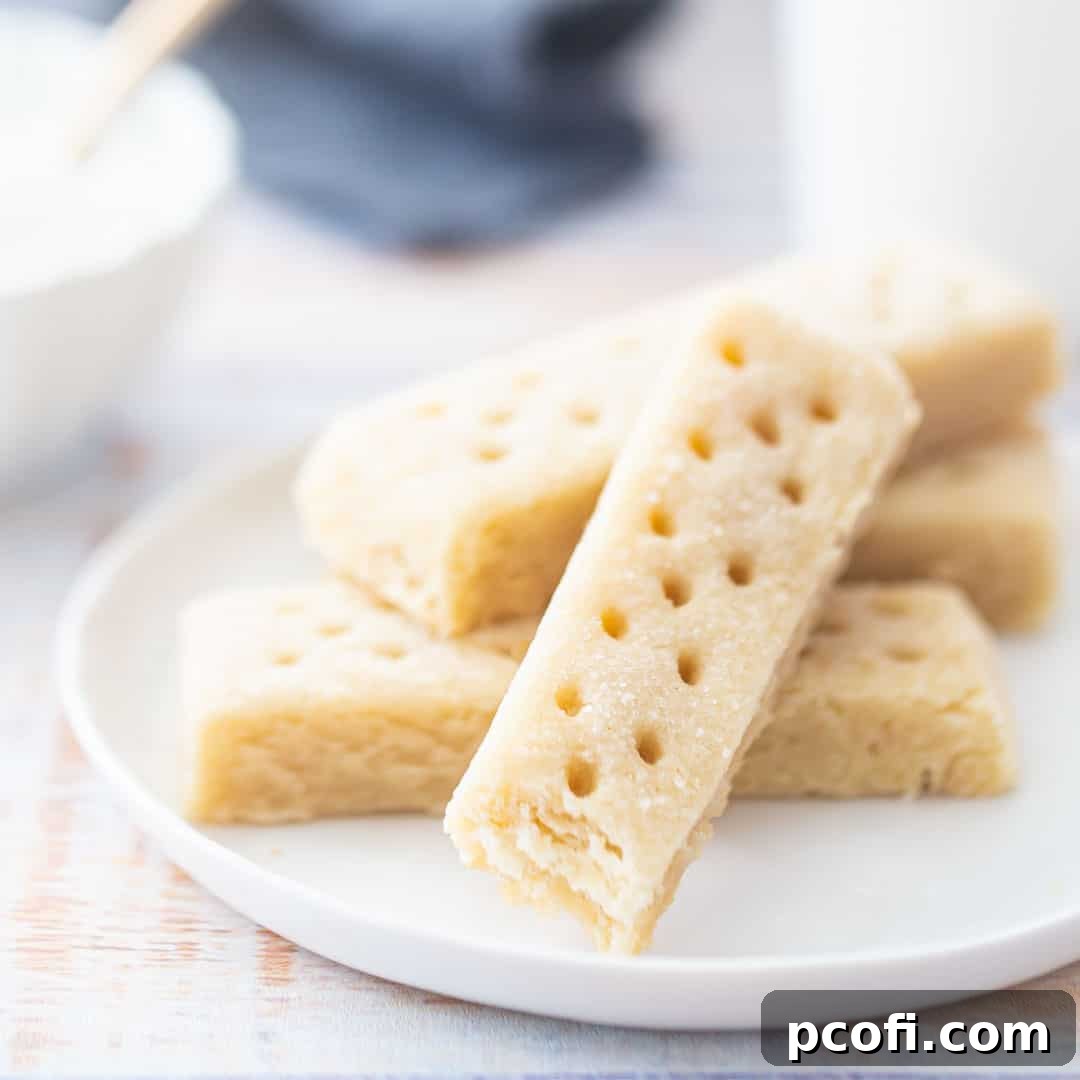
Classic Shortbread Cookies: A Timeless 5-Ingredient Recipe for Melt-in-Your-Mouth Perfection
There’s something truly magical about a simple, buttery cookie that stands the test of time. While elaborate desserts and complex flavor profiles certainly have their place, sometimes the most profound culinary experiences come from the understated elegance of a classic. And when it comes to understated elegance, nothing quite compares to the humble yet utterly delightful shortbread cookie.
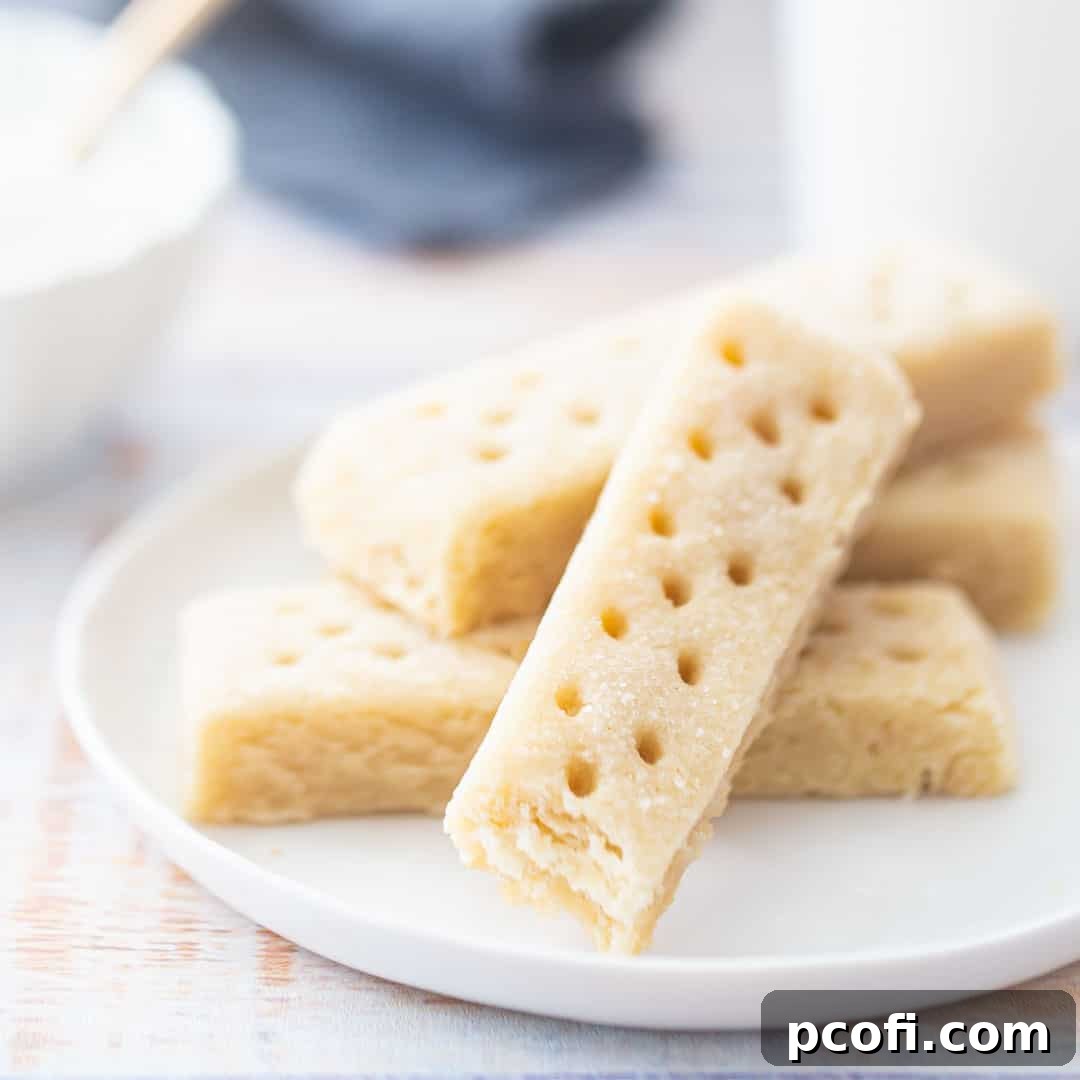
Today, we’re diving into the wonderful world of classic shortbread – a recipe so straightforward, yet so incredibly satisfying, it’s destined to become a staple in your baking repertoire. Forget complicated techniques or a long list of ingredients; these perfect shortbread cookies require just five simple components, delivering a tender, melt-in-your-mouth texture and rich, buttery flavor that will transport you straight to culinary bliss.
Last month, while perfecting my pecan sandies, I was reminded of the sheer deliciousness that a minimalist, buttery cookie can offer. While peanut butter cookies or hearty oatmeal chocolate chip cookies burst with bold flavors and textures, there are moments when you truly crave something more delicate, something that allows the purity of its core ingredients to shine. This, my friends, is where classic shortbread truly excels.
A slightly less sweet cookie, shortbread masterfully places all the emphasis on that glorious, rich butter flavor and its uniquely tender, sandy, almost crumbly consistency that practically dissolves the moment it touches your tongue. These easy-to-make shortbread cookies are the ideal companion for your morning coffee, a relaxing afternoon tea, or a cozy mug of homemade hot cocoa. Read on to discover my best shortbread cookie recipe, complete with expert tips for achieving absolute perfection!
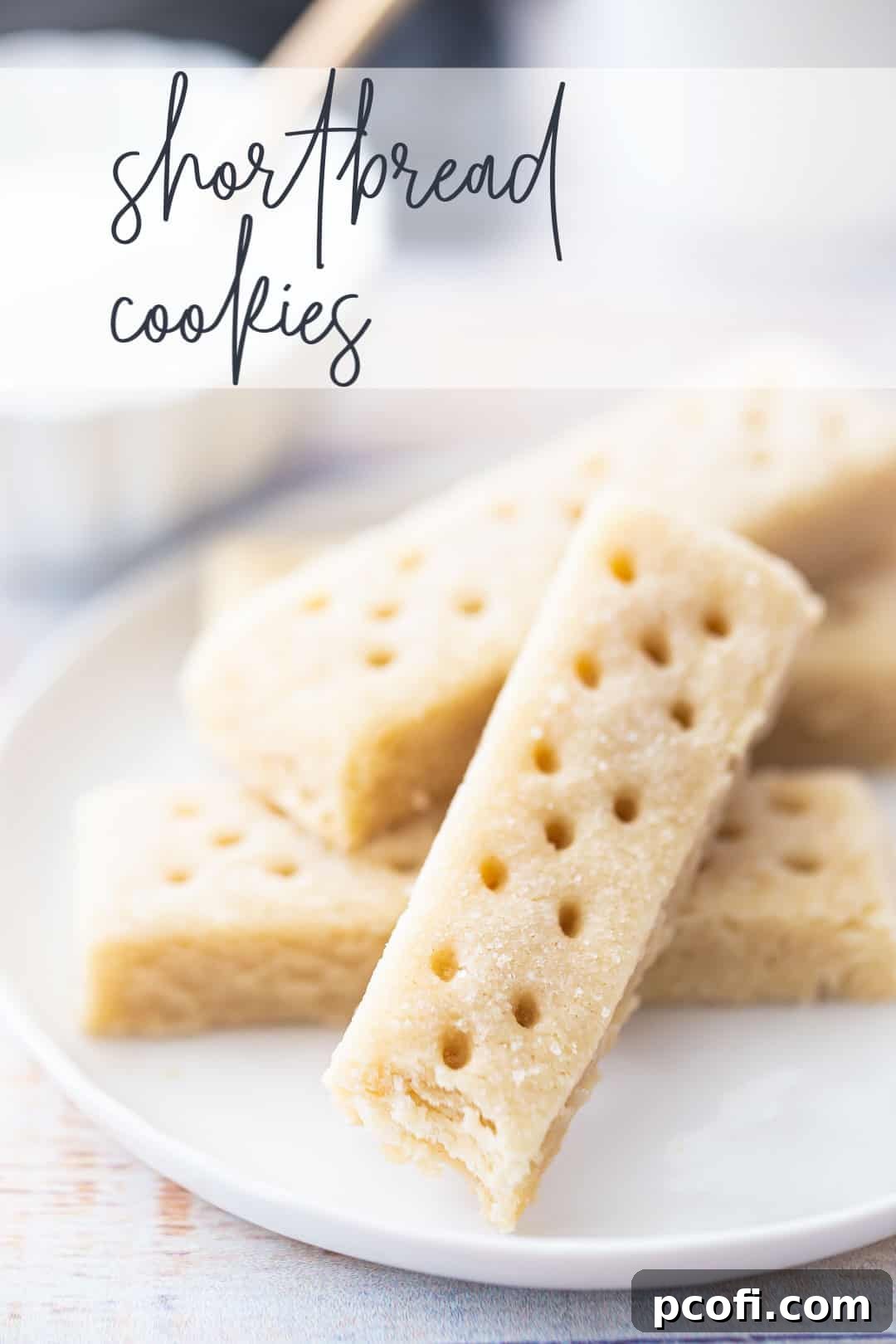
WHAT EXACTLY ARE SHORTBREAD COOKIES?
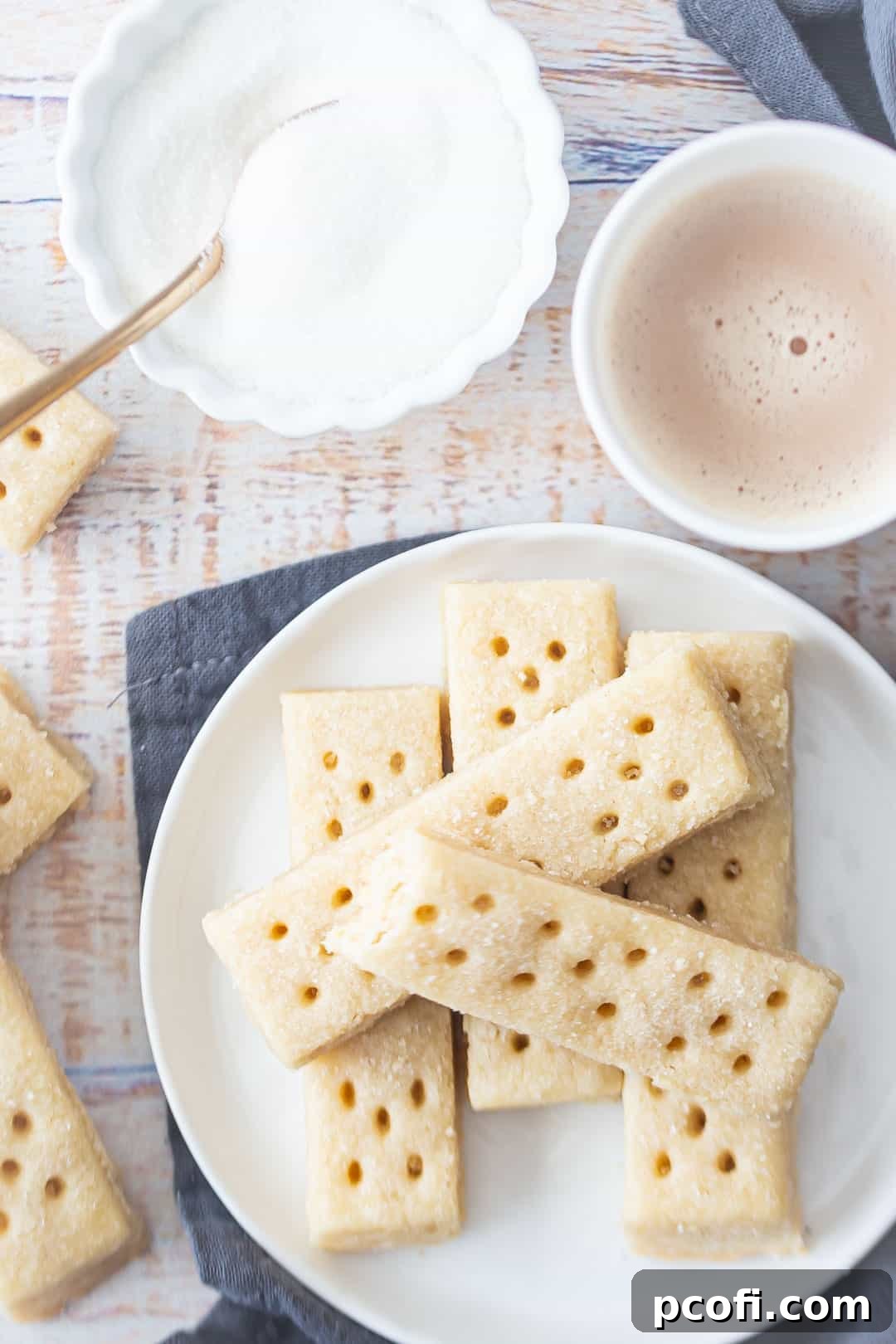
Shortbread cookies are a tender, buttery biscuit that boasts a deceptively simple profile – subtly sweet, yet incredibly rich. This beloved treat has been a culinary cornerstone in the United Kingdom for centuries, with Scottish shortbread enjoying particular renown and affection worldwide. Traditionally, shortbread is characterized by its very pale, often almost white, appearance and a distinctly crumbly texture.
Unlike crunchy biscuits or soft, chewy cookies, shortbread occupies its own unique textural space. The mouthfeel is famously “sandy” or “short,” a term that historically referred to the large amount of shortening (butter, in this case) used in its preparation. This high butter content is precisely what gives shortbread its signature characteristic: an unparalleled ability to melt in your mouth, leaving behind a satisfyingly rich flavor. It’s a testament to how a few quality ingredients can create something truly extraordinary.
THE ESSENTIAL INGREDIENTS FOR PERFECT SHORTBREAD
One of the beauties of this easy shortbread recipe is its minimal ingredient list. With just 5 basic components, you can create cookies that taste like they came from a gourmet bakery. But precisely because there are so few ingredients, the quality of each one becomes paramount. Here’s a closer look at what you’ll need and why it matters:
- Granulated Sugar: Provides sweetness and contributes to the cookie’s texture. We’ll mill it slightly finer to ensure it dissolves beautifully into the butter, preventing a grainy texture.
- Kosher Salt: A pinch of salt is crucial for balancing the sweetness and enhancing the rich, buttery flavor. Don’t skip it!
- Unsalted Butter: This is the star of the show. Since butter forms the backbone of shortbread’s flavor and texture, investing in the best quality butter you can find is essential. European-style butter, with its higher fat content, will yield the most amazing, rich flavor and a superior melt-in-your-mouth consistency. Ensure your butter is cold when you start, as this helps create that desirable crumbly texture.
- Vanilla Extract: A touch of vanilla adds warmth and depth to the overall flavor profile, complementing the butter without overpowering it.
- All-Purpose Flour: The structural component. A scant measurement helps keep the shortbread tender. Avoid overworking the flour, as this can develop gluten and lead to tough cookies, which is the antithesis of good shortbread.
MASTERING THE SHORTBREAD DOUGH: A STEP-BY-STEP GUIDE
This recipe is not only simple in its ingredients but also in its preparation. While there’s a bit of downtime for chilling, the actual hands-on time for making the dough is less than 5 minutes, especially when using a food processor. Here’s how to create your flawless shortbread dough:
Preparing Your Ingredients
Begin by combining the granulated sugar and kosher salt in the bowl of your food processor. Process these two ingredients on high speed for 30 seconds to a minute. This crucial step helps to break down the sugar crystals, creating finer particles that will integrate more smoothly into the butter, resulting in a more uniform and tender cookie texture.
The Art of Mixing
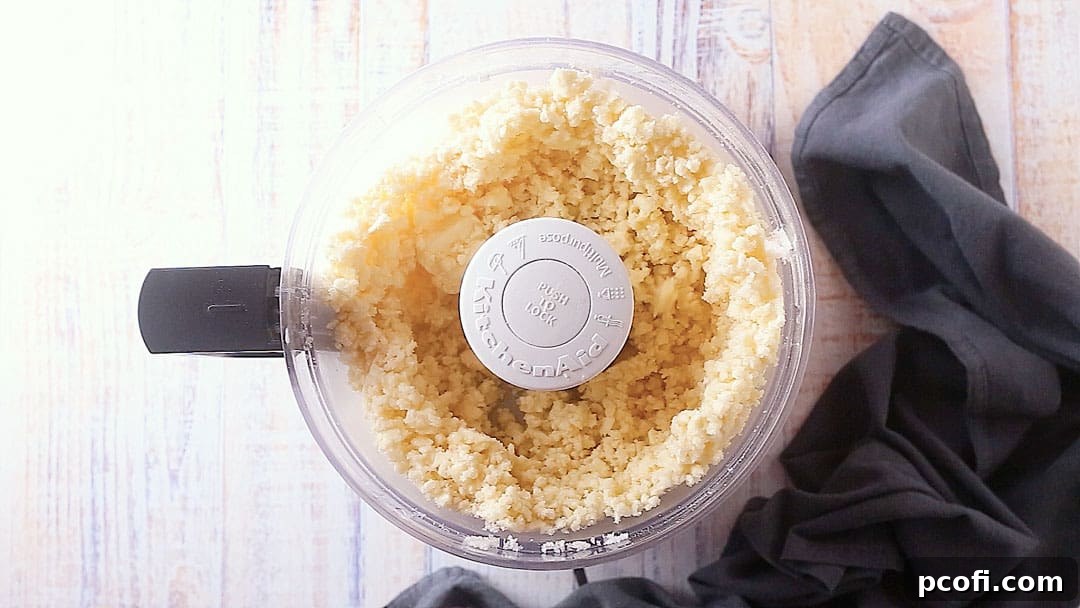
Next, add your cold unsalted butter and vanilla extract to the food processor. Pulse the mixture until it resembles coarse breadcrumbs. The butter should be well distributed but still have small, pea-sized pieces. Then, add the all-purpose flour and pulse again. Continue pulsing just until the mixture begins to clump together. The key here is not to overmix; you want the flour to be just incorporated.
At this stage, the dough will appear quite crumbly. However, if you take a handful and squeeze it gently, it should hold its shape. This is your indicator that the moisture content is correct.
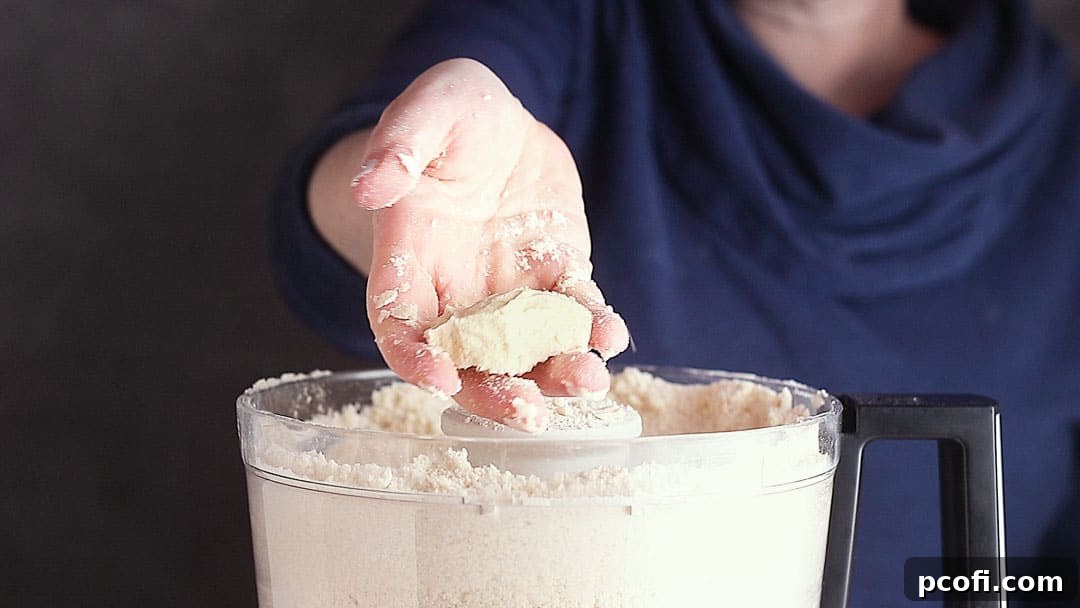
Troubleshooting Dry Dough: If your dough seems excessively dry and doesn’t hold together when squeezed, you can carefully add 1 to 2 teaspoons of heavy cream to moisten it slightly. However, proceed with extreme caution and add it incrementally! Too much moisture can cause your shortbread cookies to spread excessively and flatten during baking, leading to a less desirable texture. Remember that the dough will hydrate further as it chills in the refrigerator.
Chilling for Success
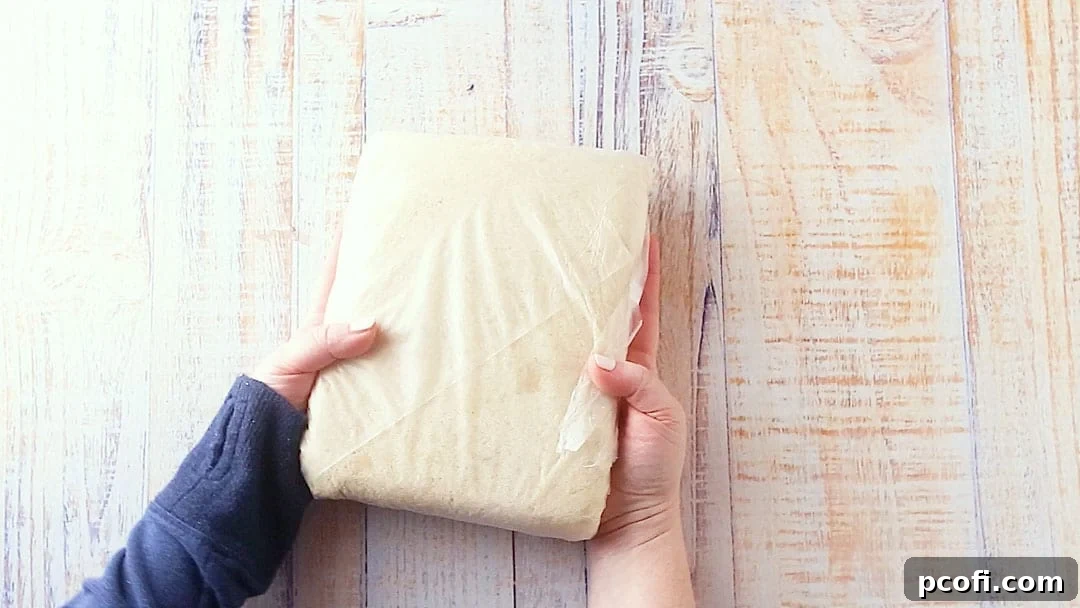
Once your dough reaches the right consistency, wrap it very tightly in plastic wrap, forming it into a large, flat square shape. Press firmly on the dough to compact it, ensuring there are no air pockets. This compaction, combined with chilling, helps the butter solidify and the flour to fully hydrate. Pop the wrapped dough into the fridge for a minimum of 30 minutes, or up to an hour. This chilling period is crucial for preventing spread and ensuring your shortbread maintains its shape and tender texture.
Shaping Your Shortbread
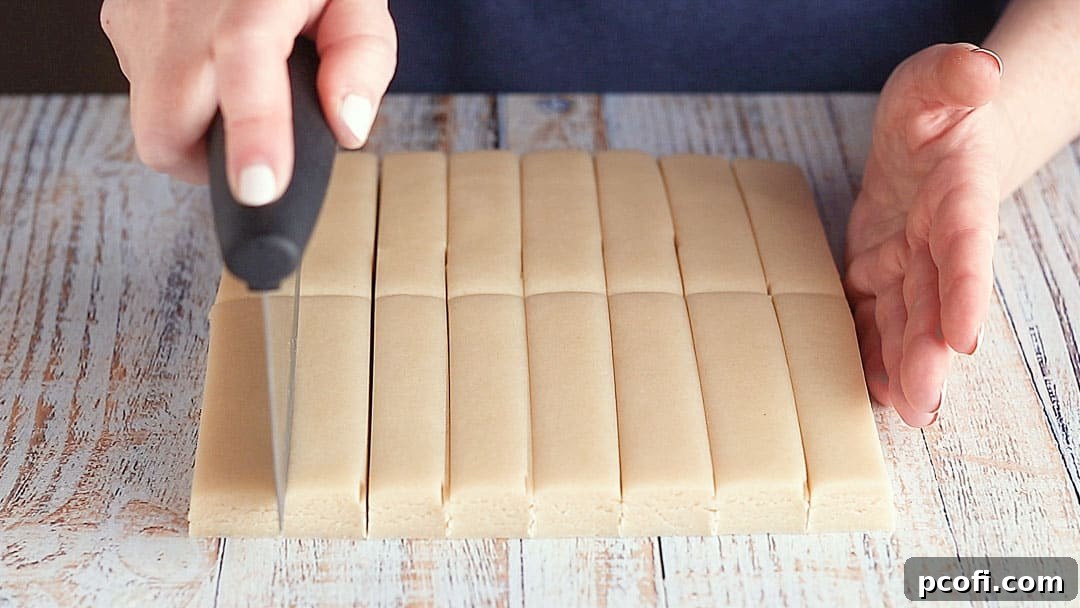
After chilling, your dough should be much less crumbly and considerably easier to handle. Unwrap it and roll it out to an even thickness. For traditional shortbread “fingers,” trim away any uneven edges to create clean lines, then cut the dough into uniform bars, typically around 3 inches long by 1 inch wide. This iconic shape is not only aesthetically pleasing but also ideal for dunking!
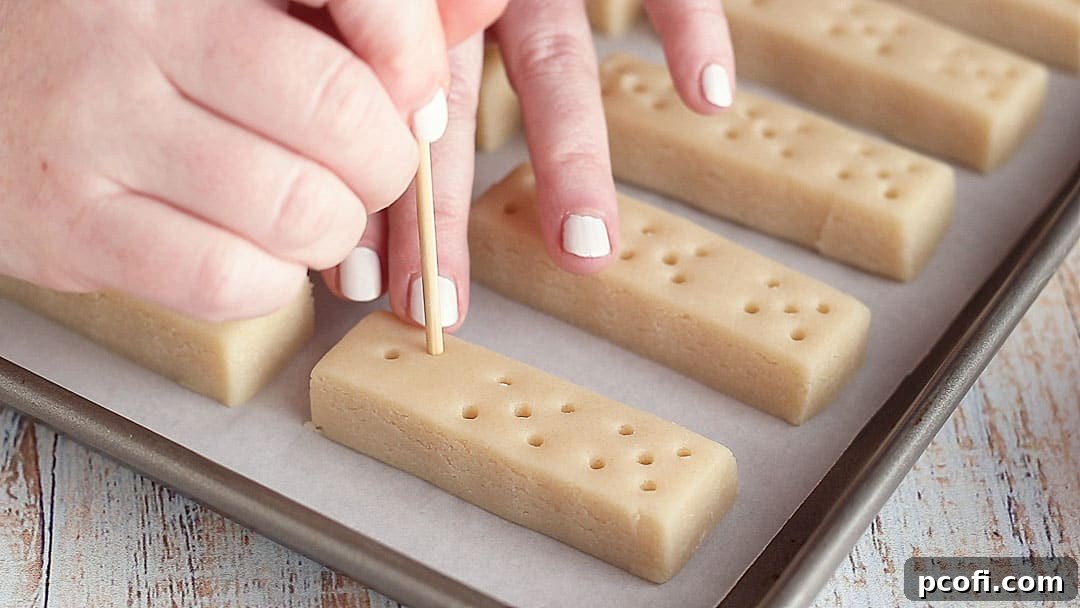
To create the signature holes, or “docking,” prick the surface of each cookie with a fork, toothpick, or a bamboo skewer. This not only adds to the traditional appearance but also helps to prevent excessive puffing and ensures an even bake. Once shaped and docked, give your shortbread another 30 minutes in the fridge to firm up nicely. This secondary chill is another safeguard against spreading and contributes to that desirable crisp-tender texture.
The Perfect Bake
Preheat your oven to 350 degrees Fahrenheit (175 degrees Celsius). Arrange the chilled shortbread pieces on a parchment-lined baking sheet, leaving a little space between them. Bake for 20 to 25 minutes, or until the edges are just barely beginning to turn golden. The center of the cookies should remain pale, as over-baking can lead to a dry, hard shortbread rather than the desired tender consistency. Keep a close eye on them, as oven temperatures can vary.
SHORTBREAD COOKIE SHAPES: BEYOND THE FINGER
While I’m particularly fond of the classic shortbread “fingers” for their iconic appeal and ease of serving, the versatility of shortbread dough allows for various traditional and creative shapes:
- Shortbread Fingers: The most common shape, ideal for dipping into beverages.
- Petticoat Tails: For this traditional presentation, the dough is pressed into the bottom of a round springform pan, scored into wedges (like a tart), baked, and then cut once cooled. This results in a beautiful, rustic centerpiece.
- Shortbread Rounds: Easily achieved with a 2-inch diameter round cookie cutter. These are perfect for small bites or for decorating.
- Stamping or Cutouts: Shortbread dough can also be pressed into decorative shortbread molds or cut out using various cookie cutters for special occasions, such as holiday shapes. Remember the double-chilling trick for best results with intricate designs!
WHAT TO DO IF YOUR SHORTBREAD COOKIES SPREAD
Due to its generous butter content, shortbread dough does have a natural tendency to spread slightly in the oven as it bakes. If you’re specifically seeking a cookie-cutter recipe that exhibits absolutely no spread for intricate decorations, you might explore options like dedicated cut-out sugar cookies. However, these classic shortbread cookies are revered for their traditional characteristics, which include their simple ingredient list and tender texture, even with a slight expansion.
Should your shortbread cookies spread more than you’d like while baking, don’t despair! A simple trick will save the day: as soon as they come out of the oven and are still hot, take a sharp knife and gently trim their edges. This technique works like a charm to neaten up their appearance, giving them perfectly crisp lines and edges. No one will ever guess!
CREATIVE VARIATIONS AND FLAVOR ENHANCEMENTS
While the recipe below celebrates the timeless simplicity of vanilla shortbread, this versatile dough is a fantastic canvas for culinary creativity. The beauty is that most flavor additions won’t significantly alter the chemistry of the recipe, allowing you to experiment freely. Here are just a few ideas to inspire your next batch:
- Citrus Zest: Incorporate finely grated zest from lemon, lime, or orange for a bright, refreshing lift. A few drops of extract can also work.
- Nutty Notes: Fold in finely chopped pecans, pistachios, or walnuts for added texture and a rich, earthy flavor.
- Floral Infusion: Add dried lavender or fresh rosemary (finely chopped) to the dough for an unexpectedly sophisticated aroma and taste.
- Brown Sugar Swap: Replace some or all of the granulated sugar with light brown sugar for a deeper, more caramel-like flavor.
- Tea-Infused: Finely grind Earl Grey tea leaves and mix them into the dough for a fragrant, aromatic twist.
- Coffee Kick: A teaspoon of coffee extract or instant espresso powder will deepen the flavor and add a subtle mocha note.
- Spiced Shortbread: Warm spices like cinnamon, ground ginger, or even a touch of cardamom can transform your shortbread into a comforting treat, perfect for the holidays.
For an extra touch of indulgence, consider dipping your cooled shortbread in melted dark or white chocolate. The contrast between the rich shortbread and a crisp chocolate coating is simply divine!
GLUTEN-FREE SHORTBREAD: BAKING FOR EVERYONE
For those with gluten sensitivities or dietary preferences, transforming this classic into a gluten-free delight is entirely possible. While I haven’t personally tested every gluten-free flour blend, most high-quality 1:1 gluten-free flour blends designed to replace regular all-purpose flour should work wonderfully in this shortbread recipe. These blends are formulated to mimic the properties of wheat flour, ensuring a good texture without gluten.
When selecting a gluten-free flour, look for those specifically labeled “measure for measure” or “all-purpose baking flour” which typically contain a mix of different flours (like rice flour, potato starch, tapioca starch) and often a binder like xanthan gum. This helps achieve a texture closest to traditional shortbread.
Here are a few popular and reliable gluten-free flour blend options that often perform well in recipes like this:
- King Arthur Flour Gluten-Free Measure for Measure Flour
- Bob’s Red Mill Gluten-Free All-Purpose Baking Flour
- Cup4Cup Multi-Purpose Gluten-Free Flour
Always follow the package directions for your chosen gluten-free flour, as some may have slightly different hydration requirements. The goal is still that crumbly-but-holds-together dough texture.
STORING YOUR HOMEMADE SHORTBREAD FOR LASTING FRESHNESS
One of the many benefits of shortbread cookies is their excellent shelf life, thanks to their naturally tender-crisp texture and high butter content. Proper storage ensures they remain fresh and delicious for an extended period.
Regardless of your chosen storage method, always make sure to wrap your shortbread tightly. This prevents them from absorbing any undesirable odors from other foods and keeps them from drying out.
At Room Temperature
Store shortbread cookies in an airtight container at room temperature. They will remain wonderfully fresh and delicious for at least a week.
In the Refrigerator
For even longer freshness, place your shortbread in an airtight container in the refrigerator. They will keep well for at least two weeks, if not longer, maintaining their texture and flavor.
In the Freezer
Shortbread cookies are fantastic for freezing! Once completely cooled, place them in a single layer on a baking sheet and flash freeze for about an hour until solid. Then, transfer the frozen cookies to a freezer-safe bag or airtight container. They will last for several months in the freezer. Thaw at room temperature for a quick treat.
CAN THE DOUGH BE MADE AHEAD?
Absolutely! This shortbread dough is an excellent candidate for making ahead, which can be a huge time-saver, especially during busy holiday seasons or for entertaining. In fact, resting the dough for a longer period in the refrigerator (even a day or two) can actually improve its texture, making it less dry and more pliable to work with. The flavors also have more time to meld and deepen. Just make sure it’s wrapped very tightly to prevent it from drying out or absorbing fridge odors. When you’re ready to bake, simply unwrap, roll, cut, and bake as directed.
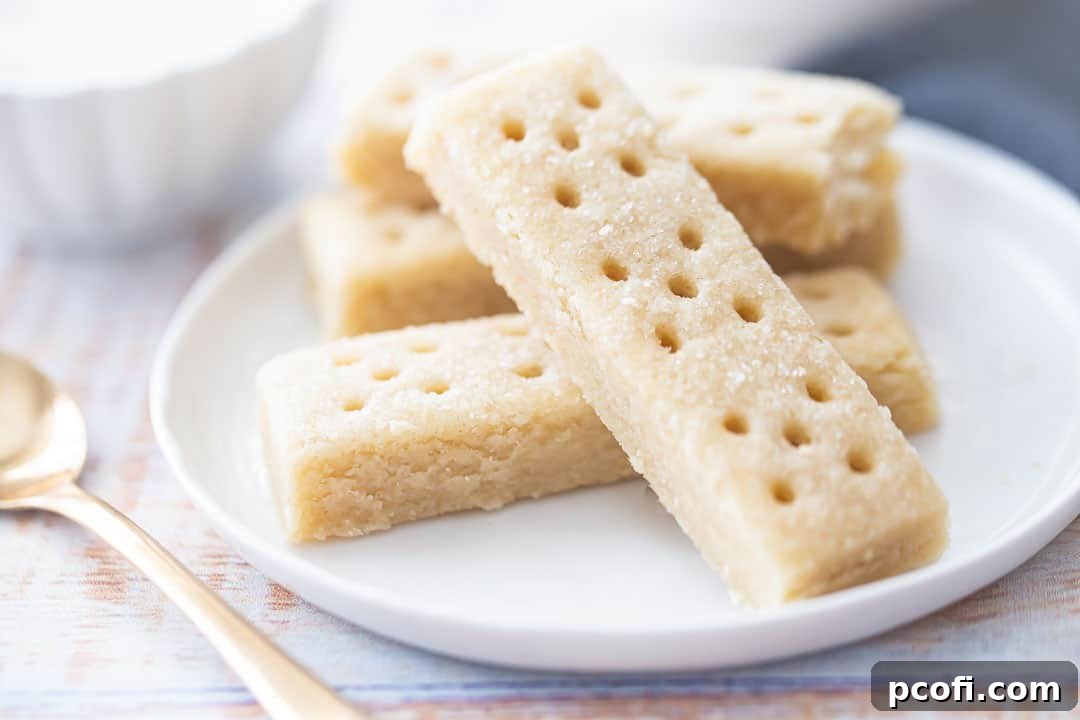
There you have it – a straightforward, incredibly satisfying recipe for classic shortbread cookies that truly melt in your mouth. With just five ingredients and a few simple steps, you’ll be baking batches of these timeless treats that are perfect for any occasion, from quiet moments with a cup of tea to festive holiday gatherings. Happy baking!
THE CLASSIC SHORTBREAD COOKIES RECIPE
Shortbread Cookies
Servings: 27 cookies
Prep Time: 25 mins
Cook Time: 20 mins
Chill Time: 1 hr
Total Time: 1 hr 45 mins
These classic shortbread cookies are made with just 5 ingredients! They are simple as can be but so buttery and delicious!
Ingredients
- 1 cup (200 g) granulated sugar, plus extra for sprinkling
- 1/2 teaspoon (2.46 g) kosher salt, (scant)
- 1 1/2 cups (340.5 g) unsalted butter (3 sticks), cold
- 1 teaspoon vanilla extract
- 3 cups (375 g) all-purpose flour, (scant)
Instructions
- Place the granulated sugar and kosher salt in the bowl of a food processor, and process on high until the mixture is milled to a powder (about 1 minute).
- Pulse in the cold butter and vanilla extract until the mixture looks like coarse breadcrumbs.
- Pulse in the all-purpose flour until the mixture begins to clump up. (The mixture will seem very crumbly, but it should hold its shape when squeezed. If it is too dry, add 1 to 2 teaspoons of heavy cream to moisten it slightly, but be very careful not to overdo it as it will cause your cookies to spread in the oven.)
- Wrap the dough tightly in plastic wrap and chill in the refrigerator for at least 30 minutes.
- Unwrap the dough, trim off any uneven edges, and cut into 3-inch long by 1-inch wide bars.
- Dock the cookies with a fork, toothpick, or bamboo skewer, and place them on a parchment-lined baking sheet.
- Sprinkle them with additional sugar, and chill in the refrigerator for another 30 minutes.
- Preheat the oven to 350 degrees F (175 degrees C).
- Bake the cookies for 20 to 25 minutes, or until just barely beginning to turn golden around the edges.
- If the cookies have spread during baking, they can be trimmed back into shape with a sharp knife while hot from the oven.
Notes
The mixture will seem very crumbly, but it should hold its shape when squeezed. If it is too dry, add 1 to 2 teaspoons of heavy cream to moisten it up slightly, but be very careful not to overdo it as it will cause your cookies to spread in the oven. The chilling steps are crucial for the best texture and shape retention.
Nutrition Information (per serving)
Calories: 170kcal, Carbohydrates: 18g, Protein: 2g, Fat: 10g, Saturated Fat: 6g, Cholesterol: 27mg, Sodium: 45mg, Potassium: 18mg, Fiber: 1g, Sugar: 7g, Vitamin A: 315IU, Calcium: 5mg, Iron: 1mg
Cuisine: Scottish
Course: Dessert, Snack
OTHER SIMPLE COOKIE RECIPES TO ENJOY
If you loved this classic shortbread, you might also enjoy these other favorite simple cookie recipes:
- Soft Cut-Out Sugar Cookies
- Spritz Cookies
- Homemade Vanilla Wafers
- Brown-Edge Wafers
As an Amazon Associate, I earn from qualifying purchases.