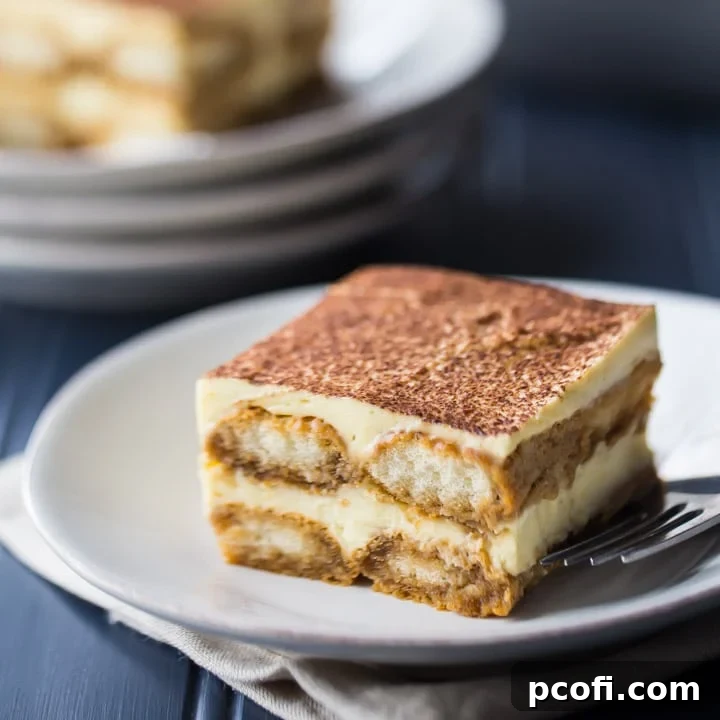
Authentic Italian Tiramisu: A Classic, No-Bake Dessert Recipe
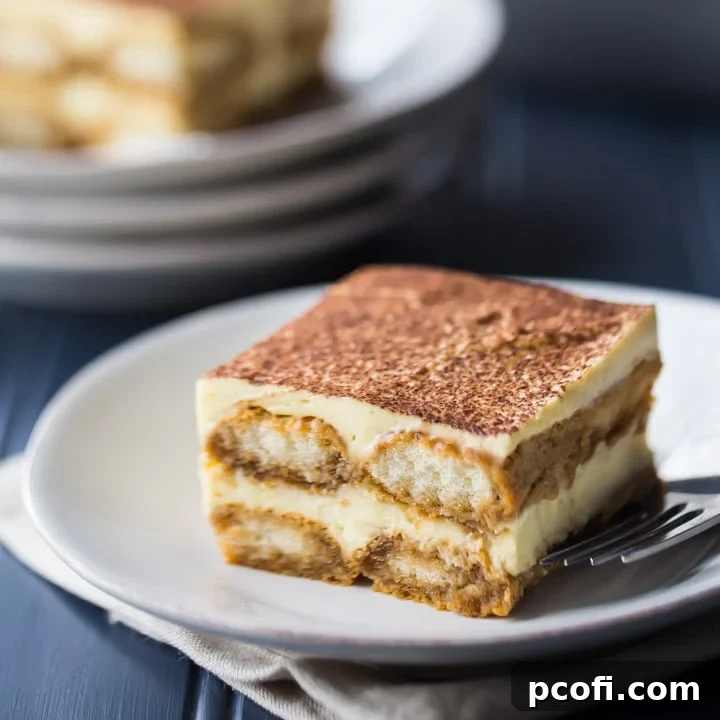
Tiramisu stands as one of Italy’s most celebrated and universally adored desserts. Its mere mention often conjures images of luxurious indulgence, a culinary masterpiece that many find utterly irresistible, especially when spotted on a restaurant menu. This classic Italian “pick-me-up” truly earns its reputation, offering a delightful balance of textures and flavors that are both comforting and sophisticated.
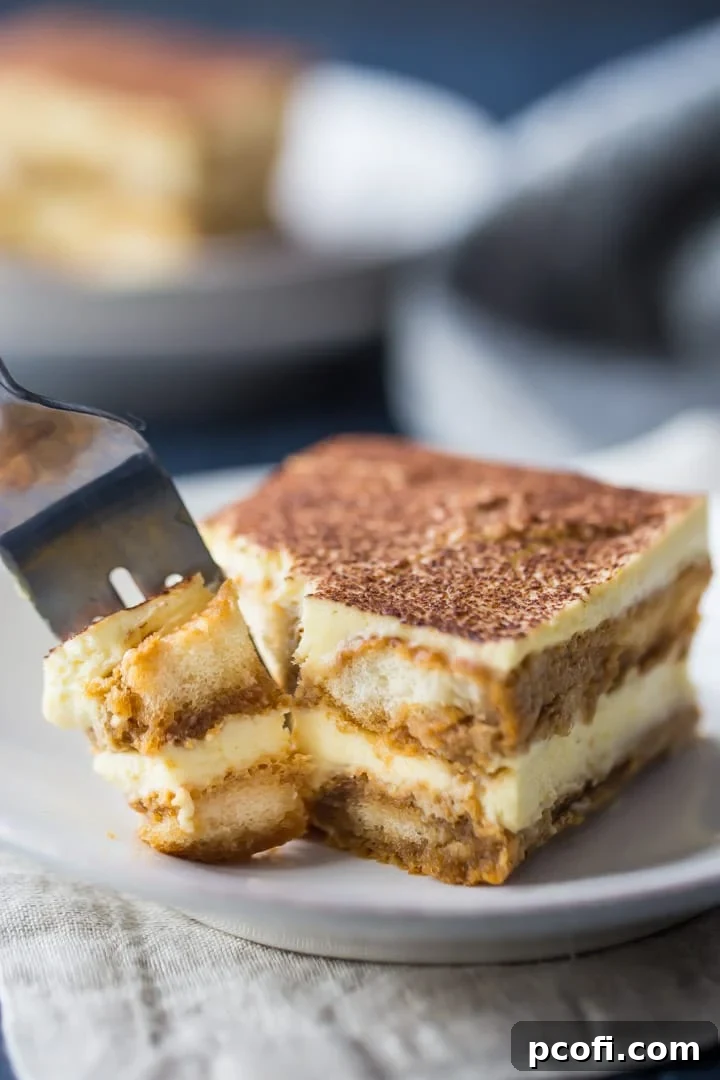
What makes tiramisu so captivating? It’s the harmonious interplay between the light-as-air, yet impossibly rich mascarpone cream and the tender, coffee-and-liqueur-soaked ladyfingers. Each layer contributes to an experience that is at once decadent and refreshing. This particular recipe promises an authentic journey, capturing the essence of traditional Italian tiramisu, making it a perfect choice for anyone looking to recreate this beloved dessert at home.
Beyond its exquisite taste, tiramisu is a joy to prepare. It’s a fantastic no-bake dessert, meaning you don’t need to turn on your oven, making it ideal for warmer months or when you prefer a less hands-on approach. Furthermore, its generous serving size makes it an excellent option for entertaining, whether you’re hosting a dinner party, a family gathering, or a potluck. Despite its relatively simple preparation, the elegant name and sophisticated flavor profile consistently impress guests, leaving them wondering if you spent hours slaving away in the kitchen.
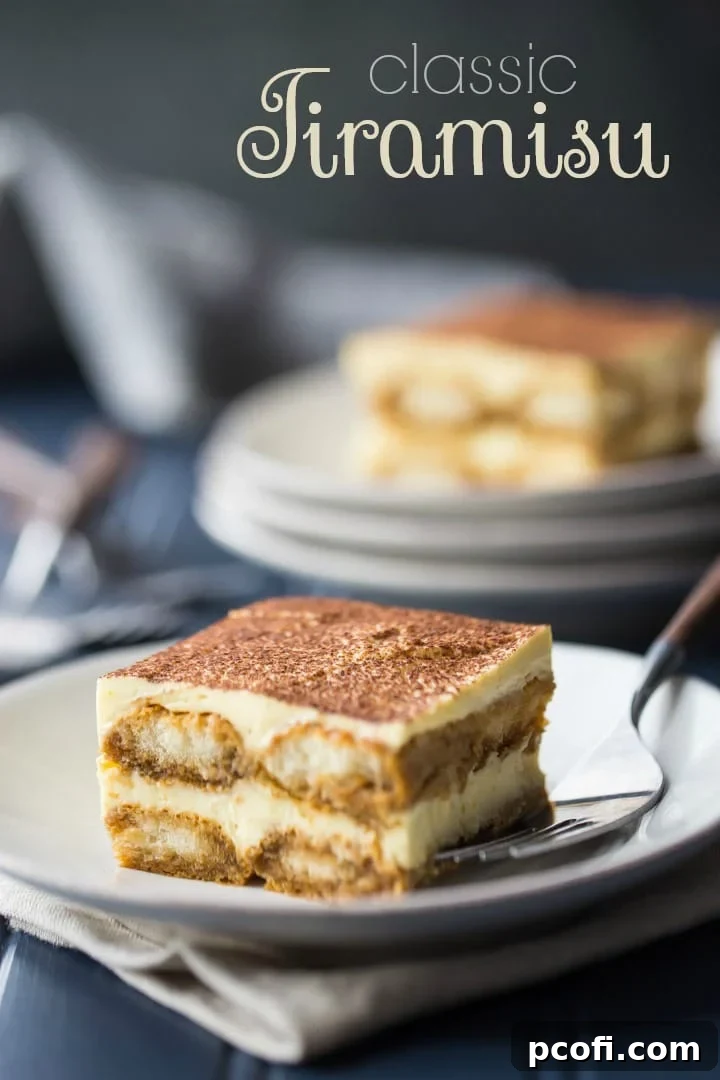
A quick search online reveals a vast array of tiramisu recipes, each with its unique twist on ingredients and methods. You might encounter recipes calling for different types of liqueurs, instant espresso versus freshly brewed, or varying approaches to the cream component, with some advocating for heavy cream and others for egg whites. Some even omit eggs entirely. While these variations can be delicious, our focus here is on crafting a truly authentic Italian tiramisu, one that honors the traditional techniques and ingredients for that classic, unparalleled flavor and texture.
Does Authentic Tiramisu Contain Raw Eggs?
Traditionally, eggs are an integral part of an authentic tiramisu recipe, contributing significantly to its characteristic richness and delicate, airy texture that is difficult to replicate with substitutes. While some modern recipes opt for egg-free versions for various reasons, including concerns about raw eggs, our classic approach embraces the use of eggs, specifically yolks, for their authentic flavor and unparalleled mouthfeel. However, we take a crucial step to ensure both safety and superior texture: we cook the egg yolks over a double boiler.
The primary concern with consuming raw eggs is the minimal, albeit real, risk of salmonella. By gently cooking the egg yolks, sugar, and Marsala wine over simmering water, we effectively eliminate this risk. But beyond safety, this method offers a remarkable culinary advantage: it transforms the mixture into an incredibly thick, pale, and luxuriously airy base, dissolving the sugar completely. This results in a tiramisu filling that is unbelievably silky-smooth and stable, preventing any grainy texture from undissolved sugar.
The process is straightforward: simply combine your egg yolks, granulated sugar, and Marsala wine in a heatproof bowl, then place it over a small saucepan of simmering water, ensuring the bowl does not touch the water. Whisk continuously for about 5 minutes. You’ll observe a dramatic change as the mixture transitions from a slightly foamy consistency to a significantly thickened, pale yellow, almost mousse-like volume, essentially doubling in size.
Congratulations, you’ve just created zabaglione! This exquisite, warm, frothy custard is not only the luxurious base for our tiramisu filling but also a cherished traditional Italian dessert in its own right. It’s utterly delicious on its own, perhaps enjoyed with a spoon, or elevated further when generously drizzled over fresh berries, stone fruits, or a slice of delicate cake.
Does Tiramisu Contain Alcohol?
In its truest form, traditional tiramisu does indeed include alcohol. The recipe calls for Marsala wine, which is incorporated into the egg yolk mixture, and a chosen liqueur is added to the coffee used to soak the ladyfingers. These alcoholic elements contribute significant depth and complexity to the dessert’s flavor profile, elevating it beyond a simple coffee-flavored cream.
Marsala wine, a fortified wine originating from Sicily, Italy, is a key component in the zabaglione custard. It shares similarities with other fortified wines like Madeira or Sherry, often boasting rich, caramel-like notes beautifully complemented by hints of apricot, vanilla, and sometimes even a touch of tamarind. When the Marsala is cooked with the egg yolks and sugar over a double boiler, as described earlier, a significant portion of its alcohol content evaporates. This process leaves behind its distinctive, complex flavor, subtly enhancing the custard without imparting an overpowering alcoholic kick. Therefore, while Marsala is present, its alcoholic impact in the final filling is minimal.
However, the alcohol in the coffee mixture used for soaking the ladyfingers is a different story. This mixture is not cooked, meaning the alcohol remains fully present. It plays a crucial role in providing a lovely warmth and an additional layer of flavor that rounds out the rich coffee notes. While this tiramisu recipe uses only about three tablespoons of liqueur for twelve generous servings, resulting in a very subtle alcoholic presence unlikely to cause any noticeable effects, it’s an important consideration for some. For those who prefer a non-alcoholic tiramisu, simply omit the liqueur entirely or substitute it with an equal amount of fruit juice (such as orange or raspberry for a subtle twist) or additional espresso.
For enthusiasts who enjoy a hint of spirits in their desserts, the choice of liqueur offers a wonderful opportunity for customization. Many varieties complement coffee exceptionally well. Popular choices include coffee liqueurs like Kahlua or Tia Maria, brandy, dark rum, Irish cream, or even a hazelnut liqueur for a nutty twist. My personal favorite is coffee liqueur, as it intensifies the coffee flavor profile, but feel free to experiment with any liqueur that appeals to your palate!
Will Tiramisu Keep You Awake?
Given that “tiramisu” literally translates from Italian to “pick-me-up,” it certainly lives up to its name, promising a delightful boost of energy! This energizing effect primarily comes from the espresso used to soak the ladyfingers. If you use regular, caffeinated espresso, there’s a good chance this delicious dessert could indeed give you a little pep, potentially keeping you awake if consumed too close to bedtime.
For those of us who are particularly sensitive to caffeine, or if you plan to serve tiramisu in the evening, opting for decaffeinated espresso is an excellent choice. This allows you to fully enjoy the rich, robust coffee flavor without the stimulating effects of caffeine. If you own an espresso machine, making decaf espresso is simple. For this recipe, which calls for approximately 48 ladyfingers, you might need about four pods or several shots of espresso to achieve sufficient liquid for soaking.
Don’t have an espresso machine? No problem at all! You have several convenient options. You can easily purchase freshly brewed espresso from your favorite local coffee shop. Alternatively, instant espresso powder is a fantastic pantry staple. Simply mix it with hot water according to package directions to create a strong, flavorful coffee solution. I always recommend keeping a jar of high-quality instant espresso on hand; its rich, full-bodied flavor is perfect not only for tiramisu but also for enhancing a variety of coffee or mocha flavored treats, from cakes to cookies.
If you’re looking for a completely caffeine-free and non-alcoholic dessert that the entire family can enjoy, I highly recommend exploring my chocolate tiramisu recipe. It offers all the luxurious textures and satisfying sweetness of tiramisu, with a rich cocoa twist, making it a perfect alternative.
What Kind of Ladyfingers Should I Use?
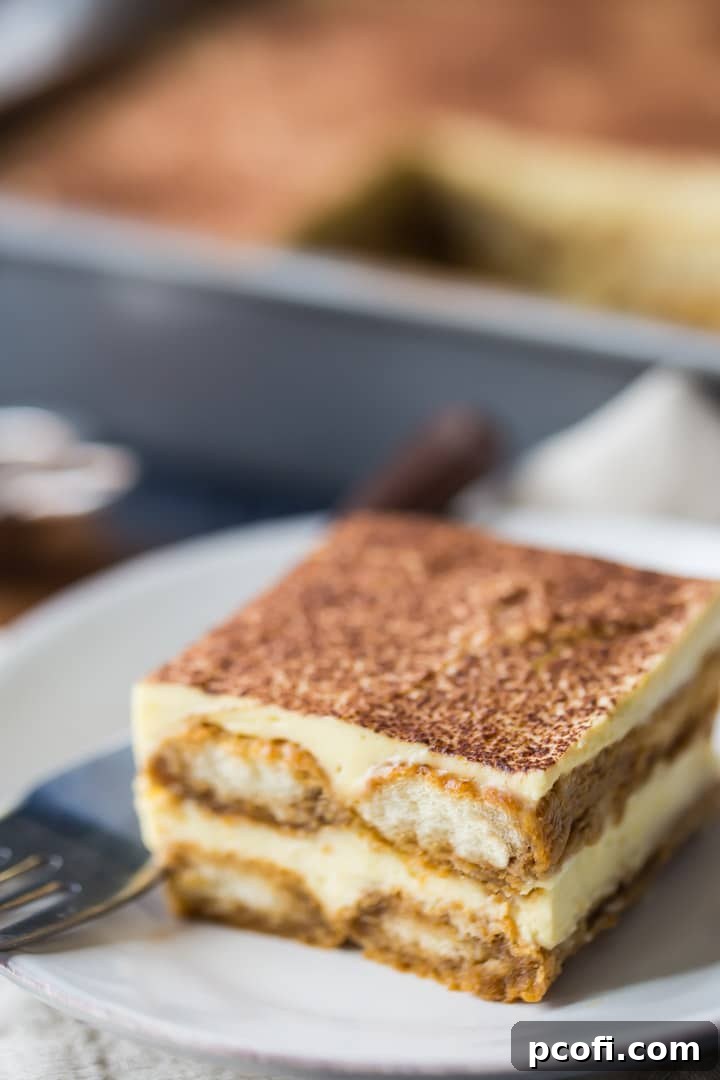
The secret to an authentic tiramisu lies not only in the creamy mascarpone filling but also in the proper choice of ladyfingers. For the most traditional and effective results, you should seek out Savoiardi ladyfingers. These Italian biscuits are specifically designed for desserts like tiramisu.
What makes Savoiardi so perfect? They are notably light and very dry, with a crisp texture that allows them to absorb a significant amount of liquid without falling apart. This absorbency is crucial, as it enables them to become wonderfully tender and infused with the rich espresso and liqueur mixture, transforming into soft, cake-like layers within the tiramisu. Avoid softer, cake-like ladyfingers often found in the bakery section, as they tend to become soggy and disintegrate when soaked.
Finding Savoiardi can sometimes be a culinary treasure hunt. You might discover them in the gourmet cookie aisle, the international foods section, or specifically the Italian section of larger supermarkets. If your local grocery store doesn’t carry them, don’t despair! They are readily available online. Many specialty food retailers or large e-commerce platforms stock them. I often rely on online ordering for the exact brand pictured in this recipe to ensure consistent results.
For the truly ambitious home baker, consider making your own homemade ladyfingers! It’s a rewarding project that elevates your tiramisu to superstar status. My homemade ladyfingers recipe provides all the steps you need. The key, once baked, is to leave them out uncovered overnight. This allows them to dry out and become perfectly crisp, mimicking the texture of traditional Savoiardi, ready to soak up all that delicious espresso.
Should Tiramisu Contain Cream?
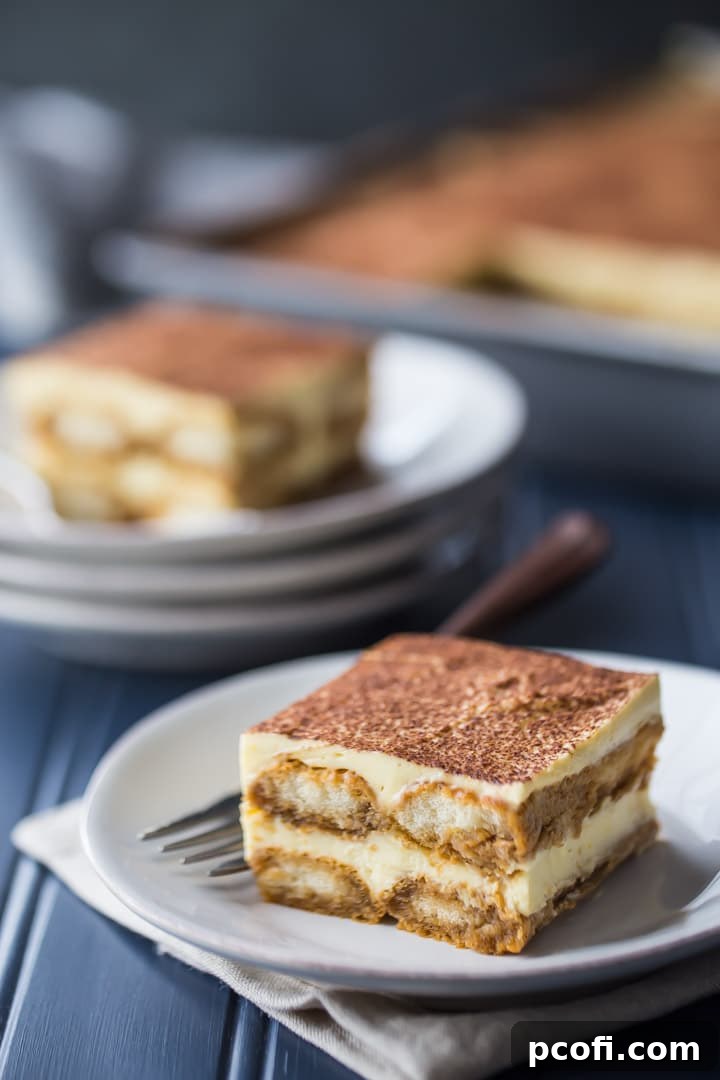
The inclusion of whipped cream in tiramisu is a topic that sparks much debate among purists and modern chefs alike. Some argue that an “authentic” tiramisu should contain no cream, relying solely on the richness of mascarpone and the airy texture achieved by the zabaglione (cooked egg yolks). They believe that adding cream detracts from the traditional taste and consistency. However, my experiences, even with tiramisu enjoyed in Italy, suggest that many beloved versions incorporate whipped cream to achieve a lighter, more ethereal quality.
I personally advocate for the inclusion of whipped heavy cream in this tiramisu recipe, as it offers several distinct advantages that truly enhance the dessert. First and foremost, whipped cream introduces a delightful fluffiness and a melt-in-your-mouth lightness that complements the rich mascarpone beautifully. It creates a more voluminous and airy texture that makes each bite feel incredibly luxurious and less dense.
Beyond texture, whipped cream also plays a crucial role in the structural integrity of your tiramisu. It helps the squares or slices hold their shape more effectively, preventing them from “weeping” or deflating over time. This stability is particularly beneficial when preparing tiramisu for a crowd or if you plan to serve it over multiple days, as it helps maintain its fresh appearance and delightful consistency.
If you prefer to omit the heavy cream, whether for reasons of authenticity, dietary preference, or simply to experiment with different textures, that is perfectly fine. You can leave it out entirely; just be aware that your tiramisu layers may not be quite as tall or as airy, and the overall dessert might have a denser consistency. Alternatively, to achieve a similar lightness without dairy cream, you could replace the heavy cream with 4 egg whites, meticulously beaten to stiff peaks, and then gently folded into the mascarpone-zabaglione mixture. This method introduces a different kind of airiness, resulting in a slightly different but still delicious texture.
What is Mascarpone?
Mascarpone is a rich, creamy, and exceptionally smooth cheese originating from the Lombardy region of Italy. It is a staple ingredient in Italian desserts, most famously tiramisu, where its luxurious texture and subtly sweet flavor are absolutely essential. Often compared to American cream cheese, mascarpone shares a similar spreadable consistency, but that’s where the similarities largely end. Unlike cream cheese, mascarpone is significantly higher in fat content, which contributes to its incredibly smooth, almost buttery mouthfeel. Crucially, mascarpone lacks the tangy, slightly acidic flavor profile characteristic of cream cheese. Instead, it offers a delicate, milky sweetness that is much milder and more refined.
Due to its popularity in Italian cuisine, mascarpone cheese is now quite readily available. You can typically find it in the specialty cheese section of most well-stocked grocery stores, usually alongside other gourmet cheeses or dairy products. Its distinct packaging and higher fat content often set it apart from other fresh cheeses.
While cream cheese is often suggested as the closest substitute, it’s important to understand that using it will yield a tiramisu with a noticeably different flavor and texture. The tangy notes of cream cheese will alter the delicate balance of flavors that define authentic tiramisu, making it less true to the classic Italian profile. For a truly exceptional tiramisu, mascarpone is non-negotiable – it is indeed all about the mascarpone!
When preparing your tiramisu, a key tip for working with mascarpone is to ensure it comes to room temperature before you attempt to whisk it into your zabaglione. This makes the cheese much softer and more pliable, allowing it to blend seamlessly and effortlessly with the cooked egg yolk mixture. While it might require a little bit of “elbow grease” and vigorous whisking by hand, or the assistance of an electric mixer on a low speed, allowing it to warm up will help you achieve that perfectly smooth, lump-free, and irresistibly creamy filling that is the hallmark of a divine tiramisu.
Can I Make Tiramisu Ahead?
One of the most appealing qualities of tiramisu, especially for those who love to plan ahead or entertain, is that it is a phenomenal make-ahead dessert. In fact, tiramisu doesn’t just hold up well when prepared in advance—it actually improves with time! This characteristic makes it a dream dessert for parties, holidays, or any occasion where you want to minimize last-minute stress in the kitchen.
The magic happens as the tiramisu rests in the refrigerator. During this chilling period, all the incredible flavors have ample opportunity to meld and deepen. The robust espresso, the subtle notes of Marsala wine and liqueur, and the delicate sweetness of the mascarpone cream all come together in perfect harmony, creating a more cohesive and complex taste experience. Crucially, the ladyfingers, which start out crisp and dry, gradually absorb the coffee mixture and the moisture from the cream, transforming into a wonderfully pillow-soft texture that is utterly delightful.
For the absolute best flavor and texture, I highly recommend preparing your tiramisu at least one day (24 hours) before you plan to serve it. This extended chilling time ensures that the ladyfingers are perfectly softened and the flavors are fully developed. When made according to this recipe, your tiramisu will keep beautifully in the refrigerator for up to 5 days. While it’s delightful on day one, many agree that it reaches its peak perfection on day two, or even day three, as the ingredients truly get acquainted.
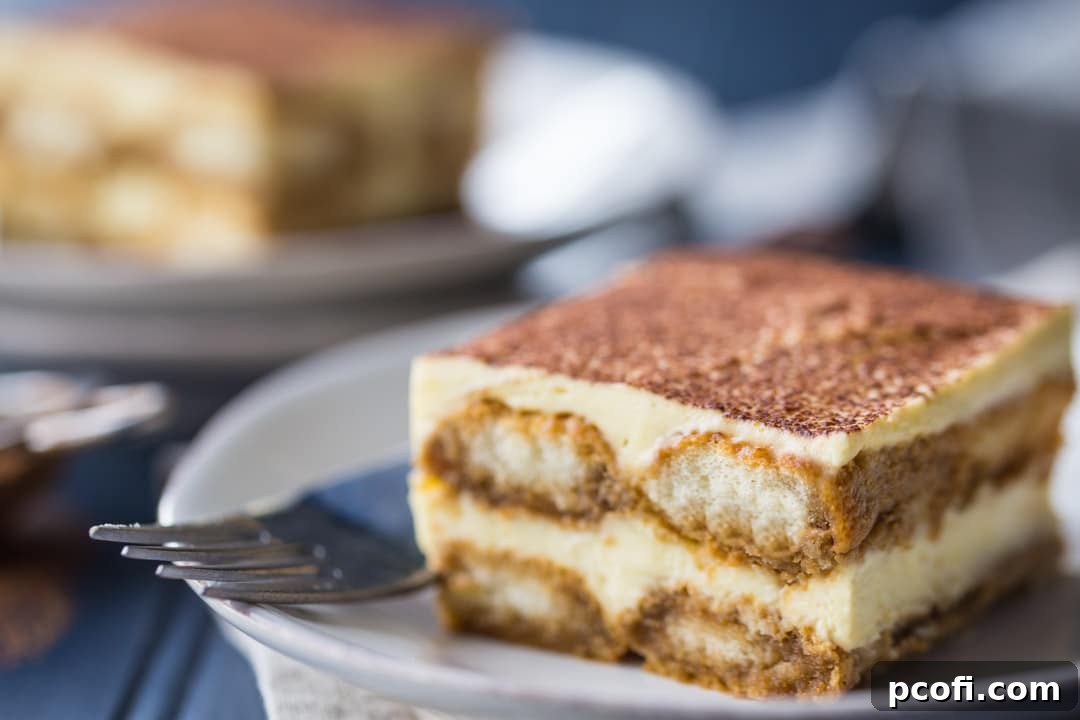
If you’re a true tiramisu aficionado and enjoy exploring variations, be sure to check out my Tiramisu Cake recipe. It transforms all the beloved elements of classic tiramisu into a stunning layer cake format, perfect for special celebrations or when you desire a different presentation.
For more inspiring dessert ideas and sweet treats, explore my “Cake Recipes” Pinterest board!
This post contains affiliate sales links.
Authentic Tiramisu Recipe
Leave a Review
Save Recipe
Saved!
Ingredients
- 4 large egg yolks
- 1/2 cup (100 g) granulated sugar
- 1/3 cup (80 g) Marsala wine
- 16 ounces (453.59 g) mascarpone cheese
- 1 cup (238 g) heavy cream
- 2 cups (60 g) brewed espresso*
- 3 tablespoons coffee liqueur or brandy
- 3 tablespoons powdered sugar
- 48 Savoiardi ladyfingers
- 2 teaspoons unsweetened cocoa powder, (for garnish)
Instructions
-
Place the egg yolks, sugar, and Marsala in a large metal mixing bowl, and set it over a pot of simmering water.
-
Cook, whisking, until the mixture is pale, thick, and doubled in volume (about 5 minutes).
-
Remove from the heat, and whisk in the mascarpone.
-
Whip the cream until it holds stiff peaks.
-
Fold the whipped cream into the mascarpone mixture.
-
Set the filling aside.
-
Whisk the espresso, liqueur, and powdered sugar together in a shallow dish.
-
One at a time, dip the ladyfingers into the espresso mixture and arrange in an even layer in the bottom of a 9-inch by 13-inch pan. (Line the ladyfingers up in two straight rows of twelve.)
-
Spread half the filling over the ladyfingers, and repeat.
-
Spread the rest of the filling on top, dust with cocoa powder, and refrigerate for 8 hours.
Notes
For a non-alcoholic, caffeine-free version, try this Chocolate Tiramisu.
For a layer cake version, try this Tiramisu Cake.
Carbohydrates: 42g,
Protein: 8g,
Fat: 26g,
Saturated Fat: 14g,
Cholesterol: 227mg,
Sodium: 219mg,
Sugar: 14g
Tried this recipe?
Mention @bakingamoment on Instagram or tag #bakingamoment.