
The Ultimate Guide to Silky, Less-Sweet Ermine Frosting (Flour Buttercream)
Are you tired of overly sweet, gritty buttercreams that overpower your delicate cakes and cupcakes? Discover Ermine Frosting, a timeless classic also known as flour buttercream or boiled milk frosting. This elegant, silky-smooth alternative offers a sophisticated balance of flavor and an incredibly stable texture, making it a favorite among professional bakers and home cooks alike. With its subtle sweetness, clean buttery taste, and a hint of vanilla, Ermine frosting is truly in a league of its own. It’s perfect for those who crave a rich yet balanced topping that lets the true flavors of their baked goods shine through.
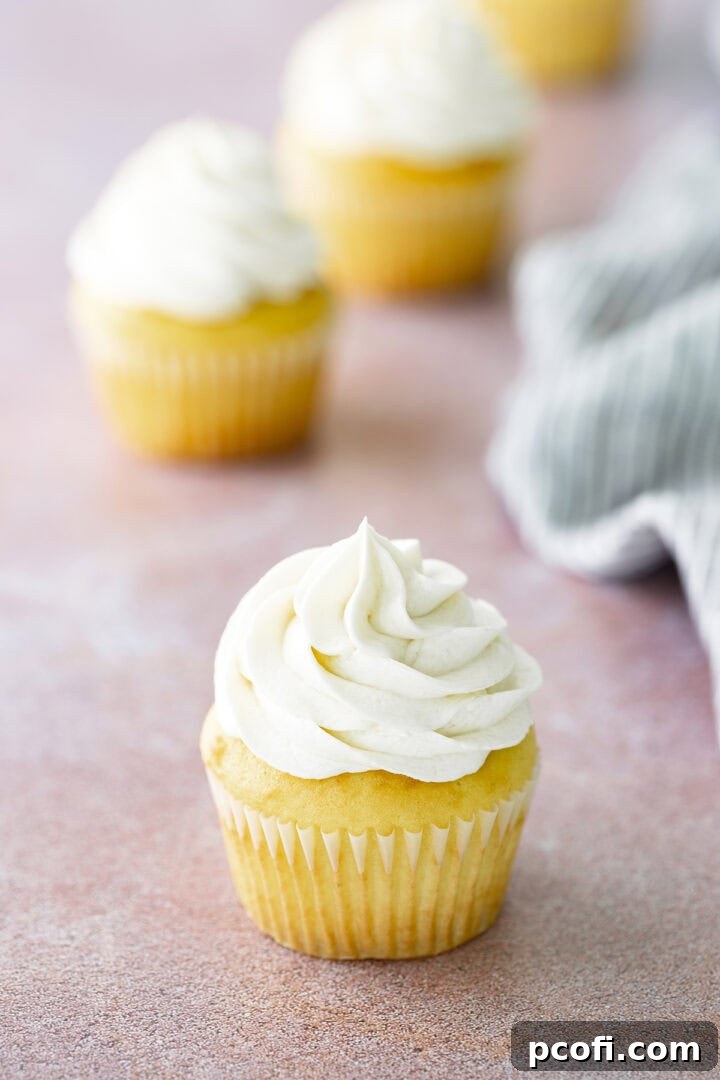
Table of Contents
- Why Ermine Frosting is Your New Favorite
- What is Ermine Frosting? A Closer Look
- Essential Ingredients for Ermine Frosting
- Step-by-Step Guide: How to Make Ermine Frosting
- Expert Tips and Tricks for Perfect Ermine Frosting
- Common Troubleshooting for Ermine Frosting
- Flavor Variations to Customize Your Frosting
- Serving Suggestions for Ermine Frosting
- Storage and Make-Ahead Tips
- Frequently Asked Questions about Ermine Frosting
- More Delightful Frosting Recipes
- Ermine Frosting Recipe Card
If you’ve never experienced the magic of Ermine Frosting, prepare to be amazed. Its unique preparation method, which involves cooking flour and sugar with milk into a roux, is what gives this frosting its signature custardy texture and unparalleled lightness. Once this cooled “pudding” is whipped with softened butter, it transforms into a lush, airy, and incredibly spreadable frosting that’s far more balanced than traditional powdered sugar-based frostings. It boasts a subtle, almost custard-like note that beautifully complements a wide range of desserts, from classic red velvet and rich chocolate cakes to light and fluffy vanilla cupcakes.
While sometimes overlooked for quicker frosting methods, the payoff for making Ermine frosting is undeniable. Its exquisite texture and sophisticated flavor elevate any baked good. This frosting pipes with incredible precision, spreads like a dream, and holds its shape exceptionally well, even in warmer conditions, outperforming many whipped cream frostings. Choose Ermine frosting when you desire a smooth, classic finish and a taste that enhances, rather than overwhelms, the star of your dessert. It’s a testament to the fact that sometimes, a little extra effort yields truly extraordinary results.
Why Ermine Frosting is Your New Favorite
This remarkable frosting offers a multitude of benefits that will make it a staple in your baking repertoire:
- Light & Creamy Texture: Unlike dense, heavy buttercreams, Ermine frosting is whipped to a glorious perfection, resulting in an airy, cloud-like consistency that melts in your mouth without feeling overly rich.
- Subtly Sweet Flavor: Perfect for those who find many frostings too sugary, Ermine offers a balanced sweetness that highlights the butter and vanilla notes, allowing the flavors of your cake or cupcake to shine.
- Exceptional Stability for Decorating: This robust frosting holds its shape beautifully, making it ideal for intricate piping designs, smooth cake coverings, and sturdy cupcake swirls that won’t wilt.
- Versatile Classic Flavor: With its clean vanilla-butter profile, Ermine frosting is a universal crowd-pleaser that pairs harmoniously with virtually any cake flavor imaginable.
- Infinitely Customizable: Easily transform its character by incorporating cocoa powder for a chocolate version, citrus zest for a bright twist, or other extracts to match your dessert theme.
- Smooth and Silky Finish: Achieve a professional, flawless appearance on your baked goods thanks to its incredibly smooth and non-gritty texture.
- European-Style Elegance: Often compared to European buttercreams like Swiss or Italian meringue buttercream due to its cooked base and refined taste, but with a unique, simpler flour-based roux.
What is Ermine Frosting? A Closer Look
Ermine frosting, also known by several charming names such as flour buttercream, boiled milk frosting, gravy frosting, or even cooked flour frosting, holds a special place in the history of American baking. Its roots can be traced back to a time when sugar was a more precious commodity, and bakers sought ways to create rich, stable frostings without relying solely on large quantities of powdered sugar.
The defining characteristic of Ermine frosting is its unique method of preparation. Unlike traditional American buttercream, which combines powdered sugar directly with butter, Ermine frosting begins with a cooked paste. Flour, granulated sugar, and milk are whisked together and gently heated, forming a thick, pudding-like roux. This roux is then cooled completely before being gradually incorporated into softened butter and whipped until light, fluffy, and voluminous.
This cooking process is crucial. The flour acts as a thickener and stabilizer, absorbing the liquid and creating a smooth, custard-like base. When this base is cooled and combined with butter, it emulsifies beautifully, yielding a frosting that is remarkably stable, less sweet, and incredibly silky. It lacks the sometimes overwhelming sweetness and slightly gritty texture associated with powdered sugar frostings, offering a cleaner, more buttery flavor profile.
Ermine frosting is particularly famous as the traditional pairing for Red Velvet Cake. Its subtle tang and rich creaminess perfectly complement the mild cocoa and vibrant color of the cake. However, its versatility extends far beyond; it’s a fantastic choice for vanilla, chocolate, lemon, carrot, and spice cakes, as well as an elegant topping for cupcakes and dessert bars. It offers the stability of a meringue buttercream without the need for an Italian or Swiss meringue, making it a more approachable yet equally impressive option for many home bakers.
Essential Ingredients for Ermine Frosting
Crafting perfect Ermine frosting starts with a few simple, high-quality ingredients. Here’s what you’ll need and why each component is important:
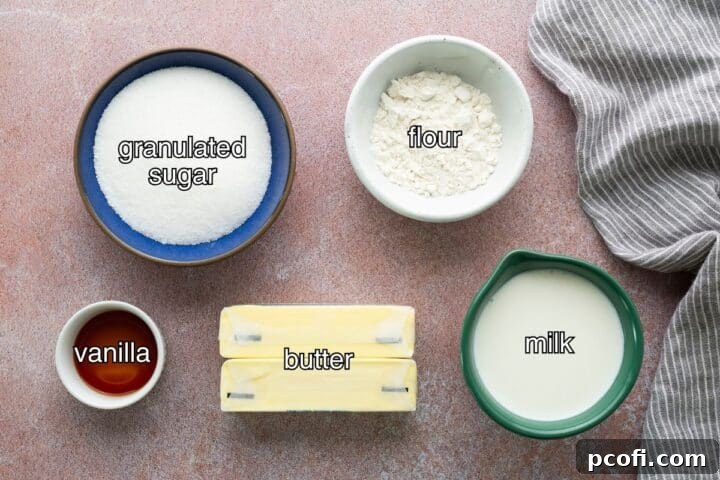
- Granulated Sugar: This provides the primary sweetness to your frosting and contributes to the overall structure of the cooked roux. It helps the mixture thicken properly and contributes to the smooth texture.
- All-Purpose Flour: The star of Ermine frosting! All-purpose flour is responsible for thickening the milk mixture into a smooth, pudding-like paste. It forms the stable base that gives Ermine its unique character and texture.
- Whole Milk: Whole milk is preferred for its richness and fat content, which yields a truly creamy and luxurious consistency. While other milks can be used, whole milk offers the best results for a truly decadent frosting.
- Unsalted Butter: Softened unsalted butter is crucial. When whipped into the cooled roux, it adds incredible body, richness, and that distinct buttery flavor we all love. Using unsalted butter allows you to control the overall saltiness of the frosting. Ensure it’s truly softened, not melted or too cold.
- Pure Vanilla Extract: A touch of pure vanilla extract enhances all the other flavors, providing a warm, aromatic finish and a subtle hint of sweetness that rounds out the frosting beautifully. Good quality vanilla makes a noticeable difference.
Step-by-Step Guide: How to Make Ermine Frosting
Follow these detailed steps to create flawless Ermine frosting:
Step 1: Whisk Dry Ingredients
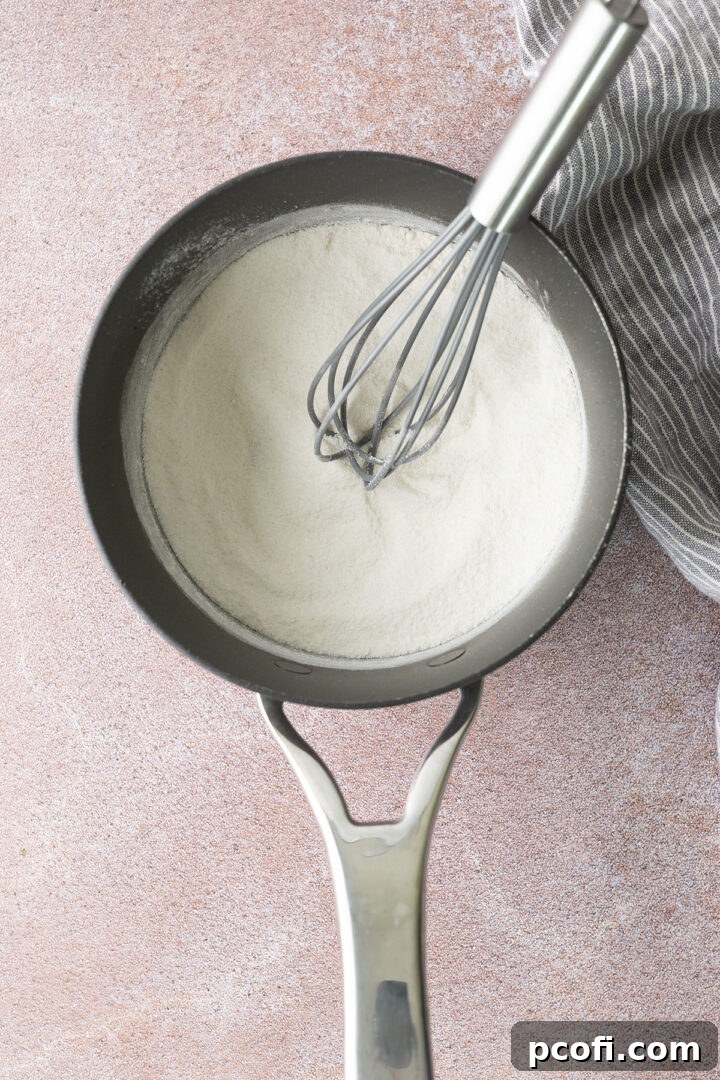
In a medium saucepan, thoroughly whisk together the granulated sugar and all-purpose flour. Ensure there are no lumps in the flour mixture, as this will result in a smooth roux.
Step 2: Add Milk and Cook Roux
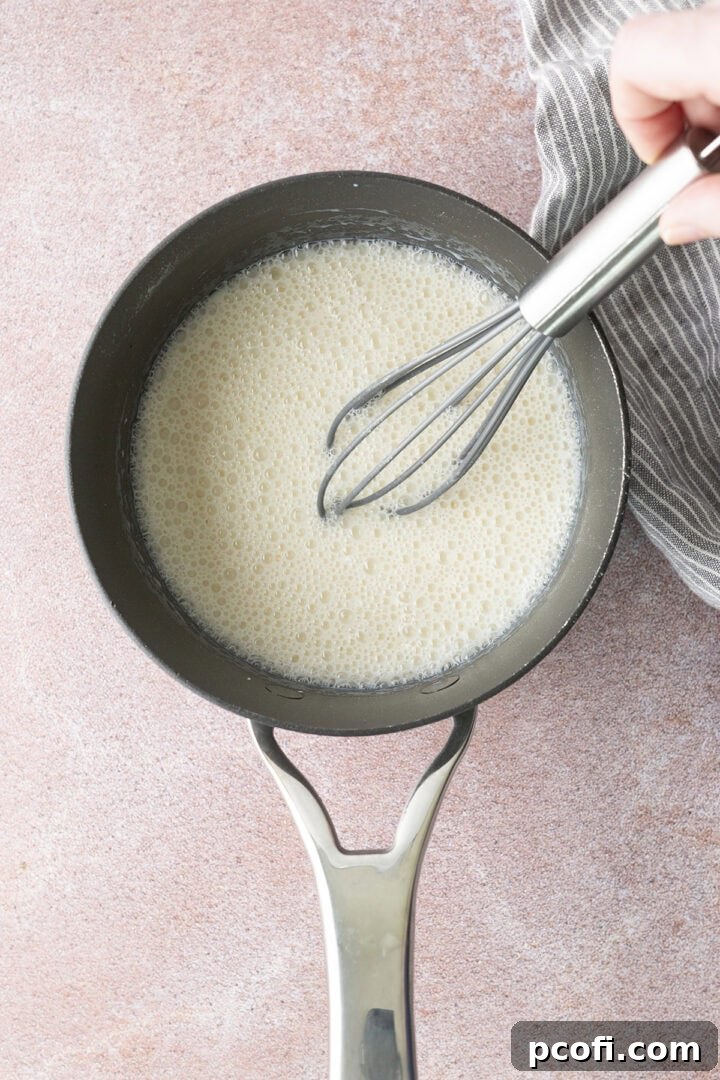
Gradually whisk in the whole milk until fully combined and smooth. Place the saucepan over medium heat. Bring the mixture to a boil, whisking constantly to prevent scorching and lumps from forming at the bottom of the pan.
Step 3: Thicken to Pudding Consistency
Continue to whisk constantly for 4 to 8 minutes, or until the mixture has thickened to a consistency similar to pudding. It should be thick enough to coat the back of a spoon. Do not rush this step, as proper thickening is essential for the frosting’s stability.
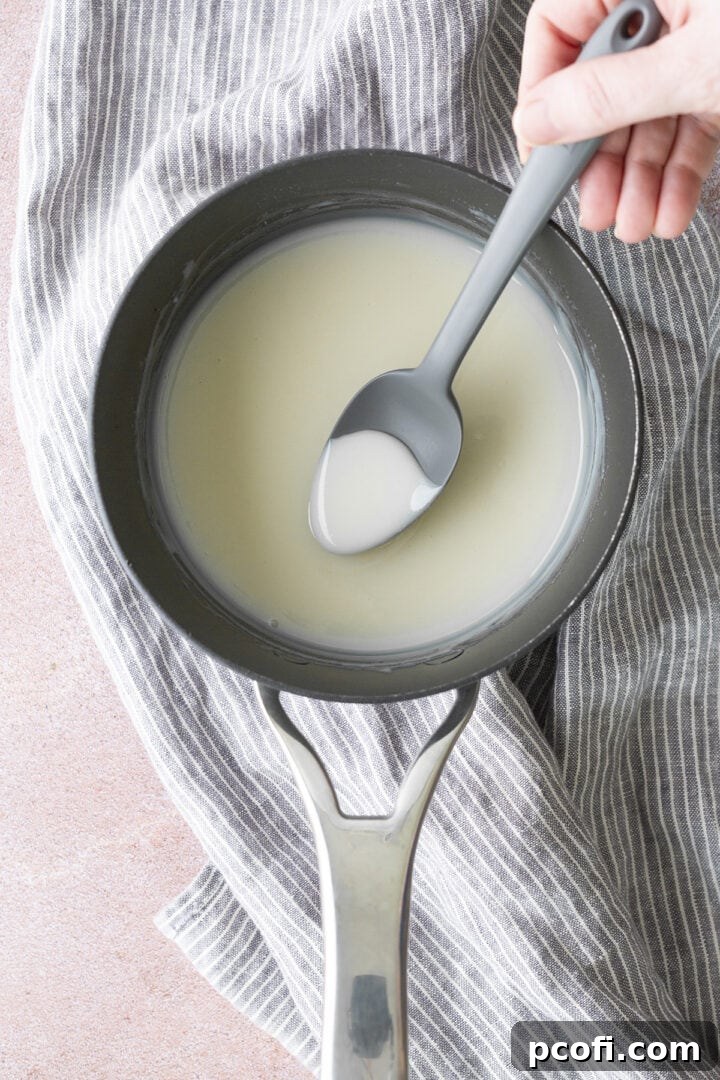
Step 4: Cool the Roux
Remove the pan from the heat. Transfer the hot mixture to the bowl of a stand mixer fitted with the whisk attachment. Beat on medium-high speed for 10 to 15 minutes, until the mixture cools down significantly. It should be below 80 degrees F (27 degrees C). You can check the temperature with a thermometer. Cooling completely is crucial before adding butter to prevent a soupy or separated frosting.
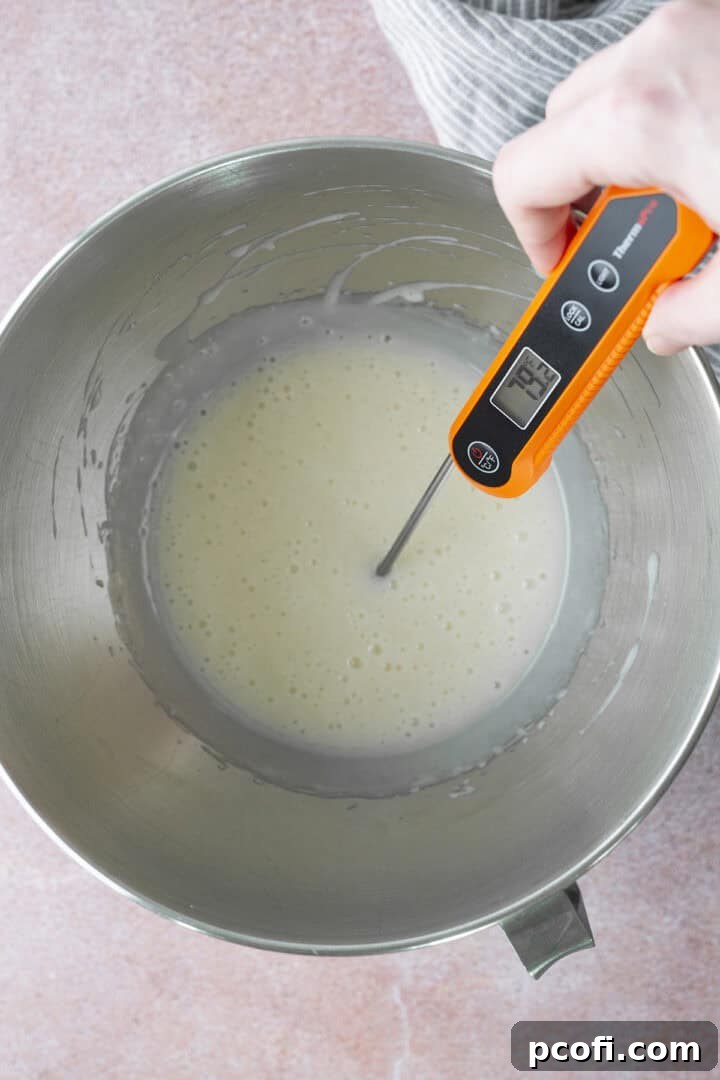
Step 5: Gradually Add Butter and Vanilla
Reduce the mixer speed to low. With the mixer still running, slowly add the softened unsalted butter, 1-2 tablespoons at a time. Allow each addition to incorporate before adding the next. This slow process ensures a smooth emulsion. Periodically scrape down the sides and bottom of the bowl to ensure everything is thoroughly combined. Once all the butter is incorporated, mix in the pure vanilla extract.
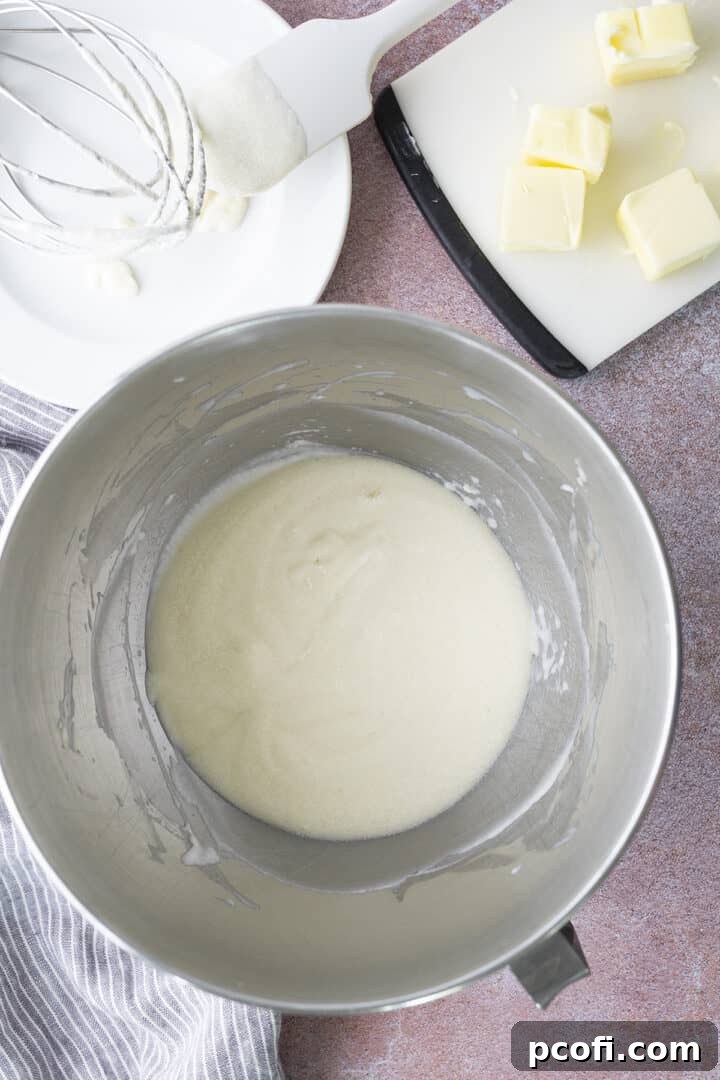
Step 6: Whip to Light and Fluffy Perfection
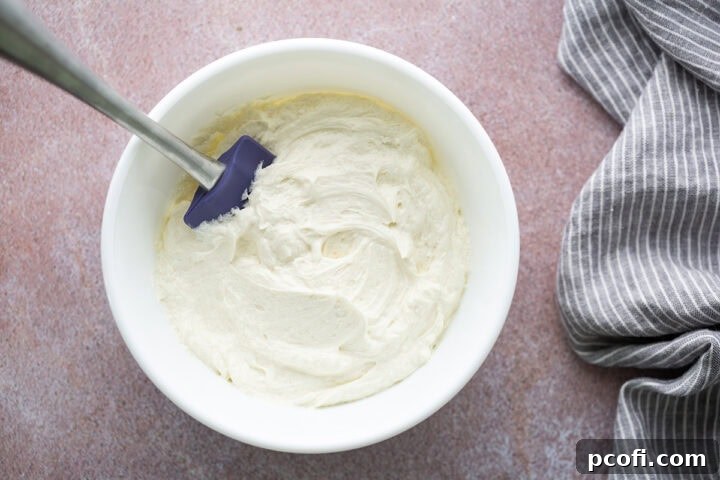
Increase the mixer speed to high. Whip the frosting for another 4 to 6 minutes. During this time, the frosting will transform from a potentially lumpy or slightly curdled appearance into a light, airy, fluffy, and incredibly smooth consistency. It should be pale in color and hold stiff peaks.
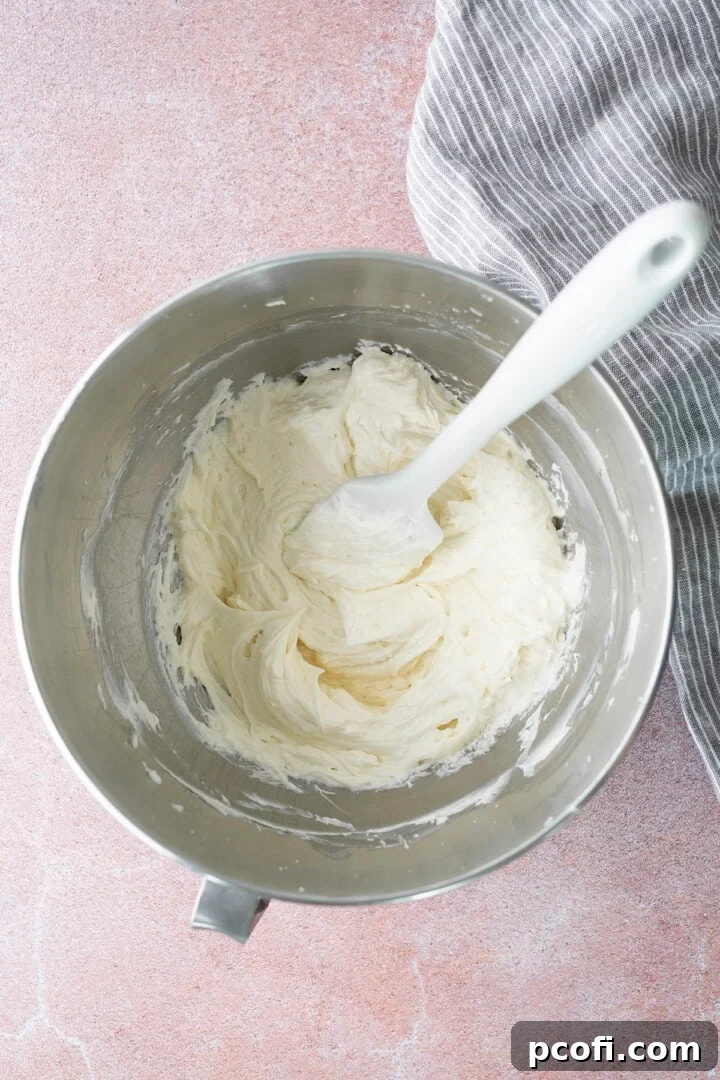
Expert Tips & Tricks for Perfect Ermine Frosting
Achieving flawless Ermine frosting is easy with these helpful hints:
- Yield Guidance: This recipe typically yields about 2 ½ cups of frosting, which is ample for generously frosting a 9×13-inch sheet cake, a two-layer 8-inch round cake, or covering 12 standard cupcakes.
- Lumpy Butter? Don’t Panic! It’s common for the frosting to look slightly lumpy or curdled when you first start adding the butter. Don’t worry! Keep the mixer running on low, continue adding butter slowly, and then increase the speed to high in the final whipping step. It will come together beautifully.
- Temperature is Key: The most critical factor for success is ensuring your cooked flour mixture is adequately cooled (below 80°F / 27°C) before you begin adding the softened butter. If the roux is too warm, the butter will melt, resulting in a runny, separated frosting.
- Consistency Check: If your frosting appears thin or soupy, it’s likely too warm. Place the mixing bowl (with the frosting in it) into the refrigerator for 15-20 minutes, then return it to the stand mixer and re-whip on high speed until it firms up.
- Continuous Whisking: When cooking the roux, whisk continuously to prevent lumps and ensure the mixture thickens evenly without scorching the bottom of the pan. A silicone whisk is great for this!
- Quality Matters: Using high-quality ingredients, especially good butter and pure vanilla extract, will significantly impact the final taste and texture of your Ermine frosting.
- Softened Butter, Not Melted: Your butter should be softened to room temperature (around 68-70°F / 20-21°C), yielding slightly to a gentle press. If it’s too cold, it won’t incorporate smoothly; if it’s too warm or melted, it will make the frosting greasy and runny.
- Scrape Down the Bowl: Regularly scrape the sides and bottom of your mixing bowl during the whipping process to ensure all ingredients are fully incorporated and the frosting is uniformly smooth.
Common Troubleshooting for Ermine Frosting
Even experienced bakers can encounter hiccups. Here’s how to fix common Ermine frosting problems:
- Runny Frosting: This is almost always due to the roux being too warm when the butter was added, or the butter itself being too warm/melted.
- Fix: Place the entire mixing bowl with the frosting into the refrigerator for 20-30 minutes. Once chilled, return it to the mixer and whip on high speed. The cooling will help the butter re-solidify and emulsify correctly. Repeat chilling and whipping if necessary.
- Lumpy or Curdled Appearance: This typically happens when the butter and roux haven’t fully emulsified, often because the butter was added too quickly or was too cold.
- Fix: Continue whipping the frosting on high speed. Give it more time (up to 5-10 minutes). The butter chunks will eventually break down and emulsify. If it’s still very lumpy, ensure the frosting isn’t too cold (let it warm slightly at room temp), then whip again.
- Greasy Texture: Too much butter or butter that was too soft can sometimes lead to a slightly greasy texture.
- Fix: While it’s hard to remove greasiness completely, chilling the frosting as described for runny frosting, then re-whipping, can sometimes improve the texture by firming up the butter. Adding a tiny bit more flour roux (cooled separately) might also help, but be cautious not to over-thicken.
- Too Thick Frosting: If your frosting becomes too stiff to spread or pipe, especially after refrigeration.
- Fix: Add milk, one teaspoon at a time, while whipping on low speed until it reaches your desired consistency. Be careful not to add too much at once.
Flavor Variations to Customize Your Frosting
Ermine frosting is a versatile canvas for creativity. Here are a few ways to customize its flavor:
- Chocolate Ermine Frosting: Sift 1/4 cup unsweetened cocoa powder along with the flour and sugar in Step 1. You can also melt 2-3 ounces of good quality dark chocolate and add it to the cooled roux before whipping in the butter.
- Citrus Ermine Frosting: Add 1-2 teaspoons of lemon, orange, or lime zest along with the vanilla extract. A few drops of citrus extract can also boost the flavor.
- Coffee Ermine Frosting: Dissolve 1-2 teaspoons of instant espresso powder in 1 tablespoon of hot milk, cool it, and add it to the frosting along with the vanilla.
- Nut Ermine Frosting: Add 1-2 teaspoons of almond extract or pistachio extract with the vanilla for a nutty twist.
- Spice Ermine Frosting: Incorporate 1/2 teaspoon of ground cinnamon, nutmeg, or pumpkin pie spice into the dry ingredients for a warmly spiced frosting.
Serving Suggestions for Ermine Frosting
Ermine frosting’s balanced flavor and stable texture make it perfect for a variety of desserts:
- Red Velvet Cake: The classic pairing! Its subtle tang and smooth texture are perfect for red velvet.
- Chocolate Cake or Cupcakes: A fantastic less-sweet alternative to traditional chocolate buttercream.
- Vanilla Cake or Cupcakes: Enhances the pure vanilla flavor without overpowering it.
- Carrot Cake: A lovely, lighter alternative to cream cheese frosting.
- Spice Cake: Complements the warm spices beautifully.
- Lemon or Orange Cake: Especially if you add citrus zest to the frosting.
- Sugar Cookies: A beautiful, pipeable frosting for decorating.
- Whoopie Pies: The perfect creamy filling.
Storage and Make-Ahead Tips
Ermine frosting is wonderfully flexible for making ahead:
- Room Temperature: Freshly made Ermine frosting can be kept at cool room temperature (below 75°F / 24°C) for up to 1-2 days, covered, as the butter stabilizes it.
- Refrigerator: Store in an airtight container in the refrigerator for up to 1 week. Before using, bring to room temperature (this can take several hours). Re-whip in a stand mixer on medium-high speed until light and fluffy again. If it’s too stiff, add a tiny splash of milk while whipping.
- Freezer: For longer storage, freeze Ermine frosting in an airtight container for up to 3 months. Thaw overnight in the refrigerator, then bring to room temperature and re-whip until smooth and fluffy.
Frequently Asked Questions about Ermine Frosting
- Is Ermine frosting dairy-free? No, Ermine frosting contains both milk and butter, so it is not suitable for dairy-free diets.
- Can I make Ermine frosting without a stand mixer? While a stand mixer is highly recommended for achieving the optimal light and fluffy texture, you can use a hand mixer. It will simply require more time and effort.
- Why is my Ermine frosting grainy? A grainy texture is usually due to the sugar not fully dissolving in the roux, or not whisking enough during the cooling or whipping stages. Ensure your roux is cooked long enough and that the final whipping is thorough.
- Does Ermine frosting crust? No, unlike American buttercream, Ermine frosting typically does not form a hard crust. It remains soft and creamy, though it will firm up slightly when chilled.
- Can I use a different type of flour? All-purpose flour is recommended for its consistent thickening properties. Using other flours like self-rising or cake flour may alter the texture and consistency.
More Delightful Frosting Recipes
- Favorite Vanilla Buttercream Frosting
- Marshmallow Frosting
- Chocolate Whipped Cream Frosting
- Cream Cheese Frosting
- Magical Cream Cheese Frosting
- Whipped Cream Frosting
As an Amazon Associate, I earn from qualifying purchases.
Ermine Frosting Recipe Card

Ermine Frosting
5 stars (1 rating)
Servings: 2.5 cups (approximately)
Prep Time: 50 mins
Cook Time: 10 mins
Total Time: 1 hr
Ermine frosting is a fantastic alternative to traditional American buttercream. It’s a bit less sweet, with a light and fluffy texture.
Leave a Review
Save Recipe
Ingredients
- 3/4 cup (157 g) granulated sugar
- 1/4 cup (38 g) all-purpose flour
- 1 cup (227 g) whole milk
- 3/4 cup (170 g) unsalted butter, softened
- 1 1/2 teaspoons pure vanilla extract
Instructions
- In a medium saucepan, whisk together the sugar and flour until combined.
- Whisk in the milk and bring to a boil over medium heat, whisking constantly. Continue whisking until the mixture has thickened to a pudding-like consistency, about 4 to 8 minutes.
- Remove from the heat and transfer to the bowl of a stand mixer fitted with the whisk attachment. Whisk on medium-high speed for 10 to 15 minutes, until the temperature reads below 80 degrees F (27 degrees C).
- Reduce the speed to low. With the mixer running, slowly add the softened butter 1-2 tablespoons at a time. Scrape down the sides of the bowl periodically. Once all the butter has been added, add the vanilla extract.
- Increase the mixer speed to high. Whip the frosting for 4 to 6 minutes, until it’s light and fluffy and holds stiff peaks.
Notes
This recipe yields around 2 1/2 cups, enough to frost a 9×13-inch cake or 12 generously frosted cupcakes.
Cuisine: American
Course: Dessert
Tried this recipe? Mention @bakingamoment on Instagram or tag #bakingamoment.