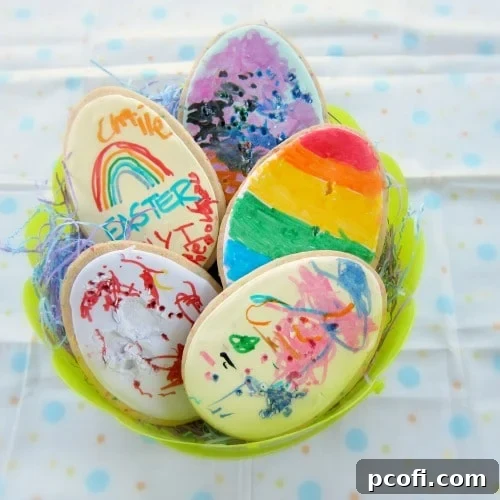
Unleash Creativity This Spring Break: Easy Easter Cookie Decorating with Kids Using Royal Icing and Edible Markers
Spring break is a fantastic time for family fun, but it can also be a challenge to keep little ones entertained and engaged. If you’re searching for a delightful and creative activity that will bust boredom and spark joy, look no further! Decorating Easter sugar cookies with vibrant royal icing and imaginative edible ink markers is the perfect solution. This hands-on project not only keeps kids busy for hours but also results in beautiful, delicious treats that even the Easter Bunny will adore. Let’s dive into creating these charming funfetti sugar cookies that are as fun to make as they are to eat!
Why Cookie Decorating is the Ultimate Spring Break Activity
During school breaks, screens often become the default entertainment. While there’s a place for quiet screen time, interactive activities like cookie decorating offer so much more. It’s a wonderful opportunity for kids to practice fine motor skills, express their creativity, and bond with family members. Plus, the satisfaction of creating something beautiful and edible from scratch is incredibly rewarding. This project is designed to be accessible for various age groups, allowing everyone from toddlers (with supervision) to older children to participate and make their unique mark.
Crafting the Perfect Canvas: Your Sugar Cookie Base
The foundation of any great decorated cookie is a reliable cookie dough. For this project, we highly recommend a Basic Vanilla Cookie Dough Recipe that’s specifically formulated to hold its shape beautifully during baking. The last thing you want is for your perfectly cut Easter eggs to spread into amorphous blobs in the oven! This recipe minimizes spreading, ensuring crisp edges and a smooth surface ideal for royal icing. When working with cookie dough, especially cutout varieties, a few tips can make all the difference:
- Flour Wisely: The amount of flour can vary based on humidity. If your dough feels a bit dry or crumbly, or if you’re working in a low-humidity environment, try adding a little less flour. The goal is a dough that’s pliable, not sticky, and pulls away cleanly from the sides of your mixing bowl into a cohesive ball.
- Don’t Overmix: Overmixing can develop the gluten, leading to tougher cookies. Mix just until the ingredients are combined.
- Chill for Success: Chilling your dough is crucial for cutout cookies. It helps firm up the butter, preventing spreading and making the dough easier to handle. Aim for at least 30 minutes, or even an hour, in the refrigerator.
- Even Thickness: Roll your dough to an even thickness (about 1/4 inch is ideal) to ensure uniform baking. A rolling pin with guides can be incredibly helpful here.
- Cookie Cutters: Use your favorite egg-shaped cookie cutters for this Easter theme. You can also experiment with bunny, chick, or flower shapes for variety.
Adding a Sprinkle of Fun: The Funfetti Twist
To make these sugar cookies even more festive and kid-friendly, we’re turning them into funfetti delights! Incorporating sprinkles directly into the dough adds a delightful pop of color and a slight textural crunch. During our experiments, we tried both traditional “jimmies” (rod-shaped sprinkles) and “nonpareils” (tiny, spherical sprinkles). Both work well, but here’s what we observed:
- Nonpareils: These tiny spheres were easier to cut through with cookie cutters, likely due to their smaller size. They also added a pleasant, subtle crunch to the baked cookies.
- Jimmies: While slightly larger, jimmies also integrated nicely and added vibrant color. They are a classic choice and readily available.
Feel free to use whichever sprinkles you have on hand or prefer. Gently fold them into your dough after the main ingredients are combined to prevent them from crushing too much. Once baked and cooled, these funfetti cookies provide an even more exciting canvas for decoration!
Baking and Preparing Your Cookies for Decoration
Once your cookies are cut, bake them according to your recipe’s instructions until the edges are lightly golden. The baking time will vary depending on your oven and the thickness of your cookies, so keep a close eye on them. After baking, transfer the cookies to a wire rack to cool completely. This step is crucial! Royal icing will not adhere properly, and can even melt, if applied to warm cookies. Ensure they are cool to the touch before proceeding to the next step.
Mastering Royal Icing: The Smooth, Edible Canvas
Royal icing is the queen of cookie decoration for a reason: it dries to a hard, smooth, and beautiful finish, creating the perfect surface for edible art. Our go-to Royal Icing recipe is incredibly versatile. Here’s how to prepare it for flooding and decorating:
- Initial Consistency: Start by making your royal icing on the thicker side. This thicker consistency is ideal for piping outlines, which acts as a dam for your flood icing.
- Achieving Flooding Consistency: Once your thick icing is ready, divide it into separate bowls for different colors. To achieve flooding consistency, gradually add water, 1/8 teaspoon at a time, stirring well after each addition. You’re looking for a consistency where, if you draw a line through the icing with a knife, it will self-level and smooth out within about 10 seconds. This is often called “10-second icing.”
- Coloring Your Icing: Use gel food coloring for vibrant hues without adding too much liquid to your icing. A little goes a long way! Choose classic Easter pastels or bright, bold colors – whatever sparks your imagination.
- Piping the Icing: Load your flooding consistency icing into pastry bags fitted with a #2 round tip. Carefully pipe an outline around the edge of each cookie. This outline acts as a barrier.
- Flooding the Cookies: Once the outline is set (give it a few minutes to firm up slightly), fill the interior with more of the same colored icing. Use a scribe tool or a toothpick to gently spread the icing to the edges and pop any air bubbles. Give the cookie a gentle shake or jiggle to help the icing settle into an even, smooth layer.
- Drying Time: This is arguably the most important step for edible marker decorating. Royal icing needs to dry and harden completely before markers can be used on it. This typically takes several hours, or even overnight, depending on humidity levels. A dehydrator or a fan can speed up the process, but patience ensures the best results. The surface should be firm and not tacky to the touch.
The Magic of Edible Ink Markers: A Kid’s Dream Come True
Here’s where the real magic happens and the fun begins for the kids! Did you know you can purchase markers that write with completely edible ink? It’s true, and they are a game-changer for kid-friendly cookie decorating! These markers work just like regular markers, but with the amazing bonus of being safe to eat. They eliminate the mess and precision challenges of piping with kids, allowing them to freely draw, write, and create without frustration.
- Choosing Your Markers: Many brands offer edible ink markers. Wilton makes fantastic ones, and for this project, we used the Ateco set, which often comes with a wider range of colors, perfect for Easter designs. You can find them at most craft stores, baking supply shops, or online retailers.
- How to Use Them: Simply uncap and draw! Once your royal icing is completely dry and hard, hand these markers over to your kids and let their imaginations run wild. They can doodle patterns, draw Easter bunnies, write messages to family or the Easter Bunny, or even sign their names on their culinary masterpieces. The smooth, dry surface of the royal icing is the perfect canvas.
- Benefits for Kids: Edible markers offer instant gratification. There’s no waiting for more icing to dry, no need for complex techniques. Kids can immediately see their designs come to life, fostering a sense of accomplishment and encouraging further creativity. It’s also a fantastic way to engage older kids who might find traditional piping a bit too intricate or messy.
Unleashing Boundless Creativity
The beauty of this activity lies in its open-ended nature. Encourage your children to think beyond traditional Easter egg patterns. What about drawing little bunny faces, spring flowers, abstract swirls, or even creating comic strip panels on their cookies? They can write “Happy Easter,” “To the Easter Bunny,” or simply their names. Observing them get lost in their artistic expression is truly one of the most rewarding parts of this project.
This activity provides a much-needed break from screens, offering a tangible, sensory experience. It’s not just about making cookies; it’s about making memories. The conversations that happen around a table full of colorful icing and markers are priceless, fostering connection and shared joy. It gets everyone into the festive spirit of Easter, building anticipation for the holiday.
Storing and Sharing Your Edible Art
Once the cookies are decorated and the marker ink has dried (which is almost immediate!), they are ready to be enjoyed! Store them in an airtight container at room temperature for up to a week. They make wonderful gifts for friends, family, and neighbors, or a delightful addition to your Easter brunch spread. Imagine the look on the Easter Bunny’s face when they discover these personalized, heartfelt creations!
Happy Easter!
This Easter cookie decorating project is more than just a recipe; it’s an experience. It’s a chance to slow down, connect, and create lasting memories with your children. So gather your ingredients, clear your schedule, and prepare for an afternoon filled with laughter, color, and delicious outcomes. Your little artists will be so proud to share their beautiful creations, and eagerly await the Easter Bunny’s arrival to taste their masterpieces!