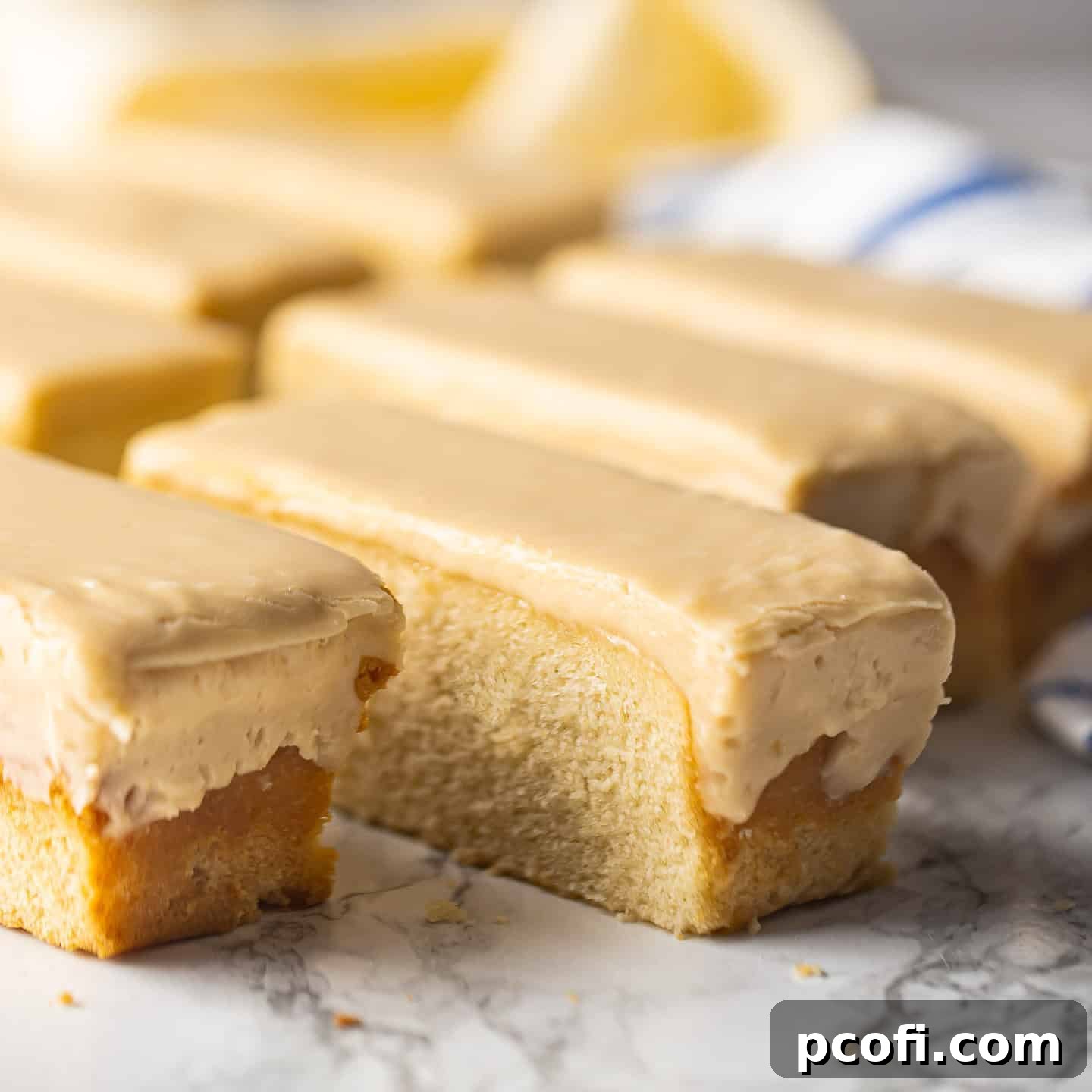
Homemade Butterscotch Krimpets: Even Better Than Tastykake! A Philly Classic. Buttery brown sugar cake fingers with butterscotch icing.
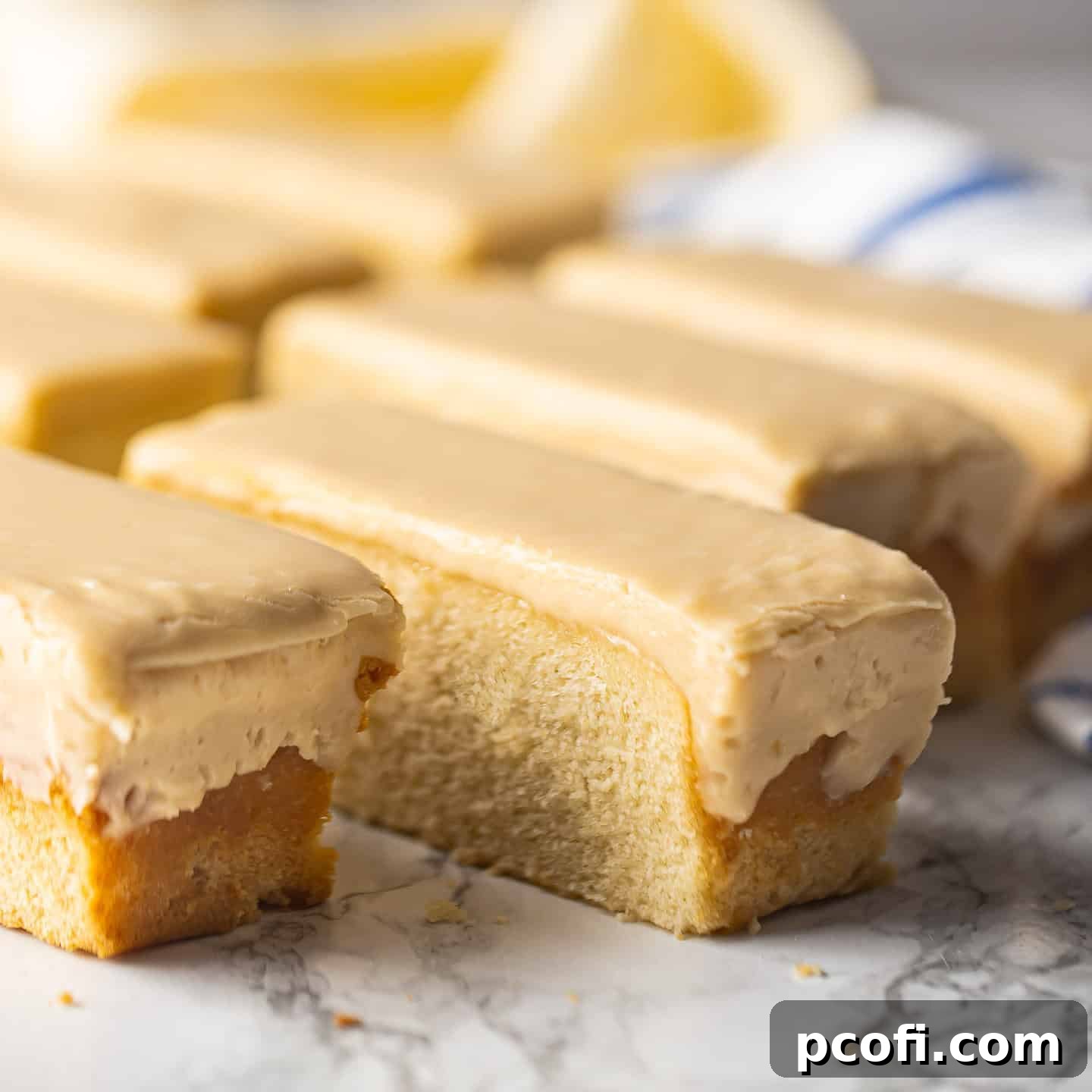
Homemade Butterscotch Krimpets: A Superior Copycat of the Philly Classic
Step into a world of nostalgic flavors with our incredible homemade butterscotch krimpets recipe! For anyone who grew up in the Philadelphia area, the name “Tastykake” instantly brings to mind delightful, individually wrapped baked goods. Among their cherished offerings, the Butterscotch Krimpet holds a special place in the hearts of many, a truly iconic treat. While those pre-packaged delights certainly hit the spot, there’s an undeniable magic in creating something from scratch in your own kitchen. This recipe isn’t just a copycat; it’s an elevated homage to that beloved classic, promising a taste experience that is every bit as good as, if not superior to, the original.
Imagine soft, moist, buttery brown sugar cake fingers generously topped with the most luscious, silky-smooth butterscotch icing. The combination is pure bliss – rich, deeply flavorful, and possessing that perfect balance of sweet with a hint of savory that makes them utterly irresistible. Forget preservatives and artificial flavors; our homemade version delivers authentic taste and texture that truly shines. Whether you’re a long-time fan of the original or new to the world of krimpets, prepare to be captivated by this timeless Philadelphia dessert.
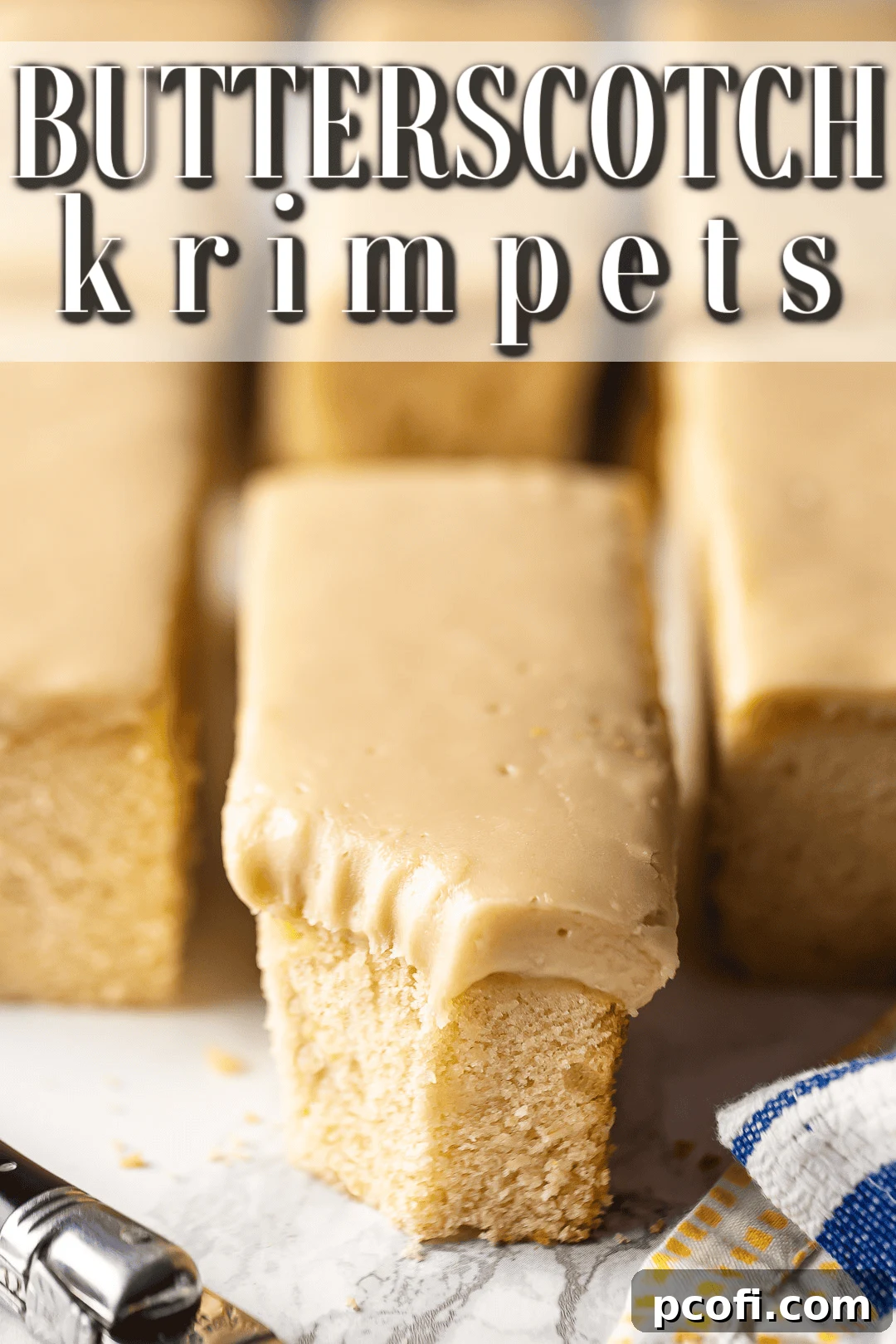
Table of Contents
- What are Butterscotch Krimpets?
- The Legend of Tastykake and Philly Classics
- Why This is the Best Butterscotch Krimpet Recipe
- What Do Butterscotch Krimpets Taste Like?
- Ingredients for Perfection
- Essential Equipment
- How to Make Homemade Butterscotch Krimpets
- Step 1: Craft the Butterscotch Cake
- Step 2: Prepare the Velvety Butterscotch Icing
- Step 3: Slice and Serve Your Krimpets
- Serving Suggestions
- Baking Mastery: Expert Tips
- Frequently Asked Questions
- Explore More Butterscotch Delights
Jump to Recipe
What are Butterscotch Krimpets?
To truly appreciate a butterscotch krimpet, let’s first clarify what butterscotch itself entails. At its core, butterscotch is a delightful confectionery made primarily from brown sugar and butter. Unlike caramel, which often uses white sugar and is cooked to a darker, more complex flavor, butterscotch emphasizes the rich, molasses notes of brown sugar. A touch of salt is traditionally added to enhance the buttery depth and create a harmonious contrast, preventing it from being overly sweet. While some recipes might incorporate a hint of spirits like rum or whiskey, the fundamental and most captivating elements remain butter and brown sugar.
Now, combine that exquisite butterscotch flavor profile with a cake, and shape it into a convenient, finger-like bar, and you have a “Krimpet.” The word “Krimpet” itself is likely a charming, made-up term unique to Tastykake, but it’s universally understood in the Greater Philadelphia area to refer to these distinctive small, rectangular cakes. Our homemade butterscotch krimpets feature a soft, exceptionally moist butterscotch cake base, generously enrobed with a smooth, luxurious butterscotch icing. Each bite offers a harmonious blend of textures and flavors, making it a beloved treat for all ages.
The Legend of Tastykake and Philly Classics
For generations of Philadelphians, Tastykake isn’t just a brand; it’s a cornerstone of childhood memories and a staple in lunchboxes and after-school snack routines. Founded in 1914, this local institution has been providing fresh, pre-packaged cakes, donuts, pies, and cookies to families across the region for over a century. Similar to national giants like Hostess or Little Debbie, Tastykake has carved out a unique identity, deeply embedded in the culinary fabric of Philadelphia. The Butterscotch Krimpet stands out as one of their most iconic creations, a testament to its enduring popularity and unique flavor profile.
Growing up in the area, a Tastykake Krimpet was more than just a snack; it was a little moment of joy, a familiar comfort. Its distinctive finger shape made it easy to hold and eat, perfect for a quick treat. Recreating such a classic at home is not just about baking; it’s about rekindling those nostalgic feelings and sharing a piece of Philadelphia’s culinary heritage. Our recipe aims to capture that authentic spirit while elevating it with the freshness and quality only homemade can offer.
Why This is the Best Butterscotch Krimpet Recipe
There are countless reasons why this homemade butterscotch krimpet recipe will quickly become your new favorite. Here’s why it stands head and shoulders above store-bought alternatives:
- Unbeatable Flavor Profile: When you opt for real, wholesome ingredients like fresh unsalted butter, quality brown sugar, farm-fresh eggs, and pure vanilla extract, the difference in taste is profound. These krimpets boast a depth of flavor and richness that mass-produced versions simply cannot replicate. Every bite is a testament to the magic of high-quality ingredients.
- Minimal, Accessible Ingredients: You won’t need to hunt for exotic items for this recipe. Most, if not all, of the ingredients are likely already stocked in your pantry and refrigerator, making it incredibly convenient to whip up a batch whenever a craving strikes.
- Remarkably Easy to Prepare: Don’t let the gourmet taste fool you – this recipe is surprisingly straightforward. The cake batter comes together in a matter of minutes, and the icing, while requiring a specific temperature, is simple to execute. It’s a rewarding baking project for cooks of all skill levels.
- Wholesome and Fresh: A significant advantage of homemade treats is knowing exactly what goes into them. By baking your own krimpets, you avoid the chemical preservatives, artificial flavors, and excessive additives often found in commercial baked goods. This means a fresher, more natural, and arguably healthier indulgence for you and your family.
- Customization Potential: While this recipe is a perfect copycat, making it at home allows for subtle customizations to suit your preference. Adjust the saltiness, add a hint of spice, or vary the thickness of the icing to create your ideal krimpet.
What Do Butterscotch Krimpets Taste Like?
Prepare your palate for a truly exquisite experience. These butterscotch krimpets deliver a symphony of flavors and textures that dance on your tongue. The dominant notes are a rich, deeply buttery sweetness, perfectly balanced by the warm, molasses undertones of brown sugar. It’s a comforting and inviting taste that feels both familiar and indulgent.
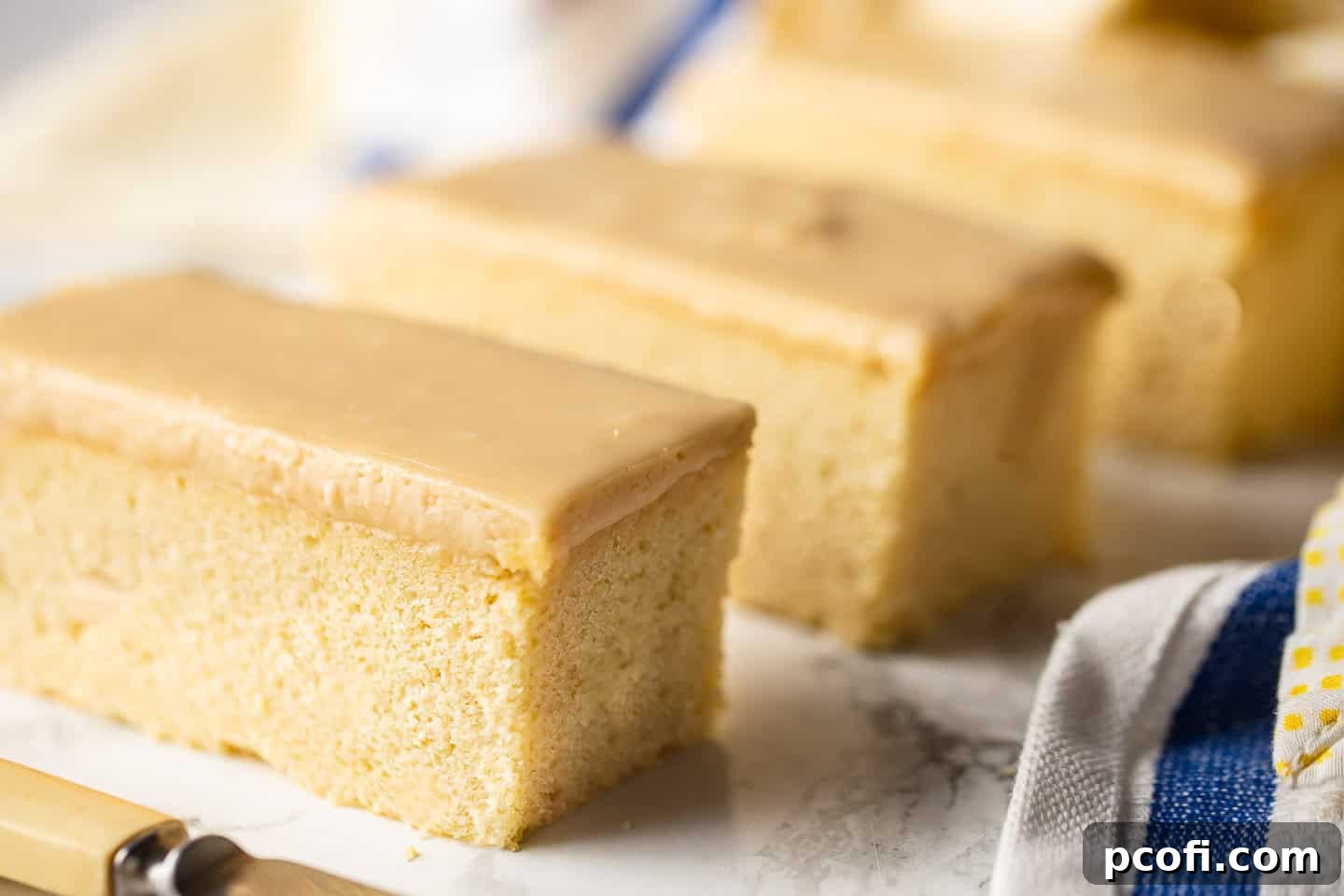
The cake itself is a marvel of delicate texture. It’s incredibly soft and tender, with a fine, even crumb that practically melts in your mouth, leaving a creamy sensation. This light, airy base provides the perfect foundation for the star of the show: the butterscotch icing. The icing is profoundly sweet, intensely flavored, and boasts a wonderfully smooth, almost caramel-like consistency. Many describe its taste as reminiscent of a classic Werther’s Original caramel candy, but with a unique, homemade richness. The subtle hint of salt in both the cake and icing amplifies these flavors, preventing them from being cloyingly sweet and adding an irresistible, slightly savory complexity that keeps you coming back for more.
Ingredients for Perfection
Crafting the perfect butterscotch krimpets begins with selecting the right ingredients. Here’s a detailed look at what you’ll need and why each component is crucial:
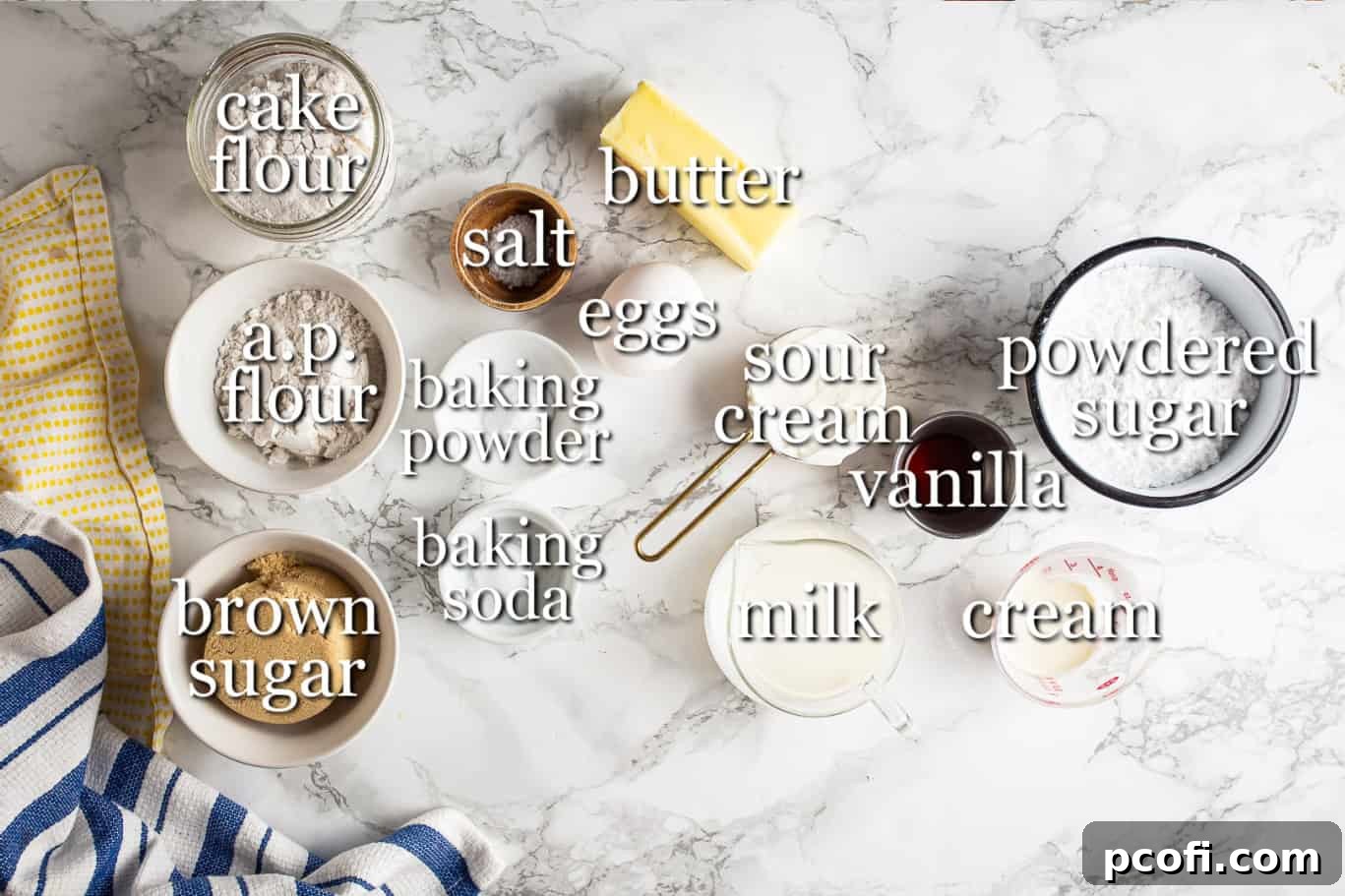
For the Butterscotch Cake:
- Brown Sugar: For this recipe, light brown sugar is key. Its milder molasses flavor and lighter color are a perfect match for the original Tastykake krimpets, ensuring an authentic taste and appearance. Pack it loosely for the cake.
- Flour Blend: We use a combination of cake flour and all-purpose flour. Cake flour, with its lower protein content, creates that exquisitely tender, delicate, and fine crumb that is characteristic of krimpets. All-purpose flour provides just enough structure to keep the cake from being too fragile. If you’re new to cake flour, you can learn more about its benefits here.
- Leavening Agents: A powerful duo of baking powder and baking soda ensures your butterscotch cake rises beautifully, resulting in a wonderfully soft and airy texture. The baking soda will react with the acidic sour cream to provide an extra lift.
- Salt: Kosher salt is preferred for its clean, pure flavor without any bitter additives like iodine that can sometimes be found in regular table salt. It perfectly balances and enhances the sweetness.
- Butter: Always use unsalted butter in baking to control the overall salt content of your recipe. Ensure your butter is softened to room temperature, as this is critical for achieving a smooth, well-emulsified batter and a tender crumb.
- Eggs: Large chicken eggs are ideal. For best results, allow them to come to room temperature, which helps them incorporate more evenly into the batter. If you use plant-based egg alternatives, ensure they are a 1:1 swap for large eggs.
- Sour Cream: This ingredient is a secret weapon for moisture and tenderness. Its natural acidity reacts with the baking soda, aiding in the cake’s rise and contributing to a rich, velvety texture. Unsweetened plain yogurt or buttermilk can be used as a 1:1 substitute.
- Milk: Any kind of milk will work here, including plant-based alternatives. It adds essential moisture to the cake batter, ensuring a soft, delightful crumb.
- Vanilla Extract: Pure vanilla extract provides a warm, sweet fragrance and flavor that beautifully complements the butter and brown sugar, adding complexity to the overall taste.
For the Butterscotch Icing:
- Brown Sugar: For the icing, use light brown sugar, but this time, pack it tightly. The tight packing ensures accurate measurement for the denser, richer icing.
- Unsalted Butter: Essential for the signature butterscotch flavor and smooth texture of the icing.
- Heavy Cream: This provides the rich body and luscious consistency required for a perfect butterscotch icing. Keep a little extra on hand, as you might need to adjust for the ideal spreadable texture.
- Kosher Salt: A touch of salt in the icing is crucial. It cuts through the sweetness and truly brings out the rich, deep butterscotch notes, making the icing incredibly palatable.
- Powdered Sugar: Also known as confectioners’ sugar, this fine sugar gives the icing its smooth texture and sets it beautifully. It’s added in two stages to ensure proper incorporation and a lump-free finish.
Essential Equipment
Having the right tools on hand makes the baking process smoother and more enjoyable. Here’s a list of recommended equipment for making your butterscotch krimpets:
- Measuring Cups and Spoons: Accuracy is paramount in baking. Use dry measuring cups for flours and sugars, and liquid measuring cups for wet ingredients like milk and sour cream. Following a proper guide on how to measure ingredients will ensure consistent results.
- Mixer: An electric stand mixer with a paddle attachment is ideal for effortlessly combining ingredients and achieving a smooth batter. If you don’t have a stand mixer, a handheld electric mixer will work perfectly well, paired with a large mixing bowl.
- Silicone Spatula: Essential for scraping down the sides and bottom of your mixing bowl, ensuring all ingredients are fully incorporated and no pockets of unmixed batter remain.
- Baking Pan: A 9×9-inch metal baking pan is recommended for this recipe. Metal pans conduct heat more efficiently and evenly than glass or ceramic, which can affect baking time and the cake’s final texture.
- Non-Stick Cooking Spray: Used in conjunction with parchment paper to guarantee that your cake releases easily from the pan without sticking.
- Parchment Paper: Lining your pan with parchment paper, allowing some overhang, makes it incredibly simple to lift the entire baked cake out for cooling and precise slicing.
- Saucepan: A medium-sized, heavy-bottomed saucepan is crucial for making the butterscotch icing. Its heavy bottom helps distribute heat evenly and prevents scorching.
- Candy Thermometer: Achieving the correct temperature (240 degrees F) when cooking the icing is vital for a smooth, non-grainy finish. A reliable candy thermometer is a must-have for this step.
- Whisk: A good whisk is needed for continuously stirring the butterscotch mixture as it cooks, ensuring even heating and preventing lumps. A narrower whisk design can be particularly helpful for reaching into the corners of the saucepan.
How to Make Homemade Butterscotch Krimpets
Creating these delightful butterscotch krimpets is a rewarding baking adventure. Follow these detailed steps to achieve perfect results:
Step 1: Craft the Butterscotch Cake
Before you begin, preheat your oven to 325°F (160°C). Prepare a 9×9-inch metal cake pan by misting it with non-stick spray and lining it with parchment paper, ensuring there’s an overhang on two sides for easy removal later. This meticulous preparation prevents sticking and makes post-baking handling a breeze.
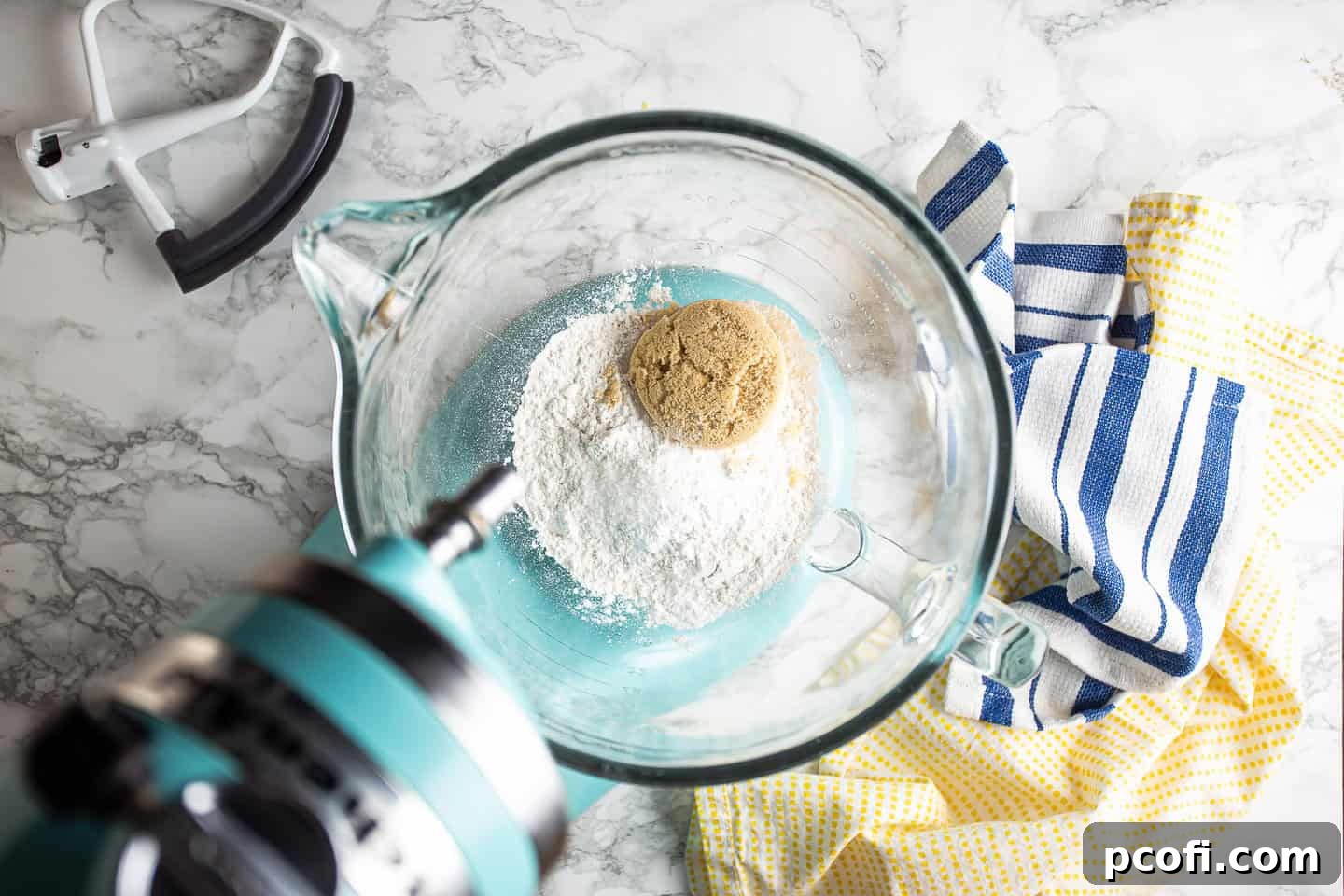
In a large mixing bowl (or the bowl of your stand mixer), combine the light brown sugar, cake flour, all-purpose flour, baking powder, baking soda, and kosher salt. Give these dry ingredients a quick stir on low speed, or by hand with a whisk, to ensure they are well combined and evenly distributed. This step is crucial for consistent leavening.
Next, add the softened unsalted butter to the dry mixture. Mix on medium-low speed until the butter is fully incorporated and the mixture takes on the texture of damp sand, about 1 minute. This is the “reverse creaming method,” which coats the flour in fat first, leading to an incredibly tender and fine-crumbed cake, less prone to overmixing gluten development.
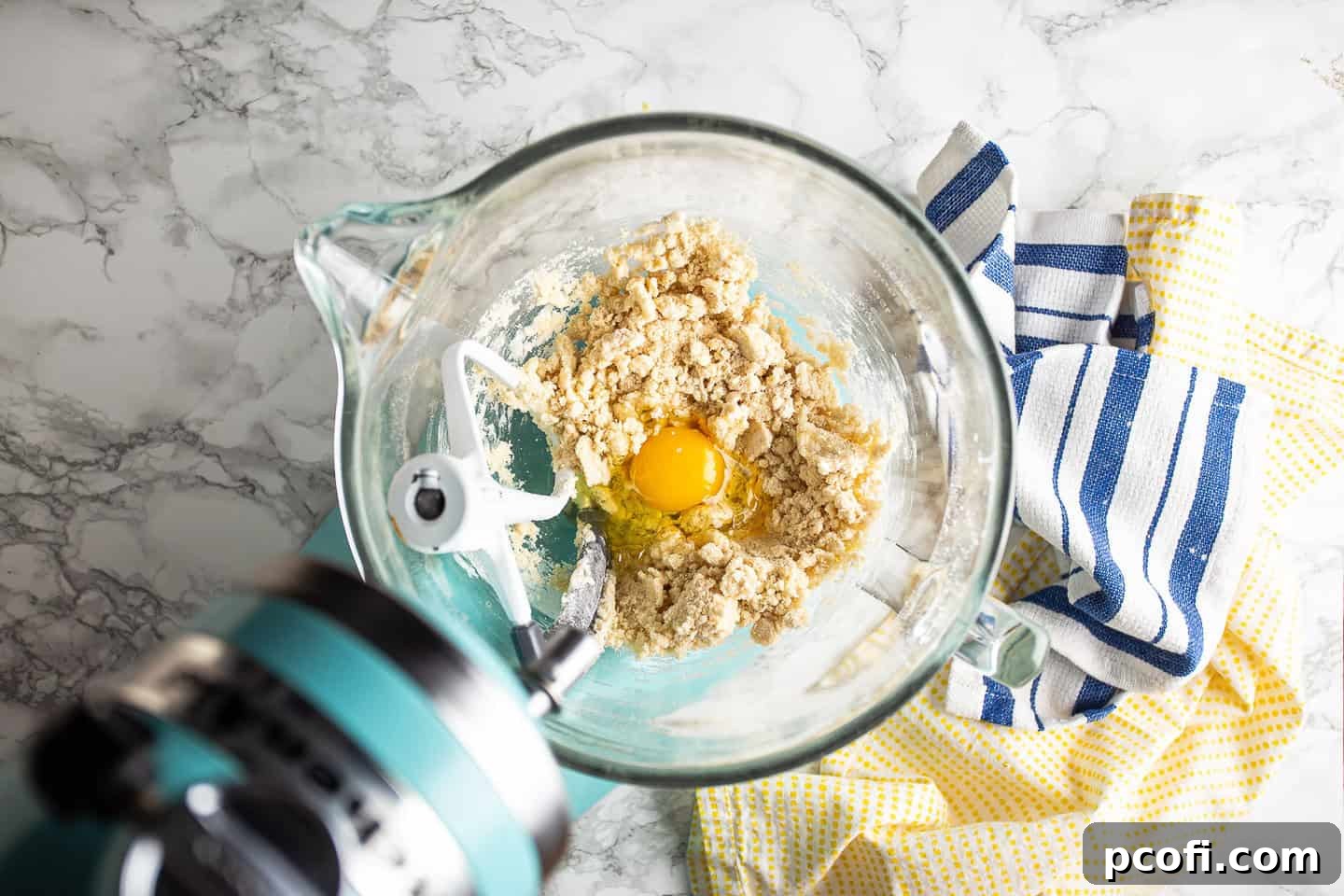
Now, it’s time for the eggs. Add them one at a time, mixing thoroughly after each addition. Be sure to scrape down the bottom and sides of the bowl with your silicone spatula after each egg to ensure all ingredients are fully incorporated into the batter. This prevents any unmixed pockets and contributes to a uniform cake texture.
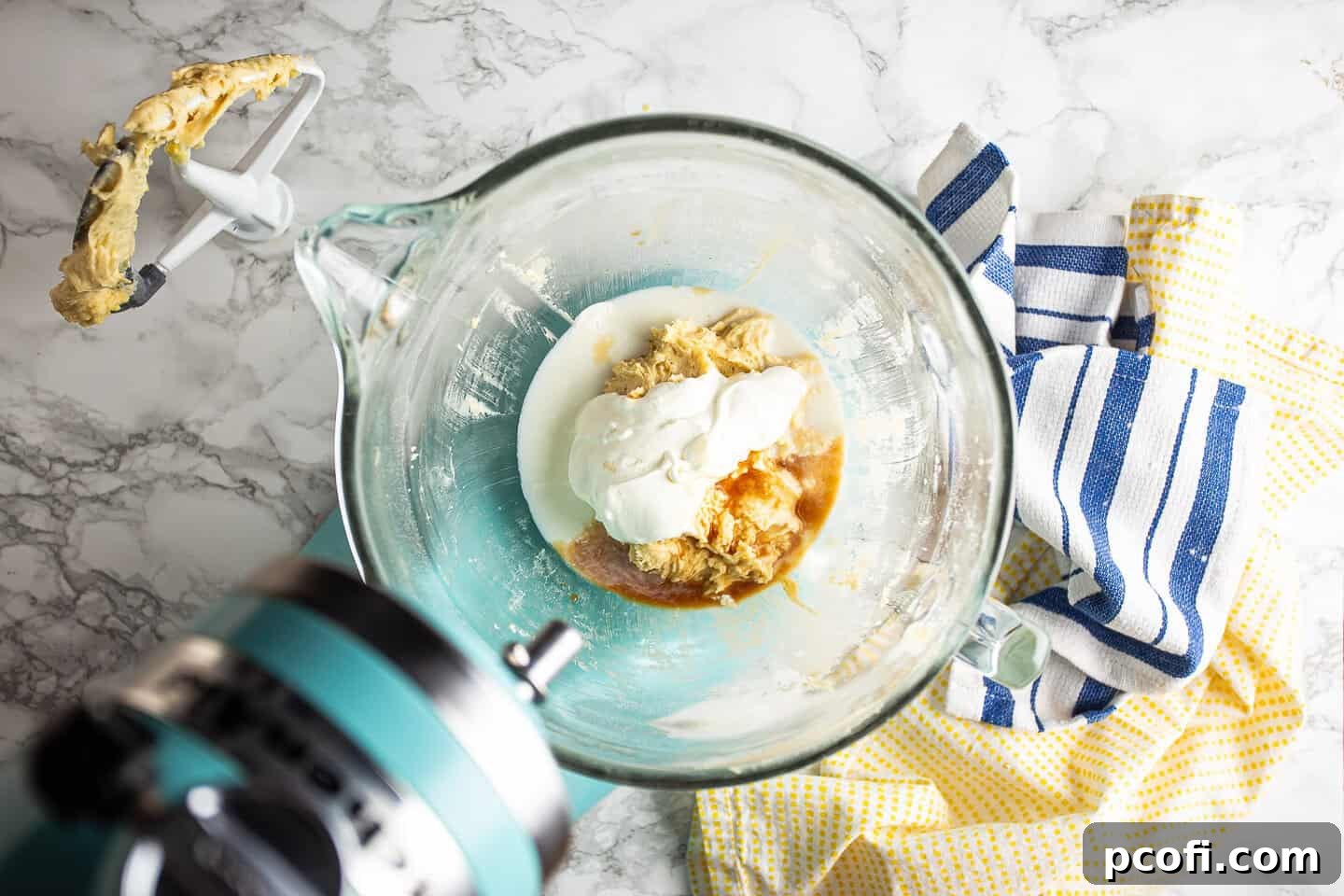
Finally, pour in the sour cream, milk, and vanilla extract. Increase the mixer speed to medium and beat for 2 to 3 minutes. This step is important for aerating the batter and developing the cake’s structure, contributing to its light and fluffy consistency. You should have a smooth, thick batter that is ready for baking.
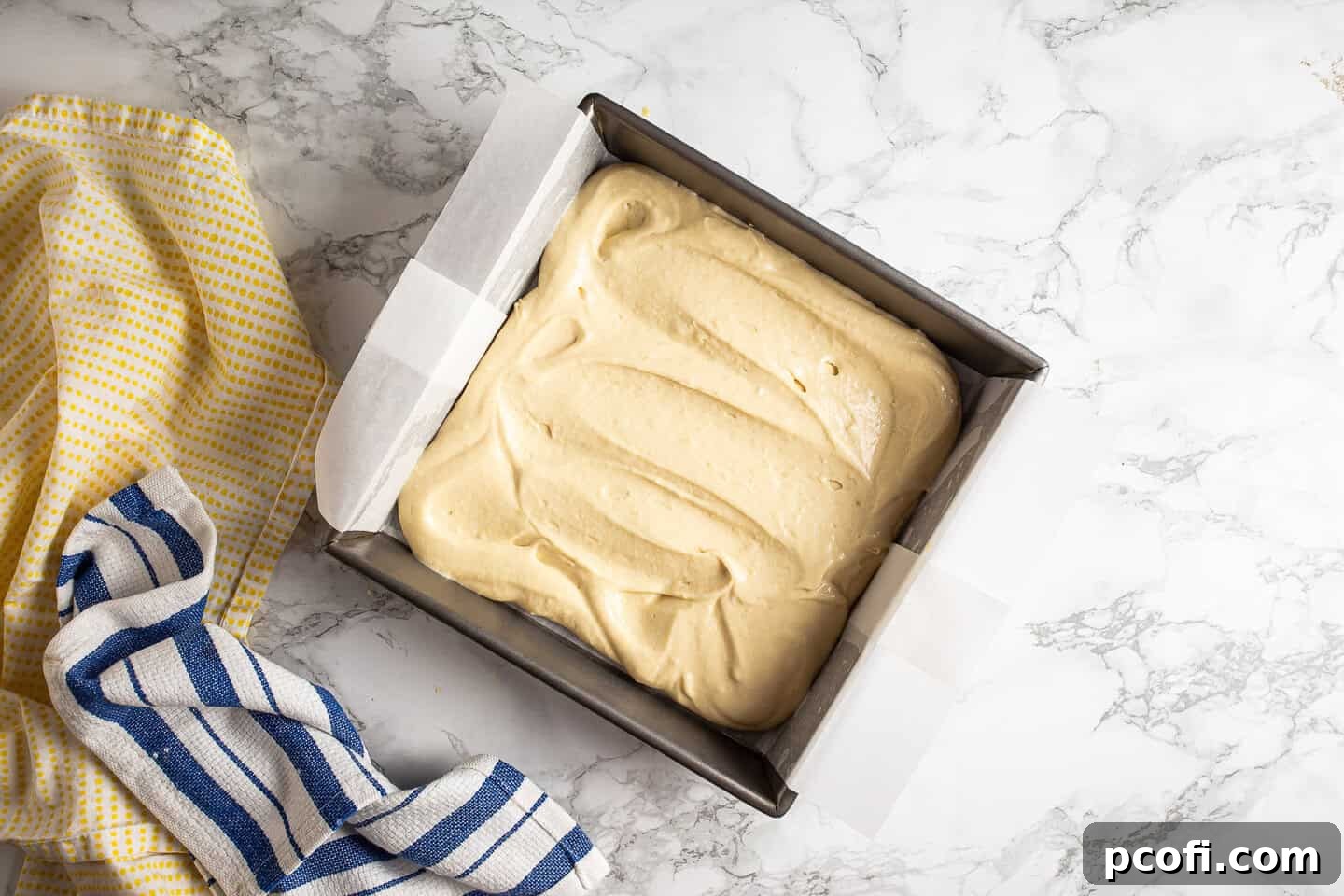
Transfer the batter evenly into your prepared 9×9-inch pan. Bake for approximately 40 to 45 minutes, or until a toothpick inserted into the center of the cake comes out clean or with just a few moist crumbs attached. Avoid overbaking, as this can lead to a dry cake. Once baked, allow the cake to cool completely in the pan on a wire rack before attempting to ice or cut it. Cooling thoroughly is essential for the icing to set properly.
Step 2: Prepare the Velvety Butterscotch Icing
Once your butterscotch cake is fully cooled, you can turn your attention to the glorious icing. This step is critical for achieving that signature smooth, un-grainy texture.
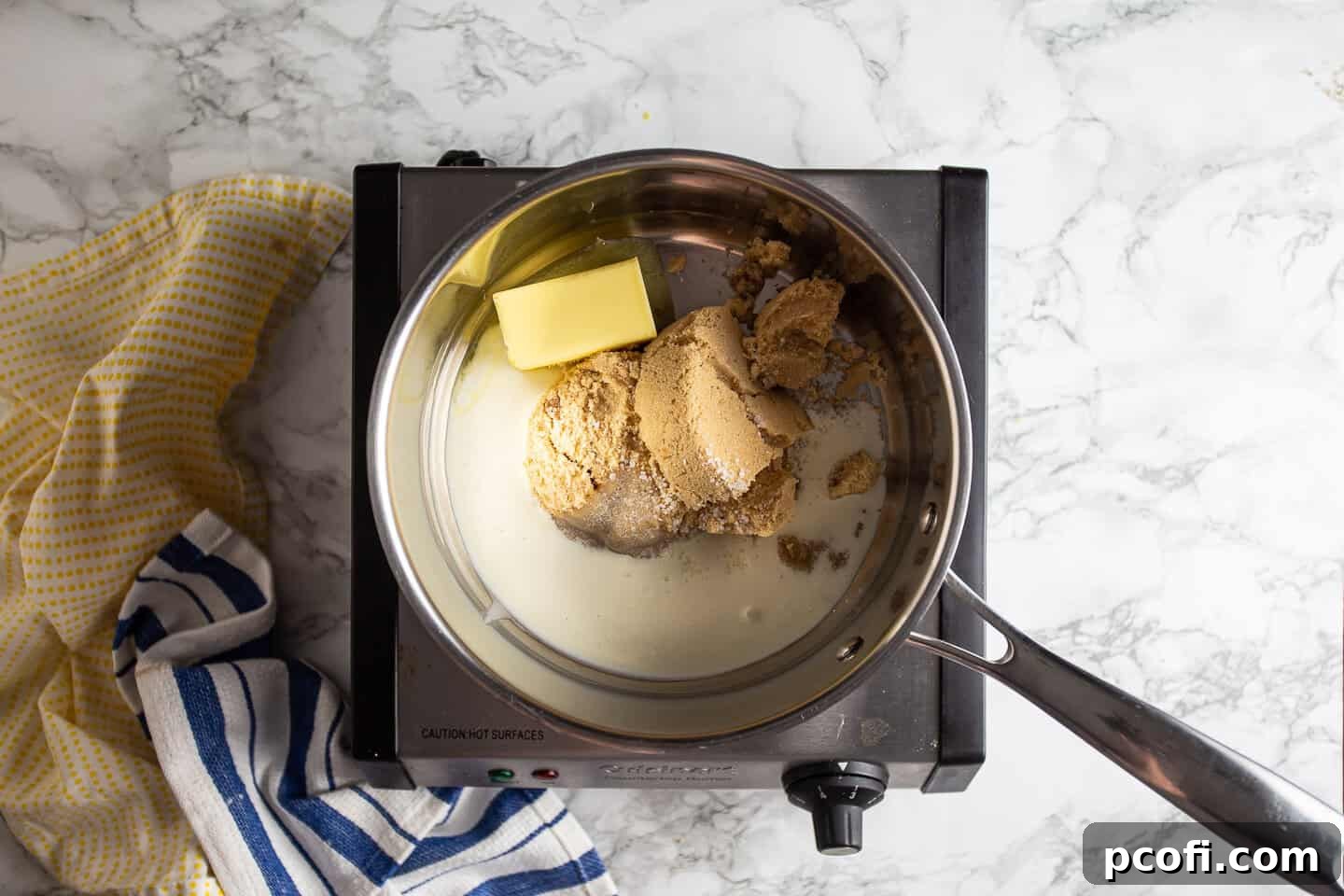
In a medium-sized, heavy-bottomed saucepan, combine the tightly packed light brown sugar, unsalted butter, heavy cream, and kosher salt. Place the pot over medium-low heat. Stir constantly with a whisk to melt the butter and dissolve the sugar, preventing it from sticking or scorching to the bottom of the pan.
Allow the mixture to come to a gentle boil, continuing to whisk. The crucial step here is to monitor the temperature. Cook the butterscotch mixture until it reaches precisely 240°F (115°C) on a candy thermometer. Reaching this “firm ball” stage ensures that your icing will be beautifully satin-smooth and utterly free of any graininess, setting up perfectly on the cake. Once this critical temperature is achieved, immediately remove the pot from the heat.
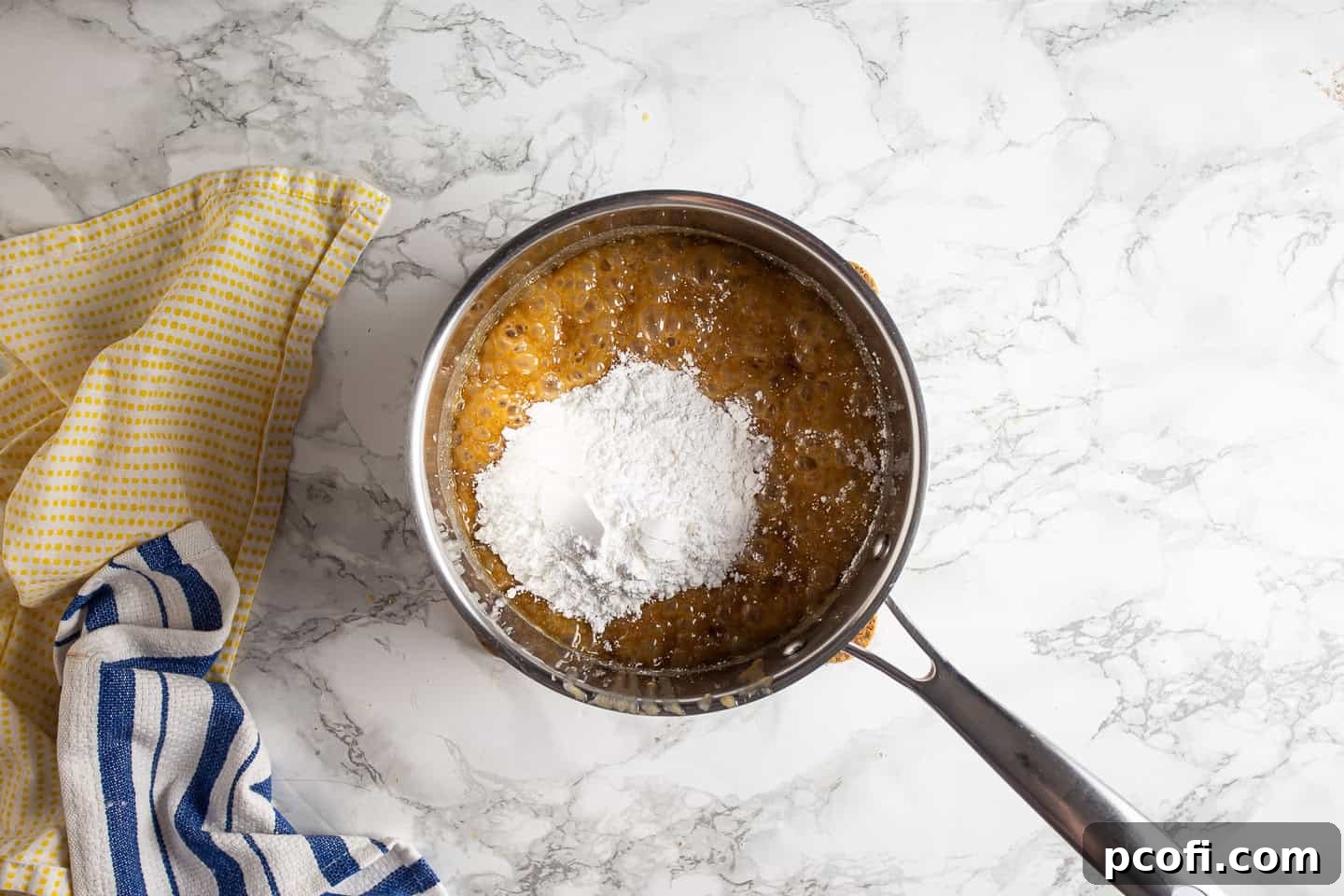
Working quickly, whisk in about half of the powdered sugar until it is fully incorporated and the mixture is smooth. The heat from the butterscotch will help melt the sugar, creating a creamy base.
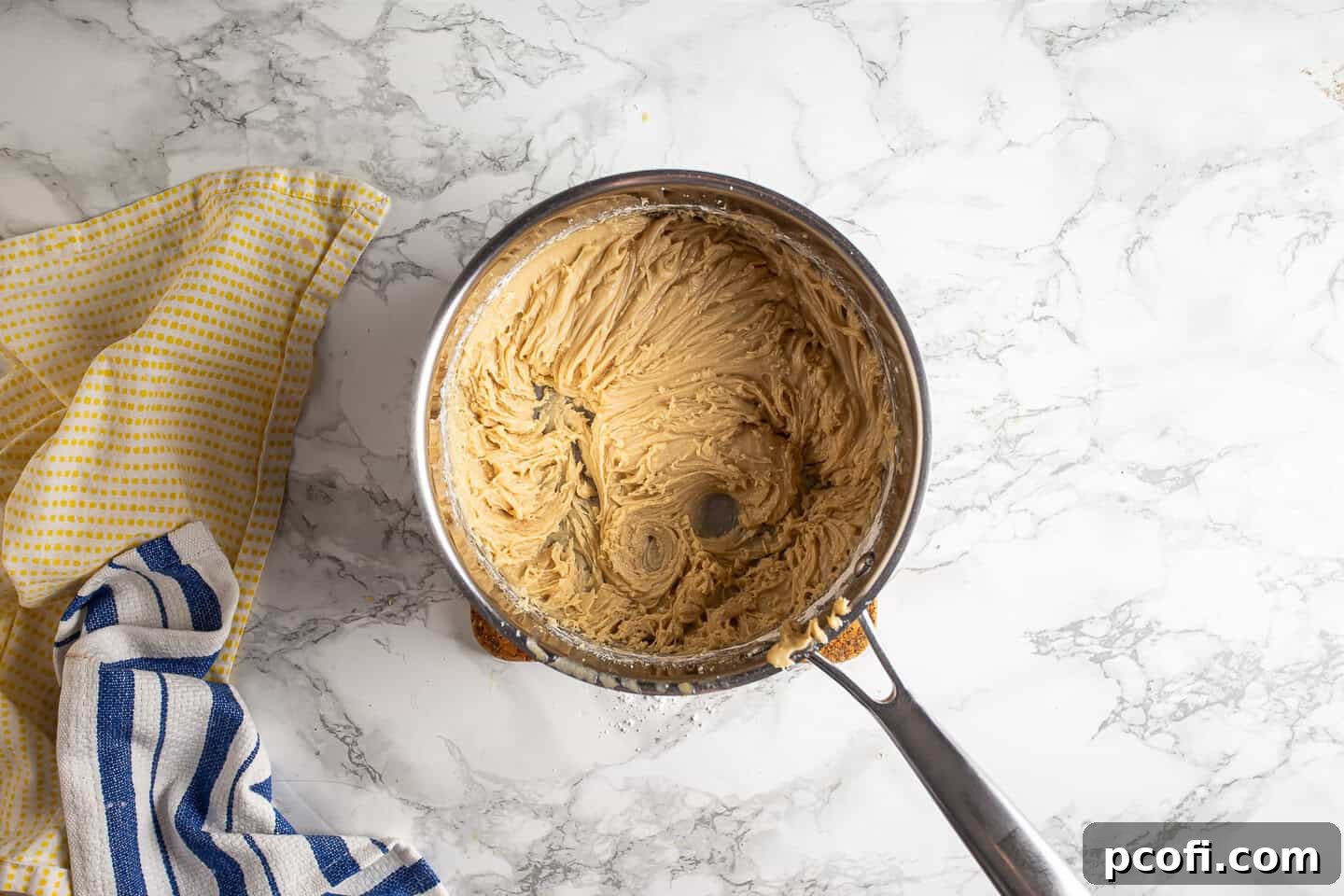
Next, add the remaining powdered sugar. Switch to an electric hand mixer and beat the icing on medium speed until it achieves a smooth, spreadable consistency. If the icing appears too thick, add a tiny bit more heavy cream, a teaspoon at a time, until it reaches your desired spreadability. It should be thick enough to hold its shape but fluid enough to spread easily over the cake. Speed is key here, as butterscotch icing sets quickly as it cools.
Step 3: Slice and Serve Your Krimpets
As soon as your icing is ready, generously spread or pour it evenly over the completely cooled cake. Work relatively quickly, as butterscotch icing will begin to set as it cools. Allow the icing to set for a little while – it should form a slightly firm crust as it cools and dries. This firming is essential for clean cuts.
Once the icing has sufficiently set, gently lift the entire cake out of the pan using the parchment paper overhang and place it onto a clean cutting board.
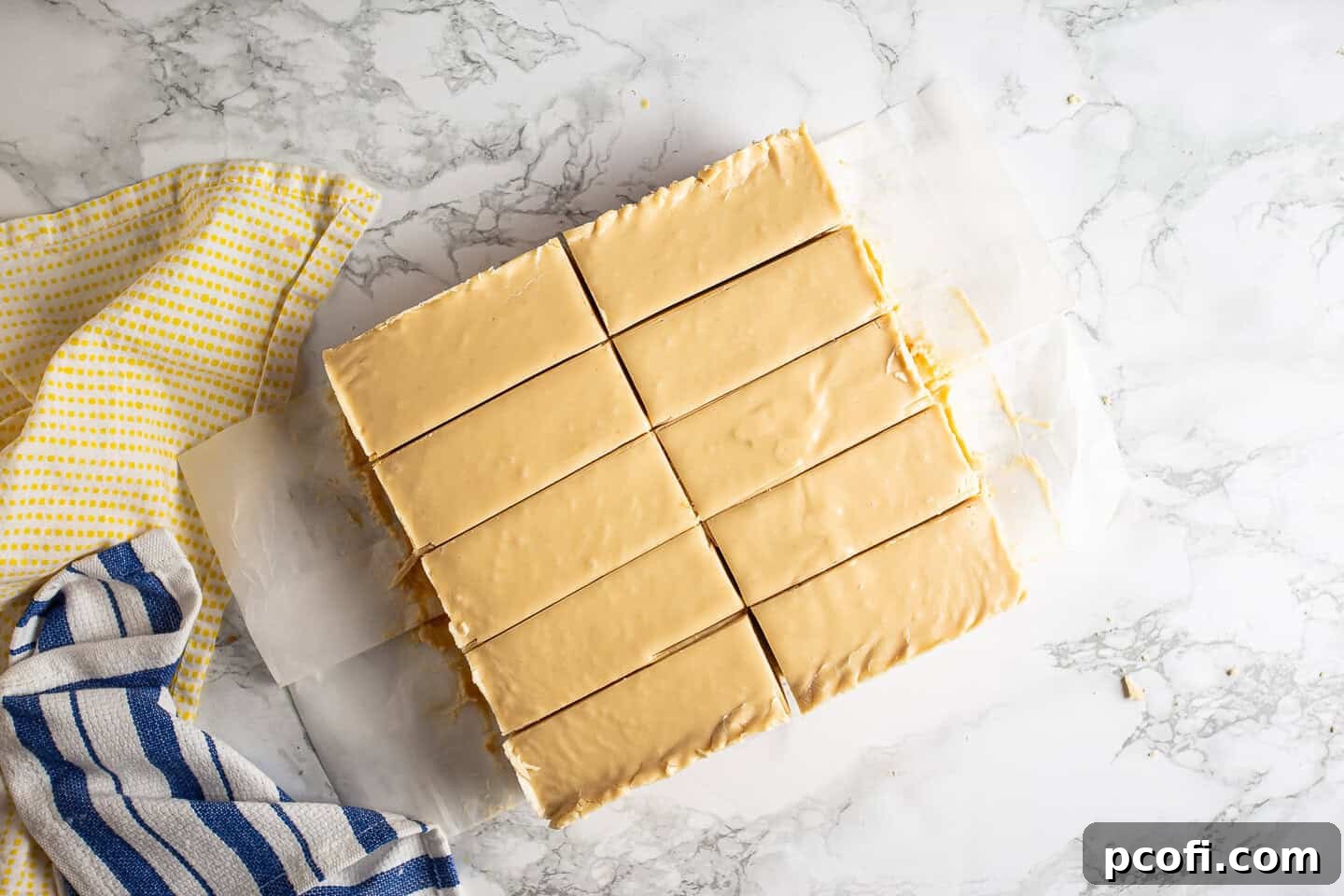
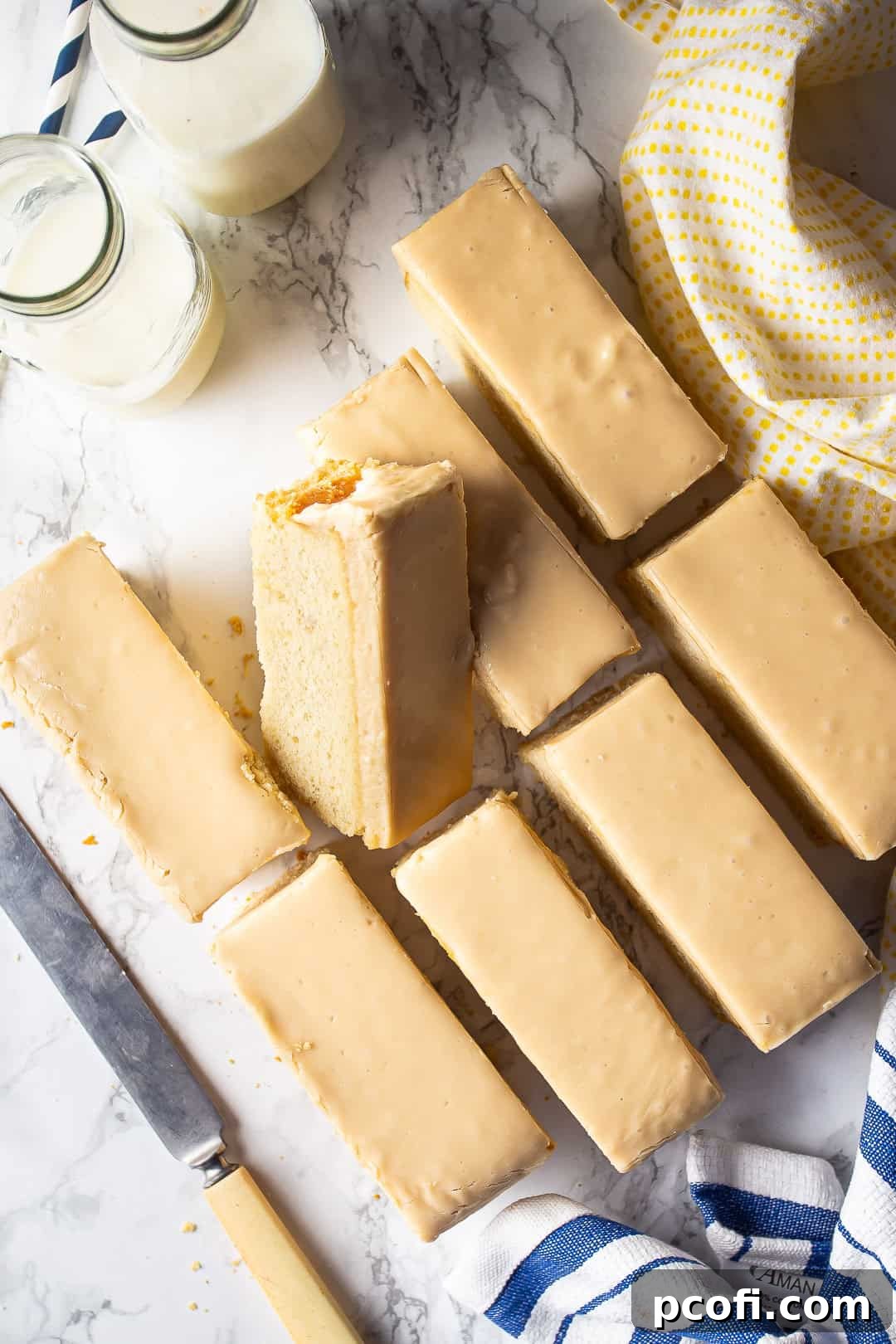
Using a sharp knife, first cut the cake in half down the middle. Then, from each half, cut 5 equal finger-shaped krimpets. This will yield 10 krimpets in total, each measuring approximately 4.5 inches long by just over 1.75 inches wide – a generously sized, satisfying treat. Serve immediately or store for later enjoyment!
Serving Suggestions
Homemade butterscotch krimpets are incredibly versatile and perfect for a variety of occasions. They are fantastic as a delightful sweet snack to accompany your afternoon tea or coffee, providing a moment of pure indulgence. They also make an impressive and comforting dessert for family gatherings or potlucks. While delicious at room temperature, which allows the full spectrum of flavors to shine, some people enjoy them lightly chilled, offering a slightly firmer texture to the icing. Pair them with a cold glass of milk for a classic combination that evokes childhood memories, or with a warm mug of coffee or tea for an elevated treat.
Baking Mastery: Expert Tips
Even the simplest recipes benefit from a few expert tips to ensure consistent, perfect results every time. Here’s how to elevate your butterscotch krimpets:
- Measure Precisely: Baking is a science, and accuracy in measurement is paramount. Use proper liquid measuring cups for wet ingredients (like milk, sour cream) and dry measuring cups for dry ingredients (flour, sugar). For best accuracy with flour, spoon it into the measuring cup and level it off with a straight edge rather than scooping directly from the bag. Inaccurate measurements can drastically alter the cake’s texture, making it too dry or too dense. Refer to our guide on how to measure ingredients for baking for detailed advice.
- Embrace Room Temperature Ingredients: This is a golden rule in baking. Ensure your eggs, butter, and sour cream are at room temperature before you start. Room temperature ingredients emulsify more smoothly into the batter, preventing lumps and creating a uniformly tender crumb. Cold ingredients can cause the batter to curdle or become stiff.
- Scrape Down the Bowl Frequently: As you mix, ingredients, especially butter and flour, can cling to the bottom and sides of your mixing bowl. Stop your mixer periodically and use a silicone spatula to scrape these ingredients back into the center of the bowl. This ensures everything is thoroughly combined and prevents streaks of unmixed batter or pockets of dry ingredients.
- Mindful Mixing: While the reverse creaming method helps prevent overmixing, it’s still good practice to mix only until ingredients are just combined, especially after adding the liquids. Overmixing can develop too much gluten in the flour, leading to a tough cake.
- Monitor Baking Closely: Ovens can vary. Keep a vigilant eye on your cake as it bakes to prevent overbaking, which is the primary culprit behind dry cakes. A few minutes before the suggested bake time, turn on your oven light and observe the cake through the window. If the center no longer looks wet, gently crack the oven door and perform the “toothpick test.” Insert a toothpick into the thickest part; if it comes out clean or with a few moist crumbs, your cake is done.
- Cool Completely: Patience is a virtue, especially when it comes to cooling cakes. Allow the cake to cool entirely in the pan on a wire rack before applying icing or attempting to slice it. Cooling in the pan helps retain moisture, and a fully cooled cake is crucial for the icing to set properly and prevent it from melting or sliding off.
- Icing Consistency is Key: For the butterscotch icing, aim for a consistency that is thick enough to spread without running off the sides but fluid enough to apply smoothly. If it’s too thick, add heavy cream a teaspoon at a time. If it’s too thin, you can whisk in a little more powdered sugar. Remember that butterscotch icing sets quickly, so work efficiently.
Frequently Asked Questions
Absolutely! In fact, making this recipe a day in advance is often a great idea, as the cake and icing benefit from having ample time to cool and set completely. This ensures the best texture and makes them easier to slice cleanly. Stored lightly covered at room temperature, your krimpets will stay fresh and delicious for 2-3 days. If you prefer, you can store them in an airtight container in the refrigerator for up to a week.
Yes, these krimpets freeze exceptionally well. To freeze, individually wrap each krimpet tightly in plastic wrap, then place them in an airtight freezer-safe container or a heavy-duty freezer bag. This prevents freezer burn and keeps them fresh. Butterscotch krimpets can be stored in the freezer for up to 2 months. When you’re ready to enjoy them, simply thaw them at room temperature for a few hours or overnight in the refrigerator.
Our homemade krimpets are designed to be a bit more substantial and satisfying than the smaller, commercially produced Tastykake versions. While Tastykake often sells their krimpets in packs of three, you’ll find that one of our homemade krimpets is typically more than enough for a generous, delightful serving. The nutritional information provided in the recipe card is calculated for one homemade krimpet slice.
While we recommend sticking to the recipe for the most authentic taste and texture, some substitutions are possible. For sour cream, buttermilk or unsweetened plain yogurt can be used interchangeably. For milk, any dairy or plant-based milk will work. However, for key ingredients like brown sugar and butter, and the specific flour blend, we strongly advise using what is listed for optimal results. Baking powder and baking soda are not interchangeable.
The key to smooth, non-grainy butterscotch icing is precisely cooking it to 240°F (115°C) using a candy thermometer. This temperature ensures that all the sugar crystals are properly dissolved. After reaching this temperature, avoid stirring or disturbing the mixture too much until you start adding the powdered sugar. Whisking in the powdered sugar quickly and thoroughly also helps maintain smoothness.
Explore More Butterscotch Delights
If you’ve fallen in love with the rich, caramelized notes of butterscotch in these krimpets, you’ll be thrilled to discover other wonderful recipes that celebrate this incredible flavor. Here are a few more of our favorite butterscotch creations:
- Banoffee Pie: A dreamy, decadent dessert featuring a biscuit base, rich toffee (often butterscotch-based), fresh bananas, and whipped cream.
- Chocolate Chip Blondies: Chewy, dense bars packed with butterscotch flavor and chocolate chips – a delightful twist on a classic.
- Homemade Butterscotch Pudding: A silky-smooth, comforting pudding bursting with authentic butterscotch goodness. Perfect for a cozy evening.
- Scotcheroos: A no-bake classic with a crispy peanut butter and butterscotch base, topped with a rich chocolate-butterscotch frosting. Irresistibly addictive!
As an Amazon Associate, I earn from qualifying purchases.
Butterscotch Krimpets
10 slices
30 mins
55 mins
2 hrs
3 hrs 25 mins
Leave a Review
Save Recipe
Ingredients
For the Butterscotch Cake
- 1 cup (220 g) light brown sugar, loosely packed
- 1 1/2 cups (187.5 g) cake flour
- 3/4 cup (93.75 g) all-purpose flour
- 1 teaspoon (4 g) baking powder
- 3/4 teaspoon (3 g) baking soda
- 1 teaspoon (6 g) kosher salt
- 3/4 cup (170.25 g) unsalted butter, softened
- 2 (88 g) eggs, large
- 2/3 cup (153.33 g) sour cream, buttermilk or unsweetened yogurt can be substituted
- 1/4 cup (61 g) milk, any kind
- 1 teaspoon (4 g) vanilla extract
For the Butterscotch Icing
- 1 cup (220 g) light brown sugar, tightly packed
- 1/4 cup (56.75 g) unsalted butter
- 1/4 cup (59.5 g) heavy cream, you may need a little extra to get the proper consistency
- 1/2 teaspoon (3 g) kosher salt
- 2 cups (240 g) powdered sugar, divided
Instructions
To Make the Butterscotch Cake
- Preheat the oven to 325 degrees F (160°C). Mist a 9×9-inch metal cake pan with non-stick spray, and line it with parchment paper, leaving an overhang on two sides.
- In the bowl of an electric mixer, combine the light brown sugar, cake flour, all-purpose flour, baking powder, baking soda, and salt. Stir on low speed until just combined.
- Add the softened unsalted butter, mixing on medium-low speed until the mixture resembles damp sand (about 1 minute). Scrape down the bowl.
- Add the large eggs, one at a time, mixing well after each addition and scraping the bottom and sides of the bowl to ensure full incorporation.
- Add the sour cream, milk, and vanilla extract. Mix on medium speed for 2 to 3 minutes to aerate the batter and build the cake’s structure, creating a smooth, thick consistency.
- Transfer the batter to the prepared pan and spread evenly. Bake for approximately 40 to 45 minutes, or until a toothpick inserted in the thickest part comes out clean or with a few moist crumbs.
- Cool completely in the pan on a wire rack. Once fully cooled, carefully lift the cake out using the parchment overhang, then top with butterscotch icing and cut into individual 4.5×1.75-inch fingers.
To Make the Butterscotch Icing
- In a medium, heavy-bottomed pot, combine the tightly packed light brown sugar, unsalted butter, heavy cream, and kosher salt. Place over medium-low heat.
- Cook the mixture, whisking constantly, until the butter melts and the sugar dissolves, bringing it to a boil.
- Continue to cook the butterscotch mixture, monitoring with a candy thermometer, until it reaches precisely 240 degrees F (115°C). Immediately remove from heat.
- Quickly whisk in half the powdered sugar until smooth.
- Beat in the remaining powdered sugar with an electric mixer on medium speed. Add additional heavy cream, a teaspoon at a time, as needed to achieve a smooth, spreadable consistency.
- Immediately pour or spread the prepared icing evenly over the completely cooled cake. Allow the icing to set for at least 30 minutes before slicing.
Notes
- Homemade Hawaiian Rolls
- Copycat Cinnabon Cinnamon Rolls
- Peanut Butter Tandy Cake
- Crisp Homemade Vanilla Wafers
- DIY Homemade Oreos
- Gourmet Homemade Mint Milanos
- Tate’s Style Thin & Crispy Chocolate Chip Cookies
Serving: 1 slice
Calories: 594kcal
Carbohydrates: 89g
Protein: 5g
Fat: 25g
Saturated Fat: 15g
Polyunsaturated Fat: 1g
Monounsaturated Fat: 6g
Trans Fat: 1g
Cholesterol: 98mg
Sodium: 468mg
Potassium: 180mg
Fiber: 1g
Sugar: 67g
Vitamin A: 808IU
Vitamin C: 0.2mg
Calcium: 96mg
Iron: 1mg
Tried this recipe?
Mention @bakingamoment on Instagram or tag #bakingamoment.