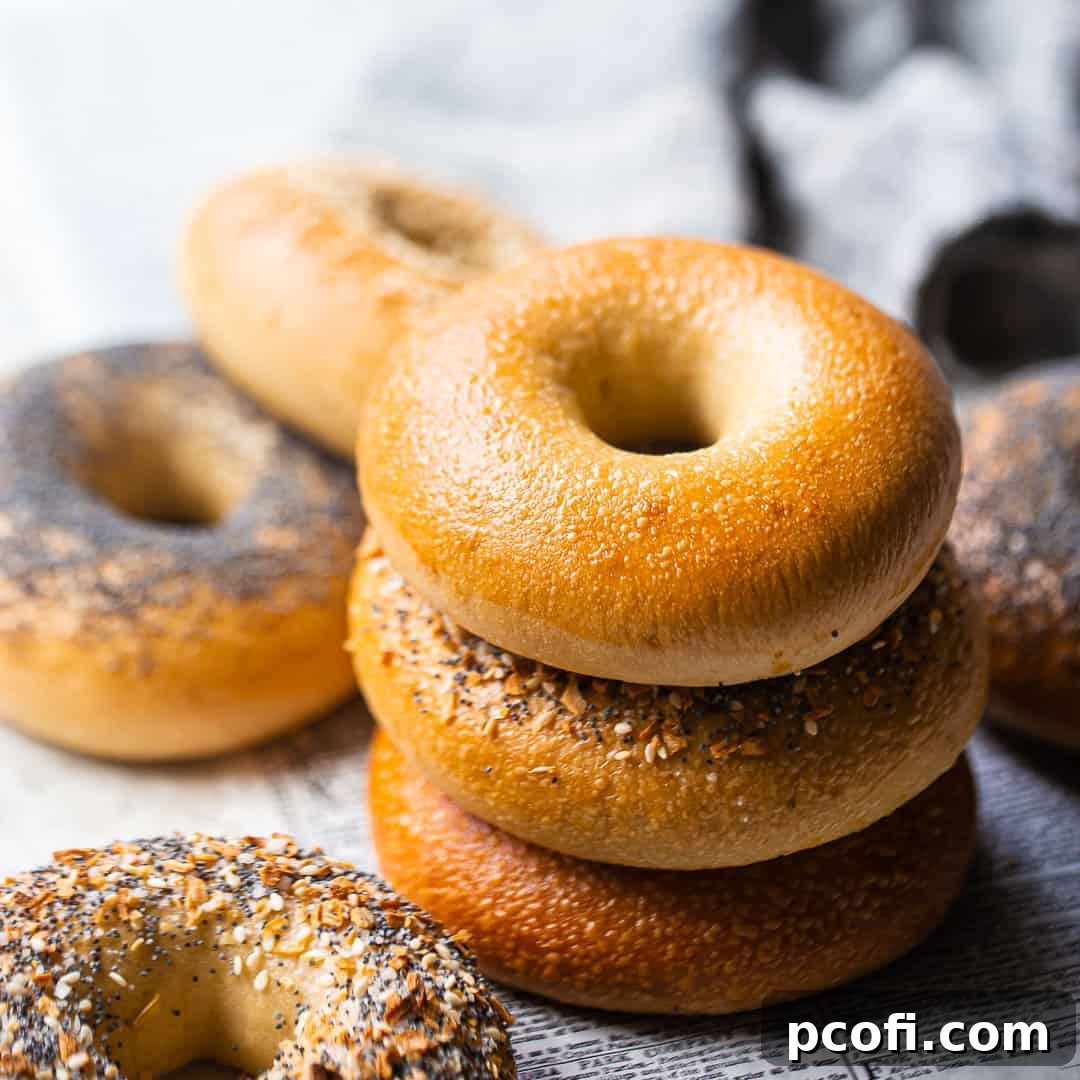
My homemade New York Bagel Recipe is a gateway to bakery-quality bagels right in your own kitchen! Forget the need for specialized equipment; with this simple guide, you’ll be baking chewy, flavorful bagels that rival those from the finest New York delis.
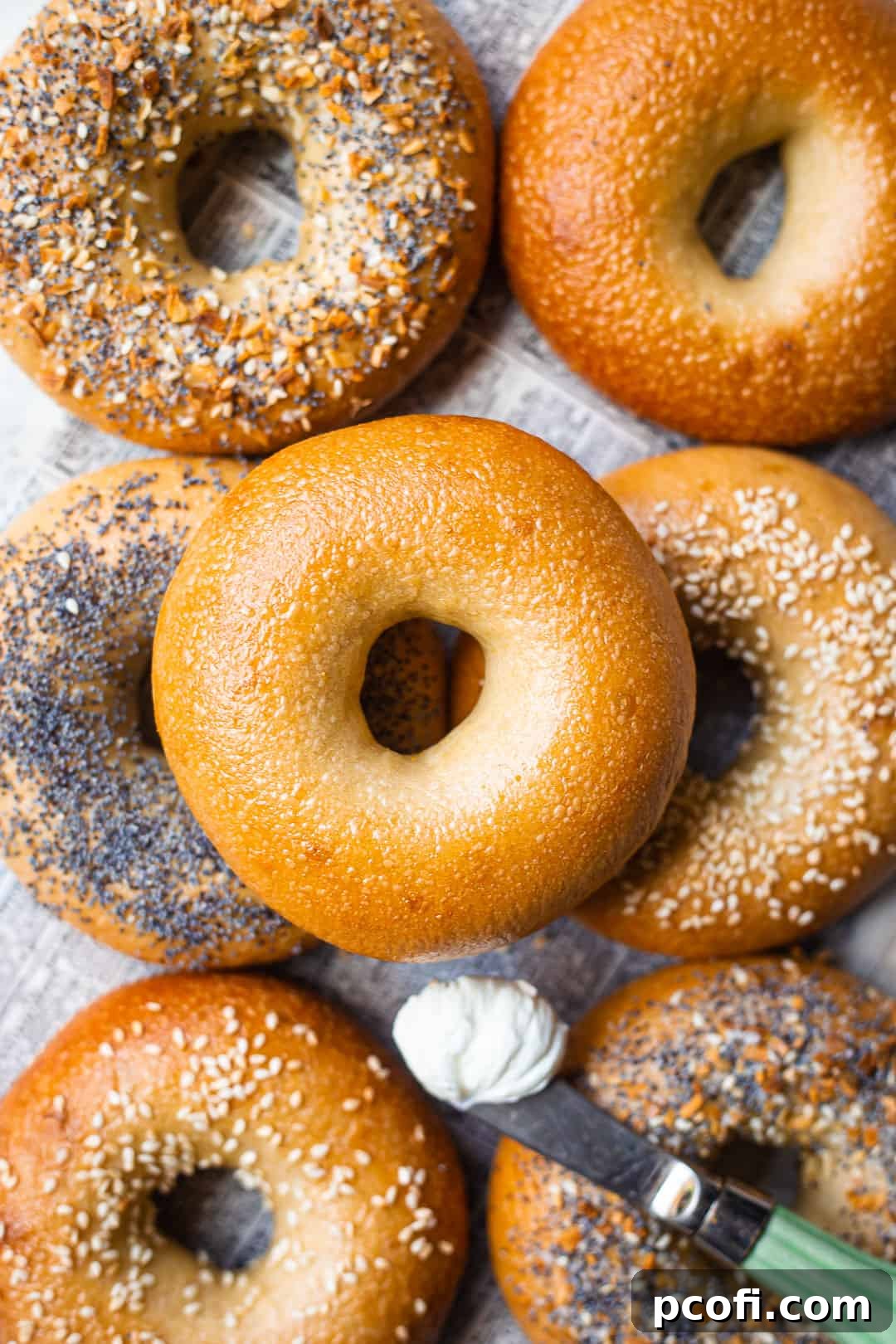
Table of Contents
- Why You Will Love This Authentic Bagel Recipe
- Essential Ingredients for Homemade New York Bagels
- Step-by-Step Guide: Crafting Your Homemade New York Bagels
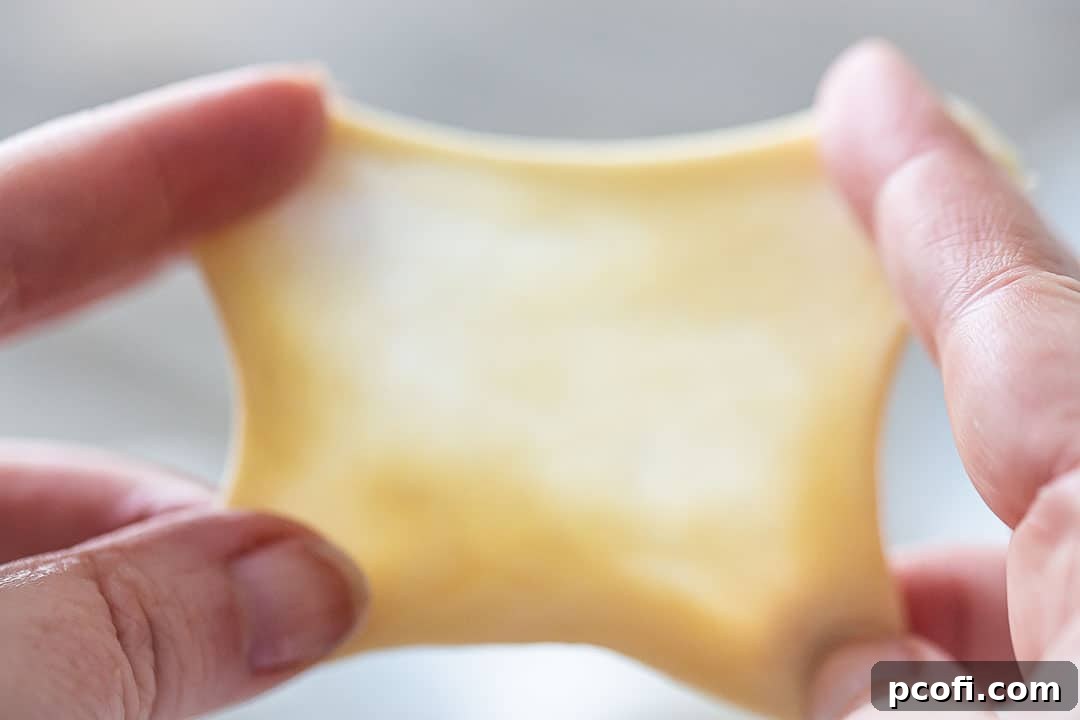
- How To Do The Windowpane Test
- Boil and Bake: For the Perfect Crust
- Expert Tips and Tricks for Bagel Perfection
- Irresistible Bagel Toppings and Serving Ideas
- Frequently Asked Questions About Homemade Bagels
- More Delicious Homemade Bread Recipes
Jump to Recipe
Have you ever experienced the magic of a true New York bagel? New York City is legendary for its bagels, and for good reason. These culinary masterpieces are characterized by their signature chewy texture, intensely flavorful crumb, and a beautifully blistered, crusty exterior. Slice one open, and you’ll find a soft, yeasty interior that pairs impeccably with a generous schmear of cream cheese and all your favorite fixings. Imagine starting your day in the bustling city with a warm, fresh bagel and a tall cup of hot coffee – it’s an unparalleled moment of pure bliss.
But what if a trip to the Big Apple isn’t in your immediate future? Don’t despair! This homemade bagel recipe is designed to bring that authentic New York experience straight to your kitchen. Crafted from readily available pantry staples, the process is surprisingly straightforward and makes for an incredibly rewarding baking project. Dedicate an afternoon to this delightful endeavor, and by the next morning, you’ll be pulling freshly baked, aromatic bagels from your oven. The taste will truly amaze you.
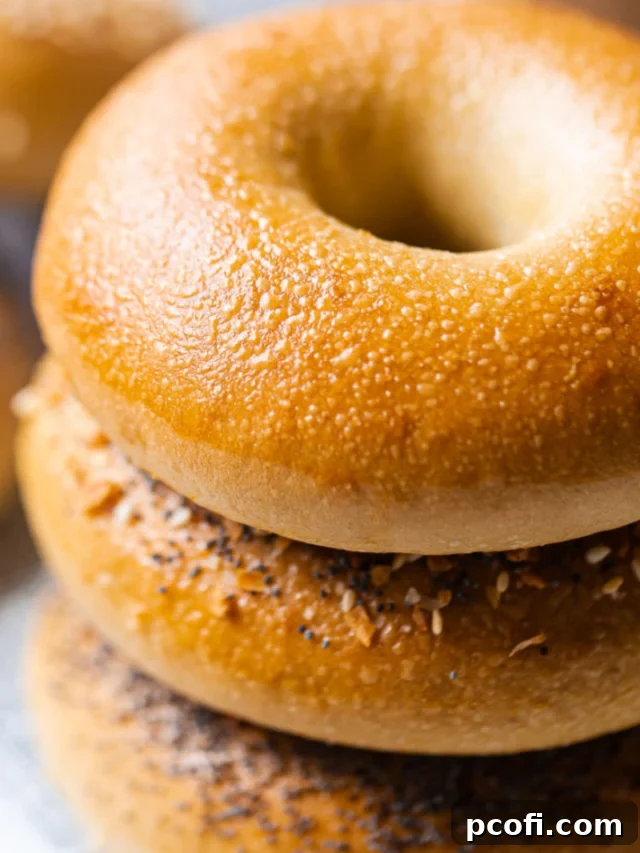
That iconic chewy texture, the glorious golden sheen, the distinct crisp crust giving way to a tender, airy middle – these are the hallmarks of New York bagels, and you absolutely can achieve them at home. With a few basic ingredients, a bit of patience, and some key techniques, you’ll produce a batch of homemade bagels that will confidently stand alongside those from the city’s most beloved delis. Let’s embark on this culinary journey together, meticulously walking through each step so you can master these bakery-style beauties and impress everyone with your newfound baking prowess.
Why You Will Love This Authentic Bagel Recipe
This isn’t just another bagel recipe; it’s a meticulously crafted guide to achieving true New York-style perfection. Here’s why you’ll want to make these bagels again and again:
- Authentic Flavor and Texture: Our recipe delivers that coveted chewy texture and rich, deep flavor thanks to a slow, overnight rise. This extended fermentation process, often referred to as “retarding,” allows the yeast to develop complex flavors and creates the characteristic bubbly, blistered crust that defines a genuine New York bagel.
- Simple, Accessible Ingredients: You won’t need to hunt for obscure specialty ingredients. This recipe uses just a handful of basic pantry staples – flour, water, yeast, honey, and salt – making it approachable for any home baker, regardless of experience level.
- Perfect for Make-Ahead Baking: The dough is designed for an overnight rise in the refrigerator. This not only enhances flavor but also means you can prepare the bulk of the work the day before, allowing you to wake up and enjoy freshly baked, warm bagels with minimal effort on a busy morning.
- Endlessly Customizable: Whether you prefer them plain, adorned with classic sesame or poppy seeds, or loaded with savory “everything” seasoning, these bagels are a versatile canvas for your creativity. Experiment with different toppings to match your mood and preferences.
- Freezer-Friendly Convenience: These homemade bagels freeze beautifully. Bake a larger batch and stock your freezer, ensuring you always have a delicious, ready-to-toast bagel on hand for a quick breakfast or satisfying snack. They retain their incredible texture and taste even after thawing and a quick reheat.
Essential Ingredients for Homemade New York Bagels
Many bagel recipes might intimidate you with calls for obscure specialty items like diastatic malt powder, high-gluten flour, or barley syrup. My goal with this recipe was to demystify the bagel-making process and make it accessible to everyone. You won’t find any of those hard-to-find ingredients here! This recipe focuses on simple, common components that yield exceptional results.
While the full list with precise measurements can be found in the recipe card at the bottom of this page, let’s explore why each ingredient plays a crucial role in creating the perfect New York bagel:
- Cool Water: Not just any water will do. Cool water is essential as it slows down the yeast’s activity during the initial mixing and kneading stages. This controlled hydration allows for better flavor development and a superior dough structure, contributing to the signature chewiness.
- Honey: Honey serves a dual purpose. A small amount in the dough adds a subtle sweetness and helps with fermentation. Crucially, when added to the boiling water, it aids in creating that beautiful, deep golden-brown crust and imparts a hint of caramelized flavor to the exterior of the bagel.
- Active Dry Yeast: This is our primary leavening agent. Yeast consumes sugars in the dough and produces carbon dioxide, creating the airy pockets and characteristic rise that gives bagels their soft, tender interior. Make sure your yeast is fresh and active for best results.
- Flour: For the ultimate chewy bagel, bread flour is highly recommended due to its higher protein content, which leads to stronger gluten development. However, all-purpose flour works wonderfully too, producing a slightly less chewy but still delicious bagel. Choose what’s readily available to you.
- Kosher Salt: More than just a flavor enhancer, salt plays a vital role in controlling yeast activity and strengthening the gluten network in the dough. This contributes to the bagel’s structure and overall texture.
- Cornmeal: Used for dusting your baking sheets, cornmeal acts as a non-stick agent, preventing your shaped bagels from sticking. It also adds a very subtle texture to the bottom of the bagels.
- Water for Boiling: This is a non-negotiable step for New York-style bagels. Boiling the shaped dough briefly gelatinizes the starch on the exterior, setting the crust and contributing significantly to the signature chewy texture.
- Baking Soda: Added to the boiling water, baking soda increases the alkalinity (pH) of the water. This alkaline environment promotes a deep, rich browning in the oven and helps achieve that wonderfully blistered crust.
- Egg Wash: An optional but highly recommended step. A simple egg wash (egg beaten with a touch of water) brushed over the boiled bagels gives them a glossy, golden-brown finish and helps any toppings adhere perfectly.
- Optional Toppings: Unleash your creativity! Classic choices include sesame seeds, poppy seeds, dehydrated minced onion, coarse sea salt, or a combination of all four for an “everything bagel” experience. These add flavor, texture, and visual appeal.
Step-by-Step Guide: Crafting Your Homemade New York Bagels
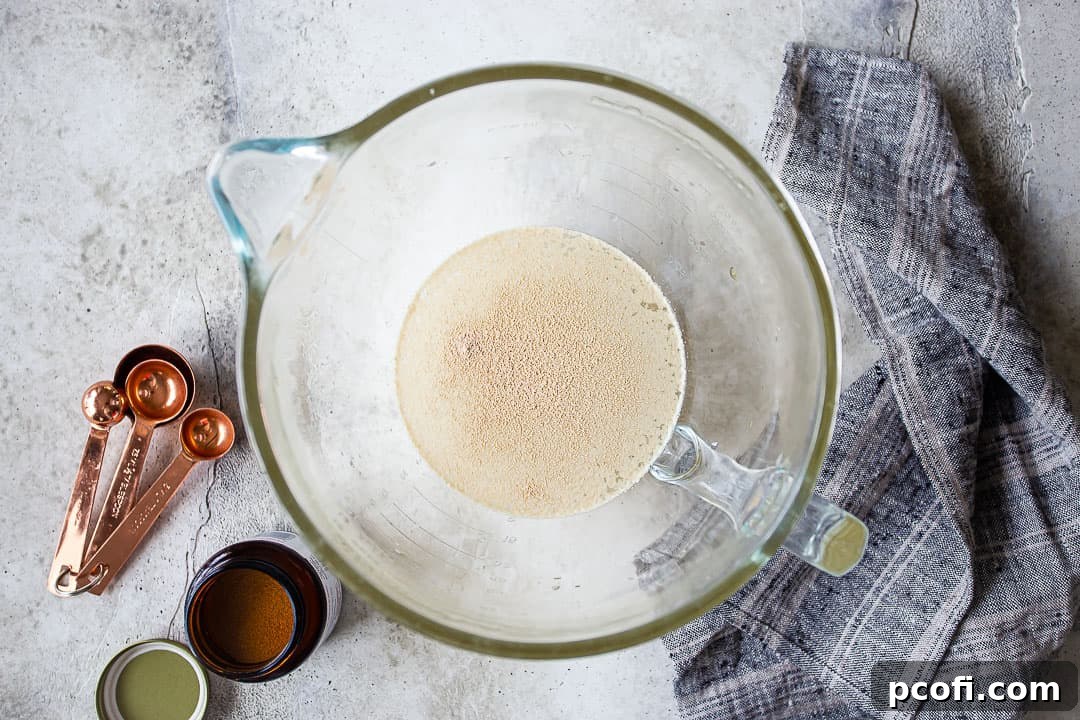
Step 1: Proof The Yeast
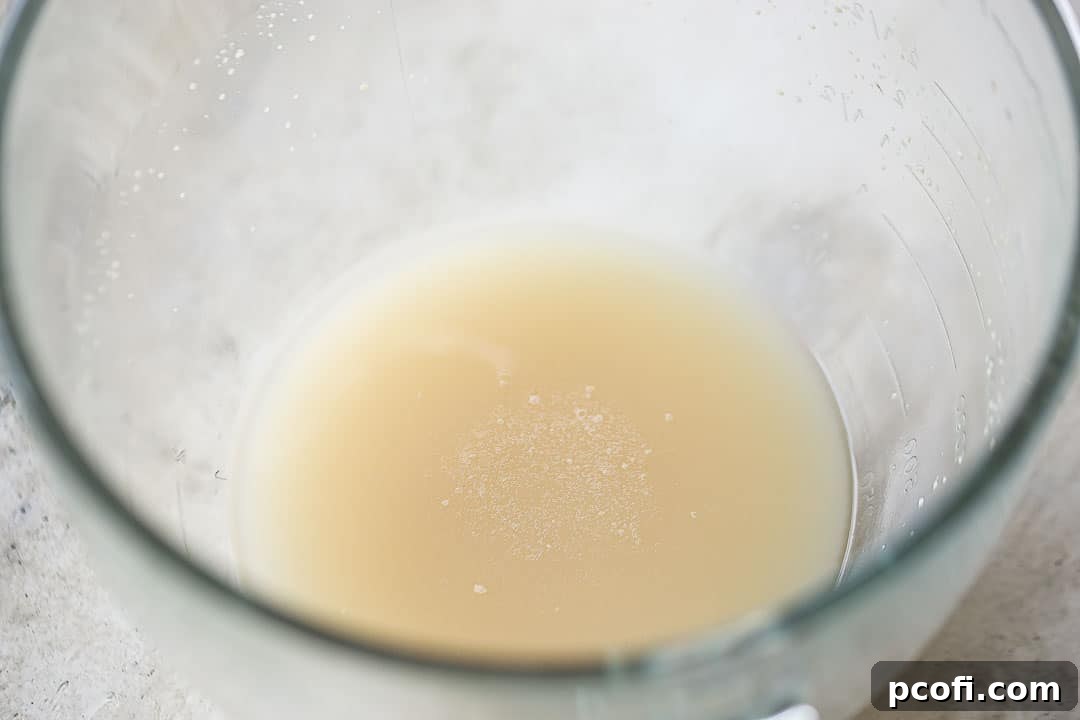
In a large mixing bowl, combine the cool water with 1 tablespoon of honey. Stir gently until the honey dissolves. Evenly sprinkle the active dry yeast over the surface of the water. Allow it to sit undisturbed for 5 to 10 minutes. You’ll know the yeast is active and ready when the mixture becomes delightfully foamy and bubbly, indicating the yeast is alive and well.
Step 2: Add The Flour
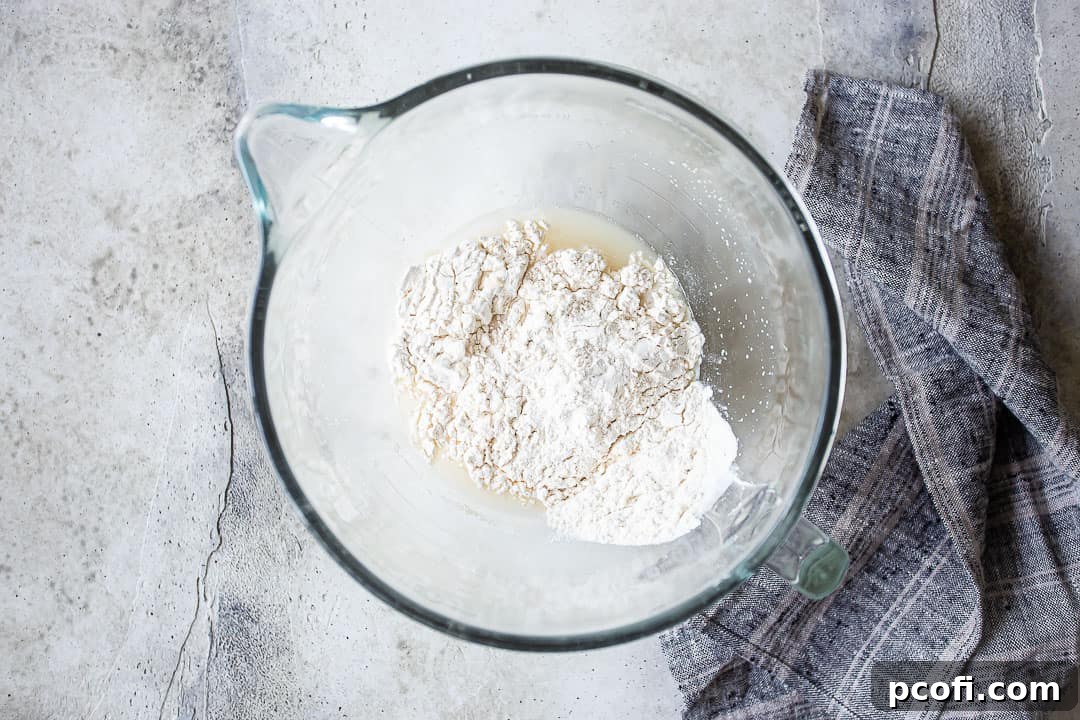
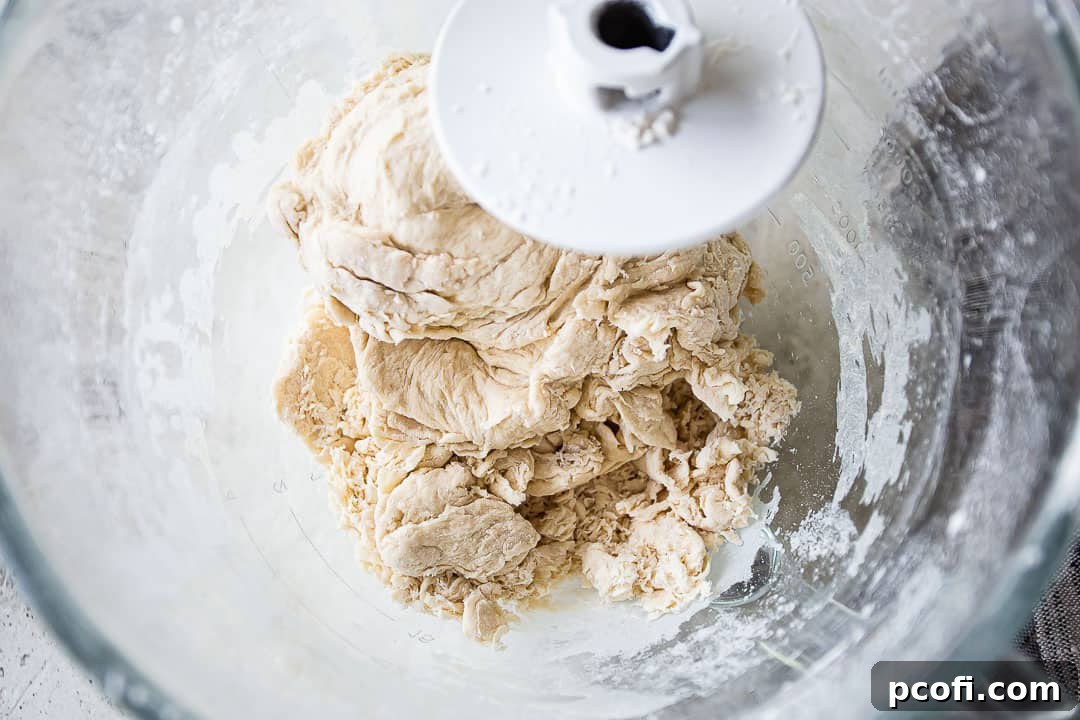
Once the yeast is proofed, add the entire quantity of flour to the bowl. Mix thoroughly, either by hand with a sturdy spoon or with a stand mixer fitted with a dough hook, until the ingredients are just combined and you achieve a stiff, shaggy dough. At this stage, it won’t look smooth or uniform, but rather coarse and slightly crumbly.
Step 3: Add Salt & Knead
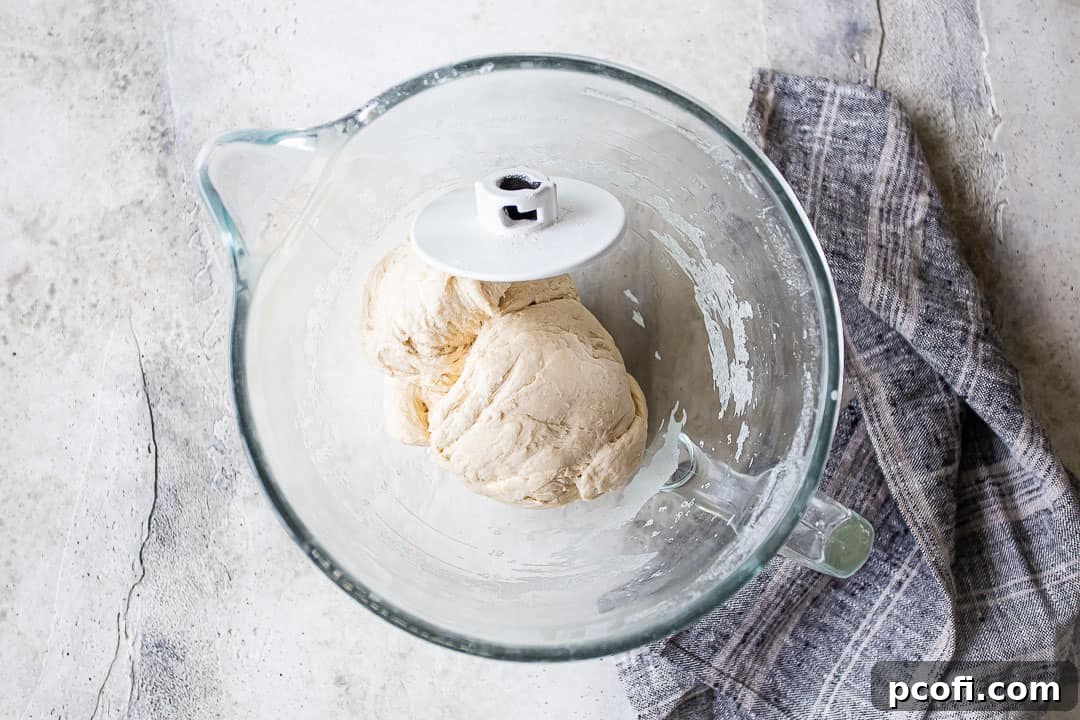
Now, add the kosher salt to the dough. Continue kneading (using a stand mixer or by hand) for approximately 15 to 20 minutes. This extended kneading time is crucial for developing the gluten structure in the dough, which is what gives bagels their characteristic chew. The dough will gradually transform from rough and sticky to smooth, elastic, and supple. You’ll know it’s perfectly kneaded when it passes the “windowpane test.”
How To Do The Windowpane Test
To perform the windowpane test, pinch off a small piece of the kneaded dough, about the size of a golf ball. Using your fingertips, gently and slowly stretch the dough outwards from the center. You should be able to stretch it thin enough to see light passing through it without it tearing, much like looking through a windowpane. If it tears easily, continue kneading for a few more minutes and test again. This indicates excellent gluten development, essential for a perfectly chewy bagel.
Step 4: Shape the Bagels
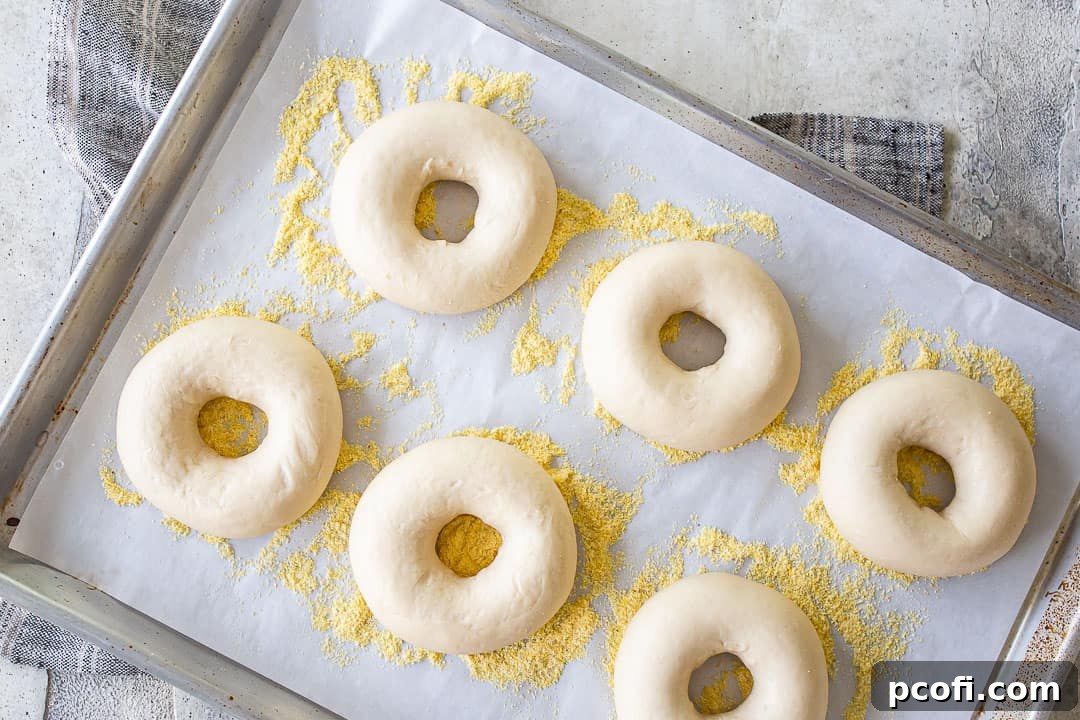
Once your dough is perfectly kneaded, divide it into eight equal portions. For consistent size, you can use a kitchen scale. Take each portion and roll it into a tight, smooth ball. It’s important to keep the remaining dough covered with a damp cloth or plastic wrap to prevent it from drying out. Lightly dust a parchment-lined baking sheet with cornmeal, then place the dough balls on it. Cover them loosely and let them rest for a brief 5 minutes.
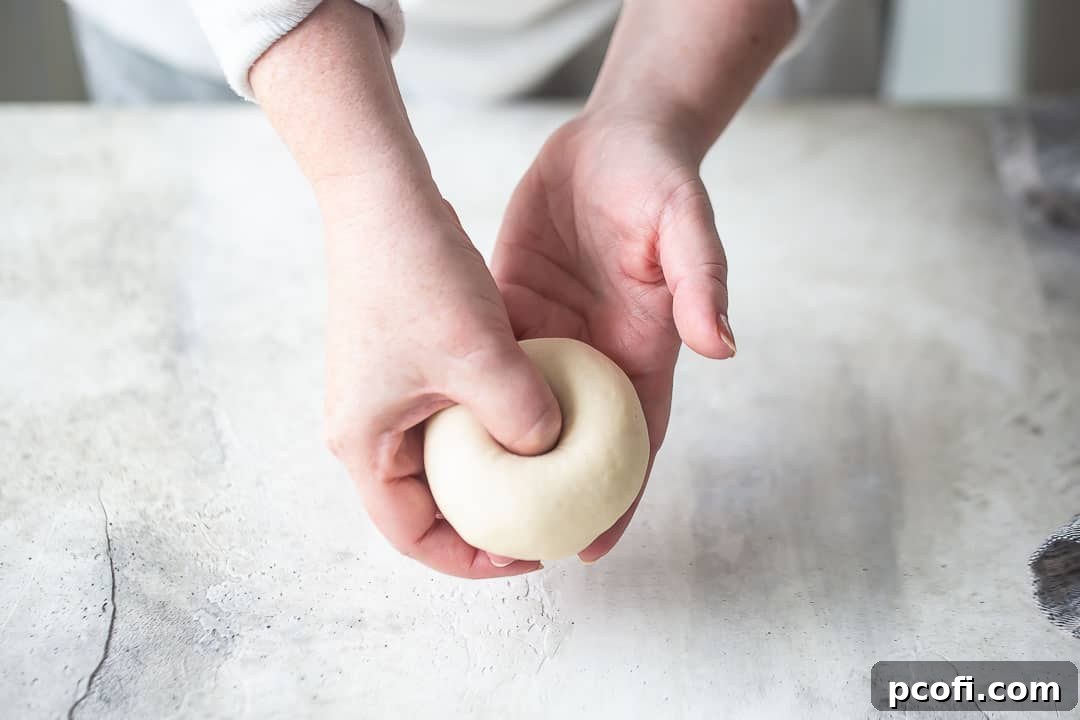
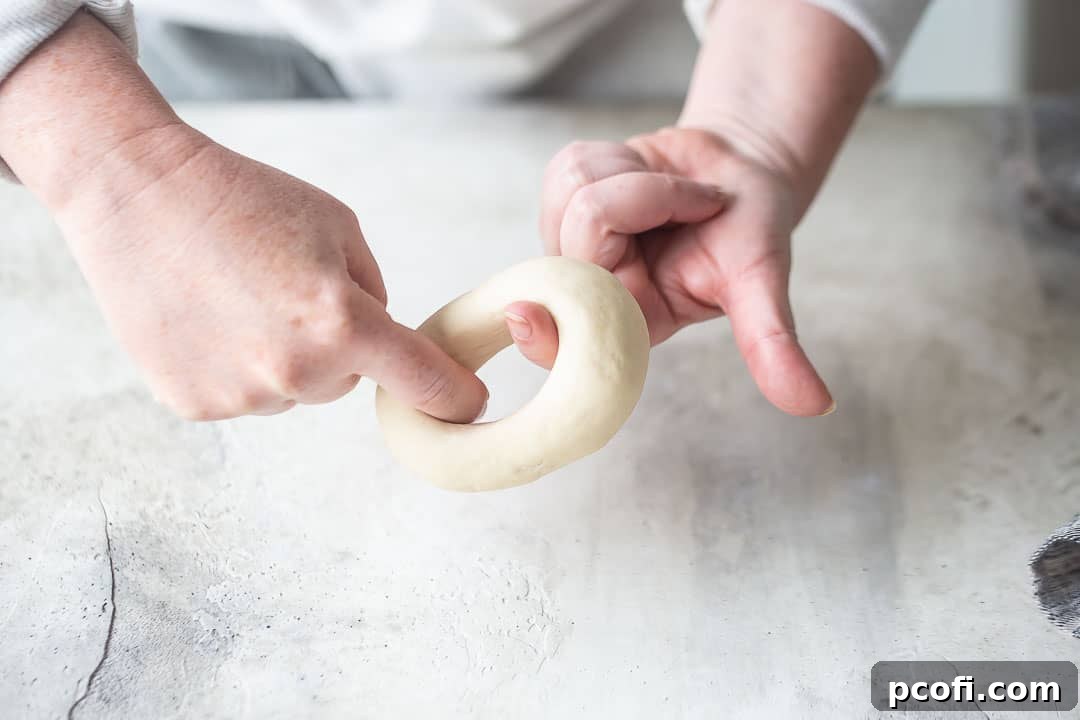
After resting, use your thumb or forefinger to gently poke a hole directly in the center of each dough ball. Then, carefully stretch the hole wider, using both hands if necessary, to form the classic bagel shape, aiming for a hole that will remain open after baking. Be gentle but firm to create a uniform ring.
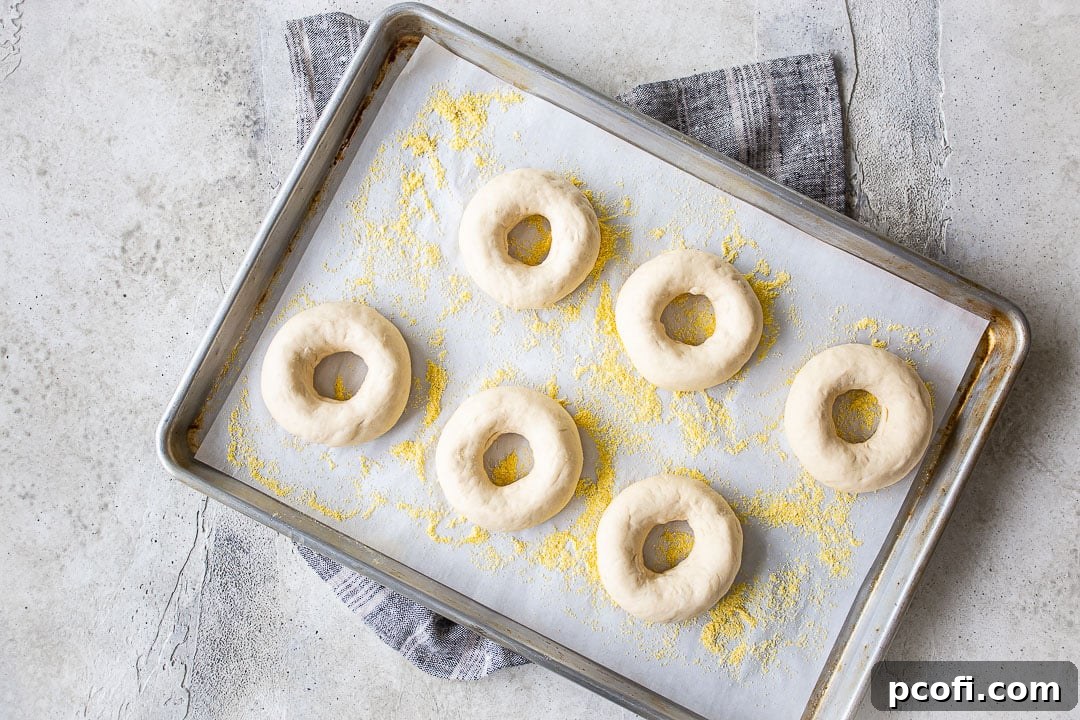
Return the freshly shaped bagels to the cornmeal-dusted baking sheet. Cover them loosely with a sheet of greased foil or plastic wrap, ensuring it doesn’t stick to the dough. Now, refrigerate them overnight for a crucial 12 to 18 hours. This long, slow fermentation at a cool temperature, known as “retarding,” is paramount for flavor development. It significantly slows down the yeast activity, allowing natural bacteria in the dough to produce organic acids that impart a more complex, nuanced flavor to your bagels. Furthermore, this cold ferment encourages the formation of tiny blisters on the surface, often called “fish eyes,” which are a hallmark of authentic New York bagels.
For convenience, I highly recommend completing all steps up to this point in the late afternoon or early evening. This way, you can simply pull your chilled bagels from the fridge first thing in the morning and proceed with the boiling and baking, ensuring a fresh batch for breakfast without an early start to dough preparation.
Boil and Bake: For the Perfect Crust
The next morning, preheat your oven to a hot 450°F (230°C). While the oven heats, bring a large pot (at least 1 1/2 gallons) of water to a rolling boil. Add the remaining tablespoon of honey and the baking soda to the boiling water. The water may foam up briefly due to the baking soda; this is normal and desired. This alkaline bath is crucial for developing the glossy, deeply colored crust.
Working in batches to avoid overcrowding, gently drop the chilled bagels into the boiling water. Boil each bagel for precisely 20 seconds per side. Using a slotted spoon or a spider, carefully remove the bagels from the water, allowing excess water to drain back into the pot, then transfer them to a wire rack to drain further.
Once drained, move the boiled bagels to a lightly greased, parchment-lined baking sheet. If you plan to add toppings, now is the time to brush each bagel with the prepared egg wash (one large egg beaten with a few teaspoons of cool water). This creates a beautiful sheen and helps the toppings adhere. Sprinkle your chosen toppings generously over the wet surface.
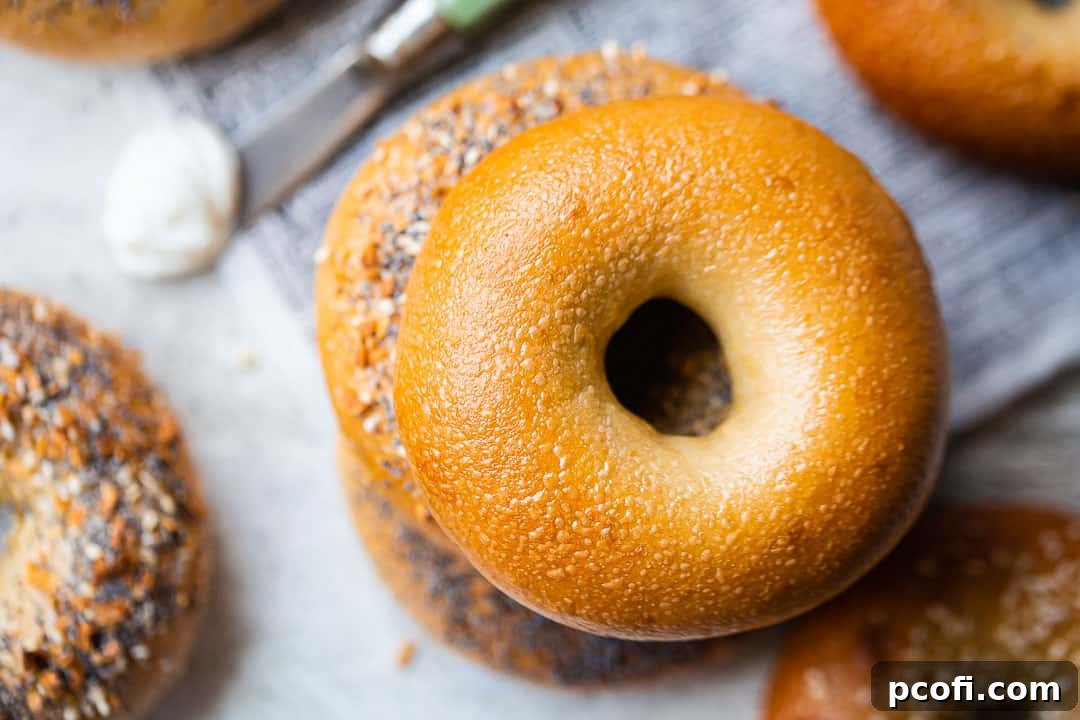
Finally, bake the bagels in your preheated oven for 12 to 18 minutes, or until they achieve a magnificent golden-brown color and a visibly blistered, crusty exterior. Keep an eye on them, as oven temperatures can vary. Once baked, let them cool slightly on a wire rack before diving in.
Expert Tips and Tricks for Bagel Perfection
- Yeast Choices: I personally prefer using active dry yeast for my bread recipes, as it’s reliable and readily available. However, if you have instant yeast on hand, you can substitute it directly in the same amount – no need to proof it separately, though it won’t hurt. For those adventurous bakers, if you wish to use sourdough starter in place of dry yeast, use 1 cup of active starter and adjust your recipe by subtracting 1/2 cup of water and 3/4 cup of flour to account for the hydration and flour content within the starter itself. This typically yields a similar dough consistency. If you’re using fresh yeast (cake yeast), you’ll need approximately 0.6 ounces (about 17 grams) for this recipe.
- The Flour Factor: The type of flour you choose significantly impacts the final texture of your bagels. Generally, the higher the protein content in your flour, the chewier your bagels will be. Many professional bakers opt for bread flour for recipes like this one, as it typically contains about 3 to 4% more protein than standard all-purpose flour. This higher protein content results in a stronger, more robust gluten structure, which is key to achieving that perfectly satisfying, resilient chew characteristic of authentic New York bagels. While all-purpose flour will work, bread flour elevates the experience.
- Don’t Rush the Rise: The overnight cold fermentation (“retarding”) is not just for convenience; it’s fundamental to the flavor and texture of true New York bagels. This slow rise allows enzymes to break down starches into sugars, deepening the flavor profile and improving the crust. Resist the urge to shorten this step.
- Boiling is Key: Don’t skip or shorten the boiling step. This brief bath in alkaline water is what gives bagels their characteristic chewy crust and glossy finish. It sets the outer layer of the dough, preventing excessive rising in the oven and creating that dense, chewy crumb.
- Oven Temperature Matters: Bagels bake at a high temperature to achieve a crisp crust and quick rise. Ensure your oven is fully preheated to 450°F (230°C) before putting them in. An oven thermometer can help confirm accuracy.
Irresistible Bagel Toppings and Serving Ideas
Once your homemade bagels are baked to golden perfection, the fun truly begins: choosing your toppings! A fresh bagel is a blank canvas for a world of flavor. Let’s start with a classic and move to more creative options.
Crafting Your Own Everything Bagel Seasoning:
Why buy pre-made seasoning when you can create a superior blend at home? Check your pantry for the following ingredients:
- Sesame Seeds
- Poppy Seeds
- Dehydrated Minced Onion (or onion flakes)
- Coarse Salt (such as kosher salt or sea salt)
- (Optional: Dehydrated minced garlic)
Simply mix about 2 tablespoons of each ingredient in a small bowl, and voilà! You have your very own, incredibly fresh, and aromatic everything bagel seasoning, ready to elevate your bagels.
Egg Wash vs. No Egg Wash: While optional, I genuinely believe an egg wash makes these homemade bagels extra special. It’s not just about aesthetics; it helps create a lustrous, deeply golden-brown crust and ensures your toppings adhere beautifully during baking. If you choose to use an egg wash, brush it on generously immediately after boiling and draining, right before sprinkling on your toppings. If you prefer to omit the egg wash, simply sprinkle your chosen toppings directly onto the boiled bagels while they are still slightly sticky from the water; they will still adhere well.
How To Serve Homemade Bagels
The possibilities for enjoying a fresh bagel are truly endless! My personal favorite way to savor them is split horizontally, lightly toasted, and generously slathered with cool cream cheese, often adorned with a slice of ripe, fresh tomato. But why stop there? Consider setting up a lavish DIY bagel bar for a brunch gathering or a special breakfast:
- Classic Spreads:
- Rich, unsalted butter
- An array of flavored cream cheeses (plain, chive, veggie, strawberry)
- Nut butters: creamy peanut butter or almond butter for a protein-packed start
- Sweet drizzles: a swirl of golden honey or maple syrup
- Savory Enhancements:
- Luxurious smoked salmon (lox) for an iconic combination
- Thinly sliced red onion, adding a piquant bite
- Briny capers and fresh dill for a touch of elegance
- Freshly sliced cucumber and vibrant avocado for a refreshing crunch and healthy fats
- Warm scrambled or fried eggs for a hearty breakfast sandwich
- Crispy bacon, savory sausage patties, or thinly sliced ham to complete a breakfast feast
- Any melty cheese, such as cheddar, provolone, or Swiss
For a fun and family-friendly twist, transform your bagels into delectable pizza bagels! Simply halve a bagel, spread a spoonful of your favorite pizza sauce, sprinkle with shredded mozzarella cheese, and arrange pepperoni slices (or your preferred pizza toppings). Pop them into the oven until the cheese is bubbling, golden, and utterly delicious. These are always a huge hit!
Frequently Asked Questions About Homemade Bagels
Absolutely! This recipe is designed with make-ahead convenience in mind. You can prepare the dough, shape your bagels, and then freeze them on a baking tray until solid. Once frozen, transfer the bagels to a zip-top freezer bag, where they will keep well for up to two weeks. When you’re ready to bake, simply place the frozen bagels on a parchment-lined, cornmeal-dusted tray (covered) in the refrigerator. Allow them to thaw and continue their slow-fermentation process overnight, just as if they had been shaped the day before. Then, proceed with the boiling and baking steps as outlined in the recipe.
To maintain their freshness, ensure your homemade bagels are completely cooled before storing. Once cooled, place them in an airtight bag or container. They will remain delicious at room temperature for about two to three days. For longer storage, transfer them to the refrigerator, where they can last for approximately one to two weeks. To enjoy them at their best after refrigeration, a quick toast will revive their crust and chewiness.
Yes, homemade bagels, much like most other fresh breads, freeze exceptionally well. To freeze, slice your cooled bagels in half if desired (this makes them easier to toast later) and wrap them tightly in plastic wrap, then place them in a heavy-duty freezer bag or aluminum foil. Properly wrapped, they can be stored in the freezer for up to two months. When you’re ready to enjoy them, thaw the bagels at room temperature or in the refrigerator. For best results, a brief toast in a toaster or oven will bring back their fresh-baked texture and warmth.
More Delicious Homemade Bread Recipes
- Crusty French Baguette
- Easy Homemade Croissants
- Wholesome Soft Whole Wheat Bread
- Irresistible Sticky Buns
- Simply Perfect Pizza Dough
- Sweet Hawaiian Rolls
- Classic Soft White Bread
Authentic New York Bagel Recipe
8 bagels
1 hr
15 mins
12-18 hrs
13-19 hrs 15 mins
Craving a crusty, chewy bagel that tastes just like it came from a Manhattan deli? This homemade New York bagel recipe is your answer! Simple ingredients and no special equipment needed.
Ingredients
- 1 1/4 cups (295.74 g) cool water (around 80°F)
- 2 tablespoons (29.57 g) honey, divided
- 1 packet (7 g) active dry yeast (1/4 ounce or about 2 teaspoons)*
- 4 cups (500 g) flour (bread flour OR all-purpose flour; approximately, you may need slightly more)
- 2 teaspoons (9.86 g) kosher salt
- Cornmeal (for dusting the pans)
- 1 1/2 gallons (5678.11 g) water (for boiling)
- 1 tablespoon (14.79 g) baking soda
- Egg wash (one large egg beaten with a few teaspoons of cool water, optional)
- Sesame seeds, poppy seeds, dehydrated minced onion, and/or coarse salt (optional garnish)
Instructions
- Place the cool water in a large bowl and stir in 1 tablespoon of honey.
- Sprinkle the yeast on top and allow it to dissolve. After about 5 to 10 minutes, the mixture should start to look foamy.
- Stir in the flour, mixing until a stiff, shaggy dough forms.
- Add the salt, and knead the dough until it gathers into a ball and becomes smooth and elastic.
- Continue kneading the dough until it passes the windowpane test** (about 15 to 20 minutes of kneading).
- Divide the dough into 8 equal portions, rolling each one into a smooth ball. Keep the dough covered as you work to prevent drying out.
- Place each ball of dough on a parchment-lined baking sheet that’s been generously dusted with cornmeal, cover, and allow to rest for 5 minutes.
- Using a thumb or finger, poke a hole into the center of each ball of dough, then stretch the hole wider to form the classic bagel shape.
- Place the shaped bagels back onto cornmeal-dusted, parchment-lined baking sheets, tent with lightly greased foil or plastic wrap, and refrigerate for 12 to 18 hours.
- Preheat the oven to 450°F (230°C). Bring the 1 1/2 gallons of water to a rapid boil, and add the remaining tablespoon of honey and the baking soda (the water will foam up briefly).
- Gently place the bagels in the hot water, allowing them to boil for 20 seconds on each side.
- Carefully remove the bagels from the hot water with a spider or slotted spoon, allowing them to drain on a wire rack.
- Transfer the bagels to a baking sheet that’s been lined with lightly greased parchment paper.
- Brush them lightly with egg wash (if using) and sprinkle on toppings (if using), then bake until golden brown and blistered (approximately 12 to 18 minutes).
Notes
- *Instant yeast may be substituted in the same amount.
- **To perform the windowpane test: Pinch off a little piece of dough and, using your fingertips, stretch it gently from the center outward. You should be able to pull it tissue-thin without it tearing. It should be so thin you can see light passing through it, just like a windowpane.
Nutrition Information
Calories: 246 kcal, Carbohydrates: 52g, Protein: 7g, Fat: 1g, Saturated Fat: 1g, Sodium: 1031mg, Potassium: 75mg, Fiber: 2g, Sugar: 4g, Calcium: 31mg, Iron: 3mg
American
Breakfast, Brunch, Main Course, Snack