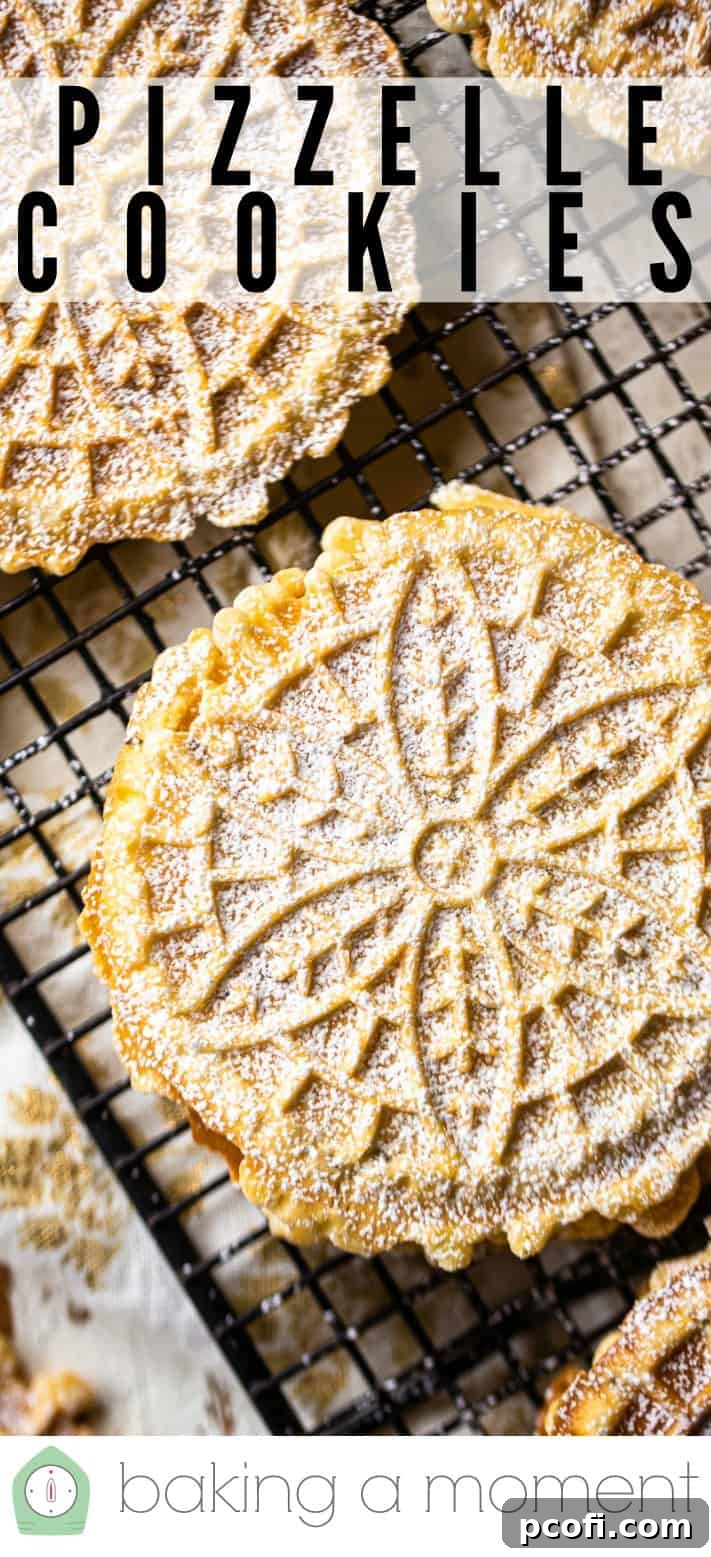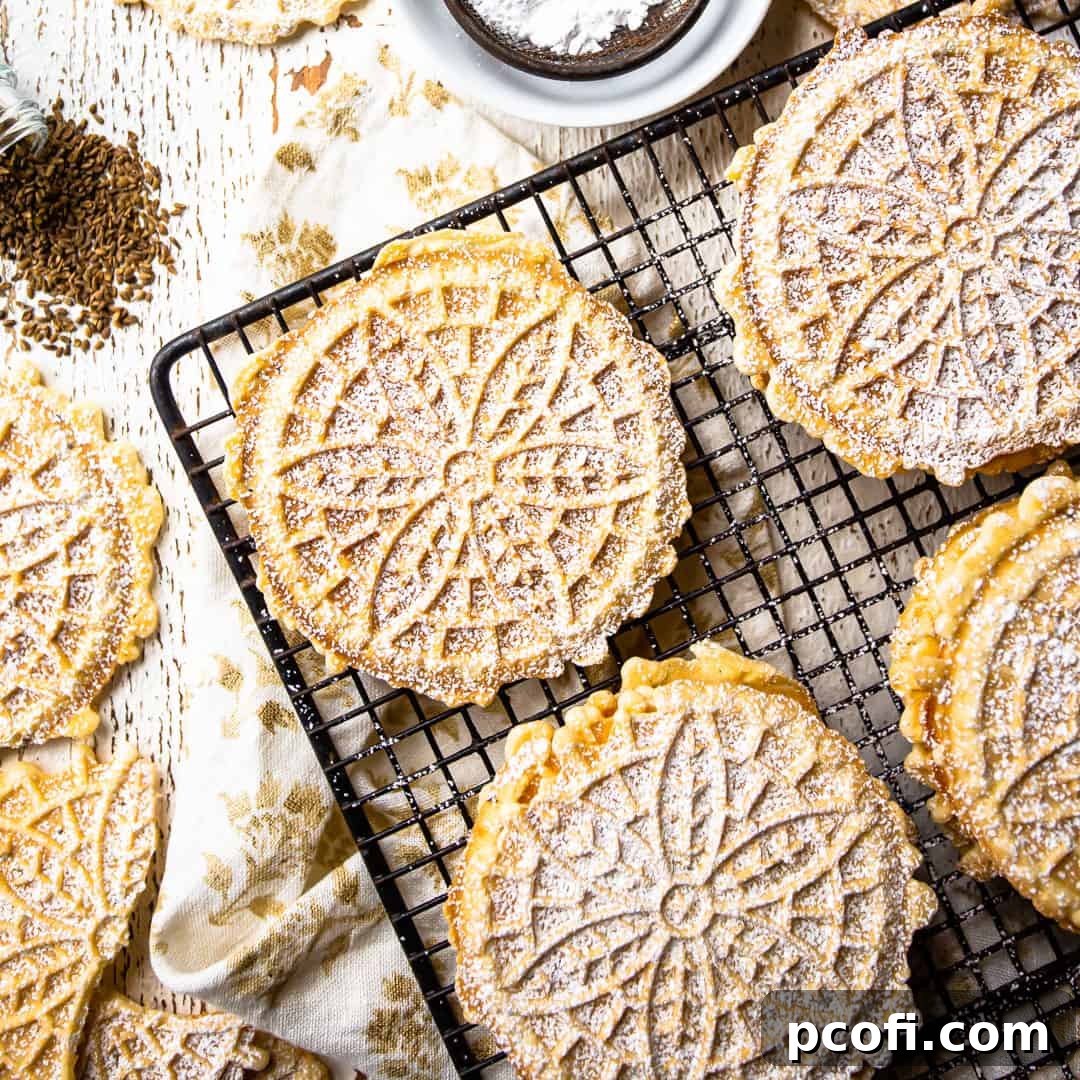
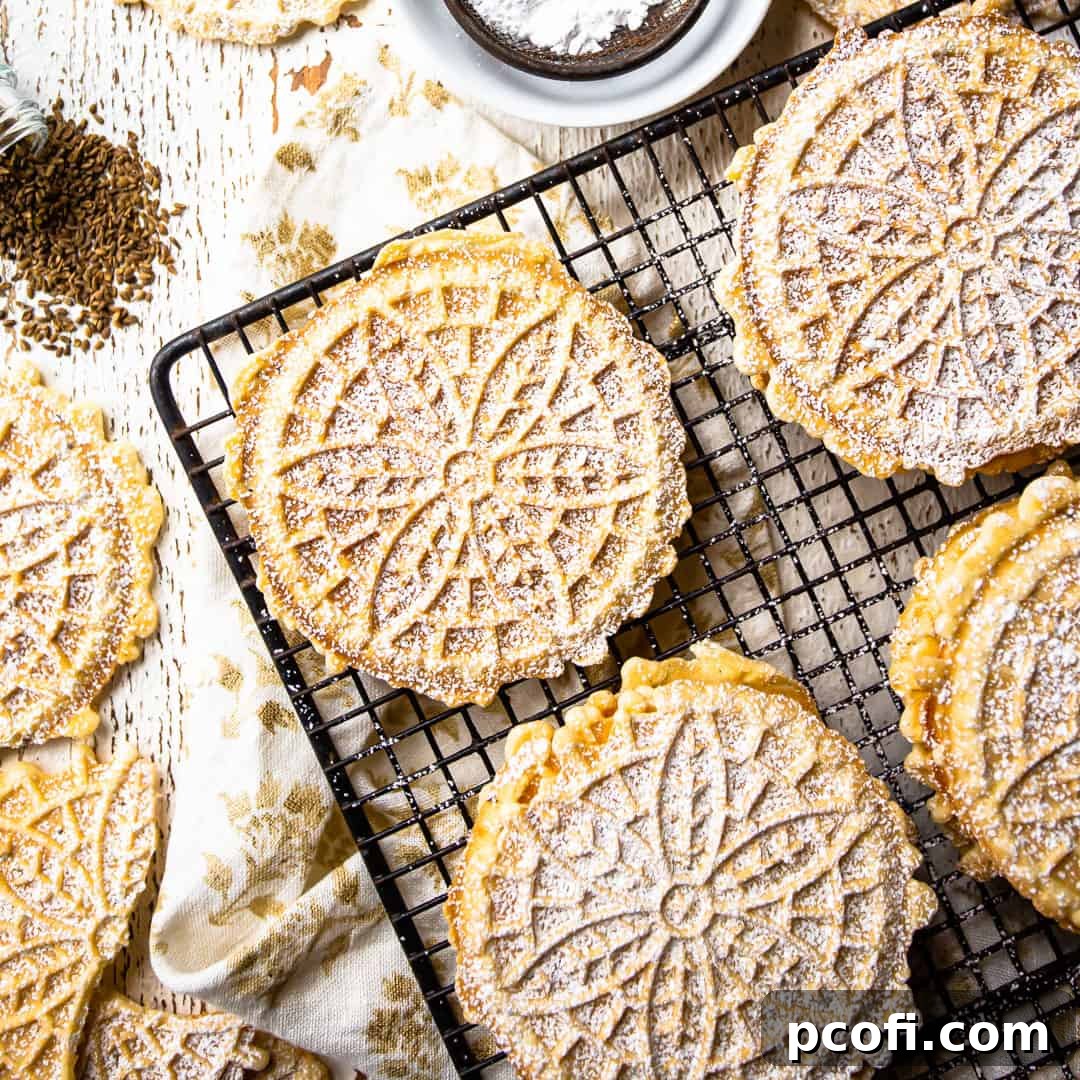
Prepare to experience the thinnest, lightest, and most wonderfully crisp pizzelle you’ve ever tasted! These delicate Italian waffle cookies are as light as air, featuring an authentic recipe with a generous and sweet anise flavor that truly captures the essence of traditional Italian baking.
Originally published on December 12, 2016. Updated December 12, 2019.
If your quest is for the absolute best pizzelle recipe, your search ends here! This cherished family recipe consistently delivers perfection, transforming simple ingredients into an extraordinary treat. Each thin, crispy bite evokes a rich culinary history and the comforting warmth of Italian heritage. Whether you’re a seasoned baker or new to the world of pizzelle, this guide will walk you through creating these irresistible cookies that are sure to become a holiday staple and a year-round delight.
This isn’t just another cookie recipe; it’s a culinary journey rooted in tradition. Every year, as the holiday season approaches, I eagerly anticipate making these classic Italian cookies. For me, Christmas wouldn’t feel complete without the familiar aroma of anise filling the kitchen, a scent linked to generations of family gatherings and shared moments. Pizzelle are truly unique in their delicate flavor and distinct crisp texture. Much like other beloved delicate treats such as pecan sandies, soft cut-out sugar cookies, and spritz cookies, they pair wonderfully with a steaming cup of coffee, a comforting tea, or even a rich hot cocoa, offering a perfect moment of indulgence.
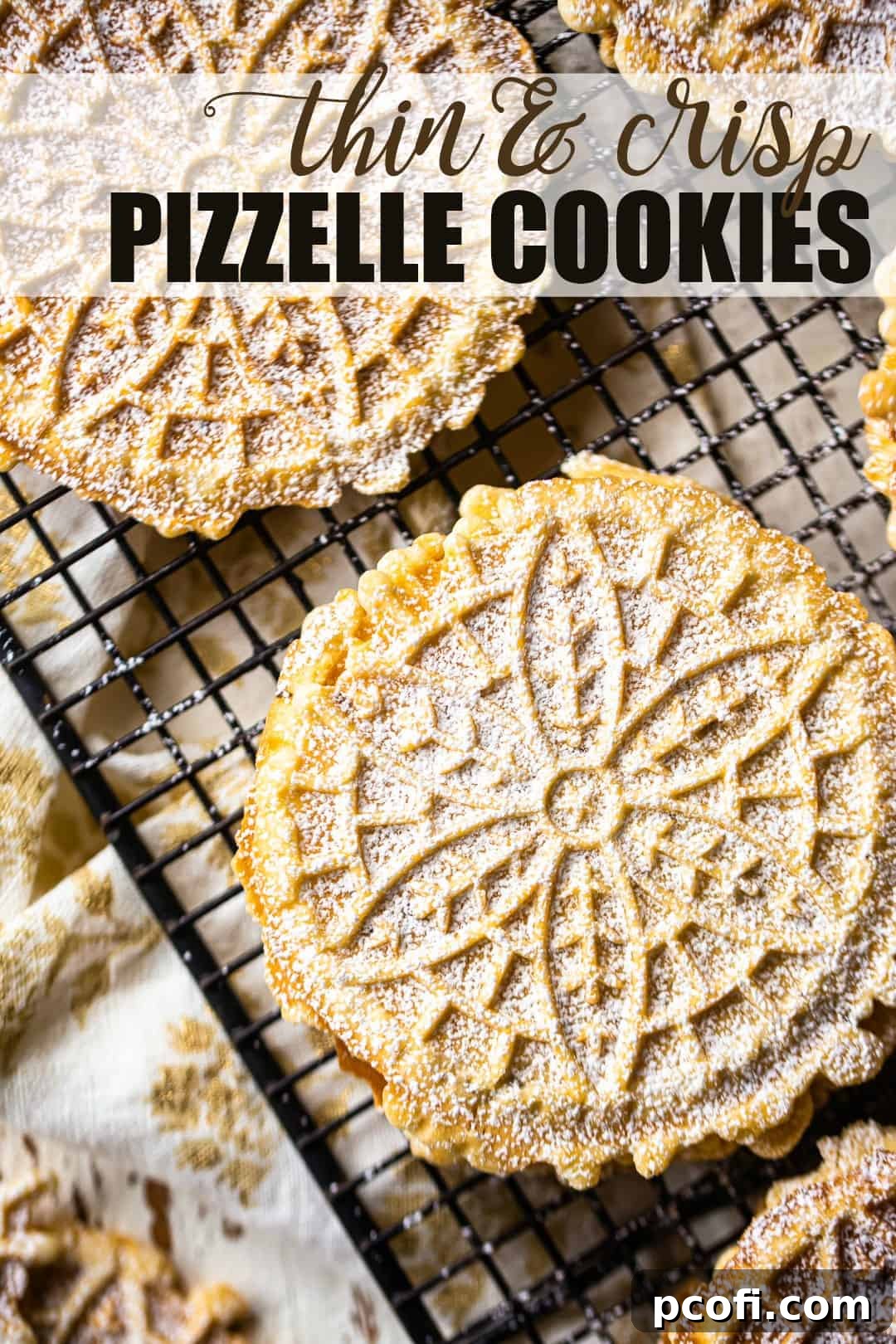
Table of Contents
- Why I Love Pizzelle
- What are Pizzelle Cookies?
- Ingredients and Notes
- Tools and Equipment: Choosing Your Pizzelle Maker
- How to Make Pizzelle: Step-by-Step Guide
- Expert Tips for Perfect Pizzelle
- Frequently Asked Questions About Pizzelle
- Pizzelle Variations and Substitutions
- How to Serve Pizzelle
- How to Store and Keep Pizzelle Crisp
- More Favorite Cookie Recipes
Jump to Recipe
Why I Love Pizzelle
Sharing this perfect pizzelle recipe feels incredibly personal. These simple Italian cookies hold a special place in my heart, woven into countless cherished memories. They’re more than just a sweet treat; they’re a connection to my roots, a tangible piece of my family’s story that I am thrilled to share with you.
My connection to Italian cuisine runs deep. Just as I shared the tale of my family and my experiences working in an Italian catering kitchen when presenting the chocolate orange panettone recipe, pizzelles have been a constant thread throughout those memories. My grandfather, though he didn’t pass down many cultural traditions directly, brought with him the essence of a large, vibrant Italian family. I have faint, yet vivid, recollections of immense family gatherings with his eleven siblings. Imagine my great-grandparents, Calogero and Caterina, welcoming a new baby into their home every two years for an astonishing 22 years! The sheer scale of their family gatherings was legendary.
I distinctly remember two of my great-aunts, Antoinette and Josephine. Though I only met them a handful of times, their image remains clear: wearing their floral aprons and sensible shoes, they stood proudly before bubbling vats of red sauce. Nearby, folding tables covered with vinyl tablecloths were laden with stacks upon stacks of freshly made pizzelle. The delicate, sweet taste of those pizzelle, infused with the unmistakable flavor of anise, imprinted itself on my memory for decades.
Years later, working in a bustling pastry kitchen, I found myself embodying the spirit of Aunt Josephine and Aunt Antoinette. My sensible shoes had evolved into sturdy, non-slip steel-toed boots, and my printed apron was replaced by houndstooth pants and a crisp white chef’s jacket. Yet, the essence remained the same: every week, I would stand before no fewer than four sizzling-hot pizzelle irons, enveloped in the intoxicating, anise-scented steam. It was a rigorous, yet deeply satisfying, experience that further cemented my love for these cookies.
Eventually, I moved on from that demanding job, but my bond with pizzelles never wavered. Not a single year has passed since where I haven’t fired up my pizzelle maker, put on classic Christmas music, and settled into the rhythmic dance of scooping batter, lowering the lid, and gently flipping out one thin, crisp pizzelle after another. It’s a ritual that brings me immense joy and a sense of continuity.
Over the years, I’ve meticulously refined and tweaked this traditional Italian waffle cookie recipe, making subtle improvements here and there. I genuinely believe this version is the best it can possibly be – a true culmination of tradition and careful refinement. The beauty of this recipe lies in its simplicity; you don’t even need a stand mixer! All it takes is a bowl and a whisk to bring these ingredients together.
The result is a sweet, subtly buttery cookie, bursting with authentic anise flavor. The inclusion of whole anise seeds adds a delightful crunch, releasing intense bursts of black licorice taste with every bite. This unique combination of texture and flavor makes them an undeniable family favorite. But perhaps the most remarkable quality of these pizzelles is their incredible thinness and unmatched crispness. They are literally lighter than air! This unparalleled texture is what truly elevates these pizzelles, making them so sought after that I’ve had friends and family begging for this recipe for years.
What are Pizzelle Cookies?
Pizzelles are a beloved type of crisp, flat Italian cookie, instantly recognizable by their delicate, wafer-like appearance and intricate embossed patterns, often resembling snowflakes or floral designs. The name “pizzella” itself is derived from the Italian word “pizze,” meaning “flat” or “round,” a direct reflection of their characteristic shape. These delightful treats are traditionally flavored with anise, a sweet spice that imparts a distinctive, slightly licorice-like taste, though variations with vanilla, almond, or lemon are also popular.
Often considered one of Italy’s oldest cookie varieties, pizzelle boast a rich history deeply intertwined with Italian culture and celebrations. They hold a special significance during major holidays like Christmas and Easter, where they are a staple on dessert tables and often exchanged as thoughtful homemade gifts among friends and family. Beyond holidays, pizzelle are frequently featured at Italian weddings, baptisms, and other special occasions, symbolizing joy, prosperity, and tradition.
While distinct, pizzelle share similarities with other European waffle-like cookies, such as the Norwegian krumkake. However, their unique batter consistency and traditional flavoring set them apart. Across different regions of Italy, you might also hear them referred to by other names like ferratelle (especially in Abruzzo and Lazio) or cancelle. They are incredibly versatile; eaten flat and plain, gently pressed into a bowl shape while still warm to create edible serving cups for fruit or ice cream, or carefully rolled into tight cylinders to be filled with decadent sweet creams like cannoli cream, chocolate ganache, or Nutella spread. Their delicate nature and beautiful presentation make them a truly elegant and impressive dessert.
Ingredients and Notes
Crafting the perfect pizzelle relies on a few key ingredients. Here’s a breakdown of what you’ll need and why each component is essential for achieving that signature thin, crisp texture and authentic flavor:
- Eggs: Large chicken eggs are crucial for providing structure and binding the ingredients together. They contribute to the delicate crispness and rich flavor. For those seeking plant-based alternatives, a 1:1 plant-based egg substitute can be used effectively.
- Sugar: Granulated white sugar (approximately regular white sugar) serves multiple purposes: it adds essential sweetness and aids significantly in the beautiful golden-brown color development of the pizzelle. Feel free to experiment with other 1:1 granulated sweeteners if you prefer.
- Anise: To achieve that quintessential, authentic pizzelle flavor, I recommend a combination of both whole anise seeds and anise extract. Anise is the traditional flavoring for these cookies, imparting a distinctive, aromatic licorice-like taste that is central to their identity. If using anise oil, remember it’s much more potent, so use a significantly smaller amount.
- Vanilla: A touch of vanilla extract complements the anise beautifully, adding a sweet, warm, and aromatic depth to the overall flavor profile of the pizzelle.
- Butter: Unsalted butter is my preference as it allows for precise control over the salt content in the recipe, ensuring consistent results since different butter brands can vary in their salt levels. For a vegan or dairy-free version, a 1:1 plant-based butter substitute can be used without compromising the texture or flavor significantly. Ensure the butter is melted and slightly cooled before incorporating it into the batter.
- Flour: All-purpose flour is the standard choice, providing the necessary structure. If you wish to use a whole-grain option, you might need to adjust the quantity slightly (often less is needed). For gluten-free pizzelle, a gluten-free flour blend designed for 1:1 substitution with regular flour should work perfectly, allowing you to enjoy these cookies regardless of dietary restrictions.
- Baking Powder: This recipe utilizes baking powder, a double-acting leavening agent. It’s crucial for making the cookies light and exceptionally crisp. Baking powder initiates expansion when it comes into contact with liquid and again when exposed to the heat of the pizzelle press. Baking soda is not a suitable substitute here due to the lack of sufficient acid in the recipe to activate it; baking powder already contains the necessary acid.
- Salt: A small amount of kosher salt is essential. It doesn’t make the pizzelle taste salty but rather enhances and intensifies all the other flavors, making them more vibrant and well-rounded. Kosher salt is preferred for its pure flavor, free from additives like iodine found in some table salts which can leave a bitter aftertaste. It’s also widely available and affordable.
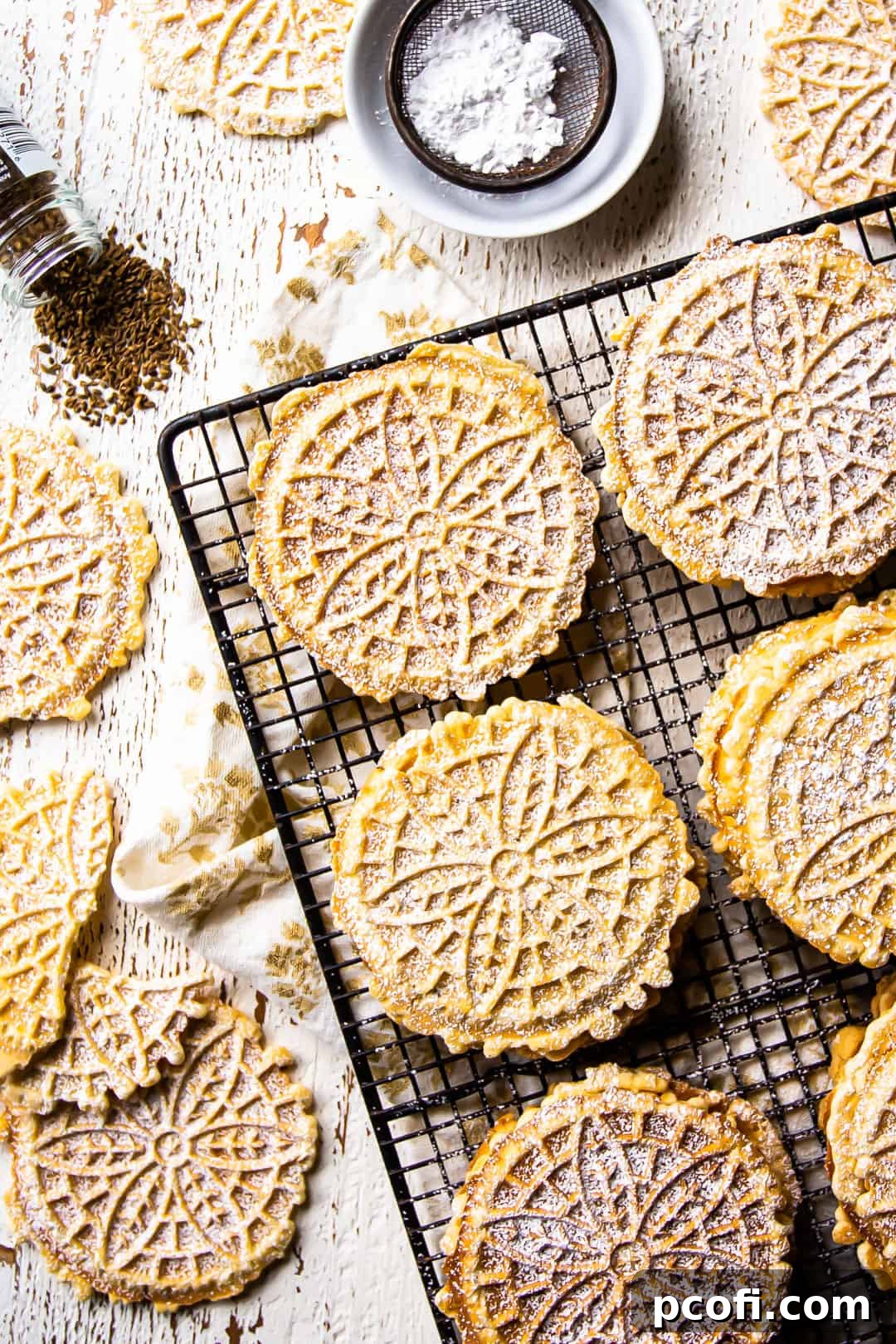
- Powdered Sugar: This is an optional, yet highly recommended, garnish. A light dusting of powdered sugar adds a touch of extra sweetness and elevates the visual appeal of the pizzelle, making them look even more inviting and festive.
Tools and Equipment: Choosing Your Pizzelle Maker
Forget your cookie sheets for this recipe – they won’t be needed! The star of the show for creating these traditional Italian delicacies is a specialized piece of equipment: the pizzelle maker.
Historically, pizzelle were made using heavy cast-iron presses held directly over an open flame, requiring skill and patience to achieve the perfect cookie. Thankfully, modern technology has simplified this process significantly. Today, most pizzelle makers are electric, offering convenience and consistent results.
If you don’t already own one, acquiring a pizzelle maker is your first step. These appliances become particularly easy to find during the holiday season in many kitchenware or housewares stores. Retailers such as Williams Sonoma, Target, Kitchen Kapers, or Kohl’s often stock them. Popular and reliable brand names you might encounter include Cuisinart and CucinaPro; I’ve personally used both with excellent results.
When selecting a pizzelle maker, prioritize one with non-stick plates. This feature will make the entire baking process much smoother, preventing your delicate cookies from sticking and ensuring easy removal. Non-stick surfaces also simplify cleanup considerably. Many models come with indicator lights that signal when the iron is preheated and when the pizzelle are ready, adding to the user-friendly experience.
For those who prefer the convenience of online shopping, you can easily order a pizzelle maker. Click here to explore options: pizzelle maker. Investing in a good quality pizzelle maker is well worth it, as it will be your trusty companion for creating these delicious cookies for years to come, bringing a taste of Italian tradition right into your home.
How to Make Pizzelle: Step-by-Step Guide
Making pizzelle is a delightful and relatively straightforward process. Follow these steps to create perfectly crisp and flavorful Italian cookies:
Step 1: Prep Your Pizzelle Maker
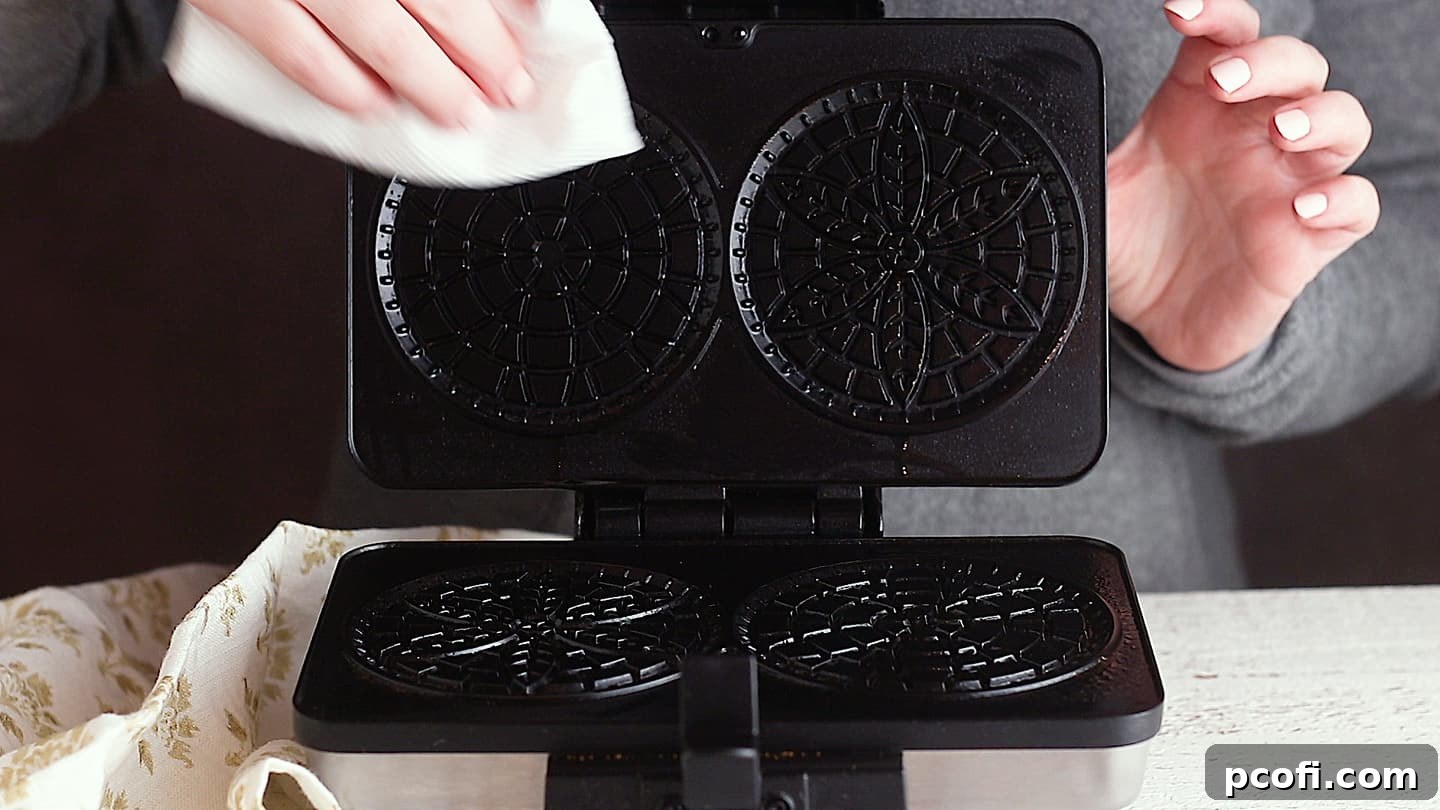
Before you even begin mixing your batter, it’s crucial to prepare your pizzelle iron. Lightly mist the non-stick plates with a non-stick cooking spray. Immediately after spraying, use a paper towel to gently wipe off any excess. This ensures your pizzelle won’t be overly greasy and prevents sticking without leaving a thick residue. You typically only need to do this once, at the very beginning, while the iron is preheating. Once greased, plug in your pizzelle iron and allow it to fully preheat according to the manufacturer’s instructions. This usually takes about 5-10 minutes. A properly preheated iron is key to achieving that beautiful golden color and crisp texture.
Step 2: Prepare the Batter
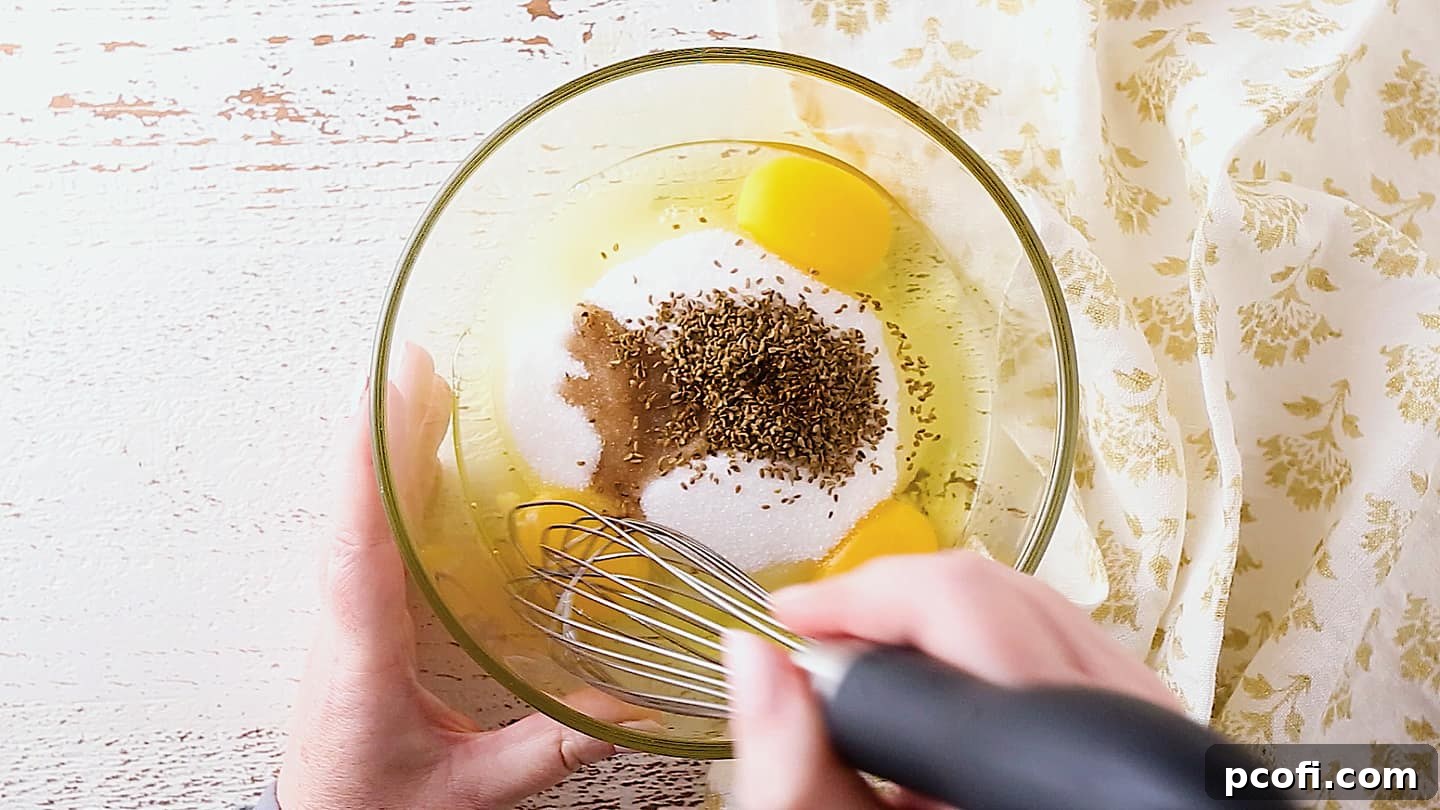
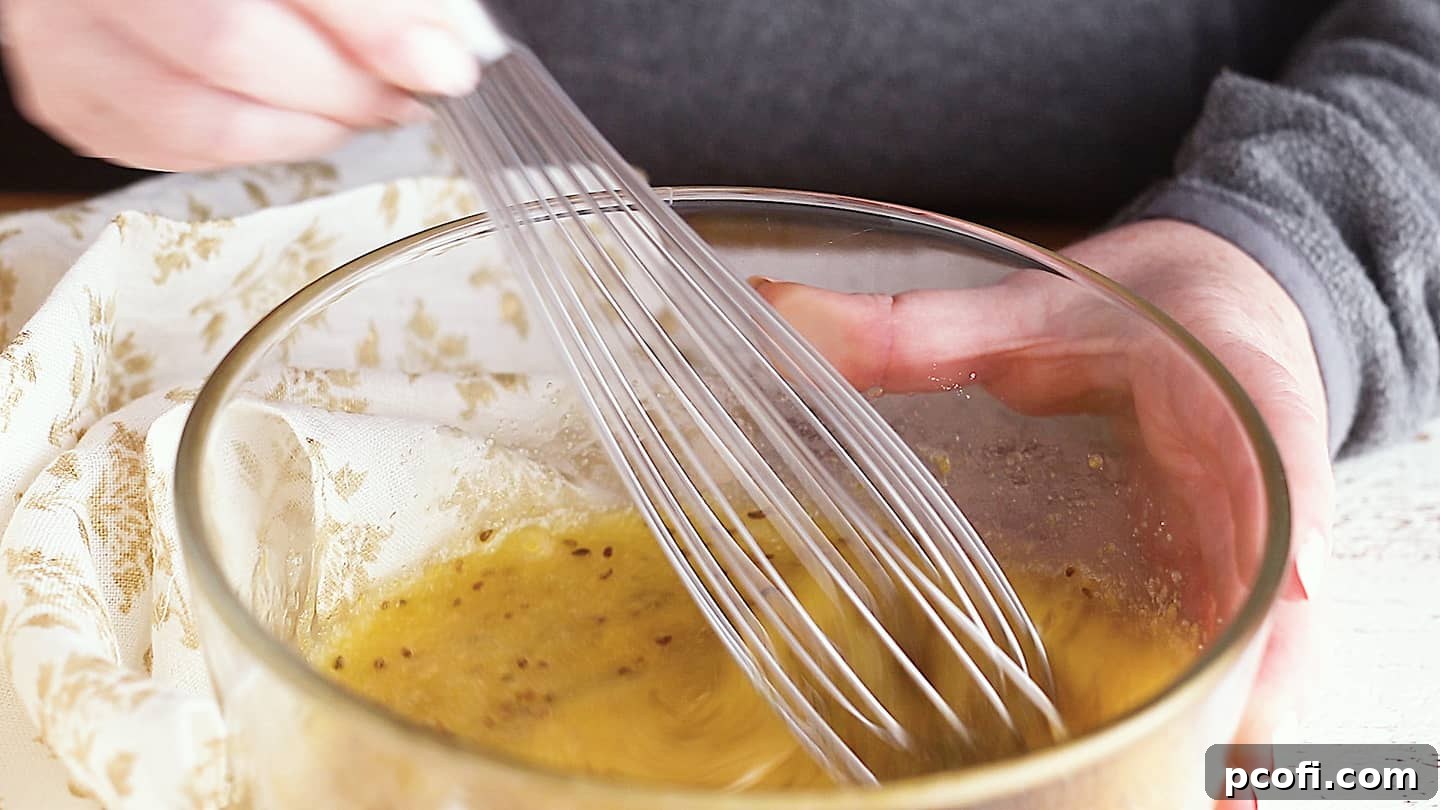
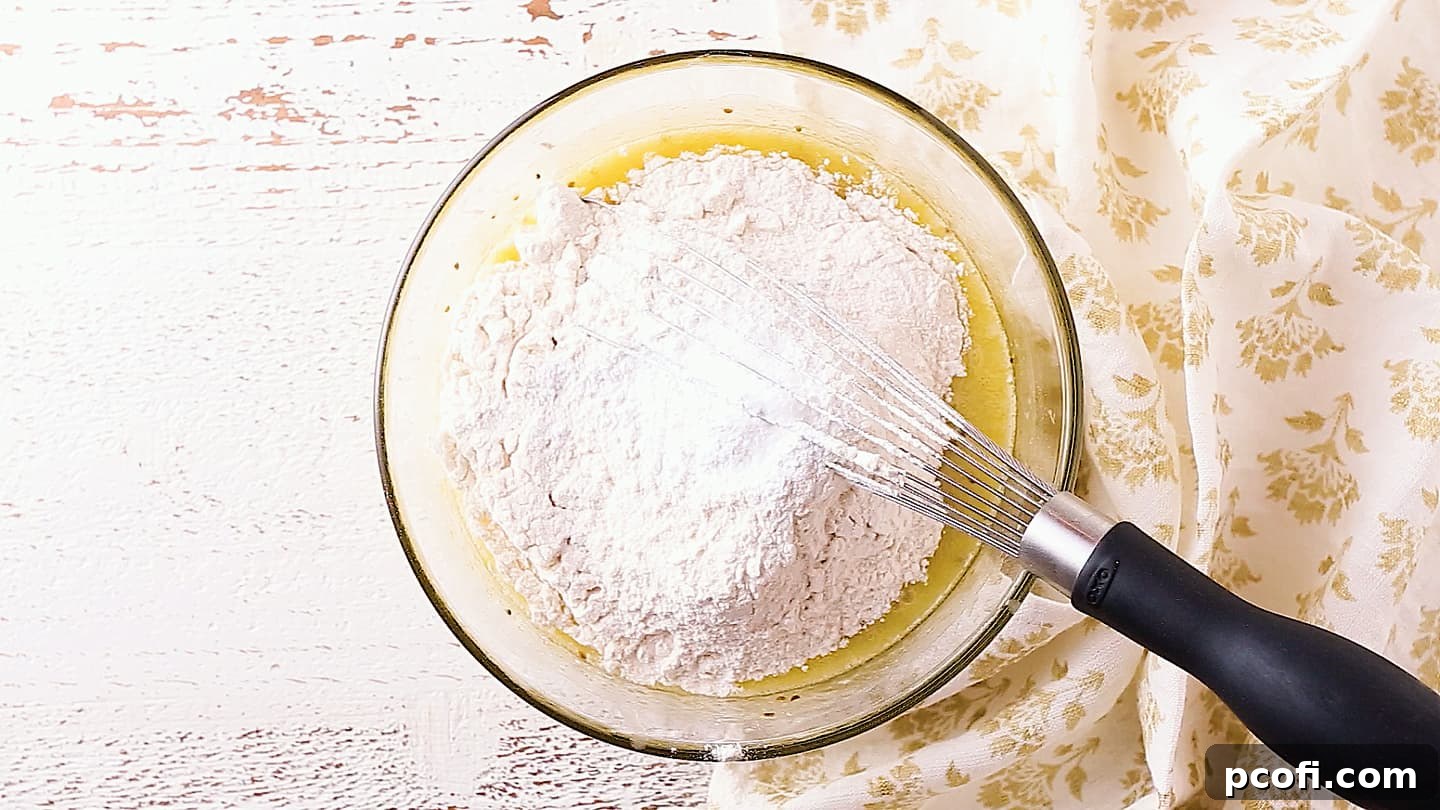
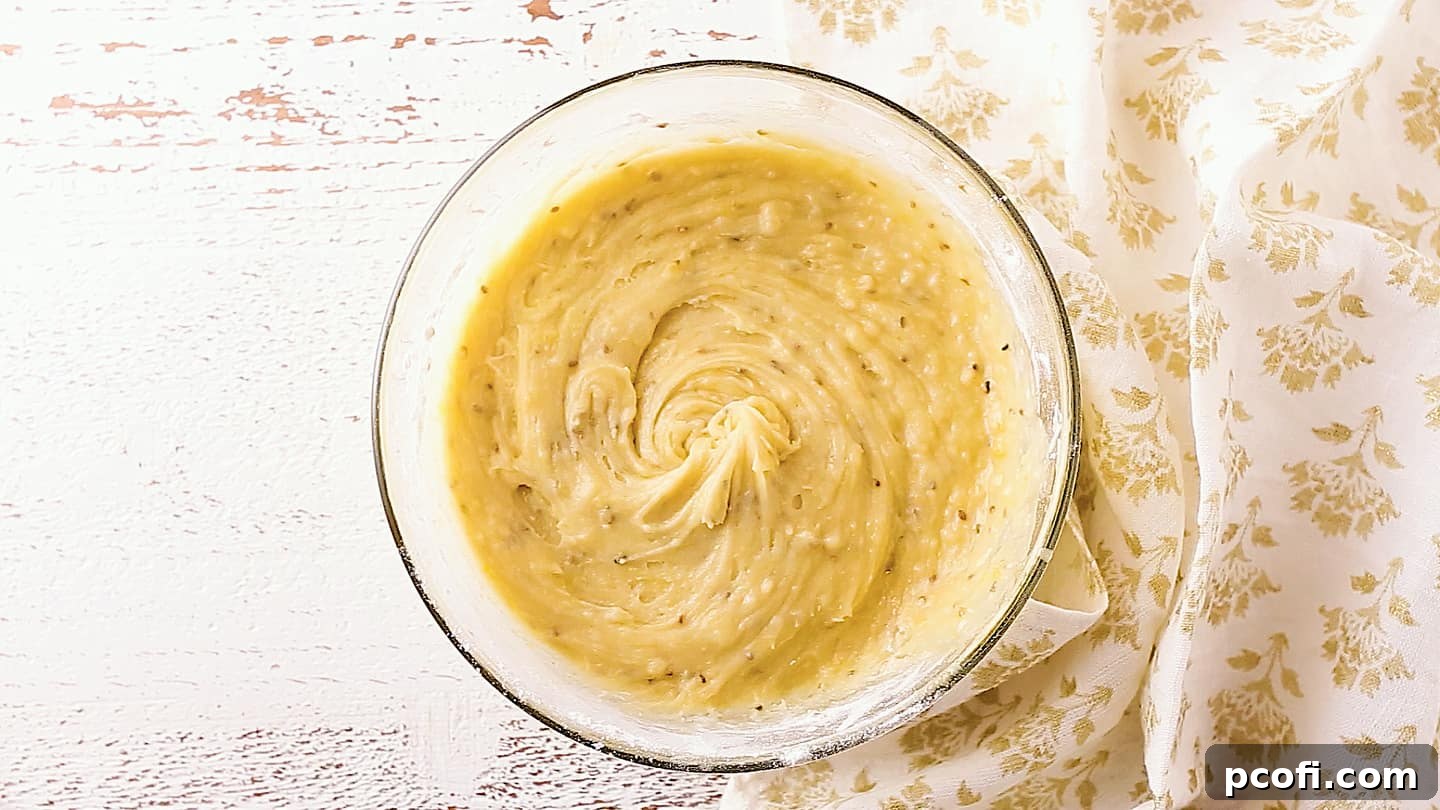
In a medium-sized mixing bowl, combine the wet ingredients. Whisk together the eggs, granulated sugar, whole anise seeds, vanilla extract, and anise extract until they are thoroughly combined and smooth. The whole anise seeds are an optional, but highly recommended, addition for an intensified burst of authentic flavor. You can usually find them in the spice aisle of any well-stocked supermarket. If you have trouble, they are also readily available online: anise seeds. Ensure the sugar is mostly dissolved. Next, slowly whisk in the melted butter, making sure it’s cooled slightly so it doesn’t scramble the eggs. Continue whisking until the butter is fully incorporated into the mixture. Finally, add the dry ingredients: the all-purpose flour, baking powder, and kosher salt. Stir everything together with a whisk or spoon until a thick, smooth batter forms. Be careful not to overmix; a few small lumps are acceptable.
Step 3: Cook the Pizzelle
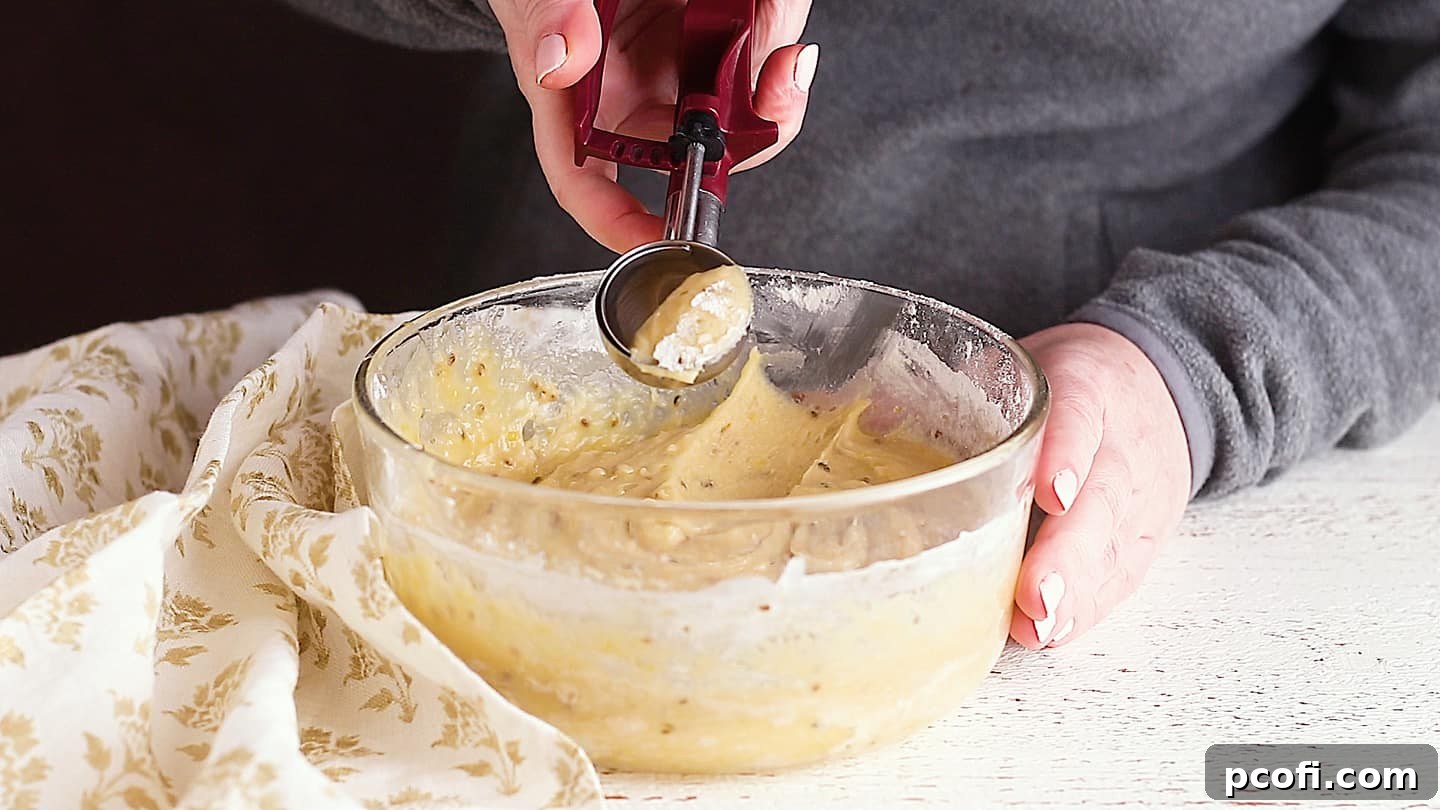
Once your pizzelle maker is fully preheated, it’s time to cook! Using a cookie scoop or a tablespoon, portion out about a tablespoon of batter for each pizzelle. Drop the batter directly onto the center of each hot plate. It’s often helpful to place the batter slightly towards the back of the center, as the lid closing will push it forward and ensure even spreading.
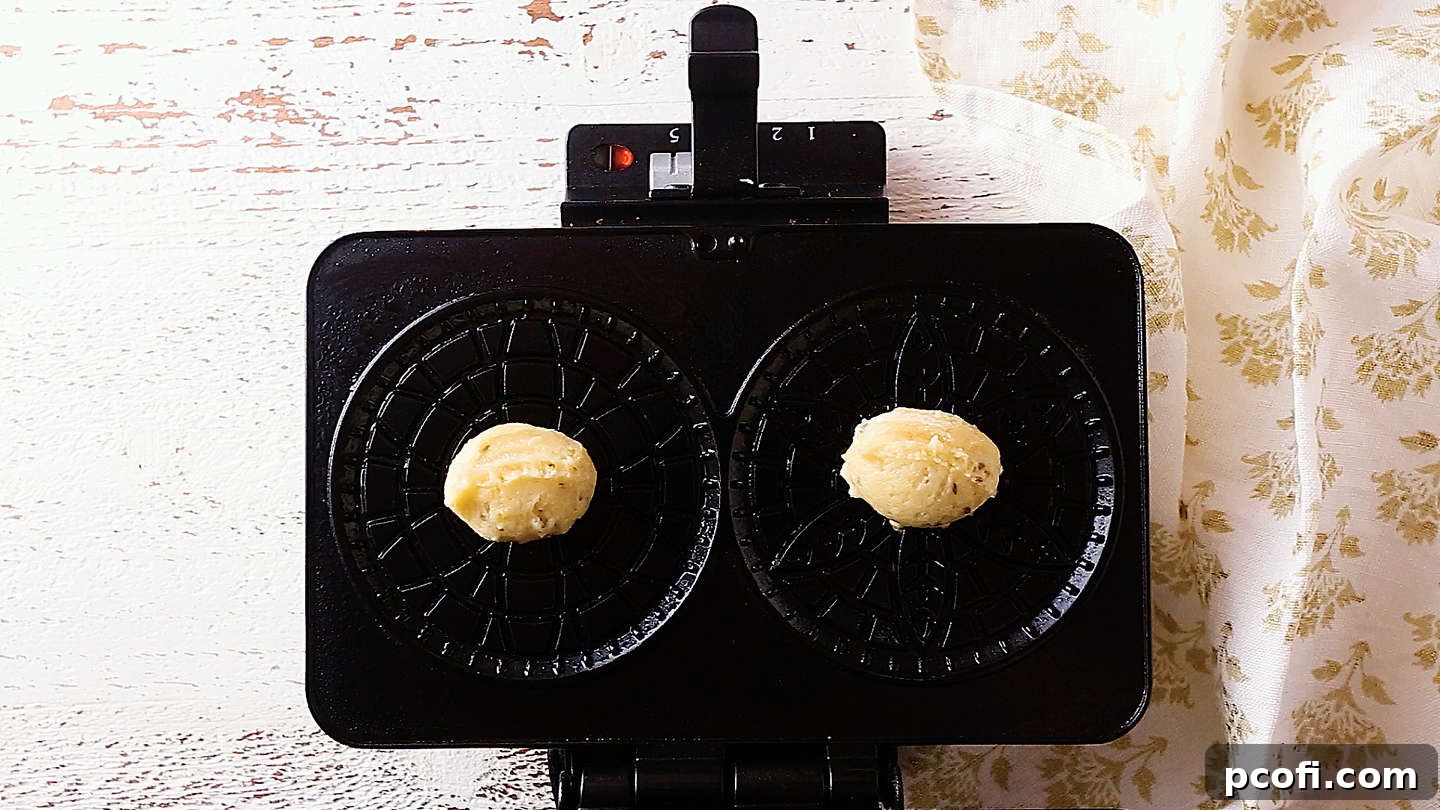
Quickly close the lid of the pizzelle maker. You’ll immediately hear a loud sizzle and see a significant amount of steam escaping. This is normal! As the pizzelle cooks, the steam will gradually subside, and the sizzling sound will become quieter. These cues are excellent indicators that your pizzelle are nearing completion. After about 30 seconds to 2 minutes, depending on your machine, carefully open the lid to check the color. They should be a delicate, lightly golden brown. If they’re too pale, close the lid and cook for a few more seconds. Using a fork or a small spatula, gently lift the hot, pliable cookies from the press.
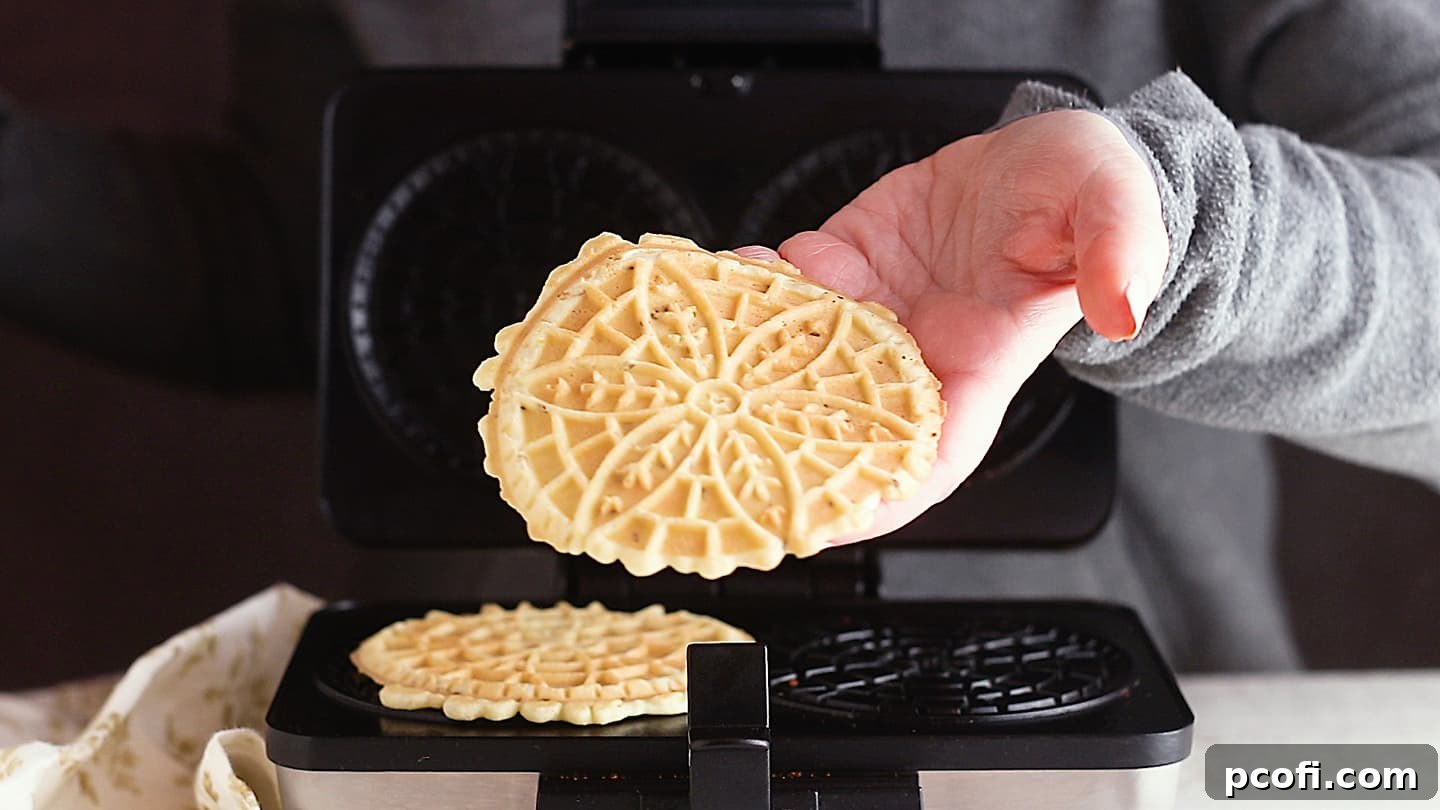
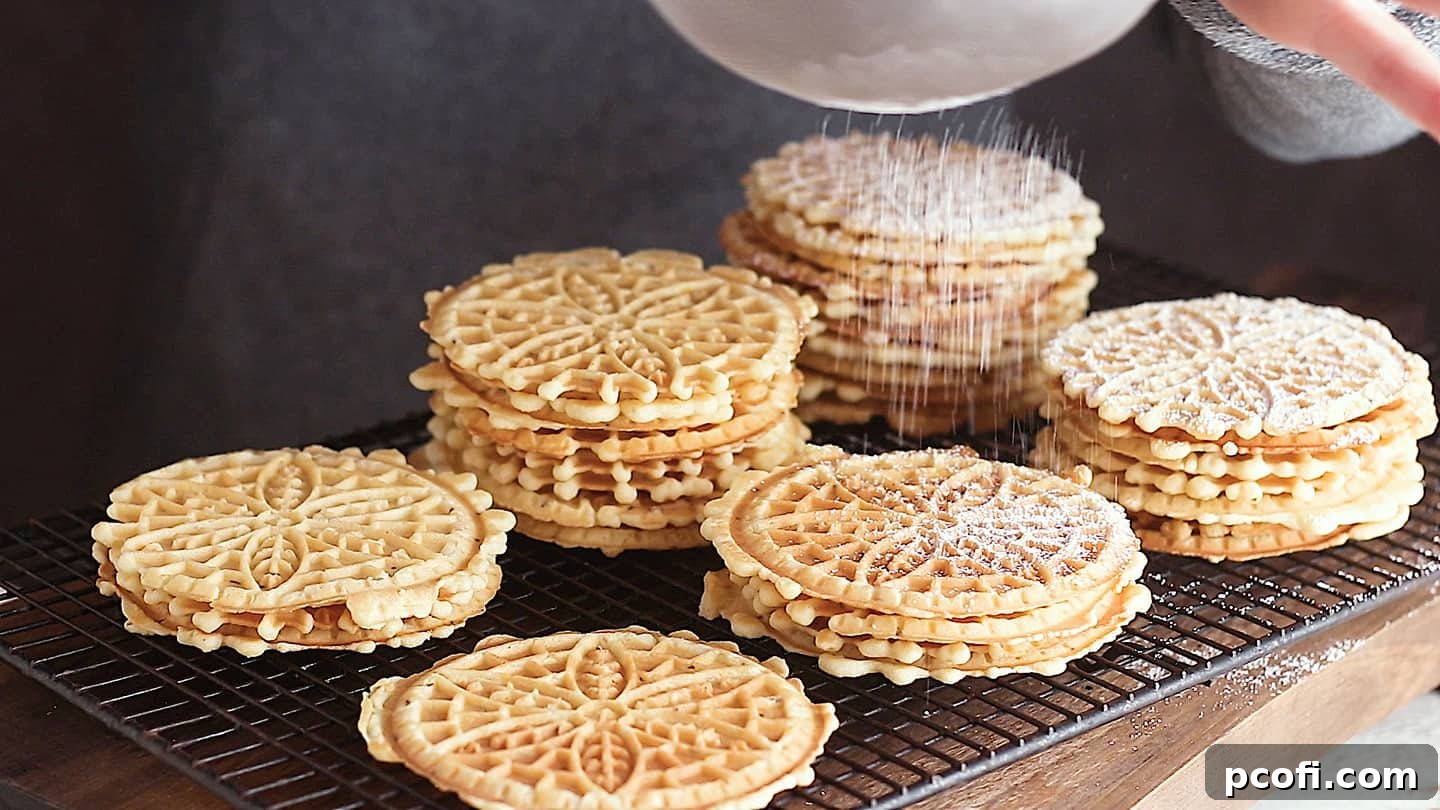
At this stage, the pizzelle will be very pliable. This is your window of opportunity to shape them if desired – gently press them into a bowl shape using a small cup or roll them into tight cylinders around a wooden dowel. Immediately transfer the cooked pizzelle to a wire cooling rack. Allowing them to cool on a rack is critical, as it promotes air circulation, allowing any residual steam to escape and ensuring the pizzelle become perfectly crisp. They will firm up and become delightfully brittle within a minute or two. The final, optional step is to dust them generously with powdered sugar using a fine-mesh sieve for an elegant finish. This step adds both sweetness and visual appeal.
Expert Tips for Perfect Pizzelle
Achieving consistently perfect pizzelle requires a little practice and a few insider tips. Here’s how to ensure every batch is as thin, crisp, and delicious as possible:
- Preventing Stickiness: While non-stick pizzelle makers greatly reduce sticking, a little extra care goes a long way. Lightly mist the plates with a non-stick spray and then wipe off any excess with a paper towel before you begin. This thin, even layer of oil is usually sufficient for the entire batch; there’s typically no need to spray before each cookie, which can lead to greasy pizzelle.
- Thorough Preheating is Key: Always allow your pizzelle iron to fully preheat before placing any batter. An iron that hasn’t reached its optimal temperature will result in unevenly cooked, pale, and potentially soft pizzelle. Most electric irons have an indicator light that signals when it’s ready.
- Avoid Overfilling: Resist the temptation to put too much batter on the iron. Use a consistent measuring spoon or a small cookie scoop (about one tablespoon per cookie, depending on your iron’s size) to portion the batter. Overloading will cause the batter to spill out the sides, creating messy and unevenly cooked cookies. It may take a couple of tries to find the precise amount for your specific maker.
- Strategic Batter Placement: When dropping the batter, place it slightly towards the back center of each design on the iron. As you close the lid, the batter will naturally spread forward and outward, ensuring the entire pattern is filled evenly without overflow.
- Act Quickly When Closing: Once the batter is on the hot plates, close the lid swiftly and firmly. This rapid closure helps to evenly spread the batter and immediately begin the cooking process, ensuring the thinness and crispness.
- Monitor Cooking by Sight and Sound: Pizzelles cook fast! Pay attention to the steam and sizzling sounds. As the steam diminishes and the sizzle softens, the cookies are likely done. Aim for a light golden-brown color. Overcooking can lead to a darker, slightly bitter taste, while undercooking will result in soft pizzelle.
- Handle with Care and Cool Properly: Freshly cooked pizzelle are incredibly delicate and pliable. Use a thin fork or small offset spatula to gently remove them. Transfer them immediately to a wire cooling rack in a single layer. This allows air to circulate around them, preventing condensation and ensuring they crisp up beautifully as they cool. Do not stack them until they are completely cool and firm.
- Batter Consistency: Your batter should be thick enough to hold its shape somewhat but still spread easily under pressure. If it’s too thin, your pizzelle might be too brittle or spread too much. If it’s too thick, they might be dense and not spread into the intricate patterns. If needed, adjust by adding a tiny bit more flour (if too thin) or milk (if too thick).
- Don’t Be Afraid of the First Few: The first couple of pizzelle often act as a seasoning for the iron and might not turn out perfectly. Don’t worry! These are often called “tester” cookies. Adjust your batter amount or cooking time based on these first few, and the rest of your batch will be perfect.
Frequently Asked Questions About Pizzelle
The term “pizzella” is derived from “pizze,” which in Italian means “flat” or “round.” This name perfectly describes the characteristic flat, circular shape of these delicate cookies. These iconic treats are not just cookies; they are a renowned and cherished part of Italian culinary tradition, particularly enjoyed during holidays and various special occasions, embodying simplicity and deliciousness.
Pizzelle boast an extensive and rich history, making them one of the oldest known cookie varieties originating from Italy. They are deeply embedded in Italian culture, especially associated with Christmas and Easter. It’s a longstanding and beloved tradition for Italian families to gather and prepare large batches of pizzelle during these festive seasons. Beyond holiday tables, these cookies are frequently given as thoughtful gifts to friends and family, symbolizing warmth and goodwill. Their presence is also common at significant life events such as Italian weddings, baptisms, and other family celebrations, underscoring their importance and role in marking joyous occasions within Italian communities.
The hallmark flavor of authentic pizzelle is anise, a sweet spice celebrated for its distinct licorice-like taste. The traditional recipe often calls for a harmonious blend of both whole anise seeds and anise extract. This combination not only imbues the cookies with a wonderfully unique flavor but also fills the kitchen with an intoxicating and comforting aroma, instantly recognizable as the scent of traditional Italian baking.
Several factors can contribute to pizzelle not being crisp. The most common reasons include not cooking them long enough (they should be light golden-brown), removing them from the iron too soon, or not cooling them properly. They must be cooled on a wire rack in a single layer to allow air circulation and prevent steam from making them soft. Humidity can also affect crispness; store them in an airtight container once completely cooled.
While electric pizzelle makers are the most common and convenient way to make these cookies today, traditional pizzelle irons (often cast iron) that are used over an open flame or stovetop burner also exist. These require more attention and skill to manage the heat and cooking time but can produce equally delicious results. However, a specific pizzelle iron is essential; they cannot be made in a standard waffle iron as the grid pattern is different and the thickness will not be the same.
Pizzelle Variations and Substitutions
While the traditional anise-flavored pizzelle are undeniably delightful, this versatile cookie offers a fantastic canvas for creative variations and dietary adjustments. Here are some ideas to customize your pizzelle to suit any taste or need:
- Anise Alternatives: If the distinct licorice flavor of anise isn’t to your liking, rest assured, you can easily omit it! Simply leave out both the whole anise seeds and anise extract to create delicious vanilla pizzelle. For those who prefer other classic flavors, consider these substitutions:
- Almond Pizzelle: Replace the anise extract with an equal amount of almond extract. The nutty, sweet aroma of almond is a popular alternative and equally delicious.
- Lemon Pizzelle: Incorporate fresh lemon zest (from 1-2 lemons) into the batter and substitute the anise extract with lemon extract for a bright, citrusy twist.
- Orange or Cinnamon: Experiment with orange zest and a touch of orange extract, or a pinch of ground cinnamon for a warmer, spicier flavor profile.
- Gluten-Free Pizzelle: Creating gluten-free pizzelle is absolutely achievable with this recipe! Although I haven’t personally tested a gluten-free version, the structure of pizzelle batter lends itself well to substitutions. Simply swap the all-purpose flour for a high-quality 1:1 gluten-free baking flour blend. Look for blends that specifically state they can be used cup-for-cup as a substitute for wheat flour. You might find the batter’s consistency slightly different, but the end result should still be wonderfully crisp.
- Dairy-Free/Vegan Pizzelle: For those avoiding dairy, you can successfully replace the unsalted butter with a 1:1 plant-based butter alternative. Ensure it melts smoothly and cools slightly before incorporating. For a completely vegan recipe, substitute the eggs with a suitable plant-based egg replacer (such as flax eggs or a commercial egg substitute) that can be swapped 1:1.
- Shape the Cookies: Pizzelle’s pliability when warm opens up a world of creative shaping:
- Pizzelle Cones: While still warm from the iron, quickly roll the pizzelle around a cone-shaped mold (often sold with krumkake irons) to create delightful ice cream cones.
- Pizzelle Cups: Gently press warm pizzelle into small bowls or muffin tins to form edible dessert cups, perfect for holding fruit salads, mousse, or ice cream.
- Pizzelle Tubes/Cannoli Shells: Roll the warm cookies around a wooden dowel or a cannoli tube to create hollow cylinders. Once cooled, these can be filled with sweet ricotta cream, pastry cream, or chocolate ganache for a unique dessert.
- Chocolate Pizzelle: Add 2-3 tablespoons of unsweetened cocoa powder to your dry ingredients for a chocolate-flavored pizzelle. You can also dip cooled pizzelle in melted chocolate for an extra touch of indulgence.
How to Serve Pizzelle
Pizzelle are incredibly versatile and can be enjoyed in a multitude of ways, enhancing any dessert spread or coffee break. Here are some delightful suggestions for serving your homemade pizzelle:
- Classic Dusting: The simplest and most elegant presentation involves a light dusting of powdered sugar. Use a fine-mesh sieve to evenly sprinkle the sugar over the cooled cookies, adding a subtle sweetness and beautiful, ethereal finish.
- Ice Cream Sandwiches: Elevate your ice cream experience by using pizzelle as the “bread” for homemade ice cream sandwiches. Simply place a generous scoop of your favorite ice cream (vanilla, pistachio, or coffee work wonderfully) between two crisp pizzelle and gently press.
- Chocolate Dipped Elegance: For an extra touch of decadence, melt your favorite chocolate (dark, milk, or white). Dip one half or just the edges of cooled pizzelle into the melted chocolate, then sprinkle with chopped nuts, sprinkles, or a contrasting drizzle of chocolate before letting it set on parchment paper.
- Coffee or Hot Chocolate Companion: Pizzelle are a quintessential accompaniment to warm beverages. Their delicate crispness softens beautifully when dipped into a cup of hot coffee, espresso, tea, or rich hot chocolate, infusing them with comforting flavors.
- Cannoli-Inspired Treats: If you’ve rolled your warm pizzelle into cylindrical tubes, these make fantastic, lighter alternatives to traditional cannoli shells. Fill them with homemade ricotta cream (sweetened with sugar and flavored with vanilla or citrus zest), chocolate ganache, or a simple pastry cream.
- Dessert Cups or Bowls: When shaped into bowls or cups while still warm, pizzelle can become charming edible vessels. Fill them with fresh berries and a dollop of whipped cream, a scoop of sorbet, a mini fruit tart, or a light mousse.
- Dessert Platters: Arrange a variety of pizzelle on a platter with other Italian cookies, fresh fruit, or small dishes of dipping sauces like caramel, fruit coulis, or a Nutella spread for an impressive dessert display.
- Homemade Gifts: Pizzelle make exquisite homemade gifts. Once completely cool, stack them neatly in decorative boxes or bags, tying them with a festive ribbon. They are a thoughtful and delicious present for holidays, hostess gifts, or special occasions.
How to Store and Keep Pizzelle Crisp
Proper storage is essential to maintain the delicate crispness of your pizzelle. Follow these guidelines to keep them fresh and delicious for as long as possible:
- Cool Completely: Before storing, ensure your freshly baked pizzelle are entirely cooled on a wire rack in a single layer. Stacking them while warm or placing them directly into a container will trap steam, leading to soggy cookies.
- Airtight Container is Key: Once completely cool, transfer the pizzelle to an airtight container. This prevents moisture from the air from softening them. Layer them carefully, with parchment paper between layers if desired, to prevent breakage.
- Cool, Dry Place: Store the airtight container in a cool, dry place, away from direct sunlight and any sources of humidity. A pantry or cupboard is ideal.
- Avoid Refrigeration: Do not store pizzelle in the refrigerator. The moisture and fluctuating temperatures inside a fridge will quickly cause them to lose their crisp texture and become soft.
- Longevity: Properly stored pizzelle will retain their crispness and fresh flavor for up to 7 days. While they can last longer, their texture might begin to diminish slightly after a week.
- Refreshing Soft Pizzelle: If your pizzelle have lost some of their crispness over time, you can often revive them. Simply spread them in a single layer on a baking sheet and bake in a preheated oven at 250°F (120°C) for 5-10 minutes, or until crisp again. Let them cool completely on a wire rack before serving.
More Favorite Cookie Recipes
- Homemade Oreos
- Peanut Butter Oatmeal Cookies
- Soft Chocolate Chip Cookies
- Almond Biscotti
As an Amazon Associate, I earn from qualifying purchases.
Thin & Crisp Pizzelle
Ingredients
- 3 eggs, (large)
- 3/4 cup (150 g) granulated sugar
- 1 1/2 teaspoons whole anise seed
- 1 teaspoon vanilla extract
- 1/2 teaspoon anise extract
- 1/2 cup (113.5 g) unsalted butter, (1 stick), melted and cooled slightly
- 1 1/2 cups (187.5 g) all-purpose flour
- 2 teaspoons baking powder
- 1/8 teaspoon kosher salt
- powdered sugar, (optional garnish)
Instructions
- Preheat a pizzelle maker, and lightly mist the plates with non-stick spray. Wipe the plates of the pizzelle maker lightly, to remove any excess.*
- Place the eggs, sugar, anise seed, vanilla, and anise extract in a medium bowl and whisk to combine.
- Stir in the melted butter.
- Add the flour, baking powder, and salt, and mix until smooth.
- Place about a tablespoon of batter on each of the hot pizzelle maker plates, and close the lid.
- Cook until only a few wisps of steam are escaping from the pizzelle maker, and the pizzelles look lightly golden.
- Use a fork or small spatula to remove the cooked pizzelles to a wire rack to cool.
- Dust with powdered sugar, if using.
Notes
©Baking a Moment