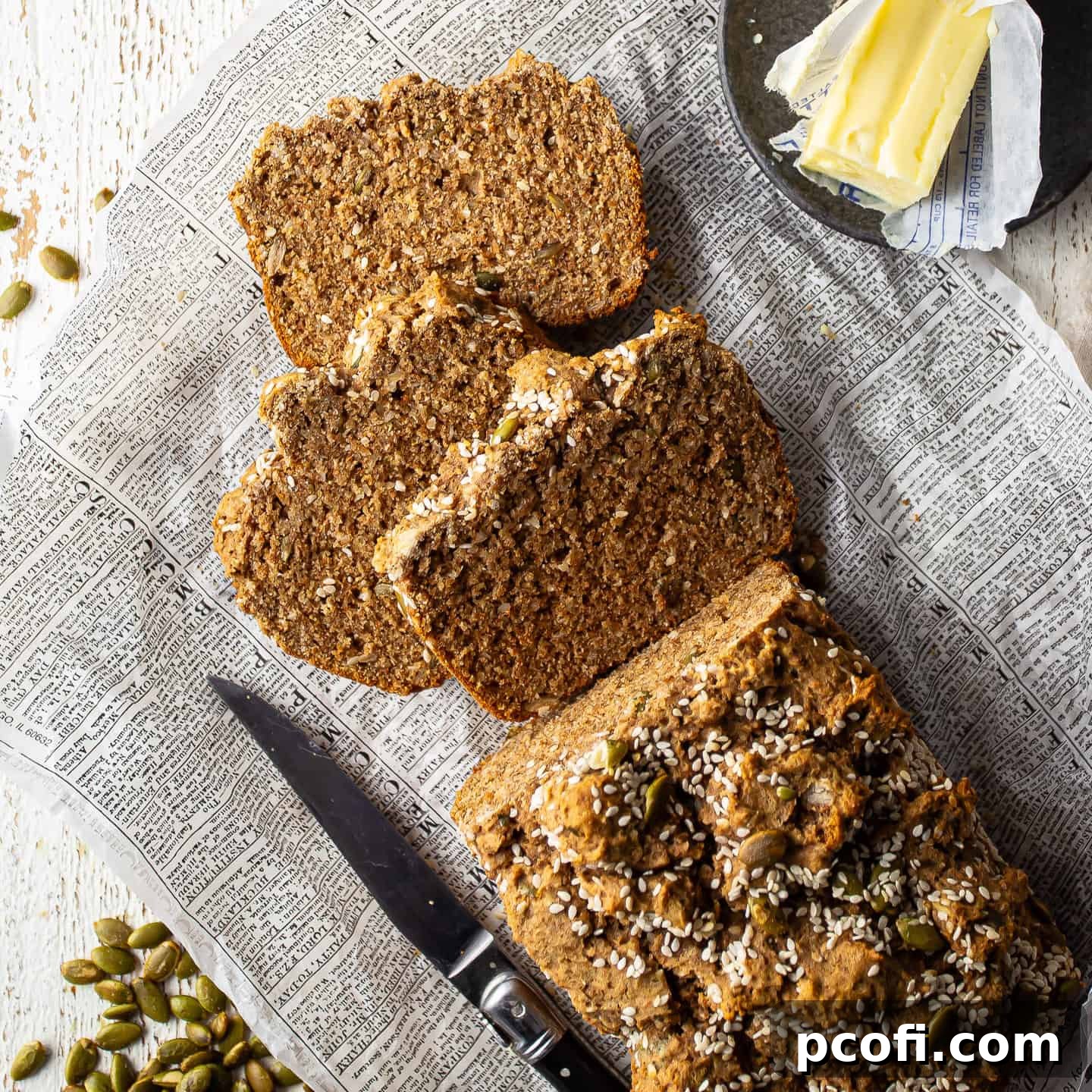
Discover the true taste of Ireland with this authentic and incredibly easy Irish brown bread recipe. Hailing directly from the picturesque landscapes of Connemara, this homemade loaf delivers a hearty, nutty flavor and a wonderfully moist texture, perfect for any meal. Forget complicated yeast breads – our quick bread method ensures a fresh, delicious loaf on your table in under two hours, with minimal effort. Whether you’re a seasoned baker or new to the kitchen, this traditional recipe will bring a piece of Irish culinary heritage right into your home, making every bite a journey to the Emerald Isle.
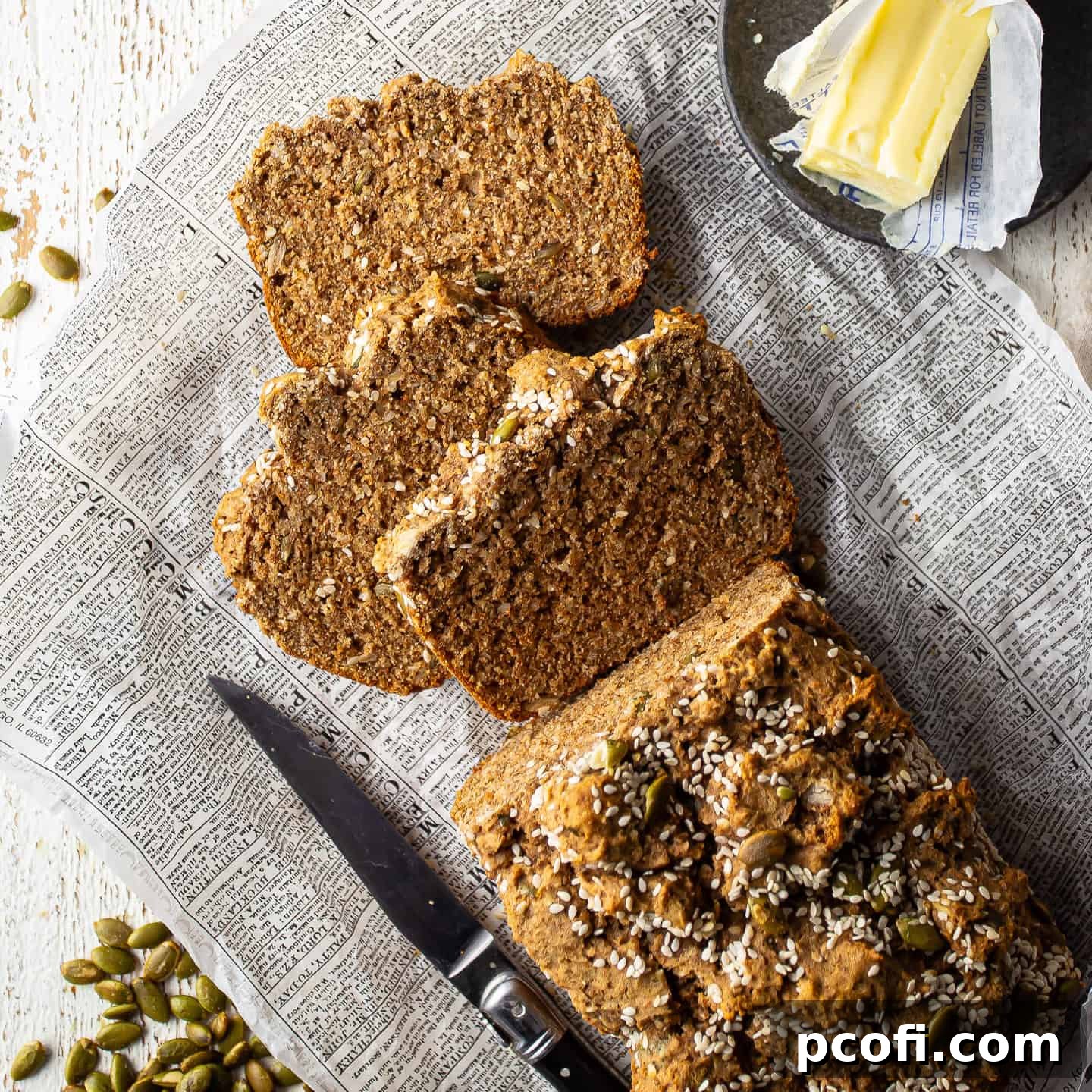
A few years ago, I embarked on an unforgettable culinary journey through Ireland, a trip entirely dedicated to exploring the rich and vibrant food culture of the Emerald Isle. The experience was truly transformative, and I’ve been eager ever since to share the authentic flavors and traditional recipes I discovered with all of you.
Among the many delightful dishes and baked goods I encountered, one stood out for its ubiquity and heartwarming simplicity: Irish brown bread. It seemed that everywhere we went, from bustling city bakeries to quaint countryside guesthouses, each establishment took immense pride in their unique brown bread recipe. “You simply MUST try our brown bread,” they would exclaim, “It’s our specialty!” And they were never wrong; every loaf was a testament to Irish baking tradition.
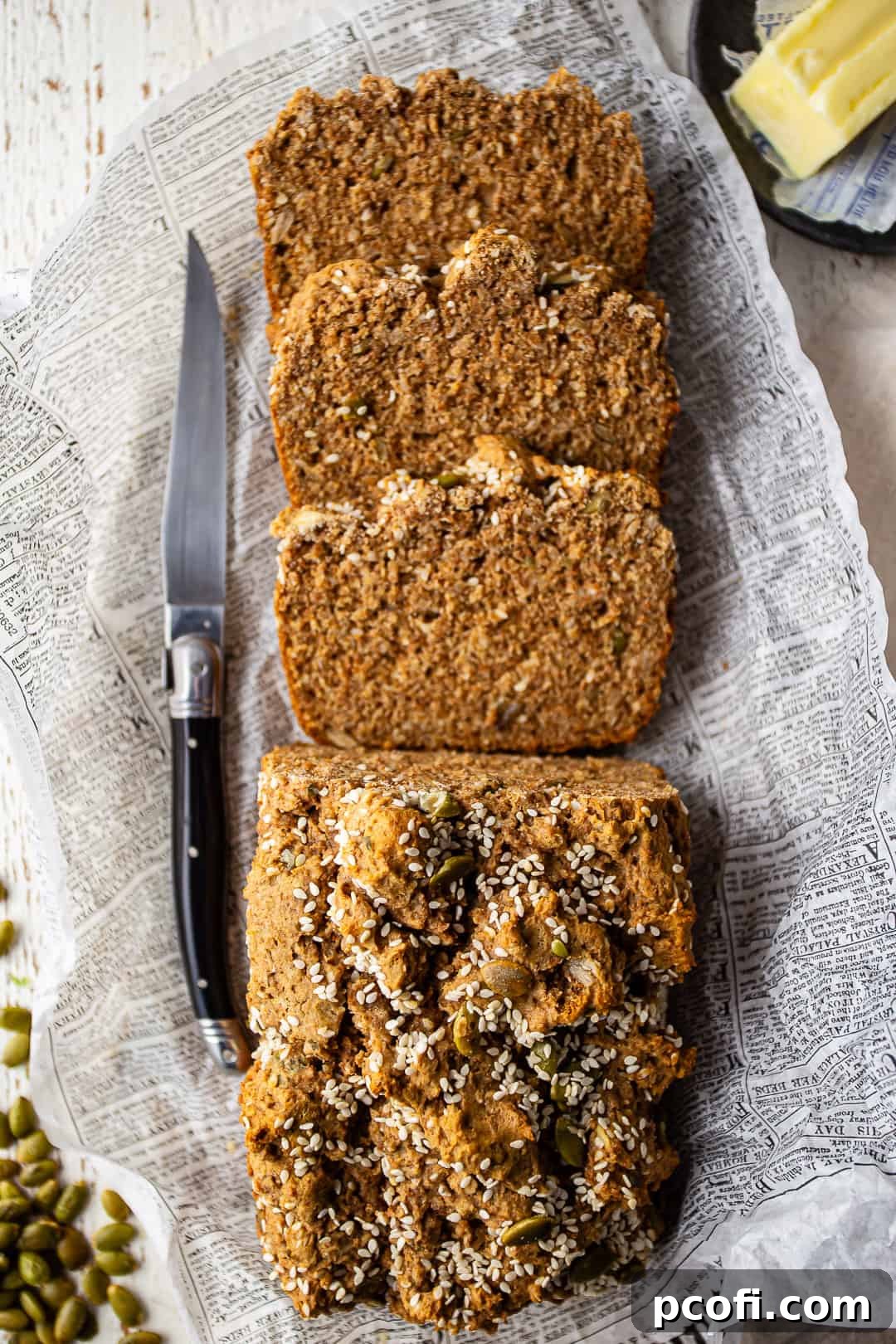
Today, I am thrilled to share with you an adapted version of the incredible Irish brown bread recipe I received from the wonderfully charming people at Kylemore Abbey, nestled in the stunning region of Connemara in County Galway. This particular recipe captures the essence of Irish home baking, yielding a loaf that is beautifully nutty, intensely flavorful, with a perfectly moist interior and a robust, wholesome crust. It’s packed with healthy whole grains and seeds, making it not just delicious, but also incredibly nourishing. You’ll be amazed at how straightforward and rewarding it is to bake.
For those eager to explore more traditional Irish delights, I invite you to explore my other authentic Irish recipes, including my creamy cheesy Colcannon, a rustic Irish apple tart, and fluffy Irish scones. Each recipe offers another taste of Ireland’s rich culinary heritage.
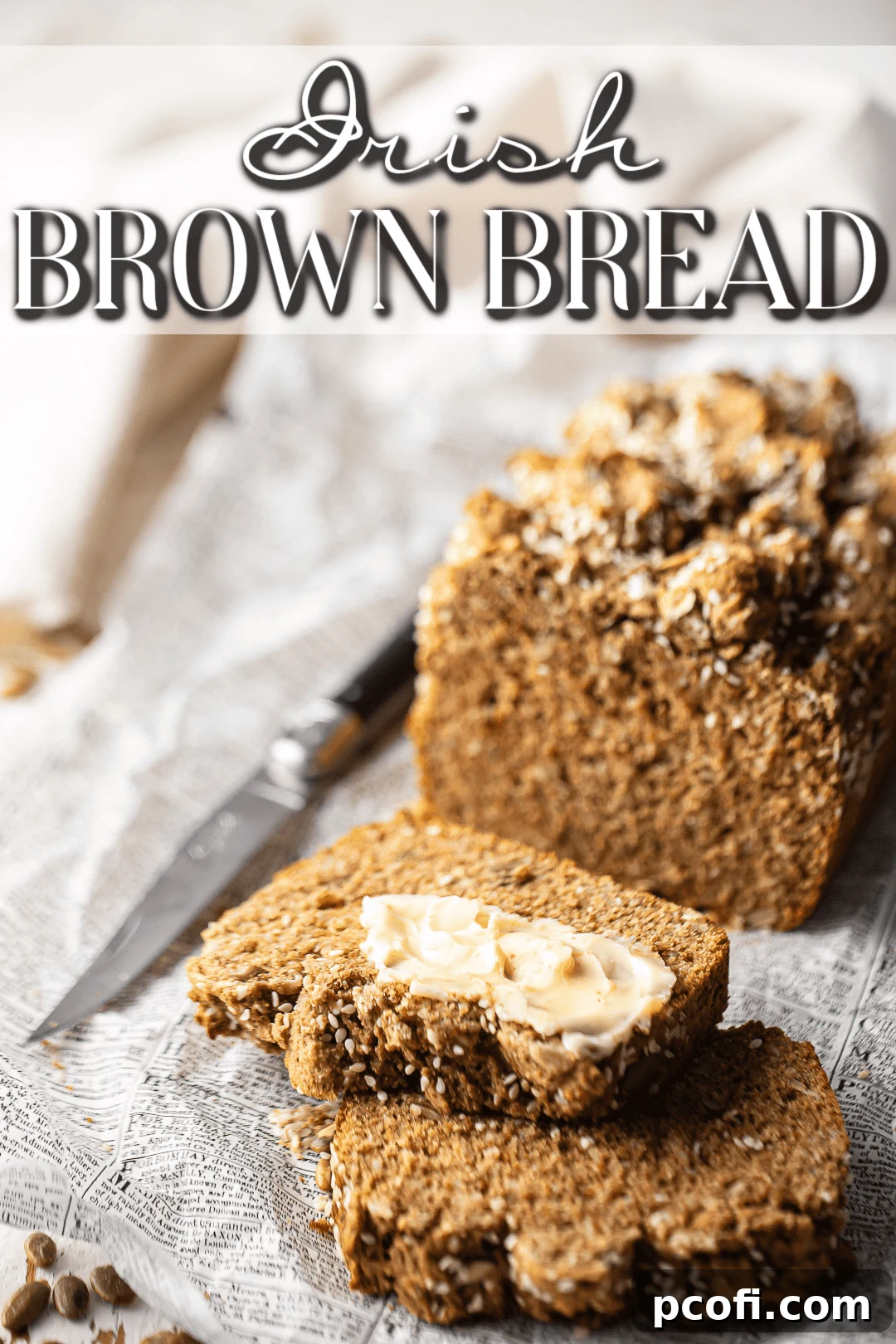
Table of Contents
- What is Irish Brown Bread?
- Why This is the Best Irish Brown Bread Recipe
- What Does It Taste Like?
- Key Ingredients
- Special Equipment
- How to Make Irish Brown Soda Bread
- How to Serve Irish Brown Bread
- Expert Tips for Perfect Brown Bread
- Frequently Asked Questions
- More Authentic Irish Recipes
Jump to Recipe
What is Irish Brown Bread?
Irish brown bread is a beloved staple of Irish cuisine, distinct from many other breads because it is a “quick bread.” This means it relies on a chemical leavening agent, specifically baking soda, rather than yeast, to achieve its rise. The beauty of quick breads lies in their simplicity and speed of preparation – there’s no kneading or lengthy proofing required, making it an ideal choice for homemade bread on a whim.
Traditionally, Irish brown bread is crafted from a rustic blend of whole grains, often incorporating wheat bran, oats, and various seeds, all bound together with the tangy richness of buttermilk. This combination results in a bread that is not only robustly flavorful and wonderfully hearty but also boasts a distinctive crust and a dense, moist crumb. Its wholesome character makes it a nourishing addition to any meal, deeply rooted in the agricultural history and culinary traditions of Ireland.
Why This is the Best Irish Brown Bread Recipe
- Unforgettable Flavor Profile: This recipe yields a loaf with a deep, nutty flavor, complemented by a subtle sweetness from molasses. The blend of whole grains creates a complex taste that is truly irresistible and distinctly Irish. It’s comforting, hearty, and pairs beautifully with a myriad of dishes.
- Minimal Ingredients, Maximum Impact: You won’t need a pantry full of exotic items to create this masterpiece. This recipe calls for a handful of common, wholesome ingredients, most of which you likely already have on hand, proving that simplicity often leads to the most profound flavors.
- Effortless and Quick Preparation: Baking homemade bread can often feel daunting, but not with this recipe! With just about 15 minutes of active preparation time, you can have this dough ready for the oven. The quick bread method means no waiting for yeast to rise, making fresh, warm bread a reality even on busy weekdays.
- Authentically Irish: This isn’t just any brown bread recipe; it’s an adaptation directly from the heart of Ireland, specifically from the esteemed Kylemore Abbey in Connemara. This heritage ensures that you’re baking a truly traditional loaf that honors its origins and delivers an authentic Irish culinary experience.
What Does It Taste Like?
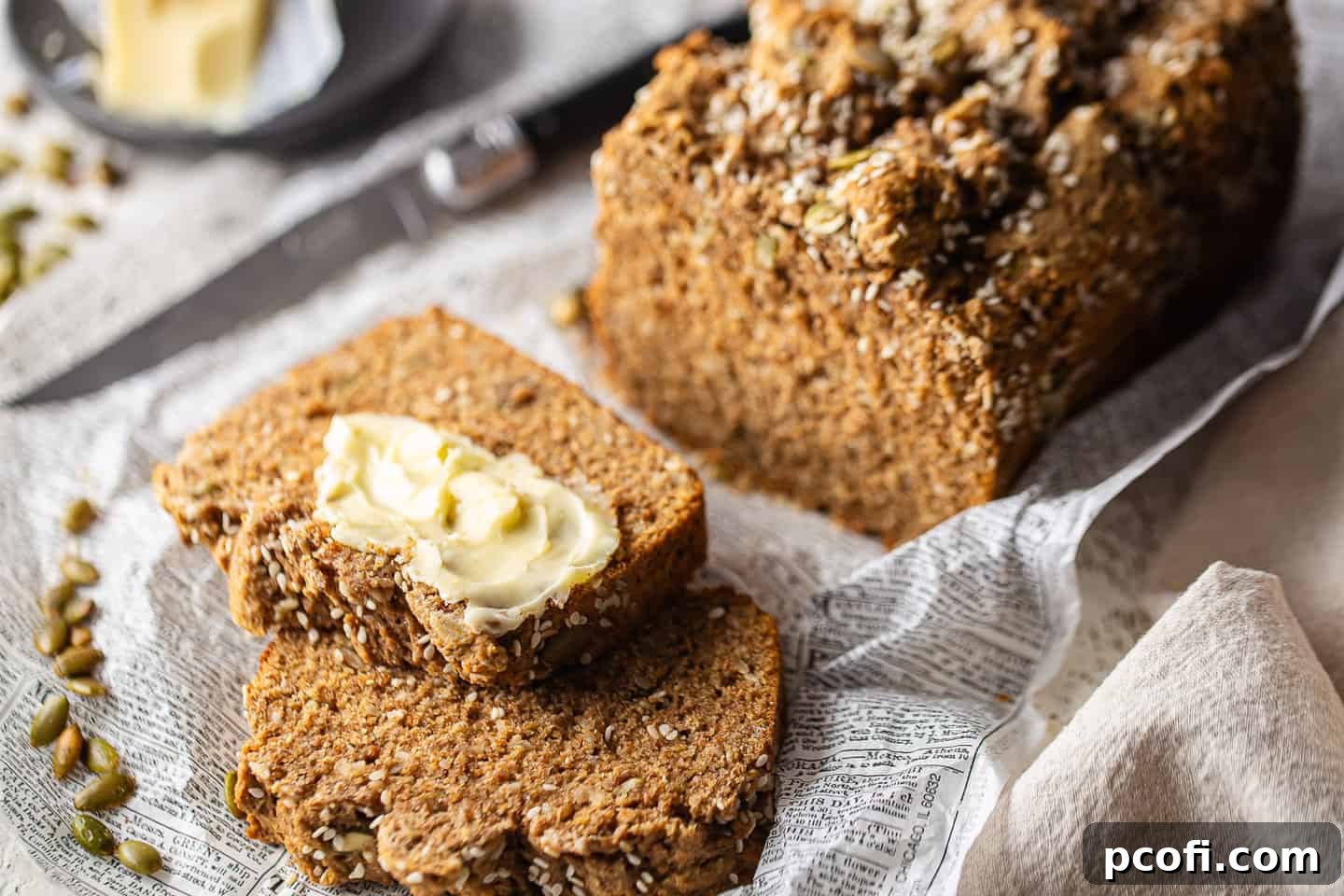
Imagine a loaf that offers a delightful contrast of textures and flavors. The interior of this Irish brown bread is remarkably moist and tender, almost reminiscent of a dense muffin, yet without the overt sweetness. As you bite into it, your palate will immediately encounter the satisfying crunch of its rustic, crumbly crust, which gives way to the soft, wholesome crumb within.
The flavor is predominantly savory, grounded by the earthy notes of whole grains and seeds. A subtle hint of bitterness and complex sweetness emerges from the molasses, adding depth without overpowering the natural goodness of the bread. This harmonious blend of flavors makes it incredibly versatile, perfect for complementing a wide array of meals, from breakfast spreads to hearty dinners. Each slice is a comforting, satisfying experience.
Key Ingredients
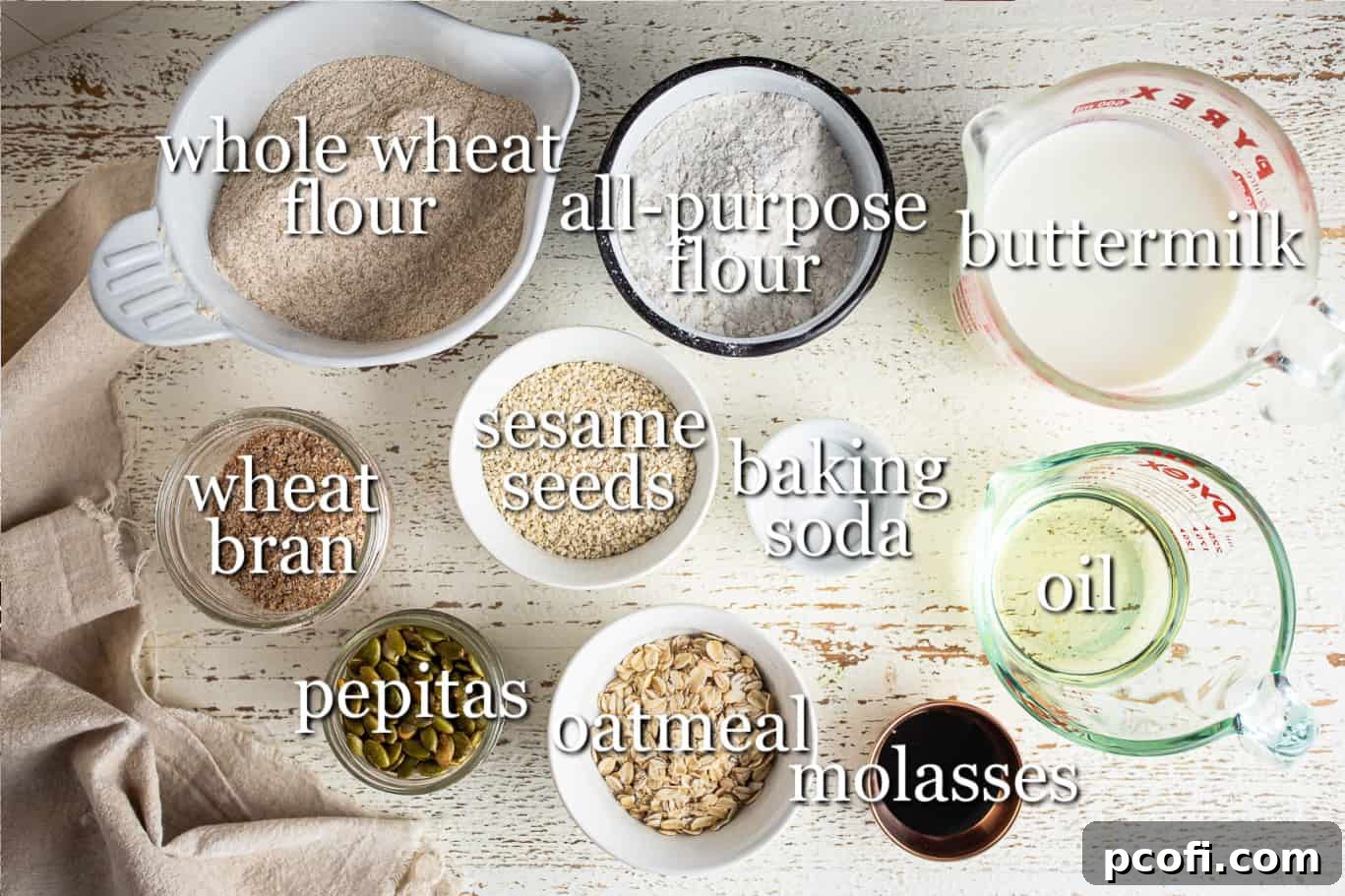
Flour: We use a balanced combination of whole wheat flour and all-purpose flour. The whole wheat flour provides the bread’s characteristic hearty texture, nutty flavor, and essential fiber, while the all-purpose flour ensures a slightly lighter crumb and better overall structure.
Seeds: A generous inclusion of sesame seeds and pepitas (shelled, roasted pumpkin seeds) adds delightful crunch, rich nutty notes, and an extra boost of nutrition, making each slice more appealing and wholesome.
Bran: Wheat bran is a fantastic addition, enhancing the bread’s fiber content and nutritional value. It also contributes to the rustic, hearty texture that is a hallmark of traditional Irish brown bread.
Oatmeal: I opted for old-fashioned rolled oats for their superior texture, providing a pleasant chewiness to the loaf. However, if you’re in a pinch, quick oats can be used, though they may result in a slightly less pronounced texture.
Baking soda: As a quick bread, baking soda is the crucial leavening agent here. When combined with the buttermilk’s acidity, it creates carbon dioxide bubbles that cause the bread to rise, resulting in a lighter, airier texture without the need for yeast.
Buttermilk: This ingredient is essential for both flavor and leavening. Its natural acidity reacts with the baking soda, forming countless tiny air bubbles that prevent the brown bread from becoming overly dense, ensuring a perfectly moist and tender crumb. Buttermilk also imparts a subtle tangy flavor that enhances the overall taste profile.
Oil: I used vegetable oil, but any neutral-flavored oil that remains liquid at room temperature will work beautifully. The oil is key to keeping the bread moist and tender, preventing it from drying out during baking and storage.
Molasses: A small amount of molasses contributes a deep, complex sweetness that beautifully complements the savory grains. It also enhances the bread’s naturally rich brown color, adding to its rustic appeal.
Special Equipment
- Measuring cups and spoons: Accurate measurements are crucial for successful baking. Be sure to follow my guide on how to measure ingredients for the best results.
- Large Mixing bowl: You’ll need a spacious bowl to comfortably combine all the dry and wet ingredients without making a mess.
- Silicone spatula: A sturdy silicone spatula is perfect for gently stirring and folding all the ingredients together, ensuring the dough is just combined without overmixing.
- Loaf Pan: The bread is ideally baked in a standard-sized, 1 1/2-quart loaf pan. I typically use an ovenproof glass pan, which heats evenly. If you opt for a metal pan, be aware that you might need to slightly adjust the baking time, as metal often conducts heat more quickly.
How to Make Irish Brown Soda Bread
This incredibly easy recipe comes together in just three straightforward steps, proving that delicious homemade bread doesn’t have to be complicated.
Step 1: Combine the Dry Ingredients
Begin by gathering your dry ingredients. In a large mixing bowl, combine the whole wheat flour, all-purpose flour, wheat bran, oatmeal, baking soda, and about two-thirds of both the sesame seeds and pepitas. Reserving some seeds for topping will add a beautiful finish and extra crunch to the baked loaf.
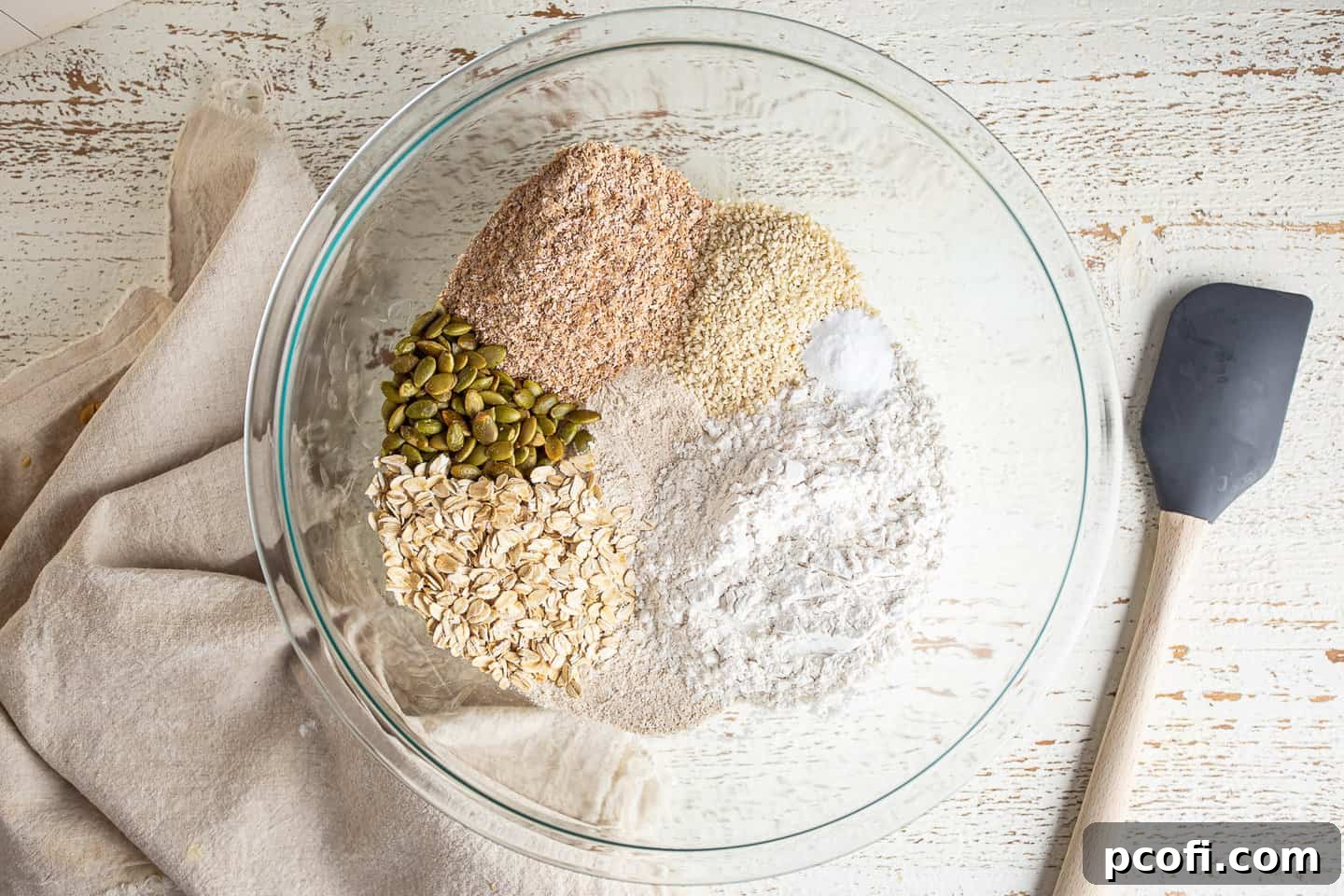
Once all the dry components are in the bowl, give them a quick, thorough stir with your silicone spatula or a whisk. This step ensures that the leavening agent (baking soda) and other ingredients are evenly distributed, which is crucial for a consistent rise and texture throughout the bread.
Step 2: Add the Liquids
Next, create a noticeable well in the very center of your combined dry ingredients. This central depression will serve as the perfect spot to pour in the wet ingredients.
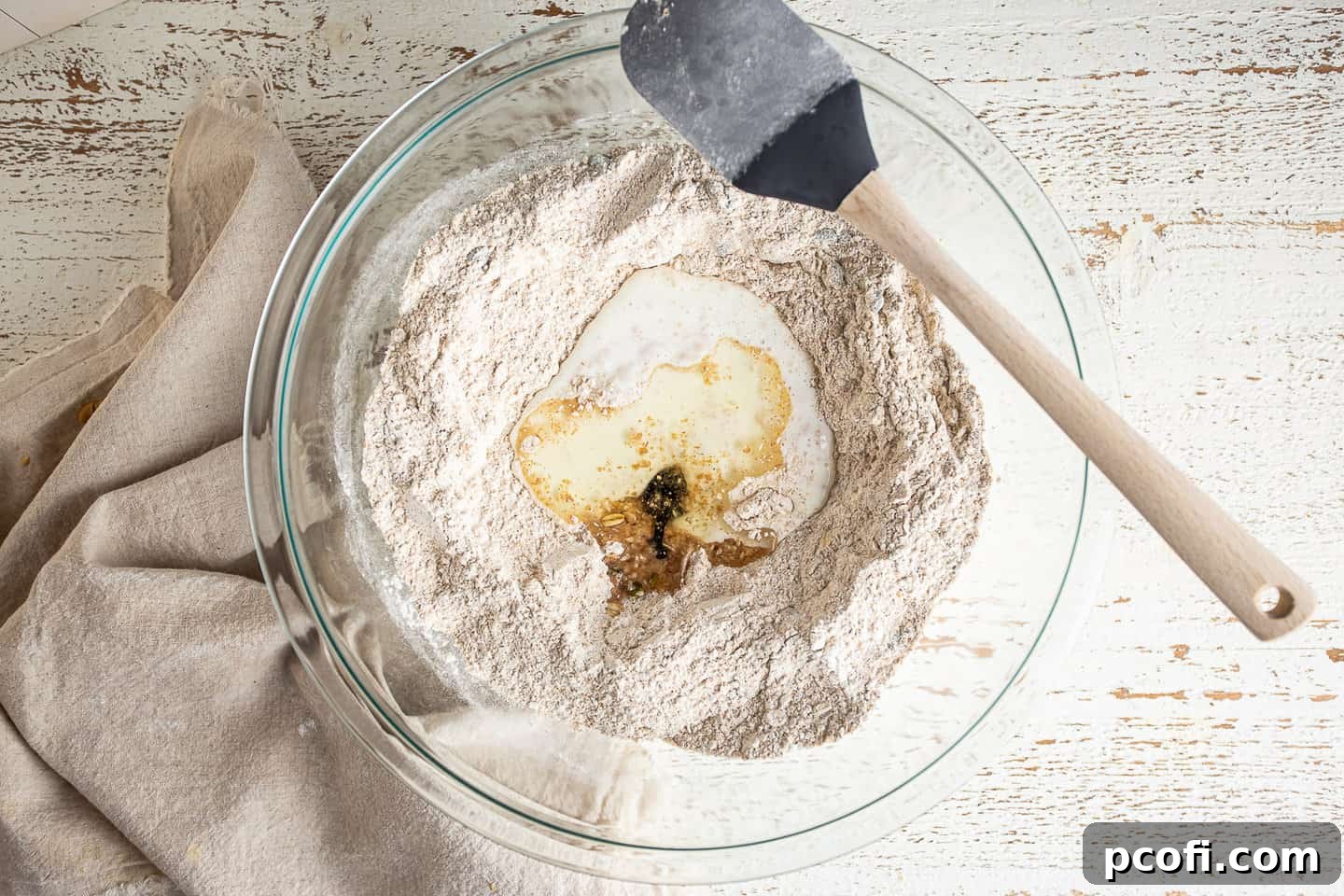
Carefully pour the buttermilk, vegetable oil, and molasses into this well. Then, starting from the center and working your way outwards, gently stir everything together. Use your spatula to gradually incorporate the dry ingredients into the liquid mixture. Continue folding and stirring until all the ingredients are just combined and no pockets of dry flour remain. Be mindful not to overmix the dough, as overworking can lead to a tough loaf.
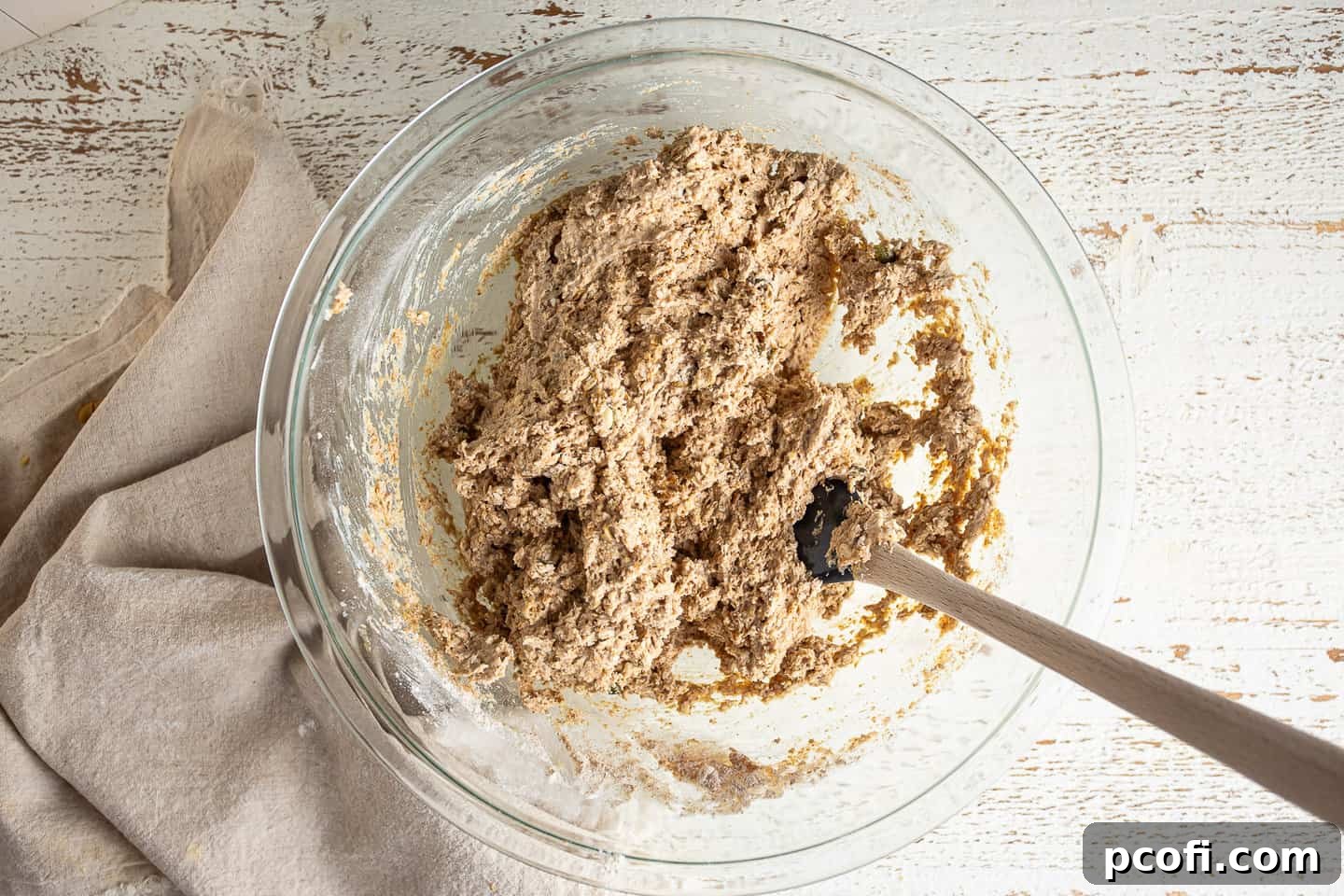
You should end up with a stiff, somewhat sticky dough. Its texture will be dense, but manageable enough to transfer to your baking pan.
Step 3: Bake
Carefully transfer the stiff dough into your prepared standard-sized loaf pan. Gently spread it evenly to fill the pan. Then, generously sprinkle the remaining sesame seeds and pepitas over the top of the dough. This adds a beautiful visual appeal and an extra layer of nutty flavor and crunch to the crust.
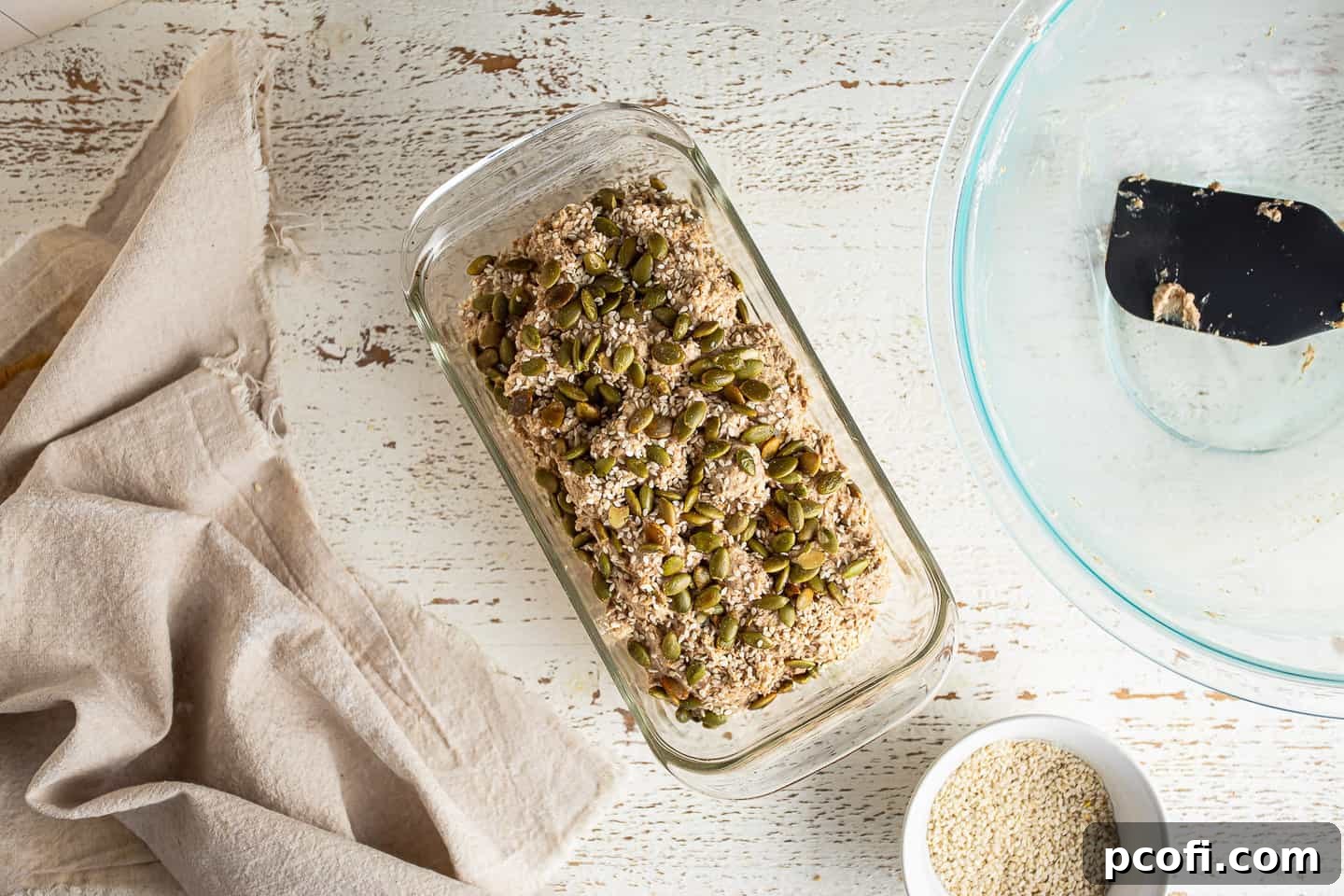
Bake the bread in a pre-heated oven at 350 degrees F (175 degrees C) until it is beautifully puffed, deeply golden brown, and develops a wonderfully crusty exterior. To ensure it’s perfectly done, the internal temperature should register around 195 degrees F (90 degrees C) when tested with an instant-read thermometer. This typically takes approximately one hour, but check periodically to avoid overbaking.
How to Serve Irish Brown Bread
This homemade Irish brown bread is an absolute revelation when served still warm from the oven. Its robust flavor truly shines when paired with a generous spread of soft, creamy butter. For an authentic Irish experience, seek out Irish butter, which boasts a higher butterfat content and richer flavor than many American varieties. A sprinkle of sea salt over the buttered slice adds a delightful contrast and elevates the taste even further.
During my travels in Ireland, brown bread was a constant companion at nearly every meal. It frequently appeared alongside smoked salmon for a luxurious breakfast or light lunch, providing a hearty base that perfectly complemented the delicate fish. I particularly cherished it with steaming bowls of traditional Irish soups and stews, where its dense texture and wholesome flavor were ideal for soaking up every last drop of the rich broth. Beyond traditional pairings, this versatile bread also makes a fantastic accompaniment to cheese boards, a sturdy base for open-faced sandwiches, or simply enjoyed on its own with a cup of tea. It’s truly a bread for all occasions.
Expert Tips for Perfect Brown Bread
Achieving the perfect Irish brown bread is simple when you keep a few key tips in mind:
- Use Whole Milk Buttermilk: While any buttermilk will work, if you can source whole milk buttermilk, it will significantly enhance the richness and depth of flavor in your bread. The higher fat content contributes to a more tender crumb and a superior taste experience.
- Avoid Overmixing the Dough: Quick breads thrive on minimal mixing. Once the wet and dry ingredients are just combined and no dry streaks of flour remain, stop stirring. Overmixing develops the gluten in the flour too much, which can lead to a tough, dense, and less tender loaf.
- Don’t Overbake: Overbaking is the enemy of moist bread. Begin checking your Irish brown bread about 10 minutes before the estimated baking time is complete. If it spends too long in the oven, it will dry out, losing its characteristic tender and moist interior. A golden-brown crust and an internal temperature of 195°F (90°C) are your best indicators of doneness.
- Preheat Your Oven Thoroughly: Ensure your oven is fully preheated to the specified temperature before placing the bread inside. A consistently hot oven allows the baking soda to react quickly, providing the best possible rise and setting the crust effectively from the start.
- Store Leftover Ingredients Properly: Ingredients like whole wheat flour, wheat bran, and seeds contain natural oils that can turn rancid quickly if not stored correctly, indicated by an off-smell. To significantly extend their shelf life, store these items in airtight containers in your freezer.
Frequently Asked Questions
If fresh buttermilk isn’t readily available, you can easily create a suitable substitute at home. Simply stir approximately 1 3/4 tablespoons of white vinegar or fresh lemon juice into 1 3/4 cups of regular milk (whole or 2% milk works best for richness). Let the mixture stand for about 5 to 10 minutes until it visibly thickens and curdles slightly. This “sour milk” will mimic the acidity of buttermilk, allowing it to react effectively with the baking soda for the proper leavening.
Absolutely! Irish brown bread is excellent for making ahead of time. It can be stored at room temperature for several days. For best results, loosely cover the loaf with a clean kitchen towel or store it in a bread box. This keeps the interior moist without making the crust soggy.
To extend its freshness even longer, wrap any leftovers tightly in plastic wrap or aluminum foil and store them in the refrigerator, where the bread will last for about a week. For longer-term storage, slice the cooled loaf and freeze individual slices or the whole loaf in an airtight freezer bag for up to two months. Thaw frozen bread at room temperature, then warm it briefly in the microwave for a few seconds or, for a crispier crust, wrap it in foil and reheat it in a 170-degree F (75 degrees C) oven until warmed through.
This recipe yields one generous loaf of Irish brown bread. You have the flexibility to slice it as thick or as thin as you prefer, depending on your serving preference. The nutritional information provided below is calculated for the entire loaf. To determine the nutritional values per serving, simply divide the total nutritional content by the number of slices you cut from the loaf. Please note that the nutritional data only covers the bread itself and does not include any additional toppings such as butter, jams, or spreads.
More Authentic Irish Recipes
- Classic Irish Soda Bread
- Hearty Irish Apple Cake with Whiskey Hard Sauce
- Wholesome Irish Oat Cookies
- Rich Chocolate Stout Cakes with Irish Whiskey Hard Sauce
As an Amazon Associate, I earn from qualifying purchases.
Irish Brown Bread
Leave a Review
Save RecipeSaved!
Ingredients
- 1 3/4 cups (210 g) whole wheat flour
- 1 cup (125 g) all-purpose flour
- 1/2 cup (75 g) sesame seeds, divided
- 1/3 cup (21.33 g) pepitas, divided
- 1/3 cup (19.33 g) wheat bran
- 1/4 cup (58.33 g) oatmeal
- 1 teaspoon (4 g) baking soda
- 1 3/4 cup (420 g) buttermilk
- 1/2 cup (112 g) oil
- 2 teaspoons (14 g) molasses
Instructions
-
Preheat the oven to 350 degrees F (175 degrees C).
-
Place the whole wheat flour, all-purpose flour, about 2/3 of the sesame seeds and pepitas, the wheat bran, oatmeal, and baking soda in a large mixing bowl and stir to combine thoroughly.
-
Create a well in the center of the dry ingredients and pour in the buttermilk, oil, and molasses.
-
Gently fold all the ingredients together with a spatula until you have a stiff, sticky dough and no dry streaks remain. Avoid overmixing.
-
Transfer the dough to a standard-sized loaf pan and top it evenly with the remaining sesame seeds and pepitas.
-
Bake the bread for approximately 1 hour, or until it’s very crusty, golden brown, and registers an internal temperature of around 195 degrees F (90 degrees C).