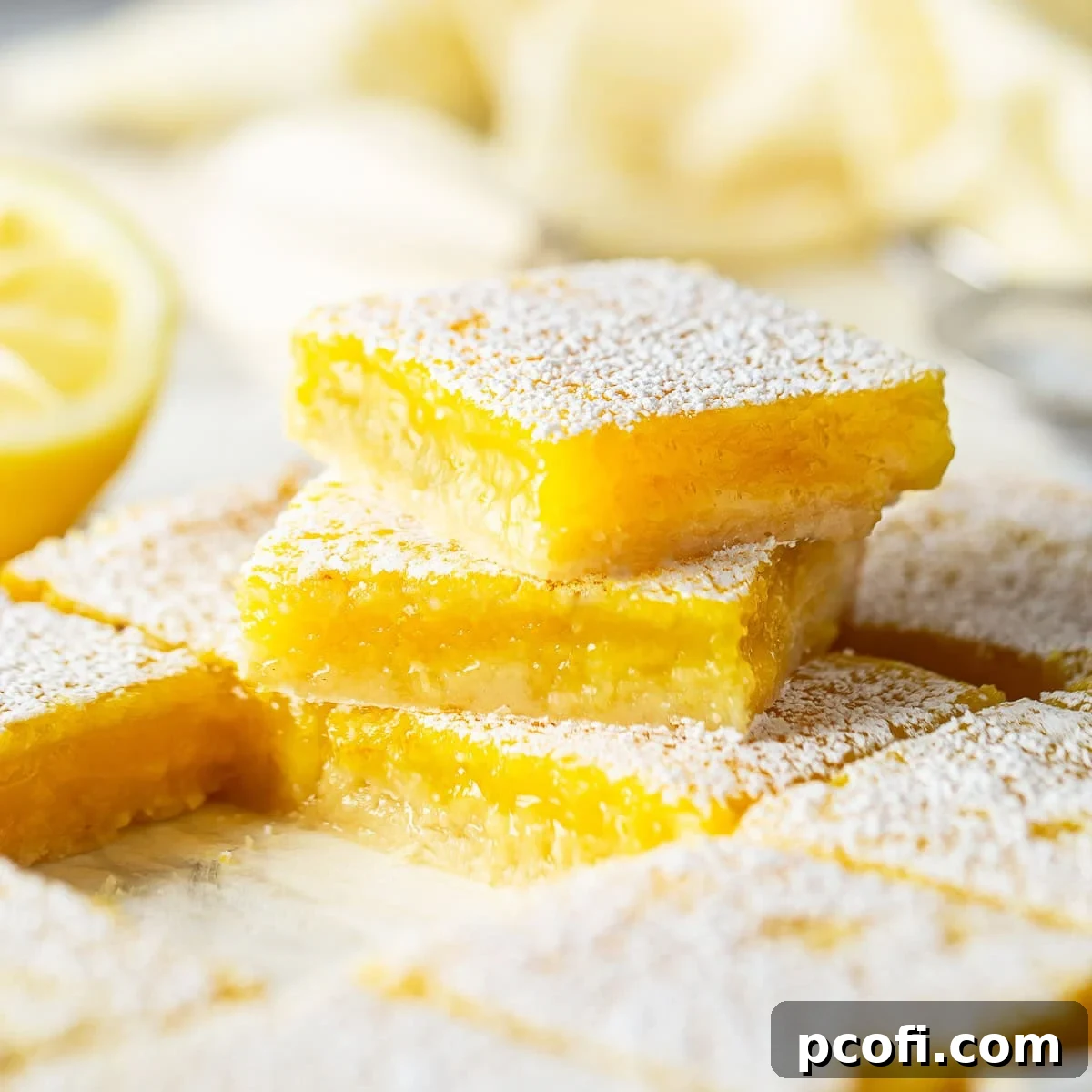
Irresistibly Tangy Lemon Bars: The Ultimate Classic Dessert
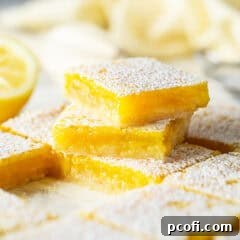
Experience the perfect balance of sweet and tart with our beloved Lemon Bars. Featuring a rich, buttery shortbread crust, a luscious lemon filling, and a delicate dusting of powdered sugar, these bright, citrusy treats are a ray of sunshine in every bite.
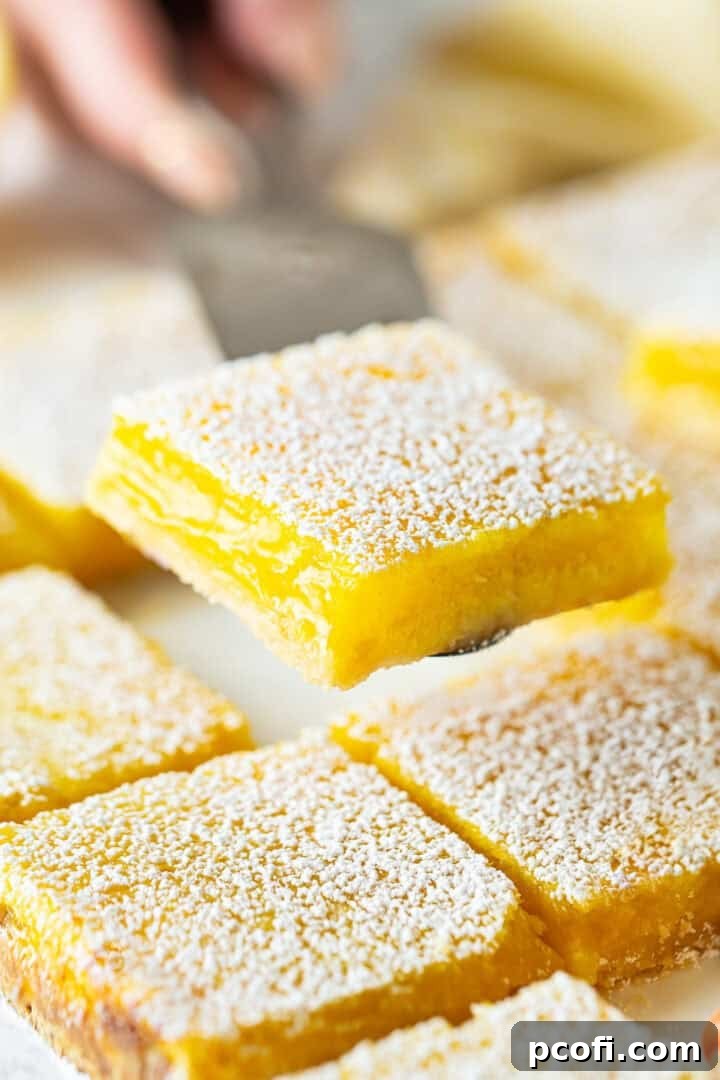
When it comes to desserts that are effortlessly elegant yet wonderfully practical for any occasion, dessert bars truly shine. Their portability and ease of serving make them a go-to choice for parties, potlucks, bake sales, or simply a delightful treat at home. Just stack, pack, and you’re ready to share happiness!
While I adore the decadent richness of chocolatey brownies, the comforting sweetness of blondies, and the creamy indulgence of cheesecake bars, no collection of classic bar recipes would be complete without the iconic lemon bar. These cheerful squares instantly evoke a sense of nostalgia, bringing a burst of vibrant flavor and a warm ray of sunshine with every single bite.
Our lemon bars are a testament to this timeless classic. They begin with a foundation of crumbly, melt-in-your-mouth shortbread, generously topped with a sticky, gooey lemon filling that boasts a delightful tang, much like a thick lemon curd. A final elegant dusting of powdered sugar completes the masterpiece, balancing the zesty lemon with a touch of sweetness. The interplay of the buttery, almost savory crust, the bright, invigorating citrus, and the delicate sugary finish creates an absolutely incredible flavor and texture combination that will leave you craving more.
Table of Contents
- Why These Lemon Bars Are a Must-Try
- Essential Ingredients for Perfect Lemon Bars
- Step-by-Step Guide to Making Lemon Bars
- Pro Tips and Tricks for Lemon Bar Perfection
- Lemon Bar Variations and Serving Suggestions
- How to Store Your Lemon Bars
- Frequently Asked Questions About Lemon Bars
- More Irresistible Dessert Bar Recipes
Jump to Recipe
Why These Lemon Bars Are a Must-Try
- Effortlessly Simple: This recipe is designed for ease, using common pantry staples and straightforward steps. Even novice bakers can achieve spectacular results, making it a fantastic choice for a quick and impressive dessert. You’ll be surprised at how few ingredients are needed to create such a showstopper!
- Incredibly Refreshing: The bright, zesty flavor of lemon is inherently uplifting. These bars offer a delightful palate cleanser, especially after a rich meal, and are particularly invigorating during warmer months, bringing a burst of summery cheer to any table.
- Harmonious Contrast: What sets these lemon bars apart is the masterful interplay of textures and flavors. The firm yet tender shortbread crust provides a delightful buttery crunch that perfectly complements the smooth, creamy, and wonderfully tart lemon filling. This textural and taste contrast creates an unforgettable eating experience.
- A Timeless Classic: There’s a reason lemon bars have remained a favorite for generations. This recipe pays homage to that enduring tradition, delivering the authentic, nostalgic taste that brings smiles and fond memories. It’s a recipe that stands the test of time and consistently delights crowds.
- Crowd-Pleaser: Whether you’re hosting a small gathering or a large party, lemon bars are universally loved. Their individual portion size makes them easy to serve, and their vibrant flavor appeals to almost everyone, guaranteeing rave reviews.
Essential Ingredients for Perfect Lemon Bars
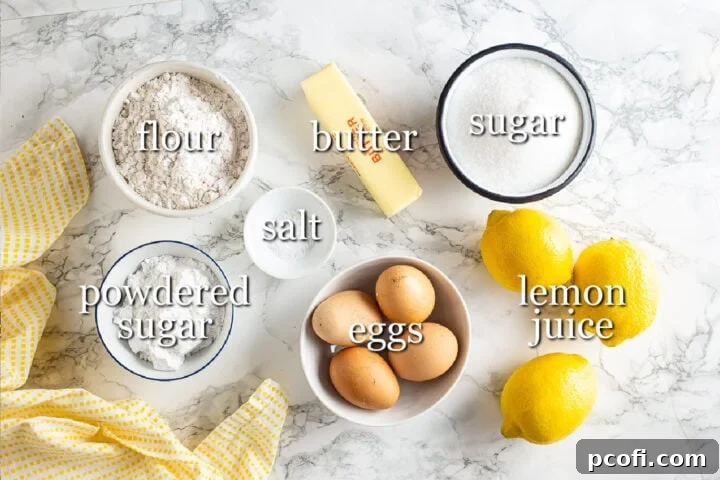
Crafting exceptional lemon bars starts with selecting the right ingredients. Here’s a closer look at what you’ll need and why each component is crucial:
Flour: For the crust, I typically reach for all-purpose flour, which provides a reliable structure and tender crumb. For those seeking alternatives, a whole-grain option can be used, though you might need slightly less as they can absorb more liquid. If you’re aiming for gluten-free lemon bars, a 1:1 gluten-free flour blend works beautifully, ensuring everyone can enjoy this classic treat.
Sugar: This recipe utilizes two types of sugar, each with a distinct role. Powdered sugar in the shortbread crust contributes to its incredibly tender and delicate texture, melting seamlessly into the butter. For the filling, granulated sugar is essential for providing sweetness and structure, creating that characteristic gooey lemon curd consistency. Feel free to experiment with other 1:1 granulated sweeteners if you have dietary preferences, keeping in mind that the flavor profile might subtly change.
Salt: A pinch of salt is a baking secret weapon. It doesn’t make the bars taste salty; rather, it acts as a flavor enhancer, intensifying the sweetness of the sugar and brightening the tang of the lemon. I prefer kosher salt for its pure flavor, free from the additives sometimes found in table salt that can impart a bitter taste. It’s also readily available and affordable.
Butter: Unsalted butter is my preferred choice for this recipe. It allows for precise control over the overall saltiness of the dish, as different butter brands can vary in their salt content. For the shortbread crust, using cold butter is paramount for achieving that desirable crumbly texture. If you’re making vegan or dairy-free lemon bars, a high-quality plant-based butter alternative that substitutes 1:1 for dairy butter will work perfectly.
Eggs: Eggs are vital for both structure and richness in the lemon filling. They help emulsify the ingredients, creating a smooth and creamy custard. While not absolutely critical, using room temperature large chicken eggs can help them incorporate more easily into the mixture, resulting in a more uniform filling. If you’re exploring plant-based options, ensure you use an egg substitute that is suitable for baking and can replace large eggs in a 1:1 ratio.
Lemon: The star of the show! For the most vibrant and authentic flavor, I cannot stress enough the importance of using fresh lemon juice and zest. The zest, containing concentrated citrus oils, adds an incredible aromatic depth that bottled juice simply cannot replicate. If you can find them in season, Meyer lemons offer a unique, slightly sweeter, and less tart flavor profile, providing a more mellow citrus note that some prefer. Regular lemons, however, deliver that classic, bold tang that defines traditional lemon bars.
Step-by-Step Guide to Making Lemon Bars
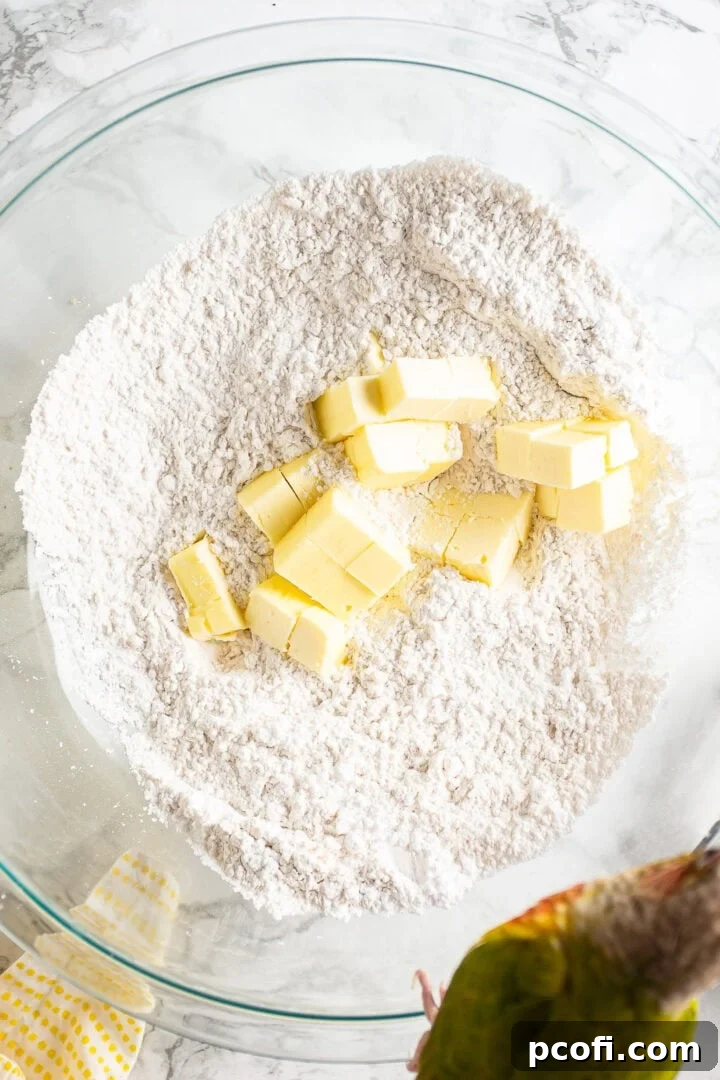
Follow these visual and detailed steps to create perfectly baked lemon bars:
Pro Tips and Tricks for Lemon Bar Perfection
- Always Line Your Pan: To guarantee easy removal and clean slices, always line your baking pan with parchment paper, leaving a generous overhang on the sides. This creates “handles” for effortlessly lifting the entire slab of lemon bars onto a cutting board.
- Embrace Cold Butter for the Crust: The secret to a tender, crumbly shortbread crust lies in using very cold, cubed butter. The cold butter prevents overmixing and creates pockets of steam during baking, resulting in a wonderfully flaky texture that melts in your mouth.
- Avoid Overmixing the Crust: Once you’ve cut in the butter, stop mixing as soon as the mixture resembles coarse crumbs. Overworking the dough develops the gluten, which can lead to a tough and chewy crust instead of the desired tender and crumbly one.
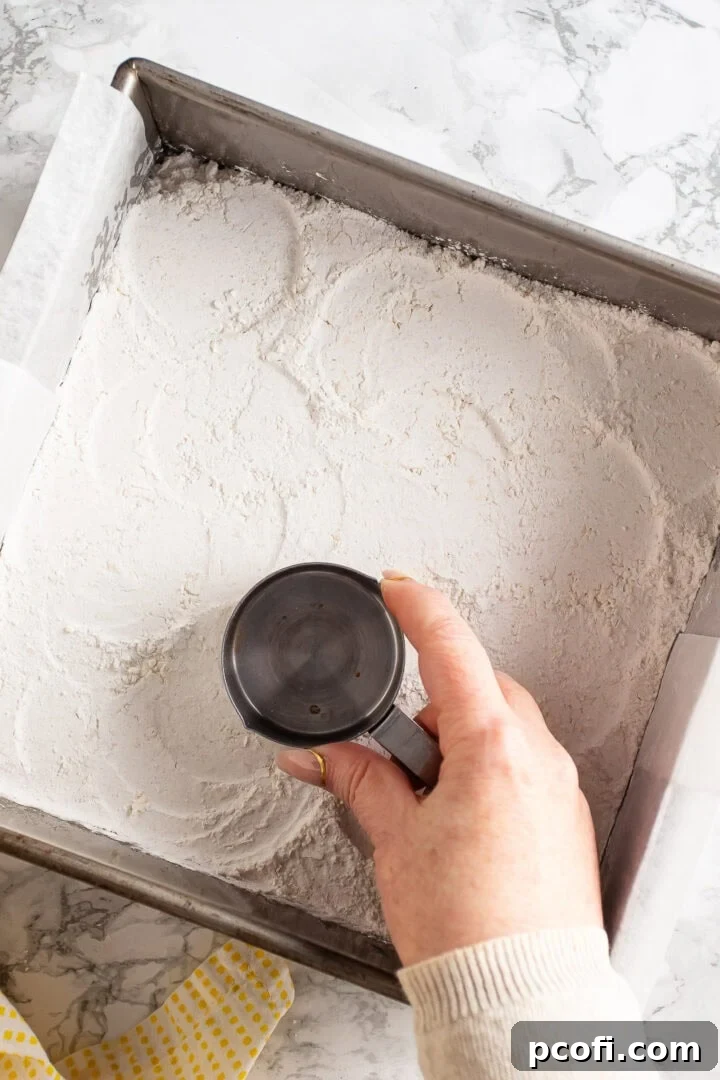
- Press the Crust Evenly: A uniform crust thickness is crucial for consistent baking. Use the bottom of a flat measuring cup or your knuckles to press the mixture into an even layer in the pan. This prevents some parts from being underbaked and others from over-browning.
- Fresh is Best for Lemons: For that truly vibrant, authentic citrus flavor that makes lemon bars so special, always use fresh lemons for both the zest and the juice. Bottled lemon juice often contains preservatives and lacks the bright, nuanced flavor of freshly squeezed lemon. The zest, in particular, carries potent citrus oils that elevate the overall taste significantly.
- Don’t Overbake the Filling: Keep a close eye on your lemon bars as they bake. Overbaking can lead to a dry, rubbery, or gummy filling. The filling is perfectly done when the edges are set and lightly golden, but the center still has a slight, delicate wobble. Remember, the filling will continue to set and firm up considerably as the bars cool.
- Patience is Key: Cool Completely: This is perhaps the most crucial tip! Allow your lemon bars to cool completely in the pan, preferably for several hours or even overnight in the refrigerator, before attempting to lift or cut them. This extended cooling time allows the lemon filling to fully set and firm up, ensuring beautifully clean, neat slices without any crumbling or oozing.
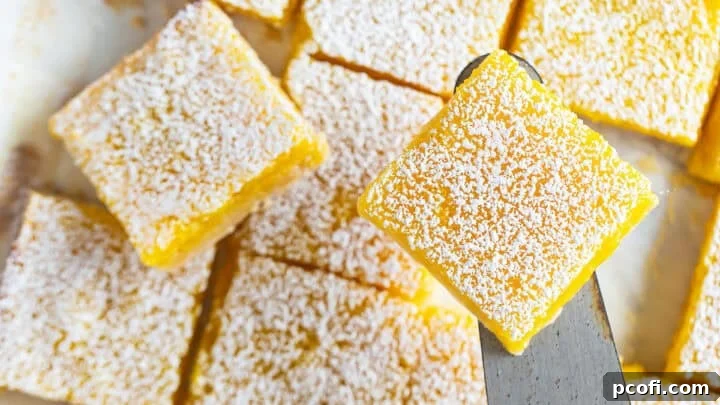
- Sifting Powdered Sugar: For a beautifully even and lump-free dusting of powdered sugar on top, always sift it over the cooled bars just before serving. A fine-mesh sieve works best.
Lemon Bar Variations and Serving Suggestions
While the classic lemon bar is perfection itself, there are many ways to customize and serve this versatile dessert:
Creative Variations:
- Different Citrus: Experiment with other citrus fruits! Try lime bars for a more intense tang, orange bars for a sweeter, mellower flavor, or a combination of citrus for a unique blend.
- Coconut Delight: Add shredded coconut to the shortbread crust or sprinkle it over the lemon filling before baking for a tropical twist.
- Almond Extract: A touch of almond extract in the shortbread crust can add a delightful nutty complexity that pairs wonderfully with lemon.
- Berry Burst: Gently press fresh raspberries or blueberries into the lemon filling before baking for an added layer of fruitiness and beautiful color.
- Brown Butter Crust: Brown your butter before incorporating it into the shortbread for a richer, nuttier crust flavor.
- Gluten-Free & Vegan: As mentioned, a 1:1 gluten-free flour blend and plant-based butter/egg alternatives make these accessible to more dietary needs without sacrificing flavor.
Serving Suggestions:
- Simple & Classic: Serve chilled, dusted with powdered sugar, alongside a cup of hot tea or coffee.
- With Fresh Berries: Garnish with fresh raspberries, blueberries, or sliced strawberries for added color and freshness.
- A La Mode: A scoop of vanilla bean ice cream or a dollop of freshly whipped cream can elevate these bars into a more decadent dessert.
- Dessert Platter: Cut into smaller bites and arrange on a dessert platter with other treats for parties and gatherings.
- Individual Servings: Consider baking in mini muffin tins for cute, bite-sized lemon bar treats.
How to Store Your Lemon Bars
Proper storage ensures your lemon bars remain fresh and delicious for as long as possible:
- Room Temperature: If you plan to devour your lemon bars within a day or two, they can be safely stored at room temperature. Place them in an airtight container, layering them with a sheet of parchment or wax paper between each layer to prevent sticking.
- Refrigerate: For longer storage, or if your kitchen is warm, refrigeration is best. Store the cooled lemon bars in an airtight container in the refrigerator for up to a week. Again, use parchment paper between layers. The chilling will also help the bars firm up even more, making for cleaner cuts and a delightful cool bite.
- Freezer: Lemon bars freeze exceptionally well! To freeze, first ensure the bars are completely cooled. Wrap individual squares or small stacks tightly in plastic wrap, then place them in a freezer-safe bag or container. They will maintain their quality in the freezer for 2-3 months. Thaw them at room temperature for a few hours before serving, or enjoy them slightly frozen for a refreshing treat!
Frequently Asked Questions About Lemon Bars
- Why did my lemon bars turn out gummy or rubbery? This is usually a sign of overbaking. Lemon bars should be baked until the edges are set and the center has a slight wobble. They will continue to set as they cool.
- Can I use bottled lemon juice? While you can, fresh lemon juice provides a significantly superior, brighter, and more authentic flavor. Bottled juice often tastes less vibrant and can sometimes have a processed flavor. For the best results, always opt for fresh!
- My shortbread crust is tough, what went wrong? A tough crust is typically due to overmixing the dough or using butter that wasn’t cold enough. Overmixing develops the gluten, leading to a chewy texture. Ensure your butter is very cold and mix just until combined.
- How do I get clean cuts for my lemon bars? The key is patience! Make sure the bars are completely chilled and set before cutting. Using a sharp knife wiped clean between each cut will also help achieve pristine squares.
- Can I make these lemon bars ahead of time? Absolutely! Lemon bars are an excellent make-ahead dessert. You can bake them a day or two in advance and store them in the refrigerator. They taste even better after the flavors have had time to meld.
More Irresistible Dessert Bar Recipes:
- S’mores Brownies
- Strawberry Bars
- Scotcheroos
- Pecan Pie Bars
- Magic Cookie Bars
- Peanut Butter Bars
As an Amazon associate, I earn from qualifying purchases.
Lemon Bars
Lemon Bars: A cherished classic treat! Featuring a buttery shortbread crust, a delightfully tangy lemon filling, and a graceful dusting of powdered sugar, these bars are exceptionally bright, citrusy, and utterly satisfying!
Ingredients
For the Shortbread Crust
- 1 1/4 cups (156.25 g) all-purpose flour
- 1/2 cup (60 g) powdered sugar
- 1/2 teaspoon (0.5 teaspoon) kosher salt
- 1/2 cup (113.5 g) unsalted butter, cold (1 stick)
For the Lemon Filling
- 1 1/2 cups (300 g) granulated sugar
- 1/4 cup (31.25 g) all-purpose flour
- 4 large eggs
- 1 tablespoon lemon zest (zest of 1 lemon)
- 2/3 cup (162.67 ml) lemon juice (juice of 3 lemons)
- Powdered sugar, for garnish
Instructions
To Make the Shortbread Crust
- Preheat your oven to 350°F (175°C). Lightly mist an 8×8-inch pan with non-stick spray, then line it with parchment paper, ensuring some overhang on the sides for easy lifting.
- In a large bowl, combine the flour, powdered sugar, and salt. Use a whisk to thoroughly combine these dry ingredients.
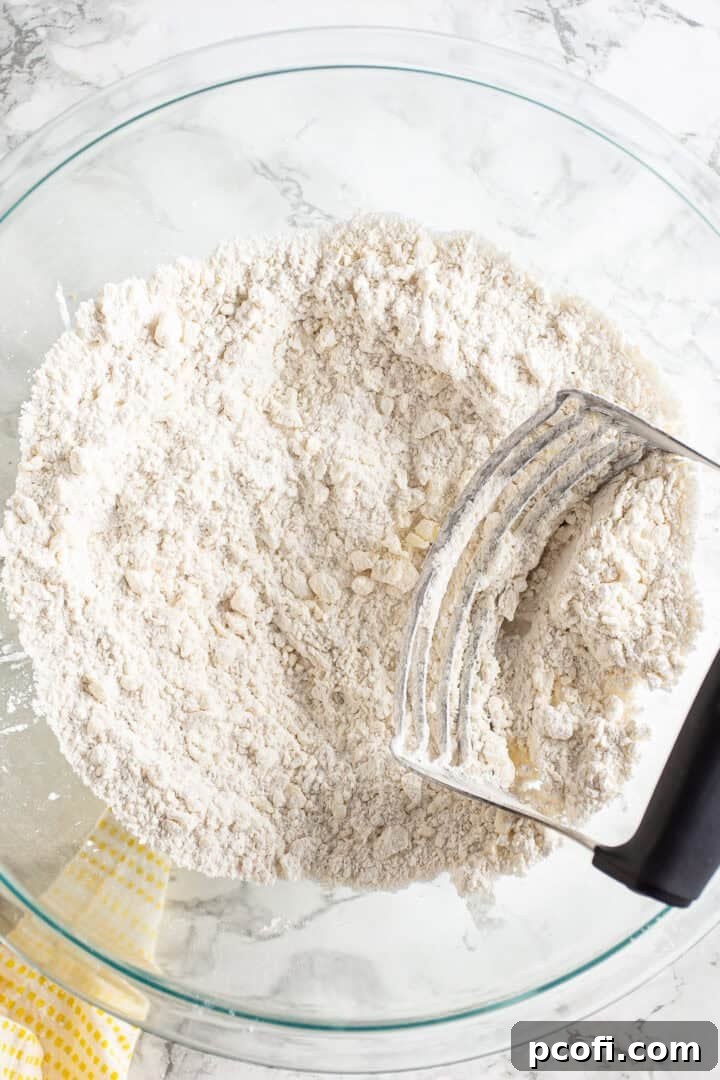
- Add the cold, cubed butter to the dry mixture. Cut in the butter using a pastry blender, a fork, or your fingertips until the mixture resembles coarse crumbs with no visible large pieces of butter remaining.
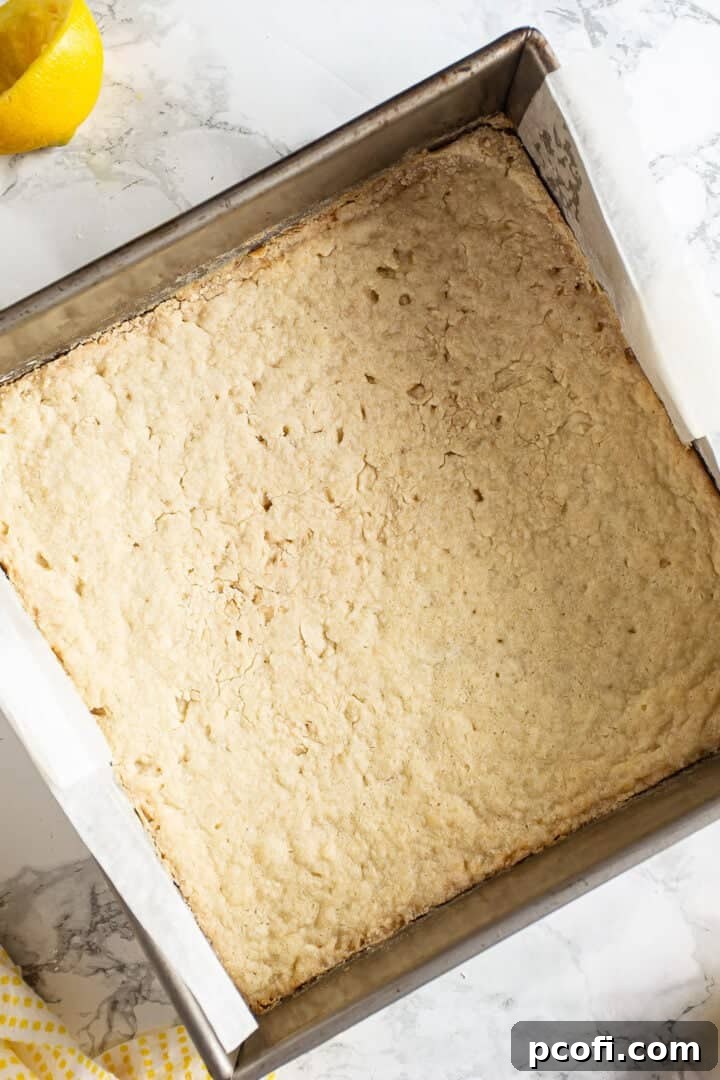
- Press this crumb mixture firmly and evenly into the bottom of your prepared pan. Bake for approximately 20 to 25 minutes, or until the crust is set and the edges are just barely turning golden.
To Make the Lemon Filling
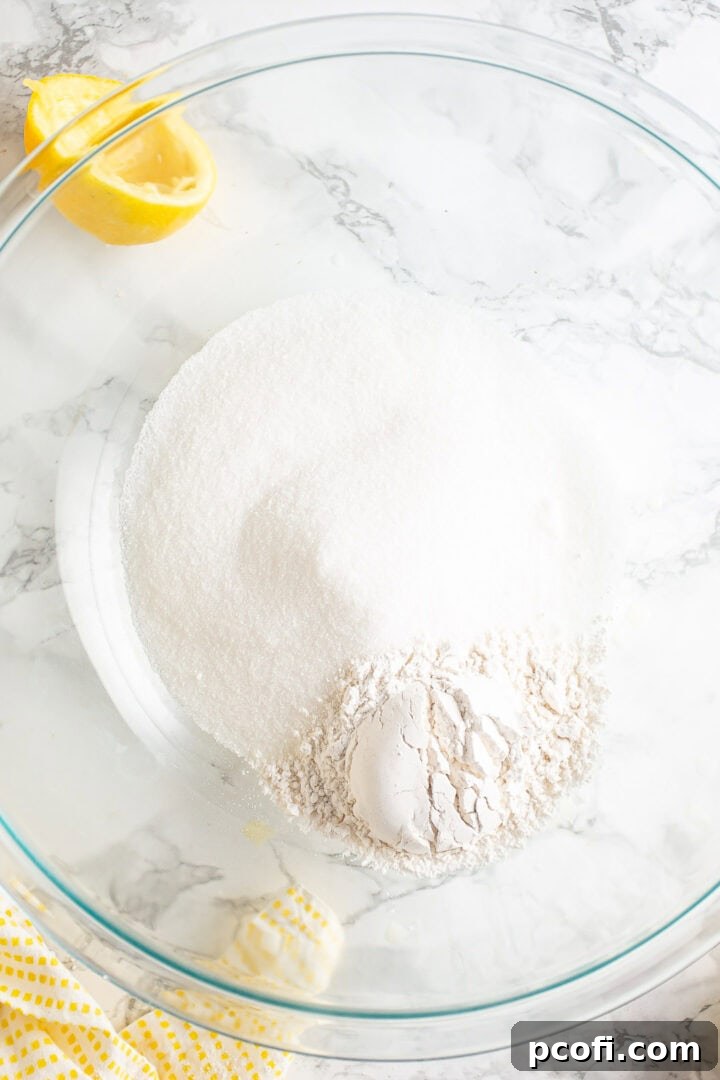
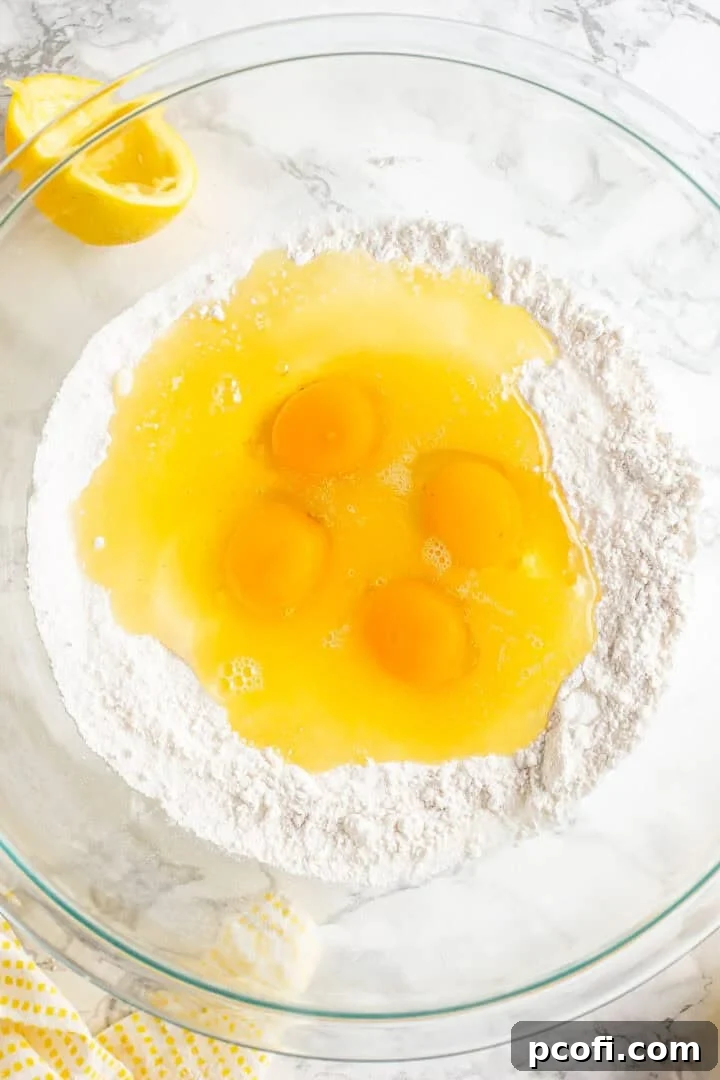
- While the crust is baking, prepare the filling. In a large bowl, whisk together the granulated sugar, flour, eggs, fresh lemon zest, and fresh lemon juice until the mixture is smooth and well combined.
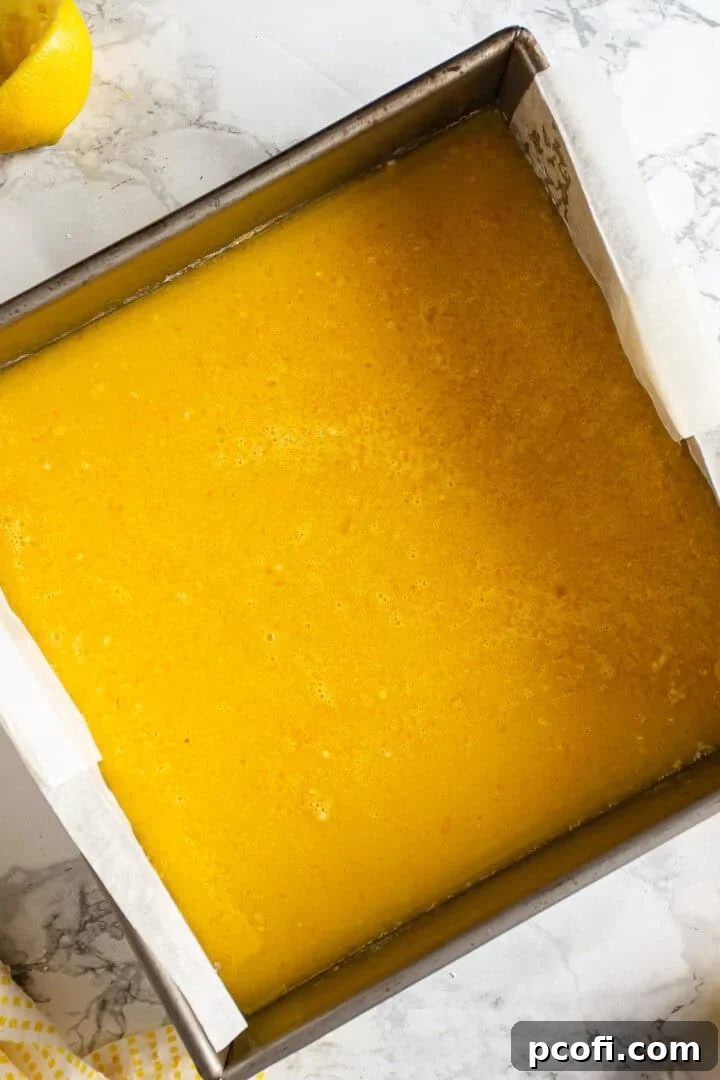
- Carefully pour the lemon filling over the warm, partially baked shortbread crust. Return the pan to the oven and bake for an additional 25 to 35 minutes, or until the filling is set around the edges but still has a slight wobble in the center.
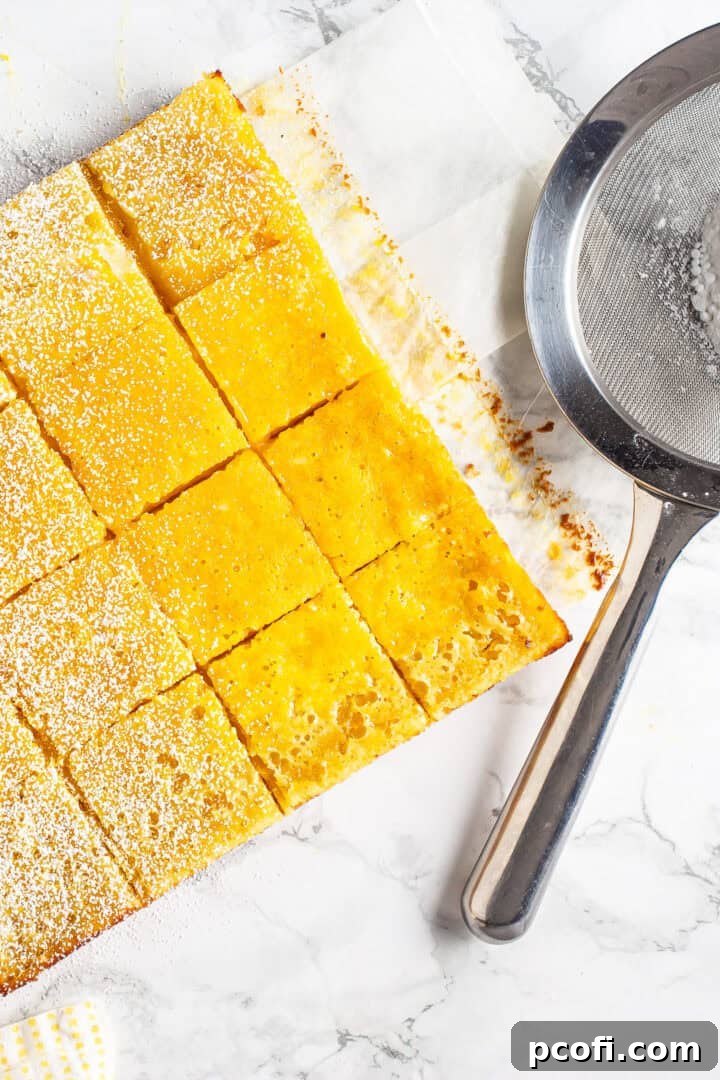
- Once baked, remove the bars from the oven and let them cool completely in the pan on a wire rack. This is crucial for the filling to fully set. Once cooled, use the parchment paper overhang to lift the entire slab onto a cutting board. Cut into 16 squares and dust generously with powdered sugar before serving.
Notes
How to Store Your Lemon Bars
Room temperature: If you plan on enjoying your lemon bars within a day or so, there’s no need to refrigerate them. Simply place the cooled bars in an airtight container, ensuring a sheet of parchment or wax paper is placed between layers to prevent sticking.
Refrigerate: For extended freshness, particularly beyond a day, transfer your lemon bars to an airtight container and store them in the refrigerator. Layer with parchment paper as needed. They will stay fresh and delicious for up to a week when refrigerated.
Freezer: Lemon bars are also excellent for freezing! For optimal quality, wrap each individual bar tightly in plastic wrap, then place them in a freezer-safe bag or container labeled with the date. They can be frozen for 2-3 months. To serve, thaw them at room temperature for a few hours.
More Great Citrus-y Treats:
- Lemon Poppy Seed Muffins
- Key Lime Pie
- Lemon Cupcakes
- Lemon Pound Cake
Nutrition Information
Calories: 198 kcal
Carbohydrates: 32g
Protein: 2g
Fat: 6g
Saturated Fat: 4g
Cholesterol: 56mg
Sodium: 89mg
Potassium: 36mg
Sugar: 22g
Vitamin A: 235IU
Vitamin C: 4.5mg
Calcium: 9mg
Iron: 0.7mg
Tried this recipe? Mention @bakingamoment on Instagram or tag #bakingamoment.