Stock Your Baking Pantry Like a Pro: The Ultimate Guide to Essential Ingredients

Hello, fellow baking enthusiasts! Welcome back to another exciting installment of our “Bake Like a Boss” series. In this comprehensive guide, we’re diving deep into the heart of every successful kitchen: a well-stocked baking pantry. So far, we’ve explored crucial topics like mastering ingredient measurements, expert techniques for lining baking pans to prevent sticking, and the unique advantages of incorporating cake flour into your recipes. Understanding these fundamental principles is key to elevating your baking game and achieving consistently stellar results.
Today, our focus shifts to the bedrock of all delicious creations: the essential baking ingredients you should always have on hand, along with invaluable tips on how to store them effectively. While the topic of pantry staples might seem a little mundane at first glance, I assure you, it’s where the true magic of baking begins. The sheer wonder of transforming a handful of basic ingredients into an endless array of delectable treats is what fuels my passion for baking. It’s a concept that genuinely excites me, and I can’t wait to share my insights so you can experience that same joy and versatility in your own kitchen.
Let’s embark on this journey to create your ultimate baking arsenal! I’ve meticulously organized this essential checklist into six distinct categories. Five of these represent the absolute must-have staples – items I strive to keep in my cupboards and refrigerator at all times. The final category is dedicated to versatile add-ins, which, when combined with your core essentials, will unlock an almost limitless world of baking possibilities. Even with just the must-haves, you’ll be amazed at the diverse range of baked goods you can create.
Foundation First: Your Essential Baking Staples
Flours: The Structural Backbone of Baking
Flour forms the very structure of most baked goods, and understanding the different types is crucial for achieving the desired texture and crumb. Here are the flours I consider indispensable for any baker:
- All-Purpose Flour: This versatile staple is exactly what its name suggests. It’s suitable for a vast majority of recipes, from cookies and cakes to breads and pastries. If you’re outside the US, this is commonly known as “plain flour.”
- Cake Flour: With a lower protein content than all-purpose flour, cake flour yields incredibly tender, delicate, and airy baked goods. It’s finely milled, resulting in a lighter crumb, perfect for sponges and specific cakes. Click here to delve deeper into the benefits of using cake flour.
- Cornstarch: Often referred to as “cornflour” outside the US, this fine white powder is a secret weapon for many bakers. I frequently use it in cookie recipes to provide a delicate structure and an irresistible melt-in-your-mouth tenderness. It’s important to note that cornstarch is distinctly different from cornmeal.
These three flours alone will allow you to conquer ninety percent of the recipes you encounter. However, for those looking to expand their repertoire and earn “extra credit,” consider adding these specialty flours to your collection:
- Bread Flour: Higher in protein than all-purpose flour, bread flour promotes strong gluten development, essential for chewy, structured breads and pizza dough.
- Whole Wheat Flour: This flour retains the bran and germ of the wheat kernel, offering a nutty flavor and increased fiber. It can be used in combination with all-purpose flour for a heartier texture.
- Graham Flour: A coarsely ground whole wheat flour, traditionally used for graham crackers, lending a unique texture and flavor.
- Almond Flour: A gluten-free option made from ground almonds, prized for adding moisture and a delicate texture to baked goods, especially popular for delicate treats like macarons.
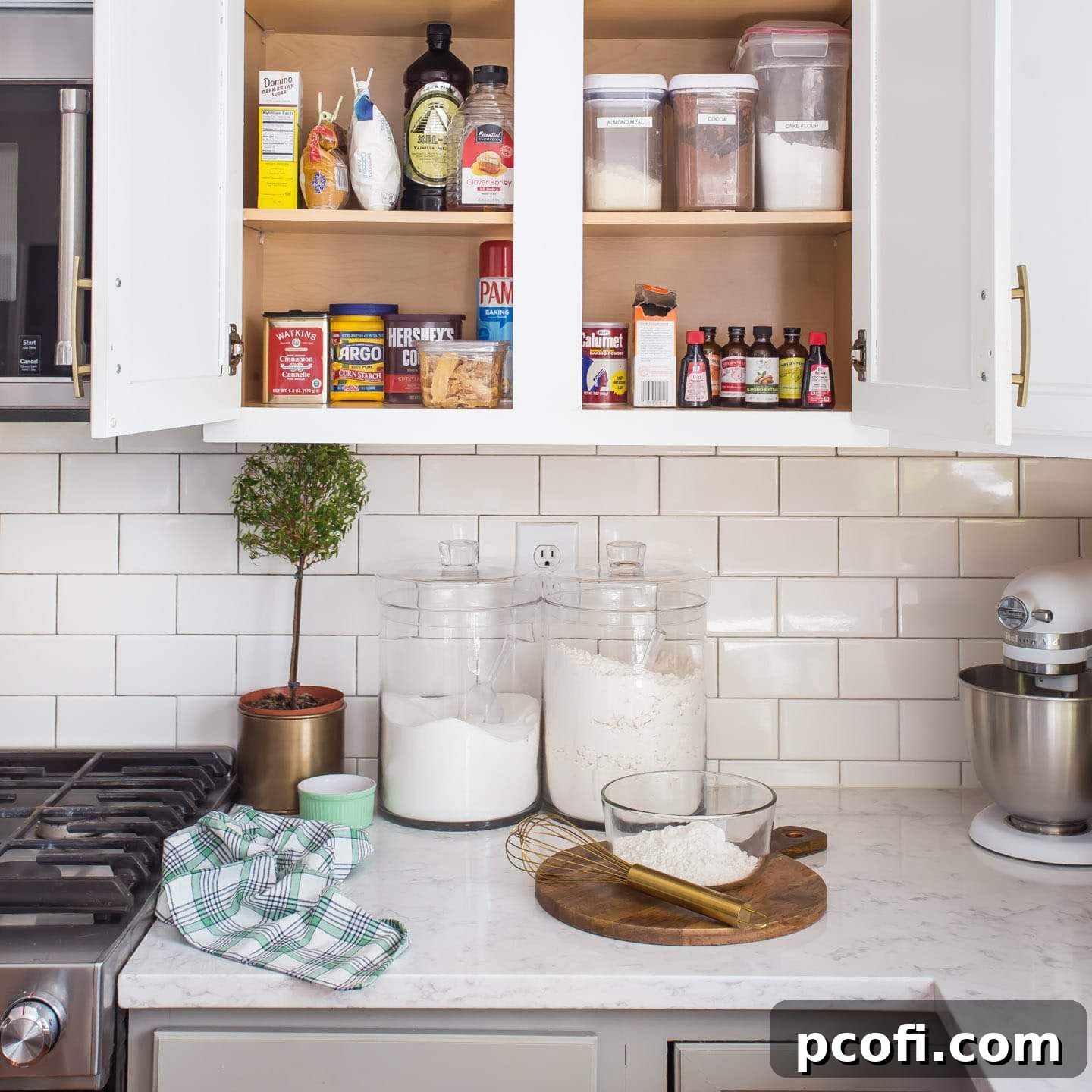
Storage Tips for Flours: While all-purpose flour, cake flour, and cornstarch are quite stable and can be stored in airtight canisters on your kitchen counter or in a cool, dark cupboard, specialty flours like whole wheat and nut flours are more delicate. They contain natural oils that can go rancid quickly, leading to off-flavors. To preserve their freshness, I highly recommend storing these “extra credit” flours in the freezer in smaller, zip-top bags. This practice significantly extends their shelf life and ensures your baked goods taste their best.
Gluten-Free Baking: For those following a gluten-free diet, a high-quality gluten-free flour blend is a game-changer. Look for blends specifically designed for a 1:1 substitution with regular flour to simplify your baking. Excellent options include:
- King Arthur Flour Gluten-Free Measure for Measure Flour
- Bob’s Red Mill Gluten-Free All-Purpose Baking Flour
- Cup4Cup Multi-Purpose Gluten-Free Flour
Sweeteners: The Heart of Every Treat
Sweeteners do more than just add sweetness; they contribute to moisture, tenderness, browning, and texture. A diverse selection ensures you’re ready for any recipe:
- Granulated (White) Sugar: The most common sweetener, offering pure sweetness and aiding in crust development.
- Light Brown Sugar: Contains molasses, providing a softer texture, deeper flavor, and more moisture than granulated sugar.
- Dark Brown Sugar: With a higher molasses content, dark brown sugar offers a richer, more pronounced caramel flavor, ideal for robust desserts.
- Powdered Sugar (Confectioners’ Sugar): Finely ground granulated sugar mixed with a small amount of cornstarch, perfect for frostings, glazes, and dusting.
- Maple Syrup: A natural liquid sweetener with a distinctive flavor, great for adding depth and moisture.
- Honey: Another natural liquid sweetener, offering unique floral notes and helping to keep baked goods moist.
- Corn Syrup: A clear liquid sweetener used to control sugar crystallization, maintain shine in glazes, and add chewiness to candies and baked goods.
Storage Tips for Sweeteners: All the listed sweeteners can be kept at room temperature in your pantry. However, brown sugars require special attention. They tend to dry out and harden when exposed to air. To prevent this, I store brown sugar in its original bag, pressing out as much air as possible, clipping the top tightly, and then placing the entire bag inside a zip-top freezer bag for an extra layer of protection. Should your brown sugar harden, you can revive it by warming it briefly in the microwave or by placing a slice of bread or an apple wedge in the bag overnight to reintroduce moisture.
Regarding corn syrup, it’s often a controversial ingredient, but it’s important to understand that it is *not* the same as “high-fructose corn syrup.” I find it indispensable for achieving a brilliant shine in chocolate glazes and for preventing crystallization in delicate preparations like caramel sauces, ensuring a smooth, luxurious texture.
Leaveners: The Lift and Lightness Makers
Leaveners are the unsung heroes of baking, responsible for the rise, airiness, and light texture of cakes, cookies, and breads. Without them, most baked goods would be dense and flat.
- Baking Powder: A chemical leavener that produces carbon dioxide gas when moistened and heated, causing baked goods to rise. It contains both an acid and a base, so it only requires liquid to activate.
- Baking Soda: Another chemical leavener, baking soda is a pure base (sodium bicarbonate). It requires an acidic ingredient (like buttermilk, yogurt, lemon juice, or brown sugar) to activate and produce carbon dioxide gas.
- Yeast: A living microorganism that ferments sugars, producing carbon dioxide and alcohol, which gives bread its characteristic rise and flavor.
Storage and Freshness: Always check the expiration dates on your leaveners! They do lose their potency over time, and using expired baking powder or soda can result in dense, heavy baked goods that fail to rise. You can test baking soda by mixing a teaspoon with a tablespoon of vinegar – it should fizz vigorously. For baking powder, mix a teaspoon with a tablespoon of hot water – it should also bubble. For yeast, you can “proof” it by dissolving it in warm water with a pinch of sugar; it should become foamy within 5-10 minutes.
In home kitchens, especially in the US, dry active yeast is the most commonly used type. It comes in small 1/4-ounce envelopes and appears as a coarse powder. All these leaveners should be stored in a cool, dark place like your kitchen cupboard, away from heat and moisture, to prolong their effectiveness.
Refrigerated Essentials: The Freshness Factor
These ingredients contribute richness, moisture, and binding properties, and must be kept refrigerated for freshness and safety.
- Milk: Provides moisture and aids in browning. Any type of milk (whole, skim, 2%) can be used, though whole milk offers the richest results.
- Eggs: Crucial for structure, binding, leavening, and richness. “Large” eggs are the standard for most baking recipes. Using “Extra Large” or “Jumbo” eggs without adjusting other ingredients can throw off the delicate balance of a recipe, leading to suboptimal results. The color (brown or white), organic status, or cage-free label does not affect baking performance – only the size truly matters here.
- Unsalted Butter: The preferred choice for baking, allowing you to control the salt content of your recipe precisely. Butter adds unparalleled flavor, richness, and tenderness.
- Cream Cheese: A key ingredient for rich frostings, cheesecakes, and certain pastries, providing a tangy creaminess.
- Heavy Whipping Cream: Essential for whipped cream, ganaches, and enriching sauces, adding luxurious texture and richness.
- Greek Yogurt/Sour Cream/Buttermilk: These acidic dairy products add tang, moisture, and tenderness to baked goods. I’ve found that for most recipes, they can be used interchangeably, as their slight differences usually don’t significantly alter the final outcome.
Buttermilk Substitute: If a recipe calls for buttermilk and you don’t have any on hand, don’t fret! You can easily make a substitute: stir one tablespoon of white vinegar or lemon juice into one cup of regular milk. Let the mixture stand for about 5 minutes until it thickens slightly and appears lightly curdled. This simple trick will provide the necessary acidity for your recipe.
Dairy-Free and Vegan Options: For those who prefer dairy-free or vegan baking, excellent plant-based alternatives are widely available. Your favorite plant-based milk (almond, soy, oat), vegan butter sticks, dairy-free cream cheese, and plant-based yogurts can typically be substituted in equal measure for their dairy counterparts.
For a vegan egg substitute, a “flax egg” works wonderfully in many recipes: mix 1 tablespoon of ground flax seeds with about 2 tablespoons of water. Allow the mixture to stand for approximately 5 minutes until it forms a gelatinous consistency.
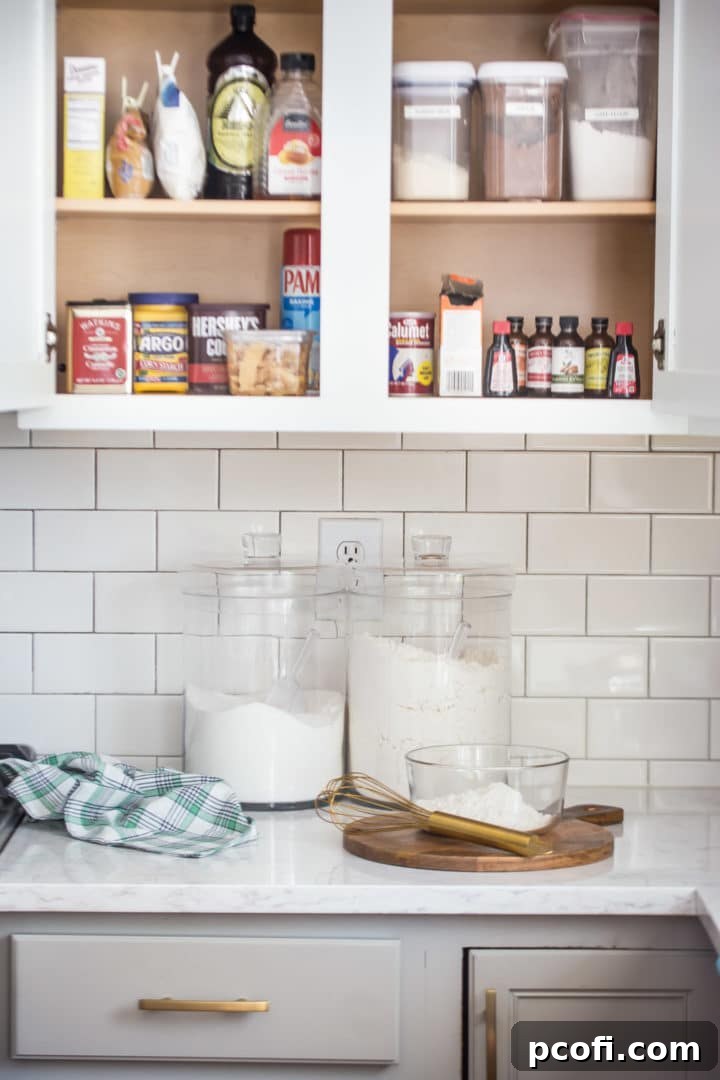
Flavorings: The Essence of Taste
Flavorings transform simple ingredients into memorable culinary experiences. These are the flavor enhancers I reach for most often:
- Salt: A critical ingredient that balances sweetness, enhances other flavors, and controls yeast activity. I primarily use kosher salt for its flaky texture and ease of measurement, but fine sea salt is also an excellent choice.
- Vanilla: Often considered the soul of baking, vanilla adds warmth, depth, and a universally loved aroma. Keep a good quality vanilla extract on hand, and for an extra layer of luxury, consider vanilla paste or even whole vanilla beans for specific recipes.
- Almond Extract: Offers a distinct, slightly nutty flavor that complements many desserts, especially those with fruit or cherry notes.
- Cocoa Powder: The essential ingredient for all things chocolate, providing rich, deep flavor. Unsweetened natural cocoa powder is most common, but Dutch-processed cocoa offers a smoother, less acidic flavor for specific recipes.
- Cinnamon: A warm, aromatic spice that pairs beautifully with apples, pumpkin, and many other sweet treats.
- Citrus (Lemons, Limes, Oranges): The zest and juice of fresh citrus fruits add incredible brightness, tang, and complex aroma to baked goods. I typically keep fresh lemons in my fridge’s fruit drawer, but limes, oranges, and grapefruits offer delightful variations for mixing things up.
Expanding Your Spice Rack: While the above flavorings cover most bases, a true “boss baker” will eventually collect a few more favorites. Consider these fantastic additions, especially for seasonal or adventurous baking:
- Nutmeg, ginger, and ground clove are wonderful for autumnal and winter baking, bringing warmth and spice.
- Lemon extract, peppermint extract, and coconut extract provide specific, vibrant flavor profiles.
- Instant espresso powder is a secret weapon for intensifying chocolate flavors without adding coffee taste, or for providing a pure coffee punch without diluting the batter.
- For truly sophisticated desserts, orange blossom water and rosewater offer delicate floral notes.
- And don’t forget a little bottle of red food coloring for iconic red velvet creations!
All these spices and extracts can be stored in a cool, dark cabinet at room temperature. They typically have a long shelf life and don’t take up much space, making them easy to accumulate as your baking adventures grow.
That concludes our rundown of the essential must-haves! It’s not an overwhelming list, is it? Chances are, you already have many of these fundamental ingredients in your kitchen. With these basics readily available, your baking possibilities are vast. You can whip up classic brownies and chewy blondies, bake comforting cinnamon bread, create stunning chocolate cake or perfect vanilla cake, prepare wholesome granola, craft delightful sugar cookies, bake rustic scones, indulge in creamy cheesecake, master cream puffs and eclairs, and enjoy a comforting coffee cake, among countless other treats. It’s all about understanding the ratios and techniques for combining these magical core ingredients!
Beyond the Basics: Exciting Add-ins for Creative Baking
While the essentials lay a strong foundation, these add-ins are what truly elevate your baking, allowing for endless creativity and flavor variations. Stocking these will take your desserts to the next level.
- Chocolate Chips and Baking Bars: A must for any sweet tooth! Keep a variety on hand, such as semi-sweet, milk, and white chocolate, to suit different recipes and preferences.
- Nuts: From sliced almonds and pecans to chopped walnuts, hazelnuts, pistachios, and macadamias, nuts add crunch, flavor, and richness. Store nuts in the refrigerator or freezer to prevent them from going rancid.
- Nut Butters: Versatile and flavorful, stock up on favorites like Peanut Butter, Almond Butter, and/or Sunflower Seed Butter for cookies, bars, and cakes.
- Dried Fruit: Raisins, dried cranberries, apricots, cherries, and figs add natural sweetness, chewiness, and concentrated flavor. Store them in airtight containers.
- Canned Fruit: Ingredients like pumpkin puree (not pie filling!) and crushed pineapple are perfect for adding moisture, flavor, and texture to quick breads, cakes, and muffins.
- Coconut: I typically opt for sweetened coconut flakes, which add tropical flavor and a lovely chewiness to cookies, cakes, and pies.
- Oats: Old-fashioned rolled oats are my favorite for baking, providing a hearty texture and wholesome goodness to cookies, crumbles, and granola.
- Fresh Fruit/Veggies: While not a pantry staple in the traditional sense, having a rotating stock of fresh berries, apples, carrots, bananas, and stone fruits in your fridge expands your baking horizons immensely, allowing for vibrant seasonal desserts.
With these exciting add-ins, your baking repertoire will truly know no bounds. You can effortlessly expand into beloved recipes like soft chocolate chip cookies, elegant pecan tassies, decadent peanut butter tandy cake, wholesome oatmeal raisin cookies, festive pumpkin cheesecake bars, classic carrot cake, delightful snowball cupcakes, comforting banana bread, and timeless blueberry pie. Truly, almost anything you can imagine can be brought to life!
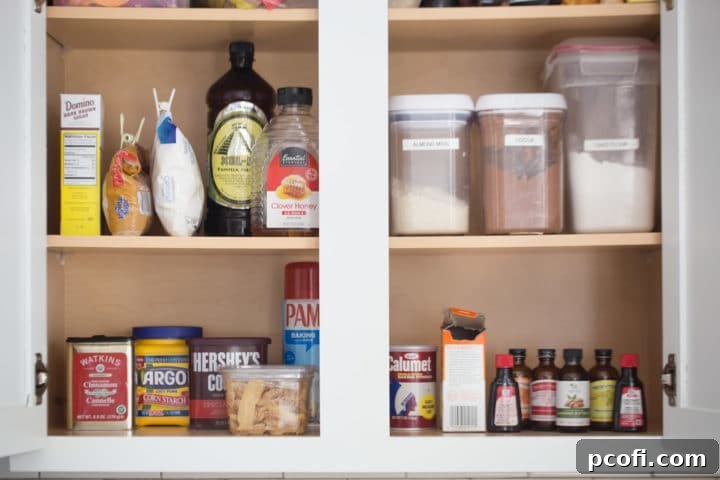
Once you’ve mastered the art of stocking these essential ingredients, you’ll truly be able to bake like a boss. The immense satisfaction of being able to whip up something delicious on a whim, simply from what you already have in your cupboards and refrigerator, is unparalleled. With a little foresight and the addition of an “add-in” or two, the culinary possibilities become absolutely limitless. Happy baking!
As an amazon associate I earn from qualifying purchases.