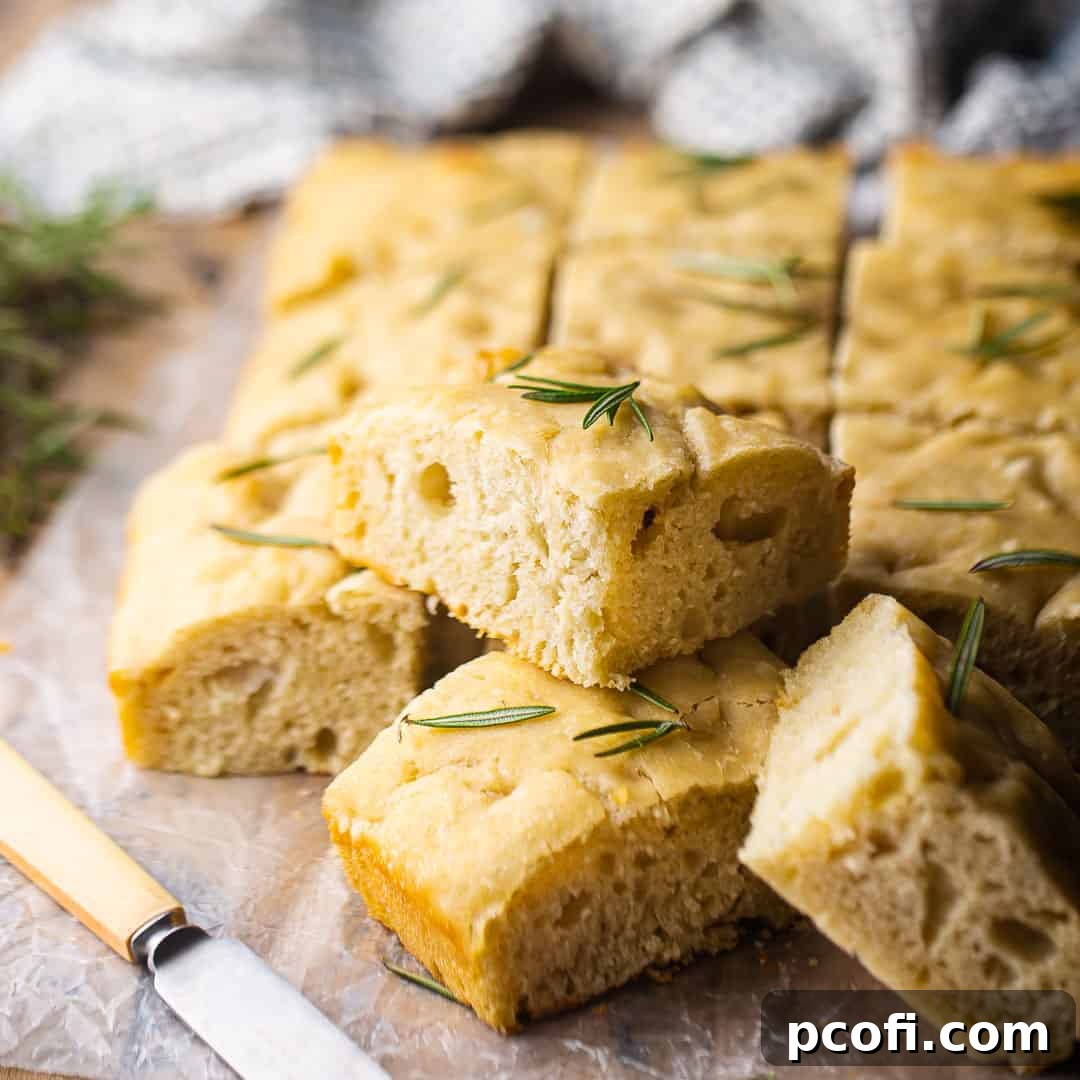
Effortlessly Delicious Focaccia Bread: A Guide to Authentic Italian Flavor
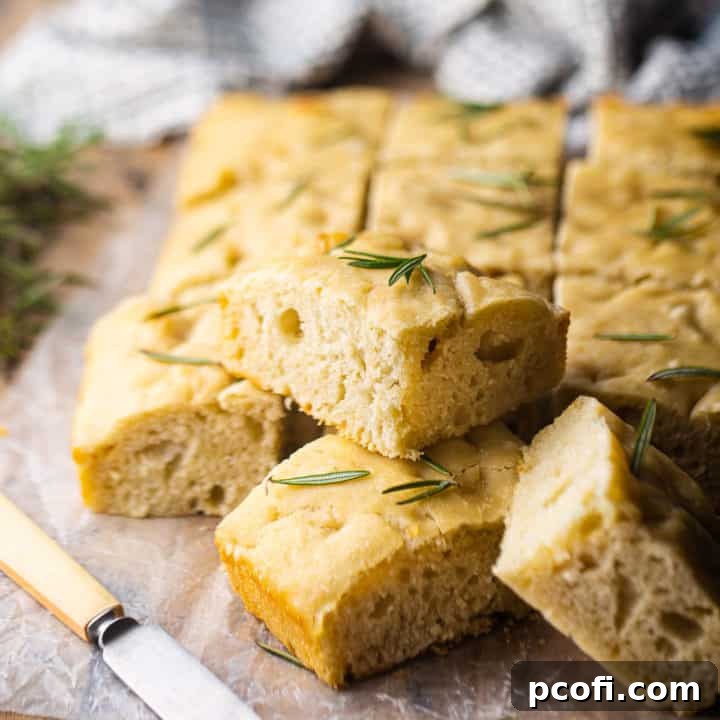
Embark on a culinary journey to the heart of Italy with this incredibly simple yet profoundly flavorful focaccia bread recipe. Renowned for its irresistibly moist, soft, and distinctly spongy texture, this authentic Italian bread is a testament to the power of quality ingredients and a patient process. Bathed in rich olive oil and seasoned with a generous sprinkle of sea salt, each bite offers a delightful symphony of flavors that will transport you straight to the sun-drenched Ligurian coast.
If you’re a fan of artisanal bread but intimidated by complex baking processes, this recipe is designed for you. While it boasts a long fermentation time, the actual hands-on effort is minimal, making it perfect for both novice and experienced bakers alike. Prepare to discover the joy of creating a truly exceptional loaf of focaccia right in your own kitchen.
Inspired by “Salt, Fat, Acid, Heat”: A Culinary Revelation
For those who appreciate the art of cooking, the Netflix series “Salt Fat Acid Heat,” hosted by the endearing Samin Nosrat, is an absolute must-watch. This beautifully shot show offers a captivating exploration of the fundamental elements of good cooking, taking viewers on a global adventure to discover diverse cuisines and techniques. Samin’s infectious passion and approachable teaching style make learning about food an absolute delight, and you’ll undoubtedly fall in love with her by the end of the series.
One particular episode, “Fat,” resonated deeply with me. Set in the stunning landscapes of Italy, Samin delves into how olive oil, pork fat, and various cheeses are expertly utilized to enhance flavor and add richness to countless Italian dishes. It was during her visit to Liguria that she participated in the making of traditional focaccia bread, lovingly saturated in oil and a delicate salty brine. Watching this process was utterly mesmerizing and instantly made my mouth water. I had never witnessed bread prepared in such a manner, and I was immediately inspired to recreate that experience.
Your Easy Path to Authentic Homemade Focaccia
Following that inspiration, I developed my own version of this magnificent Ligurian focaccia. I know many of you have been enjoying my yeast bread recipes recently – from indulgent brioche to crusty baguettes and classic New York bagels – so this focaccia is another wonderful addition to your baking repertoire. You are truly going to adore it!
This versatile recipe allows you to tailor your focaccia to your preference. You can bake it as a large, thin sheet, yielding a wonderfully crusty and chewy bread reminiscent of a pizza crust. Alternatively, use a deeper pan to achieve a thicker, more incredibly spongy texture, perfect for soaking up rich flavors. The core flavor profile is elegantly simple yet profoundly satisfying, relying on generous amounts of high-quality extra-virgin olive oil and coarse sea salt. Beyond this classic foundation, you have endless opportunities to customize it with an array of delicious toppings.
The best part? This focaccia is surprisingly easy to make. While it requires a significant amount of time for rising, this period is entirely hands-off. The dough itself comes together effortlessly by combining just five basic pantry staples in a bowl and stirring them until well-combined. The extended rise allows for deep flavor development, creating a bread far superior to quick alternatives.
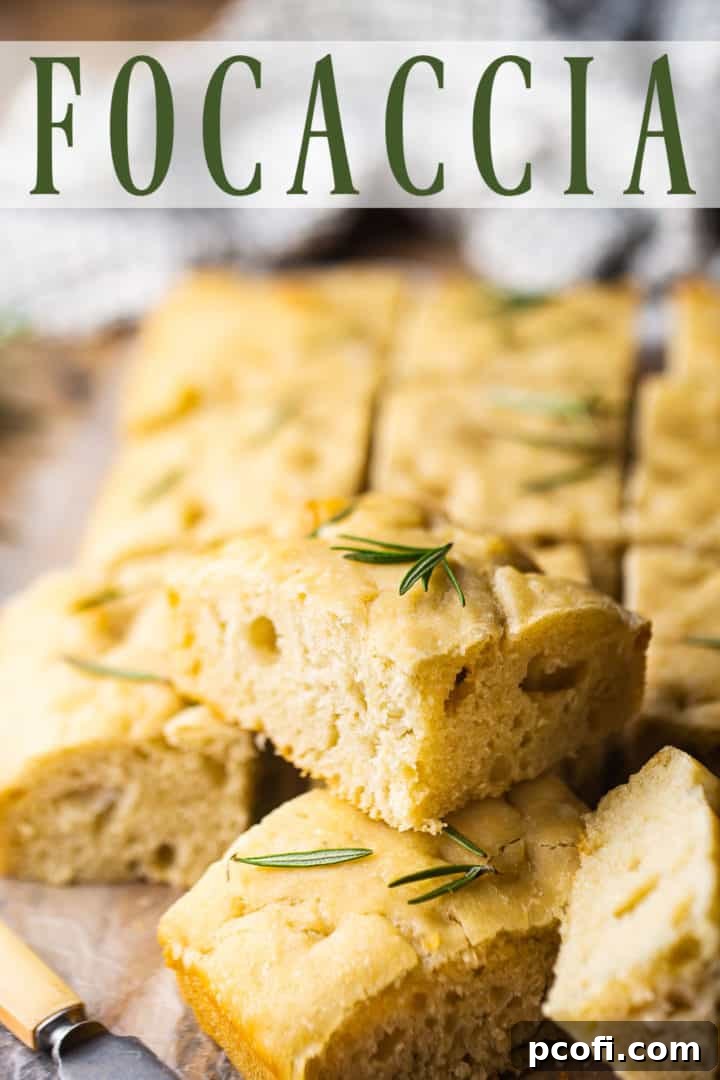
Mastering the Art of Focaccia: Step-by-Step
Crafting this focaccia dough is remarkably straightforward, and you’ll find the process incredibly rewarding. The secret to its incredible texture and flavor lies in a few key steps and a generous amount of resting time.
1. Activating the Yeast
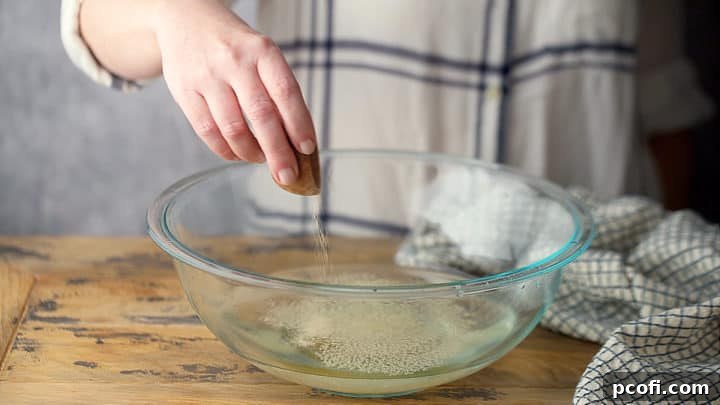
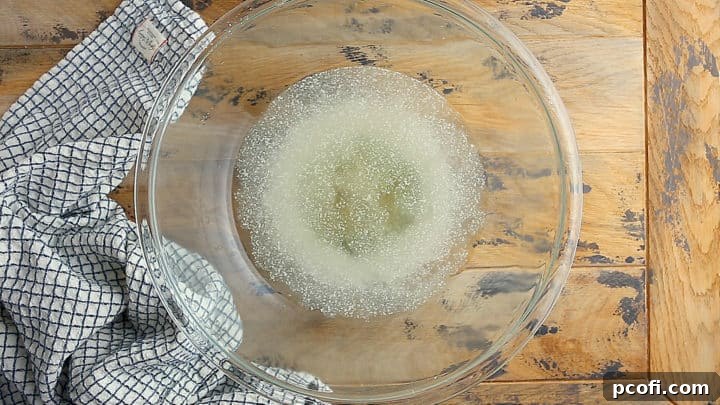
Like many other bread recipes, our focaccia journey begins with blooming the yeast. This crucial first step ensures your yeast is active and ready to work its magic. Start by combining warm water and a touch of honey in a large bowl. The honey provides a readily available food source for the yeast. Sprinkle the active dry yeast over this mixture. It’s vital that your yeast hasn’t passed its expiration date, as inactive yeast will prevent your bread from rising. The water temperature is also critical: it should be warm, but never hot. Water that’s too hot can kill the yeast, while water that’s too cool won’t activate it effectively. Aim for a temperature similar to a baby’s bath – around 105 to 110 degrees F (40-43 degrees C). If you have a kitchen thermometer, now is the time to use it for precision. Allow the mixture to sit for about 5 minutes until the yeast fully dissolves and the surface becomes foamy, indicating it’s active and healthy.
2. Assembling the Dough
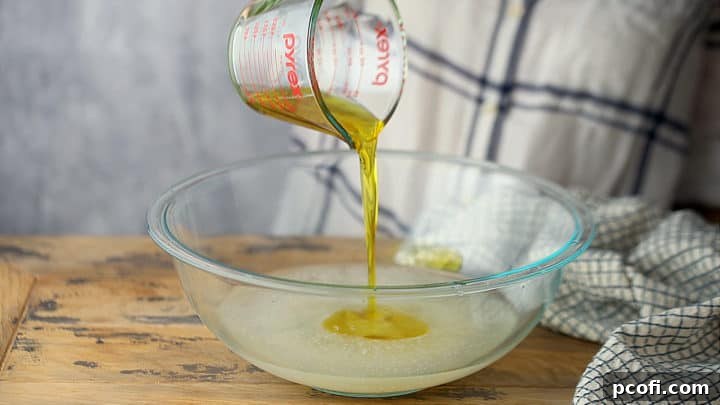
Once your yeast is nicely bloomed, it’s time to infuse the focaccia with its signature rich flavor and tender texture. Pour in a generous amount of high-quality extra-virgin olive oil into the yeast mixture. This is not the time to skimp on olive oil, as it is a star ingredient in authentic focaccia.
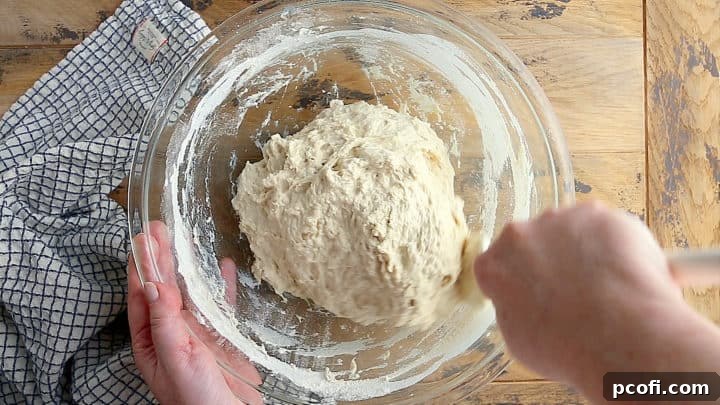
Next, add the flour and salt directly into the bowl. Don’t be surprised by the seemingly large quantity of salt; it’s a crucial component for developing the focaccia’s distinctive flavor profile. I often double-check the measurement myself, but rest assured, the final product will be perfectly balanced and incredibly flavorful. Stir the dry ingredients into the wet mixture until everything is thoroughly combined. You’ll notice the dough is quite sticky, but it should gather itself into a cohesive ball. Resist the urge to add more flour at this stage, as the stickiness is normal and contributes to the focaccia’s characteristic moisture.
3. The Long, Flavor-Developing Rise
Once your dough is mixed, lightly cover the bowl and allow it to rise and ferment at room temperature for an extended period of 12 to 14 hours. This extra-long rest, often referred to as a “cold proof” or “slow fermentation” when done in the fridge, allows the yeast to work slowly, breaking down starches and developing an incredibly deep, complex flavor that cannot be achieved with a quick rise. This is what truly elevates homemade focaccia from good to extraordinary. I typically prepare my focaccia dough the night before and let it ferment overnight, ready to be finished and baked the following morning.
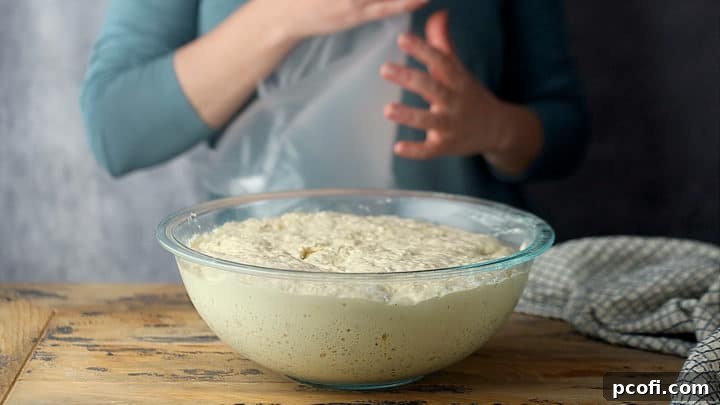
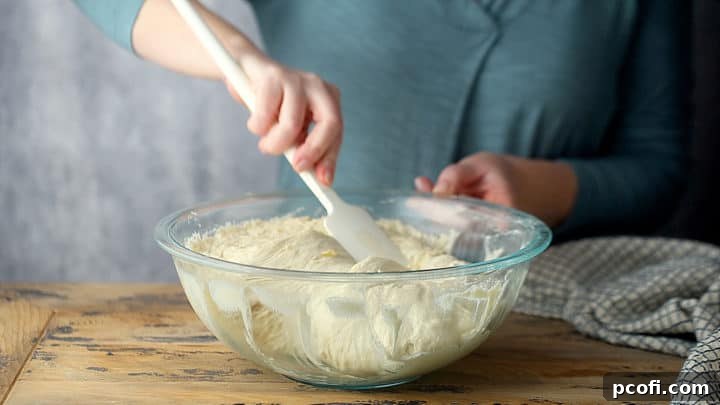
After this long fermentation, you’ll be amazed by how much the dough has risen! It will likely fill most of your mixing bowl, appearing beautifully puffed up and full of airy bubbles. Gently deflate the dough using clean, lightly oiled hands or a silicone spatula, and fold it over upon itself a few times within the bowl. This gentle folding is the only “kneading” this no-knead bread requires, helping to develop gluten and structure without intensive effort.
4. Shaping and Second Rise
Now, you have a delightful choice to make: do you prefer your focaccia big and flat, with a crisp, chewy crust, or thick and wonderfully spongy, almost like a savory cake? Samin Nosrat, in her exploration of Ligurian focaccia, opts for the big and flat style, which is best achieved using a large half-sheet pan. My initial bake in this style was absolutely delicious, offering a satisfyingly chewy interior and a delightful crunch. However, I later experimented with a thicker, more plush version baked in a pan, and I found I liked it even more! This thicker focaccia acts like an incredible sponge, perfect for dipping into olive oil, pesto, or balsamic vinegar.
For a thicker, spongier focaccia bread, a 9×13-inch cake pan works perfectly. Regardless of your chosen pan, ensure it is generously oiled beforehand. This not only prevents sticking but also encourages the formation of a beautiful, crunchy bottom crust. Carefully slide the dough into the prepared pan and drizzle a little more extra-virgin olive oil over its surface.
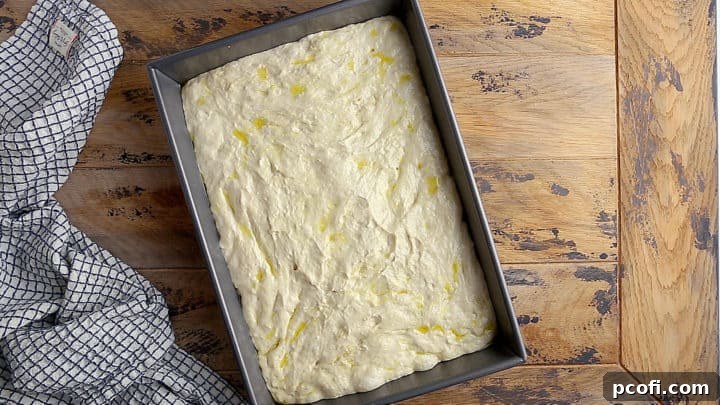
Gently push and tease the dough to spread it evenly across the bottom of the pan, ensuring it reaches all corners. If the dough seems too elastic and resists stretching, simply allow it to rest for 10 minutes; this will help the gluten relax, making it much more cooperative. Once shaped, cover the pan with lightly greased plastic wrap (a quick mist with non-stick spray on the plastic wrap works wonders) and allow the dough to undergo a second rise for about 45 minutes.
5. Dimpling and Brining
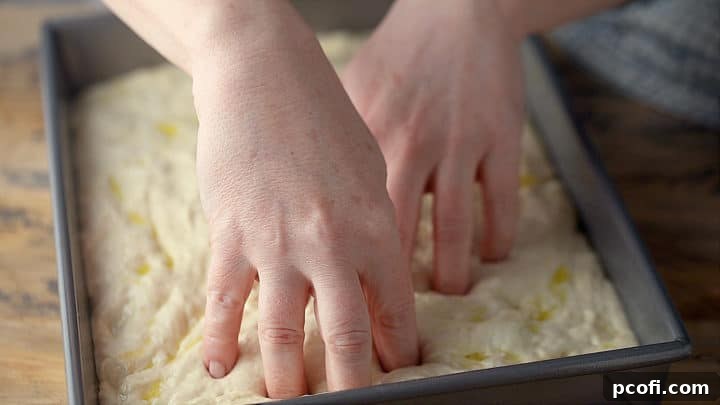
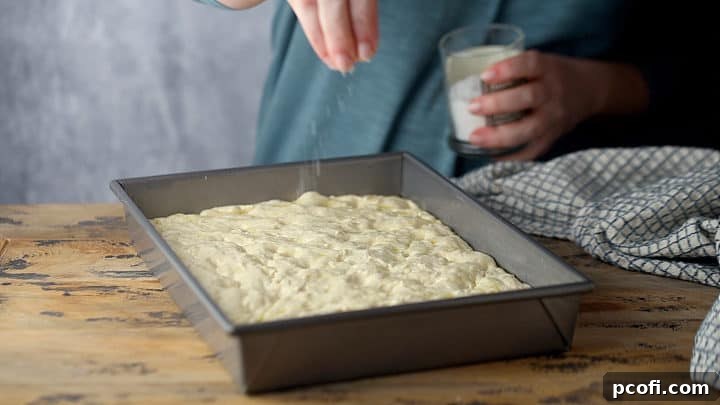
After the second rise, your focaccia dough will be beautifully puffed up. Now for one of its most distinctive features: the dimples! Use your fingertips to gently, yet firmly, press deep indentations all over the surface of the dough. These dimples are a hallmark of authentic focaccia bread, creating an appealing texture and playing a functional role.
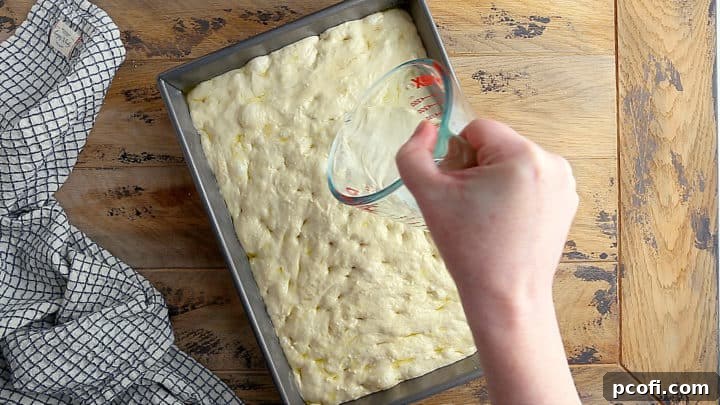
Next, prepare a simple brine by stirring warm water and kosher salt together until the salt dissolves. Drizzle this brine generously all over the dimpled surface of the unbaked dough. This brine not only adds a crucial layer of salty flavor but also contributes to the focaccia’s characteristic moist crumb and crispy crust.
Finally, give it another generous sprinkling of coarse sea salt for an extra burst of flavor and a pleasing textural contrast.
6. Baking to Perfection
Your focaccia is now ready for the oven! Preheat your oven to a hot 450 degrees F (230 degrees C). For an exceptionally crispy, golden bottom crust, it’s highly recommended to bake your focaccia on a preheated pizza stone. If you don’t own a pizza stone, or if, like me, yours isn’t large enough for a 9×13-inch pan, a clever alternative is to flip a sturdy baking sheet upside down and place it on the center rack of your oven. Crucially, preheat the oven *with* the stone or inverted baking sheet inside, allowing it to get intensely hot. This radiant heat will create that coveted crispy crust.
Bake the focaccia for approximately 20 to 30 minutes. You’ll know it’s getting close to being done when it feels springy to the touch when gently pressed, and the edges begin to turn a light golden brown and slightly pull away from the sides of the pan. If the top of the focaccia needs a bit more browning to achieve that beautiful golden hue, carefully transfer it to the top rack of the oven for an additional 5 minutes or so. Keep a close eye on it to prevent over-browning.
Choosing the Right Flour for Your Focaccia
When it comes to flour, Samin Nosrat advocates for the use of good old all-purpose flour in her focaccia recipe. And when Samin speaks, I listen! Therefore, all-purpose flour is what I used for the focaccia featured in the images and video accompanying this recipe. It consistently produces fantastic results, delivering a tender crumb with just the right amount of chew.
However, the world of flour offers exciting possibilities if you wish to experiment. You could certainly try using bread flour, which has a higher protein content, potentially leading to a chewier focaccia with more structure. Another intriguing option, beloved by many pizzaiolos for its fine texture and ability to create a delicate crust, is the highly refined double-zero Italian flour (Tipo 00). Each flour type will impart slightly different characteristics to your focaccia, making it a fun aspect to explore.
The Significance of Dimpling Focaccia Dough
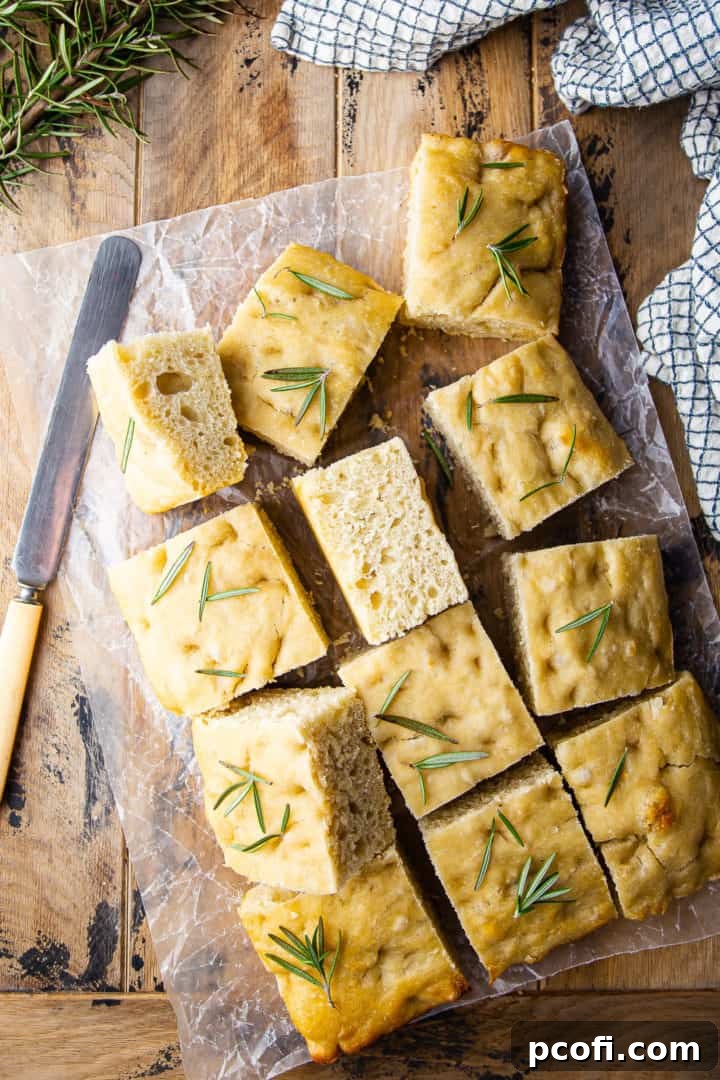
Those distinct, deep dimples adorning the surface of focaccia are one of its most recognizable and beloved features, serving both aesthetic and practical purposes. Beyond contributing to a more interesting and complex texture, these indentations are crucial for the bread’s flavor development and unique character. They act as perfect little reservoirs, collecting the flavorful olive oil and salty brine applied before baking. As the focaccia bakes, these liquids settle into the valleys, infusing the bread with moisture and flavor, while the raised peaks are allowed to crisp up and achieve a beautiful golden brown, creating a wonderful contrast in texture and taste.
Delicious Ways to Serve Your Homemade Focaccia
The versatility of this focaccia recipe means it can be enjoyed in a multitude of delightful ways. Its robust flavor and satisfying texture make it a fantastic accompaniment to almost any meal or a star on its own.
- For Sandwiches & Panini: If you’ve opted for the thick and generous focaccia, slice it horizontally to create the perfect foundation for gourmet sandwiches or panini. Imagine layering it with an assortment of premium Italian meats like prosciutto or salami, creamy cheeses such as fresh mozzarella or provolone, and grilled vegetables like zucchini or bell peppers. The focaccia’s spongy texture will absorb all the delicious juices and flavors.
- Perfect for Dipping: Cut the focaccia into individual slices and serve it alongside small dishes of your favorite dipping accompaniments. A high-quality extra-virgin olive oil is a classic choice, but you can also offer homemade pesto, tangy balsamic vinegar, or a combination of these. Enhance the dipping experience with seasonings like crushed red pepper flakes for a kick, bright lemon zest for freshness, or finely chopped olives for a briny note. The bread’s absorbent nature truly shines here, soaking up every incredible flavor.
- Accompaniment to Meals: This focaccia is also an ideal partner for lighter meals. Serve it alongside a comforting bowl of soup or a crisp, fresh salad. Its simple yet hearty flavor profile complements a wide array of tastes and textures, adding a touch of Italian elegance to your dining experience.
Flavor Variations: Get Creative with Toppings
While I’ve followed Samin Nosrat’s lead in keeping this focaccia recipe beautifully simple, highlighting the purity of good olive oil and sea salt, this bread is a fantastic canvas for your culinary creativity. The robust base flavor can stand up to almost any topping you can imagine, allowing you to personalize your focaccia to suit any occasion or preference. Here are some ideas to inspire your next batch:
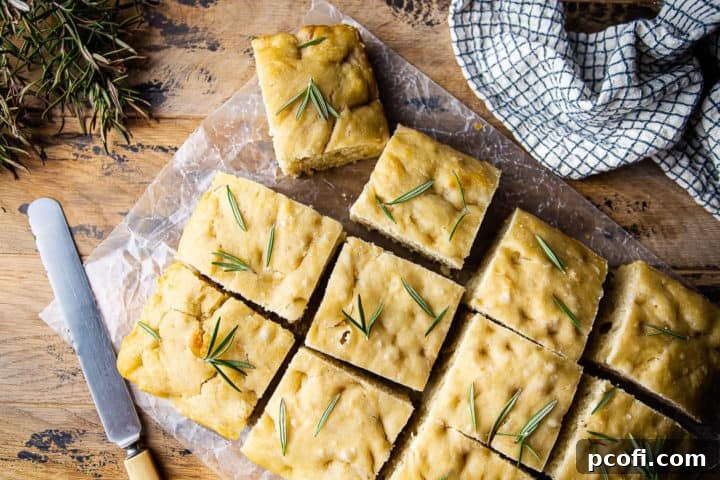
- Aromatic Herbs: Fresh herbs like fragrant rosemary or delicate thyme are classic choices, adding an earthy, aromatic dimension that pairs wonderfully with olive oil.
- Tomato Delights: Incorporate sun-dried tomatoes for an intense, sweet-tart flavor, or scatter fresh grape or cherry tomatoes across the dough. As the bread bakes, they’ll soften and burst, releasing their juicy sweetness.
- Roasted Vegetables: Charred or roasted peppers bring a smoky sweetness, while caramelized onions offer a deeply savory, slightly sweet note that beautifully complements the bread.
- Garlic Infusion: Roast whole garlic cloves until tender and sweet, then gently press them into the dough before baking for a rich, mellow garlic flavor.
- Cheesy Goodness: Grated hard cheeses such as Parmigiano Reggiano or Pecorino Romano add a salty, umami depth. For a creamier texture and milder flavor, consider ricotta salata.
- Unexpected Sweetness: For a surprisingly delicious sweet and savory twist, try adding fresh grapes. This might sound unconventional, but grape focaccia (focaccia con l’uva) is actually a traditional Italian autumn treat.
Storage and Enjoyment Tips
This delightful focaccia bread is best enjoyed fresh, but it can be stored to savor its flavors for longer. At room temperature, wrapped tightly or placed in a zip-top bag, it will remain fresh for 2 to 3 days. This helps to prevent it from drying out and going stale.
To extend its shelf life further, any leftover focaccia can be stored in the refrigerator for about a week, or in the freezer for up to a month. When you’re ready to enjoy it again, simply reheat the bread in a 170-degree F (77-degree C) oven, wrapped in aluminum foil, until it is warmed through. This gentle reheating method helps to restore its tender crumb and subtle crispness.
Interestingly, the dough itself can also be prepared ahead of time and stored. It will keep well in the refrigerator for up to 2 days or in the freezer for up to 2 weeks. If freezing the dough, be sure to allow it to thaw completely in the refrigerator overnight and come to room temperature before proceeding with the shaping and baking steps of the recipe.
More Delicious Yeast Bread Recipes to Explore:
If you’ve enjoyed making this focaccia and are eager to explore more homemade bread, here are a few more of my favorite yeast bread recipes that I highly recommend:
- Challah Bread
- Hawaiian Rolls
- Soft White Bread
- Soft Homemade Dinner Rolls
As an Amazon Associate, I earn from qualifying purchases.
★
★
★
★
Focaccia Bread
Leave a Review
Save RecipeSaved!
Ingredients
For the Focaccia Bread:
- 1 tablespoon (14.79 g) honey
- 2 1/2 cups (591.47 g) warm water
- 1 teaspoon (4.93 g) active dry yeast
- 1/4 cup (54 g) extra-virgin olive oil,, plus extra for drizzling
- 5 1/3 cups (666.67 g) all-purpose flour
- 2 tablespoons (29.57 g) kosher salt
- sea salt, (for garnish)
For the Brine:
- 1/3 cup (78.86 g) warm water
- 1 1/2 teaspoons (7.39 g) kosher salt
Instructions
-
Place the honey and water in a large bowl and sprinkle the yeast on top.
-
Set aside until the yeast has dissolved and is becoming foamy.
-
Stir in the olive oil, flour, and kosher salt, until the dough forms a sticky ball.
-
Cover with plastic wrap and allow the dough to rise & ferment at room temperature for 12 to 14 hours.
-
Using a silicone spatula or oiled hands, punch down the dough and fold it over upon itself a few times, then transfer it to an oiled 9×13-inch baking dish.
-
Drizzle with olive oil and spread/stretch the dough to fill the bottom of the pan evenly.
-
Cover with greased plastic wrap and allow to rise for another 45 minutes.
-
Use your fingertips to press dimples all over the surface of the dough, then cover with brine and sprinkle with sea salt.
-
Preheat the oven to 450 degrees F, placing an upside-down baking sheet (or pizza stone) on the center rack to heat along with the oven.
-
Bake the focaccia on the hot baking sheet or stone until it feels springy to the touch and the edges are beginning to brown and shrink from the sides of the pan (approx. 20 to 30 minutes).
-
If needed, transfer the focaccia to the top rack of the oven to brown the top of the bread (for aprox. 5 more minutes).