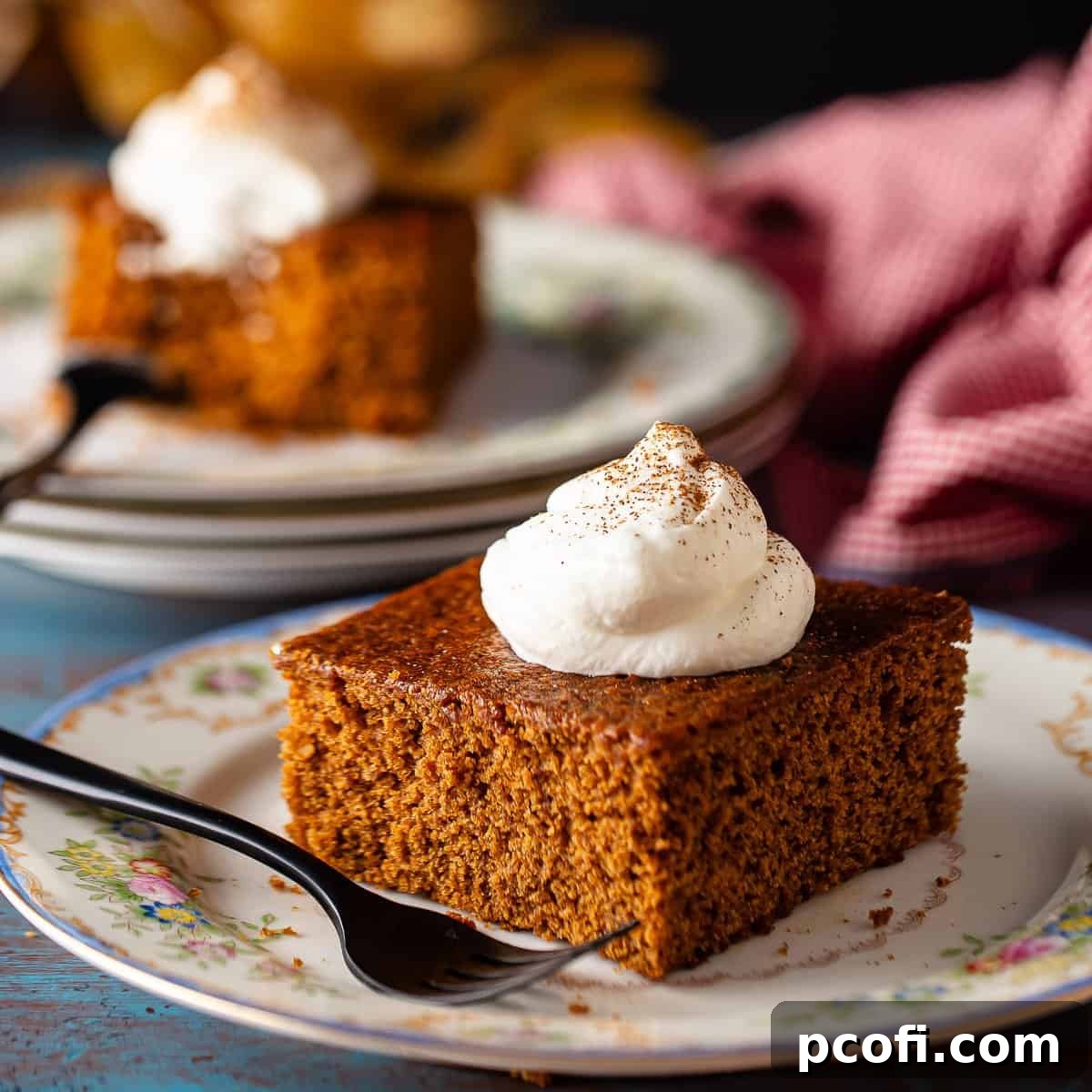
Step into the heartwarming embrace of tradition with this quintessential Old-Fashioned Gingerbread recipe. More than just a dessert, it’s a nostalgic journey, filling your home with the comforting aromas of the holiday season and beyond. Imagine a tender, moist cake, deeply imbued with the rich, complex sweetness of molasses and the inviting warmth of ginger, cinnamon, and a subtle hint of other cozy spices. This isn’t just any gingerbread; it’s the kind that evokes cherished memories, a timeless treat that brings joy with every single bite.
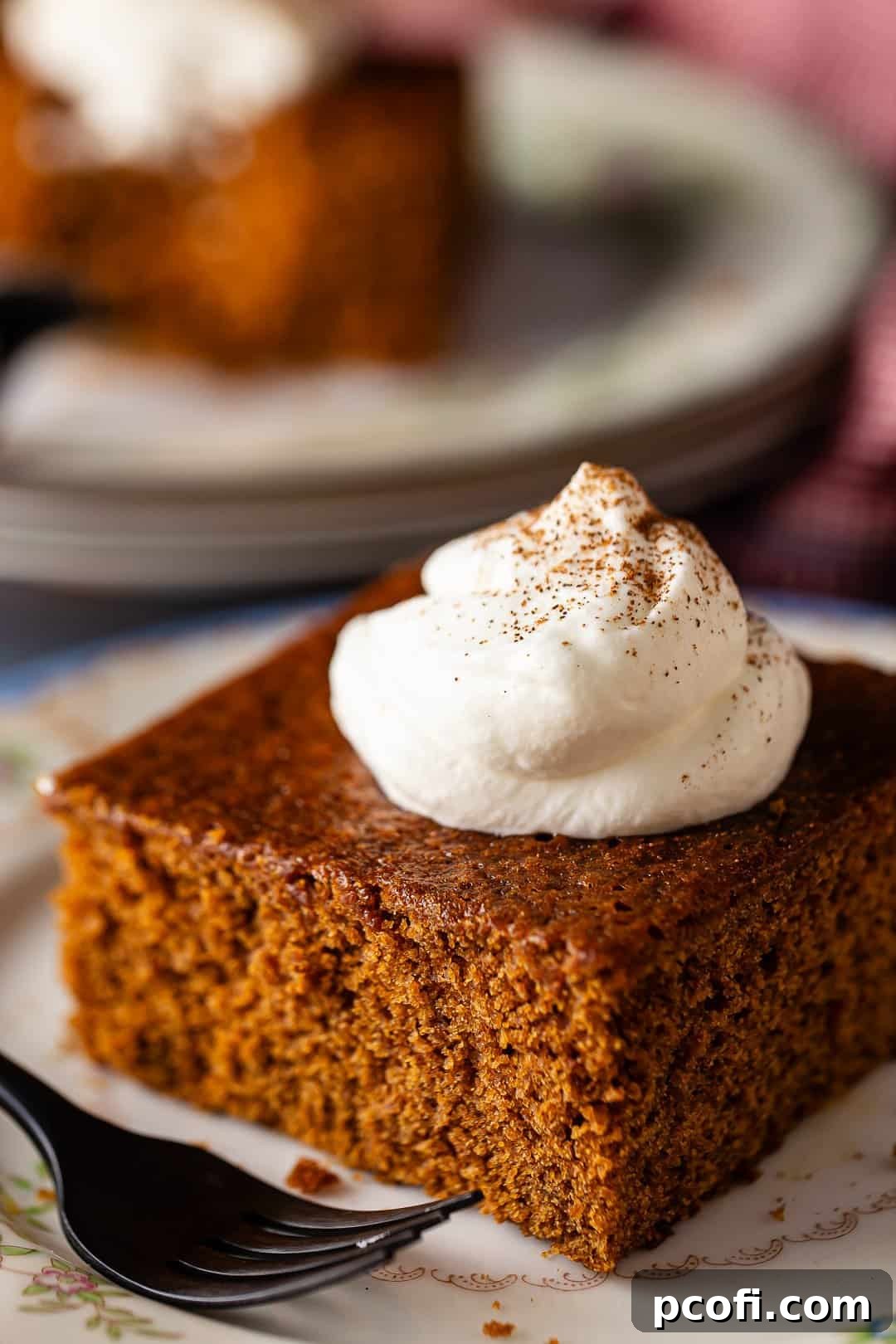
Crafted in just one bowl, this gingerbread comes together effortlessly, promising minimal cleanup and maximum flavor. Its simplicity belies its profound taste, making it an ideal choice for busy bakers and seasoned pros alike. As it bakes, a fragrant symphony of spices will waft through your kitchen, creating an irresistible atmosphere that truly defines cozy autumn and winter days. While it’s an absolute must-have for Christmas celebrations, this classic gingerbread cake is so delightfully easy and universally loved that you’ll find yourself reaching for this recipe throughout the entire fall and winter.
This comprehensive guide will walk you through every step, from selecting the finest ingredients to mastering the perfect bake, ensuring your gingerbread is nothing short of perfection. We’ll delve into the nuances of each component, share helpful tips for success, and even explore variations to make this recipe truly your own. Get ready to bake a legacy, a dessert that will be requested year after year.
Table of Contents
- Here’s Why You’ll Love This Recipe
- The Essence of Gingerbread: A Brief History
- Ingredients You’ll Need
- In Photos: How To Make Old-Fashioned Gingerbread
- Helpful Tips and Tricks for Perfect Gingerbread
- Serving Suggestions and Variations
- Frequently Asked Questions (FAQ)
- More Delightful Recipes
Jump to Recipe
Here’s Why You’ll Love This Old-Fashioned Gingerbread Recipe
This gingerbread isn’t just another cake; it’s a culinary experience designed for ease, flavor, and pure enjoyment. Here’s a deeper look into why this recipe will quickly become a cherished favorite in your baking repertoire:
- Unforgettable Warm and Cozy Flavor Profile: The harmonious blend of robust ginger, fragrant cinnamon, and the deep, earthy sweetness of molasses creates a truly iconic taste. This is the quintessential flavor of autumn and winter, instantly transporting you to a snug, festive setting. Each bite offers a delightful balance of spicy warmth and comforting sweetness, making it utterly irresistible. It’s a flavor that resonates with tradition and holiday spirit, perfect for family gatherings or a quiet evening by the fire.
- Remarkably Simple One-Bowl Recipe: Say goodbye to stacks of dirty dishes! This recipe is incredibly user-friendly, requiring only a single mixing bowl from start to finish. This streamlined process not only makes preparation a breeze but also significantly cuts down on cleanup time, leaving you more time to savor your delicious creation. It’s the ideal recipe for busy schedules or for bakers who prefer efficiency without compromising on quality.
- Incredibly Moist and Tender Texture: Prepare to be amazed by the exquisite texture of this gingerbread. It boasts a perfectly moist, fluffy crumb that practically melts in your mouth, holding its tenderness from the very first slice to the last. Achieving this ideal balance is key to a truly satisfying gingerbread, and this recipe delivers consistently excellent results, ensuring a delightful eating experience every time.
- Absolutely Perfect for Gatherings and Crowds: This gingerbread cake is designed to impress and satisfy. It’s a substantial yet elegantly simple dessert that feels inherently special and festive, making it an excellent choice for holiday parties, potlucks, or any occasion where you need to feed a happy crowd. Its rich flavor and comforting presence make it a universally appealing treat that guests of all ages will adore. It’s easy to transport and serves beautifully, making entertaining stress-free.
The Essence of Gingerbread: A Brief History
Gingerbread, in its various forms, has a rich and storied history dating back centuries. Originating in ancient times, spices like ginger were highly prized and traveled along trade routes from the Middle East to Europe. Early forms of gingerbread were often spiced honey cakes, popular in medieval fairs and religious festivals. It wasn’t until the 16th century that molasses, a byproduct of sugar refining, became widely available and started to replace honey as the primary sweetener in many gingerbread recipes, giving it the distinctive dark color and deep, rich flavor we associate with it today.
The term “gingerbread” refers to a broad category, encompassing everything from crispy cookies and elaborate gingerbread houses to moist cakes and loaves like this old-fashioned version. Each region developed its unique take, adapting local ingredients and cultural preferences. This particular old-fashioned cake recipe celebrates the comforting simplicity and profound flavors that have made gingerbread a beloved staple, especially during colder months and festive seasons. It’s a taste that connects us to generations of bakers and celebrations past.
Essential Ingredients You’ll Need for Success
Crafting the perfect gingerbread begins with selecting the right ingredients. Each component plays a vital role in achieving that signature taste and tender texture. Below, you’ll find a detailed breakdown, but remember to refer to the full recipe card at the bottom of this post for precise measurements.
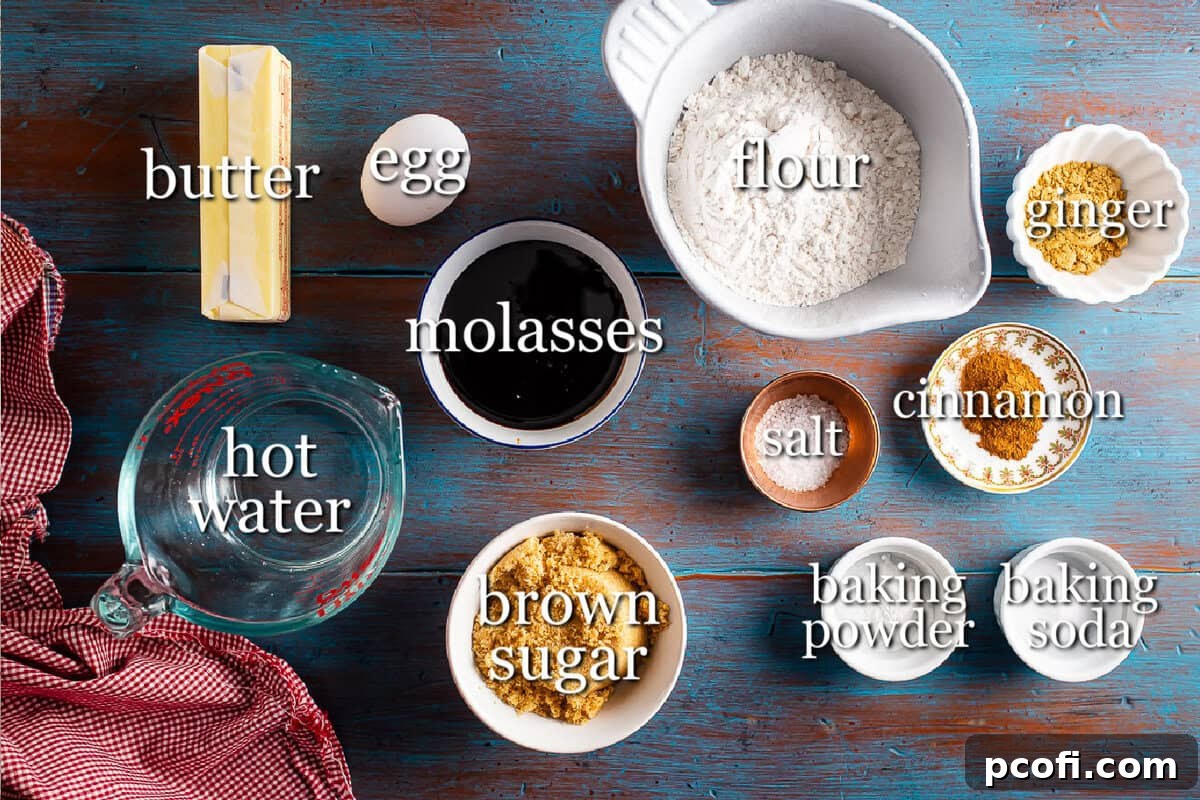
- Unsalted Butter: Softened to perfection, unsalted butter is crucial for controlling the overall saltiness of your cake and providing that rich, buttery base. If your pantry only holds salted butter, simply remember to omit the additional Kosher salt specified in the recipe. Ensure it’s truly softened, not melted, for optimal creaming and mixing.
- Boiling Water: This key ingredient serves a dual purpose: it gently melts the butter into a smooth emulsion and, more importantly, activates the leavening agents (baking soda and baking powder) later on, ensuring a beautifully risen and tender cake.
- Light Brown Sugar: Beyond just sweetness, light brown sugar contributes a lovely caramel note and helps retain moisture, thanks to its molasses content. For an even deeper, more robust flavor profile, don’t hesitate to substitute with dark brown sugar; it will add a more pronounced molasses undertone that complements the spices beautifully.
- Molasses: This is unequivocally the star of our old-fashioned gingerbread. Molasses is responsible for the cake’s characteristic deep, dark color, its signature earthy sweetness, and its incomparable moistness. There are no substitutions here; it is absolutely essential for authentic gingerbread flavor. We recommend using a good quality, unsulphured molasses for the best results. Avoid blackstrap molasses, as its bitterness can overpower the delicate balance of flavors in this cake.
- Large Egg: The egg acts as a binder, adding structure, richness, and moisture to the batter. For the best possible texture and flavor, always aim to use fresh, large eggs. However, rest assured that any standard grocery store egg will perform perfectly well in this recipe.
- All-Purpose Flour: The foundational ingredient, all-purpose flour provides the necessary structure and body for the cake. Ensure it’s properly measured, preferably by weight, or by spooning it into a measuring cup and leveling off, to avoid a dense cake.
- Ground Ginger: This spice is the heart and soul of gingerbread, providing its warm, distinctive spicy kick. For an extra layer of freshness and aromatic intensity, consider using freshly ground ginger if available. Otherwise, a good quality dried ground ginger is perfectly fine.
- Ground Cinnamon: Cinnamon works in perfect harmony with ginger and molasses, adding another layer of comforting warmth and aromatic depth to the cake. If you’re feeling adventurous and truly want to elevate the flavor, grating fresh cinnamon sticks will release an incredible aroma and a more vibrant taste.
- Kosher Salt: A pinch of salt is vital in baking. It doesn’t just add salinity; it enhances and balances the sweetness of the sugars and molasses, while also deepening the overall spice flavors, making everything taste more vibrant and well-rounded.
- Baking Powder & Baking Soda: These two leavening agents are a dynamic duo in this recipe. Baking powder provides the initial lift, while baking soda reacts with the acidic molasses to create additional bubbles, resulting in a beautifully light, airy, and tender crumb. Ensure both are fresh for optimal rising power.
In Photos: How To Make Old-Fashioned Gingerbread
Creating this delicious gingerbread is a straightforward process, made even easier with these step-by-step visuals. Follow along to ensure a perfect bake every time!
Step 1: Preheat and Prepare Your Pan
Begin by preheating your oven to 350°F (175°C). Next, prepare a 9×9-inch (23×23 cm) square baking pan. Lightly mist the pan with a non-stick cooking spray, then line it with parchment paper, leaving an overhang on two sides. This parchment “sling” will make it incredibly easy to lift the baked gingerbread out of the pan later. Ensuring your pan is properly prepped prevents sticking and ensures a beautiful presentation.
Step 2: Combine Hot Water and Butter
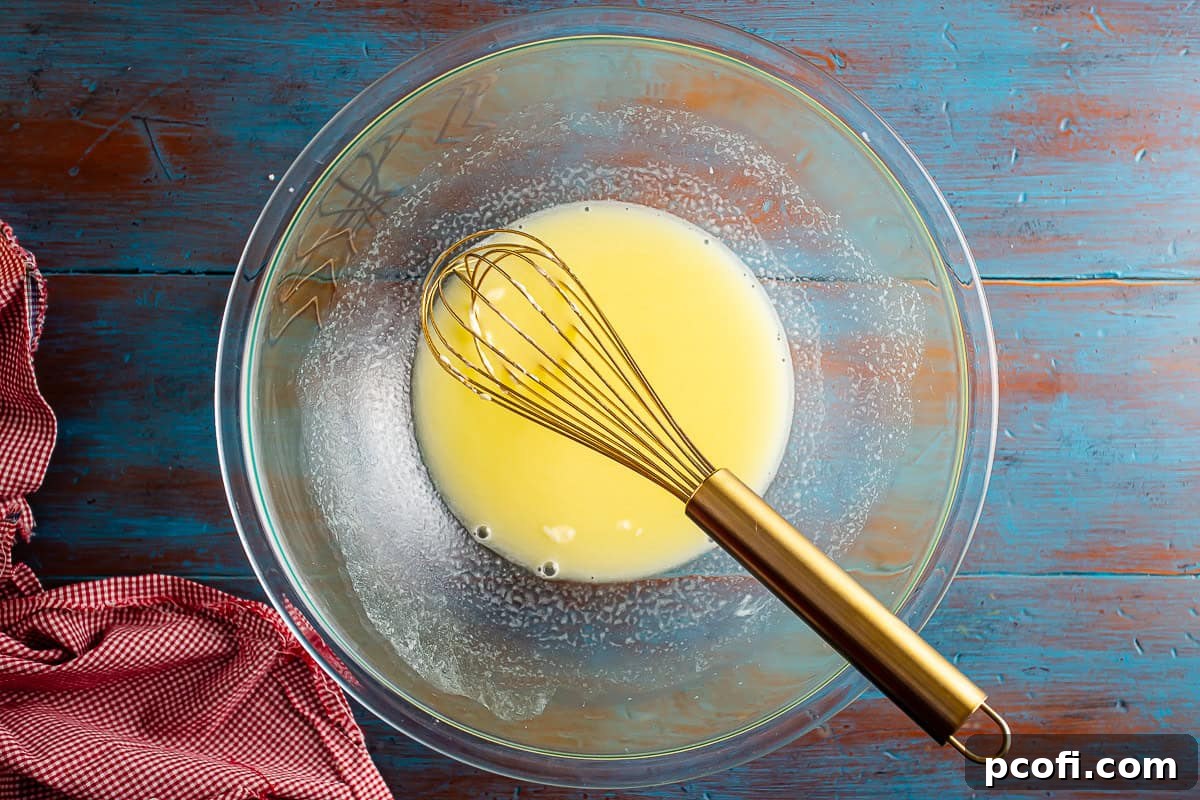
Place your softened unsalted butter into a large, heat-proof mixing bowl. Carefully pour the boiling water directly over the butter. The heat from the water will gently melt the butter, creating a smooth, emulsified liquid base for your batter.
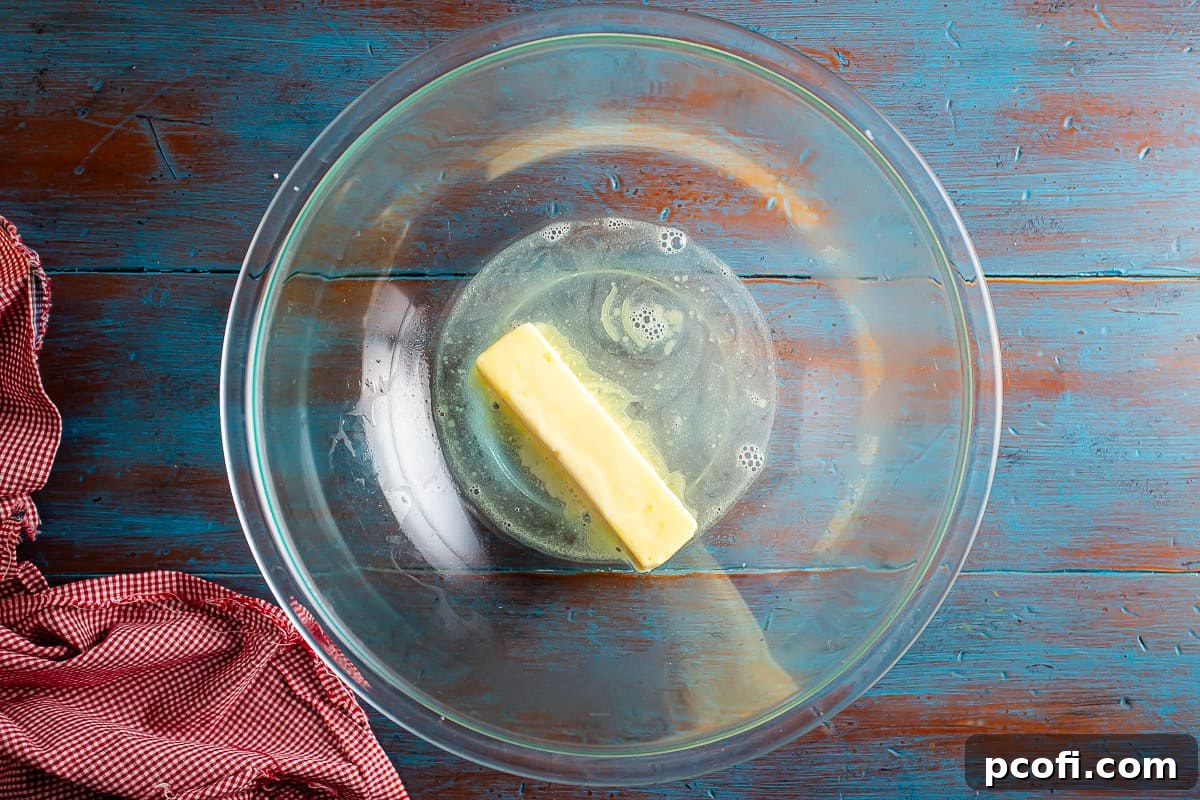
Allow this mixture to sit undisturbed for a few minutes, giving the butter ample time to melt completely. Then, using a whisk, gently stir until the butter is fully incorporated into the water and the mixture is smooth and uniform. This ensures there are no lumps of butter, contributing to a consistently smooth batter.
Step 3: Incorporate Remaining Wet Ingredients
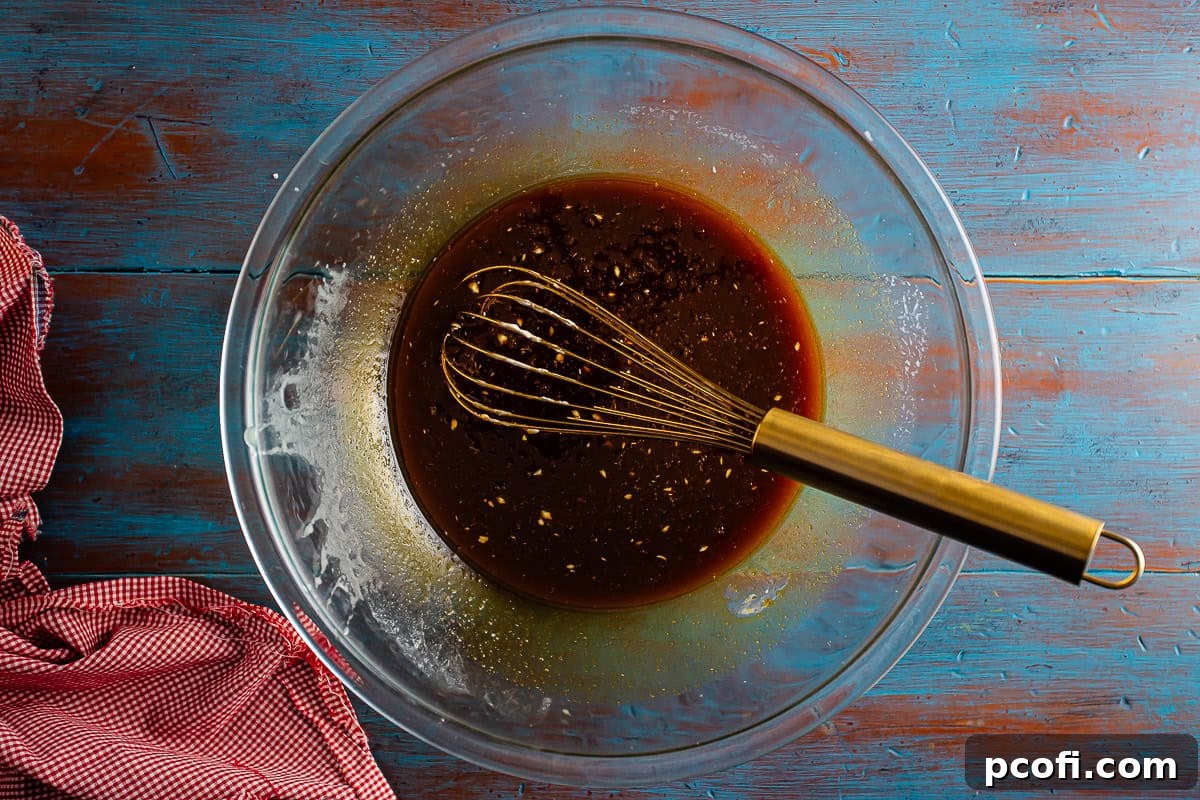
To the butter and water mixture, add the light brown sugar, rich molasses, and the large egg. Whisk these ingredients together diligently until they are thoroughly combined. The mixture should appear homogenous and well-blended, with the molasses imparting a deep, inviting color to the liquid base. This step ensures all the wet components are evenly distributed before introducing the dry elements.
Step 4: Combine All Dry Ingredients
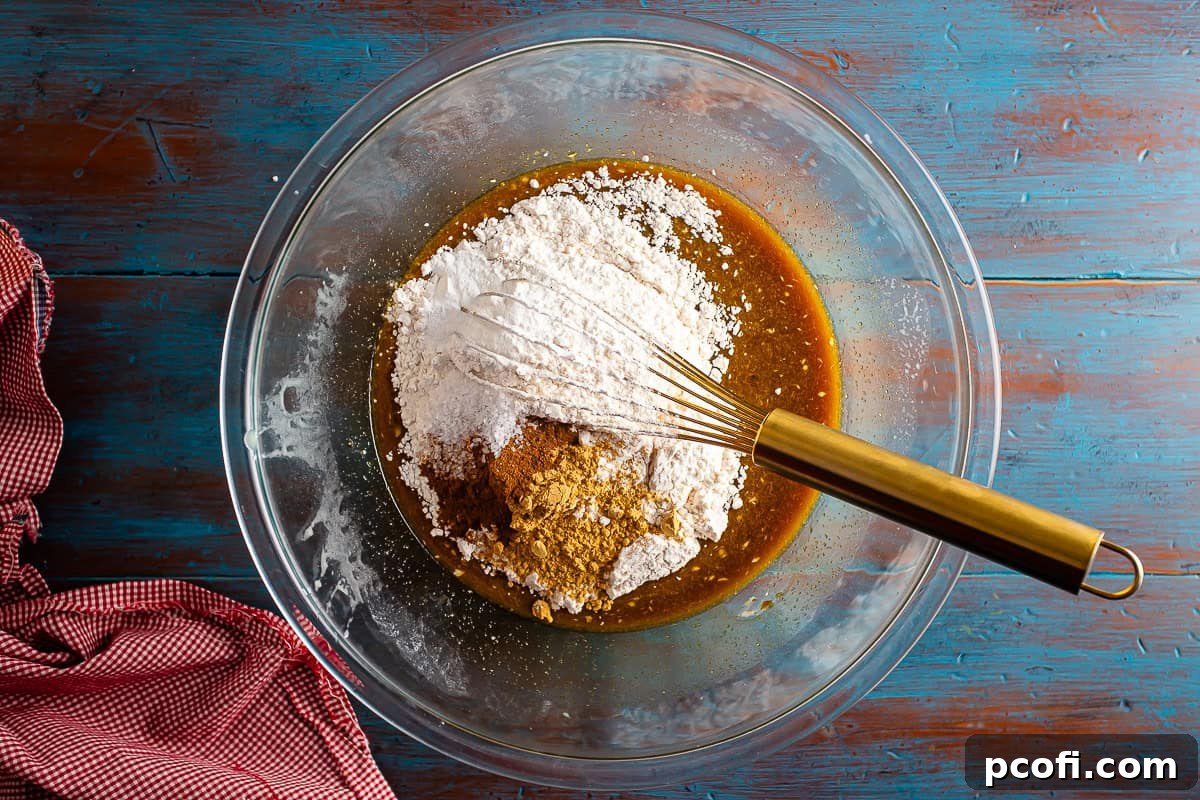
Now, it’s time to introduce the dry components. Add the all-purpose flour, ground ginger, ground cinnamon, kosher salt, baking powder, and baking soda directly into the same mixing bowl with the wet ingredients. This one-bowl method truly simplifies the baking process.
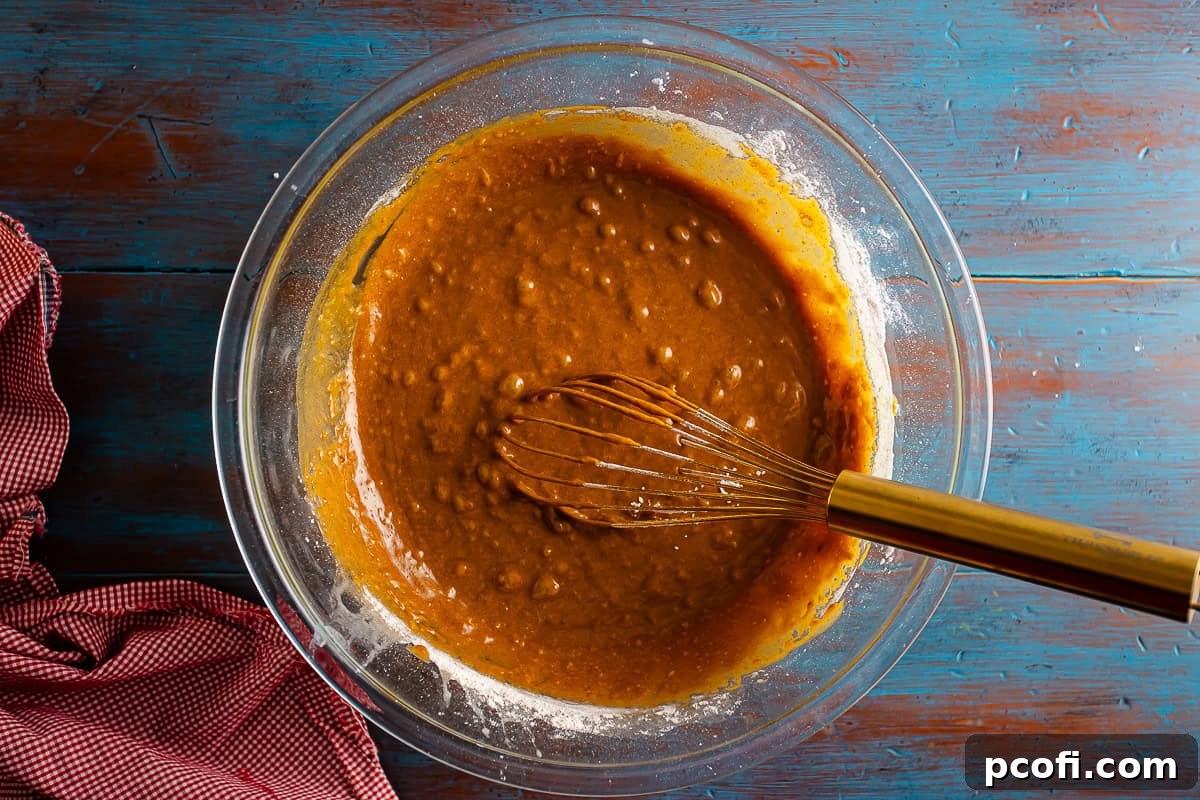
Using your whisk or a sturdy spatula, mix all the ingredients together. Stir until the batter is completely smooth and free of any flour lumps. Be careful not to overmix; stop as soon as the ingredients are just combined to ensure a tender cake. Overmixing can develop the gluten in the flour too much, leading to a tough texture.
Step 5: Transfer Batter and Prepare for Baking
Carefully pour the rich, fragrant gingerbread batter into your meticulously prepared 9×9-inch baking pan. Use a spatula to scrape out all the batter from the bowl, ensuring no delicious morsel goes to waste. Once the batter is in the pan, gently spread the top with the spatula to create an even layer. This promotes uniform baking and a beautifully flat surface for your finished cake.
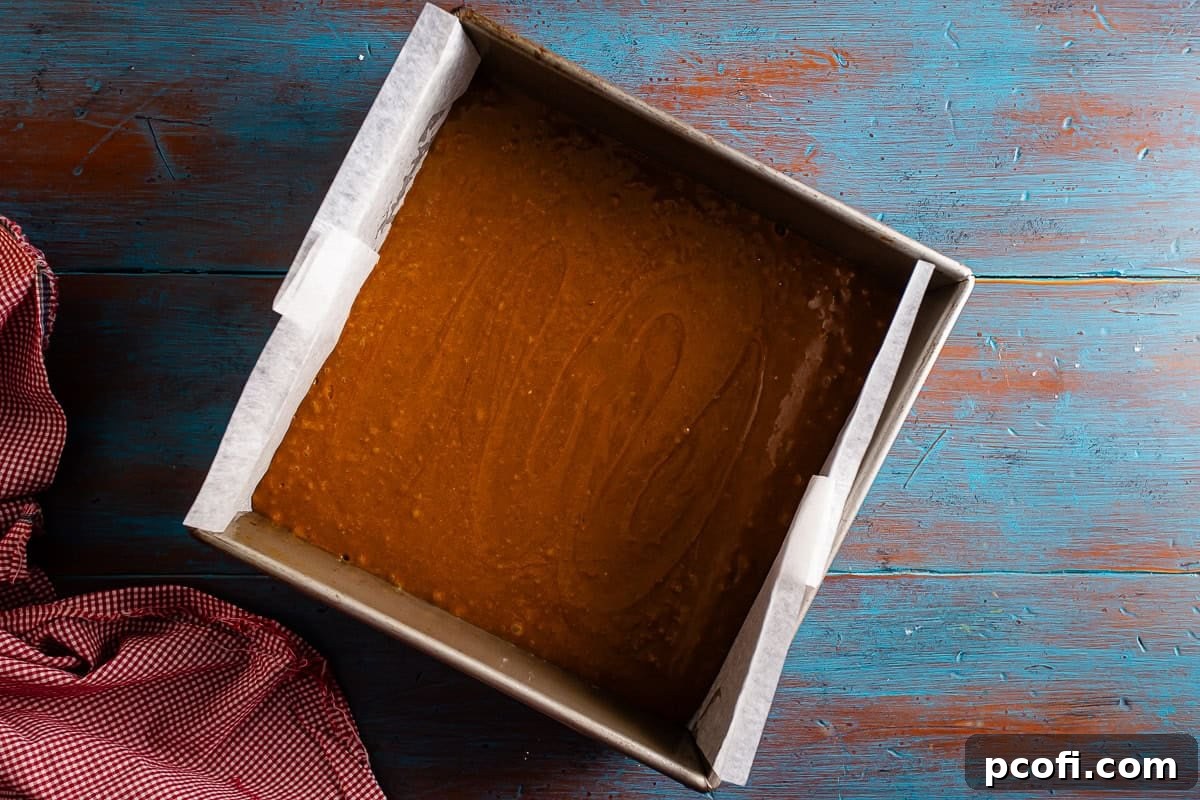
Step 6: Bake and Cool to Perfection
Place the pan into your preheated oven and bake for approximately 25 to 35 minutes. Baking times can vary slightly depending on your oven, so keep an eye on the cake. You’ll know it’s perfectly baked when a toothpick inserted into the center comes out clean, or with just a few moist crumbs clinging to it. Avoid overbaking, as this can lead to a dry cake.
Once baked, remove the gingerbread from the oven and allow it to cool slightly in the pan on a wire rack. This initial cooling period allows the cake to set properly and makes it easier to handle. After about 10-15 minutes, use the parchment paper overhang to carefully lift the gingerbread out of the pan and transfer it to the wire rack to cool completely before slicing and serving. Cooling completely ensures clean slices and a fully developed flavor.
Helpful Tips and Tricks for Perfect Gingerbread
Achieving outstanding gingerbread is simple with a few insider tips. These pointers will help you master this recipe and elevate your baking game:
- Embrace the Parchment Paper Lining: Seriously, don’t skip this step! Lining your baking pan with parchment paper, especially with a slight overhang, is a game-changer. It creates an effortless “sling” that allows you to lift the entire cake out of the pan with ease, ensuring no sticking and preserving the beautiful edges of your gingerbread. This is particularly helpful when preparing for serving or cutting.
- Experiment with Toppings: While delicious on its own, gingerbread truly shines with complementary toppings. A simple dusting of powdered sugar adds an elegant touch and a subtle sweetness. For a creamy contrast, a dollop of freshly whipped cream or a swirl of crème fraîche is divine. For those who love a zesty tang, a spoonful of homemade or store-bought lemon curd cuts through the richness beautifully, adding a bright, unexpected twist. You could also try a cream cheese frosting for a richer dessert.
- Enhance the Spice Profile: If you’re a fan of a more complex spice blend, consider adding a tiny pinch of ground cloves or nutmeg to the dry ingredients. These spices perfectly complement ginger and cinnamon, adding another layer of warmth and aromatic depth to your gingerbread. Start with a small amount (like 1/4 teaspoon) and adjust to your preference in future batches.
- Patience is Key: Cool Before Slicing: We know it’s tempting to dive into a warm, freshly baked cake, but allowing the gingerbread to cool sufficiently before slicing is crucial. A cooled cake sets properly, making it much easier to cut neat, clean pieces. Attempting to slice a hot cake often results in crumbling and uneven portions. Patience will be rewarded with perfectly presented slices.
- Use Quality Molasses: The type of molasses truly impacts the flavor. Opt for unsulphured light or dark molasses for the best taste. Blackstrap molasses is much stronger and more bitter, and while excellent for some applications, it can overwhelm the delicate balance of spices in this cake.
- Don’t Overmix the Batter: Once you add the dry ingredients to the wet, mix only until just combined and no streaks of flour remain. Overmixing develops the gluten in the flour, which can lead to a tough and chewy cake rather than the desired tender crumb.
- Test for Doneness Accurately: While the baking time is a good guide, ovens vary. Always rely on the toothpick test. Insert a wooden toothpick into the center of the cake; if it comes out clean or with just a few moist crumbs, your gingerbread is ready. If it comes out with wet batter, continue baking for a few more minutes and test again.
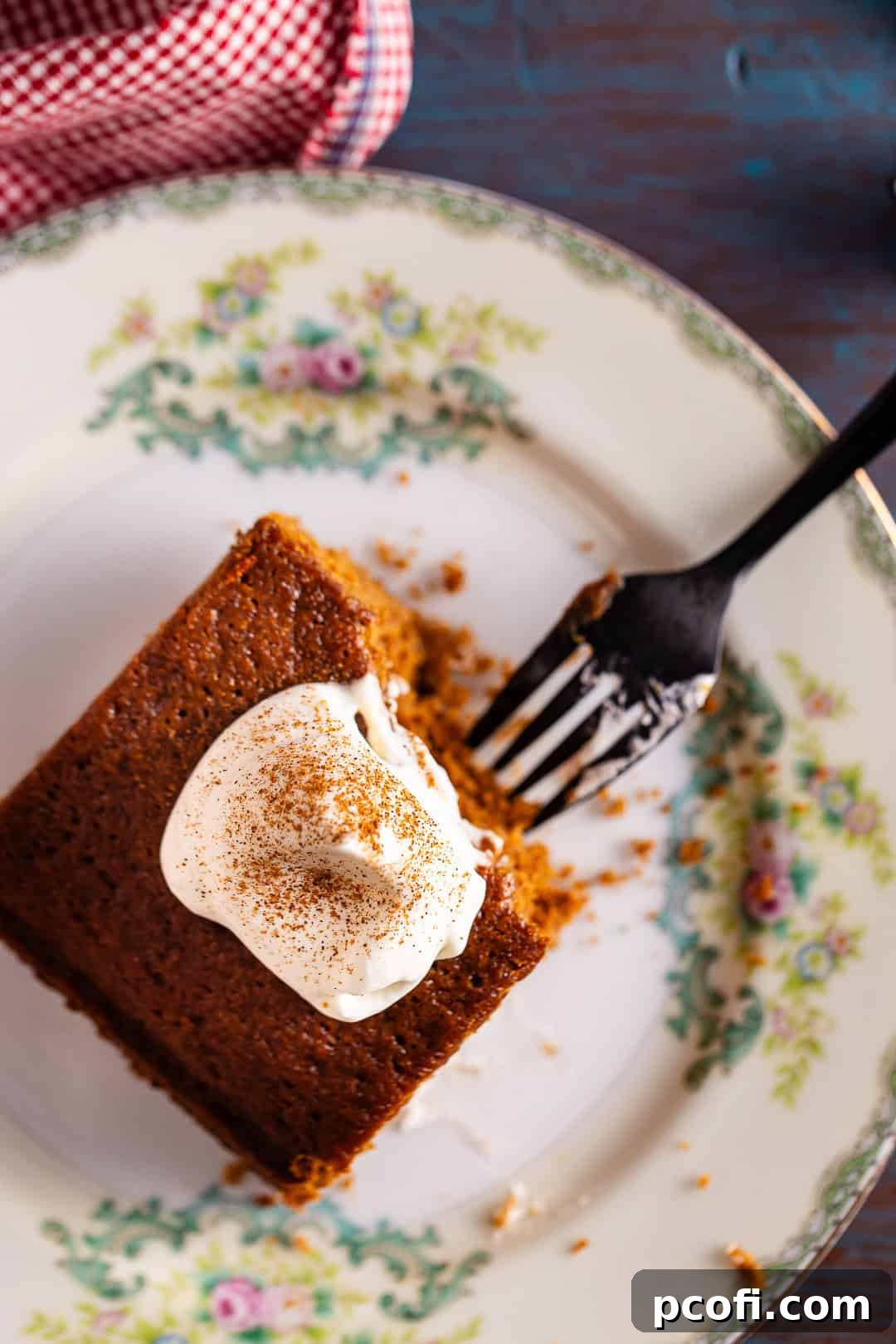
Old-fashioned gingerbread holds a special place in culinary traditions for good reason. It’s a timeless classic that epitomizes simple, comforting flavors, rich with the essence of seasonal spices. This particular recipe is a must-bake treat, perfect for those chilly weather months or any time you yearn for a delightful slice of nostalgic sweetness. It’s more than just a cake; it’s a feeling, a tradition, and a perfect moment waiting to be shared.
Serving Suggestions and Variations
This Old-Fashioned Gingerbread is wonderfully versatile and can be enjoyed in many ways. Here are some ideas to make it even more special:
- Classic Whipped Cream: A dollop of freshly whipped cream is the ultimate pairing, providing a light, airy contrast to the dense, rich cake.
- Lemon Glaze: A simple lemon glaze (powdered sugar mixed with lemon juice) adds a bright, zesty counterpoint that cuts through the molasses’s sweetness beautifully.
- Ice Cream: Serve warm slices with a scoop of vanilla bean ice cream for a delightful hot-and-cold dessert. Coffee or ginger ice cream would also be exceptional choices.
- Spiced Apple Compote: A spoonful of warm spiced apple compote or pear sauce makes a rustic and comforting accompaniment.
- Candied Ginger: For an extra ginger kick and a beautiful garnish, sprinkle some finely diced candied ginger over the top before serving.
- Gingerbread Trifle: Layer cubes of gingerbread with whipped cream, fruit (like cranberries or poached pears), and custard for an impressive holiday trifle.
- Bundt Cake Version: While this recipe is for a square pan, it can easily be adapted for a Bundt pan. Increase baking time to 45-60 minutes, and ensure the pan is well-greased and floured.
- Add Fruit: Fold in 1/2 cup of chopped dried cranberries, golden raisins, or finely diced crystallized ginger into the batter for added texture and flavor.
Frequently Asked Questions (FAQ) About Gingerbread
Yes, you absolutely can use dark molasses in this recipe. However, be aware that the resulting gingerbread will have a bolder, more intense, and slightly more bitter flavor profile compared to using light molasses. Dark molasses contains less sugar and a stronger, more pronounced taste. We generally do not recommend using blackstrap molasses for this particular cake, as its very strong and distinct bitterness can easily overpower the other lovely spices and flavors we’re aiming for in this balanced recipe.
Proper storage is key to keeping your gingerbread fresh and moist. Once completely cooled, store the gingerbread covered tightly at room temperature for up to 3 days. To extend its freshness, you can refrigerate it for up to a week. When refrigerating, ensure it’s in an airtight container to prevent it from drying out or absorbing other odors from the fridge. For best texture, allow refrigerated gingerbread to come to room temperature before serving.
Absolutely! Gingerbread freezes wonderfully, making it an excellent make-ahead option for holidays or unexpected guests. To freeze, ensure the cake is completely cooled. Then, wrap individual slices or the entire cake tightly in plastic wrap, followed by a layer of aluminum foil. This double-layer protection helps prevent freezer burn. Store in the freezer for up to 2 months. When ready to enjoy, simply thaw the gingerbread at room temperature, either wrapped or unwrapped, until it’s soft and ready to serve. You can also gently warm individual slices in the microwave for a few seconds for an extra cozy treat.
While this recipe uses all-purpose flour, you can often adapt it to be gluten-free. Replace the all-purpose flour with an equal amount of a good quality 1:1 gluten-free baking flour blend that contains xanthan gum. The texture might be slightly different, but it should still yield a delicious result. Always check the specific recommendations for your chosen gluten-free flour blend.
Yes, gingerbread is one of those fantastic desserts that often tastes even better the next day as the flavors have more time to meld and deepen. Bake it a day or two in advance, cool completely, and store as directed (covered at room temperature or refrigerated). This makes it a perfect option for entertaining, as it frees up your time on the day of your event.
More Delightful Gingerbread and Holiday Recipes
If you’ve fallen in love with the comforting flavors of this old-fashioned gingerbread, you’ll surely enjoy these other wonderful recipes that celebrate the magic of ginger and the holiday season:
- Gingerbread Cookies (that hold their shape perfectly!)
- Irresistible Gingerbread Cinnamon Rolls
- Crunchy Gingerbread Spiced Almonds
- Elegant Pear Gingerbread Upside Down Cake
- Baked Gingerbread Donuts with Zesty Lemon Yogurt Glaze
- Festive Gingerbread Bundt Cake with Cream Cheese Glaze
Old-Fashioned Gingerbread
Leave a Review
Save Recipe
Ingredients
- 1/2 cup (113.5 g) unsalted butter, (1 stick), softened
- 1/2 cup (125 ml) water, boiling
- 1/2 cup (110 g) light brown sugar, loosely packed
- 1/2 cup (168.5 ml) molasses
- 1 egg, (large)
- 1 1/2 cups (187.5 g) all-purpose flour
- 2 teaspoons ground ginger
- 1 teaspoon (1 teaspoon) ground cinnamon
- 3/4 teaspoon (0.75 teaspoon) kosher salt
- 1/2 teaspoon (0.5 teaspoon) baking powder
- 1/2 teaspoon (0.5 teaspoon) baking soda
Instructions
-
Preheat your oven to 350 degrees F (175°C). Mist a 9×9-inch baking pan with non-stick spray, and then line it with parchment paper, leaving an overhang on two sides for easy removal.
-
Place the softened butter in a large mixing bowl and carefully pour the boiling water over it.
-
Allow the mixture to stand for a few minutes to let the butter melt. Then, use a whisk to stir until the butter is completely melted and the mixture is smooth.
-
Add the brown sugar, molasses, and egg to the bowl. Whisk until all these wet ingredients are thoroughly combined and the mixture is uniform.
-
Now, add all the dry ingredients: the flour, ground ginger, ground cinnamon, kosher salt, baking powder, and baking soda. Stir everything together gently until the batter is smooth and no lumps of flour remain. Be careful not to overmix.
-
Transfer the prepared batter to your lined baking pan, spreading the top evenly with a spatula. Bake the gingerbread for 25 to 35 minutes, or until a wooden toothpick inserted into the center of the cake comes out clean or with just a few moist crumbs clinging to it.
-
Allow the cake to cool slightly in the pan on a wire rack for about 10-15 minutes before using the parchment overhang to lift it out and transfer to the rack to cool completely.
A video tutorial demonstrating how to make this delicious Old-Fashioned Gingerbread is available on our website!
Notes
- Perfect Pumpkin Pie with Candied Pecan Topping
- Sweet Brown Sugar Pecan Tassies
- Classic Spritz Cookies
- Traditional Swedish Tea Ring