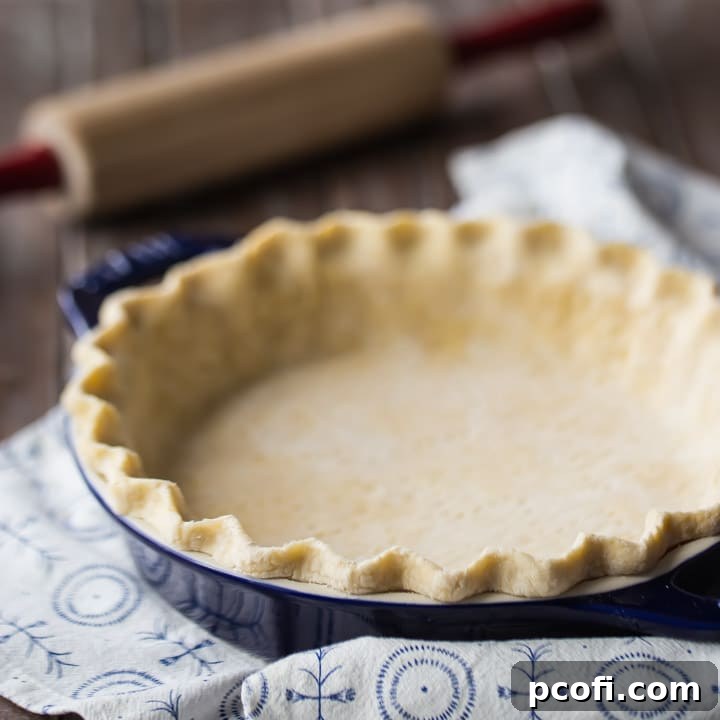
Discover the secret to the most irresistible homemade pie crust recipe! Achieve unbelievably flaky layers and a rich, buttery flavor that will elevate any pie. This easy-to-follow guide features a unique technique guaranteed to impress every time.
*Original post date: November 12, 2013. Updated: April 10, 2018, June 16, 2020, and January 25, 2024.*
There’s an undeniable charm and heartwarming comfort that comes with homemade pie. It’s more than just a dessert or a meal; it’s a timeless tradition, a symbol of care, and a delicious way to share love with family and friends. The act of baking a pie, from preparing the filling to creating that perfect golden crust, fills the kitchen with warmth and anticipation.
Especially during festive seasons or cozy gatherings, pies take center stage. I particularly adore crafting seasonal favorites like Dutch apple pie, the decadent chocolate pecan pie, and the creamy sweet potato pie. Each one holds its own special place, but they all share a common foundation: an exceptional pie crust.
Before you can embark on creating a truly memorable homemade pie, you absolutely need a reliable and fantastic pie crust recipe. This isn’t just any recipe; it’s the one that consistently delivers perfection. Thanks to a really unique and clever method, it bakes up with an unparalleled flakiness and tender texture, combined with a rich, irresistible buttery taste that store-bought crusts can only dream of.
Every single time I use this special technique, people are amazed by how incredibly flaky and delicate the crust is. It transforms an ordinary pie into an extraordinary culinary experience, leaving everyone asking for the recipe. Prepare to become a pie-baking legend!
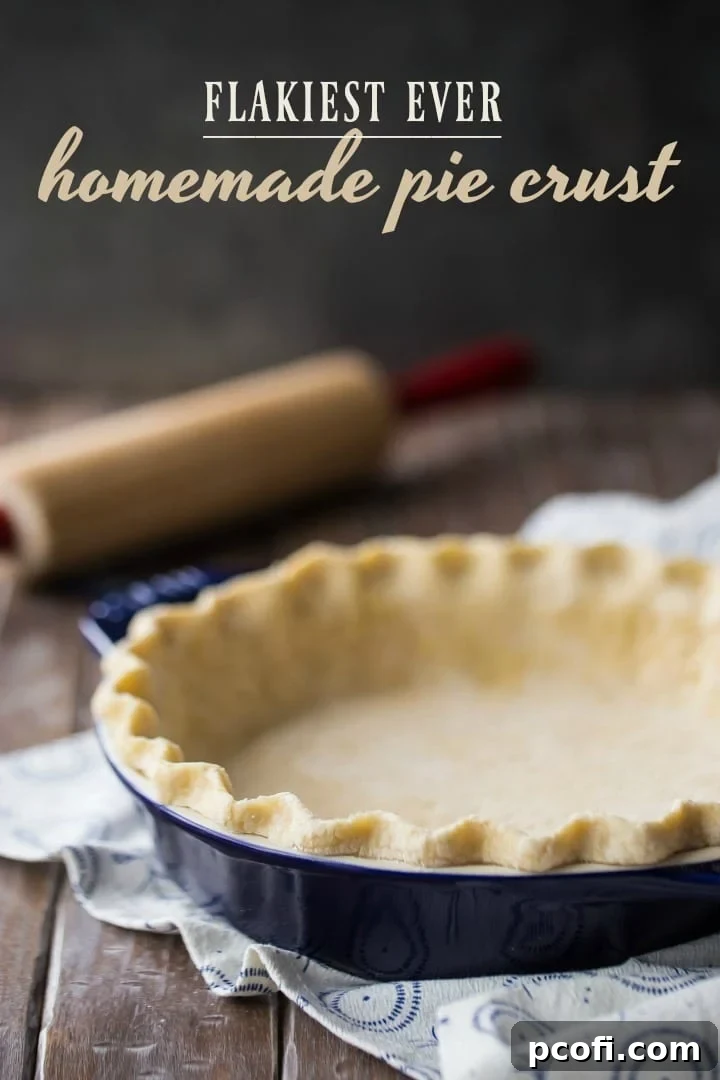
Table of Contents
- What Exactly is Pie Crust?
- Why This is the Ultimate Pie Crust Recipe
- The Flavor Profile of Homemade Pie Crust
- Essential Ingredients for Your Homemade Pie Crust
- Key Equipment for Pie Crust Success
- Step-by-Step Guide: Crafting This Easy Pie Crust
- Optimal Baking Times for Pie Crust
- Mastering Pie Crust: Expert Tips and Tricks
- Frequently Asked Questions About Pie Crust
- Explore More Favorite Pie Recipes
Jump to Recipe
What Exactly is Pie Crust?
In the United States, we commonly refer to it simply as “pie crust.” However, in many other parts of the world, especially in the sophisticated realm of pastry arts, it’s known as pâte brisée (pronounced “pat bree-ZAY”). This term literally translates to “broken pastry,” hinting at its traditional preparation method where fat is “broken” into flour.
Despite its frequent use in sweet desserts, pâté brisée is fundamentally a savory pastry dough, meaning it contains no sugar. Its primary characteristics are a tender, flaky texture and a rich, buttery flavor that complements a wide array of fillings.
It’s important to distinguish pie crust from other pastry types, such as tart crust (known as pâte sucrée or pâte sablée). Tart crusts are sweeter and possess a “short” or “tender” texture, akin to shortbread. This means they are crumbly and practically melt in your mouth, lacking the distinct flakiness of pie crust. Pie crust, while also tender, is celebrated for its ethereal flakiness. This quality is achieved through countless tissue-thin layers, reminiscent of puff pastry, which shatter into delicate, buttery shards with every bite. It’s a truly exquisite texture that makes every pie a delightful experience.

When done right, these layers are crisp, airy, and they literally burst with buttery goodness in your mouth. It’s not just food; it’s an incredible sensory journey!
Why This is the Ultimate Pie Crust Recipe
This recipe stands out as the absolute best for several compelling reasons:
- Unmatched Texture: The most striking feature of this recipe is its phenomenal texture. I cannot emphasize enough how incredibly flaky it is. Each bite offers a delicate crunch, followed by a tender, melt-in-your-mouth sensation that is simply unparalleled. It’s the kind of flakiness that makes people pause and wonder how you achieved such perfection.
- Superior Flavor Profile: Unlike many pie crust recipes that rely on shortening, which can sometimes result in a bland taste, this recipe harnesses the power of real butter. The result is an incredibly rich, deep, and utterly delicious buttery flavor that truly elevates any pie filling, whether sweet or savory.
- Minimal Ingredients, Maximum Impact: You only need five simple, everyday pantry staples to create this masterpiece. This makes it accessible for any home baker, proving that extraordinary results don’t require an extensive shopping list.
- Surprisingly Quick and Effortless: Don’t let the professional results intimidate you. This recipe requires only about 15 minutes of active preparation time. The entire process is streamlined, taking place mostly in just one mixing bowl, making cleanup a breeze and baking a joy rather than a chore.
- Incredibly Versatile: The beauty of this easy pie crust recipe lies in its adaptability. Its balanced flavor and delicate texture make it the perfect canvas for an infinite number of fillings. From classic fruit pies and creamy custards to hearty pot pies and elegant quiches, this crust performs flawlessly every time.
The Flavor Profile of Homemade Pie Crust
A truly great homemade pie crust, like this one, bakes up with a wonderfully toasty aroma and a rich, deep buttery flavor. It carries just a subtle hint of salt, which is crucial. This touch of salinity doesn’t make the crust taste salty; rather, it acts as a flavor enhancer, balancing and complementing the sweetness or savoriness of any pie filling you choose. It ensures that the crust never overwhelms the filling but instead creates a harmonious and complete taste experience.
This recipe also incorporates a small amount of oil, primarily for tenderness. While I typically opt for neutral vegetable oil to let the butter shine, I sometimes experiment with more flavorful oils to add another dimension to the crust. Options like high-quality olive oil, fragrant coconut oil, or even delicate walnut oil can introduce subtle, appealing notes that beautifully pair with specific fillings. In such cases, the unique essence of the chosen oil becomes an integral part of the crust’s overall taste, making each pie truly unique.
Essential Ingredients for Your Homemade Pie Crust
Crafting this incredible pie crust requires just five simple ingredients, readily available in most kitchens. Here’s a closer look at each and why it’s vital:
Flour: For the best results, all-purpose flour is your go-to. Its moderate protein content provides the perfect balance of structure and tenderness. If you’re aiming for a gluten-free pie crust, simply swap the all-purpose flour for a high-quality gluten-free flour blend designed for a 1:1 substitution. Ensure your chosen blend contains xanthan gum for proper structure.
Salt: Salt is a crucial, often underestimated, ingredient in baking. It doesn’t just make things salty; it intensifies and enhances all the other flavors, making them pop. The final crust won’t taste overly salty, but it will be significantly more flavorful. I highly recommend kosher salt because it’s free from additives like iodine (often found in table salt, which can leave a metallic or bitter aftertaste), ensuring a pure, clean flavor. It’s also affordable and easy to find.
Oil: The addition of oil is key for achieving a truly tender pie crust. Unlike shortening, which is often laden with unhealthy trans-fats, most oils provide a healthier alternative. Any neutral-flavored oil that remains liquid at room temperature will work. My usual choice is vegetable oil, but don’t hesitate to experiment with other varieties like olive oil, grapeseed oil, or even melted coconut oil for different flavor nuances, as discussed above.
Butter: Unsalted butter is preferred as it gives you complete control over the salt content in your recipe. Salt levels can vary significantly between different butter brands, so using unsalted butter ensures a consistent and predictable result every time. For optimal flakiness, it’s absolutely essential to use cold butter. When cold fat meets the heat of the oven, the moisture within the butter turns to steam, creating tiny pockets of air that expand and separate the layers of dough, resulting in that coveted light, airy, and flaky texture. For a vegan or dairy-free pie crust, a high-quality plant-based butter that substitutes 1:1 for dairy butter will work beautifully.
Water: The water must be ice cold. Seriously, add ice cubes to your water and let it sit for a few minutes before measuring. The exact amount of water needed can fluctuate based on environmental factors like humidity. On a very dry day, you might need a touch more, while on a humid day, slightly less. I generally use around 1/2 cup, but the golden rule is to add it gradually, one tablespoon at a time, until the dough just comes together. It’s always better to err on the side of less water; too much can lead to a tough crust that shrinks significantly during baking.
Key Equipment for Pie Crust Success
Having the right tools can make all the difference in ensuring a smooth and successful pie crust making process:
- Measuring Cups and Spoons: Precision is paramount in baking. Accurate measurements of your ingredients are critical for the correct dough consistency and final texture. Always follow guides like How to Measure Ingredients for Baking to ensure accuracy.
- Large Mixing Bowl: A spacious bowl is essential for comfortably combining your dry ingredients and then working in the fats and water without making a mess.
- Whisk: Perfect for evenly distributing the dry ingredients before introducing the fats, ensuring a uniform mixture.
- Sharp Knife: A sharp knife is indispensable for cleanly slicing the cold butter into the precise thin pieces needed for our special laminating technique.
- Plastic Wrap: Crucial for tightly wrapping the dough during its chilling phases. This prevents it from drying out and helps the flavors meld and the dough hydrate evenly.
- Rolling Pin: An absolute must-have for flattening the chilled dough into an even, thin sheet, ready for your pie pan. A heavy, sturdy rolling pin works best for consistent pressure.
Step-by-Step Guide: Crafting This Easy Pie Crust
This remarkable pie dough is created in a mere four simple, yet strategic, steps.
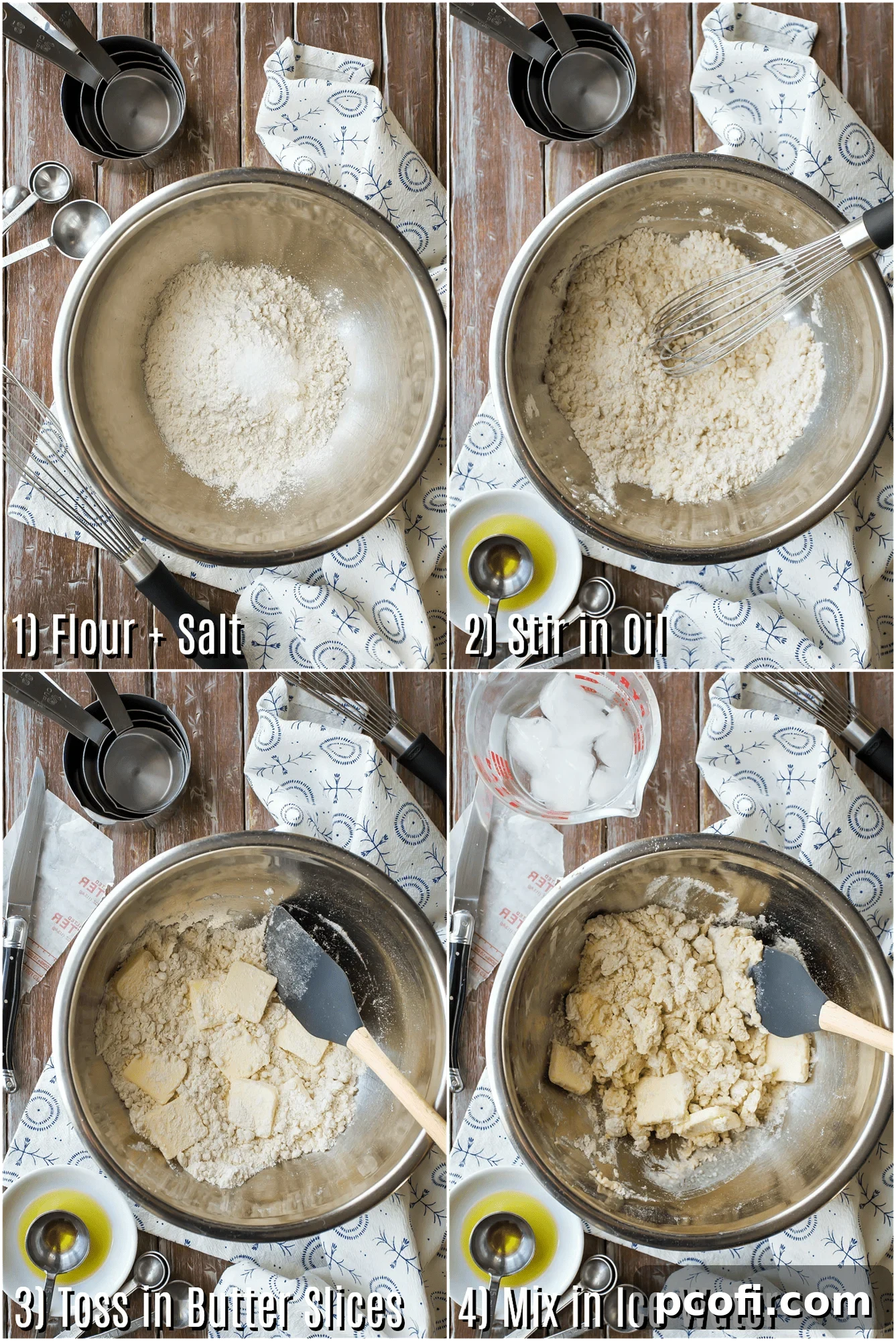
Step 1: Combine the Dry Ingredients
Many fantastic recipes begin with this foundational step, and ours is no exception. Proper distribution here ensures a consistent texture throughout the final crust.
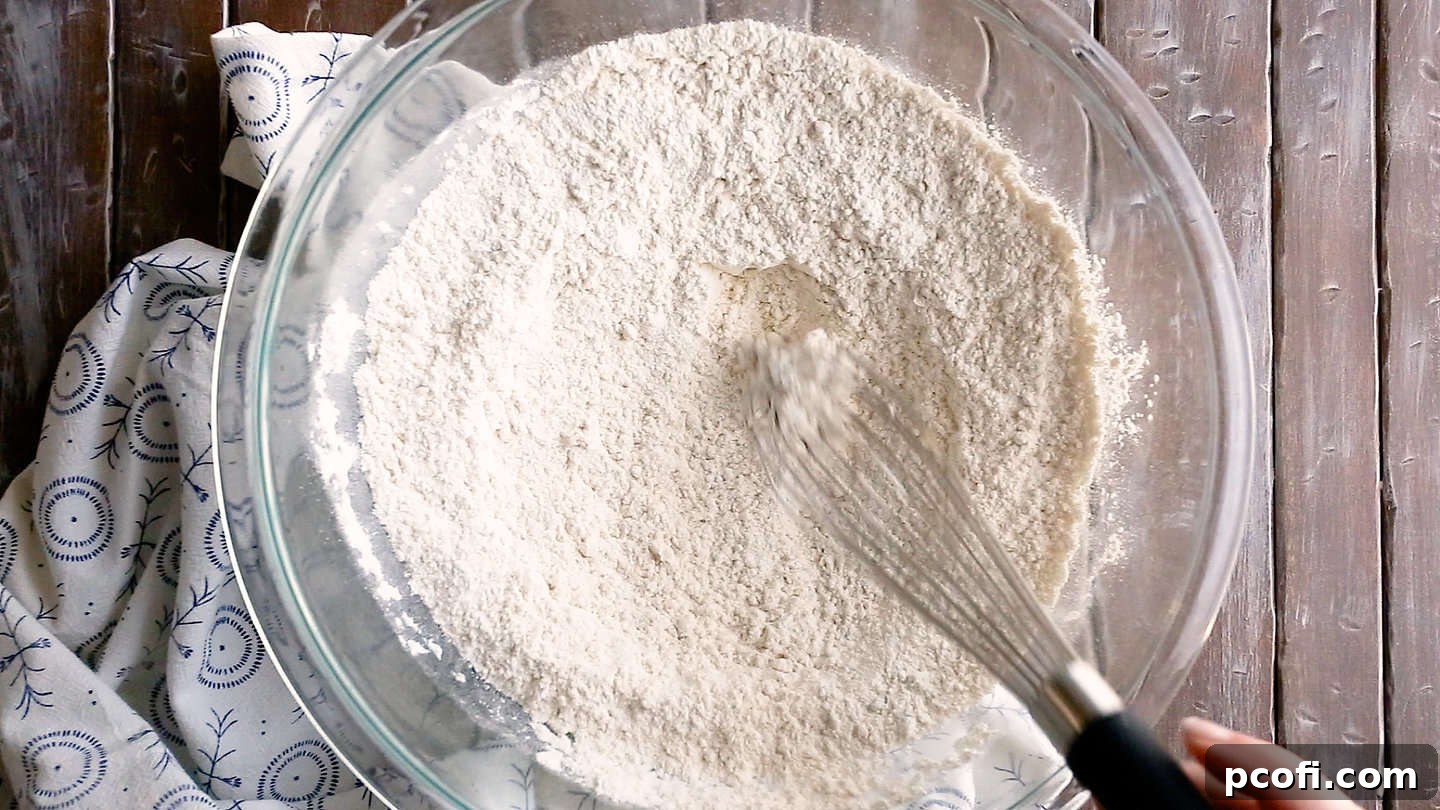
In a large mixing bowl, combine the all-purpose flour and kosher salt. Use a whisk to thoroughly blend them together. This ensures the salt is evenly distributed, so every bite of your pie crust is perfectly seasoned.
Step 2: Incorporate the Fats
First, add the specified amount of oil to the dry ingredients and stir it well with your whisk. You’ll immediately notice the mixture transforming into a crumbly, sandy texture. This initial step with the oil contributes significantly to the tenderness of the crust, preventing it from becoming too tough.
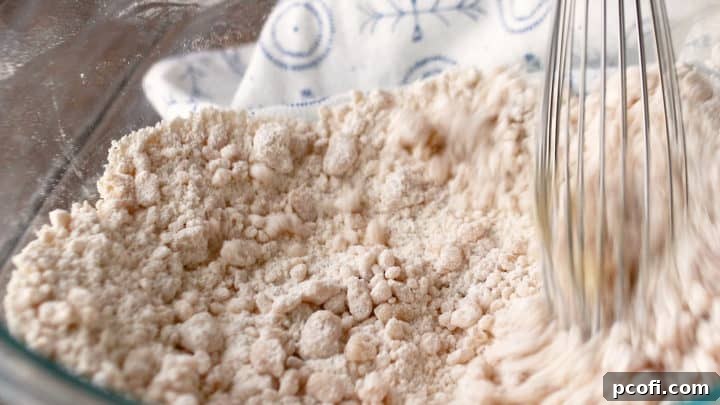
This crumbly consistency is exactly what we’re looking for at this stage; it’s the beginning of that delicate, short texture.
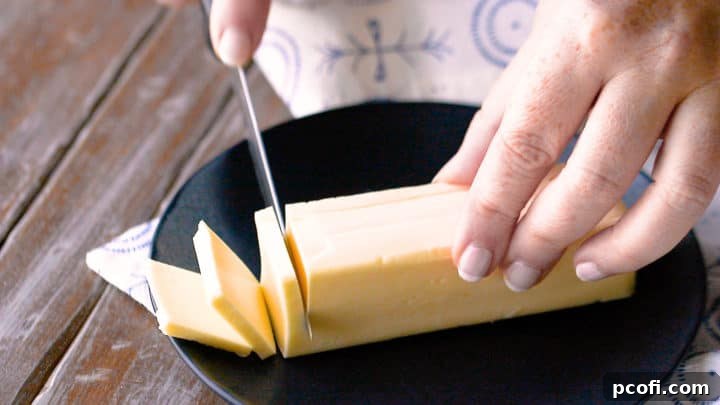
Now, it’s time for the star of the show: the butter. For this recipe, we employ a unique technique that is crucial for achieving an unbelievably flaky result. The secret lies in the size and distribution of the butter pieces. Instead of cutting the butter into tiny cubes or grating it, you want relatively large, thin slices. Use a sharp knife to cut your cold butter into thin slices, approximately 1/8-inch thick.
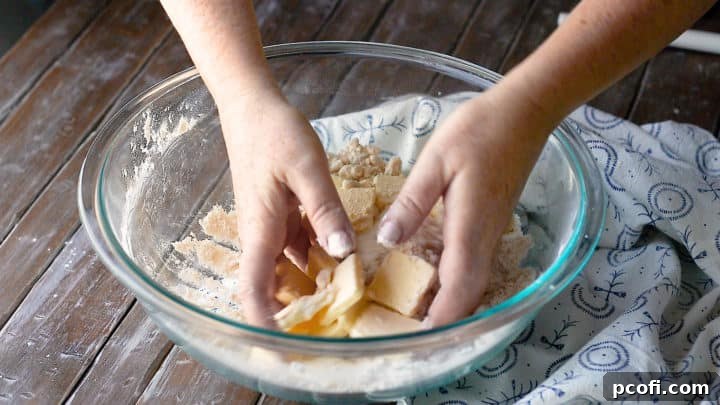
Add these thin butter slices to the flour and oil mixture. With clean hands, gently toss and rub the butter slices into the flour mixture, ensuring each slice is thoroughly coated on all sides. The goal isn’t to fully incorporate the butter, but rather to coat it with flour, creating distinct pockets of butter that will later flatten into layers during rolling.
Step 3: Gradually Add Ice Water
Now, it’s time to bring the dough together. Slowly dribble in the ice water, about a tablespoon at a time, while continuously stirring the mixture with a spatula or your hands. This gradual addition is vital, as the amount of water needed can vary significantly based on the ambient humidity and the specific flour you’re using.
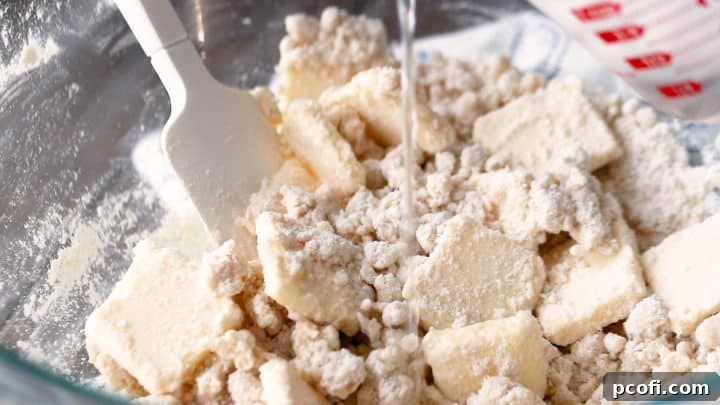
Pay close attention to the dough’s consistency as you mix. It should look somewhat crumbly, but when you gather a handful and squeeze it, it should just barely hold its shape without falling apart. This is the sweet spot. Err on the side of slightly dry rather than too wet, as the dough will continue to hydrate during chilling.
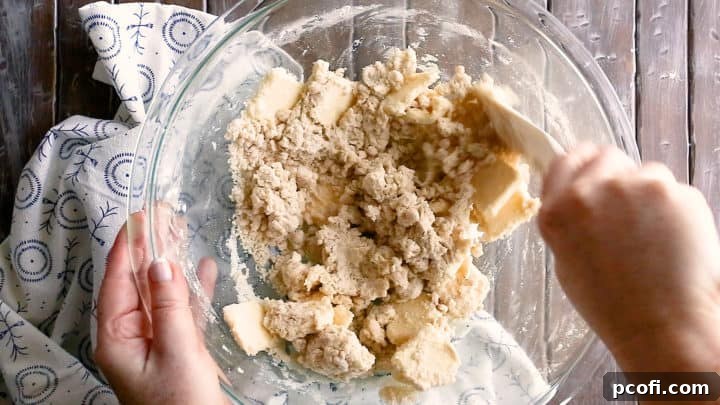
Once you can squeeze a portion of the dough and it holds together firmly, you’ve reached the ideal consistency. Stop adding water immediately.
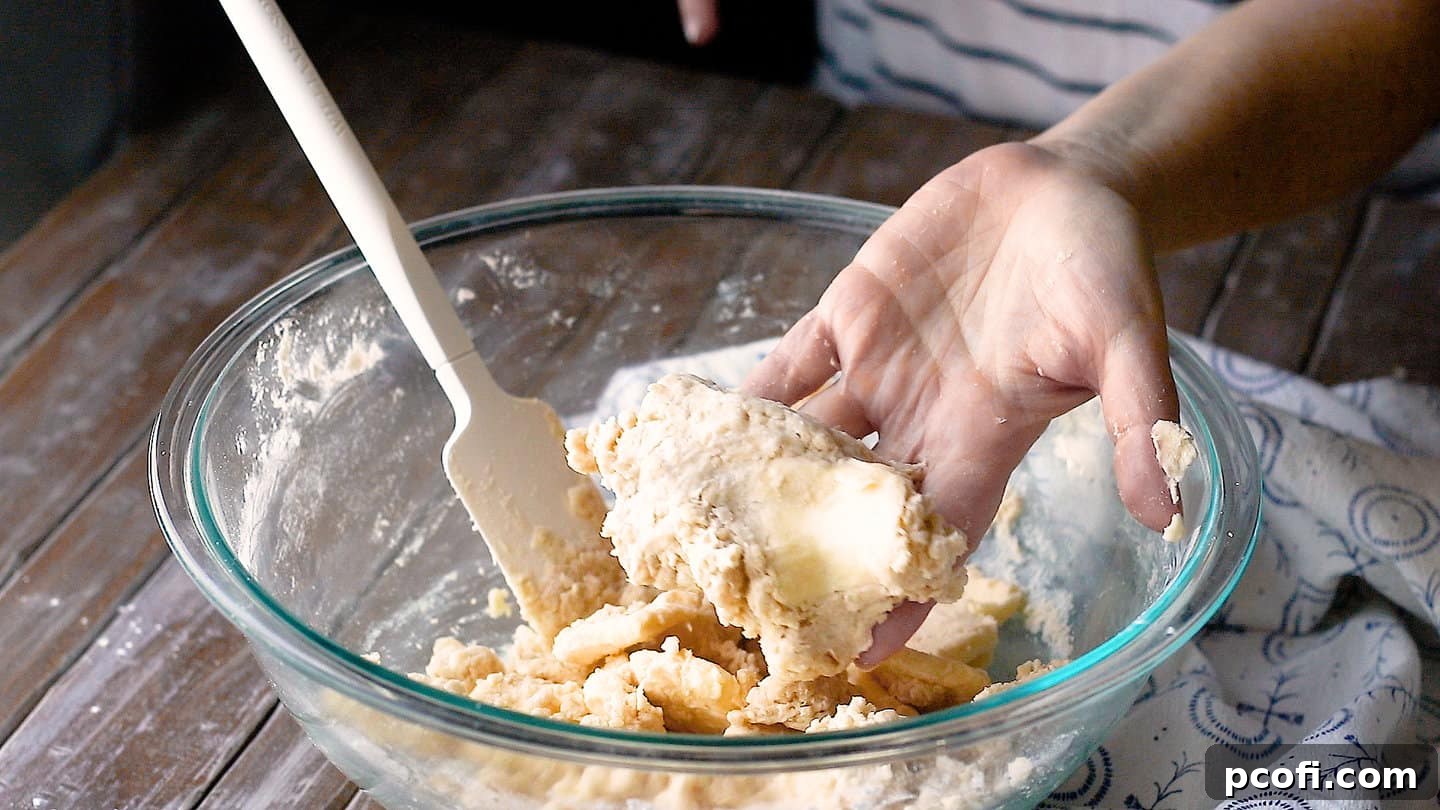
Step 4: Chill the Dough
Gently tumble the prepared dough out of the bowl onto a large sheet of plastic wrap. Use the wrap to help gather and compress the dough into a flat disc shape. Press down firmly to compact it even further, ensuring there are no large air pockets. Then, wrap the disc tightly and place it in the refrigerator to chill for at least one hour.
This chilling period is crucial. Not only does it allow the gluten in the flour to relax (which prevents a tough crust), but it also gives the flour particles time to fully hydrate with the water. What might appear slightly dry and crumbly when you first wrap it often emerges from the fridge perfectly supple and ready to roll. The cold also firms up the butter, which is essential for the next step.
Step 5: The Lamination Technique (The Secret to Flakiness!)
This is the game-changing step that makes all the difference in achieving those incredible, tissue-thin flaky layers!
The reason this pie crust recipe yields so many flaky layers, much like traditional puff pastry, is because it incorporates a simplified lamination technique. Lamination is a culinary art that involves repeatedly folding and rolling dough with layers of cold fat, creating numerous distinct layers that separate and puff up when baked.
Here’s how to execute this crucial step:
After your dough disc has rested sufficiently in the fridge, retrieve it and divide it into two equal portions. Lightly flour your work surface, your rolling pin, and one half of the dough. Gently roll this portion out to a thickness of approximately 1/4 inch, aiming for a roughly rectangular shape.
Next, perform the “letter fold”: fold one-third of the dough over the middle, then fold the remaining third over that, as if folding a letter. Give the folded dough a quarter turn, then roll it out again to 1/4 inch thickness. Repeat the letter fold, followed by another quarter turn and a roll. You will repeat this folding and rolling process a total of three times for each dough portion.
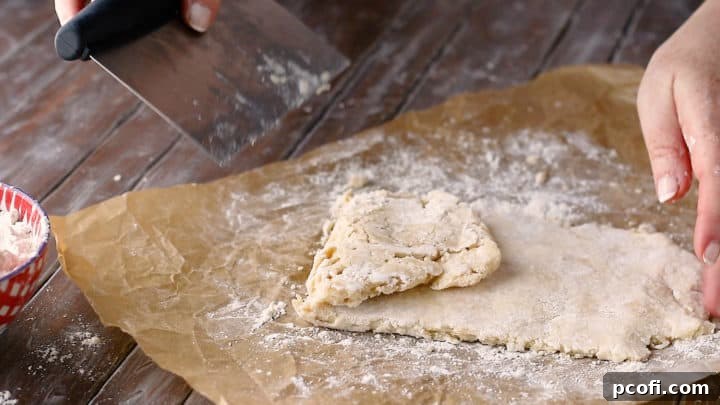
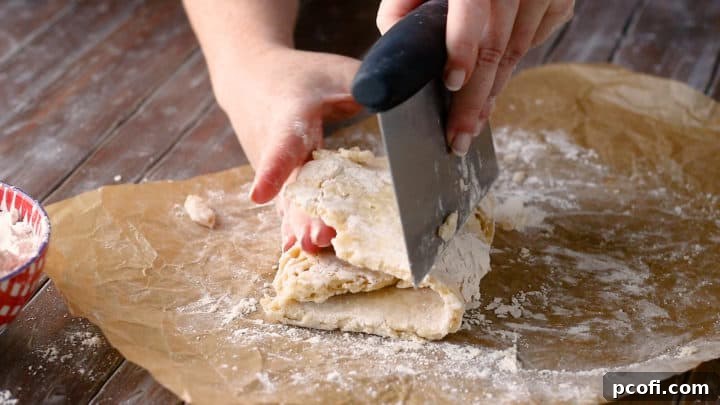
After completing the three folds and rolls for each portion, reshape them back into flat discs, wrap them tightly in plastic wrap, and refrigerate for another hour (or even longer, up to overnight). This second chill allows the butter to firm up again and the gluten to relax further, making the dough easier to handle and ensuring maximum flakiness.
Initially, the dough might feel a bit crumbly, but as you continue to roll and fold, the gluten will develop slightly, and the dough will become more cohesive and manageable. This visual transformation is truly fascinating! You can observe this exact process in action by watching the video tutorial embedded in the recipe card below. (Just a friendly reminder: ensure your ad-blocker is temporarily disabled if the video isn’t displaying correctly.)
As you roll the dough, those distinct pieces of cold butter flatten out into long, thin streaks, creating numerous buttery layers sandwiched between the dough. When this cold, layered dough enters a hot oven, the moisture in the butter rapidly turns into steam. This steam expands, pushing the dough layers apart and creating that airy, delicate, and incredibly flaky structure that is the hallmark of a perfect pie crust.
A crucial tip during this lamination process is to keep the dough as cold as possible. If you notice the dough becoming soft, sticky, or the butter starting to melt, immediately stop working and place the dough back into the refrigerator or freezer for 10-15 minutes until it firms up again. This ensures the butter remains distinct and doesn’t get fully incorporated into the dough, which would prevent those beautiful layers from forming.
How to Roll Pie Crust
Once your laminated dough has had its final chill, it’s time to roll it out for your pie. Lightly dust your clean work surface, your rolling pin, and the dough itself with a generous amount of all-purpose flour. This step is crucial to prevent any sticking, which can cause tearing or stretching of the dough.
Start rolling from the center of the disc and work your way outwards, applying even pressure. This technique helps to create a uniform thickness. As you roll, periodically give the dough a 90-degree turn. This ensures that you roll it evenly in all directions and prevents it from sticking to the surface in one spot.
Remember the golden rule: keep the dough cold! If at any point you notice the dough becoming soft, or the butter seems too pliable and starts to ooze, immediately transfer it back to the refrigerator or freezer for about 15 minutes. A cold dough is much easier to work with and ensures the best flaky results.
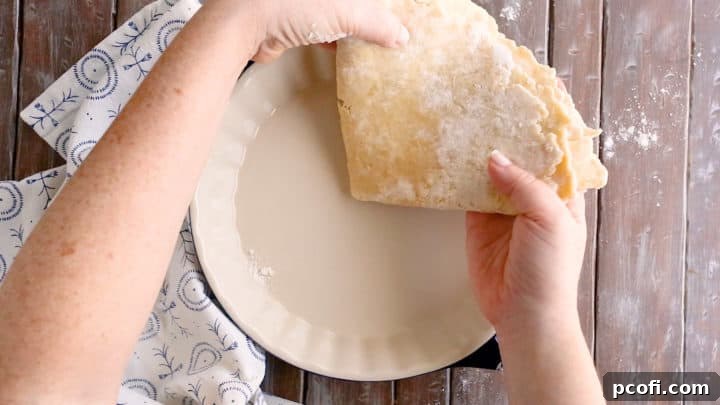
Continue rolling until the dough is about one to two inches larger in diameter than your pie pan. To transfer it gracefully, gently fold the rolled dough into quarters and carefully place it into your dish. Unfold it, easing it down the sides and into the bottom without stretching. Stretching the dough can cause it to retract and shrink significantly during baking, resulting in a misshapen crust.
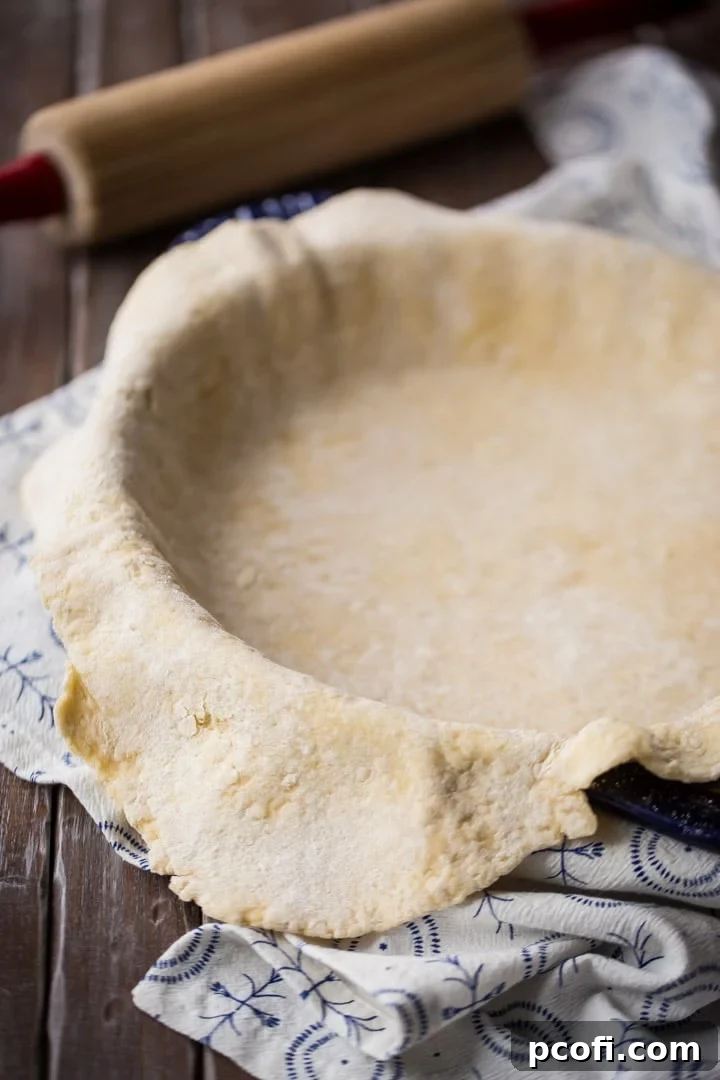
Once settled, trim off any excess dough, leaving about a 1/2-inch overhang. Fold this edge under to create a neat, thick rim. Finally, use your fingers or a fork to crimp the edge, creating an attractive and functional border that helps prevent the filling from bubbling over and adds a touch of homemade artistry.
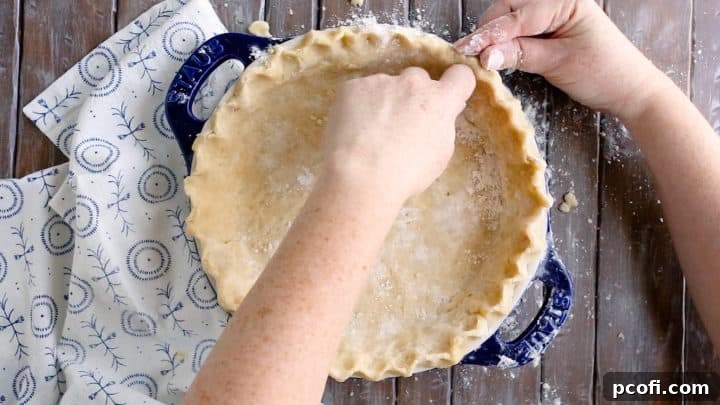
Voila! Your perfectly prepared pie crust is now ready for its filling and the oven. This meticulous process ensures a stunning and delicious result.
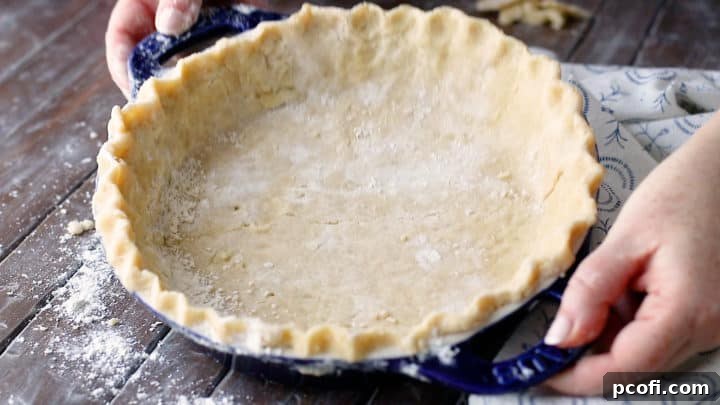
Optimal Baking Times for Pie Crust
The baking duration for your pie crust is highly dependent on the type of pie you’re making. Different fillings require varying bake times, and some pie recipes even call for a pre-baked or “blind-baked” crust before the filling is added, while others feature fillings that aren’t baked at all!
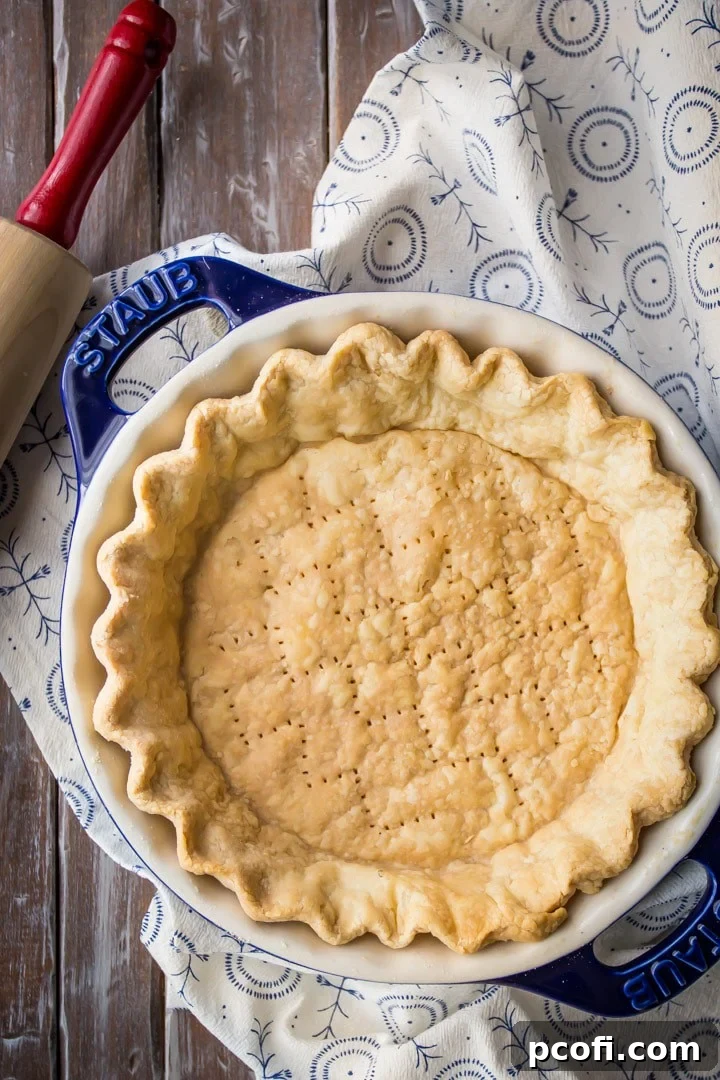
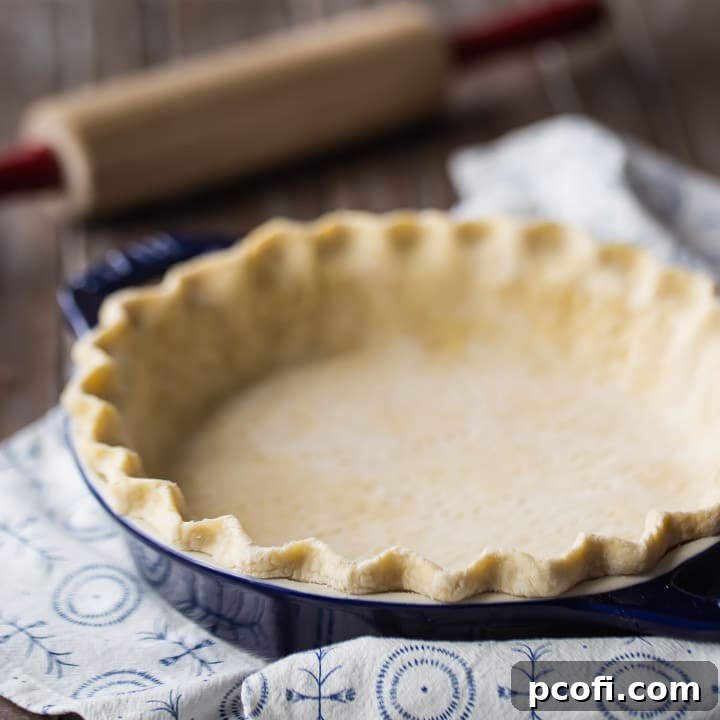
It’s always best to carefully follow the specific baking instructions provided in the recipe for your chosen pie filling. However, for a general reference, the blind-baked crust pictured here, which is fully baked without a filling, took approximately 35 minutes at 375 degrees F (190 degrees C) to achieve its beautiful golden color and crisp texture. For a par-baked (partially baked) crust, it might take 15-20 minutes. Always look for a deep golden hue and a firm texture as indicators of a perfectly baked crust.
Mastering Pie Crust: Expert Tips and Tricks
Achieving pie crust perfection is within your reach with these expert tips:
Choosing the Right Oil
The type of oil you choose can subtly influence the flavor of your pie crust. I encourage experimentation, but a good starting point is to consider your pie’s filling. Select an oil that will complement, rather than clash with, its flavors. The possibilities are truly boundless!
- Coconut Oil (Liquid): Adds a subtle tropical note, great for fruit pies.
- Grapeseed Oil: A very neutral oil, perfect when you want the butter flavor to dominate.
- Hazelnut Oil: Fantastic for chocolate or nutty fillings, adds a gourmet touch.
- Vegetable Oil: My standard choice, neutral and reliable for any pie.
- Avocado Oil: Another neutral option, with a higher smoke point if you’re concerned about that.
- Walnut Oil: Best with fall flavors, apples, or nutty desserts.
- Olive Oil: For the step-by-step images, I used a light, floral olive oil. A fruity olive oil can surprisingly complement even sweeter pies beautifully, adding a sophisticated, earthy undertone.
The “Slightly Dry” Dough Advantage
When you’re adding ice water to your dough, resist the urge to add too much. Only incorporate enough water for the dough to just barely hold together when you squeeze a handful. An overly wet dough is a common culprit for tough, rubbery crusts that shrink dramatically in the pan during baking. Remember, the dough will continue to hydrate and become more pliable as it chills in the refrigerator. What looks slightly crumbly in the bowl can often emerge perfectly consistent after its rest.
Embrace the Cold
This is perhaps the most critical tip for achieving a truly flaky pie crust: maintain a cold dough at all times. Not only does keeping the dough cold make it significantly easier to handle and roll, but it is also the secret to those coveted flaky layers. When cold butter hits the high heat of your oven, the water trapped within the butter rapidly turns into steam. This steam expands, creating tiny air pockets that push the layers of dough apart, resulting in that wonderfully airy and crisp texture.
If, while you’re working, you notice your dough becoming soft, sticky, or warm to the touch, immediately stop what you’re doing. Place the dough back into the refrigerator or even the freezer for about 15-20 minutes until it stiffens up again. Patience in chilling will reward you with an exceptionally flaky and tender crust.
Frequently Asked Questions About Pie Crust
While many pie crust recipes utilize food processors or stand mixers for convenience, this particular recipe, with its emphasis on large butter pieces and lamination, is best made by hand. The delicate touch of your hands ensures that the butter chunks remain intact and distinct, which is crucial for achieving our signature flakiness. A machine might overwork the butter, leading to a less flaky result.
Grating butter is an interesting technique used in some pastry recipes, but it’s not ideal for this specific method. Our goal here is to have large, thin slices of cold butter. As you roll and fold the dough during the lamination process, these substantial butter pieces will flatten into long, distinct streaks. It’s these flattened streaks, rather than tiny grated bits, that create the thousands of tissue-thin, flaky layers we’re aiming for.
Absolutely! Homemade pie dough is excellent for making ahead, which can significantly reduce your stress on baking day. The dough, when tightly wrapped in plastic, will keep beautifully in the refrigerator for up to 3-4 days. For longer storage, you can freeze the prepared dough. The laminated discs of dough can be thawed in the refrigerator a day or two before you plan to roll them out. Alternatively, if you have freezer space, you can roll the dough into a circle, fit it into your pie pan, and freeze it directly in the pan. Another convenient option is to roll the dough into a large circle, place a sheet of parchment paper on top, and then roll it into a tight cylinder, much like store-bought pie crust. Store this cylinder in a plastic bag in the freezer to prevent drying out. This flexibility makes homemade pie crust more accessible than ever!
Pie crust shrinkage typically stems from two main issues:
1) Excessive Water in the Dough: When you’re mixing your dough, it’s crucial to add the ice water very gradually, a tablespoon at a time. The exact amount can vary based on your kitchen’s humidity. You’ve added enough water when you can gather a handful of dough and squeeze it, and it holds its shape. Don’t be alarmed if it looks crumbly in the bowl; the flour particles will continue to hydrate as the dough chills, making it surprisingly pliable later. Too much water develops gluten excessively, making the dough elastic and prone to shrinking.
2) Overworking the Dough: If you over-mix or over-knead the dough, you develop the gluten in the flour too much. This makes the dough elastic, a desirable quality for yeast breads but detrimental to pie crust. Elastic dough will pull away from the sides of the pan as it bakes. To prevent this, stop stirring or kneading as soon as the ingredients barely come together.
A tough pie crust is often a direct result of the same issues that cause shrinkage: overworking the dough or adding too much liquid. Excessive handling develops too much gluten, making the crust chewy rather than tender. Similarly, too much water makes the dough more pliable, but also promotes gluten development. Always add ice water cautiously, one tablespoon at a time, until the ingredients just coalesce into a mass that holds its shape when squeezed. Trust that the dough will become more hydrated and workable after its necessary chilling period.
Soggy bottoms are a common frustration, especially with pies containing very wet fillings. The crust absorbs moisture from the filling, leading to a less-than-crisp base. A highly effective way to prevent this is to “par-bake” or “blind-bake” the crust before adding the filling. Bake the empty crust for about 15-20 minutes at 375 degrees F (190 degrees C). You can also create an extra moisture barrier by brushing the par-baked crust with an egg wash (one large egg beaten with about 2 tablespoons of water) before baking. This not only forms a protective layer but also gives your double-crust or lattice-top pies a beautiful golden sheen and color.
When baking an empty pie crust (blind-baking), air can get trapped between the dough and the pie dish, expanding when heated and causing the crust to puff up unevenly. To prevent this, ensure you press out any air bubbles when fitting the dough into the pan. More importantly, “dock” the bottom of the crust by pricking it all over with the tines of a fork. These small holes allow steam to escape. For extra insurance, especially with a delicate dough, use pie weights or dry beans placed on parchment paper inside the crust to hold it down during baking.
It’s a common issue for pie edges to brown faster than the center, especially in longer bakes. To protect them, simply cover the edges of your pie crust with strips of aluminum foil once they reach your desired golden-brown color. Alternatively, you can use a reusable pie shield, which is designed for this purpose. This simple trick allows the rest of your pie to cook thoroughly without over-browning the crust, ensuring a perfectly even bake.
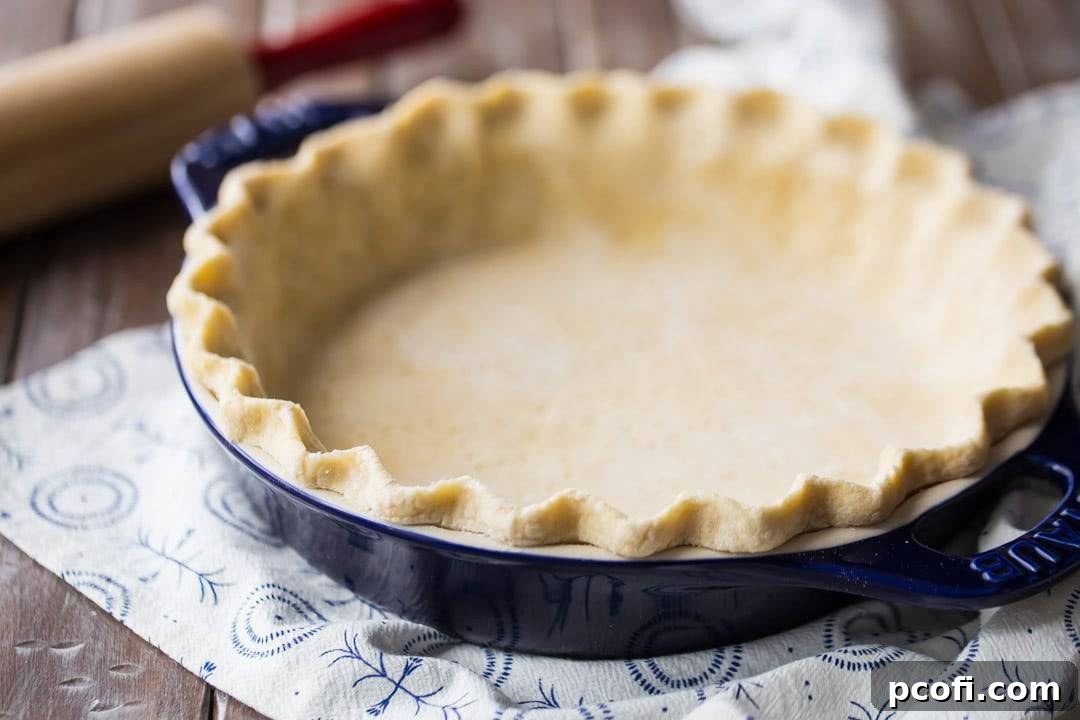
Explore More Favorite Pie Recipes
Now that you’ve mastered the art of the perfect pie crust, you’re ready to create an endless array of delicious pies. Here are some of my all-time favorite pie recipes to inspire your next baking adventure, showcasing the versatility of your homemade crust:
- Classic Blueberry Pie: A timeless dessert bursting with juicy berries.
- Pumpkin Pie with Candied Pecan Topping: The quintessential fall treat, elevated with a sweet crunch.
- Decadent Chocolate Cream Pie: A rich and creamy indulgence for chocolate lovers.
- Traditional Pecan Pie: A beloved Southern classic with a sweet, nutty filling.
- Hearty Chicken Pot Pie: A comforting savory meal, perfect for family dinners.
- Elegant Quiche Lorraine: A sophisticated French tart, ideal for brunch or a light dinner.
As an Amazon Associate, I earn from qualifying purchases.
Perfect Homemade Pie Crust
Leave a Review
Save RecipeSaved!
Ingredients
- 2 1/2 cups (312.5 g) all-purpose flour
- 1 teaspoon (6 g) kosher salt
- 5 tablespoons (70 g) oil
- 1/2 cup (113.5 g) unsalted butter, cold
- 1/2 cup (118.29 g) ice water, (approximately)
Instructions
-
Place the flour and salt in a large bowl, and whisk to combine.
-
Add the oil, stirring until the mixture resembles coarse crumbs.
-
Cut the butter into thin slices and toss in the flour mixture to coat.
-
Dribble ice water in, a tablespoon at a time, mixing just until the mixture can hold it’s shape. (You may need slightly more or less water.)
-
Tumble the dough out of the bowl and onto a large sheet of plastic wrap.
-
Use the plastic wrap to gather the dough into a disc shape, then wrap the dough tightly and press down on it firmly to compact it.
-
Chill the dough in the refrigerator for 1 hour.
-
Flour the work surface, rolling pin, and the chilled dough lightly, then divide the dough into 2 equal portions.
-
Roll each portion out to ¼” thickness, and fold into thirds. Fold into thirds again, then one more time.
-
Refrigerate for one more hour, or freeze for later use.
-
If frozen, thaw the dough in the refrigerator overnight.
-
Unwrap the dough and roll to about two inches larger than the diameter of your pie plate.
-
Slip the dough into the ungreased pie plate, and prick the bottom with a fork. Refrigerate while preparing the filling.
-
Baking time will vary according to pie filling (see notes above, under the heading “How Long to Bake Pie Crust). Crust should be a deep golden color, and flaky.
Notes
A few more great crust recipes:
- Tart Crust
- Graham Cracker Crust
- Oreo Crust
- Chocolate Pie Crust