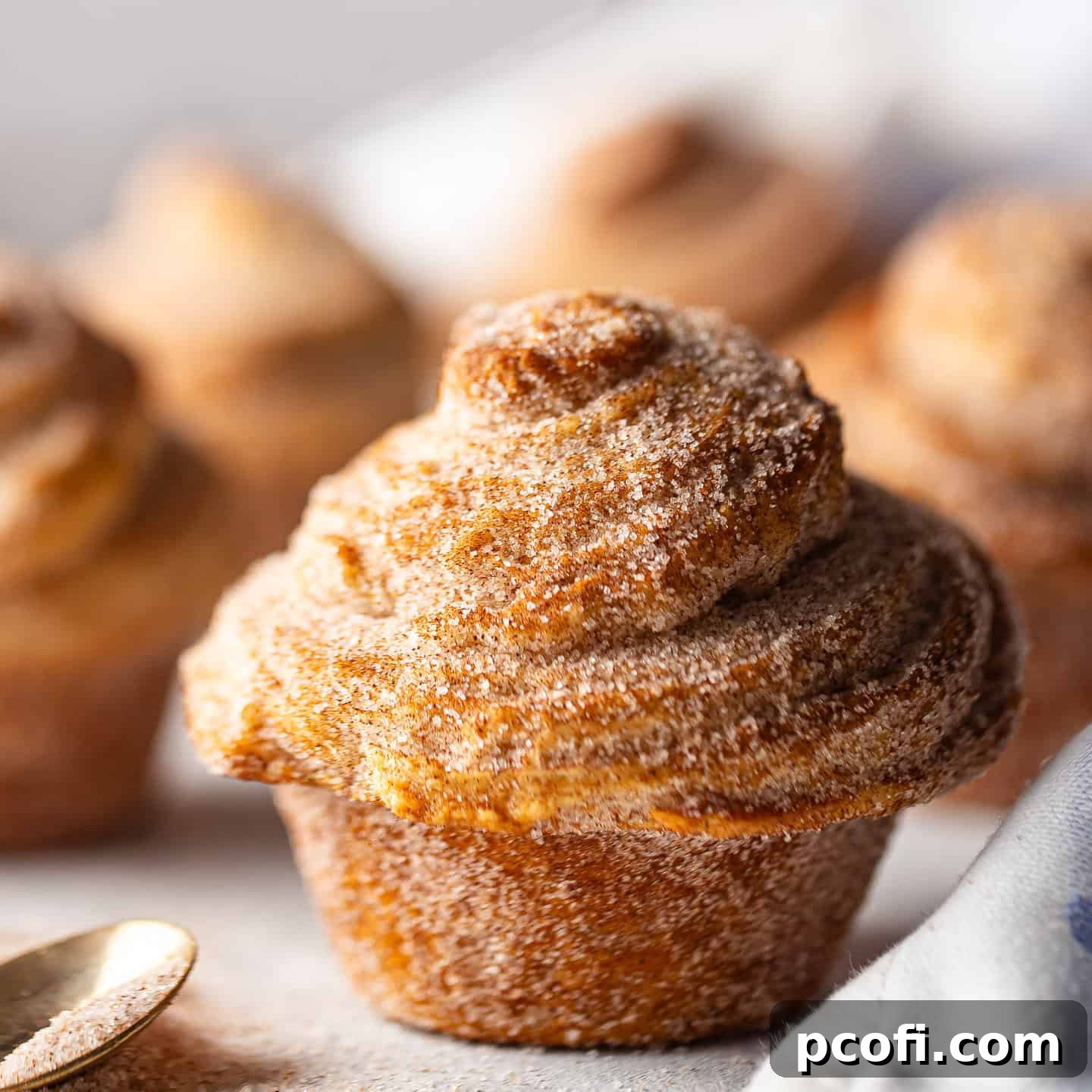
Discover the ultimate easy cruffin recipe, reimagined for home bakers! Forget the daunting butter square; this simplified method brings you irresistibly flaky croissant dough, baked to perfection in a muffin tin and coated with aromatic cinnamon sugar. It’s a truly delightful homemade treat!
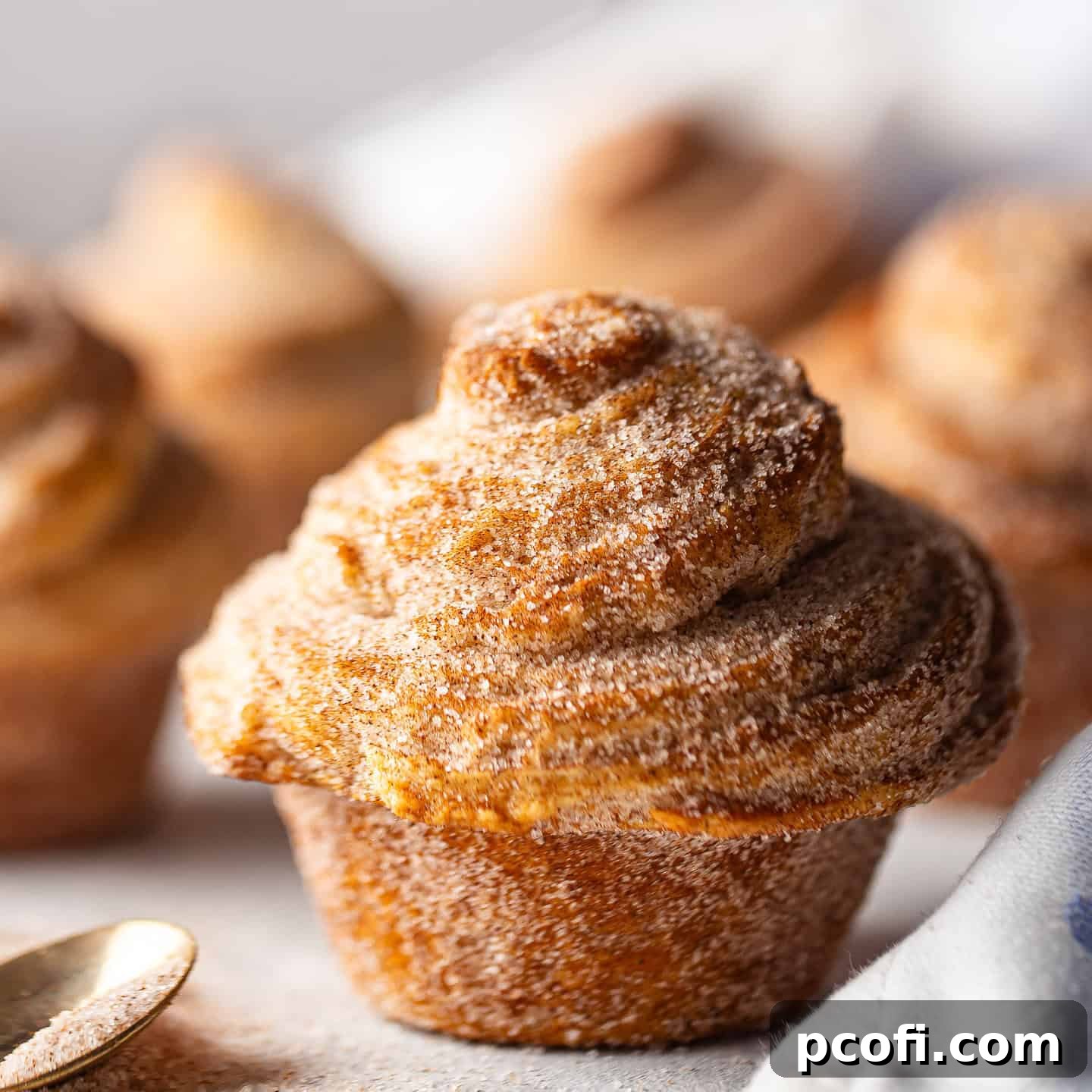
I am thrilled to share this remarkably simplified cruffin recipe with you today! For years, the idea of creating perfect laminated pastries at home seemed like a distant dream, reserved only for professional bakers. However, this recipe changes everything, bringing the joy of warm, flaky, buttery cruffins right to your kitchen.
This recipe builds upon my popular and easy croissant recipe, renowned for delivering all the luxurious flaky, buttery goodness you adore in classic croissants, but without the usual fuss. You won’t need to stress over intricate butter squares or precise ruler measurements. Instead, you’ll follow a streamlined process that yields results every bit as perfect as if you had spent hours mastering traditional techniques.
Cruffins are an exquisite hybrid pastry, combining the best elements of a croissant and a muffin. They are crafted from the same unique laminated croissant dough, but instead of being shaped into crescent moons, they are baked in a muffin tin. This innovative approach, combined with a generous coating of cinnamon sugar, transforms them into a treat that stands out from any other breakfast or dessert pastry you’ve encountered.
The magic of cruffins lies in their laminated dough. This means the dough is repeatedly folded with layers of butter, creating countless delicate, paper-thin layers of pastry that separate and crisp up during baking. The result is an unbelievably airy texture and a rich, buttery flavor that is utterly irresistible. Each bite offers a delightful crunch from the cinnamon sugar, followed by the tender, flaky interior that melts in your mouth.
Laminated pastries often carry a reputation for being challenging to make at home, typically associated with artisanal bakeries. But I’m here to tell you that with this method, you can confidently create these special treats yourself, right in your own kitchen! There’s no need for specialized equipment or advanced culinary skills; just a little patience and a desire for something truly delicious.
If you’re fascinated by the world of flaky pastries, be sure to explore some of my other fantastic recipes, including my cheese Danish, my homemade pie crust, and the classic pain au chocolat. Each offers a unique way to enjoy impossibly flaky, homemade delights!
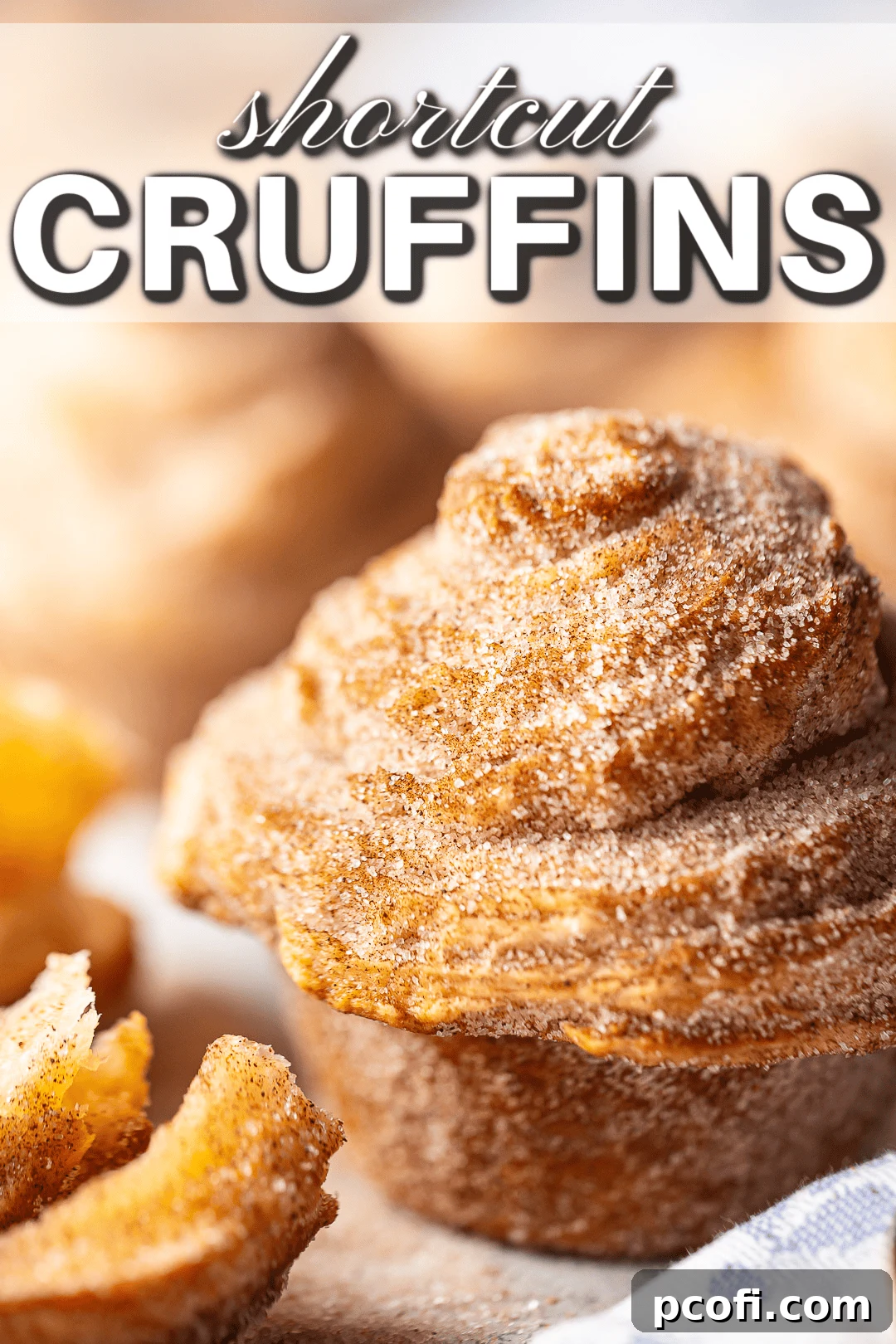
Table of Contents
- What is a Cruffin?
- Why This is the Best Cruffin Recipe
- What Do Cruffins Taste Like?
- Ingredients
- Special Equipment
- How to Make This Cruffin Recipe
- How to Serve Cruffins
- Expert Tips for Perfect Cruffins
- Frequently Asked Questions About Cruffins
- More Delightful Breakfast Recipes
Jump to Recipe
What is a Cruffin?
A cruffin is a delightful and relatively modern pastry invention, representing a perfect culinary fusion. It’s a compelling hybrid that takes the best characteristics of a classic French croissant, a familiar American muffin, and a comforting cinnamon roll. This creates a completely new and exciting treat that boasts layers of flavor and texture.
The foundation of a cruffin is its croissant dough. This is a delicate yeast-leavened dough that undergoes a special process called lamination, where it’s repeatedly folded with cold butter. This intricate folding creates dozens of thin, alternating layers of dough and butter, which puff up in the oven to give croissants their signature flaky, airy texture.
However, what makes a cruffin unique is its baking method: it’s baked in a muffin tin. This gives it a charming, rounded shape, similar to a muffin, and allows it to develop a lovely golden-brown exterior while maintaining its tender, layered interior.
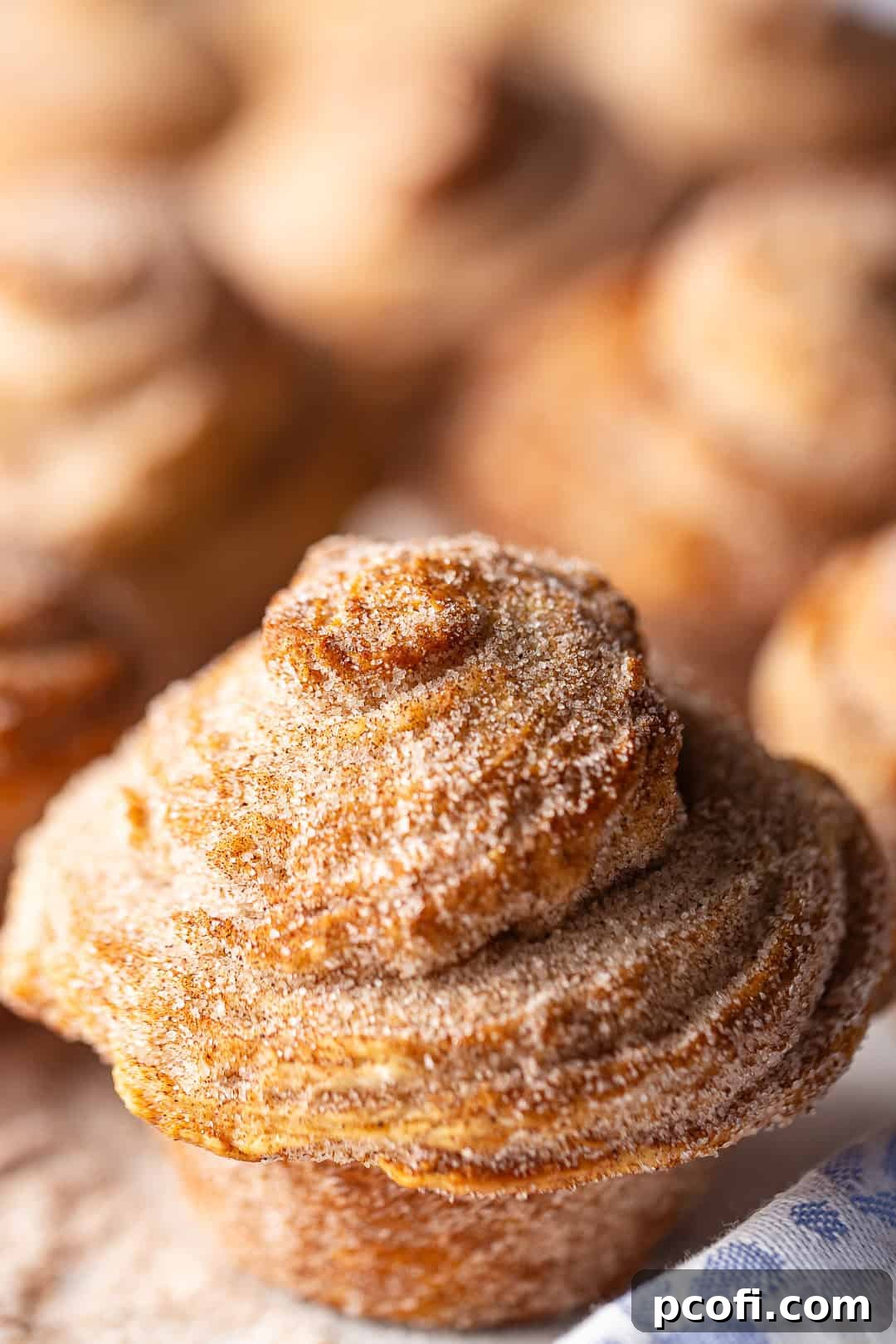
Adding another layer of irresistible appeal, cruffins are generously swirled with cinnamon sugar. This sweet, fragrant filling caramelizes slightly during baking and provides a wonderful aroma and taste, reminiscent of a classic cinnamon roll. The combination of the flaky pastry, the muffin shape, and the spiced sugar makes the cruffin a truly irresistible indulgence.
Why This is the Best Cruffin Recipe
This cruffin recipe isn’t just good; it’s designed to be the best for home bakers seeking an exceptional pastry with minimal hassle. Here’s why it stands out:
- Unforgettable Flavor Profile: Our cruffins taste truly amazing because they are crafted with high-quality, real ingredients. Fresh, cold butter provides unparalleled richness, while milk and active yeast contribute to a tender, yeasty dough. The balance of sweetness is just right, complemented by a comforting hint of warm cinnamon that permeates every flaky layer. It’s a symphony of textures and flavors that will impress even the most discerning palates.
- Minimalist Ingredient List: You might expect an intricate pastry to require a lengthy list of exotic items, but not this one! You’ll only need a handful of common pantry staples. This accessibility makes it easy to whip up a batch whenever the craving strikes, without a special trip to the grocery store.
- Surprisingly Easy to Make: The biggest differentiator of this recipe is its simplified approach. Traditional croissant making can be intimidating, often involving complex techniques like creating a precise butter block. We’ve distilled the process into a much more approachable method, making it accessible even for novice bakers. With only about 25 minutes of active preparation time, the majority of the work involves chilling the dough, allowing you to enjoy your culinary creations without feeling overwhelmed.
- Incredibly Versatile: While the cinnamon sugar coating is a classic, this recipe serves as a fantastic base for endless creativity. Feel free to experiment and personalize your cruffins! Imagine zesty blueberry cruffins bursting with fresh fruit, comforting apple butter cruffins perfect for autumn, or even savory versions with cheese and herbs. The possibilities are truly limitless, allowing you to tailor this treat to your taste and occasion.
What Do Cruffins Taste Like?
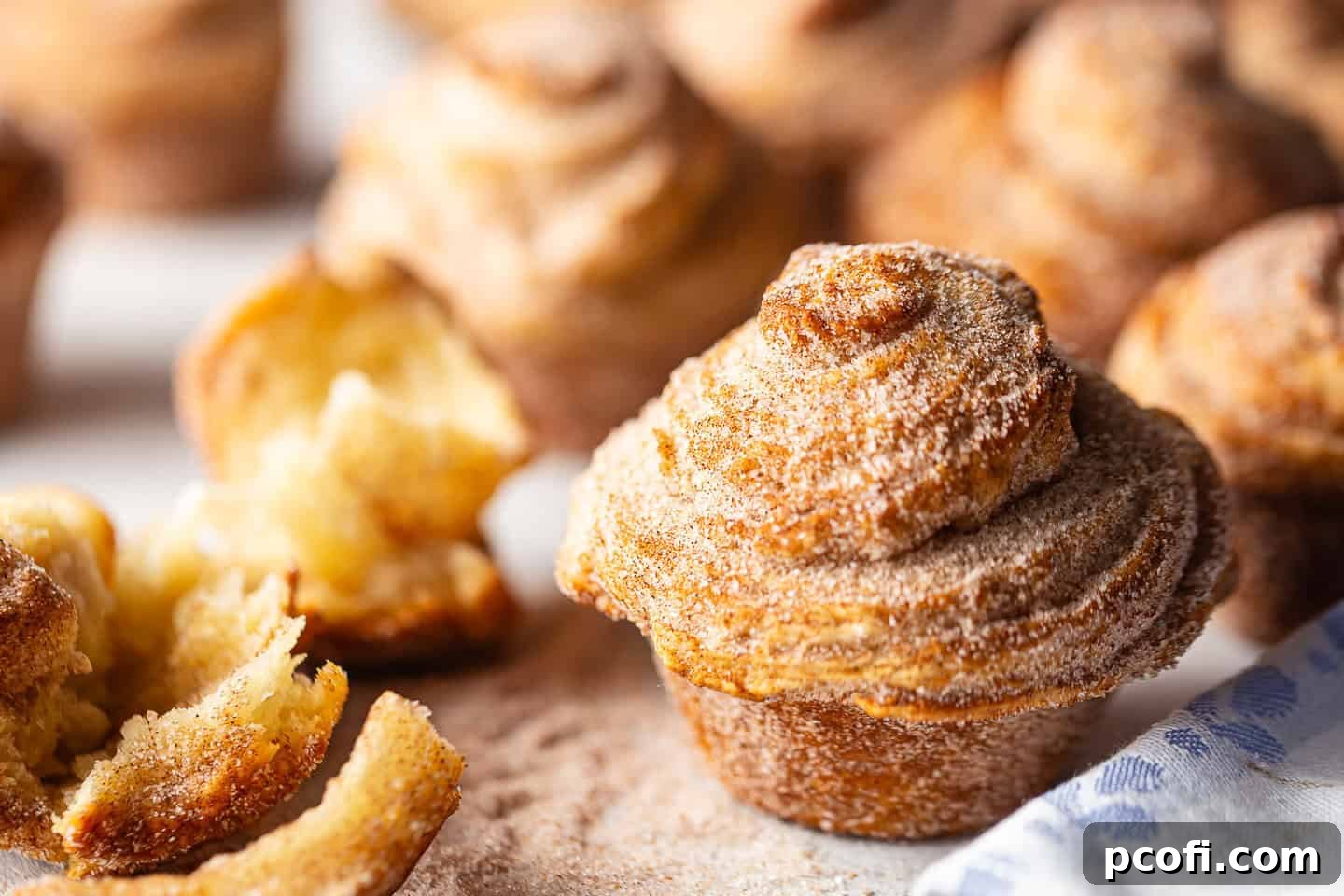
Biting into a cruffin is a multi-sensory experience. First, you’ll encounter the delightful crunch of its golden cinnamon sugar coating, which offers a sweet and subtly spicy start. This gives way to the incredible texture of the pastry itself – incredibly buttery, boasting countless flaky layers that shatter delicately with each chew. The yeast-leavened dough provides a subtle depth and richness, a hallmark of well-made baked goods. It’s light yet satisfying, with a tender crumb that melts in your mouth, leaving behind the comforting taste of rich butter and warm cinnamon. Imagine the best parts of a croissant, a muffin, and a cinnamon roll, all rolled into one perfect bite.
Ingredients for Homemade Cruffins
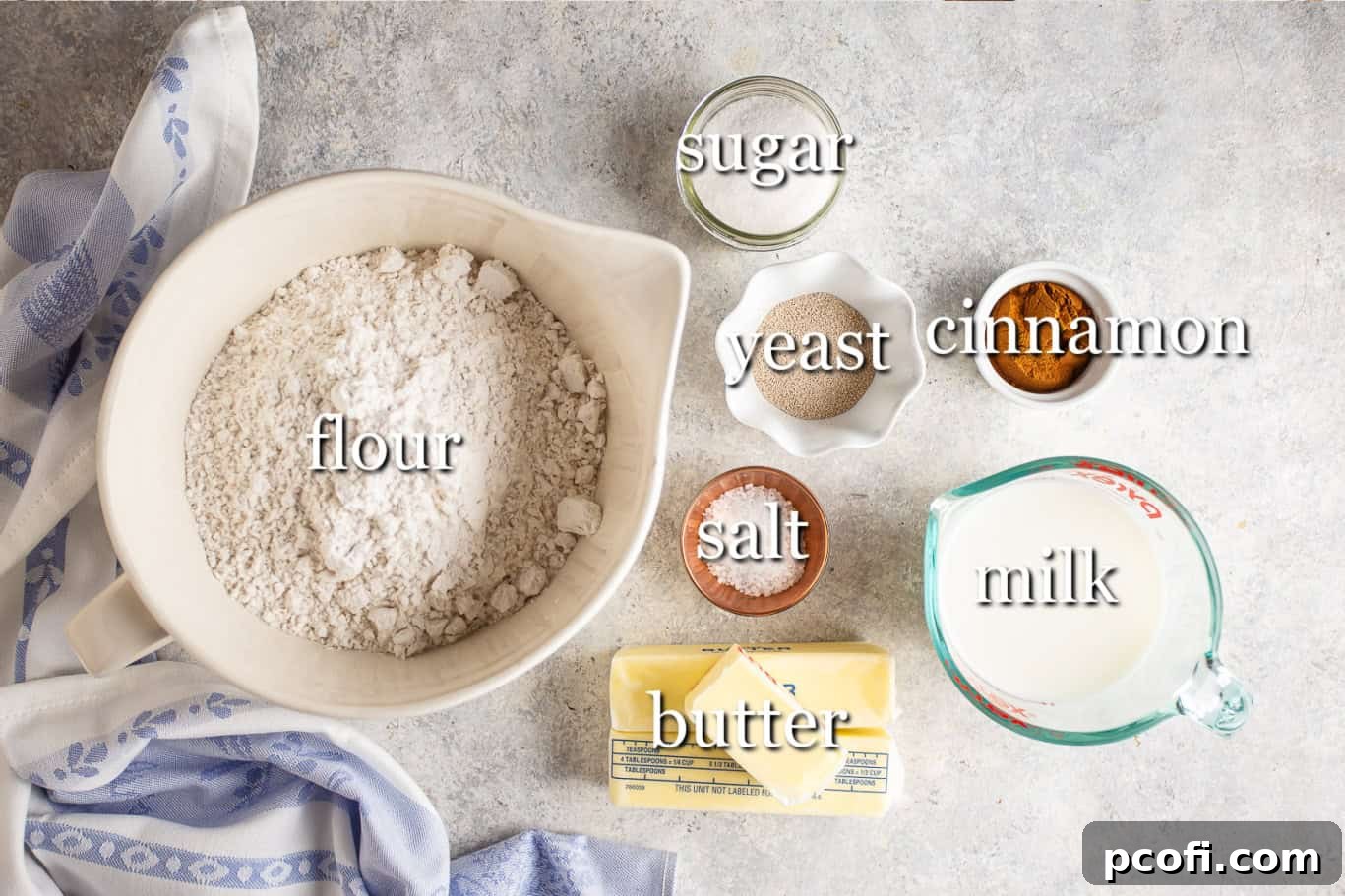
Gathering the right ingredients is the first step to baking perfect cruffins. Here’s what you’ll need, along with a few tips for each:
Flour: Standard all-purpose flour works beautifully for this recipe. It provides the necessary structure without making the dough too tough. If you have a preferred 1:1 substitute, it should work here as well.
Sugar: Granulated white sugar is used in two key ways in this recipe. A small amount is incorporated into the dough to enhance its flavor and aid yeast activation. The majority, however, is combined with cinnamon to create the irresistible filling and exterior coating for the cruffins.
Yeast: I typically opt for active dry yeast, as it’s reliable and readily available. If you have instant yeast on hand, you can certainly use it; just be aware that it activates more quickly, so you might need to slightly reduce the rise times specified in the recipe.
Salt: Kosher salt is my preferred choice for baking. Its larger crystals and lack of bitter-tasting additives like iodine ensure a clean, balanced flavor in your pastries. Salt is crucial for enhancing the overall taste and controlling yeast activity.
Butter: Unsalted butter is essential. Using unsalted butter allows you complete control over the seasoning of your cruffins. It is absolutely crucial that your butter is very cold. If the butter softens too much during the process, it will be much harder to work with the dough and achieve those coveted flaky layers.
Milk: Any type of milk you typically keep in your refrigerator will work well here, even a plant-based alternative if you prefer. Just like the butter, ensure the milk is cold. Cold ingredients are key to managing the dough temperature and achieving proper lamination.
Cinnamon: High-quality ground cinnamon adds that signature warm, aromatic spice to these scrumptious pastries. It’s blended with sugar for both the internal swirl and the exterior coating, providing a beautiful fragrance and flavor contrast to the rich butter.
Special Equipment for Cruffin Baking
While this recipe simplifies the process, having a few basic kitchen tools will make your cruffin-making experience even smoother:
- Measuring cups and spoons: Accurate measurements are fundamental in baking, especially for pastries. Refer to my detailed guide on how to measure ingredients for baking to ensure precision.
- Mixing Bowls: You’ll need at least one large mixing bowl for preparing the dough and another, or the same one cleaned, for coating the baked cruffins in cinnamon sugar.
- Silicone spatula: A sturdy spatula is helpful for initially combining the dough ingredients before you switch to hand-kneading.
- Plastic wrap: Essential for wrapping the dough during its chilling periods. This prevents the dough from drying out and forming a skin, which can hinder the lamination process and make it harder to roll.
- Extra flour (Bench Flour): Keep a small bowl of extra all-purpose flour on hand. This “bench flour” is crucial for dusting your work surface, hands, and rolling pin, preventing the dough from sticking as you roll it out during the lamination steps.
- Rolling pin: A good quality rolling pin is indispensable. This dough will be rolled out and folded multiple times to create its signature layers, so a comfortable and efficient rolling pin will be your best friend.
- Muffin pan: This is where your cruffins get their distinctive shape. A standard 12-cup muffin pan is perfect for baking these pastries, allowing them to rise beautifully and develop their characteristic rounded form.
How to Make This Easy Cruffin Recipe
Creating laminated pastries might sound like a laborious endeavor, but I’ve carefully streamlined this recipe into just five straightforward and manageable steps. You’ll be amazed at how simple it is to achieve bakery-quality results right in your home kitchen!
Step 1: Prepare the Dough Base
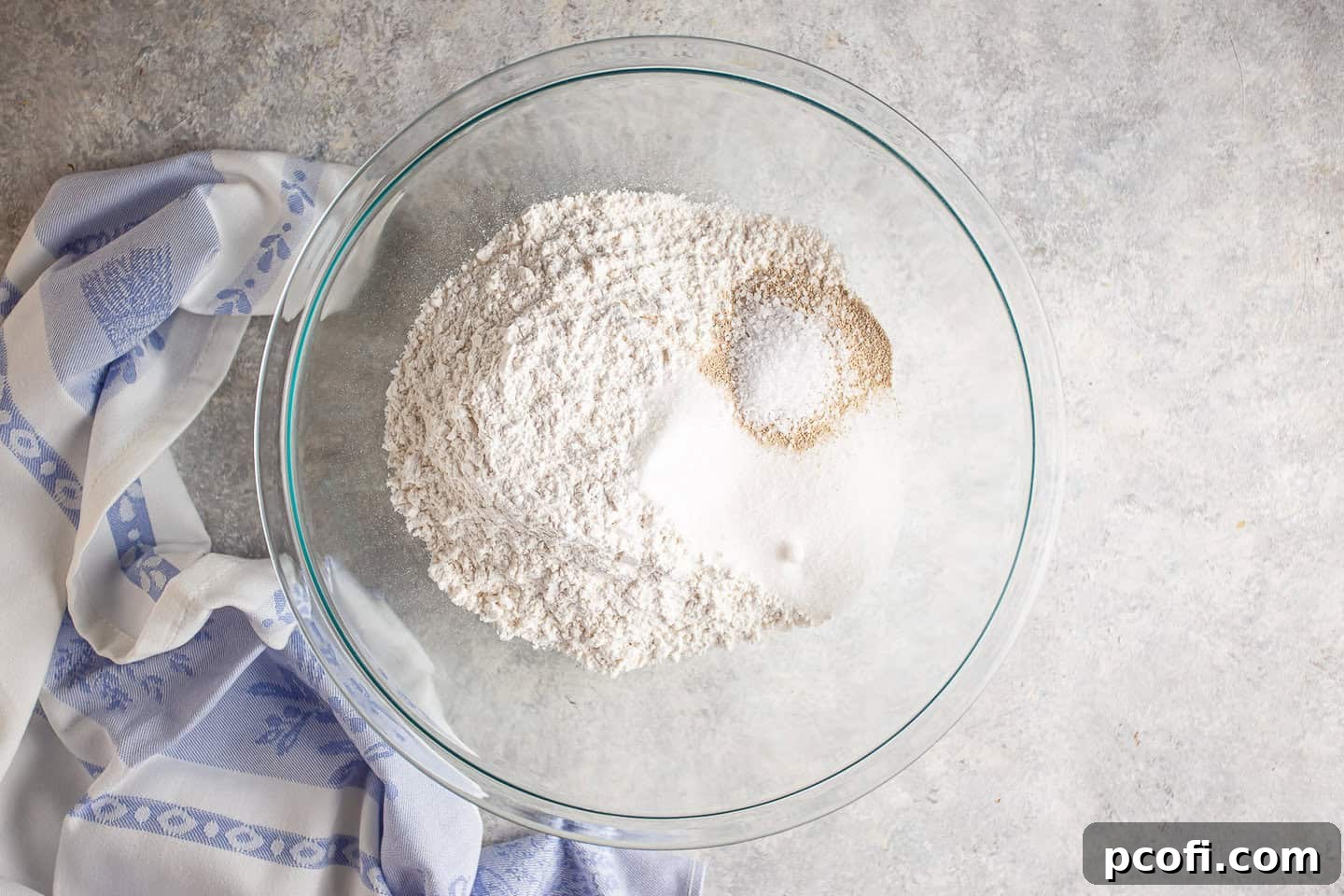
Begin by combining your dry ingredients. Place the measured flour, granulated sugar, active dry yeast, and kosher salt into a large mixing bowl. A quick stir ensures that these components are evenly distributed.
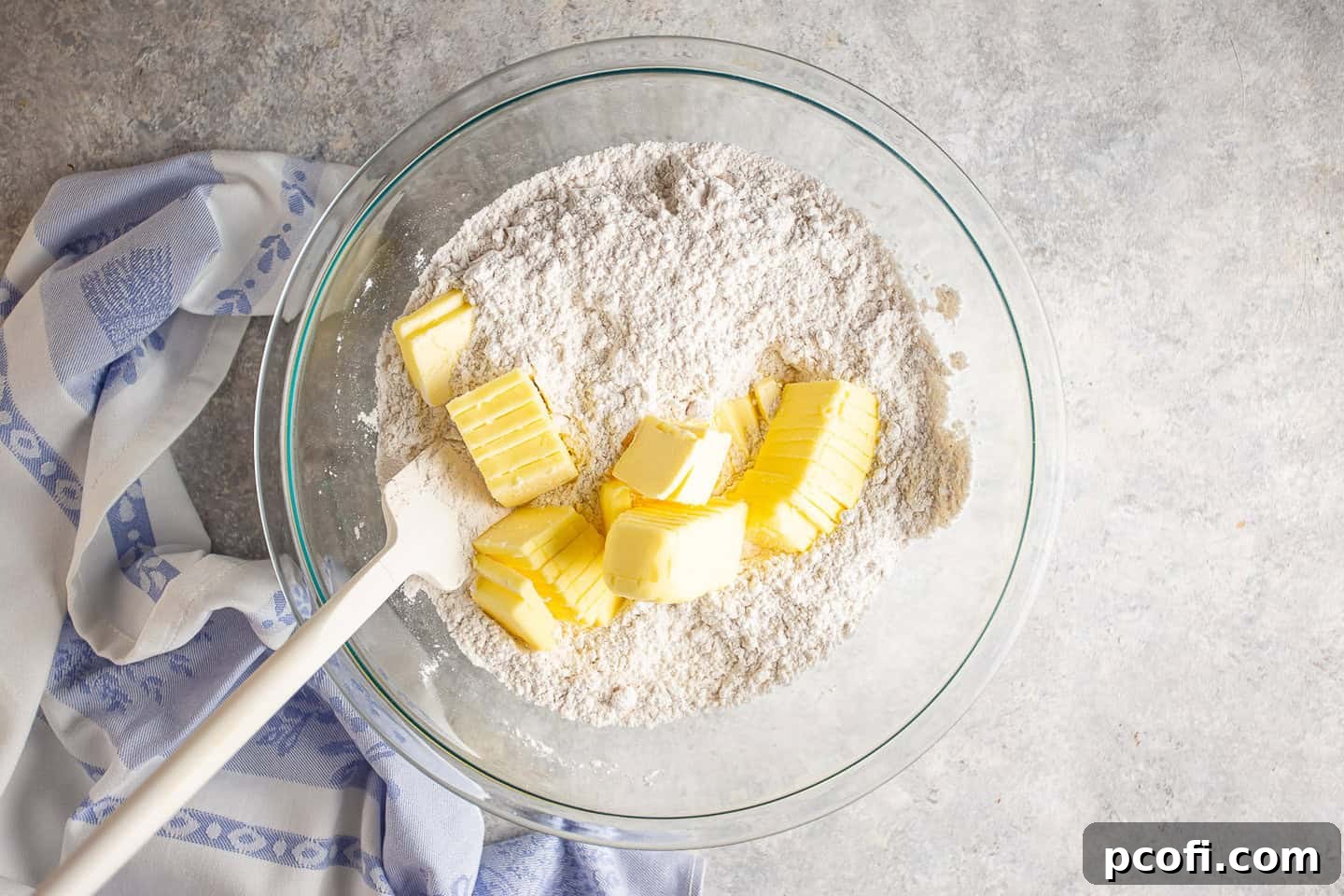
Once the dry ingredients are combined, it’s time to incorporate the cold butter. Slice the unsalted butter into pieces approximately 1/8th-inch thick. Add these cold slices directly into the bowl with the dry ingredients.
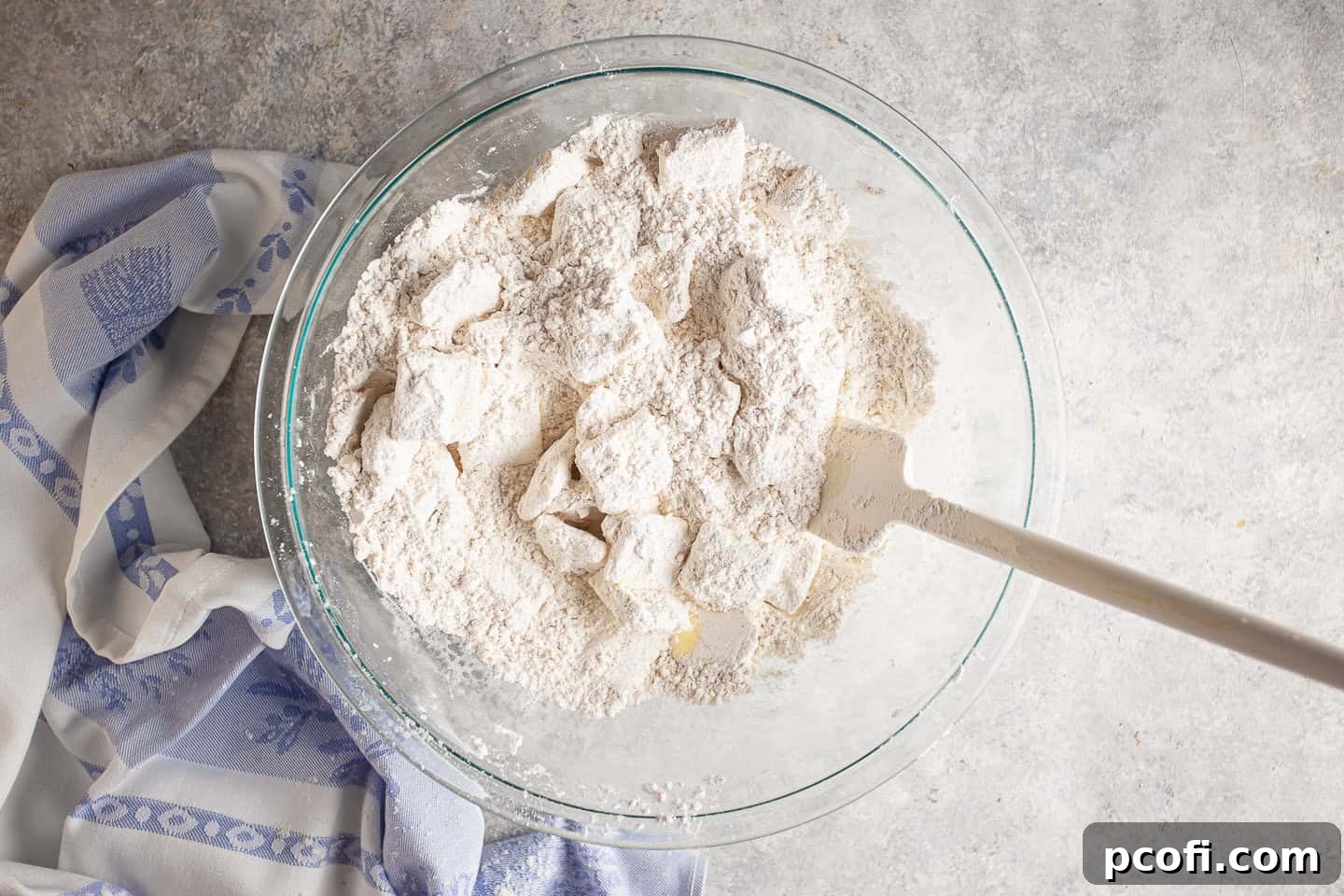
Gently toss the butter slices with the dry mixture, ensuring that each slice is separated and thoroughly coated in flour. This coating helps prevent the butter from completely melting into the dough too early, preserving those crucial layers for lamination.
Next, gradually begin stirring in the cold milk. Add it slowly, allowing the dough to come together. You’ll notice the dough will be quite stiff and shaggy at first.
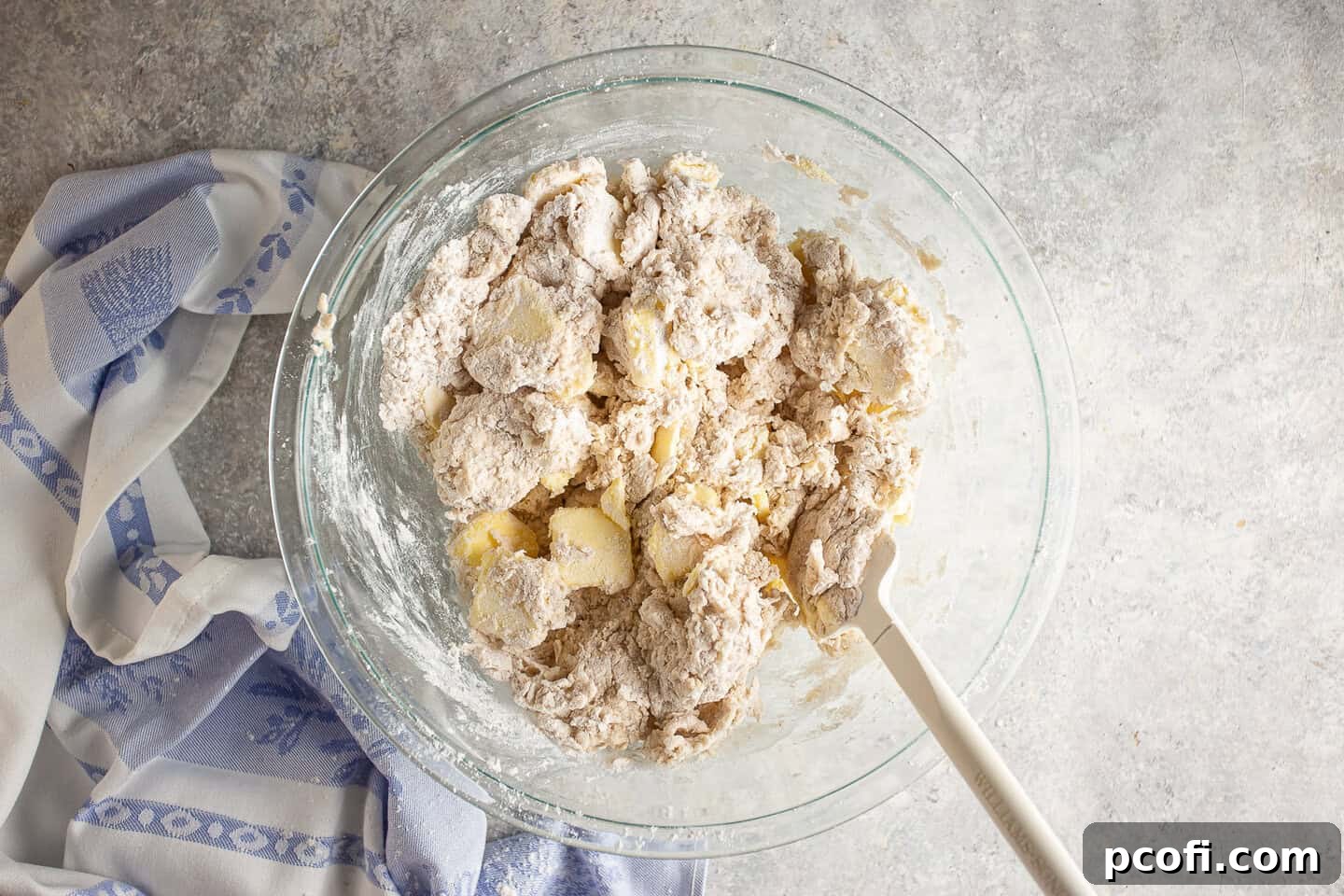
At the very end, you might need to use your clean hands to fully incorporate any remaining dry ingredients into the dough. Knead it just enough to bring it together into a cohesive, albeit stiff, ball. Don’t overmix at this stage.
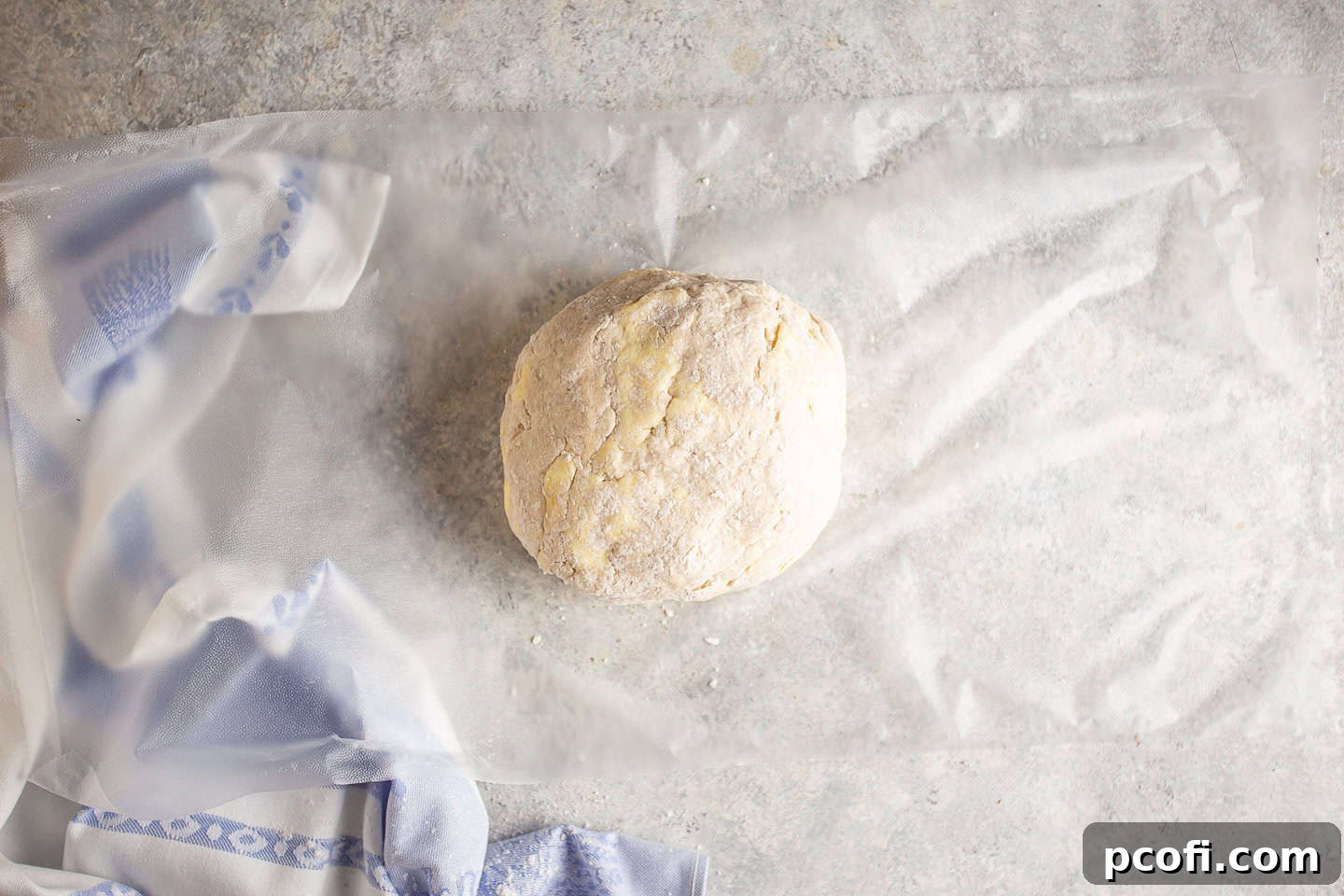
Form the dough into a flat disc shape, then wrap it tightly in plastic wrap. Transfer it to the refrigerator and allow it to chill for at least 1 hour. This chilling period is crucial; the dough will continue to hydrate as it rests, so don’t be concerned if it feels a little dry or crumbly initially.
Step 2: The Lamination Process
After the initial chilling, it’s time to begin the lamination, the process that creates those incredible flaky layers. Lightly dust your work surface, your hands, and your rolling pin with a generous amount of flour to prevent sticking.
Take the chilled dough and roll it out into a long, rectangular shape. Aim for an even thickness, but don’t worry about perfect dimensions; precision will come with practice.
Once rolled, carefully fold the dough into thirds, much like you would fold a letter. This action encapsulates layers of butter within the dough.
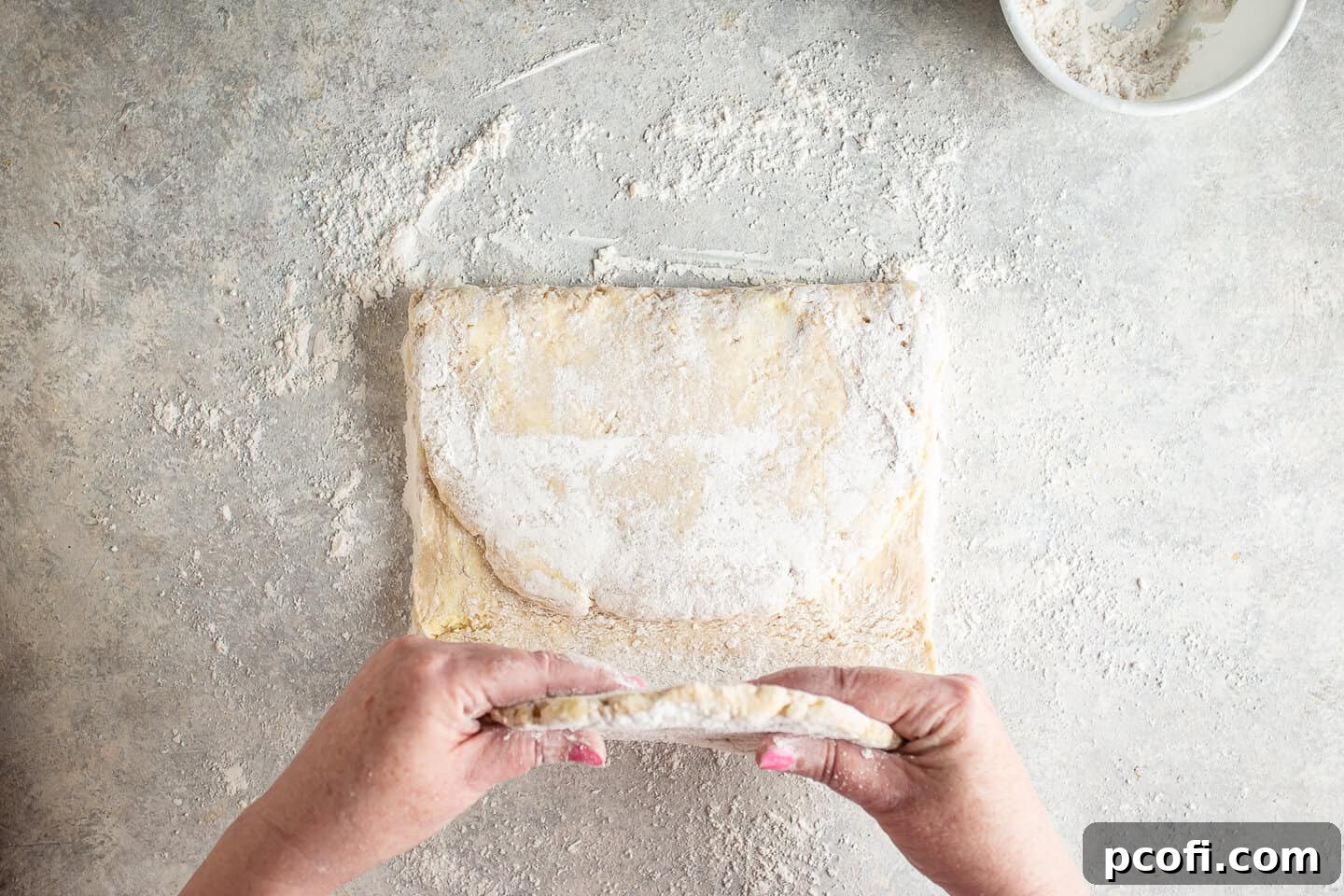
Turn the folded dough 90 degrees, then repeat the rolling and folding process two more times. This sequential rolling and folding is the essence of lamination, meticulously building up hundreds of thin, alternating layers of butter and dough. Each “turn” adds more layers, ensuring maximum flakiness in the final cruffins. Remember to dust with more flour as needed to prevent sticking throughout this process.
After completing the folds, wrap the dough tightly in plastic wrap once again and return it to the refrigerator for another hour. This rest allows the butter to firm up and the gluten in the dough to relax, making it easier to work with in the next step.
Step 3: Divide, Roll, and Shape the Cruffins
Once the laminated dough has had its final chill, remove it from the refrigerator and place it on your lightly floured work surface. Using a sharp knife or a bench scraper, carefully cut the dough in half.
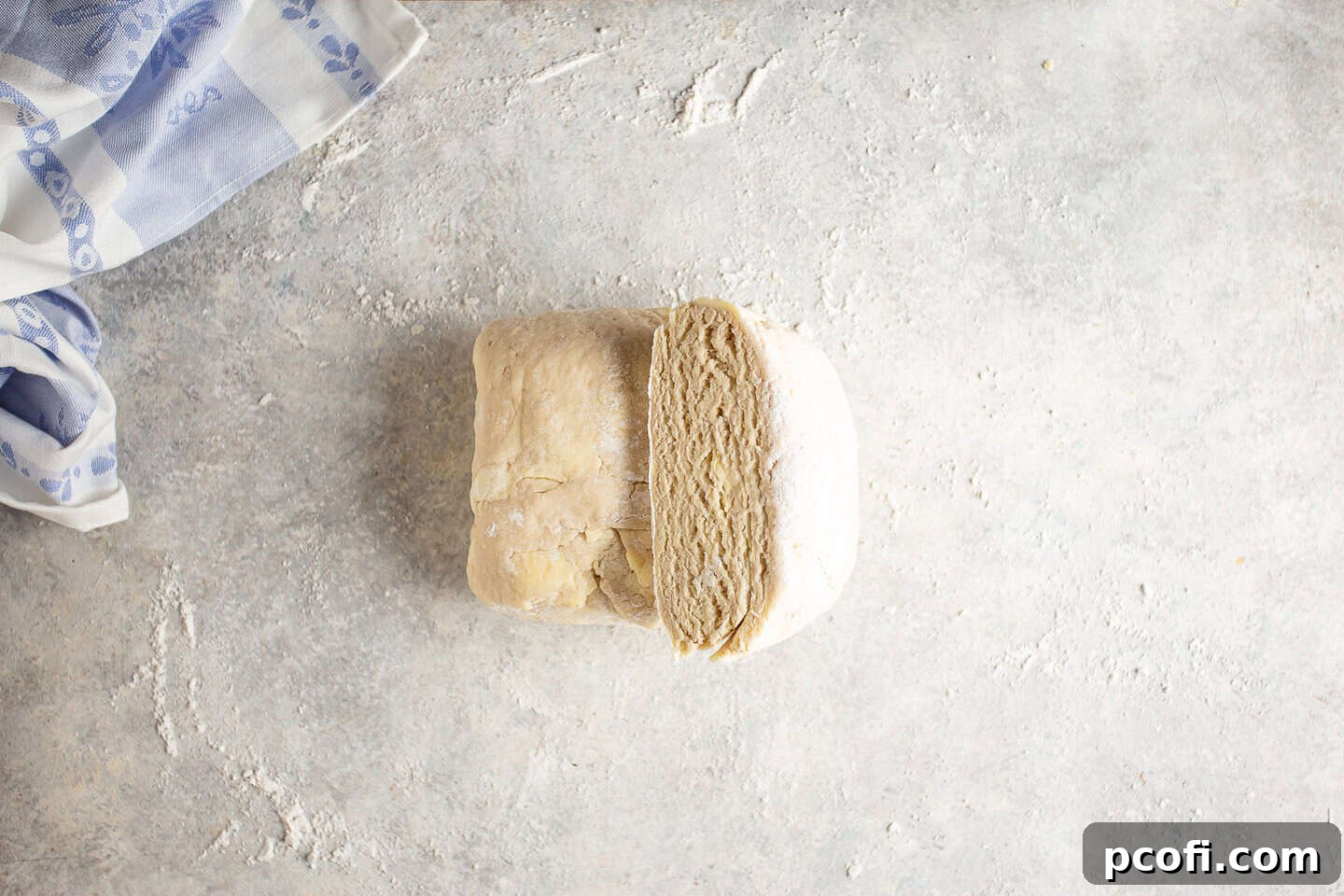
Take one half of the dough and roll it out into a thin rectangle, aiming for about 1/8th of an inch thick. Don’t worry too much about achieving perfectly precise dimensions; what’s important is an even thickness across the dough.
Now, generously sprinkle a few tablespoons of your prepared cinnamon sugar mixture evenly over the entire surface of the rolled-out dough. Press it lightly to adhere. Carefully roll the dough up tightly from one long side, creating a compact log, similar to how you would roll a cinnamon roll.
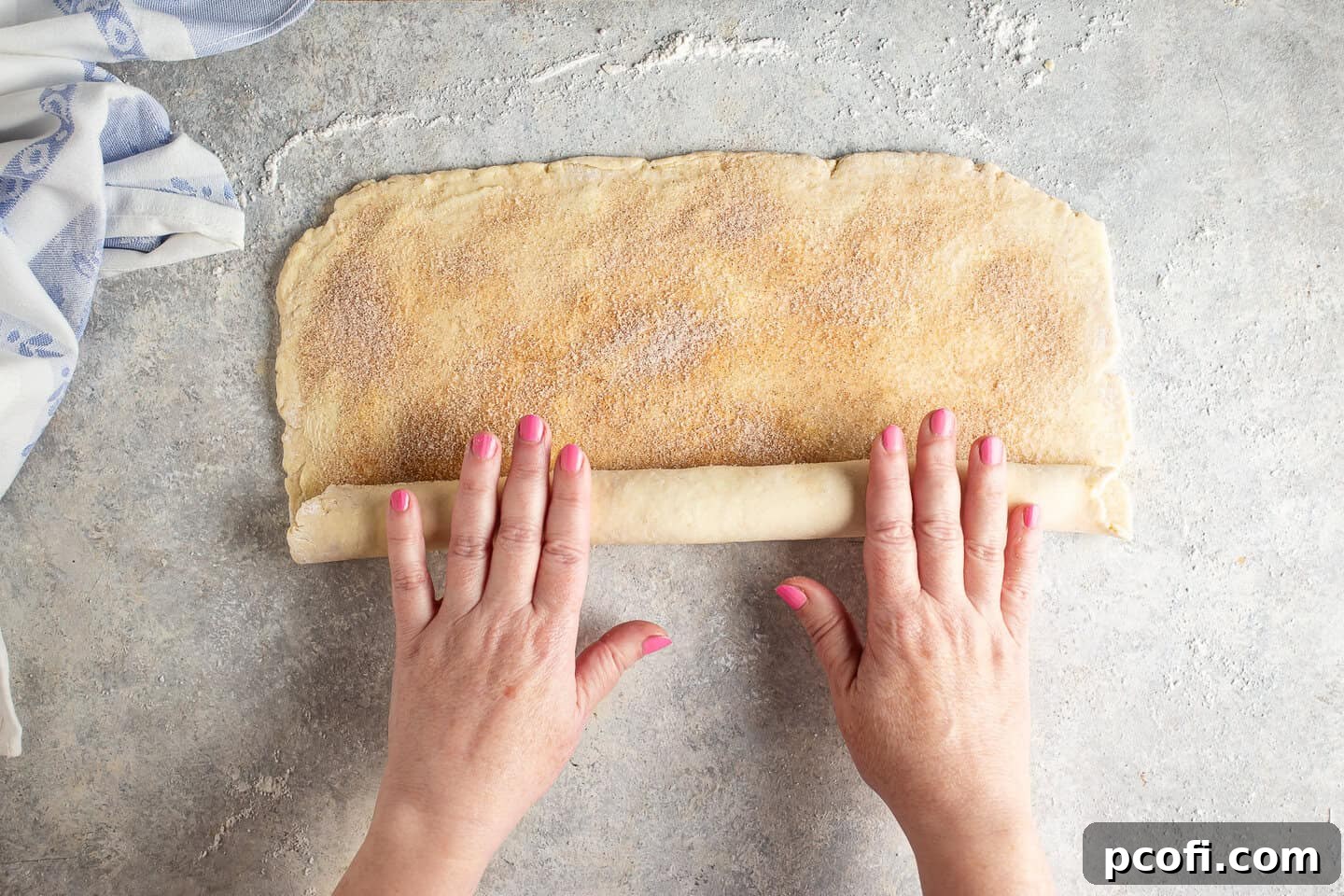
Gently flatten the log slightly with your fingers or the rolling pin. Then, using a sharp knife, slice the log lengthwise down the middle. This technique, often used for pastries like babka, exposes the beautiful cinnamon sugar layers.
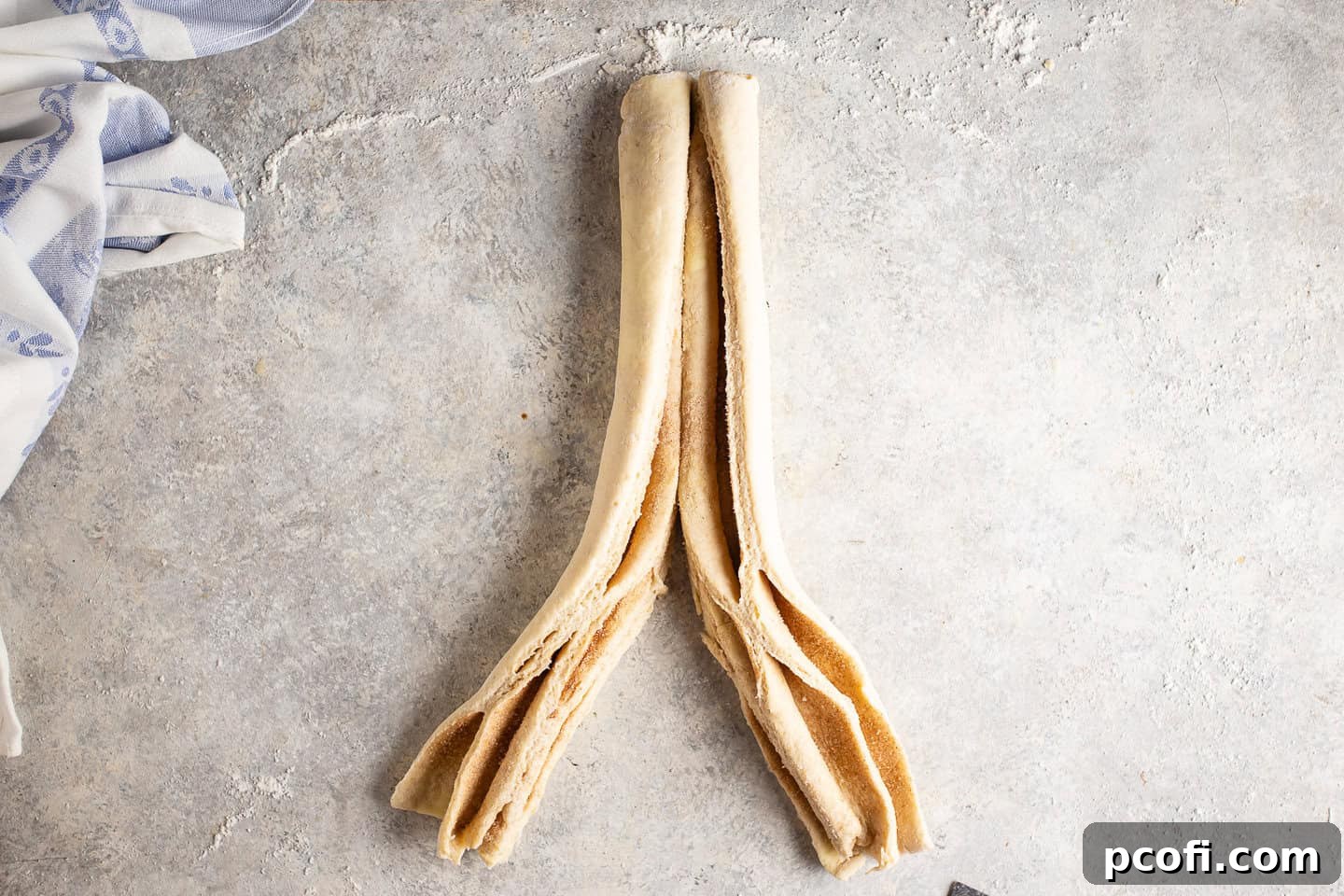
Now, divide each of these half-logs into three equal portions. Take each portion and gently twist it, then spiral it into a small bun shape, ensuring the cut sides face upwards to showcase the cinnamon swirls. Carefully place each spiraled cruffin into the wells of your muffin pan.
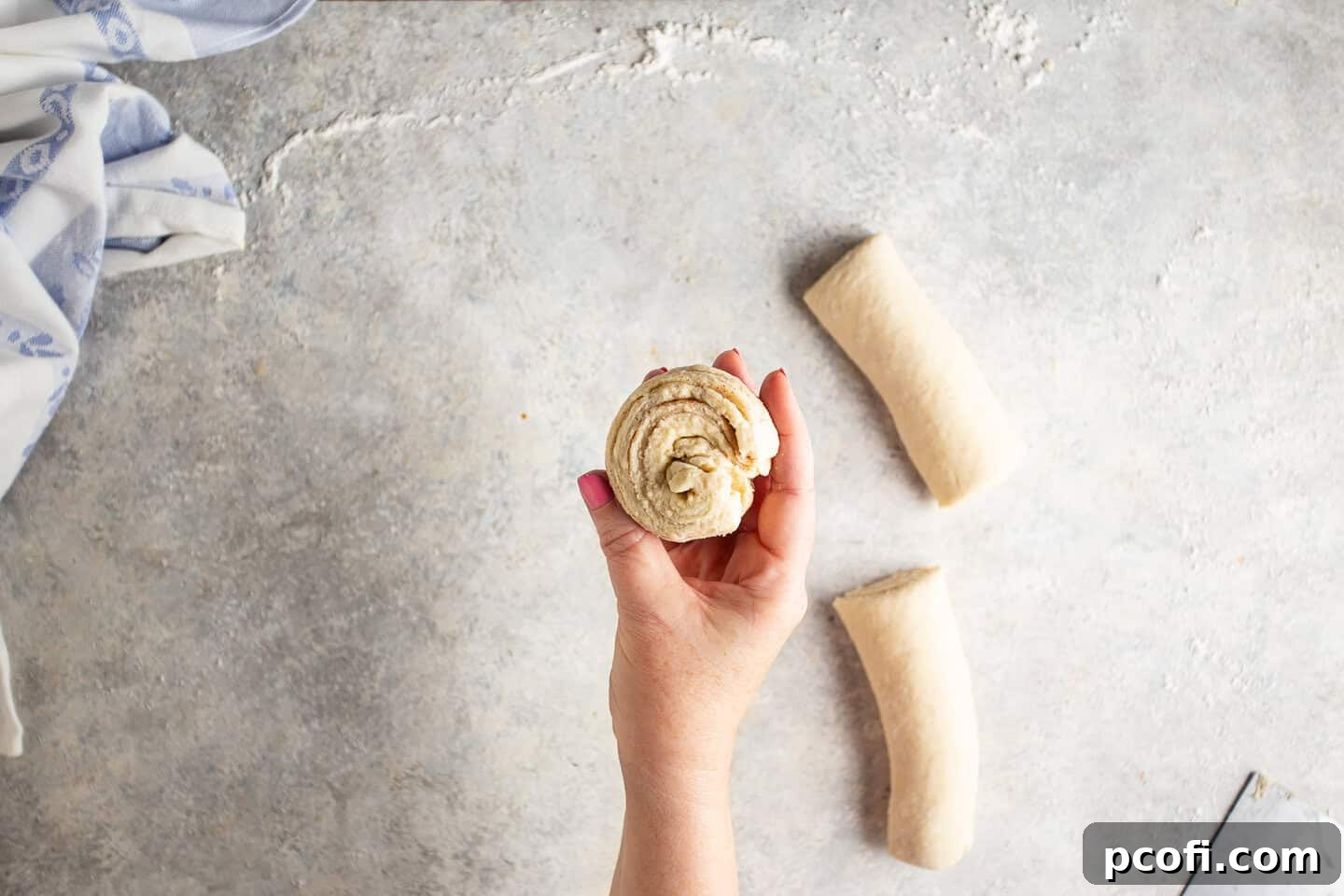
Lightly cover the unbaked cruffins with plastic wrap and let them rise in a warm place for about an hour. This final proofing allows the yeast to work its magic, giving the cruffins their airy volume and light texture before baking.
Step 4: Bake to Golden Perfection
Preheat your oven to 375°F (190°C). Once properly proofed, transfer your muffin pan filled with cruffins to the hot oven. These pastries will bake until they achieve a deep, rich golden-brown color. This deep browning is important not just for flavor, but also for ensuring the layers are fully cooked and the structure is set, preventing any potential collapse. Baking usually takes around 20 to 30 minutes, but keep a close eye on them as oven temperatures can vary.
Step 5: The Sweet Cinnamon Sugar Coating
As soon as the cruffins emerge from the oven, allow them to cool in the muffin pan for just about 5 minutes until they are warm enough to handle comfortably but still hot. While they are still warm, gently remove them from the pan. Have a bowl of your remaining cinnamon sugar mixture ready.
Carefully drop each warm cruffin into the bowl and roll it around, ensuring it gets thoroughly coated in the sweet and spiced mixture. The warmth of the pastry will help the cinnamon sugar adhere beautifully, creating a delightful crunchy crust that is simply irresistible. Serve them immediately to enjoy their warmth and fresh flavors.
How to Serve Cruffins
These exquisite cruffins are versatile and can be enjoyed in many ways. The best experience often comes from serving them warm, straight from the oven, or gently reheated. The warmth enhances their buttery aroma and ensures the flakiest texture, with the cinnamon sugar slightly melted into the pastry.
They are absolutely perfect for a leisurely breakfast, offering a touch of gourmet indulgence to your morning routine. For brunch gatherings, cruffins make an impressive addition to any spread, effortlessly elevating the occasion. Don’t limit them to the morning hours, though! They serve as a decadent dessert, particularly delicious with a scoop of vanilla ice cream, or as a delightful afternoon snack to pair with your favorite hot beverage. I personally find them to be the ideal companion to my morning coffee, creating a moment of pure bliss with every sip and bite.
Expert Tips for Perfect Cruffins
Achieving bakery-quality cruffins at home is entirely possible with a few key considerations. These expert tips will help ensure your success:
Keep Your Ingredients Cold: This is arguably the most critical tip for any laminated pastry. Ensure both your butter and milk are very cold when you start the dough-making process. The goal is for the butter to remain in distinct pieces within the dough, creating separate layers, rather than melting and incorporating fully. If, at any point, your butter feels too soft or the dough becomes too warm and sticky, do not hesitate to stop. Wrap the dough tightly and return it to the refrigerator for 15-30 minutes to firm up. A cold dough is much easier to work with and crucial for successful lamination.
Unleash Your Creativity with Fillings and Spices: While cinnamon sugar is a classic for a reason, the cruffin’s versatile nature invites experimentation. Consider swapping the cinnamon for other warming spices like a hint of vanilla bean powder, fragrant cardamom, or a touch of ground ginger for a unique twist. Beyond spices, the internal filling offers a canvas for flavor. Before rolling the dough into a log, you could spread a thin layer of melted chocolate, a dollop of vibrant strawberry jam, tangy orange marmalade, or a luscious fruit curd (like lemon or raspberry) over the dough. These additions will create an exciting burst of flavor in every bite.
Bake Until Deeply Golden: It’s tempting to pull pastries from the oven as soon as they look lightly browned, but for cruffins, patience is a virtue. Be sure to bake your cruffins until they achieve a deep, rich golden-brown color. This extended baking time is essential for a few reasons: it ensures the dough is cooked all the way through, the butter has rendered perfectly between the layers, and the structure of the pastry is fully set. Underbaked cruffins can be doughy in the center and are prone to collapsing once they cool. A well-baked cruffin will have a crisp exterior and a beautifully flaky interior that holds its shape.
Frequently Asked Questions About Cruffins
While convenient, crescent roll dough is fundamentally different from the homemade croissant dough used for cruffins. Crescent rolls are typically softer, often a little sweeter, and lack the hundreds of distinct, buttery, flaky layers characteristic of true laminated croissant dough. This means the texture and overall experience of a cruffin made with crescent rolls would be quite different and not achieve the signature flakiness. If you’re looking for a delightful treat using crescent rolls, I do have a wonderful recipe for Homemade Crescent Rolls that you might enjoy, but for authentic cruffins, the laminated dough is key.
Preparing cruffins over a day or two is an excellent strategy to make the baking process more relaxed and fit into a busy schedule. Once you’ve shaped the individual cruffins and placed them in the muffin tin (at the end of Step 3), instead of letting them rise at room temperature, simply cover the muffin tin lightly but securely with plastic wrap. Place them in the refrigerator, and they will undergo a slow, cold proofing overnight. This cold fermentation can last for up to 48 hours before the yeast begins to lose its activity. This method not only breaks up the prep work but also often results in a more complex flavor profile. When you’re ready to bake, remove them from the fridge and let them sit at room temperature for about 30-60 minutes while your oven preheats, then bake as directed. You can also freeze the shaped, unbaked cruffins for up to 2 weeks; simply thaw them in the fridge overnight or at room temperature before baking.
Proper storage ensures your delicious cruffins remain fresh for as long as possible. At room temperature, leftover cruffins can be kept in an airtight container for up to 2-3 days. For longer storage, place them in an airtight container in the refrigerator, where they will stay fresh for about a week. If you’ve made a large batch or want to enjoy them later, cruffins freeze exceptionally well. Wrap them individually in plastic wrap, then place them in a freezer-safe bag or container, where they will keep for up to 2 months. To enjoy frozen cruffins, thaw them at room temperature. For reheating, you can warm them briefly in the microwave for about 15-20 seconds for a quick refresh, or for a crispier texture, wrap them in foil and reheat in a 300°F (150°C) oven until warmed through, about 5-10 minutes.
This recipe is designed to yield 12 individual cruffins, with each cruffin considered one serving. The nutritional information provided below is calculated for a single cruffin, representing 1/12th of the entire batch. This makes it easy to track your intake if you’re mindful of nutritional values.
More Delightful Breakfast Recipes to Try
If you’ve fallen in love with homemade pastries and breakfasts, here are a few more of my top breakfast recipes that I highly recommend:
- Bright and Zesty Lemon Poppy Seed Muffins
- Sweet and Citrusy Orange Rolls
- Comforting Cinnamon Crumb Cake
- Classic and Flaky Basic Scone Recipe
As an Amazon Associate, I earn from qualifying purchases.

Easy Cruffin Recipe
Leave a Review
Save RecipeSaved!
Ingredients
For the Croissant Dough
- 4 cups (500 g) all-purpose flour
- 1/3 cup (66.67 g) granulated sugar
- 4 teaspoons (12.44 g) active dry yeast, (2 packets or .5 ounce)
- 2 teaspoons (12 g) kosher salt
- 1 1/4 cups (283.75 g) unsalted butter, cold (2 1/2 sticks)
- 1 cup (244 g) milk, cold (any kind)
For the Filling and Coating
- 3/4 cup (150 g) granulated sugar
- 2 teaspoons (4 g) ground cinnamon
Instructions
-
Place the flour, sugar, yeast, and salt in a large mixing bowl and stir to combine thoroughly.
-
Cut the cold butter into 1/8-inch thick slices, then add them to the flour mixture. Toss them to coat, ensuring each slice is separate and well-covered.
-
Gradually stir in the cold milk, a little at a time, until a stiff dough begins to form. You may need to knead the dough briefly with your hands at the end to fully incorporate all the dry ingredients.
-
Flatten the dough into a disc shape, wrap it tightly in plastic wrap, and chill in the refrigerator for at least one hour.
-
Lightly sprinkle your work surface, the dough, and your rolling pin with flour. Roll the chilled dough out into a long rectangle.
-
Fold the rectangle of dough into thirds, similar to how you would fold a letter.
-
Turn the dough 90 degrees, then repeat the rolling, folding, and turning process two more times. Add more flour as needed to prevent sticking.
-
Wrap the laminated dough tightly in plastic wrap and chill it in the refrigerator for another hour.
-
Preheat your oven to 375 degrees F (190°C).
-
Divide the chilled dough in half. Roll each half into a rectangle shape, approximately 1/8-inch thick.
-
Sprinkle about 2 tablespoons of the cinnamon sugar mixture evenly over the surface of each dough rectangle.
-
Roll each rectangle tightly into a long log, then gently flatten the log with your hands or rolling pin.
-
Carefully slice each log in half lengthwise, exposing the cinnamon sugar layers.
-
Divide each half-log into 3 equal portions.
-
Roll each portion into a spiral shape, then place them into the wells of a muffin tin, ensuring the cut side faces upwards.
-
Lightly cover the shaped pastries with plastic wrap and allow them to rise in a warm place for 1 hour. Alternatively, refrigerate them overnight for a slow proof.
-
Bake the cruffins in the preheated oven until they are deeply golden brown, which typically takes approximately 20 to 30 minutes.
-
Let the baked cruffins cool in the muffin tin for about 5 minutes. While still warm, remove them and toss them in the remaining cinnamon sugar mixture until evenly coated. Serve warm and enjoy!
Notes
Calories: 407kcal,
Carbohydrates: 51g,
Protein: 6g,
Fat: 20g,
Saturated Fat: 13g,
Polyunsaturated Fat: 1g,
Monounsaturated Fat: 5g,
Trans Fat: 1g,
Cholesterol: 53mg,
Sodium: 399mg,
Potassium: 93mg,
Fiber: 2g,
Sugar: 19g,
Vitamin A: 625IU,
Vitamin C: 0.02mg,
Calcium: 41mg,
Iron: 2mg