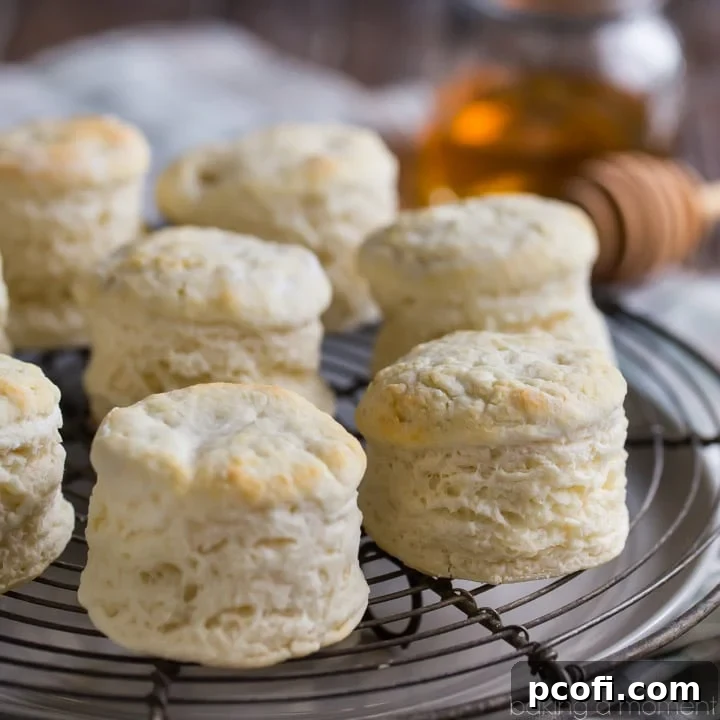
Unlocking the Secrets to Perfect Southern-Style Buttermilk Biscuits: Tall, Fluffy, and Ready in Minutes
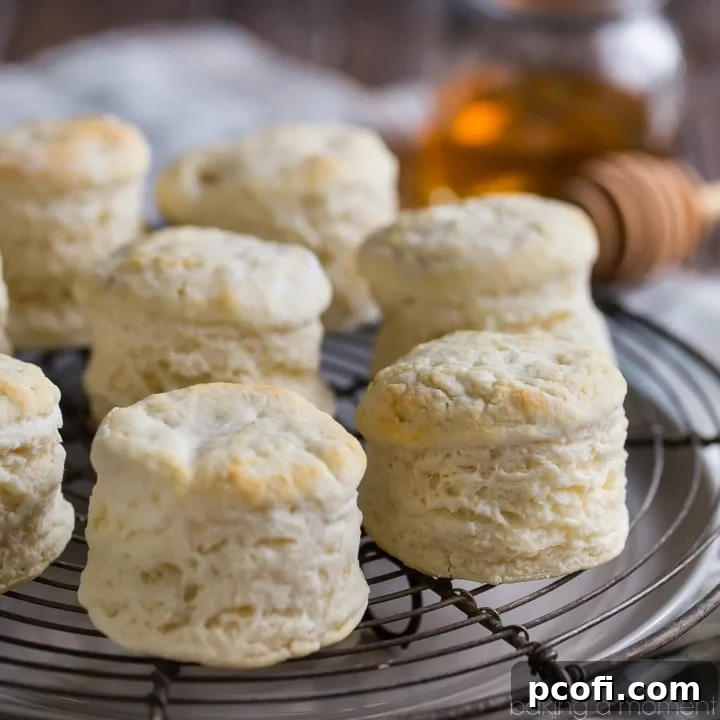
*This classic buttermilk biscuit recipe was originally published in September 2016 and has been thoughtfully updated to include a comprehensive video tutorial and answers to common baking questions. We hope you and your family savor these delicious buttermilk biscuits as much as we do!*
While my roots may not trace back to the American South, my passion for baking biscuits tells a different story. The journey to mastering the art of Southern-style buttermilk biscuits began largely thanks to my husband, a true connoisseur of these comforting delights. Though not a Southerner himself, his appreciation for all things Southern comfort food runs deep, with biscuits holding a cherished spot at the top of his favorites list. It’s a craving that often strikes weekly.
For as long as we’ve been married, nearly every Saturday morning has been marked by his gentle plea for homemade biscuits. And because baking is one of my greatest joys, I always oblige. It’s not just the love of baking, however, that makes this a cherished ritual. Biscuits are a form of quick bread, much like waffles, scones, or cornbread, meaning they come together with surprising speed and minimal effort. The reward for such a small investment of time in the kitchen is truly immeasurable.
My husband often transforms these fluffy creations into hearty breakfast sandwiches, or even something more adventurous, like a fried chicken and coleslaw biscuit stack. For me, however, few things compare to the simple pleasure of a warm, fresh-baked biscuit generously slathered with butter and a dollop of homemade strawberry jam.
I recall years ago, during my time in architecture, working with a client from South Carolina. She had a wonderful tradition of serving freshly baked biscuits and jam at our project meetings, offering a comforting snack to designers and contractors as we discussed business. Already smitten with baking at that point, I was deeply impressed by her ability to produce fresh bread so frequently. When I expressed my admiration, she shared a secret known to many Southerners: biscuits, despite their reputation, are one of the simplest and quickest breads to make from scratch.
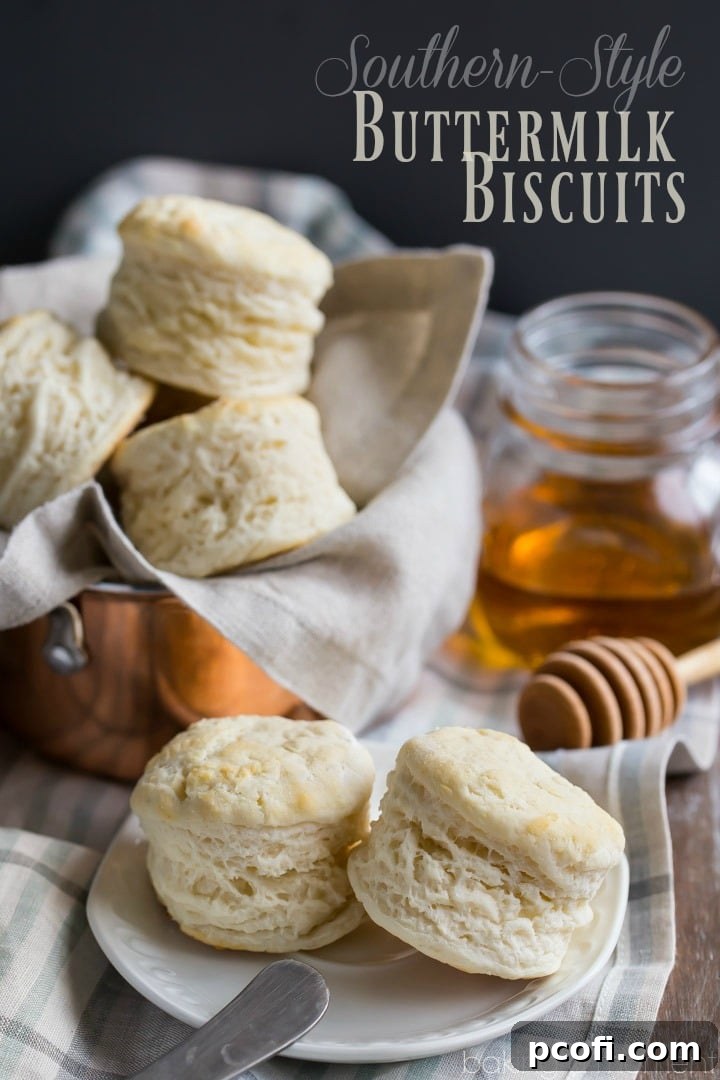
Mastering the Art of Southern Buttermilk Biscuits: Key Principles
The journey to creating truly exceptional Southern-style buttermilk biscuits hinges on a few fundamental principles. These principles ensure that your biscuits rise tall, boast a tender crumb, and develop those coveted flaky layers that melt in your mouth.
The Magic of Cold Ingredients
Perhaps the most crucial secret to light and lofty biscuits lies in keeping your ingredients, especially the butter and buttermilk, as cold as possible. When tiny pockets of cold butter encounter the high heat of the oven, the water within them rapidly turns to steam. This steam creates air pockets, which expand and push the dough upwards, resulting in those magnificent, mile-high layers we all crave. Warm butter, on the other hand, will melt into the flour before baking, yielding a denser, flatter biscuit.
Minimal Handling for Maximum Tenderness
Overworking biscuit dough is the cardinal sin of biscuit making. The less you handle the dough, the more tender your biscuits will be. Excessive kneading develops the gluten in the flour, leading to a tough, chewy texture rather than a light and fluffy one. The goal is to bring the ingredients together just enough to form a cohesive dough, with visible flecks of butter remaining.
The Power of Proper Leavening
Baking powder is your primary leavening agent here, working in conjunction with the acidity of the buttermilk to create lift. Ensuring your baking powder is fresh and active is essential for a good rise. Always check the expiration date, as old baking powder can result in sad, flat biscuits.
Simple Ingredients for Extraordinary Buttermilk Biscuits
To embark on your biscuit-making adventure and produce these tall, exquisitely fluffy biscuits, you’ll need just a handful of straightforward ingredients:
- Flour (preferably a low-protein soft wheat flour, or a good quality all-purpose flour)
- Baking Powder (fresh and active!)
- Salt (kosher salt is often preferred for its clean taste)
- Unsalted Butter (always cold)
- Buttermilk (chilled for best results)
Indeed, with these 5 simple ingredients, you’re well on your way. If you opt for self-rising flour, your ingredient list shrinks even further, down to just 3!
Step-by-Step Guide to Perfect Southern Biscuits
Let’s walk through the process to achieve those coveted tall, fluffy, and tender buttermilk biscuits.
1. Prepare Your Dry Ingredients
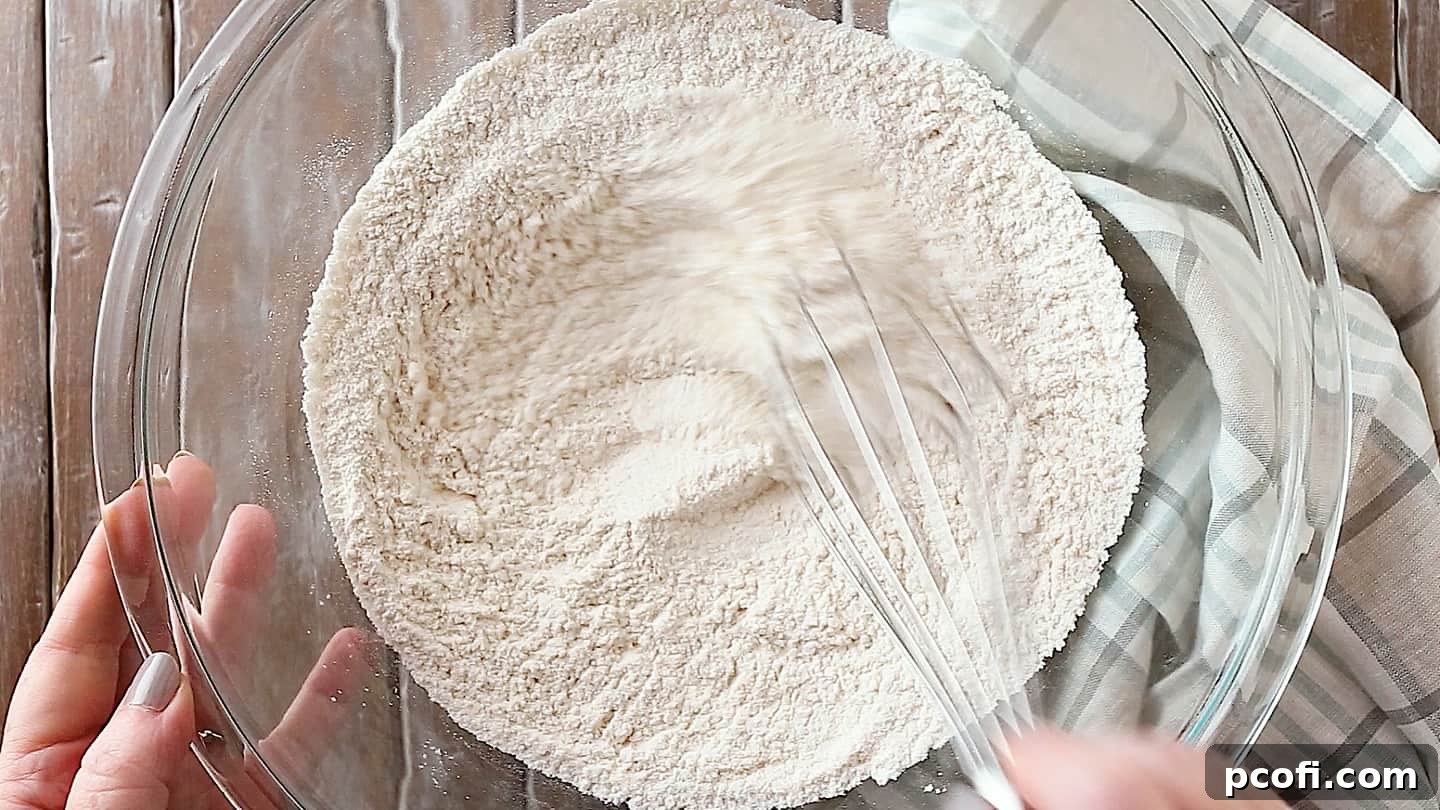
Begin by placing the flour, baking powder, and salt into a large mixing bowl. Take a whisk and gently combine these dry ingredients. This step ensures that the leavening and salt are evenly distributed throughout the flour, guaranteeing a consistent rise and flavor in every biscuit.
2. Incorporate the Cold Butter
Next, it’s time for the butter. While some recipes suggest shortening, I strongly advocate for using all butter due to the superior flavor it imparts. The secret to those sky-high biscuits, as mentioned, is exceptionally cold butter. Keep it in the refrigerator until the very last moment, and work swiftly once it’s out.
The principle is simple: as the cold butter hits the hot oven, it releases steam, creating those distinct, flaky layers and contributing to the biscuit’s impressive rise.
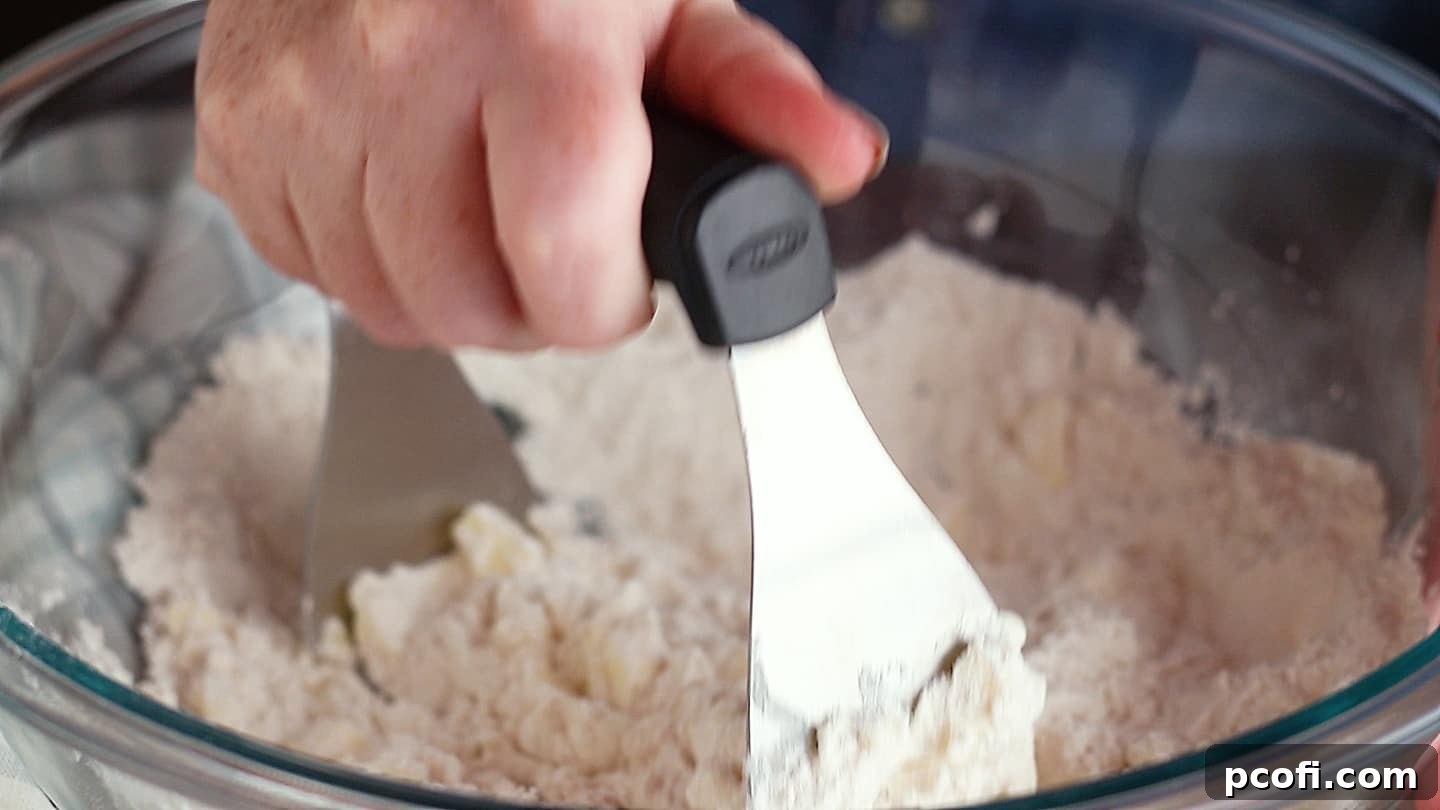
Cut the cold butter into the flour mixture using a pastry blender. This tool is incredibly efficient and helps keep the butter cold, which is paramount. Avoid overworking the mixture; it’s better to under-mix than to over-mix. Stop as soon as the butter pieces are no larger than small peas. This visual is key:
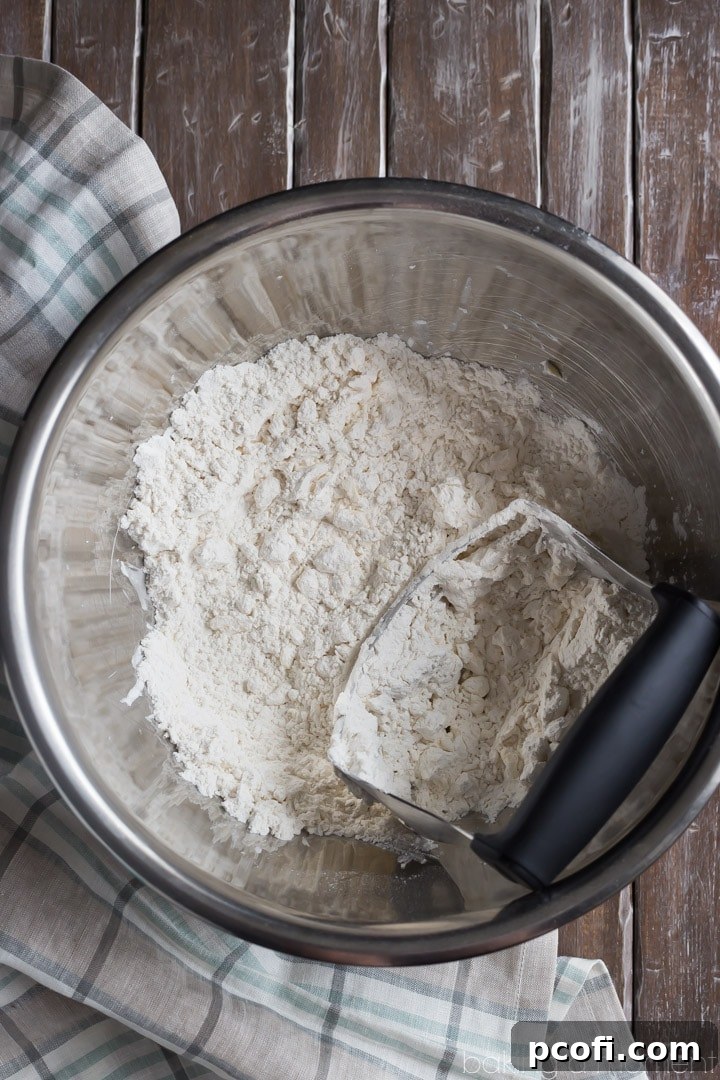
Notice the small, visible nubs of butter? That’s precisely what you’re aiming for – these are the pockets that will generate steam and create those coveted flaky layers.
3. Add the Buttermilk
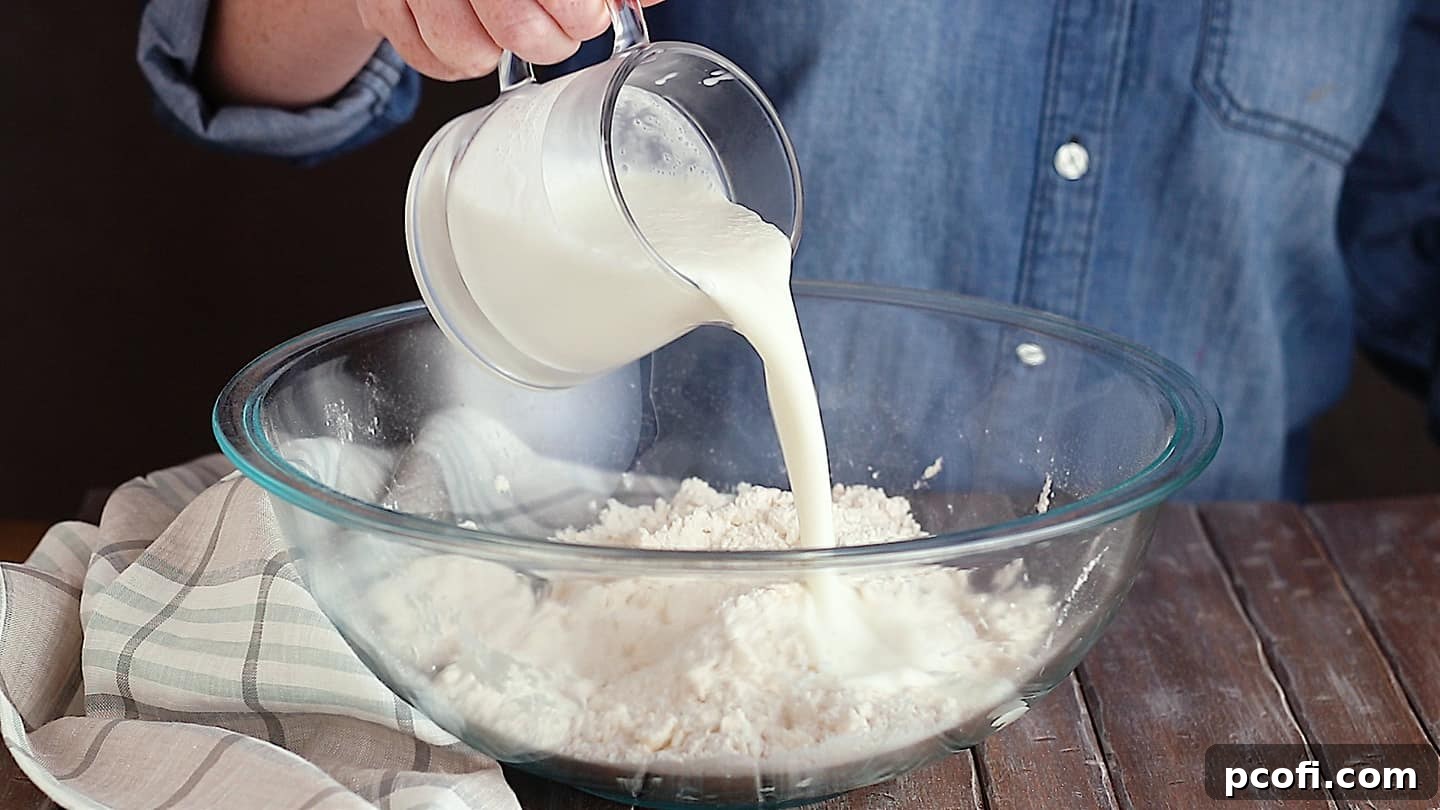
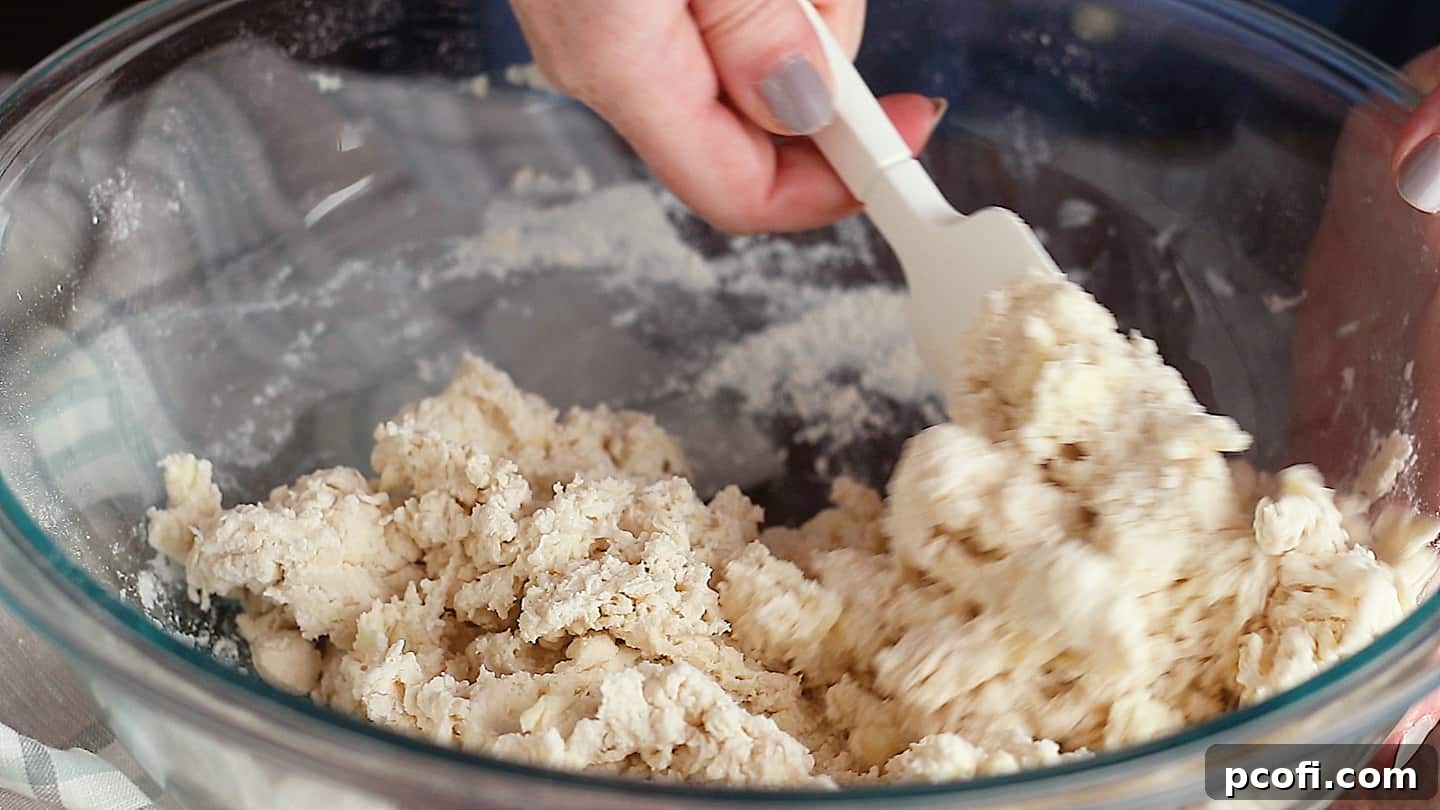
The final liquid component is buttermilk, and again, cold is best. Start by stirring it into the flour and butter mixture with a spatula. Initially, it might seem like there isn’t enough liquid to bind all the flour, but trust the process. After a short while, switch to using your hands and knead the dough a few times. It will come together, forming a sticky, shaggy dough. Remember, minimal handling is key to tenderness.
4. Shape and Cut the Biscuits
Lightly dust your work surface with flour to prevent sticking. Turn out the dough and gently flatten it to a thickness of approximately 3/4-inch. This thickness is crucial for achieving those desirable tall biscuits. Next, use a 2-inch diameter cutter to create rounds.
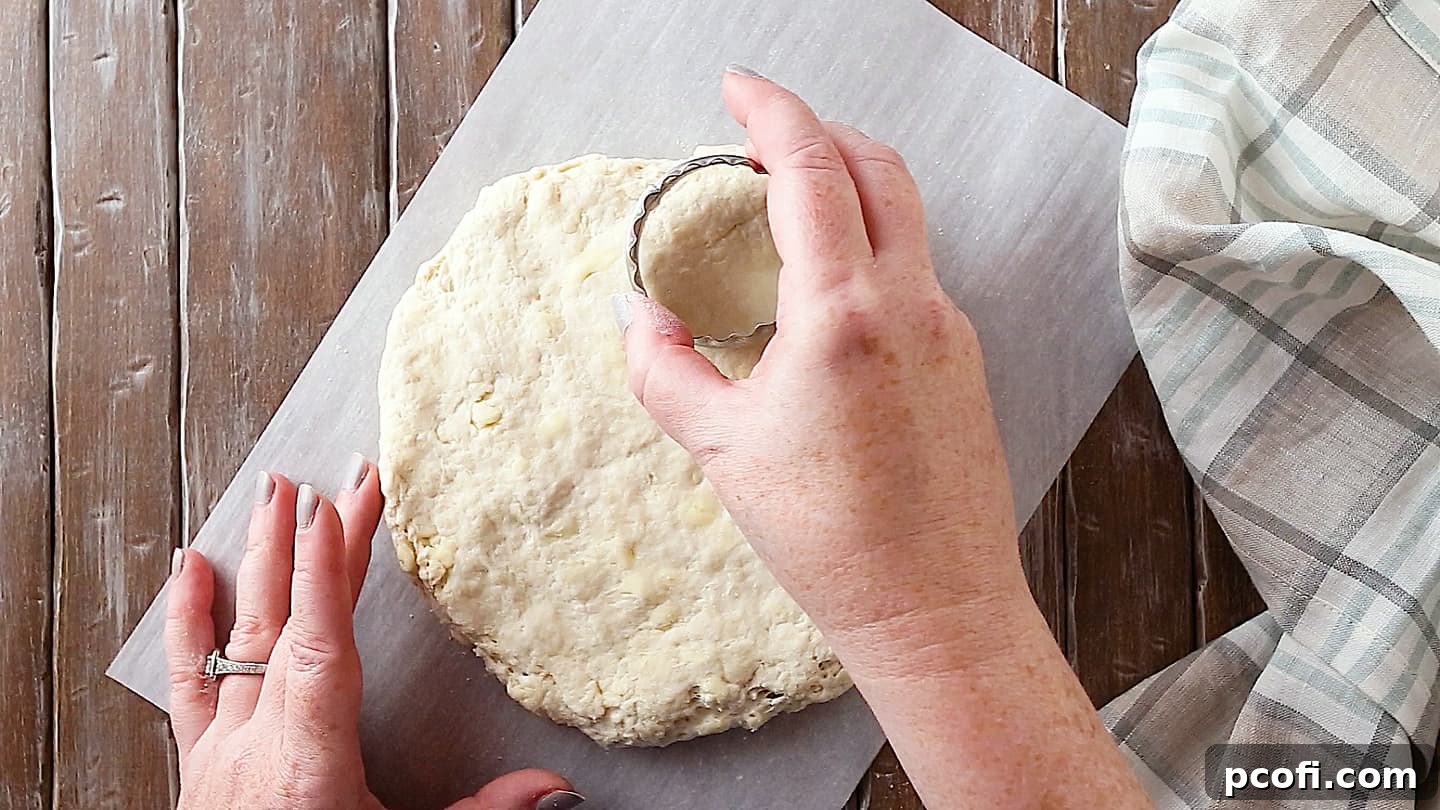
A helpful tip: dip your biscuit cutter in flour before each cut. This prevents the dough from sticking and ensures clean, crisp edges. Carefully transfer the cut biscuit rounds to a lightly greased or parchment-lined baking sheet. You should yield anywhere from 9 to 12 homemade biscuits from this batch.
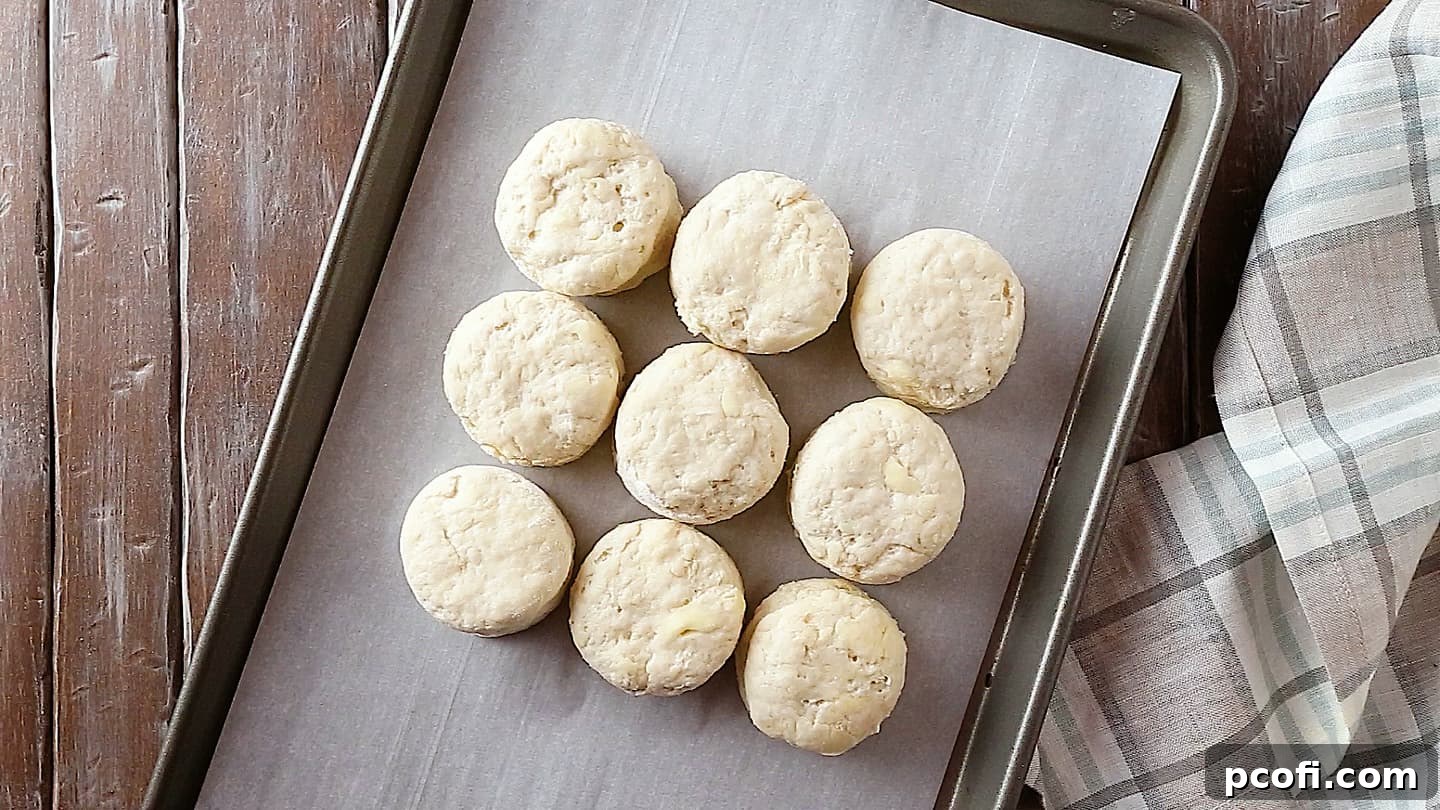
Arranging the biscuits on the tray is another critical step for achieving height. Place them so their sides are just barely touching. This arrangement allows them to spread slightly while providing mutual support, encouraging them to rise upwards rather than outwards, resulting in those wonderfully tall biscuits!
Troubleshooting: Why Are My Biscuits Flat or Tough?
Few things are as disappointing as a batch of flat or tough biscuits. Here’s how to ensure yours are consistently sky-high and perfectly tender:
Flat Biscuits? Check These Points:
- Dough Thickness: As emphasized, ensure your dough is patted out to no less than 3/4-inch thick before cutting. This gives them a good foundation for rising.
- Cold Ingredients are King: If your butter or buttermilk warm up, the steam effect will be diminished. Work quickly! If you get interrupted, don’t hesitate to pop your dough or ingredients back into the fridge for 15-20 minutes (or the freezer for 5-10 minutes) to re-chill them. The colder they are when they enter the hot oven, the more dramatic their rise will be.
- Fresh Leavening: Baking powder loses its potency over time. An expired baking powder is a common culprit for flat biscuits. This applies to self-rising flour too, as it contains leavening agents.
Tough Biscuits? Avoid Overworking:
For biscuits that are so tender they practically melt in your mouth, the key is to handle the dough as little as possible. Overworking the dough develops the gluten, leading to a tough, chewy texture. A few quick turns to incorporate all the flour is sufficient. Resist the urge to knead extensively.
Can You Make Homemade Biscuits Without Buttermilk?
Buttermilk is a staple in my kitchen due to its versatility in everything from cakes and waffles to, of course, biscuits. Its acidity reacts with baking powder to create a tender crumb and a distinct flavor. However, if it’s not a regular item in your pantry, you can easily create a workable substitute:
- Homemade Buttermilk Substitute: Simply stir 2 1/2 teaspoons of lemon juice or white vinegar into 3/4 cup of regular milk. Let this mixture sit for about 10 minutes until it thickens and appears slightly curdled. This “soured milk” will provide the necessary acidity.
- Cream Biscuits: For a richer, slightly denser biscuit, you can make cream biscuits. Reduce the butter by half (using 1/4 cup or 4 tablespoons) and swap the buttermilk for 1 1/4 cups of heavy whipping cream. This variation yields a delicious biscuit with a different, yet equally appealing, texture.
What to Serve with Your Delectable Buttermilk Biscuits
Homemade biscuits are incredibly versatile and can elevate any meal. My family especially loves them for dinner, particularly during cooler months, alongside a steaming pot of soup. They’re a fantastic accompaniment to corn chowder or a creamy broccoli cheese soup.
They also make an exceptional topping for our favorite chicken pot pie! Simply replace the puff pastry crust with these fluffy biscuits for a comforting twist.
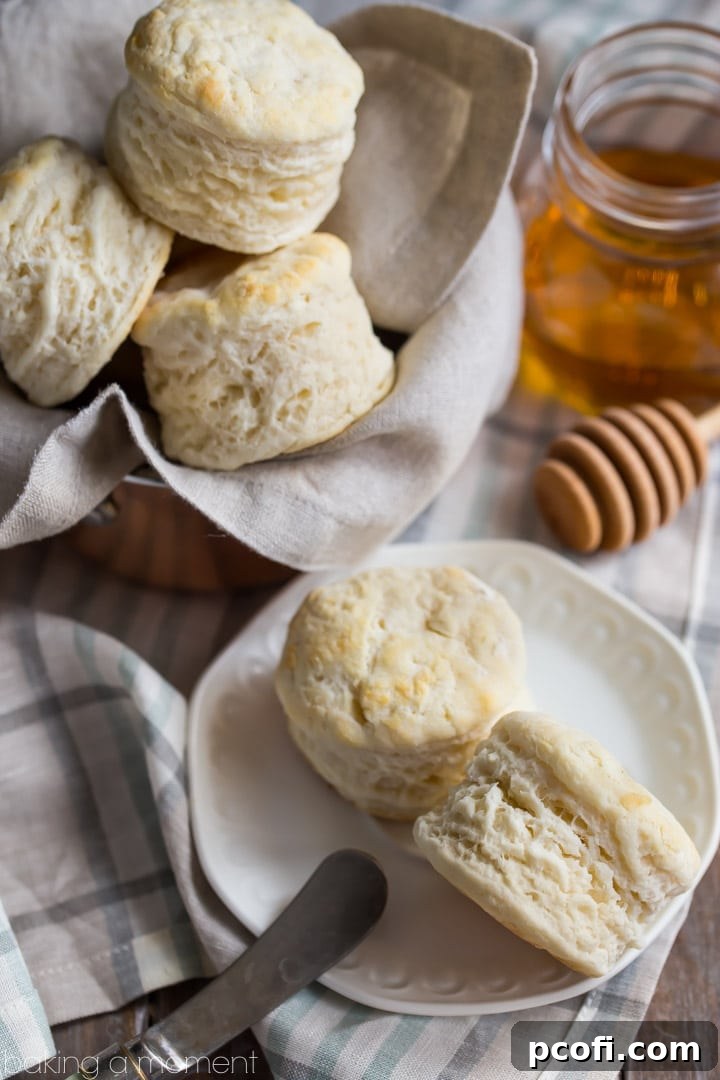
For breakfast or brunch, biscuits are a classic choice. They’re perfect sandwiched around a fried or scrambled egg, and even better with the addition of crispy bacon. Sometimes, keeping it simple is best: just slathered with butter, a dollop of homemade jam or apple butter, or a drizzle of sweet honey.
Storage and Reheating Tips for Homemade Biscuits
Having a fresh batch of homemade biscuits is a treat, and knowing how to store and reheat them ensures you can enjoy them for longer.
How to Store Buttermilk Biscuits
Once your biscuits have completely cooled, slip them into a zip-top bag or an airtight container. They will keep beautifully at room temperature for about 2 days. If you need to store them for longer, they can be kept in the refrigerator for 5 to 7 days.
Can You Freeze Buttermilk Biscuits?
Absolutely! Freezing homemade biscuits is an excellent way to always have some on hand for a quick breakfast or side dish. Simply place the cooled biscuits in a freezer-safe zip-top bag, ensuring as much air is removed as possible. They will maintain their quality in the freezer for up to a couple of months. Thaw them overnight in the refrigerator or at room temperature before reheating.
How to Reheat Buttermilk Biscuits
There’s nothing quite like a warm biscuit, and these reheat wonderfully:
- Microwave: For individual biscuits, microwave on full power for about 10 to 15 seconds. Be careful not to overheat, as they can become tough.
- Oven: For multiple biscuits or a crispier exterior, wrap them loosely in aluminum foil and heat in a 170 degree F (approximately 75 degrees C) oven until warmed through, typically 10-15 minutes.
Buttermilk Biscuits Recipe
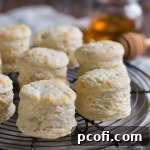
Buttermilk Biscuits
Leave a Review
Save RecipeSaved!
Ingredients
- 2 cups (250 g) all-purpose flour*
- 1 tablespoon (14.79 g) baking powder
- 1 teaspoon (4.93 g) kosher salt
- 1/2 cup (113.5 g) unsalted butter, (1 stick), cold
- 3/4 cups (180 g) buttermilk,, cold
Instructions
-
Preheat the oven to 475 degrees F (245 C) and line a baking sheet with parchment paper.
-
Place the flour, baking powder, and salt in a large mixing bowl.
-
Whisk the dry ingredients together until thoroughly combined, then cut the cold butter into half-inch cubes and add to the bowl.
-
Using a pastry blender, cut the butter into the flour mixture until the pieces of butter are no larger than the size of a pea.
-
Stir in the cold buttermilk until a shaggy, somewhat sticky dough forms.
-
Gently knead the dough with your hands a few times to gather it into a cohesive ball and incorporate any remaining flour from the bottom of the bowl. Avoid overworking.
-
Lightly dust your work surface with flour, then flatten the dough to an even thickness of 3/4 inch.
-
Dip a 2-inch diameter round cutter into flour before each cut, then press straight down into the dough to make rounds. Do not twist the cutter.
-
Place the biscuit rounds on the prepared baking sheet with their sides barely touching. Bake for 8 to 12 minutes, or until the tops are golden brown.
Notes
**To make biscuits without buttermilk, please refer to the “Can You Make Homemade Biscuits Without Buttermilk?” section above for more detailed information on substitutes.