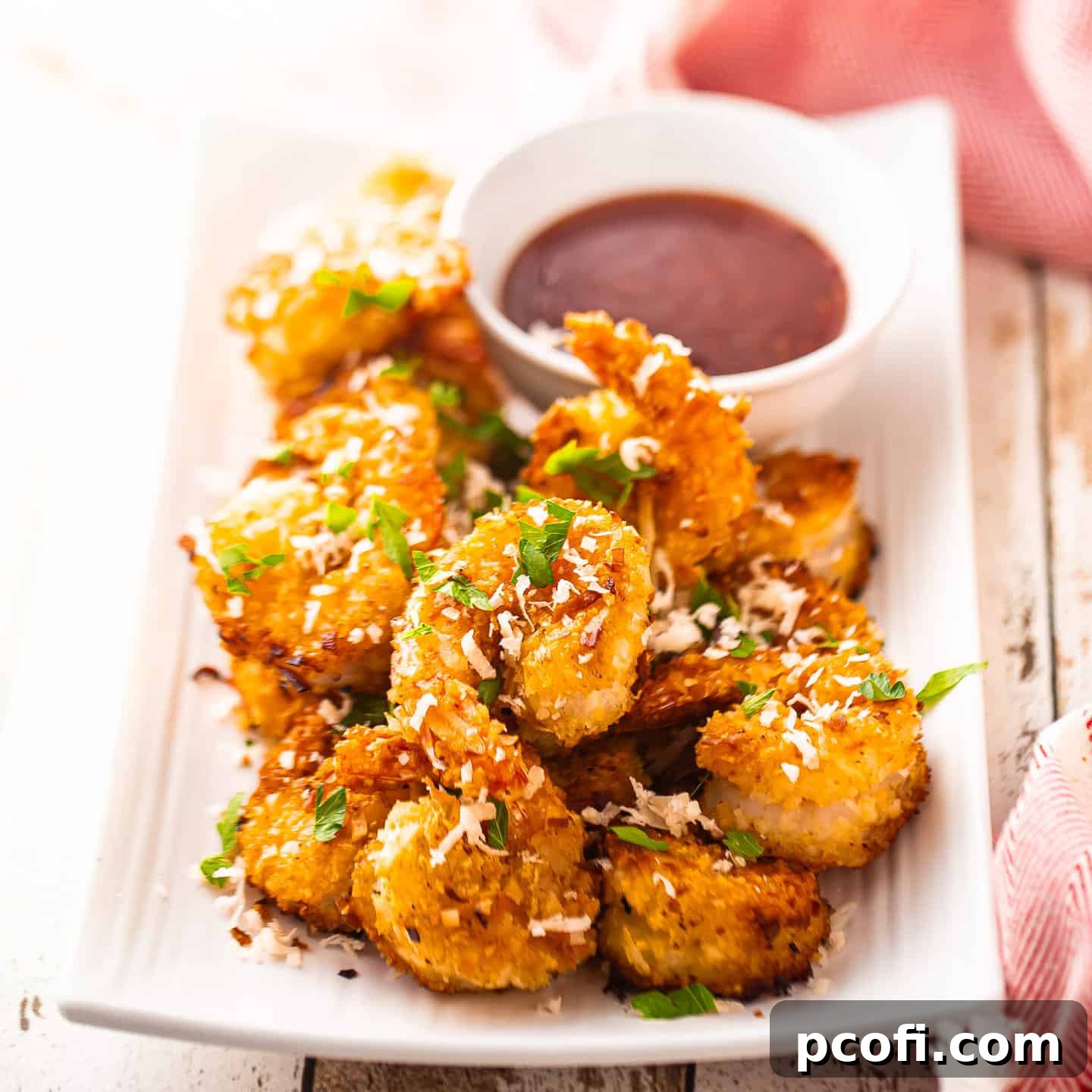
Indulge in these irresistible coconut shrimp! Exceptionally light and crisp, they offer a perfect balance of sweet and savory flavors. An outstanding choice for either an appetizer or a satisfying main course!
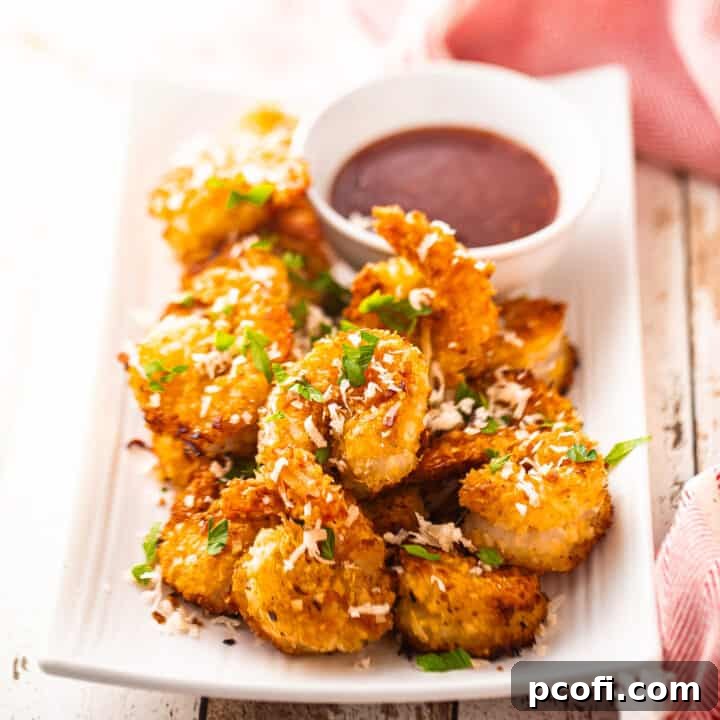
The Ultimate Crispy Coconut Shrimp: A Sweet & Savory Delight
Get ready to elevate your culinary skills with one of the most exciting and flavorful dishes you can create at home: homemade coconut shrimp! These crispy, golden-brown delights are incredibly addictive, offering a mouthwatering combination of textures and tastes that will have everyone reaching for more.
Whether you’re planning a sophisticated dinner party or a casual family meal, this versatile appetizer easily transitions into a fulfilling main course. The beauty of these shrimp lies in their delightful crunch and the succulent sweetness of the coconut breading, perfectly complementing the tender, juicy shrimp within.
Imagine serving these exquisite shrimp as a light and satisfying dinner, perhaps alongside a fluffy bed of jasmine rice infused with fresh lime zest and vibrant sliced scallions, or paired with a simple side of perfectly steamed green beans. The possibilities for a truly delicious meal are endless!
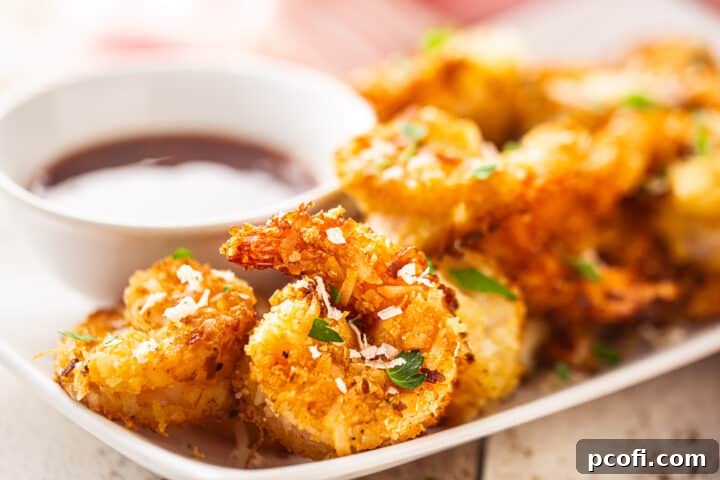
Beyond dinner, coconut shrimp also make exceptional hors d’oeuvres. Picture a grand platter piled high with these golden treasures, a small bowl of their essential dipping sauce nestled beside them, inviting guests to savor every bite. They’re an absolute hit for any gathering, from game day celebrations to elegant cocktail parties, promising a memorable culinary experience for all.
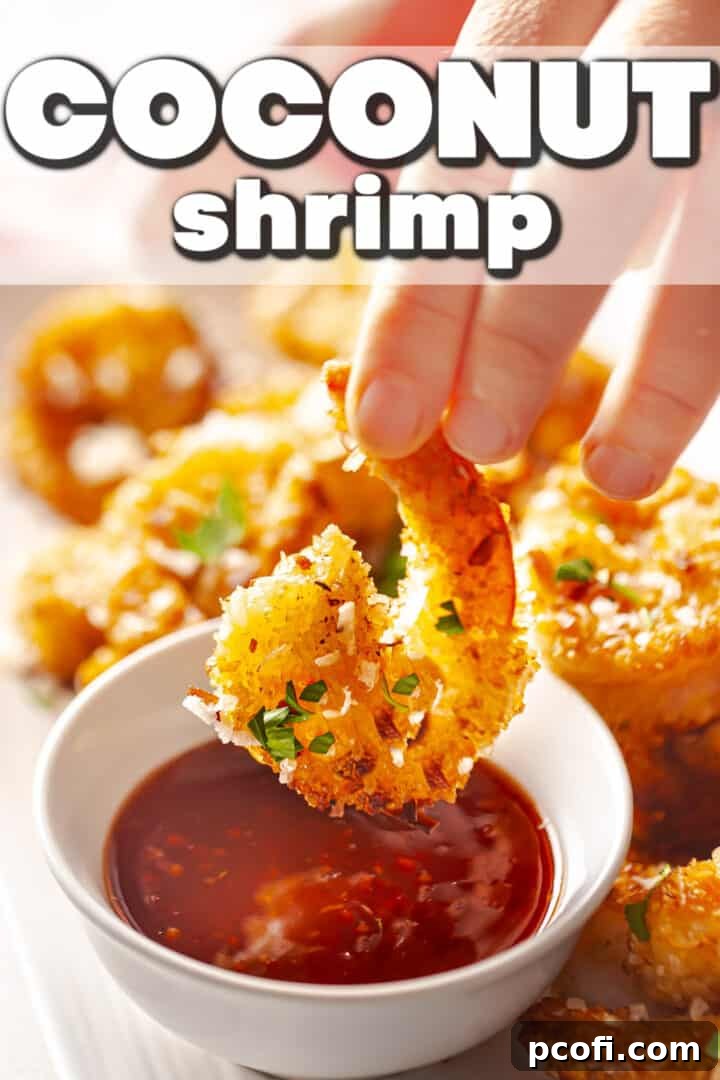
What Are Coconut Shrimp?
Coconut shrimp are a popular dish featuring succulent shrimp coated in a crispy breading that incorporates shredded coconut. This unique coating gives them a distinct tropical flavor and an irresistible crunch. Typically, they are deep-fried or pan-fried until golden brown, resulting in a light and crispy texture. For those seeking a lighter alternative, baking offers a healthier preparation method that still delivers fantastic taste.
The magic of coconut shrimp lies in their versatility and the delightful contrast of flavors. They are commonly served with a sweet, tangy, or slightly spicy dipping sauce, which further enhances their delicious profile. From casual gatherings to more formal meals, coconut shrimp consistently impress with their unique taste and appealing presentation.
Why You’ll Love This Coconut Shrimp Recipe
- Incredible Flavor Profile: This recipe achieves a perfect harmony of sweet and savory notes. The natural sweetness of the coconut beautifully complements the tender shrimp, creating an explosion of flavor with every bite.
- Minimal Ingredients: You’ll be surprised at how few basic ingredients are required to create such an impressive dish. Most items are likely already in your pantry or easily found at any grocery store.
- Quick and Effortless Preparation: Forget spending hours in the kitchen! The entire batch of these delectable shrimp can be prepared and cooked in approximately 30 minutes, making it an ideal choice for busy weeknights or impromptu entertaining.
- Unbeatably Crispy Texture: The carefully crafted breading ensures an addictively crisp and light exterior, perfectly encasing the juicy, meaty shrimp. It’s a winning combination of textures that will leave you craving more.
- Versatile Serving Options: Enjoy them as a standalone appetizer, a festive party snack, or a complete main course paired with your favorite sides. This recipe adapts effortlessly to any occasion.
What Do Coconut Shrimp Taste Like?
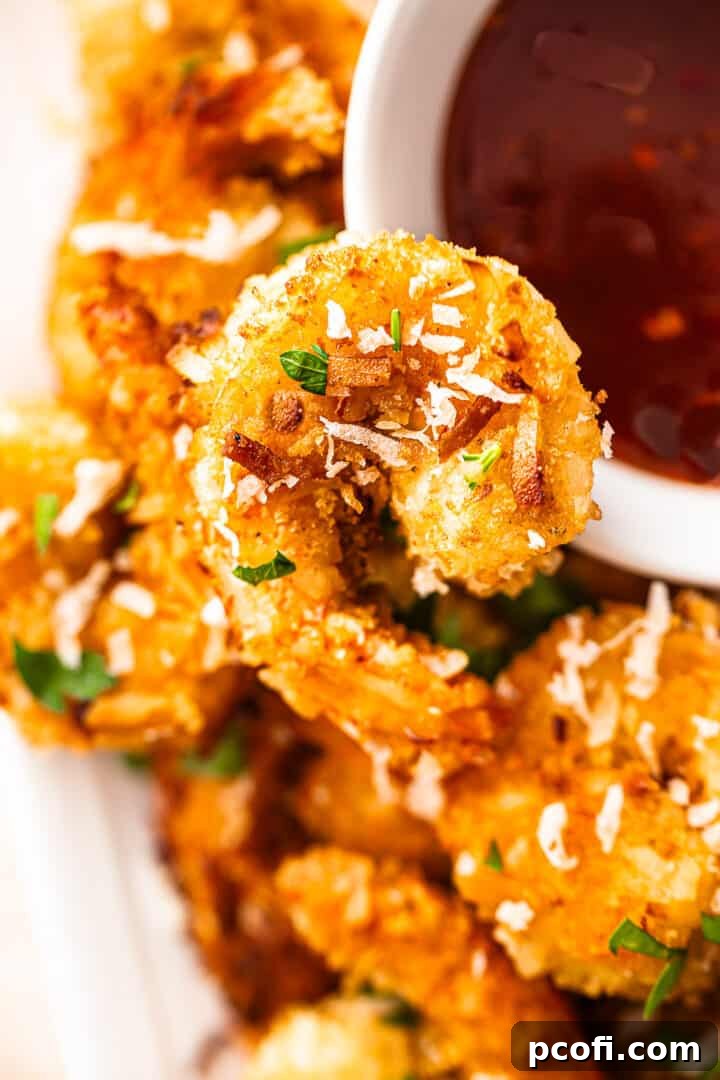
When you bite into a perfectly prepared coconut shrimp, your senses are immediately greeted by a symphony of textures and flavors. The initial sensation is the delightful shatter of the crisp breading, which is light, airy, and wonderfully crunchy. This crispness gives way to a subtle hint of tropical coconut, which is naturally sweet without being overpowering. This delicate sweetness creates a beautiful contrast with the inherent savory notes of the dish.
Beneath the golden crust, the shrimp itself is tender, plump, and undeniably meaty, with that distinctive, fresh taste of the sea. It’s a clean flavor that grounds the sweetness of the coconut. These two primary elements, the sweet coconut crust and the savory shrimp, combine to create a truly remarkable taste sensation that is both exotic and comforting.
Elevate this experience further by pairing it with a sweet, subtly spicy dipping sauce, such as a classic sweet chili sauce. The additional layer of fruity sweetness and a gentle kick of heat brings all the flavors into perfect balance, transforming a delicious dish into an absolutely stellar culinary masterpiece that will delight your palate.
Essential Ingredients for Coconut Shrimp
Crafting this delightful coconut shrimp recipe requires only a handful of readily available ingredients. Each component plays a crucial role in achieving the perfect balance of flavor and texture that makes this dish so popular.
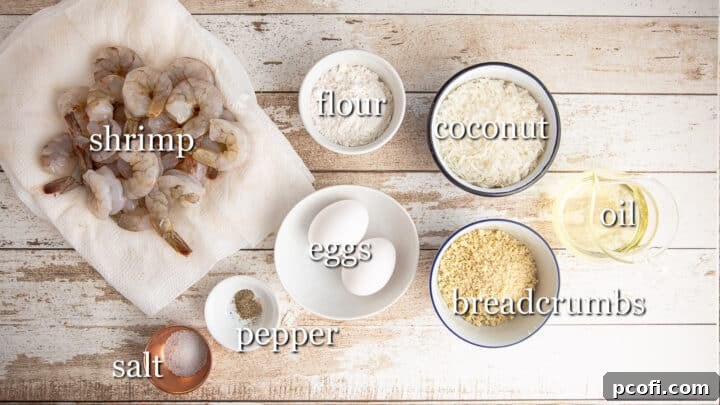
Shrimp
For the best results, start with raw shrimp. I typically opt for frozen, deveined shrimp with the shells on, often found in convenient 2-pound bags. Once thawed, carefully remove the shells, but be sure to leave the tail intact. The tail acts as a convenient little “handle” for dipping and eating, adding to the presentation.
When it comes to shrimp size, bigger is often better for a truly satisfying experience. Jumbo shrimp boast an incredible meaty texture and robust flavor. Look for a “U” rating on the packaging; the smaller the number (e.g., U/12, U/15), the larger the shrimp count per pound. Aim for around U/12 if you can find them for an impressive bite.
Seasonings
A simple yet essential duo of salt and pepper is all you need to enhance the natural savory flavors of the shrimp. I highly recommend using kosher salt. Unlike standard table salt, kosher salt contains no additives (like iodine, which can sometimes impart a bitter aftertaste), ensuring a pure, clean flavor. It’s also widely available and inexpensive.
For pepper, classic black pepper works beautifully. If you’re seeking a touch of heat and a more adventurous flavor profile, a pinch of cayenne pepper can add a delightful spicy kick to your shrimp.
Flour
All-purpose flour is my go-to choice for creating the initial light coating on the shrimp. It provides an excellent base for the egg wash and subsequent breading to adhere to. If you prefer a whole-grain option, feel free to substitute with your preferred variety.
For those requiring a gluten-free option, a high-quality gluten-free flour blend designed for a 1:1 substitution with regular flour will work perfectly, allowing you to enjoy delicious gluten-free coconut shrimp.
Eggs
Eggs are the essential “glue” in this recipe, forming an adhesive layer that ensures the coconut-breadcrumb coating sticks firmly to the shrimp. They create the crucial bridge between the dry flour and the dry breading mixture.
If you’re looking for an egg-free alternative, a plant-based egg substitute can be successfully used in place of traditional eggs to achieve a similar binding effect.
Water
Just a small amount of water, beaten into the eggs, helps to thin them out slightly. This minor adjustment ensures the egg wash is of the perfect consistency to evenly coat each shrimp, providing optimal adhesion for the breading without clumping.
Coconut
The star of the show! I prefer using sweetened, shredded coconut, as its delicate sweetness complements the shrimp beautifully and contributes to that tropical flavor profile. However, if you prefer a less sweet taste or wish to control the sugar content, unsweetened shredded coconut can be used as a perfectly viable alternative.
Breadcrumbs
For an unparalleled light and crisp texture, Panko breadcrumbs are highly recommended. These Japanese-style breadcrumbs are specially prepared to be extra flaky and airy, creating a superior crunch that traditional breadcrumbs can’t quite match.
In a pinch, regular breadcrumbs will still work to create a delicious coating. Whichever you choose, ensure they are unseasoned so you can control the flavor profile precisely with your salt and pepper.
Oil
If you opt for baking your coconut shrimp, this ingredient won’t be necessary. However, for that truly authentic, light, and wonderfully crisp finish, I strongly recommend pan-frying. The right oil is key to achieving this texture.
Select a neutral-tasting oil with a high smoke point to ensure clean frying without imparting unwanted flavors or burning. Excellent choices include vegetable oil, canola oil, sunflower oil, or peanut oil.
Special Equipment You’ll Need
Preparing this coconut shrimp recipe is straightforward, and you’ll only need a few common kitchen tools to ensure success:
- Paper towels: Essential for thoroughly blotting the shrimp dry before breading, and later for draining off any excess oil after frying, ensuring a crisp finish.
- Shallow bowls: You’ll need three separate shallow bowls to set up your breading station: one for flour, one for the egg wash, and one for the coconut-breadcrumb mixture.
- Whisk or fork: For beating the eggs and water together until thoroughly combined and smooth.
- Large skillet: A spacious skillet allows you to cook more shrimp at once without overcrowding, which is crucial for achieving an even, crispy fry. A cast-iron skillet is an excellent choice for consistent heat distribution.
Step-by-Step: How to Make Coconut Shrimp
Follow these five simple steps to create perfectly crispy and delicious coconut shrimp at home:
Step 1: Prepare and Season the Shrimp
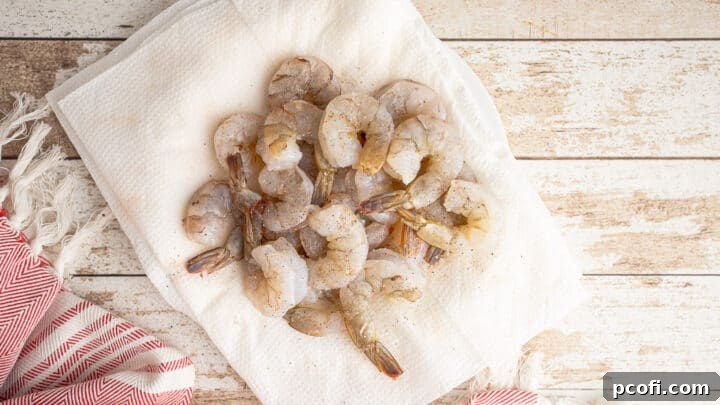
Begin by ensuring your shrimp are properly prepared. If they haven’t been pre-cleaned, remove the shells and devein them, leaving the tail intact for easy handling. Next, use paper towels to thoroughly pat the shrimp dry. This step is crucial for the breading to adhere properly. Finally, sprinkle both sides of the shrimp generously with kosher salt and black pepper to enhance their natural flavor.
Step 2: Lightly Dredge in Flour
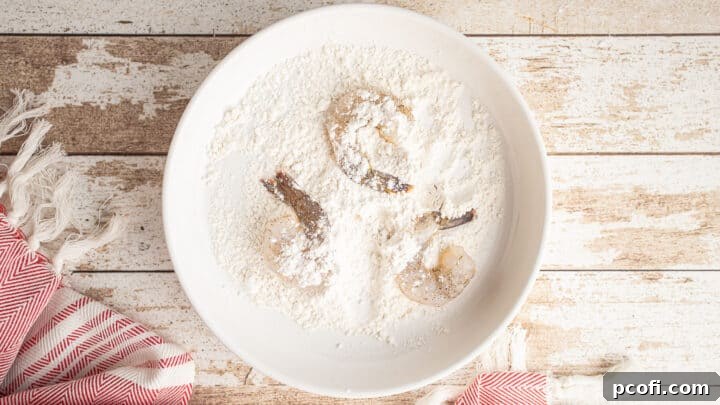
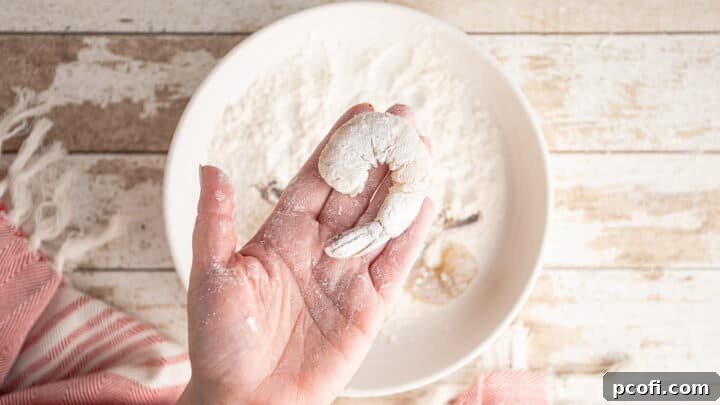
Take each seasoned shrimp and give it a light dusting of all-purpose flour. The goal here is a very thin, even coating. After dredging, gently shake off any excess flour. You want just the barest whisper of flour on the shrimp; too much will result in a gummy texture.
Step 3: Dip in Egg Wash
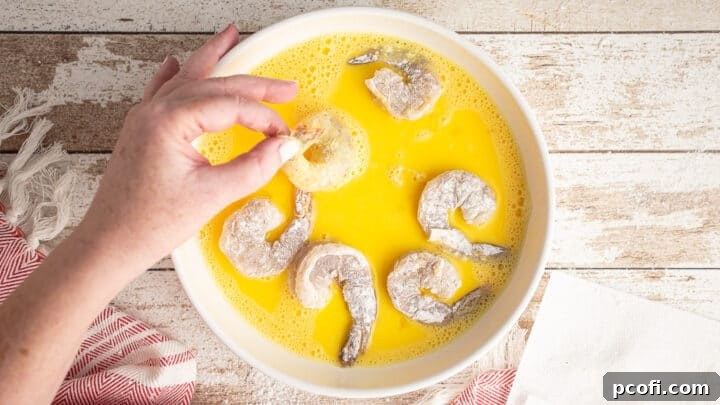
In a shallow bowl, whisk the eggs together with a small amount of water until well combined and slightly thinned. This creates the “glue” layer. Next, take each floured shrimp and give it a quick, thorough dip in this egg wash, ensuring it’s completely coated.
Step 4: Apply the Coconut Breading
In a separate large, shallow bowl, combine the shredded coconut and Panko breadcrumbs. Give them a quick stir to ensure they are evenly mixed. Now, carefully transfer each egg-dipped shrimp into this coconut-breadcrumb mixture. Press the breading lightly onto the shrimp to help it adhere really well and form a thick, even crust.
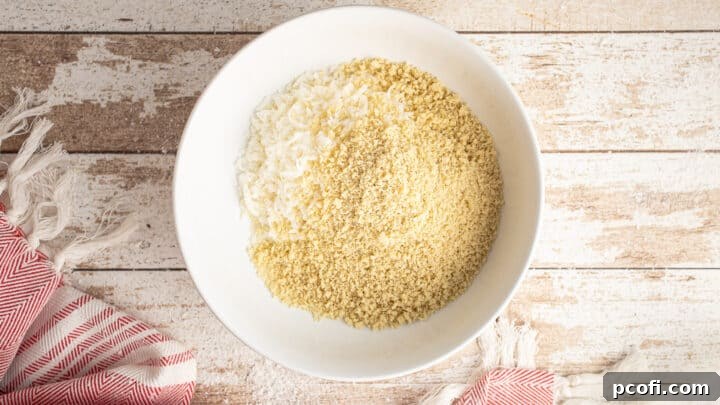
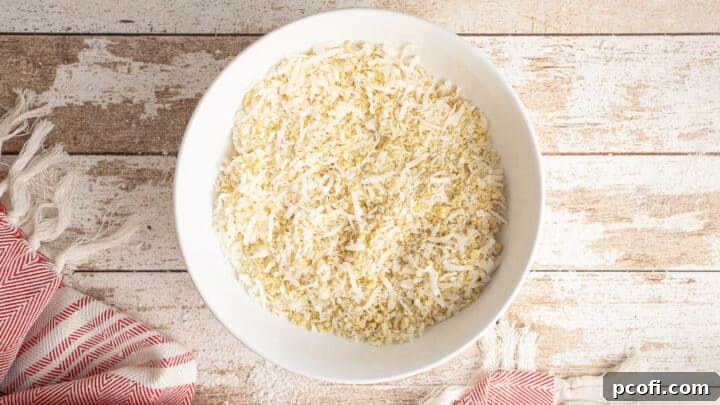
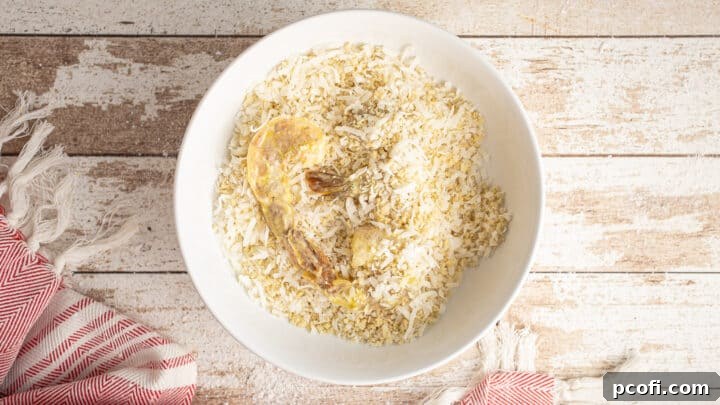
Step 5: Cook to Golden Perfection
Place a large skillet over medium heat and add your chosen frying oil, ensuring there’s enough depth to cover at least half of the shrimp. Heat the oil until it reaches an ideal temperature of 325 to 375 degrees F. Once hot, carefully add the breaded shrimp in small batches. It’s crucial not to overcrowd the pan, as this can lower the oil temperature, leading to steamed, gummy shrimp rather than beautifully crisp ones. Fry for approximately 3-5 minutes per side, turning once, until they are golden brown and perfectly crisp.
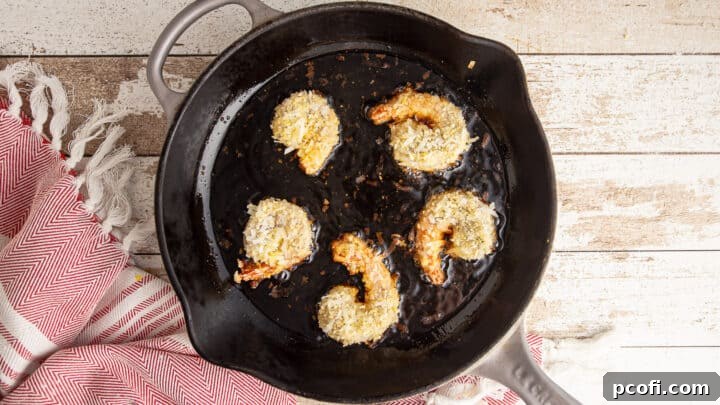
You’ll know your coconut shrimp are perfectly cooked when they achieve a beautiful golden-brown color on both sides and curl slightly into a distinct “C” shape. This indicates they are tender on the inside and crispy on the outside.
Serving Suggestions for Coconut Shrimp
Once your coconut shrimp are cooked to perfection, carefully remove them from the pan and place them on a plate lined with paper towels to absorb any excess oil. This ensures they remain wonderfully crisp. Then, you have several delicious options for serving:
- Party Platter: Arrange the golden shrimp on a large platter, creating an inviting display. Serve them alongside a small bowl of your favorite dipping sauce (sweet chili sauce is a classic choice!) and let your guests enjoy them as a delightful finger food appetizer.
- Complete Meal: Transform them into a healthy and satisfying dinner by plating them with fluffy cooked rice and a side of steamed vegetables, such as green beans or asparagus. A drizzle of the dipping sauce over the top adds an extra layer of flavor to your meal.
- Elegant Garnish: For an extra touch of sophistication and fresh flavor, sprinkle the finished shrimp with a little freshly chopped flat-leaf parsley and perhaps a few additional strands of shredded coconut. This adds visual appeal and a burst of herbaceousness.
No matter how you choose to serve them, these coconut shrimp are guaranteed to be a hit!
Expert Tips for Perfect Coconut Shrimp
Achieving restaurant-quality coconut shrimp at home is easier than you think with these expert tips:
- Prep Ahead for Best Adhesion: If your schedule allows, consider breading the shrimp a little in advance, then refrigerating them for at least 30 minutes (or even a few hours). This resting period allows the breading to really adhere to the shrimp, significantly reducing the chance of it falling off during cooking. Think of it as letting the “breading sweater” set!
- Master Oil Temperature with a Thermometer: Frying success hinges on consistent oil temperature. An instant-read digital thermometer is an invaluable (and inexpensive!) kitchen tool for this. Use it to accurately monitor your oil, keeping it within the ideal range of 325-375 degrees F. Consistent temperature prevents issues like shrimp burning on the outside while remaining raw inside, or becoming greasy from oil that isn’t hot enough. This thermometer is also fantastic for checking the doneness of meats, baking, and candy making.
- Prepare for Parties: Hosting a gathering? You can cook these coconut shrimp about an hour before your guests arrive. To keep them warm and crisp, arrange them in a single layer on a wire rack placed over a baking sheet. Keep them in a preheated oven set to a low temperature, around 170 degrees F. This gentle heat will maintain their crispness without overcooking them, allowing you to enjoy your guests without last-minute cooking stress.
- Avoid Overcrowding the Pan: This is a common mistake! Frying shrimp in batches is essential. Overcrowding the skillet dramatically lowers the oil temperature, leading to shrimp that steam rather than fry. This results in a soggy, gummy breading instead of the desired light and crisp texture. Give each shrimp enough space to fry properly.
- Pat Shrimp Thoroughly Dry: Moisture is the enemy of crispiness. Before you begin the breading process, ensure your raw shrimp are completely dry using paper towels. Any residual water will cause the flour and egg wash to clump and prevent the breading from sticking evenly, leading to a less crispy result.
Frequently Asked Questions About Coconut Shrimp
Can these be baked instead of fried?
Absolutely! Baking is a fantastic, healthier alternative to frying. While they might not achieve the exact same deep golden crispness as their fried counterparts, they will still be incredibly delicious. To bake, preheat your oven to 400 degrees F. Arrange the breaded shrimp in a single layer on a wire rack set over a baking sheet to allow for even air circulation. Bake until they feel firm to the touch (not squishy) and curl into that distinctive “C” shape, usually about 12-15 minutes.
Can I use unsweetened coconut?
Yes, you certainly can! Using unsweetened shredded coconut is a great option if you prefer a less sweet flavor profile or are monitoring your sugar intake. Just be aware that they might take a little longer to achieve a golden-brown color in the oven or skillet compared to sweetened coconut, which caramelizes faster.
Can I make this coconut shrimp recipe in the air fryer?
Yes, the air fryer is an excellent tool for making crispy coconut shrimp with less oil! Preheat your air fryer or convection oven to 375 degrees F. Place the breaded shrimp in a single layer in the air fryer basket, ensuring they are not overcrowded. Cook for about 8-12 minutes, flipping halfway through, or until they are golden brown and cooked through, following the visual cues for doneness mentioned above.
Why did my coconut shrimp come out too dark on the outside and underdone in the middle?
This is a classic sign that your frying oil was too hot. When the oil is excessively hot, the breading cooks and browns rapidly before the shrimp inside has a chance to fully cook. I highly recommend using a digital thermometer to monitor the oil temperature, aiming for a consistent range between 325 to 375 degrees F. Adjust your heat source as needed throughout the cooking process to maintain this temperature.
Why did my coconut shrimp come out gummy and/or greasy?
Conversely, if your coconut shrimp turned out gummy or absorbed too much oil, it’s likely because your frying oil temperature was too low. When the oil isn’t hot enough, the breading slowly absorbs oil rather than frying quickly to a crisp. Another common cause is overcrowding the pan; too many shrimp at once will drastically lower the oil’s temperature. Always fry in small batches, giving the shrimp ample space to cook properly.
How do I know when my shrimp are properly cooked?
For food safety, the recommended internal cooking temperature for shrimp is 145 degrees F. You can use your instant-read thermometer to check this. Visually, look for these cues: the breading should be a beautiful golden color, the tails should turn a bright, coral-y pink, and most importantly, the shrimp themselves should curl into a tight “C” shape. If a shrimp forms a complete circle, it’s likely overcooked and might be rubbery. If it remains elongated and hasn’t curled sufficiently, it’s undercooked and will have an unpleasant slippery or squishy texture.
What kind of dipping sauce is best for coconut shrimp?
While many sauces can complement coconut shrimp, experience has shown that a good ol’ sweet chili sauce is hard to beat! The vibrant sweetness of the sauce wonderfully highlights the tropical notes of the coconut and the inherent sweetness of the shrimp. Furthermore, the subtle whisper of heat often found in sweet chili sauce provides a fantastic balance, cutting through the richness and adding an exciting dimension to every bite.
How to Store Leftover Coconut Shrimp
Freshly cooked coconut shrimp are best enjoyed immediately, but any leftovers can be stored. They can safely remain at room temperature for up to two hours. For longer storage, place any remaining shrimp in an airtight container and refrigerate them for 3 to 4 days, or freeze them for up to a few months.
To reheat, thaw frozen shrimp in the refrigerator first. Then, arrange them on a wire rack set over a baking sheet and warm them in an oven preheated to 170 degrees F until they are heated through and regain some of their crispness. Avoid microwaving, as it can make them soggy.
More Savory Recipes to Explore
If you enjoyed this coconut shrimp recipe, you might also love these other savory dishes:
- Easy Chili con Carne Recipe
- Herb Encrusted Lamb Chops
- Glazed Salmon with Corn and Tomatoes
- Classic Chicken Piccata
As an Amazon Associate, I earn from qualifying purchases.
Coconut Shrimp
Servings: 4
Prep Time: 20 mins
Cook Time: 10 mins
Total Time: 30 mins
You won’t want to stop eating these coconut shrimp! So light & crisp, with the perfect balance of sweet & savory. Great app or main course!
Ingredients
- 1 pound (453.59 g) shrimp, raw (peeled and deveined, tails on)
- 3/4 teaspoon (4.5 g) kosher salt
- 1/4 teaspoon (0.5 g) black pepper
- 1/2 cup (62.5 g) all-purpose flour
- 2 large (88 g) eggs
- 2 teaspoons (10 g) water
- 1 cup (80 g) shredded coconut (sweetened recommended)
- 1/2 cup (30 g) panko breadcrumbs
- 1/2 cup (112 g) oil, for frying (e.g., vegetable, canola, sunflower, or peanut oil)
- Sweet chili sauce, for dipping
Instructions
- Blot the shrimp thoroughly dry with paper towels and season evenly on both sides with salt and pepper.
- Lightly dust the seasoned shrimp in all-purpose flour, tapping off any excess to ensure a very thin coating.
- In a shallow bowl, beat the eggs and water together until well combined. Dip each floured shrimp into the egg wash, ensuring it’s fully coated.
- In another shallow bowl, combine the shredded coconut and panko breadcrumbs. Mix them together.
- Coat the egg-dipped shrimp generously in the coconut mixture, pressing lightly to help the breading adhere firmly.
- Heat the oil in a large skillet over medium heat until it reaches a temperature between 325 to 375 degrees F.
- Working in small batches to avoid overcrowding the pan, carefully place the breaded shrimp in the hot oil. Fry for approximately 3 to 5 minutes per side, turning once, until they are golden brown and crisp.
- Remove the cooked shrimp from the skillet and drain them on paper towels to absorb excess oil. Serve immediately with sweet chili sauce for dipping.
Notes
Coconut shrimp can also be baked or air-fried for a healthier option. Preheat a standard oven to 400 degrees F (or a convection oven/air fryer to 375 degrees F). Place the breaded shrimp on a wire rack set over a baking sheet. Bake for approximately 15 minutes, or until golden brown and cooked through.
Nutrition Information
Serving: 3 ounces, Calories: 389kcal, Carbohydrates: 28g, Protein: 29g, Fat: 18g, Saturated Fat: 9g, Polyunsaturated Fat: 3g, Monounsaturated Fat: 6g, Trans Fat: 0.04g, Cholesterol: 264mg, Sodium: 717mg, Potassium: 439mg, Fiber: 2g, Sugar: 10g, Vitamin A: 119IU, Vitamin C: 0.2mg, Calcium: 105mg, Iron: 3mg
Cuisine: American
Course: Appetizer, Main Course, Snack