Unlock Unforgettable Flavor: Your Ultimate Guide to Making Perfect Brown Butter (Beurre Noisette)
Are you looking for that secret ingredient that transforms ordinary dishes into extraordinary culinary experiences? Look no further than brown butter! Also known by its elegant French name, beurre noisette, this simple yet magical ingredient brings an irresistibly rich, nutty, and slightly caramelized flavor that will take your desserts and main dishes to an entirely new level. And the best part? It’s surprisingly easy to make right in your own kitchen.
As the days grow shorter and the air turns crisp, and the leaves begin their beautiful transformation, our cravings naturally shift towards warm, comforting, and deeply flavored foods. Think roasty vegetables, spiced baked goods, and hearty main courses. This season calls for ingredients that add depth and coziness, and brown butter fits that bill perfectly. It’s the ideal time to master this simple technique and infuse your fall favorites with an added layer of deliciousness.
What Exactly is Brown Butter? Understanding Beurre Noisette
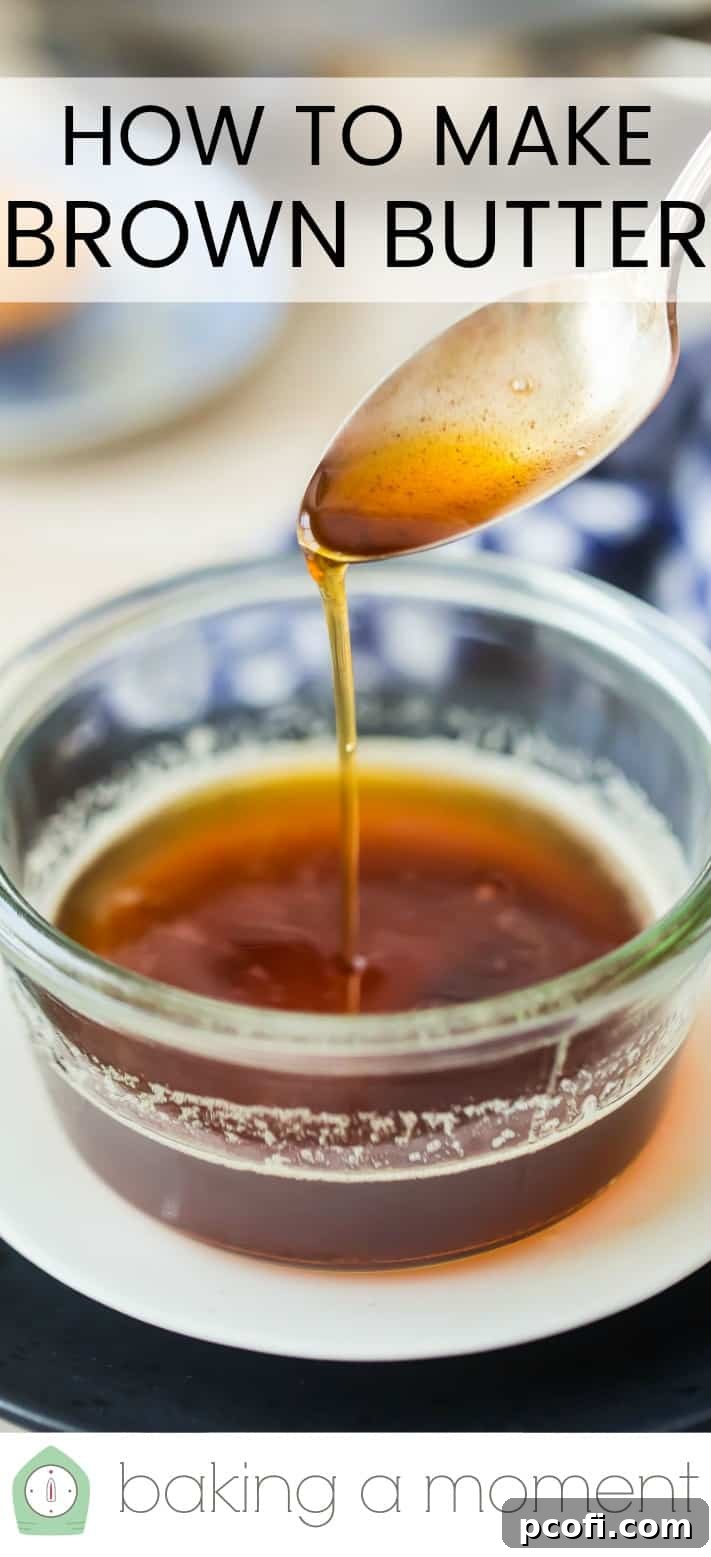
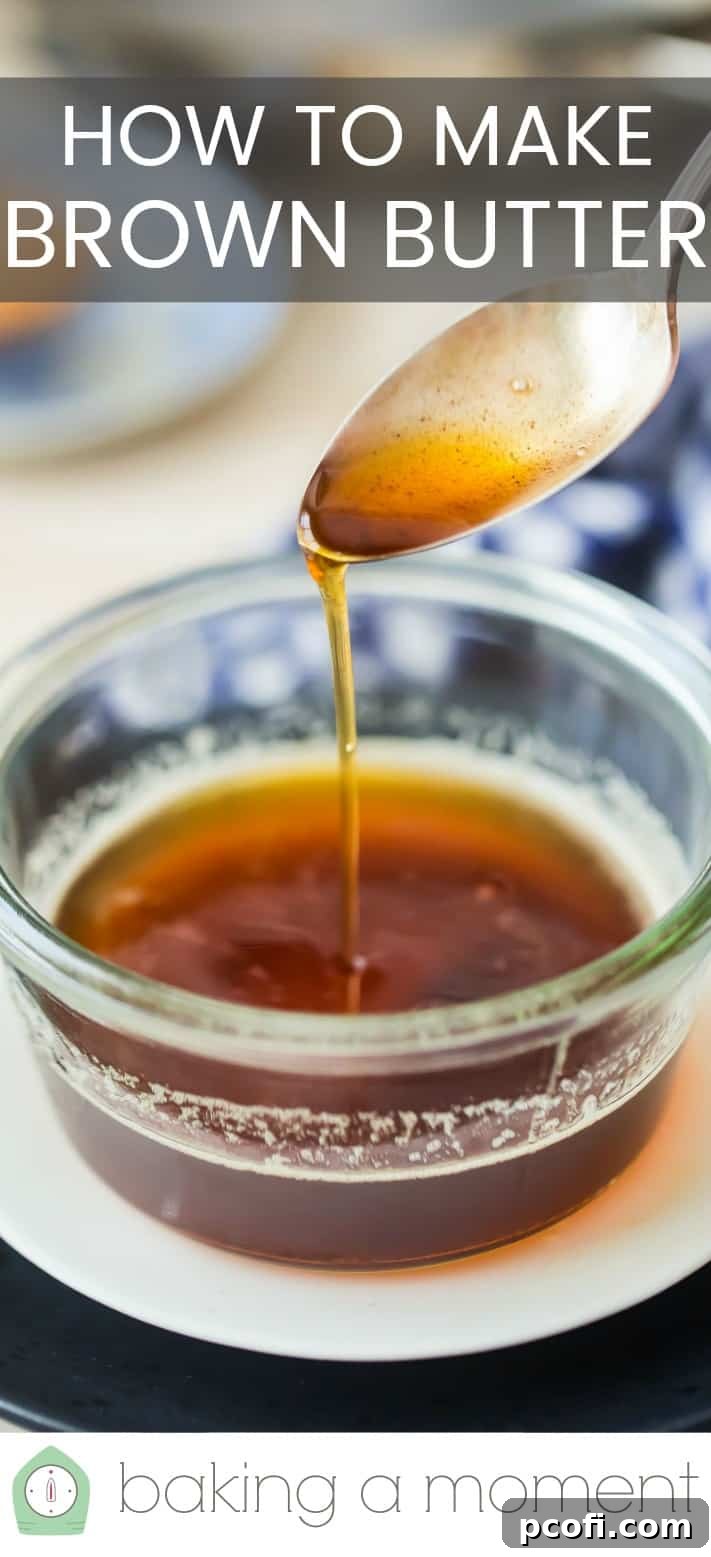
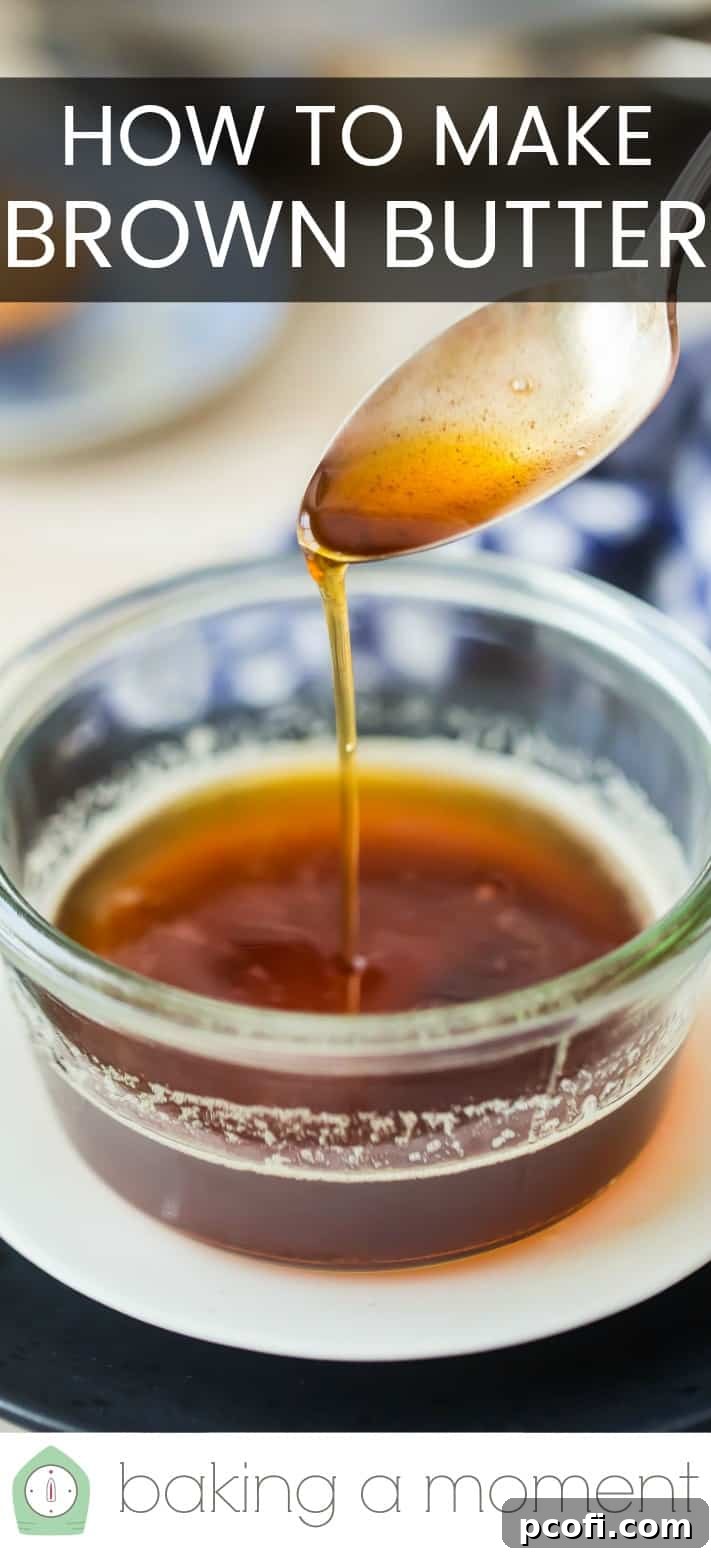
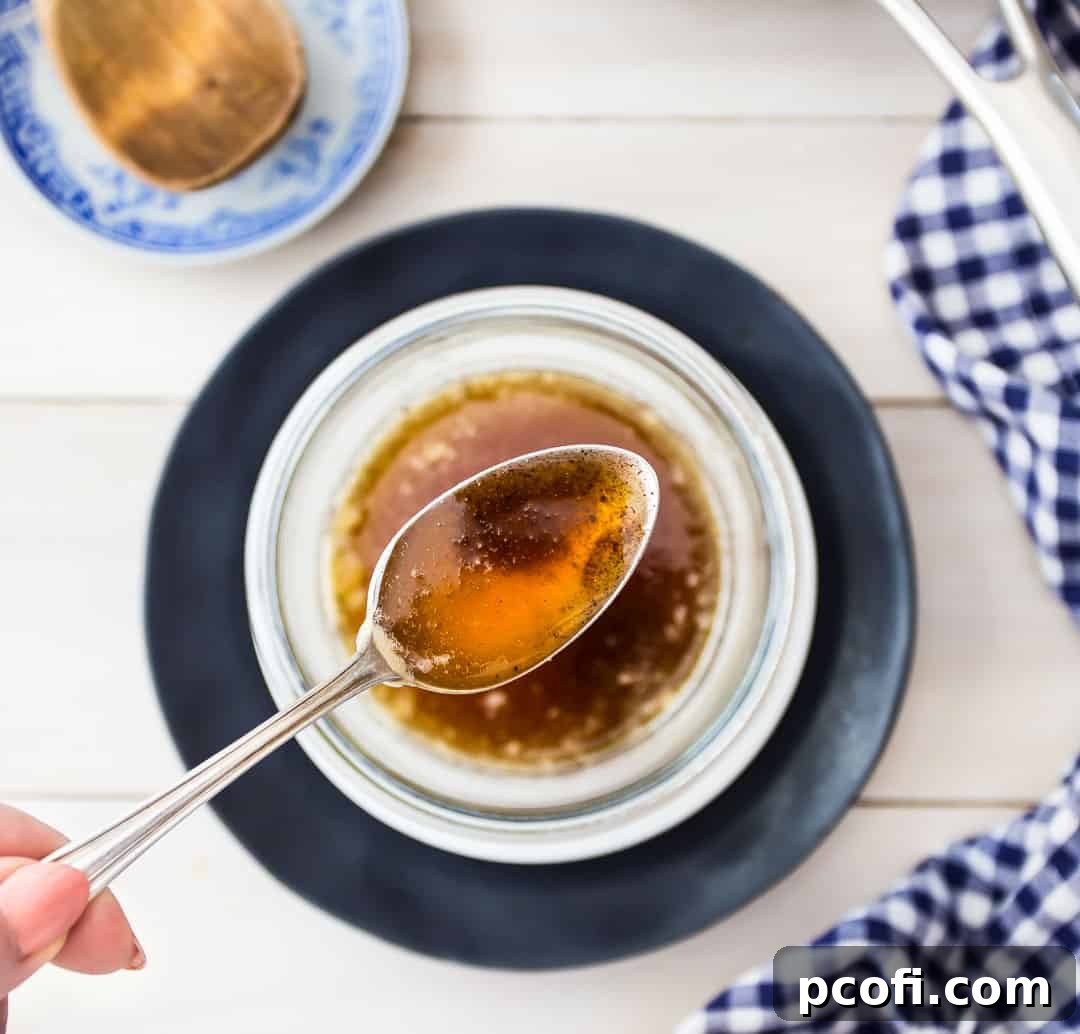
Brown butter is a culinary marvel, quick and easy to prepare, yet capable of imparting an absolutely extraordinary flavor profile to almost any dish. Its taste can be described as nutty, toasted, caramel-like, and deeply rich, adding a layer of complexity that plain butter simply cannot offer.
The French term for brown butter is “beurre noisette,” which literally translates to “hazelnut butter.” This name refers not to the presence of hazelnuts or any nuts in the butter itself, but rather to its beautiful golden-brown color and distinct nutty aroma, reminiscent of toasted hazelnuts. It’s a sophisticated flavor that belies its simple preparation.
This transformed butter can be utilized in countless ways: as an elegant dressing for pasta, a luxurious sauce for meats, fish, or vegetables, or as a foundational ingredient in many of your cherished baked goods. It requires only a single ingredient – butter – but the way it’s cooked concentrates and intensifies its natural flavors. Essentially, it’s butter that has been gently simmered, allowing its inherent qualities to deepen into something utterly irresistible.
The Culinary Science Behind the Magic: How Butter Transforms
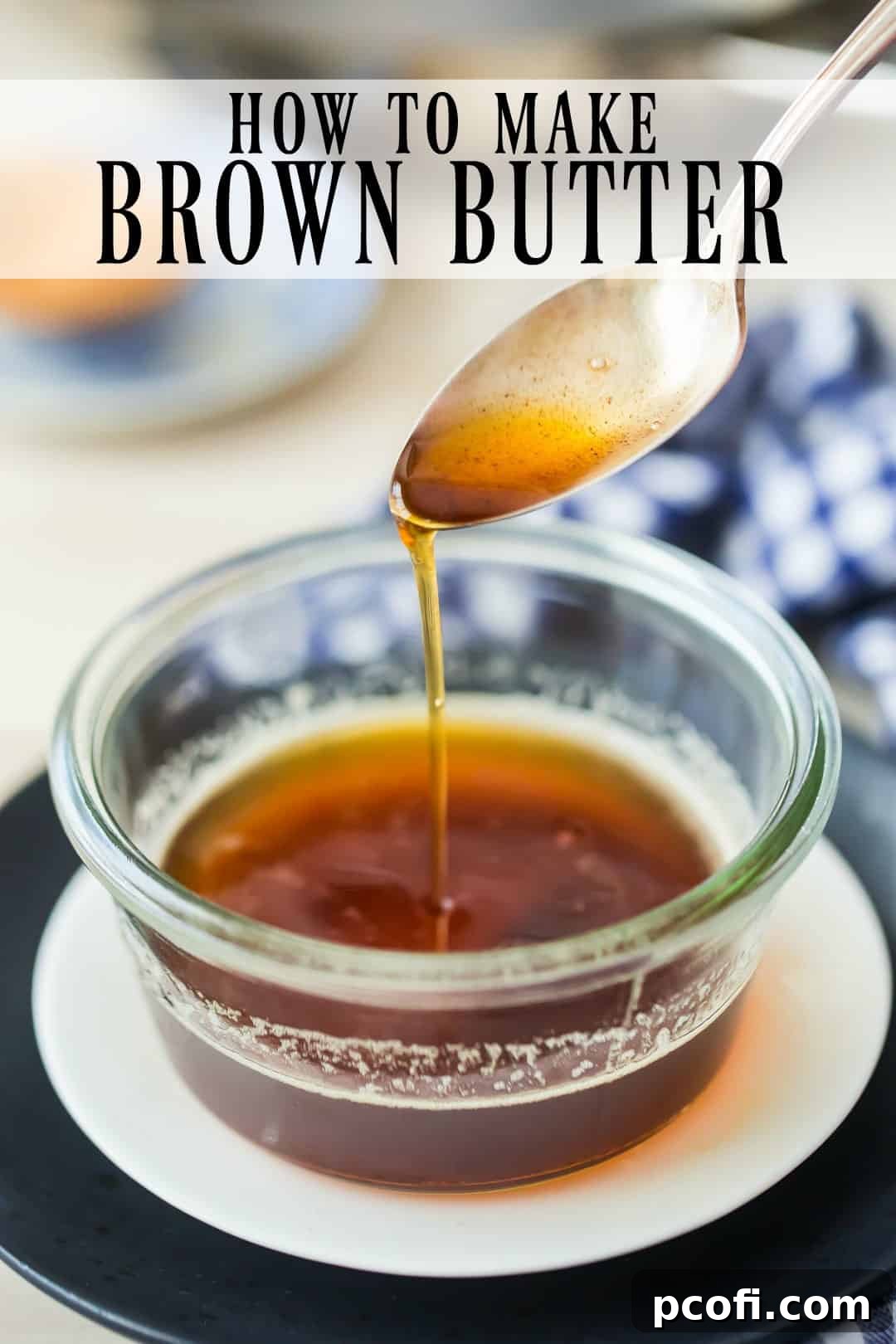
To truly appreciate brown butter, it helps to understand the science at play. Butter is composed of three main components: butterfat, water, and milk solids (proteins and sugars). The magic of browning butter lies in what happens to these milk solids when exposed to heat.
As butter melts and heats up, the water content rapidly evaporates, turning into steam. Once most of the water has cooked off, the milk solids begin to separate and fall to the bottom of the pan. It’s at this stage that the renowned Maillard reaction occurs. The Maillard reaction is a complex chemical process between amino acids (from the milk proteins) and reducing sugars (from the milk sugars) that gives browned foods their distinctive flavor and color. These milk solids toast and caramelize, transforming from pale white to a beautiful golden brown, and developing those highly coveted nutty, toasted, and complex notes that define brown butter.
Without these milk solids, you wouldn’t get the signature flavor of brown butter. They are the key players in creating that deep, irresistible aroma and taste that makes brown butter so beloved in kitchens worldwide. Understanding this process helps you anticipate the changes and achieve perfection every time.
Step-by-Step: How to Make Brown Butter at Home
Making brown butter is a straightforward process, but it requires your attention. With just one ingredient and a few minutes, you can create this flavorful liquid gold.
What You’ll Need:
- Butter: You can use either salted or unsalted butter. Culinary professionals often prefer unsalted butter because it gives them precise control over the seasoning of their final dish. However, if salted butter is all you have on hand, it will work perfectly fine. Just be mindful of the added salt when seasoning your recipe.
- Skillet: It’s highly recommended to use a light-colored skillet (like stainless steel). This allows you to clearly monitor the butter’s color as it changes, which is crucial for preventing it from burning. Darker pans, such as cast iron, can obscure the subtle color shifts, making it harder to judge doneness, especially for beginners. A small stainless steel skillet like this one is ideal.
- Whisk or Spoon: For occasional stirring.
- Heat-safe Bowl: To quickly transfer the browned butter and stop the cooking process.
The Process:
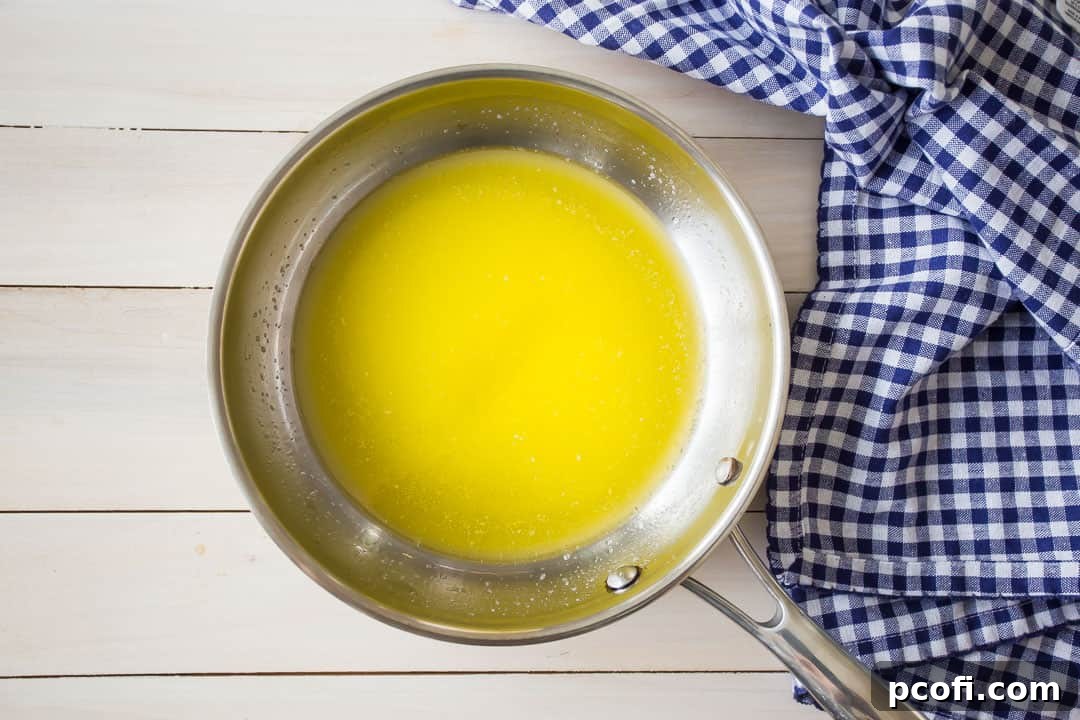
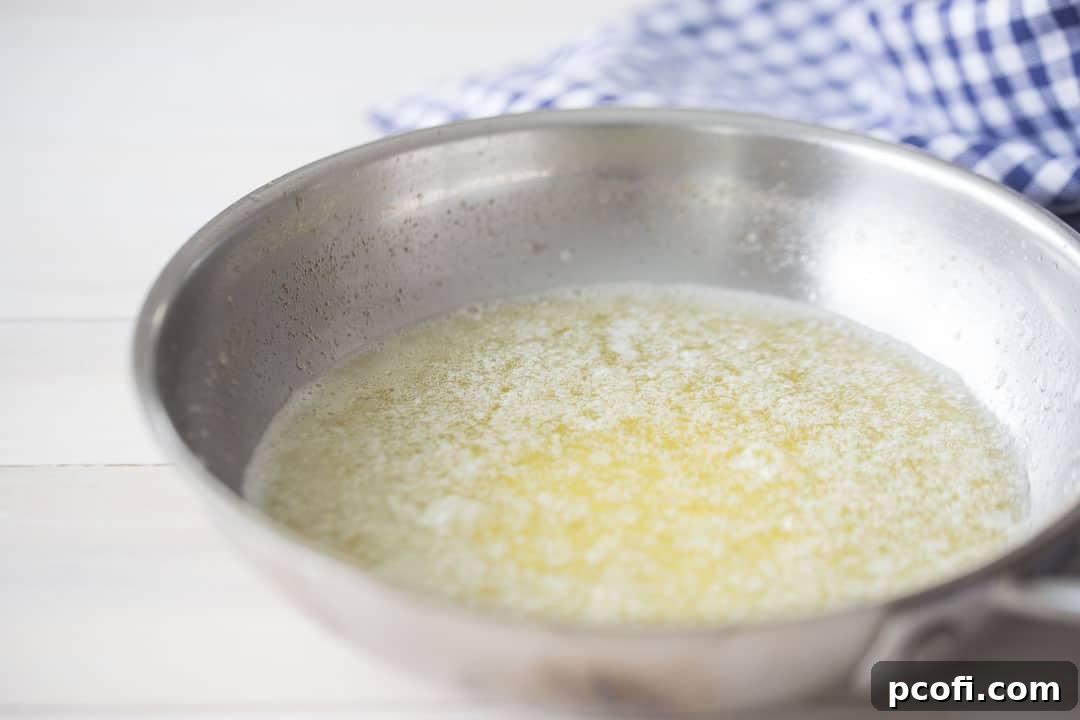
- Melt the Butter: Begin by placing your chosen amount of butter in the light-colored skillet over medium-low heat. The butter will first soften and then completely melt.
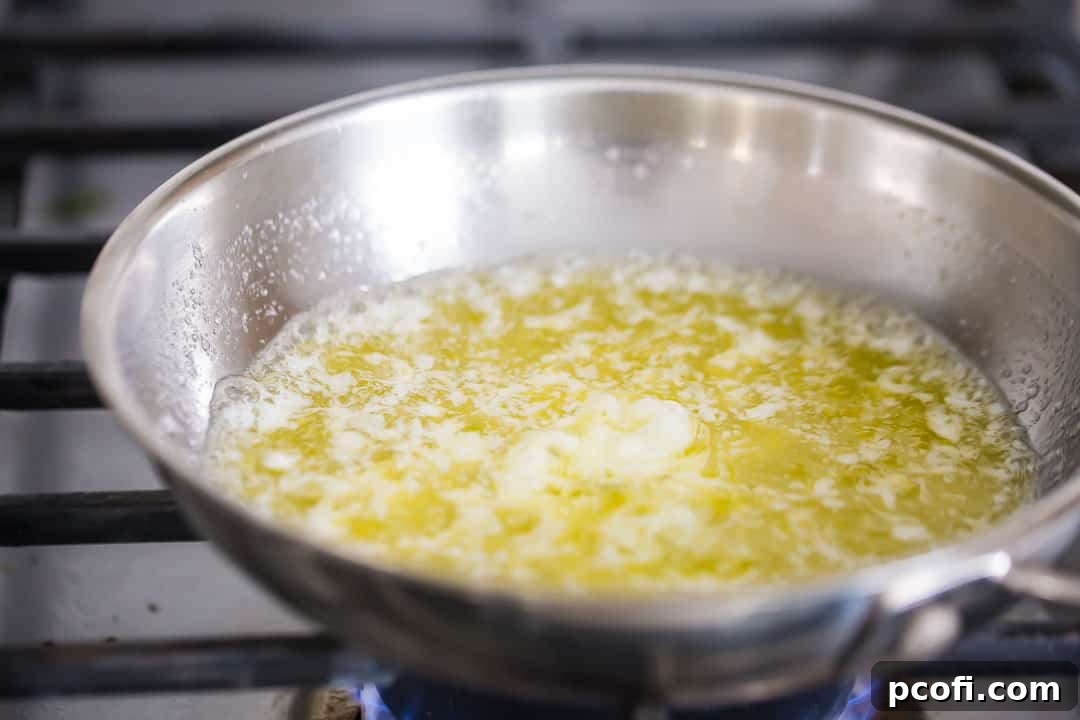
- Initial Bubbling & Water Evaporation: As the butter continues to cook, it will start to bubble vigorously. You might notice it looks like there’s water in the pan – and there is! This is the natural water content within the butter releasing and evaporating into steam. Keep stirring or swirling the pan occasionally.
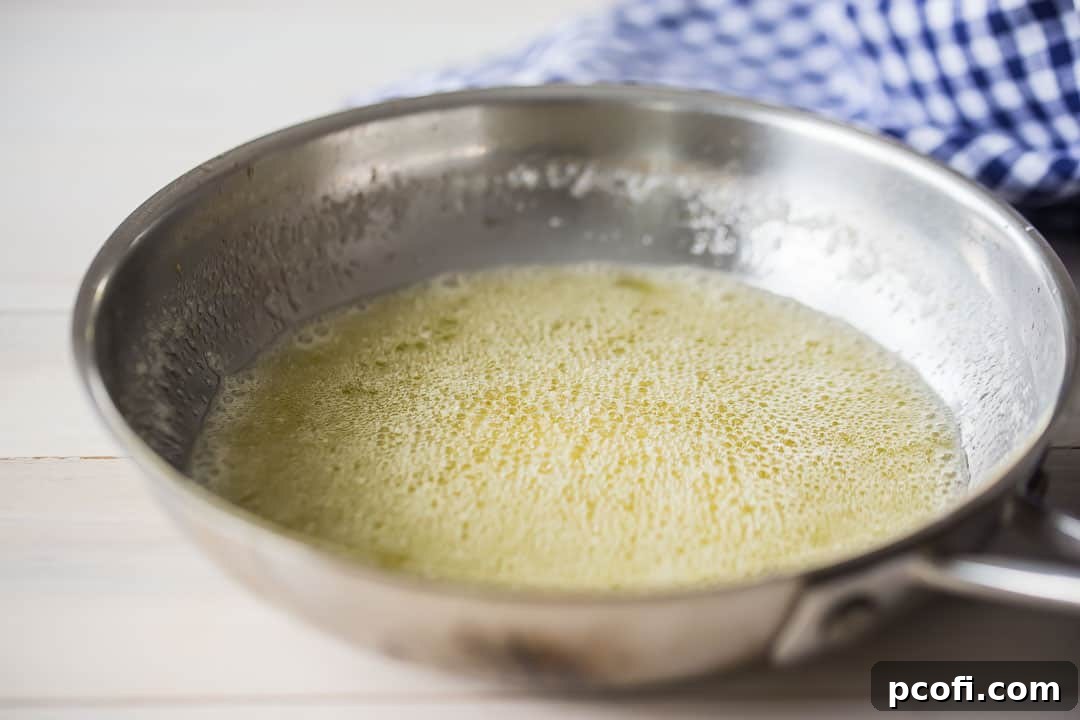
- Reduced Bubbling & Simmering: After a few minutes, as most of the water evaporates, the vigorous bubbling will subside significantly. The butter will transition from a rolling boil to a gentler simmer, with smaller bubbles. This indicates that the milk solids are becoming more concentrated and are about to start browning.
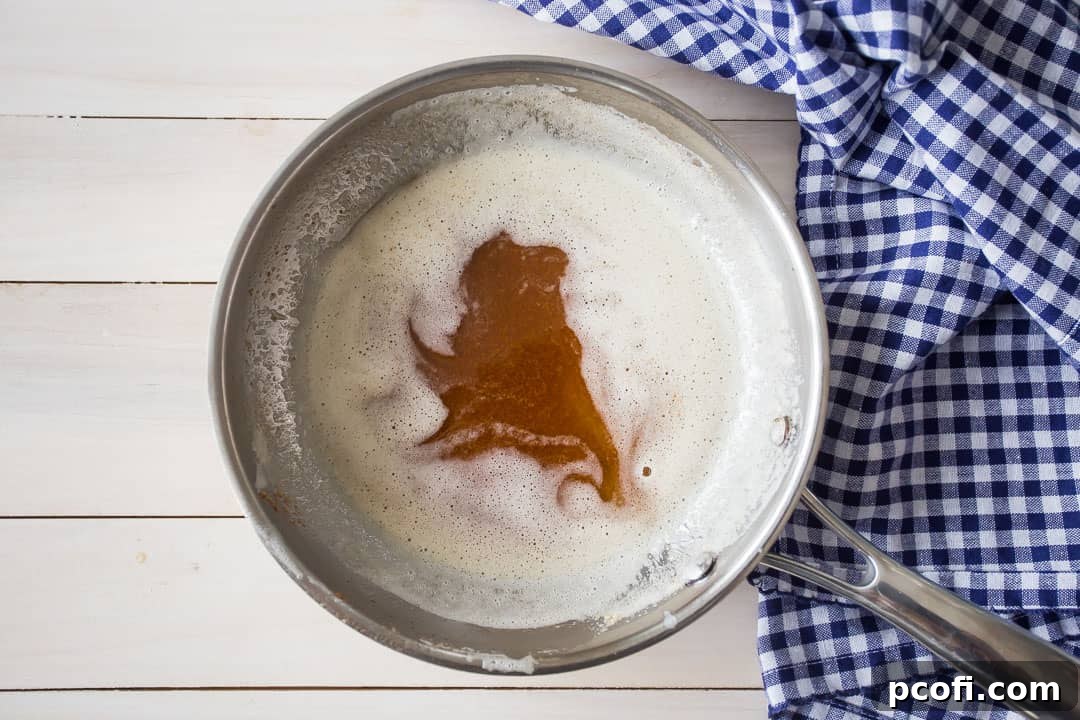
- Foaming & Browning Begins: The final phase before browning is when the butter becomes foamy. The bubbles become very tiny and dense, obscuring the bottom of the pan slightly. This is your critical watch point! Beneath this foam, the milk solids are rapidly browning.
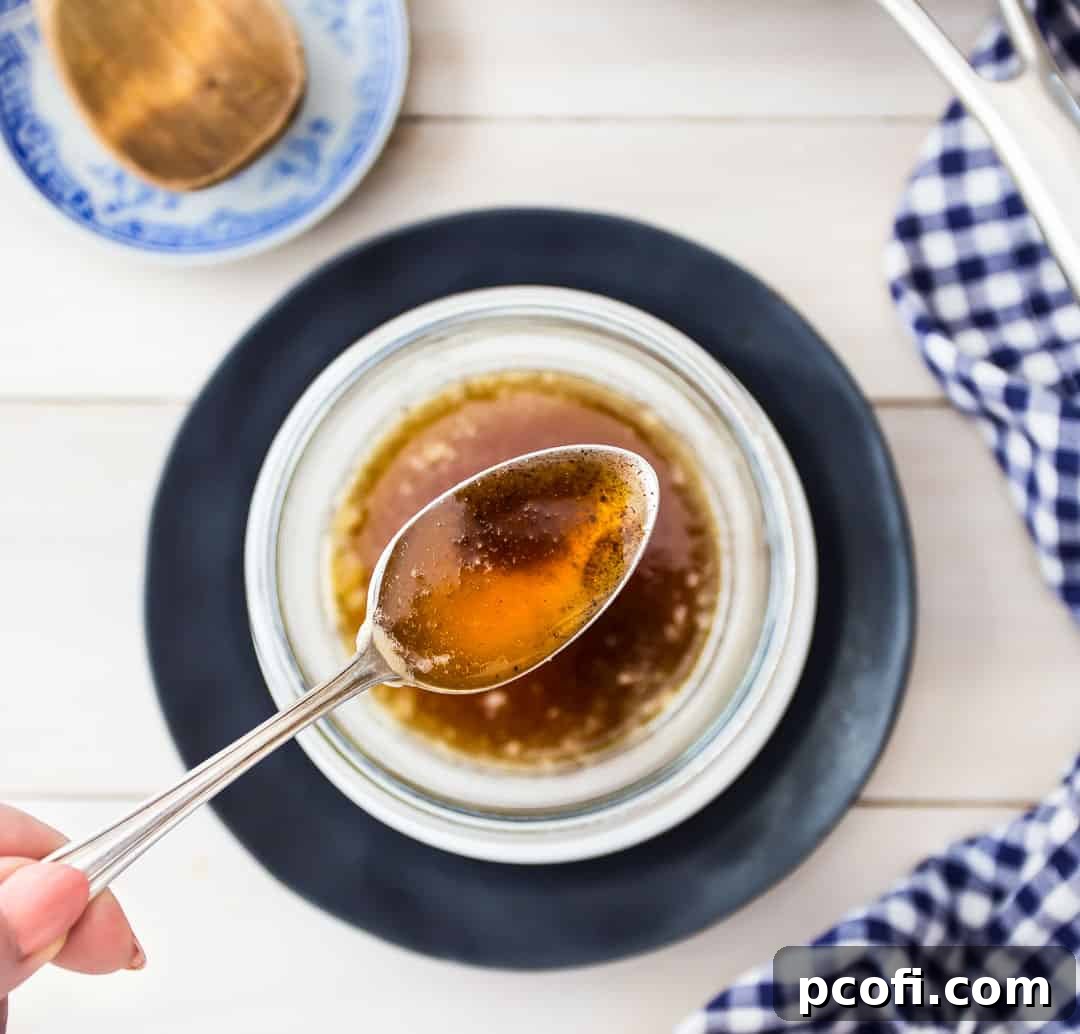
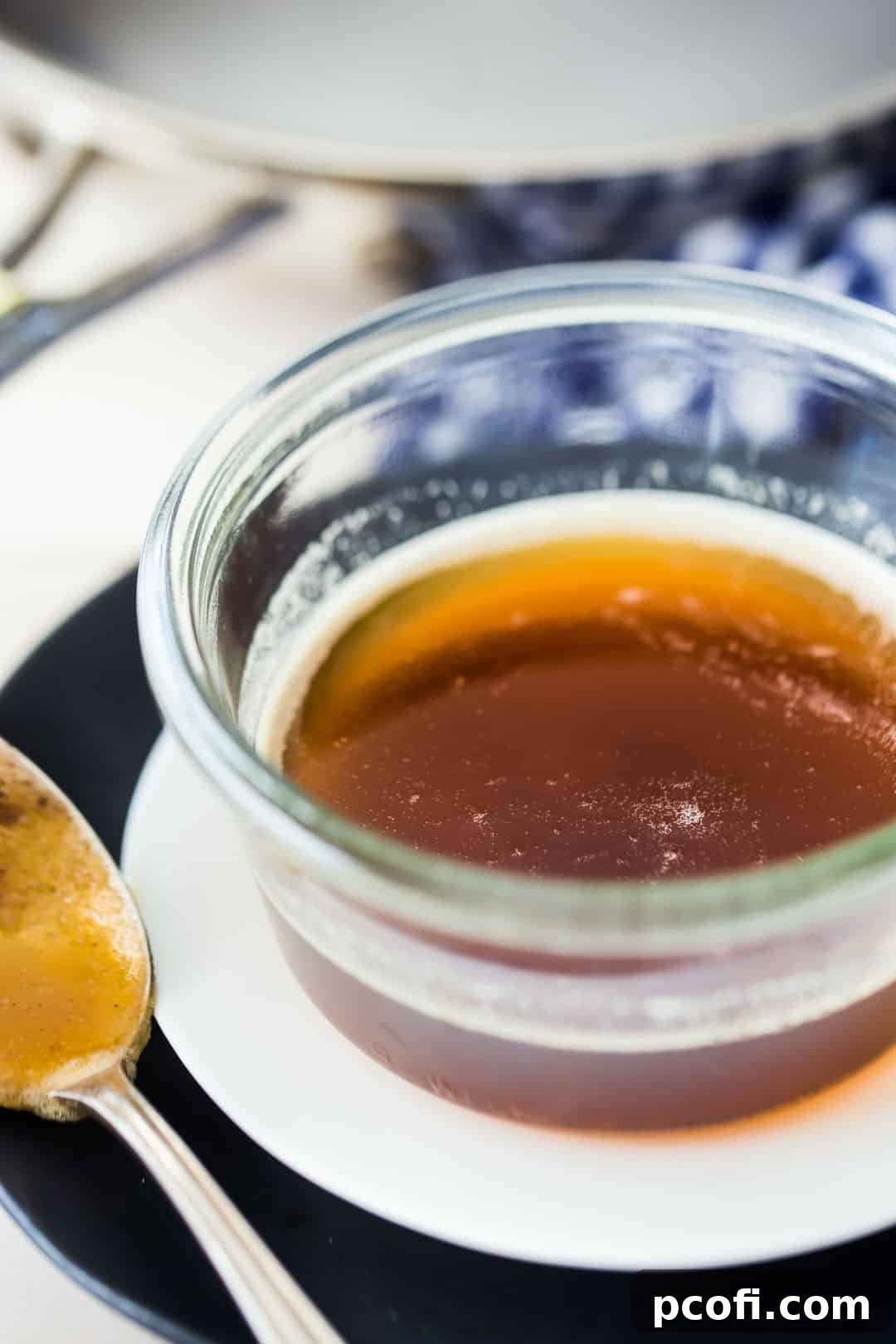
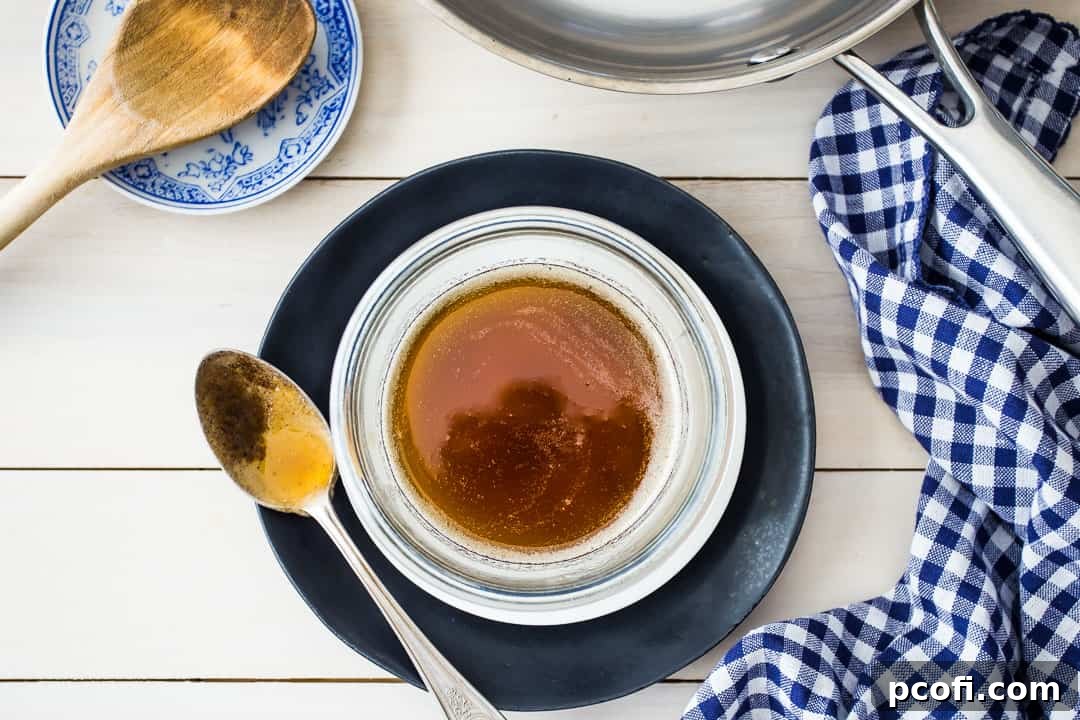
- Achieving Golden Perfection: At this stage, you will quickly notice the color of the butter deepening. Use a spoon or whisk to gently push aside the foam and peek at the bottom of the pan. You’ll see tiny golden-brown bits (the toasted milk solids) settling. You’ll also smell a distinct nutty, toasted aroma. The butter itself will turn a rich amber, hazelnut-like color.
- Stop the Cooking! This step is critical. As soon as the butter reaches that perfect amber color and emits a fragrant nutty aroma, immediately remove the skillet from the heat. Pour the browned butter, including all the delightful brown bits, into a separate heat-safe container (like a glass bowl or jar). Leaving it in the hot pan, even off the burner, can cause it to continue cooking and burn very quickly, resulting in a bitter flavor.
Essential Tips for Perfect Brown Butter Every Time
- Don’t Wander Off: Browning butter happens quickly, especially towards the end. Stay by the stove and give it your full attention.
- Use the Right Pan: As mentioned, a light-colored stainless steel pan is your best friend here. It allows for easy visualization of the color change.
- Medium-Low Heat is Key: While it might seem slower, cooking at medium-low heat provides more control and reduces the risk of burning. High heat can burn the milk solids before the water has fully evaporated, leading to a bitter taste.
- Swirl or Stir Regularly: This helps the milk solids cook evenly and prevents them from sticking and burning in one spot at the bottom of the pan.
- Trust Your Senses: The color is important, but don’t forget your nose! A rich, nutty aroma is a sign of perfection. If it smells burnt, it probably is.
- Act Swiftly: Once it’s done, get it out of that hot pan! The residual heat can quickly take it past delicious and into bitter territory.
Brown Butter vs. Ghee: A Key Distinction
Brown butter shares some similarities with ghee, also known as clarified butter, but they are fundamentally different in one crucial aspect: the browning process.
When making ghee, butter is melted very slowly over low heat, allowing the water to evaporate and the milk solids to separate and gently sink to the bottom of the pan. The clear, golden yellow butterfat is then carefully skimmed off or strained, leaving the milk solids behind. The result is pure butterfat, which has a high smoke point and a clean, buttery flavor, but lacks the deep, complex notes achieved through browning.
With browned butter, the process goes a step further. The butter is cooked until the milk solids actually toast and turn a nutty brown color. This intentional browning intensifies the flavor, creating a much more complex, aromatic, and irresistible profile. While ghee removes the components responsible for browning, brown butter celebrates and utilizes them for their unique taste contribution.
Unlock Endless Culinary Possibilities: Where to Use Brown Butter
Brown butter is incredibly versatile, adding a layer of sophisticated flavor to an astounding array of dishes, both sweet and savory. Once you try it, you’ll find yourself reaching for it constantly.
As a Versatile Sauce & Drizzle
- For Proteins: Drizzle warm brown butter over pan-seared steak, roasted chicken, grilled pork chops, or delicate fish fillets like salmon, cod, or halibut. It’s a simple yet incredibly impactful sauce that adds richness and depth to any protein, making even the simplest meal feel gourmet. It’s also phenomenal with shrimp and scallops, enhancing their natural sweetness.
- Over Pasta: Brown butter is a classic accompaniment for pasta. It’s absolutely fantastic tossed with pumpkin or butternut squash ravioli, often garnished with fresh sage leaves, toasted nuts (like pecans or walnuts), and a generous grating of Parmesan cheese. It also works beautifully with simple pasta dishes like fettuccine or linguine, perhaps with a squeeze of lemon and a pinch of red pepper flakes for balance.
- With Vegetables: Elevate your side dishes by tossing them with brown butter. It’s superb on green beans, Brussels sprouts, asparagus, roasted squash (butternut, acorn, delicata), carrots, or sautéed mushrooms. The nutty notes complement the earthiness of vegetables beautifully.
- Starches & More: A swirl of brown butter over mashed potatoes or popcorn is pure comfort. It can also enrich risotto, polenta, or even a simple baked potato.
Elevating Breakfast & Brunch
Start your day with an extra touch of indulgence!
- Pancakes, Waffles, and French Toast: Replace regular melted butter with brown butter in your favorite pancake or waffle batter, or drizzle it generously over cooked French toast. The nutty notes add a delightful complexity.
- Oatmeal & Granola: Stir a spoonful into your morning oatmeal for a rich, warm flavor, or use it when making homemade granola for an unparalleled toasted taste.
- Eggs: Whisk it into scrambled eggs or drizzle over fried eggs for a luxurious twist.
- Baked Goods: Incorporate brown butter into muffins, scones, or quick breads for an added layer of flavor.
The Secret Ingredient in Desserts & Baking
Brown butter shines brightly in sweet applications, where its nutty, toffee-like notes enhance and deepen flavors.
- Substitution Method: You can substitute brown butter for regular butter in virtually any dessert recipe, using equal measures.
- For Melted Butter: If your recipe calls for melted butter (like in this butter cake or a blondie recipe), simply use the same amount of freshly browned butter.
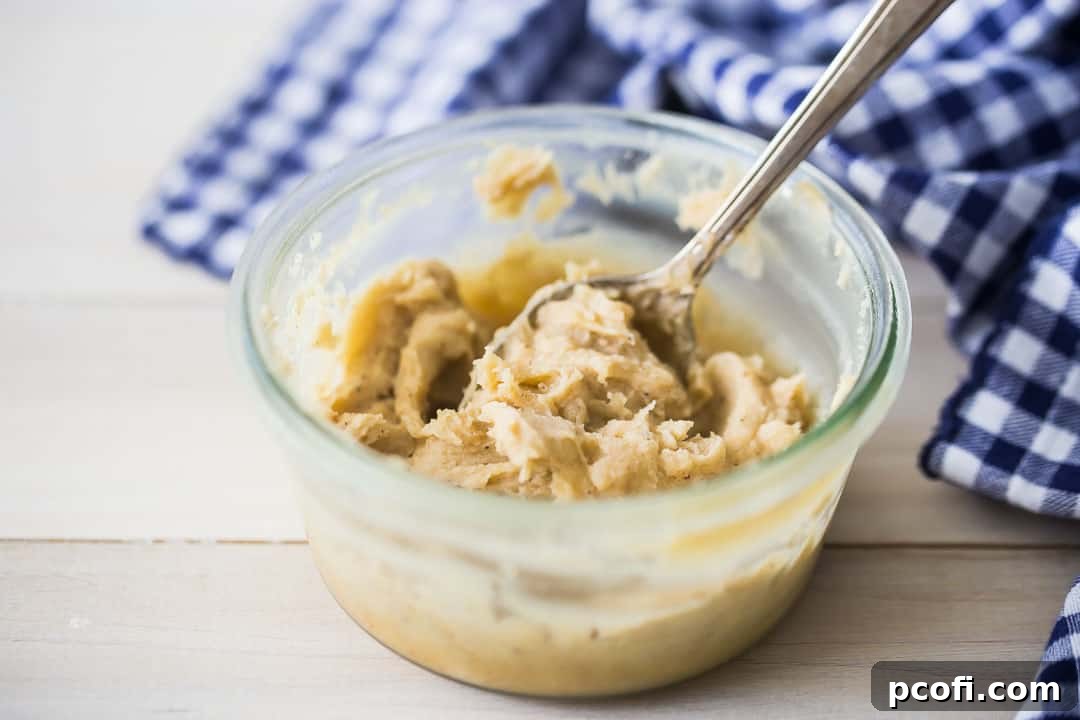
- For Softened or Creamed Butter: If the recipe requires softened butter to be creamed with sugar (as in this pound cake or soft chocolate chip cookies), allow the brown butter to cool completely and re-solidify before incorporating it. Once solid, it will have a consistency similar to regular softened butter and can be creamed as usual.
- Dessert Examples:
- Cookies: Especially phenomenal in chocolate chip cookies, oatmeal cookies, or shortbread.
- Cakes: Adds incredible depth to pound cakes, coffee cakes, and even simple butter cakes.
- Brownies & Blondies: Creates a richer, more complex base.
- Frostings & Caramels: A brown butter frosting or caramel sauce is utterly divine.
- Pies & Tarts: Consider it for pie crusts or fillings for a unique twist.
Infuse Your Brown Butter: Delicious Add-Ins
While brown butter is magnificent on its own, you can further enhance its flavor by incorporating other ingredients. This technique works particularly well when using brown butter as a sauce or a drizzle. The best time to add these ingredients is at the very final stage of cooking, just as the butter transitions from foamy to brown.
- Fresh Herbs: A handful of fresh sage leaves, thyme sprigs, rosemary, or even basil can be added. They will crisp up slightly and infuse their aromatic oils into the nutty butter, creating a fragrant and balanced sauce.
- Toasted Nuts: For an extra layer of nutty flavor and delightful texture, toss in a handful of finely chopped hazelnuts, almonds, pecans, or walnuts. They will toast further in the warm butter, intensifying their flavor.
- Aromatics: Minced garlic or finely diced shallots added at the end will soften and become aromatic in the warm butter, perfect for savory applications.
- Bright Citrus: A generous squeeze of fresh lemon, lime, grapefruit, or orange juice (or a sprinkle of their zest) at the very end will cut through the richness of the butter, lifting the flavor and adding a refreshing, complex zing.
- Umami & Briny Elements: For savory dishes, consider adding something briny like capers, chopped anchovies (which dissolve and add deep umami without a “fishy” taste), or finely chopped olives. These additions provide a wonderful counterpoint to the butter’s richness.
- Spices: A pinch of red pepper flakes for a gentle heat, or freshly cracked black pepper can also be stirred in.
Can Margarine Be Browned? (And Why Not?)
Unfortunately, there is no true substitute for real dairy butter when it comes to making brown butter. Margarine and other vegan butter alternatives simply lack the essential milk solids that are responsible for the distinctive roasty, toasted flavor and the characteristic golden-brown color. Margarine is primarily made from vegetable oils and water, with emulsifiers and flavorings, but without the dairy proteins and sugars that undergo the Maillard reaction. Attempting to brown margarine will likely result in a separation of oils and water, with no browning or nutty flavor development. For authentic brown butter, real dairy butter is indispensable.
Storing Your Liquid Gold: Shelf Life & Tips
Brown butter can be stored much like regular butter, offering flexibility for meal prep and future use.
- At Room Temperature: Freshly made brown butter will remain in its liquid state for about an hour at room temperature. After that, it will begin to thicken and solidify, becoming opaque and spreadable, much like softened butter. You can store it covered at room temperature for a day or two in a cool pantry, but refrigeration is always recommended for longer storage.
- In the Refrigerator: Tightly covered in an airtight container, brown butter will last for at least a week, and often up to two weeks, in the refrigerator. It will solidify and become firm, but can easily be melted again over low heat or used in its solid form for baking.
- Freezing for Longevity: For extended storage, brown butter can be frozen. Pour it into an ice cube tray, let it solidify, then transfer the cubes to a freezer-safe bag or container. Frozen brown butter will last for several months, allowing you to have this incredible flavor enhancer ready whenever inspiration strikes. Simply thaw a portion as needed.
Ready to Experiment? Try Brown Butter in These Recipes!
Now that you’re armed with the knowledge and confidence to make perfect brown butter, it’s time to put it to use! Substitute brown butter into these fabulous recipes for an instant upgrade, or explore other dishes where you think its nutty richness would shine:
- Tres Leches Cake
- Monkey Bread
- Pineapple Upside Down Cake
- Cinnamon Crumb Cake
- Your favorite brownie or cookie recipe!
How to Brown Butter
8
5 mins
5 mins
Ingredients
- 1/2 cup (113.5 g) butter, (preferably unsalted)
Instructions
-
Place the butter in a small, light-colored skillet over medium-low heat.
-
Allow the butter to melt, then bubble and boil.
-
Continue to cook the butter, swirling the pan occasionally, as it bubbles down to a simmer.
-
Watch carefully as the butter becomes foamy and the milk solids begin to brown.
-
When the butter takes on a nutty, amber color, pour it from the skillet into a heat-safe bowl to halt the cooking process.
Serving:
1tablespoon
,
Calories:
102kcal
,
Carbohydrates:
1g
,
Protein:
1g
,
Fat:
12g
,
Saturated Fat:
7g
,
Cholesterol:
31mg
,
Sodium:
101mg
,
Sugar:
1g
,
Vitamin A:
355IU
,
Calcium:
3mg
French
Topping
Tried this recipe?
Mention @bakingamoment on Instagram or tag #bakingamoment.