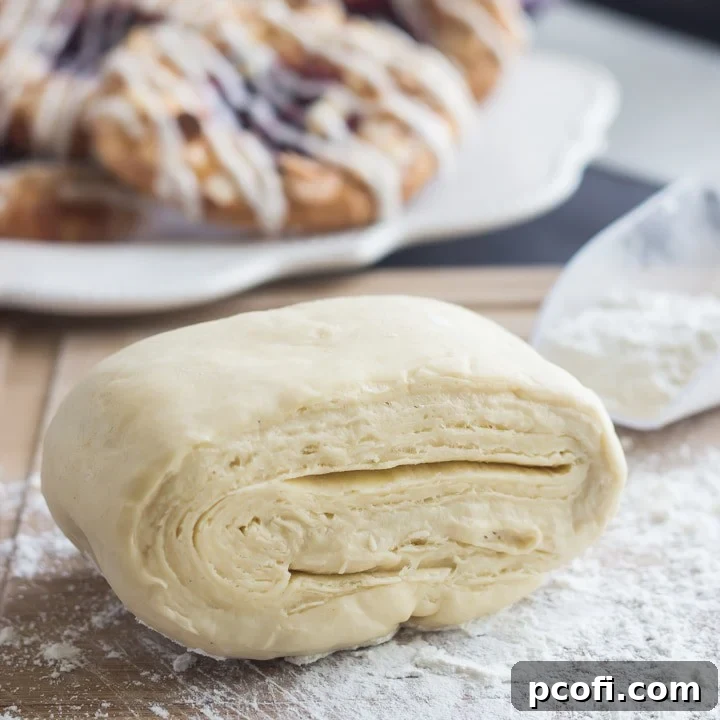
Mastering Homemade Danish Pastry: An Easy Guide to Flaky, Buttery Perfection
Have you ever dreamed of making homemade Danish for a special breakfast or a delightful brunch, but felt daunted by the process? Many aspiring bakers shy away from laminated pastries, believing them to be overly complicated and time-consuming. However, I’m here to demystify the art of Danish pastry making, starting with my incredibly easy Danish Pastry Dough recipe. I’ve broken down each step to be super-simple, and for visual learners, there’s even a comprehensive video tutorial to guide you along. You’re just moments away from crafting the most buttery, flaky, and potentially fruit-filled treat you’ve ever tasted!
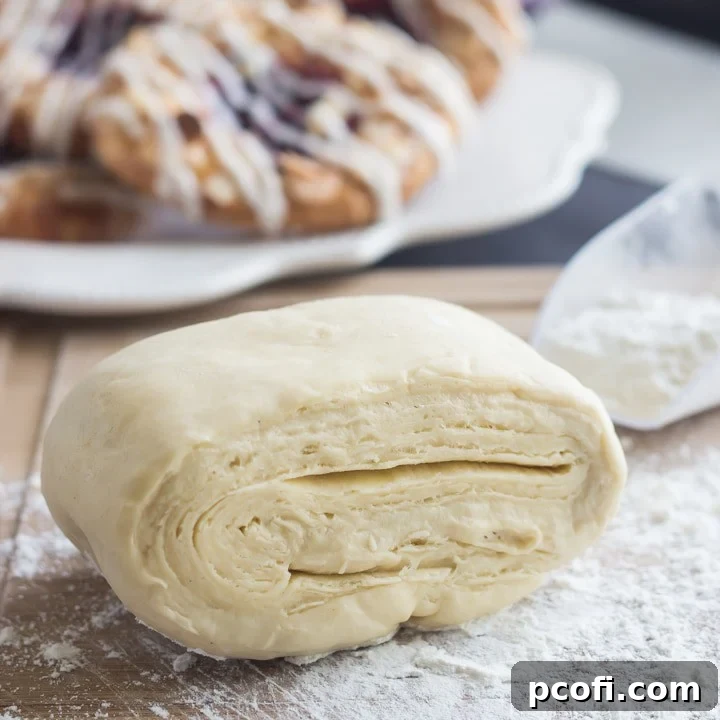
Embracing the Challenge: Your Summer of Bucket-List Baking
I’ve officially declared this the summer of bucket-list baking! Is there a particular recipe you’ve always longed to try, yet perhaps felt a little intimidated by? Maybe it’s a dish known for its numerous steps, or one that carries a reputation for being inherently complex. I certainly have a long list of such culinary aspirations – some I’m still mustering the courage to tackle, and a few I’ve already bravely plunged into. What I’ve consistently found, more often than not, is that these culinary quests are rarely as difficult as we build them up to be in our minds.
The mental hurdle is often far greater than the actual execution. Once you commit and follow a clear, step-by-step guide, many “complicated” recipes reveal themselves to be entirely manageable. The satisfaction of conquering such a challenge, especially in the kitchen, is incredibly rewarding. It’s about expanding your skills, gaining confidence, and ultimately, enjoying the fruits of your labor – literally, in the case of Danish pastry!
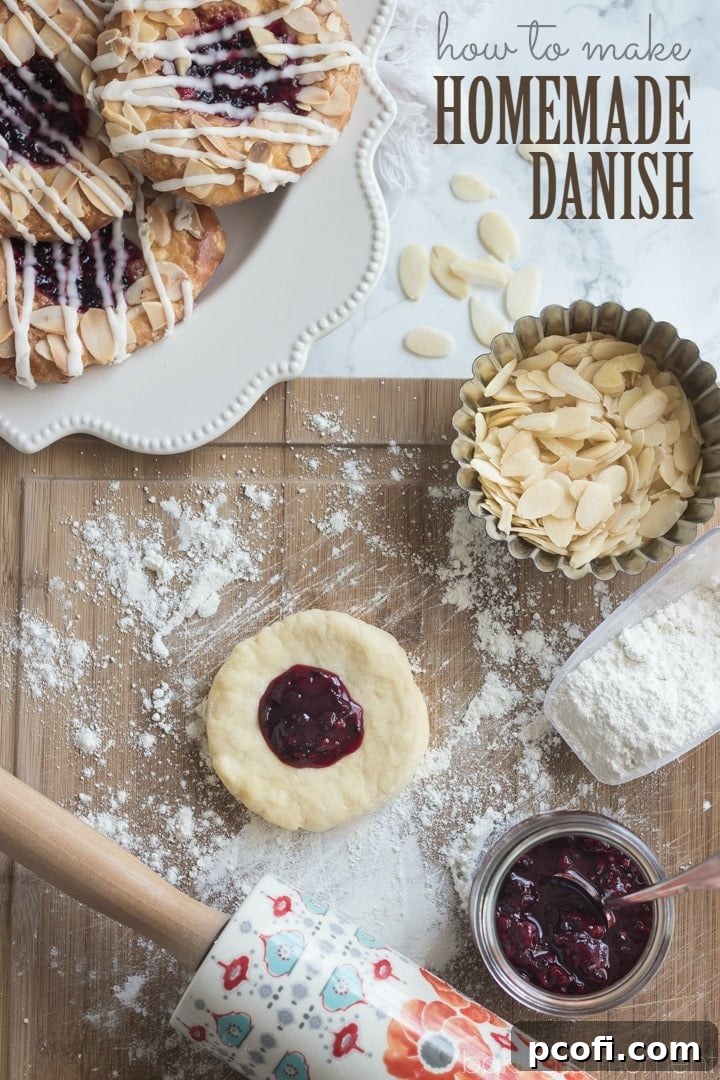
The Unparalleled Joy of Homemade Danish
Every single time I’ve purchased a Danish from a local coffee shop or bakery, I’ve left feeling somewhat underwhelmed. They often tend to be unexpectedly heavy, sometimes even a bit soggy, and frequently lack that distinctive crisp, delicate flakiness. This recurring disappointment led me to one undeniable conclusion: the only way to experience a truly exceptional Danish is to make it at home. When crafted with the finest ingredients and enjoyed fresh from the oven, the difference is profound. You control the quality, the freshness, and the flavor, transforming a mere pastry into a transcendent culinary experience.
Homemade Danish allows you to select premium butter, ensuring that rich, unmistakable flavor that store-bought versions often miss. You can choose high-quality fruits, rich cheeses, or luxurious almond pastes for your fillings, customizing every aspect to your exact preference. The texture, too, is in your hands – that light-as-air, shatteringly flaky crust is a hallmark of a well-made Danish, a quality rarely found in mass-produced goods. It’s an investment of time that pays off gloriously in taste and satisfaction.
Demystifying the “Butter Square”: Easier Than You Imagine
Ah, the infamous “butter square.” For the longest time, the very mention of it filled me with dread. I’d heard stories of meticulously creating a perfect butter slab, carefully encasing it within a delicate yeast dough, and then embarking on what felt like a hundred intricate rolls and folds to achieve those coveted flaky layers. The sheer thought of such a labor-intensive process was utterly exhausting, painting a picture of a baking project reserved solely for advanced pastry chefs.
However, I finally decided to face this baking beast head-on. And much to my delight, it wasn’t nearly as difficult as I had imagined! The initial dough preparation is as straightforward as mixing dry ingredients with wet. The process of forming the butter square and incorporating it into the dough took me all of five minutes. Seriously, there was nothing to it! The key is following a clear method and understanding the purpose behind each step, rather than letting the mystique of laminated dough overwhelm you.
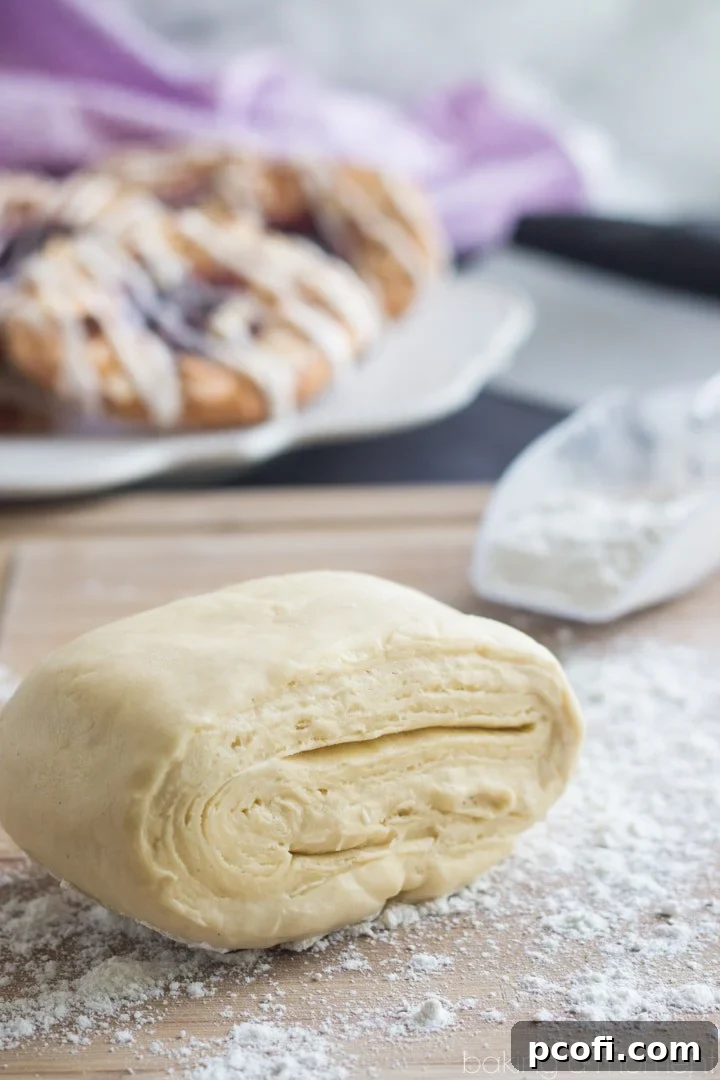
The Irresistible Reward: Light, Buttery, and Incredibly Flaky
The ultimate reward for this culinary adventure is a pastry that is truly light as air and incredibly buttery. I made a point of using the highest quality ingredients I could source, including luxurious Irish butter. The result was nothing short of incredible! The layers of flaky pastry are absolutely to-die-for, offering a delightful crunch followed by a tender, melt-in-your-mouth experience. This homemade Danish pastry dough provides the perfect foundation for endless flavor possibilities.
While I’ve provided detailed instructions below, I also created a comprehensive video tutorial that walks you through every single step. Sometimes, seeing the technique in action, especially for rolling and folding, makes all the difference. I truly hope you enjoy this process, and I would love to hear from you if you decide to give it a try!
This post contains affiliate links.
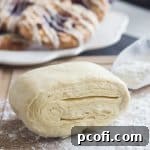
Easy Danish Pastry Dough
Servings: 18 pastries
Prep Time: 40 mins | Chill Time: 1 hr | Total Time: 1 hr 40 mins
Craft the perfect foundation for your homemade Danish pastries with this surprisingly simple dough recipe. Achieve incredible buttery flavor and delicate flaky layers, ready to be filled with your favorite sweet or savory delights. This guide, complete with a video tutorial, makes classic Danish accessible to every home baker.
Leave a Review
Ingredients
- 1 cup (227 g) cold unsalted butter (2 sticks)
- 2 3/4 cups (343.75 g) all-purpose flour
- 3 tablespoons granulated sugar
- 1 1/4 teaspoons (1.25 teaspoons) kosher salt
- 2 teaspoons dry active yeast
- 1/2 cup (122 ml) milk
- 1/4 cup (62.5 ml) warm water (like a baby’s bath)
- 1 large egg
- 1 teaspoon vanilla bean paste
Instructions
- From each stick of cold butter, cut off approximately half a tablespoon from the ends. Set this reserved butter aside; it will be used in the dough mixture.
- Take the remaining portions of the butter sticks and cut each one in half crosswise. Then, cut each half-stick lengthwise, yielding four rectangular pieces from each original stick. You should now have 8 butter rectangles in total.
- On a sheet of lightly floured parchment paper, arrange four of the butter rectangles side-by-side to form a larger, roughly square or rectangular shape.
- Lightly dust the arranged butter with additional flour. Carefully fold the parchment paper up and over the butter, creating a sealed packet.
- Using a rolling pin, gently pound and roll the butter within its parchment paper packet. The goal is to achieve an even thickness of approximately 1/4-inch (about 6mm), creating a consistent, pliable butter slab.
- Repeat steps 3-5 with the remaining four butter rectangles and a separate sheet of parchment paper, creating a second butter square.
- Place both parchment-wrapped butter squares into the refrigerator to chill thoroughly while you prepare the dough. This ensures the butter remains firm, which is essential for developing flaky layers.
- In a large mixing bowl, combine the all-purpose flour, granulated sugar, kosher salt, and dry active yeast. Stir these dry ingredients together thoroughly to ensure they are well distributed.
- Add the reserved tablespoon of cold butter (from step 1) into the dry mixture. Use your fingertips to rub the butter into the flour mixture until it’s fully incorporated and the mixture resembles coarse crumbs.
- In a separate large liquid measuring cup, whisk together the milk, warm water, large egg, and vanilla bean paste until well combined. Ensure the water is warm, but not hot, as extremely hot water can kill the yeast.
- Pour the liquid ingredients into the bowl with the dry ingredients. Stir everything together with a sturdy spoon or spatula until a shaggy dough forms and most of the flour is hydrated.
- If using a stand mixer, attach the dough hook and knead the dough on medium-low speed for approximately 7 minutes, or until the dough is smooth, elastic, and pulls away from the sides of the bowl. If kneading by hand, work the dough on a lightly floured surface for about 10-12 minutes until it reaches the same consistency.
- Turn the kneaded dough out onto a lightly floured surface. Gently roll or pat the dough into a rough rectangular shape. Ideally, the short side of this dough rectangle should be approximately the same length as the long side of your chilled butter squares from step 5. The long side of the dough rectangle should be roughly three times the length of the short side of the butter square.
- Remove one of your chilled butter squares from the refrigerator and place it precisely in the center of the prepared dough rectangle.
- Fold one side of the dough over the butter square, ensuring it is completely covered. Then, place the second chilled butter square directly on top of the folded dough.
- Now, carefully fold the remaining side of the dough over the second butter square, creating a neatly packaged dough packet with two distinct layers of butter separated by a layer of dough.
- Carefully pinch all the seams and sides of the dough together to completely encase the butter within the dough. This is crucial to prevent the butter from leaking out during the subsequent rolling steps.
- Gently roll the dough out into a rectangle about 1/2-inch (1.25 cm) thick. Then, perform a “letter fold” by folding one-third of the dough over the middle section, and then folding the remaining third over that, creating three distinct layers.
- Rotate the dough 90 degrees. Repeat the rolling and letter-folding process two more times. This sequential rolling and folding is what creates the multitude of delicate, flaky layers. After each set of rolls and folds, gently re-wrap the dough in plastic wrap.
- Loosely wrap the laminated dough in plastic wrap and refrigerate it overnight for optimal results. While a minimum chill time of 1 hour is acceptable, chilling overnight allows the gluten to relax thoroughly and the butter to firm up completely, making the dough much easier to work with and resulting in superior flakiness.
Video Tutorial
Notes
This dough is your perfect starting point for creating exquisite Danish pastries. For detailed instructions on how to shape, fill, and bake this dough into delicious finished treats, be sure to check out my Blackberry Ginger Danish recipe.
Nutrition Information (per pastry)
Calories: 180 kcal, Carbohydrates: 17g, Protein: 3g, Fat: 10g, Saturated Fat: 6g, Cholesterol: 36mg, Sodium: 170mg, Potassium: 48mg, Sugar: 2g, Vitamin A: 340IU, Calcium: 15mg, Iron: 1mg
Cuisine: Danish
Course: Breakfast, Brunch
Beyond the Dough: Shaping and Filling Your Danish Masterpiece
Once your meticulously prepared Danish pastry dough has undergone its essential chilling and resting period, the truly creative and enjoyable part begins: shaping and filling! This remarkably versatile dough serves as a blank canvas for an endless array of beautiful and delicious forms. Whether you envision classic square pockets, elegant pinwheels, intricate braids, or simple turnovers, the possibilities for customization are expansive. Traditional fillings often include vibrant fruit preserves such as cherry, apple, or apricot, rich and creamy sweet cheese mixtures, or fragrant almond paste. For those with a more adventurous palate, savory options incorporating herbs, various cheeses, or lightly sautéed vegetables can offer a unique and equally delightful experience.
When selecting your fillings, a crucial tip is to ensure they are not excessively wet. Overly moist fillings can seep into the delicate pastry layers, leading to a soggy texture and hindering that desired flakiness. Additionally, always make sure to properly seal the edges of your shaped Danish to prevent any filling from escaping during the baking process. A simple egg wash brushed over the shaped pastries just before baking will impart a beautiful golden-brown hue and a slightly crisp exterior, enhancing both their visual appeal and texture. Baking Danish pastries is a truly sensory journey, from the moment the butter-rich dough begins to puff and brown, filling your kitchen with an intoxicating aroma, to the very first bite of a warm, tender, and exquisitely flaky treat. While this article lays the groundwork with the foundational dough, remember that the shaping and baking stages are where your personal flair and creativity truly shine through.
Expert Tips for Danish Pastry Perfection
- Maintain Cold Temperatures: This is arguably the most critical rule for success with any laminated dough. Ensure both your butter and your dough remain as cold as possible throughout the rolling and folding process. If the dough starts to become warm, sticky, or difficult to work with, immediately return it to the refrigerator for 15-20 minutes to chill before continuing. This prevents the butter from melting into the dough, which is essential for distinct, flaky layers.
- Flour Strategically: Use just enough all-purpose flour on your work surface and rolling pin to prevent sticking, but be cautious not to use excessive amounts. Too much flour can be absorbed by the dough, potentially toughening it.
- Apply Even Pressure: When rolling out the dough, apply consistent and even pressure. Begin rolling from the center and work your way outwards, striving to maintain a uniform thickness across the entire rectangle. Avoid tearing the dough, as this can expose the butter layers and compromise the lamination.
- Patience is a Virtue: The lamination process inherently requires time, largely due to the necessary chilling periods between each turn or fold. Do not rush these chilling stages; they are fundamental for allowing the gluten to relax and the butter to firm up, which in turn develops those beautiful, distinct flaky layers.
- Invest in Quality Butter: As highlighted, using high-quality butter, especially those with a higher fat content (often referred to as European-style butter), will yield a significantly superior flavor and contribute to a more pronounced flakiness in your final Danish pastries.
- Avoid Overworking the Dough: Once the liquid ingredients are added, knead the dough only until it becomes smooth and elastic. Over-kneading can lead to excessive gluten development, which might result in a tougher, less tender pastry.
- Embrace the Learning Curve: Your first attempt at Danish pastry might not be absolutely perfect, and that is completely okay! Baking, especially with new techniques, is a journey of learning and improvement. With each subsequent batch, you’ll gain valuable experience, refine your technique, and become more confident.
Frequently Asked Questions About Homemade Danish Pastry
Q: Can I prepare Danish pastry dough in advance?
A: Yes, absolutely! Preparing the dough ahead of time is not only possible but often highly recommended. Chilling the dough overnight allows the gluten to relax fully, making it much easier to roll out, and ensures the butter is perfectly firm for optimal lamination. You can typically prepare and store this dough, tightly wrapped, in the refrigerator for up to 2-3 days.
Q: What is the ideal consistency for the butter square before incorporation?
A: The butter should be cold but still pliable. It should not be rock-hard, as this will cause it to crack and break through the dough during rolling. Conversely, it should not be overly soft or melted, as this will cause it to integrate too much with the dough, preventing the formation of distinct layers. A good test is if you can gently bend it without it cracking.
Q: What should I do if the butter starts oozing out while I’m rolling the dough?
A: Butter oozing out is a common sign that either your butter or the dough has become too warm. Your immediate action should be to return the dough to the refrigerator for at least 30 minutes to allow it to firm up. Also, ensure your work surface and rolling pin are cool. If butter still slightly oozes upon resuming, you can dust the exposed areas with a tiny amount of flour and work quickly.
Q: Is it possible to freeze Danish pastry dough?
A: Yes, Danish pastry dough freezes beautifully! Once you have completed all the necessary turns and the final chilling period, wrap the dough very tightly in several layers of plastic wrap, followed by a layer of aluminum foil. It can be safely frozen for up to 2-3 weeks. When you’re ready to use it, thaw the dough overnight in the refrigerator before proceeding with shaping and baking.
Q: What are some popular and traditional fillings for Danish pastries?
A: Classic Danish pastry fillings typically include a rich cream cheese mixture, various fruit jams or compotes (such as cherry, apricot, blueberry, or raspberry), or a sweet and nutty almond paste. For those looking for a savory alternative, consider combinations of fresh herbs with cheese, or a light mixture of finely diced and seasoned vegetables.
Start Your Danish Baking Adventure Today!
There’s no need to let the storied reputation of Danish pastry intimidate you any longer. With this easy-to-follow recipe, coupled with detailed instructions and a helpful video tutorial, you are perfectly equipped to create truly stunning, mouth-watering pastries right in the comfort of your own kitchen. The profound satisfaction that comes from pulling a tray of warm, golden, and exquisitely flaky Danish pastries from your oven is a reward unlike any other. So, gather your high-quality ingredients, set aside a little time for this enjoyable process, and prepare to impress both yourself and your loved ones with these delightful homemade treats. Happy baking!
Tried this recipe? Mention @bakingamoment on Instagram or tag #bakingamoment.