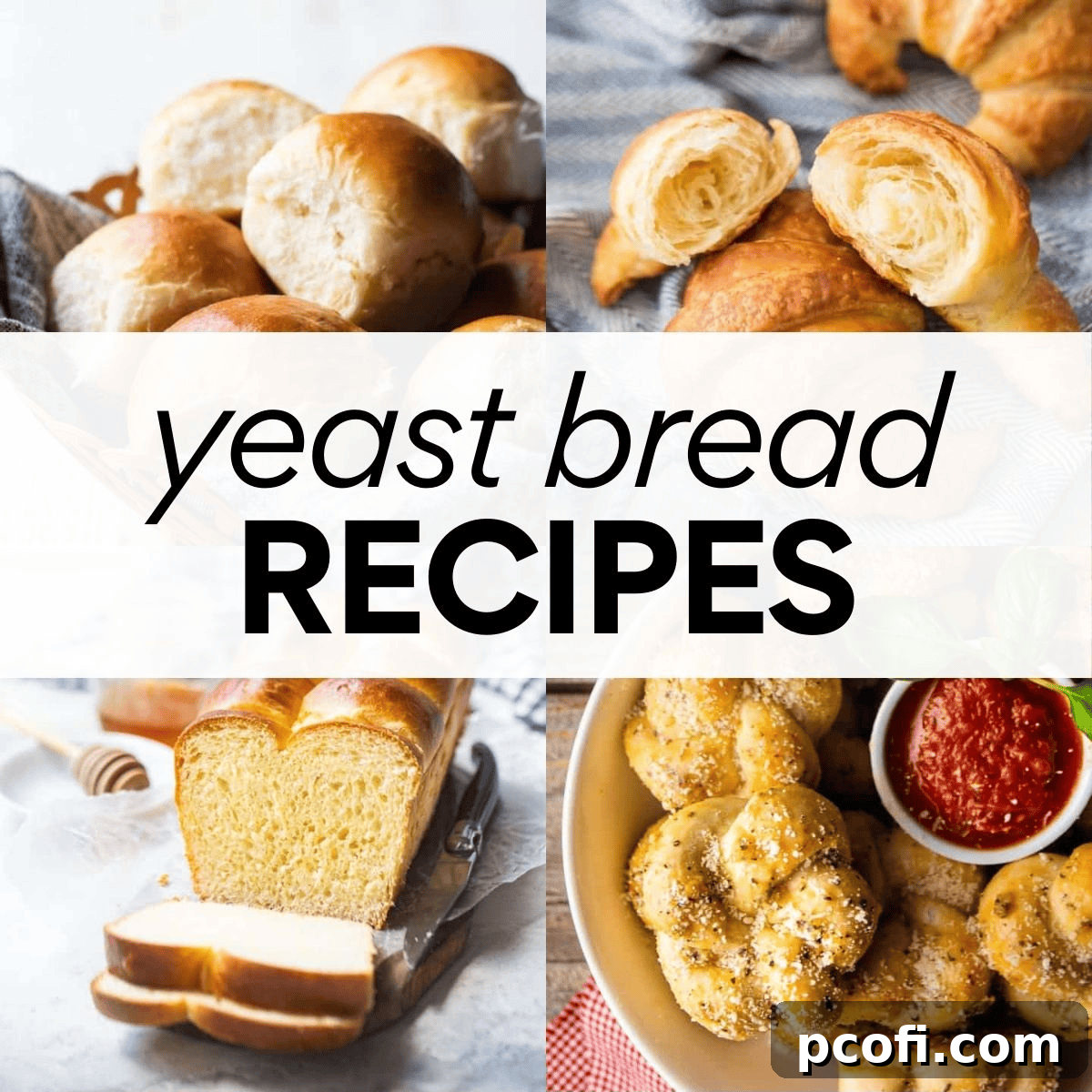
Welcome to the wonderful world of yeast bread baking! For many, the idea of baking with yeast can seem daunting, conjuring images of complex techniques and unpredictable outcomes. However, we’re here to demystify the process and show you that creating delicious, homemade yeast breads is far easier and more rewarding than you might imagine. There’s truly nothing quite like the comforting aroma of freshly baked bread wafting through your home, promising warmth and deliciousness with every slice.
Whether you’re a seasoned baker looking for new inspiration or a complete novice eager to master the art of bread-making, this comprehensive guide offers over 15 incredible yeast bread recipes for every skill level. From soft, pillowy dinner rolls perfect for any family meal, to savory garlic knots that elevate an Italian feast, and classic sandwich loaves that transform your daily lunch, there’s a perfect recipe waiting for you. Dive in and discover the joy of baking your own bread!
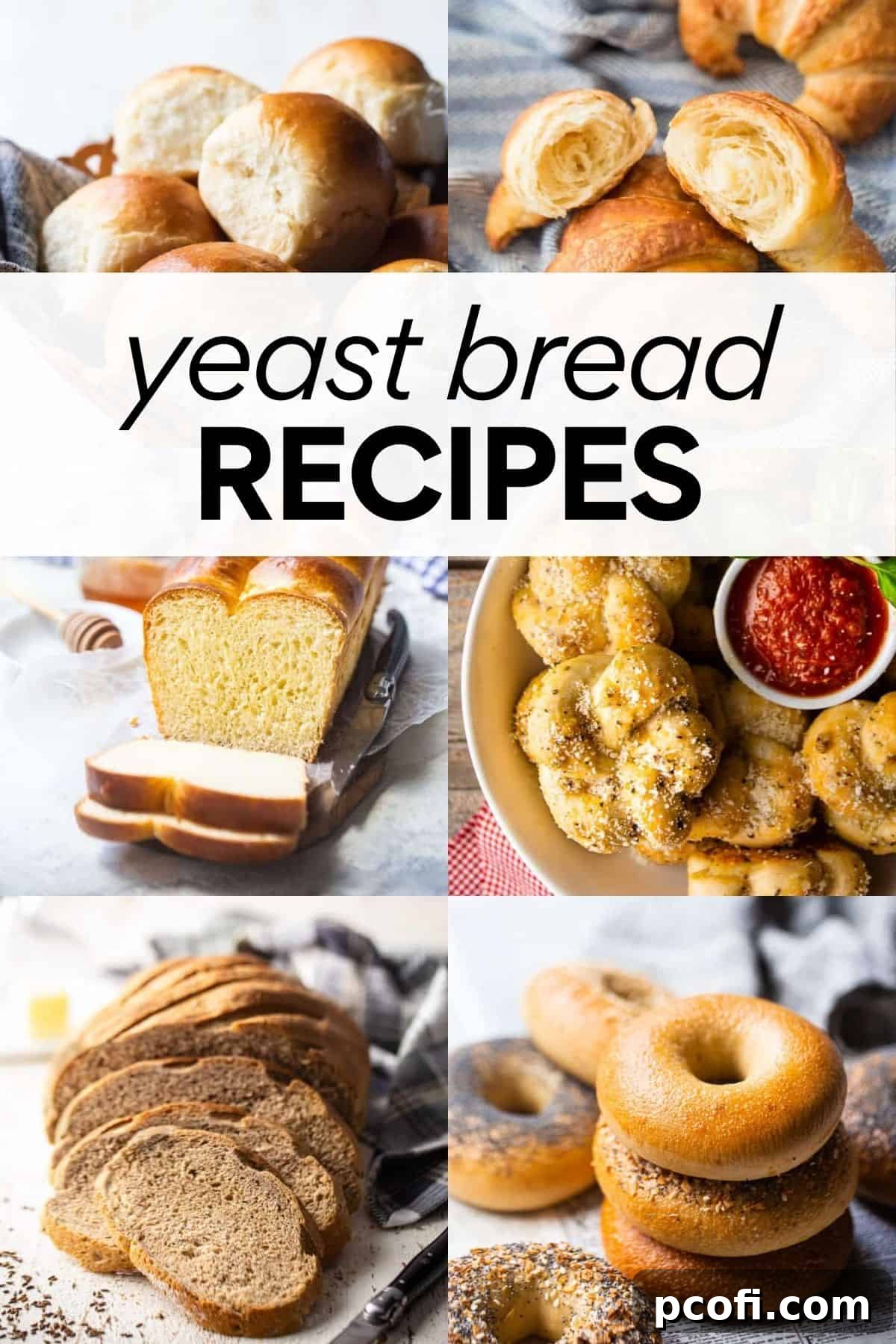
Table of Contents
- The Magic of Homemade Yeast Bread
- Understanding Yeast Baking for Beginners
- Essential Tools and Ingredients for Yeast Bread
- Tips for Yeast Bread Baking Success
- Explore Our 15+ Yeast Bread Recipes
- Common Yeast Bread Challenges and Solutions
- Serving and Storing Your Homemade Bread
- More Baking Resources
The Magic of Homemade Yeast Bread
Many aspiring bakers are daunted by the prospect of working with yeast, often perceiving it as a complicated ingredient that demands perfection. However, that perception couldn’t be further from the truth. While yeast breads typically require more time and patience compared to quick breads, the incredible flavor, texture, and immense satisfaction you get from a loaf baked from scratch make every minute worth it. Imagine biting into a warm, fluffy slice of bread that you created with your own hands – it’s an experience quick breads simply can’t replicate.
This collection of recipes has been curated with you in mind, featuring clear, step-by-step instructions designed to build your confidence. We want every baker, regardless of experience, to feel empowered and successful when making yeasted bread. Beyond the delicious outcome, baking with yeast offers a unique connection to culinary traditions and a chance to truly understand the science behind baking. It’s a rewarding hobby that fills your home with comforting aromas and your table with wholesome goodness.
Understanding Yeast Baking for Beginners
To truly embrace yeast baking, it helps to understand the star ingredient: yeast itself. Yeast is a living microorganism, a type of fungus, that feeds on sugars in your dough and produces carbon dioxide gas. This gas gets trapped in the dough, causing it to rise and creating that desirable light, airy texture. There are a few main types of yeast you’ll encounter:
- Active Dry Yeast: This is the most common type. It comes in granular form and typically needs to be “activated” or “proofed” in warm liquid (usually water or milk) with a pinch of sugar before being added to other ingredients. This step ensures the yeast is alive and active.
- Instant Yeast (Rapid Rise/Quick Rise): Similar to active dry yeast but with finer granules, instant yeast doesn’t require proofing. It can be mixed directly with the dry ingredients, saving a step. It also tends to rise faster.
- Fresh Yeast (Cake Yeast): Less common in home baking, fresh yeast is perishable and sold in compressed blocks. It’s often favored by professional bakers for its subtle flavor but requires careful handling and refrigeration.
No matter which type you use, the key is proper temperature. Yeast thrives in warm (not hot!) conditions. Water that’s too hot will kill the yeast, while water that’s too cold will inhibit its activity, leading to a flat loaf. A temperature between 105-115°F (40-46°C) is generally ideal for activating active dry yeast.
Essential Tools and Ingredients for Yeast Bread
You don’t need a professional kitchen to bake amazing bread. Many essential tools are likely already in your kitchen:
- Mixing Bowls: Large bowls for mixing and rising dough.
- Measuring Cups and Spoons: For accurate ingredient measurement.
- Kitchen Scale: Highly recommended for precise flour measurement, which is crucial for consistent bread.
- Baking Sheets: For baking rolls, flatbreads, and shaping loaves.
- Loaf Pans: Essential for sandwich breads and other traditional loaves.
- Dutch Oven: Ideal for rustic, crusty breads like No-Knead bread, creating a steamy environment that promotes a beautiful crust.
- Dough Scraper: Useful for handling sticky dough and cleaning surfaces.
- Oven Thermometer: Ensures your oven is at the correct temperature.
Beyond yeast, the fundamental ingredients for most yeast breads are surprisingly simple:
- Flour: All-purpose or bread flour are most common. Bread flour has a higher protein content, leading to a chewier texture.
- Water: The solvent for yeast and the primary liquid for hydration.
- Salt: Crucial for flavor and regulating yeast activity.
- Sugar: Feeds the yeast and adds subtle sweetness and browning.
- Fats (Butter, Oil): Adds richness, moisture, and can affect texture.
Tips for Yeast Bread Baking Success
Achieving consistently good results with yeast bread comes down to a few key practices:
- Measure Accurately: Especially flour. Using a kitchen scale for flour, rather than volume cups, will yield more consistent results. Too much flour is a common cause of dense bread.
- Proper Liquid Temperature: As mentioned, warm (105-115°F / 40-46°C) but not hot liquid is vital for yeast activation.
- Kneading is Key (or Not!): Kneading develops gluten, which gives bread its structure and chewiness. Most recipes will specify kneading time. For those seeking less effort, no-knead recipes rely on long fermentation to develop gluten.
- Ideal Rising Environment: Dough needs a warm, draft-free place to rise. A slightly warm oven (turned off) or a sunny spot on the counter can work. Don’t rush the rise; it’s essential for flavor and texture.
- Trust Your Senses: Learn to recognize properly proofed dough (it should be puffy and spring back slowly when gently poked).
- Don’t Overbake or Underbake: A golden-brown crust and an internal temperature of around 200-210°F (93-99°C) typically indicate a loaf is done.
With over 120 bread recipes already available on the website, ranging from quick breads to an extensive collection of yeast breads, we understand that sorting through them can be a challenge. That’s precisely why we’ve carefully curated this list of 15+ Yeast Bread Recipes, designed for bakers of all levels. Keep this versatile list at your fingertips for any occasion: entertaining guests, replenishing your pantry with fresh sandwich bread, enjoying a fun baking and science experiment with kids, or simply treating yourself to the unparalleled comfort of homemade bread.
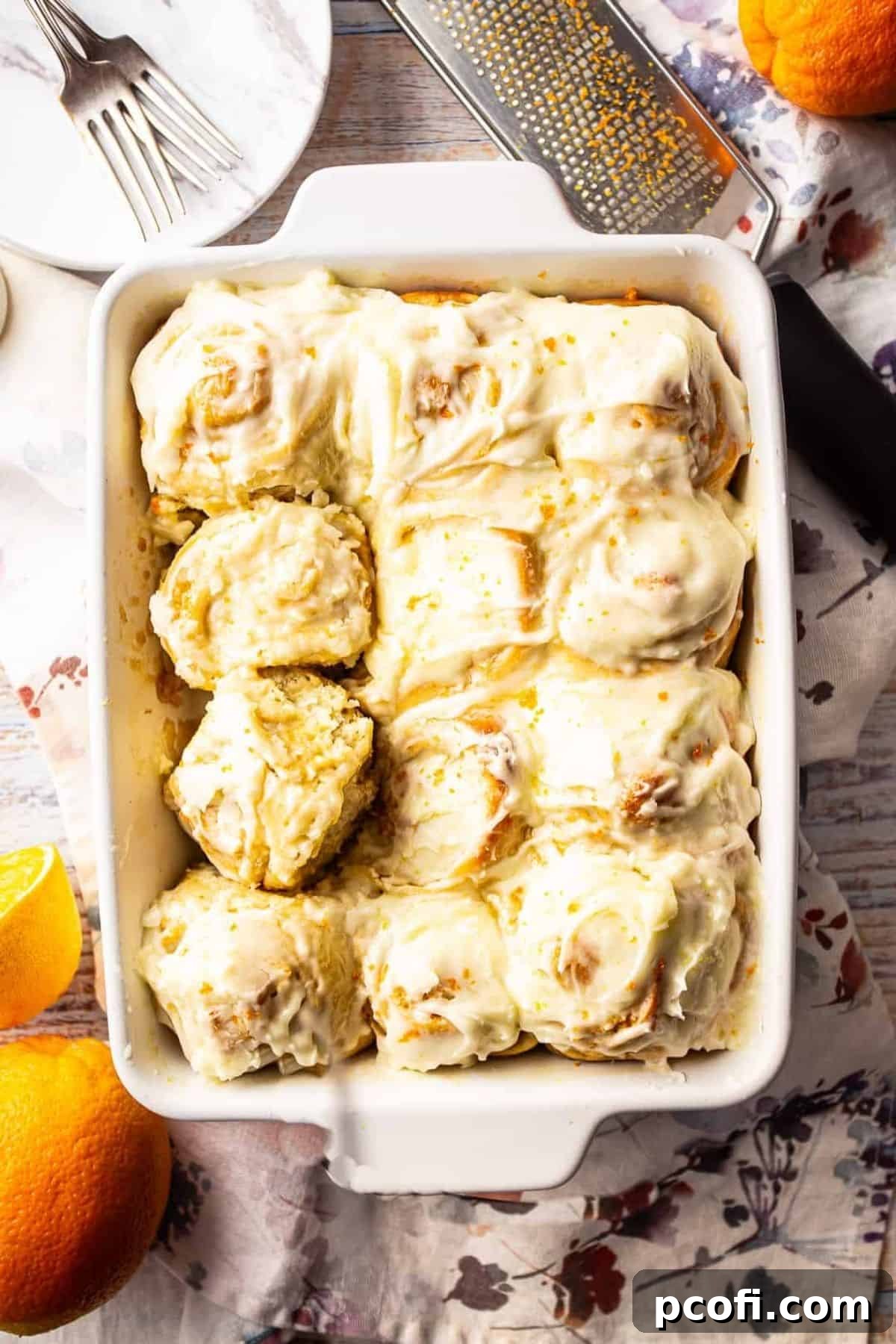
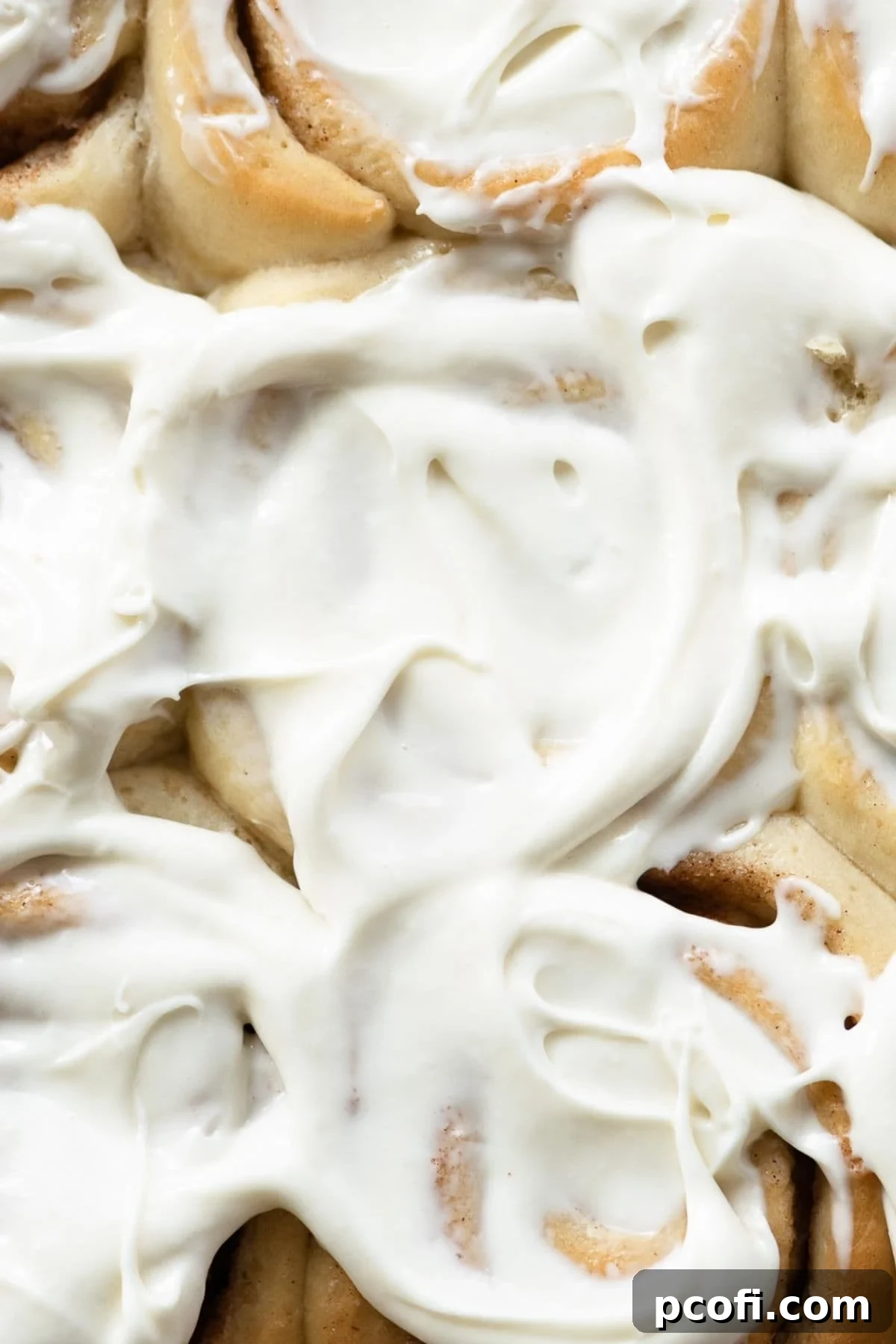
Remember, the versatility of yeast allows for creation of both delectable sweet and savory breads. Indulge in the luscious layers of these orange sweet rolls or savor the classic swirl of these mouth-watering cinnamon rolls. The possibilities are truly endless!
Explore Our 15+ Yeast Bread Recipes
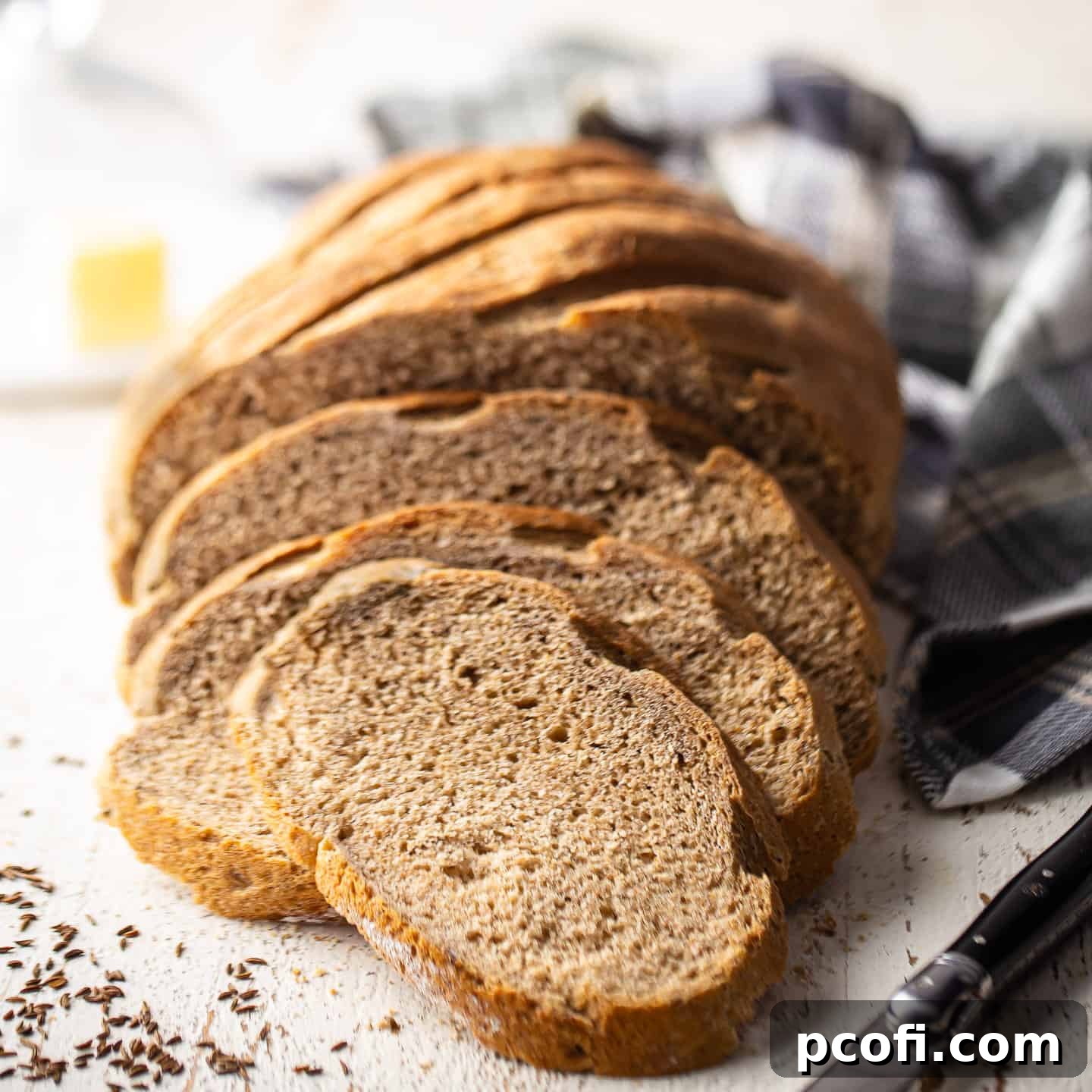
Rye Bread
Make the Recipe
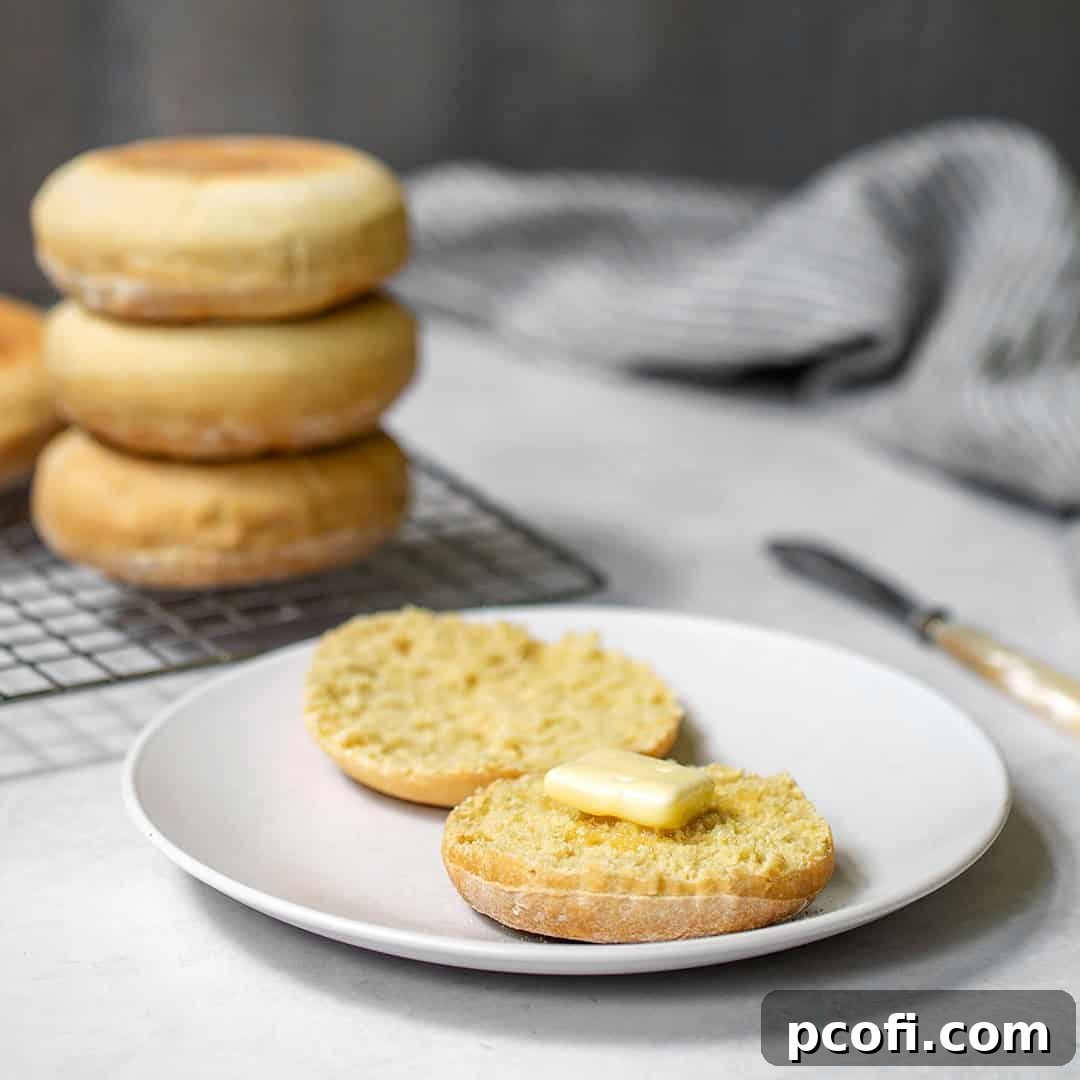
English Muffins
Make the Recipe
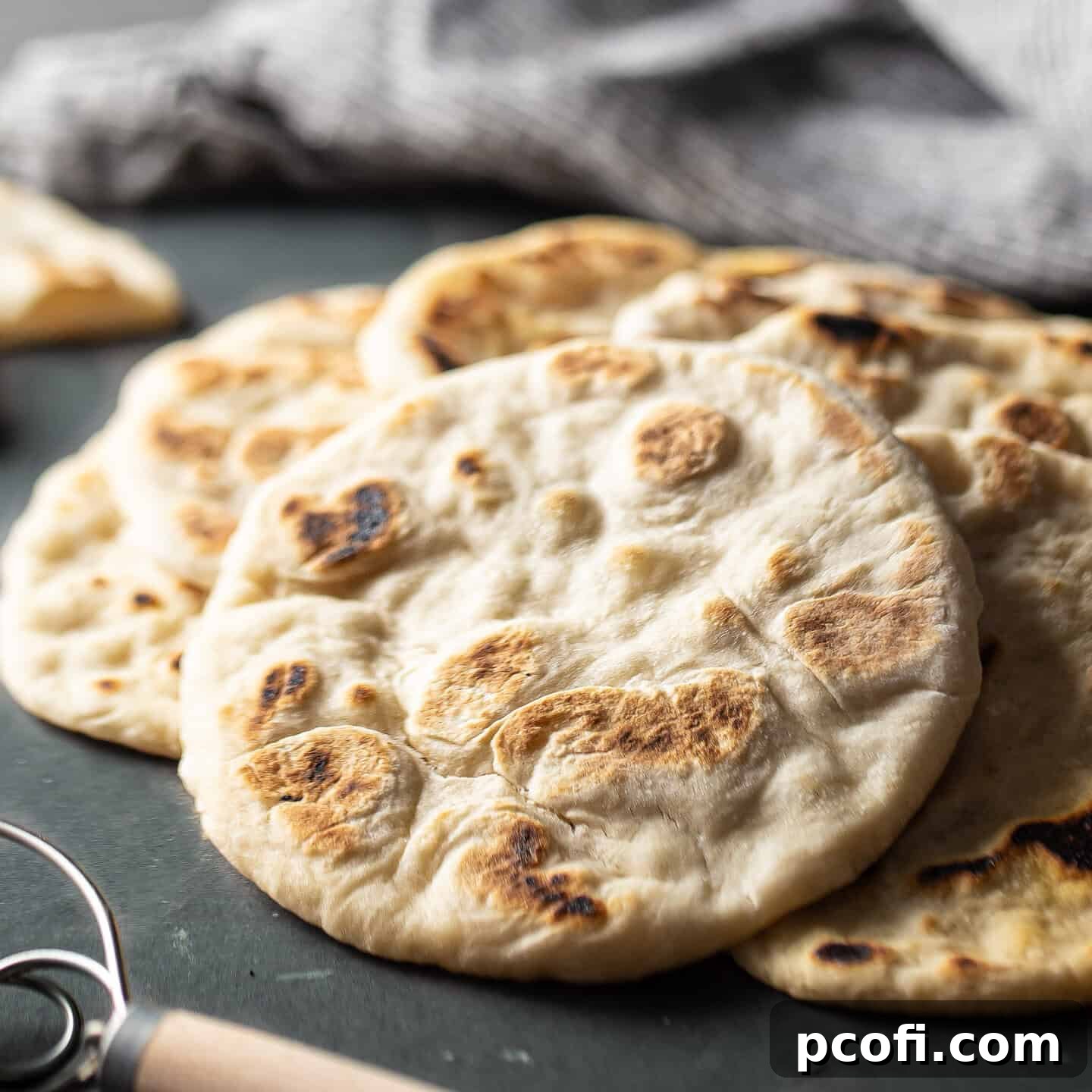
Pita Bread
Make the Recipe
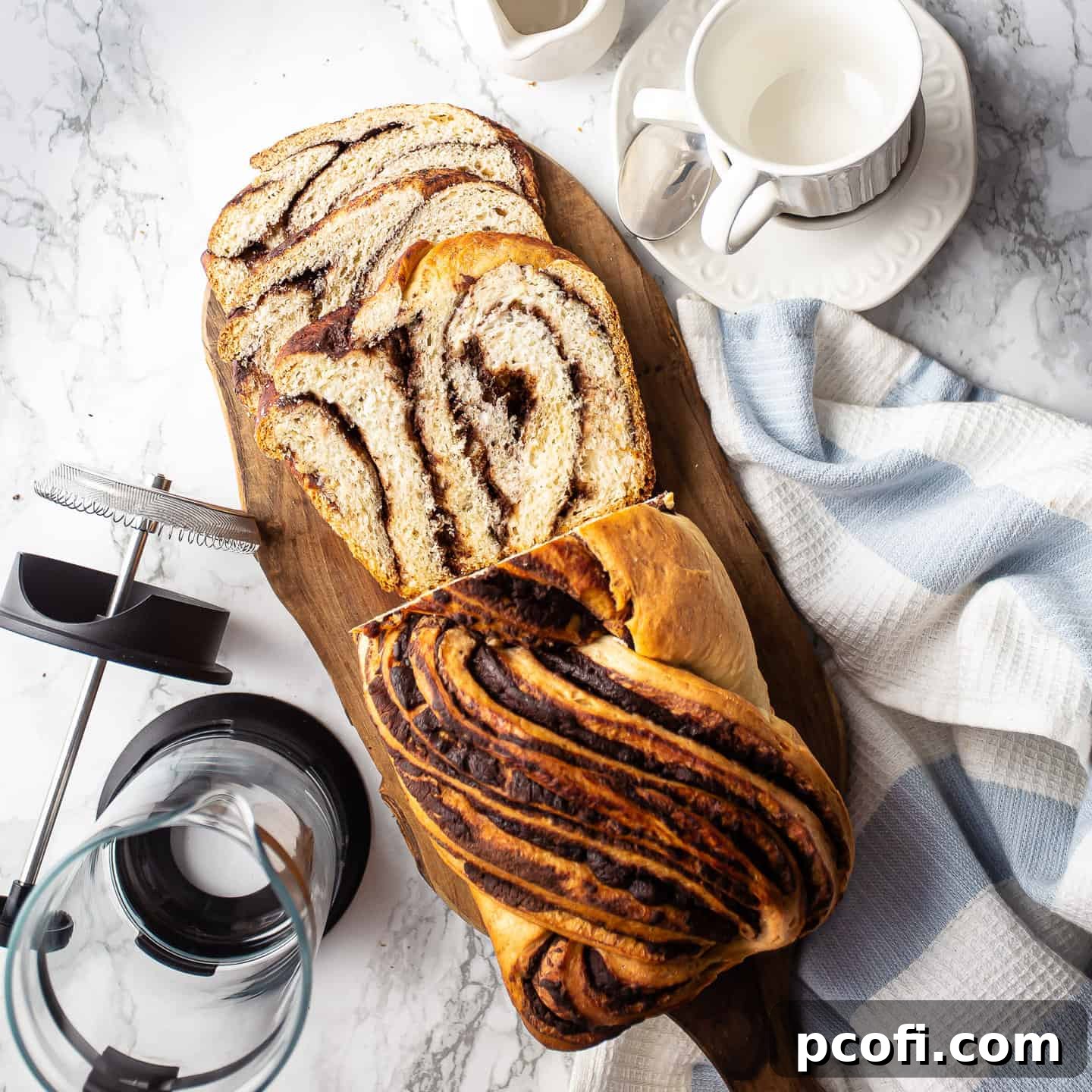
Chocolate Babka
Make the Recipe
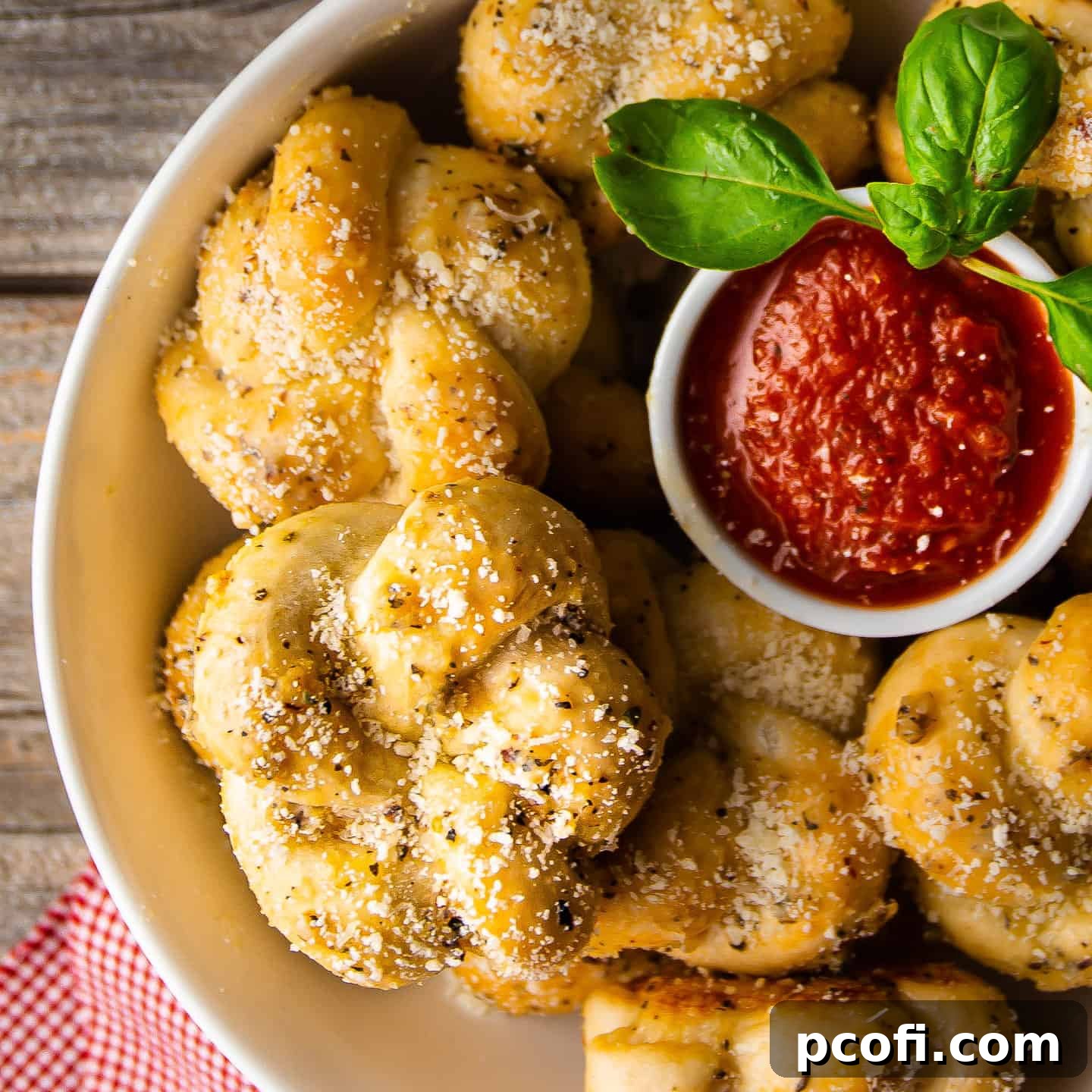
Garlic Knots
Make the Recipe

Classic No Knead Bread
Make the Recipe
Homemade Soft Pretzel Recipe
Make the Recipe
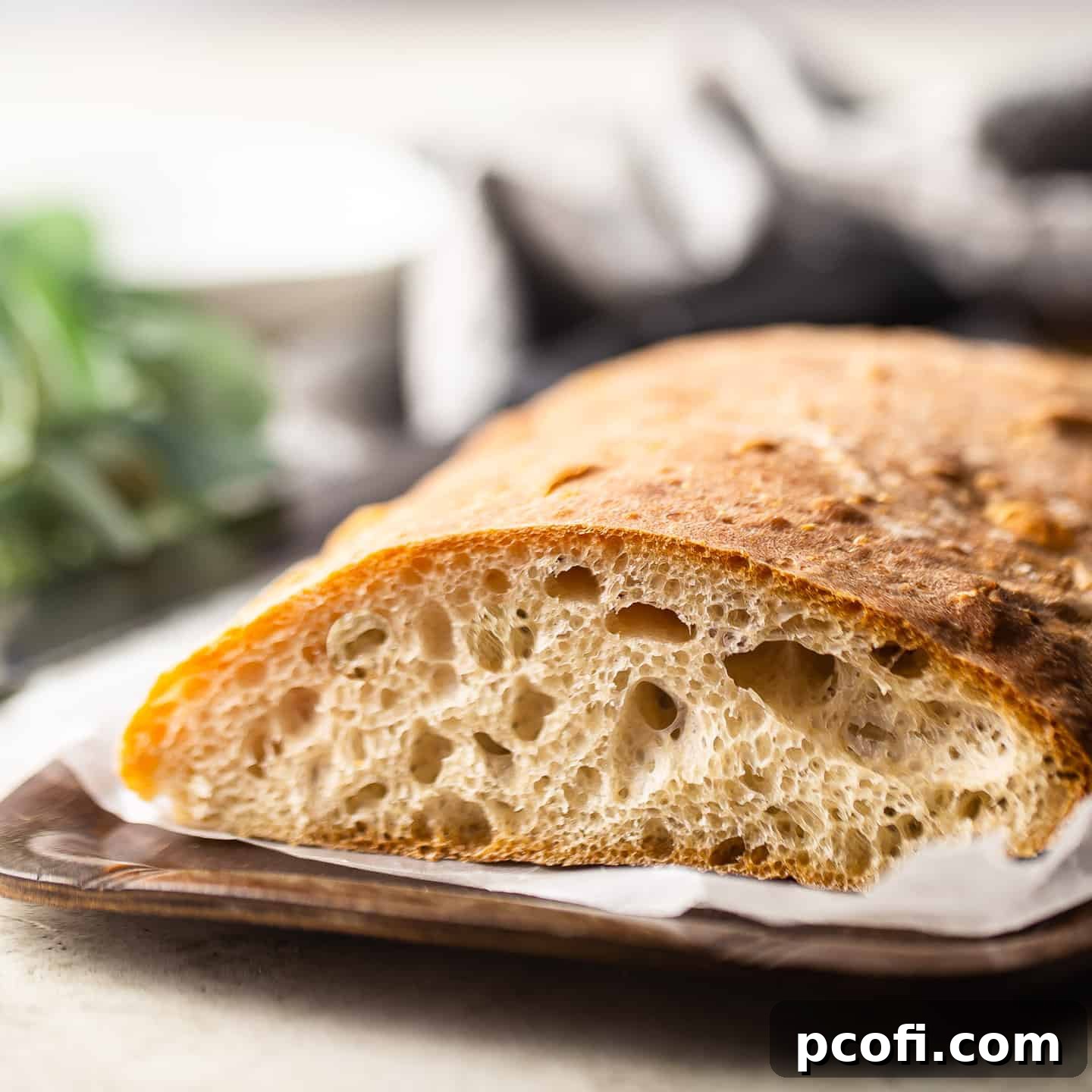
Easy Ciabatta Bread
Make the Recipe
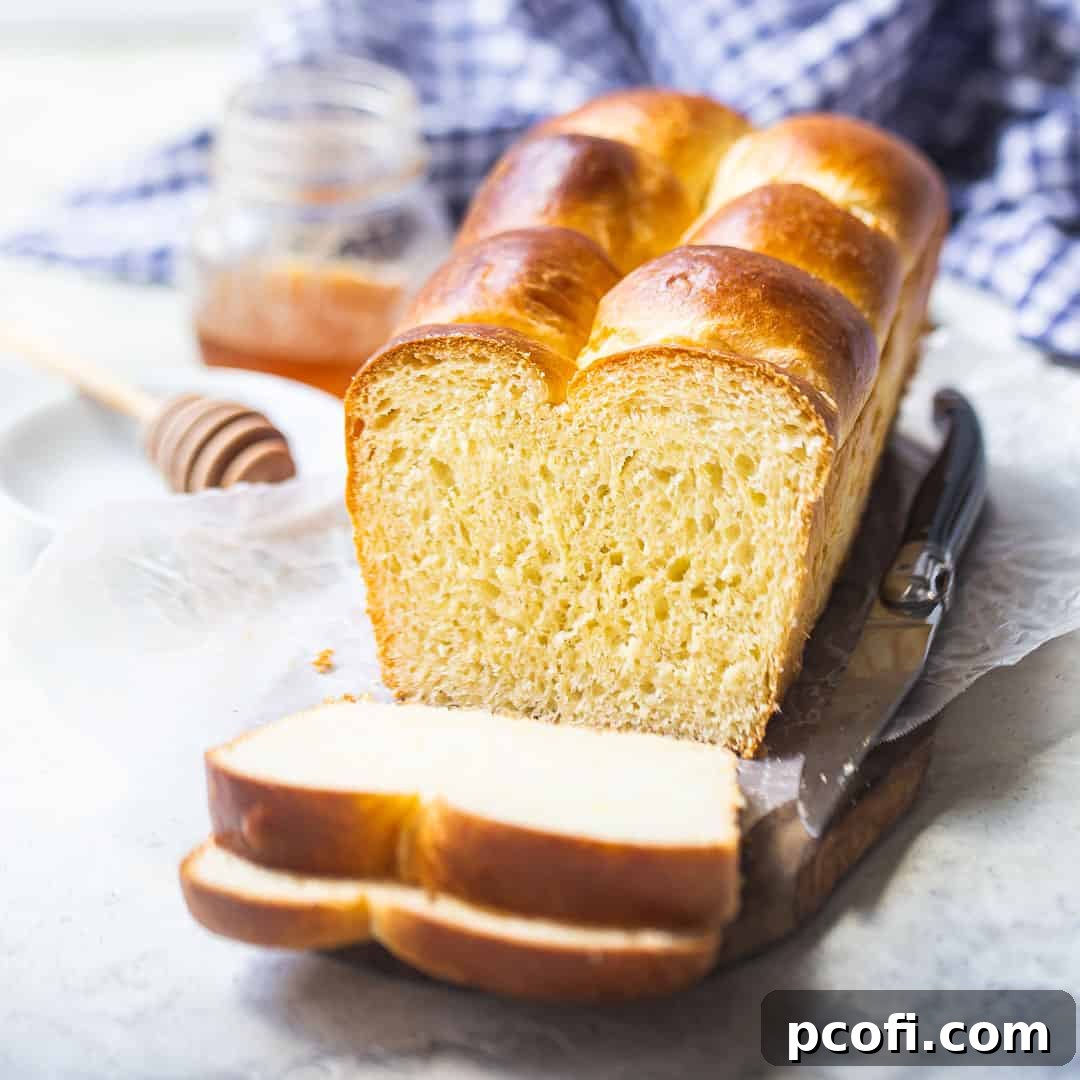
Brioche Bread
Make the Recipe
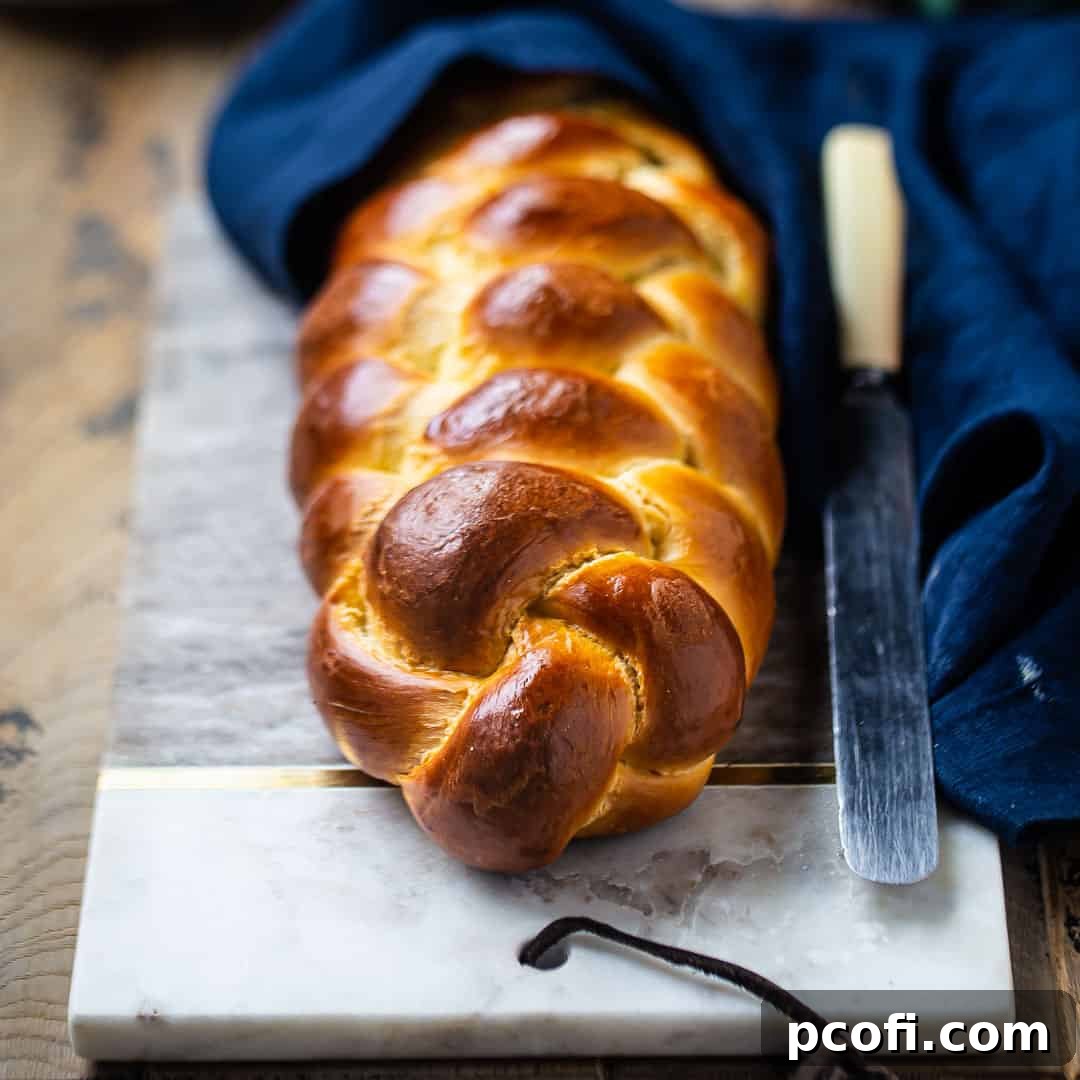
Challah Bread
Make the Recipe
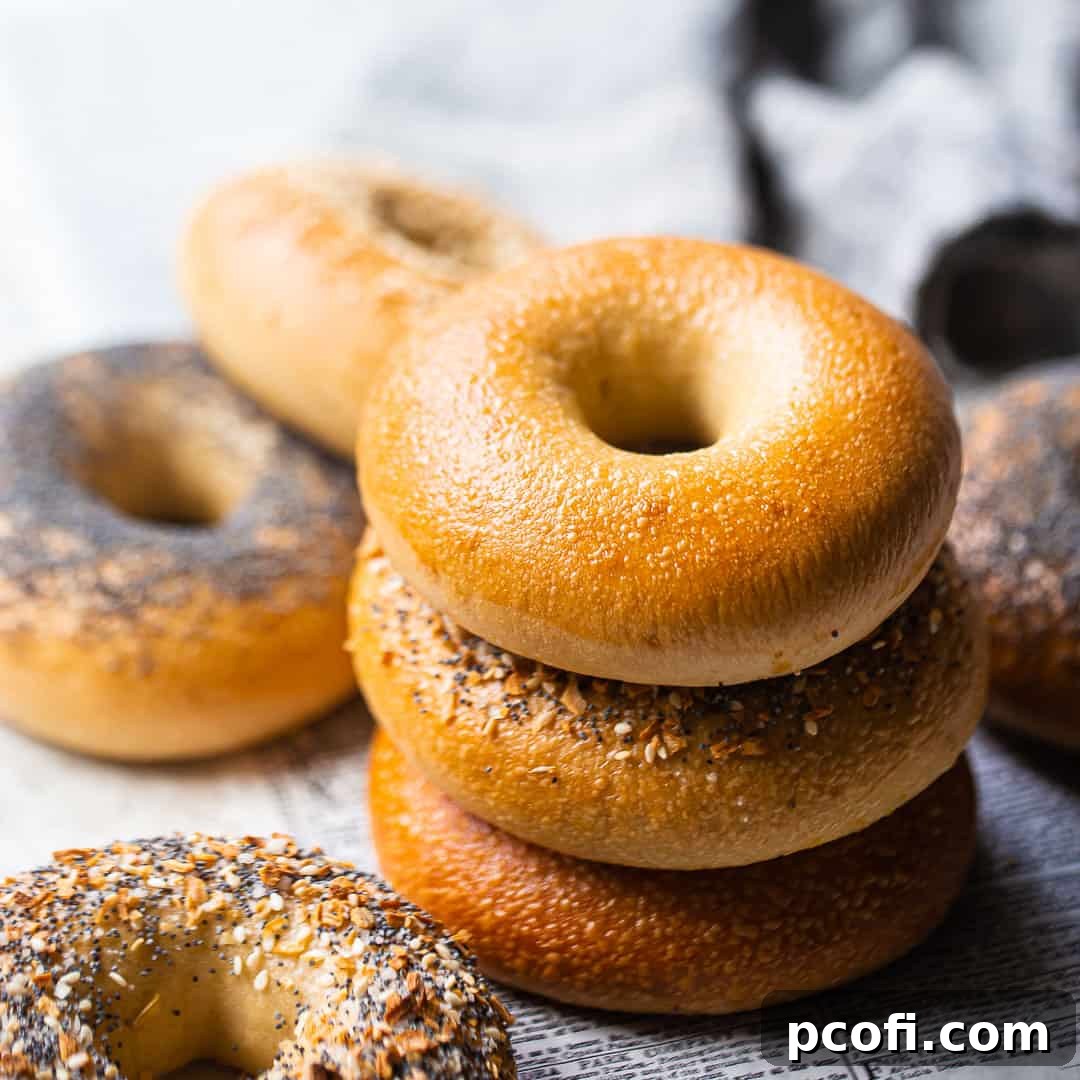
New York Bagel Recipe
Make the Recipe
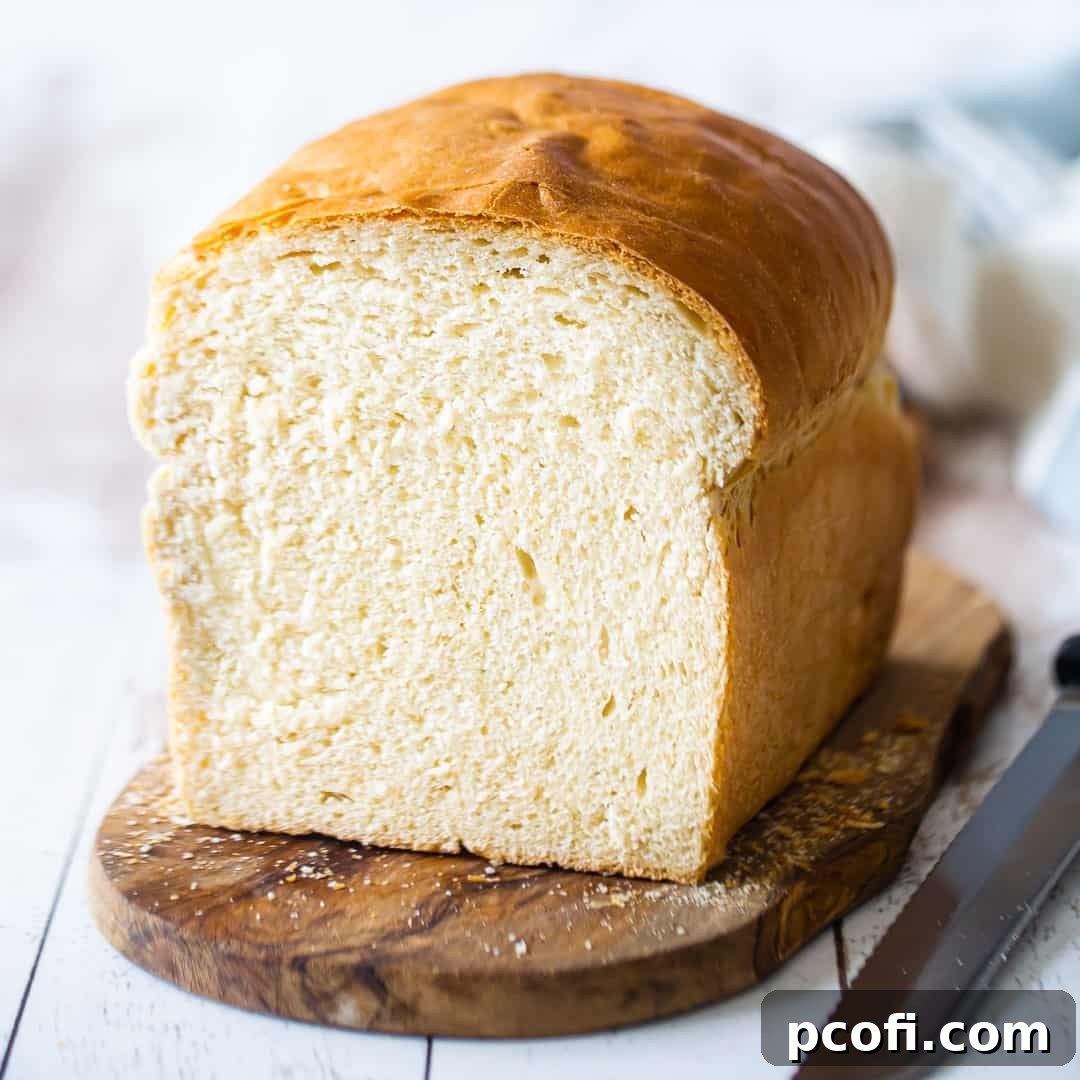
Soft White Bread
Make the Recipe
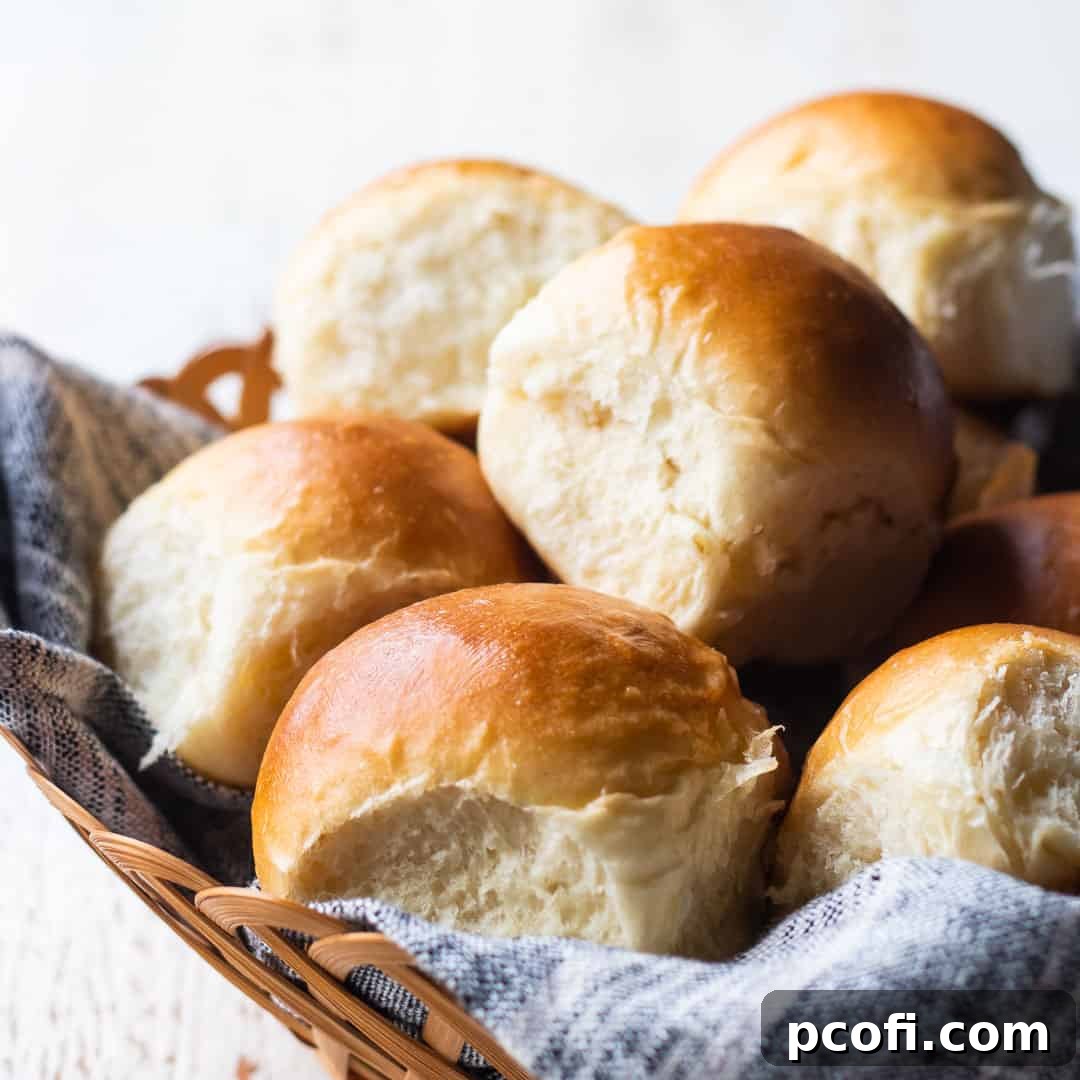
Soft Homemade Dinner Rolls
Make the Recipe
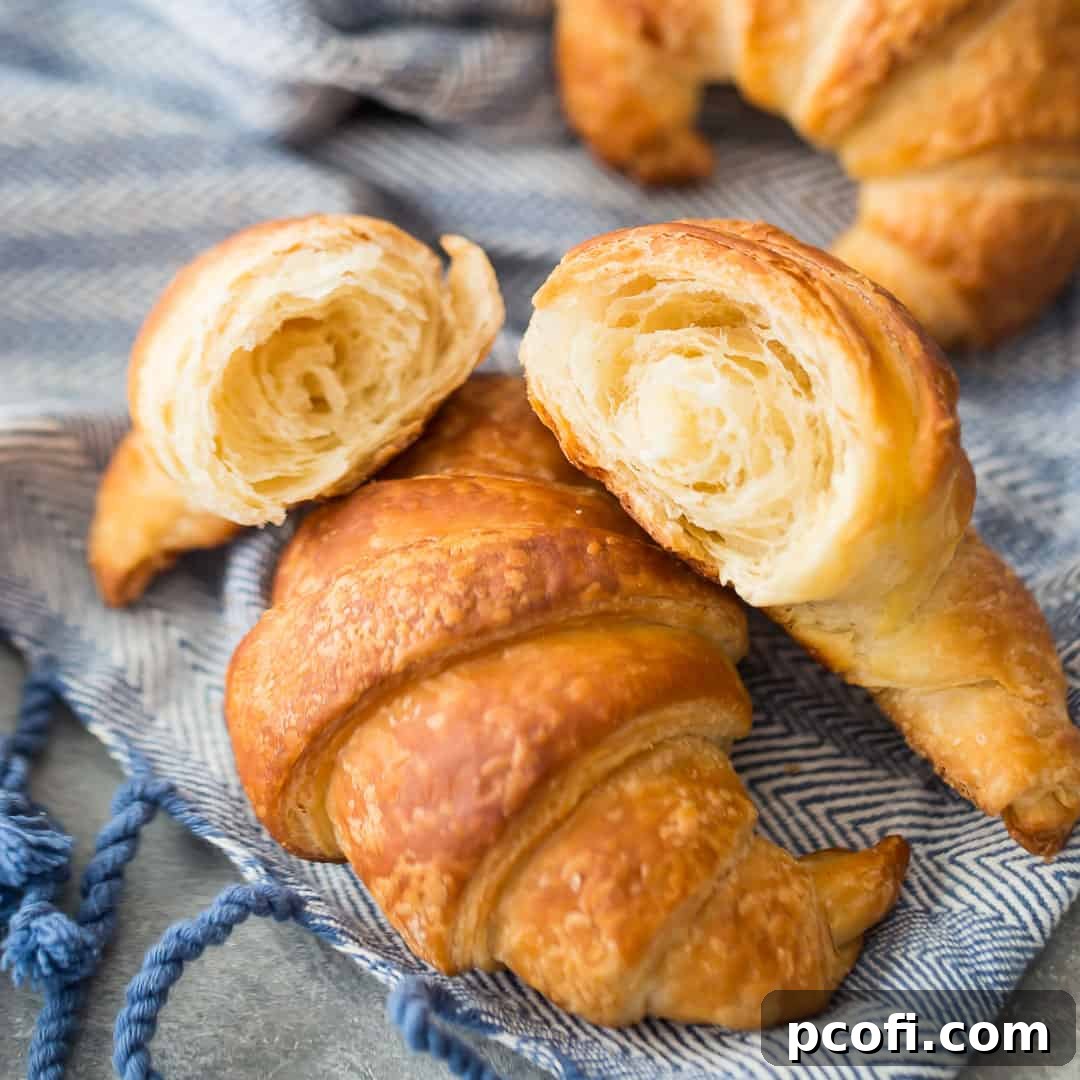
Easy Homemade Croissant Recipe
Make the Recipe
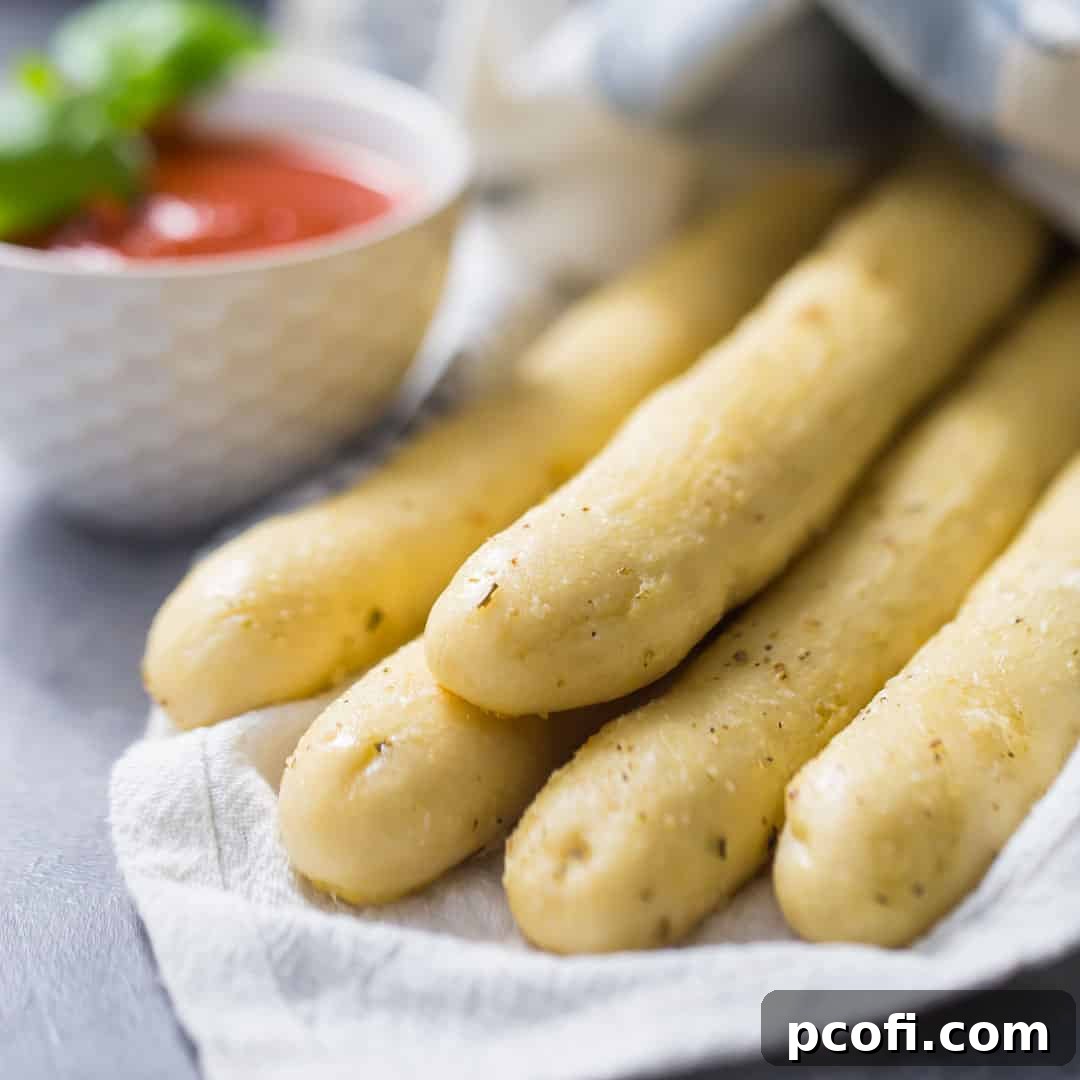
Soft Italian Breadsticks
Make the Recipe
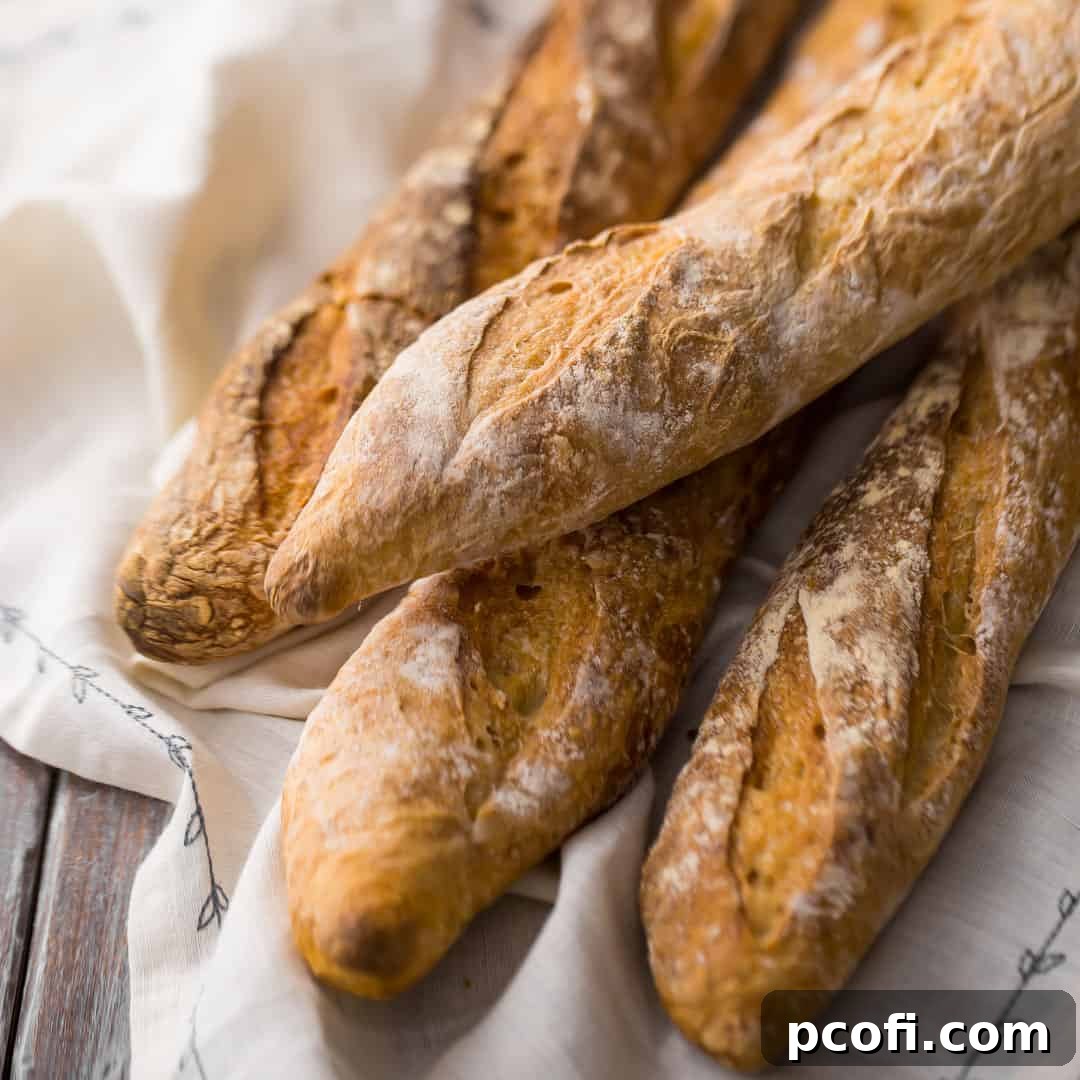
Crusty French Baguette Recipe
Make the Recipe
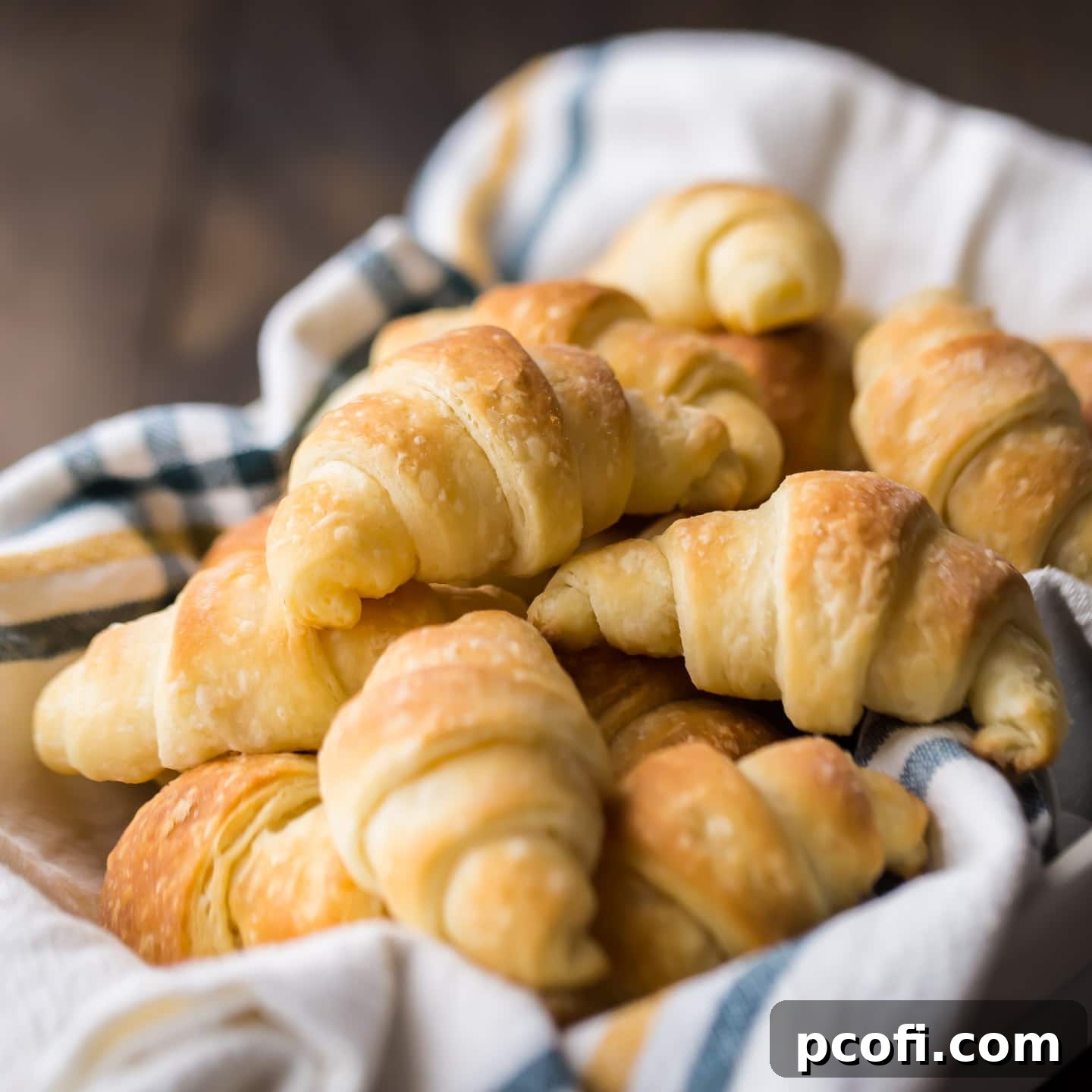
Homemade Crescent Rolls
Make the Recipe
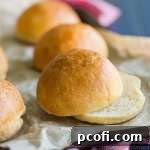
Soft Overnight Brioche Hamburger Buns
Make the Recipe
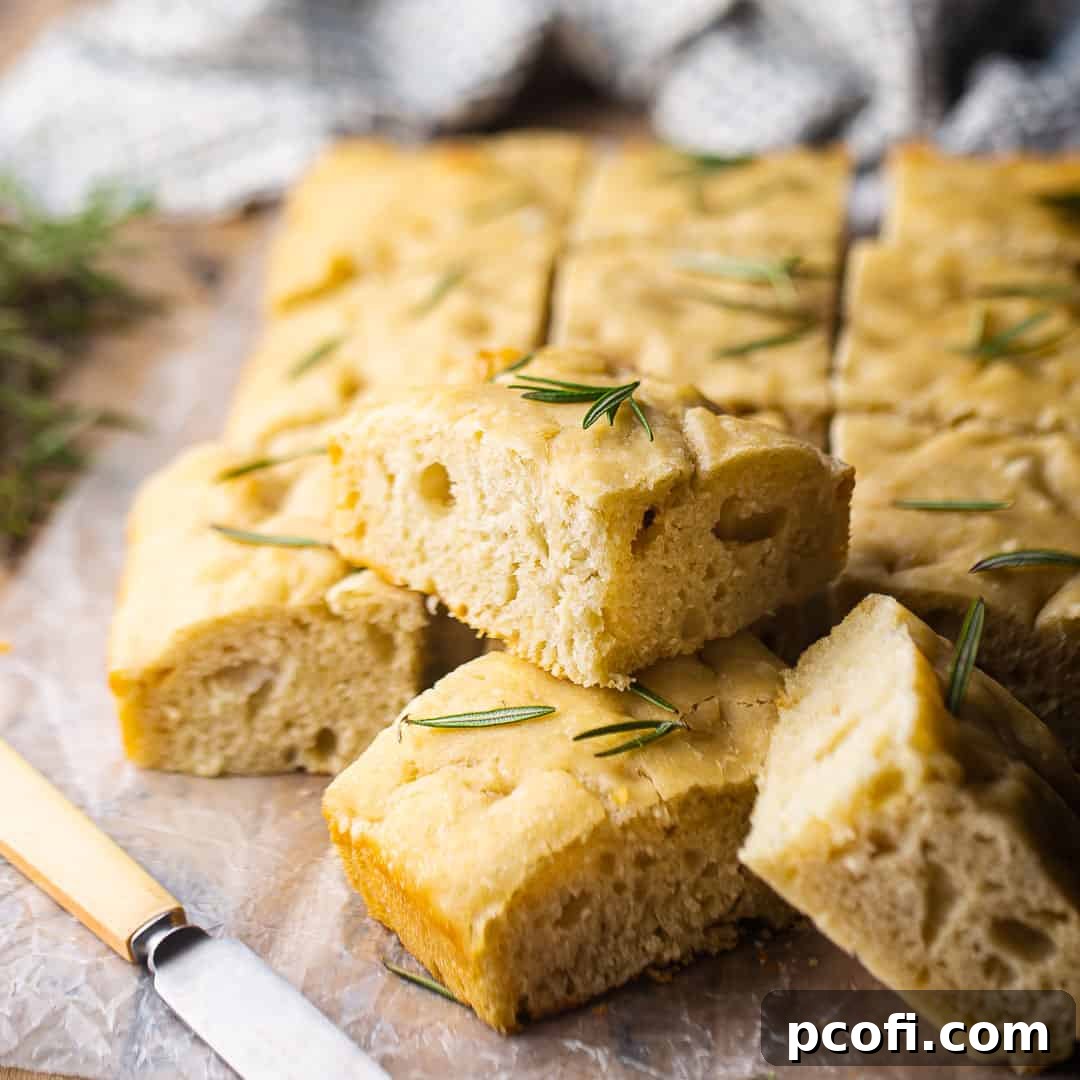
Focaccia Bread
Make the Recipe
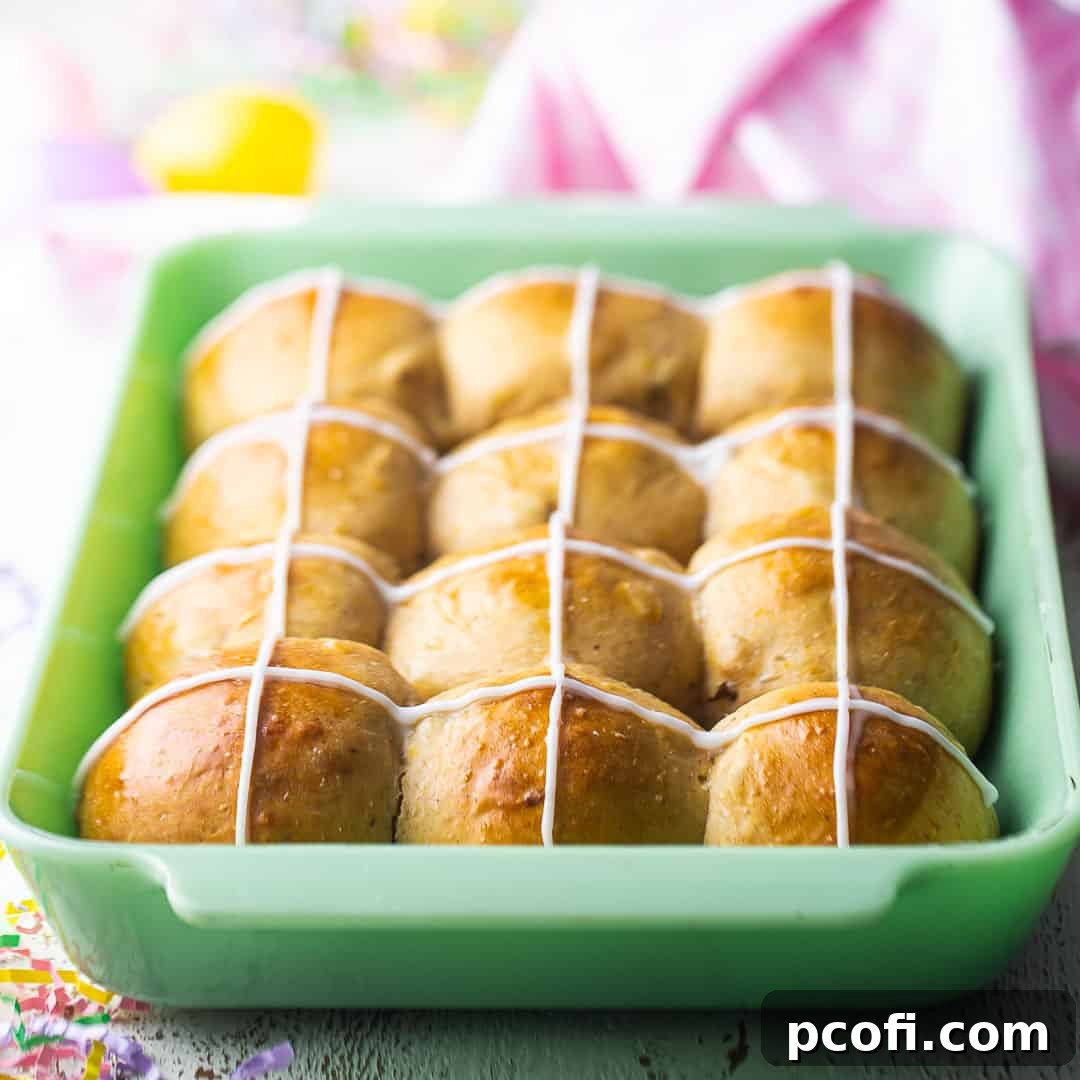
Hot Cross Buns
Make the Recipe
Common Yeast Bread Challenges and Solutions
Even experienced bakers face occasional challenges. Here are some common issues and how to troubleshoot them:
- Dense Bread:
- Too much flour: Measure precisely, preferably by weight.
- Not enough rise: Ensure your yeast is active and the dough has a warm, draft-free place to proof.
- Under-kneading: Insufficient gluten development leads to a weak structure.
- Sticky Dough:
- Too much liquid: Add flour a tablespoon at a time until the dough is manageable but still soft.
- Not enough kneading: Gluten development helps the dough become less sticky.
- Flat Bread (doesn’t rise much):
- Dead yeast: Always proof active dry yeast to ensure it’s alive. Check expiration dates.
- Liquid too hot or too cold: Use a thermometer to ensure optimal yeast activity.
- Over-proofing: Dough that rises too much can collapse in the oven.
- Dry or Crumbly Bread:
- Overbaking: Bake until golden brown and a thermometer reads 200-210°F (93-99°C).
- Not enough fat or liquid: Some recipes require more enrichment for moisture.
Don’t get discouraged by a less-than-perfect loaf! Every bake is a learning experience. Pay attention to your dough, experiment with small adjustments, and soon you’ll be baking like a pro.
Serving and Storing Your Homemade Bread
Once your beautiful yeast bread emerges from the oven, allow it to cool completely on a wire rack before slicing. This is crucial as the internal structure continues to set during cooling, preventing a gummy texture. The way you serve and store your bread can greatly impact its enjoyment:
- Serving Suggestions:
- Classic Loaves: Perfect for sandwiches, toast with butter and jam, or alongside soups and stews.
- Artisan Breads: Ideal for dipping in olive oil, pairing with cheese, or as an accompaniment to pasta dishes.
- Rolls & Buns: Essential for dinner, barbecues, or as mini sandwich bases.
- Sweet Breads: Enjoy with coffee or tea for breakfast, brunch, or dessert.
- Savory & Snack Breads: Serve garlic knots with marinara, pita with hummus, bagels with cream cheese, or soft pretzels with mustard.
- Storage Tips:
- Room Temperature: Most yeast breads are best enjoyed fresh, within 1-2 days. Store them in an airtight container, a bread box, or a paper bag (for crusty breads) at room temperature.
- Refrigeration: Generally not recommended for plain yeast breads as it can dry them out faster. However, enriched breads with dairy or eggs might benefit from refrigeration if not consumed quickly.
- Freezing: For longer storage, yeast breads freeze exceptionally well. Wrap cooled loaves or slices tightly in plastic wrap, then aluminum foil, and freeze for up to 3 months. Thaw at room temperature or reheat directly from frozen for a fresh-baked experience.
We hope this expanded guide inspires you to embrace the rewarding art of yeast bread baking. From the simplest sandwich loaf to a more complex braided challah, each recipe offers a unique journey and a delicious destination. The process is a form of culinary alchemy, transforming humble ingredients into something truly extraordinary that brings joy to both the baker and those who share in its deliciousness.
More Resources
- Find even more delightful yeast bread inspiration in our comprehensive yeast bread collection.
- For quicker baking projects, explore our entire sweet and savory quick breads collection.