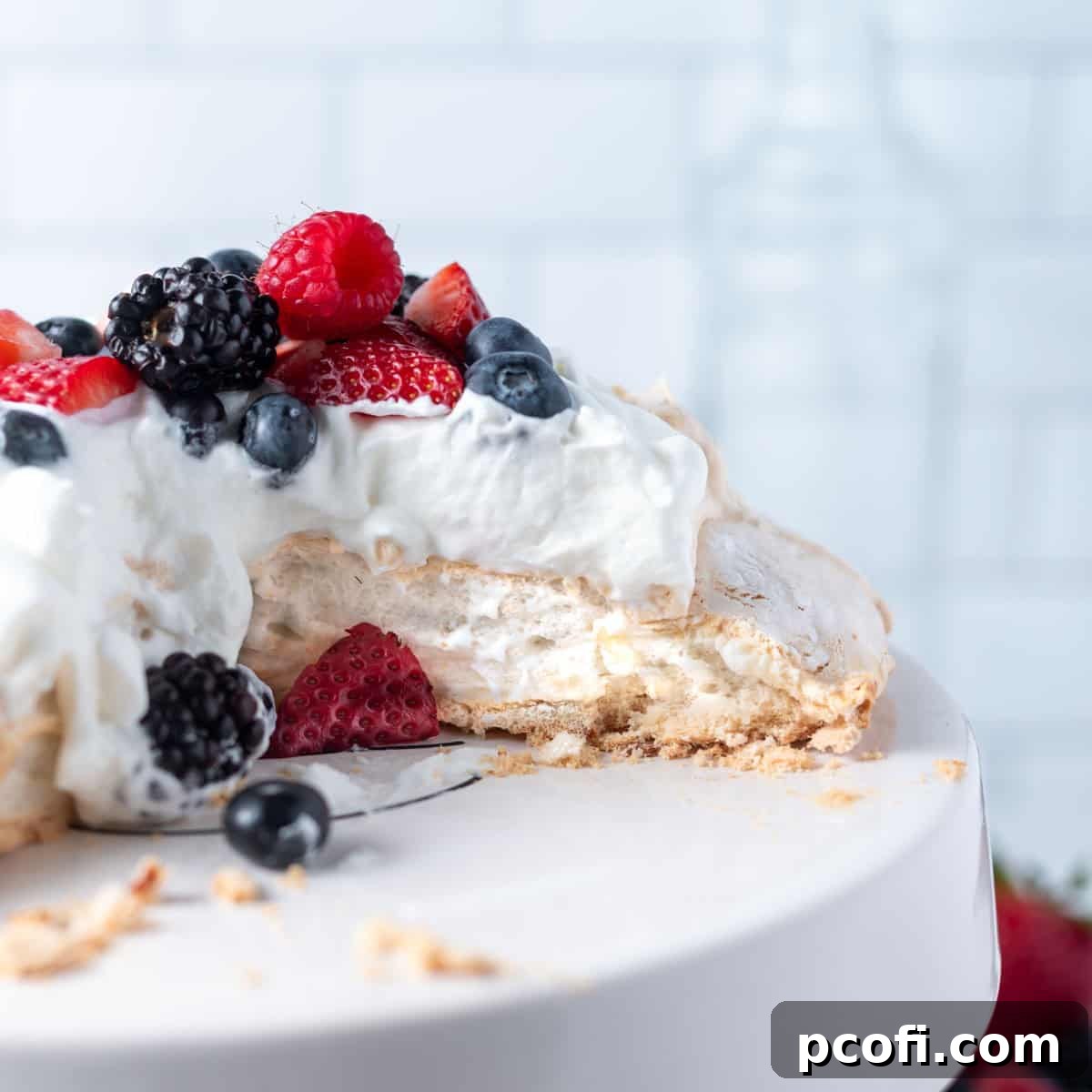
There’s an undeniable charm that a Pavlova brings to any table. With its ethereal, cloud-like presence and the satisfying delicate crackle when your knife glides through its crisp exterior into the soft, marshmallow-like center, it transforms any ordinary gathering into a truly special occasion. This iconic dessert, beloved for its dramatic presentation and delightful textures, promises a symphony of sweetness and light that captivates every guest.
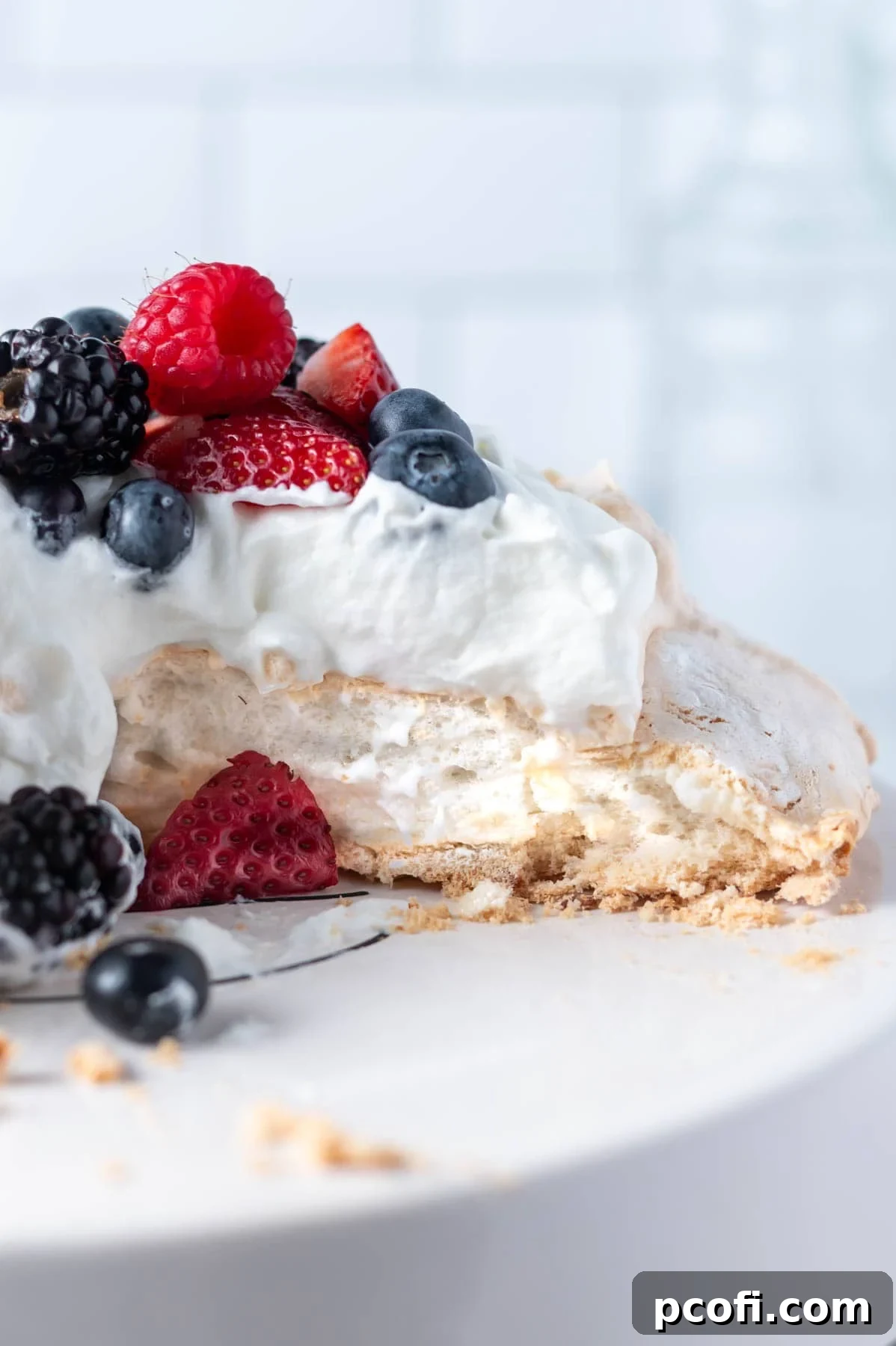
Table of Contents
- Why You’ll Love This Pavlova Recipe
- Essential Ingredients for a Perfect Pavlova
- Step-by-Step Guide: How To Make Pavlova
- Expert Tips and Tricks for Pavlova Success
- Creative Pavlova Topping Ideas
- Common Pavlova Questions Answered
- More Meringue Desserts to Explore
Jump to Recipe
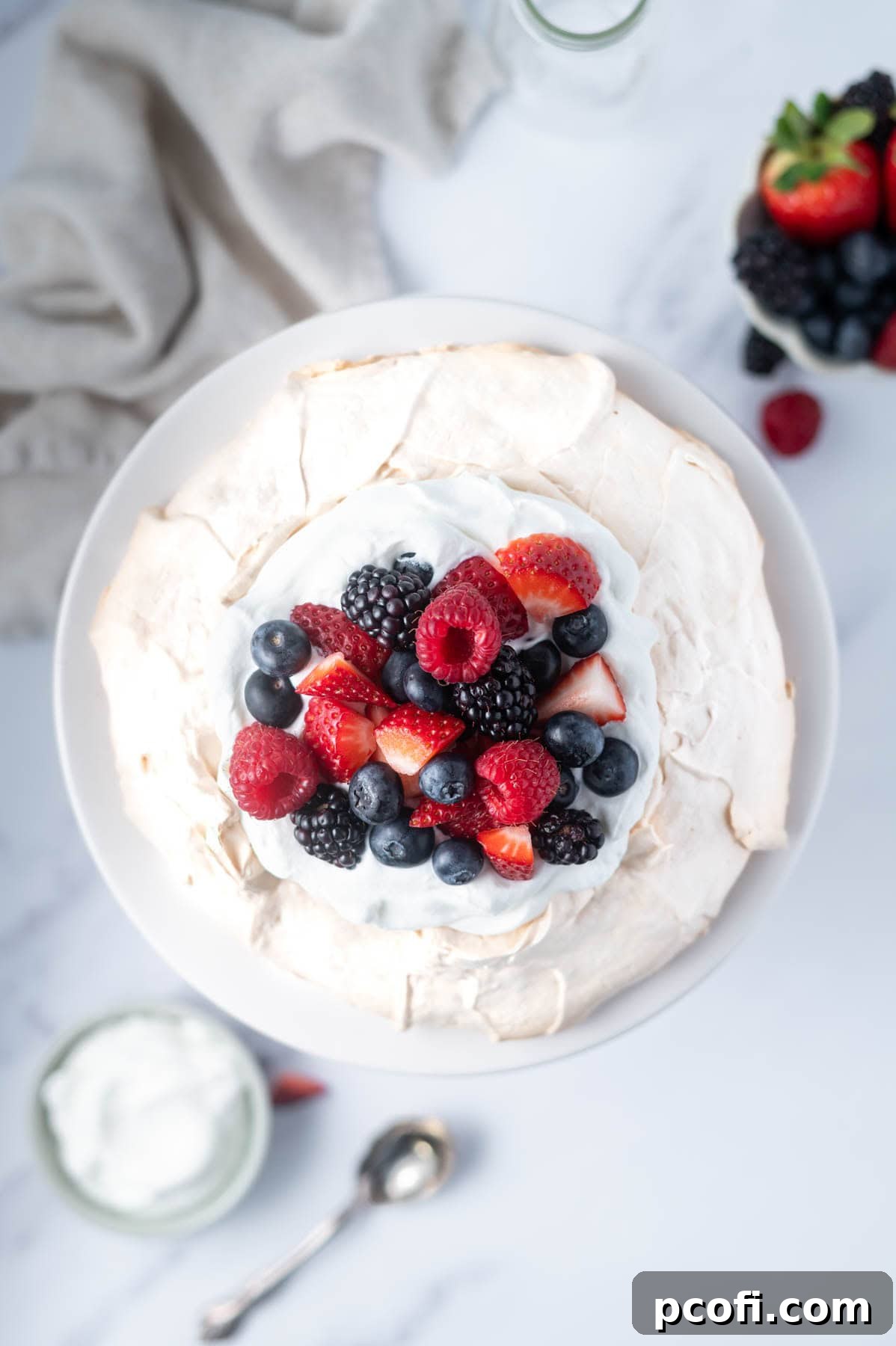
I find immense joy in preparing pavlova for cherished spring celebrations like Easter and Mother’s Day. Its neutral, sweet base acts as the perfect canvas for an array of your favorite vibrant toppings. Imagine a majestic mountain of airy whipped cream, generously piled with juicy fresh fruits such as strawberries, blueberries, raspberries, and kiwi. You could also adorn it with delicate curls of rich chocolate, a bright and tangy homemade lemon curd, or a luscious passion fruit coulis. The possibilities for decoration are truly limitless, allowing you to personalize this show-stopping dessert for any occasion.
This comprehensive guide will walk you through crafting this exquisite meringue dessert, which boasts a fascinating culinary heritage from “Down Under.” Prepare to elicit gasps of “oohs” and “aahs” as your guests elegantly slice into its incredibly crisp outer shell, revealing the heavenly, soft, and chewy marshmallow-like core within. The contrast in textures is what makes pavlova an unforgettable experience, a testament to simple ingredients coming together in a spectacular fashion.
Why You’ll Love This Pavlova Recipe
Creating a truly remarkable pavlova doesn’t have to be intimidating. This recipe simplifies the process while ensuring a spectacular result every time. Here’s why this pavlova will become your go-to dessert for impressing family and friends:
- Perfect Balance of Textures and Flavors: This recipe meticulously guides you to bake the meringue at a low, slow temperature. This crucial step ensures a wonderfully crisp, delicate exterior while preserving a luxuriously soft, chewy, and marshmallowy center. The slight tang from the vinegar combined with the sweetness of the meringue creates a harmonious flavor profile that’s never cloying, especially when paired with fresh, tart fruit.
- Incredibly Versatile for Any Occasion: The inherent sweetness of the pavlova provides an ideal foundation for a multitude of toppings. Whether you prefer a classic combination of light whipped cream and mixed berries or wish to experiment with more exotic fruits, rich chocolate sauces, zesty citrus curds, or even toasted nuts, the pavlova adapts beautifully. This adaptability makes it suitable for festive holidays, casual summer barbecues, elegant dinner parties, or any moment you desire a show-stopping dessert.
- Effortless Make-Ahead Convenience: One of the greatest advantages of pavlova is its make-ahead nature. The meringue requires a few hours to bake and then several more hours to cool completely within the turned-off oven. This extended cooling period is vital for stability and texture. This means you can bake the pavlova base a day in advance, leaving you with only the quick task of decorating and serving when dessert time arrives. This convenience significantly reduces stress on the day of your event, allowing you to enjoy your guests.
- Impressive Yet Surprisingly Simple: Despite its grand appearance, pavlova is surprisingly straightforward to make. The key lies in understanding a few fundamental techniques and ingredient interactions, which this recipe clearly outlines. Even novice bakers can achieve stunning results, making it an excellent choice when you want to create a memorable dessert without extensive culinary skill.
Essential Ingredients for a Perfect Pavlova
A classic pavlova relies on a handful of simple ingredients, each playing a critical role in achieving that signature crisp shell and soft interior. The full list with precise amounts can be found in the recipe card at the bottom of this post, but let’s dive into the specifics of what you’ll need and why:
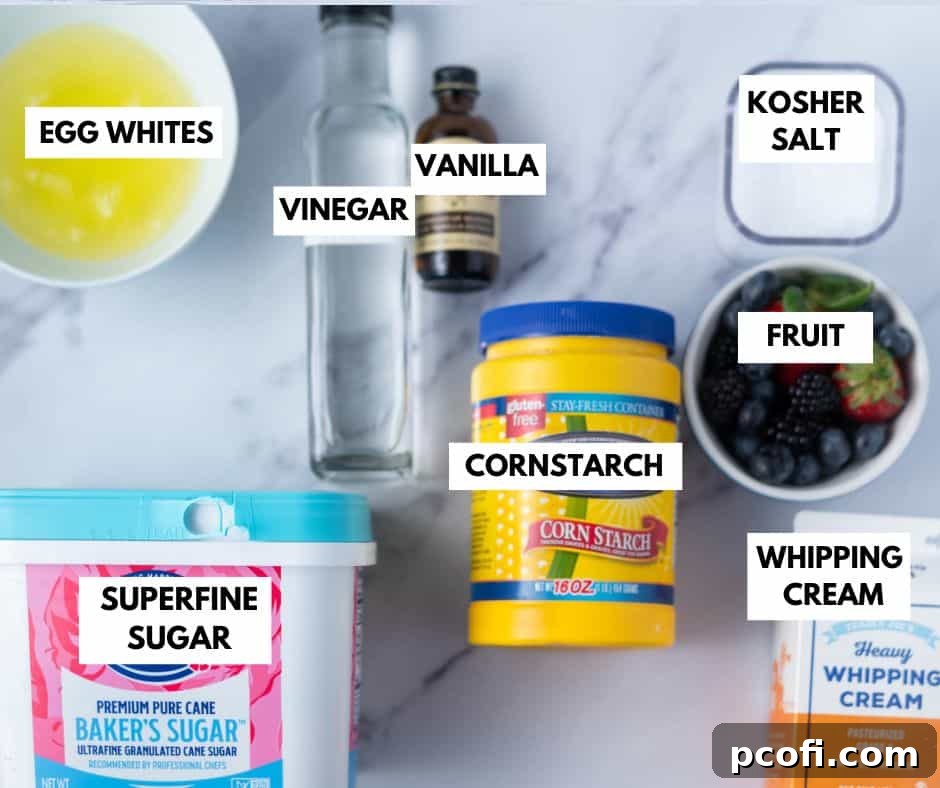
- Egg Whites: The foundation of your meringue! Always use fresh eggs for the best results, avoiding carton egg whites, which may contain additives that hinder proper whipping. While eggs separate more easily when cold, it’s crucial for the whites to be at room temperature before whipping. Room temperature egg whites create more volume and stable peaks. Aim for large eggs, typically yielding about 30-35g of white per egg.
- Kosher Salt: Just a small hint of kosher salt is added to balance the sweetness of the meringue. It helps to enhance the overall flavor profile, preventing it from tasting overly sugary.
- White Vinegar (or Cream of Tartar): This acidic ingredient is a secret weapon in pavlova. It helps stabilize the egg whites, allowing them to whip into stronger, stiffer peaks that hold their shape better. Vinegar also contributes to the chewy, marshmallowy texture of the center. You can easily substitute it with cream of tartar for the same effect.
- Superfine Sugar (Caster Sugar/Baker’s Sugar): The type of sugar makes a difference! Look for baker’s sugar, superfine sugar, or caster sugar. These sugars have finer granules than regular granulated sugar, which allows them to dissolve more easily and completely into the egg whites. This complete dissolution is essential for a smooth, glossy, and stable meringue without a grainy texture.
- Vanilla Extract: A classic and essential flavoring. Pure vanilla extract adds a lovely depth and warmth to the pavlova, complementing its sweetness beautifully.
- Cornstarch: This is the magic ingredient responsible for the characteristic marshmallow-like softness in the center of the pavlova. It slightly inhibits the egg whites from drying out completely during baking, creating that delightful chewiness that distinguishes pavlova from a crisp meringue.
- Heavy Whipping Cream: Used to create the light, airy homemade whipped cream topping. Ensure your cream is very cold for optimal whipping results, yielding a stable and luscious topping.
- Fresh Fruit: A vibrant array of fresh fruit is indispensable for pavlova. Use your favorite seasonal berries, such as strawberries, blueberries, raspberries, and blackberries. Sliced kiwi, peaches, or mango also make fantastic choices, adding a burst of color, freshness, and essential acidity to cut through the sweetness of the meringue.
Step-by-Step Guide: How To Make Pavlova
Before you begin, remember that grease is meringue’s sworn enemy. Even a tiny speck of fat can prevent egg whites from whipping properly. To ensure success, meticulously wipe down your mixing bowl, whisk attachment, and spatula with a small amount of white vinegar or lemon juice. This simple step guarantees your equipment is perfectly grease-free and ready for meringue magic.
Step 1: Preheat, Prep, and Begin Whipping
Preheat your oven to 300°F (150°C). Prepare your baking sheet by tracing an 8 or 9-inch circle onto a piece of parchment paper. A dinner plate or cake pan works perfectly as a guide. Place the parchment paper, pencil-side down, onto a large baking sheet and set it aside. This prevents the pencil marks from transferring to your meringue.
In the impeccably clean bowl of your stand mixer, add the room-temperature egg whites and a pinch of kosher salt. Begin mixing on medium-low speed. The egg whites will gradually become frothy and bubbly, a process that typically takes about 2-3 minutes. Once frothy, add the white vinegar (or cream of tartar), which will help stabilize the developing meringue.
Step 2: Gradually Add the Sugar
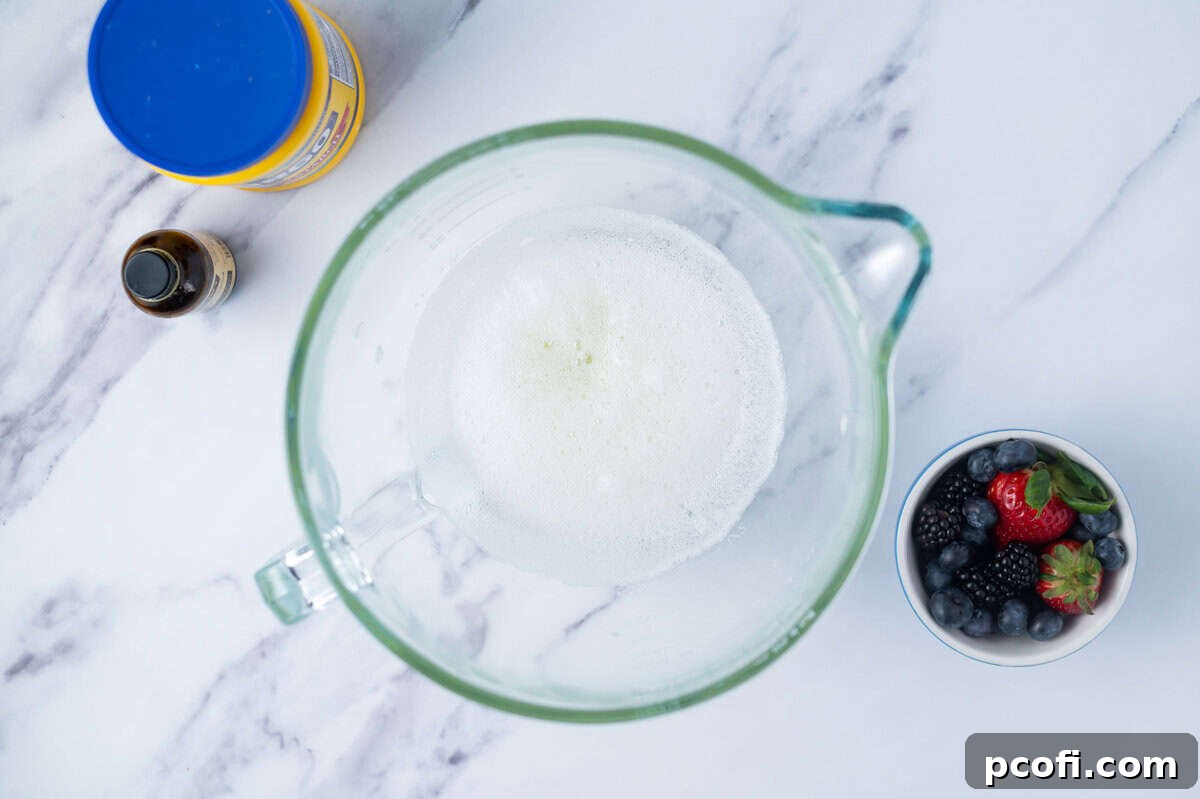
Increase the mixer speed to medium. Now, begin adding the superfine sugar, one tablespoon at a time. It’s crucial to sprinkle the sugar slowly and lightly into the beating egg whites. Allow approximately 15 seconds for each tablespoon to incorporate before adding the next. This gradual addition gives the sugar ample time to dissolve properly into the egg whites. Patience here is key; rushing this step can result in a grainy meringue.
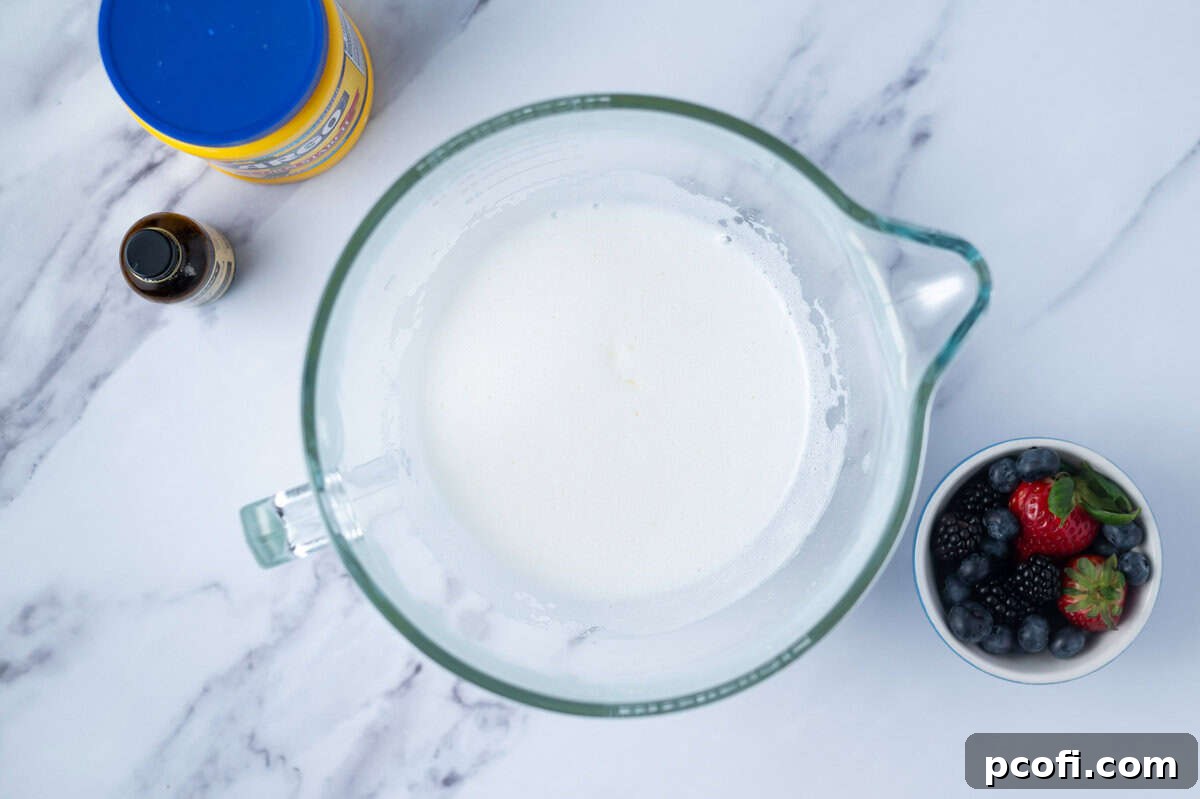
Step 3: Scrape the Bowl and Add Vanilla for Stiff Peaks
Once all the superfine sugar has been incorporated, stop the mixer. Use your spatula to scrape down the sides and bottom of the bowl, ensuring any undissolved sugar or unwhipped egg white is brought into the main mixture. Add the vanilla extract at this point. Resume beating on medium-high speed. Continue to beat until the meringue is glossy, thick, and forms stiff peaks. This process typically takes about 5-7 minutes. To check for stiff peaks, lift the whisk; the meringue should hold its shape firmly, and if you rub a small amount between your fingers, it should feel smooth with no detectable sugar crystals.
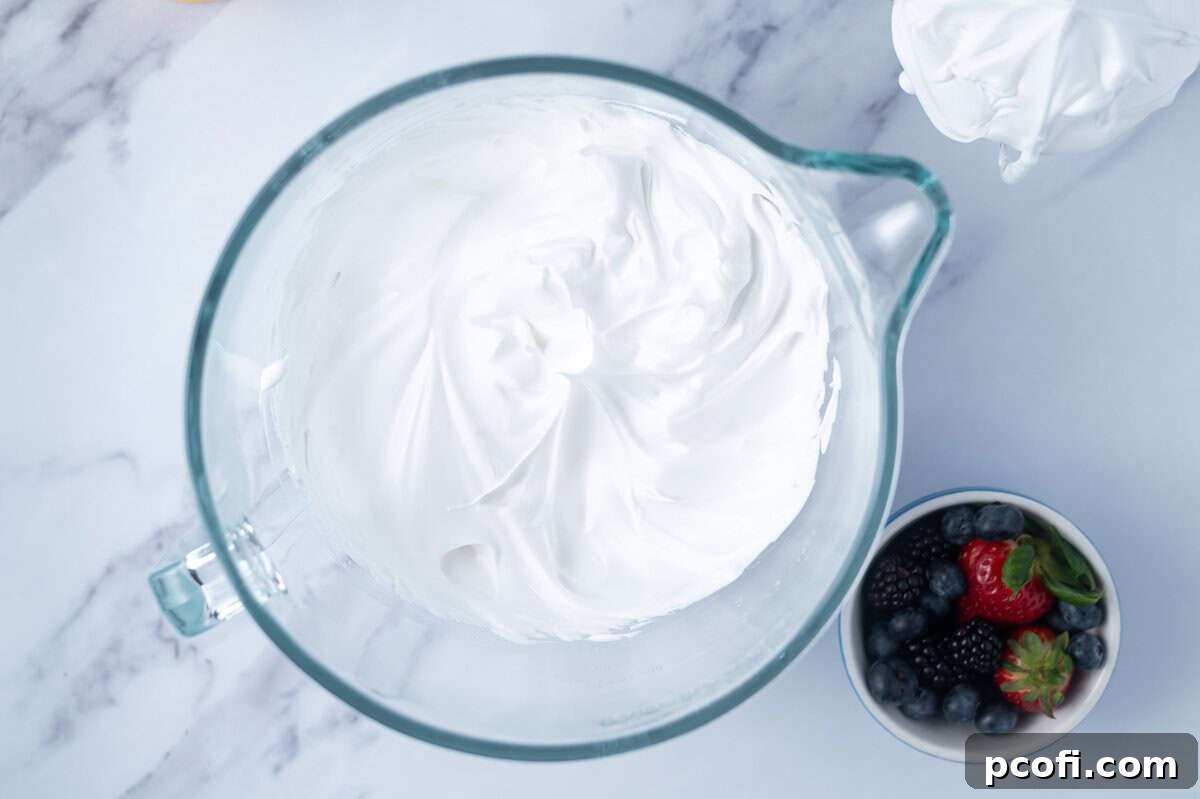
Step 4: Gently Fold in the Cornstarch
Carefully sift the cornstarch over the whipped meringue. Using a flexible spatula, gently fold the cornstarch into the meringue with an upward motion. Be careful not to deflate the airy meringue. Fold just until the cornstarch is fully incorporated and no streaks remain. This step is crucial for achieving that signature chewy, marshmallowy center.
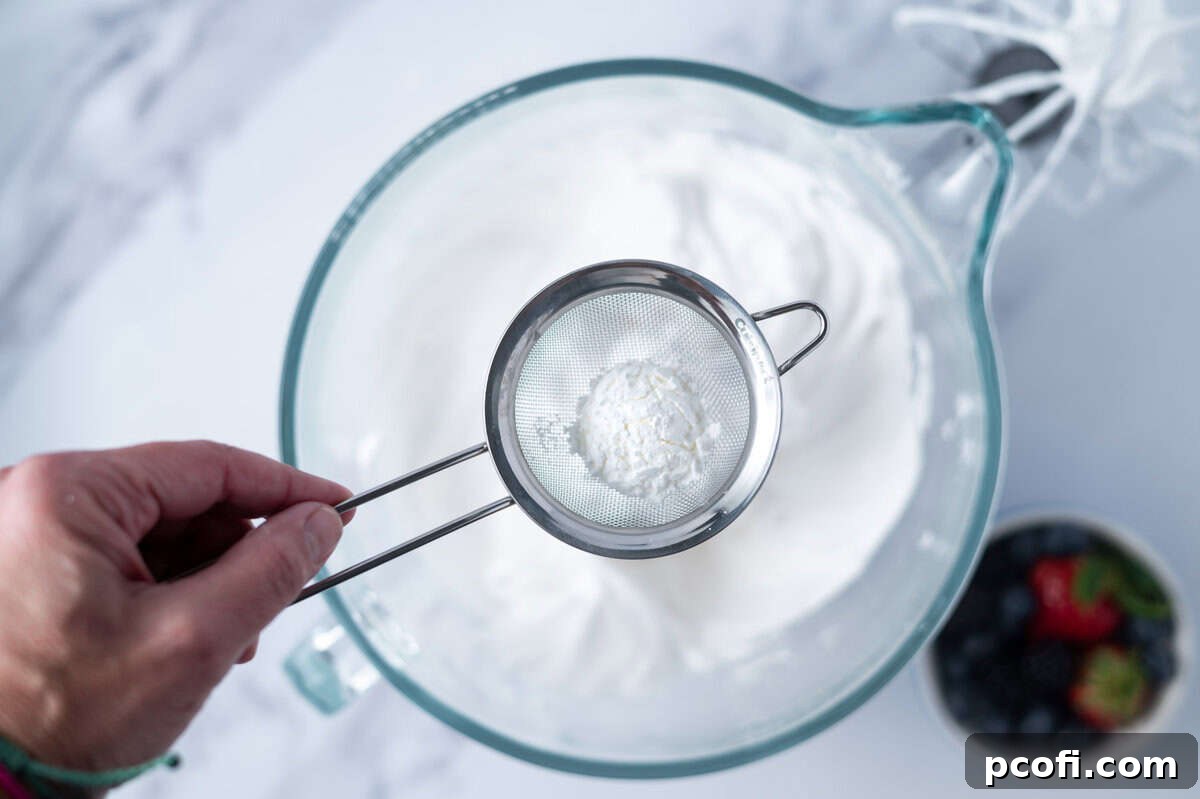
Step 5: Form the Pavlova and Bake Low and Slow
Transfer the meringue to the center of your traced circle on the parchment paper using a spatula or a large spoon. Gently spread the meringue into a circular shape, using the drawn lines as your guide. Create a slight depression in the middle of the meringue; this “nest” will perfectly hold your whipped cream and toppings. For an extra decorative touch, lightly drag the spatula or spoon upwards along the sides to create artistic peaks and swirls, giving your pavlova a beautiful, rustic charm.
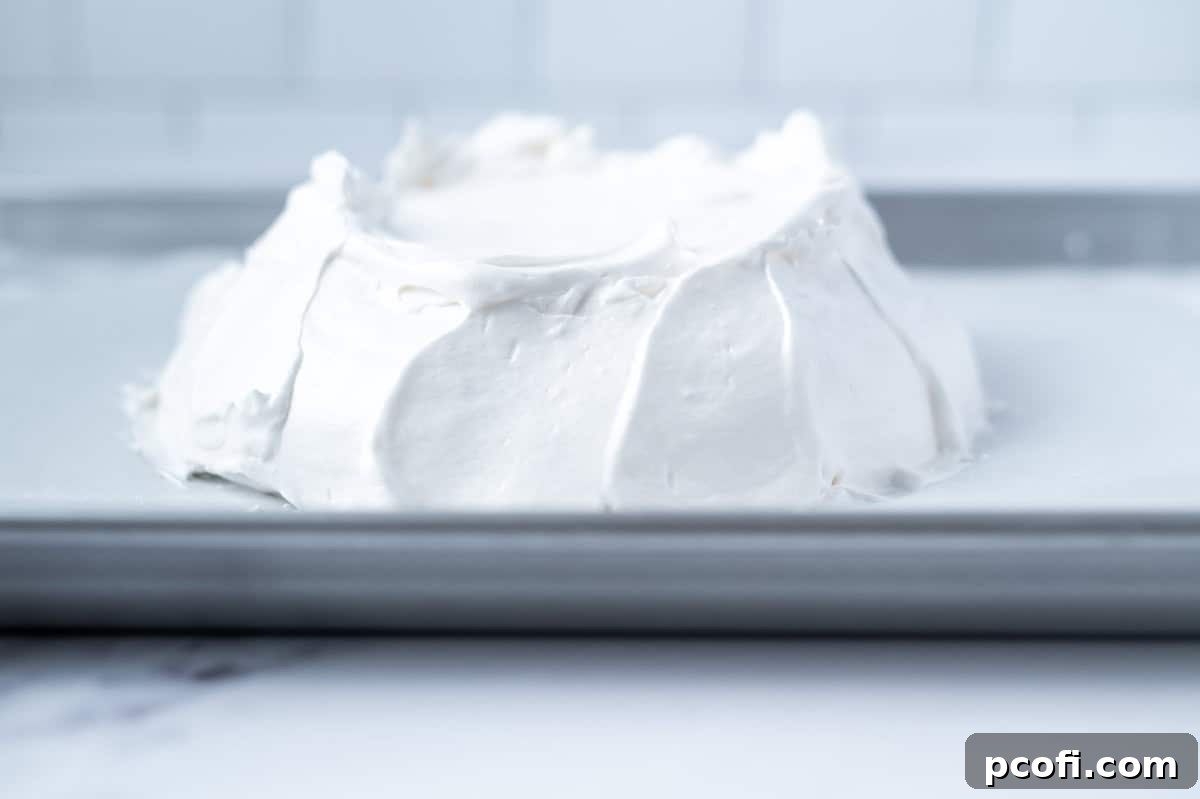
Place the baking sheet into your preheated oven. Immediately REDUCE the oven temperature to 225°F (107°C). Bake for 2 to 2 ½ hours, or until the meringue is slightly creamy in color, firm to the touch, and feels completely dry on the outside. You can begin checking for doneness around the 2-hour mark. The long, slow bake is crucial for achieving that characteristic crisp shell without browning.
Once baked, turn the oven off completely. Crucially, leave the pavlova inside the closed oven to cool gradually and completely. This slow cooling process prevents thermal shock, which can cause cracking and shrinking. Allow it to cool for at least 3 hours, or even better, overnight. The longer it cools in the oven, the more stable and crisp your pavlova will be.
Expert Tips and Tricks for Pavlova Success
Crafting a perfect pavlova is a delightful endeavor, and a few key tips can elevate your results from good to absolutely extraordinary. Follow these expert recommendations for a truly magnificent meringue dessert:
- Ensure Impeccably Clean, Grease-Free Equipment: This cannot be stressed enough. Any trace of fat—from residual oil on a mixing bowl, egg yolk accidentally dripping into the whites, or even oily hands—will prevent the egg whites from whipping to full volume and stability. Always wipe down your mixing bowl, whisk attachment, and spatula with white vinegar or lemon juice before starting. This acid helps to cut through any invisible grease.
- Use Room-Temperature Egg Whites: While cold eggs are easier to separate (the yolk is firmer), room-temperature egg whites whip up faster, achieve greater volume, and create a more stable meringue. Plan ahead and let your separated egg whites sit on the counter for 30-60 minutes before you begin the recipe.
- Add Superfine Sugar Slowly and Gradually: Patience is a virtue when adding sugar to egg whites. Sprinkling the superfine sugar one tablespoon at a time, with a pause between additions, allows each granule to fully dissolve. This ensures a smooth, glossy meringue texture without a gritty mouthfeel and contributes to its overall stability.
- Whip Meringue Until Stiff Peaks and Glossy: Continue whipping until the meringue is incredibly thick, smooth, and shiny. When you lift the whisk, the meringue should hold its shape firmly without drooping. A good test is to rub a small amount between your fingers; you shouldn’t feel any sugar crystals. If you do, keep whipping for another minute or two.
- Cool Completely in the Oven (No Peeking!): Sudden changes in temperature are the main culprits behind cracks and shrinkage in pavlova. After baking, turn off the oven and leave the pavlova undisturbed inside for several hours, or even overnight. This gradual cooling allows the meringue to slowly dry out and stabilize. While some minor cracking adds to the rustic, whimsical charm of pavlova, proper cooling minimizes it.
- Decorate Just Before Serving: To maintain the crispness of the pavlova shell, it’s essential to add the whipped cream and fresh fruit toppings no more than 1-2 hours before serving. The moisture from the cream and fruit can soften the meringue over time, compromising its signature texture.
- Store Undecorated Pavlova Properly: If you’re making the pavlova ahead, ensure it’s completely cooled and dry before storing. Place the undecorated pavlova in an airtight container at room temperature for up to 2-3 days. Avoid refrigerating it before decorating, as the humidity in the fridge can make it sticky and soft.
- Embrace the Cracks: A perfectly smooth pavlova is rare. Embrace any minor cracks or imperfections as part of its unique character! Once topped with cream and fruit, these small flaws become invisible, and the taste will remain divine.
Creative Pavlova Topping Ideas
While classic whipped cream and fresh berries are undeniably delicious, the versatility of pavlova invites endless creativity when it comes to toppings. Here are some inspiring ideas to elevate your pavlova for any season or preference:
-
Tropical Paradise:
- Whipped coconut cream (for a dairy-free option)
- Sliced mango, passion fruit pulp, pineapple chunks
- Toasted coconut flakes
- A drizzle of lime zest or a hint of rum for adults
-
Citrus Burst:
- Homemade lemon curd or vibrant orange curd
- Candied citrus peel
- Fresh grapefruit or orange segments
- A sprinkle of finely chopped pistachios for color and crunch
-
Chocolate Lover’s Dream:
- Chocolate whipped cream or a rich chocolate ganache drizzle
- Fresh raspberries or cherries (chocolate’s best friends)
- Chocolate shavings or mini chocolate chips
- A dusting of cocoa powder
-
Autumn Harvest:
- Cinnamon-spiced whipped cream
- Caramelized apples or pears
- Toasted pecans or walnuts
- A drizzle of homemade salted caramel sauce
-
Floral & Elegant:
- Rosewater-infused whipped cream
- Fresh pomegranate arils
- Edible flowers (pansies, violas, rose petals)
- Crushed pistachios or finely ground almonds
-
Berry Extravaganza (Classic with a Twist):
- Classic whipped cream or crème fraîche
- An abundance of mixed fresh berries
- A light drizzle of balsamic glaze (surprisingly good with strawberries!)
- Fresh mint leaves for garnish
Common Pavlova Questions Answered
Even seasoned bakers can have questions when it comes to achieving pavlova perfection. Here are answers to some frequently asked questions:
-
What’s the difference between pavlova and meringue?
While both are egg white-based desserts, pavlova is a specific type of meringue. Classic meringues are typically crisp and dry all the way through. Pavlova, however, has a distinct texture: a crisp outer shell with a soft, chewy, marshmallow-like interior. This unique texture is achieved by the addition of cornstarch and vinegar (or cream of tartar) and a specific baking and cooling process.
-
Why did my pavlova crack?
Cracking is common and often happens due to sudden temperature changes. Ensuring your pavlova cools completely in the oven after baking is crucial. Opening the oven door too soon can cause the meringue to deflate and crack. Using room temperature egg whites and properly dissolved sugar also contributes to a stable meringue structure. Remember, a few cracks add to its rustic charm!
-
Can I make pavlova without a stand mixer?
Yes, you can! A hand mixer will work, though it will require more time and effort to achieve stiff peaks. It’s generally not recommended to whip egg whites for pavlova by hand, as it’s very strenuous and difficult to achieve the necessary volume and stiffness.
-
How far in advance can I make the pavlova base?
You can bake the pavlova shell up to 2-3 days in advance. Once completely cooled, store it in an airtight container at room temperature. Do not refrigerate it before adding the toppings, as the humidity can cause it to become sticky and lose its crispness.
-
Why didn’t my egg whites whip?
The most common culprits are grease in the bowl or on the whisk, or a tiny speck of egg yolk mixed in with the whites. Ensure all equipment is meticulously clean and grease-free. Also, using fresh, room-temperature egg whites helps significantly.
-
What if I don’t have superfine sugar?
If you only have granulated sugar, you can make your own superfine sugar by pulsing it briefly in a food processor or blender until the granules are finer, but be careful not to turn it into powdered sugar. Ensure it’s not over-processed, as powdered sugar contains cornstarch and can alter the recipe’s balance.
More Meringue Desserts to Explore
If you’ve fallen in love with the delicate beauty of meringue, there’s a whole world of light and airy desserts waiting to be discovered. Here are some other delightful meringue-based recipes to try:
- Blackberry Lemon Pavlova
- Meringue Cookies
- Pavlova with Strawberries and Balsamic
- Lemon Meringue Pie (a timeless classic!)
- Baked Alaska (a dramatic ice cream dessert encased in meringue)
Classic Pavlova
8
servings
20 mins
2 hrs
27 mins
3 hrs
Leave a Review
Ingredients
For the Pavlova Base
- 5 large egg whites, room temperature*
- ⅛ teaspoon kosher salt
- 1 teaspoon white vinegar
- 1 ¼ cups superfine sugar, 275g
- ½ teaspoon vanilla extract
- 2 teaspoons cornstarch
For the Whipped Cream Topping
- ¾ cup heavy whipping cream, 180mL
- 2 tablespoons sugar, granulated, superfine or powdered
- 2 cups fresh fruit, strawberries, raspberries, blueberries, blackberries, kiwi, etc.
- Mint, for garnish if desired
Instructions
-
Use white vinegar or lemon juice to wipe down the mixing bowl, whisk attachment, and spatula that you will be using. Grease is meringue’s enemy, and you want to ensure your equipment is grease-free.
-
Preheat the oven to 300°F (150°C). Use an 8 or 9-inch guide to trace a circle on a piece of parchment paper. Place the paper, pencil side down, on a baking sheet pan and set aside.
-
In the bowl of a stand mixer, add the egg whites and kosher salt. Mix on medium-low until they become frothy, about 2-3 minutes. Then add the vinegar.
-
Now add the superfine sugar, one tablespoon at a time, lightly sprinkling it into the beating egg whites. It should take about 15 seconds of sprinkling per tablespoon; wait a few seconds after one tablespoon has been added before adding the next. (You want to add the sugar slowly to allow it to dissolve easier).
-
Once all the sugar has been added, stop the mixer and scrape the bowl. Then add the vanilla and beat on medium-high until the mixture becomes glossy and stiff peaks are formed, about 5-7 minutes.
-
Then sift the cornstarch over the meringue and fold it in with a spatula.
-
Use the spatula or a spoon to move the meringue to the middle of the drawn circle on the parchment paper. Gently spread the meringue into the shape of a circle, using the drawn lines as a guide. Make a slight depression in the middle. If desired, you can lightly drag the spatula/spoon up the sides to create a pattern along the sides.
-
Place in the oven and REDUCE the temperature to 225°F (107°C). Bake for 2 – 2 ½** hours or until the meringue is slightly creamy in color and feels dry on the outside. (You can start checking for doneness at the 2-hour mark).
-
Turn the oven off and leave the pavlova in the oven to cool completely, at least 3 hours. It can be left for multiple hours or overnight for best results.
-
When ready to serve, make the whipped cream by combining the heavy whipping cream and sugar in a bowl and beat with a hand or stand mixer until medium-stiff peaks form.
-
Carefully move the pavlova to a serving plate. Spoon the whipped cream over the top and gently arrange the fresh fruit to decorate. Garnish with mint or a dusting of powdered sugar, if desired. Serve immediately.
Notes
*Eggs are easier to separate when they are cold. Separate them and then allow the whites to come to room temperature for optimal whipping.
**Baking times can vary depending on your oven and climate. If you live in a humid environment (like Seattle), pavlova can take an extra hour of baking time. Extend the cooling/drying time as well. I often leave mine to dry 6-8 hours or overnight in the oven before serving.
Pavlova should be served immediately once decorated. Any leftovers can be stored in the refrigerator for up to one day, but be aware that the meringue will gradually absorb moisture and start to soften, losing its crispy exterior.
Calories: 254kcal,
Carbohydrates: 44g,
Protein: 3g,
Fat: 8g,
Saturated Fat: 5g,
Polyunsaturated Fat: 0.3g,
Monounsaturated Fat: 2g,
Cholesterol: 25mg,
Sodium: 77mg,
Potassium: 106mg,
Fiber: 1g,
Sugar: 42g,
Vitamin A: 507IU,
Vitamin C: 1mg,
Calcium: 19mg,
Iron: 0.2mg
Tried this recipe?
Mention @bakingamoment on Instagram or tag #bakingamoment.