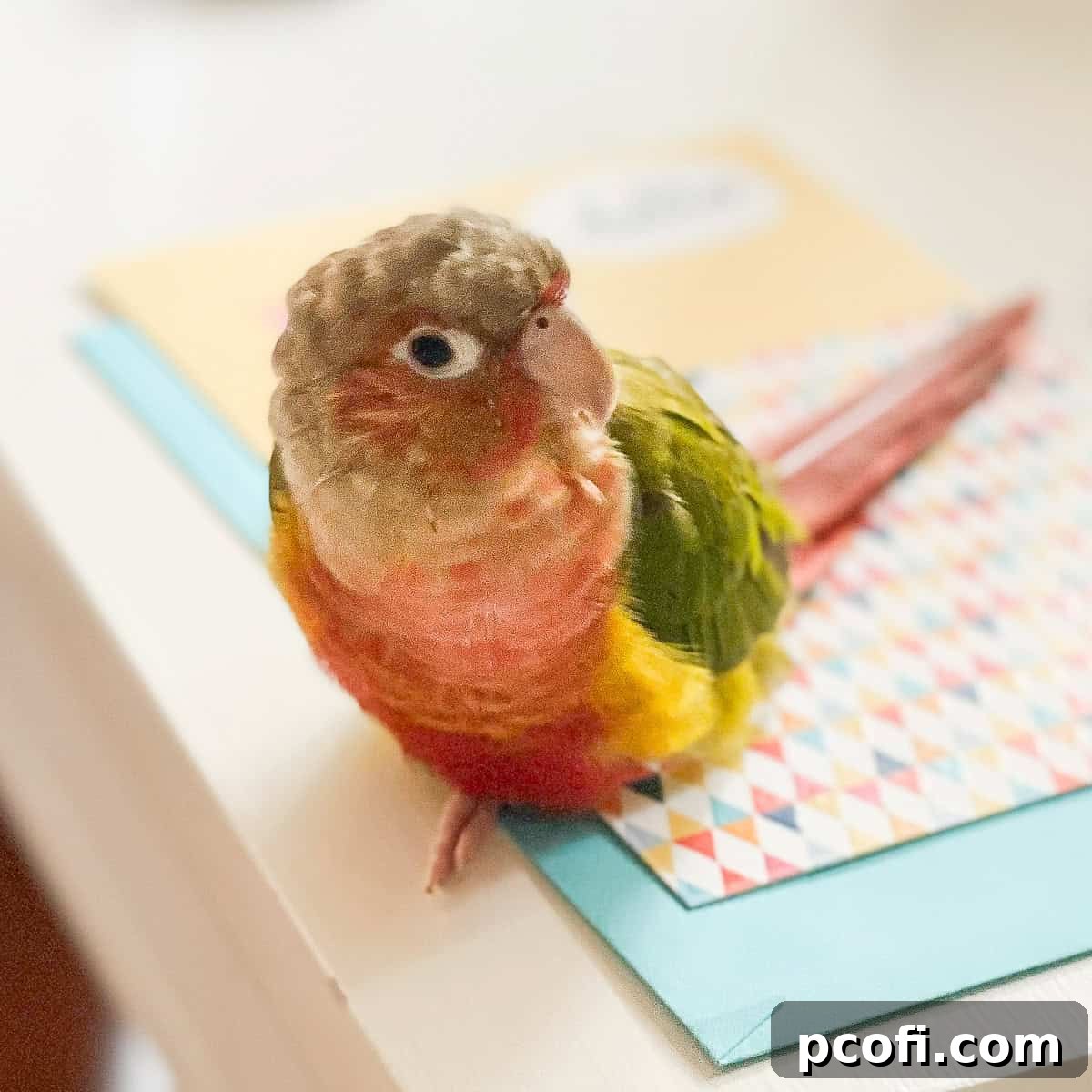
Welcome to a special day! We’ve received the results from Bertie’s blood test, and it’s time for an exciting gender reveal! Alongside this joyous news, I’m thrilled to share some captivating and fun facts about owning a pet bird, offering a deeper look into life with my feathered companion.
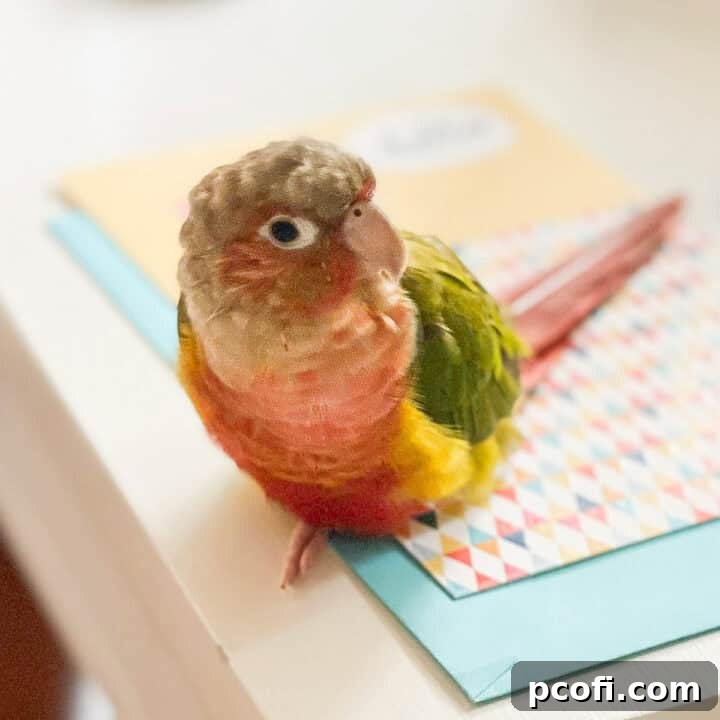
Today is a truly heartwarming day as I bring you all up to speed on Bertie, my beloved little pineapple conure and a constant source of joy and companionship. For those of you just joining our journey, I highly recommend checking out my previous post, “50, A Feathered Friend, and All the Feels,” to get acquainted with how Bertie entered my life and the profound impact she’s had.
Before diving into the fun revelations, I want to express my deepest gratitude to everyone who read and responded to that very personal post. Sharing such a vulnerable side of myself on this platform, which typically focuses on recipes, was a rare and somewhat daunting step. However, the outpouring of support, encouragement, understanding, and love I received was truly overwhelming and deeply appreciated. It made me realize that these glimpses into my personal life resonate with you, and that connection means the world to me. Your kind words, both here and across my social media, have truly brightened a challenging chapter, turning a difficult time into something more manageable – a gift I cannot thank you enough for.
Now, let’s turn our attention back to Bertie! The anticipation has been building, and after a comprehensive DNA test, the veterinarian has confirmed Bertie’s gender. And the big news is…
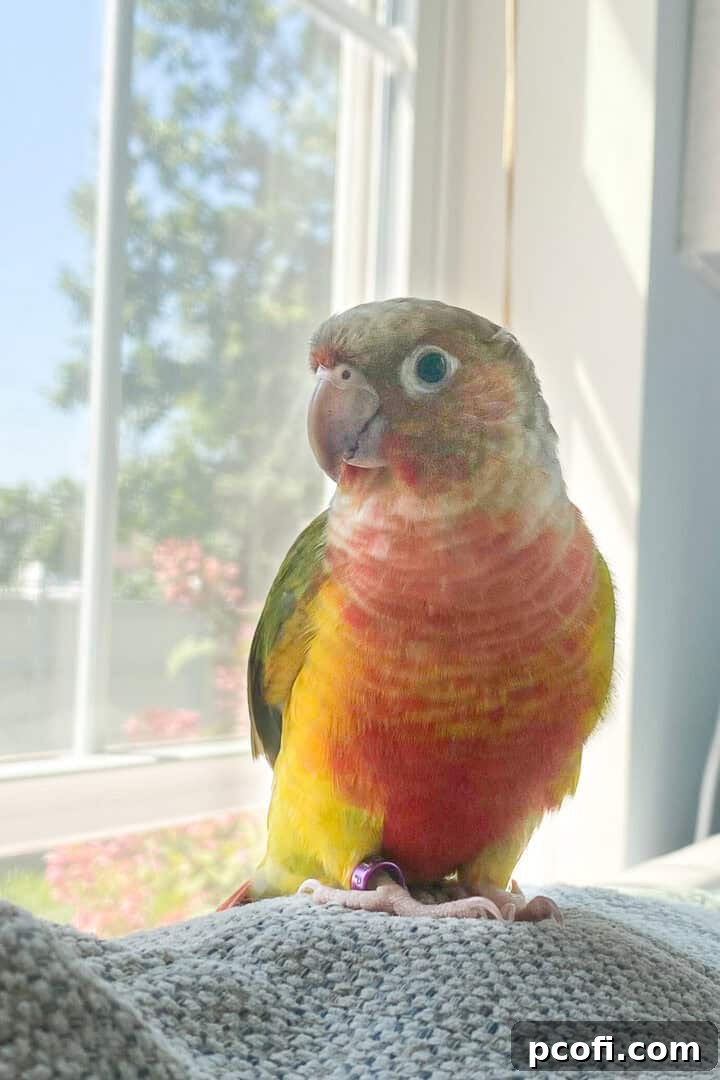
She’s a girl! I am absolutely over the moon with happiness! I had a strong feeling Bertie was a girl, especially since we had already instinctively started using she/her pronouns for her. It would have been quite an adjustment to switch gears, so this news feels perfectly right and completes our little family. This moment also feels like the perfect opportunity to share some delightful and enlightening facts about my sweet little puffball and snuggle bug, Bertie. So, without further ado, let’s explore the wonderful world of pet birds through Bertie’s unique perspective!
1) Bertie is a Pineapple Green-Cheeked Conure
Bertie belongs to the fascinating family of conures, which are a diverse sub-species of parrots known for their vibrant personalities and stunning colors. These charming birds are typically small to medium-sized, making them ideal companions for many households. Bertie herself is quite petite; her body measures approximately 4 inches long, excluding her elegant tail feathers, and she weighs a mere 52 grams—roughly the same weight as a large chicken egg! Originating from the tropical regions of South America, conures are accustomed to warm, humid climates, but they adapt remarkably well to home environments, making them fantastic pets.
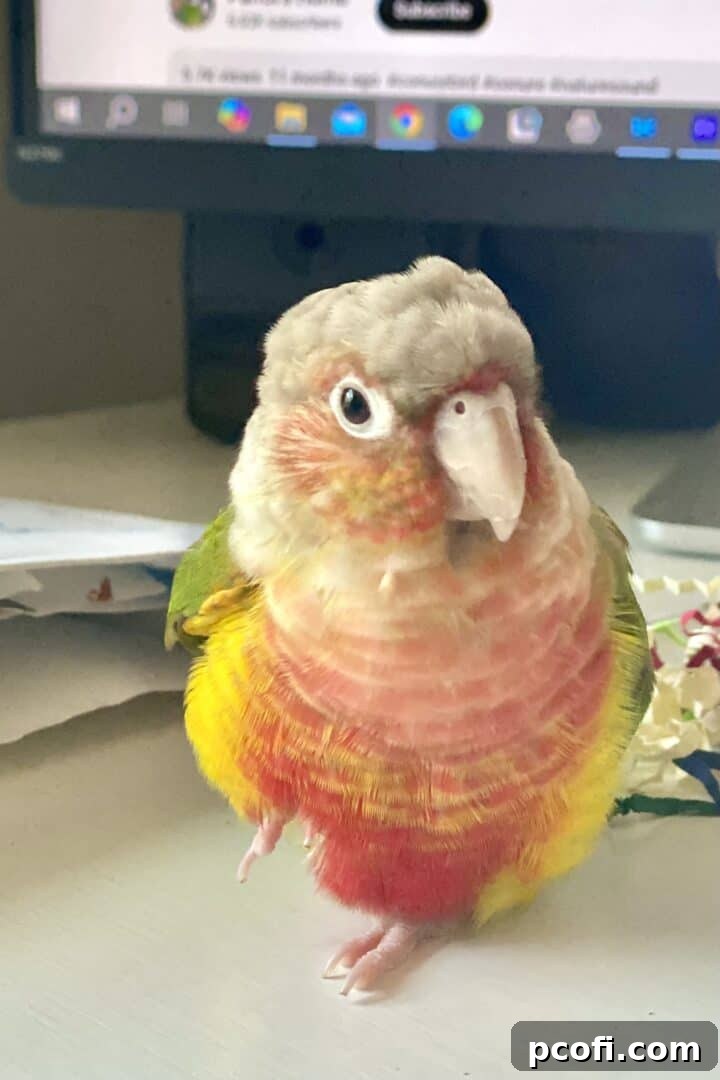
The “pineapple” designation refers to her specific and beautiful coloration pattern. This variation of the green-cheeked conure features a striking blend of red, orange, and yellow hues across her chest and head, reminiscent of the tropical fruit, contrasting beautifully with her green back. These birds are not only visually appealing but also offer a long-term commitment, with a typical lifespan ranging from 15 to 20 years, sometimes even longer with excellent care. Understanding their specific needs, from diet to enrichment, is key to ensuring a happy and healthy life for these intelligent creatures.
2) She Can Turn Her Head Almost All the Way Around
One of Bertie’s most intriguing abilities, shared by many bird species, is her incredible neck flexibility. Just like an owl, she possesses the remarkable capacity to rotate her head to an astonishing degree. While it doesn’t spin in a full circle, she can comfortably turn her head nearly 180 degrees to the left, allowing her to see directly behind herself, and then effortlessly rotate it all the way to the right. This unique anatomical feature is incredibly practical for birds, enabling them to scan their surroundings for predators or food without having to move their entire body. It’s a constant source of amazement to watch her effortlessly pivot her head, a testament to nature’s ingenious design for avian survival and awareness.
3) Under Her Wings It’s Blue
Bertie holds a delightful secret hidden beneath her vibrant green and red plumage. When her wings are folded against her body, she appears predominantly green, characteristic of her species. However, when she stretches them out, perhaps during a playful flap or a preening session, she reveals the most stunning, iridescent turquoise blue feathers underneath. This burst of unexpected color is truly breathtaking and adds another layer to her beauty. Capturing this moment in a photograph is a challenge, as birds often dislike having their wings touched or manipulated. It’s crucial to always respect a bird’s boundaries and trust, as forcing interaction can damage the bond you’ve built. I’m hopeful that with patience and observation, I’ll be able to snap a quick photo of her beautiful blue underwings soon to share this hidden gem with you all!
4) Highly Intelligent
Parrots, and indeed many bird species, are renowned for their exceptional intelligence, and Bertie is no exception. Her cognitive abilities are truly remarkable. Experts often compare the intelligence of parrots to that of a typical 3-year-old child, capable of problem-solving, understanding complex commands, and even mimicking human speech. While Bertie hasn’t started full conversations yet, we often joke that “Merp” (my affectionate nickname for myself in her presence) might be the first word she perfects! They possess a profound capacity for learning and can be trained in a multitude of ways, fostering a deeper connection with their human companions.
Bertie is already demonstrating her impressive intellect. She’s rapidly learning to “step up” onto our fingers and perch on command, a fundamental behavior for safe handling. She also presents the top of her beak for a gentle “kiss” and has even started to mimic the sound of a kiss herself – a soft, adorable “Mmm-whah! Xxxxx!” These small victories in training not only highlight her intelligence but also reinforce our bond. Engaging in regular training sessions, even short ones, provides crucial mental stimulation for birds, preventing boredom and encouraging positive interactions. It’s a joy to watch her learn and grow, a testament to the incredible minds behind those feathered exteriors.
5) She Loves Cuddles and Pets
If there’s one thing Bertie adores, it’s a good cuddle session. On average, we spend around two hours a day simply snuggling and interacting. Our day often begins with a shared quiet time: I enjoy my morning coffee, and Bertie revels in a long, affectionate cuddle session. We repeat this cherished ritual in the late afternoon once my workday concludes, sometimes accompanied by a relaxing cocktail for me, of course! (Birds should never consume alcohol, as it’s highly toxic to them.)
Bertie especially loves having her head, neck, and the area around her beak gently rubbed and scratched. When she receives these pets, she often closes her eyes, leaning into the touch with an expression of pure ecstasy. She will happily sit for an extended period, completely absorbed in the sensation. Sometimes, in a particularly sweet moment, she’ll even stick her tiny tongue out the side of her beak, as if trying to “lick” us back – it’s an incredibly cute and endearing gesture that truly melts our hearts. These daily interactions are not just about affection; they are vital for strengthening our bond and ensuring Bertie feels secure and loved within her flock.
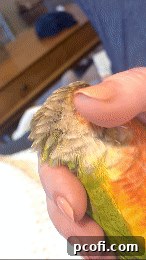
6) She Can Sometimes Be Moody
Just like any complex creature, Bertie has her moods, and understanding them has been an important part of our journey together. When Bertie first joined our family, she was incredibly tolerant and snuggly, seemingly excited by all the attention. However, after a period of intense interaction, she occasionally became overstimulated, indicating a need for more personal space. This is entirely understandable; even the most affectionate pets need their alone time!
During this phase, she might nip or lightly bite to communicate her desire for space. This behavior, while startling at first, is a bird’s most direct way of saying “no thank you” when their more subtle body language cues are missed. A bird’s body language can be incredibly nuanced; it can be as slight as a particular lean, a change in feather posture, or a subtle shift in gaze. For example, if her feathers are sleek and tightly held against her body, she might be feeling nervous or uneasy. Conversely, a puffed-out posture often indicates relaxation and contentment. However, a smooth head combined with a puffed-out neck feathers could signal agitation or aggression. Learning these intricate cues requires careful observation and consistent interaction.
Once we started to truly tune into her signals and responded consistently to her needs, providing space when requested and understanding her emotional state, the nipping behavior significantly decreased. Building a solid foundation of trust is paramount in bird ownership; responding appropriately to their communications helps them feel secure and understood. This “biting phase” for us lasted about two and a half weeks, a crucial period where we learned to respect her boundaries and deepen our bond through understanding and patience. It’s a continuous learning process, but one that strengthens our relationship every day.
7) Bertie Spends a Lot of Time Eating
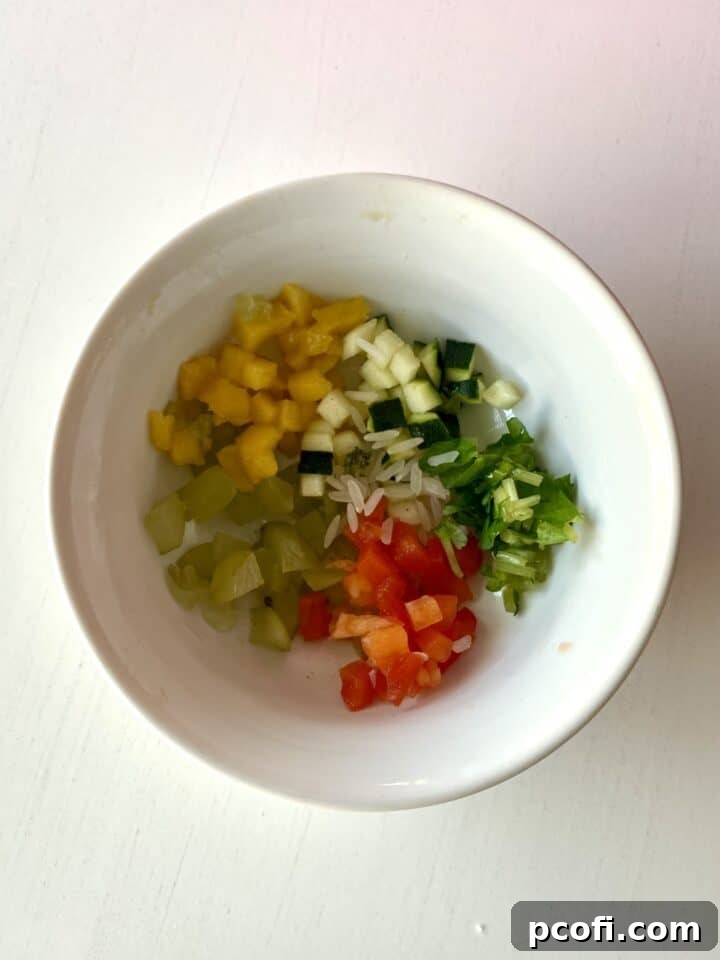
For a small bird like Bertie, the process of breaking down food is quite time-consuming. I’d estimate she dedicates a good three hours each day to nibbling, foraging, and enjoying her meals. A balanced diet is fundamental to a bird’s health and longevity, and for Bertie, fresh fruits and vegetables form the cornerstone of her daily intake. Every morning, I prepare her a finely minced “birdie salad,” carefully chopping a variety of produce into tiny, manageable pieces.
- Grapes (Seedless, always!)
- Sweet Mango
- Crisp Apple
- Fresh Zucchini
- Vibrant Red Bell Pepper
- Tender Pea Shoots
She savors them in precisely that order, demonstrating clear preferences! Interestingly, she doesn’t seem to enjoy carrots or any citrus fruits, which we’ve learned through trial and error. While her tiny tummy can only hold about one tablespoon of food per day, I offer a generous portion and replenish it every 24 hours to ensure freshness and prevent bacterial growth. Variety is key, and I rotate the offerings to ensure she receives a broad spectrum of nutrients.
Beyond her daily salad, Bertie also enjoys certain dried fruits and seeds as special treats and training rewards. Dried figs and prunes are particular favorites, along with a few sunflower seeds and pistachios. Millet sprays are another highly anticipated snack. However, these items are reserved for occasional rewards, as they are higher in sugar and fat content than is ideal for her everyday health. It’s crucial for pet bird owners to understand the nutritional needs of their specific species and offer a diet rich in fresh produce, supplemented by high-quality pellets, to ensure optimal health and well-being. Knowing her preferences and tailoring her diet accordingly helps keep Bertie happy and thriving.
8) She Likes to Take Showers
Just like wild birds, pet birds have an innate need to keep their feathers clean and preened, and Bertie absolutely loves her shower time! While I’m busy preparing her morning salad and tidying up the kitchen, Bertie eagerly anticipates getting wet. Most birds enjoy bathing, and it’s a vital part of their daily routine, occurring anywhere from once a day to several times a week, depending on their individual mood and the environmental humidity. Bathing helps maintain the health and cleanliness of their feathers, removing dust, dander, and loose particles, and encouraging natural preening behavior.
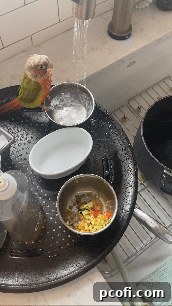
To facilitate her aquatic enjoyment, I’ve cleverly balanced a pizza pan on the edge of the kitchen sink, creating a shallow pool for her. She hops right in and splashes around with great enthusiasm, often chirping happily as she dunks and flutters. It’s undoubtedly one of the best parts of her day, and she looks incredibly adorable when she’s thoroughly wet and ruffled after her bath! Providing opportunities for regular bathing is a simple yet effective way to ensure a pet bird’s hygiene and overall happiness.
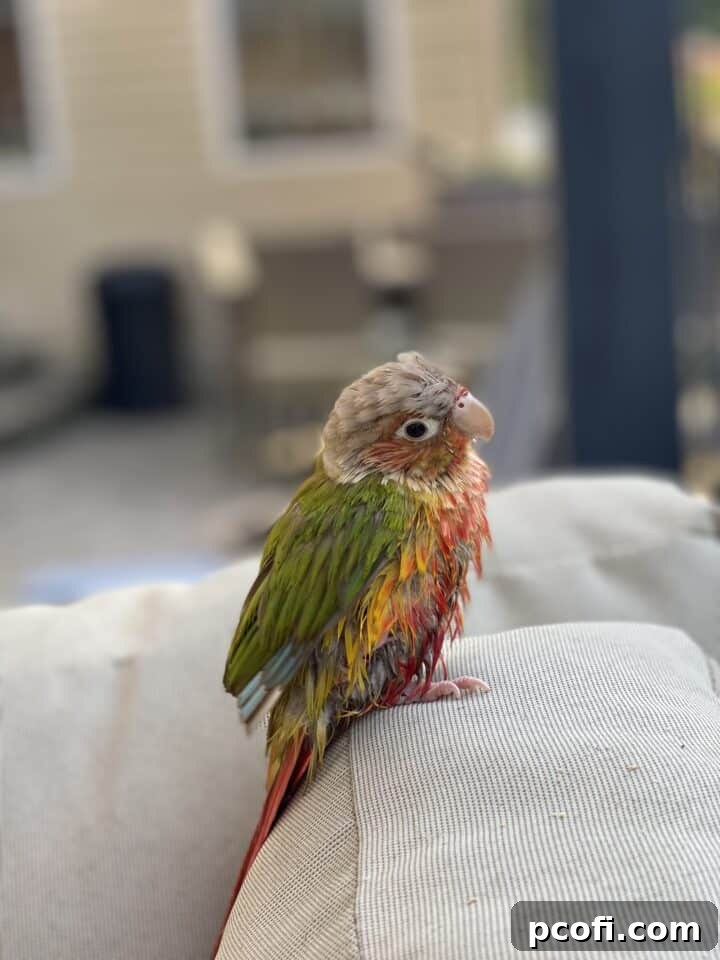
9) She Has 4 Toes on Each Foot
Bertie’s feet, like those of many parrot species, are a marvel of avian adaptation. Each foot is equipped with four toes, configured in a unique zygodactyl arrangement: two toes face forward and two face backward. This specialized foot structure is perfectly designed for grasping, perching, and manipulating objects with incredible dexterity. She can effectively gather her toes into a tiny “fist” to firmly grasp branches, toys, or even your finger, providing excellent balance and grip.
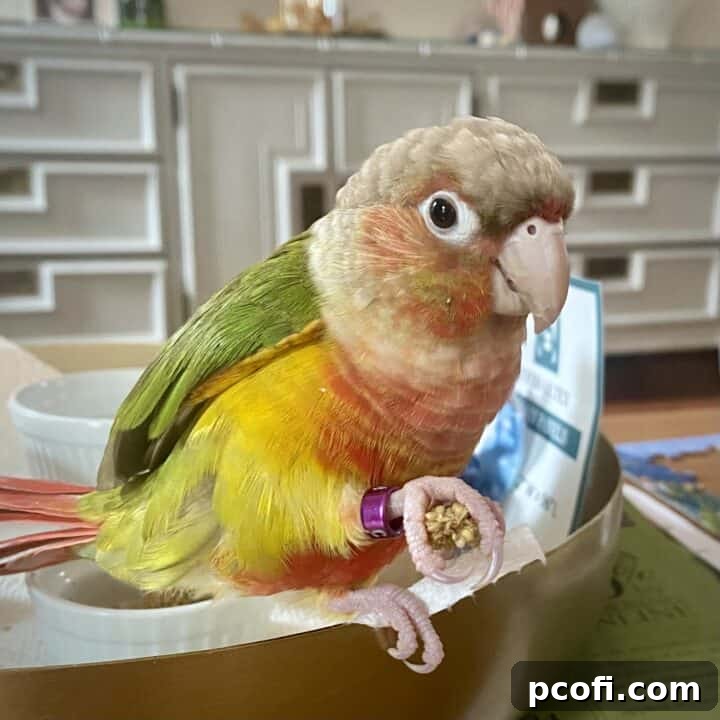
When she walks across a flat surface, her toes turn inward, creating a charming, somewhat pigeon-toed gait that is simply adorable. Another endearing habit she exhibits when feeling content and relaxed is tucking one foot up into her soft tummy feathers and standing comfortably on just one leg. This is a common sign of a comfortable and healthy bird, indicating she feels safe and secure in her environment. Beyond their functionality, her little feet are surprisingly warm and toasty, and having her perch on your shoulder with those cozy feet is a comforting sensation.
10) Bertie Spends Most of the Day Outside Her Cage
For pet birds, especially intelligent species like conures, spending significant time outside their cage is absolutely essential for their physical and mental well-being. It’s often referred to as “enrichment,” which simply means providing opportunities for stimulating activities, interaction, and exploration beyond their confined space. This enrichment can take many forms: gentle petting and cooing, engaging training sessions, simple puzzle toys that encourage problem-solving, or simply being allowed to observe and participate in daily household activities from a safe perch on your shoulder or a nearby stand. Birds are naturally curious and social creatures, thriving on interaction and mental stimulation. Confining them to a cage for extended periods can lead to boredom, stress, and behavioral issues.
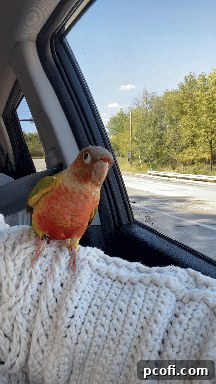
Bertie is almost always out and about, enjoying the world around her. Sometimes, when I’m filming a recipe video, her curiosity gets the better of her, and she’ll descend from my shoulder to investigate the ingredients or equipment, so you might catch a glimpse of her making a surprise appearance! She also has a surprising fondness for car rides, which she seems to find exciting. We’re currently working on teaching her what “bye-byes” means, and it’s delightful to see her head bobbing excitedly whenever she hears the phrase, suggesting she’s definitely catching on!
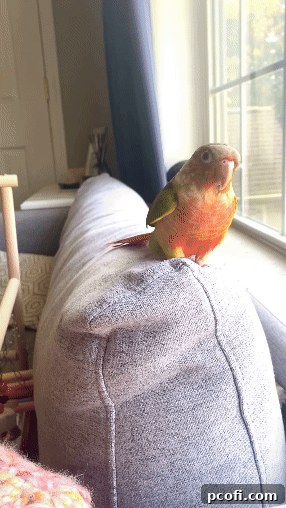
While all this interaction and freedom are wonderful for Bertie, there’s an undeniable reality for any bird owner: they are, quite literally, “poop machines.” There’s no exaggeration when I say she goes about every 10 to 30 minutes! It’s important to understand that birds have a single opening, known as the “vent” or “cloaca,” from which everything—eggs, droppings (feces), and urates (the white, pasty part of bird waste, which is essentially concentrated urine)—is expelled. This means frequent clean-up is a part of daily life.
To manage this, I keep a pack of bleach-free, unscented disinfecting wipes readily available in every room Bertie frequents. I make an effort to wipe up any droppings as soon as they occur, as these wipes work exceptionally well on both hard surfaces like hardwood floors and softer fabrics such as upholstery and rugs. The good news is that birds are intelligent enough to be litter-trained! Bertie is slowly learning what the word “poop” means, and I’m hopeful that with continued training, she will eventually learn to either wear a lightweight bird diaper for her out-of-cage time or, ideally, learn to only relieve herself when she’s back in her cage. Patience and consistency are key to successful bird training.
As an amazon associate I earn from qualifying purchases.
I genuinely hope you’ve enjoyed learning these fun and insightful facts about Bertie, and by extension, about pet birds in general. My journey with Bertie has been an incredibly enriching experience, and I’ve truly loved discovering more about the fascinating world of parrots and what it means to share my home with such a small, intelligent, and affectionate companion. Pet bird ownership is a rewarding commitment that brings immense joy and unique challenges, but the bond you form is truly special.
If you’re considering welcoming a feathered friend into your life or simply have questions about bird care, please don’t hesitate to reach out in the comments section below! I’m always happy to share my growing knowledge and experience to help others navigate the wonderful adventure of pet bird ownership.