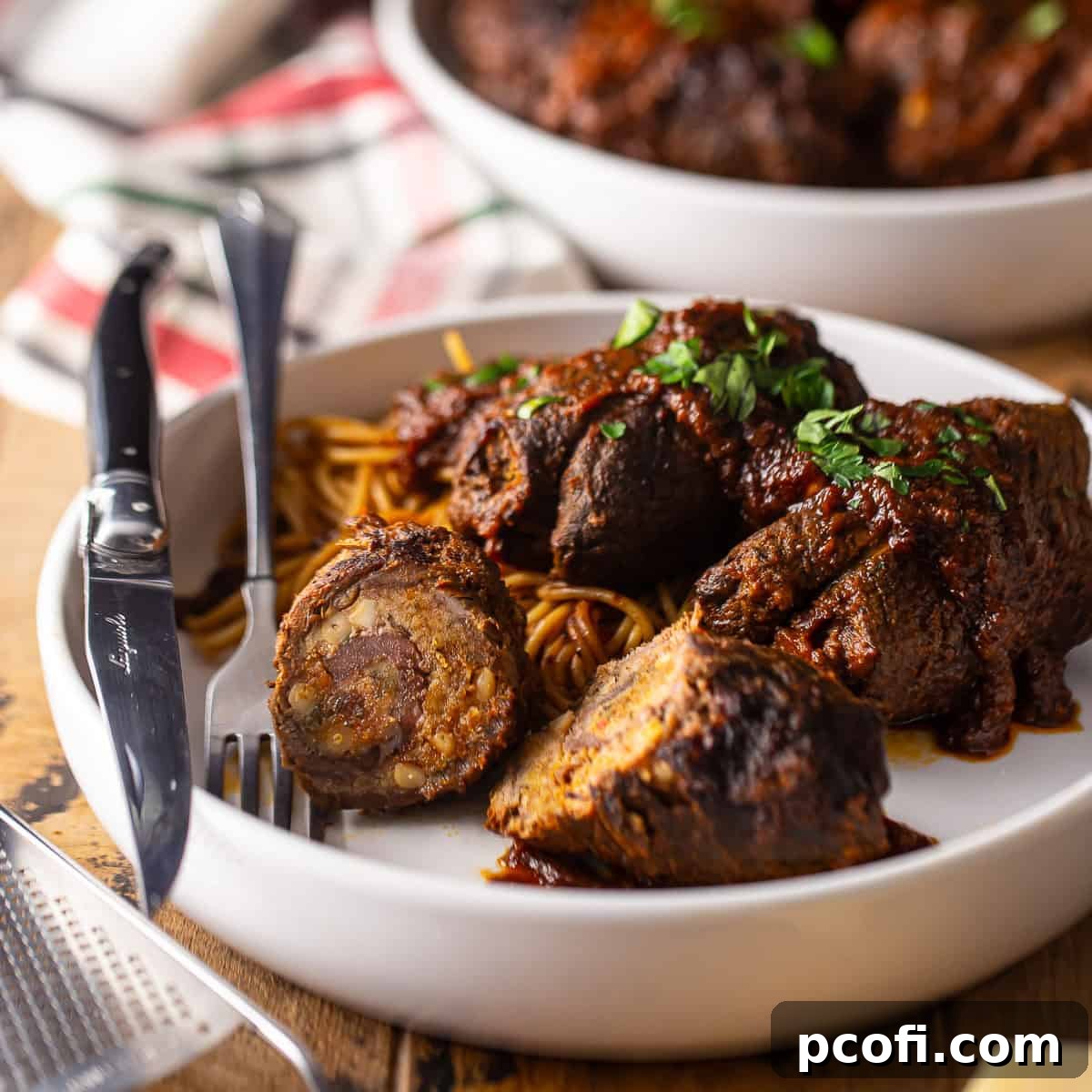
If you’ve never experienced the culinary delight of Braciole, prepare to be captivated. This quintessential Italian dish, deeply rooted in tradition, features tender, thin slices of beef meticulously rolled around a savory, aromatic stuffing. These exquisite beef rolls are then slowly simmered in a rich, deeply flavored tomato sauce until they reach a state of sublime tenderness, practically melting in your mouth. It’s a truly hearty, comforting, and intensely flavorful creation that embodies the soul of Italian home cooking. While its impressive appearance might suggest hours of complex kitchen work, this authentic Braciole recipe is surprisingly achievable for the home cook, promising an unforgettable meal that tastes like it took all day.
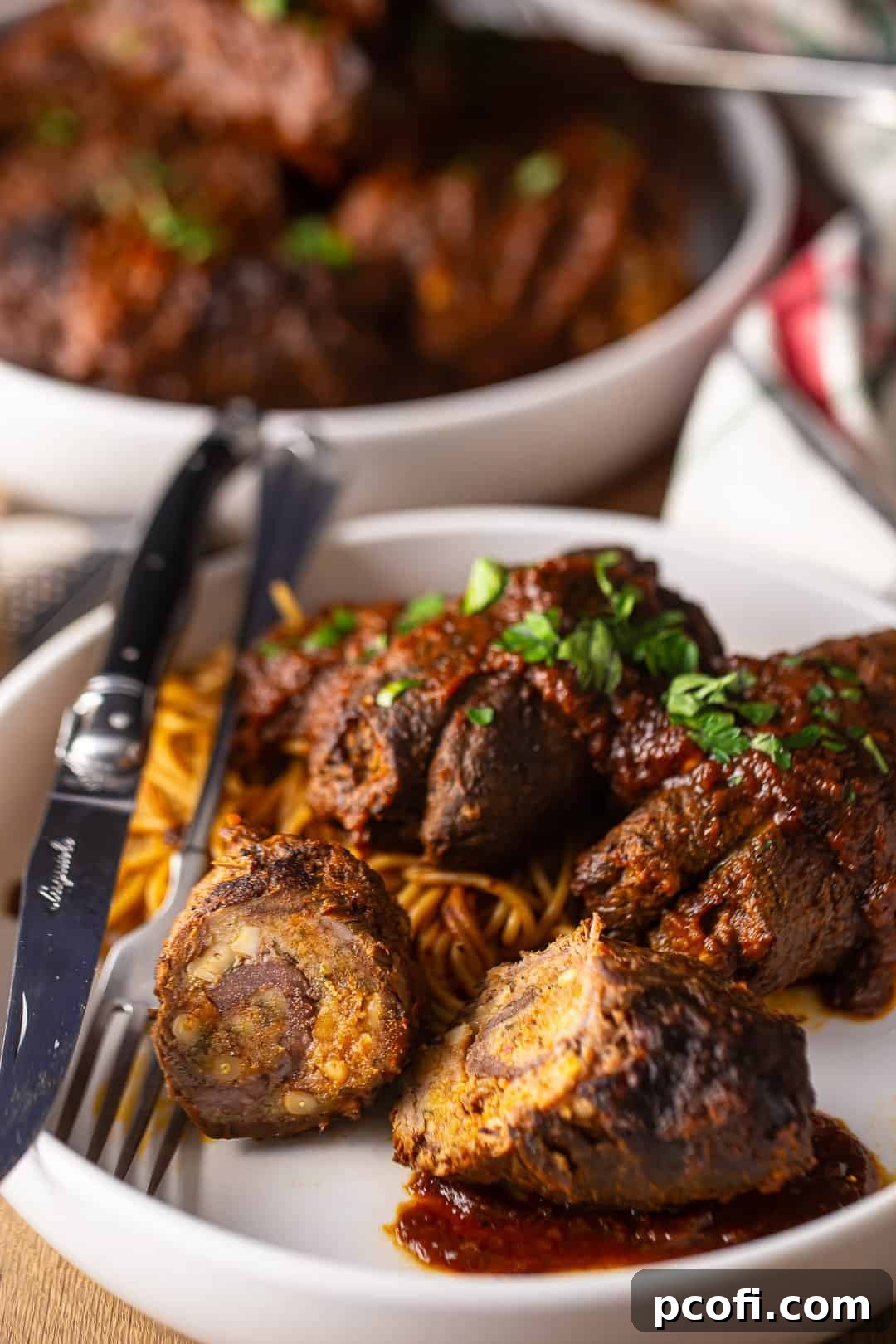
Table of Contents
- What is Braciole? A Taste of Italian Tradition
- Why You’ll Fall in Love with This Braciole Recipe
- Essential Ingredients You’ll Need for Authentic Braciole
- Step-by-Step: How to Make Perfect Braciole
- Expert Tips for Braciole Success
- Serving Suggestions for Braciole
- Storage and Freezing Braciole
- Braciole FAQs: Your Questions Answered
- More Italian-Inspired Recipes
Jump to Recipe
What is Braciole? A Taste of Italian Tradition
Braciole (pronounced brah-chee-OH-leh) is a celebrated Italian dish, particularly prominent in Southern Italy, where it’s often the star of Sunday family dinners and special holiday feasts. At its heart, Braciole consists of thin slices of beef (or sometimes pork) that are pounded even thinner, then filled with a mixture of breadcrumbs, cheese, herbs, and sometimes other delicious additions like pine nuts or raisins. The meat is then rolled up, tied with kitchen string, seared to develop a rich crust, and finally, braised slowly for hours in a savory tomato sauce. This long, gentle cooking process allows the meat to become incredibly tender, absorbing the flavors of the rich sauce, while the stuffing creates a delightful texture and burst of flavor in every bite. It’s more than just a meal; it’s a culinary hug, a symbol of gathering, and a testament to the art of slow cooking that transforms simple ingredients into something extraordinary.
Why You’ll Fall in Love with This Braciole Recipe
- Unbelievably Tender Beef: The hallmark of a truly great Braciole is its melt-in-your-mouth texture. Our recipe ensures the beef transforms into fork-tender perfection through a patient, slow braising process, breaking down tough fibers and infusing every strand with flavor.
- Layers of Rich Flavor: From the moment you take your first bite, you’ll be immersed in a symphony of tastes. The savory, cheesy breadcrumb stuffing, seasoned with fresh herbs and a hint of spice, perfectly complements the deep, umami-rich tomato sauce. Each component builds on the next, creating an intensely satisfying culinary experience.
- Impressive for Any Occasion: Whether you’re hosting a grand dinner party or a cozy family meal, Braciole always makes a statement. Its elegant presentation and complex flavor profile give the impression of a gourmet dish, making you look like a culinary superstar with surprisingly manageable effort.
- A Versatile & Customizable Classic: One of the beauties of Braciole is its adaptability. While our recipe provides a classic foundation, you can easily personalize the filling to your liking. Feel free to incorporate traditional Sicilian elements like pine nuts and golden raisins for a touch of sweetness and crunch, or add chopped hard-boiled eggs for extra richness. For those who prefer a simpler profile, omit these optional ingredients without compromising on flavor.
- Perfect for Making Ahead: This dish truly benefits from sitting overnight, allowing the flavors to meld and deepen even further. Prepare it a day in advance, and simply reheat gently before serving, making it an ideal choice for entertaining or busy weeknights when you want a homemade, comforting meal.
Essential Ingredients You’ll Need for Authentic Braciole
Crafting exceptional Braciole begins with selecting high-quality ingredients. The full list with precise measurements can be found in the detailed recipe card at the bottom of this page. However, here’s a closer look at the key components and why they are vital for this classic Italian dish:
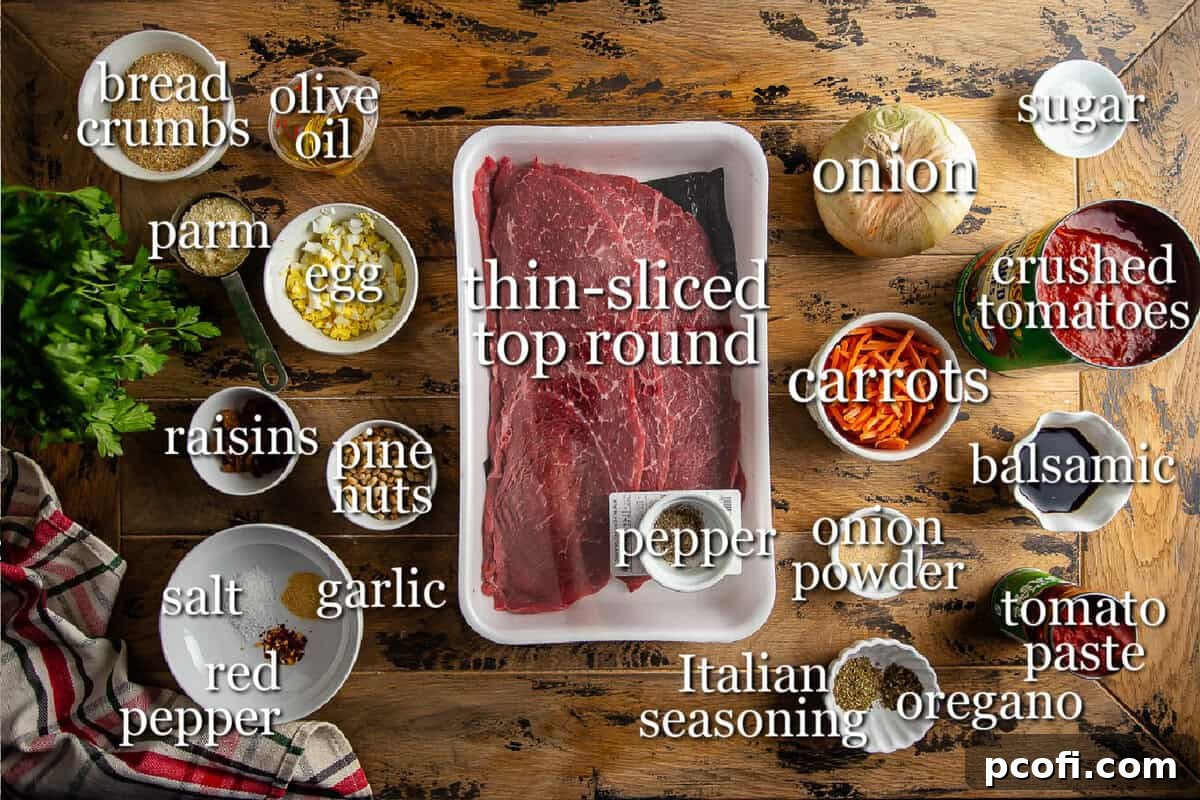
For the Filling:
- Dry Breadcrumbs: Plain breadcrumbs are crucial for binding the filling and providing texture. They absorb moisture and carry the rich flavors of the other ingredients.
- Grated Parmigiano Reggiano: This is where quality truly shines. Opt for authentic Parmigiano Reggiano, grated fresh, for its sharp, nutty, and salty umami depth. Avoid pre-grated parmesan in a can; the real deal makes a monumental difference in flavor.
- Extra-Virgin Olive Oil: Use a good quality extra-virgin olive oil not only for its rich flavor but also to moisten the breadcrumbs and bind the filling ingredients together.
- Flat-Leaf Parsley: Freshly chopped flat-leaf parsley adds a vibrant, herbaceous note that brightens the entire filling. Dried parsley simply won’t provide the same fresh burst of flavor.
- Pine Nuts (optional): Lightly toasted pine nuts introduce a delicate, buttery crunch and a subtle nutty flavor, traditional in some regional Braciole recipes.
- Golden Raisins (optional): These add a hint of unexpected sweetness, offering a beautiful counterpoint to the savory elements of the beef and cheese. A classic Sicilian touch that creates a more complex flavor profile.
- Hard-Boiled Eggs (optional): Finely chopped hard-boiled eggs are a traditional addition in certain Italian regions, contributing extra richness and a unique texture to the stuffing.
- Kosher Salt, Garlic Powder, Crushed Red Pepper Flakes: These seasonings are essential for building the base flavor of the filling. Salt enhances all the other flavors, garlic powder adds savory depth, and a pinch of crushed red pepper flakes introduces a subtle, warming heat without overpowering the dish.
For the Beef:
- Thin-Sliced Top Round Beef: Top round is a lean, flavorful cut that becomes incredibly tender with slow braising. The key is to have it sliced very thinly (about 1/4 inch thick) by your butcher, or you can pound thicker slices between plastic wrap until they are uniformly thin, which makes them easy to roll.
- Kosher Salt, Garlic Powder, Black Pepper: These seasonings are applied directly to the beef slices before searing. They penetrate the meat, enhancing its natural flavor and ensuring every part of the Braciole is perfectly seasoned.
- Extra-Virgin Olive Oil: Used for browning the beef, the olive oil facilitates a beautiful, flavorful crust on the meat, which contributes significantly to the overall depth of the dish.
For the Sauce:
- Onion & Carrots: Finely chopped onion and grated carrots form the aromatic base (soffritto) of the sauce. They are slowly cooked to sweetness, building foundational flavor. Carrots, in particular, add a natural sweetness that balances the acidity of the tomatoes.
- Onion Powder, Italian Seasoning, Dried Oregano, Kosher Salt, Crushed Red Pepper Flakes: These dried herbs and spices are vital for developing a robust, authentic Italian flavor in the sauce. They create a fragrant backdrop for the tomatoes and beef, with red pepper flakes providing a gentle warmth.
- Tomato Paste: A small amount of tomato paste, cooked until it darkens, concentrates the tomato flavor and adds a deep, umami richness to the sauce.
- Balsamic Vinegar: Used for deglazing the pot, balsamic vinegar adds a touch of acidity and sweetness, lifting all the browned bits from the bottom of the pot, which are packed with flavor.
- Crushed Tomatoes: The backbone of any good Italian sauce. High-quality crushed tomatoes provide a robust, sweet, and tangy foundation for the braising liquid.
- Water: Added as needed to achieve the desired consistency for the sauce, ensuring the Braciole braises perfectly without drying out.
- Granulated Sugar (optional): A pinch of sugar can be added at the end to balance any residual acidity from the tomatoes, though often not necessary with good quality tomatoes and slow cooking.
- Fresh Basil (optional): Stirred in at the end or used as a garnish, fresh basil offers a burst of aromatic freshness that brightens the rich, cooked flavors of the sauce.
Step-by-Step: How To Make Perfect Braciole
Making Braciole is a rewarding culinary journey that builds flavor in layers. Follow these detailed steps to create a truly spectacular dish:
Step 1: Prepare the Flavorful Filling
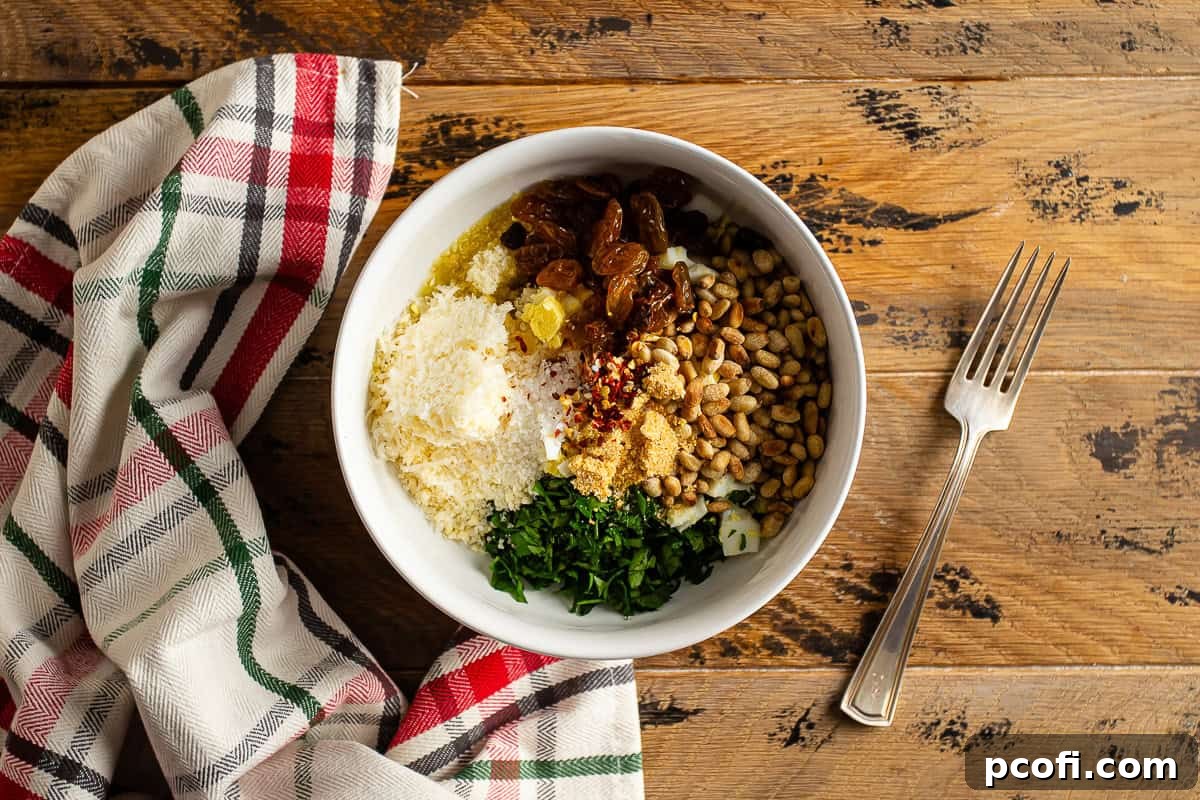
In a medium bowl, combine the dry breadcrumbs, grated Parmigiano Reggiano cheese, extra-virgin olive oil, and finely chopped fresh flat-leaf parsley. If using, add the optional pine nuts, golden raisins, and chopped hard-boiled eggs at this stage. Season the mixture generously with kosher salt, garlic powder, and crushed red pepper flakes. Use your hands or a spoon to thoroughly mix all the ingredients until they are evenly combined and the breadcrumbs are moist and cohesive. This savory mixture is the heart of your Braciole.

Step 2: Prepare and Sear the Beef Rolls
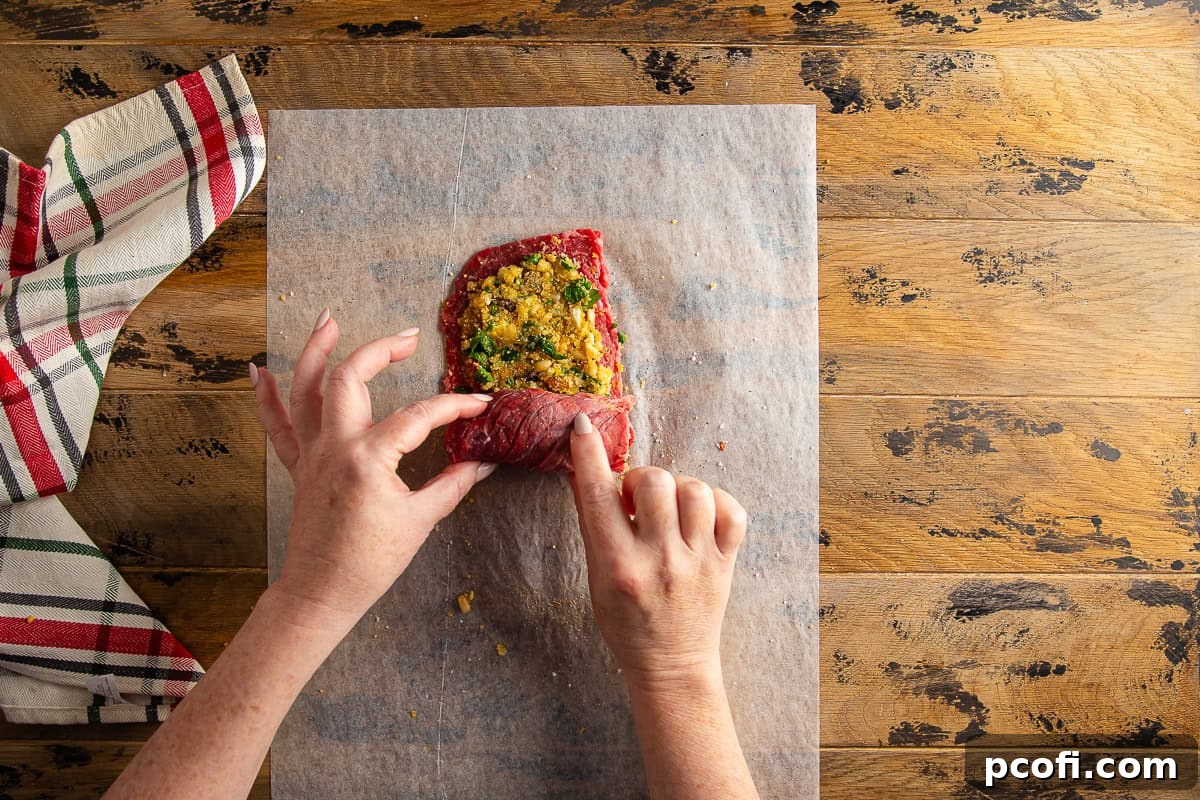
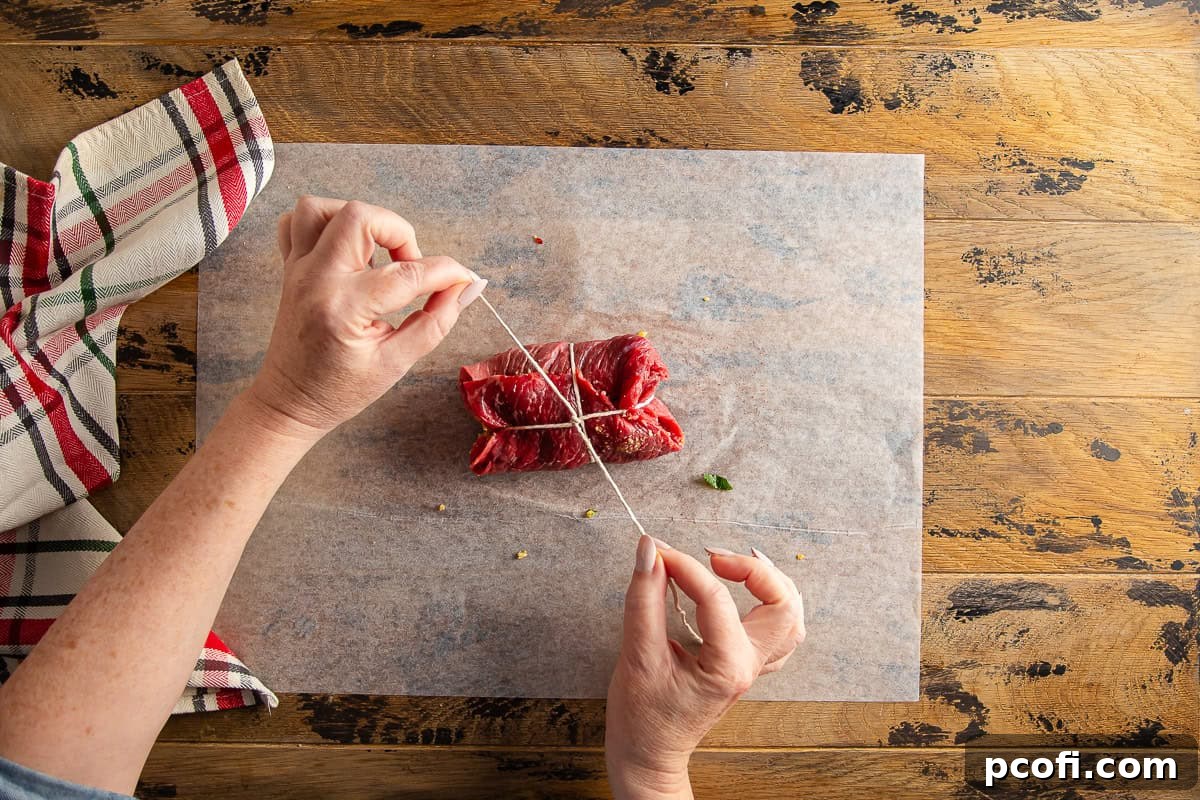
Lay each thin slice of top round beef flat on a clean surface. Evenly spread a thin layer of the prepared filling mixture over the entire surface of each beef slice, leaving a small border at the edges. Carefully and tightly roll each filled beef slice into a log, similar to how you would roll a cinnamon roll. Secure each beef roll by tying it firmly with kitchen string at regular intervals to prevent the filling from escaping during cooking. Season the exterior of the tied beef rolls liberally with kosher salt, garlic powder, and black pepper.
Heat 3 tablespoons of extra-virgin olive oil in a large, heavy-bottomed pot or Dutch oven over medium-high heat. Once the oil is shimmering and hot, carefully place the seasoned beef rolls into the pot, making sure not to overcrowd it (cook in batches if necessary). Sear the braciole on all sides until they develop a beautiful, deep golden-brown crust. This crucial step adds immense flavor to both the meat and the subsequent sauce. Once browned, remove the seared beef rolls from the pot and set them aside on a plate.
Step 3: Build the Rich Tomato Sauce
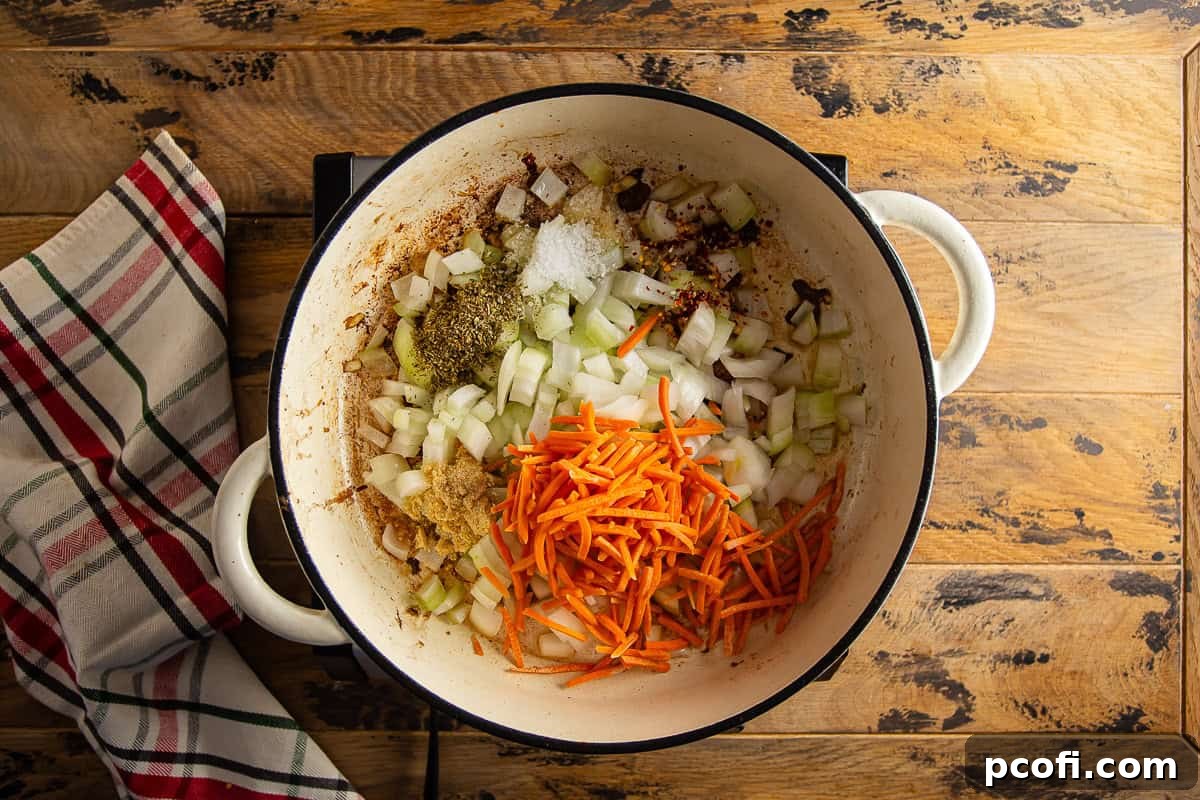
Using the same pot with the flavorful drippings, add the chopped onion and grated carrot. Stir in the onion powder, Italian seasoning, kosher salt, dried oregano, and crushed red pepper. Sauté the vegetables over medium heat, stirring occasionally, until they are softened and fragrant, which typically takes about 5 minutes. This creates the aromatic foundation for your sauce.
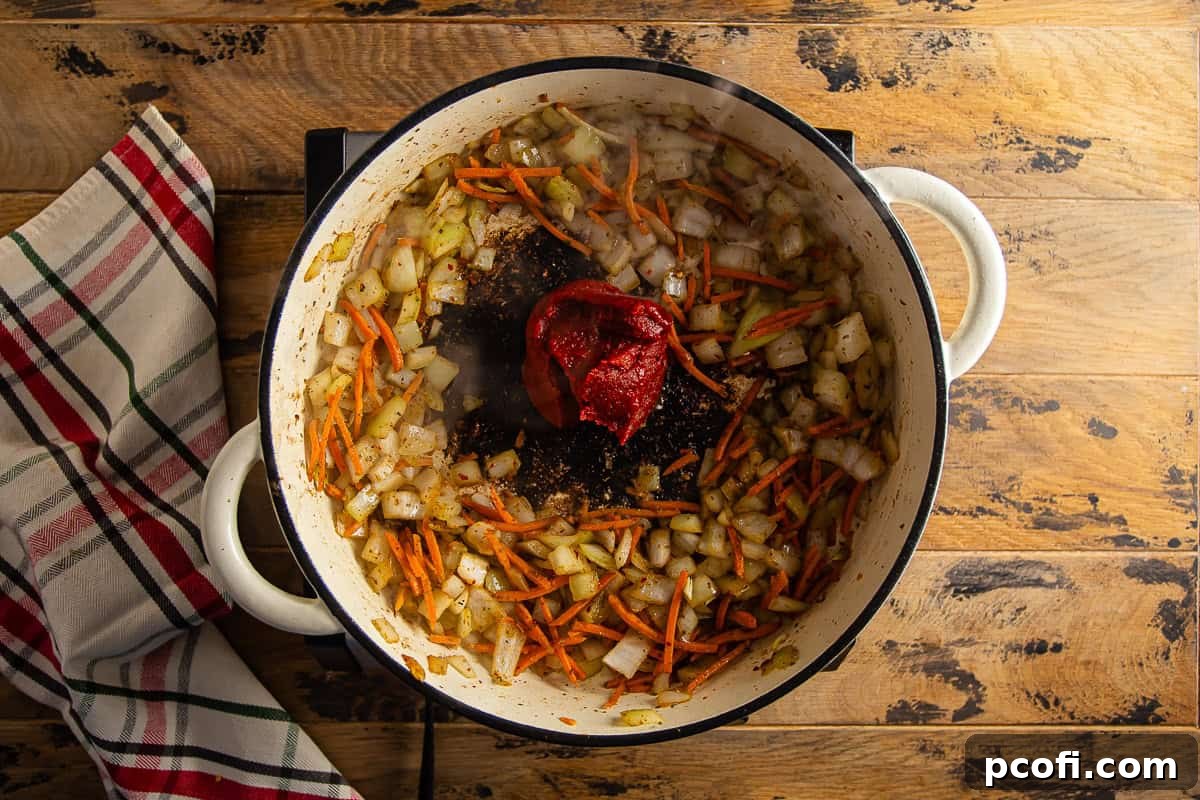
Push the sautéed vegetables to the sides of the pot to clear a space in the center. Add the tomato paste to this cleared area and cook it, stirring frequently, for 3 to 5 minutes, until it darkens in color and becomes fragrant. This step deepens its flavor and reduces its raw acidity.
Pour in the balsamic vinegar to deglaze the pot. Use a wooden spoon to vigorously scrape up all the flavorful browned bits (fond) stuck to the bottom of the pot, incorporating them into the sauce. This adds incredible depth of flavor.
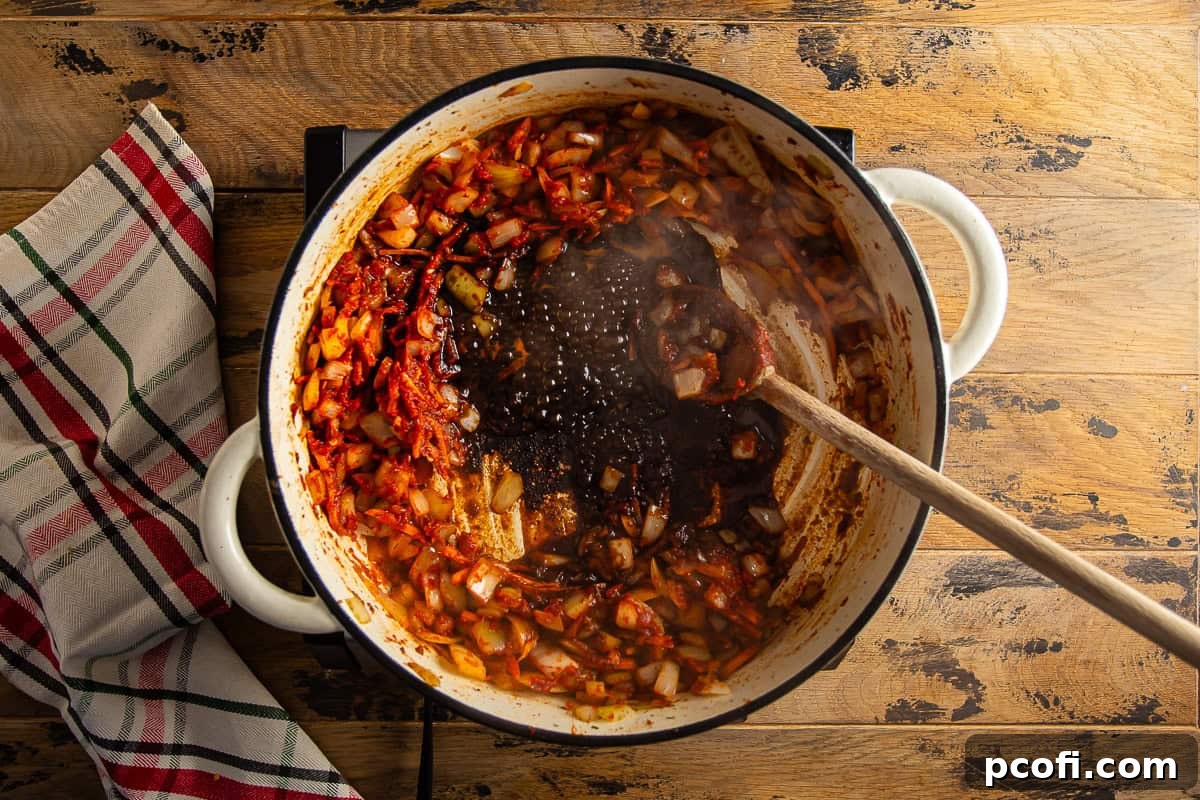
Finally, add the crushed tomatoes and a splash of water if the sauce appears too thick. If you are using fresh basil, add a sprig to the sauce now to infuse its delicate aroma.
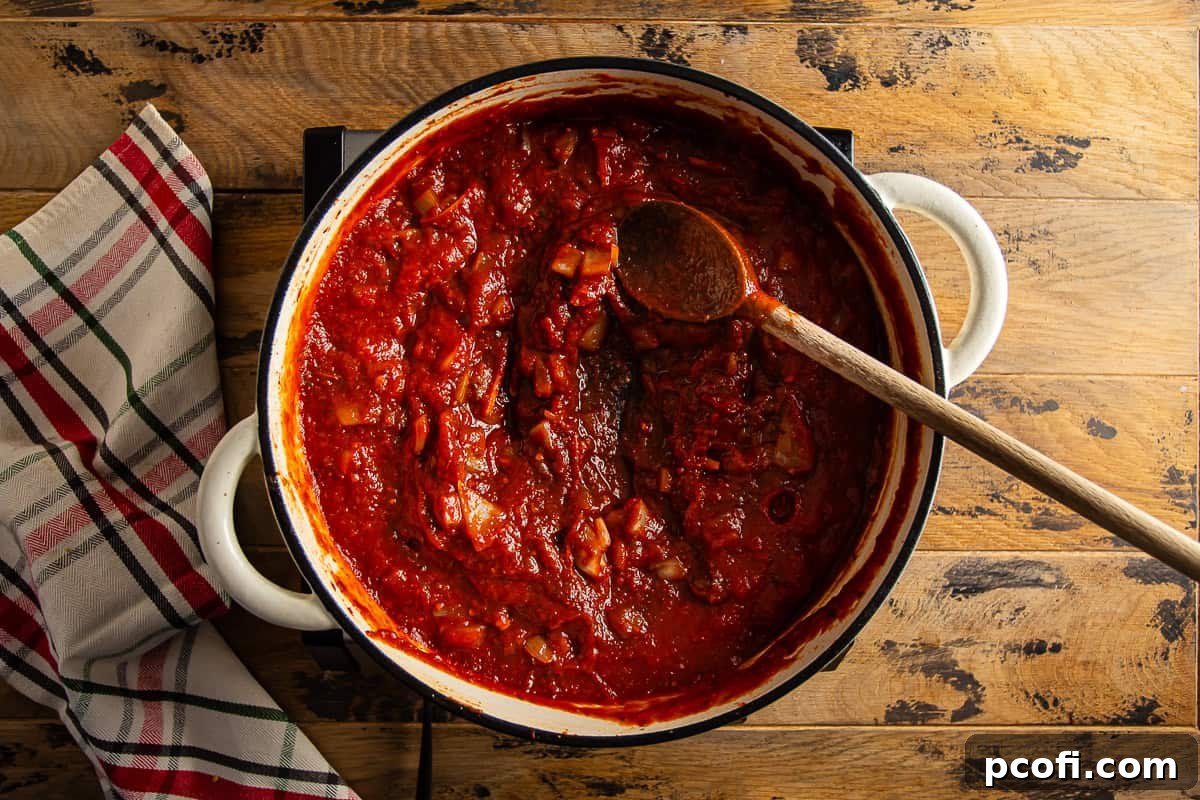
Step 4: Braise the Braciole to Perfection
Gently return the seared beef rolls to the pot, nestling them into the rich tomato sauce. Ensure they are mostly submerged in the liquid.
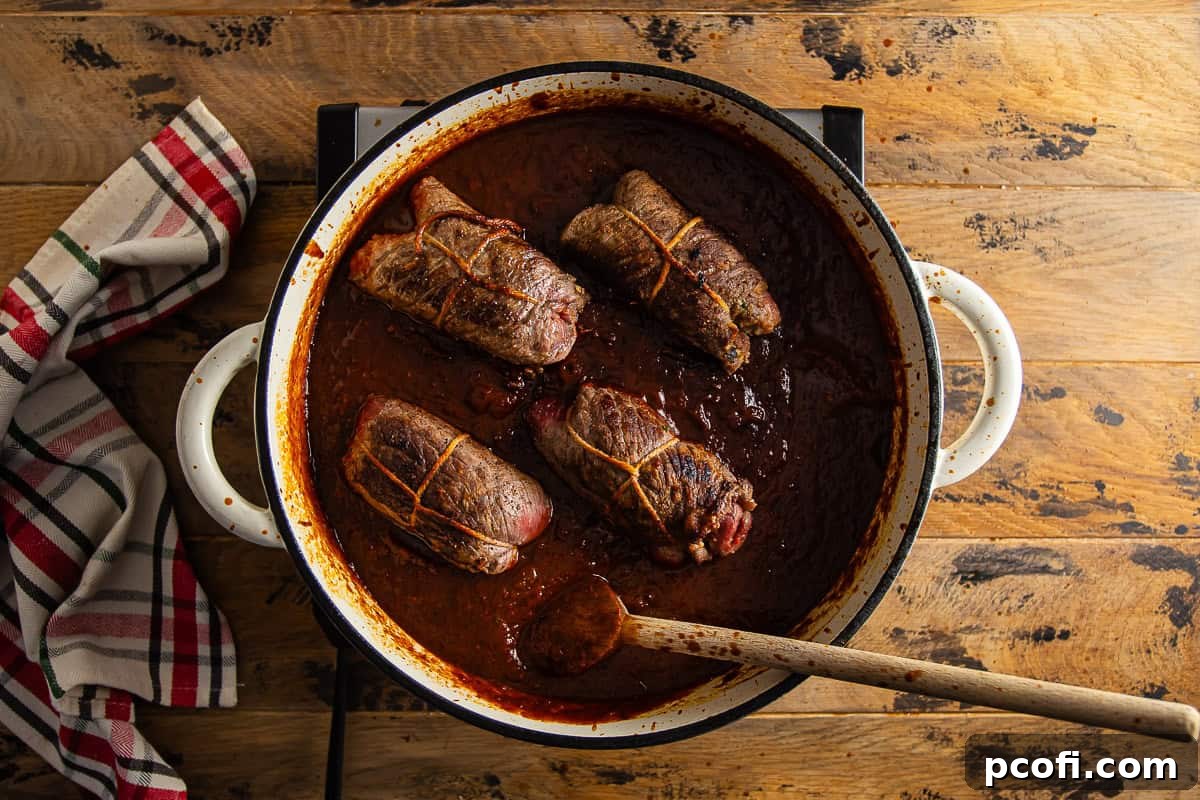
Reduce the heat to low, partially cover the pot with a lid, and allow the braciole to simmer gently for at least 2 hours, or until the beef is incredibly fork-tender. The longer it simmers at a low temperature, the more tender and flavorful it will become. Check the sauce periodically; if it thickens too much, add another splash of water or beef broth. Taste the sauce and adjust seasonings as needed, adding a pinch of granulated sugar if you find it too acidic.
Once the braciole is cooked to perfection, carefully remove the beef rolls from the pot. Snip off and discard the kitchen strings from each roll. If you prefer a smoother sauce, use an immersion blender to puree the sauce directly in the pot until it reaches your desired consistency. Serve the tender braciole whole or sliced, generously spooning the rich sauce over it.
Expert Tips and Tricks for Braciole Success
Achieving perfect Braciole is a labor of love, but these tips will help you master this classic dish and impress your guests:
- Achieve Ultra-Thin Beef Slices: This is paramount for tender, easy-to-roll Braciole. If your butcher can’t slice the top round beef thinly enough (aim for about 1/4 inch or less), don’t despair! Place thicker slices between two sheets of plastic wrap and pound them gently with a meat mallet or the bottom of a heavy pan until they are uniformly thin and pliable. This also helps to tenderize the meat.
- Tie Rolls Securely: Kitchen string is your best friend here. Tying the beef rolls tightly and securely is essential to prevent the delicious filling from unraveling and escaping into the sauce during the long braising process. Don’t skimp on the string – better safe than sorry!
- Don’t Skip the Deep Browning: Searing the Braciole rolls on all sides until they develop a rich, dark brown crust isn’t just for aesthetics. This step creates a complex layer of flavor through the Maillard reaction, which then contributes incredible depth and richness to your tomato sauce as the meat braises.
- The “Make Ahead” Advantage: Braciole is one of those magical dishes that truly improves with time. Preparing it a day in advance allows all the flavors to meld, deepen, and fully saturate the beef and sauce. Simply cool it completely, store it in an airtight container in the refrigerator, and gently reheat it on the stovetop or in the oven when ready to serve.
- Adjust Sauce Consistency: The slow simmer can sometimes reduce the sauce more than anticipated. Keep some warm water or beef broth on hand to thin the sauce if it becomes too thick. Conversely, if it’s too thin, simmer it uncovered for a bit longer, or remove the Braciole and reduce the sauce over higher heat.
- Taste and Adjust Seasoning: Always taste your sauce before and after the braising process. Adjust salt, pepper, and sugar (if needed) to achieve the perfect balance of savory, sweet, and tangy notes.
- Optional Sauce Puree: For those who prefer a velvety smooth sauce, remove the Braciole after cooking and use an immersion blender to puree the sauce directly in the pot. This creates a luxurious texture, though a chunkier sauce is equally traditional and delicious.
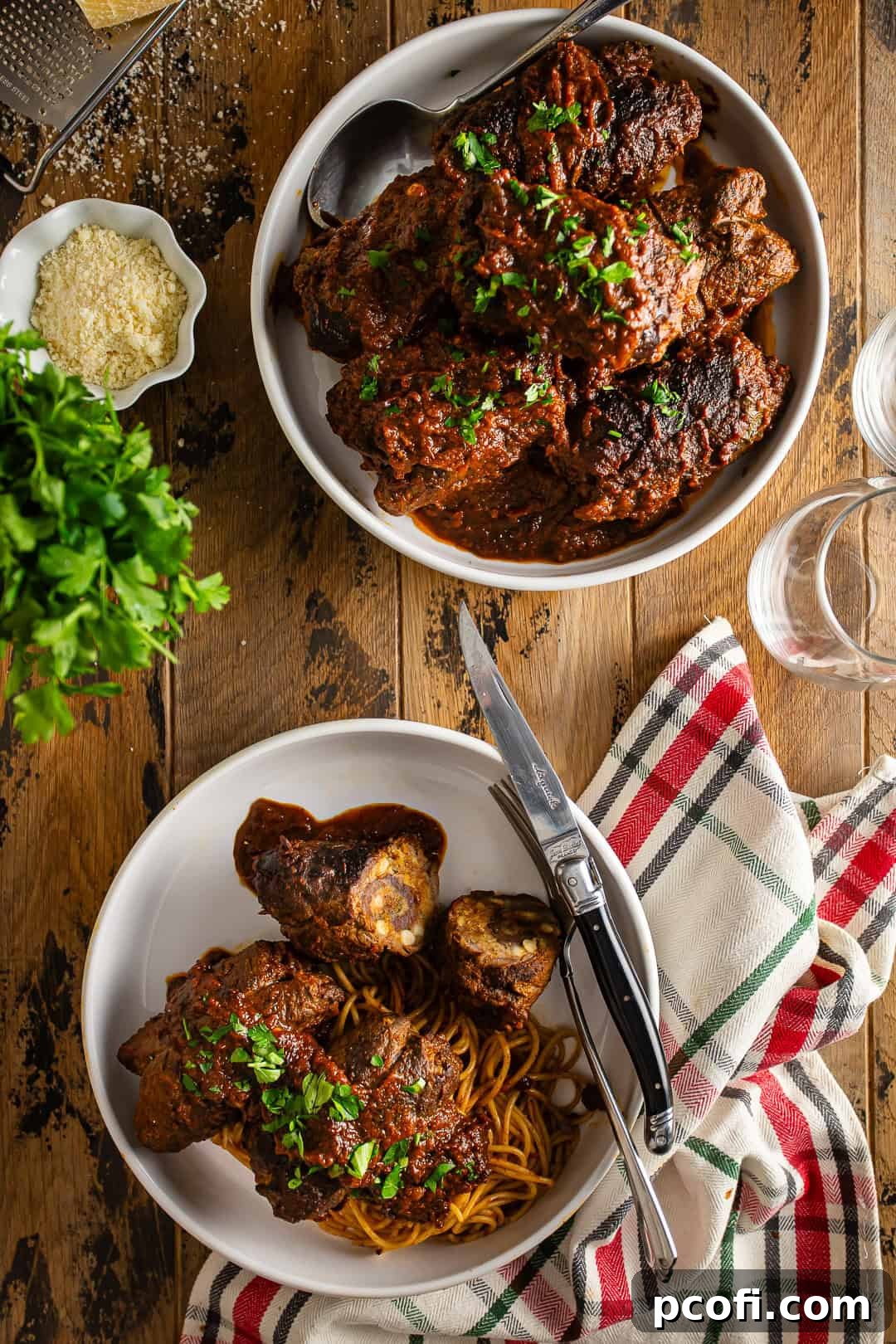
Serving Suggestions for Braciole
Braciole is a star dish that pairs wonderfully with a variety of classic Italian sides. The rich, savory sauce is perfect for coating pasta; sturdy shapes like rigatoni, paccheri, or ziti are excellent choices, as they hold the sauce beautifully. Creamy polenta or fluffy mashed potatoes are also superb accompaniments, soaking up every drop of that delicious gravy. For a lighter touch, serve with a simple green salad dressed with a vinaigrette or some crusty Italian bread to sop up the leftover sauce. A glass of medium-bodied red wine, such as a Chianti or Nero d’Avola, would beautifully complement the robust flavors of the dish.
Storage and Freezing Braciole
Braciole makes fantastic leftovers! To store, ensure the cooked Braciole and its sauce are completely cooled, then transfer them to an airtight container. It will keep beautifully in the refrigerator for up to 3-4 days. To reheat, gently warm on the stovetop over low heat, adding a splash of water or broth if the sauce has thickened too much. Braciole is also an excellent candidate for freezing. Once cooled, place the Braciole rolls and sauce in a freezer-safe container or heavy-duty freezer bags. It can be frozen for up to 3 months. Thaw overnight in the refrigerator before reheating gently on the stove until warmed through.
Braciole FAQs: Your Questions Answered
Traditionally, thin-sliced top round beef is preferred for Braciole due to its lean nature and ability to become incredibly tender with slow braising. Other excellent alternatives include flank steak or thin-cut sirloin, which also benefit from pounding to ensure tenderness and ease of rolling.
Absolutely! Braciole freezes exceptionally well, making it a perfect make-ahead meal. Allow the cooked Braciole and its sauce to cool completely, then transfer them to a freezer-safe container or heavy-duty freezer bags. It can be frozen for up to 3 months. When ready to enjoy, thaw overnight in the refrigerator and reheat gently on the stovetop.
Not at all! Pine nuts and golden raisins are traditional in certain Southern Italian and Sicilian Braciole recipes, adding a delightful nutty crunch and a subtle sweetness that balances the savory flavors. However, they are entirely optional. Feel free to omit them if they don’t suit your taste, or experiment with other additions like finely chopped olives, capers, or even a different type of dried fruit for a unique twist.
Braciole is incredibly versatile. A classic pairing is with pasta, especially hearty shapes like rigatoni, pappardelle, or ziti, which perfectly capture the rich tomato sauce. Other excellent choices include creamy polenta, soft mashed potatoes, or even a simple side of sautéed greens. Don’t forget some crusty Italian bread for soaking up every last drop of that amazing gravy!
They are very similar in concept and often used interchangeably, but there’s a subtle distinction. “Involtini” is a more general Italian term meaning “small rolls” and can refer to any small parcel of meat, fish, or vegetables rolled around a filling. “Braciole,” on the other hand, typically refers to larger, heartier rolled meat dishes, often beef or pork, that are specifically slow-braised in a rich tomato-based sauce. So, while Braciole is a type of involtini, not all involtini are Braciole.
While beef top round is traditional, you can certainly make Braciole with other meats. Pork loin or even chicken breast (pounded thin) can be used, though the cooking time and resulting texture will vary. Pork Braciole is also a common and delicious variation.
If your sauce is too thick, simply stir in a splash of hot water or broth until it reaches your desired consistency. If it’s too thin, you can simmer it uncovered for a bit longer, allowing it to reduce, or carefully remove the Braciole and increase the heat to quickly reduce the sauce to your preferred thickness. Alternatively, a small amount of cornstarch slurry (cornstarch mixed with cold water) can be added at the end, though this is less traditional.
More Italian-Inspired Recipes
- Easy Meatball Recipe
- Italian Wedding Soup
- Soft Italian Breadsticks
- Homemade Pasta Recipe
- Lemon Pasta
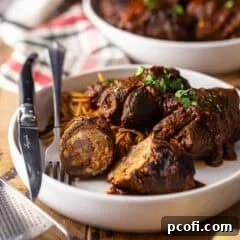
Braciole
Leave a Review
Save Recipe
Ingredients
For the Filling
- 1 cup (108 g) dry breadcrumbs, plain
- 1 cup (100 g) grated Parmigiano Reggiano
- 1 cup (216 g) extra-virgin olive oil
- 1 bunch (57 g) flat-leaf parsley, finely chopped
- 1/2 cup (67.5 g) pine nuts, toasted (optional)
- 1/2 cup (72.5 g) golden raisins, (optional)
- 2 (88 g) eggs, hard-boiled & chopped (optional)
- 1 teaspoon (6 g) kosher salt
- 1 teaspoon (3 g) garlic powder
- 1/8 teaspoon (0.25 g) crushed red pepper flakes
For the Beef
- 2 pounds (907.18 g) thin-sliced top round beef
- 1 teaspoon (6 g) kosher salt
- 1/2 teaspoon (1.5 g) garlic powder
- 1/4 teaspoon (0.5 g) ground black pepper
- 3 tablespoons (42 g) extra-virgin olive oil
For the Sauce*
- 1 (110 g) onion, medium, roughly chopped
- 5 ounces (141.75 g) carrots, grated
- 1 teaspoon (2 g) onion powder
- 1 teaspoon (2 g) Italian seasoning
- 1 teaspoon (6 g) kosher salt
- 1/2 teaspoon (1 g) dried oregano
- 1/8 teaspoon (0.25 g) crushed red pepper flakes
- 6 ounces (170.1 g) tomato paste
- 3 tablespoons (48 g) balsamic vinegar
- 28 ounces (793.79 g) crushed tomatoes
- water, as needed
- 1 tablespoon (12 g) granulated sugar, or to taste
- 1 sprig (2 g) fresh basil, optional
Instructions
To Make the Filling
-
Place the breadcrumbs, parsley, parmesan, olive oil, egg, pine nuts, raisins, salt, garlic powder, and crushed red pepper in a small bowl and stir to combine thoroughly until evenly mixed.
To Prep the Beef
-
Spread the filling mixture in an even layer over each slice of beef, leaving a small border. Carefully roll the beef and filling together into a tight log.
-
Tie the rolls securely with kitchen string to help them hold their shape during cooking, then season the exterior with salt, garlic powder, and pepper.
-
Place a large, heavy-bottomed pot or Dutch oven over medium-high heat and add the olive oil.
-
When the oil is shimmering and hot, sear the braciole on all sides until they are crusty and deeply browned. This step is crucial for flavor development.
-
Remove the seared braciole from the pot and set aside on a plate.
To Make the Sauce and Braise the Braciole
-
To the same pot, add the chopped onion, grated carrots, garlic powder, onion powder, Italian seasoning, salt, oregano, and crushed red pepper.
-
Cook, stirring occasionally, until the vegetables are soft and tender, about 5 minutes.
-
Clear a space in the middle of the pot and add the tomato paste.
-
Cook the tomato paste, stirring, until it darkens in color and becomes fragrant, approximately 3 to 5 minutes.
-
Deglaze the pot with balsamic vinegar, scraping the bottom with a wooden spoon to incorporate all the browned bits (fond) into the sauce.
-
Add the crushed tomatoes and fresh basil (if using) to the pot. Gently return the seared beef braciole rolls to the sauce.
-
Reduce the heat to low, partially cover the pot with a lid, and allow the sauce and braciole to simmer gently until the beef is very tender, at least two hours.
-
If the sauce becomes too thick during simmering, add a splash of water or broth. Taste the sauce and add the granulated sugar if needed to balance acidity.
-
Remove the braciole from the pot. If desired, puree the sauce with a hand blender until smooth.
-
Before serving, carefully remove and discard the kitchen strings from the braciole rolls. Serve warm with plenty of sauce.