Unveiling the Secret to Superior Baking: Everything You Need to Know About Cake Flour
For any passionate baker, the quest for perfectly tender cakes and incredibly fluffy cupcakes is a continuous journey. If you’ve ever wondered how professional bakers achieve that melt-in-your-mouth texture, the answer often lies in one indispensable ingredient: cake flour. On this site, many of our beloved cake and cupcake recipes proudly feature cake flour, and for good reason!
My own baking adventures were transformed the moment I started regularly incorporating this exceptional flour into my creations. It’s a fundamental element that elevates baked goods from good to truly extraordinary. Over the years, countless readers have asked about this ingredient – what it is, why it’s so special, and how to best use it. It’s time to demystify cake flour and equip you with all the knowledge to achieve your best bakes yet.
What Exactly is Cake Flour? Understanding This Essential Baking Ingredient
Cake flour is a distinct type of flour, meticulously milled from soft winter wheat. What sets it apart and makes it the preferred choice for delicate baked goods? It boasts a significantly lower protein content compared to common all-purpose flour, typically ranging from 7-9% protein. This low protein level is crucial because protein is the building block of gluten, which contributes to structure and chewiness in baked goods. In cakes, we generally aim for tenderness, not chewiness.
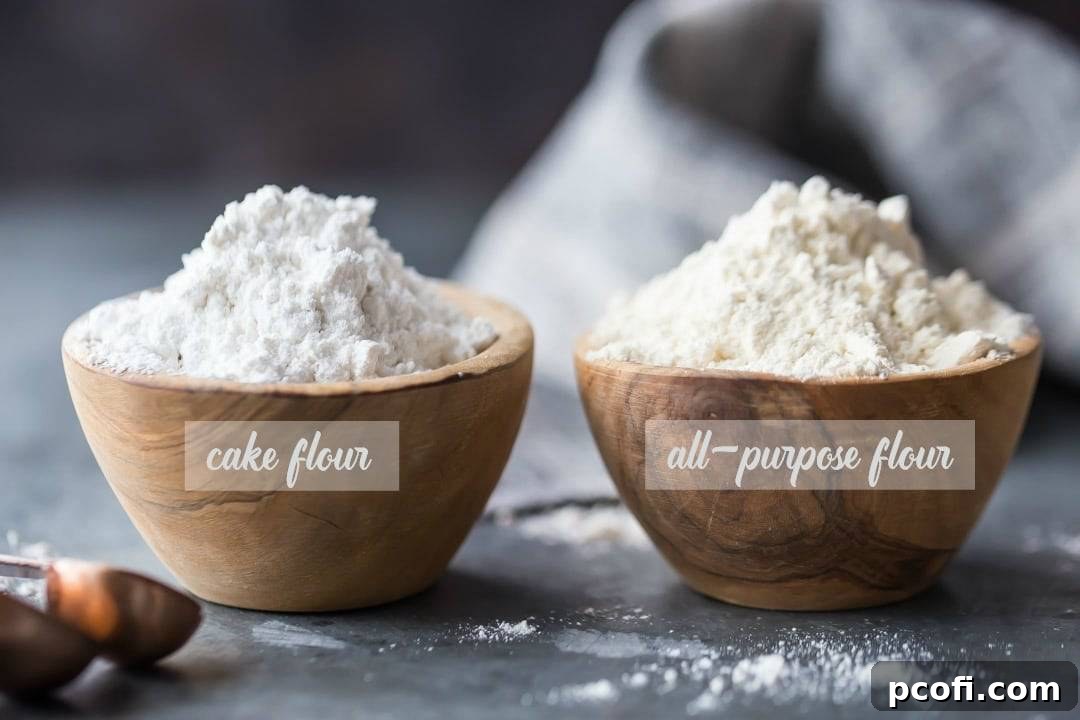
Beyond its protein profile, cake flour is exceptionally fine, light, and soft to the touch. It also undergoes a bleaching process. This bleaching not only gives it a noticeably paler, almost pure white color but also subtly alters the starch molecules, allowing them to absorb more liquid and sugar. This enhanced absorption contributes to a moister, more tender crumb and prevents gluten from overdeveloping, ensuring your cakes remain light and airy.
Cake Flour vs. All-Purpose Flour: The Key Differences for Perfect Bakes
The fundamental distinction between cake flour and all-purpose flour lies in their protein content and the subsequent gluten development. All-purpose flour, as its name suggests, is versatile, with a moderate protein content (around 10-12%). This allows it to form a moderate amount of gluten, suitable for a wide range of baked goods, from cookies to quick breads.
However, when we talk about cakes, gluten can be the enemy of tenderness. You know that delightful, chewy, elastic texture you find in a crusty loaf of yeast bread? That’s the result of strong gluten networks. While wonderful for bread, this texture is precisely what we want to avoid in cakes. For light, soft, and tender cakes with a delicate, fine crumb, minimizing gluten development is paramount. And that’s where the low protein content of cake flour truly shines.
The first time I experienced the profound difference cake flour made in a homemade cake, I was genuinely amazed. It sounds dramatic, but it was a genuine baking revelation. The cake was unbelievably soft, with an incredibly delicate structure and a uniform, tight crumb that simply melted in the mouth. Since that moment, I’ve become an unwavering advocate for cake flour, always ensuring a fresh supply is stocked in my baking pantry.
If you’re investing the time and effort to bake a cake from scratch, why not ensure the final result is the absolute best it can be? Using cake flour is a simple yet impactful step towards achieving baking excellence. It’s ideal for any cake where a tender crumb is desired, including rich chocolate cakes, classic vanilla cakes, elegant white almond sour cream cakes, and it’s absolutely essential for achieving the airy, cloud-like texture of angel food cake.
Where to Find Cake Flour: Sourcing Tips for Bakers Worldwide
Locating cake flour is typically straightforward, especially for those in the United States. You’ll generally find it nestled in the baking aisle of most major grocery stores, usually alongside various other flours like bleached all-purpose, unbleached all-purpose, bread flour, pastry flour, and whole wheat flour. Its distinctive packaging often makes it easy to spot, frequently labeled with brand names such as Softasilk or Swan’s Down.
For convenience, cake flour is also readily available for purchase online. You can find excellent options from reputable brands like Softasilk, Swan’s Down, King Arthur Flour, and Bob’s Red Mill. These brands consistently deliver high-quality products that will help you achieve outstanding baking results.
However, if you reside outside the US, particularly in Europe, you might encounter more difficulty in finding a direct equivalent. It’s crucial to note that cake flour is *not* the same as “self-raising flour” (which contains leavening agents) nor is it “sponge flour.” The closest commercially available alternative in many European countries would likely be “plain flour” with a lower protein content, which can then be further modified with cornstarch (as detailed in the “Homemade Cake Flour Substitute” section below) to mimic the properties of true cake flour.
Can I Substitute All-Purpose Flour for Cake Flour? Understanding the Impact
While a recipe specifies cake flour for a reason, emergency situations sometimes call for improvisation. In a pinch, yes, you *can* substitute all-purpose flour for cake flour. However, it’s important to understand that the results will not be identical. For truly professional-level cakes and cupcakes, consistently using genuine cake flour is highly recommended. It’s an ingredient that truly earns its space in your pantry.
When all-purpose flour is used instead of cake flour, you will typically observe a difference in the finished product’s texture. Your cakes and cupcakes will likely exhibit a more “open crumb,” meaning there will be larger, more irregular air pockets throughout the cake. Furthermore, the overall texture will tend to be slightly denser and chewier due to the higher protein content and increased gluten development in all-purpose flour. While still delicious, it won’t possess the characteristic light, ethereal softness that cake flour imparts. For the ultimate tender crumb, sticking to the specified low-protein flour is always the best approach.
Homemade Cake Flour Recipe: A Clever Substitute When You’re in a Bind
If you’re still skeptical about the magic of cake flour, or if you live in an area where it’s simply not available, don’t despair! You can easily create a very effective homemade cake flour substitute using readily available ingredients. This method helps to lower the effective protein content of all-purpose flour, bringing it closer to the properties of commercial cake flour.
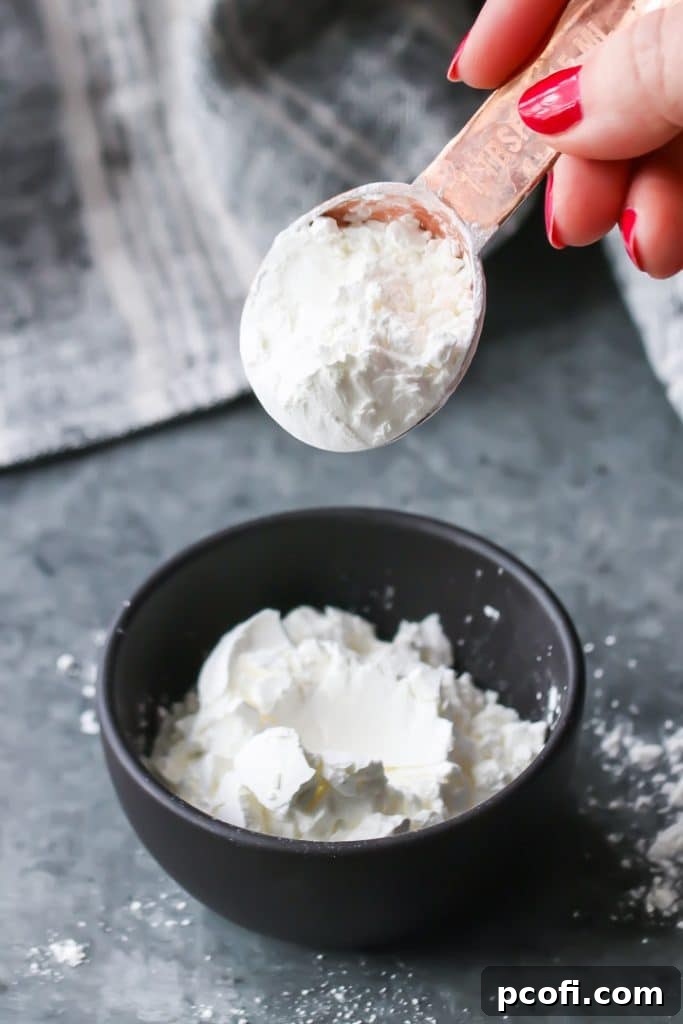
For every cup of cake flour required in a recipe, you will replace it with this simple blend: start with 1 cup of all-purpose flour, then remove 2 tablespoons of that flour. To the remaining all-purpose flour, add 2 tablespoons of cornstarch. Cornstarch is a pure starch with virtually no protein, and it acts as a tenderizer, disrupting the gluten-forming proteins in the all-purpose flour. This substitution effectively dilutes the protein content, leading to a much lighter and fluffier texture in your baked goods. Depending on your region, cornstarch may also be labeled as “corn flour” (but be careful not to confuse it with cornmeal, which is coarse and yellow).
Here’s how to prepare your homemade cake flour substitute:
Step 1: Precise Measurement
Measure 1 cup of all-purpose flour using the “spoon and level” method. This means gently spooning the flour into your measuring cup until it overflows, then leveling off the excess with a straight edge (like the back of a knife). This prevents overpacking the flour.
Step 2: Adjusting Protein Content
Remove 2 tablespoons of the measured all-purpose flour from the cup.
Step 3: Incorporating Cornstarch
To the remaining all-purpose flour, add 2 tablespoons of cornstarch. The cornstarch will effectively reduce the protein concentration in the mixture.
Step 4: Sifting for Perfection
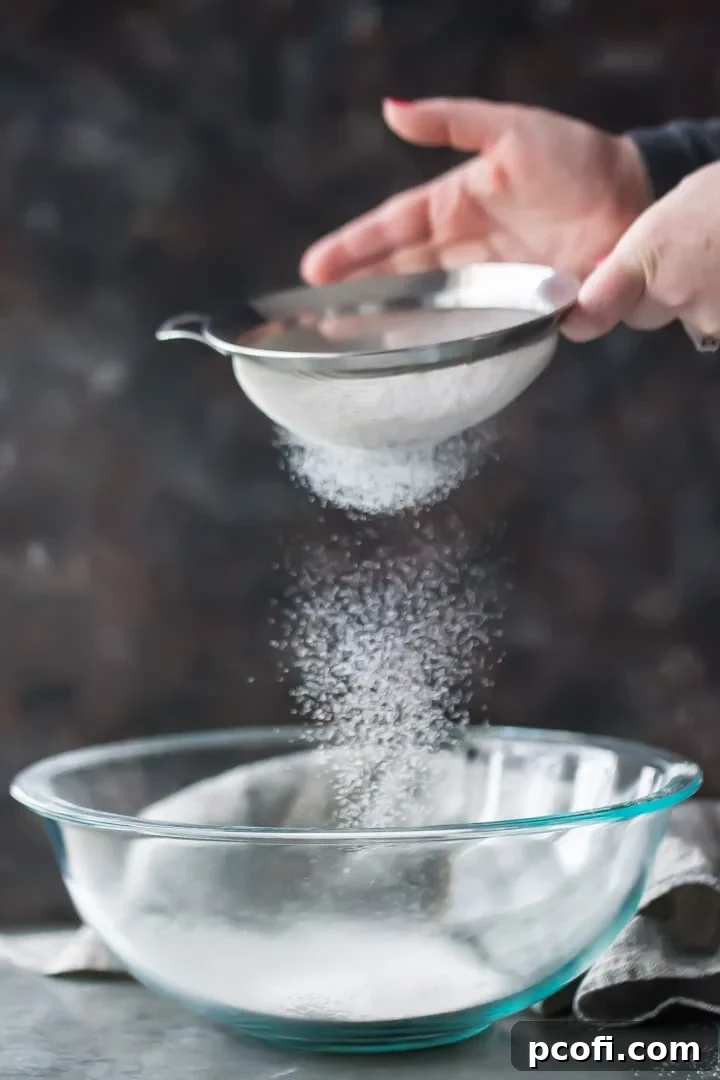
Sift the flour and cornstarch mixture together thoroughly, at least two to three times. Sifting ensures that the cornstarch is evenly distributed and helps aerate the flour, mimicking the fine, light texture of commercial cake flour.
Step 5: Final Measurement
Measure your newly created cake flour substitute either by weight (for most accurate results) or by *lightly* spooning it into a measuring cup and leveling it off. Remember, *never* pack flour into a measuring cup, as this can significantly alter your recipe’s outcome. For more detailed guidance on accurate measurements, refer to our guide on How to Measure Ingredients for Baking.
While this homemade substitute is highly effective and will yield better results than using plain all-purpose flour, it’s important to note that it’s not an exact replica of commercially produced cake flour, which benefits from specific milling processes and bleaching. However, it’s an excellent workaround for achieving a tender crumb. If you prefer precision, consider using our free printable Weight Conversion Chart for measuring ingredients.
Is Cake Flour Gluten-Free? Understanding Dietary Needs
A common question among those with dietary restrictions is whether cake flour is gluten-free. The straightforward answer is no, cake flour is not gluten-free. Despite its lower protein content compared to other wheat flours, cake flour is still derived from wheat, which naturally contains gluten. Therefore, it is not suitable for individuals with celiac disease or gluten intolerance.
If you’re aiming to bake a delicious gluten-free cake or cupcakes, the best approach is to substitute all the flour in your chosen recipe with a high-quality gluten-free flour blend. When selecting a blend, look for one specifically designed as a 1-to-1 substitute, meaning you can use the same quantity of gluten-free blend as regular flour. Many excellent options are available that replicate the performance of traditional flours, ensuring your gluten-free baked goods are just as delightful. Here are some highly recommended gluten-free flour blends:
- King Arthur Flour Gluten-Free Measure for Measure Flour
- Bob’s Red Mill Gluten-Free All-Purpose Baking Flour
- Cup4Cup Multi-Purpose Gluten-Free Flour
- Pamela’s Products Gluten-Free All-Purpose Flour Blend
- Better Batter Gluten-Free Flour
- Namaste Foods Gluten-Free Organic Perfect Flour Blend
Beyond Cakes: Versatile Uses for Cake Flour in Your Baking
While its name suggests a singular purpose, cake flour is a wonderfully versatile ingredient that extends far beyond just cakes. If you find yourself with leftover cake flour after baking your masterpiece, rest assured it won’t go to waste. The defining characteristics of cake flour—its low protein, fine texture, and delicate nature—make it an excellent choice for any recipe where an airy, light, and tender crumb is desired.
Consider integrating cake flour into recipes where you’re seeking a delicate lift and a soft bite. Its ability to minimize gluten development is beneficial for numerous baked goods that should be tender rather than chewy. Here are a few examples where cake flour truly shines:
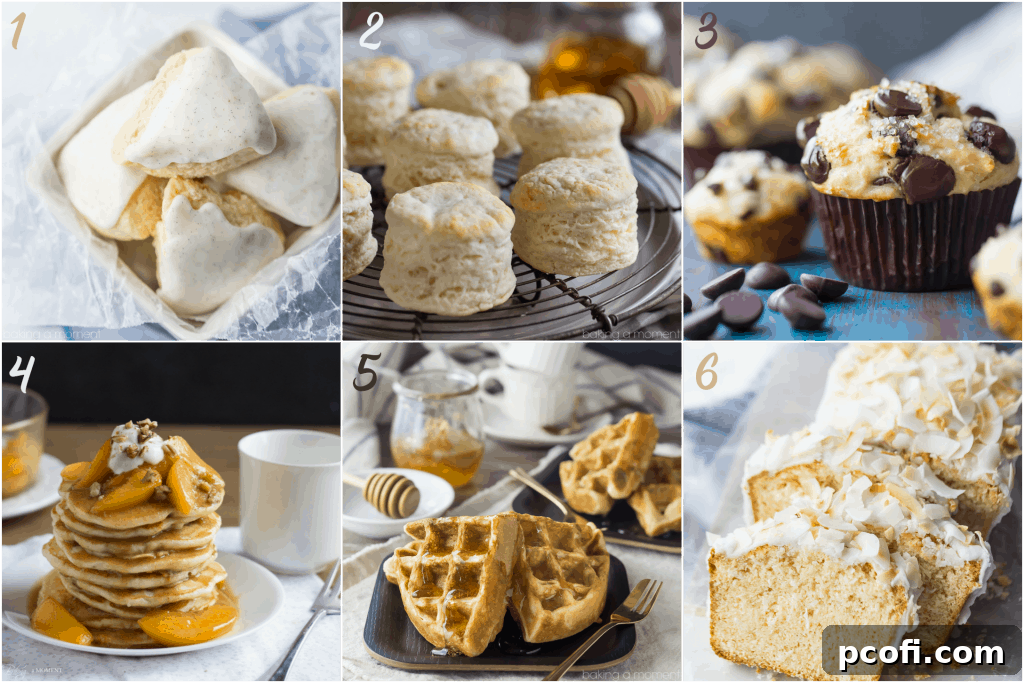
- Scones: For incredibly tender, flaky scones with a delicate texture.
- Biscuits: Achieve light, fluffy, and tender biscuits that melt in your mouth.
- Muffins: Create soft, moist muffins with a finer crumb.
- Pancakes: Elevate your breakfast with exceptionally light and fluffy pancakes.
- Waffles: For waffles that are crisp on the outside and wonderfully tender inside.
- Quick Breads: Enhance the tenderness and moistness of banana bread, pumpkin bread, and other quick breads.
- Tempura Batter: While not a baked good, cake flour’s low gluten content makes it perfect for creating a light, crispy tempura batter that won’t become tough.
However, it’s also important to know when to stick with other flours. For items where chewiness and structure are desired, such as cookies (especially chewy ones) and sturdy pie crusts, all-purpose flour is generally a better choice. And for anything yeast-leavened like pizza dough, artisan loaves, or dinner rolls, you’ll want the higher protein content of bread flour to develop the strong gluten structure needed for that characteristic chew and rise.
Storing Cake Flour for Optimal Freshness
To ensure your cake flour remains at its peak for optimal baking results, proper storage is essential. Like all flours, cake flour is susceptible to moisture, pests, and absorbing odors. It’s best stored in an airtight container in a cool, dark, and dry place, such as a pantry or cupboard. This prevents exposure to humidity and light, which can degrade its quality.
For extended freshness, especially if you buy in larger quantities or live in a warm climate, consider storing cake flour in the refrigerator or freezer. In the refrigerator, it can last for up to a year, and in the freezer, even longer. If storing in the freezer, simply bring the flour to room temperature before using it to prevent condensation from adding unwanted moisture to your recipe. Always check for any off-odors before using, as rancid flour can impart an unpleasant taste to your baked goods.
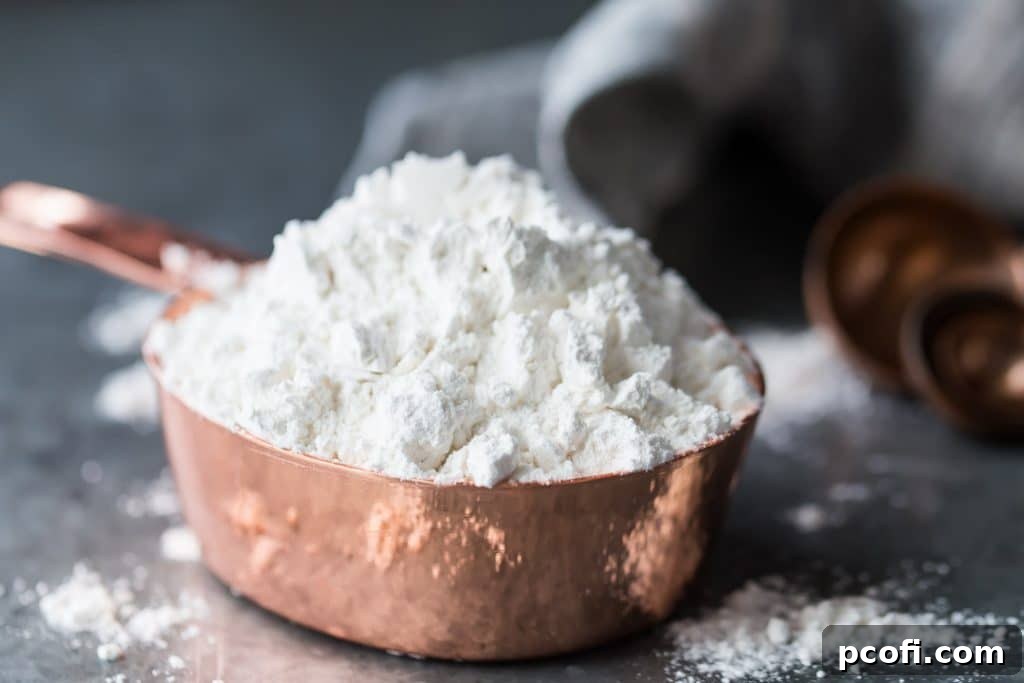
Embracing cake flour in your baking repertoire is a step towards achieving a new level of culinary excellence. Its unique properties are truly a game-changer for delicate, tender, and moist baked goods. Whether you purchase it or craft your own substitute, you’re now equipped with the knowledge to make your next cake the best it can be.
Follow me on Pinterest for tons of great recipe ideas and baking inspiration!
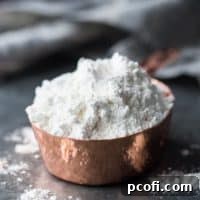
Homemade Cake Flour Substitute
Leave a Review
Ingredients
-
1 cup
all-purpose flour -
2 tbsp
cornstarch
Equipment
-
Flour Sifter
-
Kitchen Scale
-
Measuring Cups
Instructions
-
Measure 1 cup of all-purpose flour using the spoon and level method.
-
Remove 2 tablespoons of the flour.
-
Add the flour to the sifter, along with the cornstarch.
-
Sift the flour and cornstarch together into a large bowl.
-
Measure by weight or lightly spoon into a measuring cup and then level off. NEVER pack flour into a measuring cup!
Notes
- This substitution is not exactly the same thing as cake flour, so the results will be better but not identical.
- If weighing your ingredients use 110 grams of all-purpose flour, and 10 grams of cornstarch.
