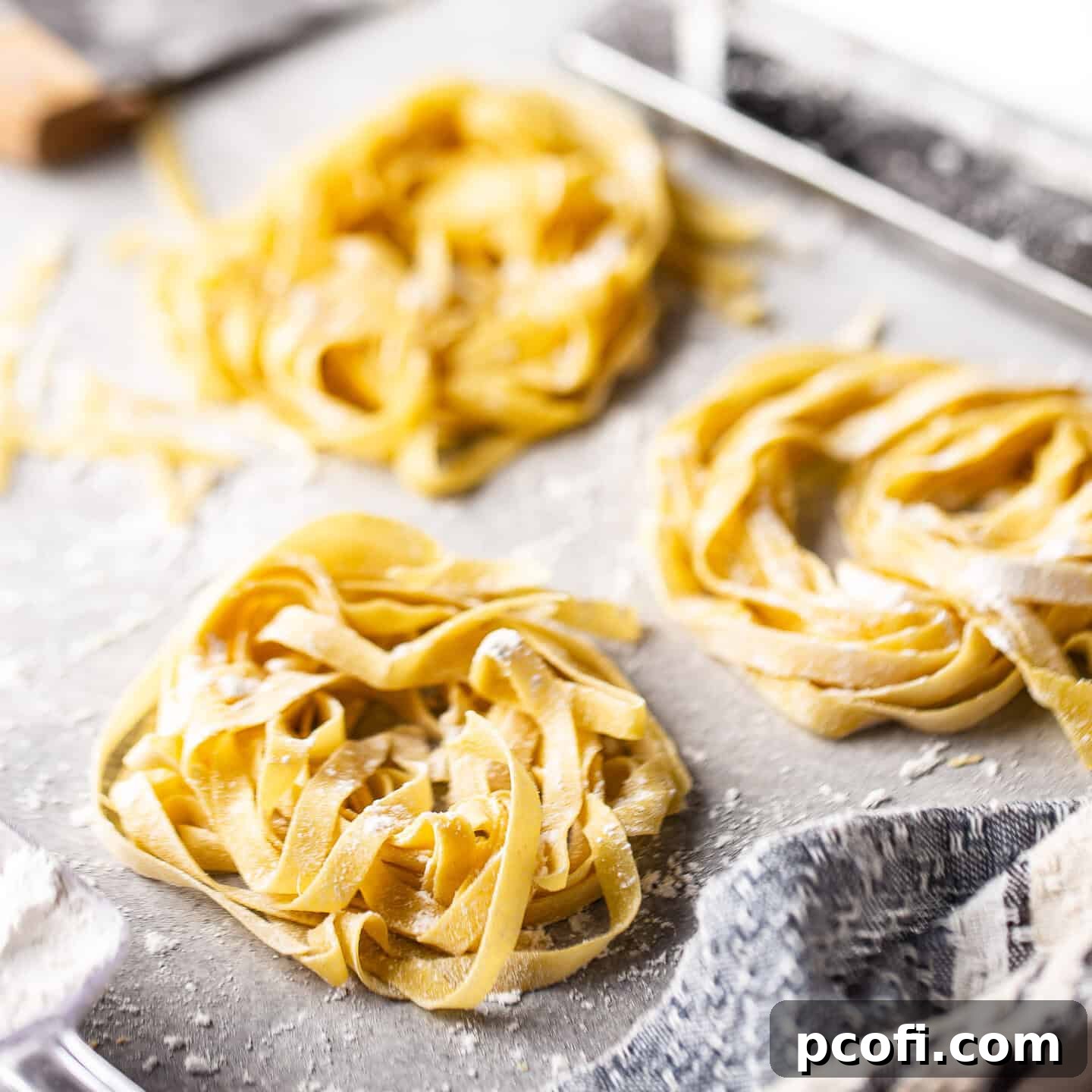
Unlock the secret to incredible Italian cuisine in your own kitchen! This easy homemade pasta recipe requires only 2 simple ingredients and promises silky-soft, divinely delicious results. Follow our comprehensive, step-by-step guide to create pasta that will impress everyone.
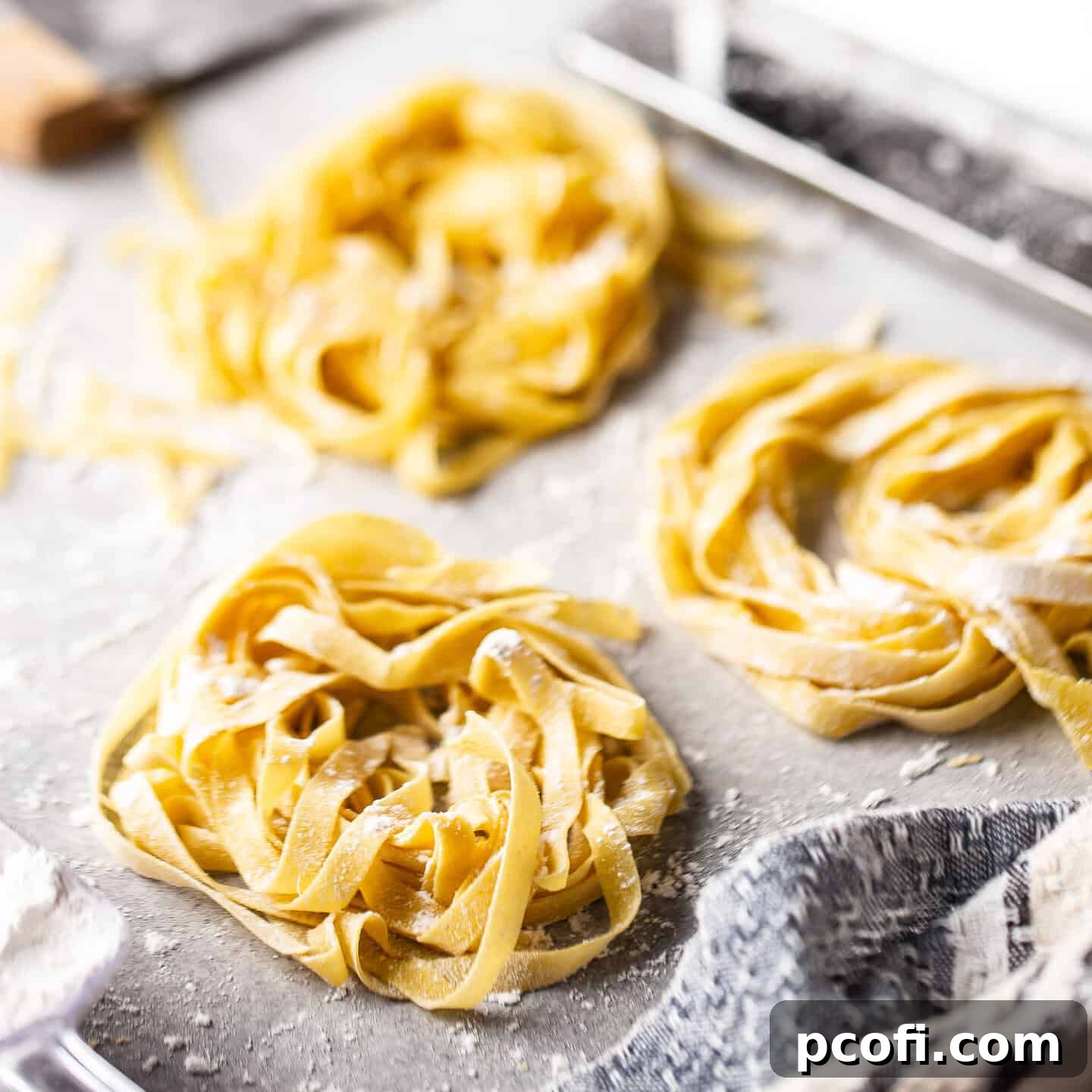
If you’ve ever dreamt of serving truly fresh, melt-in-your-mouth pasta at home but felt intimidated by the process, let this be your invitation! Making homemade pasta is not only surprisingly easy and incredibly rewarding, but it’s also an utterly delightful experience. The delicate texture and rich flavor of fresh pasta are unparalleled, transforming an ordinary meal into an extraordinary culinary event.
This particular homemade pasta recipe simplifies the craft to its essence, calling for just two fundamental ingredients. It comes together quickly, and the process of working with a pasta machine, watching the dough transform into thin, even sheets, is deeply satisfying. It’s an ideal activity for a relaxed afternoon in the kitchen, and it’s especially charming for families; little ones absolutely adore turning the crank of the pasta maker!
As a passionate cook who specializes in authentic Italian recipes, I promise this recipe will become a staple in your repertoire. For more delicious Italian inspiration, be sure to explore my popular recipes for Bolognese sauce, shrimp scampi, and the festive 7-fishes cioppino.
Table of Contents
- What is Homemade Pasta?
- Why This is the Best Homemade Pasta Recipe
- Ingredients for Fresh Pasta
- Essential Equipment for Pasta Making
- How to Make Homemade Pasta: Step-by-Step Guide
- Serving and Sauce Pairings for Homemade Pasta
- Expert Tips for Perfect Homemade Pasta
- Frequently Asked Questions About Pasta Making
- More Main Dish Recipes You’ll Love
Jump to Recipe Card
What is Homemade Pasta?
For most of us, pasta means reaching for a box of dried durum wheat noodles from the pantry. However, traditional Italian pasta, especially in regions like Emilia-Romagna, is made fresh with eggs and flour. This “homemade pasta” refers to pasta made from scratch, typically by hand or with a simple pasta machine, right in your kitchen.
While the idea of making pasta from scratch might sound like a daunting task or an unnecessary effort, it is, in fact, a deeply rewarding culinary journey. It’s an entire experience, from mixing the dough and rolling it out to cooking and finally savoring the incredible results. There’s a tangible connection to tradition and craftsmanship when you make your own pasta.
The distinction between fresh and dried pasta is profound. Fresh pasta boasts a remarkably silky, tender texture that melts in your mouth, offering a delicate feel that is worlds apart from its dried counterpart. Moreover, as with any freshly prepared ingredient, the flavors are intensely superior. The subtle sweetness of the eggs and the earthy notes of the flour truly shine through, elevating any sauce you pair it with. Once you taste homemade pasta, you’ll understand why it’s celebrated by chefs and home cooks alike.
Why This is the Best Homemade Pasta Recipe
- Unbeatable Flavor and Texture: The fresh ingredients create a vibrant flavor that cannot be replicated with dried pasta. The delicate, silky-soft texture will truly surprise and delight your palate, offering a gourmet experience right at your dining table.
- Minimal Ingredients: You only need two essential ingredients: flour and eggs. This simplicity not only makes it accessible but also highlights the quality of each component, resulting in a pure and authentic pasta flavor.
- Surprisingly Easy to Master: Forget complex techniques! This recipe involves just a few straightforward steps: mix the dough, allow it to rest, and then roll and shape it. With a little practice, even beginners can achieve fantastic results.
- Incredibly Versatile: This basic dough recipe is a true chameleon in the kitchen. Use it to create broad sheets for classic lasagna, cannelloni, or rotoli. It’s also perfect for crafting various dumplings such as delicate ravioli, intricate tortellini, or charming agnolotti. Or, simply cut it into any noodle shape you desire, from thin spaghetti and linguine to wider tagliatelle or pappardelle. Your culinary creativity is the only limit!
Ingredients for Fresh Pasta
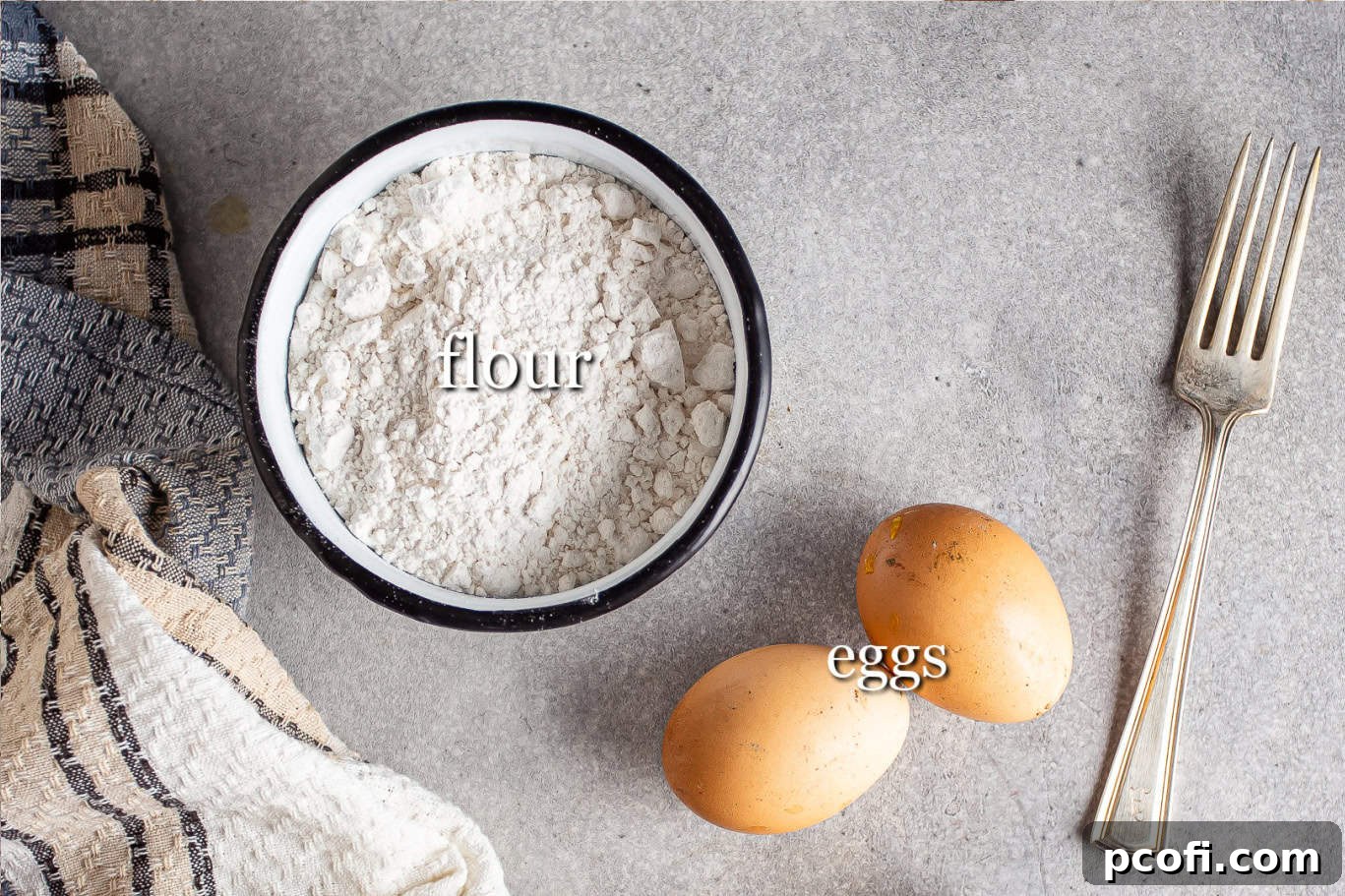
Making incredible pasta from scratch truly boils down to the quality and type of your two main ingredients:
Flour: The choice of flour significantly impacts the texture of your pasta. Traditionally, Italian pasta often uses ’00’ flour, which is a very finely milled soft wheat flour, creating a super tender and smooth pasta. I have had spectacular results using 100% all-purpose flour, which is readily available and works beautifully for a delicate texture. In the past, I’ve also experimented with a 1:1 combination of semolina flour (a coarser flour made from durum wheat) and all-purpose flour. Semolina adds a lovely chewiness and golden hue to the pasta, making it more robust and traditional for some regional styles. Many Italian cooks swear by the fancy 00 (aka: doppel-zero) flour for its superior, fine texture. If you’re feeling adventurous or want to try a classic approach, give it a go! For those with dietary restrictions, I haven’t personally tried making homemade pasta with a gluten-free flour blend, but I’m always eager to learn about others’ experiences. If you have, please share your insights in the comments section below – your feedback helps everyone!
Eggs: Large chicken eggs are the standard for fresh pasta. While some recipes emphasize using room temperature eggs, I’ve found that it’s not critically essential for the success of this dough, so don’t stress if yours are straight from the fridge. The eggs bind the flour and provide richness, color, and structure to the pasta. For a plant-based alternative, you can use a 1:1 substitute of a liquid plant-based egg product, though the texture might vary slightly from traditional egg pasta.
Essential Equipment for Pasta Making
While pasta can technically be made with just your hands and a rolling pin, certain tools make the process much more enjoyable and efficient:
- Measuring Cups: Accurate measurement is the first step to successful baking and cooking. Ensure your flour and eggs are measured precisely. For best results, follow my guide on how to measure ingredients.
- Clean Work Surface: A spacious, clean, and dry counter or tabletop is crucial for kneading the dough and rolling out your pasta. A wooden surface is ideal as it provides a slight grip, but any clean, smooth surface will work.
- Fork: Essential for gently incorporating the eggs into the flour well at the beginning of the process.
- Pastry Scraper: While optional, a sturdy pastry scraper is incredibly helpful. It allows you to gather the sticky dough efficiently, scrape your work surface clean, and even help with initial kneading without getting your hands too messy.
- Pasta Machine: This is the true game-changer! A pasta machine, whether manual (hand-cranked) or electric, consistently rolls the pasta dough to an impossibly thin and even thickness. Most machines also come with attachments that can cut your pasta into various noodle shapes like spaghetti or tagliatelle, making the shaping process effortless and uniform. Without one, achieving the desired thinness by hand requires significant effort and skill.
How to Make Homemade Pasta: Step-by-Step Guide
This easy recipe comes together in five simple steps, transforming basic ingredients into culinary magic.
Step 1: Create a Flour Well
Begin by carefully tipping your measured flour directly onto your clean work surface. Gather it into a mound, then use your fingers or the bottom of a bowl to create a wide, deep well in the center of the flour. Think of it like a volcano, with high, firm walls to contain the liquid ingredients.
Once your well is formed, gently crack the eggs directly into the center of the well. Ensure the walls are high enough to prevent the eggs from spilling out.
Step 2: Incorporate Eggs and Knead the Dough
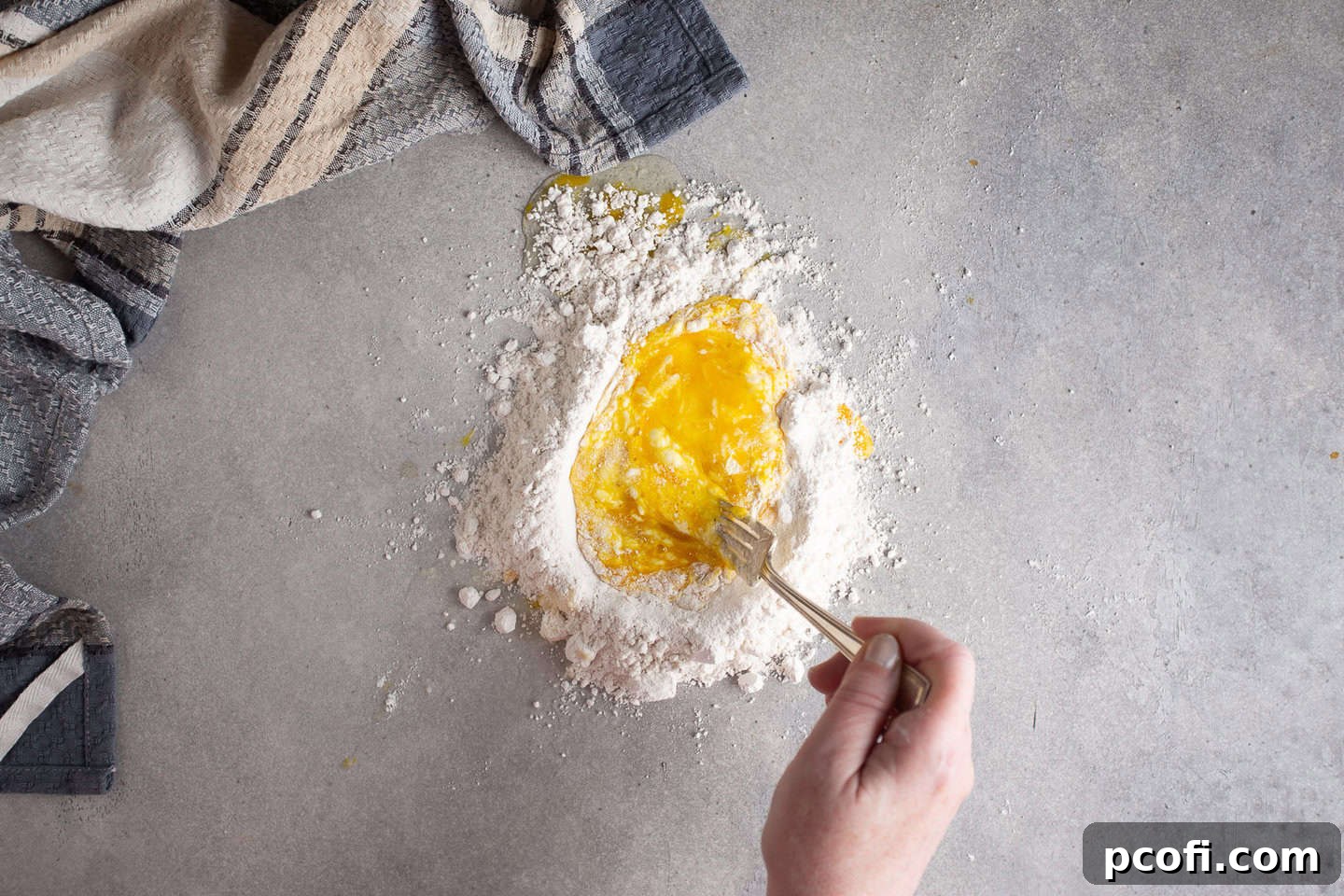
Using a fork, gently beat the eggs in the center of the well. As you beat, gradually draw small amounts of flour from the inner edges of the well into the eggs, slowly incorporating the dry ingredients into the liquid. Continue this process, being careful not to break the flour walls and let the egg escape.
As more flour is incorporated, the mixture will thicken and become stiffer. At this point, the fork will no longer be effective. Switch to a pastry scraper to fold the mixture onto itself, or better yet, use your clean hands to begin kneading. Knead the dough firmly for about 8-10 minutes. The goal is to develop the gluten in the flour, which gives the pasta its characteristic chewiness and elasticity. The dough should transform from a shaggy mass into a smooth, firm, and elastic ball that springs back when gently pressed. If it feels too sticky, add a very small amount of flour; if it’s too dry and crumbly, add a tiny bit of water (a teaspoon at a time).
Once all the flour has been fully incorporated and the dough is smooth and uniform, you should have a stiff, cohesive ball of dough.
Step 3: Rest the Dough
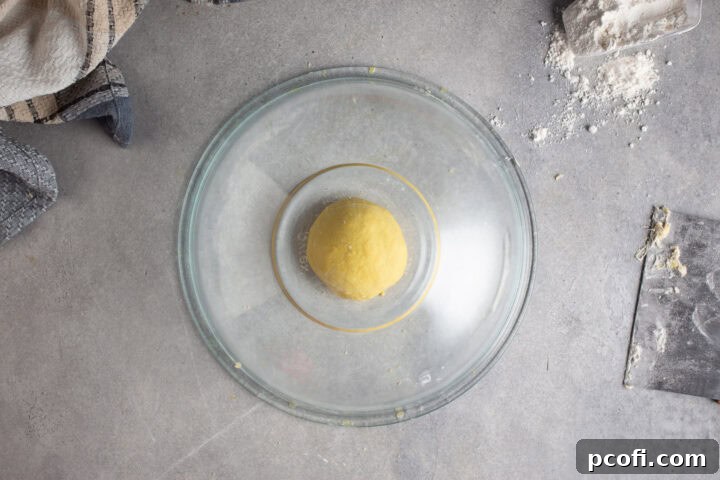
Once kneaded, cover the dough ball with an inverted bowl or wrap it tightly in plastic wrap to prevent it from drying out. Allow it to rest at room temperature for at least 30 minutes, but preferably for 1 hour.
This resting period is crucial for several reasons: it allows the flour to fully hydrate, making the dough more pliable and easier to work with. It also gives the gluten a chance to relax, which will prevent the dough from snapping back when you try to roll it out and results in a smoother, more tender pasta.
Step 4: Roll and Shape the Pasta
After resting, the dough will be wonderfully supple and ready for rolling. Divide the dough into halves, then quarters, and finally into eighths. This ensures you’re working with manageable portions.
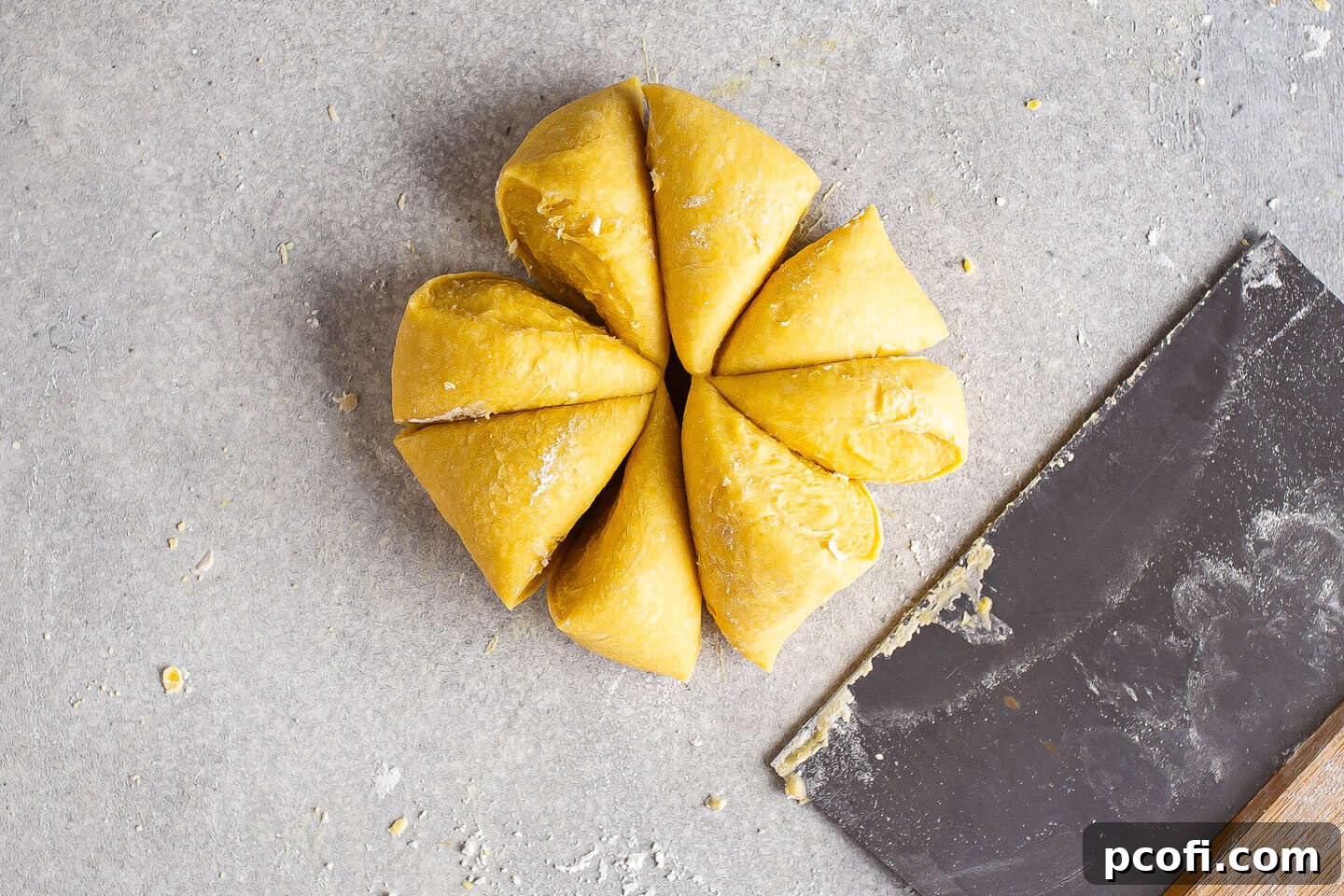
Take one eighth portion, keeping the remaining dough covered to prevent it from drying. Lightly dust the portion with flour and flatten it into a rough rectangular shape with your fingers. This initial flattening helps the dough feed smoothly into the pasta machine.
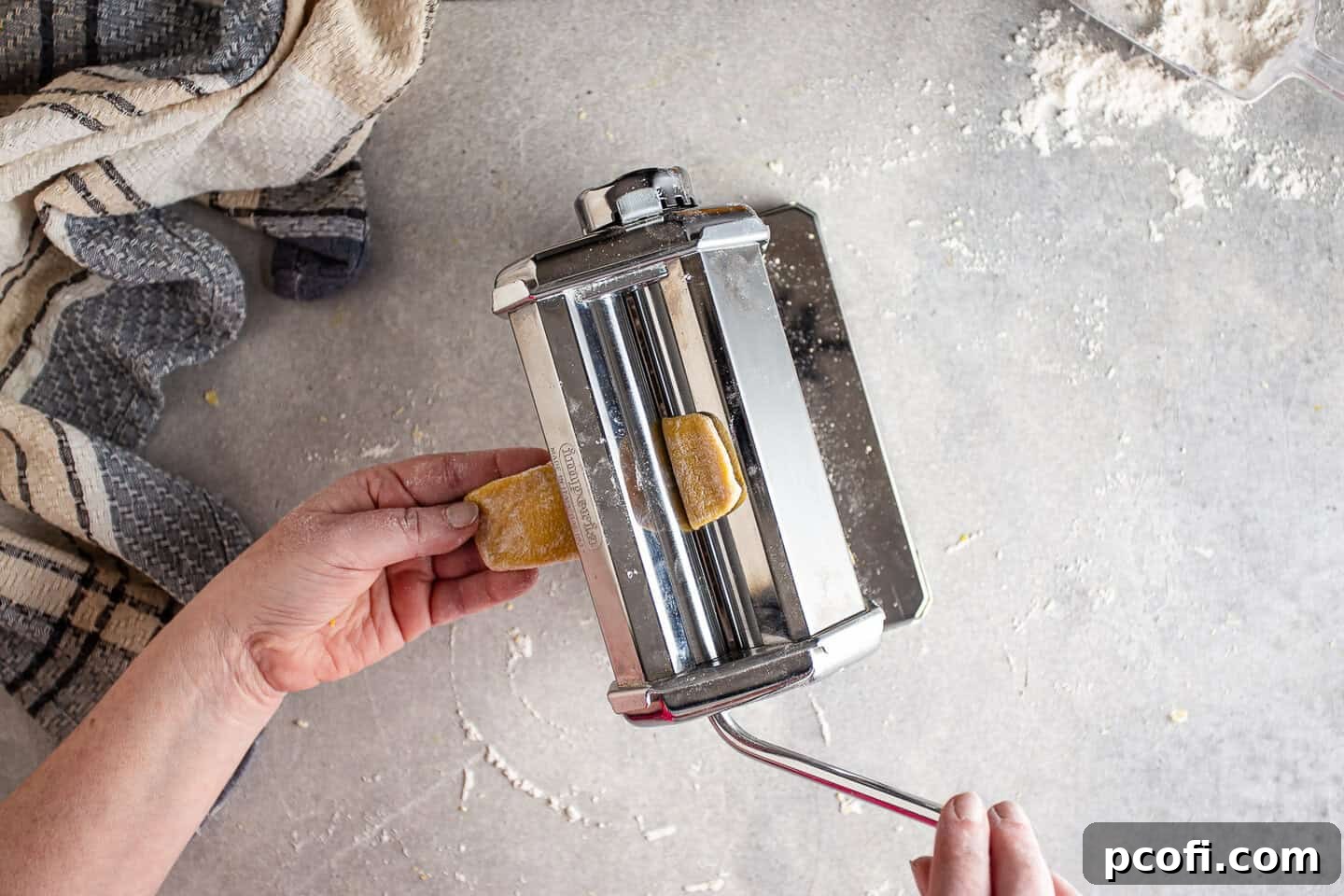
With your pasta machine set to its thickest setting (typically “1” on most manual machines), feed the flattened dough through the rollers with one hand while steadily turning the crank with the other. The machine will effortlessly flatten the dough to a perfect, even thickness.
Continue this process, gradually decreasing the thickness setting one notch at a time. Run the dough through each setting until you reach the thinnest possible setting on your machine (often “6” or “7”). The goal is to get the pasta as thin as you can without tearing it. Lightly dust the pasta sheet with flour after each pass to prevent sticking, both to itself and to the machine. You will notice the pasta becoming more translucent and delicate with each pass.
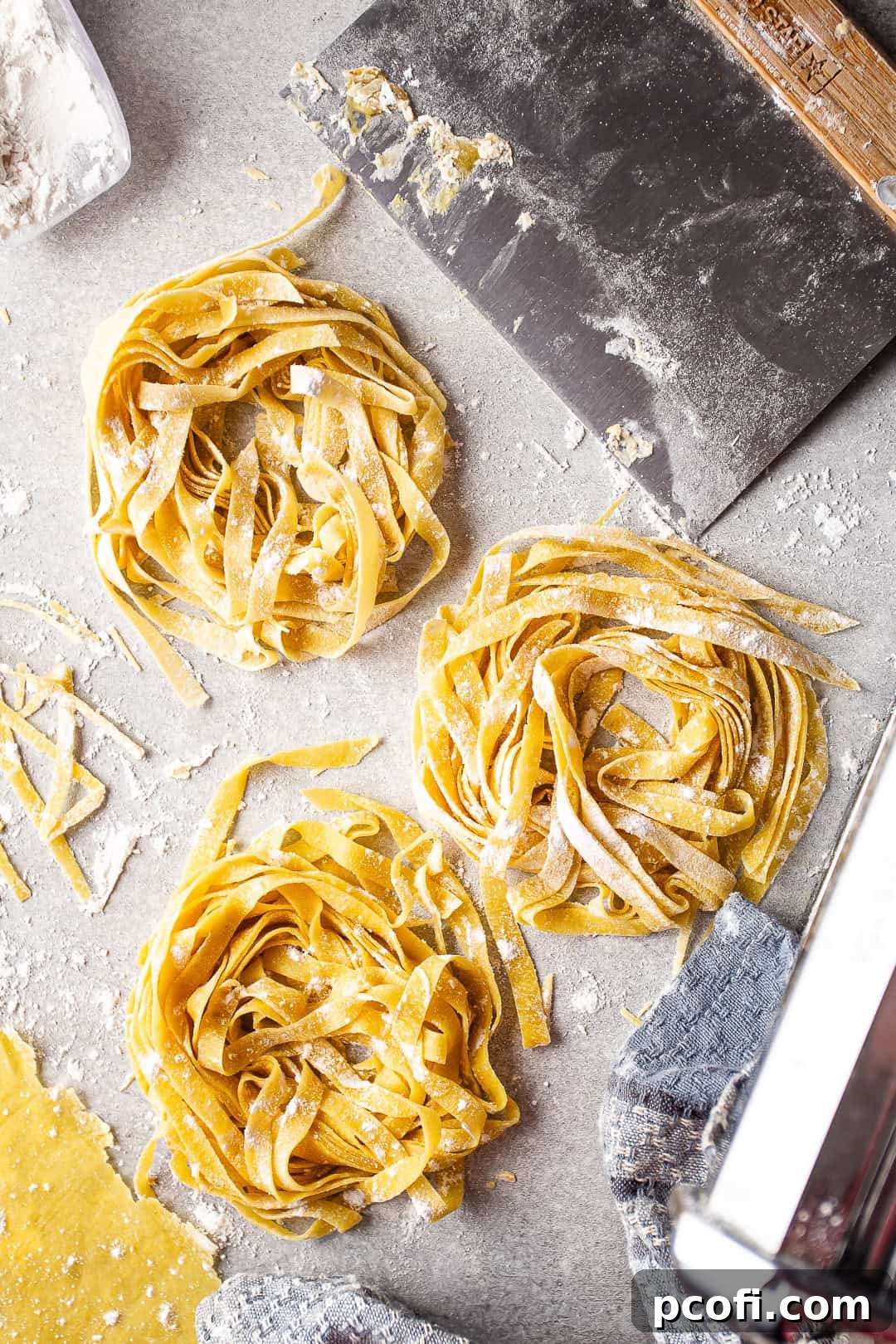
Repeat this rolling process for all dough portions, forming them into long, thin sheets. Keep the finished sheets dusted with flour and laid out on a clean, floured surface or draped over a pasta rack to prevent them from sticking together. At this stage, your pasta sheets are ready to be cut into noodles or used for making dumplings.
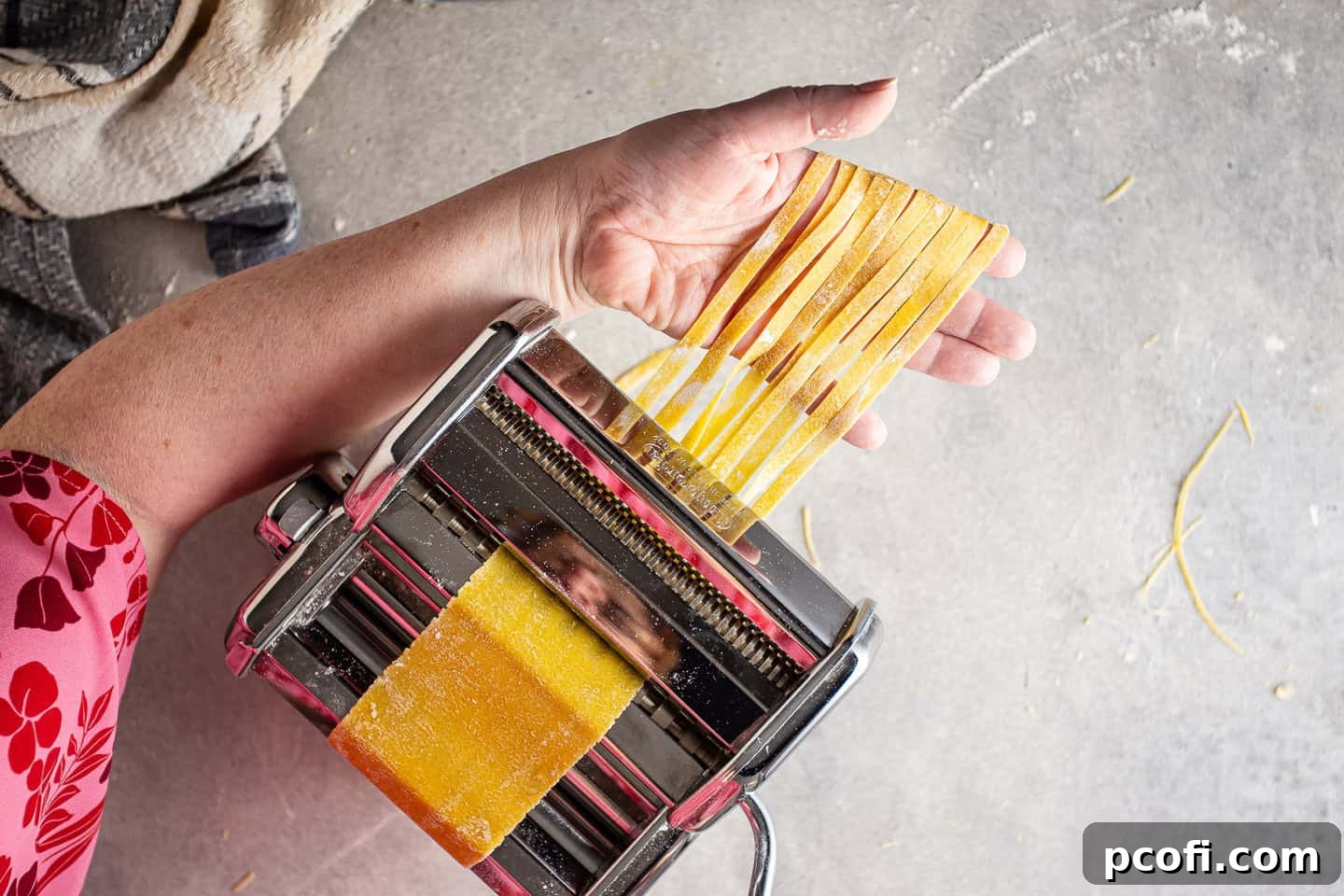
Most pasta machines come with a cutting attachment that allows you to easily create perfect strands of spaghetti or tagliatelle. Simply feed your thin pasta sheets through the desired cutter, and watch as beautiful ribbons or thin strands emerge. If your machine doesn’t have a cutter, you can carefully fold the sheets and slice them by hand with a sharp knife into your desired noodle width.
Step 5: Cook or Dry Your Fresh Pasta
One of the greatest joys of making homemade pasta is cooking it immediately while it’s still fresh and vibrant. To cook fresh pasta, bring a large pot of generously salted water to a rolling boil. Add the fresh pasta and cook for only 1 to 2 minutes. Unlike dried pasta, which is dehydrated and needs longer to rehydrate and cook, fresh pasta is already full of moisture and cooks incredibly fast. It’s ready when it floats to the surface and is tender yet still has a slight bite (al dente).
If you wish to enjoy your homemade pasta later, you can also dry it. To prevent sticking, ensure the pasta is well-dusted with flour. You can dry it in a few ways:
- Pasta Rack: Draping the noodles over a dedicated pasta drying rack allows for even air circulation.
- DIY Setup: Improvise by draping the pasta over a clean hanger, a dowel rod suspended between two chairs, or even over the backs of chairs.
- Flat Drying: Lay the pasta on clean, flour-dusted kitchen towels spread across a tabletop or ironing board. Make sure to turn the pasta occasionally to ensure all sides are exposed to air and dry evenly.
Leave the pasta out at room temperature for about a day or until it becomes completely brittle, indicating all the moisture has evaporated. Once fully dry, store it in an airtight container at room temperature for up to 6 months. Remember to handle dried fresh pasta gently, as it can be quite fragile!
Serving and Sauce Pairings for Homemade Pasta
The beauty of this fresh pasta recipe lies in its versatility; it can be transformed and paired in countless delicious ways. Embrace your creativity and let the pasta be the canvas for your culinary masterpieces.
Shaping Possibilities:
- Sheets: Keep the pasta in long sheets to create magnificent lasagnas, rolled cannelloni, or even savory rotoli (rolled pasta dishes).
- Dumplings: For filled pasta, place small spoonfuls of your favorite filling onto one sheet, cover with another sheet, press out any air, and then cut into classic shapes like ravioli, agnolotti, or even twist them into charming tortellini.
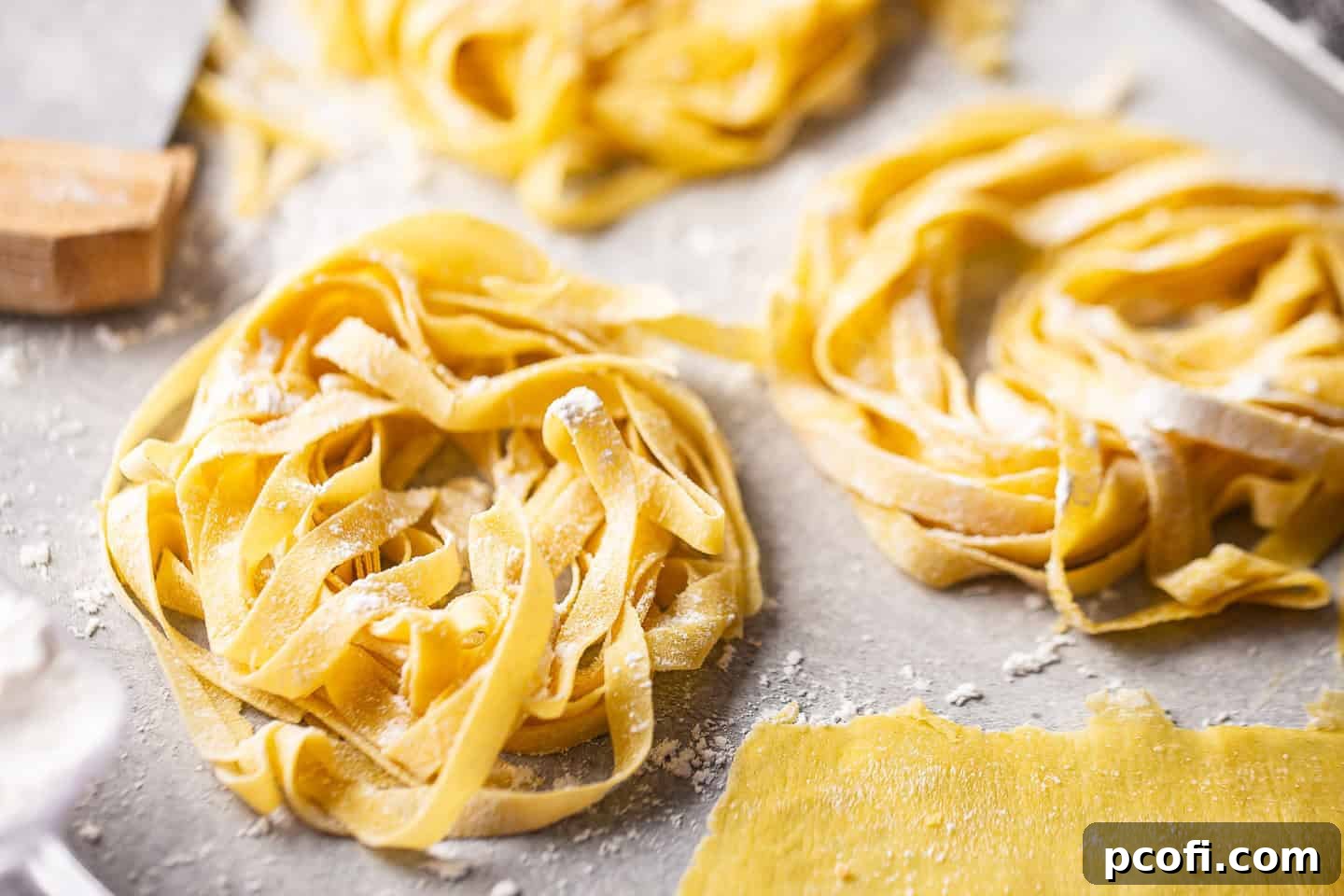
- Noodles: Use your pasta machine’s cutter or a sharp knife to create long strands of spaghetti, wider tagliatelle, or broad pappardelle.
Sauce Harmony:
When it comes to sauces, I generally recommend lighter, thinner preparations for fresh pasta. This approach allows the delicate texture and fresh flavor of the pasta to shine through, rather than being overwhelmed by a heavy sauce. Consider these exquisite pairings:
- My go-to tomato sauce, simple yet bursting with vibrant flavor.
- A zesty piccata sauce, offering bright, lemony notes.
- Aromatic basil pesto, vibrant and herbaceous.
- A rich yet smooth creamy sauce also complements fresh pasta beautifully.
- For ultimate simplicity, just melted butter tossed with freshly grated Parmesan cheese, or a drizzle of high-quality olive oil with fresh garlic and a pinch of red pepper flakes, will highlight the pasta’s inherent goodness.
The Finishing Touch:
For an authentic Italian touch, warm your chosen sauce in a large pan or pot. When your pasta is just shy of fully cooked (still very al dente), drain it, reserving a small amount of the starchy pasta water. Add the drained pasta directly to the sauce and toss them together. Finish cooking the pasta in the sauce for another minute or two. This crucial step allows the pasta to absorb the flavors of the sauce, creating a deeply integrated and harmonious dish. Add a splash of reserved pasta water if the sauce becomes too thick.
Expert Tips for Perfect Homemade Pasta
Even though this recipe is straightforward, a few expert tips can make your homemade pasta experience even smoother and more successful:
- Flour is Your Best Friend (and Enemy): Always have extra flour on hand. The dough can become sticky due to humidity levels or slight variations in egg size. Liberally and frequently dust your dough, hands, and work surface, especially when feeding it through the pasta rollers. If the dough sticks, it can tear, leading to frustration. A thin layer of flour prevents this beautifully.
- Strategic Folding for Wider Sheets: If you find your pasta sheets becoming too long and narrow as you roll them, don’t fret! Periodically fold the sheet into thirds (like a letter) and then run it through the rollers again, starting with the wide, folded side. This technique helps to reshape the dough, encouraging it to become wider and more rectangular, which is ideal for cutting into various noodle shapes or making lasagna.
- Go as Thin as You Dare: That final, thinnest setting on your pasta maker might seem alarmingly delicate, but trust me, it’s worth pushing to that limit! Fresh pasta tends to plump up slightly as it cooks due to water absorption. Rolling it as thin as possible ensures that your cooked pasta retains that incredible, delicate, melt-in-your-mouth texture that is the hallmark of truly exquisite homemade pasta.
- Dress It Lightly: Because fresh pasta is so incredibly delicate and flavorful on its own, it’s best complemented by lighter sauces that won’t overpower its subtle nuances. Start with a small amount of sauce, toss the pasta in, and then add more if needed. The goal is to coat the pasta lightly, allowing its texture and fresh taste to remain the star of the dish.
- Work in Small Batches: When rolling out the dough, keep the portions you’re not actively working with covered to prevent them from drying out. Dry dough is brittle and prone to cracking or tearing when rolled.
- Mind the Humidity: The humidity in your kitchen can affect the dough’s consistency. On a dry day, your dough might need a tiny bit more liquid; on a humid day, it might need a touch more flour. Learn to feel the dough – it should be firm but pliable, not sticky.
Frequently Asked Questions About Pasta Making
Making fresh pasta is an art, not an exact science! Several factors can influence dough consistency. The size of eggs, despite labels, can vary slightly, and the humidity levels in your kitchen on any given day will also have an impact. The ideal pasta dough is firm, smooth, and only slightly tacky, never excessively sticky or crumbly. If your dough is too sticky, gradually knead in a tablespoon of flour at a time until you reach the desired consistency. If it’s too dry and crumbly, add a teaspoon of water at a time until it comes together. Remember, if your pasta rollers are tearing the dough, it almost always needs more dusting with flour.
While a pasta machine makes the process considerably easier and more consistent, it’s not strictly essential. You can certainly roll out the dough using a rolling pin, but be prepared for a challenge! It requires significant upper body strength and a good deal of patience to achieve the ultra-thinness that defines fresh pasta. If you’re serious about pasta making, I highly recommend investing in one; they are quite affordable and easy to find. You can purchase a reliable Pasta Maker here. If you have a machine but it didn’t come with a cutter attachment, a sharp kitchen knife will do the job just as well for cutting sheets into noodles.
Absolutely! Homemade pasta is excellent for meal prep. You have a few options:
- Dried Pasta: You can fully dry your homemade pasta, as described in Step 5 of the “How to Make Homemade Pasta” section. Once completely dry and brittle, store it in an airtight container at room temperature for up to 6 months.
- Refrigerated Fresh Pasta: Fresh pasta can be stored in the fridge for up to 2 days. Lightly dust it with flour, form it into small nests, and place it in an airtight container.
- Frozen Fresh Pasta: For longer storage, freeze fresh pasta. Lightly dust the shaped pasta (nests or cut strands) with flour, place it on a baking sheet in a single layer, and freeze until solid. Once frozen, transfer to a freezer-safe bag or container and store for up to 8 months. Thaw frozen pasta overnight in the fridge before cooking, or cook directly from frozen, adding a minute or two to the cooking time.
This homemade pasta recipe yields enough fresh pasta to generously serve 4 people as a main course. The nutritional information provided in the recipe card below is calculated for 1/4th of the entire batch of fresh pasta only, and it does not include any accompanying sauces or additional ingredients.
A Few More of My Best Main Dish Recipes
- White Beans and Greens with Sausage
- How to Make Gnocchi
- Baked Rigatoni
- Chicken Marsala
As an Amazon Associate, I earn from qualifying purchases.
Easy Homemade Pasta Recipe
4
servings
25 minutes
2 minutes
1 hour
1 hour
27 minutes
Leave a Review
Save Recipe
Ingredients
-
1
cup
(125
g)
flour
,
(all-purpose, semolina, or 00 flour) plus extra for dusting -
2
(88
g)
eggs,
large
Instructions
-
Tip the flour onto a clean work surface and make a well in the center.
-
Crack the eggs into the well and beat them with a fork, gradually drawing more and more flour into the mixture from the sides of the well.
-
When the dough becomes too stiff to continue combining with a fork, switch to a pastry scraper or clean hands to fold the mixture in on itself and knead it together into a stiff dough.
-
Cover the dough ball with a bowl and allow it to rest for one hour.
-
Divide the dough into 8 equal portions.
-
Dust a portion of dough with flour and run it through the pasta maker on the widest setting.
-
Continue rolling the pasta dough through the rollers, gradually decreasing the thickness until you reach the thinnest setting.
-
Dust the pasta sheets with flour to prevent sticking.
-
Cut the sheets into long noodles, if desired.
-
Cook the pasta in boiling salt water for 1 to 2 minutes, and dress with sauce as desired.
Notes
Fold the dough into thirds as needed to create wider sheets.
Serving:
0.25
batch
,
Calories:
145
kcal
,
Carbohydrates:
24
g
,
Protein:
6
g
,
Fat:
2
g
,
Saturated Fat:
1
g
,
Polyunsaturated Fat:
1
g
,
Monounsaturated Fat:
1
g
,
Trans Fat:
0.01
g
,
Cholesterol:
82
mg
,
Sodium:
32
mg
,
Potassium:
64
mg
,
Fiber:
1
g
,
Sugar:
0.2
g
,
Vitamin A:
119
IU
,
Calcium:
17
mg
,
Iron:
2
mg
Italian
Appetizer, Side Dish, Main Course
Tried this recipe?
Mention @bakingamoment on Instagram or tag #bakingamoment.