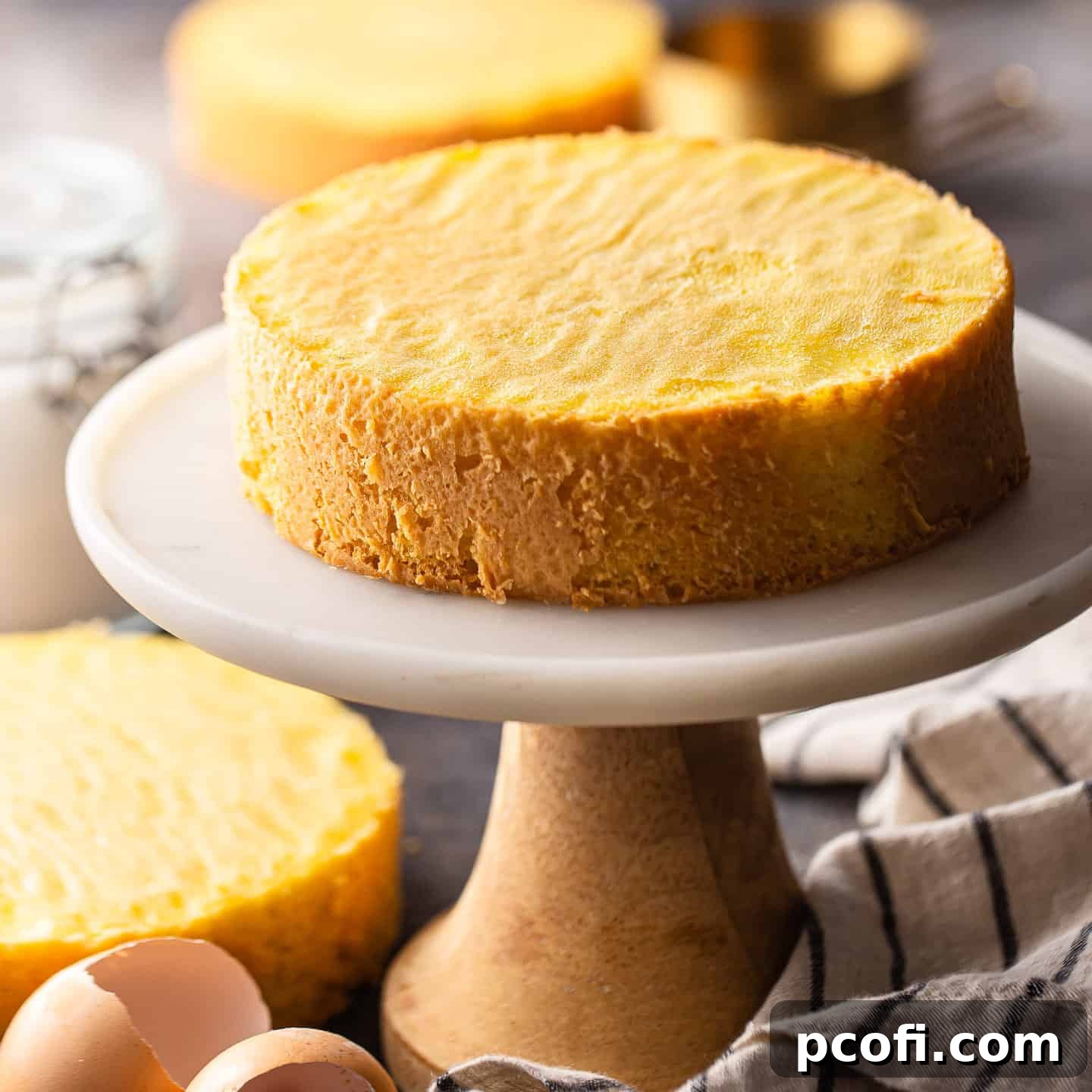
Discover how to make a classic Genoise sponge cake: a recipe renowned for its incredibly light, airy texture, achieved solely with whipped eggs, and enriched with a delightful hint of butter and sweet vanilla.
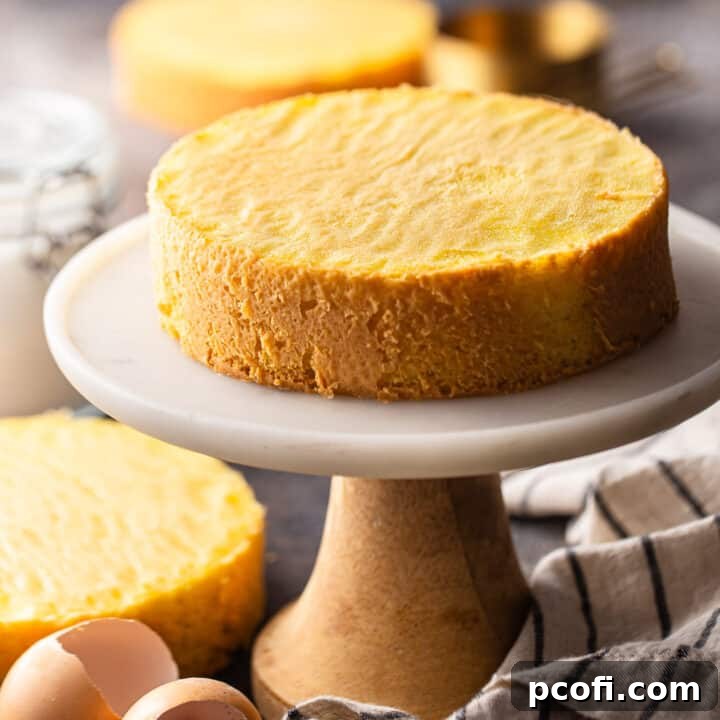
Today, we delve into the timeless art of baking with a truly classic recipe: the Genoise cake. This foundational dessert has graced tables and patisseries for centuries, a testament to its simple elegance and irresistible appeal. Far from being a fleeting trend, the Genoise holds a distinguished place in culinary history, celebrated for its unique preparation and delicate structure.
This recipe is remarkably straightforward, requiring just a handful of essential pantry ingredients. What emerges from the oven is nothing short of magical: a cake that is exceptionally airy, feather-light, and wonderfully spongy, all while carrying a subtle yet rich buttery flavor profile. Its texture is a marvel, achieving an almost cloud-like consistency that makes every bite a pleasure.
One of the most fascinating aspects of Genoise is its method of leavening. Unlike many modern cakes that rely on chemical agents like baking powder or baking soda, the Genoise gains all its magnificent “lift” purely from the meticulous whipping of eggs. This technique, which incorporates millions of tiny air bubbles into the batter, is a hallmark of classic sponge cakes. In this regard, it shares a family resemblance with other beloved confections such as traditional pound cake, delicate ladyfingers, and ethereal angel food cake, all of which prioritize egg aeration for their signature textures.
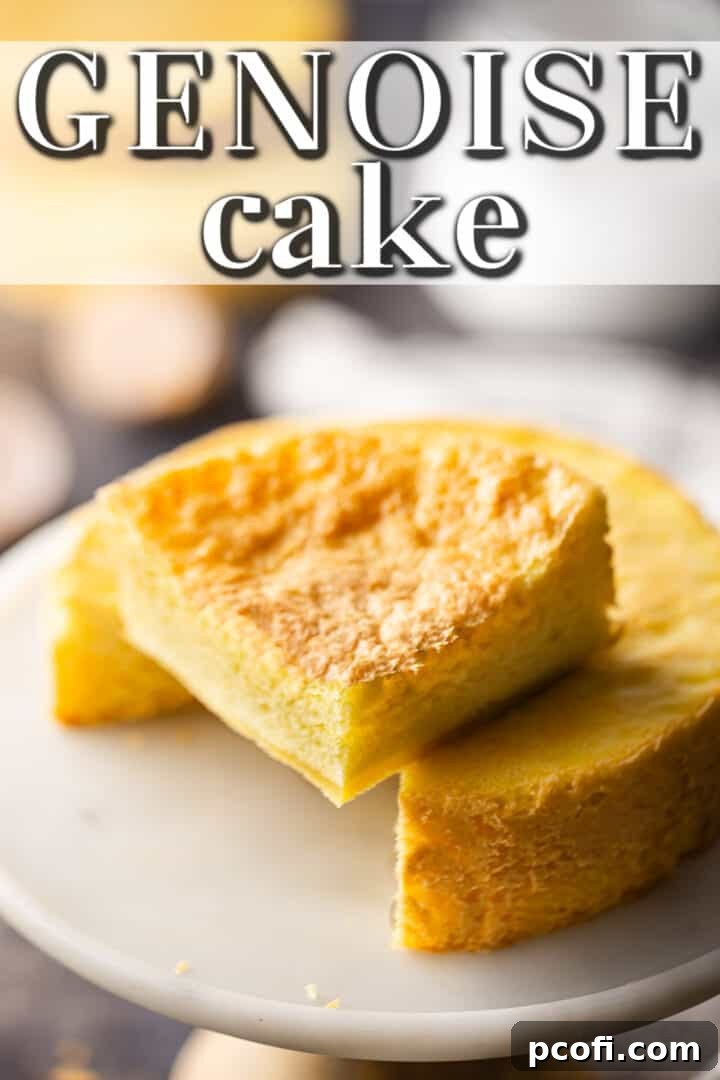
Table of Contents
- What is Genoise Cake?
- Why This Genoise Recipe Shines
- The Taste and Texture of Genoise
- Essential Ingredients for Genoise
- Recommended Baking Equipment
- Step-by-Step Genoise Baking Guide
- Creative Ways to Serve Genoise Sponge Cake
- Pro Baking Tips for Genoise
- Frequently Asked Questions About Genoise
- More Irresistible Cake Recipes
Jump to Recipe
What is Genoise Cake?
Genoise is a foundational type of sponge cake, originating from Genoa, Italy, that is uniquely leavened by thoroughly whipping whole eggs and sugar together until they achieve an incredibly light, voluminous, and airy consistency. This method creates a stable foam that traps air, which then expands during baking, giving the cake its signature rise without the need for baking powder or soda.
The key differentiator between Genoise and a basic sponge cake lies in its richness: Genoise is traditionally enriched with melted butter, carefully folded into the batter at the end. This addition imparts a delicate moisture and a profound depth of flavor that a plain sponge cake often lacks, making it a more indulgent and versatile base for various desserts.
For those curious about pronunciation, you might hear it articulated in a couple of ways: most commonly as “jen-oh-EEZ” (reflecting its Italian origin) or, with a more French-influenced flair, “zhen-WAZZ.” Regardless of how you say it, the exquisite taste remains universally appreciated.
Why This Genoise Recipe Shines
This particular Genoise recipe stands out for several compelling reasons, making it a favorite for both novice and experienced bakers:
- Exceptional Flavor Profile: What truly sets this Genoise apart is its distinctive buttery richness. This isn’t a dry, bland sponge; the melted butter woven into the batter infuses it with a luxurious depth that elevates every bite, a characteristic not found in simpler sponge cake recipes. The interplay of sweet vanilla and subtle butter creates a harmonious, gourmet experience.
- Unbeatable Texture: Prepare for a cake that is extraordinarily airy, light, and tender. The meticulous whipping of eggs creates a delicate crumb that practically melts in your mouth. This isn’t a dense cake; it’s a delicate, resilient sponge perfect for absorbing syrups and complementing rich fillings, offering a sublime textural contrast in any dessert application.
- Minimal Ingredient List: Despite its sophisticated outcome, this Genoise requires only a handful of common pantry staples. This simplicity makes it an accessible and economical choice for a stunning dessert, proving that extraordinary flavors don’t always demand an extensive shopping list.
- Incredible Versatility: The adaptability of Genoise is truly remarkable. It can be baked in various shapes and sizes—from elegant round layers for elaborate tiered cakes to simple sheet cakes, cupcakes, or even a classic bundt. Furthermore, its neutral yet rich flavor makes it a perfect canvas for countless enhancements. Whether you’re layering it with fresh fruits and whipped cream, soaking it in flavored syrups, or using it as the foundation for elaborate tortes and roulades, Genoise effortlessly adapts to your creative vision.
The Taste and Texture of Genoise
A perfectly baked Genoise offers a delightful sensory experience. The flavor is a beautiful balance of sweet, eggy notes, often reminding one of a rich, creamy crème brûlée or a delicate custard, but in cake form. This recipe enhances that natural goodness by perfuming it with a generous amount of sweet vanilla. While vanilla is a classic choice, the neutral base of Genoise readily accepts other flavorings, allowing for endless customization to suit any preference or occasion.
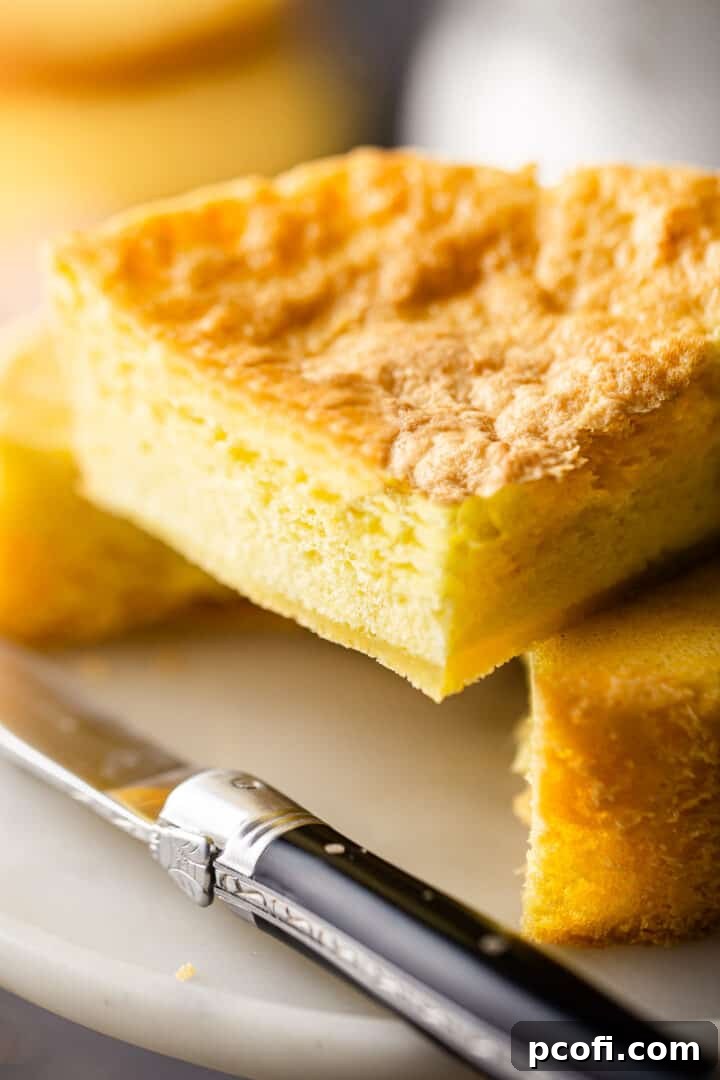
Beyond its inherent sweetness, the inclusion of butter imparts a subtle richness that truly elevates the cake. This buttery undertone allows the delicate flavors to linger on your palate, providing a satisfying and memorable finish. The texture, as previously mentioned, is paramount: it’s incredibly fine-crumbed, soft, and springy, yet robust enough to hold its shape when sliced or layered. It’s light without being flimsy, and moist without being dense, creating a harmonious balance that makes it a true dessert masterpiece.
Essential Ingredients for Genoise
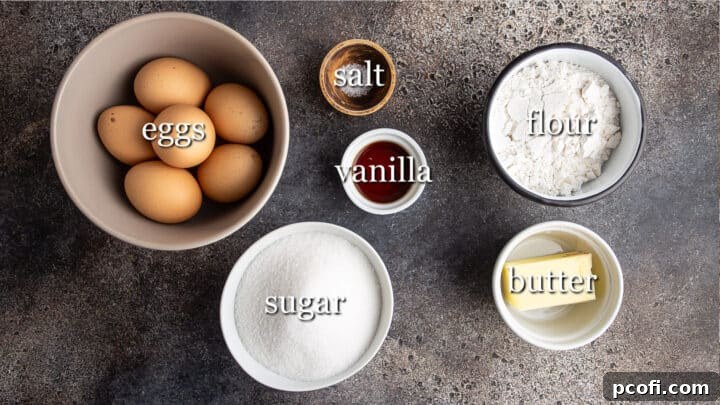
Crafting this exquisite Genoise cake requires just six fundamental ingredients, each playing a crucial role in achieving its signature light and airy texture and rich flavor. The magic truly happens when these simple components are combined with precision and care.
Eggs
Eggs are the undisputed heroes of Genoise, responsible for 100% of the cake’s lift and structure. When whipped intensely with sugar, they form a voluminous, stable foam containing millions of tiny air bubbles. These bubbles expand dramatically in the heat of the oven, causing the cake to rise and develop its incredibly light and airy crumb. For optimal results, use large chicken eggs and ensure they are at room temperature. Room temperature eggs whip up to a much greater volume and stability than cold eggs, which is critical for a high-rising Genoise. If you’re exploring plant-based alternatives, select a high-quality vegan egg substitute known for its whipping capabilities that can be swapped 1:1 for large chicken eggs.
Sugar
Beyond adding essential sweetness, sugar performs several vital functions in Genoise. It stabilizes the whipped egg foam, preventing it from collapsing and ensuring maximum air incorporation. Its crystalline texture creates friction during whipping, which helps to create the airy texture. Sugar also contributes to the beautiful golden-brown crust of the cake and, being hydrophilic, it attracts and retains moisture, resulting in a tender and succulent crumb. While granulated sugar is standard, you can experiment with other crystalline sweeteners that offer a 1:1 substitution ratio.
Vanilla
Vanilla extract introduces a subtly sweet, aromatic depth to the Genoise without adding extra sugar. Its warm, comforting notes are a perfect complement to the rich egg and butter base. For an even more pronounced and luxurious vanilla flavor, consider using vanilla bean paste, which contains tiny flecks of vanilla bean for visual appeal and intense aroma. Alternatively, scraping the seeds from a fresh vanilla bean will yield the most authentic and potent vanilla experience. The versatility of Genoise also invites creative flavor variations; consider extracts like:
- Almond extract for a nutty nuance.
- Lemon extract or fresh citrus zest for a bright, zesty lift.
- Orange blossom water for a delicate floral aroma.
- Coconut extract for a tropical twist.
- A pinch of cinnamon for a warming spice note.
Feel free to experiment with any other extracts or flavorings you have on hand to customize your Genoise to perfection.
Salt
A small but mighty ingredient, salt is a flavor enhancer in baking. It doesn’t make the cake taste salty, but rather intensifies and balances the sweetness and richness of the other ingredients, making the overall flavor profile more complex and vibrant. We recommend using kosher salt for its pure flavor, free from the additives (like iodine) sometimes found in table salt that can impart a bitter aftertaste. Kosher salt is also readily available and budget-friendly.
Flour
For an exceptionally tender and delicate Genoise, cake flour is the preferred choice. Its lower protein content and finer milling result in a lighter, softer crumb. Using cake flour significantly reduces the risk of deflating the delicate egg foam when it’s folded into the batter, ensuring your cake achieves its maximum height and airiness. If you’re new to baking with it, you can explore its benefits further in our guide: What is Cake Flour? While all-purpose flour can be used in a pinch, it typically yields a slightly denser cake.
Butter
Butter is the defining ingredient that distinguishes Genoise from a leaner sponge cake. It contributes to a wonderfully rich flavor and a more tender, moist crumb. We opt for unsalted butter, as it gives you complete control over the total salt content in your recipe. Different brands of salted butter can vary significantly in their salt levels, leading to inconsistent results. For a vegan or dairy-free Genoise, ensure you use a plant-based butter that performs as a 1:1 substitute for dairy butter, ideally one that melts cleanly. It’s crucial that the butter is melted but cooled before being incorporated into the batter; hot butter can deflate the precious egg foam, compromising the cake’s structure.
Recommended Baking Equipment
Having the right tools makes all the difference when baking a delicate cake like Genoise. Here’s what you’ll need to ensure success:
- Measuring Cups and Spoons: Essential for precise ingredient measurement, which is crucial in baking for consistent results.
- Large Mixing Bowl: A spacious bowl is necessary to accommodate the significant volume of whipped eggs and sugar. Ideally, use a bowl compatible with your electric mixer.
- Electric Mixer: A powerful mixer is non-negotiable for achieving the light, voluminous egg foam required for Genoise. A stand mixer with a whisk attachment is ideal for hands-free, consistent whipping, but a robust hand mixer can also work effectively.
- Fine Mesh Sieve: Used to sift the cake flour, ensuring a lump-free texture and evenly distributing the flour without deflating the airy batter.
- Silicone Spatula: A flexible yet sturdy spatula is perfect for gently folding the flour and butter into the delicate egg mixture, minimizing air loss.
- Cake Pan(s): The versatility of Genoise allows for various pan choices. For this recipe, we recommend three 6-inch diameter cake pans for elegant layers. Alternatively, you can use two 8-inch diameter cake pans, make 18 cupcakes, a 9×13-inch sheet cake, or even a 5-cup capacity loaf pan. For a larger presentation, consider doubling the recipe and baking it in a 12-cup capacity bundt pan.
- Non-stick Spray: Crucial for preventing the cake from sticking to the pans, ensuring easy release and perfectly formed layers.
- Parchment Paper: Used to line the bottoms of the cake pans, providing an extra layer of non-stick insurance and a clean, even bottom crust.
Step-by-Step Genoise Baking Guide
Baking a perfect Genoise cake might seem intimidating, but by following these three simple yet crucial steps, you’ll achieve a light, airy, and delicious result every time. Precision and gentleness are key.
Step 1: Whip the Eggs & Sugar to Perfection
Begin by combining the room temperature eggs, granulated sugar, vanilla extract, and a pinch of salt in your large mixing bowl. The temperature of the eggs is critical here; warmer eggs whip up faster and achieve greater volume and stability.
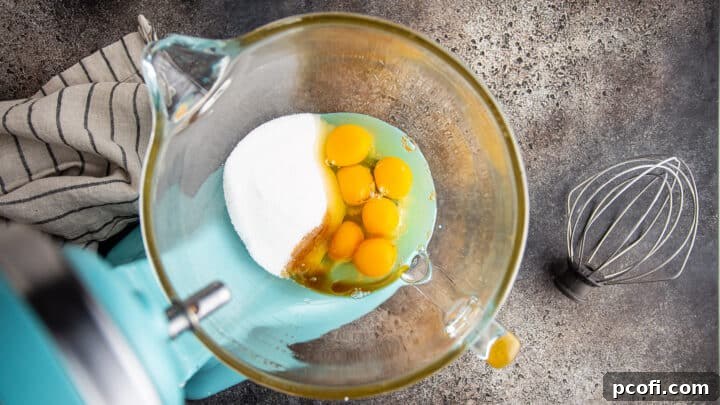
Using an electric mixer, whip these ingredients together on high speed. Your goal is to achieve a mixture that is incredibly light, pale yellow, fluffy, and at least tripled in volume. This process incorporates the vital air that will leaven your cake. As you whip, the mixture will thicken and become ribbon-like, holding a trail when the whisk is lifted. This transformation typically takes anywhere from 5 to 7 minutes, depending on your mixer’s power. Do not skimp on this step; setting a timer can ensure you whip for the full duration, as it is the single most important factor for a successful Genoise.
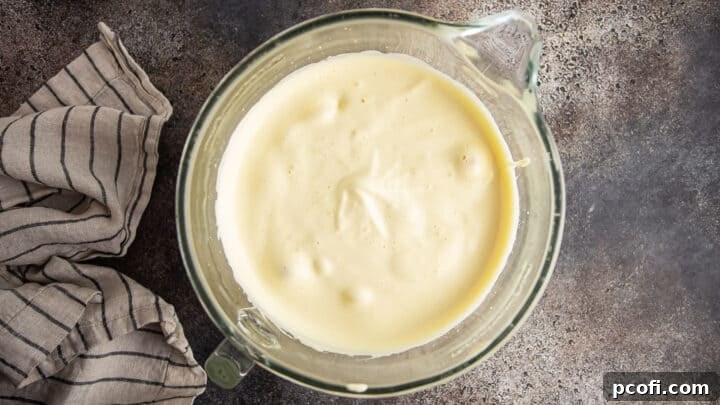
Step 2: Gently Fold in Flour & Butter
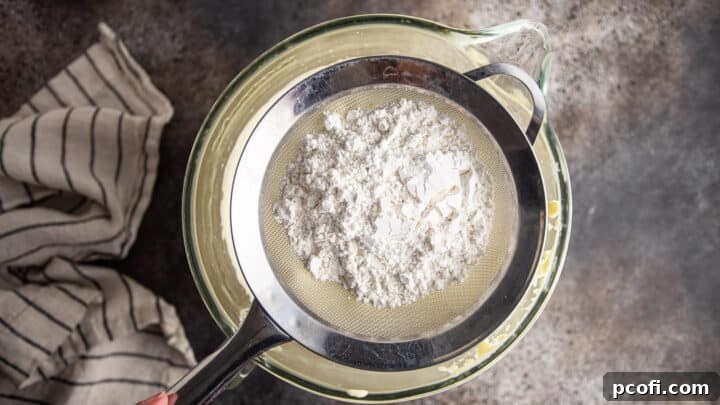
Once your egg mixture is perfectly whipped, it’s time for the delicate folding process. Take about half of your sifted cake flour and, using a fine mesh strainer, sift it directly over the whipped eggs and sugar. Sifting prevents lumps and helps distribute the flour evenly without overworking the batter.
Now, with extreme gentleness, fold the flour into the batter using a silicone spatula. The proper technique involves cutting your spatula down the center of the bowl, sweeping it along the bottom, and then bringing it back up the side, gently turning the bowl slightly with each fold. This “cut and fold” motion incorporates the flour without deflating the precious air you worked so hard to whip in. You want to be incredibly careful here; maintaining the air in the batter is paramount for a light Genoise. Fold until the flour is *just* incorporated, but do not overmix.
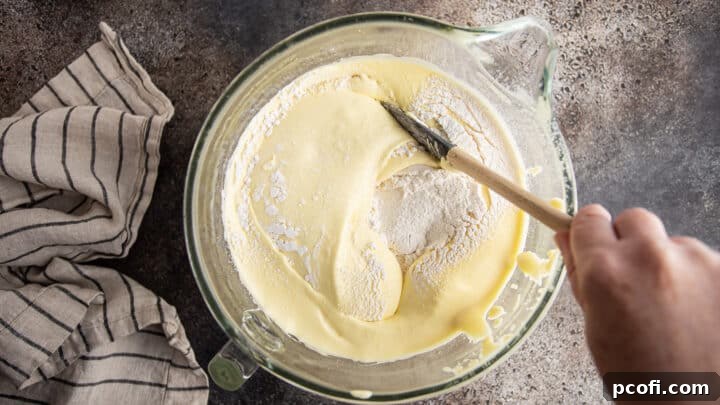
Next, carefully pour about half of the melted and cooled butter down the side of the bowl. Repeat the same gentle folding technique until the butter is nearly incorporated. Then, sift in the remaining flour, fold gently again, followed by the remaining melted butter. The goal is to combine the ingredients minimally while preserving as much air as possible.
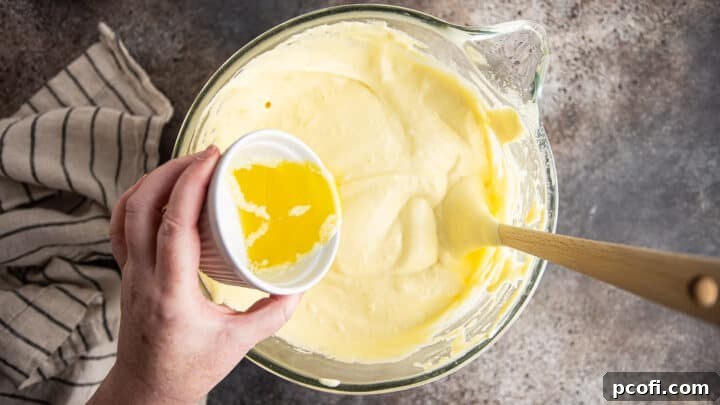
Step 3: Immediate Baking
Once the last of the butter is folded in, it’s a race against time. Immediately and carefully transfer the delicate batter into your prepared cake pans. Ensure your pans are thoroughly greased, floured, and lined with parchment paper to prevent sticking and ensure an easy release.
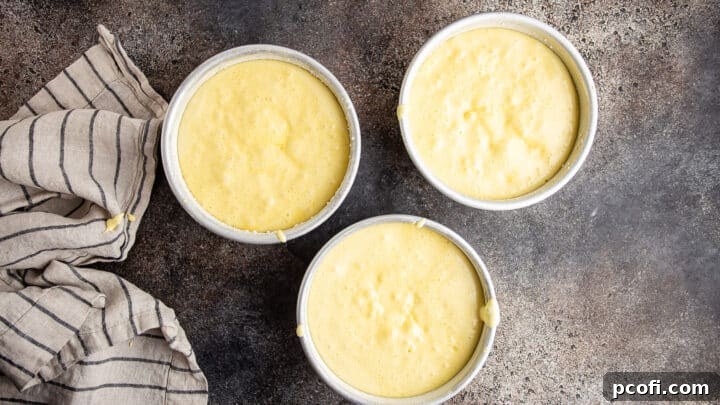
Place the pans directly into a preheated hot oven. Quick action prevents the air bubbles in the batter from collapsing under gravity. The cakes are done baking when their edges appear set and deeply golden, and the center feels springy when lightly pressed. A toothpick inserted into the middle should emerge clean, indicating that the cake is fully cooked through. Resist the urge to open the oven door prematurely, as sudden temperature drops can cause the cake to sink.
Creative Ways to Serve Genoise Sponge Cake
Genoise sponge cake, with its delicate texture and subtle flavor, is a magnificent canvas for a wide array of dessert creations. Its ability to absorb flavors and moisture makes it incredibly versatile. Traditionally, Genoise is often brushed or sprinkled with a simple syrup soak—sometimes flavored with liqueurs, coffee, or citrus zest—to enhance its moisture and add an extra layer of flavor. This technique is famously used in desserts like Tiramisu cake, where the sponge soaks up coffee and liqueur beautifully.
Beyond simple syrups, Genoise can be transformed with various fillings, glazes, and frostings. Here are some inspiring suggestions to elevate your Genoise:
- Fruit-Based Fillings: Layer with vibrant marmalade, sweet jam, comforting apple butter, or tangy lemon curd for a fresh and fruity dessert.
- Rich Mousses and Ganaches: Fill with an airy chocolate mousse or a velvety whipped ganache for an elegant and indulgent treat.
- Classic Creams: A luscious pastry cream can provide a smooth, custardy contrast to the light sponge.
- Creamy Frostings: Pair with a tangy-sweet cream cheese frosting, a light and ethereal whipped cream, or the sophisticated smoothness of Swiss meringue buttercream.
- Sweet Buttercreams: For a classic American touch, an American-style buttercream can add a rich, sweet finish.
These are just a few ideas to get you started; the possibilities are truly endless when it comes to customizing your Genoise masterpiece. Whether simply dusted with powdered sugar and served with berries, or elaborately layered and frosted, Genoise always impresses.
Pro Baking Tips for Genoise
Mastering Genoise involves understanding a few critical techniques. Heed these expert tips to ensure your cake rises beautifully and boasts that signature light, airy texture:
Whip It Good (and Long)
This cannot be stressed enough: the success of your Genoise hinges entirely on the proper whipping of the eggs and sugar. This is where all the cake’s lift comes from, as there are no chemical leaveners. You need to incorporate a substantial amount of air into the mixture. Aim for the egg and sugar mixture to at least triple in volume, becoming very pale, thick, and ribbon-like. When you lift the whisk, the mixture should fall back into the bowl in a slow ribbon that holds its shape on the surface for a few seconds before dissolving. This typically requires at least 5 to 7 minutes of continuous whipping on high speed. Don’t eyeball it; set a timer! Skimping on this step is the most common reason for a flat or dense Genoise.
Fold with the Utmost Gentleness
After all that hard work whipping air into the eggs, the last thing you want to do is lose it! When incorporating the sifted flour and melted butter, gentleness is paramount. Use a large silicone spatula and employ a careful “cut and fold” technique: slice the spatula down through the center of the mixture, sweep it along the bottom of the bowl, and bring it up the side, turning the bowl a quarter turn with each fold. This action gently combines the ingredients without deflating the delicate air bubbles. Avoid vigorous stirring or overmixing. A few small lumps of flour are preferable to a dense, flat cake resulting from excessive mixing.
Work with Speed
Time is of the essence once the flour and butter have been folded into the batter. The delicate air bubbles are prone to collapsing under gravity if the batter sits too long. You might even observe small bubbles popping on the surface, a clear sign that you’re losing precious air! As soon as the last of the butter is incorporated, immediately transfer the batter into your prepared cake pans and get them into a preheated hot oven. Baking the batter promptly will lock in all that magnificent volume, ensuring your Genoise bakes up tall and light.
Frequently Asked Questions About Genoise
It’s a common misconception, but traditional Genoise cake is designed to be made without any chemical leavening agents like baking powder or baking soda. It also does not use yeast. The incredible rise and light texture of Genoise are achieved solely through the meticulous whipping of eggs and sugar, which incorporates a large volume of air. This trapped air expands rapidly in the hot oven, creating steam that lifts and sets the cake structure, resulting in its naturally airy crumb.
A flat Genoise is a common baking challenge, usually stemming from insufficient air in the batter. This can happen for several reasons: either the eggs and sugar weren’t whipped long enough or vigorously enough to achieve sufficient volume, or too much air was lost during the delicate folding of the flour and butter. Another contributing factor could be letting the batter sit for too long before baking, allowing the air bubbles to collapse. Lastly, if the cake appeared tall initially but then sank, it might have been removed from the oven before it was fully baked and its structure completely set.
A sunken middle is almost always a sign of under-baking. The cake rises beautifully due to steam and the expansion of air cells, but if it’s taken out of the oven too soon, its internal structure hasn’t fully set. As the cake cools, the steam escapes, and without a strong enough framework, the center collapses. To prevent this, ensure your cake feels genuinely springy to the touch in the center, and a toothpick inserted into the thickest part comes out completely clean. Also, avoid opening the oven door unnecessarily during baking, especially in the first two-thirds of the bake time, as a sudden drop in temperature can hinder the cake’s rise and cause it to sink.
While the batter for Genoise needs to be baked immediately to preserve its airy structure, the baked cake itself is an excellent candidate for making ahead. Once baked and completely cooled, it keeps wonderfully. You can tightly wrap it in plastic wrap and store it at room temperature for a day or two, or in the refrigerator for up to a week. For longer storage, Genoise freezes exceptionally well for several months when properly wrapped. Simply thaw it at room temperature or in the fridge before you plan to fill or frost it, and it will be as fresh as the day it was baked.
For this particular Genoise recipe, we’ve calculated a serving size as 1/8 of the entire batch. The detailed nutritional information provided in the recipe card below is based on this serving proportion, offering a clear guide for your dietary planning.
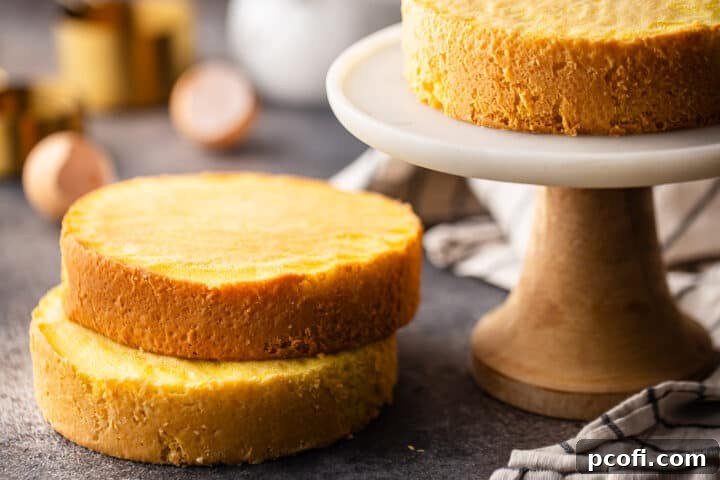
More Irresistible Cake Recipes
- Simply Perfect Chocolate Cake
- The Ultimate Vanilla Cake
- Elegant Marble Cake
- Classic White Almond Sour Cream Cake
As an Amazon Associate, I earn from qualifying purchases.
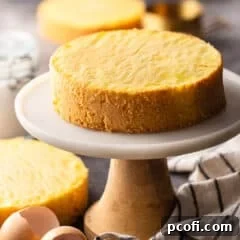
Classic Genoise Cake
Learn how to bake the perfect Genoise sponge cake: a truly light and airy dessert. Leavened purely with whipped eggs, this classic recipe is enriched with decadent butter and fragrant vanilla for a delightful flavor.
Leave a Review
Ingredients
- 6 large eggs (264 g), at room temperature
- 1 cup (200 g) granulated sugar
- 1 teaspoon (4 g) vanilla extract
- 1/4 teaspoon kosher salt
- 1 cup (125 g) cake flour, sifted
- 1/4 cup (56.75 g) unsalted butter, melted and cooled
Instructions
-
Preheat your oven to 350 degrees F (175°C).
-
Prepare three 6-inch diameter cake pans (or your preferred pan type as noted below). Mist them lightly with non-stick spray, dust them with flour, and line the bottoms with circles cut from parchment paper.
-
In a large mixing bowl, combine the eggs, sugar, vanilla extract, and salt. Whip on high speed with an electric mixer until the mixture is tripled in volume, very light, fluffy, and forms a thick ribbon when the whisk is lifted (this usually takes approximately 5 to 7 minutes). This step is crucial for the cake’s lift.
-
Sift about half of the cake flour directly over the whipped egg mixture.
-
Using a silicone spatula, gently fold the flour into the batter until it is just combined. Be careful not to deflate the mixture.
-
Carefully fold in about half of the melted and cooled butter. Then, sift in the remaining flour and gently fold until almost combined.
-
Fold in the remaining butter until just incorporated. Immediately transfer the delicate batter to your prepared cake pans.
-
Bake the cakes for approximately 20 to 25 minutes, or until the edges are set and deeply golden, and the centers feel springy when lightly pressed. A toothpick inserted into the center should come out clean, indicating it’s fully baked.
-
Allow the cakes to cool completely in their pans. Once cooled, run the tip of a sharp knife around the edges of the cakes to loosen them before inverting them onto a wire rack.
Notes
*This recipe is flexible and can also be baked in two 8-inch diameter cake pans, as 18 cupcakes, as a 9×13-inch sheet cake, in a 5-cup capacity loaf pan, or you can double the recipe and bake it in a 12-cup capacity bundt pan. Please adjust the baking time as needed for different pan sizes and types.