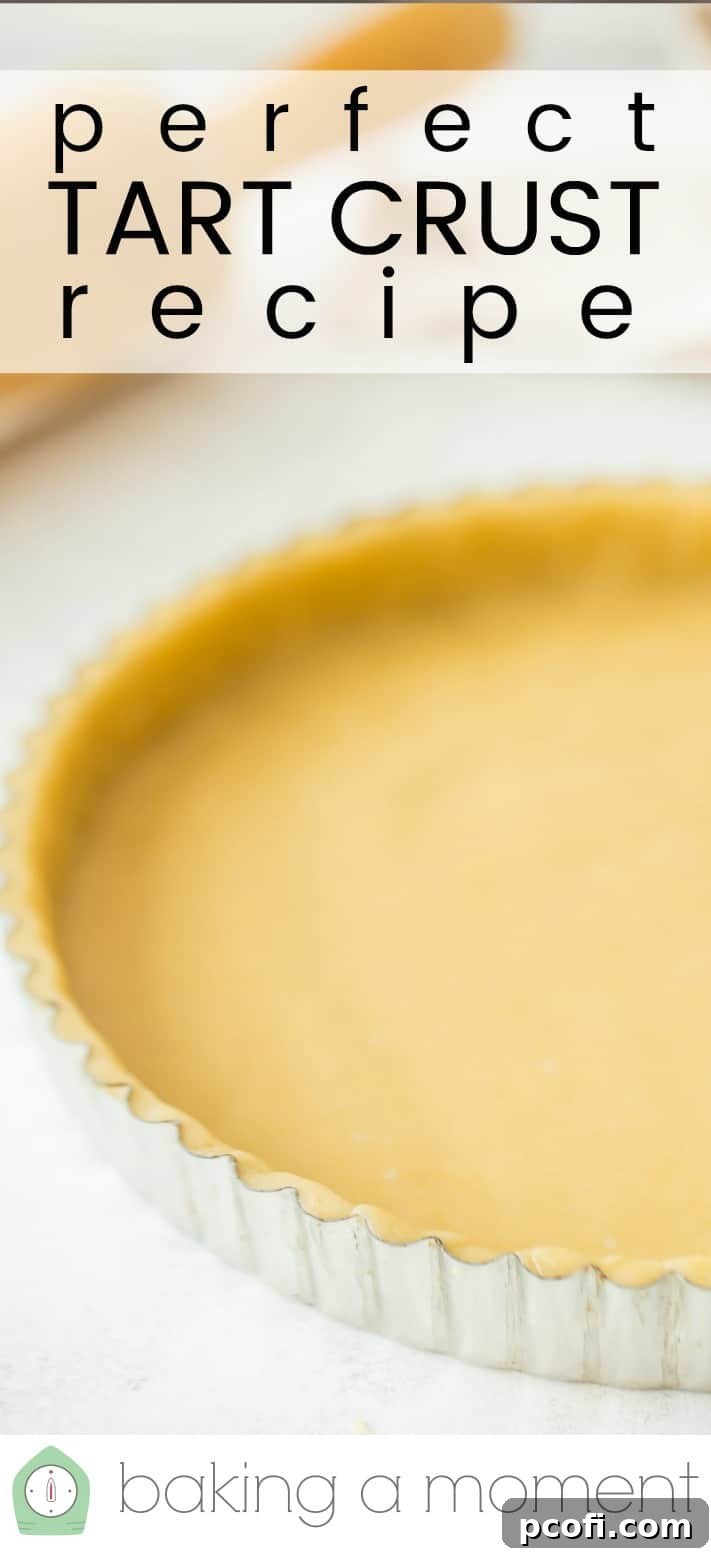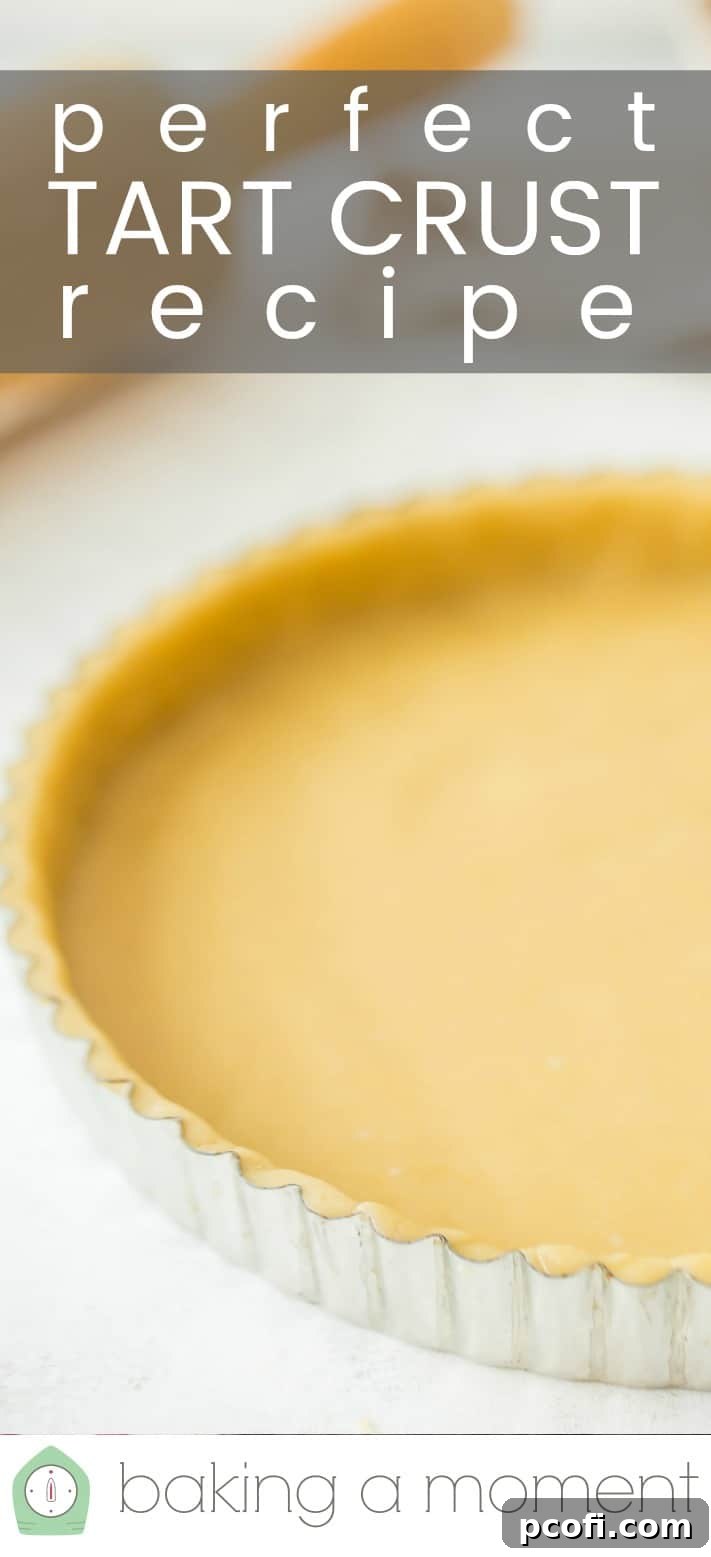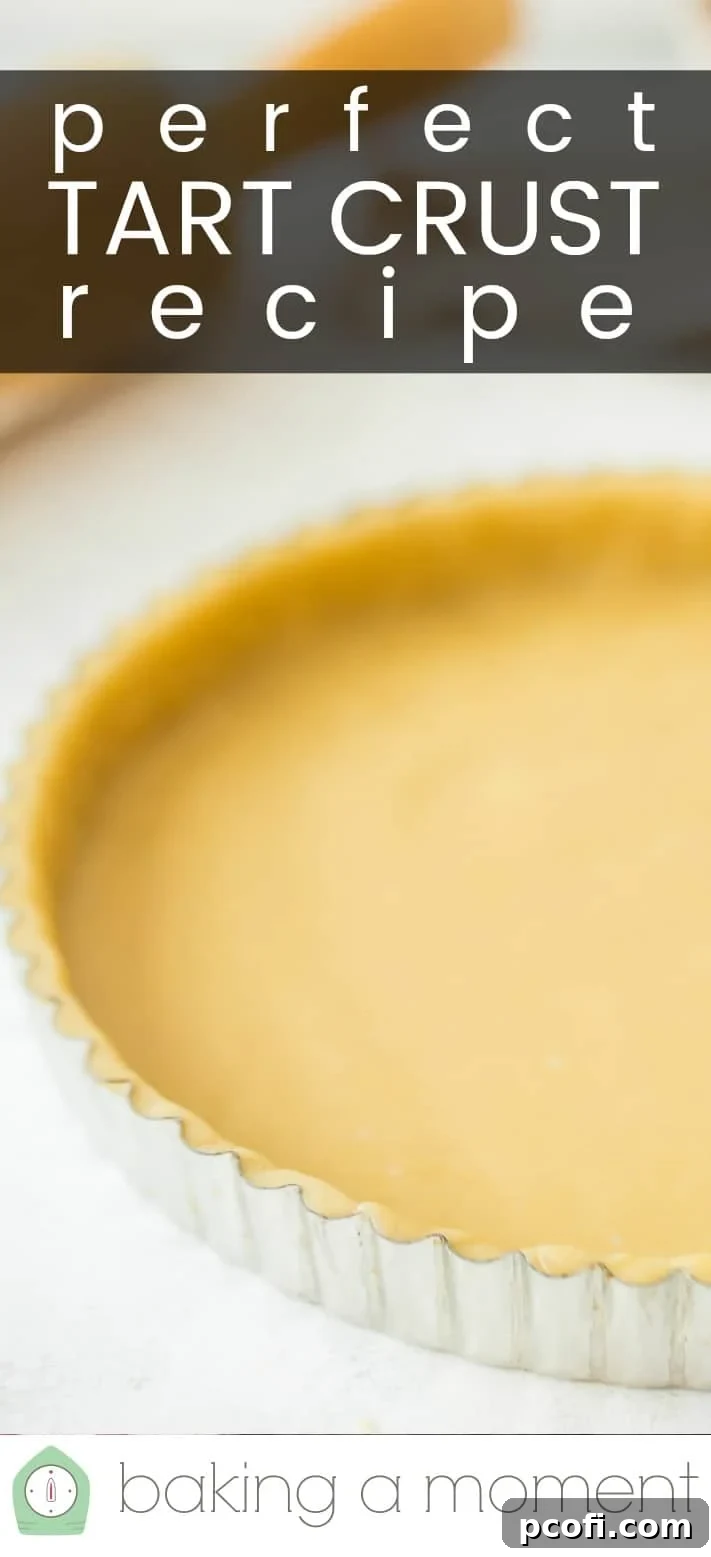
Crafting the Perfect Tart Crust: Buttery, Tender, and Simply Irresistible
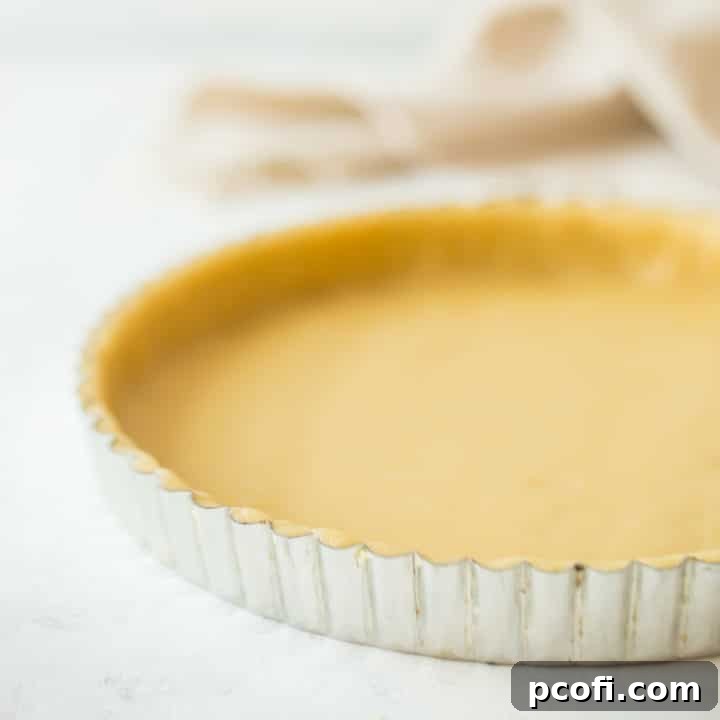
As the seasons change and the air cools, our thoughts naturally turn to comforting baked goods. Fall is upon us, bringing with it the delightful promise of pies and tarts. For any aspiring or seasoned baker, mastering a truly exceptional tart crust is a foundational skill that unlocks a world of dessert possibilities. Today, we’re sharing a treasured recipe that has been a cornerstone in countless delicious creations: the ultimate buttery, tender, and perfectly balanced sweet tart crust.
This isn’t just any tart dough; it’s a recipe perfected over years, forming the delightful base for many beloved desserts on our site. You’ll find its magic in our Salted Honey Nut Tart, the vibrant Lemon Cheesecake Tarts, and the classic Rhubarb Tart. Once you try this recipe, you’ll understand why it’s a staple.
Tarts offer an exciting canvas for creativity in the kitchen due to their incredible versatility. From fresh fruit tarts to rich chocolate creations or savory quiches, the filling options are virtually limitless. But before you get to the exciting part of choosing your filling, you need the perfect foundation. Our recipe delivers a dough that is not only effortlessly simple to prepare but also bakes into a delicate, slightly crisp shell that provides an ideal counterpoint to any filling – a true culinary delight!
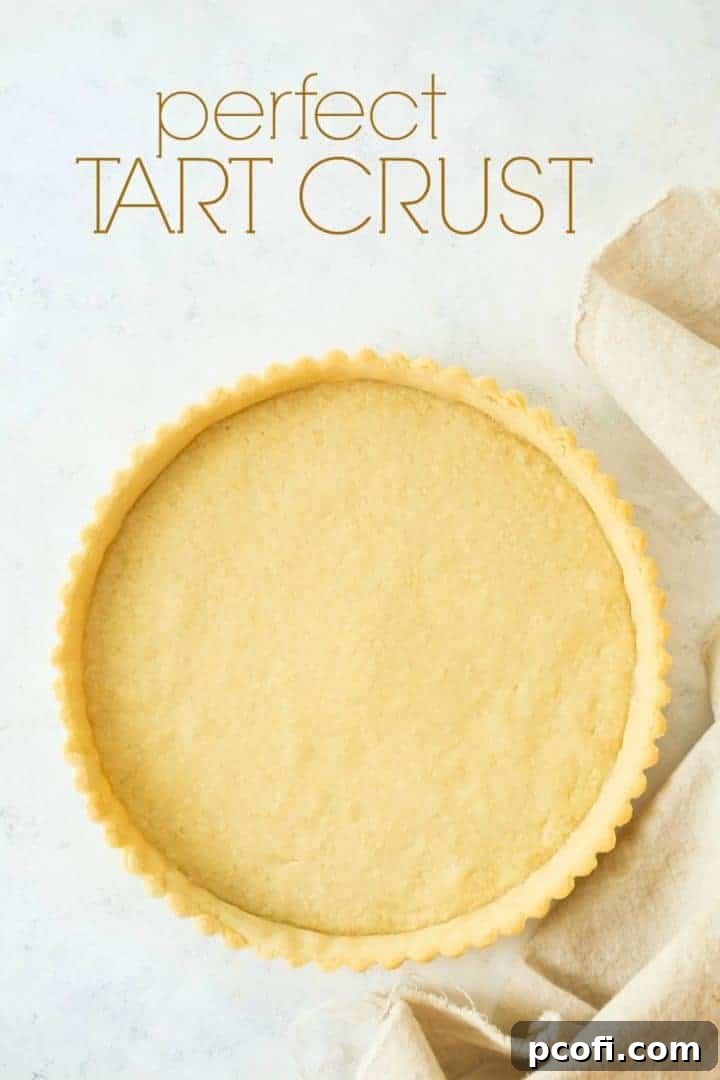
Understanding the Essence of a Perfect Tart Crust
In the world of baking, a tart is often defined by its crust. More than just a container for your filling, the crust plays an equally vital role in contributing to the overall flavor and texture experience. A truly exceptional tart crust provides a sturdy, yet delicate base, a pleasing textural contrast, and a complementary flavor profile that elevates every bite.
This particular tart crust stands in a league of its own. It boasts a rich, buttery flavor, a hint of sweetness, and a melt-in-your-mouth texture reminiscent of classic shortbread cookies. It’s distinctly different from its cousin, the pie crust. While a traditional pie crust is celebrated for its ethereal flakiness and savory notes, a tart crust offers a more uniform, crumbly, and cookie-like consistency. And here’s the best part: this sweet tart dough is significantly simpler and faster to prepare, often coming together in under 10 minutes. That means less time stressing and more time enjoying delicious homemade treats!
Essential Ingredients and Smart Substitutions
Every great recipe begins with quality ingredients. Here’s what you’ll need for this perfect tart crust, along with insights into why each component is crucial and how you can adapt it to your needs:
Flour: The Foundation
All-purpose flour is our go-to for its reliable structure and consistent results. For those seeking alternative options, you can experiment with whole-grain flours, though you might need to adjust the quantity slightly as they can absorb liquids differently. If you’re aiming for a gluten-free tart crust, a good quality 1:1 gluten-free flour blend should work beautifully, ensuring everyone can enjoy this delightful pastry.
Powdered Sugar: For Sweetness and Structure
Beyond simply adding sweetness, powdered sugar (also known as confectioners’ sugar) plays a unique role in this tart dough. Its fine texture contributes to a silky-smooth dough that’s easy to work with and bakes up incredibly tender, preventing a tough crust. The small amount of cornstarch often found in powdered sugar is believed to provide a touch of extra structure without developing gluten, resulting in that wonderfully delicate mouthfeel.
Salt: The Flavor Enhancer
A pinch of kosher salt is vital. It doesn’t make the crust taste salty, but rather intensifies all the other flavors, making them pop. We prefer kosher salt for its pure flavor, free from additives like iodine that can sometimes be present in table salt and impart a bitter aftertaste. It’s also widely available and economical.
Butter: For Richness and Tenderness
Unsalted butter is recommended as it gives you complete control over the salt content in your recipe. The key here is *cold butter*. When tiny pieces of cold butter hit the hot oven, they release steam, creating microscopic air pockets that result in an incredibly tender and delicate crust. For a vegan or dairy-free tart crust, simply use a plant-based butter that can substitute dairy butter at a 1:1 ratio. Ensure it’s also kept very cold.
Egg Yolk: The Secret to Richness and Stability
Adding a single egg yolk to this recipe provides a luxurious richness and contributes to the dough’s tender structure. We avoid using the egg white, as it can sometimes lead to a tougher crust. For those needing an egg-free or vegan tart crust, a simple substitute can be made by whisking one tablespoon of cornstarch with three tablespoons of warm water.
Heavy Cream: For Moisture and Deep Flavor
Heavy cream is essential for moistening the dough and imparting a truly rich, decadent flavor. Fats are excellent carriers of flavor compounds, so the high fat content of cream will amplify the overall taste of your tart. If you’re preparing a vegan tart, coconut cream makes an excellent substitute. To get coconut cream, simply chill a can of unsweetened coconut milk overnight, then scoop off the thick, solidified cream from the top, leaving the watery liquid behind. This rich cream can be used just like dairy cream.
Vanilla Extract: Aromatic Elegance
Vanilla extract adds a subtle, warm sweetness without contributing actual sugar. For an even more pronounced vanilla flavor, consider using vanilla bean paste, or for a truly gourmet touch, scrape the seeds from half of a vanilla bean and incorporate them into the dough.
- Almond extract for a nutty depth.
- Lemon extract or fresh citrus zest for a bright, zesty note.
- Orange blossom water for an exotic, floral aroma.
- Coconut extract for a tropical twist.
- A dash of cinnamon for a warm, spicy undertone.
Feel free to experiment with any other flavorings you might have on hand to customize your tart crust!
Step-by-Step Guide to Crafting Your Perfect Tart Crust
This sweet tart dough is incredibly easy to make, whether you prefer the convenience of a food processor or the traditional hands-on method. We’ll guide you through each step to ensure a flawless crust every time.
While we love making this dough in a food processor for its speed and efficiency, it’s absolutely fine if you don’t have one! You can achieve equally fantastic results using a stand mixer fitted with a paddle attachment, or even by hand with a pastry blender or two knives and a bit of elbow grease.
1. **Combine the Dry Ingredients:** Begin by placing your all-purpose flour, powdered sugar, and kosher salt into the bowl of your chosen appliance (food processor, stand mixer) or a large mixing bowl.
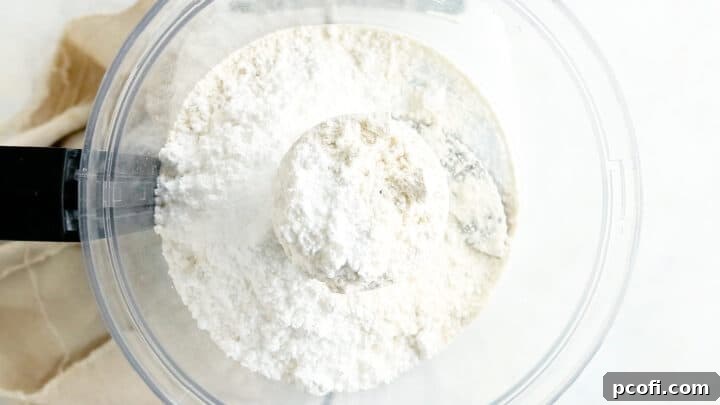
Give the dry ingredients a few quick pulses in the food processor or a brief stir by hand to ensure they are well combined and uniformly distributed.
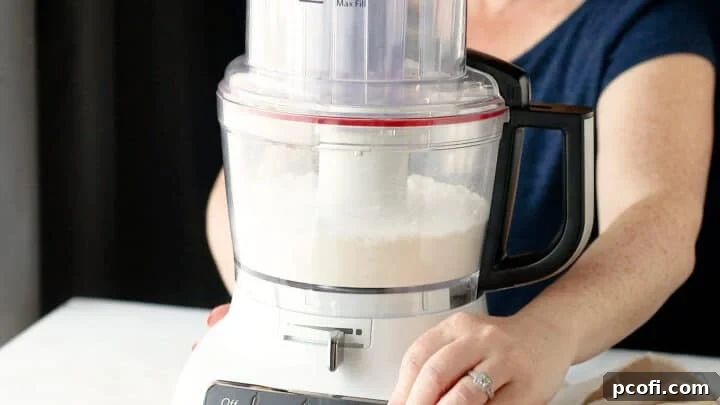
2. **Incorporate the Cold Butter:** Next, add the cubed, cold unsalted butter to your dry ingredients. Remember, keeping the butter cold is paramount for a tender, flaky-like texture in your baked crust.
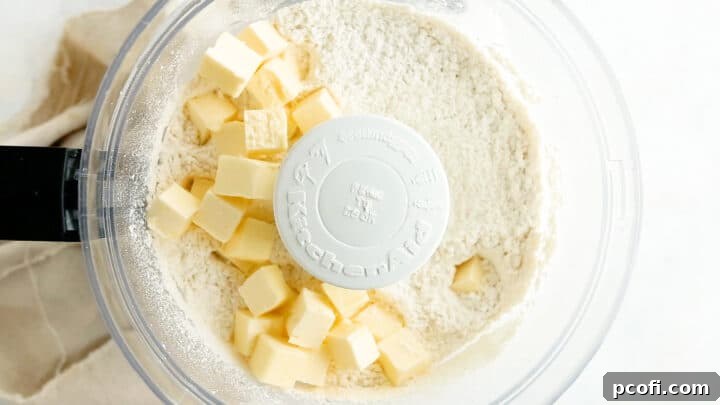
If using a food processor, pulse the mixture a few times until the butter is cut into the flour, resembling coarse meal or small peas. If working by hand or with a stand mixer, use a pastry blender or your fingertips to incorporate the butter until you achieve this sandy texture. Avoid overworking the butter at this stage, as warmth from your hands can melt it, affecting the final texture.
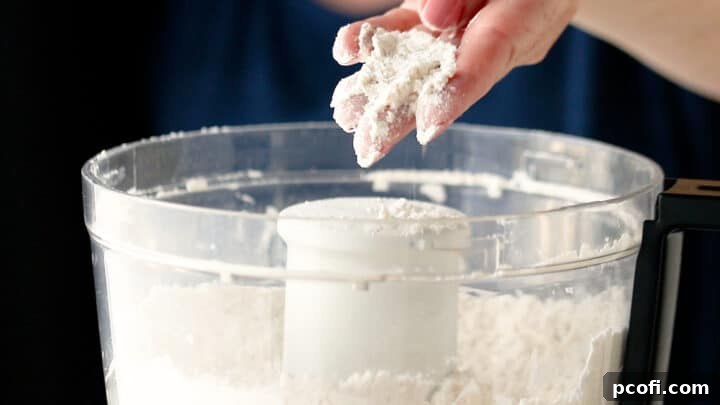
3. **Add Wet Ingredients and Form Dough:** Now, add the egg yolk, heavy cream, and vanilla extract. Continue to pulse, mix, or stir just until the dough comes together and forms a ball, pulling away cleanly from the sides of the bowl. Be careful not to overmix the dough. Overworking it can develop too much gluten, resulting in a tough crust that may also shrink excessively during baking.
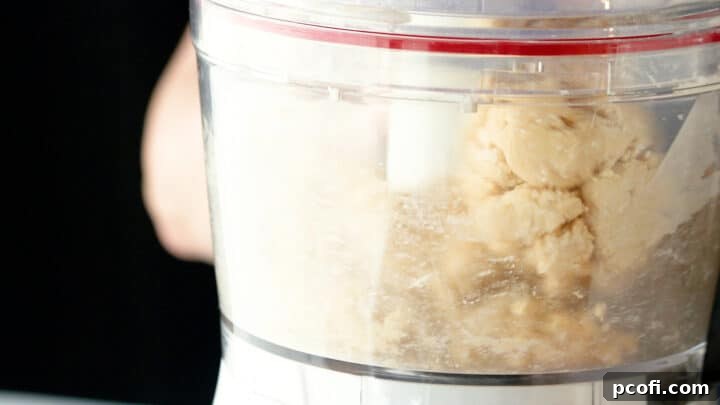
4. **Chill the Dough:** Wrap the freshly formed tart dough tightly in plastic wrap and refrigerate it for at least one hour. This crucial chilling period allows the butter to firm up again and the gluten to relax, making the dough much easier to roll out without tearing and helping to prevent shrinkage during baking. This step is key to a tender and stable tart crust.
Common Questions About Tart Crust
What size pan can this tart crust recipe be baked in?
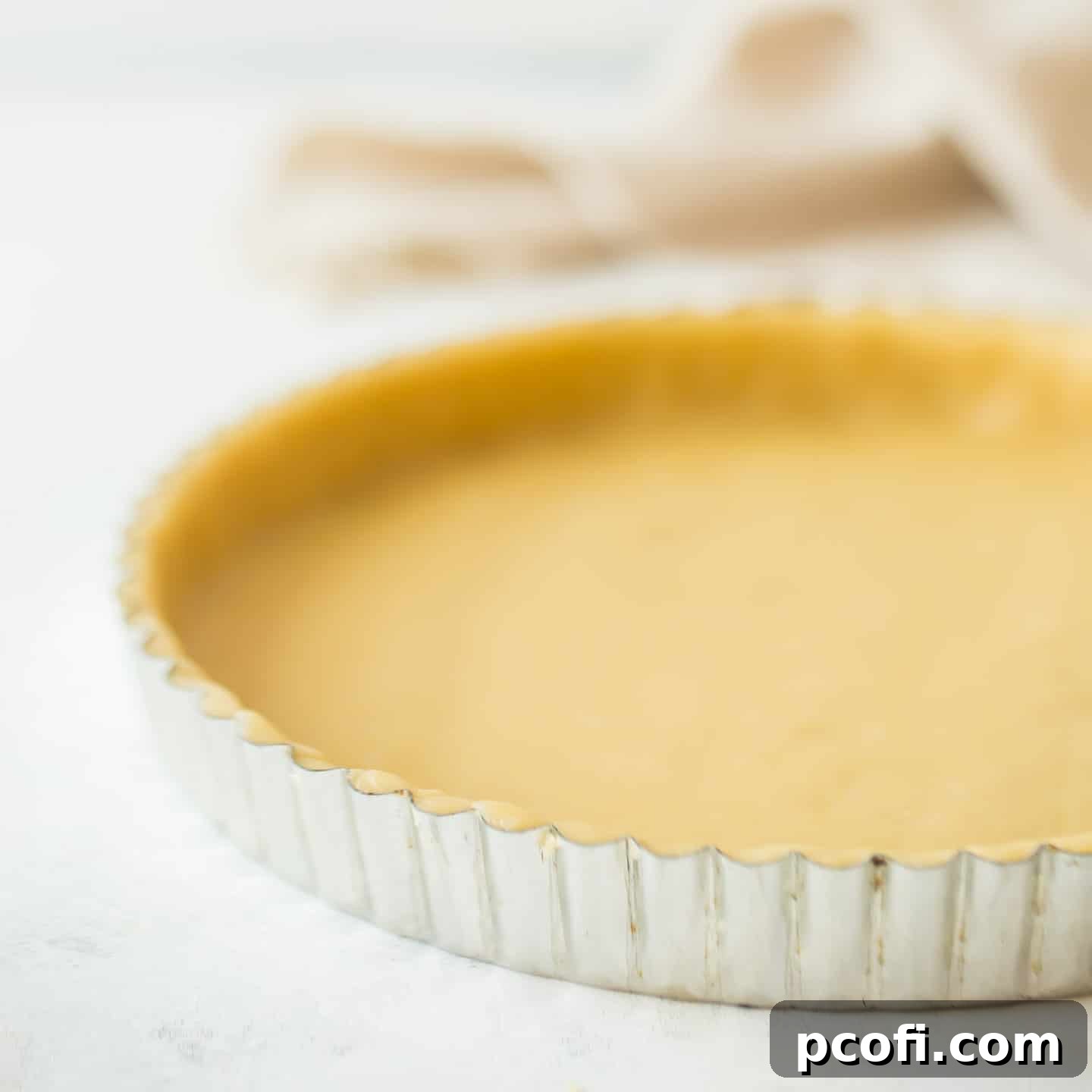
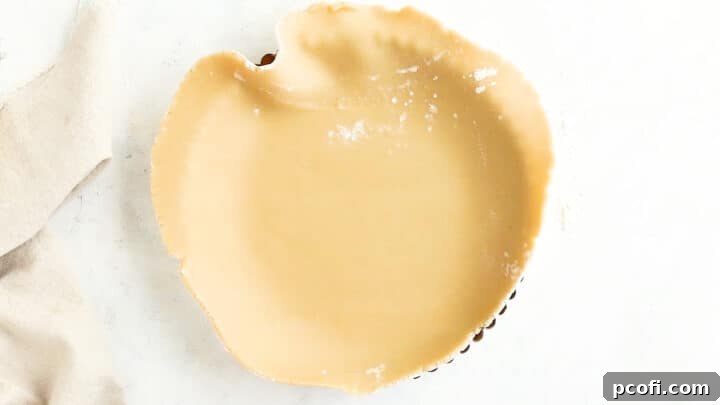
This versatile tart crust recipe is designed to fit a variety of tart pans. For the visual examples you see in our photos and video, we used a standard-sized 9-inch round tart pan with a removable bottom, which is excellent for easy removal and presentation. However, this recipe also works perfectly for an 8-inch round pan, a rectangular tart pan, or even a set of 6 individual mini tarts. You might have a little extra dough for smaller pans, which can be saved or used for decorative elements.
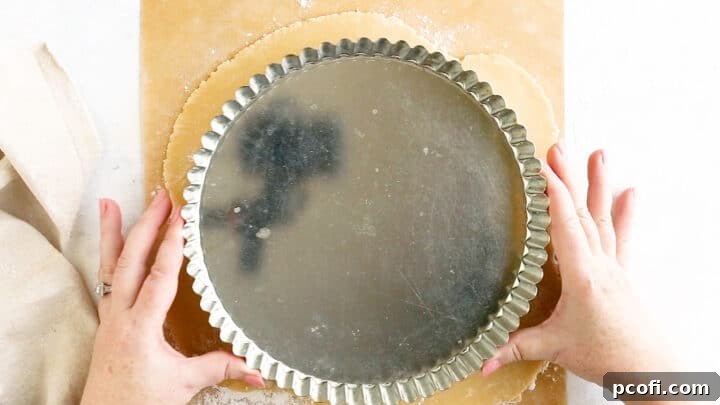
When rolling out the dough, aim for a diameter that is about one to two inches wider than your tart pan. This ensures you have enough pastry to extend all the way up the sides of the pan and create a clean edge. The ideal thickness is generally around 1/8-inch, but don’t fret if it’s slightly thicker or thinner – it will still bake beautifully.
How long should the tart crust bake?
The baking time for your tart crust largely depends on the specific tart recipe you are using. Some tarts require the crust to be baked with the filling already in place, while others call for “blind baking” – baking the pastry shell without any filling first. Always refer to your tart recipe for precise baking instructions.
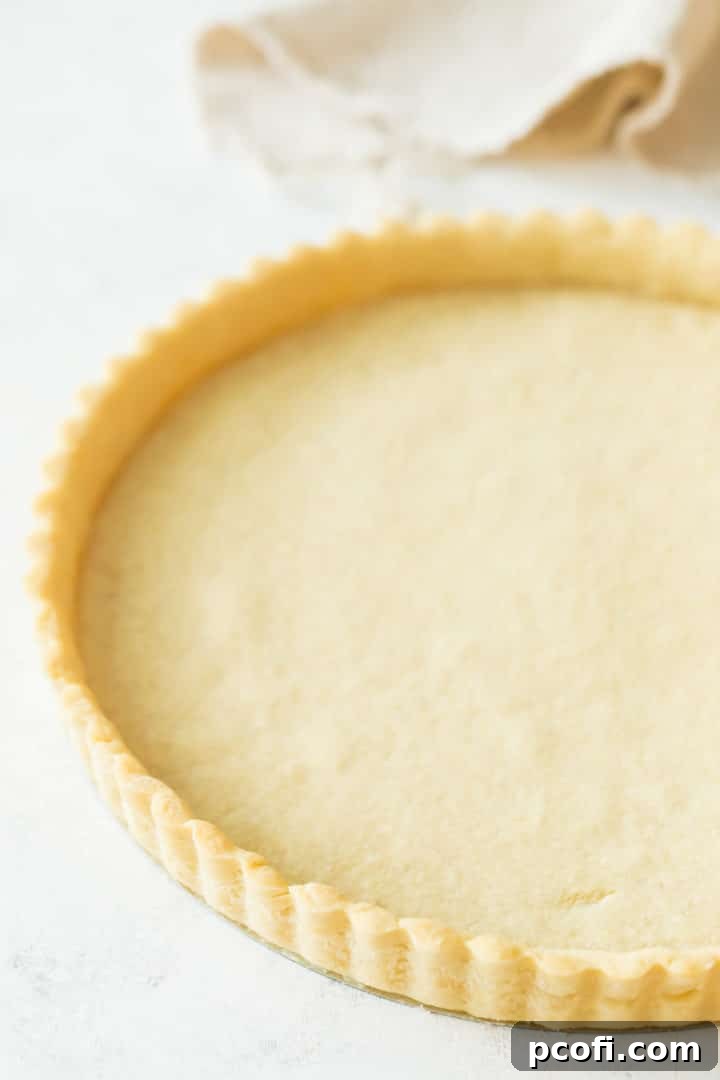
As a general guideline, the blind-baked tart shell depicted in our images was baked for approximately 20 minutes at 375 degrees F (190 degrees C). When blind baking, it’s often a good practice to prick the bottom of the crust with a fork. This prevents air pockets from forming underneath and causing the crust to puff up unevenly. For added insurance against bubbling, you can also line the crust with parchment paper and fill it with dry beans or pie weights before baking. While we didn’t use these methods in our examples and achieved great results, they are excellent solutions if you find your crust is prone to puffing.
Can this tart crust recipe be made ahead?
Absolutely! Preparing this sweet tart dough in advance is a fantastic time-saver. We recommend making the dough at least one hour ahead of time to allow it to firm up in the refrigerator, which makes rolling it out much easier. If you chill the dough for an extended period, it might become too stiff to work with initially; simply let it sit at room temperature for a bit until it softens enough to roll comfortably.
You can also pre-bake the empty tart shell (blind-baked) if your final tart recipe permits. Once baked and cooled, the crust will stay fresh in an airtight container or zip-top bag for a few days at room temperature, up to a week in the fridge, or even a month or two in the freezer. When you’re ready to assemble your delicious tart, simply thaw the pre-baked crust at room temperature and fill it with your desired creation.
Mastering Your Tart Crust: Expert Tips for Success
- **Always Use Cold Butter:** This is perhaps the most crucial tip for a tender, perfect tart crust. Cold butter, when introduced to a hot oven, creates steam that leaves behind countless tiny air pockets, resulting in that wonderfully delicate texture we all crave.
- **Cold Heavy Cream is Best:** Similar to butter, ensure your heavy cream is cold. This helps bind the ingredients together efficiently without overworking the dough, contributing to a consistently tender final product.
- **Chill Your Dough Adequately:** Chilling the dough for about an hour is essential. It allows the butter to firm up and the gluten to relax, making the dough much easier to roll out evenly with a rolling pin and significantly reducing shrinkage during baking.
- **Flouring Your Surface (or Not):** When rolling out the chilled dough, lightly flour your work surface and the top of the dough disc. If the dough cracks, it’s likely too cold; allow it to warm up slightly at room temperature before attempting to roll again. Alternatively, our preferred method is to roll the dough between two sheets of parchment paper. This eliminates the need for extra flour, which can sometimes make the crust dry or tough, and makes cleanup a breeze.
- **Seamless Transfer:** For a visual guide on how to effortlessly transfer your rolled-out dough into the tart pan and neatly trim away any excess, be sure to watch the helpful video included in the recipe card below.
- **Second Chill Before Baking:** Once the dough is nestled in its tart pan, chill it once more before baking. This extra chilling step helps the butter remain cold and firm, ensuring that exquisite tender texture and preventing the crust from slumping during baking.
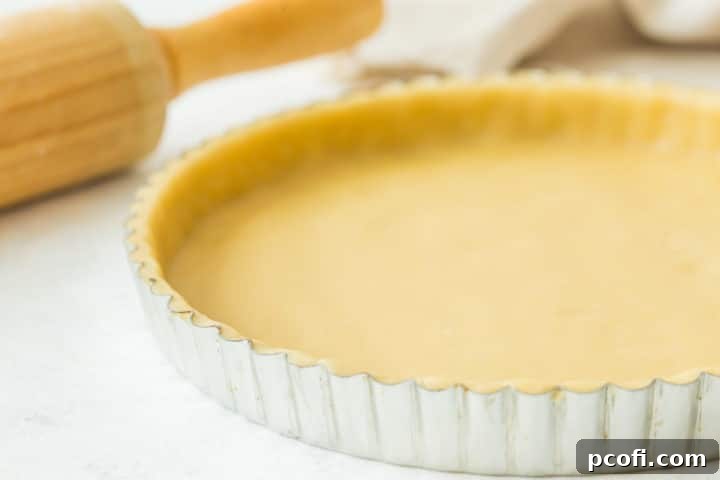
- **Know When It’s Done:** You’ll know your tart crust is perfectly baked when it appears set in the center and has developed a beautiful golden hue around its edges. The aroma alone will tell you it’s ready!
The next time you’re inspired to bake a show-stopping tart, reach for this perfect tart crust recipe. Its buttery, tender, and subtly sweet profile makes it the ideal foundation to complement almost any filling imaginable. Happy baking!
This post contains affiliate sales links.
Perfect Tart Crust
Leave a Review
Save RecipeSaved!
Ingredients
- 1 1/2 cups (187.5 g) all-purpose flour
- 1/3 cup (40 g) powdered sugar
- 1/4 teaspoon (0.25 teaspoon) kosher salt
- 1/2 cup (115.77 g) (1 stick) unsalted butter, cold
- 1 large egg yolk
- 2 teaspoons heavy cream
- 1/2 teaspoon (0.5 teaspoon) vanilla extract
Instructions
-
Place the flour, sugar, and salt in the bowl of a food processor, stand mixer, or in a medium mixing bowl.
-
Pulse/stir/cut in the butter with a pastry blender, until the mixture resembles coarse meal.
-
Add the egg yolk, cream, and vanilla, and process/mix/stir until the dough gathers itself into a ball and pulls away cleanly from the sides of the bowl.
-
Wrap the dough tightly in plastic wrap, and chill for 1 hour.
-
On a lightly floured surface, roll the dough until it’s an inch or two wider than your tart pan.
-
Press the dough gently into the pan(s), trimming away any excess.
-
Baking instructions will vary based on the filling you are using.*
Notes
A few other great crust recipes:
- Perfect Pie Crust
- Chocolate Pie Crust
- Graham Cracker Crust