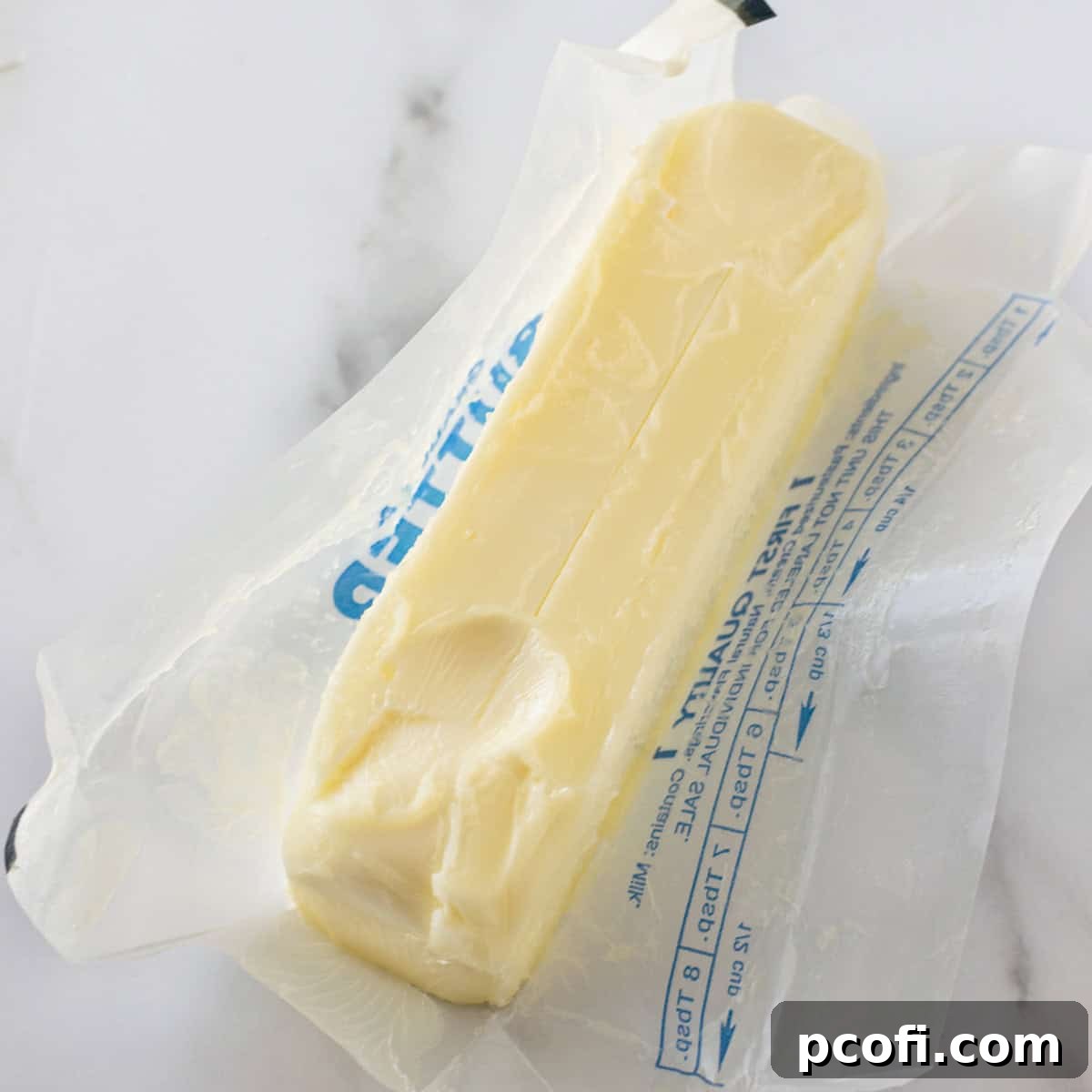
Learn how to soften butter fast and achieve perfect consistency for all your baking endeavors! Forgetting to set butter out ahead of time is a common kitchen dilemma, but these simple, effective methods will help you quickly bring butter to the ideal room temperature, ensuring your recipes turn out beautifully every time.
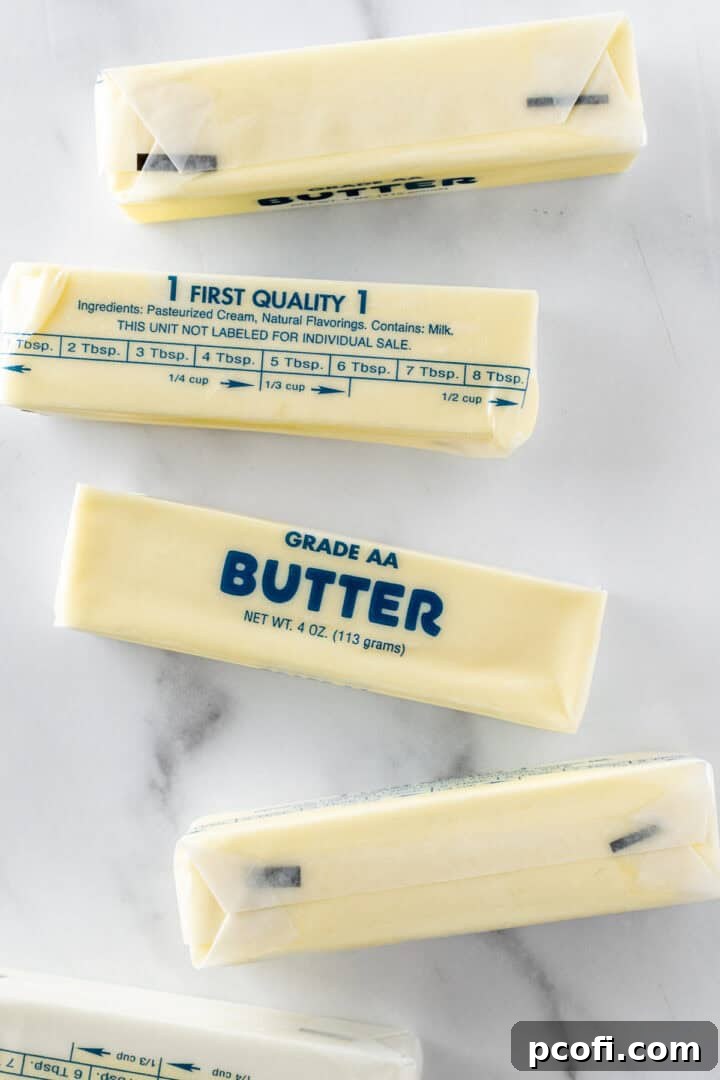
Table of Contents
- The Secret Behind Softened Butter: Why It Matters
- Mastering the Art of Quick Butter Softening
- Method #1: The Controlled Microwave Approach
- Method #2: Gentle Microwave Steaming
- Method #3: Hot Cup Steaming Technique
- Method #4: Speedy Slicing and Cubing
- What Defines Room Temperature Butter?
- Expert Tips for Perfectly Softened Butter
- Our Favorite Recipes Using Softened Butter
Jump to Recipe
Many baking recipes, from delicate cakes to chewy cookies and creamy frostings, explicitly call for “room temperature butter” or “softened butter.” This isn’t just a suggestion; it’s a critical instruction that significantly impacts the texture, consistency, and overall success of your baked goods. Understanding *why* butter temperature is so important is the first step toward becoming a more confident and successful baker.
The Secret Behind Softened Butter: Why It Matters
Butter, a staple in countless kitchens, is a fascinating ingredient with a dual nature. When cold, it’s firm and solid, capable of creating flaky crusts in pastries. But when softened, it transforms into a creamy, pliable fat essential for aeration and emulsification in baking. As any seasoned baker will tell you, baking is a precise science where ingredient temperatures play a starring role.
The magic of softened butter truly shines during the creaming process. When butter is creamed with sugar, the tiny sugar crystals cut into the softened butter, creating countless microscopic air pockets. As you continue to beat, the butter traps more and more air, acting as a natural leavening agent. This trapped air is vital; during baking, it expands, giving cakes and cookies their light, fluffy, and tender texture. If your butter is too cold, it won’t cream properly, leading to a dense, tough final product. Conversely, if your butter is too warm or melted, it loses its structural integrity and can’t hold air effectively, resulting in greasy, flat, and disappointing baked goods. In frostings, softened butter emulsifies seamlessly with other ingredients, yielding an incredibly smooth, airy, and luscious consistency that’s easy to spread and delightful to eat.
Mastering the Art of Quick Butter Softening
While the ideal method for softening butter is patiently leaving it on the counter for 1-2 hours before you start baking, let’s be honest – life happens. We’ve all been there, mid-recipe, only to realize the butter is still rock-hard in the fridge. Don’t let this common oversight derail your baking plans! Over the years, many ingenious tricks have emerged for rapidly softening butter, and we’ve gathered the most reliable and effective ones here. These methods are quick, efficient, and, most importantly, prevent the butter from melting, which would be disastrous for your recipe. You’ll likely find one or two of these become your go-to solutions when you’re short on time. Each of these methods is designed for one standard stick (1/2 cup or 113 grams) of butter.
Method #1: The Controlled Microwave Approach
The microwave can be a baker’s best friend or worst enemy when it comes to butter. The key is to use it with extreme caution and precision to avoid accidental melting. This method is incredibly fast but requires a watchful eye and a gentle touch.
To begin, place a single stick of butter, unwrapped, onto a microwave-safe plate or dish. The crucial step here is to use very low power settings – typically around 20-30% of your microwave’s full power. Microwave the butter for a short burst of 10 seconds. After the first burst, carefully check its consistency. Flip the butter stick over to ensure even softening, and then microwave for another 8 seconds on the same low power setting. If it still hasn’t reached the desired room temperature (it should be pliable but not shiny or oily), flip it once more and microwave for a final 5 seconds. Always err on the side of under-softening, as you can always add more time, but you can’t reverse melted butter. The goal is soft, not liquid.
Method #2: Gentle Microwave Steaming
This indirect method utilizes the microwave’s ability to generate heat and steam, creating a warm, humid environment that gently coaxes the butter to soften without direct heat exposure. It’s a safer alternative for those wary of microwaving butter directly.
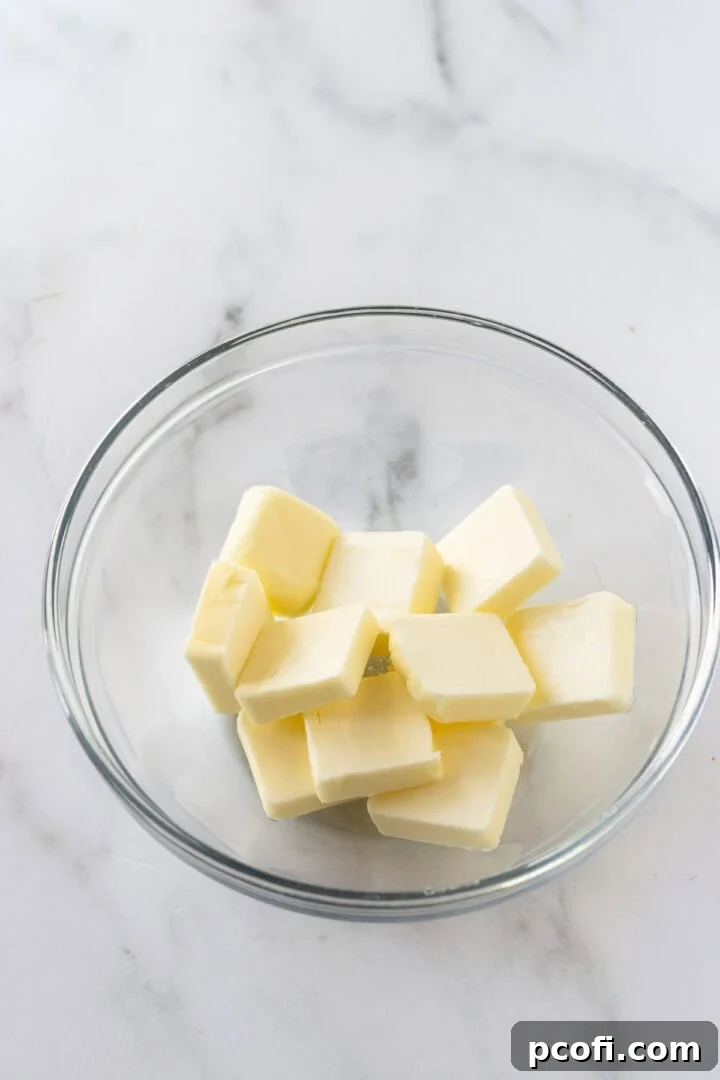
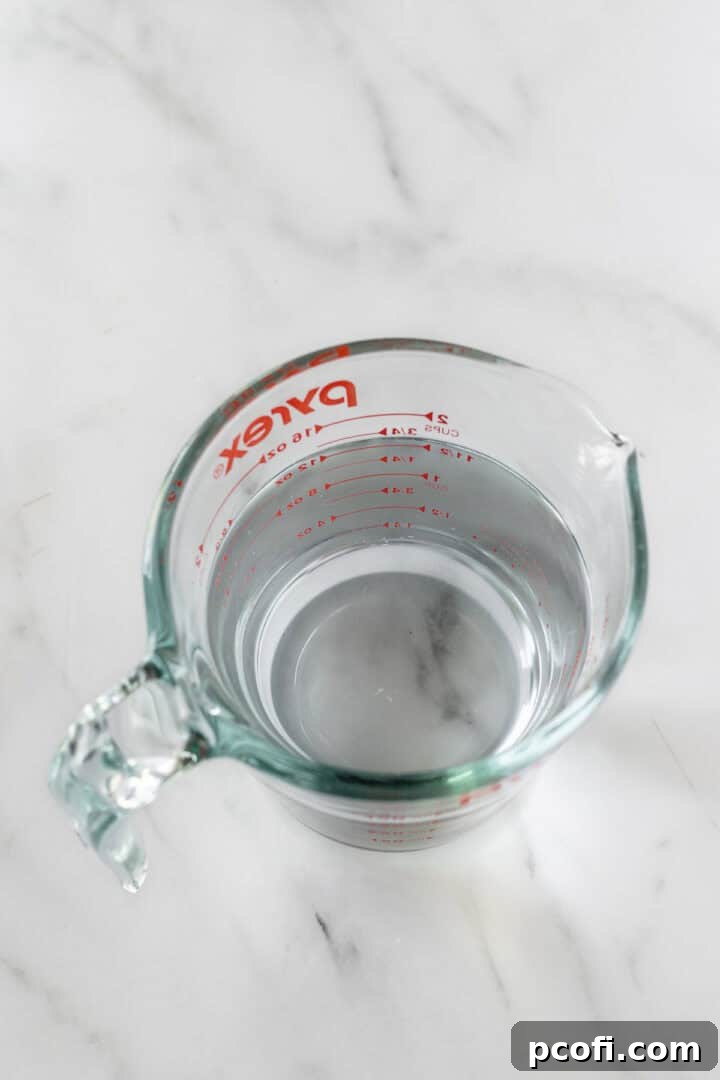
Pour about 2 cups of water into a microwave-safe cup or bowl. A liquid measuring cup works perfectly for this. Microwave the water for approximately 3 minutes, or until it is extremely hot, almost at a rolling boil. While the water is heating, prepare your butter by slicing the stick into 8-10 roughly even pieces. Arrange these slices in a heatproof bowl or on a plate. Once the water is steaming hot, carefully remove it from the microwave. Immediately place the bowl or plate of sliced butter into the microwave, ensuring the door is closed. The residual heat and steam trapped inside the microwave will create a warm, humid micro-environment that gently softens the butter. Allow it to sit for 10-12 minutes. The increased surface area from slicing, combined with the warm, steamy air, will result in perfectly softened butter without any risk of melting.
Method #3: Hot Cup Steaming Technique
Similar to the microwave steaming method, this technique leverages the power of trapped heat and steam, but with a slightly different setup. It’s an excellent option if you need to soften butter outside of the microwave or prefer a more hands-on approach.
Start by pouring 2 cups of water into a microwave-safe cup or bowl that is large enough to cover a stick of butter (a 2-cup or 4-cup liquid measuring cup is ideal). Microwave the water for 3 minutes until it’s steaming hot, nearly boiling. Once heated, let the hot water sit in the cup for an additional 3 minutes to thoroughly warm the cup itself. Alternatively, if you have boiling water readily available, you can simply fill a heatproof bowl or cup with it and let it sit for 3 minutes. Meanwhile, place your stick of butter, still wrapped, on a plate, standing it upright. After the warming period, carefully pour out the hot water from the cup. Immediately invert the warm cup over the upright stick of butter on the plate, creating a warm, insulated dome. The trapped heat will work its magic. Check the butter after 6 minutes, then continue checking every minute thereafter. This method typically takes about 7-9 minutes. Once softened, unwrap the butter and, if desired, cut it into slices or cubes and let it sit on the counter for another 10-15 minutes to further speed up the process and ensure even temperature throughout.
Method #4: Speedy Slicing and Cubing
Sometimes, the simplest solutions are the most effective. This method relies on increasing the butter’s surface area, allowing it to absorb room temperature air more rapidly. It’s a low-tech, foolproof way to achieve softened butter without any specialized equipment.
For a quick soften, take your stick of butter and slice it into 10 roughly even pieces. Arrange these slices on a plate, ensuring they aren’t stacked, and let them sit on the counter. Due to the increased exposure to ambient air, the butter will soften in about 15 minutes. For an even faster result, try cubing the butter. First, slice the butter stick in half lengthwise. Flip both halves, and slice them in half lengthwise again, resulting in four long, narrow sticks of butter. Then, cut each of these long sticks into 8 smaller pieces, yielding a total of 32 small butter cubes. Spread these cubes out on a plate. This maximum surface area exposure will allow the butter to soften dramatically faster, typically in just 8-10 minutes. This method is particularly useful when you need softened butter in a hurry and want to avoid any heat-related risks.


These delightful treats, like Allie’s Lemon Cupcakes (with Cream Cheese Frosting) and Christina’s Cake Batter Chocolate Chip Cookies, are prime examples of recipes that achieve their ideal texture and flavor profile when made with perfectly softened butter.
What Defines Room Temperature Butter?
So, what exactly does “room temperature” butter feel like? A stick of butter taken directly from the refrigerator is typically very firm, with an internal temperature ranging from 40ºF to 42ºF (4º-5.5ºC). When butter has reached the ideal room temperature for baking, its internal temperature will be around 68ºF to 70ºF (20º-21ºC). At this temperature, the butter should be pliable and slightly yielding to the touch, but still hold its shape. If you press a finger gently into the butter, it should leave an indentation without your finger sinking all the way through or the butter feeling greasy. It should not look shiny or melted. This texture ensures it’s soft enough to cream with sugar and incorporate air, yet firm enough to maintain structure and emulsify properly. Keep in mind that the exact time it takes to reach this consistency will vary depending on your home’s ambient temperature, the season, and even the type of butter you’re using. A warmer kitchen will soften butter faster than a cooler one.
Expert Tips for Perfectly Softened Butter
- Give Butter Space: When softening multiple sticks of butter, ensure they are not crowded. The more butter a recipe calls for, the larger the bowl or plate you’ll need to hold it. Spreading out the butter, whether whole or sliced, allows more surface area to be exposed to the ambient warmth, facilitating faster and more even softening. Giving butter “room to breathe” is key to consistent results.
- Adjust for Ambient Temperature: The time it takes for butter to soften naturally on the counter, or even with the quick methods, is highly dependent on your environment. During warmer months, a stick of butter might soften in as little as 30 minutes, especially if your kitchen is warm. Conversely, in colder months, or if you keep your home cool, it could take 2-3 hours for butter to reach the ideal consistency just by sitting out. Always feel your butter before using it, regardless of the time passed.
- Avoid Direct Sunlight: While warmth helps, direct sunlight can heat butter too rapidly and unevenly, leading to a greasy exterior while the interior remains cold. Place butter in a warm spot, but out of direct sun.
- Use Quality Butter: The quality and fat content of butter can subtly affect how it softens. High-quality butter often has a more consistent texture and softens beautifully, contributing to superior baked goods.
Our Favorite Recipes Using Softened Butter
These beloved recipes truly highlight the transformative power of perfectly softened butter:
- Yellow Cake with Chocolate Frosting: The softened butter creates a tender crumb and a smooth, creamy frosting.
- Chocolate Chip Cookie Cake: Achieves its perfect chewy-yet-soft texture with well-creamed butter.
- Cream Cheese Frosting: Softened butter is crucial for a lump-free, airy, and spreadable frosting.
- Lemon Pound Cake: The rich, dense yet tender texture comes from properly softened butter that’s creamed thoroughly.
- Red Velvet Chocolate Chip Cookies: Softened butter ensures these cookies are deliciously soft and chewy.
How to Soften Butter Quickly
5 minutes
0 minutes
5 minutes
Ingredients
-
1/2
cup
unsalted butter,
(1 stick)
Instructions
Method #1: The Controlled Microwave Approach
-
Place the unwrapped stick of butter on a microwave-safe dish. Using low power (around 30%), microwave for 10 seconds. Turn it over and microwave for another 8 seconds on low power. If not yet at room temperature, flip once more and microwave for a final 5 seconds on low power.
Method #2: Gentle Microwave Steaming
-
Pour 2 cups of water into a microwave-safe cup or bowl. Microwave for 3 minutes until extremely hot or nearly boiling. Meanwhile, slice the butter into 8-10 even slices and place them in a heatproof bowl or on a plate.
-
Carefully remove the hot water from the microwave and immediately place the butter into the microwave. Close the door and let it sit for 10-12 minutes; the residual heat and steam will gently soften the butter.
Method #3: Hot Cup Steaming Technique
-
Pour 2 cups of water into a microwave-safe cup or bowl large enough to cover the butter. Microwave for 3 minutes until boiling hot, then let it sit for 3 minutes to warm the cup. (Alternatively, fill with boiling water and let sit for 3 minutes.)
-
Place the wrapped butter on a plate, standing upright. Pour out the water from the cup and immediately place the warm cup over the butter. Check at the 6-minute mark, then every minute after; it will take about 7-9 minutes. Unwrap the butter and let it sit for 10-15 minutes, or cut into slices/cubes for faster softening.
Method #4: Speedy Slicing and Cubing
-
Slice the butter into 10 roughly even slices and let sit on the counter for 15 minutes. For even faster results, slice the butter in half lengthwise, then again lengthwise, creating 4 long sticks. Cut these into 8 slices each, yielding 32 small cubes. Let these sit on the counter for 8-10 minutes.
Notes
- The most recommended way to soften butter is to simply leave it out on the counter about 1-2 hours before you need it. The time this takes varies significantly with the season and your home’s temperature; it could be 30 minutes in warmer months or up to 2-3 hours in colder environments.
- Always ensure enough space for the butter to soften evenly. If using multiple sticks or a larger quantity, choose a bigger bowl or plate to give the butter ample “room to breathe” and expose more surface area to the air.
American
Dessert