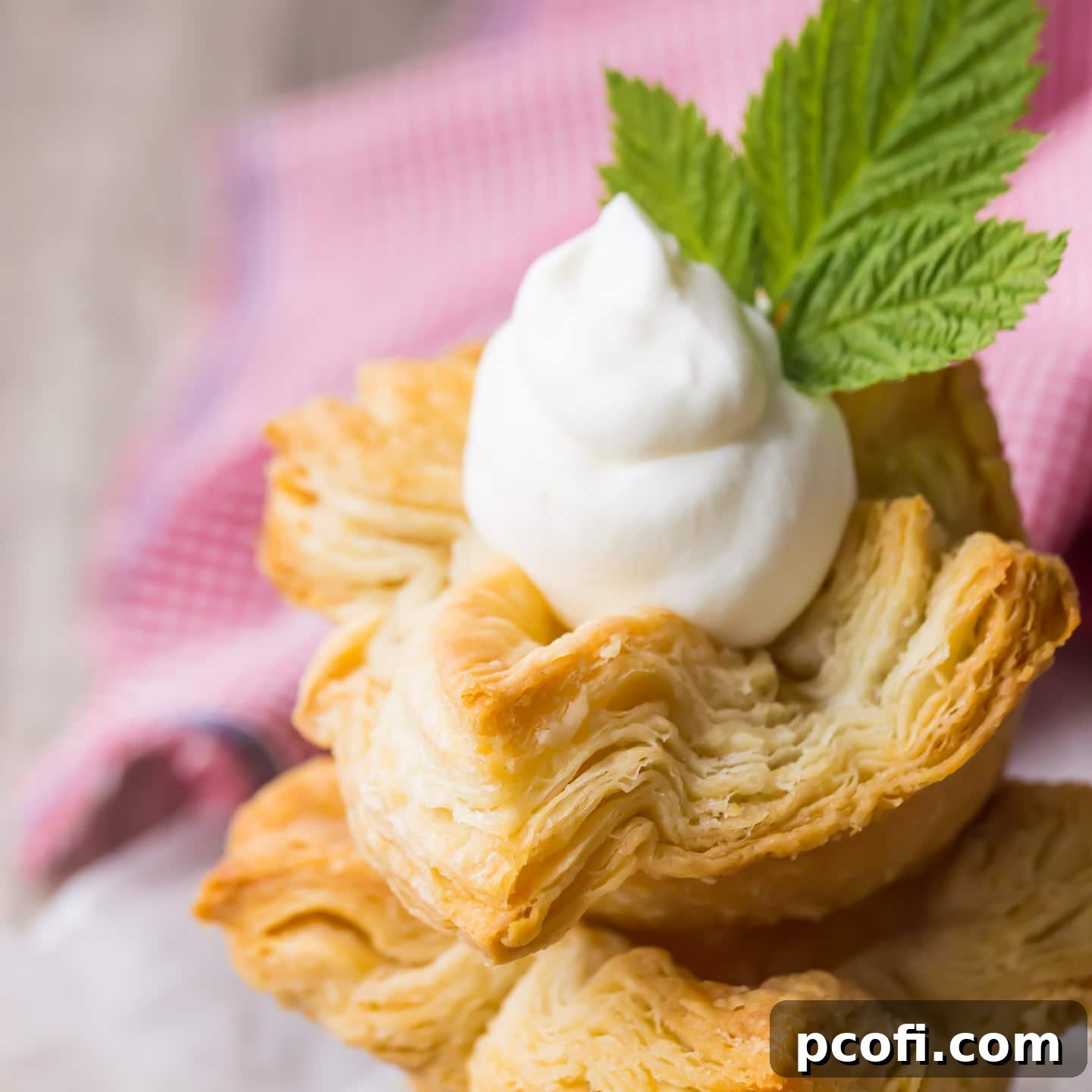
Forget the disappointing, store-bought frozen sheets! This comprehensive guide reveals the secrets to making unbelievably tender, flaky, and intensely buttery Homemade Puff Pastry from scratch. Far from daunting, this simple recipe comes together with just four basic ingredients and a few straightforward folds, requiring no special equipment or complex laminating techniques. If you’ve ever dreamt of crafting light, airy pastries with a crisp, melt-in-your-mouth texture, this shortcut method is your ticket to culinary success. Once you experience the superior taste and texture of homemade, you may never reach for the freezer aisle version again!
Puff pastry has a unique way of elevating any dish, turning a simple meal into a special occasion. Its myriad delicate layers and rich, buttery aroma promise an experience that is both luxurious and comforting. Traditionally, many home bakers perceive puff pastry as an ingredient exclusively purchased from the grocery store freezer, an item too intricate and time-consuming to attempt at home. This common misconception often deters aspiring pastry chefs from exploring the joys of making it from scratch. But what if we told you that creating exquisite, all-butter puff pastry sheets in your own kitchen is not only achievable but also incredibly easy, requiring only four ingredients and about 15 minutes of active preparation time?
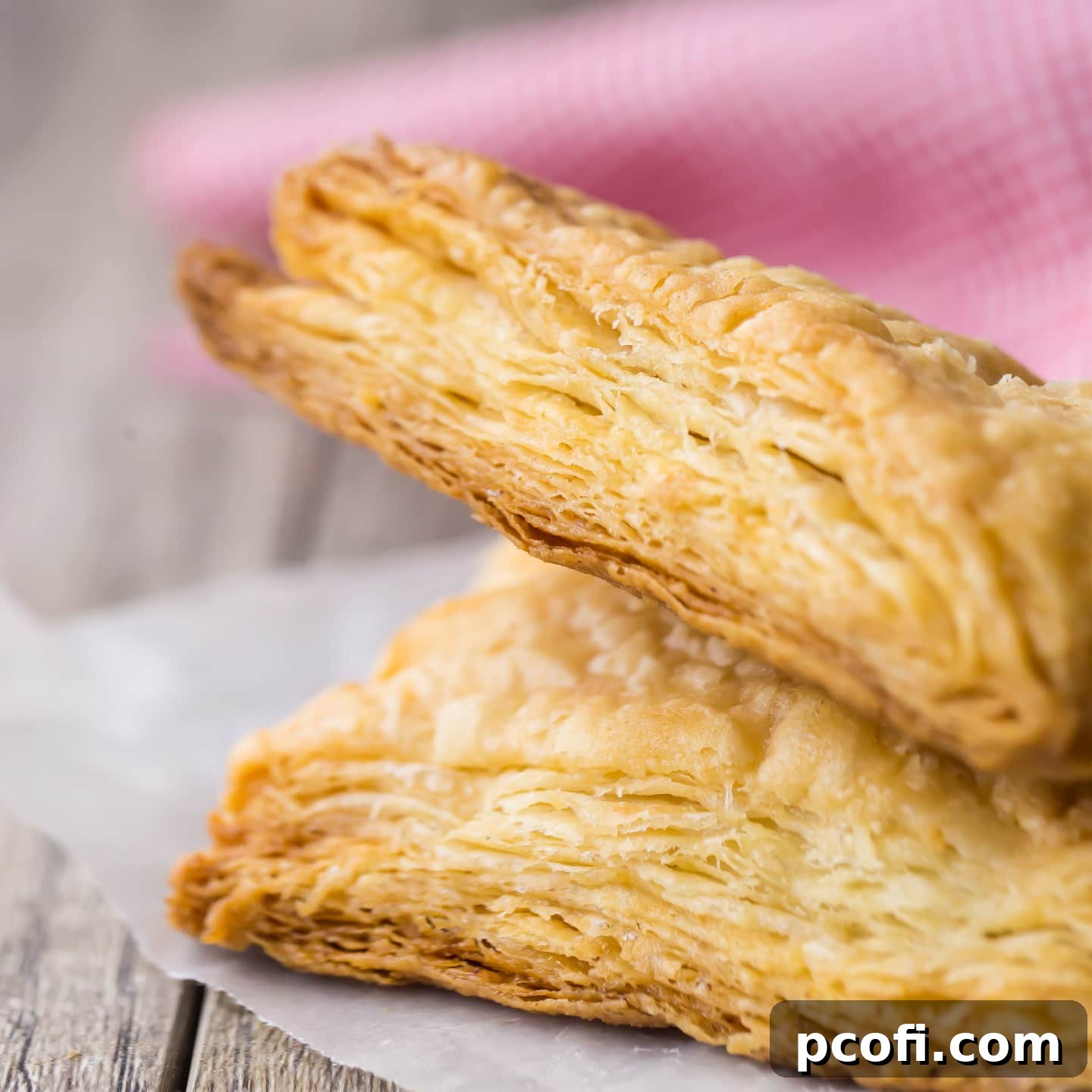
Table of Contents
- Why You’ll Adore This Homemade Puff Pastry Recipe
- Essential Ingredients for Perfect Puff Pastry
- Step-by-Step Guide to Making Homemade Puff Pastry
- Creative Ways to Use Your Homemade Puff Pastry
- Frequently Asked Questions About Puff Pastry
- Storage and Freezing Techniques
- More Baking Adventures to Explore
Jump to Recipe
Indeed, this recipe defies expectations. It delivers a puff pastry so delectable, so wonderfully crisp and rich, that it will quickly become a cherished staple in your baking repertoire. This isn’t just an easy recipe; it’s a game-changer that promises to make you a homemade puff pastry convert. Many traditional puff pastry recipes involve a precise and often intimidating process: combining softened butter with flour, forming a perfect butter block, meticulously encasing it in dough, followed by numerous chilling, measuring, rolling, and folding cycles. Such precision can be daunting and, frankly, stress-inducing for many home bakers. Our approach prioritizes simplicity and intuition, streamlining the process without compromising on the spectacular outcome.
We have meticulously refined the steps and significantly reduced the active time required to create this easy homemade puff pastry. The first time you pull a batch from your oven, you’ll be astonished by its incredible flavor and texture, especially considering how effortlessly it came together. This is truly a shortcut recipe that yields results almost indistinguishable from authentic puff pastry made the complex French way, yet slashes the preparation time down to a mere 15 to 20 minutes. Prepare to impress yourself and your loved ones with this culinary marvel.
Why You’ll Adore This Homemade Puff Pastry Recipe
- Effortless Preparation: Ditch the fancy gadgets! All you need is a mixing bowl, a rolling pin, and a clean countertop. This recipe is designed to be accessible to every home baker, regardless of their equipment arsenal.
- Lightning-Fast Active Time: With only about 15-20 minutes of active prep, you’ll spend more time anticipating your delicious creations than laboring over the dough. The chilling time is mostly hands-off, allowing you to focus on other tasks.
- Unrivaled Buttery & Flaky Perfection: Each bite promises a symphony of textures and flavors. The distinct layers shatter beautifully, melting in your mouth and delivering an unparalleled richness that only real butter can provide. This isn’t just flaky; it’s exquisitely delicate.
- Versatile Culinary Canvas: From elegant savory tarts to delightful sweet turnovers, this puff pastry is a foundational ingredient for countless recipes. Its neutral yet rich flavor profile complements a vast array of fillings and toppings, making it incredibly adaptable.
- Make-Ahead & Freezer Friendly: Plan your baking adventures in advance! This dough stores beautifully in the refrigerator for several days or in the freezer for weeks, ensuring you always have delicious, homemade puff pastry ready whenever inspiration strikes.
- Cost-Effective: Producing your own puff pastry at home is often more economical than consistently purchasing high-quality, all-butter versions from the store, making gourmet baking more budget-friendly.
Essential Ingredients for Perfect Puff Pastry
Success in baking often hinges on understanding your ingredients. While the full list with precise measurements can be found in the recipe card below, here’s a closer look at the key components that make this puff pastry extraordinary:
- All-Purpose Flour: You’ll need 2 cups for this recipe. When measuring flour, it’s crucial to use the “spoon and level” method rather than scooping directly from the bag. Spoon the flour into your measuring cup until it overflows slightly, then use the flat side of a knife or a straight edge to level off the top. This prevents overpacking, which can lead to a dense, tough pastry due to too much flour. Flour provides the structure for your pastry, and its gluten develops during the rolling process, creating elasticity and strength to contain the butter layers. For those with dietary restrictions, a good quality gluten-free flour blend designed for a 1:1 substitution with regular flour should work beautifully, allowing you to enjoy gluten-free puff pastry.
- Salt: A mere teaspoon of salt plays a critical role far beyond just making the pastry taste “salty.” Salt is a flavor enhancer, intensifying the buttery notes and providing balance. Without it, your pastry might taste bland or flat. We recommend using kosher salt. Unlike common table salt, kosher salt typically lacks iodine and anti-caking agents, which can sometimes impart a metallic or bitter aftertaste. Its pure flavor allows the true essence of your ingredients to shine through, and it’s widely available and affordable.
- Unsalted Butter: This is the star ingredient responsible for the signature flakiness and rich flavor. The key here is to use very cold unsalted butter. Cold butter is essential for creating the distinct layers (lamination) that define puff pastry. When cold butter pieces are incorporated into the dough and then rolled out, they create thin pockets between the layers of flour. As the pastry bakes, the water in the butter turns to steam, pushing the dough layers apart and creating that incredible “puff.” If the butter is too warm, it will melt into the dough prematurely, resulting in a less flaky, more cake-like texture. Using unsalted butter gives you precise control over the overall salt content of your pastry. For those following a vegan or dairy-free diet, a high-quality plant-based butter that can substitute dairy butter at a 1:1 ratio is a viable alternative. Ensure it is also kept very cold.
- Cold Water: Just like the butter, the water must be cold. Using cold water helps to keep the butter solid and prevents it from melting into the dough too quickly during the initial mixing and subsequent rolling steps. It also helps to control gluten development, preventing the dough from becoming overly elastic and difficult to work with. The ideal temperature for your water should be close to ice water, but without adding ice cubes directly to the mixture.
Step-by-Step Guide to Making Homemade Puff Pastry
Creating beautiful, flaky puff pastry at home is simpler than you might imagine. Follow these detailed steps to achieve perfect results:
Step 1: Combine Flour and Salt
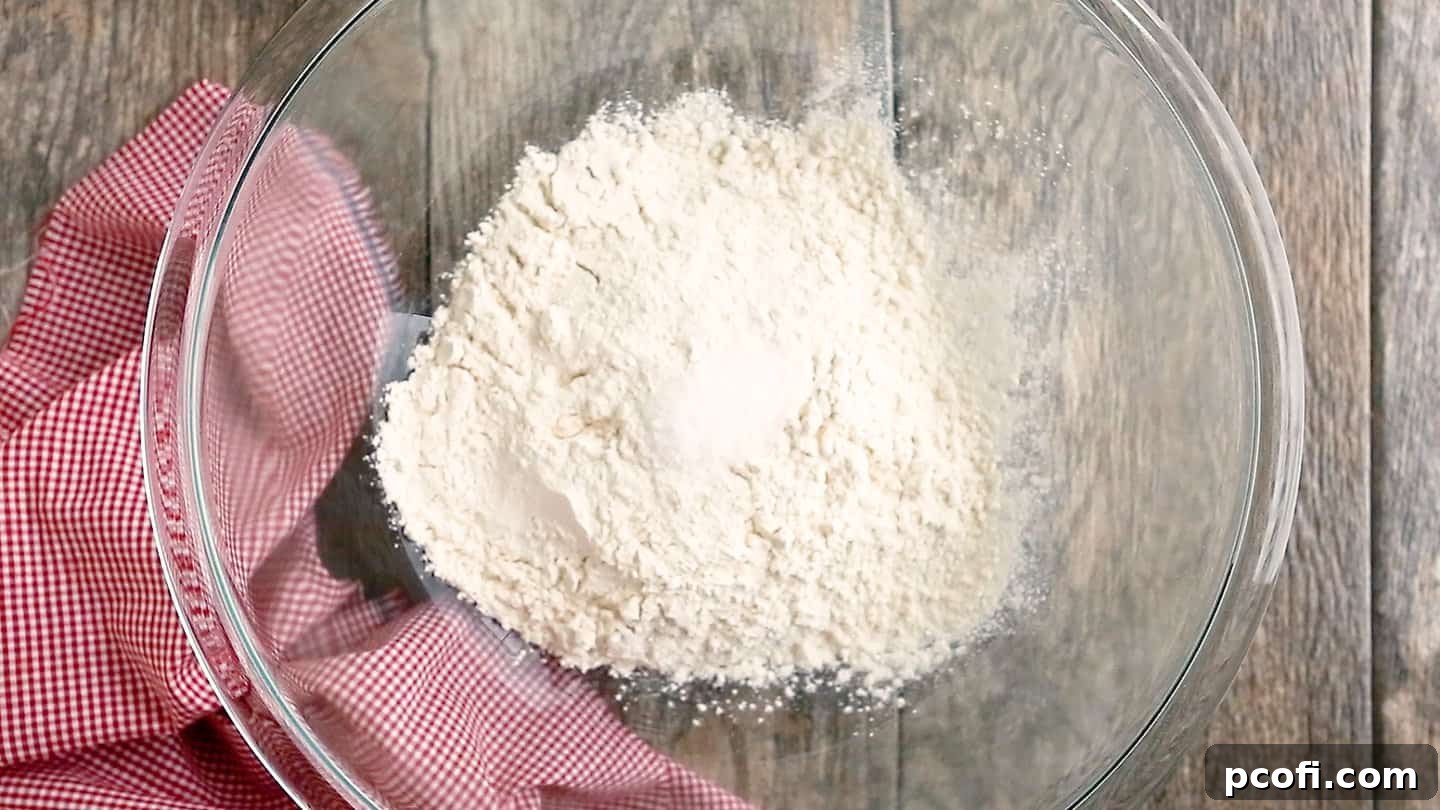
Begin by taking a large mixing bowl. Add the all-purpose flour and salt to the bowl. Use a whisk to thoroughly combine these dry ingredients. This ensures that the salt is evenly distributed throughout the flour, guaranteeing consistent flavor in every bite of your pastry.
Step 2: Incorporate the Cold Butter
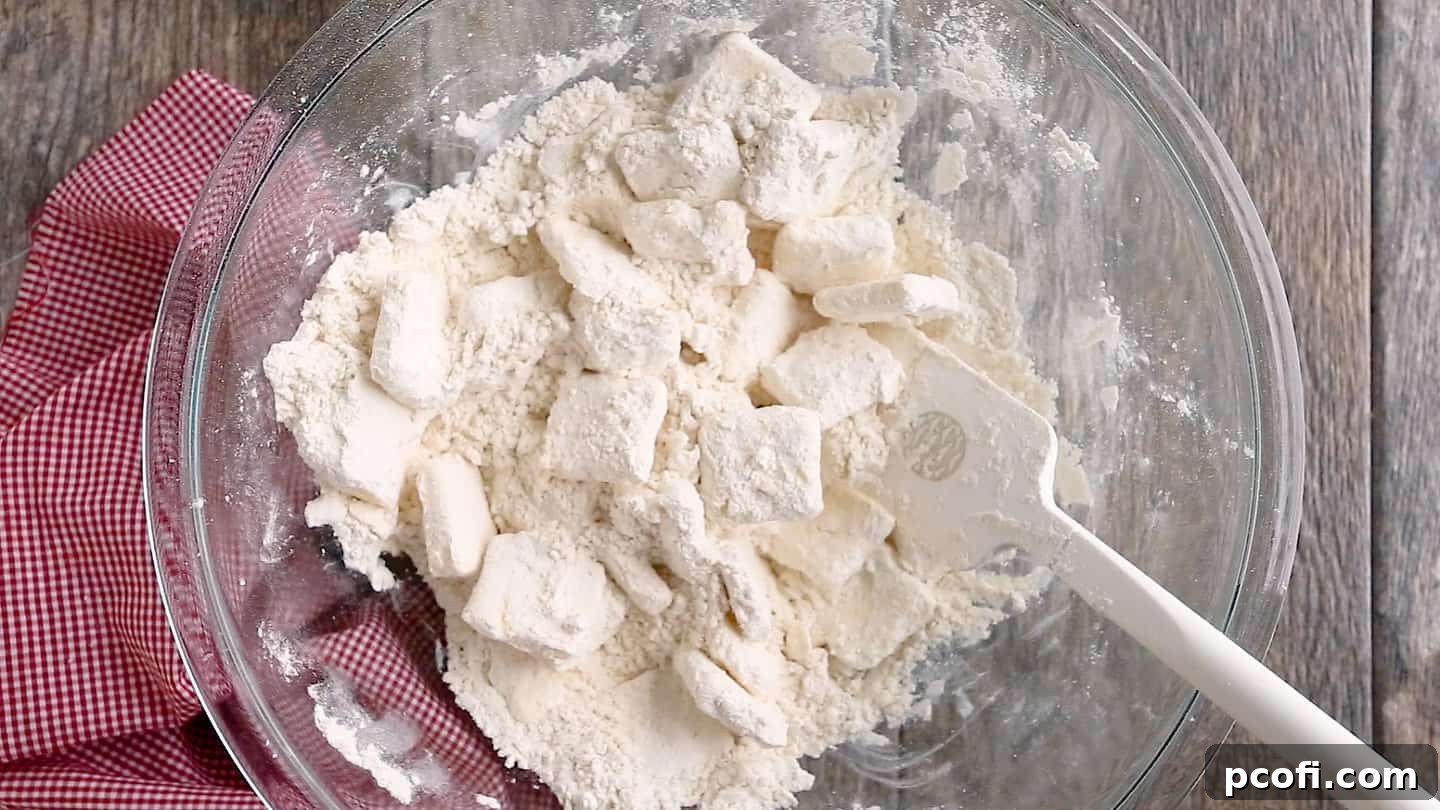
Carefully slice your very cold unsalted butter into uniform 1/4-inch pieces. Add these butter pieces directly into the flour and salt mixture. Using your hands or a pastry blender, gently toss the butter with the flour until each piece is lightly coated. The goal here is not to fully combine or cream the butter into the flour; you actually want to see distinct, visible chunks of butter throughout the mixture. These butter chunks are crucial for creating those coveted flaky layers during baking, so resist the urge to overwork the mixture.
Step 3: Form the Dough
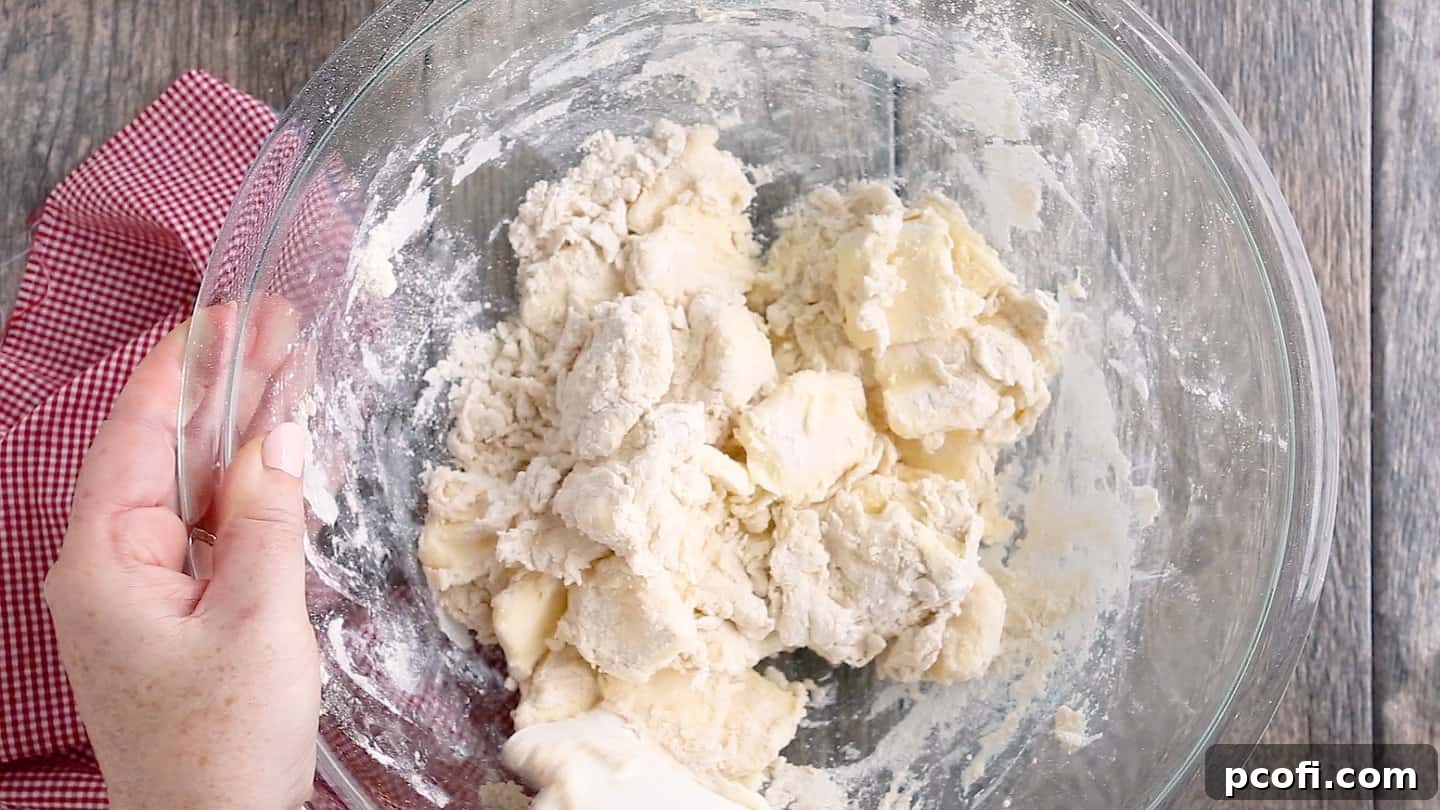
Gradually pour the cold water into the butter-flour mixture. Using a sturdy spoon or your hands, stir until the ingredients just come together and a shaggy, somewhat crumbly dough forms. It’s important not to overmix at this stage. The dough will still look rough and not perfectly smooth, with some dry bits remaining – this is perfectly normal and desired. Overmixing can develop the gluten too much, leading to a tough pastry.
Step 4: Shape, Wrap, and Chill
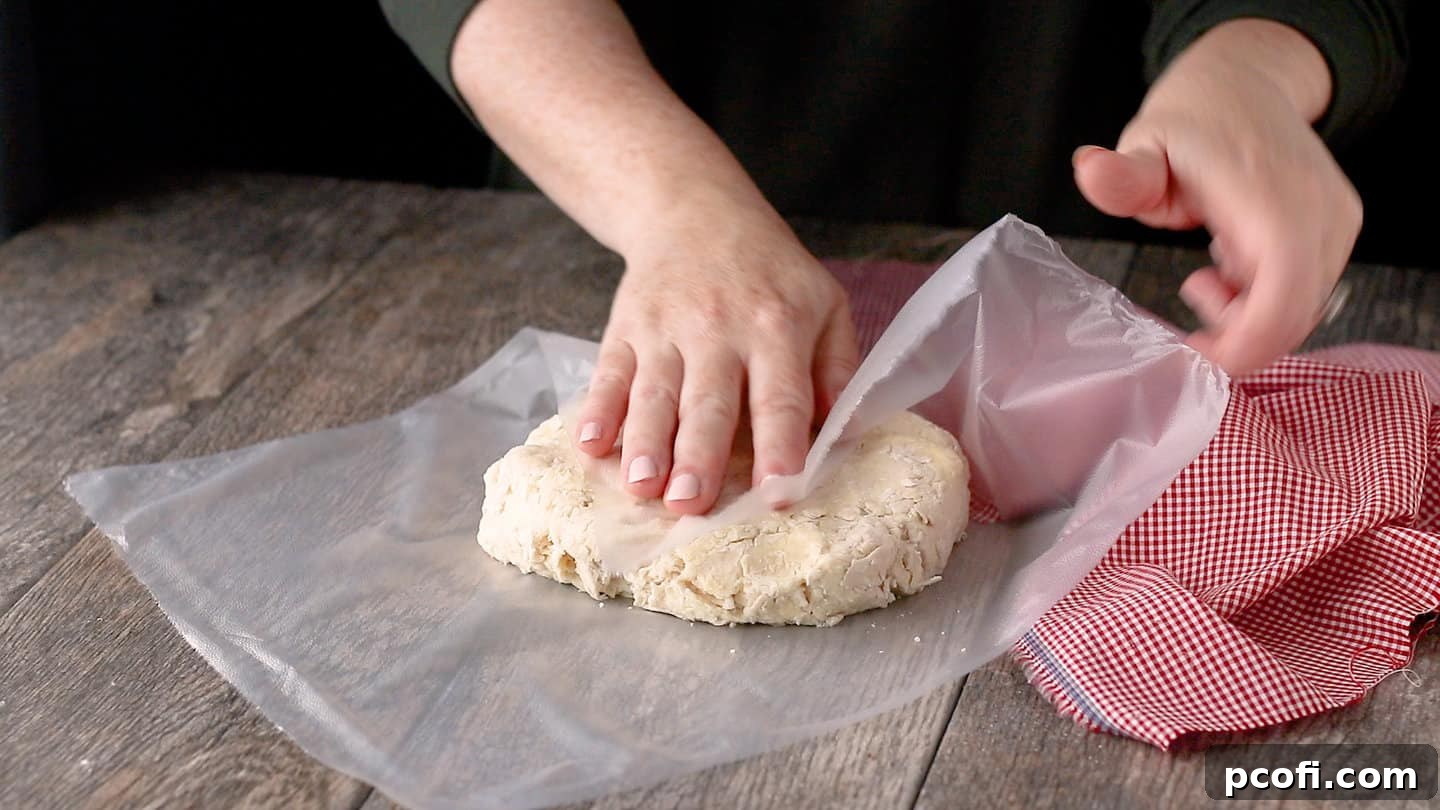
Gently gather the shaggy dough and form it into a cohesive ball. Then, slightly flatten this ball into a disk shape. This disk will be easier to roll out in the next step. Tightly wrap the dough in plastic wrap, ensuring no air can get in. Chill the dough in the refrigerator for at least 1 hour, or if you’re in a hurry, place it in the freezer for 20 to 30 minutes. This chilling step is vital as it allows the butter to firm up completely and the gluten in the flour to relax, making the dough much easier to handle and preventing the butter from melting out during rolling.
Step 5: Roll and Fold the Dough (Lamination)
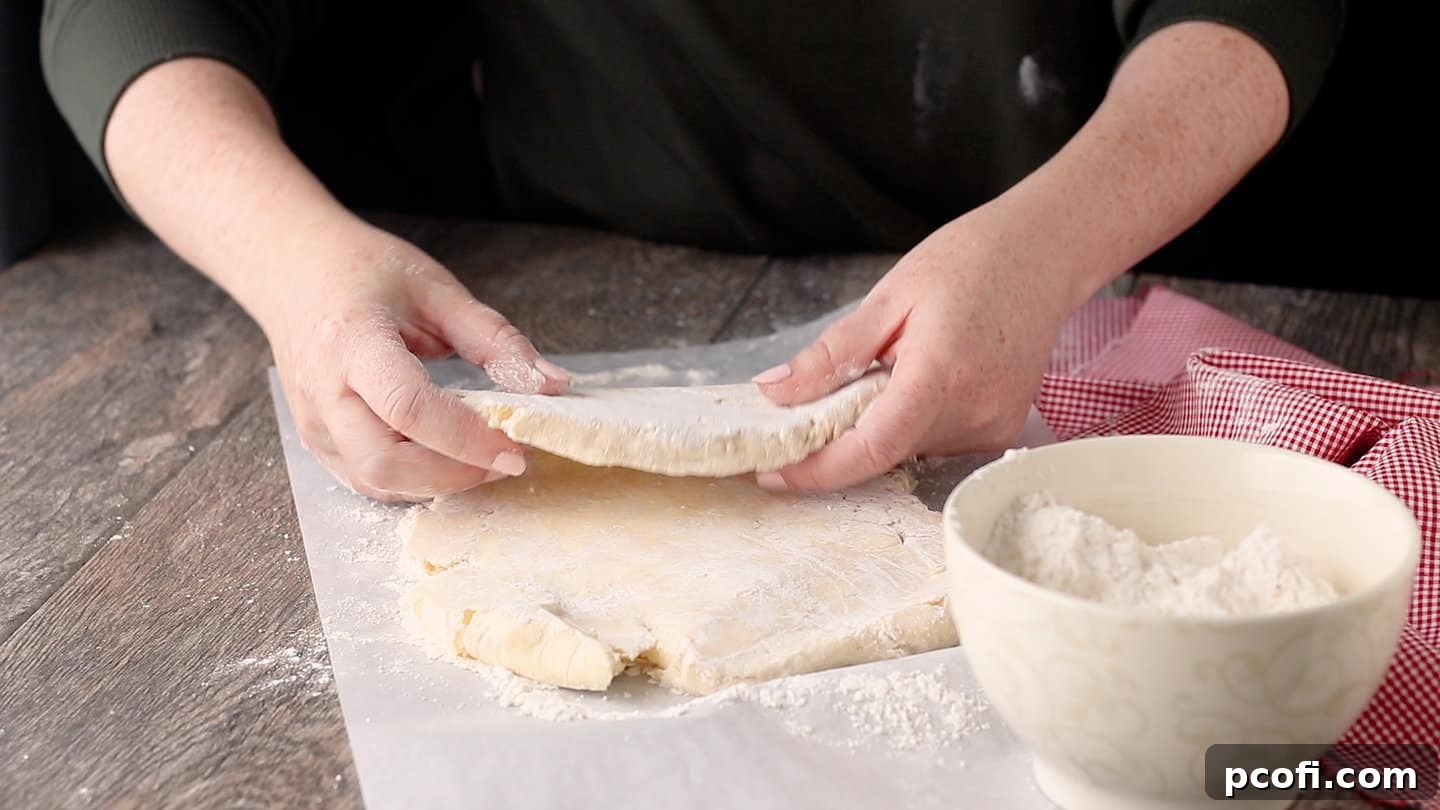
Unwrap the chilled dough and place it on a lightly floured surface. Using a rolling pin, gently roll the dough into a rough rectangle, aiming for a thickness of about 1/4 to 1/2 inch. Now, perform your first “turn” or “fold.” Fold the dough into thirds, much like you would fold a letter to fit into an envelope. This creates distinct layers of dough and butter. Once folded, rotate the dough 90 degrees. Lightly flour your surface again if needed, and repeat the roll-and-fold process. This technique, known as lamination, is what creates hundreds of ethereal layers. Perform this roll-and-fold sequence a total of 2 to 4 times. Each turn adds more layers, contributing to the incredible flakiness of the finished pastry. The more folds, the more layers, and the flakier the result!
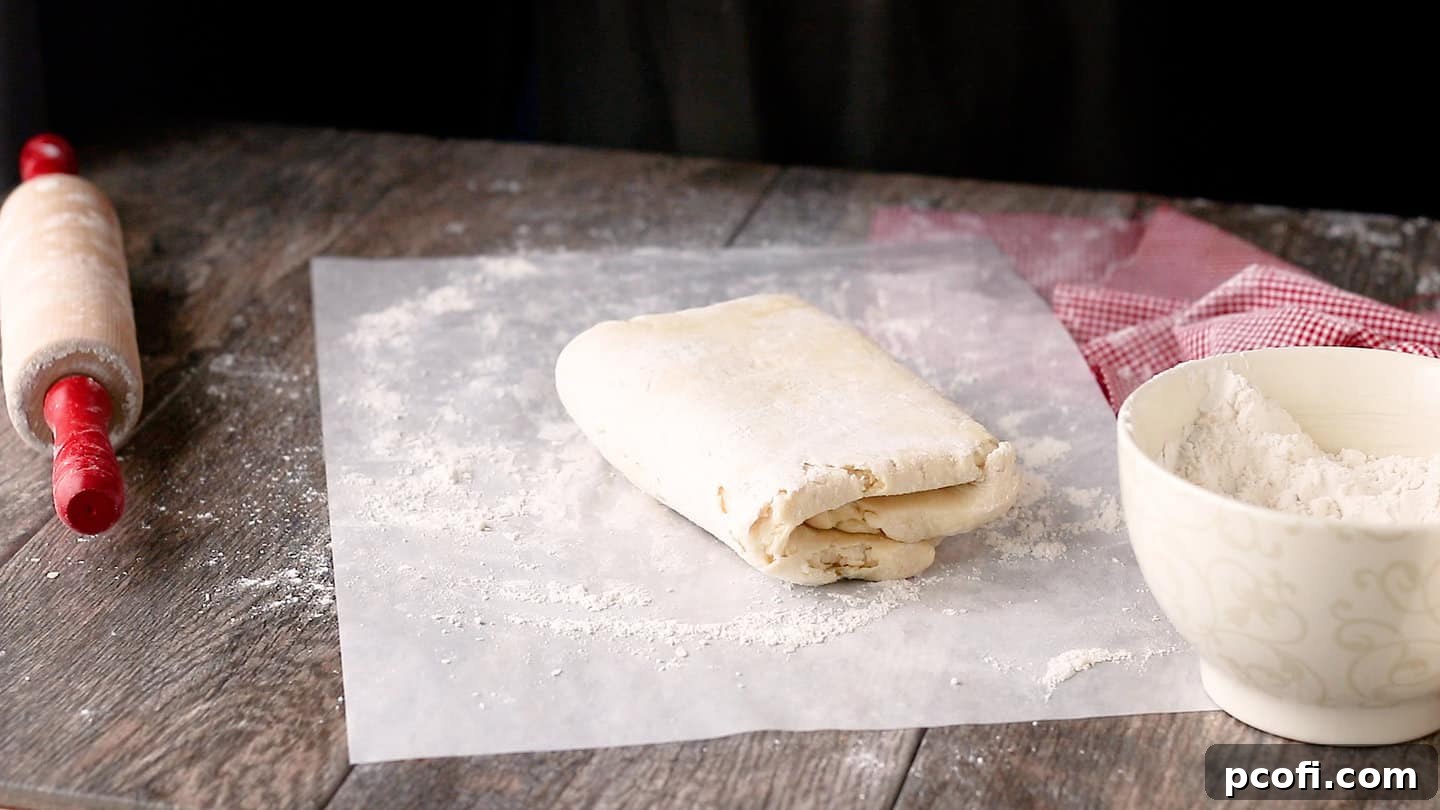
Step 6: Final Chill for Perfection
After your final roll and fold, re-wrap the dough tightly in plastic wrap. It’s crucial to chill the dough again for at least two more hours, or ideally, overnight in the refrigerator. This longer chill allows the butter to fully firm up, the gluten to completely relax, and the layers to become truly set. This final chill is what ensures your puff pastry will hold its shape and puff up dramatically in the oven. Patience at this stage will be richly rewarded with an exceptionally flaky and light pastry.
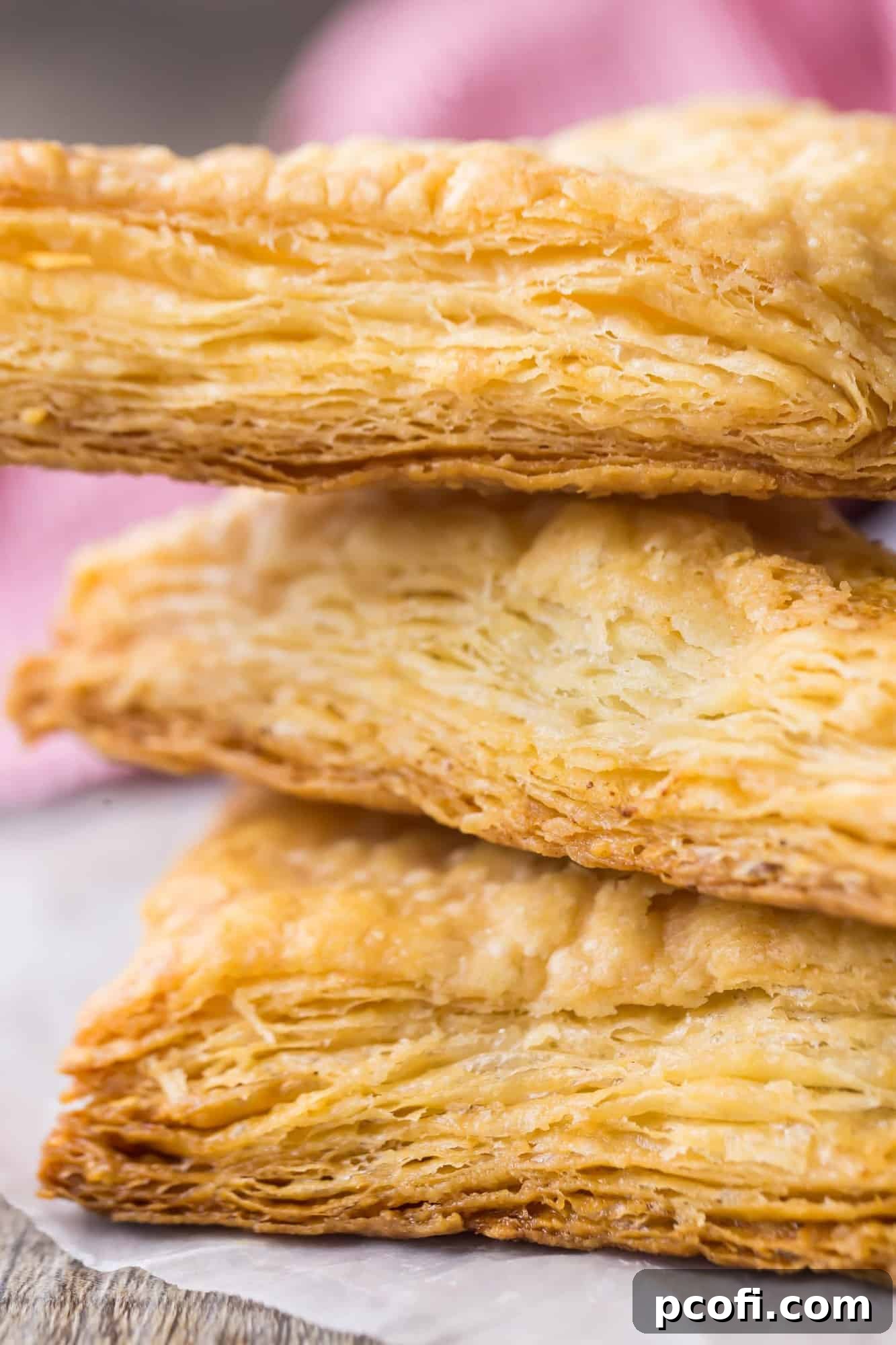
Helpful Tips and Tricks for Puff Pastry Success
- Embrace the Cold: This is arguably the most critical rule for puff pastry. Every ingredient, from the butter to the water, should be as cold as possible. If at any point during rolling and folding the dough becomes too warm, soft, or sticky, immediately transfer it back to the refrigerator for 10-15 minutes to firm up. Cold butter is what creates those distinct, airy layers.
- Don’t Overwork the Dough: When mixing the butter into the flour, it’s okay – and even desirable – to see visible chunks of butter. These pockets of butter are what contribute to the characteristic puff and flakiness. Overworking the dough will fully incorporate the butter, resulting in a dense, bread-like texture rather than a light, layered one. Similarly, when rolling, be firm but gentle to avoid tearing the dough and squeezing out the butter.
- The Magic of an Egg Wash: Before baking, a simple brush with an egg wash (typically one beaten egg mixed with a tablespoon of water or milk) will give your puff pastry a beautiful, glossy, and golden-brown finish. This isn’t just for aesthetics; it also helps seal the surface and can enhance the crispness.
- Hot Oven, Cold Dough: Always start with a fully chilled pastry when placing it into a preheated, hot oven. The rapid change in temperature creates a shock effect: the cold butter rapidly melts and releases steam, which then gets trapped between the dough layers, forcing them to expand and puff up dramatically. If the oven isn’t hot enough or the dough isn’t cold enough, the butter can melt out before the layers set, leading to a flat, greasy pastry.
- Use Parchment Paper: Rolling your dough between two sheets of parchment paper can be a lifesaver. It minimizes the need for extra flour (which can dry out the dough) and makes cleanup a breeze. It also aids in easy transfer to a baking sheet.
- Monitor Baking Time: Puff pastry can go from perfectly golden to burnt quickly. Keep a close eye on your pastry as it bakes. Baking times will vary greatly depending on the size and thickness of your pastry items, so always refer to the specific recipe you are using for guidance.
- Troubleshooting Sticky Dough: If your dough becomes sticky during rolling, add a very light dusting of flour to your work surface and rolling pin. Avoid adding too much flour, as this can make the dough tough. A quick chill in the fridge is often the best solution.
Creative Ways to Use Your Homemade Puff Pastry
Once you’ve mastered this easy homemade puff pastry, a world of culinary possibilities opens up. Its versatility makes it suitable for both elaborate gourmet dishes and simple, satisfying snacks. Here are some inspiring ideas:
Savory Delights
- Elegant Cheese Straws: Cut the pastry into long, thin strips, sprinkle generously with grated Parmesan or Gruyere cheese, twist them into spirals, and bake until golden and crisp for an irresistible appetizer.
- Classic Sausage Rolls or Pigs in a Blanket: Wrap strips of pastry around seasoned sausages or mini hot dogs. These make fantastic party snacks or a comforting light meal. The flaky pastry beautifully complements the savory filling.
- Baked Brie en Croute: Encase a small wheel of brie or camembert cheese in puff pastry, optionally adding jam or nuts, and bake until golden and oozing. This is a show-stopping appetizer that’s surprisingly easy.
- Gourmet Tarts and Appetizers: Cut rounds or squares of pastry, top with caramelized onions, sautéed mushrooms, fresh spinach, goat cheese, or roasted vegetables for exquisite savory tarts or individual pizzas.
- Hearty Pot Pie Topping: Replace traditional pie crusts with a sheet of puff pastry for a lighter, flakier topping on your favorite chicken pot pie or beef stew. It adds a delightful texture contrast.
- Asparagus and Prosciutto Bundles: Wrap spears of asparagus and thin slices of prosciutto in strips of puff pastry, then bake until golden for an impressive and flavorful side dish or appetizer.
Sweet Indulgences
- Homemade Apple Turnovers: Cut the pastry into squares, fill with a spoonful of spiced apple pie filling, fold into triangles, and seal the edges. Bake for warm, flaky apple turnovers.
- Classic Napoleons: Bake puff pastry sheets until crisp, then layer them with rich pastry cream, whipped cream, and fresh fruit for an impressive and elegant dessert.
- Delicate Palmiers (Elephant Ears): Sprinkle the dough with cinnamon sugar or brown sugar, roll both ends inward to meet in the middle, slice, and bake for these charming, crunchy cookies.
- Fruit Strudels: Roll a thin sheet of pastry around a sweet fruit and cheese filling (like apple, cherry, or cream cheese) to create a delicious, rustic strudel.
- Gourmet Pop-Tarts: Cut the pastry into rectangles, fill with your favorite jam, seal, and bake for a much healthier and tastier homemade version of classic toaster pastries.
- Incredible Puff Pastry Donuts: Cut the dough into rings or squares, then fry in hot oil until puffed and golden. Dust with powdered sugar or glaze for an extraordinary donut experience with an amazing crispy, flaky texture.

Frequently Asked Questions About Puff Pastry
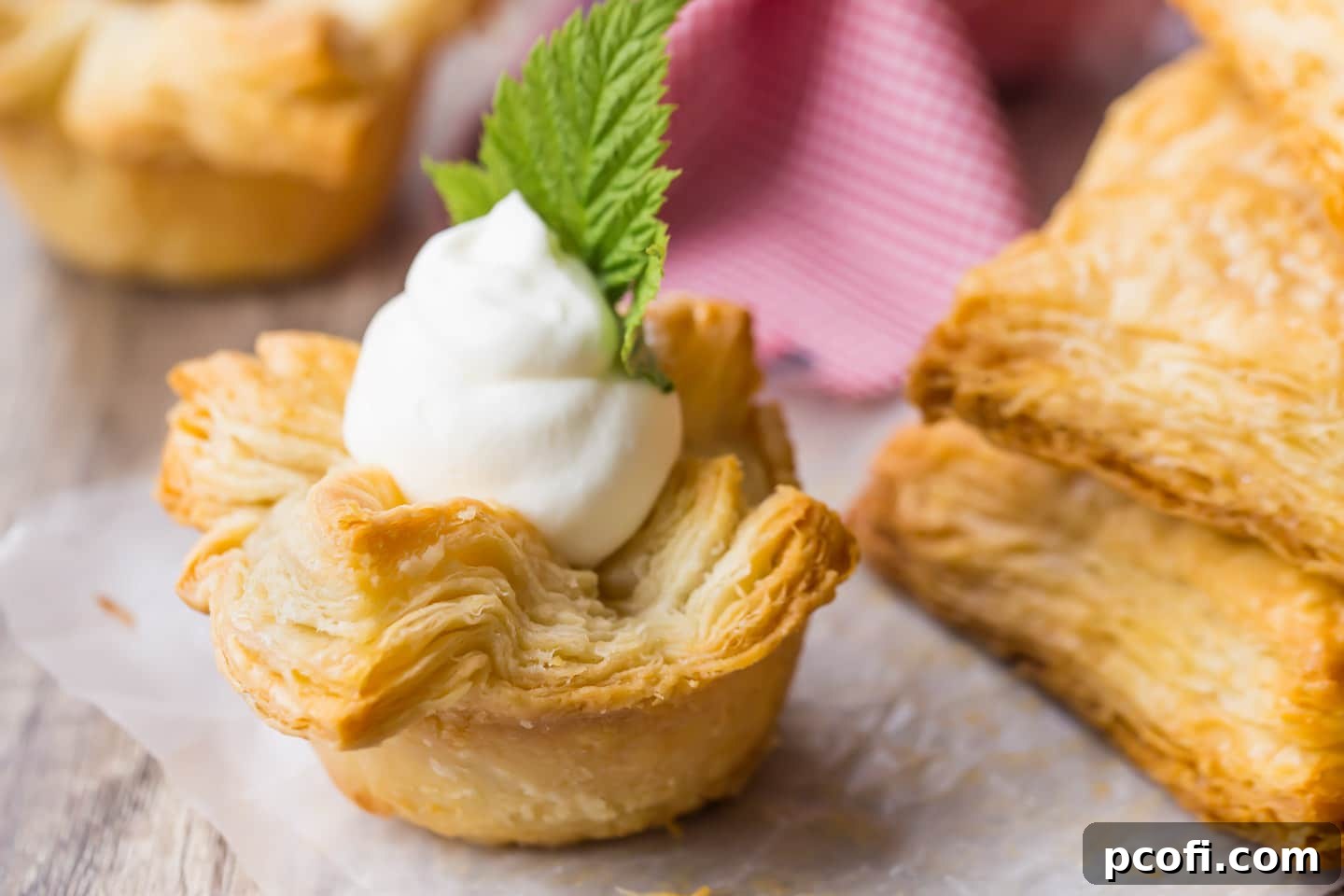
Homemade puff pastry is incredibly versatile! You can use it for a wide array of dishes, from delightful sweet treats like fruit turnovers, tarts, and palmiers, to savory creations such as hand pies, quiches, elegant cheese straws, savory bites, or even a topping for hearty pot pies. Its delicate, buttery layers elevate any recipe.
Absolutely! Puff pastry is an excellent make-ahead ingredient. Wrap it very tightly in plastic wrap, then place it in a sealed freezer bag. It can be stored in the freezer for several weeks (up to a month) without significant loss of quality. When you’re ready to use it, simply thaw it in the refrigerator overnight.
This recipe yields approximately 24 ounces (about 685 grams) of puff pastry dough. This quantity is roughly equivalent to two standard store-bought sheets, providing ample dough for multiple baking projects.
Not at all! This particular recipe is thoughtfully designed to be made entirely by hand. This ensures it remains simple and accessible to everyone, eliminating the need for any special kitchen appliances or complex techniques. You can achieve perfect results with just a bowl and your hands.
Yes, there are several types of puff pastry, traditionally categorized by the proportion of fat to flour by weight. The main types include:
- Full Puff Pastry (Pâte Feuilletée): Features equal parts fat and flour by weight, resulting in an incredibly rich and flaky pastry.
- Half Puff Pastry: Contains half the amount of fat compared to flour, offering a slightly less rich but still flaky result.
- Three-Quarter Puff Pastry: Uses three-quarters the amount of fat to flour.
- Rough Puff Pastry (or “Quick Puff Pastry” like this recipe): While technically a shortcut, it achieves similar results by incorporating small chunks of butter directly into the dough, rather than a single butter block.
- Inverted Puff Pastry: A more advanced technique where the dough is encased within a butter and flour mixture, rather than the butter being encased in the dough. This yields an exceptionally tender and flaky crust.
Our recipe falls under the “rough puff” category, offering a fantastic balance of ease and quality.
Storage and Freezing Techniques
- Prepare Ahead: For best results, consider making your puff pastry at least a day before you plan to use it. This allows for a thorough chilling period, which is crucial for perfect lamination and ease of handling.
- Refrigerator Storage: Freshly made puff pastry can be stored in the refrigerator for several days. It’s imperative to wrap it tightly in plastic wrap to prevent it from drying out or absorbing odors from other foods in your fridge. Ensure the wrap creates an airtight seal around the dough.
- Freezing for Longer Term: To extend its shelf life, tightly wrap the dough in plastic wrap, then place it inside a sealed freezer bag or an airtight container. This double layer of protection prevents freezer burn.
- Freezer Lifespan: When properly stored, homemade puff pastry will keep beautifully in the freezer for up to one month. Beyond this, its quality may start to diminish, though it might still be usable.
- Thawing Frozen Pastry: When you’re ready to use frozen pastry, transfer it from the freezer to the refrigerator to thaw slowly overnight. Avoid thawing at room temperature, as this can cause the butter to melt unevenly and separate from the dough. Keep it folded together and wrapped in plastic wrap while it thaws to maintain its structure and prevent moisture loss.
- Working with Thawed Dough: Once thawed, handle the dough gently. If it feels too soft or sticky, briefly chill it in the refrigerator before rolling to ensure the butter remains firm.
More Baking Adventures to Explore
- Baked Brie in Puff Pastry
- Apple Galette
- Caramel Apple Cream Puffs
- Cream Puff Cake
- Challah Bread
- Baklava
4.75 stars (114 ratings)
Easy Homemade Puff Pastry
Servings: 8
Prep Time: 15 mins
Cook Time: 25 mins
Chill Time: 3 hrs
Total Time: 3 hrs 40 mins
Leave a Review
Ingredients
- 2 cups (250 g) all-purpose flour
- 1 teaspoon salt
- 1 1/4 cups (283.75 g) unsalted butter, (2 1/2 sticks), cold
- 1/2 cup (118.29 ml) cold water
Instructions
- Place the flour and salt in a large bowl and whisk to combine.
- Cut the cold butter into 1/4-inch slices and add to the flour mixture, tossing to coat.
- Stir in the cold water until a thick dough forms.
- Gather the dough into a ball, flatten it into a disk-shape, and wrap in plastic wrap.
- Chill for 1 hour in the fridge, or 20 to 30 minutes in the freezer.
- Unwrap the dough, dust the work surface with flour, and roll the dough into a rough rectangle shape.
- Fold the dough in thirds, like a letter.
- Turn 90 degrees, roll and fold again.
- Repeat about 2 to 4 times, wrap the dough in plastic wrap, and chill for 2 hours or overnight.*
Notes
Tips for Making Homemade Puff Pastry
- Brush the pastry with an egg beaten with a couple of teaspoons of water before baking for a beautiful sheen.
- When you’re ready to bake the pastry, make sure it is COLD and the oven is HOT.
- Bake times will vary based on exactly what you are making, so follow your recipe!
- The dough can also be frozen. It will keep for several weeks in the freezer, tightly wrapped. Thaw in the refrigerator.
- This recipe makes approximately 24 ounces, or 685 grams, of dough.
More Classic Pastry Recipes to Try!
- Pate a Choux
- Homemade Danish
- French Macarons
Serving: 1 pastry, Calories: 418 kcal, Carbohydrates: 23g, Protein: 3g, Fat: 34g, Saturated Fat: 21g, Cholesterol: 91mg, Sodium: 296mg, Potassium: 43mg, Vitamin A: 1065IU, Calcium: 15mg, Iron: 1.5mg
Cuisine: American
Course: Breakfast, Brunch, Dessert