The Ultimate Guide to Homemade Cajeta and Perfect Baked Churros
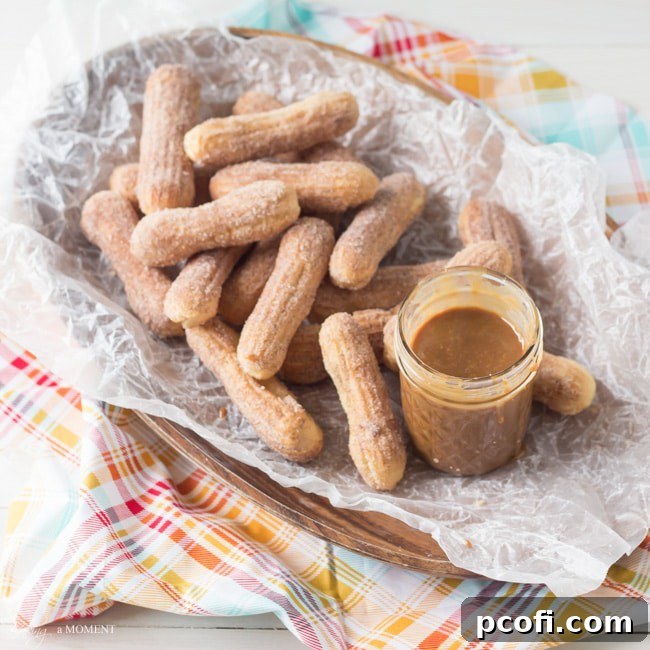
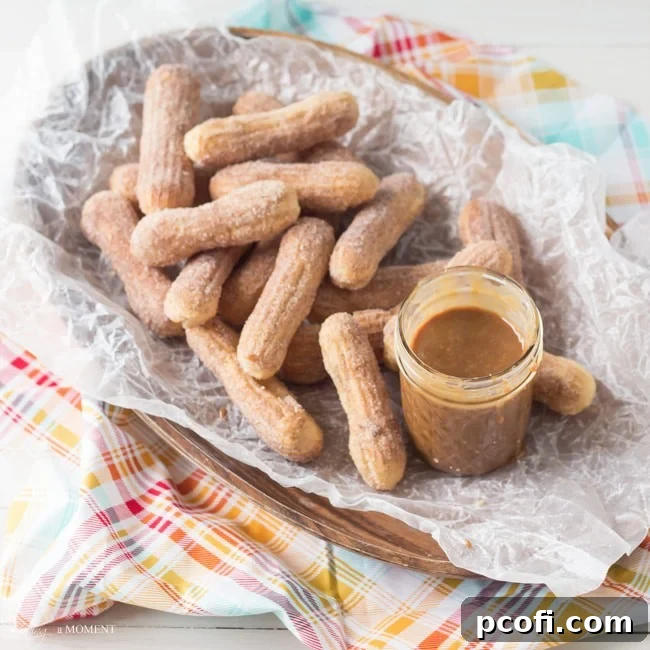
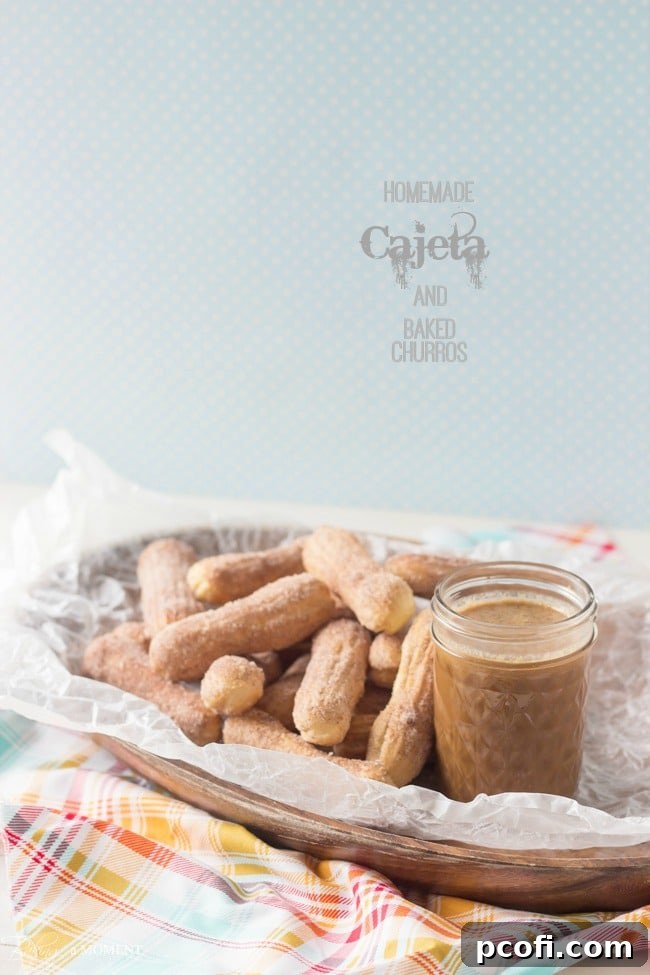
Prepare to be enchanted by the rich, nuanced flavors of homemade cajeta, a Mexican caramel sauce so addictive and surprisingly simple to create. Forget traditional dulce de leche for a moment and embark on a culinary journey with goat’s milk to elevate your dessert game. We’ll show you how to master this unique caramel and pair it with a generous basket of crispy, baked churros, perfect for dipping.
What is Cajeta? A Mexican Caramel Unlike Any Other
If you’ve ever savored the creamy, sweet delight of caramel or indulged in the rich decadence of dulce de leche, then you’re already halfway to understanding the magic of cajeta. But this Mexican caramel offers a unique twist that sets it apart: it’s made from goat’s milk! While dulce de leche typically uses cow’s milk, cajeta’s distinctive ingredient gives it an incredibly complex flavor profile that is both familiar and excitingly new.
Originating from Celaya, Guanajuato, Mexico, cajeta boasts a slightly tangier, earthier, and often richer taste than its cow’s milk cousin. This subtle difference is what makes it so captivating and often leaves people wondering, “What *is* that incredible flavor I’m tasting?” It’s the inherent characteristics of goat’s milk, transformed into a deep, golden, and utterly luscious sauce through slow simmering with brown sugar and other simple ingredients. The result is a caramel that’s creamy, smooth, and deeply satisfying, offering a cleaner finish that truly elevates any dessert.
The Simplicity and Reward of Crafting Homemade Cajeta
Many assume that making a gourmet caramel sauce from scratch is a daunting task, but homemade cajeta defies this expectation. While it requires patience due to its long simmering time, the process is largely hands-off. You’ll spend more time anticipating the delicious outcome than actively stirring over the stove. This makes it a perfect weekend project, allowing you to fill your home with the warm, sweet aroma of slowly caramelizing goat’s milk.
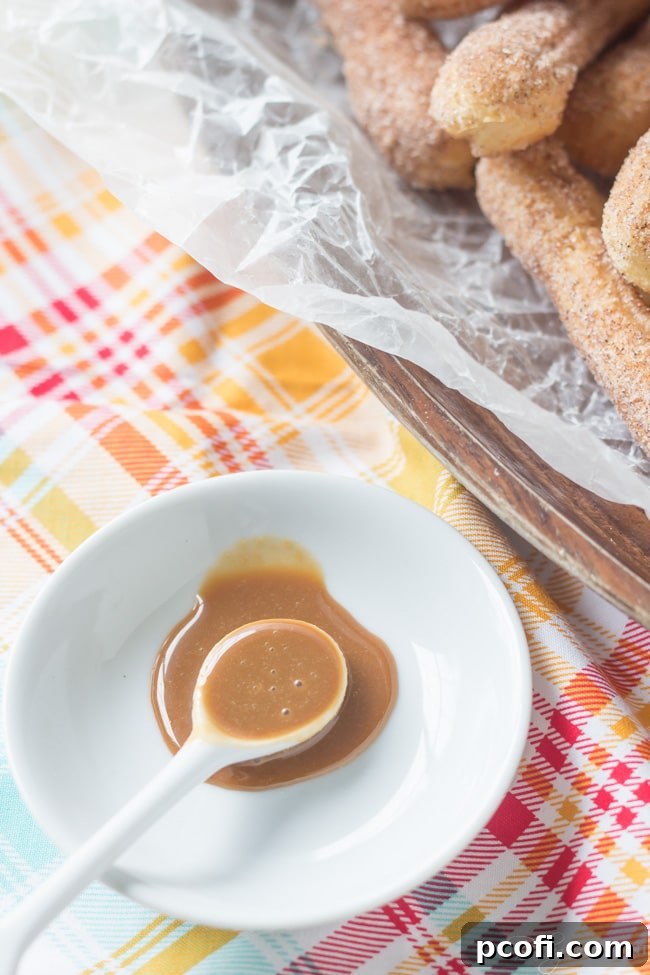
The beauty of this recipe lies in its minimal ingredients and straightforward technique. Fresh goat’s milk, dark brown sugar, a touch of salt, and a pinch of baking soda are all you need to begin this culinary transformation. The baking soda plays a crucial role, helping the milk proteins break down and allowing the sauce to achieve that beautiful, characteristic caramel color and thick consistency. The extended simmering not only deepens the flavor but also creates an incredibly smooth, velvety texture that clings perfectly to anything you dip into it.
Finding Goat’s Milk: Easier Than You Think
Perhaps the most “challenging” aspect of making cajeta is sourcing fresh goat’s milk. However, it’s becoming increasingly accessible in many grocery stores. Large health food chains like Whole Foods often carry it, but don’t overlook your local conventional supermarkets, especially those with diverse or “ethnic” food sections. Many stores now cater to a broader range of dietary needs and preferences, and goat’s milk is often sought after by individuals with cow’s milk sensitivities due to its easier digestibility.
When selecting your goat’s milk, opt for fresh, pasteurized varieties. The quality of your milk will directly impact the final flavor of your cajeta, so choose a reputable brand if possible. Don’t be deterred if you don’t find it immediately; a quick call to your local grocery stores can often point you in the right direction. Once you’ve secured this key ingredient, the rest of the cajeta-making process is smooth sailing.
The Perfect Companion: Crispy Baked Churros
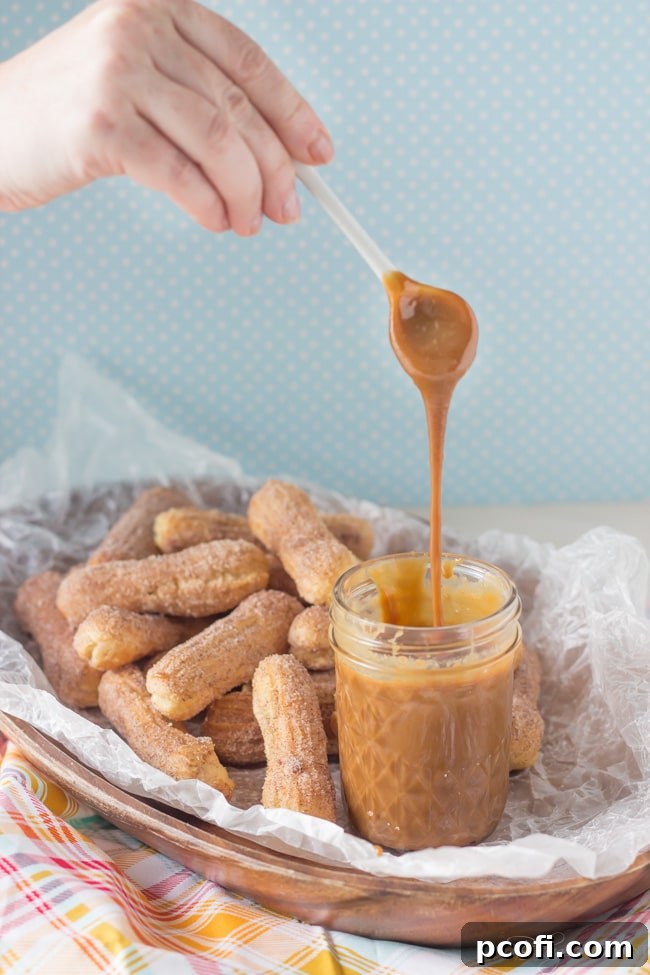
While cajeta is incredibly versatile and delicious drizzled over ice cream, fruits, or even coffee, there’s arguably no better pairing than freshly made churros. For this recipe, we opt for baked churros, a slightly healthier and often less messy alternative to their traditional fried counterparts, without sacrificing that beloved crunchy exterior and soft interior. This method makes them incredibly approachable for the home baker.
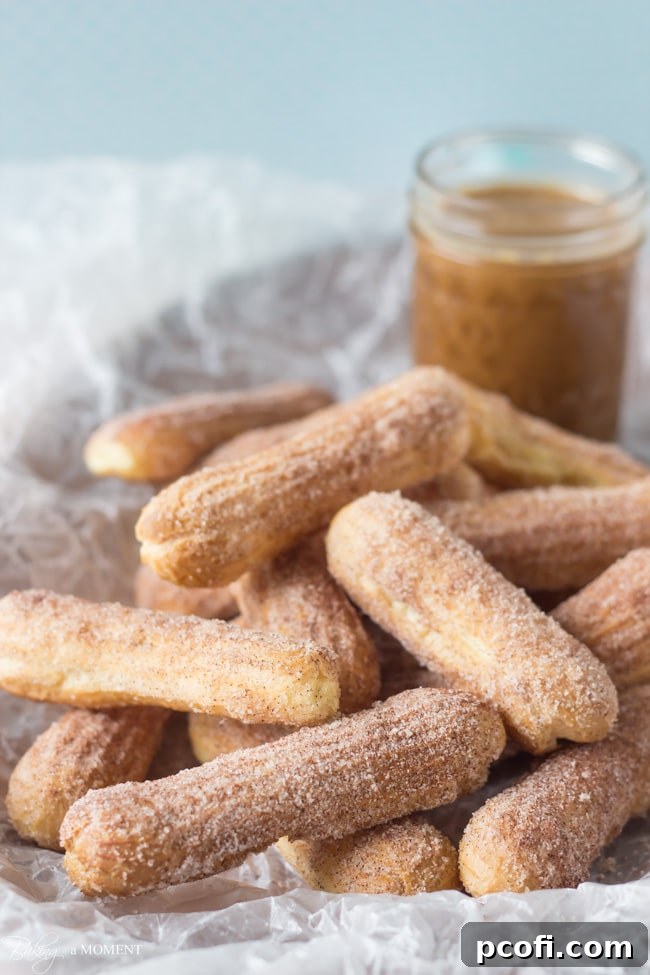
The secret to perfect churros, whether baked or fried, lies in the pâte à choux dough. This versatile pastry dough, made from simple ingredients like water, butter, flour, and eggs, puffs up beautifully in the oven, creating light, airy, and hollow centers – ideal for soaking up glorious amounts of cajeta. Once baked to a golden brown, these churros are brushed with melted butter and tossed in a fragrant cinnamon sugar mixture, giving them that iconic sweet and spiced coating. The grooves created by a star tip are not just for aesthetics; they capture and hold that cinnamon sugar, ensuring every bite is a textural delight.
A crucial tip for baking churros: ensure they are baked until thoroughly dry and light, almost hollow, inside. Pulling them out too soon can result in a soggy interior that quickly deflates, leading to a disappointing experience. Patience in the oven is key to achieving that satisfying crunch!
Serving and Enjoying Your Homemade Treats
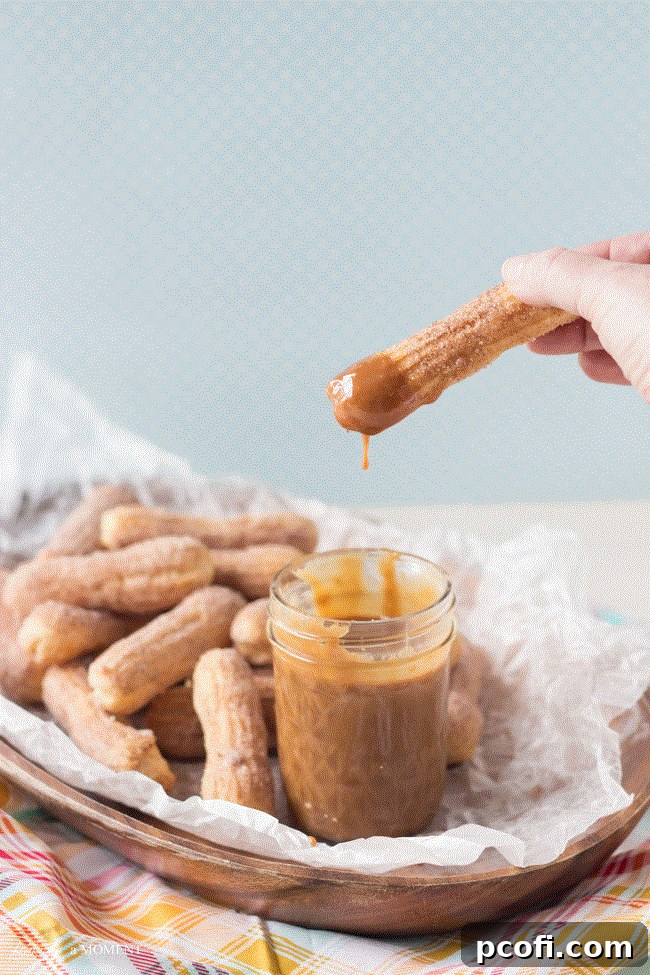
Once your cajeta has cooled slightly and thickened to a luxurious consistency, and your baked churros are warm from the oven and coated in cinnamon sugar, it’s time to enjoy the fruits of your labor. Arrange the churros on a platter with a bowl of the warm cajeta for dipping. The combination of the crispy, sweet churros and the rich, tangy caramel is truly irresistible.
But don’t limit yourself to just churros! Cajeta is incredibly versatile. Drizzle it over vanilla ice cream for a sophisticated sundae, swirl it into your morning coffee or oatmeal, use it as a filling for crepes (crepas de cajeta are a classic Mexican dessert!), or simply enjoy it by the spoonful. Its unique flavor profile can enhance both sweet and savory dishes, making it a valuable addition to your culinary repertoire.
Store leftover cajeta in an airtight container in the refrigerator for several weeks. It will thicken considerably when chilled, so you may need to gently warm it in a microwave or a saucepan over low heat to bring it back to a pourable consistency. Baked churros are best enjoyed fresh, but leftovers can be lightly re-crisped in a toaster oven or air fryer.
Frequently Asked Questions About Cajeta and Churros
What is the main difference between cajeta and dulce de leche?
The primary difference lies in the milk used. Dulce de leche is made with cow’s milk, while cajeta is traditionally made with goat’s milk. This gives cajeta a slightly tangier, more complex, and often earthier flavor profile than the sweeter, creamier dulce de leche.
Can I use regular cow’s milk for this cajeta recipe?
While you certainly can make a caramel sauce with cow’s milk, it technically wouldn’t be cajeta. It would be closer to dulce de leche. To experience the authentic flavor of cajeta, using goat’s milk is essential.
How long does homemade cajeta last?
When stored in an airtight container in the refrigerator, homemade cajeta can last for several weeks, often up to a month or even longer due to its high sugar content.
Are baked churros as good as fried churros?
Baked churros offer a fantastic alternative to fried churros. They are lighter, less greasy, and easier to make at home without the need for a deep fryer. While the texture is slightly different (fried churros tend to be crispier overall), baked churros still deliver that satisfying crunch on the outside and soft interior, especially when coated in cinnamon sugar and dipped in cajeta.
What if my cajeta isn’t thickening?
Cajeta thickening is primarily achieved through reduction. If it’s not thickening, it likely needs more simmering time. Keep it at a gentle simmer, stirring occasionally, until it reaches the desired consistency. Remember it will continue to thicken as it cools.
As an amazon associate I earn from qualifying purchases.
Homemade Cajeta and Baked Churros
Leave a Review
Save RecipeSaved!
Ingredients
- 4 cups (0.95 l) fresh goat’s milk, (1 quart)
- 1 1/4 cup (275 g) dark brown sugar
- 1/2 teaspoon kosher salt
- 1/4 teaspoon baking soda
- 1 1/2 teaspoons vanilla extract
- 1/4 cup (50 g) granulated sugar
- 1 teaspoon ground cinnamon
- 1 batch Simply Perfect Pate a Choux
- 1 tablespoon unsalted butter,, melted
Instructions
To Make the Cajeta:
-
Place the goat’s milk, brown sugar, salt, and baking soda in a large, heavy-bottomed pot, and heat until simmering.
-
Keep the mixture at a simmer, stirring occasionally, until it’s reduced down to about 1½ cups (approximately 2 hours). It will be very thick and toasty brown.
-
Stir in the vanilla extract, and immediately pour the hot caramel into a heat-safe vessel to cool. (The sauce will continue to thicken as it cools.)
To Make the Baked Churros:
-
Preheat the oven to 425 degrees F (220°C).
-
Place the granulated sugar and ground cinnamon in a shallow dish and stir to combine. Set aside.
-
Place the pate a choux dough in a pastry bag fitted with an open star tip. Pipe 4-inch long lines onto a parchment-lined baking sheet.
-
Bake for 25 minutes or until the churros are evenly browned, feel dry, hollow, and light to the touch.
-
Brush lightly with melted butter and coat thoroughly with the prepared cinnamon sugar mixture.
Notes