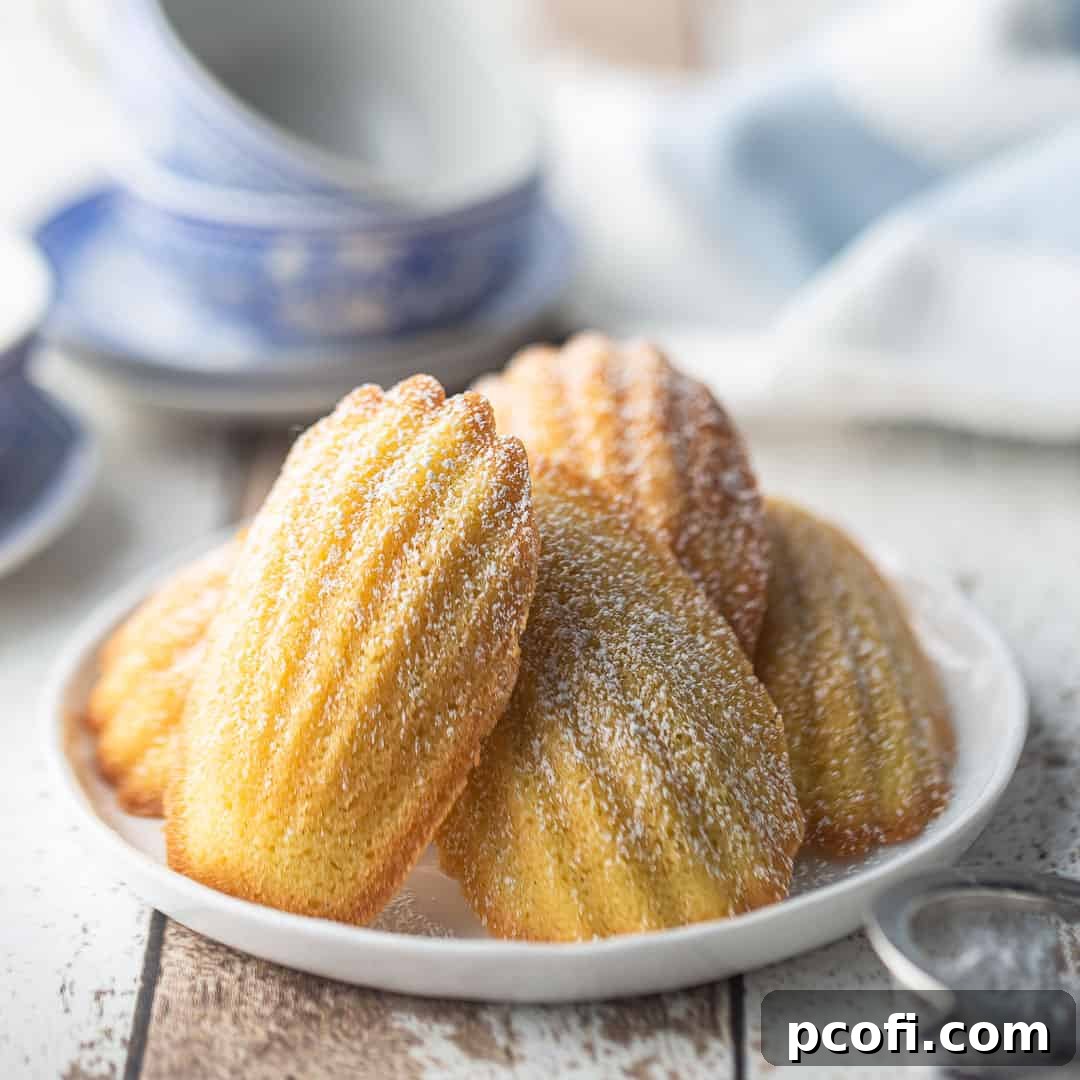
The Ultimate Guide to Classic French Madeleine Cookies: A Delicate Pastry Recipe
Indulge in the timeless elegance of Madeleine cookies, those iconic shell-shaped French delights. Part cookie, part miniature cake, and utterly buttery, these delicate pastries are perfect companions for your tea, coffee, or cocoa moments. Master the art of baking these sophisticated treats and bring a touch of Parisian patisserie to your home.
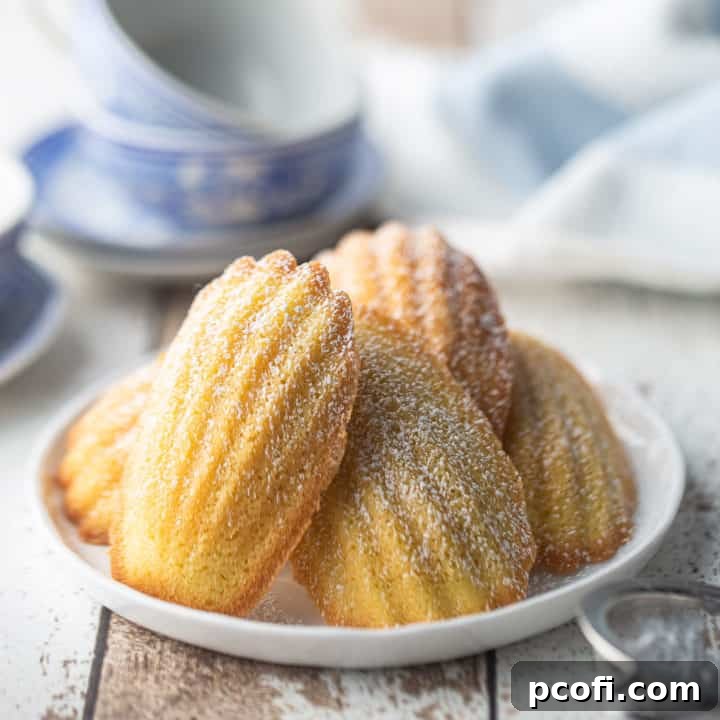
Today, we’re diving deep into the world of one of my all-time favorite pastries: the exquisite Madeleine cookie! For those who’ve been with us on this culinary journey, you know that I believe one of life’s simplest yet profound pleasures is savoring a sweet, buttery treat alongside a comforting warm drink. Whether it’s cozying up with a cup of tea and a plate of biscotti, enjoying a slice of toasted brioche with sweet strawberry jam, or indulging in a light Irish scone, these moments are truly special.
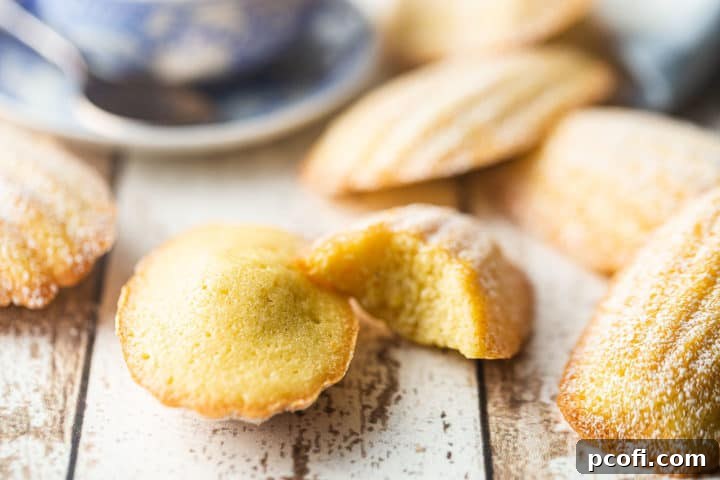
However, when the craving for something truly extraordinary strikes, nothing quite measures up to the delicate charm of this Madeleine cookie recipe. These elegant, golden-brown shell-shaped delights offer a rich, buttery flavor with just the right hint of sweetness, all wrapped in a light and soft texture. Their iconic shape, with crisp, golden-brown edges and soft, cake-like middles, makes them a feast for both the eyes and the palate. They are not merely a treat to eat but also make an incredibly thoughtful hostess gift or a delightful party favor, elevating any occasion with their sophisticated presence.
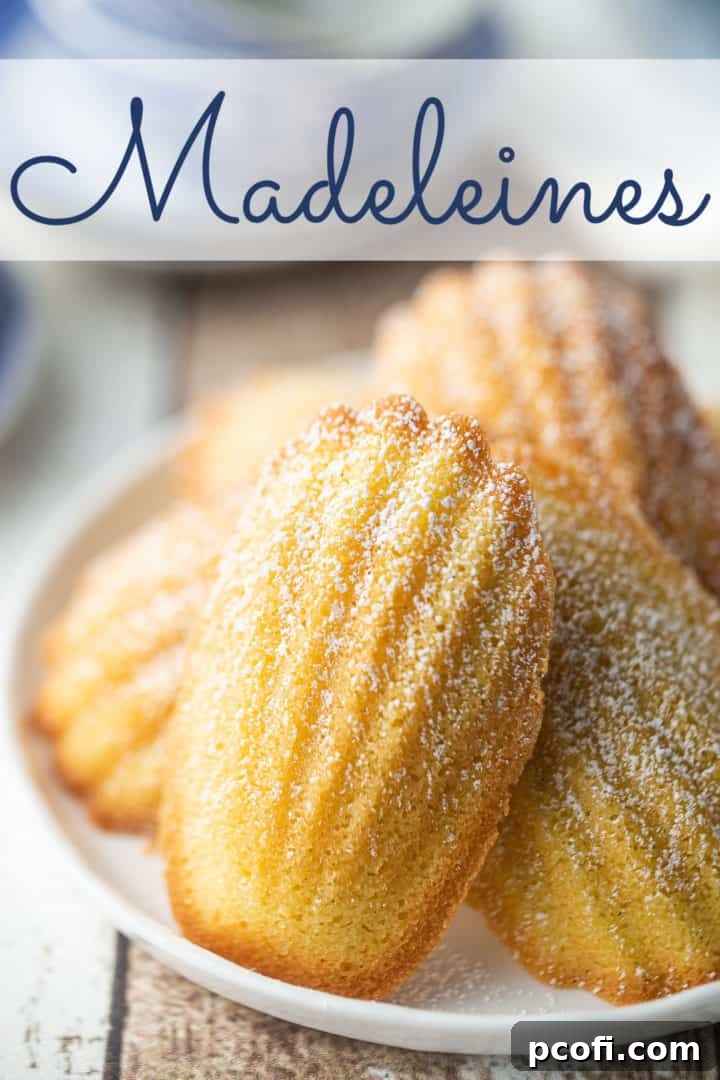
What Exactly Are Madeleine Cookies?
Madeleines are a quintessential classic French pastry, instantly recognizable by their distinct, elegant shell shape. Often described as a delightful hybrid, they sit somewhere charmingly between a cookie and a cake. While they offer the convenient, bite-sized appeal of a cookie, their interior boasts the tender, airy crumb more akin to a delicate sponge cake.
The flavor profile of a Madeleine is truly exquisite: subtly sweet, profoundly buttery, and typically infused with the fragrant essence of vanilla. Unlike many heavily sweetened desserts, Madeleines offer a delicate balance, allowing the rich butter and aromatic vanilla to shine through. This makes them wonderfully sophisticated and never cloyingly sweet.
The batter for Madeleines bears a strong resemblance to genoise, a light sponge cake batter characterized by melted butter gently folded in. Genoise serves as a fundamental component in many classic French desserts, including my tiramisu cake. Madeleines are also quite similar to ladyfingers, another type of sponge cake. However, ladyfingers typically involve separating eggs and folding whipped egg whites into the batter for leavening, and notably, they contain no butter, resulting in a drier texture. Madeleines, with their generous butter content and whole-egg whipping technique, achieve a richer, more moist consistency.
The Art of Crafting Homemade Madeleine Cookies
Creating these beautiful French pastries might seem intimidating, but with just a handful of ingredients and careful technique, you’ll achieve perfect results. This recipe calls for only six core ingredients, most of which are pantry staples you likely already have on hand. When a recipe relies on so few components, the precision of your technique becomes paramount. Follow these steps meticulously, and you’ll be rewarded with a batch of impeccably formed, delicious Madeleines.
Step-by-Step Madeleine Perfection:
1. The Power of Aeration: Whipping Eggs and Sugar
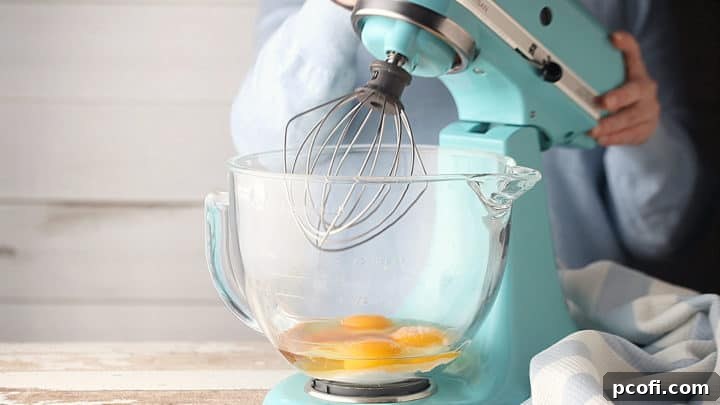
Begin by combining granulated sugar, large eggs, vanilla extract, and salt in a large mixing bowl. For best results, ensure your eggs are at room temperature; this allows them to whip up with greater volume and stability.
While vanilla extract works beautifully, if you happen to have a vanilla bean or high-quality vanilla bean paste, I highly recommend using it. A vanilla bean will lend a more intense and complex aroma. To use a vanilla bean, simply split it lengthwise with a sharp knife and scrape out the fragrant, gooey seeds. If using vanilla bean paste, it offers a wonderful flavor with less fuss. For quality vanilla beans, consider options like these, or for paste, this one.
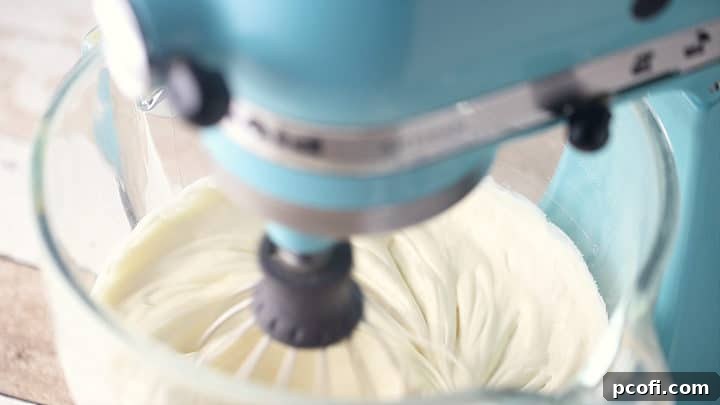
Whip this mixture on high speed for a minimum of 5 full minutes, ideally 7 to 8 minutes for extra assurance. You’re aiming for a very pale, thick, and fluffy consistency, at least double its original volume. This extensive whipping incorporates a significant amount of air, which is crucial for the Madeleines’ light, airy texture and helps them achieve their signature “hump” during baking.
2. The Gentle Fold: Incorporating Flour and Butter
Once your egg mixture is perfectly aerated, it’s time to carefully incorporate the dry ingredients and melted butter. Sift about one-third of the all-purpose flour directly over the whipped egg mixture. Sifting prevents lumps and ensures even distribution without overmixing.
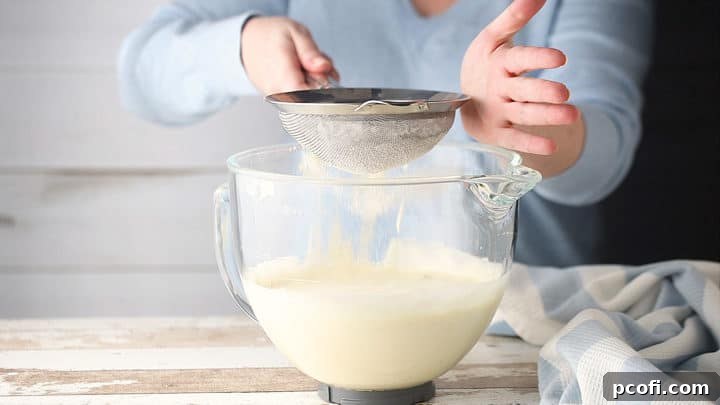
Gently fold the flour into the batter using a spatula. The key here is to be exceedingly light-handed. You do not want to deflate all that precious air you’ve worked so hard to incorporate! Use a cut-and-fold motion, rotating the bowl as you go, until just combined.
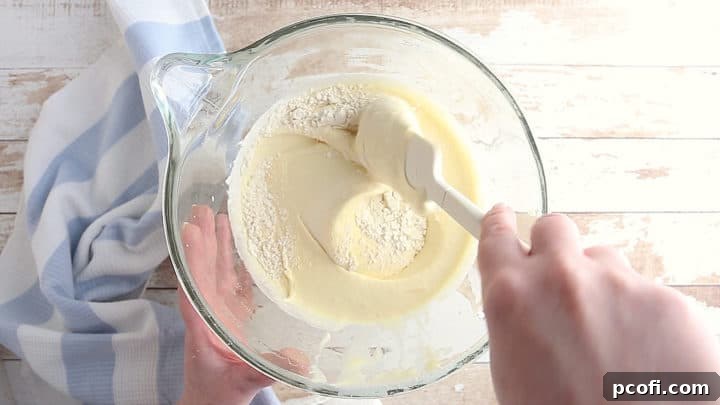
Once the flour is almost fully blended, add about one-third of the melted and slightly cooled unsalted butter.
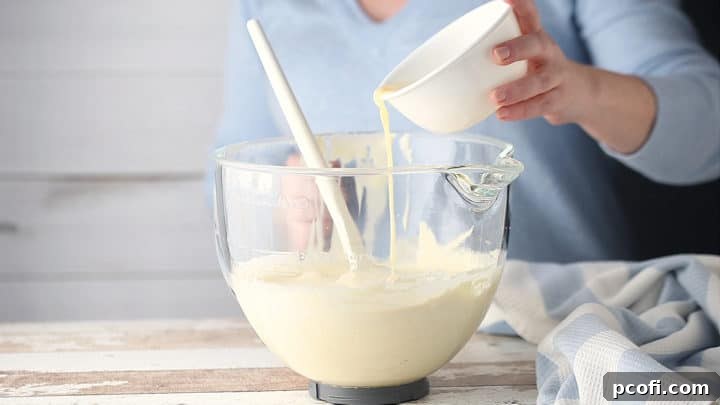
Again, fold the butter in very carefully, ensuring it is completely incorporated. Melted butter has a tendency to sink and pool at the bottom of the bowl, so be sure to scrape your spatula all the way down to the bottom to fully blend it. Repeat this process – sifting in flour, folding, then adding melted butter and folding – two more times until all the flour and butter have been smoothly integrated into the batter.
3. The Essential Chill: Resting the Batter
After mixing, the batter needs to be chilled. Place it in the refrigerator for a minimum of one hour, or even overnight. This chilling step is crucial for several reasons: it allows the flour to fully hydrate, the flavors to meld, and most importantly, it helps the Madeleines achieve their characteristic “hump” during baking by creating thermal shock when the cold batter hits the hot oven.
4. Preparing Your Pan and Baking
Once the batter has had sufficient time to rest and stiffen, preheat your oven to the specified temperature and prepare your Madeleine pan. A good quality nonstick pan is highly recommended, as Madeleines can be notoriously prone to sticking. Even with a nonstick surface, I advise greasing the pan thoroughly (with butter or baking spray) and dusting it lightly with flour, tapping out any excess. This extra step guarantees easy release and preserves their beautiful shell shape. You can find a standard-sized nonstick Madeleine pan like the one used in the video here.
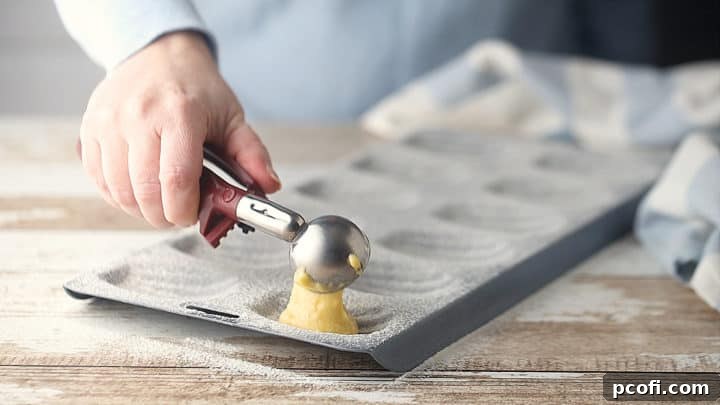
Scoop about 1.5 tablespoons of batter into each well of the prepared pan. There’s no need to spread it; the batter will naturally conform to the shell shape as it bakes. Bake the Madeleines until their edges are beautifully golden brown and the middles feel springy to the touch. As they bake, you’ll notice them forming their distinctive hump on the back – this is a hallmark of a perfectly baked Madeleine!
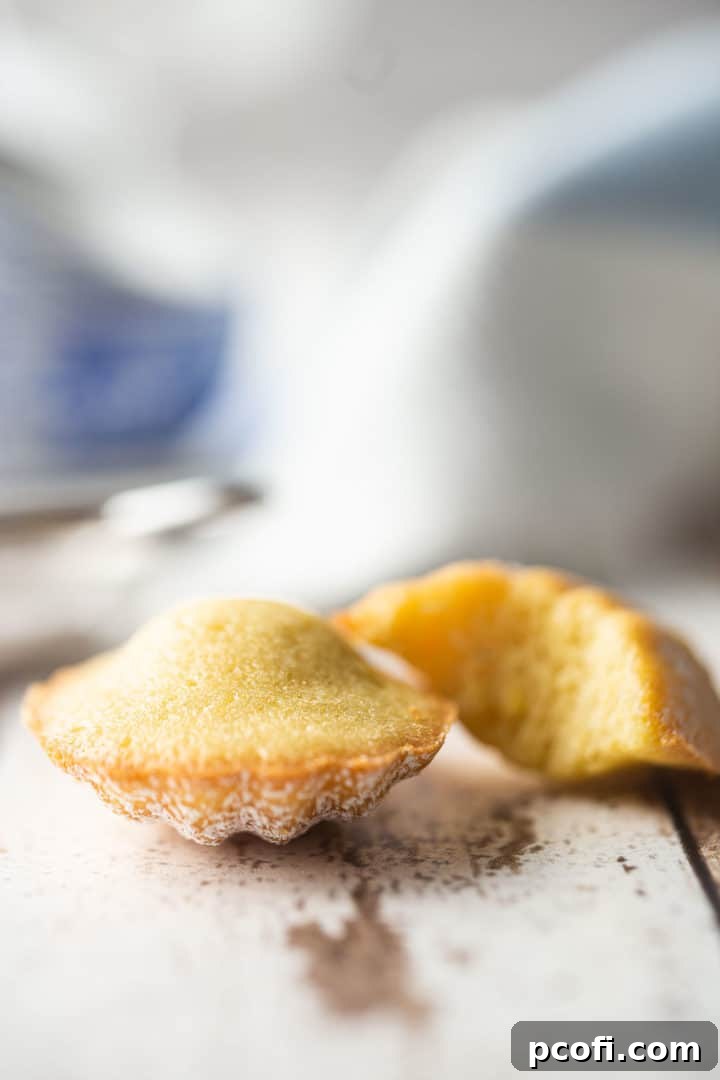
A prominent hump on the underside is a wonderful indicator that you’ve mastered the technique. Gently lift the warm Madeleines from the pan – an offset spatula works perfectly for this – and transfer them to a wire rack to cool completely.
5. The Finishing Touch: Garnish and Enjoy
While optional, a light dusting of powdered sugar adds an elegant and traditional finish to your Madeleines. It’s a simple step that enhances their visual appeal and adds a subtle kiss of sweetness.
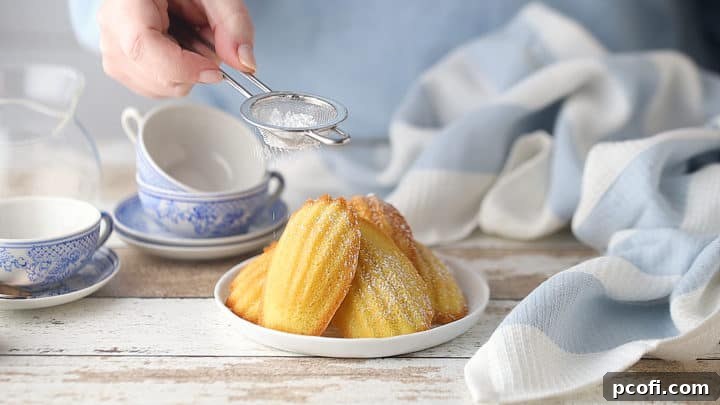
For a more indulgent variation, you could dip them in melted chocolate, much like the Earl Grey madeleine cookies we experimented with years ago.
Tips for Baking Perfect Madeleines Every Time
- Room Temperature Ingredients: Always ensure your eggs and butter (before melting) are at room temperature. This allows for better emulsification and aeration, contributing to a lighter texture.
- Whip Thoroughly: Don’t skimp on the whipping time for the eggs and sugar. The volume and paleness are key indicators of proper aeration, which is the primary leavening agent for Madeleines.
- Gentle Folding: When incorporating flour and butter, use a light, folding motion with a spatula. Avoid vigorous stirring, which can deflate the batter and result in dense Madeleines.
- Chill the Batter: This step is non-negotiable for achieving the distinctive “hump.” The contrast between the cold batter and the hot oven causes the Madeleines to puff up dramatically.
- Perfectly Prepared Pan: Even with a nonstick pan, always grease and flour your Madeleine mold thoroughly. This prevents sticking and ensures your Madeleines release cleanly, preserving their beautiful shell pattern.
- Don’t Overbake: Madeleines bake quickly. Keep a close eye on them to prevent them from becoming dry. They should be golden at the edges and spring back lightly when touched in the center.
Serving Suggestions: Elevate Your Madeleine Experience
Madeleine cookies are incredibly versatile and perfect for a variety of occasions. Their elegant appearance makes them ideal for formal gatherings, from a sophisticated Mother’s Day brunch to a chic baby or bridal shower, or even as an elegant post-meal nibble at an afternoon wedding. Pair them with robust coffee, delicate tea, or even a glass of sparkling wine.
Beyond special events, Madeleines also make wonderful homemade gifts. Arrange a few in a clear cellophane bag, tied with a pretty ribbon, for a thoughtful and delicious present or party favor. But truly, you don’t need a special reason to bake these. Treat yourself to a batch; there’s nothing quite like the feeling of enjoying a freshly baked Madeleine just for you.
Are Madeleines Healthy? Dietary Adjustments
While Madeleines are a delightful indulgence, you can find detailed nutritional information in the recipe card below to help you judge for yourself. For those with dietary restrictions, here are a few tips for making allergen-friendly Madeleines:
- For gluten-free Madeleines, opt for a high-quality gluten-free flour blend designed for a 1:1 substitution with regular flour. Excellent options include:
- King Arthur Flour Gluten-Free Measure for Measure Flour
- Bob’s Red Mill Gluten-Free All-Purpose Baking Flour
- Cup4Cup Multi-Purpose Gluten-Free Flour
- For dairy-free Madeleines, simply substitute regular butter with a dairy-free butter product that performs as a 1:1 replacement in baking.
- Creating egg-free Madeleines presents a significant challenge due to the crucial role eggs play in aeration and structure. If you have an egg substitute that can whip up to the same airy volume and stability as traditional eggs, please share your suggestions in the comments below!
Essential Equipment: The Madeleine Pan
Madeleine pans are typically available in two standard sizes: regular and mini. However, the market has recently seen an exciting array of unusual shapes, including spheres, hearts, and even charming cat paws! While these novelty pans can be fun, keep in mind that unique shapes or mini sizes may require slight adjustments to baking times.
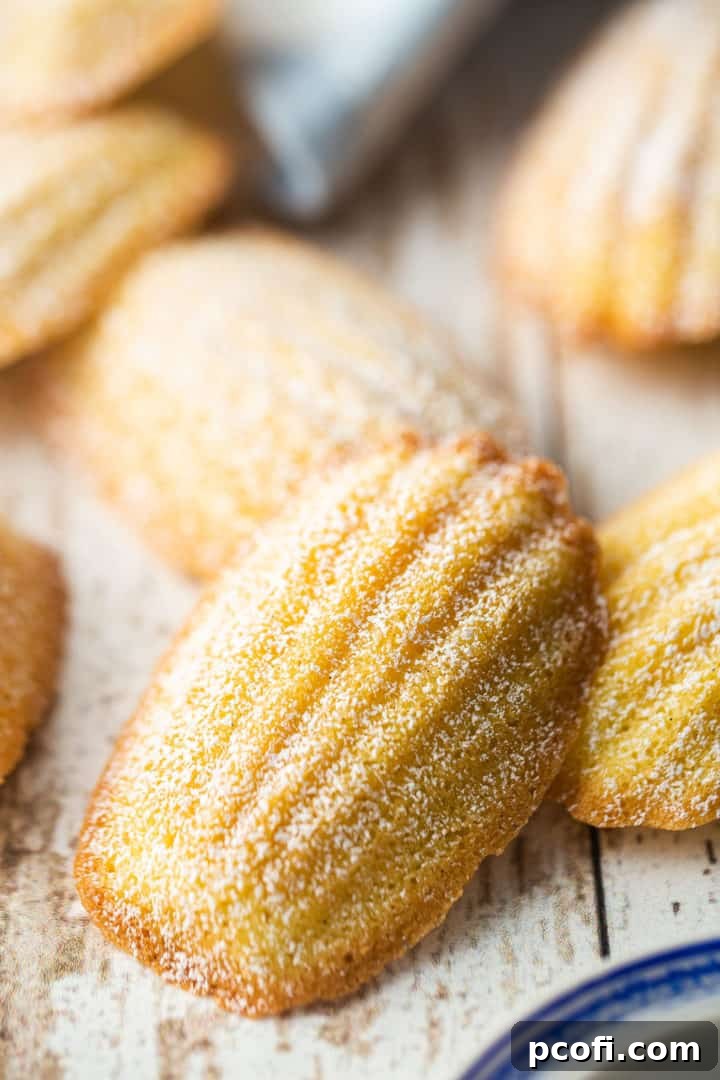
For the gorgeous pastries you see pictured here, I’ve used a standard-sized, traditionally shell-shaped Madeleine pan. If you’d like to acquire one, a reliable option can be found here.
If you don’t own a Madeleine pan and prefer not to purchase one, a mini-muffin pan can serve as a functional alternative, though your Madeleines won’t have the signature shell design.
Storing Your Madeleines for Lasting Freshness
One of the many benefits of Madeleines is their excellent keeping quality, making them a fantastic make-ahead treat. Proper storage is key to maintaining their delicate texture and crisp edges.
Carefully place your cooled Madeleines in an airtight container, layering them with parchment paper in between layers to prevent sticking. Instead of sealing the container completely airtight, I recommend covering it loosely with plastic wrap or foil. Allowing a small amount of air circulation helps prevent the Madeleines from becoming sticky and losing their desirable crisp edges. Stored this way at room temperature, they should remain fresh and delicious for about 5 to 7 days. You can extend their shelf life by another week or so by refrigerating them.
Madeleine cookies also freeze beautifully. To prevent them from sticking together, arrange them in a single layer on a baking sheet and freeze until solid. Once frozen, you can transfer them to a zip-top freezer bag or an airtight container. They will thaw quickly at room temperature in just a few minutes, or you can gently warm them in a microwave for about 10 seconds, or in a 170°F (77°C) oven for a few minutes for a “freshly baked” experience.
Explore More Classic French Recipes:
- French Onion Soup
- Creme Brulee
- Quiche Lorraine
- Easy Homemade Croissants
As an amazon associate I earn from qualifying purchases.
Madeleine Cookies Recipe
Madeleine cookies: A delicate French pastry that’s part cookie, part cake, and so buttery-delicious! Perfect with tea, coffee, or cocoa.
Servings: 16 pastries
Prep Time: 30 mins
Cook Time: 10 mins
Chilling Time: 1 hr
Total Time: 1 hr 40 mins
Ingredients
- 2/3 cup (133.33 g) granulated sugar
- 3 large (132 g) eggs, preferably room temperature
- 1 1/2 teaspoons (7.39 g) vanilla extract (or vanilla bean paste/scraped vanilla bean)
- 3/4 teaspoon (3.7 g) kosher salt (scant)
- 1 cup (125 g) all-purpose flour
- 10 tablespoons (147.87 g) unsalted butter, melted & cooled slightly
- 3 tablespoons (44.36 g) powdered sugar (optional garnish)
Instructions
- Place the sugar, eggs, vanilla, and salt in a large mixing bowl and whip on high speed until doubled in volume and very pale in color (approx. 5 to 7 minutes).
- Sift in 1/3 of the flour, then gently fold until combined.
- Fold in 1/3 of the butter gently, until combined.
- Repeat the previous 2 steps until all the flour and butter are incorporated.
- Chill the batter for 1 hour to overnight.
- Preheat the oven to 350 degrees F (175°C), grease a madeleine pan, and dust it with flour, tapping out any excess.
- Scoop 1.5 tablespoons of batter into each well of the pan.
- Bake until puffed and golden brown around the edges and springy to the touch (approx. 10 to 12 minutes).
- Transfer to a wire rack to cool, and dust with powdered sugar to garnish.
Notes
For a delicious chocolate version, try our Chocolate Raspberry Madeleines.
Nutrition Information (per serving)
Serving: 1 pastry, Calories: 142kcal, Carbohydrates: 16g, Protein: 2g, Fat: 8g, Saturated Fat: 5g, Cholesterol: 50mg, Sodium: 122mg, Potassium: 20mg, Fiber: 1g, Sugar: 10g, Vitamin A: 263IU, Calcium: 8mg, Iron: 1mg
Cuisine: French
Course: Dessert, Snack