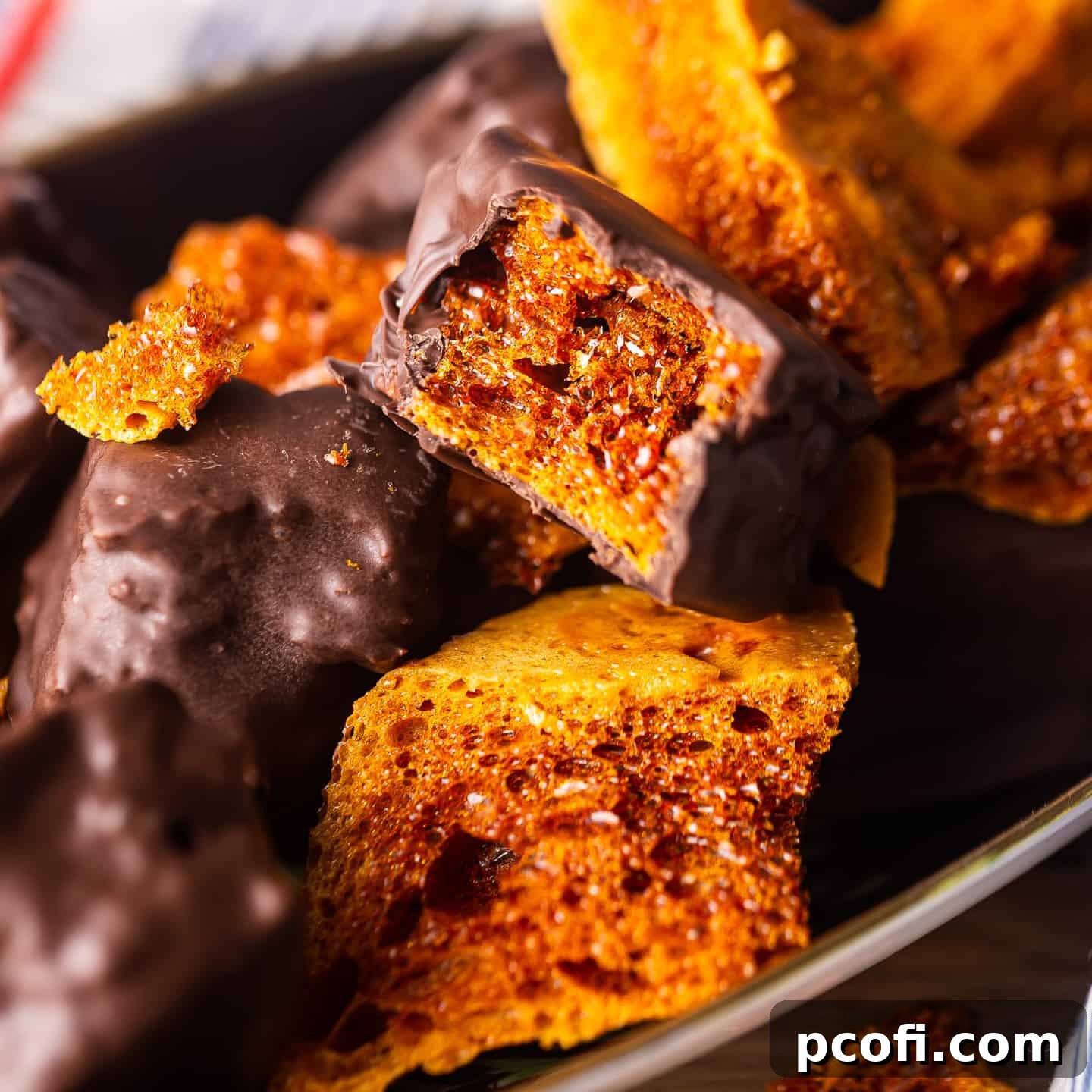
Effortlessly Delicious: Master the Art of Homemade Sponge Candy (Honeycomb Candy)
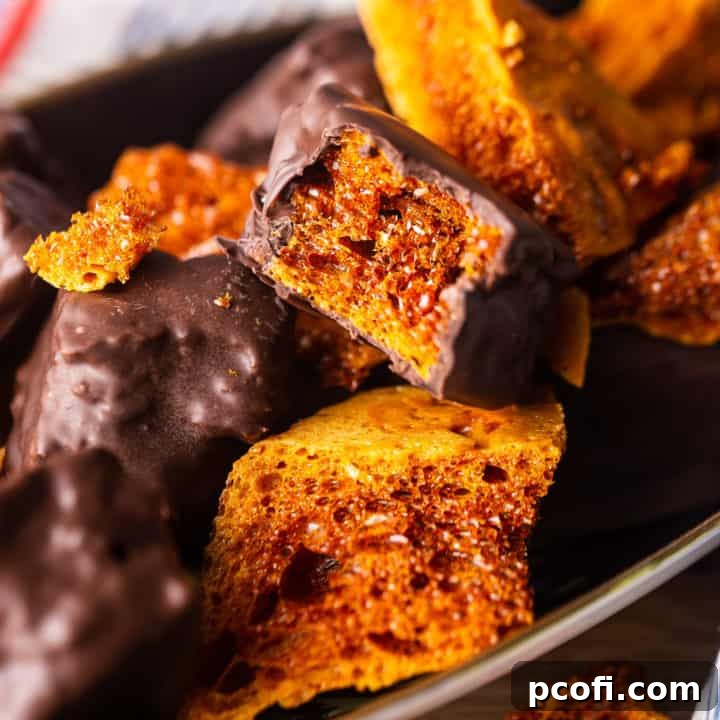
As the festive season approaches, the quest for quick, easy, and impressive homemade gifts becomes a delightful tradition. There’s something truly special about sharing a lovingly crafted treat, and this year, your homemade sponge candy is set to steal the show! Forget complex recipes and hours in the kitchen; this simple sponge candy recipe comes together in minutes, offering a truly unique and memorable confection.
I’ve often turned to homemade sweets like dulce de leche, cinnamon pecans, and Oreo balls as thoughtful tokens for teachers, bus drivers, or gracious hosts. But this year, this honeycomb candy recipe has become my absolute favorite. It’s not just a candy; it’s an experience – a beautiful, bubbly masterpiece that looks and tastes like it took all day to create, yet requires minimal effort.
With just five basic ingredients and about 10 minutes of active cooking time, you can whip up a batch of this extraordinary treat. Its texture is what truly sets it apart: incredibly crisp, delightfully light, and full of tiny, airy bubbles, just like a sponge. Each bite delivers a robust, toasty, and deeply caramelized flavor, with a subtle bittersweet burnt sugar quality that is utterly addictive. It evokes the crunchy, caramelized topping of a perfectly executed crème brûlée, but with an intriguing foamy lightness. Get ready to impress everyone on your holiday list with this magnificent, melt-in-your-mouth delight!
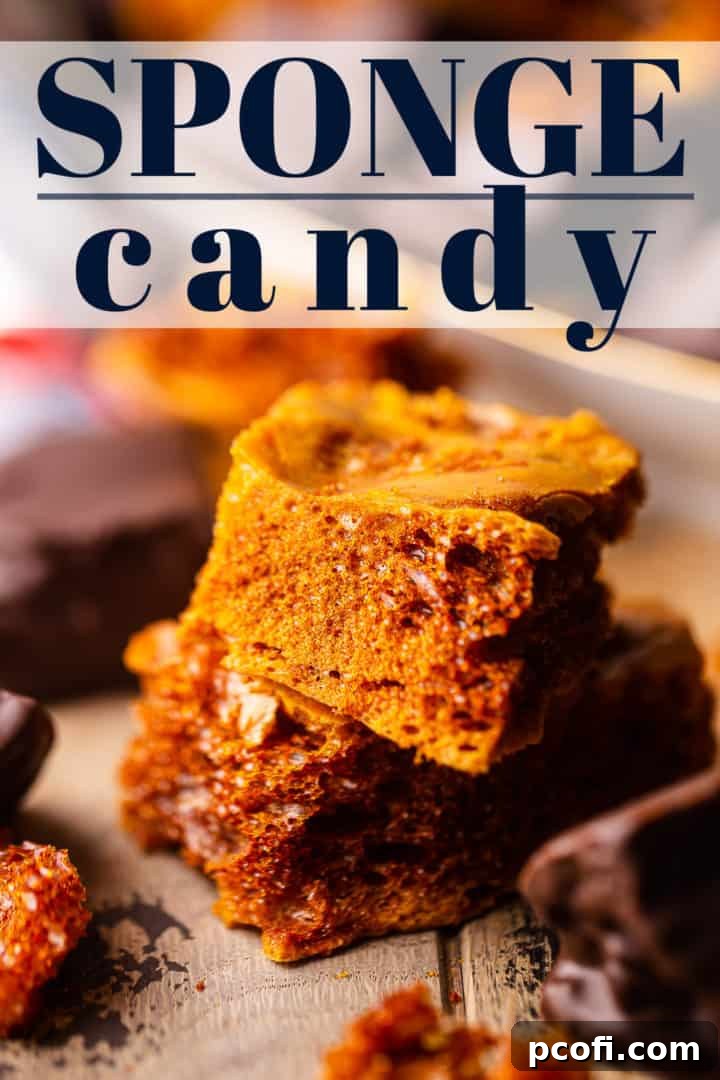
What Exactly is Sponge Candy? Understanding Honeycomb Candy
Sponge candy, known by many alluring names across the globe, is an old-fashioned hard candy renowned for its unique, aerated texture and rich, caramelized flavor. It’s said to have originated in Buffalo, New York, hence its occasional moniker “Buffalo sponge candy.” You might also know it as sponge toffee, honeycomb candy (for its resemblance to a honeycomb structure), cinder toffee, seafoam candy, or even hokey-pokey.
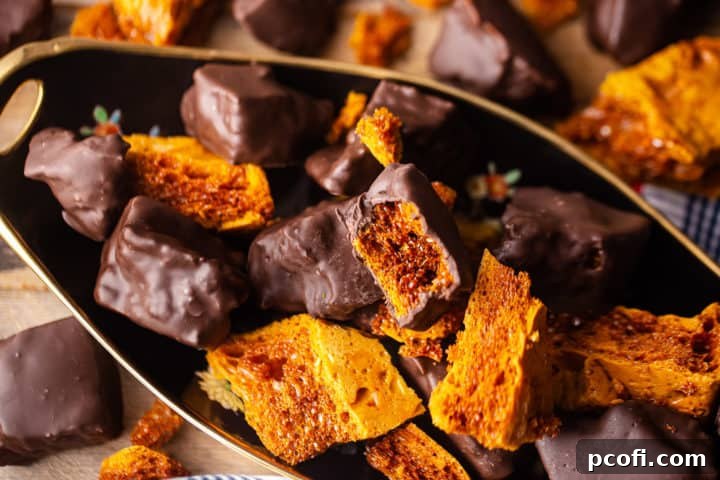
At its heart, sponge candy is essentially caramelized sugar that has been dramatically aerated by baking soda. This reaction creates a light, crisp, and foamy texture that practically dissolves in your mouth. The primary flavor profile is deeply sweet with complex notes of toasted caramel and a whisper of bittersweetness from the carefully cooked sugar. While delicious on its own, it’s often dipped in melted chocolate, which adds another layer of indulgence and a contrasting smooth texture to its crisp interior. This delightful confection offers a textural experience unlike any other candy, making it a truly captivating treat.
Why You’ll Adore Making This Homemade Honeycomb Candy
There are countless reasons why this sponge candy recipe will quickly become a cherished favorite in your kitchen:
- Incredibly Easy: Don’t let its impressive appearance fool you. This recipe is surprisingly straightforward, perfect for both novice candy makers and seasoned bakers.
- Lightning Fast: With an active cooking time of just about 10 minutes, you can have a batch of this magical candy ready for cooling in no time, making it ideal for last-minute gift preparations or spontaneous sweet cravings.
- Minimal Ingredients: You only need five basic pantry staples – brown sugar, honey, vinegar, salt, and baking soda. Chances are, you already have them on hand!
- Stunning Texture & Flavor: The ethereal crispness and deep caramel flavor are truly a revelation. It’s a sophisticated taste that appeals to all ages.
- Perfect for Gifting: Its unique look and gourmet taste make it an exceptional homemade gift for holidays, birthdays, or as a thoughtful gesture any time of year.
- Customizable: Enjoy it plain, or elevate it further with a decadent chocolate coating. The possibilities are endless!
- Diet-Friendly Options: Naturally gluten-free, egg-free, and nut-free. With a simple substitution, it can also be made dairy-free and vegan.
The Simple Process: Crafting Your Perfect Sponge Candy
Making this recipe is a breeze, especially if you keep a couple of key principles in mind: precise temperature monitoring and gentle handling to preserve those precious air bubbles. With these tips, you’ll achieve perfect results every time.
- Gather Your Essentials: Begin by lining a 9×13-inch pan with parchment paper. This step is crucial for easy removal of the hardened candy. Have your ingredients measured out and ready, as you’ll need to work quickly once the mixture reaches the right temperature. You’ll also need a large, heavy-bottomed pot and a reliable candy thermometer. My personal preference for even heating is an enameled cast iron Dutch oven.
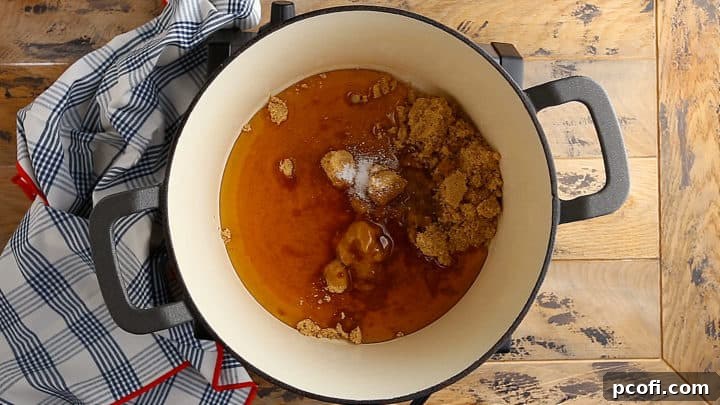
- Create the Caramel Base: Combine the brown sugar, honey, vinegar, and salt in your large, heavy-bottomed pot. Place the pot over medium heat. At this stage, resist the urge to stir! Instead, gently swirl the pot occasionally to ensure even heating and thorough mixing of the ingredients. This method helps prevent crystallization, which can lead to a grainy texture.
-

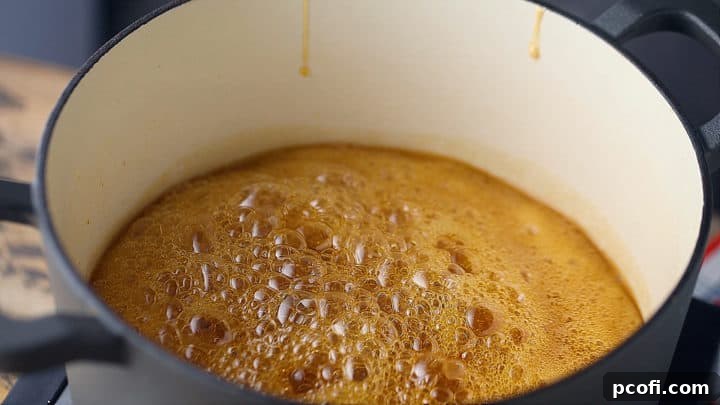
- Reach the Magic Temperature: As the mixture cooks, it will begin to bubble and boil vigorously. This is where your candy thermometer becomes your best friend! You’re aiming for precisely 300 degrees F (149 degrees C) – the “hard crack stage.” Hitting this exact temperature is vital for the candy’s signature crisp texture. Too low, and it will be chewy; too high, and it might burn.
-
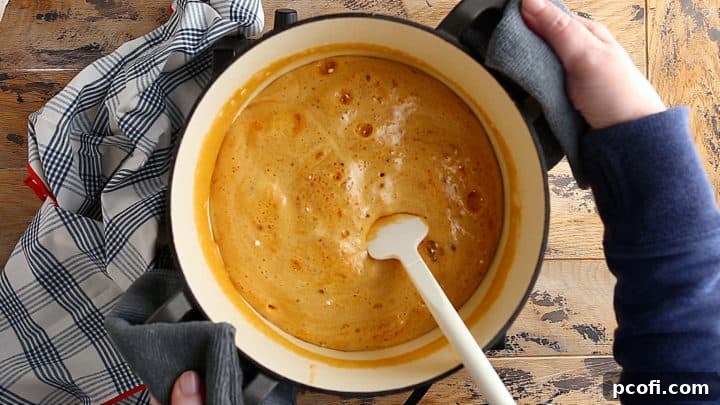
- The Magical Foam Reaction: The moment your candy reaches 300 degrees F, remove the pot from the heat immediately. This is the crucial moment for the “sponge” effect! Quickly whisk in the baking soda. You’ll witness a fascinating chemical reaction as the baking soda reacts with the vinegar, causing the mixture to foam up and expand dramatically – often doubling or even tripling in volume! It’s like a mini volcano science project right in your pot.
-
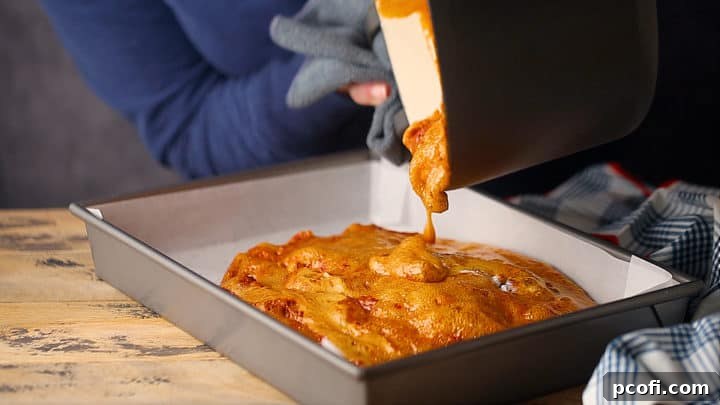
- Handle with Care: Once the baking soda is incorporated and the mixture is frothing, you must work swiftly but gently. The goal is to preserve those glorious air bubbles. Don’t over-stir! Gently and quickly pour the hot, foamy sugar into your prepared parchment-lined 9×13-inch pan. If the mixture doesn’t spread all the way to the corners, gently shake or roll the pan to help it settle. Avoid using a spatula to spread it, as this can be too aggressive and will deflate the bubbles, leading to a denser candy.
-
- Cool and Harden: Now, the hardest part: patience! Leave the candy undisturbed to cool completely and harden at room temperature. This process typically takes anywhere from 1 to 2 hours, or even longer in humid conditions. Once fully cool and crisp, it can be easily broken or cut into irregular pieces.
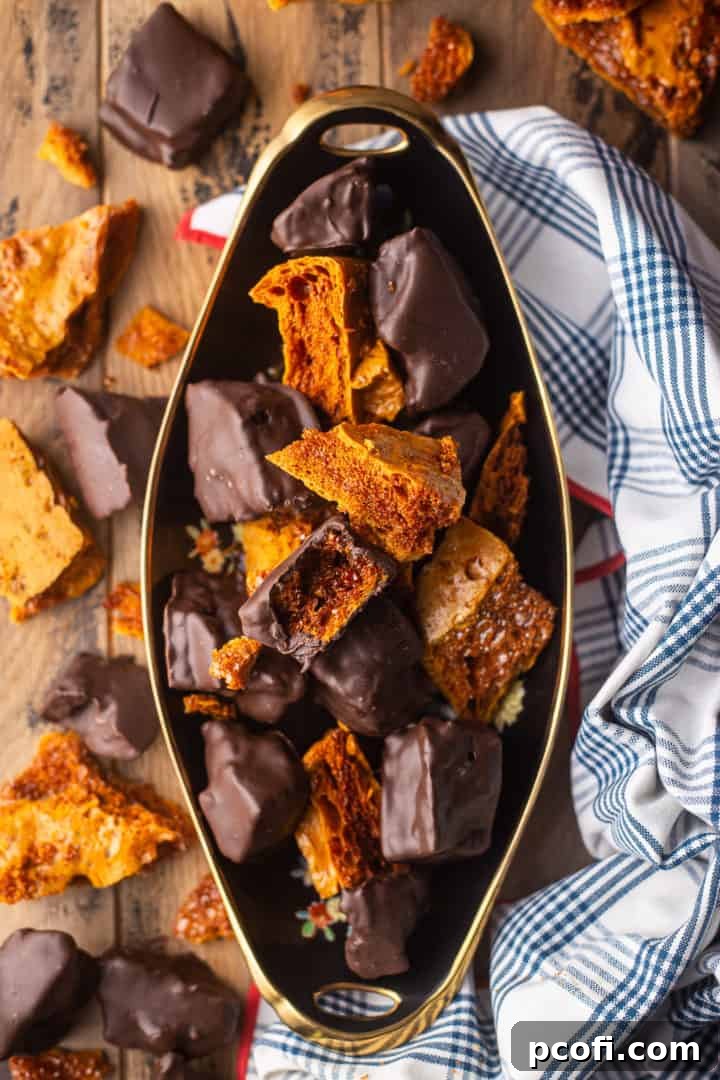
- Optional Chocolate Coating: For an extra layer of decadence, melt about 10 ounces of your favorite chocolate (dark, milk, or white). Dip the sponge candy pieces into the melted chocolate, allowing any excess to drip off, then place them on parchment paper to set. This not only adds flavor but also helps protect the candy from humidity.
Dietary Adaptations: Enjoying Sponge Candy Your Way
One of the many wonderful things about this sponge candy recipe is its versatility when it comes to dietary needs:
- Gluten-Free: This recipe is naturally gluten-free, making it a safe and delicious treat for those with gluten sensitivities or celiac disease.
- Dairy-Free: The base candy recipe contains no dairy. If you choose to coat it in chocolate, simply opt for a dairy-free chocolate brand, and your entire confection will be dairy-free.
- Egg-Free & Nut-Free: Rest assured, this recipe is also completely free of eggs and nuts, making it a great option for those with common allergies.
- Vegan Option: To make this recipe suitable for a vegan diet, you simply need to substitute the honey. Corn syrup or maple syrup can be used as alternatives to achieve a similar texture and sweetness, though the flavor profile may vary slightly.
Always double-check your ingredient labels, especially for chocolate, to ensure they meet specific dietary requirements.
Troubleshooting Common Sponge Candy Issues
Even with a simple recipe, things can sometimes go awry. Here are solutions to the most common problems you might encounter:
Why is my sponge candy chewy instead of crisp?
This is by far the most common issue, and speaking from experience, it usually happens if your sugar mixture doesn’t quite reach the critical 300 degrees F (hard crack stage). The first time I made this, I was a little too eager and pulled it off the heat prematurely, resulting in a slightly sticky, chewy batch. Don’t despair! Try again, and this time, ensure your candy thermometer is accurate and you let it cook for an extra minute or two if needed, just to be sure it hits that precise temperature. Patience and precision at this stage are key to achieving that signature delicate crispness.
My candy didn’t foam up properly!
If your mixture didn’t expand as expected, it’s typically due to one of two reasons: either your baking soda isn’t fresh (it loses its potency over time), or the sugar mixture wasn’t hot enough when the baking soda was added. Ensure your baking soda is active, and always hit that 300°F mark.
My candy tasted burnt or too bitter.
This happens when the sugar mixture is cooked past the hard crack stage. While a slight bittersweet note is desirable, true bitterness indicates scorching. Watch your thermometer carefully, and remove the pot from the heat the instant it hits 300°F.
Storage and Shelf Life Tips for Perfect Honeycomb Candy
Sponge candy is a true delight, but it has one arch-nemesis: humidity. Much like meringue cookies, this airy confection will absorb moisture from the air, causing it to become sticky and lose its crispness over time. Here’s how to keep it at its best:
- Airtight is Key: Always store your sponge candy in an airtight container at room temperature. This creates a barrier against humidity.
- Chocolate Coating Helps: If you’ve coated your candy in chocolate, it will naturally have a longer shelf life and better resistance to stickiness. The chocolate acts as an almost airtight seal, protecting the delicate interior. However, even with chocolate, it will eventually start to soften.
- Embrace the Stickiness? Some people don’t mind a little stickiness, finding it adds to the chewiness! But if you prefer maximum crispness, proper storage is vital.
- Freezing for Long-Term Storage: For the longest shelf life, you can freeze sponge candy. Place pieces in zip-top freezer bags or an airtight freezer-safe container. It will keep beautifully in the freezer for up to a year. Thaw at room temperature before enjoying. Freezing is an excellent method to prevent it from going soft and sticky.
- Make Ahead: You’ll definitely want to make your honeycomb candy ahead of time, as it requires a good long cooling period to harden completely. If you opt for a chocolate coating, factor in even more time for the chocolate to fully set. The good news is, being essentially pure sugar, it has an incredibly long shelf life and won’t spoil, making it perfect for preparing weeks in advance!
Creative Serving Suggestions for Honeycomb Candy
While irresistible on its own, sponge candy can also be incorporated into other delicious treats:
- Ice Cream Topping: Crush pieces of sponge candy and sprinkle them over your favorite ice cream for an amazing crunch and caramel flavor.
- Cake or Cupcake Garnish: Use larger pieces as an elegant garnish for frosted cakes, cupcakes, or even puddings.
- Milkshakes and Hot Chocolates: Blend a few pieces into a milkshake for a textural surprise, or drop a small piece into hot chocolate to slowly melt and add flavor.
- Dessert Ingredient: Fold crushed honeycomb into homemade brownies, cookies, or even a simple panna cotta for an unexpected textural and flavor boost.
No matter how you choose to enjoy it, this homemade sponge candy is sure to bring a smile to your face and delight anyone you share it with.
A Few More of My Favorite Homemade Candy Recipes:
- How to Make Toffee
- Decadent Chocolate Truffles
- Classic Peppermint Bark
- Easy Peanut Butter Fudge
As an amazon associate I earn from qualifying purchases.
Sponge Candy (Honeycomb Candy)
5 stars (1 rating)
Make this easy sponge candy recipe! Whips up in just a few minutes, with the most delightfully crisp, light texture & toasty caramel flavor.
Cook Time: 10 mins
Cooling Time: 2 hrs
Total Time: 2 hrs 25 mins
Leave a Review
Save Recipe
Ingredients
- 1 cup (220 g) light brown sugar
- 1 cup (339 g) honey, (1 16-ounce jar)
- 1 tablespoon (16 g) white vinegar
- 1/4 teaspoon (1.5 g) kosher salt
- 1 tablespoon (12 g) baking soda
- 10 ounces chocolate, melted (approx.)*
Equipment
- large, heavy-bottomed pot
- candy thermometer
- 9×13 pan
Instructions
- Line a 9×13 pan with parchment paper.
- Place the brown sugar, honey, vinegar and salt in a large, heavy-bottomed pot over medium heat and cook, swirling the pot occasionally, until the mixture registers 300 degrees on a candy thermometer.
- Immediately remove the pot from the heat and whisk in the baking soda (mixture will foam up and expand to at least 2x volume).
- As soon as the baking soda is fully incorporated, gently pour the hot candy mixture into the prepared pan, taking care not to pop the bubbles.
- Gently shake/roll the pan to level the mixture as needed, taking care not to pop the bubbles and let out the air.
- Allow the mixture to cool until crisp (approx. 2 hours), then break into pieces.
- Coat with melted chocolate, if desired, and allow to cool & harden before serving.
Notes
Nutrition Information
Calories: 83kcal,
Carbohydrates: 17g,
Protein: 1g,
Fat: 2g,
Saturated Fat: 1g,
Polyunsaturated Fat: 1g,
Monounsaturated Fat: 1g,
Sodium: 100mg,
Potassium: 32mg,
Fiber: 1g,
Sugar: 16g,
Vitamin C: 1mg,
Calcium: 7mg,
Iron: 1mg
Course: Dessert, Snack