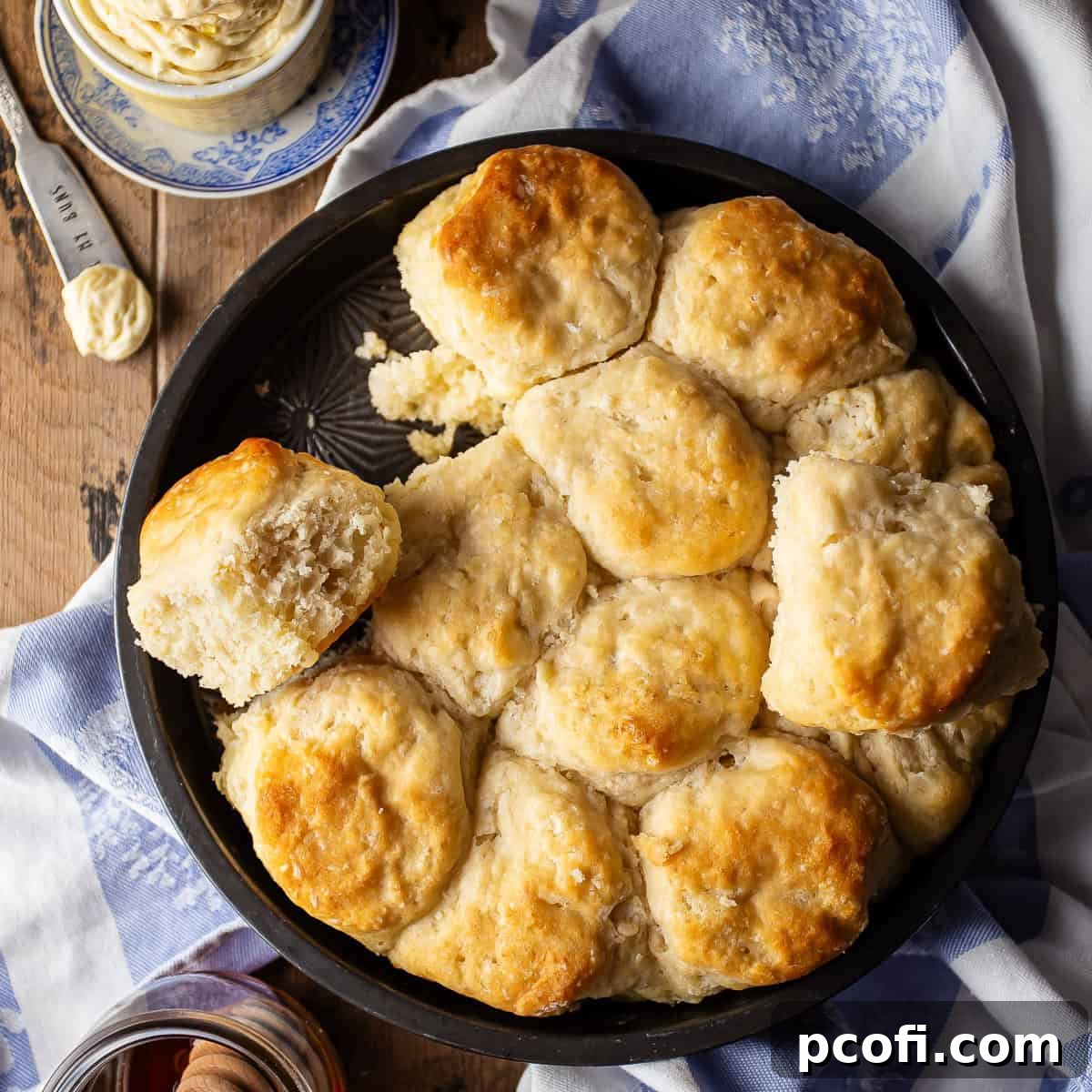
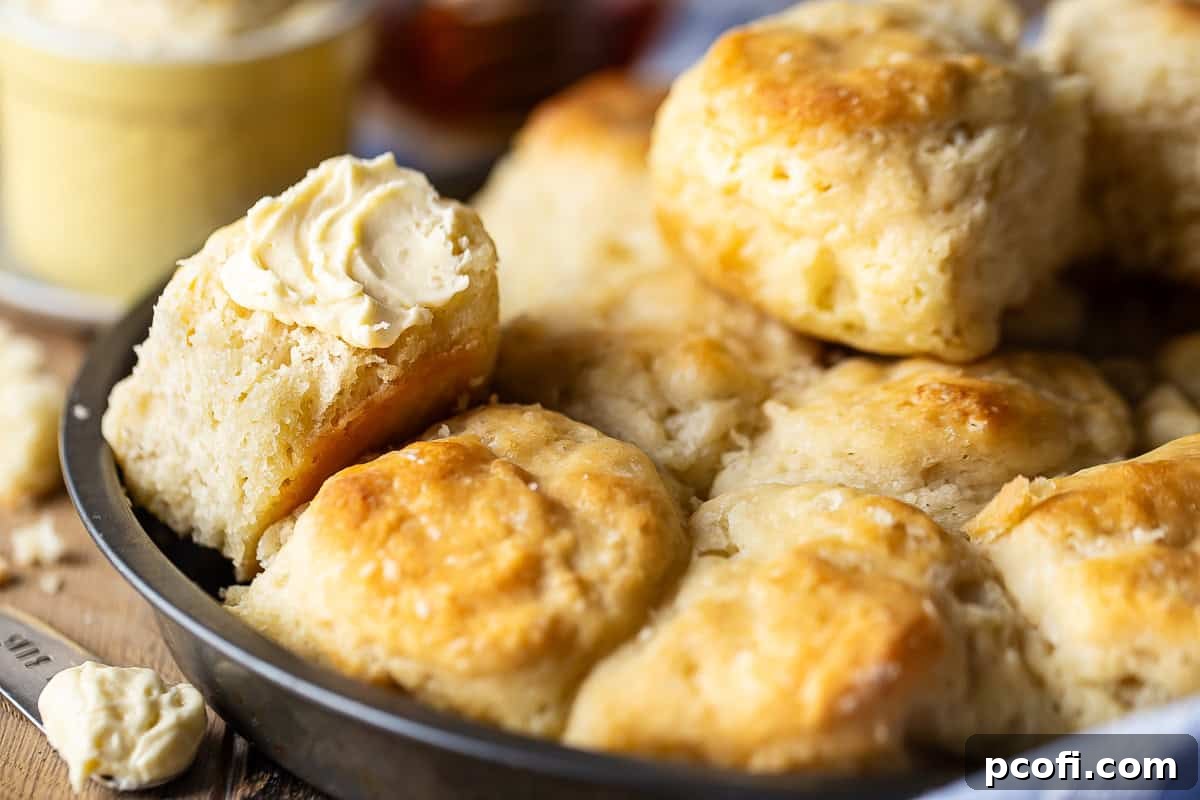
Discover the magic of homemade angel biscuits! This unique recipe combines the best of yeast breads and quick breads, resulting in impossibly light, fluffy, and tender biscuits that are truly heavenly.
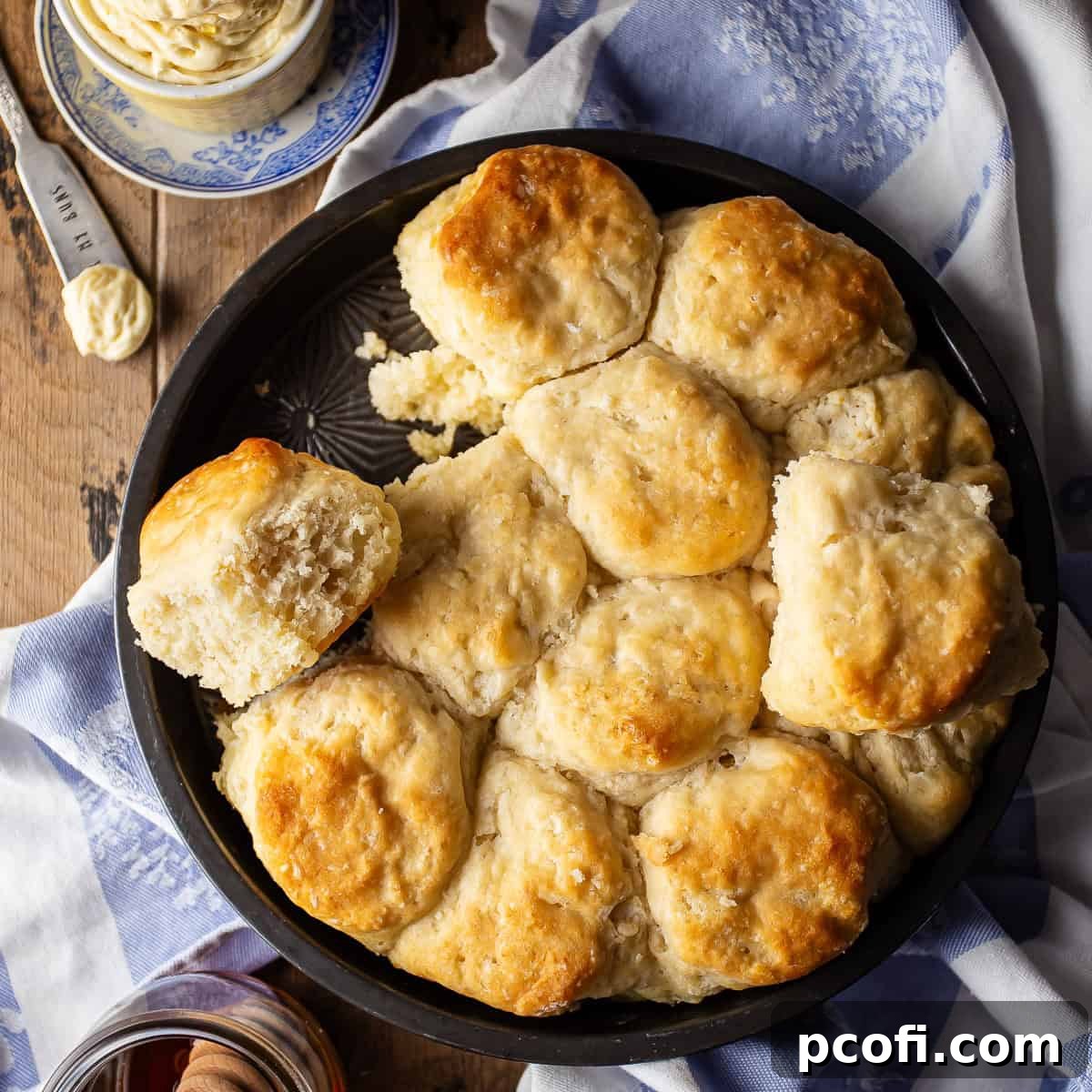
If you’ve never experienced the delight of angel biscuits, prepare to be amazed. These culinary marvels are unlike any other biscuit you’ve tasted. They strike a perfect balance, offering the rich, complex flavor of a yeast-leavened bread alongside the incredible lightness and tender crumb of a traditional quick biscuit.
What makes angel biscuits so special? It’s their unique leavening system. This recipe expertly blends active dry yeast with both baking powder and baking soda. The yeast provides that wonderful, nuanced flavor and a subtle chewiness, while the chemical leaveners ensure an unbelievably airy and fluffy texture that rises sky-high. The result is a biscuit that’s robust in flavor yet delicate to the touch, melting in your mouth with every bite.
Don’t let the combination of leavening agents intimidate you; this angel biscuit recipe is surprisingly easy to master, even for novice bakers. With clear, straightforward steps and simple pantry staples, you’ll be whipping up these fluffy treats in no time. And trust us, once you try them warm from the oven, slathered with sweet, melty honey butter, you’ll wonder where they’ve been all your life!
Freshly baked bread always brings joy, and these biscuits are no exception. They’re a versatile addition to any meal, whether it’s a cozy breakfast, a festive brunch, or a comforting side dish for dinner. If you love exploring different bread recipes, be sure to check out our homemade English muffins, our easy cruffin recipe, and our pita bread for more favorites to expand your baking repertoire.
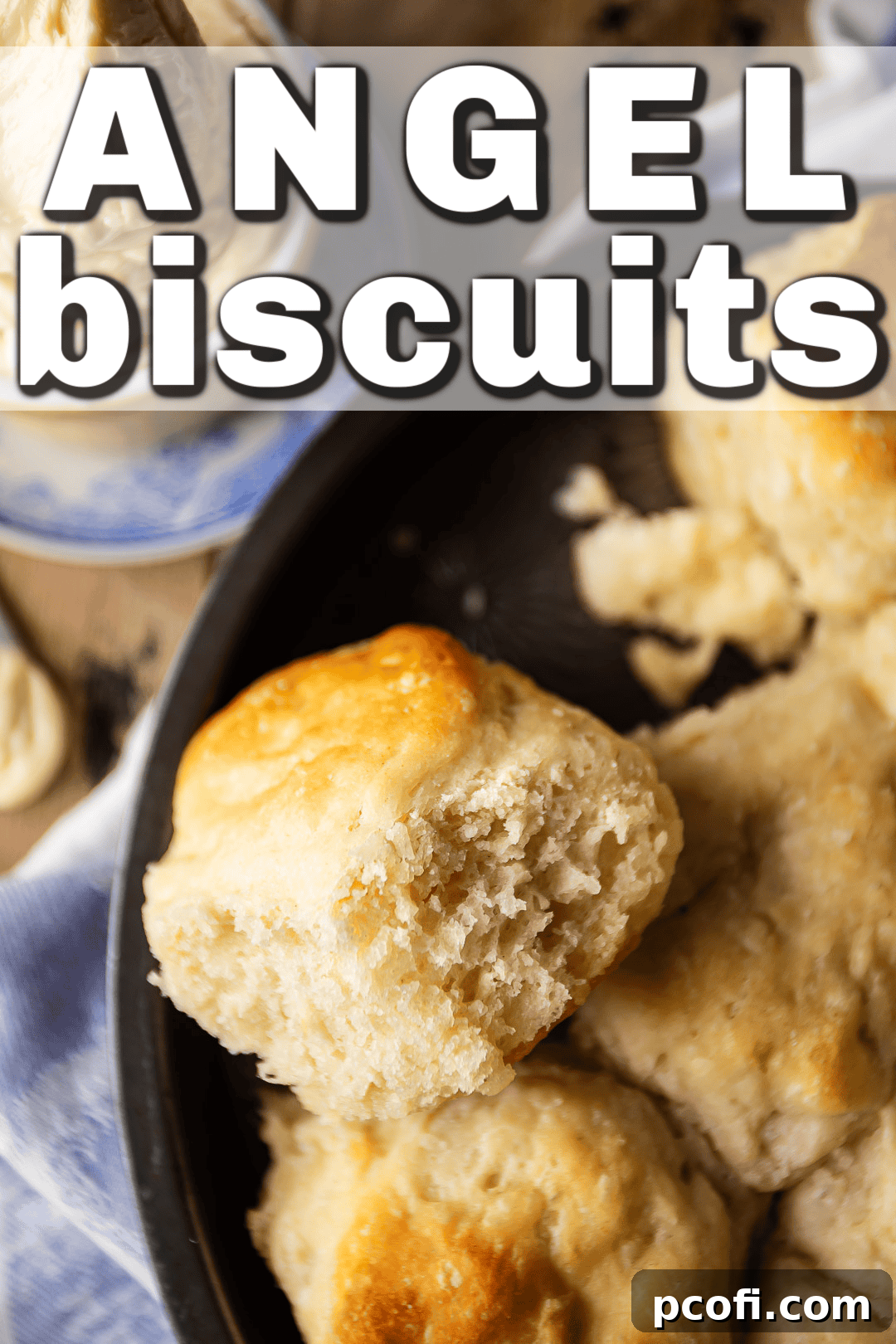
Table of Contents
- What Are Angel Biscuits?
- Why This Is The Best Angel Biscuit Recipe
- What Do Homemade Angel Biscuits Taste Like?
- Essential Ingredients for Angel Biscuits
- Special Equipment for Perfect Biscuits
- How to Make Old-Fashioned Angel Biscuits
- How to Serve Angel Biscuits
- Expert Tips for Fluffy Angel Biscuits
- Frequently Asked Questions About Angel Biscuits
- More Delightful Biscuit Recipes
Jump to Recipe
What Are Angel Biscuits?
Angel biscuits are a unique hybrid in the baking world, often described as a delicious cross between a classic Southern buttermilk biscuit and a light, airy yeast roll. What truly sets them apart is the incorporation of three distinct leavening agents: active dry yeast, baking powder, and baking soda. This innovative combination ensures an unparalleled texture – light as air, incredibly fluffy, and with just the right amount of chew.
Unlike traditional quick biscuits, which rely solely on chemical leaveners for their rise, angel biscuits benefit from the slow, steady lift of yeast. This not only contributes to their impressive volume but also infuses them with a richer, more developed flavor profile reminiscent of artisan bread. At the same time, the baking powder and baking soda react with the buttermilk to provide an immediate burst of lift, creating those characteristic fluffy layers. It’s this ingenious blend that gives them their distinct tender crumb and makes them so satisfyingly buttery and tangy.
Why This Is The Best Angel Biscuit Recipe
- Unforgettable Flavor: Each bite offers a delightful hint of sweetness balanced by the tangy notes of buttermilk and the subtle, earthy depth of yeast. The generous amount of butter ensures a rich, melt-in-your-mouth experience that keeps you coming back for more.
- Simple Ingredients: You won’t need to hunt for obscure items. This recipe relies entirely on common pantry staples like flour, sugar, salt, butter, buttermilk, and standard leavening agents, making it accessible for everyone.
- Effortless Preparation: Don’t be fooled by their gourmet taste; these biscuits are incredibly easy to make. The steps are straightforward, and the dough is forgiving, making it perfect for both seasoned bakers and those new to the kitchen. You truly can’t mess this recipe up!
- Unrivaled Fluffiness: Thanks to the powerful synergy of yeast, baking powder, and baking soda, these biscuits achieve an extraordinary lightness and airy texture. They puff up beautifully in the oven, creating tender layers that are simply irresistible.
What Do Homemade Angel Biscuits Taste Like?
Imagine the perfect harmony of flavors and textures. Homemade angel biscuits deliver a truly delightful experience. They taste like the most exquisite, fluffy, and soft bread you’ve ever had, but with distinct characteristics that elevate them. You’ll notice a gentle sweetness, just enough to make them comforting, alongside a subtle tanginess that comes from both the active yeast and the creamy buttermilk. This tang adds a wonderful depth that prevents them from being bland.
Beyond the primary flavors, the generous amount of cold butter incorporated into the dough creates pockets of rich, buttery goodness throughout the biscuit. As they bake, these butter pockets melt, creating steam that contributes to the incredible lift and tender, flaky layers. The overall sensation is one of profound richness and delicate lightness, a biscuit that is substantial enough to feel satisfying yet so tender it practically dissolves on the tongue.
Essential Ingredients for Angel Biscuits
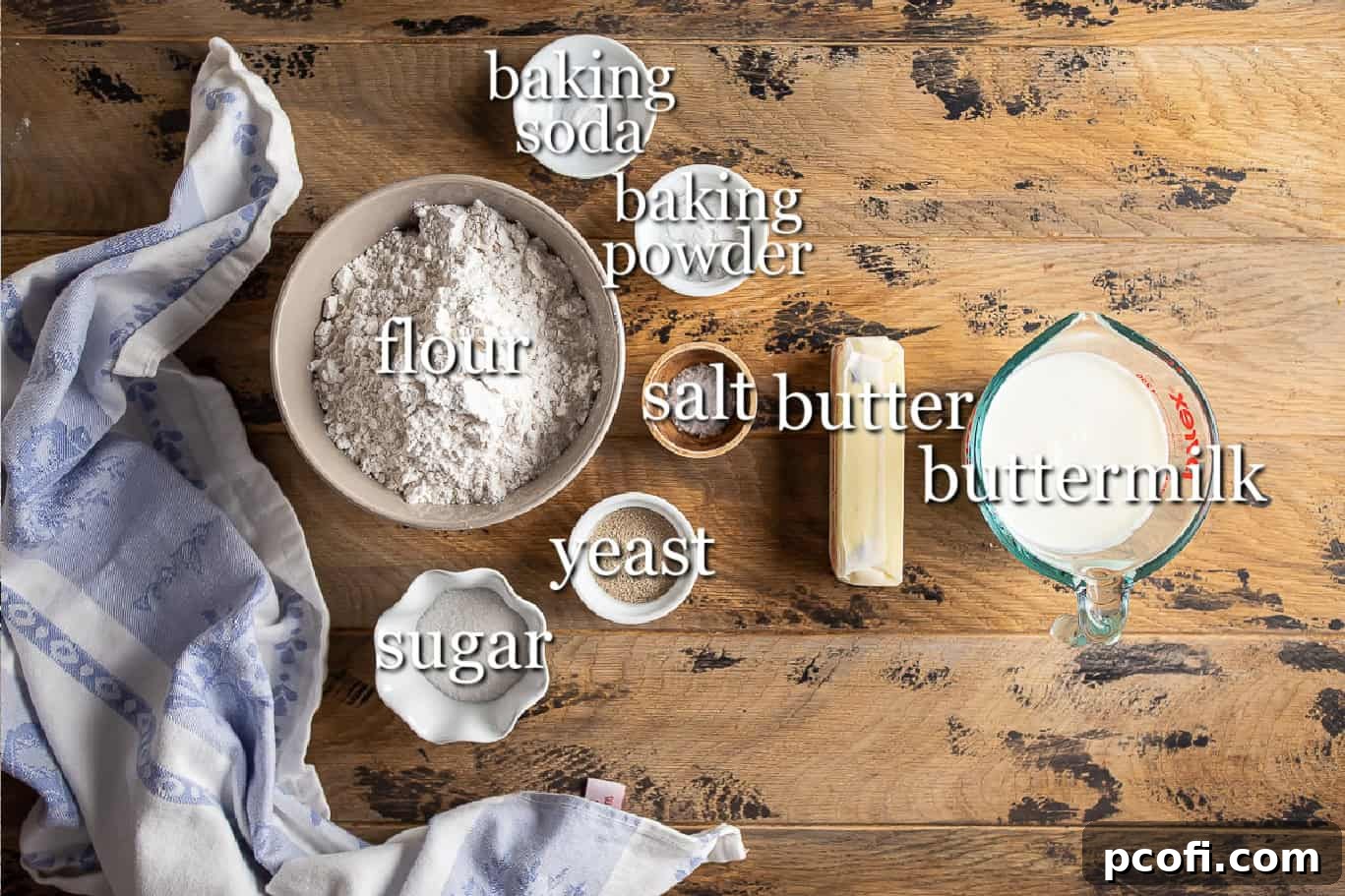
Each ingredient plays a vital role in creating the signature taste and texture of these heavenly biscuits:
All-Purpose Flour: This is the foundation of your biscuits, providing the necessary structure. While all-purpose flour is recommended for its consistent results, you can experiment with a 1:1 gluten-free flour blend or even a whole-grain flour for a different flavor and texture profile. Be aware that substituting flours might slightly alter the final texture, potentially making them a bit denser, but they will still be delicious.
Granulated Sugar: Just a touch of regular white granulated sugar adds a hint of sweetness that balances the tanginess of the buttermilk and promotes beautiful golden-brown crusts. Sugar also contributes to the tenderizing of the dough, ensuring a soft crumb. You can adjust the amount slightly or substitute with an alternative sweetener if preferred.
Kosher Salt: Salt is crucial for enhancing and balancing all the flavors in the biscuit. It prevents them from tasting flat and brings out the richness of the butter and the tang of the buttermilk. Kosher salt is favored for its purity, larger crystal size (which allows for better control), and lack of bitter-tasting additives like iodine found in some table salts.
The Leavening Trio (Yeast, Baking Powder, Baking Soda): This is the secret to angel biscuits’ impossible fluffiness!
- Active Dry Yeast: Provides the initial rise and imparts a distinct, complex, bread-like flavor and a slight chewiness. It requires activation, often with warm liquid, though in this recipe, it’s combined with dry ingredients and activated later.
- Baking Powder: A double-acting leavener that reacts once when moistened and again when heated, providing a strong lift during baking.
- Baking Soda: Reacts with the acidic buttermilk to produce carbon dioxide gas, which helps the biscuits expand rapidly. This creates an immediate, vigorous rise that complements the slower action of the yeast.
Together, these agents ensure your biscuits rise sky-high and have an incredibly light, open crumb.
Cold Unsalted Butter: Cold butter is absolutely essential for flaky biscuits. As the butter melts in the hot oven, it creates pockets of steam, separating the dough into tender layers. Using unsalted butter allows you to control the exact amount of salt in the recipe. Always use butter straight from the fridge and cut it into small cubes to make incorporating it into the dry ingredients easier.
Cold Buttermilk: Buttermilk is a traditional ingredient in biscuits for a reason! Its acidity reacts with the baking soda to create lift, and it also contributes a signature tangy flavor and a remarkably tender crumb. Full-fat buttermilk is preferred for its richness. If you don’t have buttermilk on hand, you can easily make a reasonable substitute by adding a tablespoon of lemon juice or white vinegar to regular milk (dairy or non-dairy) and letting it sit for 5-10 minutes until it thickens slightly. For more details, see our guide on How to Make Homemade Buttermilk.
Special Equipment for Perfect Biscuits
While you don’t need a professional kitchen setup, a few key tools can make your angel biscuit baking process smoother and more successful:
- Measuring Cups and Spoons: Accurate measurements are crucial in baking. Follow our guide on how to measure ingredients correctly for the best results.
- Large Mixing Bowl: You’ll need ample space to combine your dry ingredients and then mix in the butter and buttermilk without making a mess. A large, sturdy bowl is ideal.
- Silicone Spatula: Perfect for gently stirring the dough until it just comes together and ensuring you scrape every last bit of delicious dough from the bowl. Its flexibility prevents overmixing.
- Pastry Blender: This handy tool is a game-changer for cutting cold butter into dry ingredients quickly and efficiently. It keeps the butter cold and prevents it from melting from the heat of your hands, which is key for flaky biscuits. It’s a relatively inexpensive tool that you’ll find useful for pie crusts, puff pastry, and even scones. If you don’t have one, two knives or your clean fingertips can work, but be quick to avoid warming the butter too much.
- Extra Flour (Bench Flour): Keep a small bowl of extra all-purpose flour on hand. This “bench flour” is used for dusting your work surface, your hands, and the dough itself, preventing sticking during shaping without incorporating too much extra flour into the dough.
- 2-Inch Round Cookie Cutter: For perfectly shaped, uniform biscuits. A sharp-edged cutter will give you clean cuts, which helps the biscuits rise evenly. Avoid twisting the cutter as you press down, as this can seal the edges and inhibit rise.
- Parchment Paper: Lining your baking pan with parchment paper prevents sticking and makes for easy cleanup. It also helps with even baking.
- 9-Inch Round Cake Pan: A metal cake pan is recommended for consistent baking and even browning. If you use a glass or ceramic pan, you may need to adjust your oven temperature or baking time slightly, as these materials conduct heat differently. Baking the biscuits relatively close together in a round pan encourages them to rise taller and creates soft sides.
How to Make Old-Fashioned Angel Biscuits
Creating these remarkably fluffy and flavorful angel biscuits is a straightforward process, broken down into five simple, manageable steps:
Step 1: Combine the Dry Ingredients
In a large mixing bowl, meticulously combine the all-purpose flour, granulated sugar, active dry yeast, kosher salt, baking powder, and baking soda. Use a whisk or a silicone spatula to stir everything together until the ingredients are thoroughly and evenly distributed. This ensures that the leavening agents are spread throughout the dough, guaranteeing an even rise and consistent texture.
Step 2: Cut in the Butter
Add the cold, cubed unsalted butter to the dry ingredients. Using a pastry blender, two knives, or your fingertips, cut the butter into the flour mixture. Work quickly to prevent the butter from melting. Continue until the mixture resembles coarse crumbs, with some pea-sized pieces of butter still visible throughout. These small pockets of butter are crucial for creating the tender, flaky layers characteristic of excellent biscuits.
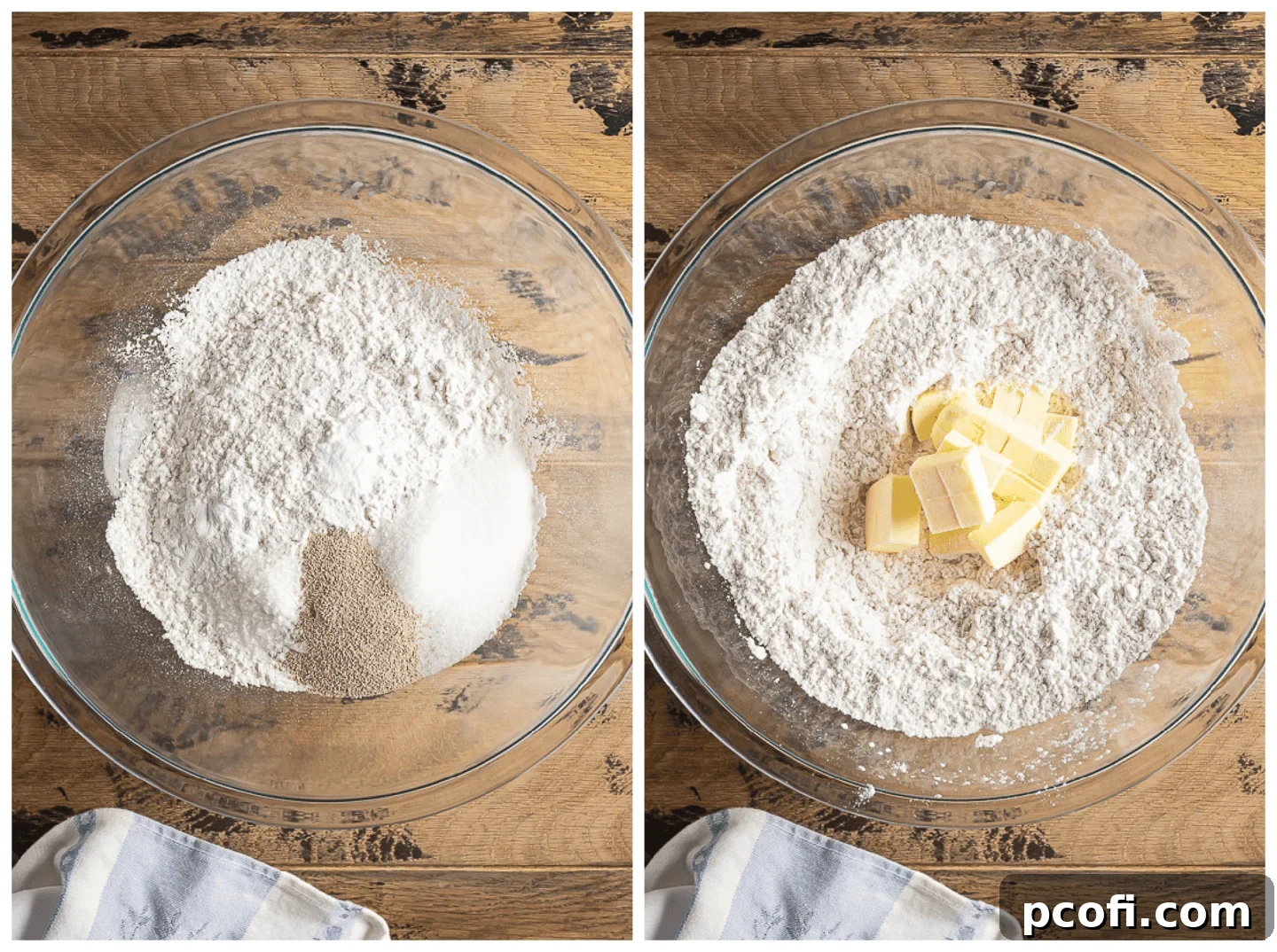
It’s perfectly fine, and even desirable, to have small, distinct bits of butter distributed evenly throughout the mixture. These will contribute to the flakiness.
Step 3: Add Buttermilk & Chill the Dough
Pour the cold buttermilk into the butter-flour mixture. Stir everything together with a silicone spatula or your hands until a very stiff, cohesive dough forms. The dough should not be sticky; if it feels too wet, you might need to “knead” in the last bit of flour by hand to fully incorporate it. Be careful not to overmix, as this can develop the gluten too much and lead to tough biscuits.
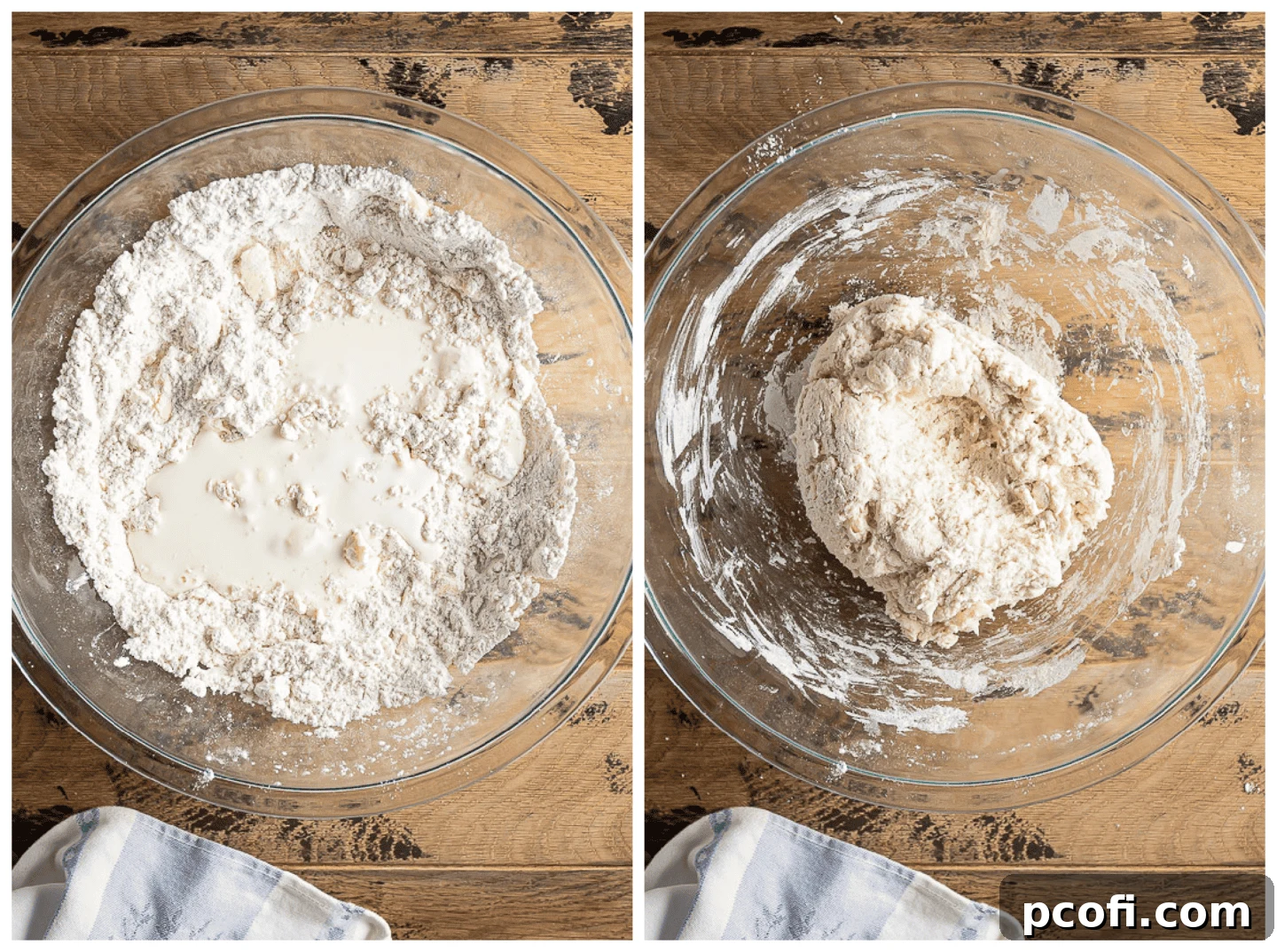
Once the dough comes together, cover the bowl lightly with plastic wrap or a clean kitchen towel and place it in the refrigerator to chill for at least 2 hours, or ideally overnight (up to 24 hours). Chilling the dough is crucial; it allows the yeast to begin its work, develops flavor, and makes the dough much easier to handle when shaping.
Step 4: Shape the Biscuits
After your dough has been thoroughly chilled, lightly dust your clean work surface and your hands with all-purpose flour. Turn the dough out onto the floured surface. Gently pat the dough into a uniform disc, approximately 1-inch thick. Avoid rolling it too thin or too thick.
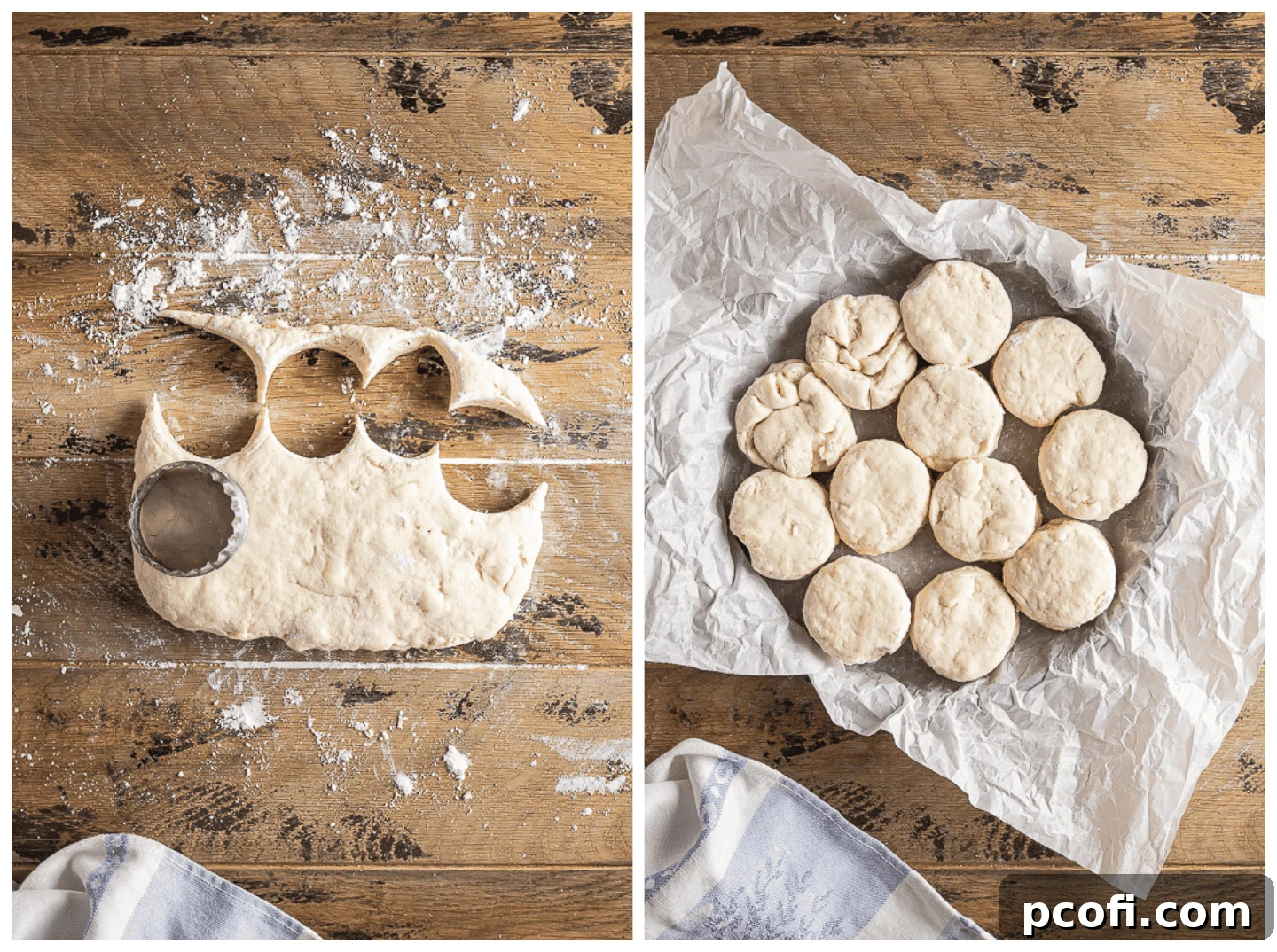
Next, use a 2-inch diameter round cookie cutter to punch out individual biscuit shapes. Press the cutter straight down without twisting; twisting can seal the edges of the biscuit, which inhibits its ability to rise into beautiful layers. Reroll any dough scraps gently and cut out additional biscuits until all the dough is used. Arrange the cut rounds in a parchment-lined 9-inch round cake pan, placing them relatively close together. This encourages them to rise upwards rather than spreading outwards.
Step 5: Proof & Bake
Lightly cover the pan of unbaked angel biscuits with plastic wrap or a clean towel and allow them to rise (proof) in a warm place for about one hour. During this time, the yeast will become more active, causing the biscuits to visibly puff up. While they won’t double in size like a typical yeast bread, you should see a noticeable increase in volume.
Towards the end of the proofing time, preheat your oven to 325 degrees F (160 degrees C). Once preheated, carefully slide the pan into the oven. Bake the angel biscuits until they are beautifully golden brown on the tops and around the sides, and feel firm to the touch. This usually takes approximately 30 to 35 minutes. Their glorious aroma will fill your kitchen, signaling that a delicious treat is almost ready. Once baked, remove them from the oven and, for an extra touch of deliciousness, you can brush them with a little melted butter.
How to Serve Angel Biscuits
Angel biscuits are incredibly versatile and utterly spectacular when still warm from the oven. Their soft, fluffy texture makes them a perfect canvas for both sweet and savory accompaniments.
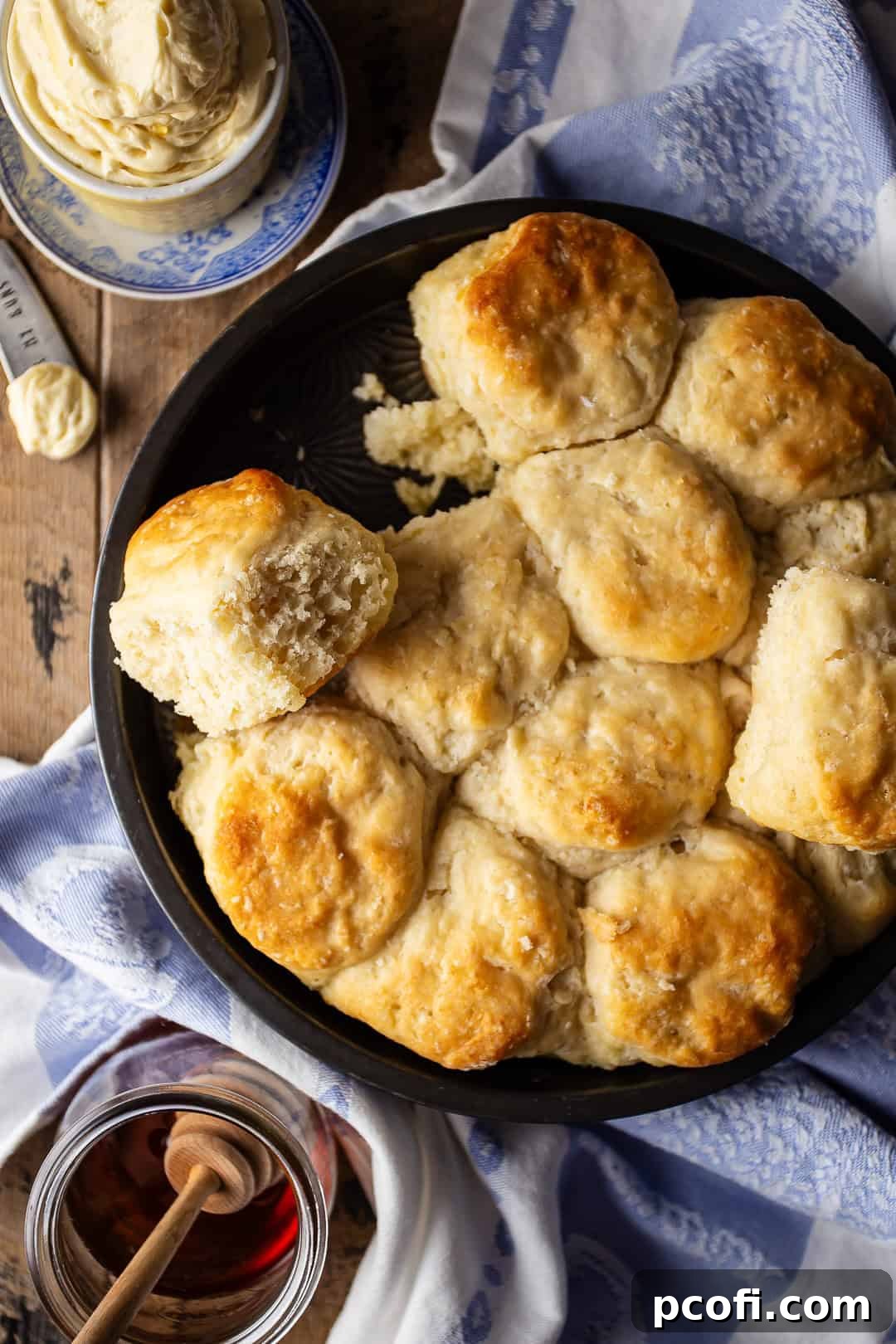
- Sweet Pairings: The classic choice is to slather them with homemade honey butter, allowing it to melt into every crevice. They also pair wonderfully with a dollop of your favorite homemade jam, fruit preserves, marmalade, or bright, tangy lemon curd. For a festive touch, a sprinkle of cinnamon sugar is always a hit.
- Breakfast & Brunch Staples: Serve them alongside scrambled eggs, crispy bacon, or a fresh fruit salad for a satisfying breakfast or brunch. They make an excellent base for a quick breakfast sandwich with sausage or egg.
- Savory Sides: Don’t limit these to just sweet meals! Their subtle tang and buttery flavor make them an ideal accompaniment to savory dishes. Try them as a side with a hearty bowl of soup, a crisp green salad, or a comforting stew. For a true Southern delight, slather them with creamy pimento cheese.
- Creative Sandwiches: For an indulgent meal, slice larger angel biscuits in half and use them to sandwich fried chicken for the crispy chicken sandwich of your dreams. They also work beautifully with pulled pork or a slice of baked ham.
- Dessert Option: Believe it or not, these can even be a simple dessert! Split them open and serve with fresh berries and a dollop of whipped cream for a rustic shortcake alternative.
Expert Tips for Fluffy Angel Biscuits
Achieving the perfect angel biscuit is easy with a few insider tips:
- Check Your Leavening Agents: The effectiveness of your yeast, baking powder, and baking soda is paramount. Always check the expiration dates on these ingredients. If they are old or expired, your biscuits may not rise properly, resulting in a dense, disappointing texture.
- Keep Ingredients Cold: For the flakiest, most tender biscuits, both your butter and buttermilk should be very cold. This prevents the butter from fully incorporating into the dough and instead creates tiny pockets that produce steam during baking, leading to those desirable flaky layers. Keep your dough chilled until you are ready to cut and bake.
- Cube the Butter Evenly: Before adding the butter to your dry ingredients, cut it into small, uniform cubes. This makes it much quicker and easier to cut into the flour mixture, ensuring even distribution and preventing overworking the dough.
- Handle Dough Gently: Overworking biscuit dough is the cardinal sin of biscuit making! Too much kneading or excessive handling will develop the gluten, leading to tough, chewy biscuits instead of light, tender ones. Mix just until the dough comes together and handle it as little as possible during shaping.
- Don’t Twist the Cutter: When cutting out your biscuit rounds, press the cutter straight down and lift it straight up. Twisting the cutter can seal the edges of the biscuit, which will prevent it from rising as high and creating distinct layers.
- The Magic of “Bench Flour”: Use extra flour sparingly to dust your work surface and hands. This prevents sticking without adding too much additional flour to the dough, which could make it dry and tough.
- Overnight Angel Biscuits (Make-Ahead Option): This dough is wonderfully forgiving and perfect for making ahead. The dough can be kept covered in the fridge for up to 48 hours, allowing the flavors to develop even further. For longer storage, you can freeze the unbaked dough for up to 2 weeks. Thaw it in the fridge overnight before proceeding with shaping, proofing, and baking as instructed. This makes fresh, warm biscuits a possibility any day of the week!
- Brushing with Butter: For an extra touch of richness and a beautiful golden sheen, brush the tops of your freshly baked biscuits with a little melted unsalted butter as soon as they come out of the oven.
Frequently Asked Questions About Angel Biscuits
Can I use self-rising flour?
Self-rising flour typically contains baking powder and salt already blended into it. While you could potentially use it, this recipe is formulated with specific amounts of yeast, baking powder, and baking soda to achieve its unique rise and flavor. Using self-rising flour might throw off the balance of leavening agents and salt, leading to unpredictable results. For the most precise and consistent outcome, we recommend sticking with all-purpose flour and adding the specified amounts of leaveners and salt.
Can I use instant yeast?
Yes, you can use instant yeast in a pinch. Active dry yeast is preferred for this recipe as it gives a slightly slower, more controlled rise, which is beneficial for flavor development during the chilling period. If using instant yeast, you might find that the dough rises a bit faster, potentially requiring a slight decrease in the chilling and proofing times. Monitor your dough closely to prevent over-proofing.
Should I knead the dough?
No, extensive kneading is generally not recommended for angel biscuits. While you’ll need to work the buttermilk into the dry ingredients just enough to form a cohesive dough, avoid vigorous or prolonged kneading. Overworking the dough develops the gluten too much, which can result in tough, dense biscuits instead of the desired light and tender texture. Handle the dough gently and only as much as necessary.
Should angel biscuits double in size?
Don’t be alarmed if your angel biscuit dough doesn’t puff up dramatically or double in size during the chilling and proofing stages, like a traditional yeast bread might. This is an enriched dough, meaning it contains fats (butter) and sugar, which can slow down yeast activity. You should still see a noticeable increase in volume and puffiness, indicating the yeast is active, but it won’t be as pronounced as a lean dough like ciabatta or baguette.
Can you make angel biscuits ahead of time?
Absolutely! Angel biscuit dough is excellent for making ahead, which adds to its convenience. The prepared dough can be stored in the refrigerator for up to 48 hours, allowing flavors to deepen. For even longer storage, the dough can be frozen for up to 2 weeks. Simply thaw it in the refrigerator overnight before proceeding with shaping, proofing, and baking. This flexibility makes them perfect for entertaining or preparing a special breakfast without a last-minute rush.
What is the serving size?
One biscuit is considered a single serving. The nutritional information provided below is calculated for one biscuit, or 1/12th of the entire batch, and does not include any additional toppings or spreads like honey butter or jam.
More Delightful Biscuit Recipes
If you’ve fallen in love with the art of biscuit making, explore these other fantastic recipes from our collection:
- Southern-Style Buttermilk Biscuits: A timeless classic, perfect for any meal.
- Sweet Potato Biscuits: Infused with earthy sweetness and a beautiful color.
- Cheddar Chive Biscuits: A savory delight, packed with cheese and fresh herbs.
- Bacon and Date Angel Biscuits with Maple Glaze: A unique twist on angel biscuits, offering a delightful sweet and savory combination.
As an Amazon Associate, I earn from qualifying purchases.
Angel Biscuits
Servings: 12 biscuits
This easy angel biscuits recipe is like nothing else! Made with a combination of yeast & baking powder, they come out impossibly fluffy!
Leave a Review
Save Recipe
Ingredients
- 2 1/2 cups (312.5 g) all-purpose flour
- 1/4 ounce (7.09 g) active dry yeast (1 packet or about 2 teaspoons)
- 3 tablespoons (36 g) granulated sugar
- 1 teaspoon (6 g) kosher salt
- 1 teaspoon (4 g) baking powder
- 1/2 teaspoon (2 g) baking soda
- 1/2 cup (113.5 g) unsalted butter, cold, cubed
- 1 cup (240 g) buttermilk (you may need slightly more or less)
Instructions
- Place the flour, sugar, yeast, salt, baking powder, and baking soda in a large bowl and stir to combine.
- Cut in the cold butter using a pastry blender, two knives, or your clean hands until the mixture resembles coarse crumbs.
- Stir in the buttermilk until a stiff dough forms (it should not be sticky).
- Cover the bowl lightly and allow the dough to chill in the refrigerator for 2 to 24 hours.
- Dust the dough, the work surface, and your hands with flour, then tip the dough out and flatten it to a thickness of approx. 1-inch.
- Use a 2-inch diameter cutter to cut out rounds, arranging them in a 9-inch diameter, parchment-lined cake pan.
- Cover the unbaked biscuits lightly and allow them to rise in a warm place for 1 hour.
- Preheat the oven to 325 degrees F.
- Bake the angel biscuits until golden on the tops and sides (approx. 30 to 35 minutes).
Nutrition Facts (per serving)
Serving: 1 biscuit, Calories: 189kcal, Carbohydrates: 24g, Protein: 4g, Fat: 9g, Saturated Fat: 5g, Polyunsaturated Fat: 0.4g, Monounsaturated Fat: 2g, Trans Fat: 0.3g, Cholesterol: 23mg, Sodium: 263mg, Potassium: 97mg, Fiber: 1g, Sugar: 4g, Vitamin A: 269IU, Vitamin C: 0.002mg, Calcium: 44mg, Iron: 1mg
Cuisine: American
Course: Appetizer, Breakfast, Brunch, Snack
Tried this recipe? Mention @bakingamoment on Instagram or tag #bakingamoment.