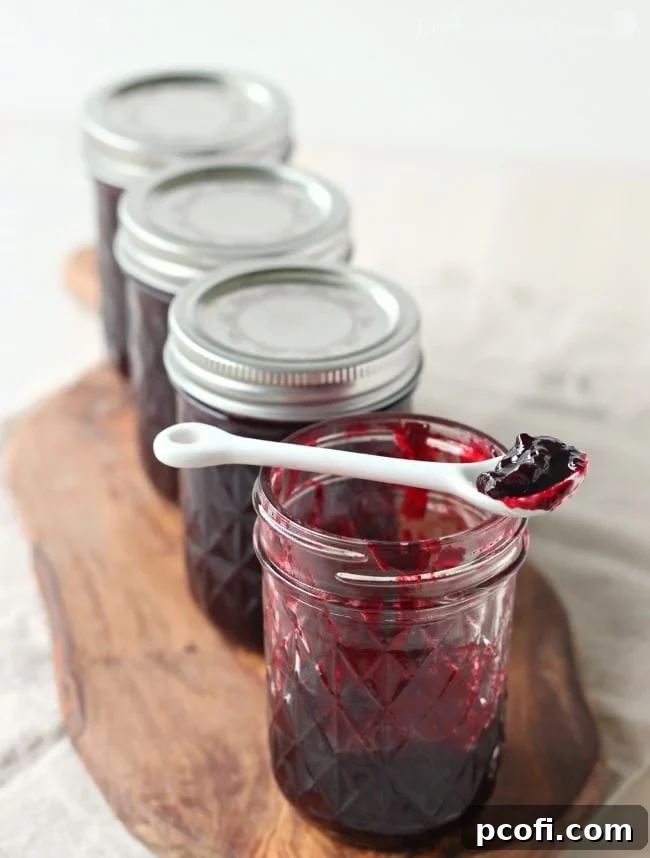
Homemade Seedless Blackberry Jam: A Beginner’s Guide to Fearless Canning (No Pectin Needed!)
Embarking on the journey of home canning can seem daunting, a culinary Everest for many aspiring home cooks. Yet, I’m here to tell you a secret: it’s far simpler and more rewarding than you might imagine. Forget complicated recipes, specialized equipment, or the need for pectin. With just a few basic steps, you can transform fresh fruit into delicious, shelf-stable preserves, ready to be enjoyed or shared as thoughtful homemade gifts.
My own canning adventure began quite unexpectedly, as many great stories do. It started with an abundance of nature’s bounty and a desire to capture summer’s fleeting flavors.
The Sweet Serendipity of Summer Blackberries
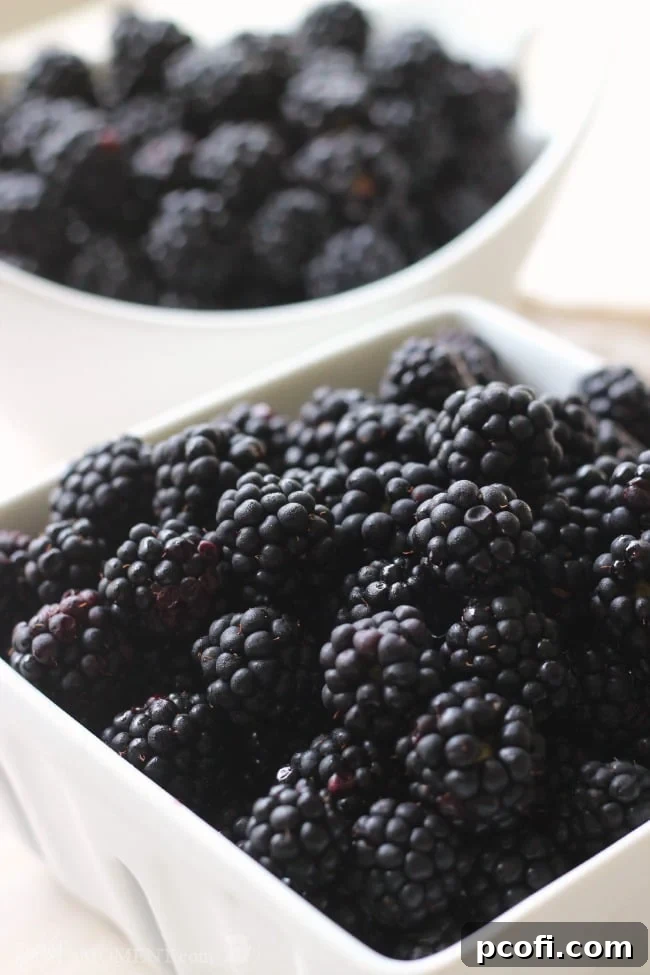
During a recent family gathering, my in-laws arrived with a generous haul of freshly picked blackberries from a local farm. It was a stroke of pure luck, especially considering how expensive these berries can be. While many disappeared quickly into hungry mouths, a significant two pounds remained, sparking a delightful culinary challenge. My husband and I brainstormed ideas, but it quickly became clear that these berries deserved more than a simple bake-off. What better way to honor such a gift than to transform them into luscious, homemade preserves?
The thought of presenting a jar or two of vibrant, homemade blackberry jam at our next family gathering was all the motivation I needed. It was time to shed my intimidation and dive into the world of canning.
Demystifying Home Canning: No Pectin, No Problem
Initially, the sheer volume of information on home canning felt overwhelming. However, a dedicated morning of research revealed a crucial insight: canning doesn’t have to be rigid or complex. I quickly gravitated towards the “no pectin” method, which felt more traditional and rustic. Plus, the idea of skipping a trip to the store for a specialized ingredient was certainly appealing.
One of the most liberating lessons I learned was the flexibility involved. While some purists adhere to exact measurements, a more relaxed approach, relying on taste and feel for sugar and flavor adjustments, is perfectly acceptable. For a first-timer, focusing on proper sterilization and sanitation felt like enough of a challenge, allowing the actual jam-making process to be more intuitive.
Before we delve into the details, let’s simplify the concept: jam and preserves are essentially fruit that has been reduced and thickened. If you can confidently make a fruit sauce, you already possess the fundamental skills for jam-making. And if you’re content with keeping your preserves in the refrigerator, you can even bypass the water bath canning step altogether. However, to truly experience the magic of shelf-stable preserves, proper canning is the way to go. Here’s a detailed guide to how I made my first batch of delightful, seedless blackberry jam.
The Journey to Delicious Jam: Step-by-Step Guide
1. Macerating the Berries for Enhanced Flavor
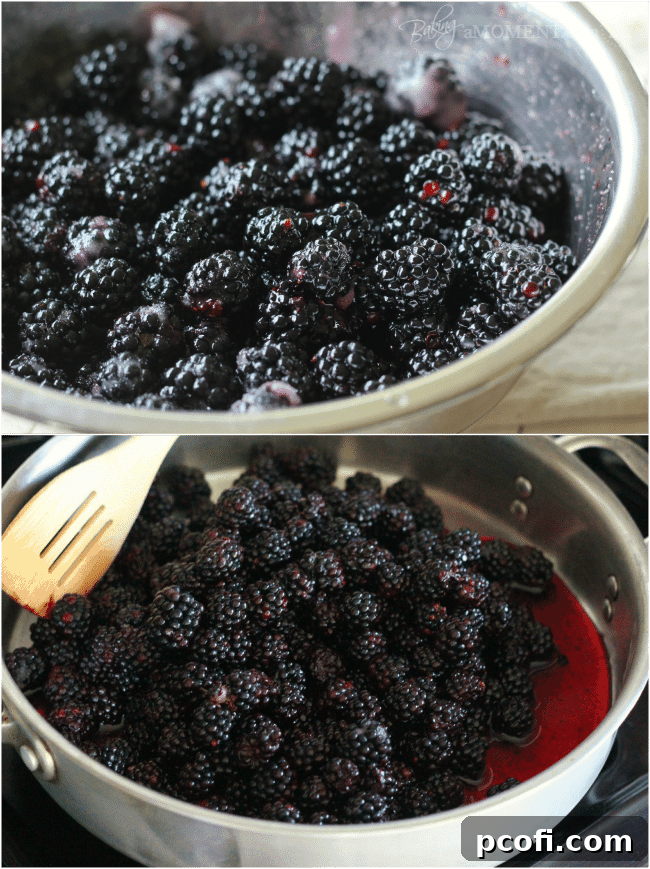
The first step involved a simple yet crucial technique: maceration. After a gentle rinse in cool water, I tossed the fresh blackberries with granulated sugar. This mixture was then refrigerated overnight. Maceration allows the sugar to draw out the natural juices from the fruit, creating a richer flavor and a head start on the thickening process when cooked. It also helps sweeten the berries evenly, making them perfectly primed for jam production.
2. Achieving Seedless Perfection: The Straining Process
My personal preference for jam leans heavily towards a smooth, seedless texture. While I appreciate chunky preserves with other fruits, the large, often tough seeds of blackberries can detract from the enjoyment. Knowing I would strain the mixture, I didn’t worry about meticulously picking over the berries for stems or leaves beforehand, which saved a considerable amount of time.
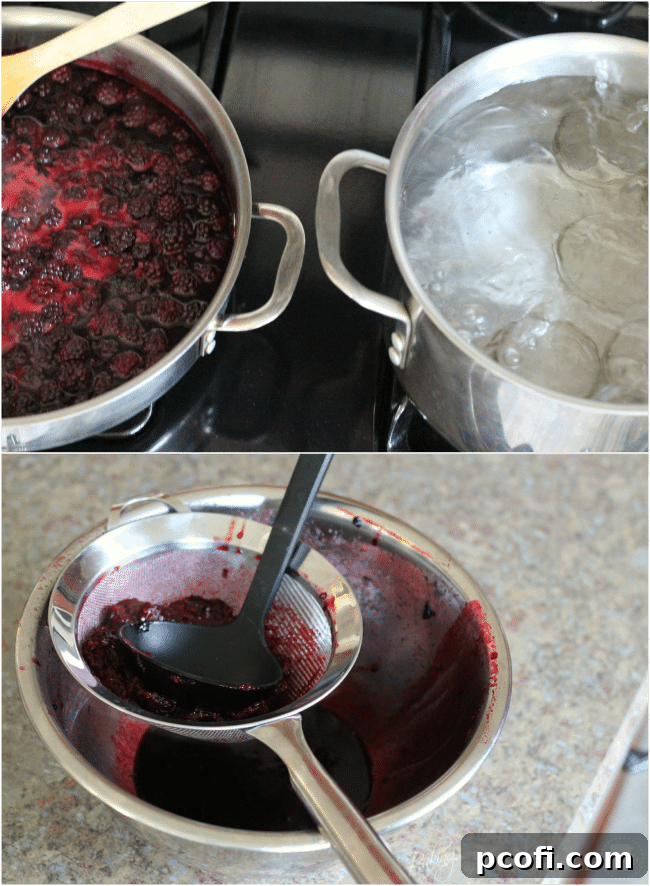
To achieve a seedless jam, a fine mesh sieve or a food mill is indispensable. Although I have a food mill tucked away somewhere (a relic from a wedding gift that proves invaluable for such tasks), a simple sieve and a sturdy ladle worked perfectly. The process involves warming the macerated berries gently in a large sauté pan until they soften. Once tender, scoop them into the sieve, positioning it over a separate bowl. Using the back of a ladle, press the softened berries firmly against the mesh, swirling and pushing to extract all the luscious pulp and juice, leaving the unwanted seeds behind. This step, while requiring a bit of patience and rhythmic movement, became a meditative part of the process, ensuring a smooth, luxurious jam.
3. Cooking the Jam to Perfection
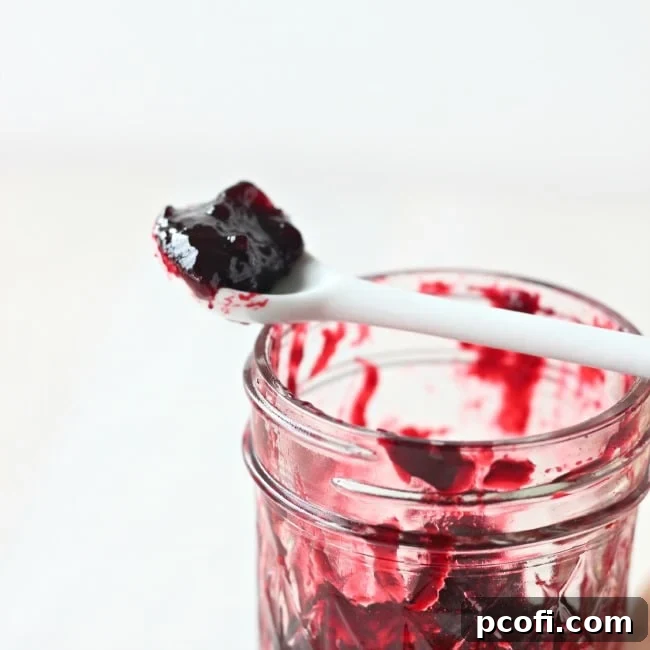
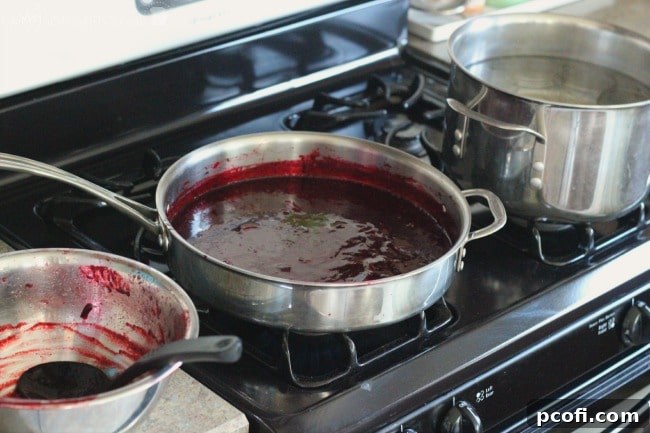
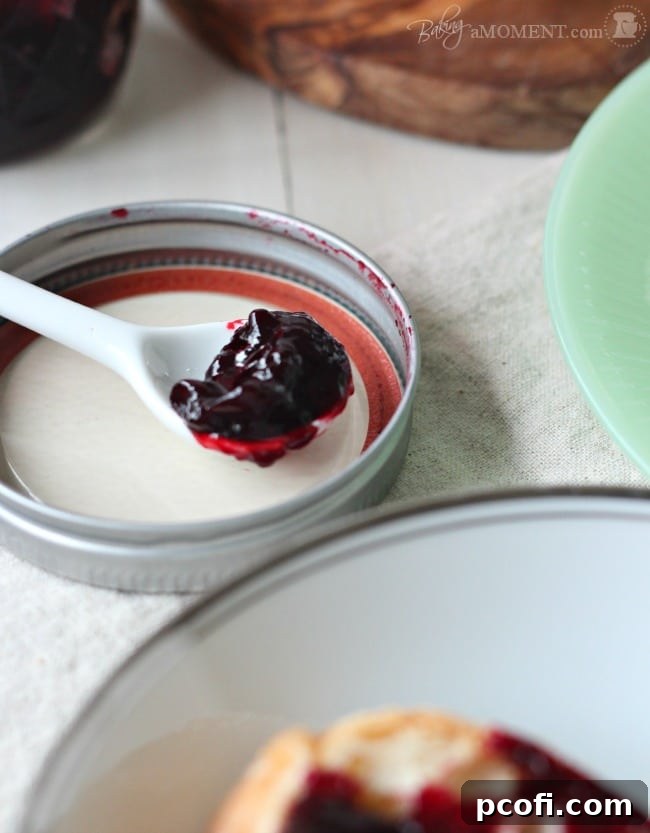
With the seedless blackberry puree ready, it was time to cook the jam. Transfer the strained fruit puree back into the clean sauté pan. Over medium heat, slowly bring the mixture to a gentle boil, stirring frequently to prevent sticking. This is where the magic happens as the fruit sugars reduce and the mixture begins to thicken. For a no-pectin jam, achieving the right consistency is key. You’re looking for a dark, shiny appearance and a texture that coats the back of a spoon. A common test for doneness is the “cold plate test”: place a small spoonful of hot jam onto a chilled plate, let it sit for a minute, then push it with your finger. If it wrinkles, it’s ready. If not, continue cooking and test again.
Just before the jam reaches its final consistency, add a squeeze of fresh lime juice. Citrus not only brightens the flavor but also provides natural pectin that helps with setting. Taste and adjust for sweetness; if needed, a little more sugar or citrus can be incorporated.
4. Preparing Jars and Sealing the Deal
While the berries are softening or the jam is cooking, prepare your canning jars. Submerge clean glass jars in a large pot of boiling water for at least 10 minutes to sterilize them. Keep them immersed in the hot water until you are ready to fill them; this prevents thermal shock and cracking when the hot jam is added. Similarly, place the canning lids (the flat part with the sealing compound) in simmering water to soften their rubber seals, ensuring an airtight closure.
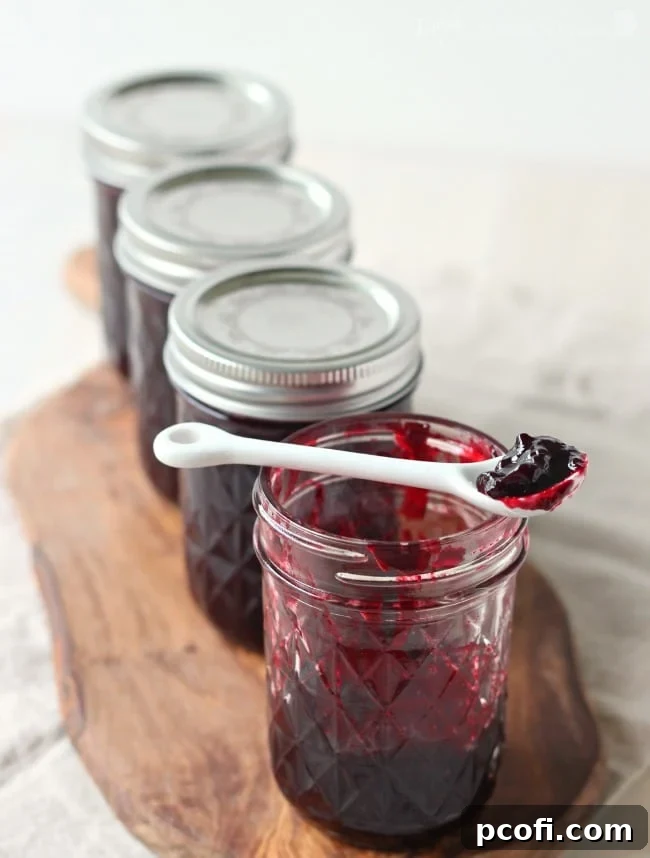
Once the jam has reached the desired thickness, carefully ladle it into the hot, sterilized jars, leaving about ¼ inch of headspace from the rim. Wipe the rims clean with a damp cloth to ensure a perfect seal. Place the softened lids on top, then screw on the rings until fingertip tight.
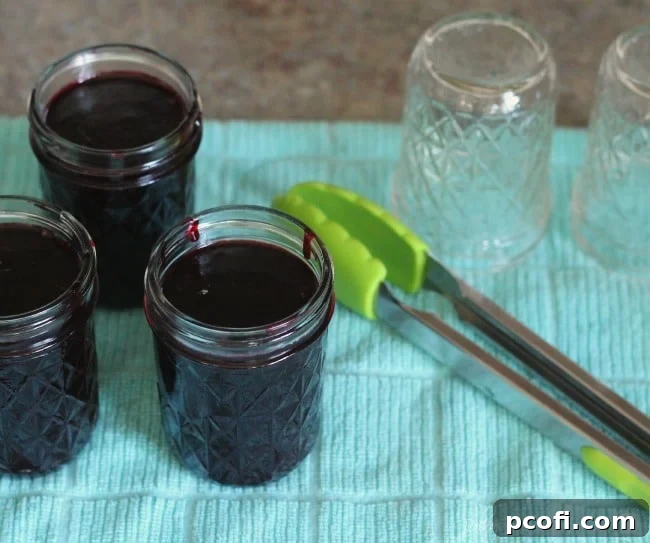
Finally, carefully place the filled and sealed jars back into the large pot of boiling water, ensuring they are fully submerged. Boil for 10 minutes (adjusting for altitude if necessary). This water bath canning process creates a vacuum seal, allowing the jam to be stored safely at room temperature for months. After the processing time, remove the jars with tongs and let them cool undisturbed on a counter for 12-24 hours.
Once completely cool, check the seals: the center of the lid should be concave and not pop up when pressed. If a lid does pop up, that jar hasn’t sealed properly and should be stored in the refrigerator for immediate consumption (it will last a couple of weeks). Properly sealed jars, however, are shelf-stable treasures, perfect for your pantry or as thoughtful homemade gifts.
Minimal Equipment, Maximum Reward
One of the most encouraging aspects of my first canning experience was realizing how little specialized equipment is truly necessary. While many retailers might suggest an elaborate arsenal of tools – jar lifters, wide-mouth funnels, magnetized lid grabbers – your well-stocked kitchen likely already contains most of what you need. A large stockpot for sterilizing and processing, a fine mesh sieve for deseeding, and a pair of sturdy tongs for handling hot jars are typically sufficient. Unless you plan to embark on a large-scale canning operation, there’s no need for significant investment in single-use gadgets. This approach makes home canning accessible to everyone, reducing both cost and clutter.
The Joy of Homemade Jam: Uses and Inspiration
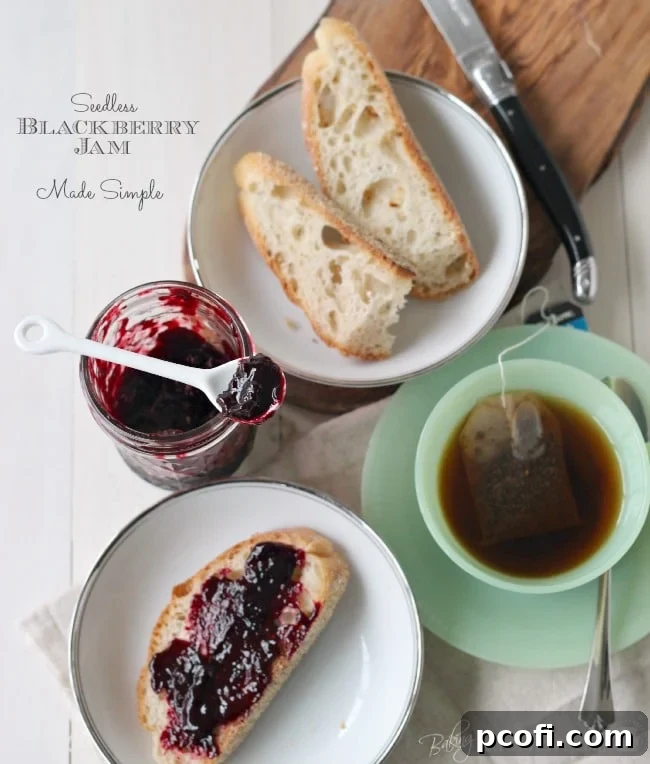
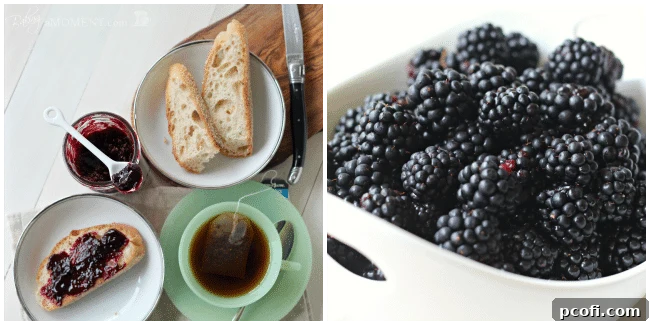
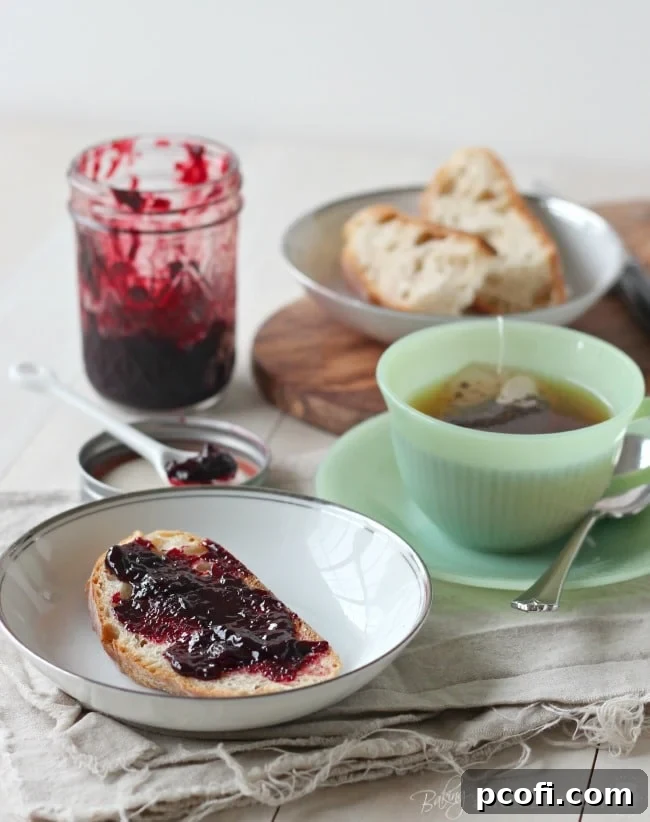
Making your own jam is an incredibly satisfying endeavor. Not only do you get to control the ingredients, ensuring a wholesome and delicious product, but you also unlock a world of culinary possibilities. Freshly made blackberry jam is divine on toast, scones, or pancakes. It elevates a simple yogurt parfait or adds a burst of flavor to oatmeal. Beyond breakfast, consider incorporating it into your baking – as a filling for tarts, thumbprint cookies, or even a glaze for savory dishes. Imagine the delight of a cheese board enhanced with a dollop of homemade preserves, or a simple cake infused with its fruity essence.
My first canning experience was not just successful, but genuinely enjoyable. It proved that the initial apprehension was unfounded, and the process is manageable for any home cook. I’m already envisioning my next batch, perhaps a savory tomato jam, expanding my repertoire of homemade preserves. The possibilities are endless when you embrace the simplicity of canning.
For additional canning guidelines and safety information, you might find this resource helpful: Virginia Cooperative Extension Canning Guide
Seedless Blackberry Jam (No Pectin) Recipe
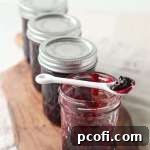
Seedless Blackberry Jam (No Pectin)
Servings: 48 (approx. 3 – 8 oz jars)
Prep Time: 20 mins
Cook Time: 25 mins
Processing/Canning Time: 20 mins
Total Time: 1 hr 5 mins
Don’t be afraid of canning! A few simple steps will have you enjoying homemade seedless blackberry jam, no pectin or special equipment needed.
Ingredients
For the jam
- 2 1/2 pounds fresh blackberries
- 1 1/2 cups granulated sugar
- 1 tablespoon lemon or lime juice (juice of half a lime or lemon)
Equipment
- 3 8-ounce canning jars with fresh lids
- Large Saute Pan
- Sieve (fine mesh)
- Tongs
- Large stockpot (for water bath canning)
Instructions
- Rinse the berries in cool water, and toss them with sugar. Allow to macerate, refrigerated, overnight.
- In a large saute pan, warm the berries over medium heat until softened.
- Press the mixture through a fine mesh sieve or food mill to remove the seeds.
- Submerge clean canning jars in a large pot of boiling water for 10 minutes to sterilize. Keep them warm.
- Place the seedless puree back in the saute pan, and heat over medium heat, stirring occasionally, until thickened.
- Place the canning lids into simmering water to soften their seals.
- Stir in the citrus juice, taste the jam, and adjust seasoning (more sugar or citrus) if needed. When it has reached the desired consistency (use the cold plate test if unsure), carefully spoon it into the hot jars, leaving ¼ inch headspace.
- Wipe the edge of each jar with a clean cloth, place the lid on, and screw on the rings until fingertip tight. Submerge the jars in boiling water in the large stockpot for 10 minutes for proper sealing.
- Remove with tongs, and allow to cool undisturbed on a counter for 12-24 hours. Check seals once cooled.
Notes
- Allowing the berries to sit overnight in the fridge with the sugar allows them to sweeten and release their juices, contributing to a richer jam.
- There’s no need to meticulously pick over the berries and remove leaves or stems since you will use a sieve later to remove the seeds.
- Allow the berries to soften in a large saute pan over medium heat before you strain them to make the straining process easier.
- When straining, add the softened berries a scoop at a time to the sieve, push them down, and swirl using the bottom of a ladle to efficiently release the juices into a separate bowl.
- To save time, submerge the glass canning jars into boiling water for about 10 minutes while you strain the juice from the berries. Keep the jars warm so they don’t crack when the hot jam is added.
- Check the seals on the lids after the jars have cooled completely. If the “button” on the lid pops up and down, it indicates that the jar did not seal properly.
- If correctly sealed (the lid is concave and doesn’t pop), the jars will last for months in your pantry.
- Many websites and stores will suggest a whole arsenal of task-specific canning equipment. However, beyond the mason jars for canning, you likely have everything you need in a standard kitchen (large pot, sieve, tongs).
- Any leftover jam (that does not fully fill a jar with ¼ inch headspace) can be kept refrigerated for 2-3 weeks.
- Jam that has been appropriately processed (the button on the lid should not pop up and down) can be kept in a cupboard or pantry for several months.
Nutrition Information (per serving)
Calories: 34kcal, Carbohydrates: 9g, Protein: 1g, Fat: 1g, Saturated Fat: 1g, Sodium: 1mg, Potassium: 38mg, Fiber: 1g, Sugar: 7g, Vitamin A: 51IU, Vitamin C: 5mg, Calcium: 7mg, Iron: 1mg
Cuisine: American
Course: Topping
As an Amazon Associate, I earn from qualifying purchases.