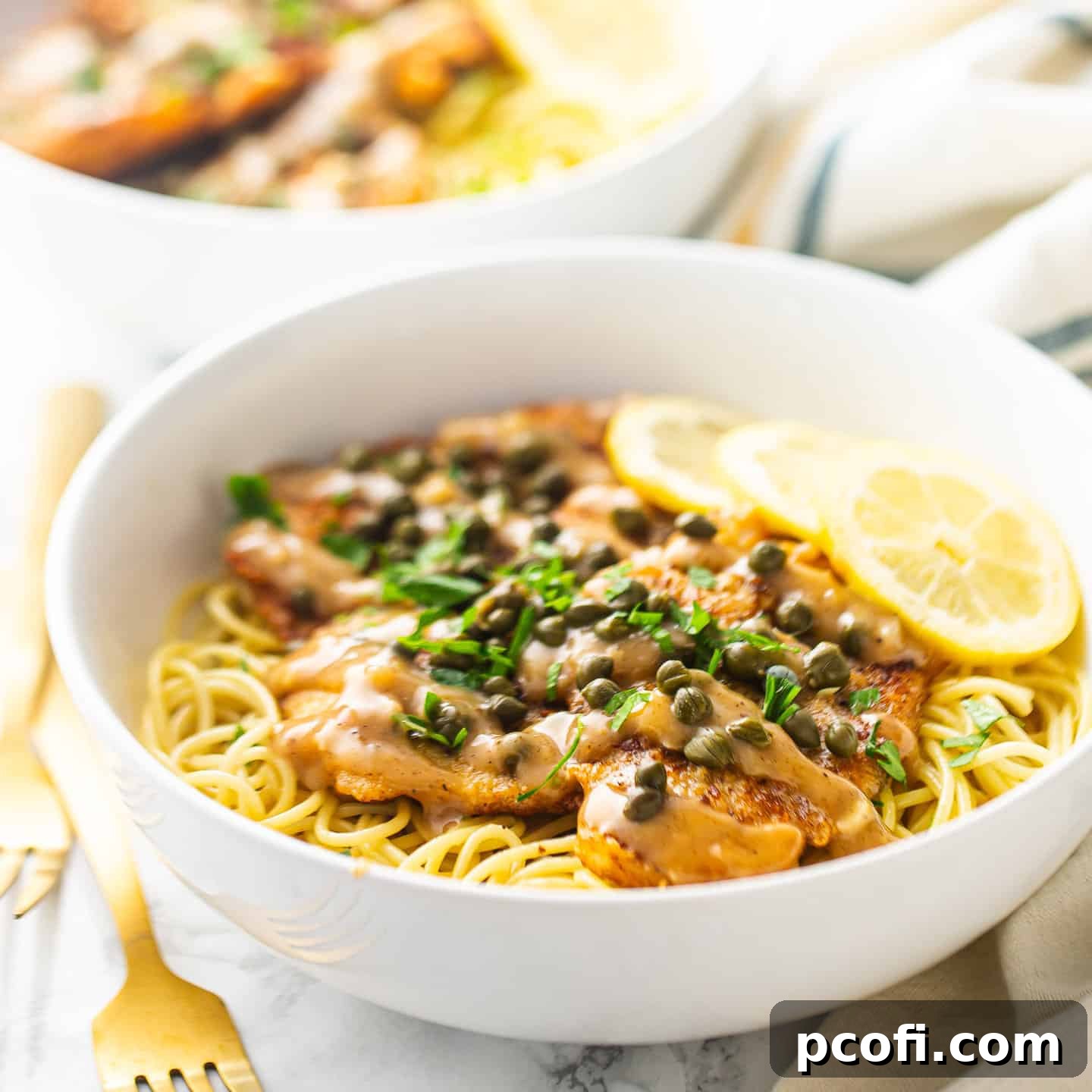
Classic Chicken Piccata Recipe: Easy to make & so authentic! With a savory lemon sauce, capers, & shallots. A crowd-pleasing one-pan meal!
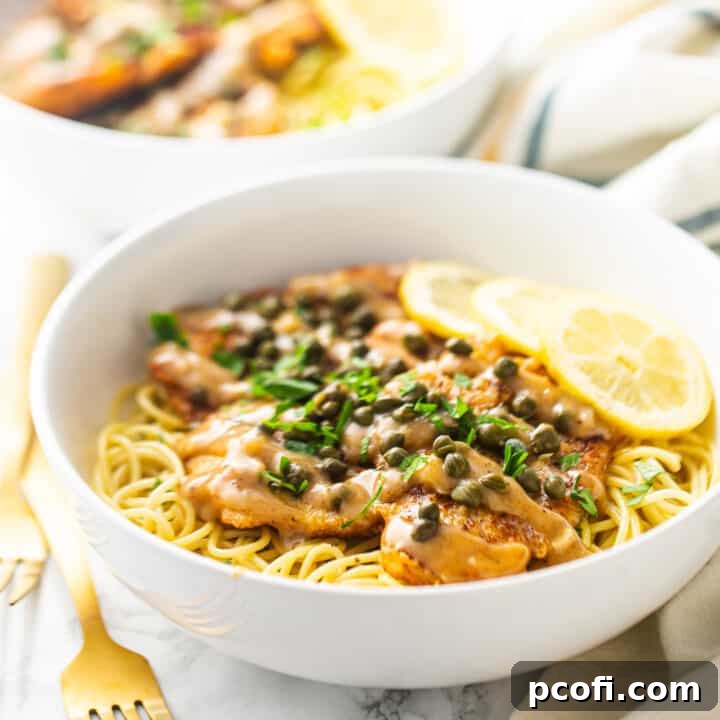
Welcome to your new favorite weeknight dinner! Chicken Piccata is a beloved Italian-American classic, known for its tender chicken bathed in a bright, tangy, and incredibly flavorful lemon-caper sauce. This recipe is a staple in my kitchen, and for good reason – it’s effortlessly delicious, comes together in under 20 minutes, and is consistently a family favorite. Today, I’m thrilled to share my tried-and-true Chicken Piccata recipe, ensuring you can recreate this restaurant-quality dish in your own home with ease.
As a busy cook, I’m always searching for dinner solutions that are not only universally loved but also quick and simple to prepare, minimizing cleanup at the end of a long day. While we adore other family favorites like Bang Bang Shrimp Bowls, Poutine, and Corn Chowder, this Chicken Piccata holds a special place. It’s part of a growing collection of Italian recipes I’ve perfected over the years, and I can’t wait for you to experience its magic.
This lemon chicken piccata recipe is a testament to how simple ingredients can create extraordinary flavors. Imagine succulent, pan-seared chicken cutlets, enveloped in a rich yet light sauce bursting with the zesty brightness of lemon, the savory depth of garlic and shallots, the briny punch of capers, and an optional (but highly recommended!) splash of white wine to elevate every note. It’s a symphony of textures and tastes, achieving absolute perfection in a remarkably short amount of time.
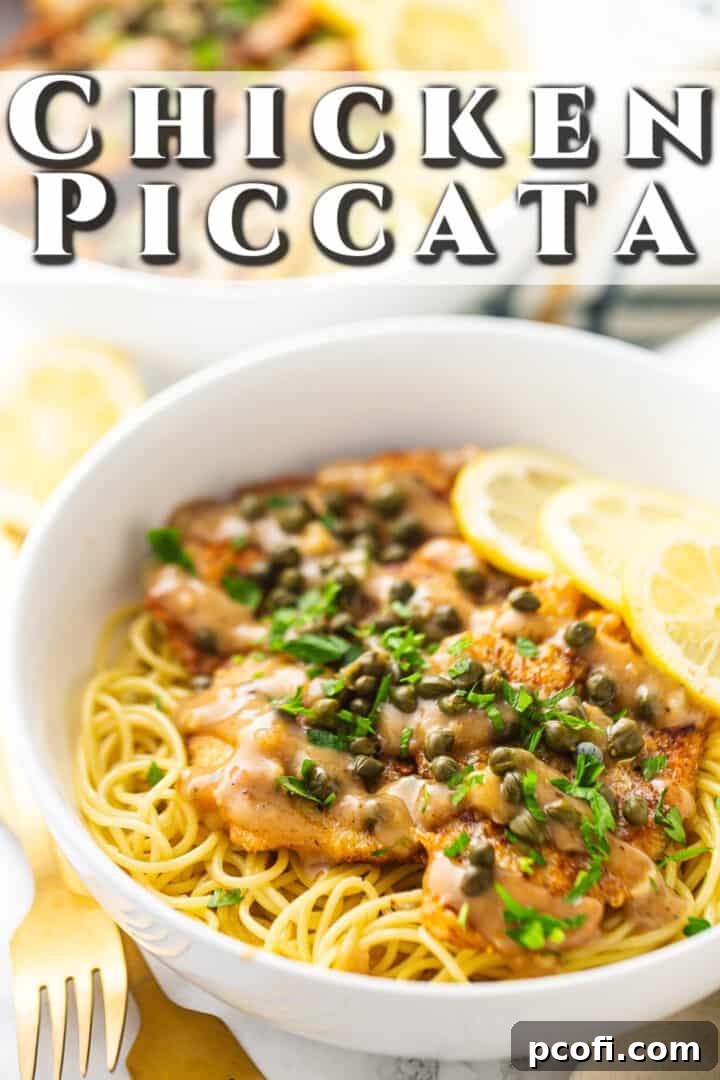
Table of Contents
- What is Chicken Piccata?
- Why You’ll Love This Chicken Piccata Recipe
- Ingredients You’ll Need
- Essential Kitchen Tools
- How to Make Perfect Chicken Piccata
- Serving Suggestions for Chicken Piccata
- Expert Tips for Success
- Frequently Asked Questions
- Storing and Reheating Leftovers
Jump to Recipe
What is Chicken Piccata?
Chicken Piccata is a classic dish that, despite its Italian-sounding name, is largely considered an Italian-American invention. The term “piccata” itself is Italian, referring to meat (often veal) that is sliced, coated lightly, and pan-fried, then served with a sauce containing lemon, butter, and capers. While true Italian piccata often features veal, the American version prominently uses chicken breasts, adapting to readily available ingredients and evolving tastes.
The beauty of this dish lies in its elegant simplicity. Thinly sliced chicken breasts are lightly floured and quickly pan-seared to a golden crisp. They are then finished in a luxurious, pan-derived sauce that masterfully balances rich butter with the bright acidity of lemon and the distinctive salty-briny pop of capers. It’s a meal that feels both gourmet and comforting, light yet incredibly satisfying, making it a perfect choice for any occasion, from a quick weeknight dinner to a special gathering.
Why You’ll Love This Chicken Piccata Recipe
My Chicken Piccata recipe isn’t just another meal; it’s a culinary experience designed for maximum flavor with minimal fuss. Here’s why it will quickly become a favorite in your household:
Incredible Flavor Profile
- Perfect Balance: This dish strikes an exquisite balance between richness and brightness. The creamy, buttery sauce is wonderfully savory, punctuated by the sharp tang of lemon and the unique briny burst of capers. Every bite is a harmonious blend of flavors that dance on your palate.
- Depth from Deglazing: The secret to the sauce’s profound flavor lies in deglazing the pan. All those delicious browned bits left after searing the chicken become the foundation for an unbelievably rich and complex sauce.
Effortlessly Simple & Quick to Make
- 20-Minute Meal: From start to finish, this recipe takes only about 20 minutes. It’s ideal for those evenings when you need a delicious meal on the table fast, without compromising on quality or taste.
- One-Pan Wonder: Most of the cooking happens in a single skillet, which means less time cleaning up and more time enjoying your meal. It’s the ultimate convenience for busy weeknights.
Made with Minimal, Accessible Ingredients
- Pantry Staples: You likely already have most of the ingredients in your pantry or fridge. Basic chicken breasts, flour, butter, lemon, capers, and a few aromatics are all you need to create this culinary masterpiece.
- Versatile: While chicken is traditional, this recipe is incredibly adaptable. You can easily substitute with other proteins or make it vegetarian, proving its flexibility for diverse dietary needs.
Ingredients You’ll Need
Crafting the perfect Chicken Piccata requires a handful of fresh, high-quality ingredients that work in harmony to create its signature flavor. Here’s a detailed look at what you’ll need and why each component is essential:
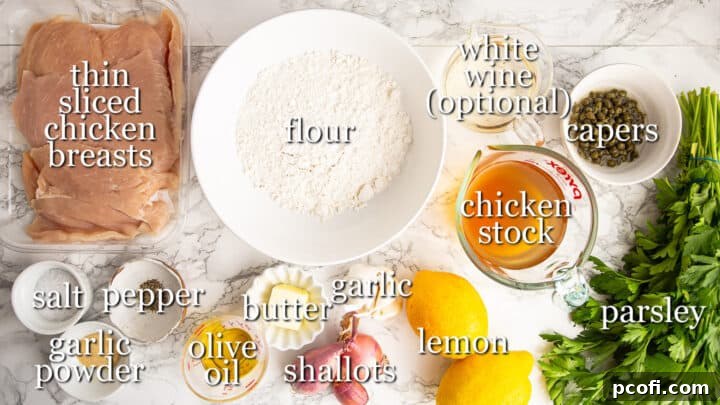
Chicken
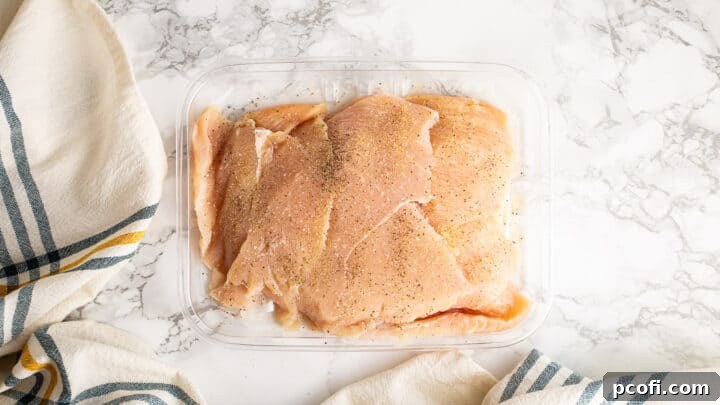
The star of our dish! I highly recommend using “thin-sliced chicken breasts,” often labeled as “chicken cutlets” or “chicken scallopini” at the supermarket. These are a fantastic time-saver, as they come pre-cut to the ideal thinness for piccata, ensuring quick and even cooking.
If you can’t find them, don’t worry! You can easily prepare regular chicken breasts by slicing them horizontally into 1/4-inch slabs. For even thickness and quicker cooking, you can gently pound them between two sheets of plastic wrap with a meat mallet. The key is thinness for that classic piccata texture.
Seasonings
A simple blend of salt, freshly ground black pepper, and garlic powder is all you need to bring out the best in the chicken. These foundational seasonings create a savory base that enhances the overall flavor of the dish. Feel free to adjust quantities to your personal preference, but remember the sauce will also contribute saltiness from the capers and stock.
Flour
A light coating of all-purpose flour serves a dual purpose: it helps the chicken develop a beautiful golden-brown crust when seared and acts as a thickening agent for the sauce, giving it a luxurious, velvety body. For those needing a gluten-free option, a 1:1 gluten-free flour blend will work seamlessly.
Oil & Butter
The combination of oil and butter is crucial for both flavor and technique. Extra-virgin olive oil provides a robust, fruity flavor and a higher smoke point, which helps prevent the butter from burning. Unsalted butter, my preference, adds a rich, creamy depth and a beautiful glossy finish to the sauce, while allowing you complete control over the dish’s salt content.
Shallots & Garlic
These aromatic powerhouses lay the foundation for the piccata sauce’s savory depth. Shallots, milder and sweeter than red onions, are traditionally used and provide a subtle, delicate flavor. Fresh garlic adds that undeniable “Italian” character. It’s essential to mince both very finely – or even grate them on a microplane – to ensure they melt into the sauce rather than appearing as chunky bits. If fresh garlic isn’t available, about 3/4 teaspoon of garlic powder can be substituted.
White Wine
A dry white wine, such as Pinot Grigio or Sauvignon Blanc, is a game-changer for deglazing the pan. It effectively lifts all the caramelized “fond” (browned bits) from the bottom of the skillet, infusing the sauce with incredible depth and complexity. The alcohol cooks off, leaving behind unique flavor compounds that truly elevate the dish. If you prefer not to use alcohol, an equal amount of chicken stock can be substituted, though the flavor profile will be slightly different.
Chicken Stock
Chicken stock forms the savory base of the piccata sauce, providing body and richness. You can also use chicken broth or bone broth. However, I advise against using bouillon cubes, as they can be excessively salty and might overpower the delicate balance of the sauce.
Capers
These tiny, briny flower buds are non-negotiable for authentic Chicken Piccata. Preserved in salt or vinegar, capers burst with a uniquely tangy, salty, and slightly bitter flavor, often compared to a lemony olive. I typically use nonpareil capers, the smallest and most common variety found in jars in the pickle aisle. While larger caperberries are an option, they tend to be packed in salt, so ensure you rinse them thoroughly if using.
Lemon
Fresh lemon juice is the hallmark of piccata, providing essential brightness and tang that cuts through the richness of the butter and savory notes of the chicken. For an extra burst of lemony aroma, consider adding a pinch of fresh lemon zest to the sauce along with the juice. Always use fresh lemons for the best flavor!
Parsley
A sprinkle of fresh chopped parsley at the end adds a vibrant herbaceous note and a beautiful pop of green, enhancing both the flavor and visual appeal of the dish. Italian flat-leaf parsley is preferred for its robust flavor, but curly parsley works perfectly fine as a garnish.
Essential Kitchen Tools
You won’t need any fancy gadgets for this recipe, just a few kitchen basics:
- Medium bowl: For seasoning and dredging the chicken.
- Large skillet: A heavy-bottomed skillet (stainless steel or cast iron work best) for searing the chicken and building the sauce.
- Tongs: Ideal for flipping chicken and handling ingredients in the hot pan.
- Measuring cups & spoons: For accurate ingredient measurements.
- Sharp knife: For slicing chicken (if not pre-cut) and mincing aromatics.
- Whisk: Essential for creating a smooth, lump-free sauce.
How to Make Perfect Chicken Piccata
This exquisite chicken piccata comes together in just a few straightforward steps. Follow these instructions for a perfect, flavorful result every time:
Step 1: Season & Dredge the Chicken
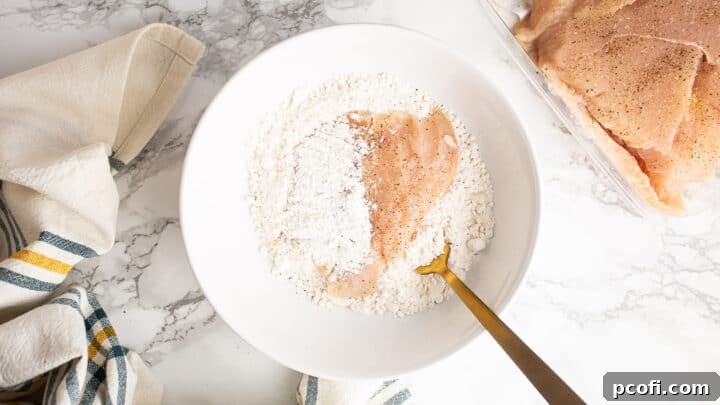
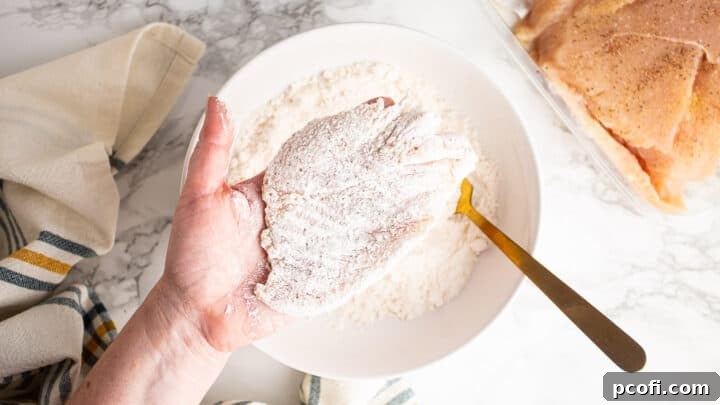
Begin by patting your thin-sliced chicken breasts dry with paper towels; this helps create a crispier crust. Generously season both sides of each cutlet with salt, black pepper, and garlic powder. Next, place about 3/4 cup of all-purpose flour in a shallow dish. Dredge each seasoned chicken cutlet lightly in the flour, ensuring it’s evenly coated, then tap off any excess flour. You want a very thin layer, not a thick breading.
Step 2: Brown the Chicken to Golden Perfection
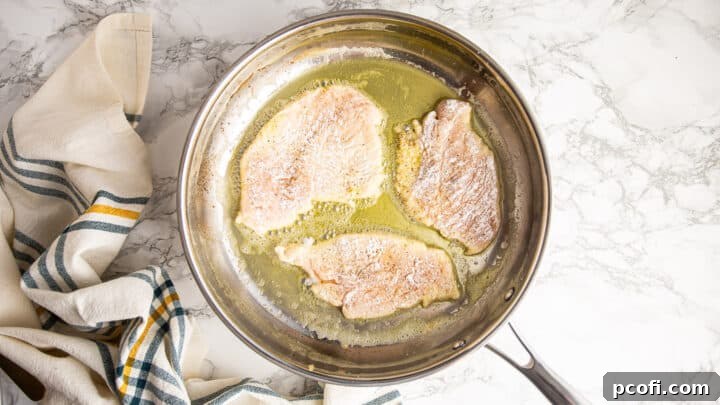
Heat 3 tablespoons of extra-virgin olive oil and 1 tablespoon of unsalted butter in a large skillet over medium heat until the butter is foamy and shimmering. Carefully place the floured chicken cutlets into the hot skillet, ensuring not to overcrowd the pan. Work in batches if necessary, allowing enough space for air circulation so the chicken browns beautifully rather than steams. Sear for about 3 minutes per side, until each cutlet is golden brown and cooked through. Once done, transfer the chicken to a plate and set aside while you prepare the sauce.
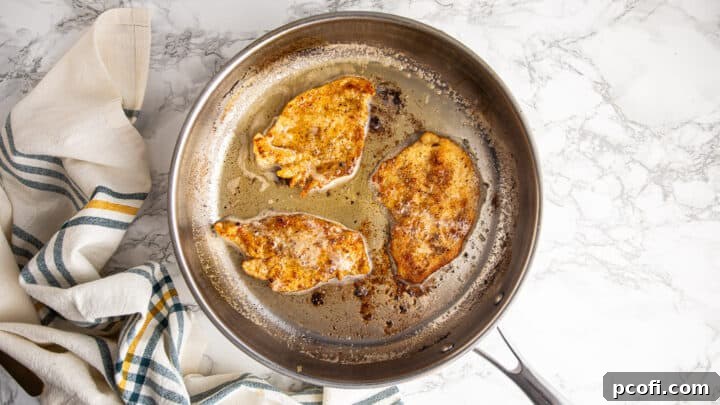
Step 3: Build the Flavorful Sauce Base
In the same skillet (don’t clean it!), you’ll find flavorful browned bits (fond) remaining at the bottom, along with residual oil and butter. Add the finely minced shallots to the pan and sauté over medium heat until they become tender and translucent, about 2-3 minutes. Next, add the minced garlic and cook for another minute until fragrant, being careful not to let it brown or burn, which can make it bitter.
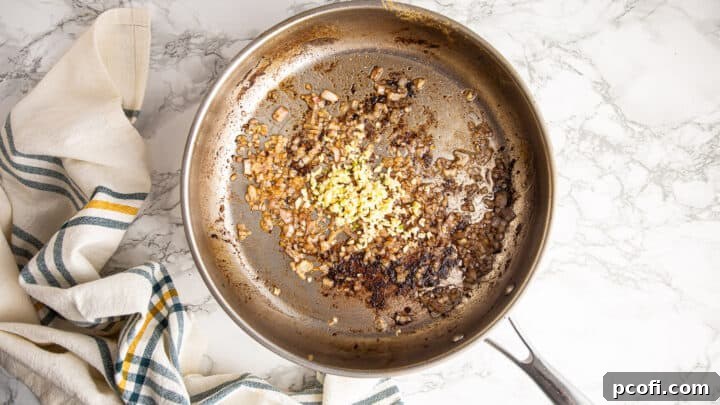
Step 4: Create the Roux
Sprinkle 2-3 tablespoons of all-purpose flour over the sautéed shallots and garlic. Stir continuously for about a minute, allowing the flour to cook out its raw taste and combine with the pan drippings, forming a light roux. This roux will be essential for thickening the sauce to the perfect consistency.
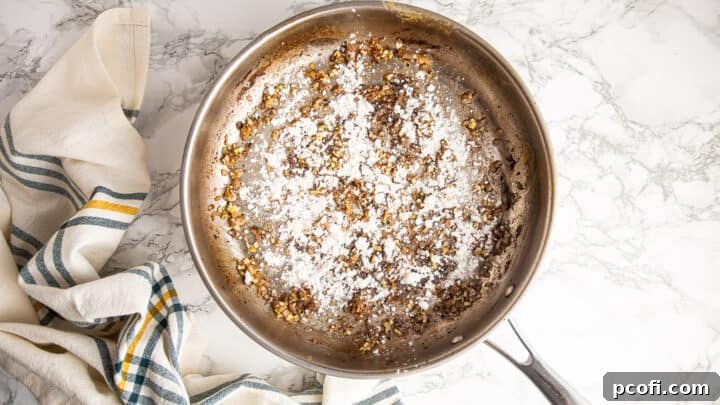
Step 5: Deglaze and Thicken the Sauce
Pour in the white wine (if using) and immediately begin whisking vigorously. Use a wooden spoon or spatula to scrape up all the delicious browned bits from the bottom of the pan – this is where much of the flavor comes from! Next, gradually whisk in the chicken stock, about 1/4 cup at a time, until the sauce is smooth and lump-free. Bring the sauce to a gentle simmer and let it cook for 3-5 minutes, or until it thickens to your desired consistency.
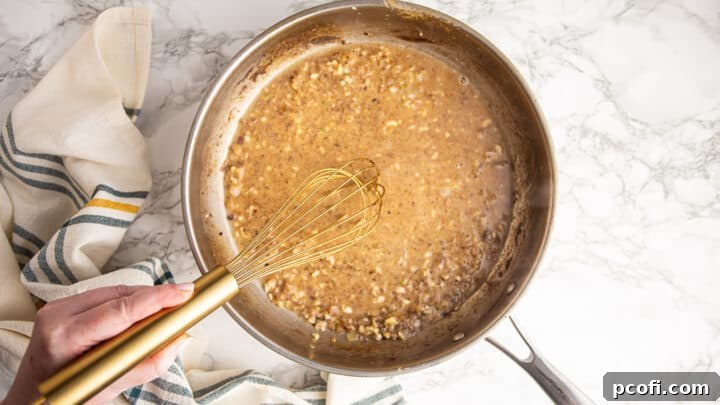
Step 6: Finish and Serve
Remove the skillet from the heat. Whisk in the remaining 3 tablespoons of unsalted butter, along with the freshly squeezed lemon juice and drained capers. The butter, added off the heat, will “mount” the sauce, giving it a luxurious mouthfeel and a beautiful glossy sheen. Taste the sauce and adjust seasonings with more salt, pepper, or lemon juice as needed. Finally, nestle the cooked chicken cutlets back into the pan, spooning some of that incredible sauce over them. Garnish generously with fresh chopped parsley and serve immediately.
Serving Suggestions for Chicken Piccata
Chicken Piccata is incredibly versatile and pairs beautifully with a variety of sides. Here are some of our favorite ways to enjoy this delicious dish:
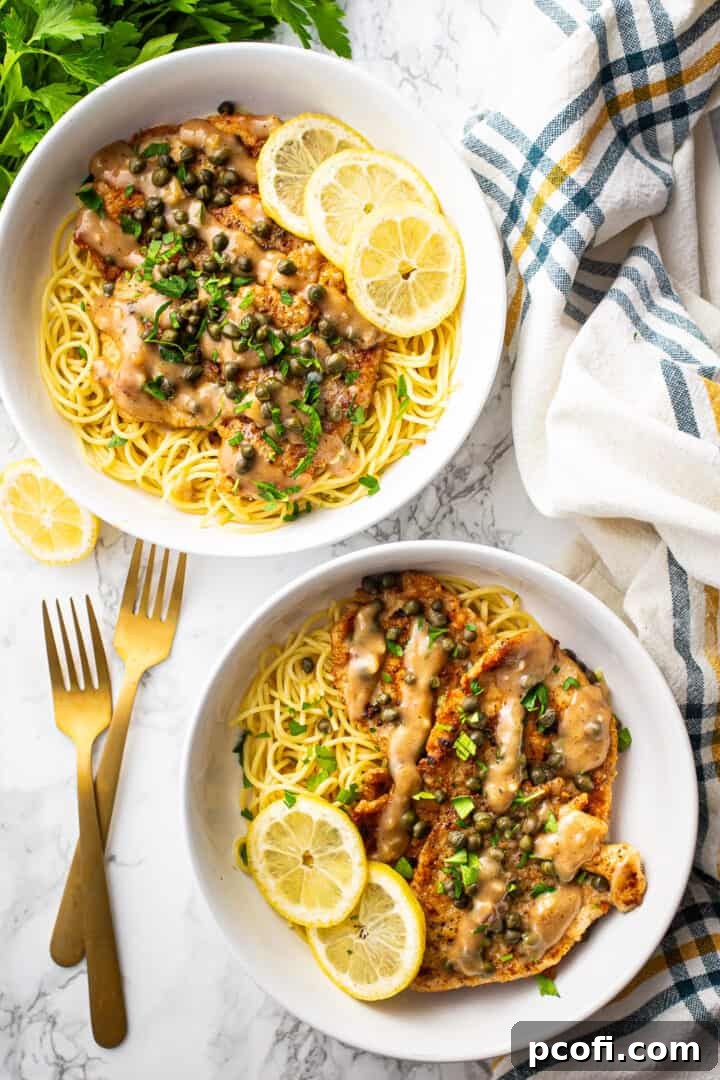
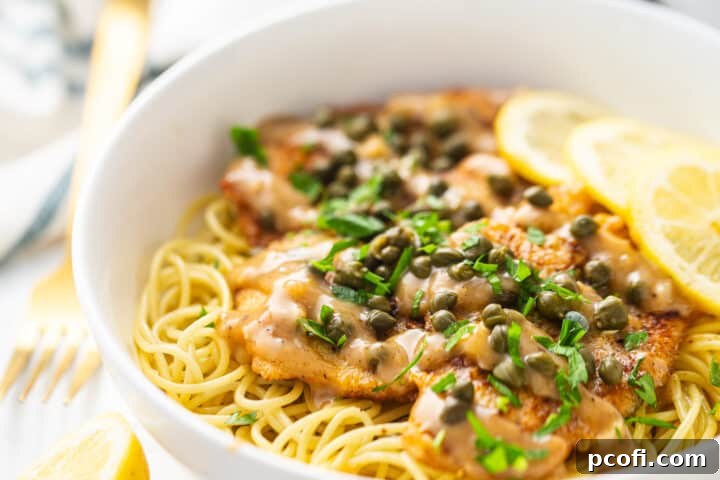
- Pasta: A classic pairing! We often serve it over cooked thin spaghetti or angel hair pasta. For an extra boost of flavor, undercook your pasta by a minute, drain it, and then toss it directly into the piccata sauce to finish cooking and absorb all those delicious flavors. Alternatively, simply toss cooked pasta with a little olive oil or butter.
- Mashed Potatoes: Creamy mashed potatoes are a comforting accompaniment. The rich piccata sauce pools perfectly in the hollows of the mash, infusing every spoonful with its bright, savory taste.
- Crusty Bread: Don’t let a drop of that amazing sauce go to waste! Serve with warm, crusty bread to sop up every last bit. Try it with homemade Garlic Knots, Focaccia Bread, an Easy Ciabatta Loaf, Soft Homemade Dinner Rolls, or Soft Italian Breadsticks.
- Vegetables: For a lighter, low-carb meal, serve Chicken Piccata alongside simple steamed or roasted vegetables. Asparagus, broccoli, green beans, or sautéed spinach are all excellent choices that complement the sauce without overpowering it.
Expert Tips for Success
Achieving restaurant-quality Chicken Piccata at home is simple when you keep a few key techniques in mind:
Coat the Chicken Thinly
The flour coating on the chicken should be very light, almost imperceptible. We’re not aiming for a heavily breaded chicken cutlet like fried chicken. The thin layer of flour helps the chicken crisp up beautifully when seared and provides just enough texture for the sauce to adhere to, without making the dish heavy.
Don’t Overcrowd the Pan
This is crucial for achieving that desirable golden-brown crust. If you pack too many chicken pieces into the skillet at once, the temperature of the pan will drop, and the chicken will steam instead of sear. Work in batches of 2-3 cutlets, allowing plenty of space between each piece. This ensures proper browning and creates those delicious “fond” bits at the bottom of the pan, which are essential for a deeply flavored sauce.
Don’t Burn the Garlic
Garlic cooks very quickly, typically needing only about a minute until fragrant. Keep a close eye on it, as burnt garlic will impart a harsh, bitter taste to your sauce, which is difficult to fix. Add it after the shallots have softened, and remove the pan from heat if it starts to brown too quickly.
Whisk, Whisk, Whisk!
For a silky-smooth, lump-free piccata sauce, constant whisking is your best friend. When adding the wine and especially the chicken stock, pour it in gradually, about 1/4 cup at a time, while vigorously whisking. This emulsifies the liquid with the roux, creating a perfectly smooth consistency.
“Mounting” with Butter for a Glossy Finish
The final addition of 3 tablespoons of unsalted butter should be whisked into the sauce off the heat. This technique, known as “monter au beurre” by French chefs, enriches the sauce, gives it a luxurious, velvety texture, and imparts a beautiful, glossy sheen. It’s a simple step that makes a significant difference in the final presentation and mouthfeel of your piccata.
Frequently Asked Questions
What if I can’t find thin-sliced chicken breasts?
No problem! If your supermarket doesn’t carry “thin-sliced chicken breasts” or “chicken cutlets,” you can easily make your own. Place a whole chicken breast on a cutting board, hold your knife parallel to the board, and carefully slice it horizontally into 1/4-inch thick cutlets. For easier slicing, pop the chicken breasts into the freezer for about 15-20 minutes to firm them up slightly. You can also use a meat mallet to pound them to an even thickness. Alternatively, boneless, skinless chicken thighs can be used, though they may require a slightly longer cooking time and will alter the texture slightly.
How long do I cook the chicken?
Because the chicken cutlets are thinly sliced, they cook very quickly. Typically, 2-3 minutes per side in a hot skillet is sufficient to achieve a beautiful golden-brown crust and ensure they are cooked through. You’ll know it’s done when both sides are nicely browned. If you’re unsure, use a digital meat thermometer; the internal temperature should reach 165°F (74°C).
Can I use another kind of meat?
Absolutely! While chicken is traditional for this recipe, the piccata sauce is incredibly versatile. Veal Piccata is another very popular classic, so thinly sliced veal makes an excellent substitute. You could also try thin slices of turkey breast or pork tenderloin. For a seafood twist, mild-tasting fish like tilapia, flounder, or cod would work wonderfully. Even salmon could be interesting, though its stronger flavor might slightly overshadow the delicate sauce. For a vegetarian or vegan version, consider pan-seared tofu, jackfruit, or a plant-based chicken alternative. Remember to swap the butter for your favorite vegan butter substitute and use vegetable stock instead of chicken stock.
Can I leave out the wine?
Yes, you can certainly omit the white wine if you prefer not to use alcohol. While the wine adds a unique depth and helps deglaze the pan beautifully, the dish will still be delicious without it. Simply substitute the 1/4 cup of white wine with an additional 1/4 cup of chicken stock. The flavor profile will be slightly different but still wonderfully savory and lemony.
What should I do if my sauce is too thick?
If your piccata sauce becomes thicker than you prefer, don’t worry! This is an easy fix. Simply whisk in additional chicken stock or a little hot water, a tablespoon at a time, until the sauce reaches your desired, pourable consistency. Bring it back to a gentle simmer for a moment to ensure everything is well combined and heated through.
What should I do if my sauce is too runny?
If your sauce is too thin, you can thicken it with a simple slurry. In a small bowl, whisk together 1 tablespoon of all-purpose flour (or cornstarch for a gluten-free option) with 2 tablespoons of cold water or chicken stock until smooth. Gradually whisk this slurry into the simmering sauce in the pan. Continue whisking as the sauce heats and thickens, which should happen within a minute or two. Remove from heat once it reaches your desired consistency.
Storing and Reheating Leftovers
Chicken Piccata makes fantastic leftovers, but a little strategic storage can help maintain its quality. To prevent the chicken from becoming soggy, I recommend storing the cooked chicken and the sauce separately if you plan to make it ahead or have a significant amount of leftovers. The chicken will stay tender and retain its texture better this way.
- Refrigerator: Store cooked chicken and sauce in separate airtight containers in the refrigerator for 3 to 4 days. When ready to reheat, gently warm the sauce in a skillet over low heat. Once simmering, nestle the chicken back into the sauce and allow it to heat through completely.
- Freezer: Both the chicken and the sauce freeze well for up to 2-3 months in separate freezer-safe containers. Thaw overnight in the refrigerator before reheating as described above. The sauce might separate slightly upon thawing, but a good whisking as it warms will usually bring it back together.
A Few More of My Favorite Italian Recipes
- Homemade Basil Pesto Recipe
- Crisp Almond Biscotti Recipe
- Creamy Mushroom Risotto
- Thin & Crisp Pizzelle Cookies
- Authentic Classic Tiramisu
As an Amazon Associate, I earn from qualifying purchases.
Chicken Piccata
Ingredients
- 1 1/4 pound (566.99 g) thin-sliced chicken breasts
- 1 1/2 teaspoons (9 g) kosher salt, divided
- 3/4 teaspoon (2.25 g) garlic powder
- 1/2 teaspoon (1 g) ground black pepper
- 3/4 cup (93.75 g) all-purpose flour, approx.
- 3 tablespoons (42 g) extra-virgin olive oil
- 4 tablespoons (56 g) unsalted butter, divided
- 2 (50 g) shallots, minced
- 3 cloves (9 g) fresh garlic, minced
- 1/4 cup (60 g) white wine*, optional
- 1 3/4 cups (420 g) chicken stock
- 1/4 cup (43.75 g) capers, drained
- 1 tablespoon (15 g) lemon juice, freshly squeezed from 1/2 lemon
- parsley, chopped (optional garnish)
Instructions
- Season the chicken with 1 1/4 teaspoons of the salt and the garlic powder and pepper.
- Lightly coat the seasoned chicken in flour, tapping off any excess.
- Heat the extra-virgin olive oil in a large skillet over medium heat, along with 1 tablespoon of the butter.
- Working in batches to avoid crowding the pan, brown the chicken on each side (approx. 3 minutes).
- Drain the chicken & set it aside.
- Sauté the minced shallots until becoming tender, then add the garlic and continue to sauté until fragrant.
- Sprinkle 2 to 3 tablespoons of flour over the garlic and shallots, and stir to coat.
- Pour in the wine (if using), whisking out any lumps and pulling the brown bits up off the bottom of the pan.
- Whisk in the chicken stock, and simmer the sauce until thickened (about 3 to 5 minutes).
- Remove the pan from the heat and whisk in the remaining 3 tablespoons of butter, along with the capers, lemon juice, and remaining 1/4 teaspoon of salt.
- Nestle the cooked chicken back into the pan, bathing it in the sauce.
- Garnish with chopped parsley.
Notes
*Can be substituted with additional chicken stock.
Calories: 452kcal,
Carbohydrates: 14g,
Protein: 35g,
Fat: 27g,
Saturated Fat: 10g,
Polyunsaturated Fat: 2g,
Monounsaturated Fat: 12g,
Trans Fat: 0.5g,
Cholesterol: 124mg,
Sodium: 1640mg,
Potassium: 726mg,
Fiber: 1g,
Sugar: 3g,
Vitamin A: 413IU,
Vitamin C: 6mg,
Calcium: 32mg,
Iron: 2mg