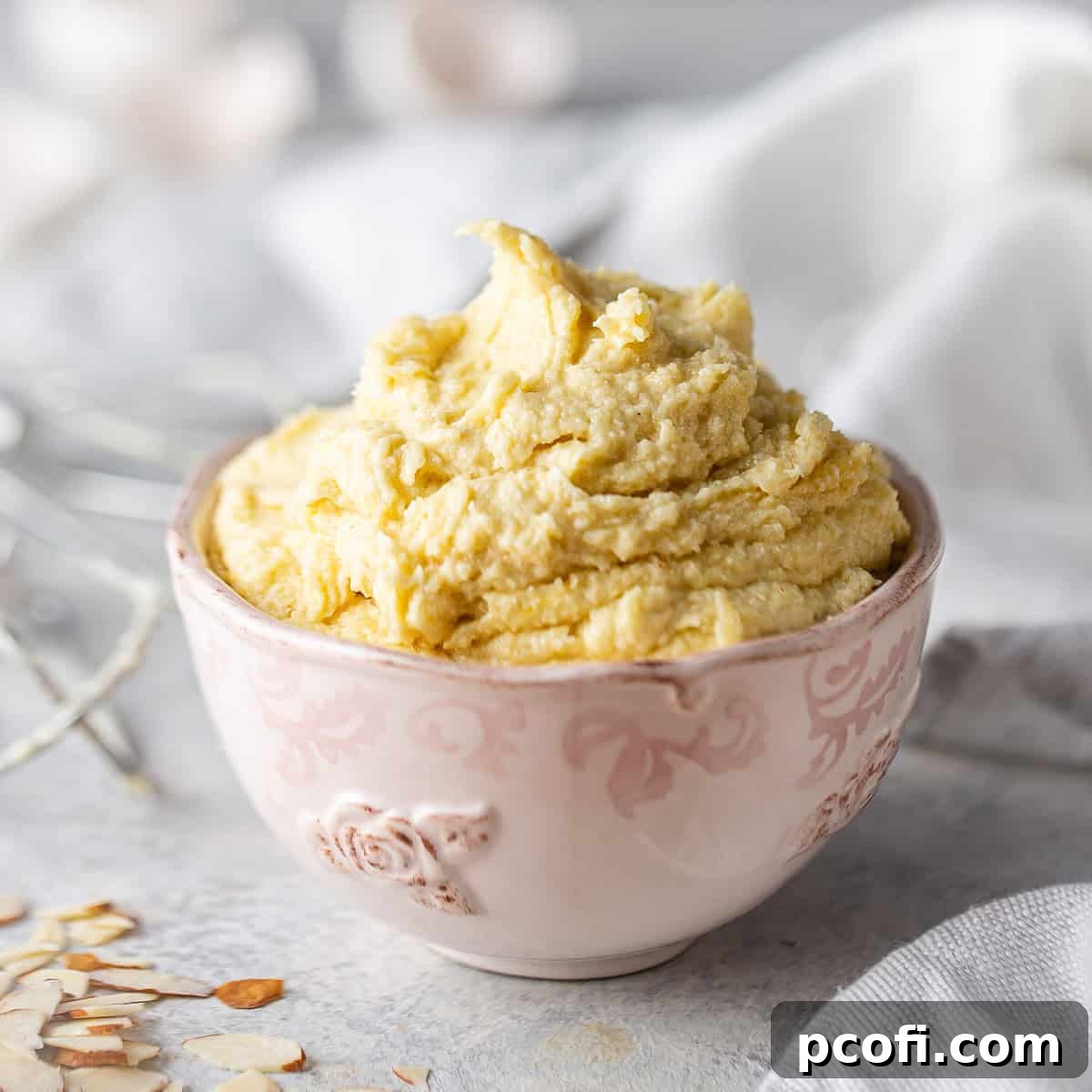
Unlock the secret to exquisite French pastries with this incredibly easy frangipane recipe. This versatile almond cream, perfect for filling tarts, croissants, and other delightful desserts, is nutty, buttery, subtly sweet, and wonderfully aromatic. Discover how to effortlessly create this classic filling and infuse it with a myriad of flavors!
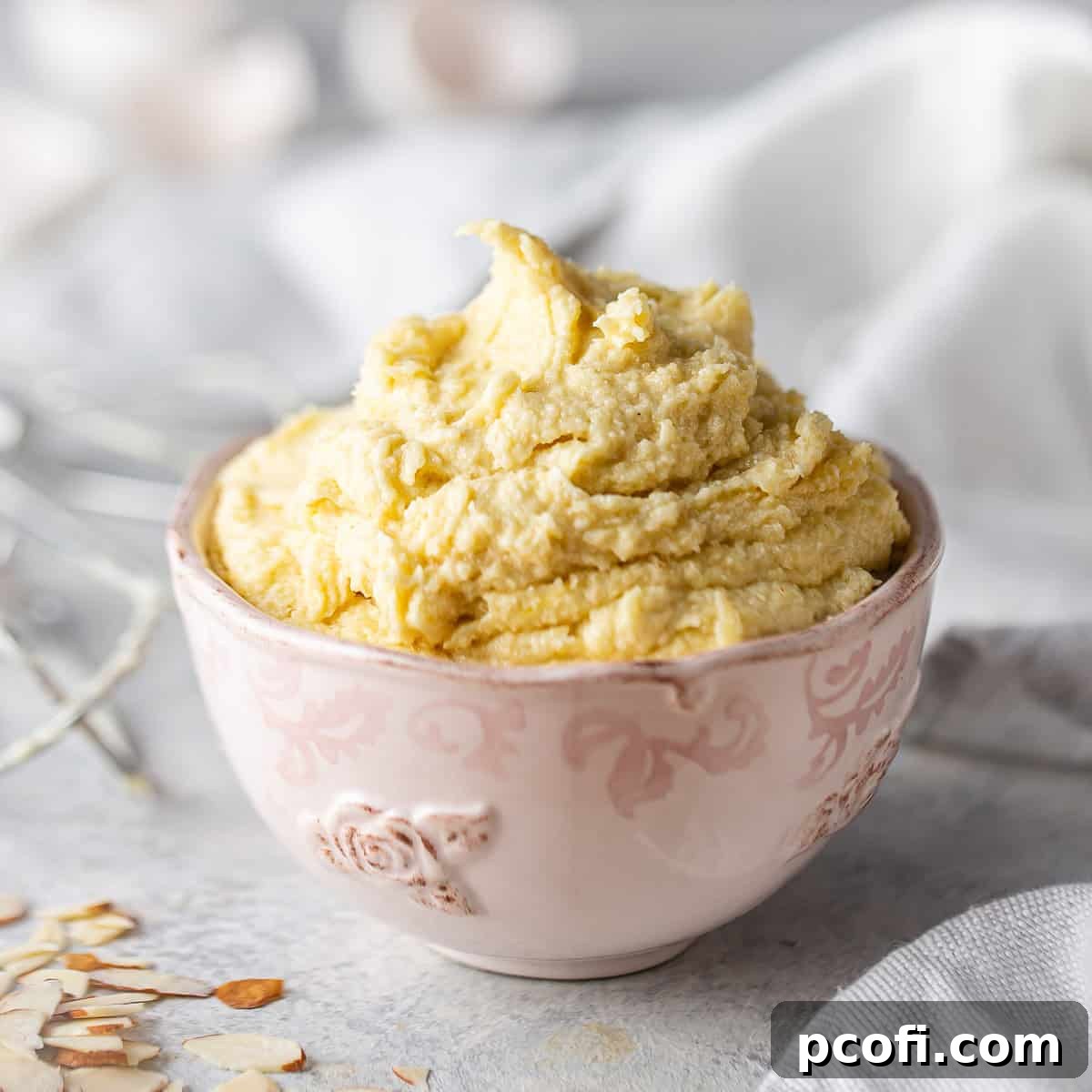
Every passionate baker knows the value of a few fundamental “building block” recipes that elevate everyday baking to something extraordinary. Today, we’re diving deep into one such essential: frangipane! If you’ve ever dreamt of crafting authentic almond croissants or elegant fruit tarts that rival those from a Parisian patisserie, then mastering this simple yet sophisticated filling is your first step.
Frangipane, at its heart, is a rich, lightly sweet almond cream, characterized by its distinct nutty flavor and tender, moist texture once baked. While traditionally made with finely ground almonds, its beauty lies in its adaptability. You can experiment with various nuts or seeds, and a spectrum of delightful flavorings to tailor it to any dessert vision you have. It’s the perfect companion for fruits ranging from tart apricots and crisp apples to juicy pears and sweet cherries, or it can shine beautifully on its own. Here on Baking a Moment, this beloved recipe has graced my Irish apple tarts and luscious rhubarb tart, and I’m already envisioning its role in future almond croissant creations!
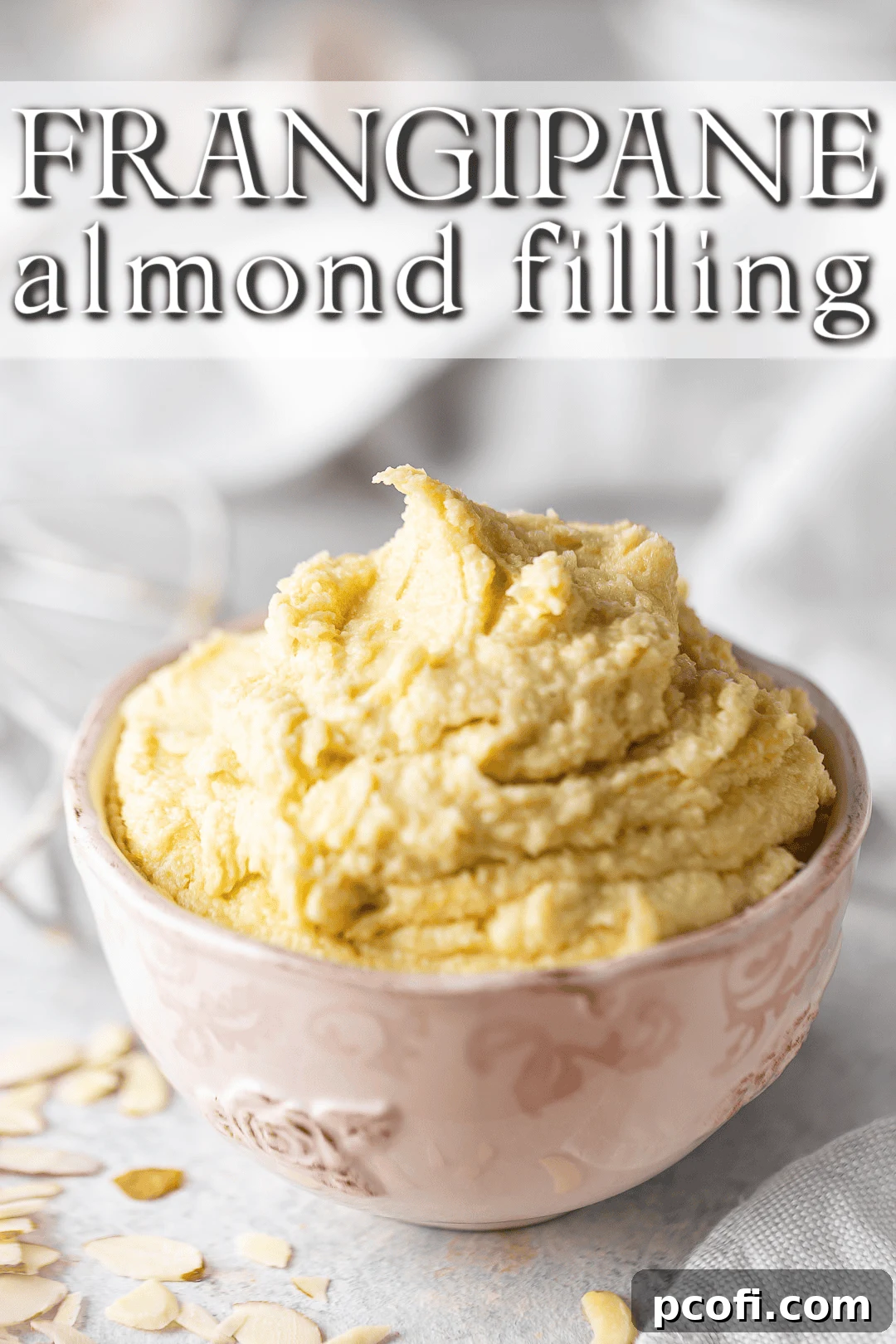
Table of Contents
- What is Frangipane? The Delightful Almond Cream Explained
- Why This is the Best Frangipane Recipe You’ll Ever Make
- What Does Frangipane Taste Like? A Sensory Journey
- Essential Ingredients for Perfect Frangipane
- Special Equipment for Effortless Preparation
- How to Make Frangipane: A Step-by-Step Guide
- How to Serve Frangipane: Baking Tips and Pairing Ideas
- Expert Tips for Frangipane Perfection and Customization
- Frequently Asked Questions About Frangipane
- Beyond Frangipane: More Best Topping & Filling Recipes
Jump to Recipe
What is Frangipane? The Delightful Almond Cream Explained
Frangipane (pronounced FRAN-ji-payne) is more than just a filling; it’s a foundational element in classical French pâtisserie. Often referred to by its elegant French name, crème d’amande, it’s a luscious almond-based cream that transforms from a simple mixture of ground nuts, butter, sugar, and eggs into a gloriously moist and tender filling once baked. Unlike many other creams such as pastry cream or lemon curd which are typically cooked on the stove, frangipane achieves its unique texture through baking.
Its origins are steeped in culinary legend, often attributed to the Italian nobleman Marquis Muzio Frangipani, who supposedly invented a perfume for gloves that later inspired a pastry chef to create an almond-scented cream. Regardless of its exact historical roots, frangipane has become a beloved component in countless European desserts, celebrated for its rich flavor, delicate texture, and remarkable versatility.
When you encounter a delicious almond tart, a delicate Danish pastry, or a flaky almond croissant, it’s very likely that this magical almond cream is the star ingredient, providing moisture, flavor, and a delightful contrast to crisp pastry.
Why This is the Best Frangipane Recipe You’ll Ever Make
Among the many frangipane recipes out there, this one stands out for several compelling reasons, making it a staple in any home baker’s repertoire:
- Unforgettable Flavor & Texture: Prepare for a truly amazing experience! This frangipane is a symphony of buttery richness and earthy, toasted nuttiness, perfectly balanced with a gentle sweetness. Once baked, it boasts an airy, moist, and tender crumb that simply melts in your mouth.
- Minimal Ingredients, Maximum Impact: You won’t need an exhaustive list of exotic items. This recipe relies on a handful of common pantry staples, proving that extraordinary flavor doesn’t require complexity.
- Effortless Preparation: Don’t let its fancy name intimidate you. This frangipane comes together in a mere 10 minutes from start to finish. Whether you’re a novice baker or a seasoned professional, you’ll find this recipe incredibly straightforward and consistently successful.
- Unmatched Versatility: This isn’t just a one-trick pony. Beyond its primary role as a filling, frangipane can be flavored in countless ways and integrated into an astonishing array of desserts, from classic tarts and Danish pastries to cakes and even cookies. It’s a true culinary chameleon, ready to adapt to your creative whims.
What Does Frangipane Taste Like? A Sensory Journey
When crafted according to this recipe, without any additional flavorings beyond the foundational extracts, frangipane offers a truly delightful taste profile. Expect an inviting aroma of toasted nuts, predominantly almond, which translates into a deep, earthy nuttiness on the palate. This rich flavor is beautifully complemented by a subtle sweetness that never overpowers, allowing the natural essence of the almonds to shine through. The buttery richness provides a luxurious mouthfeel, while a delicate hint of vanilla extract adds a comforting, aromatic perfume, creating a harmonious and utterly addictive experience. It’s a flavor that feels both classic and comforting, making it universally appealing.
Essential Ingredients for Perfect Frangipane
Crafting perfect frangipane begins with understanding the role of each high-quality ingredient. Here’s what you’ll need, along with some insights for best results:
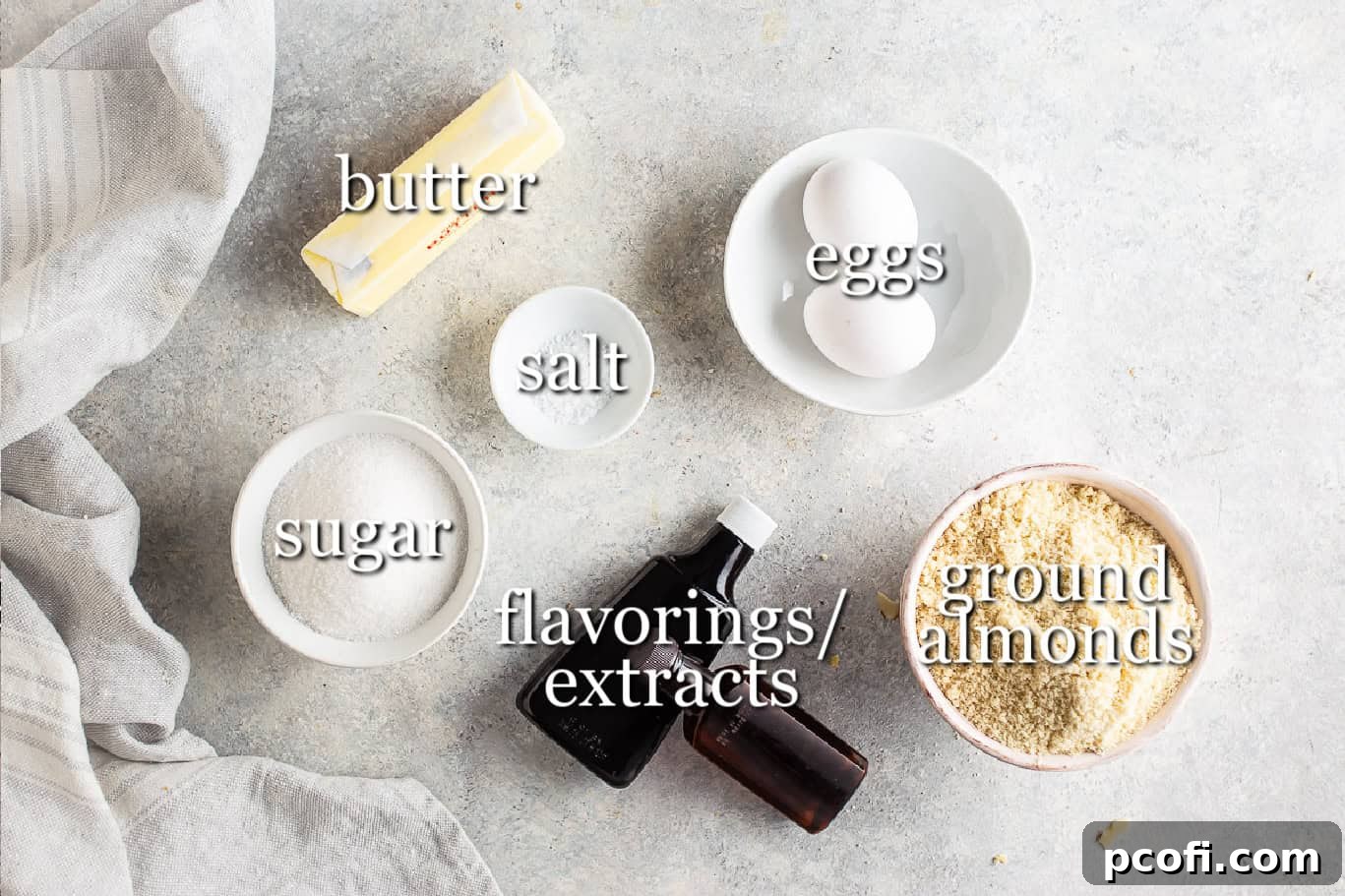
- Unsalted Butter: This is the backbone of frangipane, contributing immense richness, flavor, and crucial texture. Using unsalted butter gives you complete control over the salt content of your final product. It’s absolutely best if your butter is brought to a true room temperature before you begin. Softened butter creams beautifully, incorporating air more efficiently, which leads to a lighter, fluffier frangipane. (Need a quick trick? Check out How to Soften Butter Quickly).
- Granulated Sugar: Provides the necessary sweetness and helps in the creaming process, creating a light and airy mixture with the butter. While standard granulated white sugar is traditional, you can certainly experiment with other granulated sweeteners that swap 1:1, such as superfine sugar for a smoother blend, or even a touch of brown sugar for a deeper, more molasses-like note.
- Kosher Salt: A pinch of salt is vital for balancing and enhancing all the flavors in your frangipane. It prevents the filling from tasting flat or overly sweet, instead highlighting the nutty and buttery notes. I prefer kosher salt for its pure taste and easy dissolution, free from bitter additives like iodine found in some table salts.
- Large Eggs: Eggs are key for binding the ingredients together, adding richness, and helping the frangipane set up firmly yet tenderly when baked. They also contribute to the overall structure and provide a slight leavening effect. Using large chicken eggs is standard, and while not strictly critical, having them at room temperature can help them incorporate more smoothly into the butter mixture, reducing the chance of curdling.
- Flavorings (Vanilla & Almond Extract): For this classic preparation, we use a timeless combination of vanilla extract and almond extract. Vanilla adds warmth and depth, while almond extract intensifies the inherent almond flavor, giving it that characteristic bakery-style taste. However, this is where your creativity can truly shine! Frangipane is incredibly adaptable to a vast array of other flavorings, which we’ll explore in more detail below.
- Almond Meal (or Almond Flour/Finely Ground Almonds): This is the defining ingredient that gives frangipane its nutty character and texture. Almond meal, which includes the skins, will give a slightly coarser texture and a more rustic appearance. Almond flour, typically made from blanched (skinless) almonds, results in a finer, smoother frangipane. Both work wonderfully and are interchangeable in this recipe. If you can’t find pre-ground almonds, you can easily make your own by grinding whole blanched or unblanched almonds in a food processor until fine, being careful not to over-process into butter.
Special Equipment for Effortless Preparation
While frangipane is a straightforward recipe, having the right tools makes the process even smoother and more enjoyable:
- Measuring Cups and Spoons: Accurate measurement is fundamental in baking. Ensure you have a reliable set for both dry and liquid ingredients. Follow a guide on how to measure ingredients for the best results.
- Large Mixing Bowl: You’ll need a spacious bowl to accommodate all your ingredients and allow for proper creaming and mixing, especially as the butter and sugar double in volume.
- Electric Mixer: A handheld electric mixer or a stand mixer with the paddle attachment is highly recommended. The creaming step requires significant whipping, and a mixer will achieve the desired pale and fluffy texture far more efficiently than hand mixing.
- Silicone Spatula: Indispensable for scraping down the sides of the bowl, ensuring all ingredients are thoroughly incorporated, and getting every last bit of that delicious frangipane out!
How to Make Frangipane: A Step-by-Step Guide
Creating this delectable almond cream is surprisingly simple, typically coming together in just three key steps:
Step 1: Cream the Butter, Sugar, and Salt
In your large mixing bowl, combine the softened unsalted butter, granulated sugar, and kosher salt. Using your electric mixer on medium-high speed, cream these ingredients together until the mixture is remarkably pale in color, exceptionally fluffy in texture, and has visibly doubled in volume. This crucial step is where air is incorporated into the butter, contributing to the light and tender quality of the baked frangipane. Be patient; this process usually takes no less than 5 to 7 full minutes, but the effort is well worth it for the superior texture it yields.
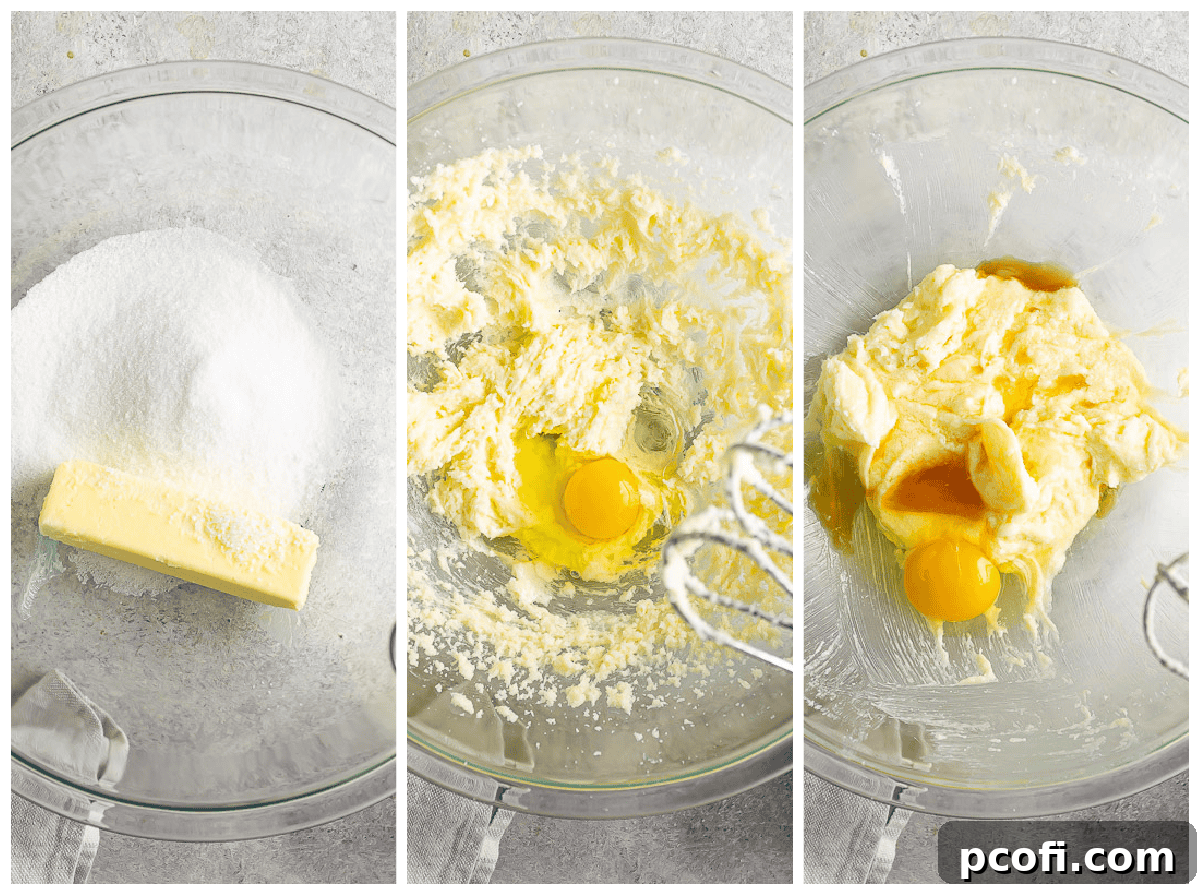
Step 2: Incorporate the Eggs and Flavorings
With the mixer still running on a slightly lower speed, add the first large egg and continue to whip until it is fully incorporated into the butter mixture, leaving no streaks of egg yolk or white. Next, add the second egg along with your chosen extracts (vanilla and almond, or any other flavorings like liqueurs, spices, or citrus zest you desire). Whip everything together until thoroughly blended and smooth. Adding the eggs one at a time helps maintain the emulsion and prevents the mixture from curdling.
Step 3: Gently Fold in the Ground Nuts
Finally, reduce the mixer speed to low or remove the bowl from the mixer and use your silicone spatula. Add the almond meal (or your chosen ground nuts) to the mixture. Gently fold everything together until just combined. Be careful not to overmix at this stage; overworking the mixture can develop gluten if there’s any flour present (though not in pure almond meal) and can deflate the air you’ve just whipped in, resulting in a tougher frangipane. A few gentle folds are all it takes to bring it all together into a cohesive, delicious almond cream.
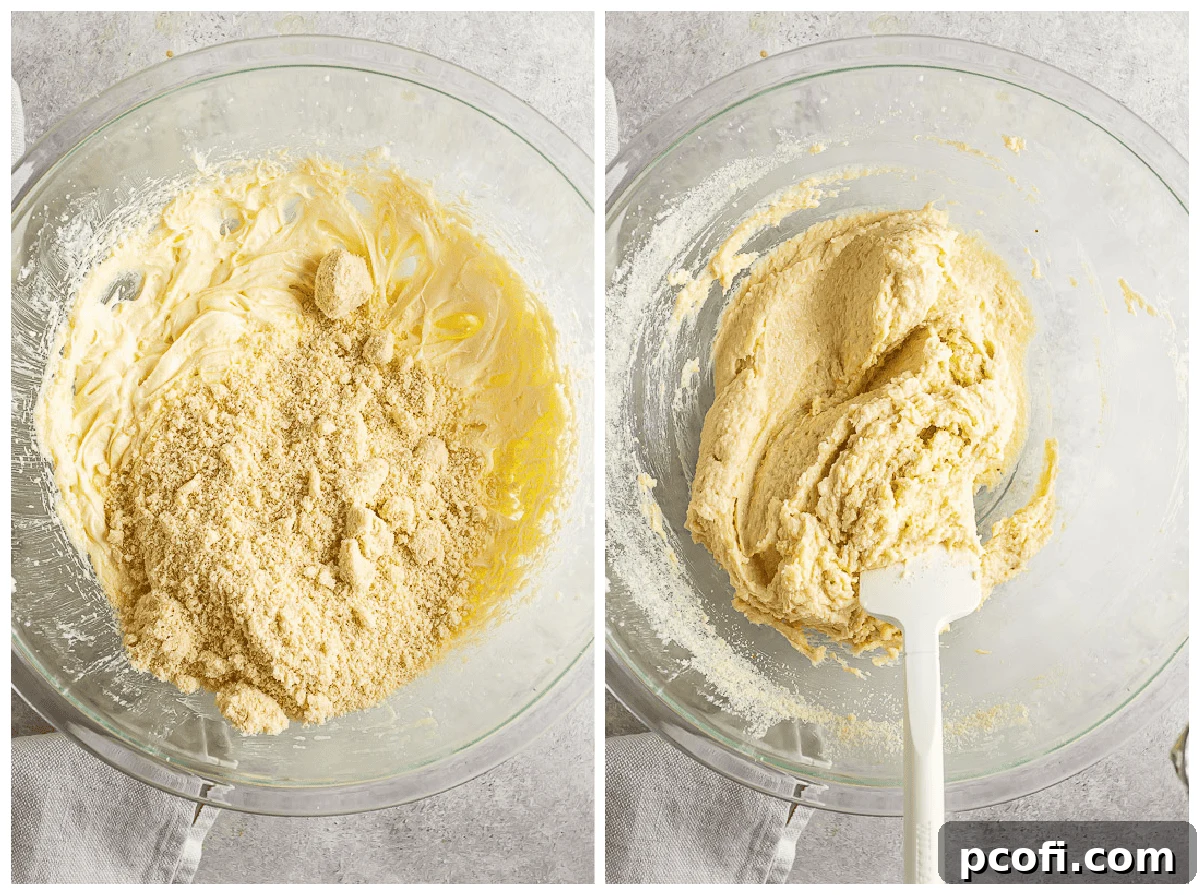
And that’s all there is to it! Your homemade frangipane is now ready to transform into a myriad of delectable desserts.
How to Serve Frangipane: Baking Tips and Pairing Ideas
Once your frangipane is mixed, the exciting part begins: using it! I haven’t included specific baking instructions here, as the exact times and temperatures will vary significantly depending on how you choose to use it and the particular recipe you are following for your pastry. However, there are some universal guidelines to ensure perfect results.
**Important Safety Note:** Because frangipane contains raw eggs, it absolutely must be baked before consumption. Never consume frangipane raw.
When baking frangipane, your goal is a filling that is moist, tender, and beautifully set – it should not be wobbly in the center. The baking time will depend on the thickness of the layer and the type of pastry it’s in. For instance, a deep fruit tart shell filled generously with frangipane will require a longer baking period than a thin layer spread inside a split croissant or a Danish.
As a general rule of thumb, expect frangipane to need a minimum of 10 to 15 minutes in a preheated 350°F (175°C) oven. However, trust your senses more than just the clock. Look for these signs of doneness:
- Visual Cues: The surface should be golden brown around the edges, perhaps slightly lighter in the center, indicating that it has cooked through and caramelized beautifully.
- Tactile Test: Gently press the center of the frangipane with your fingertip. It should feel firm yet springy, not liquid or wobbly.
- Aroma: Your kitchen should be filled with the intoxicating scent of toasted nuts and sweet baked goods.
Always refer to the specific recipe you are using for the pastry you are filling, as it will provide the most accurate guidance. But with these general tips, you’ll ensure your frangipane bakes up perfectly every time, adding an exquisite touch to any dessert.
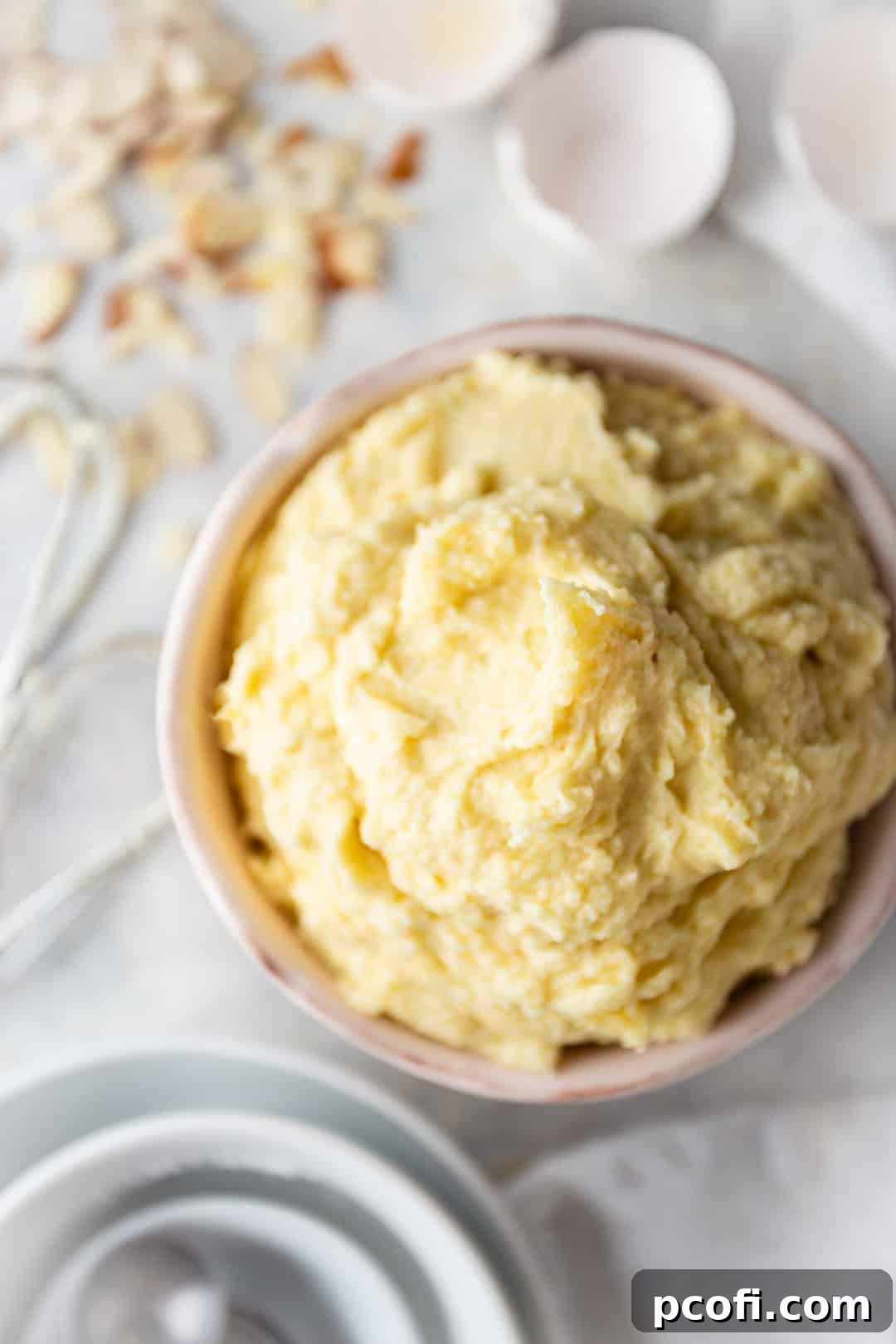
Expert Tips for Frangipane Perfection and Customization
While this frangipane recipe is straightforward, a few expert tips can elevate your creation from good to absolutely outstanding, and unlock a world of customization possibilities:
- Explore a Spectrum of Nut Meals: Don’t limit yourself to just almonds! The world of nut meals (finely ground nuts, often interchangeable with “flour” in baking terms) is vast and exciting. Many grocery stores now stock hazelnut meal, pecan meal, and walnut meal in their baking aisles. Each nut offers a unique flavor profile that can dramatically change your frangipane. If you can’t find a specific nut meal, it’s easy to make your own: simply finely grind whole blanched or unblanched nuts in a food processor until they reach a flour-like consistency. Be careful not to over-process, or you’ll end up with nut butter!
- Unleash Flavor Creativity: The classic vanilla and almond extract combination is wonderful, but frangipane is a blank canvas for flavor. Consider these enhancements:
- **Liqueurs:** A splash of rum, brandy, or fruit liqueurs like Grand Marnier (orange), Frangelico (hazelnut), Calvados (apple brandy), or Poire William (pear brandy) adds depth and a sophisticated edge.
- **Spices:** Ground spices such as cinnamon, nutmeg, ginger, cardamom, or a touch of pumpkin spice blend beautifully with nuts.
- **Citrus Zest:** Finely grated zest from lemons, oranges, or limes brightens the flavor and adds a fragrant lift.
- **Coffee or Chocolate:** A teaspoon of instant espresso powder or cocoa powder can add a delightful complexity, especially when paired with pecans or walnuts.
- **Floral Notes:** A tiny drop of rosewater or orange blossom water can infuse an exotic, delicate aroma.
- Ensure Room Temperature Ingredients for Smoothness: One of the most common reasons for a lumpy or slightly curdled-looking frangipane mixture is using cold ingredients. When butter is cold, it struggles to emulsify with cold eggs or other liquids, leading to a less cohesive mixture. While your frangipane will still bake up fine, for the smoothest, most luxurious cream, ensure all your ingredients—butter, eggs, and any liquid flavorings—are at a true room temperature. Additionally, when adding liquids (like the eggs), incorporate them slowly, a little at a time, while whipping continuously. These two simple tips will guarantee a perfectly smooth, airy, and luscious crème d’amande filling every single time.
- Don’t Overmix the Nuts: Once the ground nuts are added, switch to a silicone spatula and fold them in gently. Overmixing can cause the fat in the nuts to release, leading to an oily frangipane, or if using a nut flour with some gluten, it could result in a tougher texture.
Frequently Asked Questions About Frangipane
Yes! This traditional almond filling recipe is naturally gluten-free. It relies on ground almonds (or other nuts/seeds) instead of wheat flour, so you don’t need to make any substitutions.
Making frangipane dairy-free is quite achievable! There are many excellent plant-based butter substitutes available today that perform wonderfully in baking. Simply swap the dairy butter with your preferred plant-based butter (like Miyoko’s Kitchen or Earth Balance sticks) in a 1:1 ratio. Eggs are not considered dairy, but if you’re aiming for a completely vegan frangipane, you can use a plant-based egg replacer (such as flax eggs, a commercial egg substitute, or even applesauce/mashed banana for moisture) that swaps 1:1 for chicken eggs. Be aware that the texture might be slightly different depending on the egg replacer used.
This is a common point of confusion! While all are almond-based, they serve different purposes and have distinct characteristics:
- Frangipane: This is a baked filling. It contains butter, whole eggs, sugar, and ground almonds. Its texture when baked is airy, moist, and fluffy, making it ideal for tarts, croissants, and Danish pastries.
- Marzipan: Typically a confection, not a baked filling. Marzipan is primarily a paste made from finely ground almonds and sugar (often confectioners’ sugar), sometimes with a small amount of egg white or glucose syrup to bind it. It’s dense, pliable, chewy, and candy-like, used for sculpting, covering cakes, or as a confectionary treat.
- Financier: This is a small French almond cake. Financiers typically use almond flour, brown butter (beurre noisette), egg whites (no yolks), and sugar. They have a distinct moist, dense, yet delicate crumb with a rich, nutty flavor, often baked in small rectangular molds.
The baking time for frangipane is highly dependent on how you intend to use it. A thick layer in a deep-dish tart, such as a traditional cherry bakewell tart, will require significantly more time in the oven than a thin layer spread onto a split croissant before its second bake. As a general guideline, to ensure the eggs are safely cooked, frangipane should be baked for a minimum of 10 to 15 minutes at 350°F (175°C). However, the best way to judge doneness is by visual and tactile cues. Look for golden-brown edges and a center that feels set and firm when gently pressed, with no wobble. You should also notice a strong, appealing aroma of toasted nuts filling your kitchen.
Yes, you can certainly prepare frangipane ahead of time, which makes holiday baking or weekend projects much easier. However, because it contains fresh eggs, it’s best not to make it too far in advance. The yolks, in particular, are perishable once cracked. You can mix up this frangipane recipe 1 to 2 days ahead of time and store it in an airtight container in the refrigerator. For longer storage, it freezes beautifully for up to a week or even two. When ready to use, thaw it in the refrigerator overnight before baking. Once thawed, give it a quick whisk to re-emulsify if it has separated slightly.
This frangipane recipe yields approximately 2 cups of delicious filling. This quantity is generally sufficient for a standard-sized tart (9-10 inches) of any shape, several Danish pastries, or a batch of almond croissants. I’ve estimated a serving size of about 1/3-cup, which typically corresponds to one generous slice if a standard tart is cut into 6 portions. The nutritional information provided in the recipe card reflects this serving size, based on 0.33 of the whole batch.
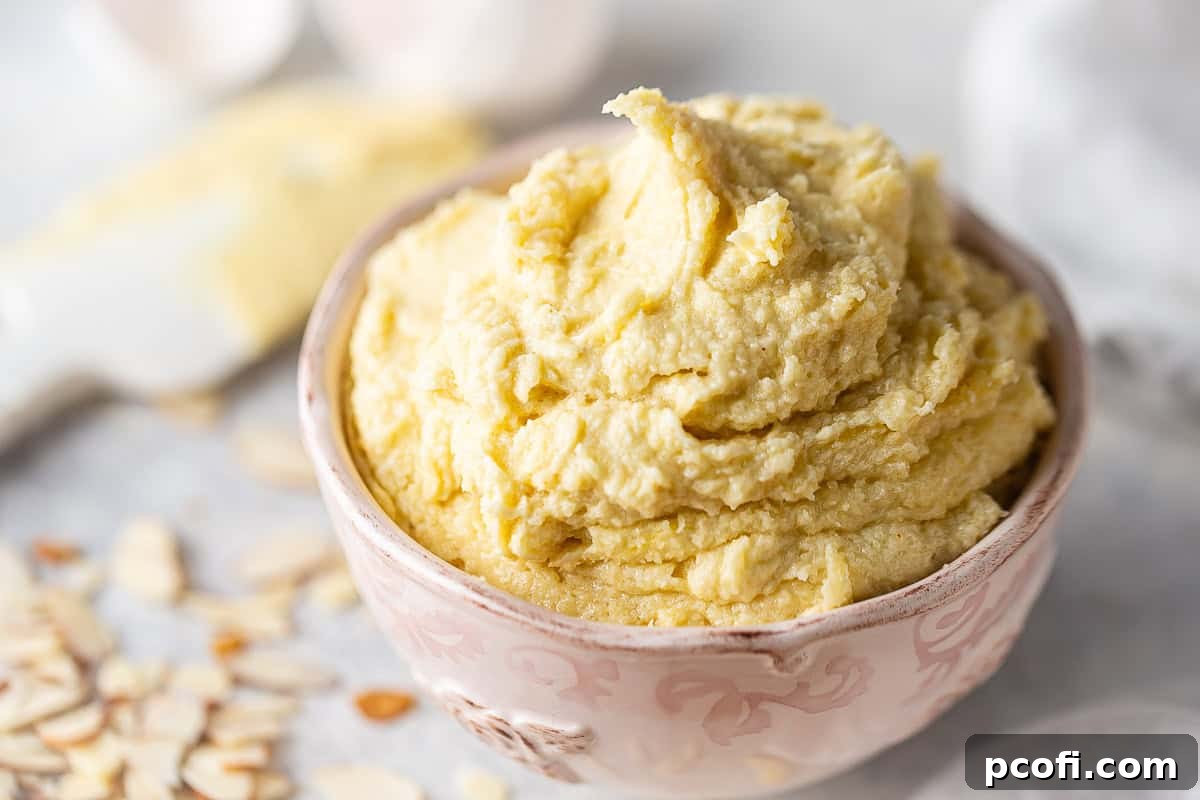
Beyond Frangipane: More Best Topping & Filling Recipes
If you loved creating this versatile frangipane, you might enjoy exploring other essential topping and filling recipes to expand your baking repertoire. These are perfect for adding the finishing touch to cakes, pastries, and desserts:
- Rich Chocolate Glaze
- Vibrant Raspberry Sauce
- Creamy Dulce de Leche
- Silky Crème Anglaise
As an Amazon Associate, I earn from qualifying purchases.
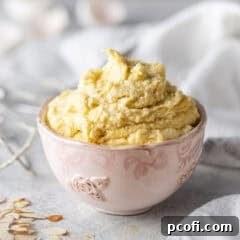
Frangipane Recipe
6 (approx. 1/3 cup) servings
This easy frangipane recipe is perfect for filling tarts or croissants! Nutty, buttery, & just sweet enough. Flavor it in all sorts of ways!
Leave a Review
Save Recipe
Ingredients
- 2/3 cup (133.33 g) granulated sugar
- 1/2 cup (113.5 g) unsalted butter, softened
- 1/4 teaspoon (1.5 g) kosher salt
- 2 large (88 g) eggs
- 1 teaspoon (4 g) vanilla extract
- 1/4 teaspoon (1 g) almond extract
- 1 1/2 cups (168 g) almond meal (aka: almond flour or finely ground almonds)*
Instructions
- Using an electric mixer on medium-high speed, cream the sugar, butter, and salt together until very pale and doubled in volume (approximately 5 to 7 minutes).
- Whip in the first egg until fully incorporated.
- Whip in the second egg and the extracts until well blended.
- Gently fold in the almond meal.
- Bake until set. (Exact times and temperatures will depend on your application. A large, deep-dish tart will require more baking than a thin layer sandwiched in a croissant. As a general rule, aim for at least 10-15 minutes at 350°F (175°C), or longer until golden and set.)
Notes
*Other types of nut meals can also be used.
(Ad Blocker Note: For a quick video tutorial, please consider disabling your ad blocker.)
Nutrition Information
Serving: 0.33 cup, Calories: 403 kcal, Carbohydrates: 28g, Protein: 8g, Fat: 31g, Saturated Fat: 11g, Polyunsaturated Fat: 1g, Monounsaturated Fat: 5g, Trans Fat: 1g, Cholesterol: 95mg, Sodium: 120mg, Potassium: 26mg, Fiber: 3g, Sugar: 23g, Vitamin A: 552IU, Calcium: 72mg, Iron: 1mg
Course: Dessert, Filling
Tried this recipe?
Mention @bakingamoment on Instagram or tag #bakingamoment.