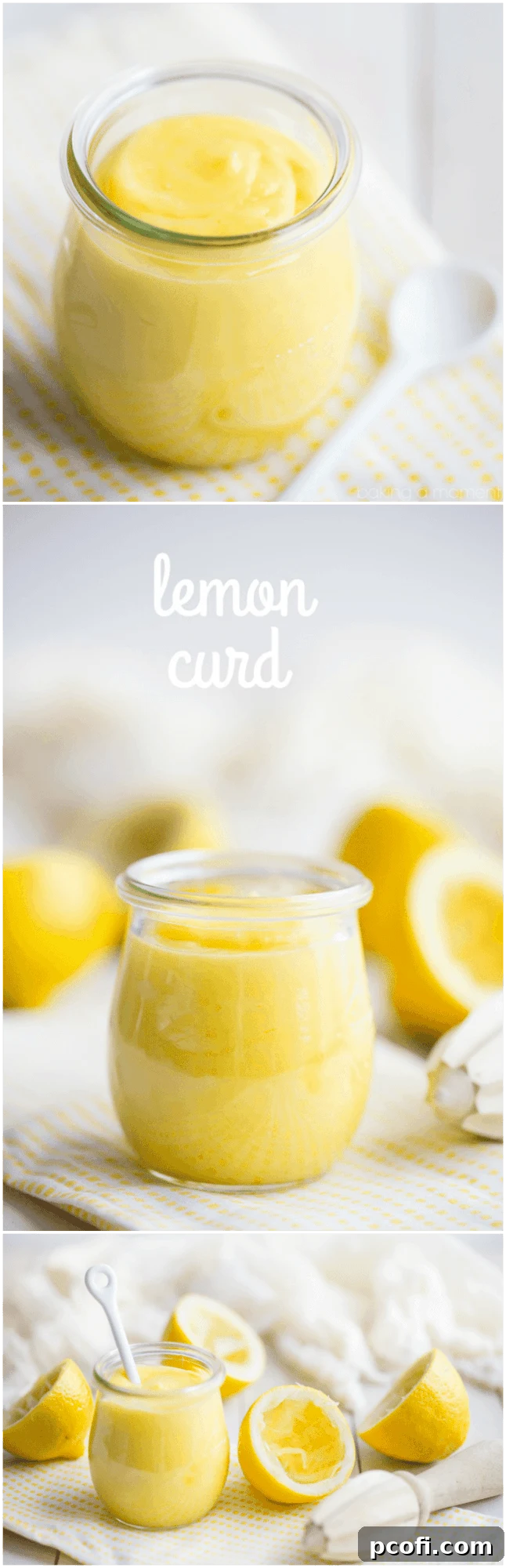
Easy Homemade Lemon Curd: Your Ultimate Guide to Tangy, Buttery Perfection
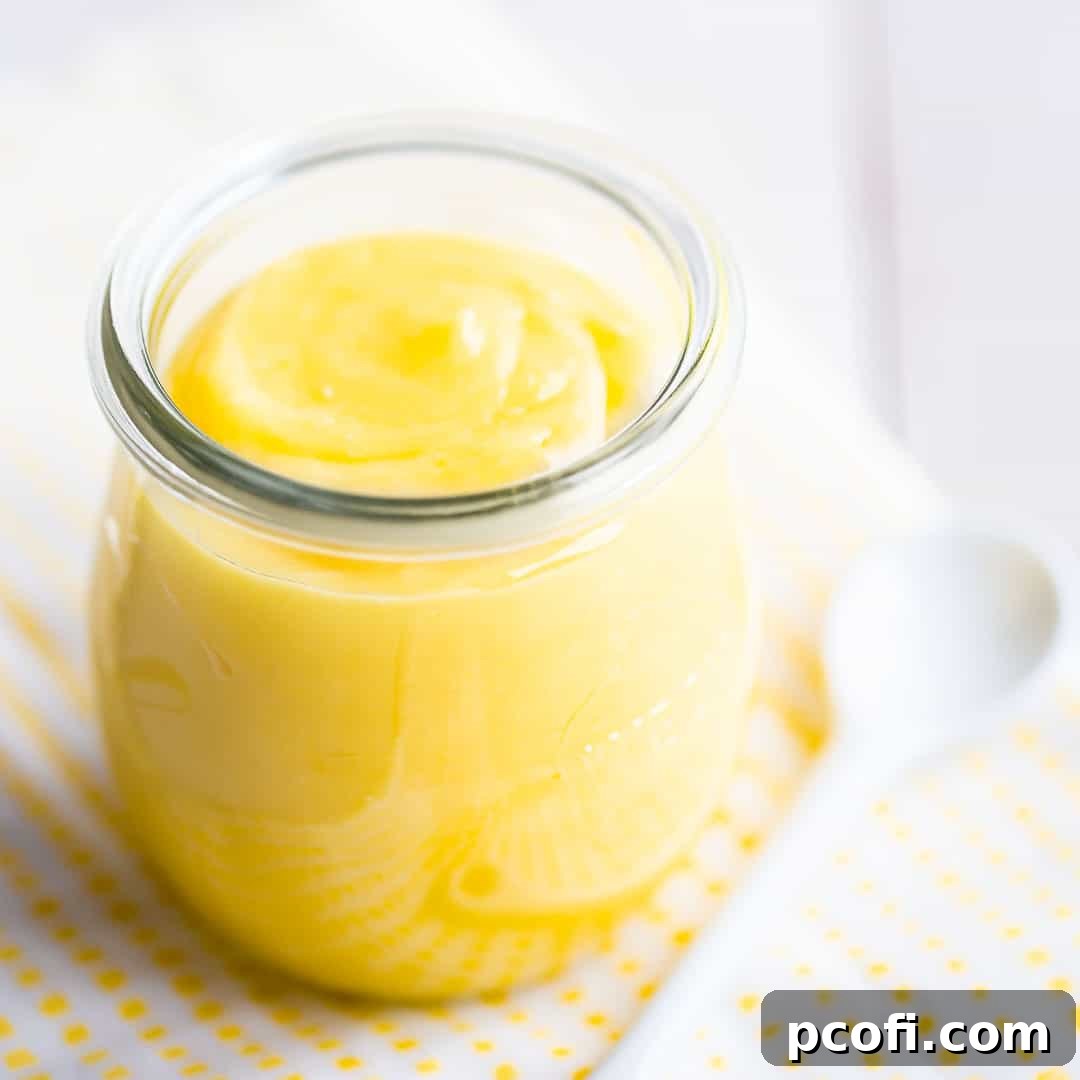
*This post, originally published in April 2016, has been updated and expanded to include a comprehensive step-by-step photo guide, detailed instructions, and answers to frequently asked questions. We hope you enjoy this revitalized homemade lemon curd recipe as much as we do!*
There’s nothing quite like the burst of fresh, zesty flavor that a perfectly made lemon dessert can bring. As the warmer months arrive, bringing with them a craving for bright and refreshing treats, a homemade lemon curd recipe becomes an absolute must-have in your culinary repertoire. Forget the heavy, oven-baked desserts; this tangy, vibrant lemon curd is a game-changer, offering a delightful escape to sun-drenched flavors with minimal effort.
Here at Baking a Moment, we adore no-bake desserts that are both simple to prepare and incredibly satisfying. While we boast a wonderful collection of no-bake dessert recipes – from our easy chocolate mousse to luscious peanut butter fudge and decadent bananas Foster – today, the spotlight shines brightly on the star of citrusy confections: homemade lemon curd.
This isn’t just a recipe; it’s an experience. Making your own lemon curd from scratch feels wonderfully sophisticated, yet it’s surprisingly straightforward. The result is a truly special treat: an intensely bright and citrus-infused cream, balanced by a rich, buttery undertone that melts on your tongue, leaving a lingering symphony of tangy, sweet, and floral lemon notes. It’s a versatile masterpiece that will undoubtedly wow your taste buds and impress anyone you share it with.
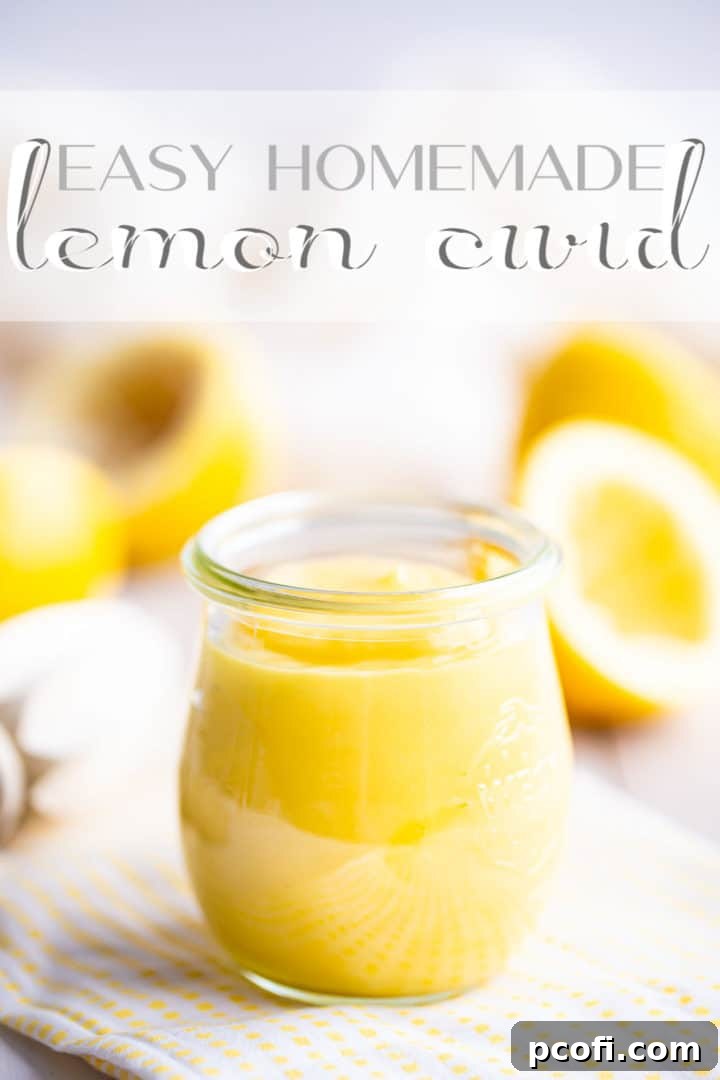
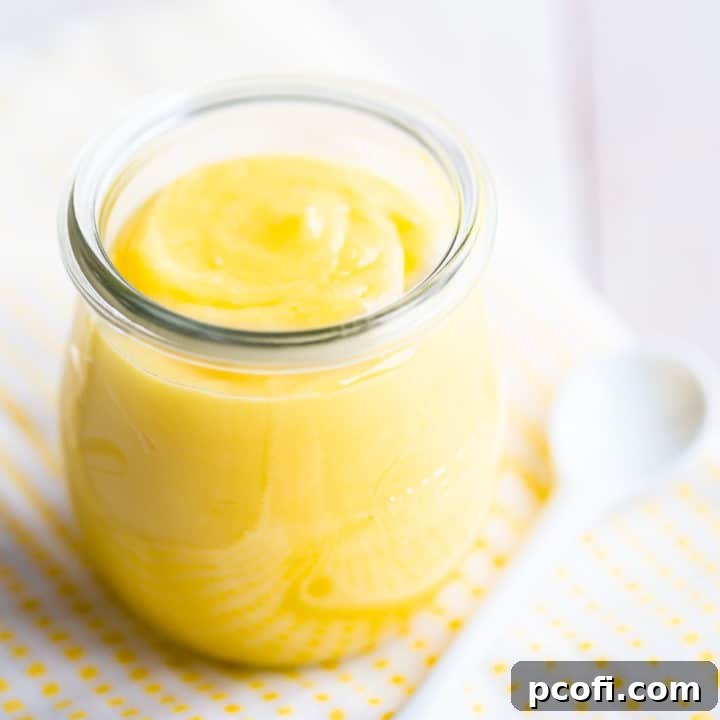
What Exactly is Lemon Curd?
Lemon curd is a classic, velvety-smooth sweet spread or topping, crafted from a harmonious blend of eggs, granulated sugar, fresh lemon juice, and butter. Unlike jams or marmalades that rely on fruit pectin, lemon curd achieves its lush, creamy, and satin-like texture through the emulsification of eggs and butter, thickened by gentle heat. It’s often likened to a custard, but with a more pronounced, vibrant citrus kick. This delightful condiment is a staple in British baking and has gained immense popularity worldwide for its bright and refreshing profile.
The Irresistible Flavor Profile of Lemon Curd
The star of this homemade lemon curd recipe is, without question, the LEMON. Each spoonful delivers an exhilarating burst of bright, tangy, and zippy citrus flavor that awakens the palate. This intense lemon essence is perfectly complemented by the luxurious richness of butter, creating a decadent mouthfeel that’s incredibly scrumptious. It’s a masterful balance of sweet and tart, ensuring that while the lemon dominates, it never overwhelms, instead offering a sophisticated and utterly delightful taste experience.
Why Make Lemon Curd at Home?
While store-bought lemon curd is readily available, making it at home offers unparalleled benefits:
- **Superior Freshness and Flavor:** Homemade curd guarantees the freshest ingredients, especially the bright, zesty notes of real lemon juice, leading to a far more vibrant and complex flavor profile than anything pre-packaged.
- **Control Over Ingredients:** You dictate what goes into your curd. This means no artificial flavors, preservatives, or unwanted additives. You can also adjust the sweetness to your personal preference.
- **Achieve the Perfect Texture:** With homemade, you can ensure that silken, smooth, and creamy texture that sets exceptional lemon curd apart.
- **Cost-Effective:** Often, making lemon curd from scratch is more economical than purchasing high-quality versions from a gourmet store.
- **Pure Satisfaction:** There’s immense satisfaction in creating something so delicious and versatile with your own hands.
Versatile Uses for Homemade Lemon Curd
One of the many charms of this easy lemon curd recipe is its incredible versatility. It can elevate virtually any meal, from a simple breakfast to an elaborate dessert. Here are just a few ideas to inspire you:
- **Breakfast & Brunch Delights:**
- Spread generously over warm scones, flaky croissants, or muffins.
- Swirl into Greek yogurt or oatmeal for a tangy breakfast boost.
- Dollop onto pancakes, waffles, or French toast instead of syrup.
- **Decadent Dessert Fillings & Toppings:**
- Use as a luscious filling between layers of this white almond sour cream cake or other sponge cakes.
- Fill a buttery tart crust, topping with fresh berries or a cloud of whipped cream for an elegant lemon tart.
- Pipe into cupcakes, donuts, or choux pastry for a delightful citrus surprise.
- Serve alongside slices of angel food cake, pound cake, or cheesecakes.
- Fold into whipped cream to create a light and airy lemon mousse.
- Spoon over fresh fruit salads or berries.
- **Thoughtful Homemade Gifts:**
- Package small jars of homemade lemon curd as charming and delicious gifts or party favors. A homemade gift truly shows you care!
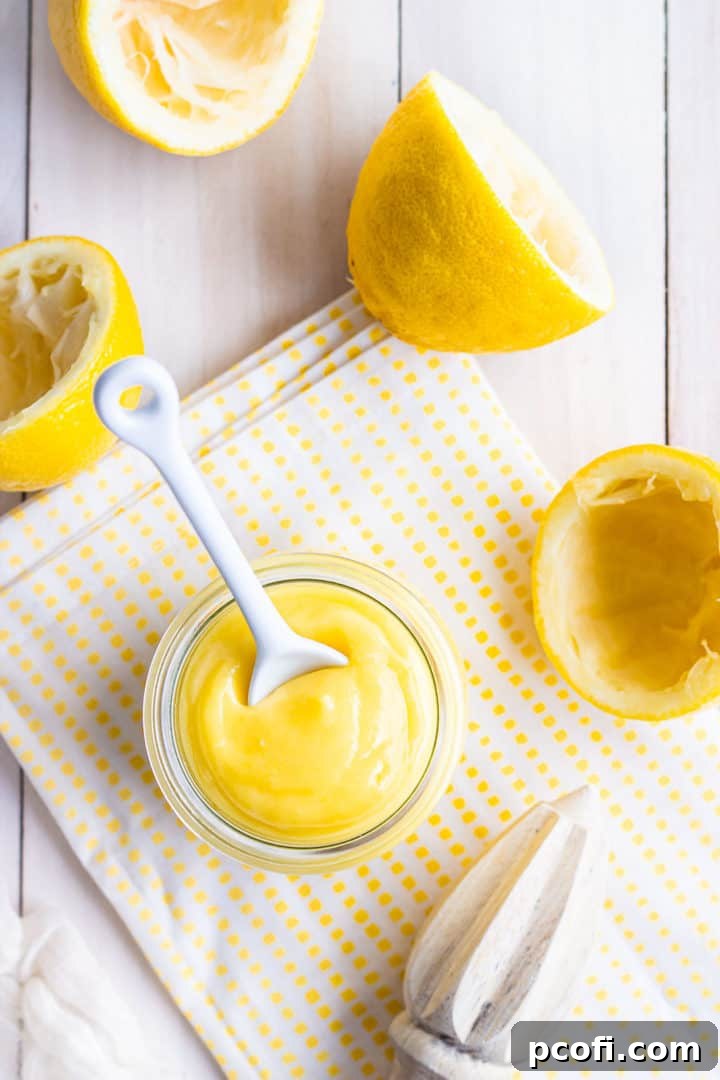
Step-by-Step Guide: How to Make Homemade Lemon Curd
You’ll be amazed at how simple it is to whip up this flavorful classic. The process essentially involves combining ingredients and gently cooking them until they thicken into a luscious cream. We’ll be using the traditional double boiler method, which provides gentle, even heat to prevent the eggs from scrambling.
- **Prepare Your Mixture:** Begin by whisking together the eggs, additional egg yolks (for extra richness), granulated sugar, and fresh lemon juice in a large, heat-safe mixing bowl. Whisk until the mixture is well combined and the sugar starts to dissolve.

- **Set Up the Double Boiler:** Place your mixing bowl over a small pot of simmering water. Ensure the bottom of the bowl does not touch the water. Add the cubed unsalted butter to the mixture in the bowl.
- **Gentle Cooking & Thickening:** Gently cook the mixture, whisking continuously. This constant movement is crucial to prevent the eggs from cooking too quickly and scrambling. Initially, the butter will melt, and the mixture will appear quite runny. Continue whisking; after a short while (typically 8-12 minutes), you’ll feel the mixture begin to thicken. It should reach a consistency similar to that of a thin yogurt or gravy, and your whisk will start to leave distinct tracks in the curd. For precision, aim for a temperature of around 170°F (77°C) using an instant-read thermometer.
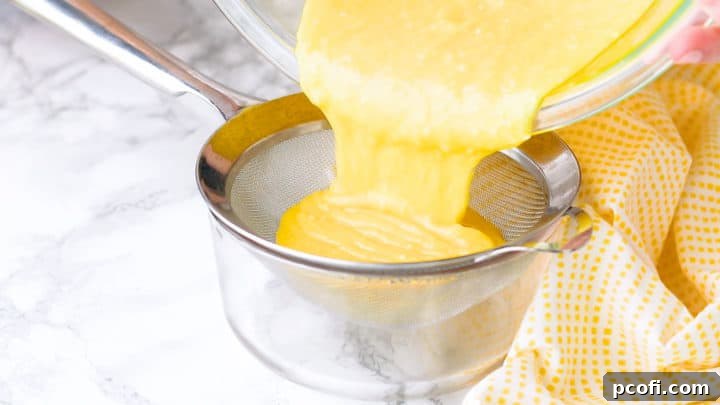
- **Strain for Silkiness:** Once thickened, immediately remove the bowl from the heat. Pour the hot lemon curd through a fine-mesh strainer directly into a clean, heat-safe bowl. This step is essential for removing any tiny bits of cooked egg or lemon pulp, ensuring your curd is incredibly smooth and silky.
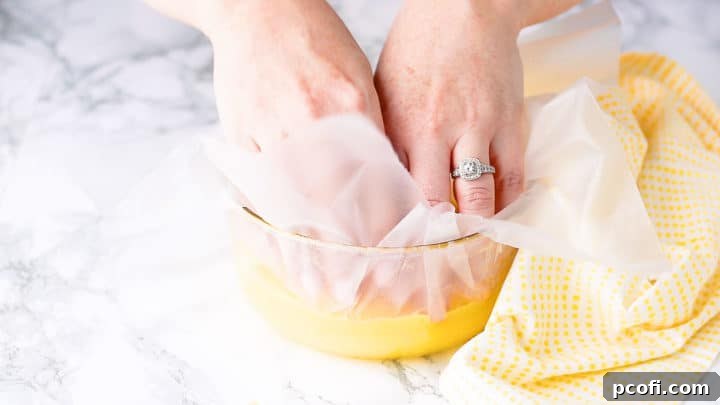
- **Chill & Set:** Press a piece of plastic wrap directly onto the surface of the warm lemon curd. This prevents a “skin” from forming as it cools. Refrigerate for at least 2-4 hours, or until thoroughly chilled and thickened. The lemon curd will continue to firm up considerably as it cools.
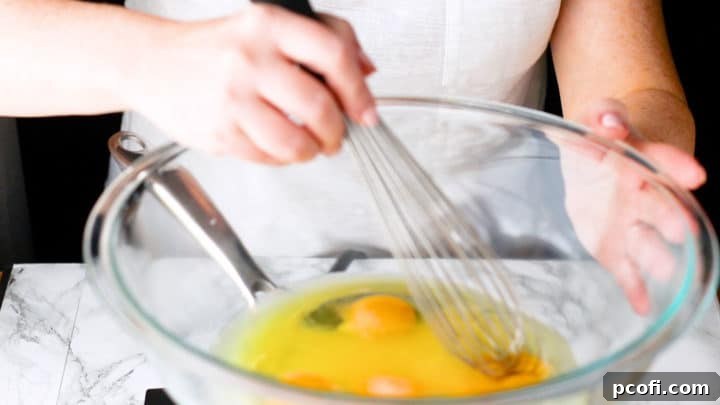
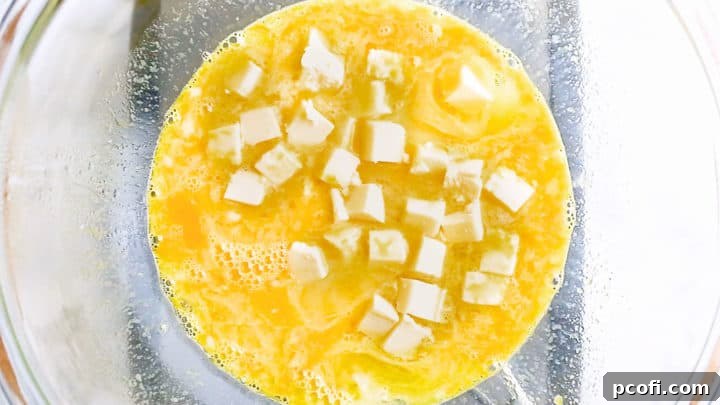
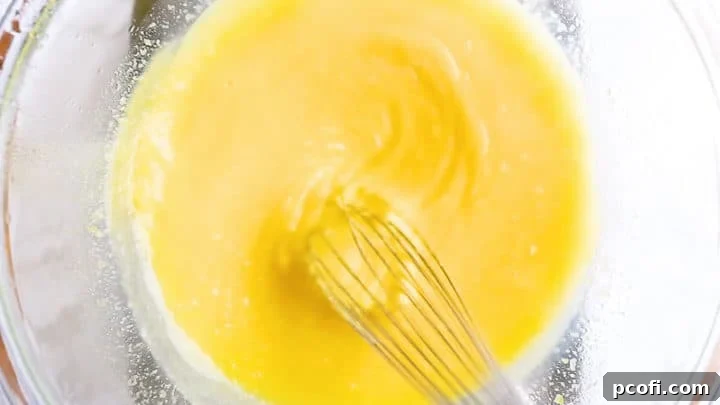
Making Lemon Curd in the Microwave: A Quick Alternative
For those times when you need homemade lemon curd even faster, or simply prefer not to use the stovetop, the microwave can be your best friend! It might sound unconventional for an egg-based recipe, but it works beautifully if done carefully. The key is low power and frequent stirring to prevent the eggs from scrambling.
To adapt this easy lemon curd recipe for the microwave:
- Combine all ingredients (eggs, egg yolks, sugar, lemon juice, and butter) in a large, microwave-safe bowl.
- Heat the mixture in 15-second intervals on medium power (around 50-70%), whisking vigorously after each interval.
- Continue this process until the butter is fully melted, the sugar is dissolved, and the mixture begins to thicken to a yogurt-like consistency, leaving tracks when you lift the whisk. This can take anywhere from 3-7 minutes depending on your microwave’s power.
- Once thickened, proceed with straining and chilling as you would with the stovetop method.
Patience and consistent whisking are vital in the microwave to ensure a smooth, creamy curd and avoid any scrambled egg bits!
Common Lemon Curd Questions & Troubleshooting
Is Lemon Curd Healthy?
Defining “healthy” can be subjective. This homemade lemon curd recipe is naturally gluten-free and vegetarian. However, it is not vegan as it contains eggs and dairy (butter). While it’s a delicious treat, it is rich in sugar and fat, so it’s best enjoyed in moderation. For specific nutritional information, please refer to the nutritional label provided in the recipe card below.
Why is My Lemon Curd Runny?
If your lemon curd isn’t thickening, it’s almost always due to insufficient cooking. The egg proteins need to reach a certain temperature (around 170°F or 77°C) to coagulate and thicken the mixture. If it’s runny:
- **Increase Heat Gently:** You might need to slightly increase the heat under your double boiler. Ensure the water is simmering, not just warm.
- **Keep Whisking:** Continuous whisking helps distribute heat evenly and prevents curdling.
- **Patience is Key:** It takes time for the curd to thicken properly. Don’t rush the process. It should coat the back of a spoon and leave clear trails when a finger is drawn across it.
- **Remember Cooling:** Keep in mind that lemon curd continues to thicken significantly as it cools in the refrigerator. If it’s just slightly thinner than desired while warm, it will likely set up perfectly once chilled.
What if My Lemon Curd is Lumpy?
Lumps usually indicate that some of the egg cooked too quickly, forming small scrambled bits. This can happen if the heat is too high or whisking isn’t consistent. The good news is, it’s easily fixable! Simply strain your lemon curd through a fine-mesh sieve after cooking. This will catch any lumps, leaving you with a perfectly smooth and luxurious curd.
Storing & Preserving Homemade Lemon Curd
One of the best features of this homemade lemon curd recipe is that it’s a fantastic make-ahead treat, and it stores beautifully.
Refrigeration
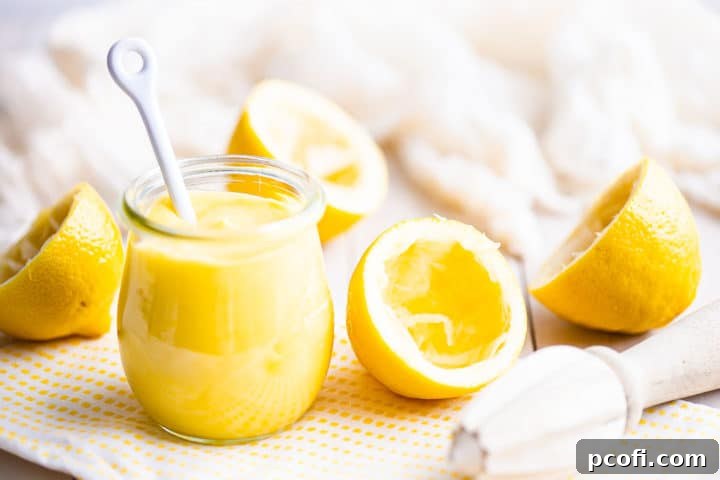
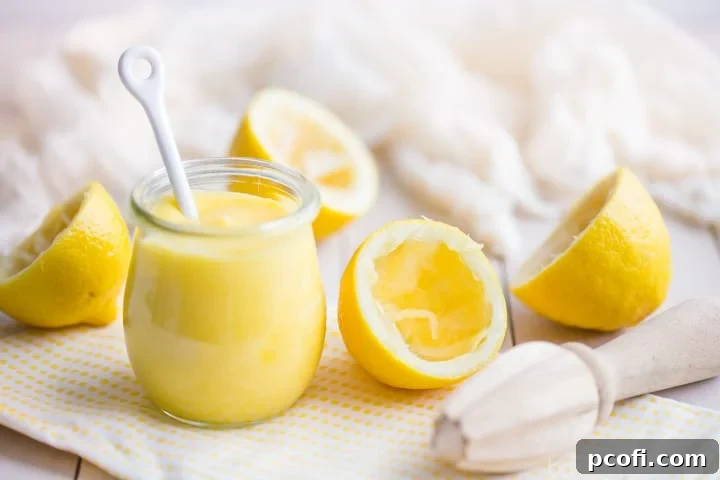
Once cooled, transfer your lemon curd into clean, airtight containers or jars. Little mason jars, like these Mini Tulip Jars, are perfect for gifting or individual portions. Stored in the refrigerator, homemade lemon curd will maintain its freshness and delicious flavor for up to 4 weeks.
Canning for Long-Term Storage
For extended shelf life, lemon curd can be safely canned using a water bath method. This allows you to store unopened jars at room temperature for several months:
- **Sterilize Jars:** Before filling, ensure your canning jars and lids are thoroughly sterilized.
- **Fill Jars:** Carefully ladle the hot lemon curd into the sterilized jars, leaving a 1/2-inch headspace (the space between the top of the curd and the rim of the jar).
- **Clean Rims:** Wipe the rims of the jars with a clean, damp towel to remove any residue, ensuring a proper seal.
- **Apply Lids:** Place the sterilized lids and bands on the jars, tightening them to fingertip-tight.
- **Water Bath Processing:** Submerge the filled jars in a large pot of boiling water, ensuring they are covered by at least 1 inch of water. Bring the water back to a rolling boil and process for 20 minutes (adjusting for altitude if necessary).
- **Cool & Check Seals:** Carefully remove the jars from the hot water and let them cool completely on a towel-lined counter, undisturbed, for 12-24 hours. You should hear a “pop” as the seals engage. After cooling, check the seals by pressing the center of the lid; if it doesn’t flex, the jar is sealed.
For more detailed information on canning techniques and safety, you can refer to resources like our Strawberry Jam recipe post, which covers general preserving principles.
How Long Does It Last?
- **Refrigerated (uncanned):** Up to 4 weeks when stored in an airtight container in the refrigerator.
- **Canned (unopened):** If properly water bath processed, unopened jars can be stored in a cool, dark pantry at room temperature for 3 to 4 months. Once a canned jar is opened, it should be refrigerated and consumed within 4 weeks.
More Zesty Lemon Recipes to Explore
If you’ve fallen in love with the vibrant flavor of lemon curd, you’ll surely enjoy these other fantastic lemon-infused creations from Baking a Moment:
- Lemon Pudding Cake: A delightful cake with a hidden lemon pudding layer.
- Lemon Meringue Pie: The ultimate classic, with a tangy lemon filling and fluffy meringue.
- How to Make Lemonade: Master the art of refreshing homemade lemonade.
- Lemon Crumb Muffins: Zesty muffins with a sweet, crumbly topping.
As an Amazon Associate, I earn from qualifying purchases.
Homemade Lemon Curd
Leave a Review
Save RecipeSaved!
Ingredients
- 3 (132 g) eggs, (large)
- 3 (54 g) egg yolks, (large)
- 1/2 cup (118.29 g) granulated sugar
- 1/2 cup (122 g) lemon juice , (juice of 2 lemons)
- 1/2 cup (113.5 g) unsalted butter, (1 stick), cut into small pieces
Instructions
-
Place the eggs, yolks, sugar, and lemon juice in a medium mixing bowl and whisk to combine thoroughly.
-
Place the bowl over a pot of simmering water (a double boiler setup), ensuring the bottom of the bowl does not touch the water, and add the butter.
-
Cook, whisking continuously, until the mixture thickens to the consistency of yogurt and coats the back of a spoon (approximately 8-12 minutes). It will continue to thicken further as it cools.
-
Immediately remove from heat. Place a fine mesh strainer over a heat-safe bowl, and pour the cooked mixture through to ensure a silky-smooth curd.
-
Press waxed paper or plastic wrap directly onto the surface of the curd to prevent a skin from forming, and refrigerate for at least 2-4 hours, or until thoroughly chilled and set.
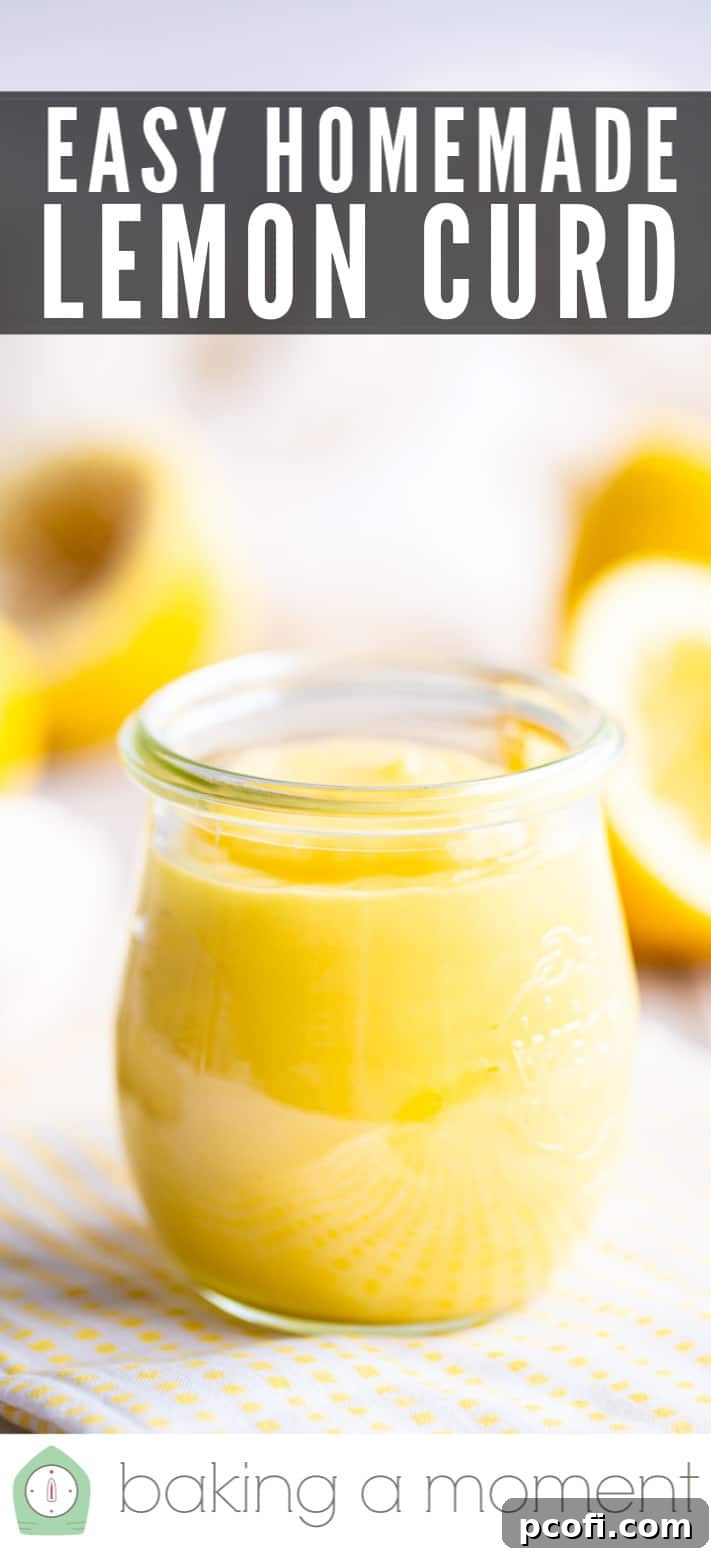
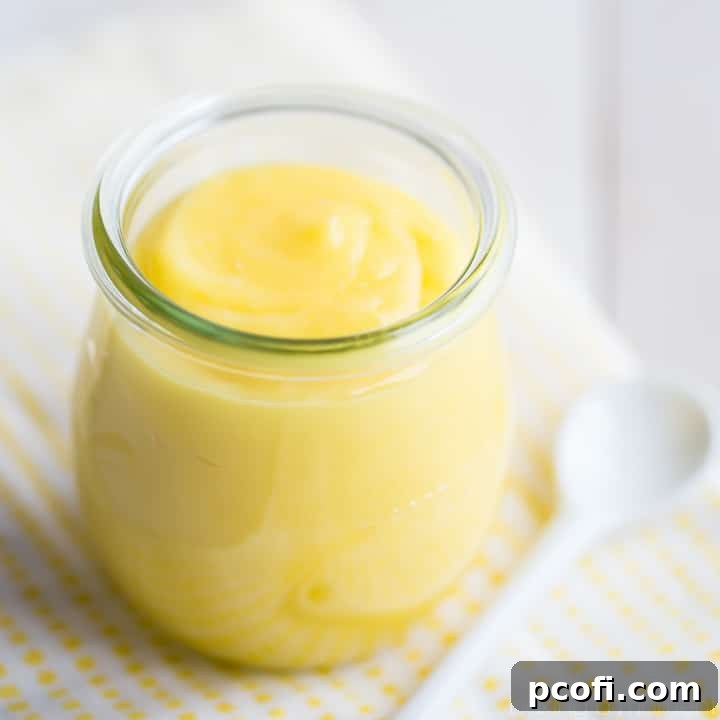
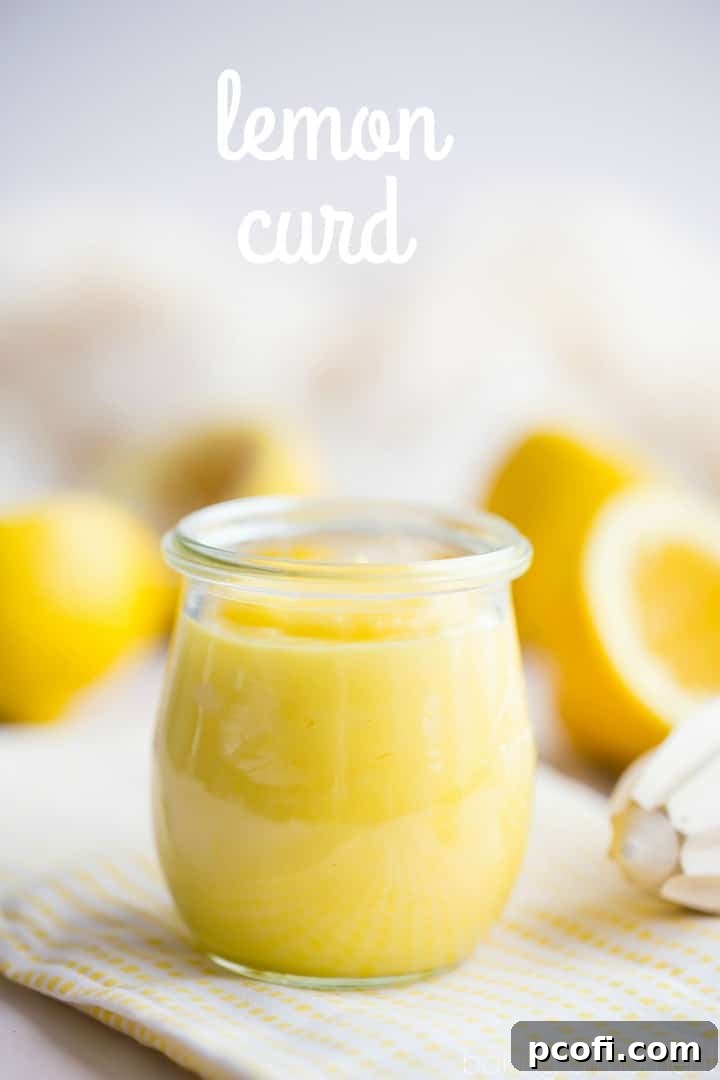
Lemon curd, baby. Am I right? It truly is one of the best things ever. I love it so much, I don’t know what took me so long to finally share this incredible recipe with you.
If you’ve never had homemade lemon curd before, you are in for an absolute treat. It’s intensely lemony, wonderfully bright, and perfectly zingy. It’s magnificent on scones or biscuits, layered within a trifle or a tart, or even devoured straight from the jar with a spoon. (Yes, I may or may not have indulged in that a few times. Okay, a lot!)
In my opinion, the absolute best thing about this recipe is its incredible richness. It boasts the most unbelievable satiny texture that simply melts in your mouth. The buttery notes linger on your tongue, carrying with them all that beautiful floral and citrusy flavor. It’s truly to-die-for! I just can’t get enough of this stuff!
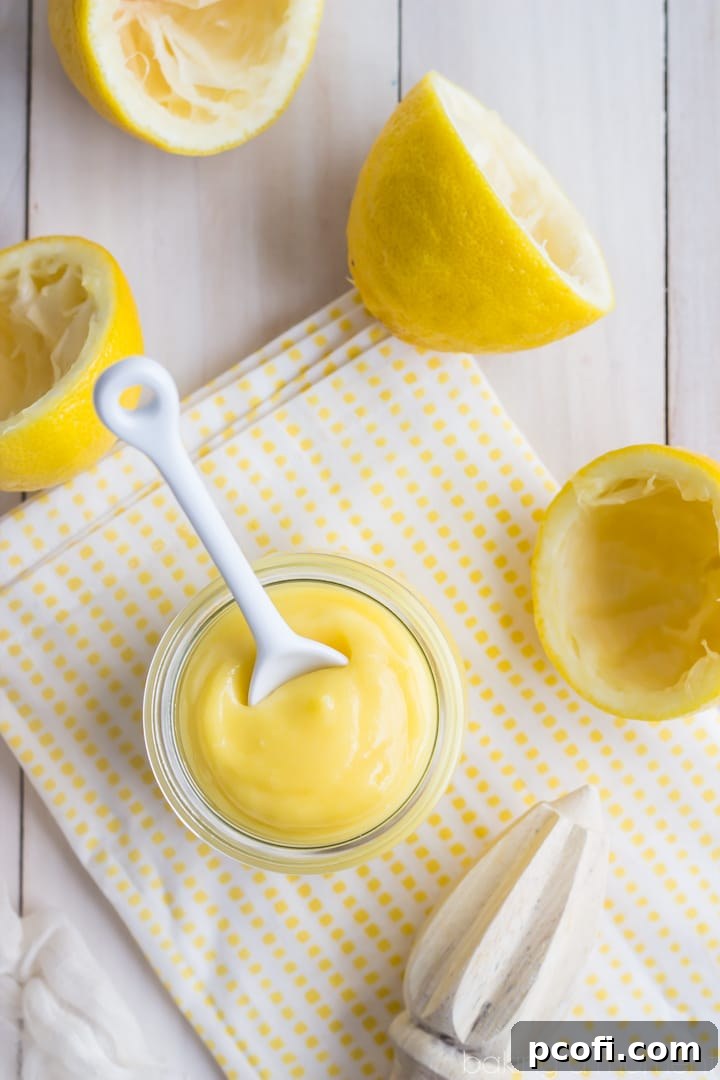
The second best thing about it is how incredibly easy it is to prepare. It’s essentially a “dump and stir” situation, with just a touch of gentle heat required to achieve that perfect, thickened consistency. Simply combine all the ingredients in a heat-safe bowl and place it over a pot of simmering water. Whisk it every now and then until all the butter has melted and the mixture heats through. You’ll notice it gradually thickens, becoming almost the consistency of thick yogurt. And don’t worry, it will thicken even more as it cools down in the refrigerator.
You will absolutely love having a jar of this around. It’s especially delightful at this time of year, when fresh berries are coming into season. There are just so many wonderful things you can do with it. I’ll be sharing several more ideas and recipes in the coming weeks!
And definitely consider gifting a jar or two! Who wouldn’t be thrilled to receive such a delicious, thoughtful homemade treat like this?
This post contains affiliate sales links.