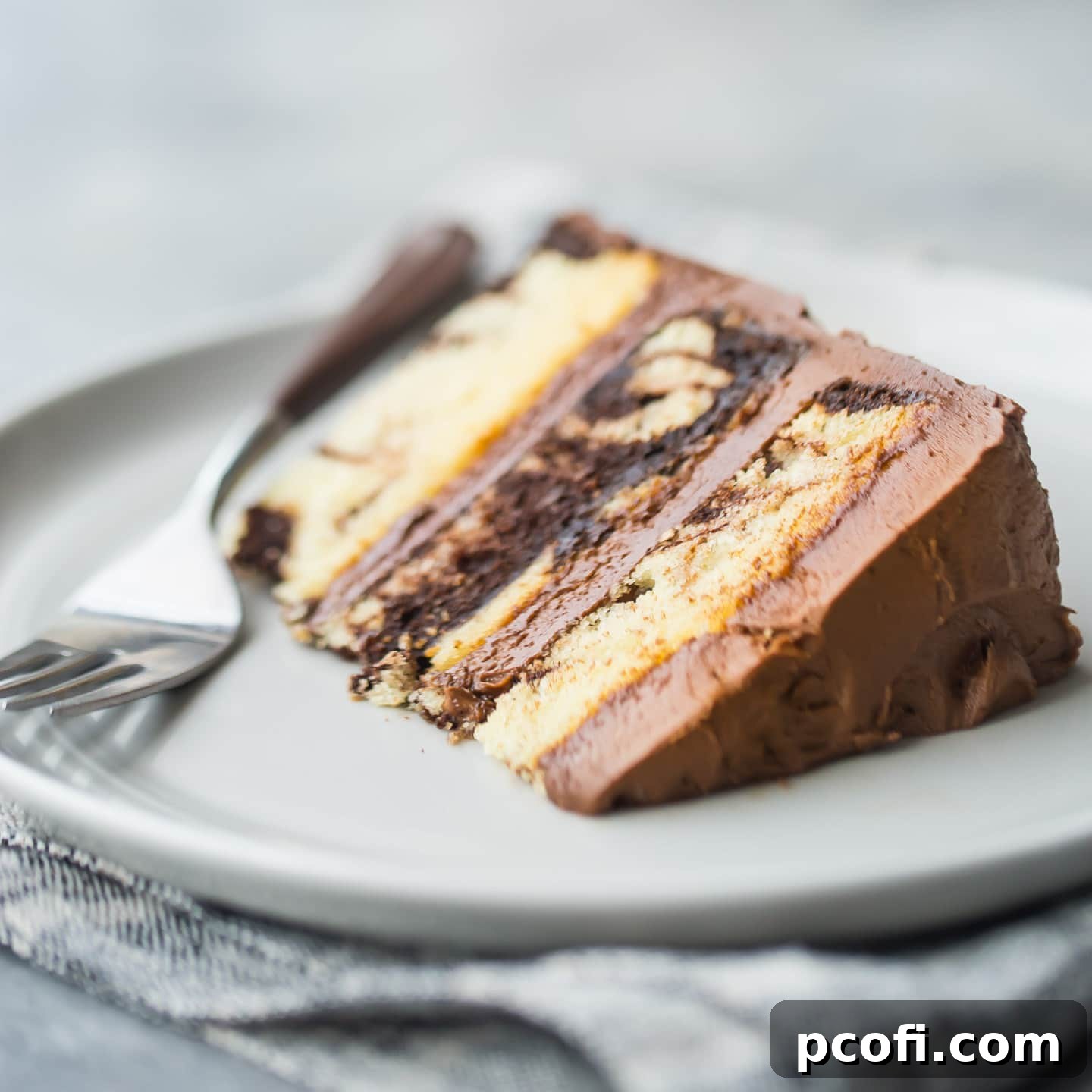
The Ultimate Moist Marble Cake Recipe: Swirls of Vanilla & Chocolate Perfection
Indulge in a truly extraordinary homemade marble cake that rivals any bakery creation. This delightfully moist and buttery marble cake is crafted entirely from scratch using ingredients you likely already have on hand, delivering the perfect fusion of rich chocolate and aromatic vanilla in every beautiful swirl.
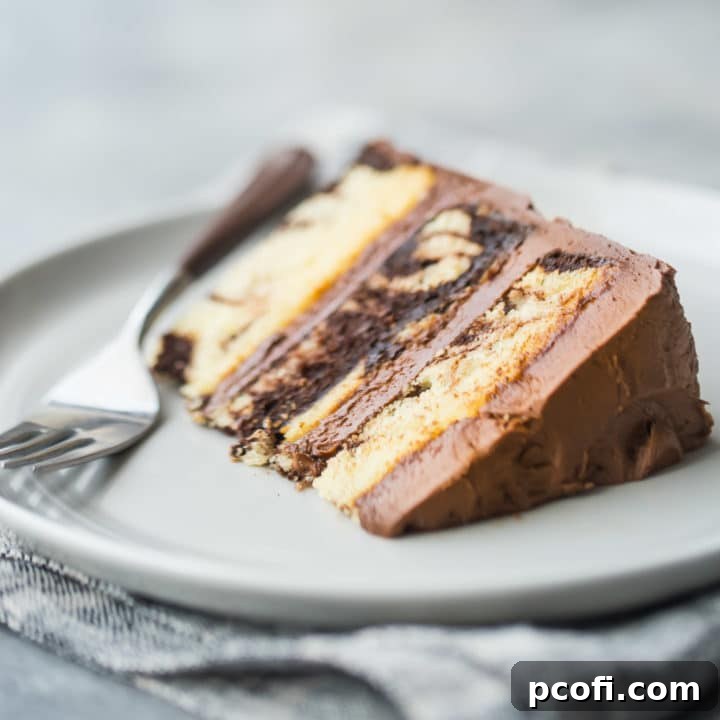
There’s something irresistibly charming about marble cake. It’s the ultimate crowd-pleaser, effortlessly combining two beloved flavors – vanilla and chocolate – into one stunning dessert. No more agonizing over which cake to bake; marble cake offers the best of both worlds in a beautiful, artistic swirl.
Having recently shared a recipe for incredible marbled cheesecake brownies, my love for the swirled aesthetic continues with this gorgeous marble layer cake. While an amazing marble bundt cake recipe already graces this site, it felt like the perfect moment to introduce a magnificent layer cake version. This recipe isn’t just easy; it promises a cake that’s incredibly soft, moist, and utterly delicious.
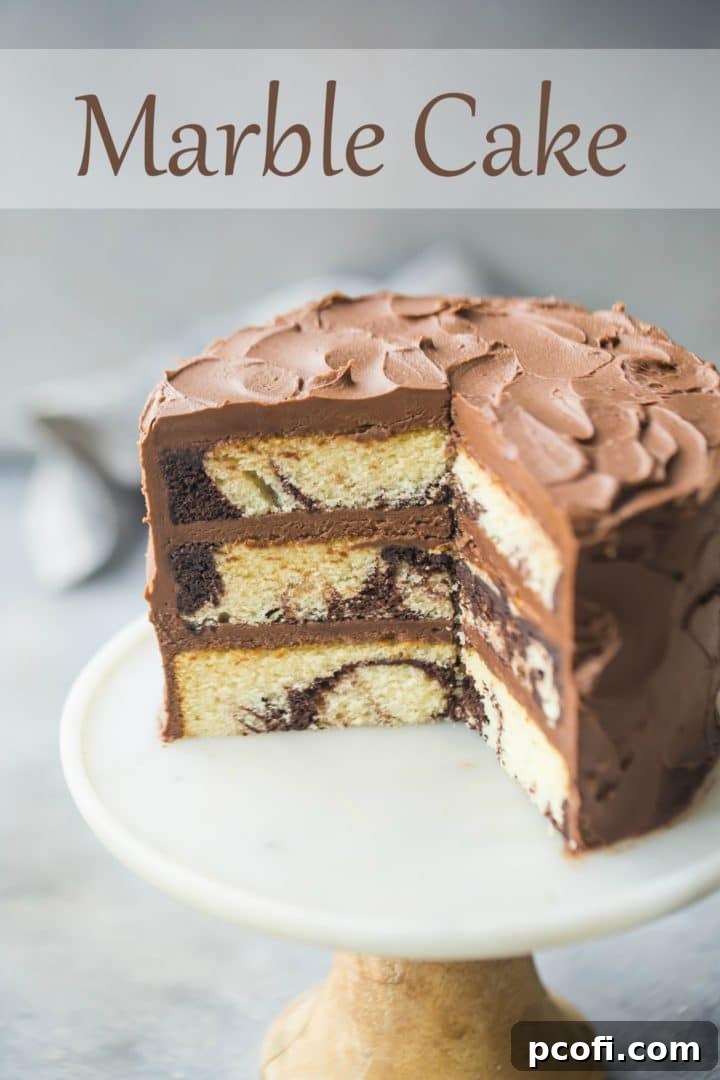
Table of Contents
- What is Marble Cake?
- Why You’ll Love This Marble Cake Recipe
- The Flavor and Texture of Perfect Marble Cake
- Essential Ingredients for Your Marble Cake
- Special Equipment for Baking Marble Cake
- How to Make This Marble Cake Recipe Step-by-Step
- Baking and Achieving the Perfect Marble Swirl
- Expert Tips for Marble Cake Success
- FAQs About Marble Cake
- A Few More of My Favorite Cake Recipes
Jump to Recipe
What is Marble Cake?
Marble cake is a classic dessert beloved for its striking appearance and dual-flavor profile. It masterfully combines two different cake batters, typically vanilla and chocolate, swirled together before baking to create a beautiful, marbled pattern reminiscent of natural stone. This ingenious design not only makes for a visually appealing treat but also ensures that you don’t have to choose between your favorite cake flavors.
This particular recipe builds upon my beloved vanilla cake foundation, renowned for its incredible softness and moist crumb. It’s also remarkably simple to prepare, often requiring just one bowl for the base batter. Once the primary vanilla batter is ready, it’s divided, with half being transformed into a rich chocolate batter by incorporating a mixture of cocoa powder and hot water. The magic happens when alternating spoonfuls of both batters are gently layered into the cake pans and then swirled to achieve that iconic marble effect. It’s a total win for everyone at the table!
Why You’ll Love This Marble Cake Recipe
This isn’t just any marble cake; it’s a recipe designed for maximum enjoyment and ease. Here’s what makes it truly stand out:
- Exceptional Flavor Harmony: Experience the delightful contrast of sweetly aromatic vanilla cake mingling perfectly with rich, dark chocolate cake in every bite. It’s a symphony of flavors that caters to both vanilla and chocolate enthusiasts.
- Minimal Ingredients: Forget obscure ingredients! This cake is made entirely with pantry staples, meaning you likely have everything you need on hand right now. This makes spontaneous baking a breeze.
- Effortless Preparation: You’ll only need approximately 30 minutes of active prep time to bring this beautiful cake to life. The process is straightforward, even for novice bakers, making it an ideal recipe for any occasion.
- Incredibly Versatile: While presented as a magnificent triple layer cake here, this recipe is incredibly adaptable. Feel free to bake it as a double layer cake, a practical sheet cake for larger gatherings, charming cupcakes, or even a classic bundt cake. The possibilities are endless!
The Flavor and Texture of Perfect Marble Cake
Imagine biting into a slice of pure indulgence. This homemade marble cake bakes up with a soft, moist, yet wonderfully light and delicate texture. The crumb is incredibly fine and downy, melting in your mouth with each forkful. It’s infused with the comforting richness of butter and the sweet, perfumed notes of vanilla. Then, every so often, a bite of intense, decadent chocolate emerges, creating a captivating contrast that keeps your taste buds excited.
Overall, the cake strikes a perfect balance of sweetness, ensuring it’s not overwhelmingly sugary. This thoughtful balance allows for the flavors of both the cake and any accompanying frosting to truly shine, making it an ideal choice for a birthday celebration or any special gathering where deliciousness is paramount.
Essential Ingredients for Your Marble Cake
Crafting the perfect marble cake begins with understanding the role of each ingredient. Here’s a detailed look at what you’ll need and why it matters:
Flour: The Foundation of Structure
This recipe cleverly combines both all-purpose flour and cake flour to achieve that ideal balance of structure and tenderness. All-purpose flour provides the necessary strength to the cake’s structure, preventing it from being too delicate and falling apart. For those seeking alternatives, you can substitute it with a whole-grain option, though you might need slightly less due to differences in absorption.
For a gluten-free version, a gluten-free flour blend that can be swapped 1:1 for regular flour should work beautifully. The cake flour, on the other hand, is crucial for its low protein content, which contributes to the cake’s exquisitely soft and tender crumb. To delve deeper into its benefits, explore: What is Cake Flour?
Sugar: Sweetness, Moisture, and Color
Beyond its obvious role in adding sweetness, sugar is a baking superhero! It’s hydrophilic, meaning it loves water and actively draws moisture into the cake, ensuring a wonderfully moist texture that lasts. Sugar also plays a vital role in promoting beautiful browning during baking, giving your cake a lovely golden hue. Regular white granulated sugar is perfectly fine for this recipe, but if you prefer, any 1:1 granulated sugar substitute should yield similar results.
Baking Powder and Baking Soda: The Leavening Duo
These two chemical leavening agents are absolutely essential for giving your cake its characteristic rise, making it light, airy, and fluffy. Baking powder and baking soda react with moisture and heat to create carbon dioxide gas, which gets trapped in the batter, causing it to expand. This dynamic duo ensures your marble cake achieves its perfect height and delicate texture.
Salt: The Flavor Amplifier
While a small amount, salt is incredibly important in baking. It doesn’t make your cake taste salty; rather, it acts as a flavor enhancer, intensifying all the other sweet and rich notes in the cake. It creates a harmonious balance, preventing the cake from tasting bland or overly sweet. I personally prefer kosher salt because it’s free of additives (unlike some table salts that contain iodine, which can impart a bitter aftertaste), offering a pure flavor. It’s also readily available and affordable.
Butter: Richness and Tender Crumb
Butter is key for adding unparalleled richness, depth of flavor, and a tender crumb to the marble cake. Using unsalted butter allows for precise control over the salt content in the recipe, as different brands of salted butter can vary significantly. For a consistent result, unsalted is always recommended.
If you’re aiming for a vegan or dairy-free marble cake, a high-quality plant-based butter that substitutes 1:1 for dairy butter will work well. For the best texture, ensure your butter is at room temperature before you begin. You can achieve this by leaving it on the counter for a few hours, or by carefully microwaving it in 10-second intervals, flipping it between each, until it reaches the desired softness.
Eggs: Binder and Moisture Contributor
Eggs serve multiple crucial functions in cake baking. They act as a powerful binding agent, holding the ingredients together and providing essential structure. Beyond structure, eggs contribute significantly to the cake’s moisture, tenderness, and richness. For this recipe, use large chicken eggs. If you require a plant-based alternative, ensure you use an egg replacement that is designed for a 1:1 substitution with chicken eggs. While it’s best if the eggs are at room temperature to incorporate more smoothly into the batter, it’s not strictly critical for success.
Sour Cream: The Secret to Supreme Moisture
Sour cream is a star ingredient for its ability to infuse the cake batter with exceptional moisture, resulting in an incredibly soft and tender cake. Its slight tang also adds a subtle complexity that enhances the overall flavor profile. It’s particularly effective at preventing the cake from drying out during the baking process. If sour cream isn’t available, or you prefer an alternative, an equal amount of plain, unsweetened Greek yogurt or even buttermilk can be used as a fantastic substitute.
Milk: Hydration for a Perfect Batter
Milk contributes essential moisture to the cake batter and helps achieve a smooth, workable consistency. It hydrates the dry ingredients, allowing for proper gluten development and even distribution of flavors. Feel free to use any type of milk you typically have on hand—whether it’s 2%, skim, whole, or even a plant-based milk alternative, it will all work effectively in this recipe.
Vanilla: Aromatic Sweetness
Vanilla extract is a foundational flavor in countless desserts, and in this marble cake, it provides a subtly sweet, warm, and comforting aroma without adding excessive sugar. For an even more pronounced and luxurious vanilla flavor, consider using vanilla bean paste, which contains tiny vanilla bean specks for visual appeal and intense flavor. Alternatively, you can split a vanilla bean lengthwise, scrape out the fragrant seeds, and incorporate them directly into the batter for an unparalleled depth of flavor.
Cocoa: The Chocolate Swirl
Unsweetened cocoa powder is the key ingredient that transforms half of our vanilla batter into a rich, flavorful chocolate counterpart, essential for creating those beautiful marble swirls. It provides the deep cocoa notes and rich color that define the chocolate portion of the cake. This recipe has been developed using natural unsweetened cocoa powder. While Dutched cocoa powder could offer a darker color and milder flavor, its different pH level might affect the leavening. This recipe has not been tested with Dutched cocoa, so results may vary.
Water: Blooming the Cocoa
A small amount of hot water is crucial for properly preparing the cocoa powder. Hot water helps to “bloom” the cocoa, intensifying its flavor and ensuring it liquefies smoothly. This prevents the cocoa from forming clumps when it’s incorporated into the cake batter, ensuring a uniform and vibrant chocolate swirl.
Special Equipment for Baking Marble Cake
Having the right tools can make your baking experience smoother and more enjoyable. Here’s a list of equipment you’ll find helpful for this marble cake recipe:
- Measuring cups and spoons: Accurate measurements are fundamental for successful baking. Use liquid measuring cups for wet ingredients and dry measuring cups for dry ingredients to ensure precision.
- Large mixing bowl: Essential for combining your ingredients. A bowl from a stand mixer works perfectly, offering ample space for mixing without spills.
- Electric mixer: Whether you prefer a robust stand mixer for hands-free convenience or a versatile handheld electric mixer, an electric mixer is crucial for properly creaming butter and incorporating ingredients to achieve a smooth batter.
- Silicone spatula: Indispensable for scraping down the sides and bottom of your mixing bowl, ensuring all ingredients are thoroughly combined and preventing lumps.
- Non-stick spray: Used for greasing your cake pans, this helps prevent sticking and ensures your cake releases easily.
- Parchment paper: A baker’s best friend! Lining your cake pans with parchment paper circles creates a non-stick barrier, guaranteeing the cake comes out of the pan effortlessly and intact.
- Cake pan(s): The versatility of this recipe allows for various pan configurations. For the stunning cake pictured, a 9×9-inch square pan was used. Alternatively, you can use three 6-inch round cake pans, two 8-inch round cake pans, two 9-inch round cake pans, or a 9×13-inch sheet pan. You can even bake 24 cupcakes, or double the recipe to fit a grand 12-cup bundt pan.
How to Make This Marble Cake Recipe Step-by-Step
This recipe employs the “reverse creaming method,” which might be a bit different from traditional cake-making techniques, but it’s key to achieving an incredibly tender and moist crumb. Let’s walk through the process together, step by delicious step.
Step 1: Combine the Dry Ingredients
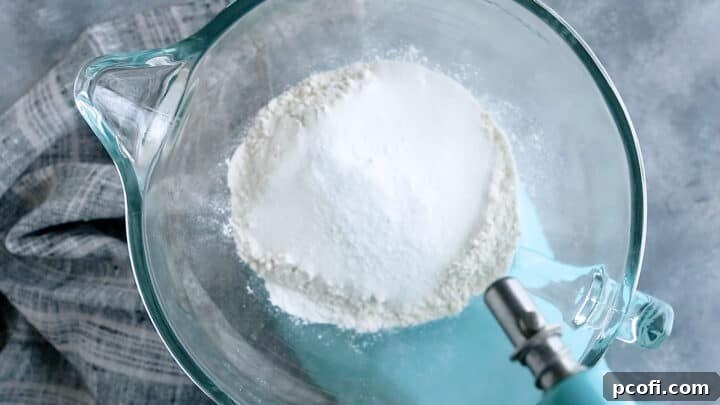
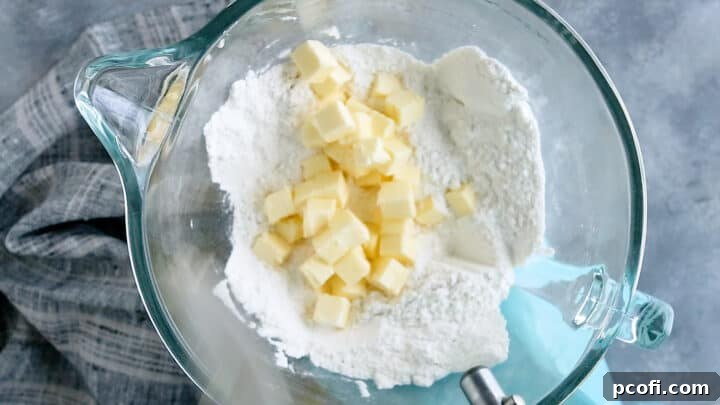
Begin by preheating your oven to 325 degrees F (160 degrees C). Lightly mist your chosen cake pans with non-stick spray, then line the bottoms with parchment paper circles. This essential prep ensures your cakes won’t stick. In a large mixing bowl, combine the cake flour, all-purpose flour, granulated sugar, baking powder, baking soda, and kosher salt. Use a whisk or a spoon to stir these ingredients thoroughly until they are well combined and uniform. This initial step helps distribute the leavening agents evenly, ensuring a consistent rise.
If you’re curious about the specifics of cake flour and its benefits, you can find more detailed information here: Why Use Cake Flour.
Step 2: Incorporate the Softened Butter
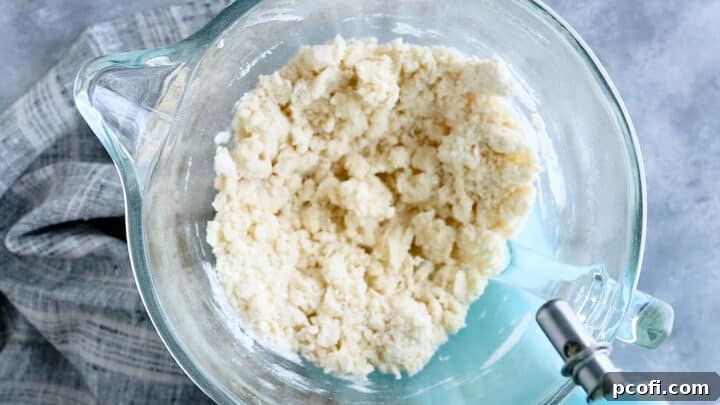
Once your dry ingredients are perfectly combined, it’s time to add the softened unsalted butter. Add the butter directly into the dry mixture. Using your electric mixer on medium-low speed, mix the butter into the dry ingredients for about one minute. Continue mixing until the entire mixture takes on a texture resembling damp sand or fine crumbs. This unique method coats the flour particles in butter, limiting gluten development and contributing to the cake’s tender crumb.
Step 3: Integrate the Eggs
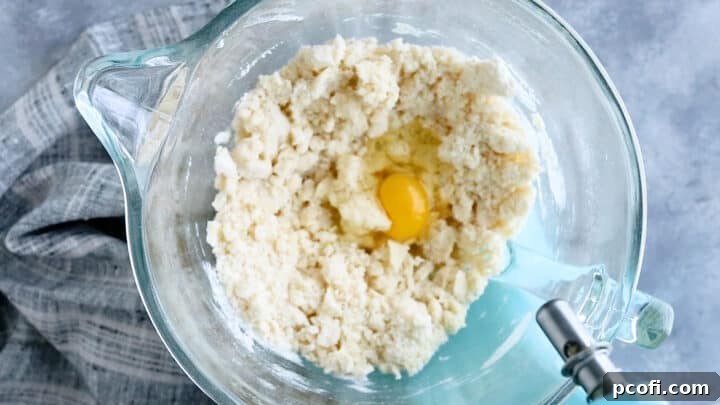
Next, add the large eggs to your batter, one at a time. After each egg addition, pause and use a silicone spatula to thoroughly scrape down the bottom and sides of the mixing bowl. This crucial step ensures that all ingredients are fully incorporated and prevents any unmixed batter from leading to a lumpy or uneven cake. Continue until each egg is fully blended and the batter begins to smooth out.
Step 4: The Final Liquid Additions
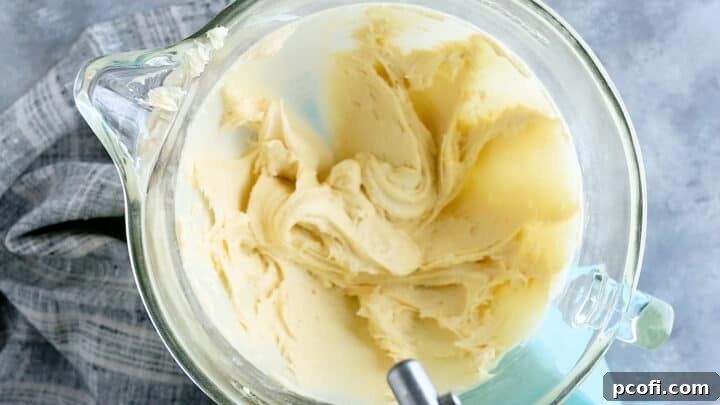
Now it’s time for the final liquid ingredients: sour cream, milk, and vanilla extract. First, stir in the sour cream until the batter is smooth. If you don’t have sour cream, or prefer an alternative, there are excellent substitutions noted in the recipe card below (such as Greek yogurt or homemade buttermilk). After the sour cream, scrape down the bowl again with your silicone spatula to ensure everything is well-combined. Finally, stir in the milk and vanilla extract. Once all liquids are incorporated, beat the batter on medium speed for about 1 to 1.5 minutes. This step is vital for aerating the cake batter and building its delicate structure, leading to a lighter, fluffier cake. The batter will be silky smooth and ready for the next transformation.
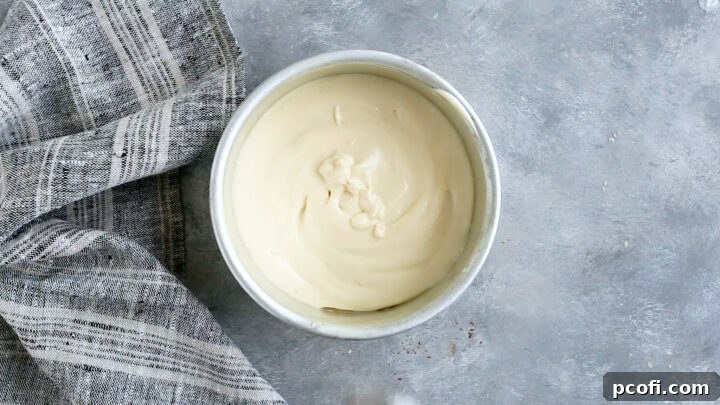
Step 5: Flavor Half the Batter with Chocolate and Swirl
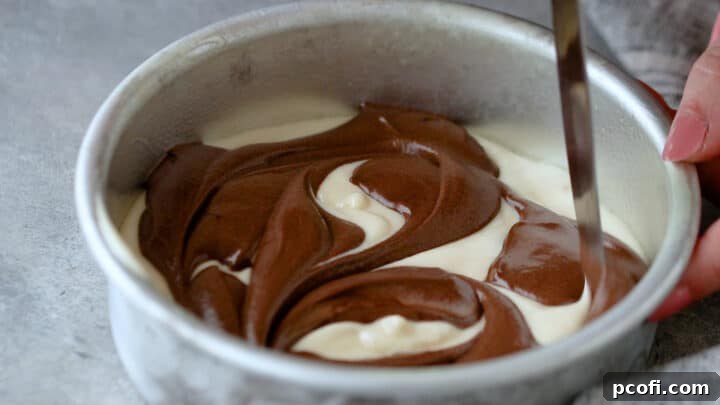
Now for the marble magic! Transfer about half of the vanilla cake batter to your greased and parchment-lined cake pans. In a separate, smaller bowl, vigorously stir the unsweetened cocoa powder and hot water together until you achieve a smooth, lump-free paste. This “blooming” of the cocoa intensifies its flavor and color. Once smooth, fold about half of the remaining vanilla cake batter into this cocoa mixture until it is fully blended and boasts a rich, even chocolate color.
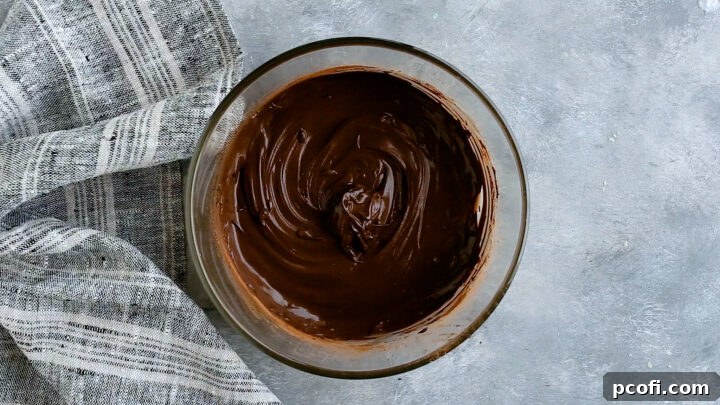
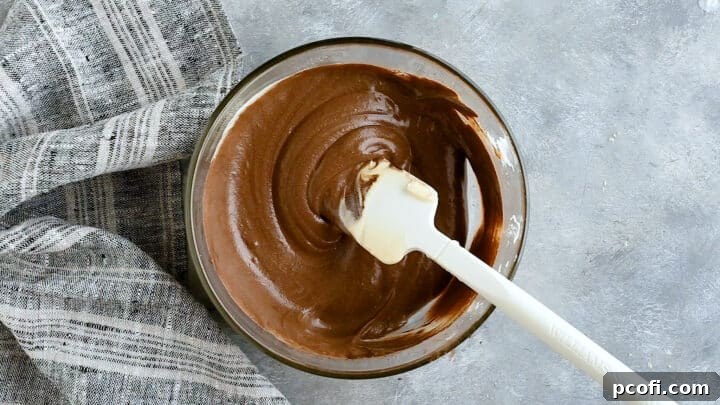
Now for the fun part: Begin dropping alternating spoonfuls of the vanilla and chocolate batters into the prepared cake pans. Don’t overthink it; aim for a random pattern. Once both batters are in the pan, take the tip of a sharp knife or a skewer and gently swirl the batters together. Make just a few fluid motions to create a beautiful marbled pattern without overmixing, which could dull the distinct colors and flavors.
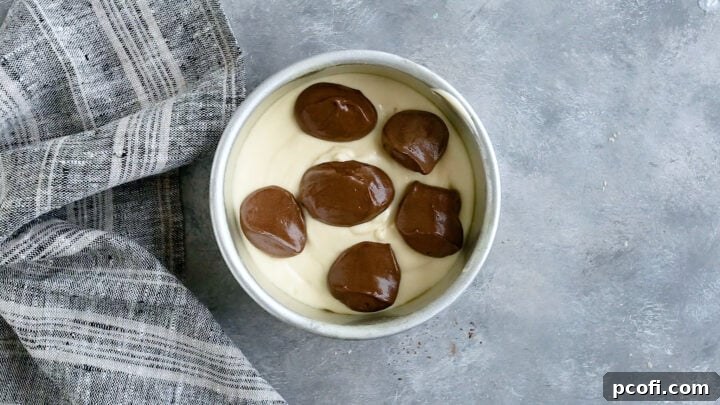
Baking and Achieving the Perfect Marble Swirl
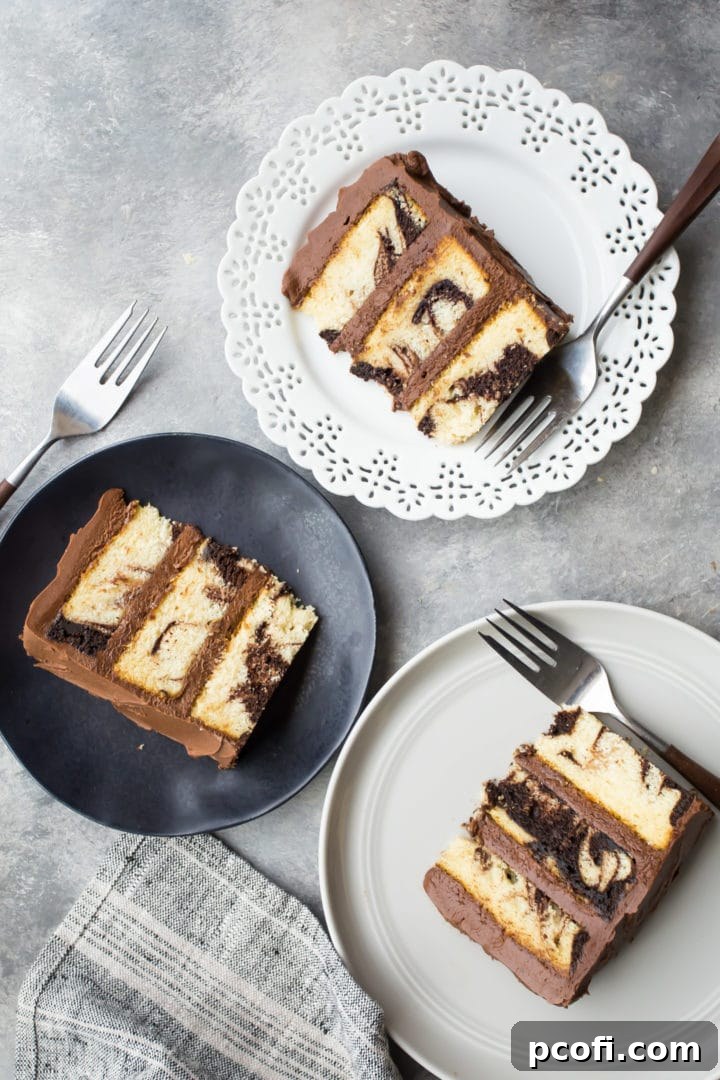
Baking your marble cake to perfection involves understanding your oven and the chosen pan size. For the beautiful layered cake you see here, I opted for three 6-inch diameter round pans. This size yields a taller, more elegant cake. However, this versatile recipe can also be baked in two 8-inch pans or two 9-inch pans, resulting in slightly thinner layers but just as delicious. If you’re feeding a crowd, a 9×13-inch sheet pan works wonderfully, or you can even bake 2 dozen cupcakes. For a grand centerpiece, double the recipe and bake it in a 12-cup bundt pan.
The baking time will vary depending on your chosen pan size and your specific oven. For 6-inch rounds, expect approximately 30-40 minutes. Always remember to adjust the bake times as needed! You’ll know your cake is perfectly done when it feels springy to the touch in the center, and a toothpick inserted into the thickest part comes out clean or with only a few moist crumbs attached. If your cake emerges with a domed top, don’t worry! Simply allow it to cool completely, then use a serrated bread knife to gently trim it level before frosting. This ensures a neat, professional-looking cake.
Once baked, allow the cake layers to cool in their pans for about 20 minutes before inverting them onto a wire rack to cool completely. This cooling period in the pan is crucial as it helps the cake retain moisture and prevents it from breaking when removed. Only proceed with filling and frosting once the layers are thoroughly cooled.
Expert Tips for Marble Cake Success
Achieving a bakery-worthy marble cake is simple with these expert tips:
- Measure Ingredients Precisely: Baking is a science, and accuracy is paramount. Always use liquid measuring cups for liquid ingredients and dry measuring cups for dry ingredients. This ensures the correct balance, preventing your cake from becoming too dry or too wet. Learn more about perfect measurements here: How to Measure Ingredients for Baking.
- Room Temperature Ingredients Are Key: For a smooth, lump-free batter, ensure ingredients like eggs, butter, and sour cream are at room temperature before you start mixing. Room temperature ingredients emulsify better, creating a more uniform and tender cake.
- Avoid Overmixing the Batter: Once the dry and wet ingredients are just combined, stop mixing. Overmixing develops too much gluten, which can lead to a tough, dense cake. Mix until just combined, then beat for the recommended 1 to 1.5 minutes to aerate.
- Do Not Overbake: Overbaking is the primary culprit behind dry cakes. Start checking your cake a few minutes before the minimum bake time. Use the oven light to check visually; if it doesn’t look wet in the middle, gently open the door and lightly touch the center. If it springs back, perform the toothpick test. A clean toothpick or one with a few moist crumbs means your cake is perfectly done.
- Cool in the Pan (Initially): Allowing the cake to cool in its pan for about 15-20 minutes before inverting it onto a wire rack helps it retain moisture and prevents it from sticking or breaking.
- Calibrate Your Oven: Oven temperatures can vary widely. If you frequently bake, consider getting an oven thermometer to ensure your oven is consistently heating to the correct temperature. This can significantly impact baking times and results.
Frequently Asked Questions (FAQs) About Marble Cake
Here are some common questions about baking and enjoying marble cake:
What frosting goes best with marble cake?
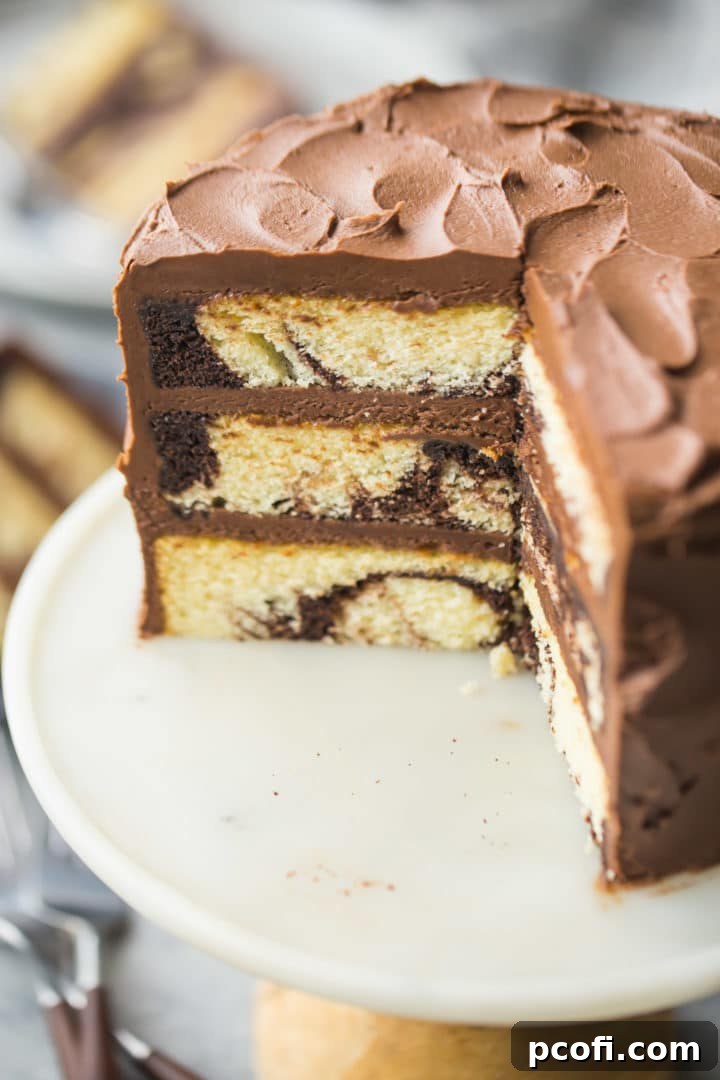
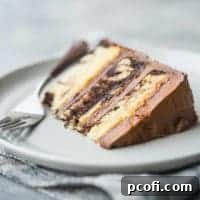
For the mouthwatering photos and video you’ve seen, I used my all-time favorite easy chocolate frosting. It’s incredibly simple to whip up and perfectly complements the rich and sweet notes of the marble cake. However, the versatility of marble cake means it pairs beautifully with a variety of frostings. Consider these delicious options:
- Swiss Meringue Buttercream: A silky, less sweet option that’s wonderfully smooth.
- Chocolate Swiss Meringue Buttercream: For those who crave even more chocolate decadence.
- Easy Vanilla Frosting: A classic choice that enhances the vanilla notes in the cake.
- Whipped Cream Frosting: Light, airy, and fresh – perfect for a less intense sweetness.
- Whipped Ganache: A rich, airy chocolate experience that’s truly luxurious.
How long does marble cake last, and how should I store it?
For optimal results and easier handling, I highly recommend baking the cake layers the day before you plan to fill and frost them. Once baked, allow them to cool completely, then wrap each layer tightly with plastic wrap and store them in the refrigerator. Chilling the layers makes them firmer and much easier to frost, preventing crumbs from mingling with your beautiful buttercream. Plus, I find that the cake often becomes even more moist after a brief refrigeration period.
Once the marble cake is assembled, filled, and frosted, it will remain fresh and delicious at room temperature for about a day. If stored in an airtight container in the refrigerator, it should stay good for several days to a full week. You can also freeze unfrosted cake layers for several weeks to a month. When ready to use, you can frost them while still frozen, or allow them to thaw completely in the refrigerator first.
What is the serving size for this recipe?
When baked as a triple-layer, 6-inch round layer cake, like the one featured here, this recipe typically yields around 8 generous slices. The nutritional information provided in the recipe section below is calculated for 1/8 of the entire cake and does not include any frosting or filling you might choose to add. Adjust serving sizes based on your desired portion control and any additional components.
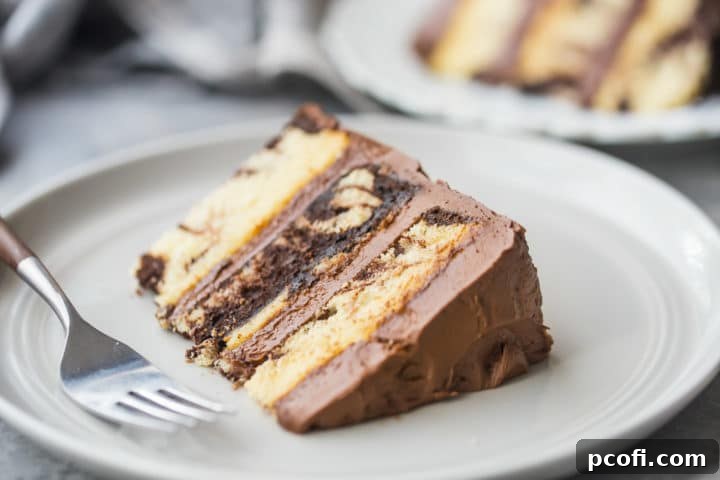
Next time you’re celebrating a big occasion or simply craving a delightful homemade treat, reach for this incredible marble cake recipe! It’s wonderfully moist, surprisingly simple to prepare, and guaranteed to charm every palate at your table with its classic combination of vanilla and chocolate.
A Few More of My Favorite Cake Recipes
- Traditional Pound Cake Recipe
- Chocolate Chip Cake
- How to Make an Ice Cream Cake
- Key Lime Cake
This post contains affiliate sales links.
Marble Cake Recipe
Prep Time: 30 mins
Cook Time: 35 mins
Total Time: 1 hr 5 mins
Servings: 8
Even better than from the bakery! This moist, buttery marble cake is made completely from scratch with ingredients you probably already have on hand.
Rating: 4.96 stars (23 ratings)
Leave a Review
Ingredients
- 1 1/2 cups (187.5 g) cake flour
- 3/4 cup (93.75 g) all-purpose flour
- 1 cup (200 g) granulated sugar
- 1 teaspoon (4 g) baking powder
- 3/4 teaspoon (3 g) baking soda
- 3/4 teaspoon (4.5 g) kosher salt
- 3/4 cup (170.25 g) (1 1/2 sticks) unsalted butter, softened
- 2 (100 g) large eggs
- 2/3 cup (153.33 g) sour cream*
- 1/2 cup (122 g) milk
- 2 teaspoons (8 g) vanilla extract
- 1/3 cup (28.67 g) unsweetened cocoa powder
- 1/3 cup (78.86 g) hot water
Instructions
- Preheat the oven to 325 degrees F (160 C). Lightly mist 3 6-inch diameter cake pans** with non-stick spray, and line them with circles cut from parchment paper.
- Place the cake flour, all-purpose flour, sugar, baking powder, baking soda, and salt in a large mixing bowl and stir to combine.
- Add the softened butter, and mix on medium-low speed until the mixture resembles damp sand (about 1 minute).
- Add the eggs, one at a time, stopping to scrape the bottom and sides of the bowl with a silicone spatula after each addition.
- Stir in the sour cream until smooth.
- Scrape the bottom and sides of the bowl with a silicone spatula, and stir in the milk and vanilla extract.
- Beat the batter on medium speed for about a minute to a minute and a half, to aerate the cake batter and build the cake’s structure.
- Stir the cocoa and hot water together in a smaller bowl, then fold about half the cake batter into the cocoa mixture until blended.
- Divide the batters equally between the 3 prepared pans, using the tip of a sharp knife to swirl the chocolate and vanilla cake batters together.
- Bake the cake layers until a toothpick inserted in the thickest part of a cake comes out clean or with a few moist crumbs (approx. 30 to 40 minutes).
- Cool for 20 minutes in the pan, then invert onto a wire rack to cool completely before filling and frosting with Easy Chocolate Frosting.
Recipe Video
Notes
*Greek yogurt or buttermilk can be substituted for sour cream. If you don’t have buttermilk, you can create a substitute by stirring 2 teaspoons of white vinegar or lemon juice into 2/3 cup of regular milk. Allow the mixture to stand for 5 minutes, or until thickened and slightly curdled.
**This cake can also be baked in two 8-inch or 9-inch diameter cake pans. The cake layers may bake up slightly thinner, and the bake times may need to be adjusted accordingly.
If you prefer to make a pure chocolate cake, here is my favorite recipe: Chocolate Cake from Scratch.
Nutrition Information
Cuisine: American
Course: Dessert
Tried this recipe?
Mention @bakingamoment on Instagram or tag #bakingamoment.