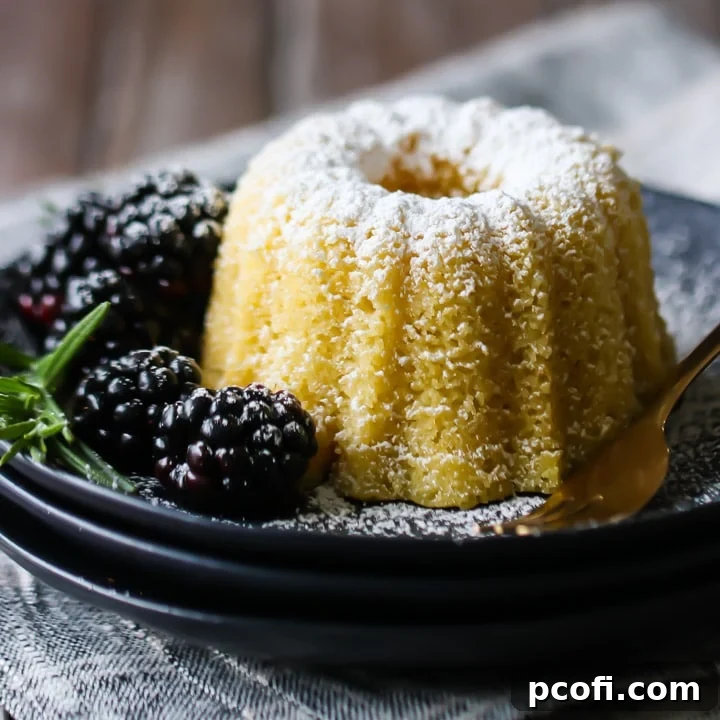
Indulge in this exquisitely simple olive oil cake, beautifully infused with vibrant lemon, rich almond, and a delicate whisper of sherry. It’s incredibly moist, bursting with flavor, and remarkably easy to bake!
Original publish date: July 12, 2018.
The Allure of Olive Oil Cake: A Unique & Flavorful Dessert
Step into a world of baking that diverges beautifully from the traditional butter-laden cakes you might be accustomed to. Today, we’re embarking on a culinary journey to create an exquisite olive oil cake – a dessert that promises simplicity, sophisticated flavor, and an undeniably moist texture. While many of my recipes often feature decadent cake creations like the rich Banana Pudding Cake, the classic Black Forest Cake, or a cozy Pumpkin Bundt Cake, this olive oil cake stands out with its understated elegance and wholesome appeal.
This recipe celebrates the humble yet extraordinary olive oil, transforming it into a magnificent centerpiece. It’s a testament to how a few high-quality ingredients can come together to create something truly special and memorable. Prepare to be charmed by this delicious, elegant, and surprisingly easy-to-make dessert.
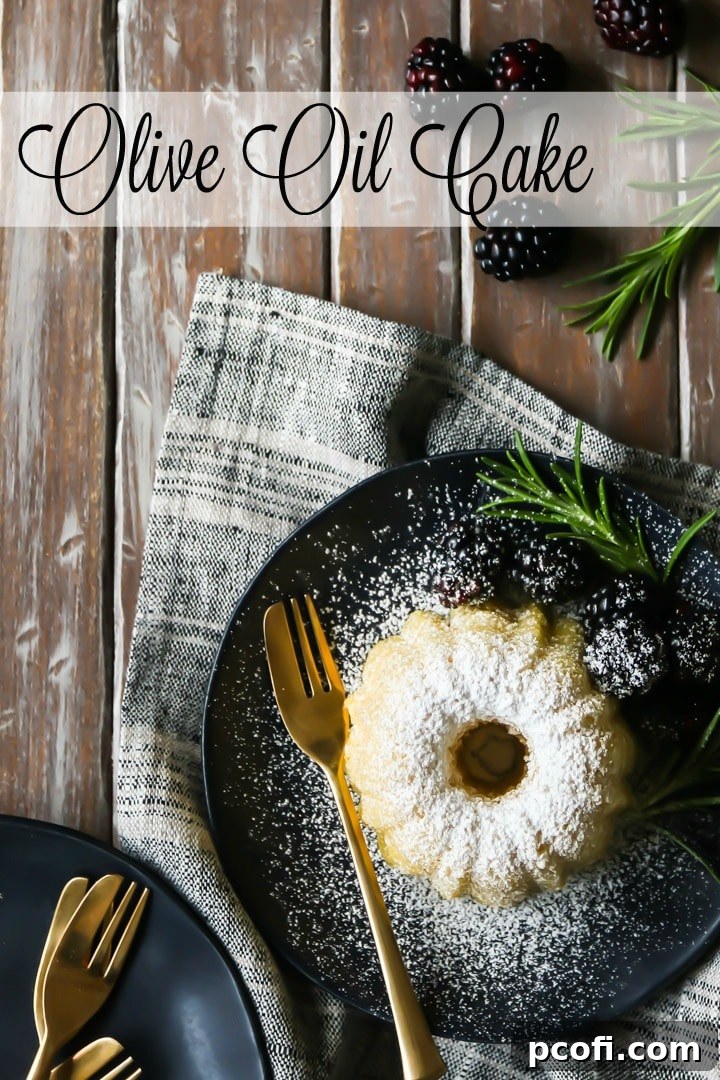
Table of Contents
- What is Olive Oil Cake?
- Why This Olive Oil Cake Recipe Shines
- What Does Olive Oil Cake Taste Like?
- Essential Ingredients for Your Cake
- Recommended Baking Equipment
- How to Make Olive Oil Cake: A Simple Guide
- Creative Serving Suggestions
- Frequently Asked Questions
- Explore More Delicious Cake Recipes
- Full Recipe Card
Jump to Recipe
What is Olive Oil Cake? A Mediterranean Delicacy
At its heart, olive oil cake is a distinctive oil-based cake that, as its name suggests, derives its primary fat content and much of its unique character from olive oil. Originating from the sun-drenched regions of the Mediterranean, particularly Italy and Spain, this cake is celebrated for its remarkable moistness and surprisingly light texture, a delightful contrast to butter-based cakes.
Unlike traditional cakes where butter provides richness, olive oil infuses the cake with a subtle, fruity, and sometimes peppery note, creating a dessert that feels both rustic and refined. It’s a versatile treat that can be enjoyed at any time of day – a perfect complement to a morning coffee, a light and elegant conclusion to a dinner party, or a delightful afternoon pick-me-up. Its simplicity is its strength, allowing the quality of the olive oil and other key flavors to truly shine through.
Why This Olive Oil Cake Recipe Shines: Simplicity Meets Sophistication
There are countless reasons why this particular olive oil cake recipe deserves a place in your baking repertoire. It’s more than just a cake; it’s an experience that offers both ease and exceptional results:
- Effortless Preparation: Forget complicated techniques or hours in the kitchen. This recipe comes together with astonishing speed and minimal fuss. It’s designed for bakers of all skill levels, ensuring a rewarding experience every time.
- Pantry-Friendly Ingredients: You won’t need an extensive shopping list for this gem. The ingredients are simple pantry staples, making it convenient to whip up whenever a craving strikes or unexpected guests arrive.
- A Culinary Departure: If you’re looking to impress without overcomplicating, this cake is your answer. Its distinct flavor profile and elegant presentation make it a refreshing departure from typical desserts, sparking intrigue and delight among those who try it.
- A Healthier Indulgence: Beyond its delicious taste, baking with olive oil offers a notable health benefit. Olive oil is rich in monounsaturated fats, which are known to be heart-healthier compared to saturated fats found in butter. This makes our olive oil cake a slightly lighter and more nutritious choice for indulging your sweet tooth.
What Does Olive Oil Cake Taste Like? A Symphony of Subtle Notes
This olive oil cake offers a truly exquisite sensory experience. It boasts an incredibly moist and tender crumb, subtly sweet, allowing the nuanced flavors to truly come through. The star, of course, is the pronounced yet delicate olive oil flavor, beautifully complemented by bright, zesty lemon and the warm, comforting notes of almond. To honor its traditional Spanish roots, a splash of sherry is included, which adds a layer of sophisticated depth. However, if you prefer to bake without alcohol, the sherry can be omitted without compromising the cake’s delightful character.
The choice of olive oil is paramount, as it is the foundational flavor of this cake. Different kinds of extra virgin olive oils will yield distinct flavor profiles, ranging from robust and peppery to mild and fruity. Since it’s the hero ingredient, select an olive oil that you genuinely enjoy and would happily drizzle over a salad or use for dipping bread. A high-quality olive oil will elevate your cake from good to extraordinary.
Extra virgin olive oils vary widely; some are intensely fruity, others have a pungent, peppery finish, and some can even carry a hint of bitterness. Experiment to find your favorite!
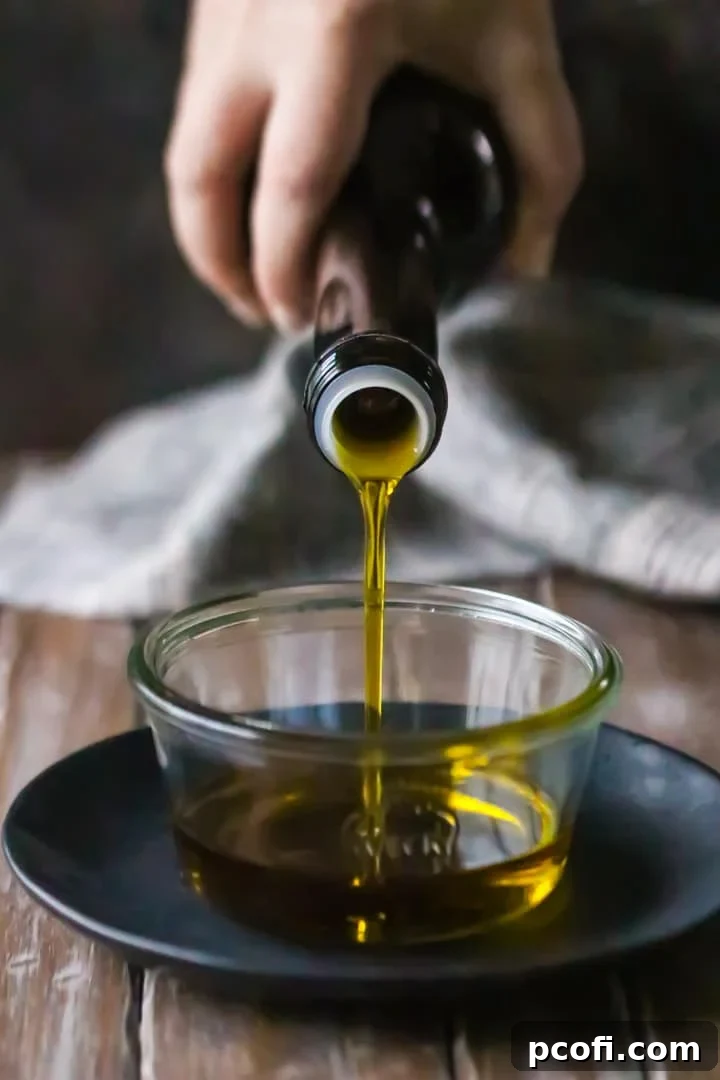
For the cake pictured here, I opted for an Arbequina olive oil from Spain. Its light, fruity, and buttery notes harmonized perfectly with the citrus, almond, and sherry, creating a truly balanced and delightful flavor.
Essential Ingredients for Your Mediterranean Cake
Crafting this elegant olive oil cake requires a thoughtful selection of ingredients, each playing a vital role in achieving its signature taste and texture:
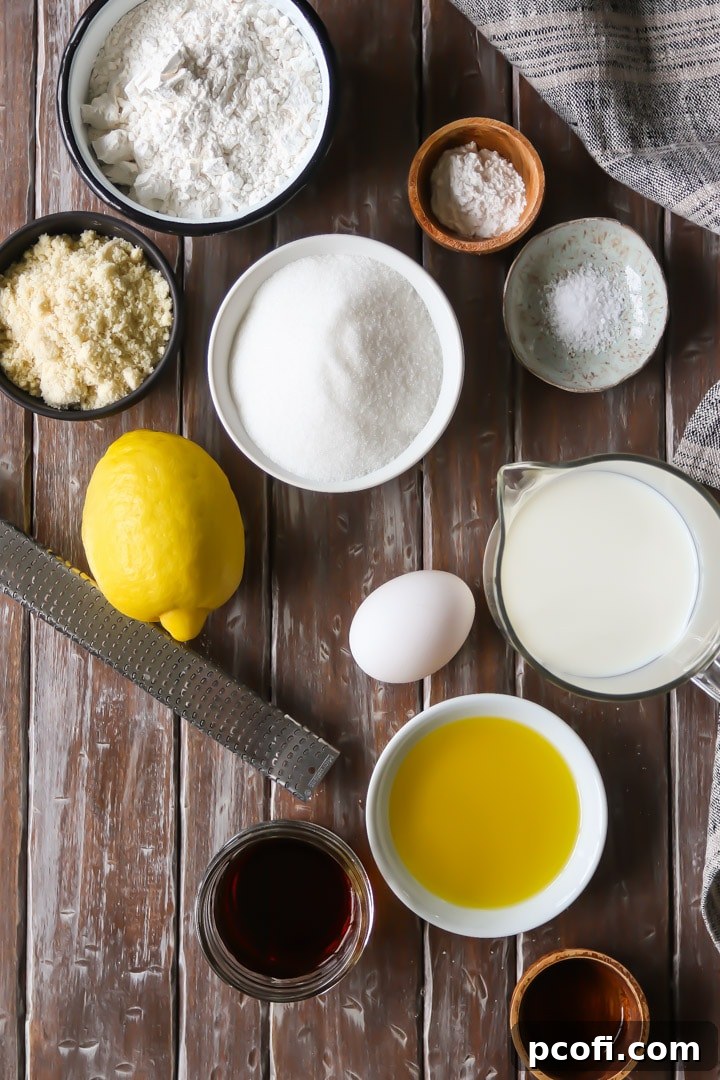
- Flour: I highly recommend cake flour for this recipe. Its lower protein content results in a remarkably fine, delicate crumb that simply melts in your mouth. If you’re curious to learn more about this versatile ingredient, check out my guide: What is Cake Flour?
- Almond: This recipe incorporates almond in two delightful forms. A splash of almond extract provides a sweet, intensely aromatic flavor, while almond meal (also known as almond flour) contributes a lovely nuttiness and additional structure to the cake. Almond meal is simply finely ground almonds, readily available in the gluten-free section of most grocery stores. Alternatively, you can easily make your own by finely grinding whole almonds in a food processor.
- Sugar: Beyond its obvious role in sweetening the cake, sugar is crucial for achieving that beautiful golden-brown crust and maintaining the cake’s luscious moisture. Sugar is hydrophilic, meaning it loves water and draws moisture in, keeping your cake tender and fresh. Regular white granulated sugar works perfectly, but feel free to substitute with another 1:1 granulated sweetener if you have a preference.
- Lemon: The zest of one fresh lemon is a game-changer, providing a bright, aromatic lift and a delightful citrusy zing that perfectly complements the olive oil and almond. Use a microplane grater to carefully remove only the outermost yellow layer of the lemon peel, as the white pith underneath can be bitter.
- Baking Powder: This olive oil cake relies on baking powder as its leavening agent, which helps the cake rise and achieve a light, airy texture. As a double-acting leavener, it creates lift both when it interacts with liquid in the batter and again when exposed to the heat of the oven. Importantly, baking soda is not a suitable substitute here, as this recipe lacks the necessary acidic ingredients to activate it; baking powder already contains the acid required for its activation.
- Salt: Often overlooked, salt is an indispensable flavor enhancer in baking. It doesn’t make the cake taste salty, but rather amplifies and balances all the other flavors, making them more vibrant and harmonious. I prefer kosher salt for its pure flavor, free from the additives (like iodine) often found in table salt that can sometimes impart a bitter taste. It’s also widely available and affordable.
- Olive Oil: As the cornerstone of this recipe, your choice of olive oil is critical. Select a good quality extra virgin olive oil whose flavor you genuinely enjoy, as its characteristics will shine through prominently in the final cake.
- Milk: Any type of milk you have on hand will work beautifully, including plant-based alternatives. Milk contributes to the cake’s moistness and tender crumb.
- Eggs: Eggs are essential for lending richness and providing vital structure to the cake, ensuring it holds its shape. Use large chicken eggs, or a 1:1 plant-based egg substitute. While room temperature eggs are often recommended for optimal emulsification, I’ve found it’s not absolutely critical for the success of this particular recipe.
- Sherry (Optional): For an extra layer of authentic Spanish flavor, a splash of sherry is a wonderful addition. It adds a subtle depth and complexity that elevates the cake, but it is entirely optional if you prefer to bake without alcohol.
Refer to the full recipe card at the bottom of this post for precise measurements.
Recommended Baking Equipment for Success
Having the right tools can make your baking experience even smoother. Here’s a list of special equipment that will help you create this perfect olive oil cake:
- Cake Pan(s): I adore using a 5-cup capacity mini bundt pan for charming individual cakes. However, this versatile batter also works wonderfully in a loaf pan for a more traditional slice.
- Non-stick Spray: Essential for ensuring your beautifully baked cakes release effortlessly from the pan.
- Measuring Cups and Spoons: Accuracy is key in baking. Always measure your ingredients precisely. For best practices, consult this guide: How to Measure Ingredients for Baking.
- Mixing Bowls: You’ll need one larger bowl for your dry ingredients and a smaller one for the liquid components.
- Whisk: A sturdy whisk is indispensable for thoroughly combining both dry and liquid ingredients, creating a smooth, lump-free batter.
- Silicone Spatula: Perfect for scraping down the sides of your bowl, ensuring every last drop of delicious batter makes it into the pan.
- Wire Rack: An absolute must for cooling your cakes evenly, allowing air circulation to prevent sogginess.
How to Make Olive Oil Cake: A Simple Guide to Perfection
You’ll be amazed at how straightforward and quick it is to prepare this delicious olive oil cake. It’s truly one of the easiest cakes you’ll ever bake!
Step 1: Gather and Combine Dry Ingredients
Begin by assembling all your dry ingredients: cake flour, almond meal (or finely ground almonds), granulated sugar, baking powder, the fragrant zest of one lemon, and a pinch of salt. In a large mixing bowl, gently whisk these ingredients together. This step ensures an even distribution of the leavening agent and flavors throughout the cake.
Step 2: Whisk Together Liquid Ingredients
Next, in a separate, smaller bowl, combine your liquid components: high-quality olive oil, milk, a large egg, the optional splash of sherry, and almond extract. Whisk vigorously until the mixture is smooth and well emulsified. The richness of the olive oil and egg, combined with the milk, forms the moist base of your cake.
Step 3: Gently Combine Wet and Dry Mixtures
Pour the thoroughly whisked liquid ingredients into the large bowl containing your dry mix. Using your whisk or a silicone spatula, gently combine everything until a smooth, slightly thin batter forms. Be careful not to overmix; just combine until no dry streaks of flour remain.
Step 4: Bake to Golden Perfection
Carefully pour the smooth batter into your prepared and greased cake pan(s). Transfer it to your preheated oven and let the magic happen. You’ll know your olive oil cake is perfectly baked when the center feels springy to the touch and a toothpick inserted into the thickest part comes out clean or with only a few moist crumbs attached.
Allow the cakes to cool in the pan for about 15-20 minutes before gently inverting them onto a wire rack to cool completely. This cooling process helps the cake set and prevents it from sticking.
Creative Serving Suggestions for Your Olive Oil Cake
This exquisite olive oil cake is absolutely delightful on its own, needing little more than a delicate dusting of powdered sugar to highlight its rustic charm.
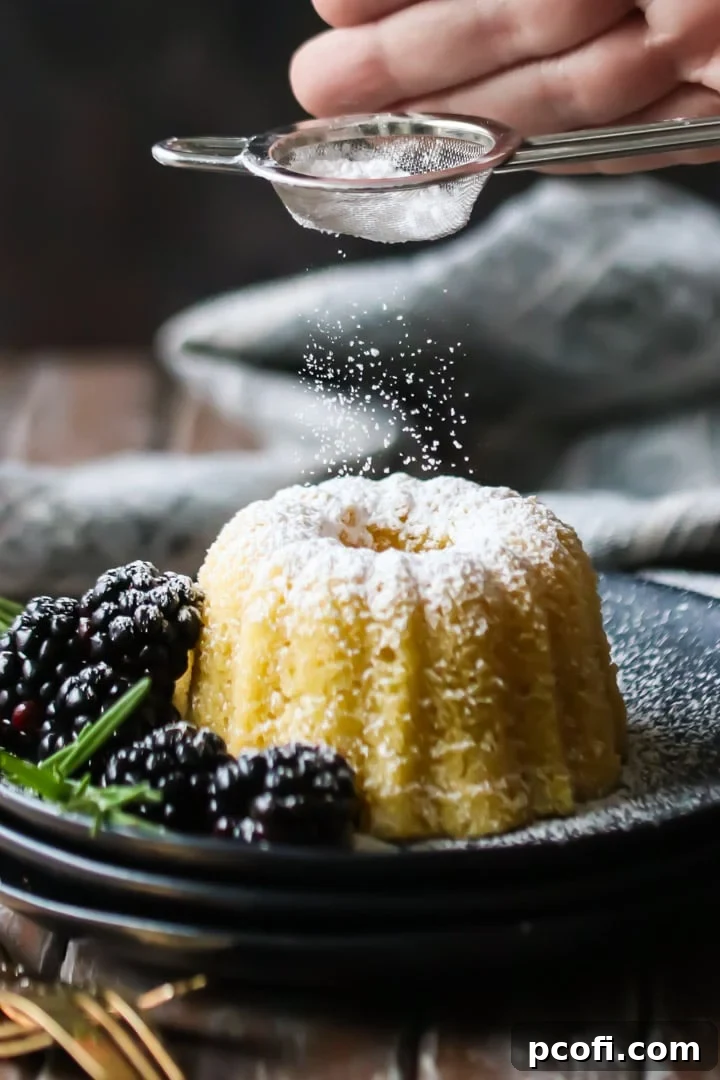
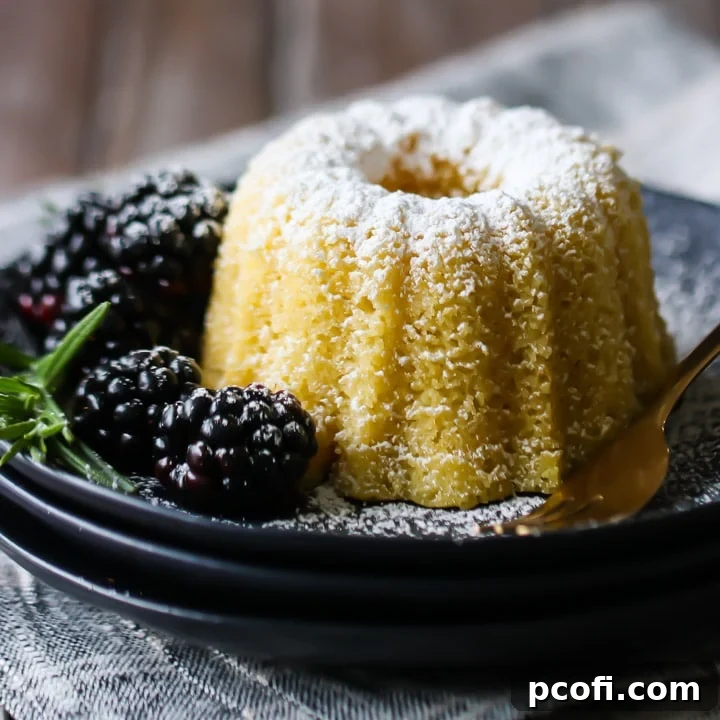
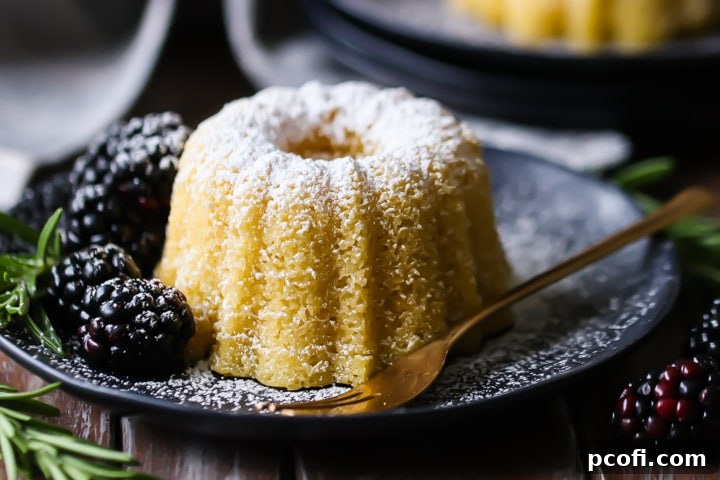
However, for an elevated experience, I find it truly comes alive when paired with a handful of fresh berries. For the photographs featured here, I tossed fresh blackberries with a touch of sugar and a tablespoon of sherry, then garnished the entire plate with a sprig of fresh rosemary. The woody, aromatic notes of the rosemary beautifully balance the cake’s richness and the sweetness of the berries, creating a truly harmonious and unforgettable dessert experience. Consider serving it with a scoop of vanilla bean ice cream or a dollop of crème fraîche for an extra layer of decadence. It also pairs wonderfully with a cup of robust coffee, a fragrant tea, or even a sweet dessert wine.
Frequently Asked Questions About Olive Oil Cake
- Can this olive oil cake be made in different-sized pans?
- Absolutely! While I adore the individual portions from my 5-cup mini-bundt pan, this versatile batter is adaptable to various bakeware. You can easily bake it in a standard 5-cup loaf pan for a more traditional slice. Alternatively, a 9-inch diameter x 2-inch deep round cake pan will also work beautifully. If you’re catering to a larger crowd, you can double the recipe to create a stunning 2-layer cake, a charming 3-layer 6-inch diameter cake, a large 9×13-inch sheet cake, or even 24 delightful cupcakes. Just remember that baking in a different-sized pan will necessitate adjusting the baking time. Always rely on the “springy center” and “clean toothpick” tests to confirm your cake is perfectly done.
- How should I store olive oil cake to keep it fresh?
- Once fully cooled, your olive oil cakes can be stored at room temperature for 2 to 3 days. To maintain their freshness and prevent them from drying out, simply place them in a zip-top bag or wrap them tightly with plastic wrap. If you plan to keep them longer, they will happily last in the refrigerator for at least a week, or in the freezer for up to a month. For freezing, wrap individual portions tightly in plastic wrap and then foil to prevent freezer burn.
- What is the serving size for this recipe?
- This recipe yields 5 individual mini bundt cakes. Each mini bundt cake is considered one generous serving. The nutritional information provided in the recipe card below is calculated for one-fifth of the entire batch, corresponding to a single mini bundt cake.
- What kind of olive oil is best for baking?
- For olive oil cakes, a good quality extra virgin olive oil is highly recommended. The flavor will significantly impact the final taste of your cake. Generally, a “light” or “fruity” extra virgin olive oil with a mild, delicate flavor profile works best, as it won’t overpower the other ingredients. Avoid very robust or peppery olive oils unless you specifically desire that intense flavor in your cake. An Arbequina or Picual olive oil, known for their smoother profiles, are excellent choices.
- Can I make this cake gluten-free?
- While this recipe calls for cake flour, many bakers have success substituting it with a high-quality 1:1 gluten-free all-purpose baking flour blend, especially those formulated for cakes and pastries. Ensure your blend contains xanthan gum for proper structure. The almond meal already contributes a naturally gluten-free component and excellent texture.
Explore More Delicious Cake Recipes
If you’ve enjoyed this unique olive oil cake, you might love exploring other fantastic cake recipes from my collection:
- Decadent Tiramisu Cake
- Classic Swirled Marble Cake
- Timeless Traditional Pound Cake Recipe
- Irresistible Chocolate Chip Cake
As an Amazon Associate, I earn from qualifying purchases.
Lemon Almond Olive Oil Cake
5
mini bundt cakes
15 mins
20 mins
35 mins
Ingredients
For the Olive Oil Cake
- 1 1/2 cups (187.5 g) cake flour
- 1/2 cup (56 g) almond meal
- 1 cup (200 g) granulated sugar
- Zest of 1 lemon
- 1 teaspoon baking powder
- 1/2 teaspoon (0.5 teaspoon) kosher salt
- 3/4 cup (162 g) olive oil
- 1/2 cup (122 g) milk
- 1 large egg
- 3 tablespoons sherry (optional)
- 1/2 teaspoon (0.5 teaspoon) almond extract
Optional Garnishes:
- 1 1/2 cups (216 g) fresh blackberries
- 1 tablespoon sherry
- 1 tablespoon (14.79 g) granulated sugar
- Sprig of fresh rosemary
- Powdered sugar for dusting
Instructions
To make the olive oil cake:
- Preheat the oven to 350 degrees F (175°C) and generously mist a 5-cup mini-bundt pan with non-stick spray.
- In a large bowl, combine the flour, almond meal, sugar, lemon zest, baking powder, and salt. Whisk until thoroughly combined.
- In a smaller separate bowl, whisk together the olive oil, milk, egg, sherry (if using), and almond extract until smooth.
- Pour the liquid ingredients into the dry ingredients and whisk until the batter is smooth and well combined.
- Pour the batter evenly into the prepared cake pan and bake for 18 to 22 minutes, or until a toothpick inserted into the thickest part of a cake comes out clean or with a few moist crumbs.
- Allow the cakes to cool in the pan for 20 minutes before carefully turning them out onto a wire rack to cool completely.
For the garnish:
- In a small bowl, gently toss the fresh blackberries, sugar, and sherry together to coat.
- Serve the olive oil cakes alongside the prepared berries, garnished with a sprig of fresh rosemary.
- For a beautiful finish, lightly dust the cakes with powdered sugar just before serving.
Nutrition Information (per serving):
- Serving Size: 1 mini bundt
- Calories: 589 kcal
- Carbohydrates: 65 g
- Protein: 7 g
- Fat: 33 g
- Saturated Fat: 4 g
- Cholesterol: 29 mg
- Sodium: 215 mg
- Potassium: 193 mg
- Fiber: 3 g
- Sugar: 38 g
- Vitamin A: 150 IU
- Vitamin C: 7.6 mg
- Calcium: 91 mg
- Iron: 1.2 mg
Mediterranean, American
Dessert
Tried this recipe?
Mention @bakingamoment on Instagram or tag #bakingamoment.