
The Ultimate Guide to Homemade Pizza Dough: Easy, Flavorful, and Perfectly Crisp!

Craving a delicious, restaurant-quality pizza right in your own kitchen? The secret to an unforgettable pizza experience starts with a truly exceptional crust. This comprehensive guide will walk you through creating the best homemade pizza dough recipe – one that’s incredibly easy, versatile, and yields a consistently delightful result. Whether you’re a seasoned baker or a beginner, you’ll be making pizzeria-worthy pizzas in no time!
There’s something uniquely satisfying about homemade pizza night. It’s more than just a meal; it’s an experience. The aroma of fresh dough baking, the freedom to choose your favorite toppings, and the joy of sharing a custom-made creation with family and friends – these are moments that truly bring people together. Like many home cooks, my family has embraced the art of bread making, discovering the simple pleasure and delicious rewards of baking from scratch. While we love exploring various yeast bread recipes, from soft Italian breadsticks to chewy soft pretzels and crusty French baguettes, nothing quite compares to the excitement of pizza night.
This easy pizza dough recipe has been my trusted go-to for years. It’s designed for simplicity, making it ideal for beginners, yet it delivers a professional-level crust every time. You only need a handful of basic ingredients and a minimal amount of hands-on time. The result is a crust that’s wonderfully crisp on the bottom, with a perfectly balanced flavor and a satisfying chewiness that makes every bite a pleasure. Plus, its incredible versatility means you can prepare it in advance and store it in your fridge or freezer, ensuring that homemade pizza is always just a craving away.
This isn’t just a recipe; it’s a deep dive into everything you need to know about crafting the perfect pizza crust. We’ll cover the purpose of each ingredient, provide expert tips for success, and troubleshoot common issues. If you’re eager to jump straight to the recipe, use the “Jump to Recipe” button at the top of the page. Otherwise, read on to unlock all the secrets to your best homemade pizza yet!

Essential Ingredients for Perfect Homemade Pizza Dough
This incredibly easy pizza dough recipe calls for just six fundamental ingredients. Understanding the role of each component will help you achieve consistent, fantastic results:
- Water
- Sugar
- Yeast
- Flour
- Olive Oil
- Salt
Let’s explore each ingredient in detail, ensuring you know how to use them for optimal dough performance and flavor.
Water: The Foundation of Your Dough
Water is crucial for two main reasons: it provides essential moisture to the dough, creating its structure and texture, and it activates the yeast. The temperature of your water is paramount. It should be warm, but never hot. Aim for a temperature between 100°F and 110°F (38°C to 43°C), which feels barely warm to the touch. Think of it like a baby’s bathwater. If you have a kitchen thermometer, use it for precision. Water that is too hot will kill the delicate yeast, preventing your dough from rising. Too cold, and the yeast won’t activate properly, leading to a sluggish rise or no rise at all.
Sugar: Fueling the Yeast and Enhancing Flavor
While only a small amount, sugar plays a vital role. Its primary function is to provide food for the yeast, helping it to activate and multiply, leading to a strong, consistent rise. Beyond feeding the yeast, sugar contributes significantly to the crust’s flavor and color. As the dough bakes, the sugar caramelizes, creating that beautiful golden-brown hue and adding subtle, toasty notes to your pizza. You can substitute granulated sugar with honey for a slightly different flavor profile, especially delicious in whole wheat dough. While it’s possible to omit sugar entirely, I highly recommend including it for these flavor and browning benefits; the final result will not be sweet, but rather well-rounded and savory.
Yeast: The Leavening Powerhouse
Yeast is a living microorganism responsible for leavening the dough. It consumes sugars and produces carbon dioxide gas, which gets trapped within the dough’s gluten structure, forming tiny bubbles. During baking, these bubbles expand, creating a light, airy, and chewy crust. Without yeast, you’d end up with a flat, cracker-like base. It’s vital to check the expiration date on your yeast; old or expired yeast will be inactive and won’t work. For this recipe, active dry yeast is typically used, which needs to be “proofed” (activated) in warm water with sugar before adding flour. Instant yeast, an alternative, can often be mixed directly with dry ingredients, but following the recipe’s instructions for active dry yeast ensures proper activation. For those exploring other options, you can substitute with instant yeast, fresh yeast, or even sourdough starter with appropriate adjustments.

Flour: The Main Body and Structure
Flour forms the bulk of your pizza dough and provides its essential structure. The type of flour you choose will influence the final texture and flavor of your crust. While you can certainly experiment, I often keep it simple with standard all-purpose flour for excellent results.
It’s important to note that baking with yeast is not an exact science, especially concerning flour quantities. Factors like humidity, altitude, and even the specific brand of flour can affect how much liquid it absorbs. Therefore, consider the amount of flour specified in the recipe as an estimate. You’ll need to use your judgment, observing the dough’s consistency and feel, adding more if it’s too sticky or holding back if it becomes too stiff.
All-Purpose Flour: The Versatile Choice
All-purpose flour is readily available and works beautifully for pizza dough, providing a satisfying texture and flavor. It offers a good balance of protein and gluten development, which is crucial for the chewiness of a great pizza crust.
Bread Flour: For Extra Chewiness
Bread flour has a higher protein content (typically 12-14%) compared to all-purpose flour (8-11%). This higher protein translates to more gluten, resulting in a more elastic, chewier, and stretchier dough. Many dedicated pizza makers swear by bread flour for its superior chew. If you’re looking to elevate your crust to a truly artisanal level and don’t mind having a separate bag of flour on hand, bread flour is an excellent choice. However, for most home cooks, all-purpose flour provides a wonderfully satisfying result without the need for an extra ingredient.
Whole Wheat Flour: For a Nutty, Healthier Option
Incorporating whole wheat flour adds a delightful nutty flavor and boosts the nutritional value of your pizza crust. However, using 100% whole wheat flour can result in a denser, less elastic dough. I’ve found that a blend works best. A ratio of 2 parts all-purpose flour to 1 part whole wheat flour (e.g., 2 cups all-purpose to 1 cup whole wheat) offers a slightly crunchier texture and a hint of whole-grain flavor without compromising the essential chewiness. Experiment with ratios like 1:1 or 2:1 (whole wheat to all-purpose) to find your preferred balance of flavor and texture, always remembering that the total flour amount might need adjustment.
Gluten-Free Flour: For Dietary Needs
While my personal experience with gluten-free pizza dough is limited, the market offers excellent gluten-free flour blends designed to substitute regular flour at a 1:1 ratio. Look for reputable brands that specifically cater to baking, such as King Arthur Flour Gluten-Free Measure for Measure, Bob’s Red Mill Gluten-Free All-Purpose Baking Flour, or Cup4Cup Multi-Purpose Gluten-Free Flour. Always follow the specific instructions on the gluten-free flour package, as formulations can vary. It’s worth noting that this particular pizza crust recipe is naturally dairy-free and vegan, making it a great base for various dietary preferences!
Olive Oil: Enhancing Texture, Flavor, and Moisture
Olive oil is a crucial addition to this pizza dough recipe for several reasons. First, it imparts a wonderful depth of flavor, contributing to the overall Mediterranean character of the pizza. Second, it tenderizes the dough, leading to a finer, more delicate crumb structure. Lastly, it adds moisture, making the dough more pliable and easier to work with. While you could omit it, I strongly recommend including it for these textural and flavor enhancements. If olive oil isn’t available, any other neutral-flavored oil that is liquid at room temperature can be used as a substitute.
Salt: The Flavor Multiplier
Salt is more than just a seasoning; it’s a fundamental flavor enhancer in baking. It balances the sweetness of the sugar, deepens the taste of the flour, and brings out the subtle notes of the olive oil. Beyond flavor, salt also plays a role in controlling yeast activity, helping to slow down the fermentation process for a more controlled rise and improved flavor development. I prefer kosher salt for its pure flavor and affordability, but feel free to use your preferred type. If substituting, remember that different salts have different crystal sizes, so you may need to adjust the quantity. A quick online search for “kosher salt to [your salt type] conversion” can provide guidance.

Step-by-Step Guide: Crafting Your Easy Pizza Dough
Making pizza dough from scratch is a rewarding process, and with this recipe, it’s simpler than you might think. If you’re new to yeast baking, this is an excellent starting point!
Mixing Up the Dough: The Initial Steps
Begin with your warm water. As discussed earlier, ensuring the water is at the correct temperature (100-110°F) is critical for yeast activation. Stir in the sugar until it fully dissolves. This provides the initial fuel for your yeast.
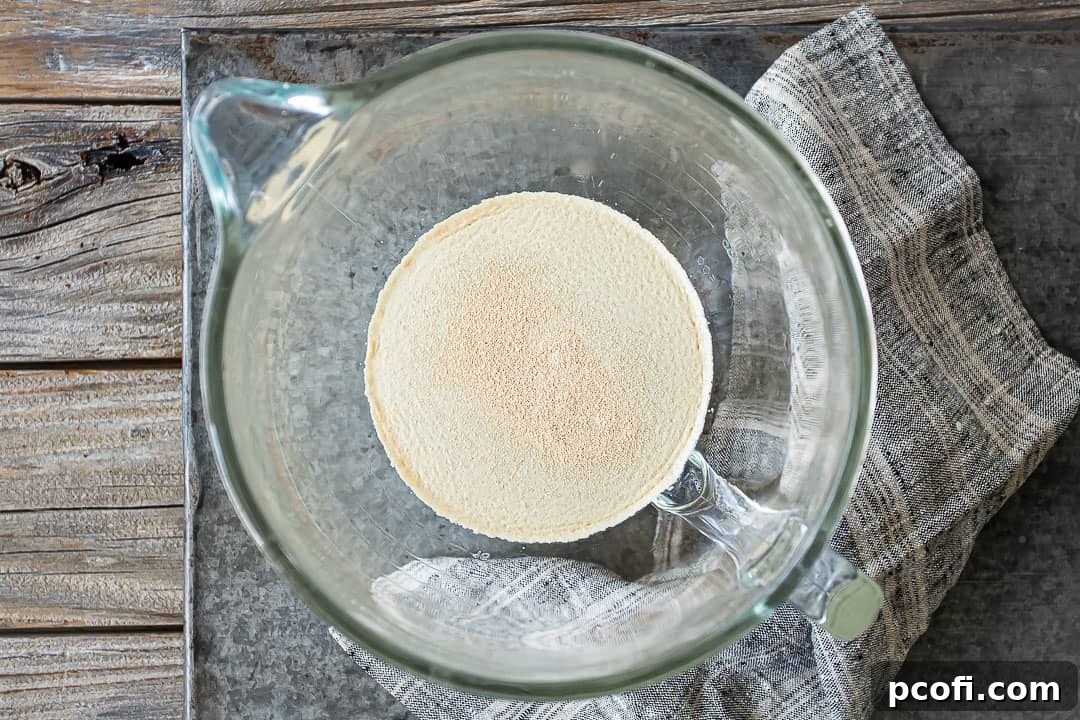
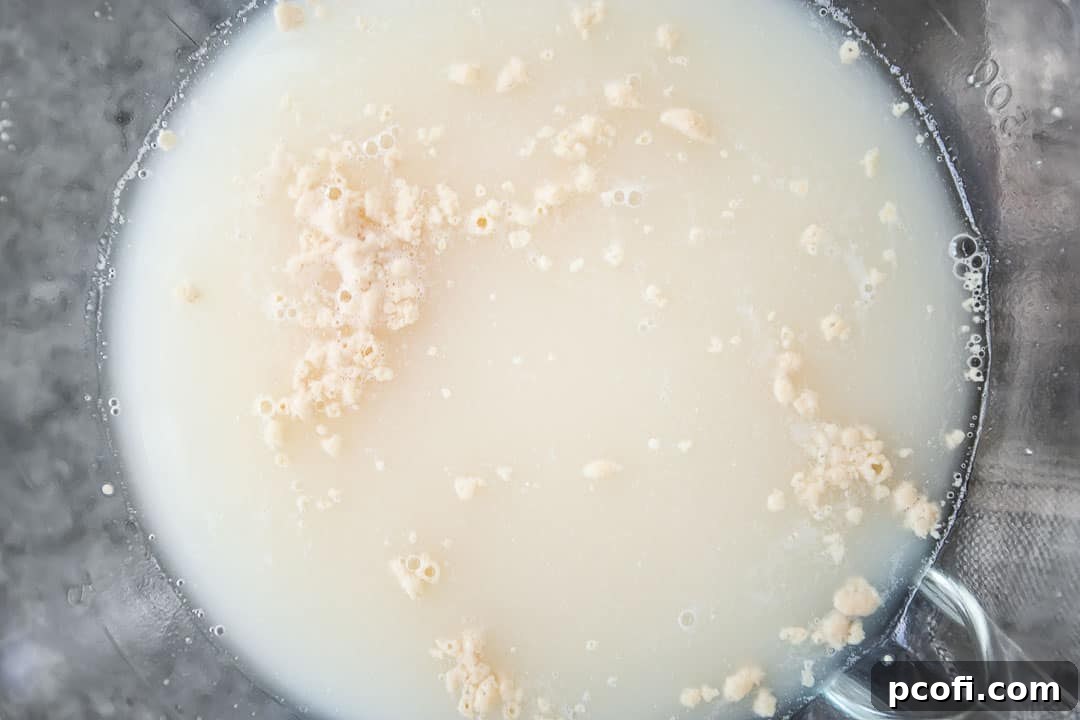
Next, sprinkle the active dry yeast over the sweetened water. Within a few minutes, you should observe the yeast dissolving and beginning to foam or bubble. This “foamy” appearance is a clear indication that your yeast is alive and active! If, after 5-10 minutes, there’s no visible activity, your yeast might be expired or the water was too hot or cold. It’s best to discard and start again with fresh yeast and properly tempered water.
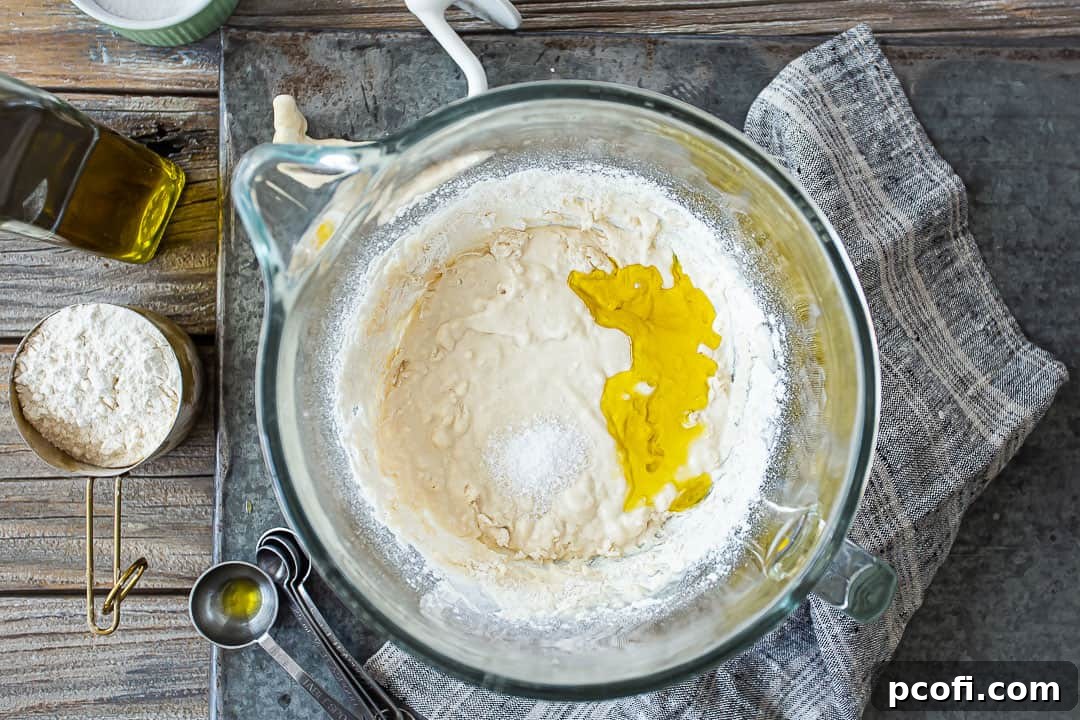
Once your yeast is happily bubbling, it’s time to incorporate the flour. Start by stirring in about two cups of flour. At this stage, the mixture will be quite loose and wet. Now, add the olive oil and salt. Continue adding the remaining flour gradually, a little at a time, while mixing. As you add more flour, the dough will start to come together, becoming firmer and less sticky. The key is to trust your instincts; the exact amount of flour can vary, so feel free to adjust slightly from the recipe’s estimate.
You’ll know you’ve added enough flour when the dough forms a cohesive ball and cleanly pulls away from the sides of your mixing bowl, indicating it’s ready for the next step: kneading.
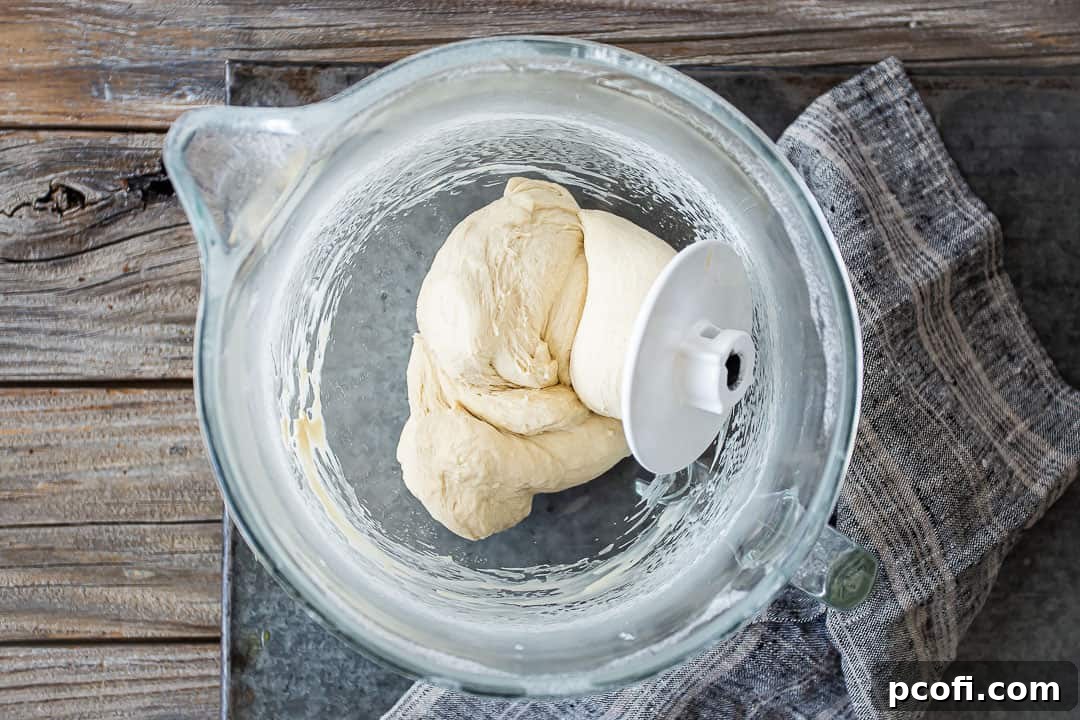
Kneading the Dough: Developing Gluten for That Perfect Chew
Kneading is a critical step that develops the gluten strands in the flour, which are responsible for the dough’s elasticity and the desirable chewy texture of your pizza crust. You can knead the dough by hand on a lightly floured surface, which is a great workout and very therapeutic, or use a stand mixer fitted with a dough hook attachment for convenience.
Kneading typically takes about 8-12 minutes, whether by hand or machine. The best way to determine if your dough is adequately kneaded is by performing the “windowpane test.”
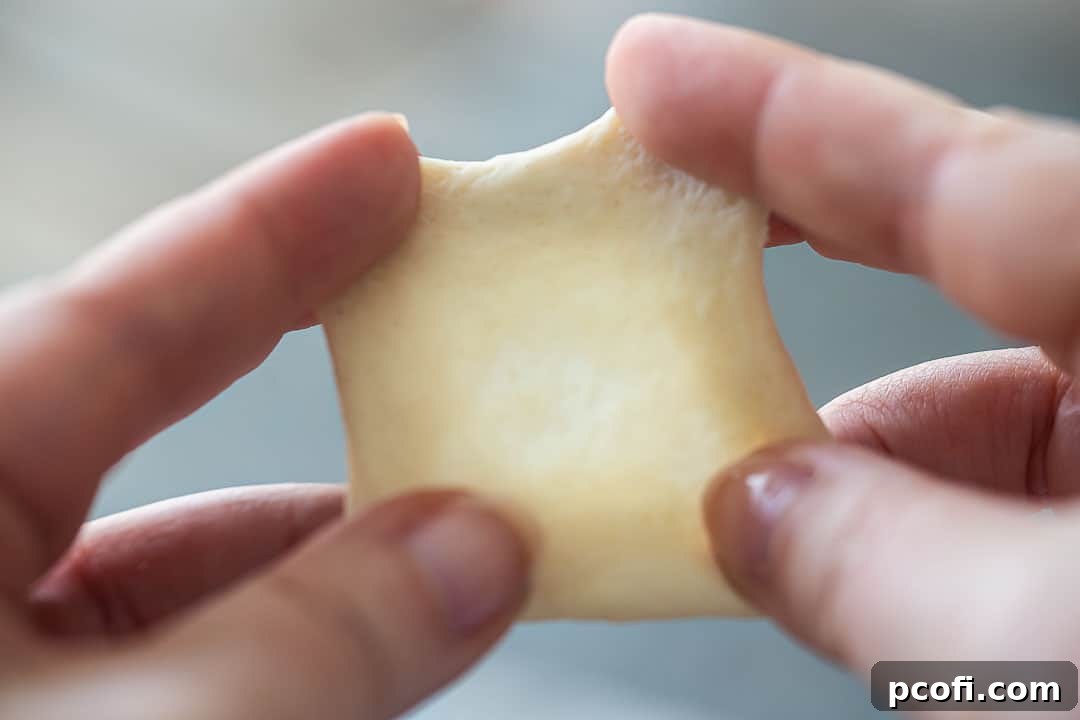
To do this, pinch off a small piece of dough and gently stretch it with your fingertips from the center outwards. If the dough has been kneaded enough, you should be able to stretch it so thin that it becomes translucent, almost like a windowpane, without tearing. If it tears easily, continue kneading for a few more minutes and test again. Once it passes the test, your dough is perfectly kneaded. Remove the dough from the bowl, lightly mist the bowl with non-stick spray, return the dough, and cover it with plastic wrap or a damp towel.
Allowing the Dough to Rise: The Magic of Fermentation
Now comes the exciting part: letting the dough rise! Place the covered bowl in a warm, draft-free spot. This warmth encourages the yeast to work its magic, causing the dough to double in size. The rising time can vary significantly based on factors like room temperature, yeast activity, and humidity. It could take anywhere from 45 minutes to 90 minutes, or even longer on a cooler day. Keep an eye on it; visual cues are more important than a strict timer.
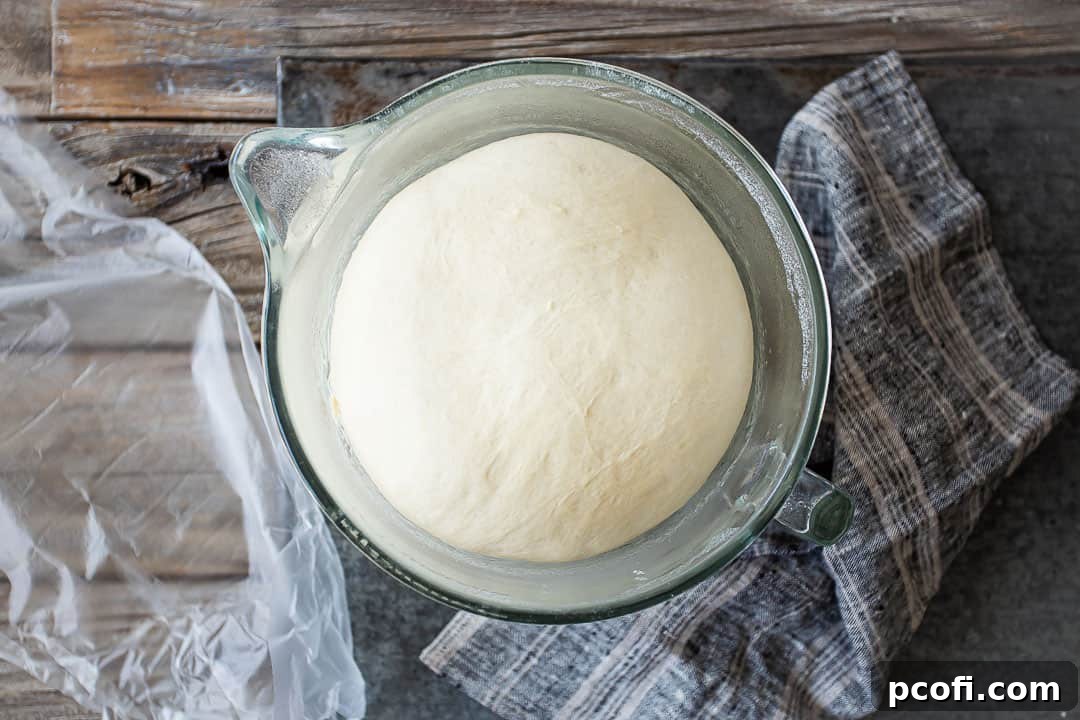
Once the dough has impressively doubled in size and looks delightfully puffy, gently punch it down to release the trapped gases. Knead it briefly a few times to redistribute the yeast and gluten, then divide it into your desired portions. Congratulations, you’ve successfully made homemade pizza dough!
Make-Ahead Pizza Dough: Convenience at Your Fingertips
One of the best features of this recipe is its make-ahead potential. You can use your fresh dough immediately, or prepare it for future pizza nights. For make-ahead convenience, place each dough portion into a lightly oiled container, ensuring there’s ample room for it to expand slightly, even in cold temperatures. Seal the containers tightly.
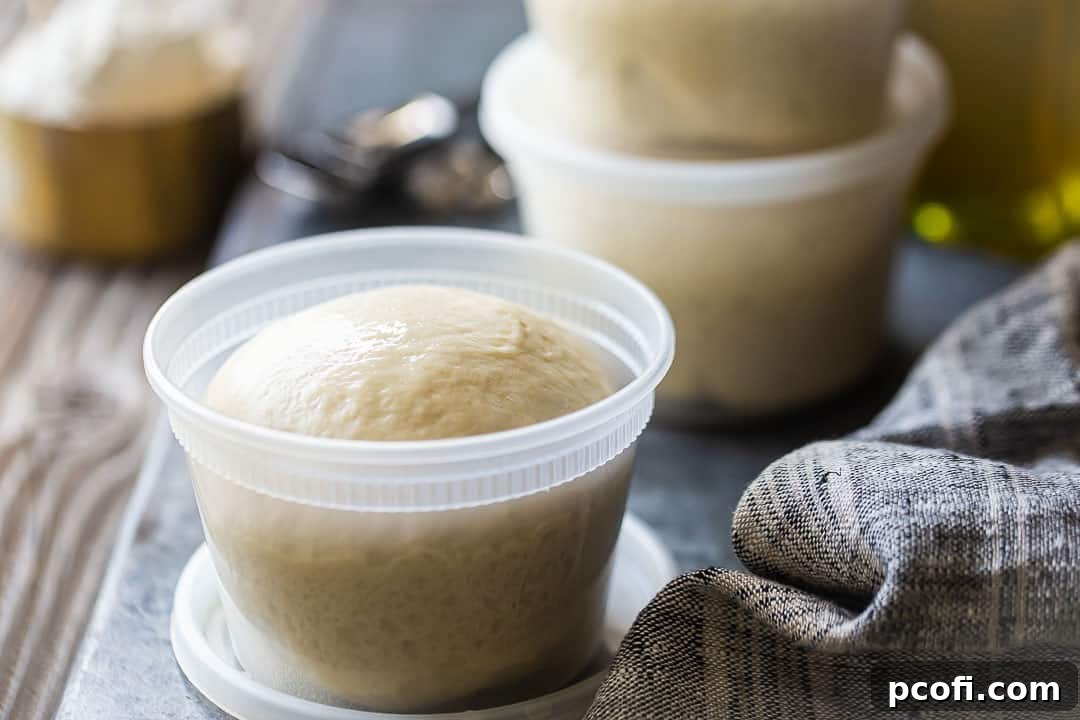
You can store the dough balls in the fridge for up to 48 hours, or in the freezer for up to two weeks. When you’re ready to use them, simply bring them back to room temperature before shaping and baking. This flexibility makes homemade pizza a fantastic weeknight option!
Getting Your Pizza Ready: Shaping and Baking Techniques
How Many Pizzas Will This Recipe Yield?
The number of pizzas you can make from one batch of dough depends entirely on your preferred crust thickness. Do you love a thin and crispy crust, a moderately chewy one, or a thick, deep-dish style like Sicilian or Detroit pizza? When stretched very thin, this recipe typically yields three 10-inch or four 8-inch pizzas. Alternatively, you could divide the dough in half for two extra-large thin-crust pizzas, or two slightly thicker ones. For my family of four (with three enthusiastic eaters), one batch provides a satisfying dinner with enough leftovers for a quick lunch the next day.
Shaping Your Pizza Dough: Embrace Imperfection
This dough is incredibly forgiving and easy to work with, so don’t stress about achieving a perfect circle. My preferred method involves flattening the dough by hand, then gently draping it over my knuckles, rotating it slowly to let gravity naturally stretch it into shape. While I admire those talented pizzaiolos who can effortlessly toss dough high in the air, a rolling pin is a perfectly acceptable tool for achieving your desired thinness and roundness. Remember, an oblong or rustic-shaped pizza tastes just as delicious!
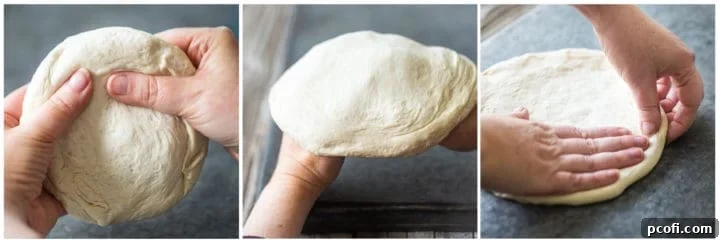
For a rectangular pizza, a baker’s half sheet pan works wonderfully, yielding roughly two thin-crust pizzas per batch. Pro-tip: If your dough springs back and resists shaping, cover it and let it rest at room temperature for 10-20 minutes. This allows the gluten to relax, making it much easier to stretch.
Baking Your Masterpiece: Achieving the Perfect Crust
To achieve that signature blistered, crispy pizza crust, high heat is your best friend. Ideally, bake your pizza at the highest temperature your oven can reach, typically 500°F (260°C). While a traditional brick oven can reach upwards of 900°F, even a home oven at its maximum setting will yield fantastic results. The hotter the oven, the faster the pizza cooks, leading to a perfectly browned and crispy crust.
At my house, we swear by a pizza stone, which heats up intensely and evenly, mimicking a professional pizza oven. Baking steels work similarly and are also highly recommended. To use, preheat your stone or steel with the oven. Shape your pizza on a pizza peel generously dusted with cornmeal or semolina to prevent sticking, add your favorite toppings, then swiftly slide it onto the hot stone. Don’t have a stone? No problem! You can achieve great results using a pizza pan, a cookie sheet, or even on the grill for a smoky flavor. As a guideline, my 10-inch thin-crust pizzas baked on a stone at 500°F are usually perfectly browned and crispy in about 10-15 minutes.

Can I Add Extra Flavor to the Dough Itself?
Absolutely! This dough is a fantastic canvas for additional flavors. Feel free to knead in ingredients like minced fresh or roasted garlic, dried Italian herbs (oregano, basil, thyme), grated Parmesan or Pecorino Romano cheese, finely chopped olives, or sun-dried tomatoes. These add-ins infuse the crust with extra deliciousness, making your homemade pizza even more unique and flavorful.
Troubleshooting Common Pizza Dough Issues
My Dough Didn’t Rise. Why?
If your bread dough fails to rise, it typically boils down to one of three main reasons:
- Expired Yeast: Yeast has a limited shelf life. If it’s past its prime, it loses its effectiveness. Always check the expiration date.
- Water Temperature Issues: Water that’s too hot will kill the yeast, rendering it inactive. Conversely, water that’s too cold won’t properly activate the yeast. Remember the “baby’s bath” temperature.
- Insufficient Warmth for Rising: Yeast thrives in warm environments. If your rising spot is too cool, the yeast will be sluggish or completely inactive.
If your yeast doesn’t bubble or foam after 10 minutes in the warm, sweetened water, it’s likely dead, and you should start over with fresh yeast. If it initially proofs but the dough still doesn’t rise, try moving the bowl to a warmer location, such as near a heat vent, next to a warm appliance like the refrigerator, or on a sunny windowsill.
How Long Will Dough Last in the Fridge or Freezer?
Raw pizza dough balls, stored in lightly oiled, covered containers, can be kept in the fridge for up to 48 hours. For longer storage, freeze the dough for up to two weeks. Beyond this timeframe, the yeast may begin to lose its potency, affecting the rise. To use frozen dough, thaw it overnight in the fridge or for a few hours at room temperature. Once thawed and no longer cold, gently punch it down, shape, top, and bake as usual.
Can This Recipe Be Scaled Up or Down?
Yes, absolutely! This recipe is incredibly adaptable. You can easily double, triple, or even quadruple the ingredients if you’re feeding a large crowd or want to stock up your freezer. Just ensure you have a large enough mixing bowl to accommodate the increased volume. Similarly, if you only need a smaller amount of dough for one or two pizzas, you can halve the recipe without any issues.

Recipe: Easy Homemade Pizza Dough

Pizza Dough Recipe
Servings: 18 slices (approx. three 10-inch, thin crust pizzas)
Prep Time: 20 mins
Resting Time: 1 hr
Total Time: 1 hr 20 mins
Easy pizza dough recipe, for the best ever homemade pizza! Make a big batch to keep in your fridge or freezer. Just 6 simple ingredients!
Leave a Review
Save Recipe
Ingredients
- 1 1/2 cups (354.88 g) water, warm (not hot)
- 2 teaspoons (9.86 g) granulated sugar
- 1/4 ounce (7.09 g) active dry yeast (1 packet or about 2 teaspoons)
- 4 cups (437.5 g) all-purpose flour (approximately, you may need more or less)
- 1 tablespoon (14.79 g) extra-virgin olive oil
- 3/4 teaspoon (3.7 g) kosher salt
Instructions
- Place the warm water and sugar in a large mixing bowl and stir together to combine.
- Sprinkle the yeast on top and allow it to dissolve.
- When the mixture looks foamy (after approx. 5 to 10 minutes), stir in 2 cups of the flour until incorporated.
- Stir in the olive oil and salt.
- While continuing to mix, add in more flour until the dough gathers itself into a ball and pulls away from the sides of the bowl cleanly. (You may need slightly more or less flour; use your judgement.)
- Knead the dough until it passes the windowpane test* (approx. 10 minutes).
- Lightly mist the bowl with non-stick spray, place the dough back in, and cover the bowl with plastic wrap or a damp towel.
- Place the bowl of dough in a warm place and allow it to rise until doubled in bulk (approx. 45 to 90 minutes).
- When the dough has grown to twice its original size, punch it down, knead it a few times, and divide it into portions.
- Shape the dough, add toppings, and bake it at the highest possible temperature until brown and crisp on the bottom, OR place it in lightly oiled containers (covered) and chill in the fridge or freezer until ready to use.**
Notes
*Pinch off a little piece of dough and using your fingertips, stretch it gently from the center outward. You should be able to pull it tissue-thin without it tearing. It should be so thin you can see the light passing through, just like a windowpane.
**Raw pizza dough can be kept in the fridge for up to 48 hours, or in the freezer for up to 2 weeks. Allow the dough to come back up to room temperature before using.
Nutrition Information
Serving: 1 slice (if you cut each pizza into 6 slices)
Calories: 98kcal, Carbohydrates: 19g, Protein: 3g, Fat: 1g, Saturated Fat: 1g, Sodium: 99mg, Potassium: 30mg, Fiber: 1g, Sugar: 1g, Calcium: 4mg, Iron: 1mg
Cuisine: American, Italian
Course: Main Course, Snack
More Delicious Yeast Dough Recipes to Explore:
- Hawaiian Rolls
- Chocolate Babka
- Soft White Bread Recipe
- Soft Homemade Dinner Rolls
As an amazon associate I earn from qualifying purchases.
I hope this guide empowers you to create the best homemade pizza dough you’ve ever tasted. With a little practice, you’ll find yourself enjoying delicious, custom-made pizzas that surpass any takeout option. Happy baking!