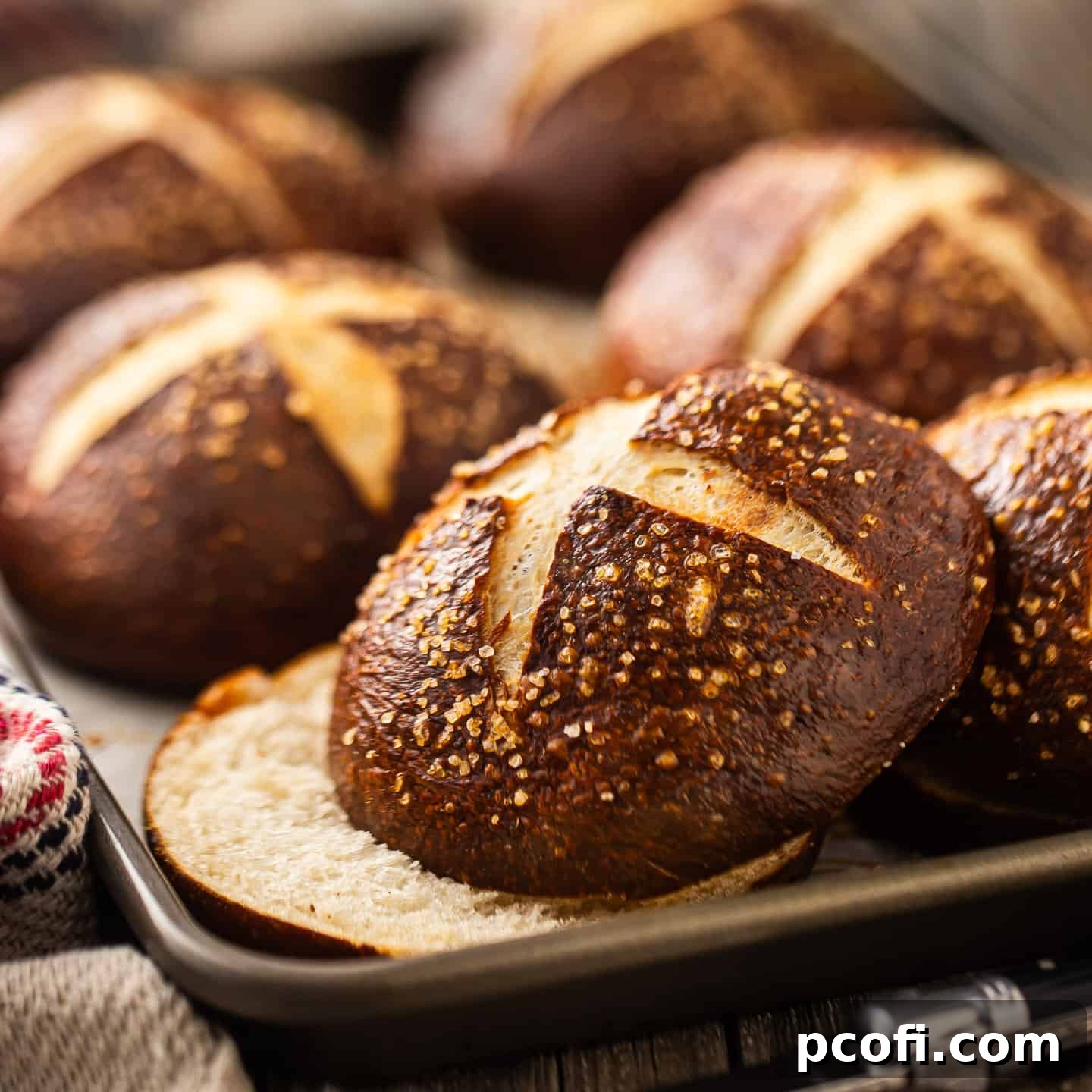
Elevate your meals with this easy pretzel bun recipe! Achieve a crusty exterior, satisfying chew, and wonderfully pillowy-soft centers – perfect for burgers and sandwiches.
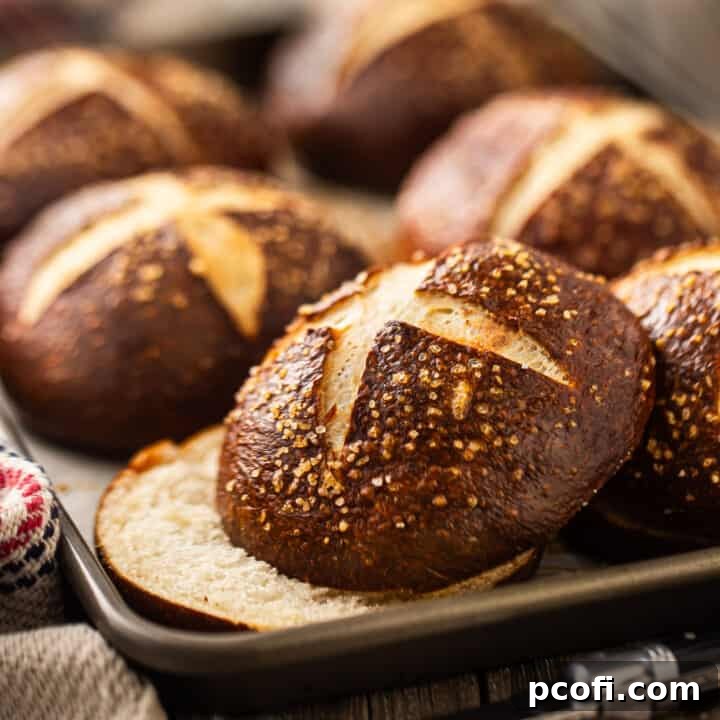
Are you ready to transform your ordinary burgers and sandwiches into extraordinary culinary experiences? Look no further! This homemade pretzel bun recipe is your secret weapon to stepping up your meal game.
Imagine biting into a bun that’s perfectly crusty and toasted on the outside, yet incredibly soft and pillowy on the inside, with just the right amount of satisfying chewiness. That distinctive, savory pretzel flavor adds a gourmet touch to any dish, making every bite memorable.
On this site, we celebrate the joy of baking, especially when it comes to yeast breads. From fragrant garlic knots to comforting homemade cinnamon bread, and rustic easy ciabatta bread, these recipes are consistently among our most beloved. The magic of yeast transforming simple ingredients into delicious bread is truly captivating.
Today, we’re adding another irresistible yeast bread to your repertoire: the ultimate easy pretzel bun. Designed to be straightforward and rewarding, this recipe promises delightful results that you and your loved ones will absolutely adore. Get ready to bake a batch of these incredible rolls and elevate your everyday meals!
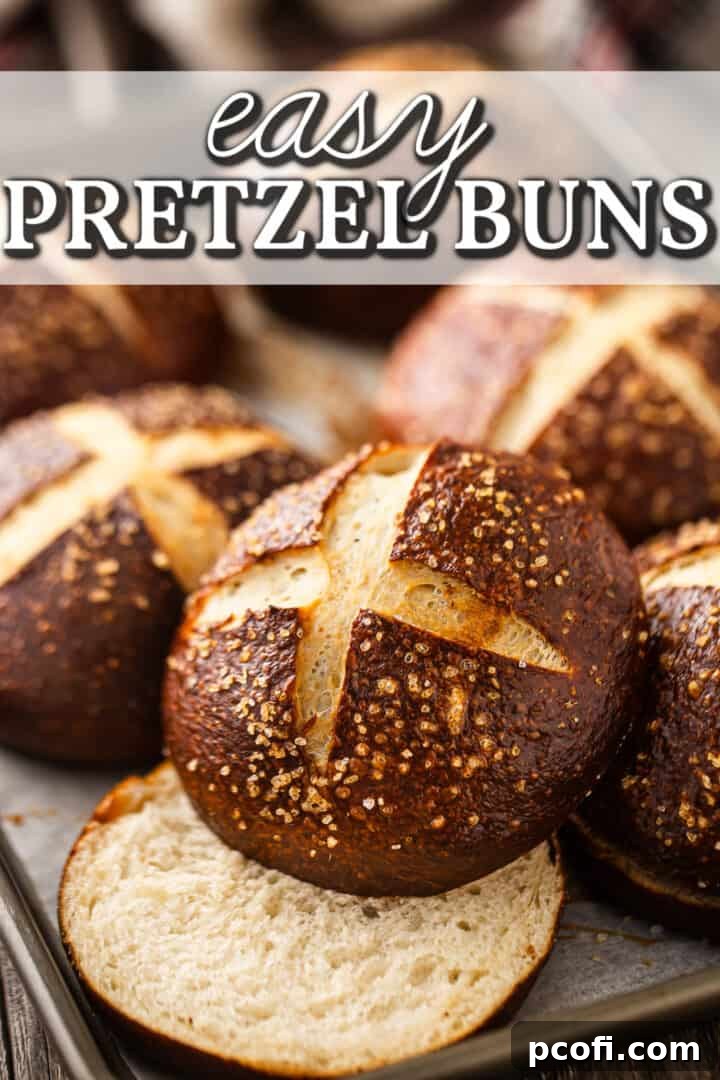
Table of Contents
- What Exactly Are Pretzel Buns?
- Why Make Homemade Pretzel Buns?
- The Unique Taste of Pretzel Buns
- Key Ingredients for Perfect Pretzel Buns
- Sugar
- Water
- Yeast
- Flour
- Beer (Optional, but Recommended)
- Butter
- Salt
- Baking Soda
- Egg Wash
- Essential Equipment for Baking
- Step-by-Step Guide: How to Make Pretzel Buns
- Step 1: Prepare the Dough
- Step 2: Knead and Allow the First Rise
- Step 3: Shape the Buns for Their Second Rise
- Step 4: Boil the Pretzel Buns for That Signature Crust
- Step 5: Bake to Golden Perfection
- Serving Suggestions for Your Homemade Pretzel Buns
- Expert Baking Tips for Success
- Gradual Flour Addition is Key
- Choose a Beer You Enjoy Drinking
- Thorough Kneading is Crucial
- Monitor the Dough During Rising
- Prepare Overnight Pretzel Buns
- Preserve Maximum Puffiness Before Boiling
- Create Steam for the Ultimate Crust
- Frequently Asked Questions (FAQ)
- Can I Make Vegan Pretzel Buns?
- How to Make Gluten-Free Pretzel Buns?
- Do I Need a Stand Mixer?
- Storing Your Homemade Pretzel Buns
Jump to Recipe
What Exactly Are Pretzel Buns?
If you’ve ever savored a warm, soft pretzel, then the concept of a pretzel bun will immediately make sense: it’s essentially a soft pretzel, but ingeniously shaped into a versatile bun! These delightful rolls capture all the incredible flavor and unique texture of a homemade soft pretzel, yet are perfectly crafted and baked to serve as a superior sandwich roll.
This makes them an unparalleled choice for anything from gourmet burgers to hearty pulled pork sandwiches, classic hot ham & cheese, or a crispy fried chicken sandwich. The distinctive taste and satisfying chew elevate any filling.
For those unfamiliar with the soft pretzel, let’s delve into its fascinating origins and characteristics. Soft pretzels are a revered type of yeast bread with a history spanning centuries, believed to have originated in Europe, likely by monastic clergy. The iconic twisted shape is often said to symbolize hands clasped in prayer.
Traditional soft pretzels boast a distinct yeasty, savory flavor profile, a wonderfully soft and airy interior, and a chewy, deeply toasted crust. They are typically finished with a generous sprinkle of coarse salt, enhancing their savory notes and providing a delightful textural contrast, making them an incredibly satisfying snack.
Pretzel buns bring this cherished experience to your plate in a convenient form, offering a unique upgrade from standard bread. Their robust structure holds up beautifully to juicy fillings, and their unmistakable flavor profile pairs wonderfully with a wide array of ingredients, especially those complemented by a good mustard!
Why Make Homemade Pretzel Buns?
There’s an undeniable magic in homemade bread, and these pretzel buns are no exception. Opting to bake them yourself offers a multitude of benefits that you simply can’t achieve with store-bought alternatives:
- Unbeatable Freshness and Flavor: The aroma of freshly baked bread filling your kitchen is a reward in itself. Homemade pretzel buns offer a depth of flavor and a tender freshness that pre-packaged versions can never match. You’ll taste the difference in every single bite.
- Control Over Ingredients: When you bake from scratch, you know exactly what goes into your food. This means you can choose high-quality ingredients, avoid unnecessary preservatives, and even customize to dietary needs (like vegan or gluten-free options discussed later).
- Remarkably Easy to Make: Don’t let the impressive results intimidate you! This recipe has been carefully developed to simplify the process, minimizing active preparation time. It relies on the magic of yeast and a few simple steps, making it accessible even for novice bakers. The majority of the time is hands-off, allowing the dough to rise and develop flavor.
- Perfect Texture and Taste: This recipe achieves the ideal balance: a wonderfully chewy, crusty exterior that gives way to a supremely pillowy-soft interior. The distinctive pretzel flavor is perfectly on point, delivering that savory satisfaction everyone craves. We’ve fine-tuned the traditional soft pretzel recipe to ensure these buns rise beautifully, creating an incredibly airy crumb while still retaining that essential pretzel chew.
- Incredibly Versatile: While designed as pretzel burger buns, the dough is wonderfully adaptable. You can easily shape it into longer rolls for gourmet hot dogs, smaller slider buns for appetizers, or even traditional pretzel shapes for a classic snack. The possibilities are endless, making this a truly flexible recipe for any occasion.
- The Joy of Baking: There’s a profound satisfaction that comes from creating something delicious with your own hands. Baking is a therapeutic and rewarding experience, and sharing warm, homemade pretzel buns with family and friends is a special treat that truly makes a moment.
The Unique Taste of Pretzel Buns
The flavor of a pretzel bun is truly distinctive and often described as “toasty-brown” in a way that’s hard to articulate but instantly recognizable. It carries a rich, savory depth that hints at caramelization and a comforting yeasty undertone from the fresh-baked bread.
In this particular recipe, an optional yet highly recommended ingredient adds another layer of complexity: beer. While you can certainly substitute water, incorporating beer infuses the buns with subtle notes that reflect its style. For instance, a malty beer will lend a sweeter, almost caramel-like quality, while a hoppy beer might introduce a delicate floral bitterness. Darker beers could even impart hints of chocolate or coffee.
Beyond the beer, the pronounced yeasty flavor gives these buns that wonderfully home-y, comforting quality that only freshly baked bread can provide. And, of course, the coarse salt sprinkled on top isn’t just for show; it acts as a flavor amplifier, drawing out and intensifying all these delicious nuances, creating a truly irresistible savory experience.
The combination of these elements results in a bun that is robust enough to hold up to hearty fillings, yet so flavorful it can stand alone. It’s a sophisticated upgrade that promises a delightful taste adventure with every meal.
Key Ingredients for Perfect Pretzel Buns
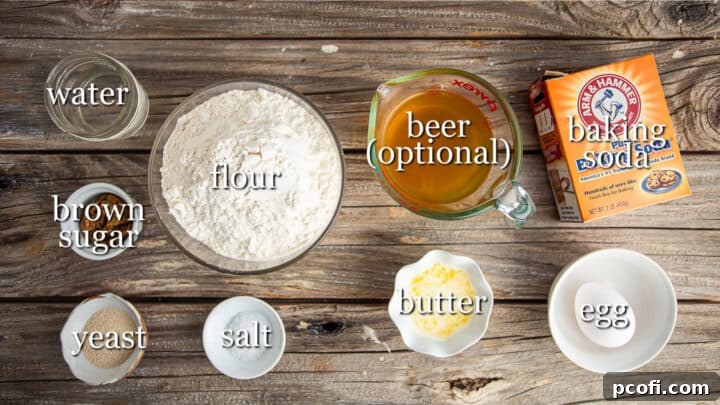
Crafting these delectable pretzel buns requires only a handful of fundamental ingredients, most of which you likely already have in your pantry. Let’s explore each one and understand its vital role in achieving the perfect bun.
Sugar
Sugar plays multiple crucial roles in this recipe beyond just adding sweetness. Primarily, it acts as nourishment for the yeast, allowing it to activate and produce carbon dioxide, which makes your dough rise and become airy. Furthermore, sugar significantly aids in the beautiful browning of the crust during baking, contributing to that desirable golden-brown hue. Being hydrophilic, sugar attracts and retains moisture, ensuring that your pretzel buns remain wonderfully moist and tender on the inside. I specifically used dark brown sugar here for its subtle molasses notes, but feel free to substitute with other sweeteners like granulated sugar, light brown sugar, honey, or even maple syrup – each will impart its own unique, delicate flavor.
Water
Water is indispensable in this pretzel bun recipe, serving two distinct purposes. Initially, it’s used to dissolve and activate the yeast. For this step, the water temperature is critical: it should be comfortably warm, akin to a baby’s bath, ideally around 105°F (40°C). Water that’s too hot can kill the yeast, preventing your dough from rising, while water that’s too cold may not activate it sufficiently. Later, water is crucial for boiling the formed pretzel buns with baking soda, a step that is fundamental to developing their signature crust and flavor.
Yeast
Yeast is the living leavening agent responsible for the lift and airy texture of your pretzel buns. For bread baking, I personally favor active dry yeast because it allows for a slightly slower rise, which in turn gives the dough more time to develop complex and delicious flavors. It’s also widely available and easy to store. An alternative is instant yeast; if using it, reduce the quantity by about 25% (0.75x the amount) and you can expect the rise times to be shorter by roughly 15-20 minutes. Regardless of type, always check the expiration date on your yeast packet. Expired yeast may be “dead,” meaning it won’t activate, and your dough will fail to rise, leading to dense, heavy buns.
Flour
The type of flour significantly impacts the texture of your pretzel buns. My top recommendation for this recipe is bread flour. Its higher protein content (typically 12-14%) is essential for developing strong gluten networks, which results in a robust crumb and the desirable chewy texture that is characteristic of excellent pretzel buns. If bread flour isn’t available, all-purpose flour (which has a lower protein content, usually 10-12%) can be used as a substitute. However, be prepared to knead the dough for a slightly longer duration to adequately develop the gluten necessary for that satisfying chew. The goal is always to achieve a dough that is elastic and smooth.
Beer (Optional, but Recommended)
Beer is an optional, yet highly transformative ingredient in this recipe. While you can certainly replace it with an equal amount of water, beer introduces a delightful depth of flavor that subtly shines through in the final product. The type of beer you choose will influence the bun’s taste profile: a hoppy IPA might contribute a hint of floral bitterness, a malty amber ale could add sweet caramel notes, and a rich stout might impart nuances of chocolate or roasted coffee. Select a beer that you genuinely enjoy drinking, as its character will be infused into your pretzel buns. Don’t worry about the alcohol content; it will largely evaporate during the baking process, leaving behind only the delicious flavors.
Butter
Incorporating melted butter into the dough is key to achieving that wonderfully soft and pillowy interior that perfectly contrasts with the pretzel’s crusty exterior. Butter adds richness, moisture, and tenderness to the crumb. I prefer using unsalted butter because it gives me precise control over the overall saltiness of the pretzel buns. Different brands of salted butter can have varying sodium levels, which can lead to inconsistent results. Using unsalted butter ensures a balanced flavor and allows the distinct pretzel salt to stand out.
Salt
Salt is not just a seasoning; it’s a fundamental flavor enhancer that truly brings out and intensifies all the delicious tastes in your pretzel buns. For the dough itself, I highly recommend kosher salt. Unlike regular table salt, kosher salt typically lacks anti-caking agents and iodine, which can sometimes impart a slightly bitter aftertaste. Its pure flavor and larger crystal size make it ideal for baking. Beyond the dough, coarse salt is traditionally used to top pretzel buns before baking. You can find specialized pretzel salt for an authentic look, or simply use coarse kosher salt, as I do, for excellent results.
Baking Soda
Baking soda is the true “magic ingredient” that gives pretzel buns their characteristic deep brown, shiny crust and unique flavor. When added to the boiling water, baking soda creates an alkaline solution. This high pH environment promotes the Maillard reaction during baking, which is responsible for the rapid browning and the distinctive pretzel taste and texture. A word of caution: when you add baking soda to hot water, be prepared for it to fizz up significantly! Use a large pot and add it carefully to avoid overflow.
Egg Wash
An egg wash is applied to the unbaked pretzel buns just before they go into the oven, and it’s essential for achieving that gorgeous, glossy, deep brown crust. To prepare it, simply whisk one whole egg with a couple of teaspoons of water. The proteins in the egg wash, when exposed to the high heat of the oven, caramelize and create a beautiful, burnished sheen that makes your homemade pretzel buns look as professional as they taste. I’ve experimented with baking these without an egg wash, and while still delicious, they simply don’t develop that same vibrant, desirable color and shine.
Essential Equipment for Baking
You’ll be pleased to know that you don’t need any highly specialized gadgets to make these amazing pretzel buns. Most of the tools are standard kitchen items you likely already own, ensuring this recipe is accessible to every home baker.
- Mixing bowl: A large mixing bowl is essential for combining your ingredients and allowing the dough to rise comfortably. If you have a stand mixer, its bowl will work perfectly.
- Plastic wrap: Used to cover the dough during its rising periods, creating a warm, humid environment that prevents the dough from drying out and encourages a good rise.
- Non-stick spray: A light mist inside the mixing bowl and on the plastic wrap will prevent the dough from sticking as it expands, making handling much easier.
- Knife or bench scraper: Crucial for dividing your risen dough into equal portions, ensuring consistent size and baking time for your buns.
- Parchment paper sheets: These are indispensable for lining your baking pans. They prevent the buns from sticking, aid in easy cleanup, and help in transferring the boiled buns.
- Sheet pans: You’ll need one or two sturdy baking sheets for both the second rise of the shaped buns and for baking them in the oven.
- Large pot: A spacious pot is necessary for the crucial boiling step, ensuring there’s enough room for the water and baking soda to expand without overflowing, and for the buns to simmer comfortably.
- Pastry brush: A small pastry brush is perfect for evenly applying the egg wash to your pretzel buns, ensuring a beautiful, consistent golden-brown finish.
- Measuring Cups and Spoons: Accurate measurement is key in baking, so ensure you have a good set for both dry and liquid ingredients.
- Large Spoon or Spatula: For initial mixing of the dough before kneading.
Step-by-Step Guide: How to Make Pretzel Buns
Making these irresistible homemade pretzel buns is a surprisingly simple process, broken down into five easy-to-follow steps. Precision and patience are your best tools here!
Step 1: Prepare the Dough
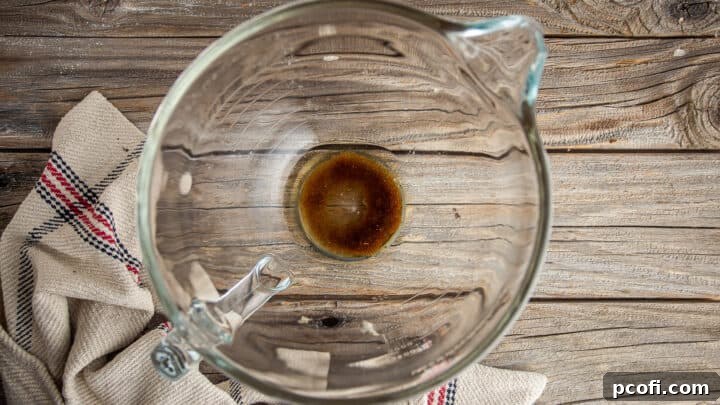
Begin by placing the brown sugar in a large mixing bowl. Pour in the warm water, ensuring it’s at the ideal temperature (around 105°F / 40°C) to activate the yeast without harming it. Stir until the sugar is fully dissolved.
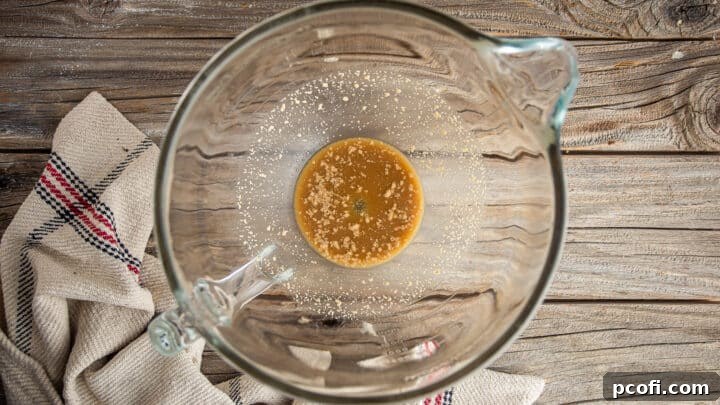
Next, sprinkle the active dry yeast over the sugar-water mixture. Give it a gentle stir and then allow it to sit undisturbed for about 5 to 10 minutes. During this time, the yeast should “bloom” or become foamy on the surface, indicating it’s active and alive. If your yeast doesn’t foam, it may be dead (perhaps due to water being too hot or being past its expiration date), and your buns won’t rise. If this happens, it’s best to start again with fresh yeast.
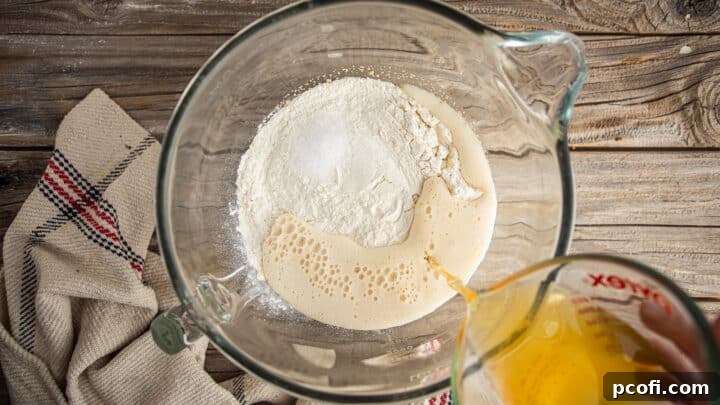
Once your yeast is visibly foamy and active, it’s time to incorporate the remaining ingredients. Stir in approximately 2 1/2 cups of the bread flour, along with the kosher salt, beer (if using, otherwise water), and the melted unsalted butter. Begin mixing, gradually adding more flour, a little at a time, until a stiff dough begins to form. The ideal consistency is when the dough gathers itself into a cohesive ball and pulls cleanly away from the sides of the mixing bowl.
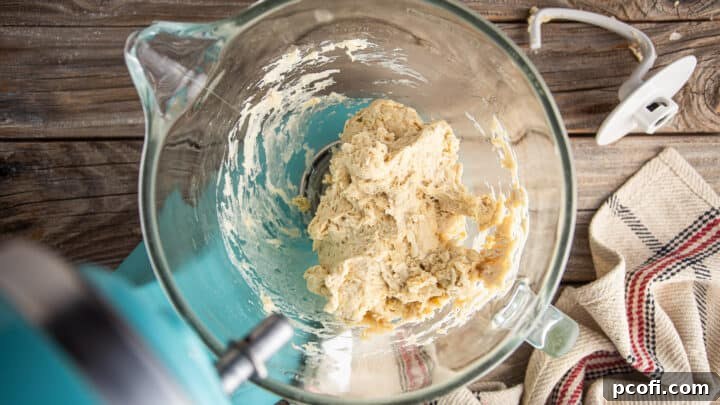
The total amount of flour needed can vary based on factors like humidity and the specific brand of flour, so trust the feel of your dough rather than a strict measurement. If the dough remains too sticky, add another tablespoon or two of flour until it reaches the desired firm, non-sticky consistency. This initial mix creates a shaggy, rough dough.
Step 2: Knead and Allow the First Rise
Kneading is perhaps the most critical step for achieving the perfect chewy, elastic texture of your pretzel buns. This process develops the gluten strands within the dough, creating the structural network that traps gas bubbles from the yeast, allowing the bread to rise beautifully and giving it that satisfying chew. If the dough is not kneaded sufficiently, your buns will likely be dense and crumbly instead of light and airy.
Knead the dough for a minimum of 10 to 15 minutes, either using a stand mixer with a dough hook or by hand on a lightly floured surface. You’ll notice a remarkable transformation: the dough will evolve from a rough, sticky mass into a smooth, elastic, and supple ball.
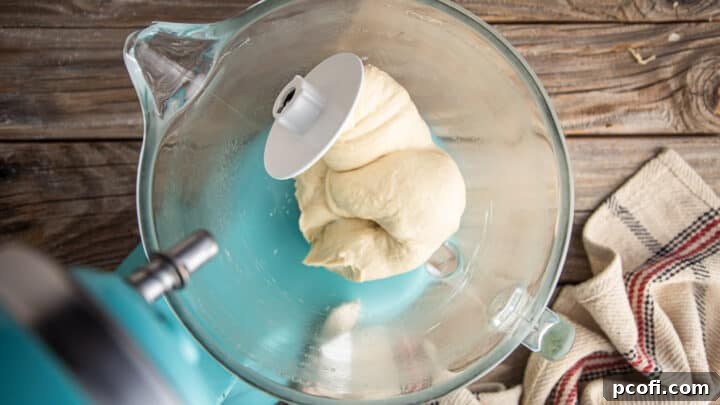
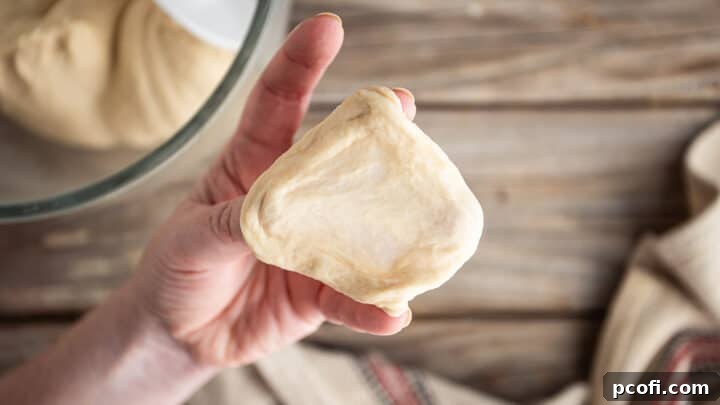
To confirm your dough is perfectly kneaded, perform the “windowpane test.” Pinch off a small piece of dough (about the size of a golf ball) and gently stretch it from the center outwards with your fingertips. You should be able to stretch it so thin that light can pass through it, just like a windowpane, without it tearing. If it tears, continue kneading for a few more minutes and test again. This extra effort will truly pay off in the final texture!
Once the dough passes the windowpane test, lightly mist your mixing bowl with non-stick spray. Return the kneaded dough to the bowl, cover it tightly with plastic wrap, and place it in a warm, draft-free spot. Allow the dough to rise until it has doubled in its original size, which typically takes about 90 minutes. Patience during this first rise is key for flavor development and a light texture.
Step 3: Shape the Buns for Their Second Rise
Once your dough has beautifully risen and looks wonderfully puffy and aerated, gently “punch it down.” This action releases the large pockets of gas that have formed, allowing for a more even texture in the final product.
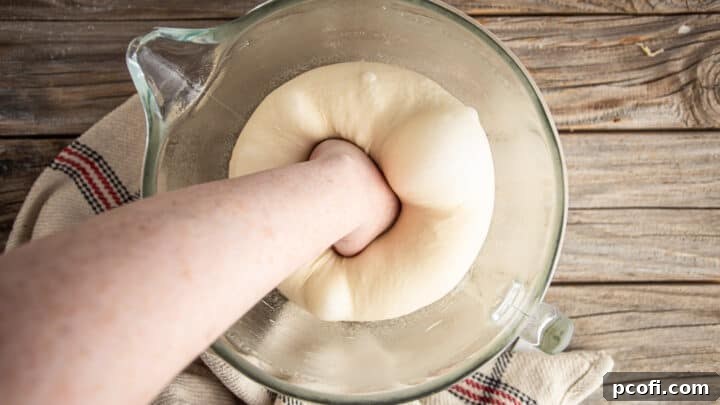
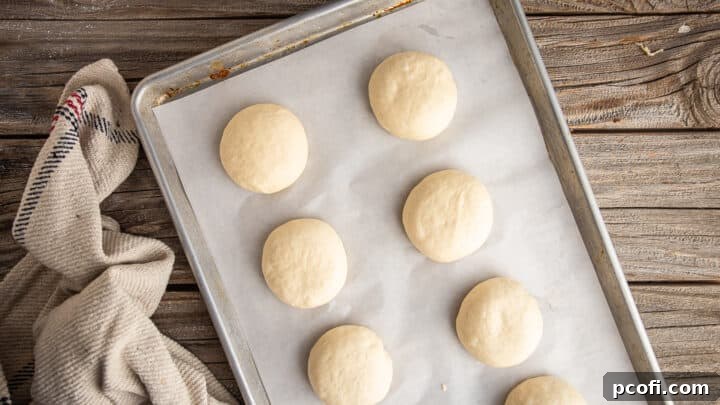
Turn the dough out onto a lightly floured surface and divide it into 8 equal portions. Using a kitchen scale can help ensure precise, uniform buns. To shape each portion, gently roll it into a tight, smooth ball. This creates tension on the surface of the dough, which helps the buns hold their shape and rise consistently. Once balled, lightly pat each one down to flatten it slightly into a disc-like shape, ready for a burger or sandwich.
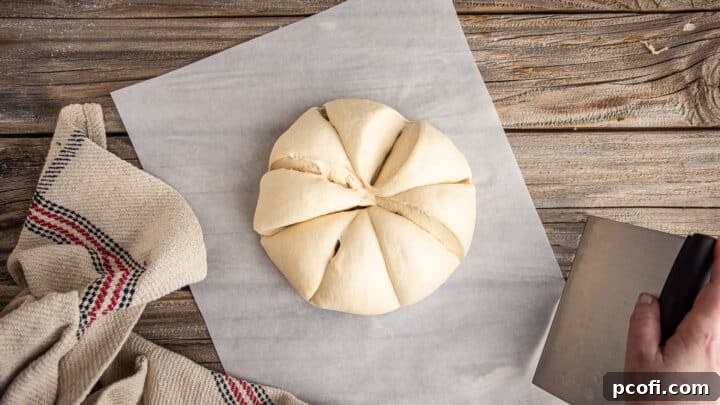
Place the shaped buns on a parchment-lined baking sheet, leaving some space between them as they will expand. Mist a fresh sheet of plastic wrap with non-stick spray and loosely cover the buns. Allow them to rise for a second time until they have doubled in volume, which usually takes about 30 minutes. This second rise contributes to the final airy texture and ensures light, fluffy buns.
Step 4: Boil the Pretzel Buns for That Signature Crust
Once your shaped pretzel buns have successfully completed their second rise and doubled in size, preheat your oven to 425°F (220°C). Concurrently, fill a large pot with water and bring it to a rolling boil.
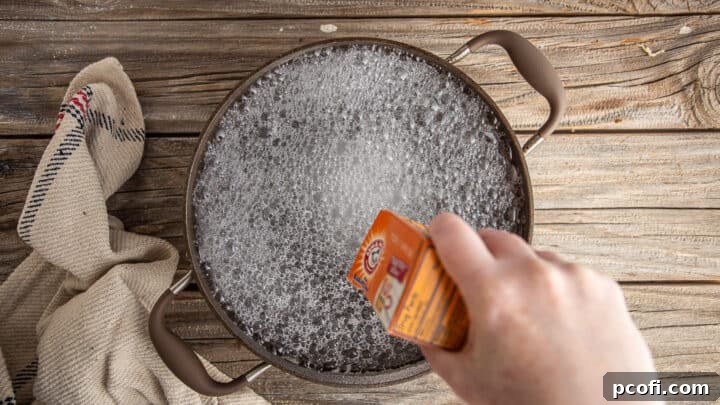
Crucially, add the baking soda to the vigorously boiling water. Step back immediately, as the baking soda will react with the hot water, causing it to fizz up dramatically and rapidly. This creates the alkaline solution essential for the pretzel crust. The water will then settle into a simmer.
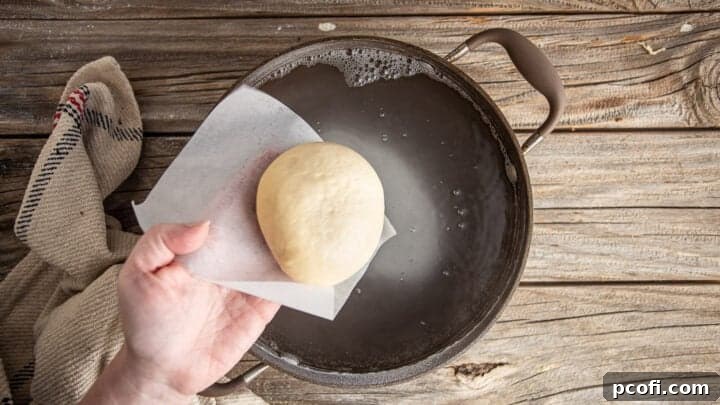
With extreme gentleness, carefully lower each unbaked pretzel bun into the simmering baking soda water. Take immense care not to disturb or deflate them, as maintaining their puffiness is vital for a light interior. Allow each bun to simmer gently for approximately one minute per side. This brief boil is what gives pretzels their distinct chewy exterior and contributes to their deep brown color.
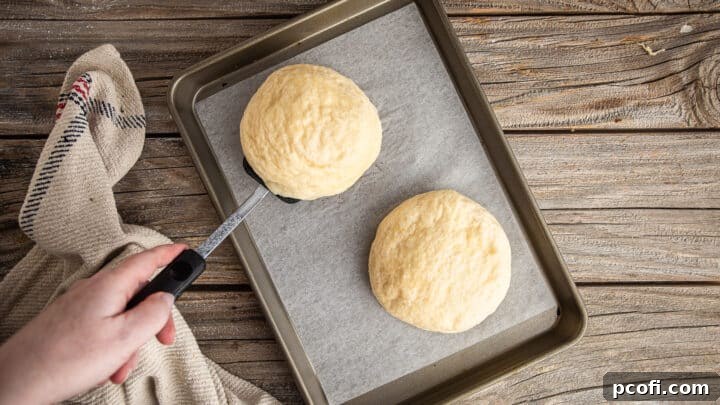
After boiling, use a slotted spoon or spider to carefully remove each bun from the water, allowing excess liquid to drain for a few seconds. Place them onto clean towels briefly to absorb any remaining moisture, then transfer them back to your original parchment-lined baking sheet, ready for the next step.
Step 5: Bake to Golden Perfection
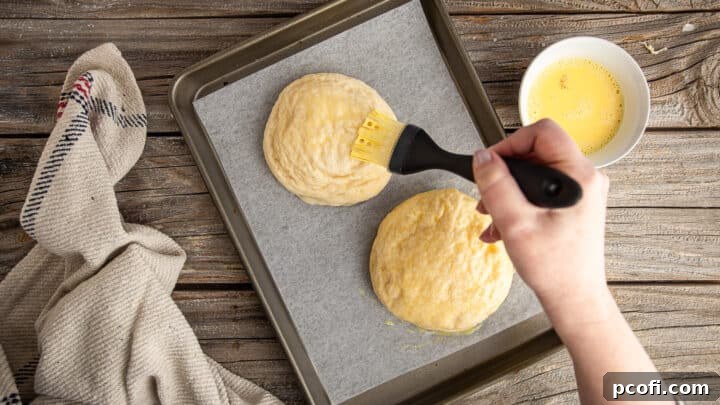
Now for the finishing touches before baking! In a small bowl, whisk together one large egg with about two teaspoons of water to create a glossy egg wash. Using a pastry brush, generously coat the top and sides of each boiled pretzel bun with this egg wash. This is key for achieving that characteristic shiny, deep brown crust during baking. Immediately after brushing, sprinkle the buns with coarse salt (either pretzel salt or coarse kosher salt) for that classic pretzel flavor and texture.
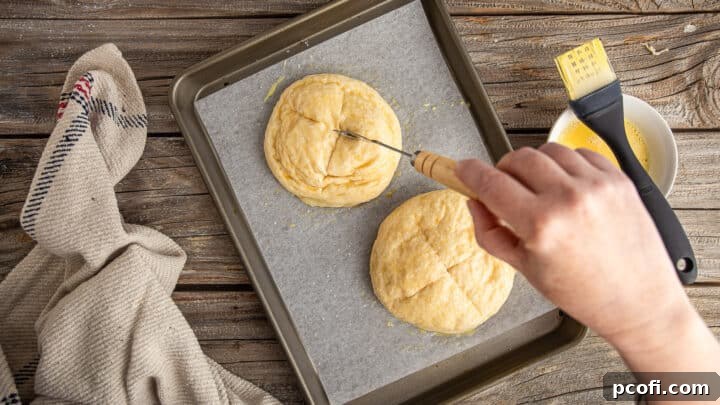
For both aesthetic appeal and practical reasons, it’s a good idea to score the tops of your pretzel buns. Using a very sharp knife or a baker’s lame, make an “x” shape or a simple slash across the top of each bun. This scoring helps the buns to expand in a controlled manner as they bake, preventing uneven tearing, allowing steam to escape, and giving them that charming, rustic look.
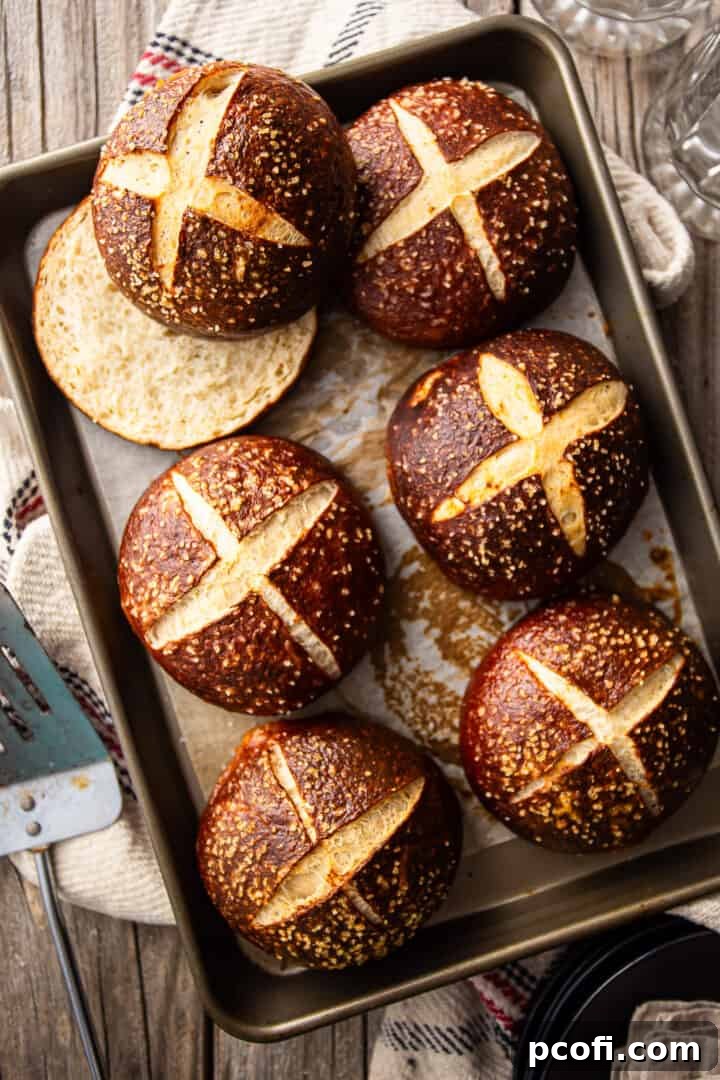
Finally, carefully slide your baking sheets into the preheated oven. Bake the pretzel buns for approximately 20 to 24 minutes, or until they are deeply bronzed, beautifully puffy, and feel light when lifted. The exact baking time may vary depending on your oven, so keep an eye on them. Once baked to perfection, remove them from the oven and allow them to cool slightly on a wire rack before slicing and serving. Enjoy the incredible aroma that fills your kitchen!
Serving Suggestions for Your Homemade Pretzel Buns
These homemade pretzel buns are incredibly versatile and can elevate almost any meal. Their robust texture and distinctive savory flavor make them an ideal canvas for a variety of fillings and pairings.
- Ultimate Burgers: Ditch the plain white bun! These pretzel buns are phenomenal for juicy beef burgers, savory turkey burgers, or even delicious veggie burgers. The sturdy crust holds up beautifully to all the toppings and sauces.
- Gourmet Sandwiches: Elevate your everyday sandwiches. They’re perfect for classic deli meats like roast beef or pastrami, grilled chicken, or even a sophisticated BLT. The unique taste complements sharp cheeses wonderfully.
- Perfect for Brats & Sausages: Their hearty nature makes them a natural fit for grilled brats, Italian sausages, or any gourmet hot dog. Load them up with sauerkraut, onions, and your favorite condiments.
- Mustard is a Must: Pretzel and mustard are a match made in culinary heaven! Whether it’s classic yellow, spicy brown, Dijon, or a grainy whole-seed mustard, these buns beg for a generous dollop.
- Breakfast Buns: Use them for hearty breakfast sandwiches with eggs, cheese, and bacon or sausage. The savory bun provides a fantastic counterpoint to breakfast flavors.
- Creative Pretzel Dogs: For a fun twist, roll out your dough into long ropes and artfully wind them around hot dogs. Boil and bake as directed for homemade pretzel dogs – a crowd-pleasing treat! Serve these with your favorite dips; I’m a huge fan of this rich beer cheese dip or this zesty jalapeno popper dip.
- Reuben or Philly Cheesesteak: The robust structure and flavor of a pretzel bun are exceptionally well-suited for holding substantial and flavorful fillings like a classic Reuben or a decadent Philly cheesesteak.
- Just with Butter: Sometimes, simplicity is best. Slice them horizontally, toast lightly if desired, and spread with a generous pat of good butter. The nuanced flavor of the bun shines through perfectly.
However you choose to enjoy them, these homemade pretzel buns are guaranteed to add a special touch to your dining experience!
Expert Baking Tips for Success
Achieving bakery-quality pretzel buns at home is entirely within reach, especially with a few insider tips. Pay attention to these details, and you’ll be rewarded with perfect results every time.
Gradual Flour Addition is Key
When baking bread, the exact amount of flour specified in a recipe is often an estimate. Factors like humidity, altitude, and even the brand of flour can affect how much liquid the dough absorbs. You might need anywhere from 2 1/2 to 3 1/2 cups of flour for this recipe. Always start with the lower end of the range (2 1/2 cups) and add more, one tablespoon at a time, until the dough reaches the correct consistency. The goal is a stiff dough that gathers into a ball and pulls cleanly away from the sides of your mixing bowl, without being overly sticky or too dry. Stop adding flour as soon as this consistency is achieved to prevent a dense, tough bun.
Choose a Beer You Enjoy Drinking
As mentioned in the ingredients section, the flavor of the beer you choose will subtly, yet distinctly, infuse into your pretzel buns. Therefore, it’s crucial to select a beer whose taste you genuinely appreciate. A light lager will provide a mild, crisp note, while an amber ale might contribute a malty sweetness. A dark stout could add deeper, roasted nuances. Since the alcohol evaporates during baking, you’re left with only the delightful flavor profile, so pick wisely!
Thorough Kneading is Crucial
Do not skimp on the kneading time for this bread dough – a full 10 to 15 minutes is the minimum! Proper kneading is fundamental for developing the gluten structure in the dough. This gluten network is what gives pretzel buns their characteristic chewiness and elasticity. Under-kneaded dough will result in buns that are dense, crumbly, and lack that satisfying textural bounce. You’ll know your dough is perfectly kneaded when it passes the “windowpane test,” becoming smooth, supple, and capable of stretching thin without tearing.
Monitor the Dough During Rising
Rise times for yeast dough can vary significantly depending on ambient temperature, humidity, and the activity of your yeast. Instead of strictly adhering to a timer, rely on visual cues. Your dough is ready for the next step when it has visibly doubled in its original size. Under-proofed dough (not enough rise) will yield a tight, gummy texture. Over-proofed dough (risen too long) can lead to a weakened gluten structure, causing the buns to collapse or not puff up properly during baking. Both scenarios can result in smaller, less desirable buns. Keep a watchful eye, and once it’s doubled, it’s time to move on!
Prepare Overnight Pretzel Buns
For added convenience or to deepen the flavor, this recipe can easily be adapted for an overnight preparation. Once the buns have been shaped after their first rise (Step 3), instead of immediately proceeding to the second rise, cover them tightly with oiled plastic wrap and place them in the refrigerator for up to 48 hours. The cold temperature slows down the yeast activity, allowing for a longer fermentation period which develops more complex flavors. If you wish to freeze them, they can be stored in the freezer for up to 2 weeks. On baking day, remove the chilled or frozen buns, let them come to room temperature, and then allow them to complete their second rise (until doubled in size). Proceed with the boiling and baking steps as usual from there.
Preserve Maximum Puffiness Before Boiling
After the buns have been shaped and undergone their crucial second rise, they will be delicate and full of air. Excessive handling at this stage can easily deflate them, leading to a less airy texture. To avoid this sad outcome, a clever trick is to place each shaped pretzel bun on its own small piece of parchment paper before the second rise. When it’s time to boil, you can simply grab the parchment paper by a corner and gently invert the bun into the hot baking soda water, peeling the paper away in one swift, fluid motion. This minimizes direct contact with the dough and preserves its precious air bubbles, as demonstrated in this video: Soft Pretzel Recipe Video.
Create Steam for the Ultimate Crust
For an exceptionally crackly and shiny crust, introduce steam into your oven during the initial phase of baking. As you preheat your oven, place an oven-safe dish (such as a cast-iron skillet or a heat-resistant bowl) filled with about half an inch of water on the bottom rack. The water will evaporate, creating a steamy environment. This steam helps to keep the surface of the dough moist, preventing it from hardening prematurely and allowing the buns to expand fully before the crust sets. The result is a thinner, crisper, and more beautifully bronzed crust on your pretzel buns.
Frequently Asked Questions (FAQ)
Can I Make Vegan Pretzel Buns?
Absolutely! This pretzel bun recipe can be easily adapted to be vegan-friendly. Simply substitute the unsalted dairy butter with any high-quality plant-based butter that can be used in a 1:1 ratio. For the egg wash, which provides the glossy finish, you have several excellent vegan alternatives: aquafaba (the liquid from canned chickpeas), melted vegan butter, a brush of maple syrup, or any plant-based milk or cream will work effectively to create a beautiful golden crust.
How to Make Gluten-Free Pretzel Buns?
For those seeking a gluten-free option, a gluten-free all-purpose flour blend designed for a 1:1 substitution in traditional recipes should work well here. Keep in mind that gluten-free doughs can behave differently, often being stickier or requiring less kneading. You may need to adjust the liquid slightly to achieve the right dough consistency, but the overall process and signature pretzel flavor will remain achievable.
Do I Need a Stand Mixer?
While a stand mixer equipped with a dough hook certainly simplifies the kneading process, making this recipe incredibly easy and hands-off, it is by no means essential. You can absolutely make these delicious pretzel buns by hand, enjoying the tactile experience of dough development. Alternatively, a bread machine can also be used for the dough-making and initial rise cycles, offering another convenient option.
Storing Your Homemade Pretzel Buns
Proper storage is key to maintaining the freshness and optimal texture of your homemade pretzel buns. Unlike typical bread, pretzel buns benefit from a bit of air circulation.
- Room Temperature: For best results, I recommend storing pretzel buns in a paper bag or a loosely covered container at room temperature. They need to “breathe” slightly; placing them in a completely airtight bag or container will trap moisture, causing the crust to become soft, wet, and wrinkly. Stored this way, they should retain their deliciousness for about 2-3 days.
- Refrigerator: If you need to extend their shelf life slightly, you can store them in the fridge, again, in a paper bag or loosely covered, for up to a week. However, refrigeration can sometimes dry out bread faster, so room temperature is usually preferred for immediate consumption.
- Freezing: For longer storage, pretzel buns freeze beautifully! Once completely cooled, place them in a zip-top freezer bag or wrap them individually in plastic wrap and then foil to prevent freezer burn. They can be frozen for up to 2-3 months. When you’re ready to enjoy them, remove them from the freezer bag (to prevent moisture condensation upon thawing) and allow them to thaw at room temperature. For a truly fresh-baked experience, you can then warm them in a preheated oven (around 350°F / 175°C) for 5-10 minutes until heated through and the crust is crisp again.
A Few More Favorite Savory Recipes
If you loved making these pretzel buns, you might enjoy exploring some of our other savory delights that perfectly complement them or stand alone as fantastic meals:
- Grilled Bang Bang Shrimp Bowls
- Easy Baked Beans from Scratch
- Crispy Oven Fries
- Old-Fashioned Potato Salad
As an amazon associate I earn from qualifying purchases.
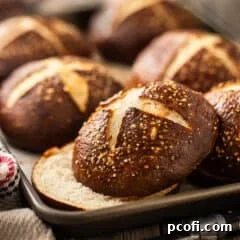
Pretzel Bun Recipe
This easy pretzel bun recipe bakes up crusty & chewy, with the most pillowy-soft centers! So good for burgers & sandwiches!
Leave a Review
Save Recipe
Ingredients
To Make the Pretzel Bun Dough
- 3 tablespoons (36 g) dark brown sugar
- 1/4 cup (59.15 g) warm water
- 1/4 ounce (7.09 g) active dry yeast (approx. 2 teaspoons)
- 3 cups (375 g) bread flour (approx.)
- 3/4 teaspoons (4.5 g) kosher salt (plus extra for garnish)
- 1 cup (236 g) beer (or water)
- 1/4 cup (56.75 g) unsalted butter (melted)
Additionally
- egg wash (1 large egg whisked with 2 teaspoons of water)
- water (for boiling)
- 1/3 cup (40 g) baking soda
Instructions
- Place the brown sugar in a large bowl and pour in the warm water.
- Sprinkle the yeast on top and allow it to become foamy (approx. 5 to 10 minutes).
- Stir in about 2 1/2 cups of flour along with the salt, beer, and melted butter.
- Continue adding flour as needed, until a stiff dough forms. (The dough should gather itself into a ball and pull cleanly away from the sides of the bowl.)
- Knead the dough until it passes the windowpane test (approx. 10 to 15 minutes).*
- Remove the dough from the bowl, mist the bowl with non-stick spray, then return the dough to the bowl and cover it with plastic wrap.
- Allow the dough to rise until doubled in volume (approx. 90 minutes).
- Punch the dough down and divide it into 8 equal portions.
- Roll each portion of dough into a tight ball, press it slightly flatter, and place it on a parchment-lined baking sheet.
- Mist a sheet of plastic wrap with non-stick spray and allow the shaped rolls to rise until doubled in volume (approx. 30 minutes).**
- Preheat the oven to 425 degrees F and bring a large pot of water to a boil.
- Add the baking soda to the boiling water (be careful, it will fizz up!).
- Gently place the unbaked rolls in the water (taking care not to deflate them) and allow them to simmer gently for about a minute on each side.
- Drain the boiled rolls and place them on a parchment-lined baking sheet.
- Brush the rolls with egg wash and sprinkle with additional salt for garnish.
- Score the unbaked buns with an “x” shape, using a sharp knife or baker’s lame.
- Bake the pretzel buns until deeply browned and shiny (approx. 20 to 24 minutes).
Notes
**For overnight pretzel buns, place the shaped, covered buns in the refrigerator for up to 48 hours. Then allow them to come to room temperature, rise to twice their original volume, and continue with the recipe directions.